Jacques Lacan Libros
Jacques Lacan fue un psicoanalista y psiquiatra francés que realizó importantes contribuciones al movimiento psicoanalítico. Sus ideas se centraron en conceptos freudianos como el inconsciente, el complejo de castración y el yo, enfatizando la centralidad del lenguaje para la subjetividad. Su trabajo fue interdisciplinario, basándose en la lingüística, la filosofía y las matemáticas. Aunque fue una figura controvertida, el trabajo de Lacan es ampliamente estudiado en la teoría crítica, los estudios literarios y la filosofía francesa del siglo XX, así como en la práctica del psicoanálisis clínico.


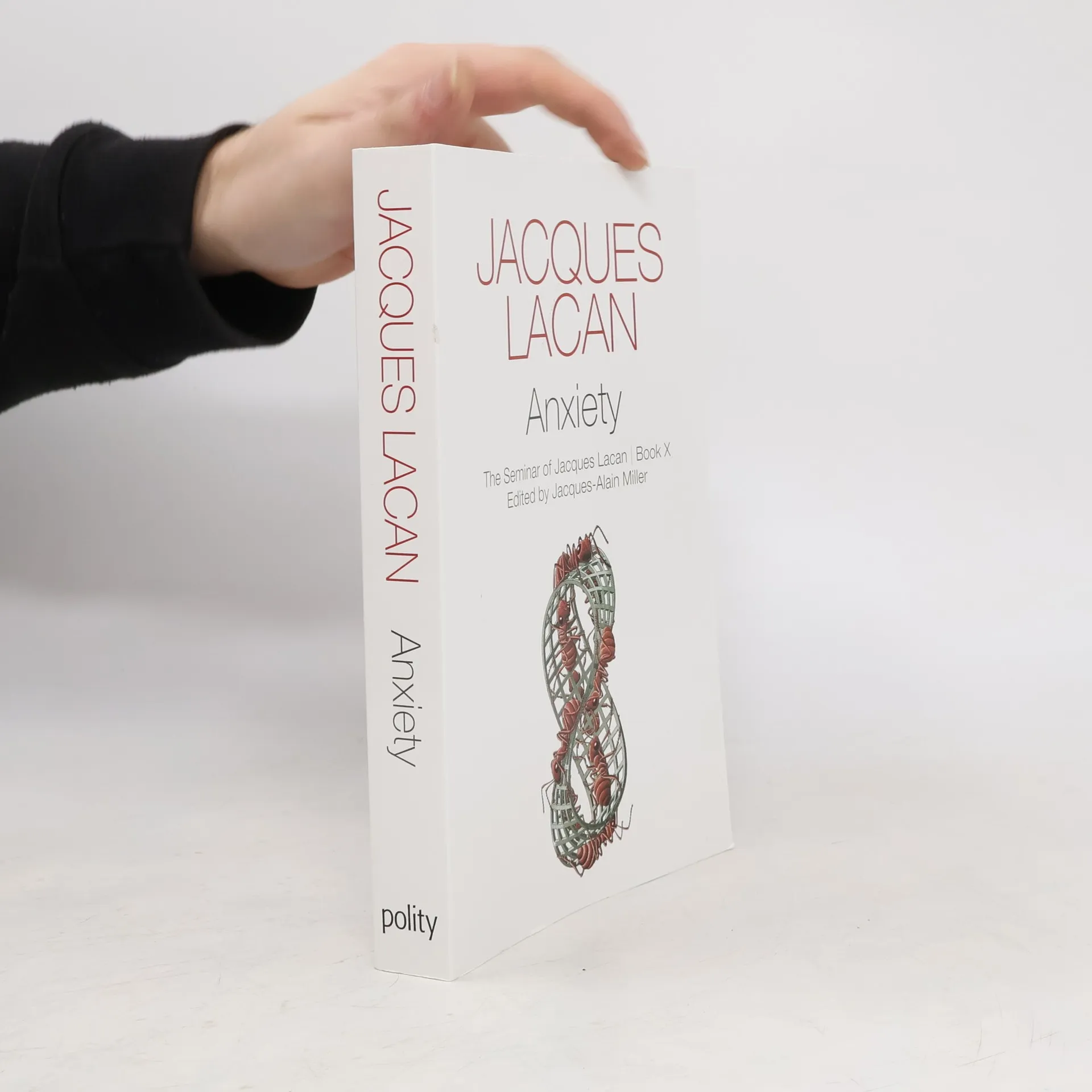
The Seminar of Jacques Lacan - 10: Anxiety
- 368 páginas
- 13 horas de lectura
Jacques Lacan is widely recognized as a key figure in the history of psychoanalysis and one of the most influential thinkers of the 20th Century. In Anxiety, now available for the first time in English, he explores the nature of anxiety, suggesting that it is not nostalgia for the object that causes anxiety but rather its imminence.
Exploring the intersection of psychoanalysis and contemporary society, this new translation of Jacques Lacan's work provides insightful analysis of Freud, Marx, and Hegel. It delves into social and sexual behavior patterns while examining the role of science and knowledge today. This accessible edition invites readers to engage with Lacan's profound ideas, making complex concepts more understandable for a modern audience.
...or Worse - The Seminar of Jacques Lacan, Book XIX
- 274 páginas
- 10 horas de lectura
From unedited French manuscripts.
Desire and its Interpretation
- 464 páginas
- 17 horas de lectura
Desire and its Interpretation is the title Lacan gave to his seminar in 1958-59. Since then, 'desire' has become an increasingly familiar term, in a sense replacing classical terms of psychoanalysis, such as libido and drive. What is psychoanalysis? It is reading, that is, interpreting, in the symptom causing suffering, the hidden message that the unconscious desire has deposited there. This desire does not coincide at all with what one wants or believes one wants. Many times, analyses begin precisely when the subject realizes that there is a split between their conscious will and their unconscious desire.
The Object Relation
- 336 páginas
- 12 horas de lectura
This insatiable, dissatisfied mother, around whom the entire ascent of the child along the path of narcissism is constructed, is a real person; she is there, and like all insatiable beings, she seeks to devour. Just as the child had found something at another moment to crush his symbolic dissatisfaction, he may find it again before him as open jaws. […] Here lies the great danger revealed by her phantoms: being devoured. […] It provides the essential form under which phobia presents itself. We find the same in Juanito's fears. […] With the help of what I have just presented to you today, you will better see the relationships between phobia and perversion. […] I would even say that you will interpret the case better than Freud could. (From chapter XI) But castration, it has been seen ominously, has as much to do with the mother as with the father. Maternal castration - we see it in the description of the primitive situation - implies for the child the possibility of devouring and biting. There is a precedence of maternal castration, and paternal castration is a substitute for it. (From chapter XXI)
The Seminar of Jacques Lacan
- 240 páginas
- 9 horas de lectura
Revolutionary and innovative, Lacan's work lies at the epicenter of modern thought about otherness, subjectivity, sexual difference, and enjoyment.
Formations of the Unconscious
- 400 páginas
- 14 horas de lectura
This year, I embarked on an inquiry into the nature of wit, starting with a poet known for his playful humor, which permeates both his prose and poetry. He is also a mathematician, and during our discussion, he shared a joke about university entrance exams. In the joke, an examiner asks a candidate about the battle of Marengo. The candidate, seemingly lost in thought, describes the chaos of the battle with dramatic flair but fails to provide specific details. When pressed for more precision, he offers a whimsical image of a horse rearing up and whinnying. The examiner, intrigued, continues by asking about the battle of Fontenoy, to which the candidate gives the same horse-related response. When asked about the battle of Trafalgar, the candidate again describes it as a scene of carnage but is corrected by the examiner, who points out that Trafalgar was a naval battle. The candidate humorously responds, "Whoah! Whoah! Back up, Neddy!" This joke, in my view, highlights the essence of wit, allowing us to dissect the elements that contribute to a clever remark.
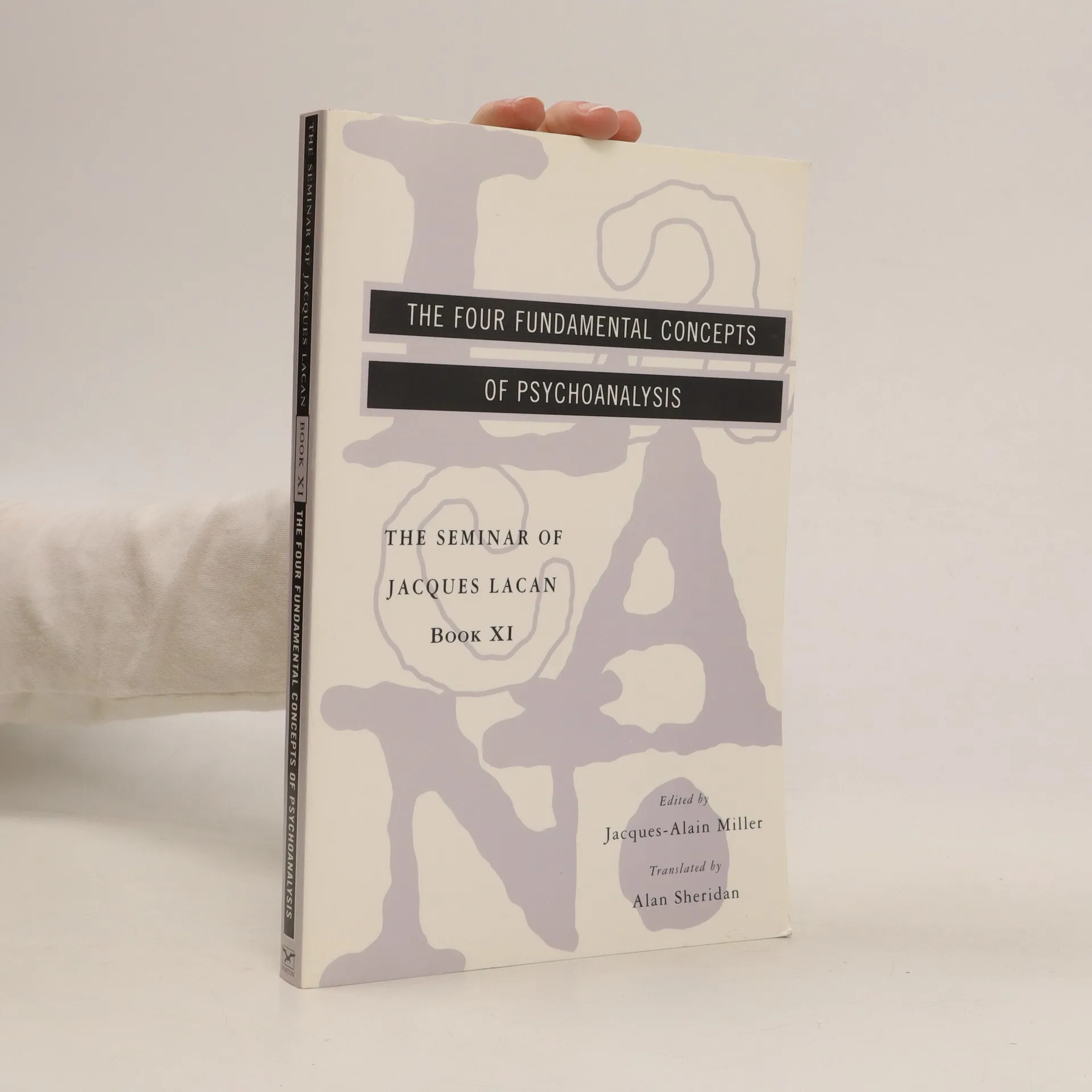
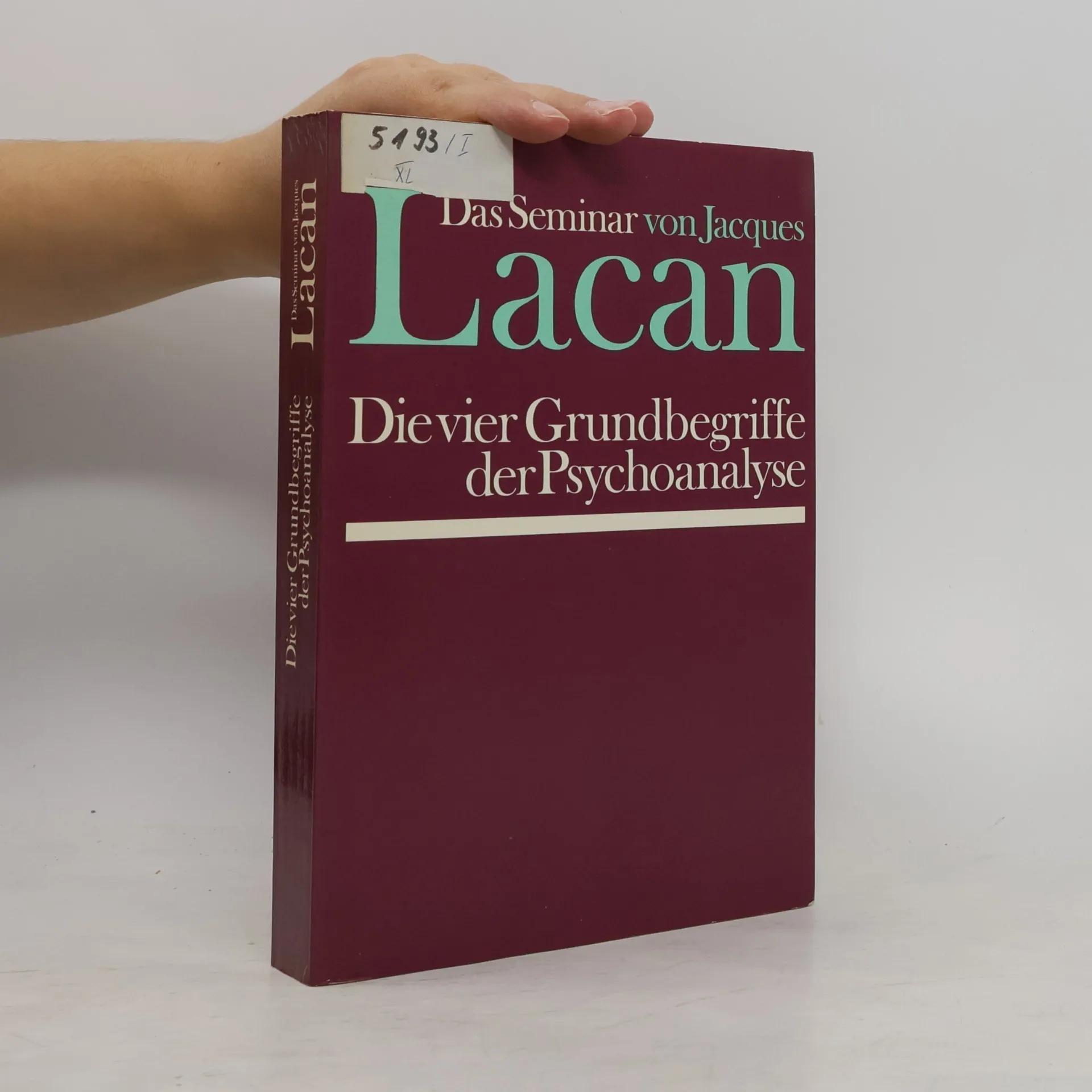
The Four Fundamental Concepts of Psychoanalysis
- 304 páginas
- 11 horas de lectura
This volume is based on a year's seminar in which Dr. Lacan addressed a larger, less specialized audience than ever before, among whom he could not assume familiarity with his work. For his listeners then, and for his readers now, he wanted to "introduce a certain coherence into the major concepts on which psycho-analysis is based," namely, the unconscious, repetition, the transference, and the drive. Along the way he argues for a structural affinity between psychoanalysis and language, discusses the relation of psychoanalysis to religion, and reveals his particular stance on topics ranging from sexuality and death to alienation and repression. This book constitutes the essence of Dr. Lacan's sensibility.
The Object Relation - The Seminar of Jacques Lacan Book IV
- 480 páginas
- 17 horas de lectura
The unfulfilled mother, central to the child's ascent in narcissism, embodies a real presence in search of what she can consume. The child, once finding solace in her, may now face the danger of being devoured, a theme echoed in our fantasies and illustrated through the fears of Little Hans. This exploration reveals the intricate connections between phobia and perversion, suggesting that one may interpret these dynamics more insightfully than Freud himself. Castration relates equally to both mother and father, as seen in the primordial situation where maternal castration introduces the child to the threats of devoration and biting. In this context, paternal castration serves merely as a substitute for the deeper maternal implications. In Little Hans's case, a pivotal transformation occurs: the shift from the act of biting to the act of unscrewing the bathtub. This change signifies a crucial difference in the dynamics between the child and the mother. The fear of biting the mother and the horse's biting becomes distinct from the act of unscrewing, which involves the mother as an active participant in the child's exploration. This transformation marks her integration into the child's broader system, highlighting her role as a mobile and equivalent element within it.
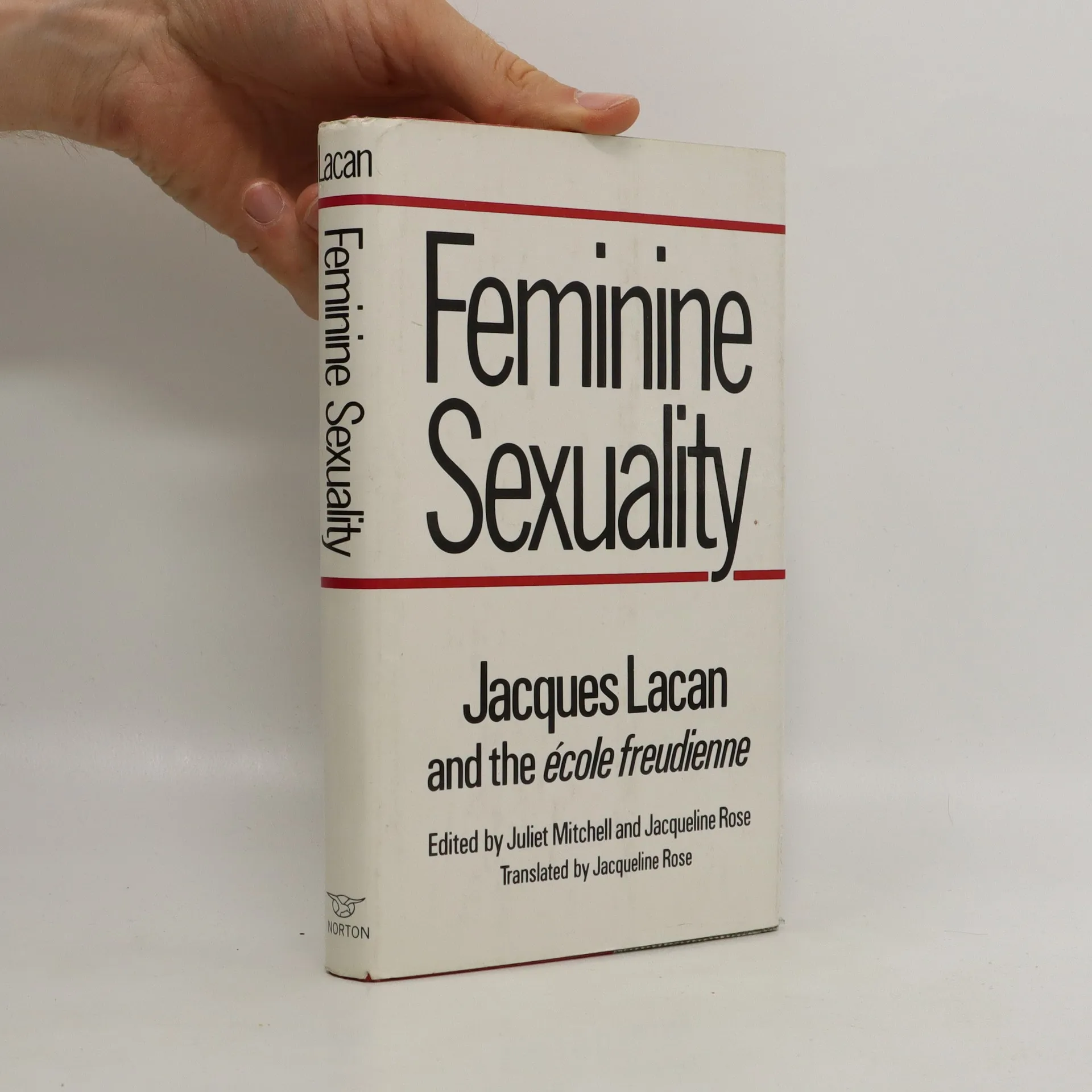
Feminine sexuality
- 187 páginas
- 7 horas de lectura
Jacques Lacan is arguably the most controversial psychoanalyst of our time.
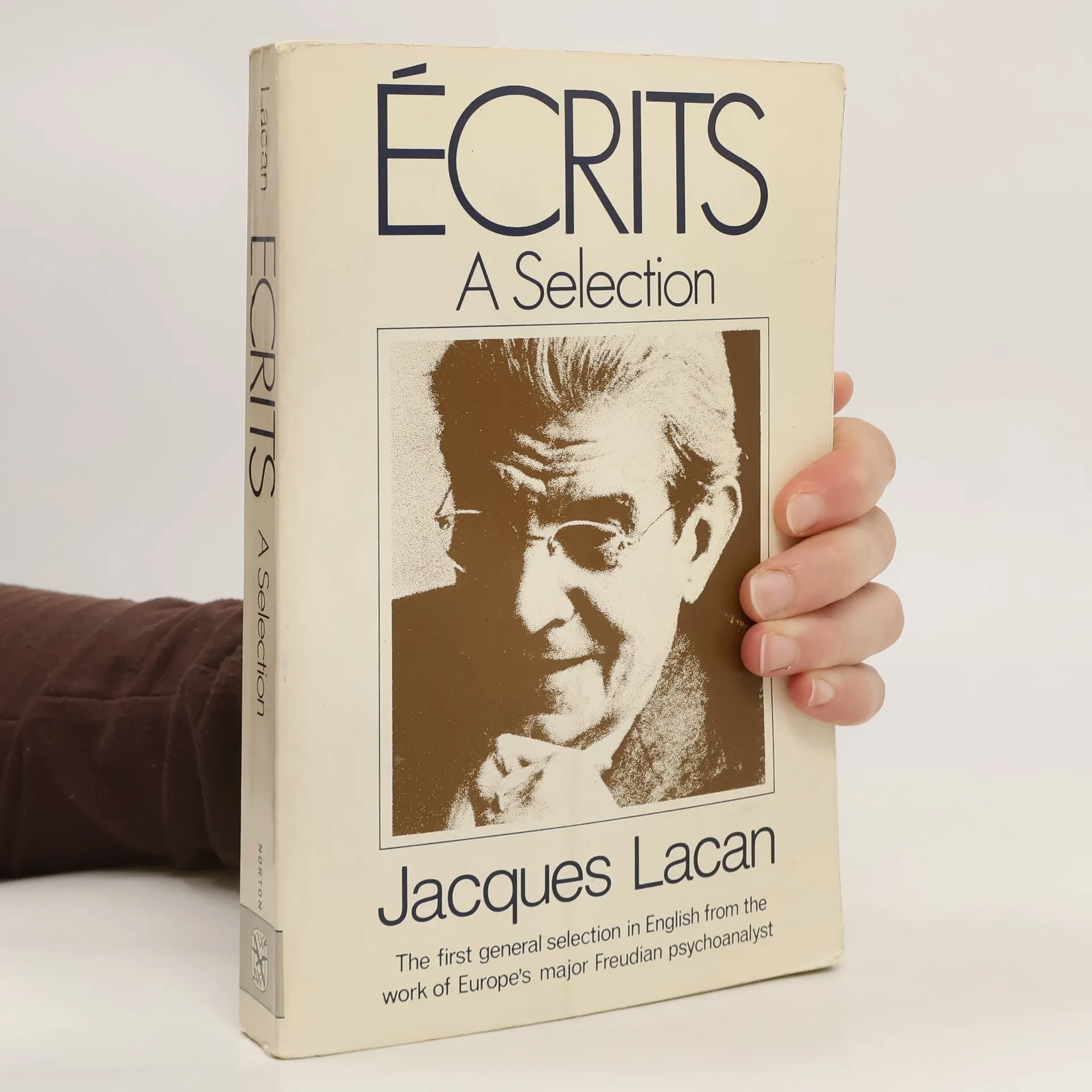
Écrits. A selection
- 338 páginas
- 12 horas de lectura
Nine essays chosen by Lacan reveal the evolving thought of Europe's major Freudian psychoanalyst
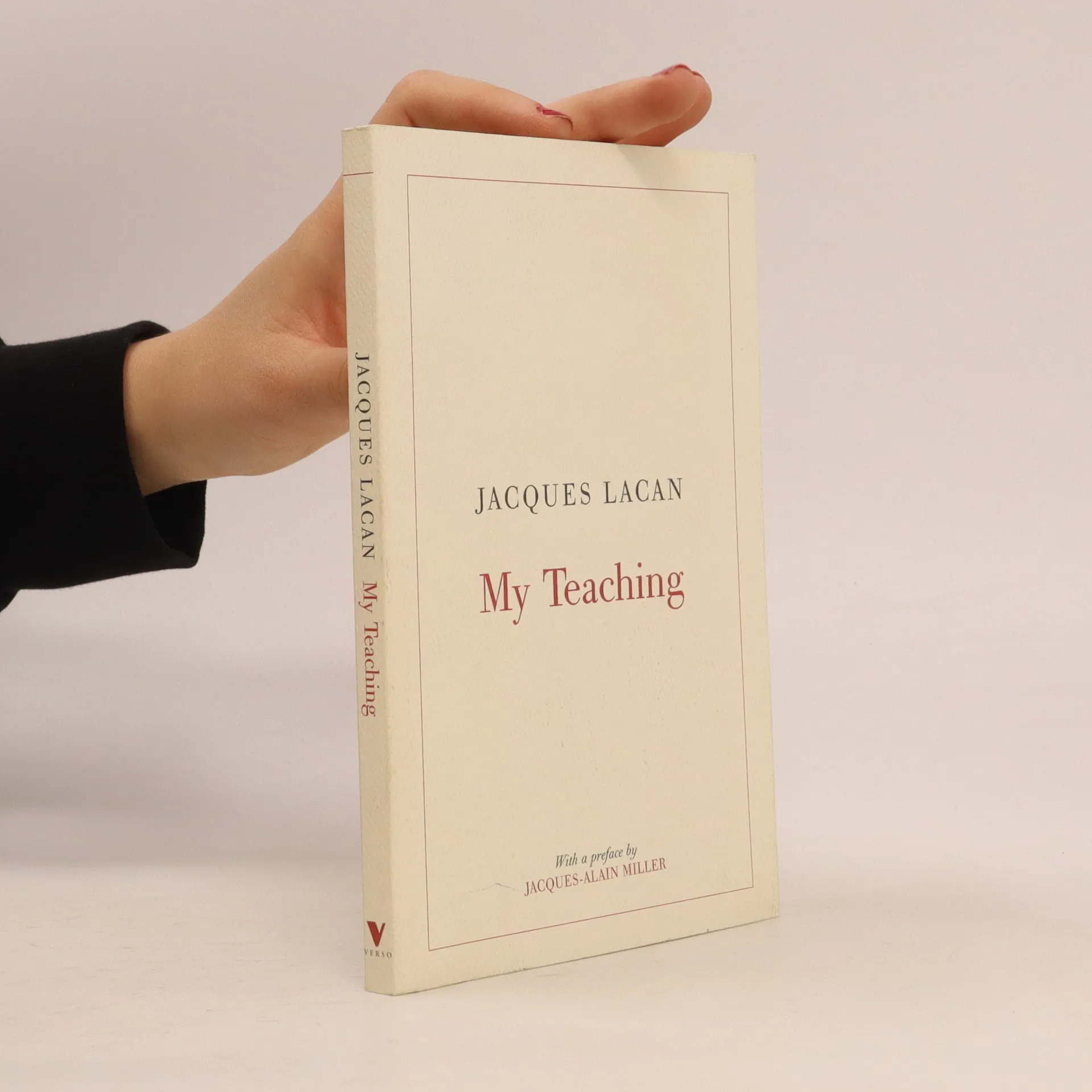
Bringing together three previously unpublished lectures presented to the public by Lacan at the height of his career, and prefaced by Jacques-Alain Miller, My Teaching is a clear, concise introduction to the thought of the influential psychoanalyst after Freud.
On a Discourse that Might not Be a Semblance
The Seminar of Jacques Lacan, Book XVIII
- 210 páginas
- 8 horas de lectura
Exploring the complexities of sexual relations between men and women, the book delves into the interplay of reality and semblance. It challenges conventional views by asserting that men are bound by the semblance of the phallus, while women experience a more elusive jouissance. The author employs a logical framework to dissect these dynamics, moving beyond Freudian myths and integrating insights from various philosophers. Ultimately, the work aims to clarify Lacan's provocative assertion that "There's no such thing as a sexual relationship."
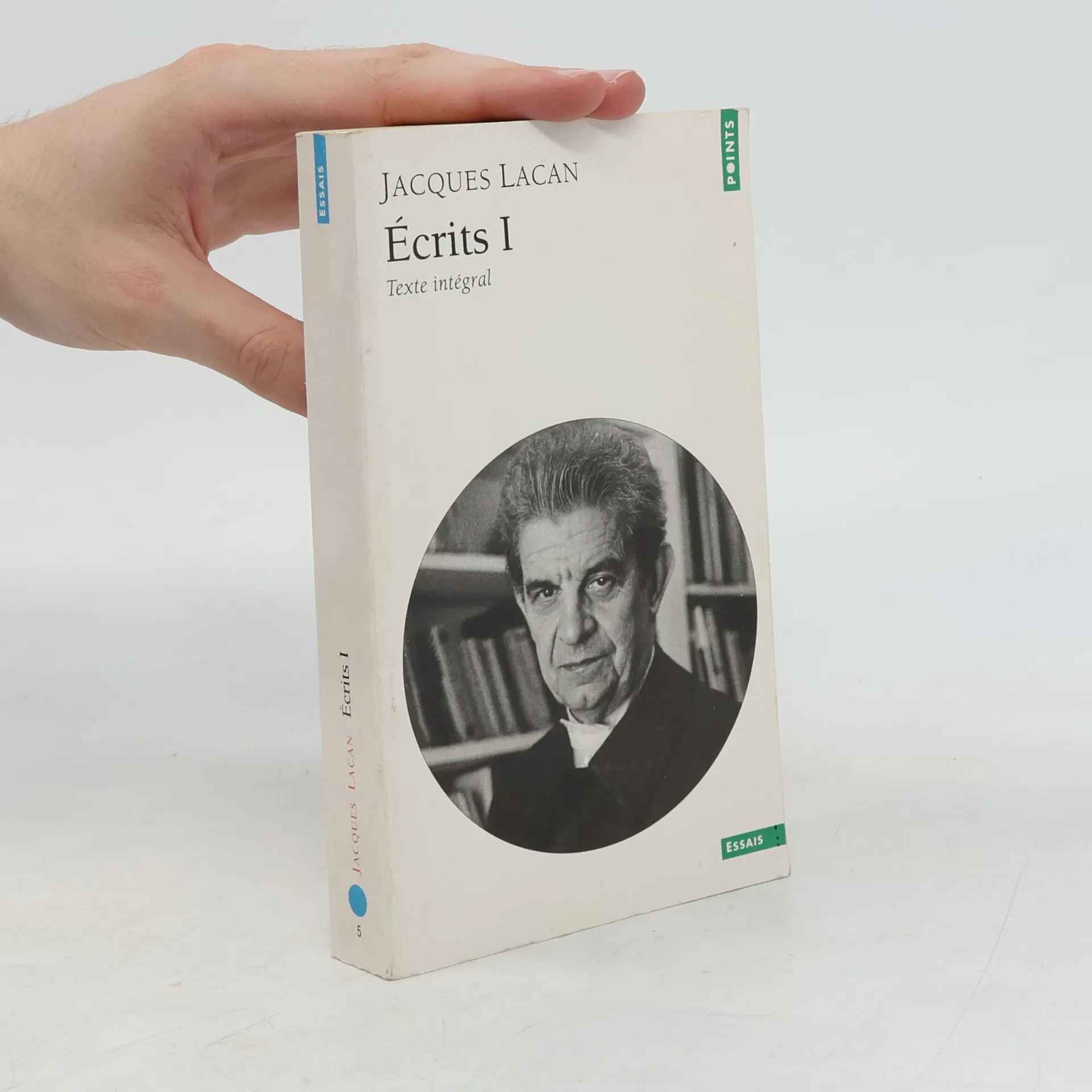
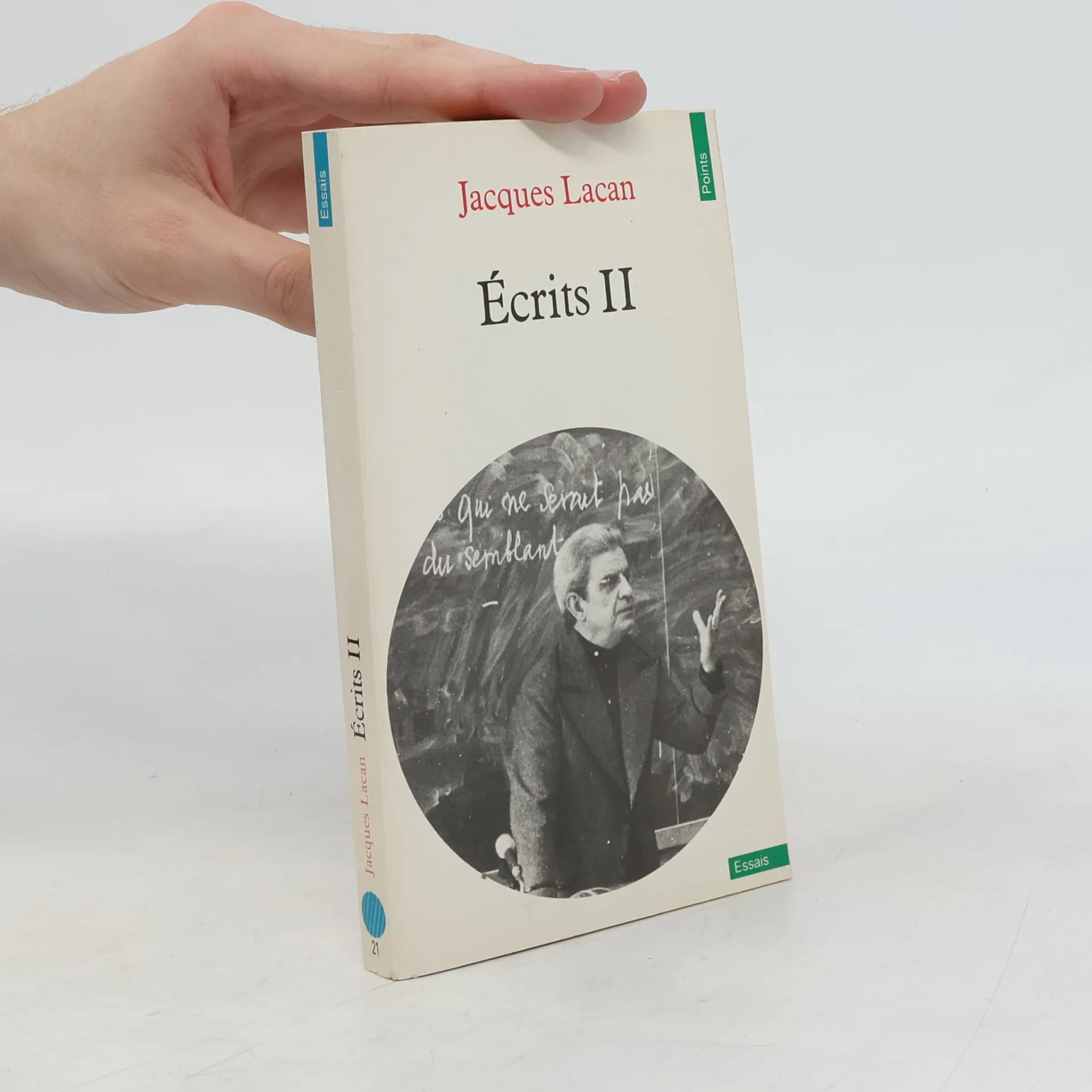
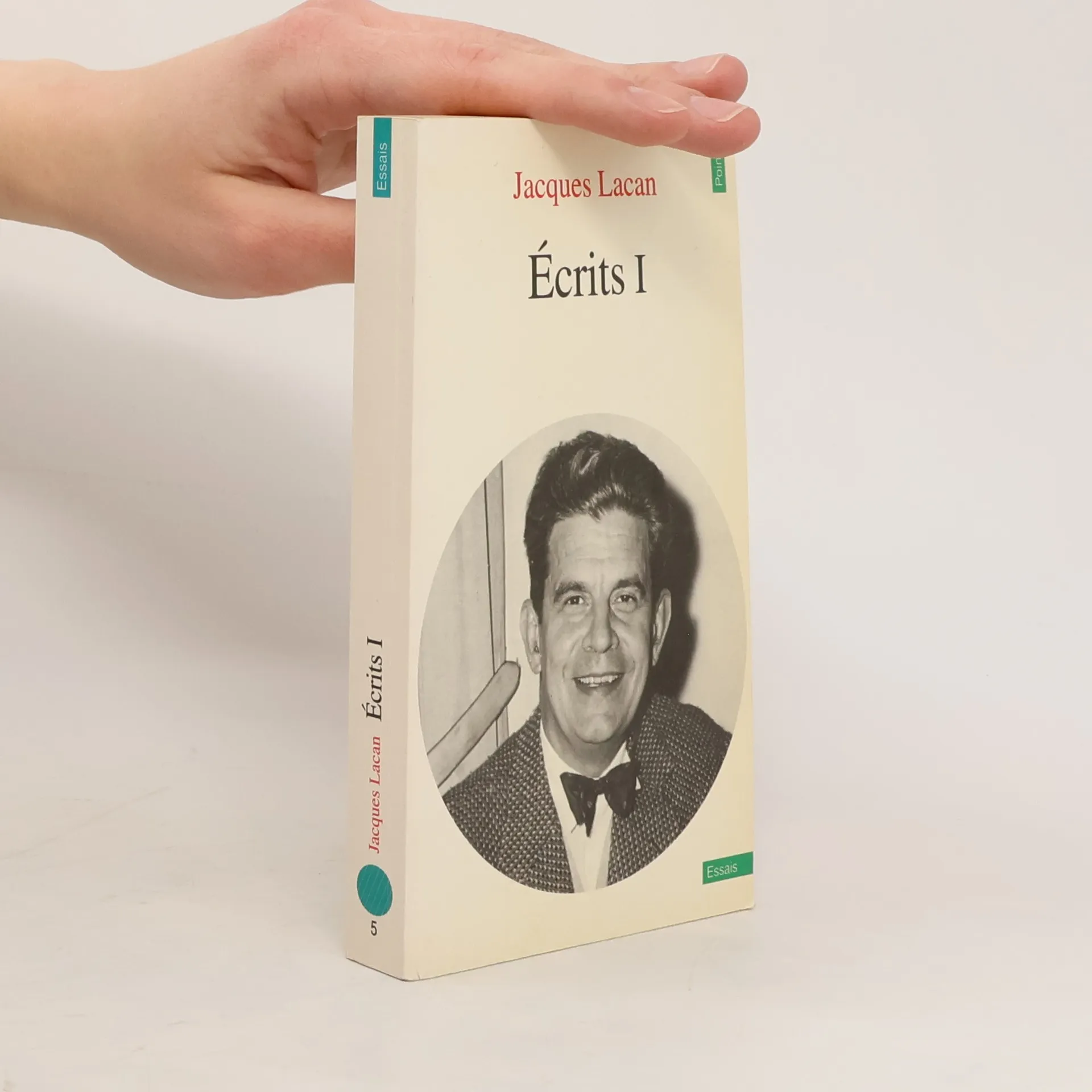
Points Essais - 1: Écrits I - Texte intégral
- 560 páginas
- 20 horas de lectura
Oser lire Lacan. Décision téméraire si l'on se laisse intimider par la réputation d'hermétisme de cet auteur. Décision inutile si l'on exige naïvement de comprendre sur le champ ce qu'on lit, confondant la pensée, qui est un travail, et le prêt-à-penser. Décision raisonnable si l'on fait le pari que ce géant de la littérature psychanalytique a forcément quelque chose à dire, puisqu'il a captivé, par son enseignement et ses écrits, toute une génération, et profondément infléchi la théorie et la clinique analytique. Les articles réunis ici couvrent la période 1936-1966. À partir de 1953, Lacan propose un retour à l'oeuvre de Freud dirigée contre les lectures psychologisantes centrées sur le "moi". Ce ralliement s'accomplit dans une optique originale qui permet de dépasser les impasses du freudisme attachées à une conception biologique de la pulsion. Lacan soutient, lui, que la sexualité est l'effet du langage. Qui ne parle pas n'a pas de pulsions. Au commencement du désir est le Verbe, et son incarnation : l'incorporation, par l'enfant, de la parole de l'autre. --Emilio Balturi
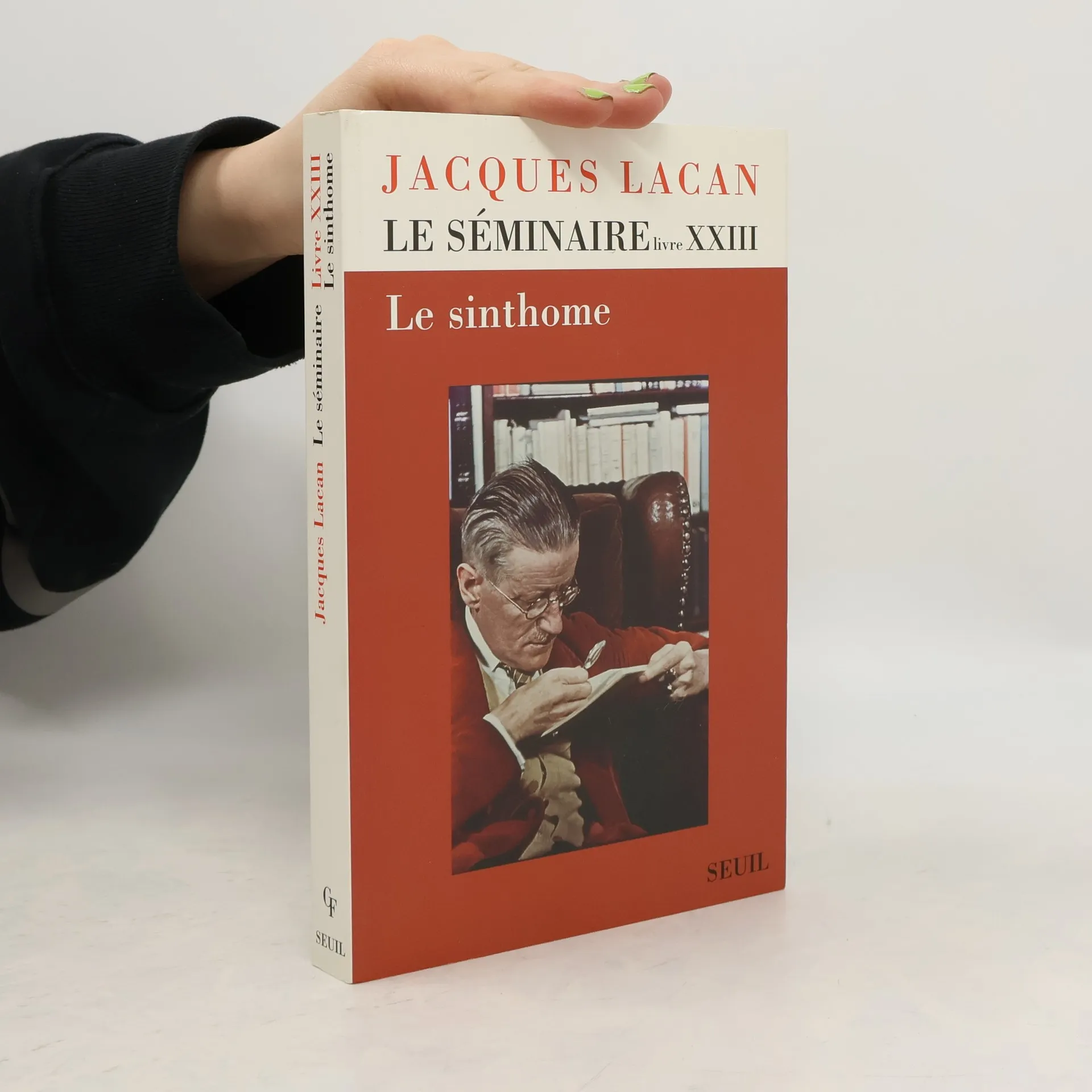
Le Séminaire - 23: Le Sinthome
- 256 páginas
- 9 horas de lectura
Dix fois, un vieillard aux cheveux blancs apparaît, soufflant et soupirant, dessinant lentement d’étranges arabesques multicolores qui s’entrelacent avec ses paroles, tantôt embarrassées, tantôt déliées. Une foule médusée contemple cet homme-énigme, espérant une illumination qui tarde à venir. Les Théodore, perplexes, cherchent des allumettes, se disant qu’un expert mérite confiance. À partir de quand quelqu’un est-il fou ? Le maître pose la question. C’était il y a trente ans, dans les mystères de Paris. Tel Dante prenant la main de Virgile, Lacan s’avance avec James Joyce, l’illisible Irlandais, dans une zone incandescente où se tordent femmes-symptômes et hommes-ravages. Une troupe équivoque l’accompagne : son gendre, un écrivain ébouriffé, deux mathématiciens en dialogue, et un professeur lyonnais attestant du sérieux de l’affaire. Une Pasiphaé discrète s’affaire derrière le rideau. Riez, braves gens ! Moquez-vous ! Notre illusion comique est là pour cela. Vous ne saurez rien de ce qui se déroule sous vos yeux écarquillés : la mise en question la plus méditée, lucide et intrépide de l’art que Freud a inventé, connu sous le nom de psychanalyse.
Das Werk
- 169 páginas
- 6 horas de lectura
Eine erstaunliche psycholinguistische Erkundung der Grenzen von Liebe und Wissen. Oft umstritten, immer inspiriert, wägt Jacques Lacan hier Theorien über die Beziehung zwischen dem Verlangen nach Liebe und dem Erreichen von Wissen von Denkern wie Aristoteles, Marx und Freud ab. Er führt uns durch Mathematik, Philosophie, Religion und natürlich Psychoanalyse in eine völlig neue Art der Interpretation der beiden grundlegendsten menschlichen Triebe.
Von einem Anderen zum anderen
Das Seminar, Buch XVI (1968-1969)
Das Seminar behandelt die Auswirkungen des »Mai 68« und Lacans Kritik an der Reproduktion autoritärer Strukturen im Wissen. Er distanziert sich von Philosophie und Wissenschaft, betont die Bedeutung des Subjekts und untersucht die »Pascal'sche Wette« im Kontext der jüdischen und christlichen Tradition. Zudem wird die Marx'sche Analyse auf Wissen und Genuss angewandt, was zur Entwicklung der »Theorie der Vier Diskurse« führt.
Le lecteur apprendra ce qui s'y démontre : l'inconscient relève du logique pur, autrement dit du signifiant. L'épistémologie ici fera toujours défaut, si elle ne part d'une réforme, qui est subversion du sujet. L'avènement ne peut s'en produire que réellement et à une place que tiennent présentement les psychanalystes. C'est à transcrire cette subversion, du plus quotidien de leur expérience, que Jacques Lacan s'emploie pour eux depuis quinze ans. La chose a trop d'intérêt pour tous, pour qu'elle ne fasse pas rumeur. C'est pour qu'elle ne vienne pas à être détournée par le commerce culturel que Jacques Lacan de ces écrits fait appel à l'attention.
In seinem erstmals in deutscher Übersetzung erscheinenden »Seminar X« lotet Jacques Lacan die vielfältigen Erscheinungsformen der Angst in ihrem Täuschungs- und in ihrem Wahrheitscharakter aus. Dazu setzt er sich mit unterschiedlichen Denktraditionen auseinander, zum einen mit philosophischen Vorläufern von Aristoteles bis Heidegger, zum anderen mit Literaten (Montaigne, Tschechow u. a.) oder Schriftsteller-Philosophen wie Sartre, Schestow und vor allem Kierkegaard. Daneben fließt Lacans Begegnung mit dem Buddhismus in das Seminar ein, die er mit persönlichen Berichten von einer Japan-Reise verbindet. Nicht zuletzt findet sich in diesem Seminar eine intensive Analyse des Auftretens des Phänomens Angst im Kontext der praktizierten Psychoanalyse. Innerhalb des Lacan’schen Gesamtwerks nimmt das Seminar auch insofern eine Sonderstellung ein, als es eine besonders kohärente, zudem sprachlich brillante Zusammenfassung der bisher ausgearbeiteten Lehre anbietet.
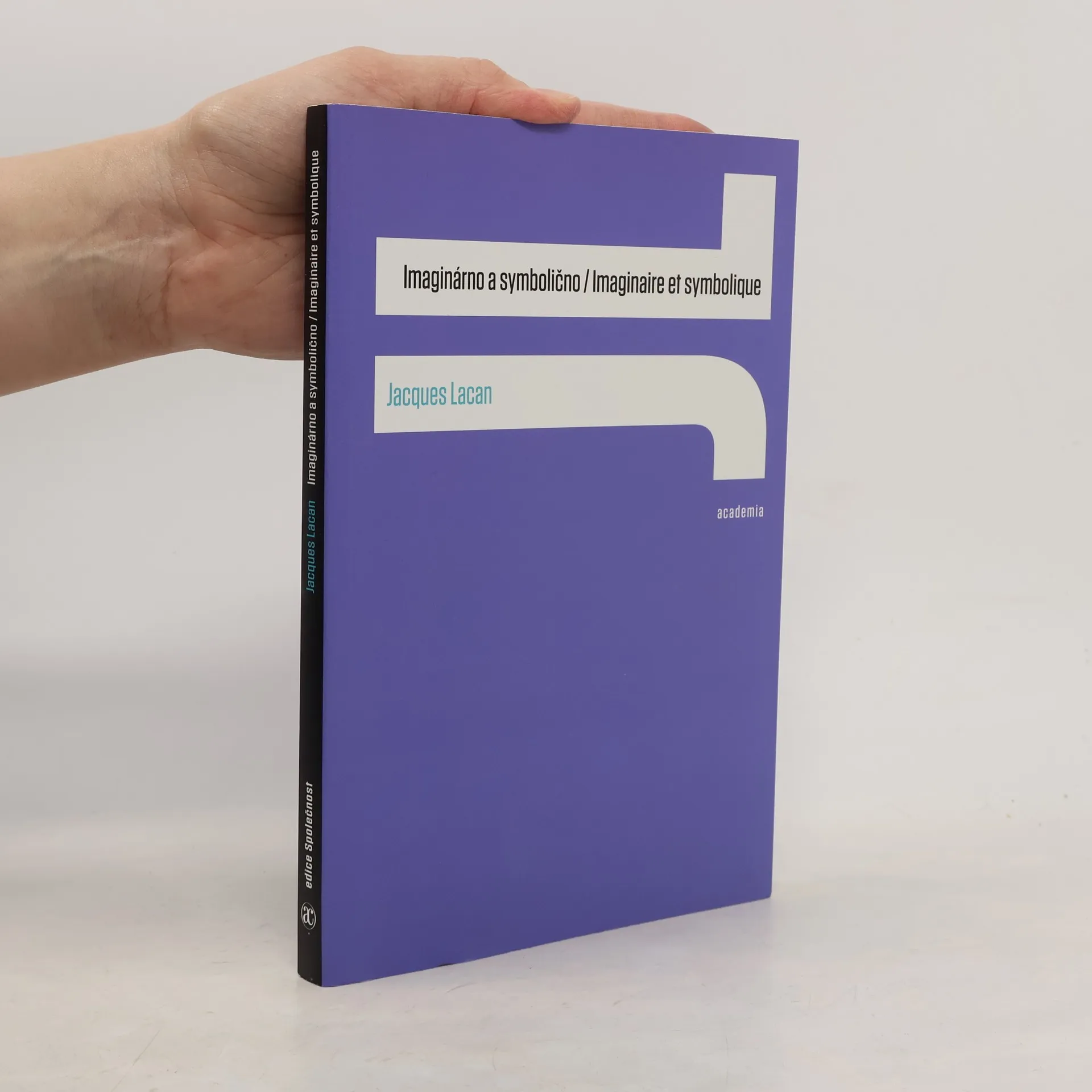
Imaginárno a symbolično = Imaginaire et symbolique
- 216 páginas
- 8 horas de lectura
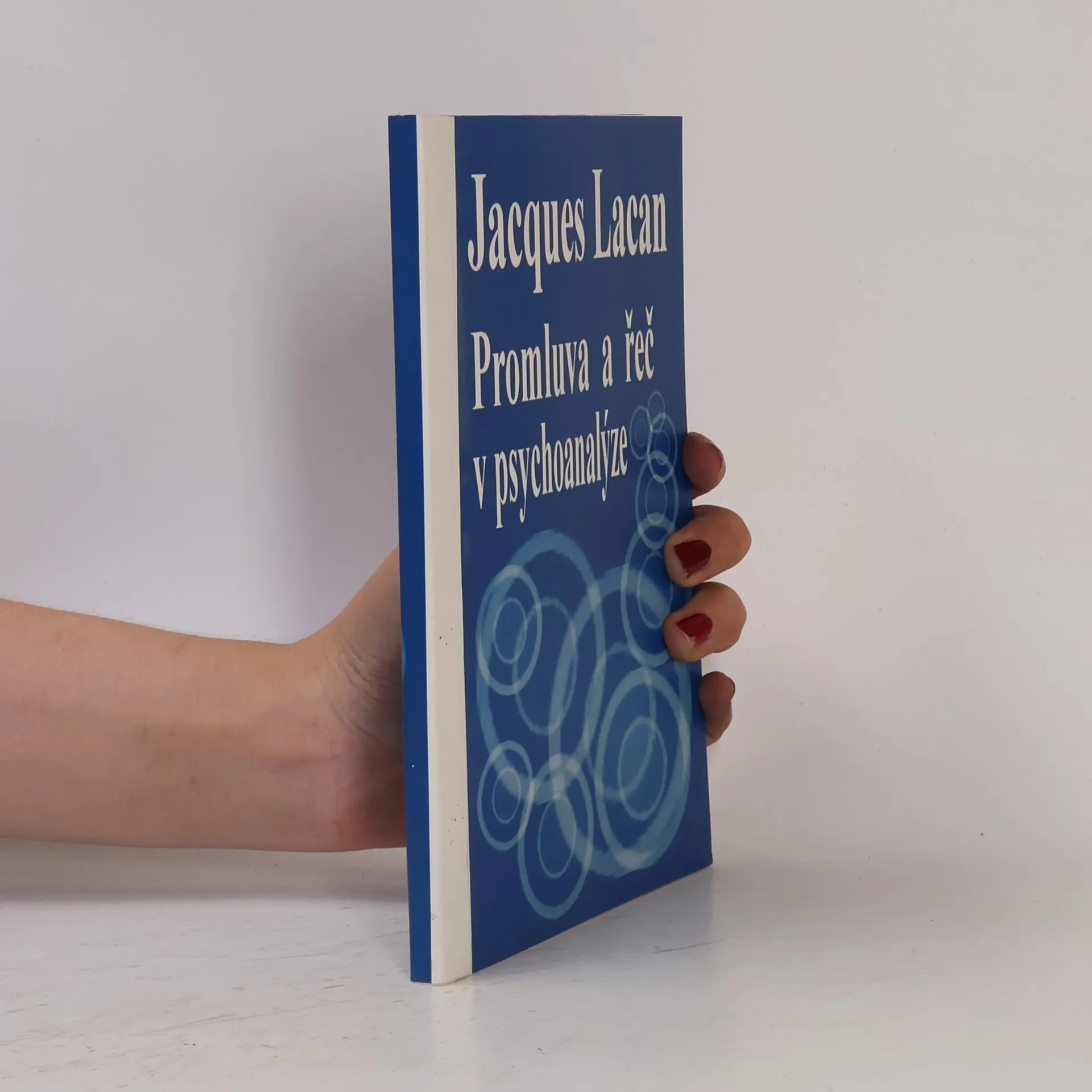
Jacques Lacan představuje významnou etapu ve vývoji francouzské psychoanalýzy a má dodnes nemalý vliv zejména v románských zemích Evropy (Francie, Itálie) a v Latinské Americe. Pro seznámení českých čtenářů s Lacanovým pojetím psychoanalýzy byly zvoleny dvě práce zařazené do souboru vydaného pod názvem Écrits, které nyní otiskujeme dvoujazyčně spolu s jejich francouzským originálem: studie „Stadium zrcadla“ odpovídá Lacanově příspěvku na mezinárodním psychoanalytickém kongresu konaném v Curychu v roce 1949 a studie „Funkce a pole promluvy a řeči v psychoanalýze“ přednášce, s níž Lacan vystoupil na kongresu pořádaném v Římě tamní univerzitou roku 1953.
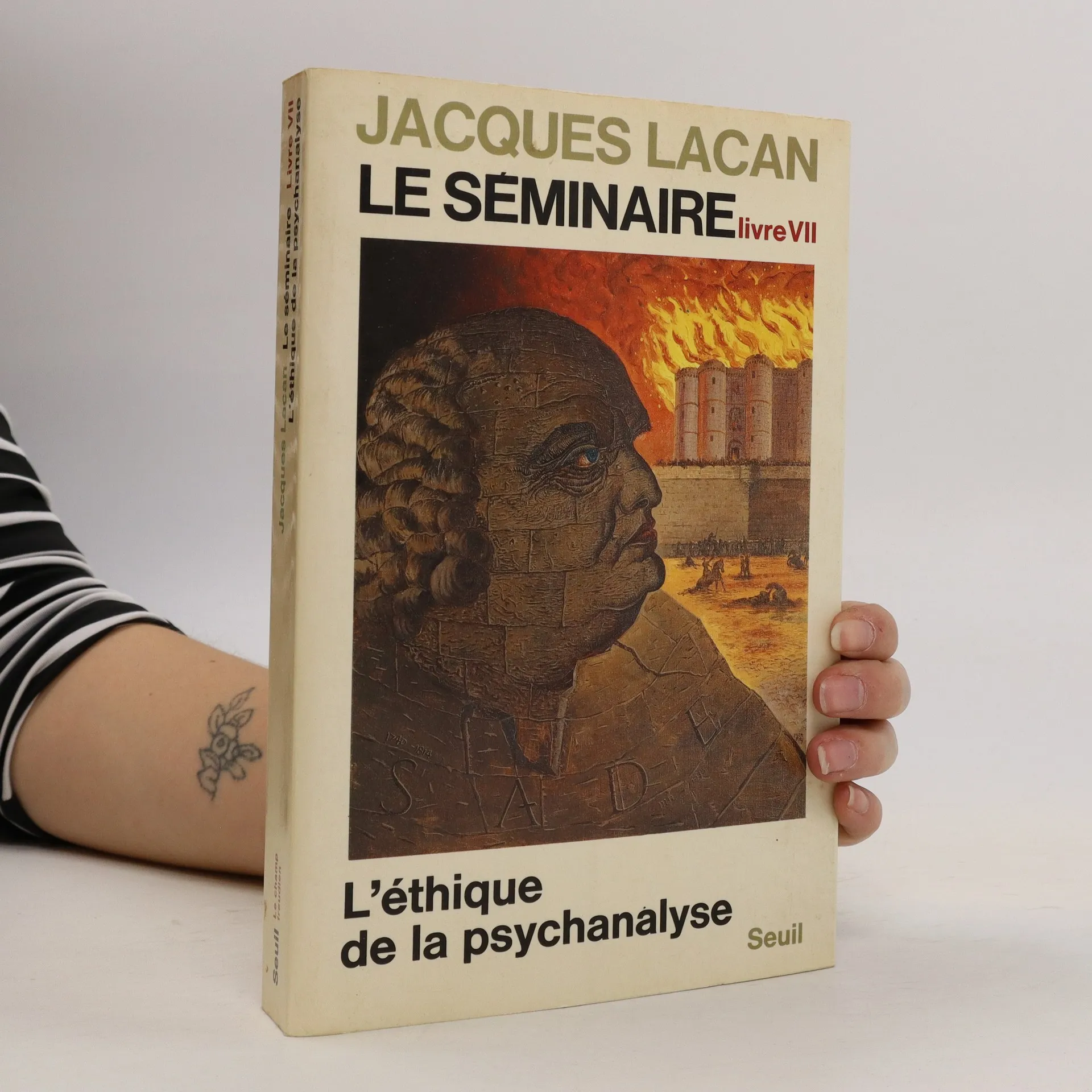
Dans son célèbre séminaire sur l'éthique, Jacques Lacan utilise cette question comme point de départ pour un réexamen de l'œuvre de Freud et de l'expérience de la psychanalyse en relation avec l'éthique. En approfondissant l'implication inévitable du psychanalyste avec les questions éthiques, Lacan clarifie de nombreux concepts clés. Au cours du séminaire, il aborde le problème de la sublimation, le paradoxe de la jouissance, l'essence de la tragédie et la dimension tragique de l'expérience analytique.
Namen-des-Vaters
- 105 páginas
- 4 horas de lectura
Unter dem Label »Paradoxa« werden von Jacques-Alain Miller kleine Texte Lacans veröffentlicht, die man als »Schlüsseltexte und vorzügliche Zugänge zum Werk« (Hans-Dieter Gondek) bezeichnen kann. Dieser Band enthält zwei solcher Texte: »›Le symbolique, l’imaginaire et le réel‹ ist ein dermaßen wichtiger und grundlegender Text, dass es schwer zu begreifen ist, warum dieser Vortrag nicht bereits in den Écrits, der Sammlung der Schriften Lacans von 1966, bzw. in dem Erweiterungsband von 2001, Autres Écrits, veröffentlicht wurde.« Hans-Dieter Gondek Der zweite Text nennt sich »Introductions aux Noms-du-Père«: »Der Name-des-Vaters, welch ein Erfolg! Dies spricht jeden an. Die Vaterschaft hat nur wenig an natürlicher Evidenz, sie ist als erstes ein Faktum der Kultur. ›Der Name-des-Vaters‹, sagt Lacan, ›erschafft die Funktion des Vaters‹. Aber dann dieser Plural, woher kommt er?« Jacques-Alain Miller
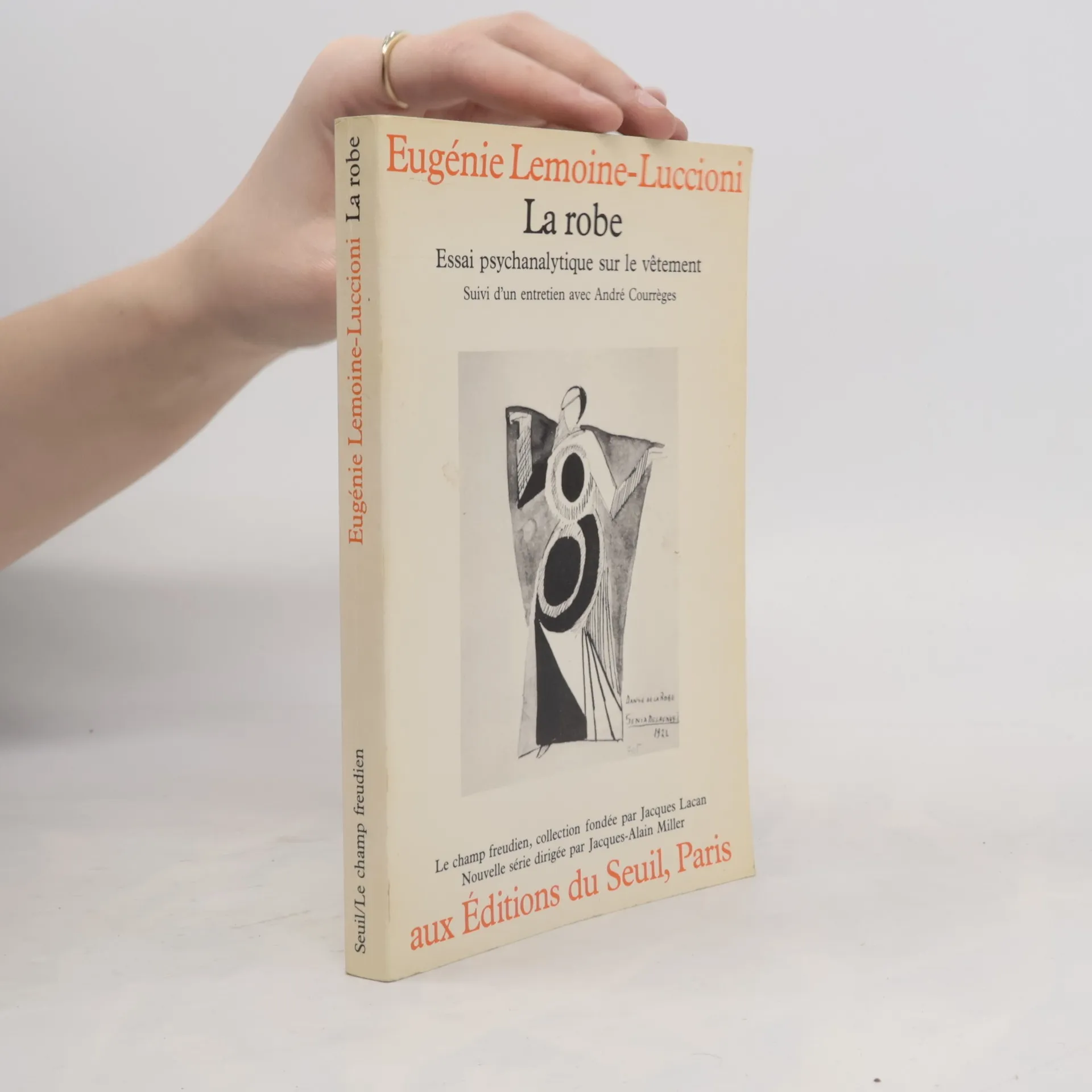
Le champ freudien: La robe
Essai psychanalytique sur le vêtement - Suivi d'un entretien avec André Courrèges
- 160 páginas
- 6 horas de lectura
French
Oser lire Lacan. Décision téméraire si l'on se laisse intimider par la réputation d'hermétisme de cet auteur. Décision inutile si l'on exige naïvement de comprendre sur le champ ce qu'on lit, confondant la pensée, qui est un travail, et le prêt-à-penser. Décision raisonnable si l'on fait le pari que ce géant de la littérature psychanalytique a forcément quelque chose à dire, puisqu'il a captivé, par son enseignement et ses écrits, toute une génération, et profondément infléchi la théorie et la clinique analytique. Les articles réunis ici couvrent la période 1936-1966. À partir de 1953, Lacan propose un retour à l'oeuvre de Freud dirigée contre les lectures psychologisantes centrées sur le "moi". Ce ralliement s'accomplit dans une optique originale qui permet de dépasser les impasses du freudisme attachées à une conception biologique de la pulsion. Lacan soutient, lui, que la sexualité est l'effet du langage. Qui ne parle pas n'a pas de pulsions. Au commencement du désir est le Verbe, et son incarnation : l'incorporation, par l'enfant, de la parole de l'autre. --Emilio Balturi
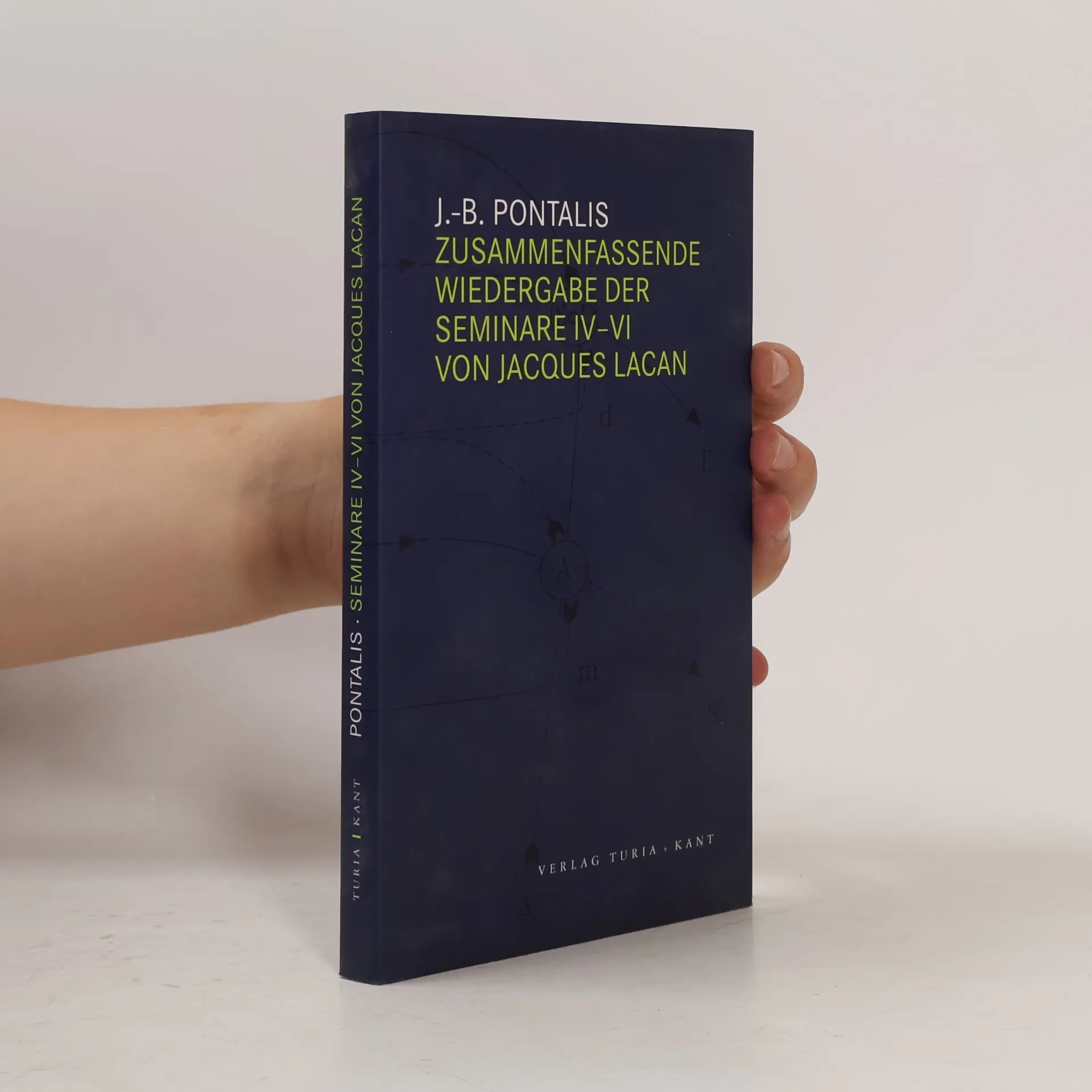
Zusammenfassende Wiedergabe der Seminare IV - VI von Jacques Lacan
- 194 páginas
- 7 horas de lectura
Über fast drei Jahre hinweg hat J.-B. Pontalis Zusammenfassungen der Seminare Lacans von 1956/ 57, 1957/58, 1958/59 erstellt, die, zum Teil von Lacan autorisiert, im Bulletin de Psychologie erschienen sind. Gerade weil sie Seminare betreffen, von denen mittlerweile zwei in der offiziellen Edition durch Jacques-Alain Miller erschienen sind (Seminar IV über »Die Objektbeziehung« und Seminar V über »Die Bildungen des Unbewussten«) – beide in deutscher Übersetzung bei Turia + Kant –, sind diese Aufzeichnungen von großem Wert: Sie geben einen profunden und dennoch gut verständlichen Überblick über eine Phase im Werk Lacans, die sicherlich mit zu den fruchtbarsten gehört. So ist darin die Interpretation des Kleinen Hans enthalten, eine Rekonstruktion von Freuds Buch über den Witz mit den linguistischen Mitteln, die Lacan sich damals erarbeitet hatte, und eine Theorie des Begehrens als der eigentlichen Dimension, innerhalb derer die psychoanalytische Arbeit stattfindet.
Das Seminarbuch III. Die Psychosen
- 385 páginas
- 14 horas de lectura
Das Seminar bietet eine umfassende Analyse des zentralen Konzepts des Begehrens bei Lacan und verknüpft es mit seinen philosophischen Wurzeln, darunter Spinoza und Hegel. Es behandelt bedeutende Themen wie die Theorie des Traums, die spezifische Lacan'sche Sicht auf das Phantasma sowie die existenzielle Rolle des Todes im Kontext von Vaterschaft und einer überarbeiteten Sicht des Ödipuskomplexes. Diese Ausarbeitung stellt eine der relevantesten thematischen Ergänzungen im Gesamtwerk des Autors dar und schließt eine wichtige Lücke in der Reihe seiner Seminare.
Das Seminar II
Das Ich in der Theorie Freuds und in der Technik der Psychoanalyse
- 419 páginas
- 15 horas de lectura
In zwei kleinen Bänden wurden 2005 vier Texte Lacans erstmals veröffentlicht, die man als" Schlüsseltexte und vorzügliche Zugänge zum Werk"bezeichnen kann, so dass, wie Hans-Dieter Gondek anlässlich der französischen Ausgabe schrieb, diese" allen an Lacan Interessierten ohne jede Einschränkung ans Herz gelegt werden können". Dieser zweite der beiden Bände enthält zwei Beiträge: Er enthält einen Vortrag (1960), der die Kernthesen des damals abgehaltenen Seminars über" Die Ethik der Psychoanalyse"zusammenfasst, und eine Pressekonferenz (1974), in der Lacan den Triumph der Religion auf Kosten der Psychoanalyse prognostiziert: die Religion verhindert, dass wir merken, was alles in der Welt nicht geht, während nur die Psychoanalyse sich genau mit dem Skandal befasst, was alles nicht geht
In seinem berühmten Seminar über Ethik nutzt Jacques Lacan diese Frage als Ausgangspunkt für eine erneute Auseinandersetzung mit Freuds Werk und der Erfahrung der Psychoanalyse im Verhältnis zur Ethik. Indem er sich mit dem unvermeidlichen Engagement des Psychoanalytikers in ethische Fragen beschäftigt, klärt Lacan viele seiner Schlüsselkonzepte. Während des Seminars diskutiert er das Problem der Sublimierung, das Paradox der Jouissance, das Wesen der Tragödie und die tragische Dimension der analytischen Erfahrung.
Die Kehrseite der Psychoanalyse
Das Seminar, Buch XVII (1969-1970)
Dieses Seminar bietet die einzige umfassende, systematische und genetische Ausarbeitung von Lacans Konzept der »Vier Diskurse«. Lacan unterscheidet zwischen dem »Diskurs des Herrn«, dem »Diskurs der Hysterischen«, dem »Diskurs des Analytikers« und dem »Diskurs der Universität«. Jeder Diskurs hat einen spezifischen Modus der Wissensproduktion und dessen Verhältnis zur Wahrheit, die sich auf geregelte Weise entfalten lassen. Die Rezeptionsgeschichte zeigt, dass Lacans Konstruktion in den 1970er Jahren im Kontext einer allgemeinen Begeisterung für Diskurstheorien breit aufgenommen wurde, jedoch oft nur in verkürzten und schematischen Darstellungen. Als 1991 die französische Buchfassung erschien, war die erste Welle des Interesses bereits abgeklungen. Eine deutsche Übersetzung wurde damals durch Streitigkeiten verhindert und erscheint nun mit über 30 Jahren Verspätung. Dies hat den Vorteil, dass auch das vorausgehende Seminar XVI, »Von einem Anderen zum anderen«, das für das Verständnis unerlässlich ist, nun auf Deutsch vorliegt. Neben Überlegungen zur Rolle der Wissenschaft im modernen Leben behandelt das Seminar auch Freuds Moses-Deutung und enthält Lacans berühmten Auftritt von 1969 vor den revoltierenden Studenten in Vincennes.
Die Psychose ist eine von drei klinischen Strukturen. Die anderen sind Neuerose und Perversion. Die Psychose unterscheidet sich von beiden deutlich durch den Mechanismus der Verwerfung, während die Neurose durch den Zwang und die Perversion durch Verleugnung gekennzeichnet ist. Durch die Verwerfung (eines »ursprünglichen Signifikanten«) entgleitet dem Psychotiker die Sprache. Hier entwickelt Lacan seine Sprachtheorie, die Begriffe von Metonymie und Metapher sowie die Theorie der Stepppunkte, der besonderen Signifikanten, an denen im Normalfall Sprache und Dinge, Signifikanten und Signifikate miteinander in einer Weise vernäht sind, dass das psychotische Gleiten angehalten wird.
Der individuelle Mythos des Neurotikers oder Dichtung und Wahrheit in der Neurose
- 93 páginas
- 4 horas de lectura
Lacan lernt viel von Claude Lévi-Strauss, insbesondere über die symbolische Struktur, die das Soziale, Verwandtschaftsbeziehungen, Ideologie und individuelle Weltanschauungen umfasst. Diese Struktur beeinflusst auch sinnliche Beziehungen und familiäre Komplexe. Im Anschluss werden imaginäre Szenarien wie Mythen und Riten betrachtet, die dazu dienen, Widersprüche der ökonomischen und sozialen Realität zu verschleiern. Eine zentrale Lektion ist, dass sich diese Formationen transformieren und dabei mathematischen Gesetzen folgen. Lacan integriert diese Erkenntnisse in die Psychoanalyse. Im Kampf mit einem unmöglich zu symbolisierenden Realen schafft das Subjekt phantasmatische Szenarien, die stilisiertes Verhalten inszenieren und manchmal von Wahn begleitet sind. Durch den Vergleich des Freud’schen Falls des „Rattenmanns“ mit Goethes Jugendliebe zur schönen Friederike wird die Formel für die Phantasievorstellung des Neurotikers offenbart: Bei innerer Einheit verdoppelt sich der Sexualpartner; bei Erreichen der Einheit im Liebesleben erscheint ein narzisstisches Double. Zwei weitere Texte ergänzen den Vortrag: einer über die religiöse Funktion des Symbols, der zu einem tiefgründigen Dialog mit Mircea Eliade führt, und eine Frage von Lévi-Strauss zur Beziehung zwischen Mythen und der konkreten Struktur primitiver Gesellschaften.
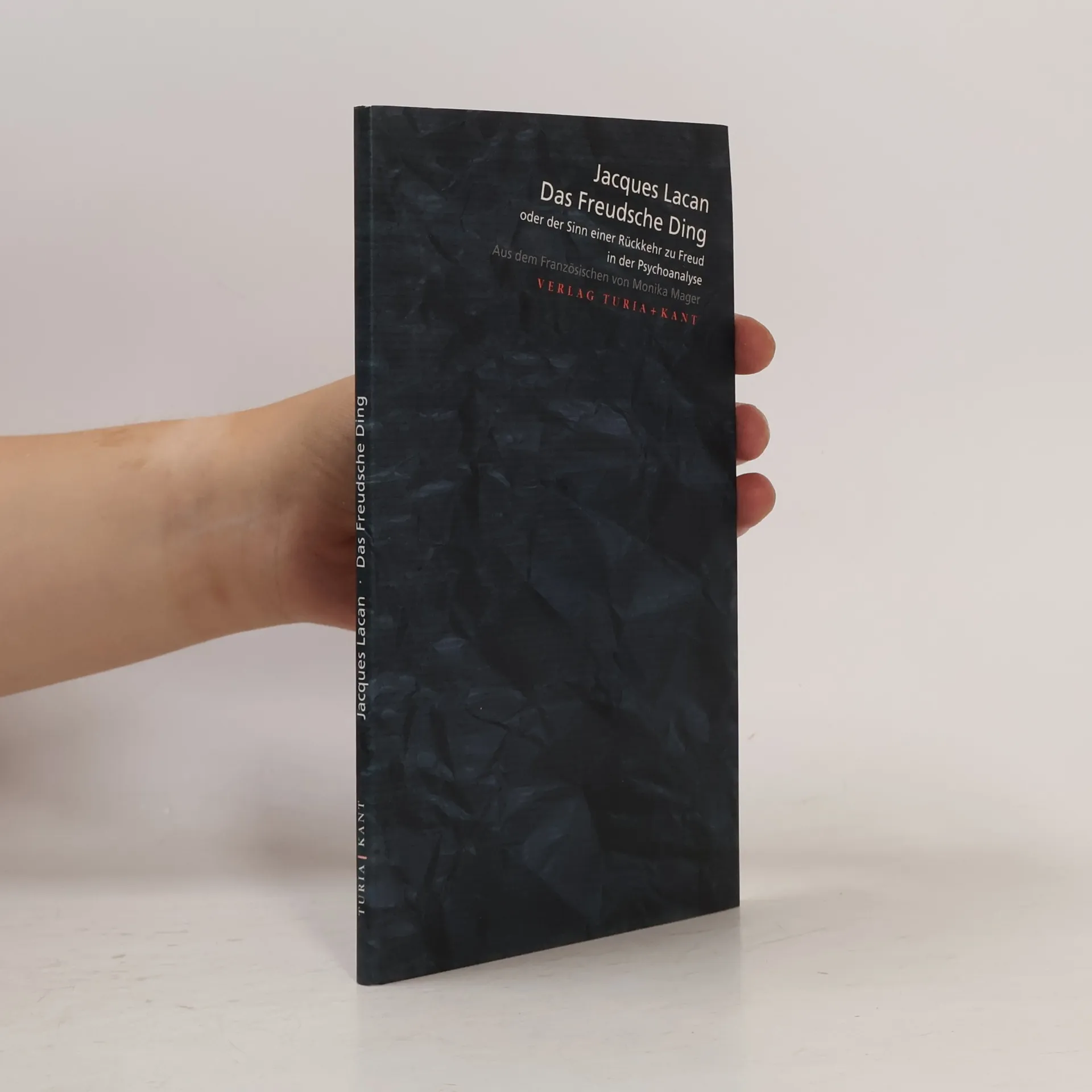
Das Freudsche Ding oder der Sinn einer Rückkehr zu Freud in der Psychoanalyse
- 75 páginas
- 3 horas de lectura
Der einzig namhafte Aufenthalt Jacques Lacans in Wien galt einem Vortrag, den er auf der damals von Prof. Hoff geleiteten Neuro-psychiatrischen Universitätsklinik gehalten hat. Obwohl er selbst später das Wort von der »Rückkehr zu Freud« nicht mehr sehr strapaziert hat, ist es doch zu einer Art Markenzeichen der Arbeiten Lacans geworden. Es hängt eng mit dieser Reise nach Wien, in die Stadt Freuds, aus der er aber auch vertrieben wurde, zusammen. Eine Rückkehr zu Freud bedeutet für Lacan einerseits die Notwendigkeit, die Lektüre wieder aufzunehmen und herauszuarbeiten, was bisher noch nicht gesehen wurde, andererseits aber auch eine Rückkehr zur ursprünglichen Praxis der Psychoanalyse, die er für dringend geboten hält, weil die Ausrichtung auf das Ich in der nach-freudschen Psychoanalyse eine verhängnisvolle Entwicklung darstellt, die die Entdeckung Freuds verfälscht. Der Text ist immer noch aktuell, denn die Rückkehr zu Freud ist nicht eine Leistung, die einmal erbracht werden kann, sondern eine Aufgabe, die sich immer wieder aufs Neue stellt. Und er ist aktuell, weil er im Kern der Entdeckung Freuds eine Verbindung von Sprache und Wahrheit findet: Das »Freudsche Ding«, das Unbewusste, das zur Sprache kommt, stellt »die Wahrheit« in Frage. Darin lebt die Psychoanalyse als solche weiter. Die von Lacan geforderte Rückkehr zur Psychoanalyse wird nichts anderes sein als die Ankunft der Psychoanalyse.
Das Seminar
- 307 páginas
- 11 horas de lectura
Neben den »Schriften« sind die »Seminare« der beste Zugang zu Lacans Denken. Dieses Seminar wurde in der Übersetzung von Norbert Haas, zuerst im Quadriga-Verlag erschienen, vorgelegt. Die »Vier Grundbegriffe der Psychoanalyse« aus dem Jahr 1963-64 fielen in jene Zeit, in der sich Lacan von der IPA (International Psychoanalytical Association) trennte und seine eigene Schule EFP (École Freudienne de Paris) gründete. Es war auch das erste, das Jacques-Alain Miller in der bis heute noch nicht abgeschlossenen Reihe der Seminar-Editionen herausgab.
Über die paranoische Psychose und ihre Beziehungen zur Persönlichkeit und frühe Schriften über die Paranoia
- 403 páginas
- 15 horas de lectura
Im Mittelpunkt dieses Buches steht der Fall Aimée: Die Postangestellte Marguerite Pantaine hatte eine Bühnenschauspielerin mit einem Messer attackiert und war daraufhin psychiatrisiert worden. Jacques Lacan hatte sich der Patientin angenommen. Seine nun erstmals auf deutsch erscheinende Dissertation aus dem Jahre 1932 wurde damals mehr im sozialistischen und surrealistischen Milieu rezipiert als durch Wissenschaft und Psychiatrie. Das Werk gibt nicht nur einen umfassenden Überblick über die damaligen Bemühungen, die Paranoia und allgemein die Geisteskrankheiten zu erklären, sondern zeigt auch, dass schon der frühe Lacan mit der Anknüpfung an die phänomenologische Philosophie und Psychologie und an die Freudsche Psychoanalyse eine mutige und avancierte Position einnahm, die den Weg aus der Psychiatrie herauswies. Die Übersetzung folgt der von Jacques Lacan in seiner Reihe Le Champ freudien herausgegebenen Ausgabe, die durch die Ersten Schriften zur Paranoia ergänzt wird. Nicht zuletzt ist dieses Werk auch für die Kenntnis des Lacanschen Werdegangs unerlässlich.
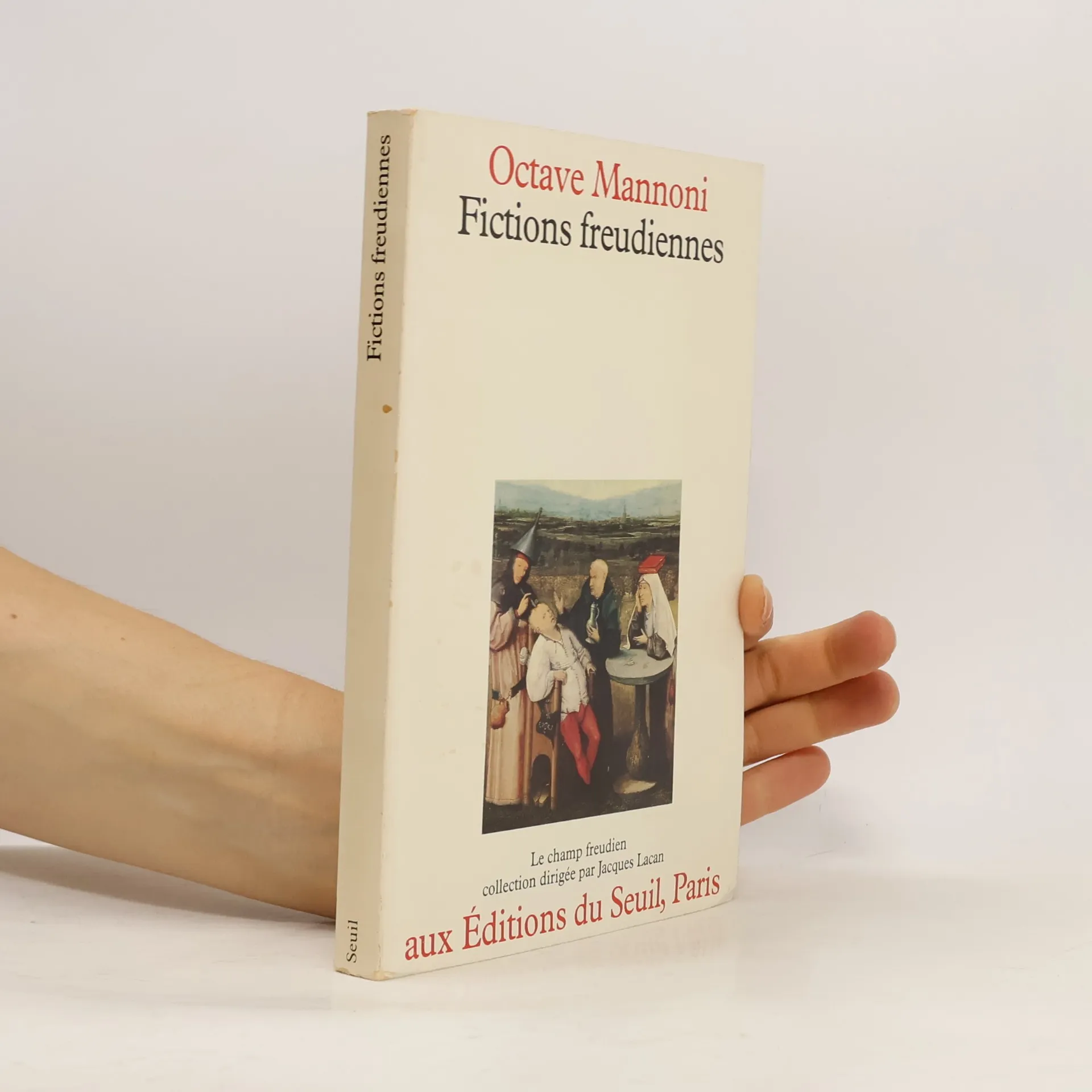
Le champ freudien: Fictions freudiennes
- 215 páginas
- 8 horas de lectura
French
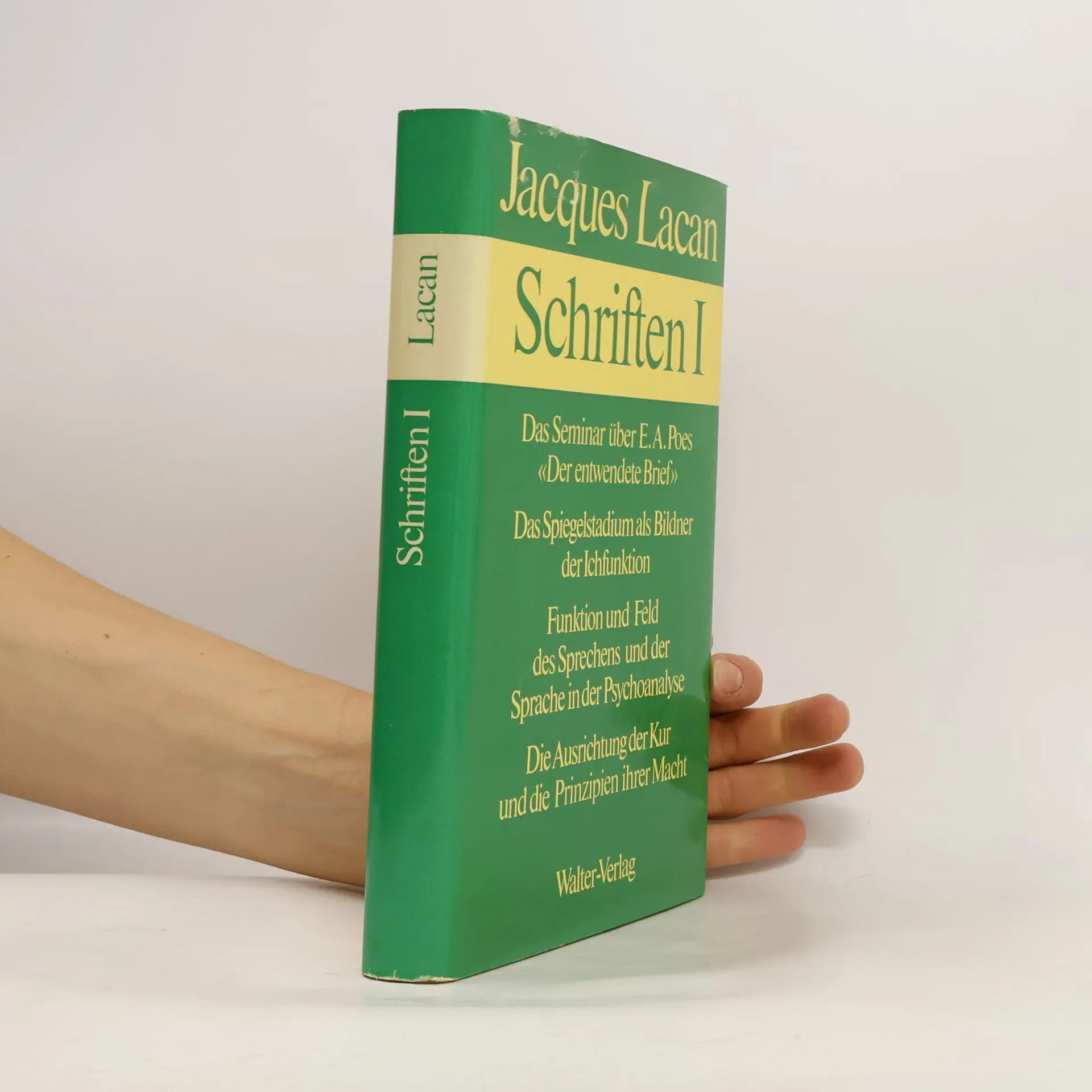
Jacques Lacan Schriften I
- 240 páginas
- 9 horas de lectura
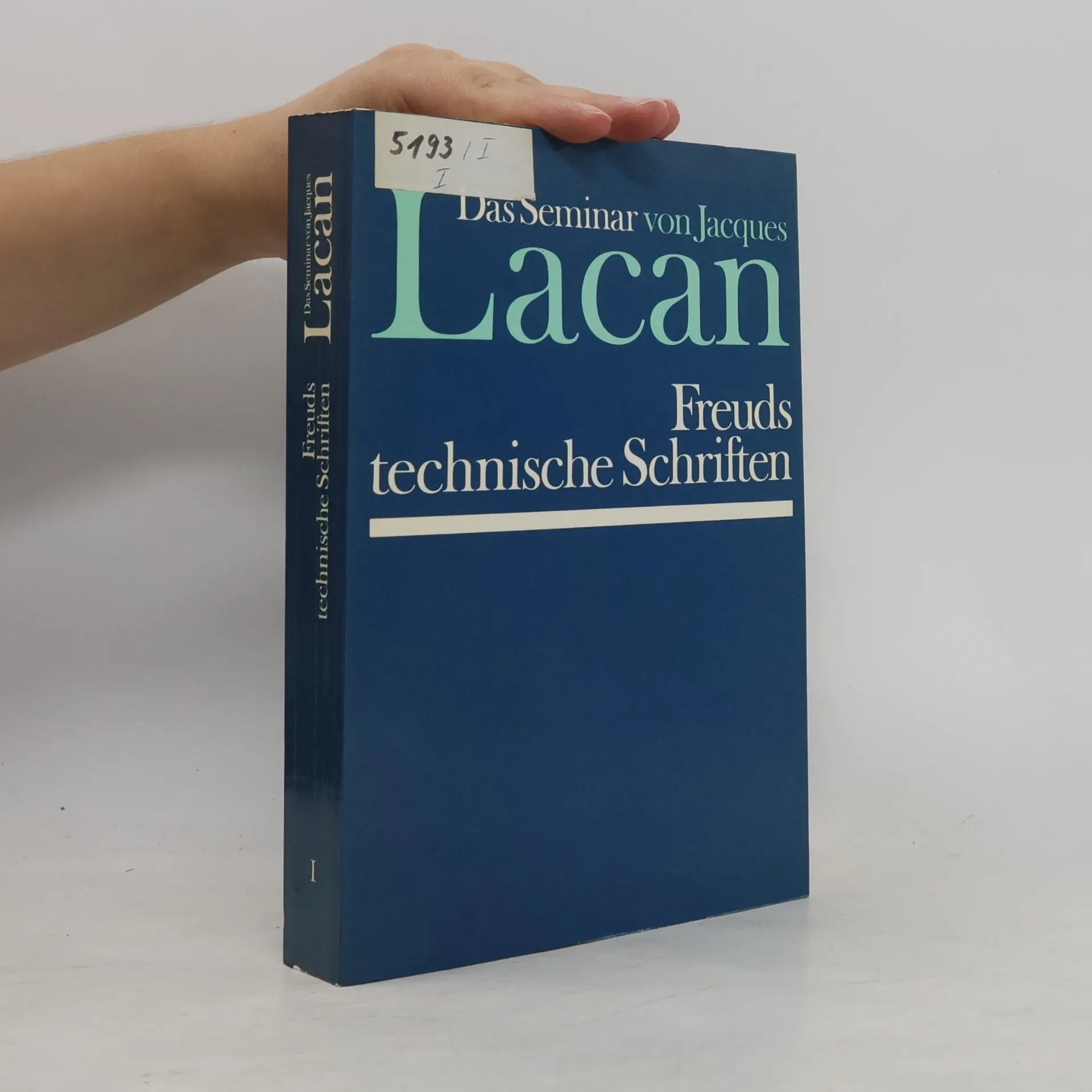
Das Seminar von Jacques Lacan - 1: Freuds technische Schriften (1953-1954)
- 364 páginas
- 13 horas de lectura
Buch 1 (1953-1954).
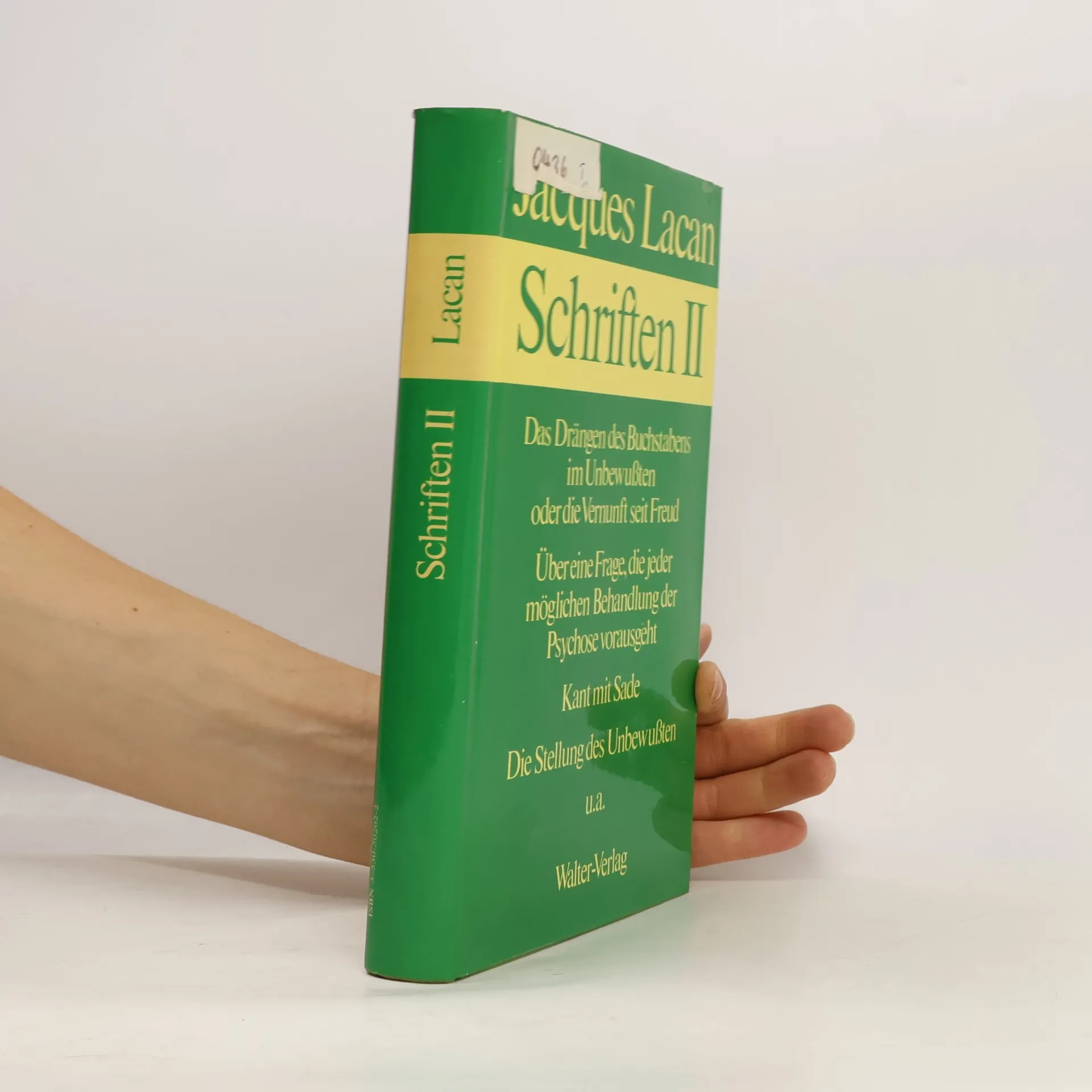
Schriften II
Das Drängen des Buchstabens im Unbewußten oder die Vernunft seit Freud; Über eine Frage, die jeder möglichen Behandlung der Psychose vorausgeht; Kant mit Sade; Die Stellung des Unbewußten u.a.
- 277 páginas
- 10 horas de lectura