How Not to Diet
- 576 páginas
- 21 horas de lectura
The author of the major bestseller How Not to Die reveals the groundbreaking scientific research behind how a plant-based diet can maximize our fat-burning systems for long-term weight loss success.


Michael Greger es un médico, autor y orador reconocido internacionalmente, enfocado en nutrición, seguridad alimentaria y temas de salud pública. Su extenso compromiso público, incluyendo conferencias y testimonios ante el Congreso, resalta su experiencia en la promoción de la salud pública a través de decisiones informadas. A través de sus vastos recursos en línea y actualizaciones diarias, Greger se esfuerza por hacer que la información crucial sobre salud y nutrición sea accesible a una amplia audiencia. Su dedicación a promover la salud pública y la nutrición lo convierte en una voz significativa en las discusiones sobre estilos de vida saludables.


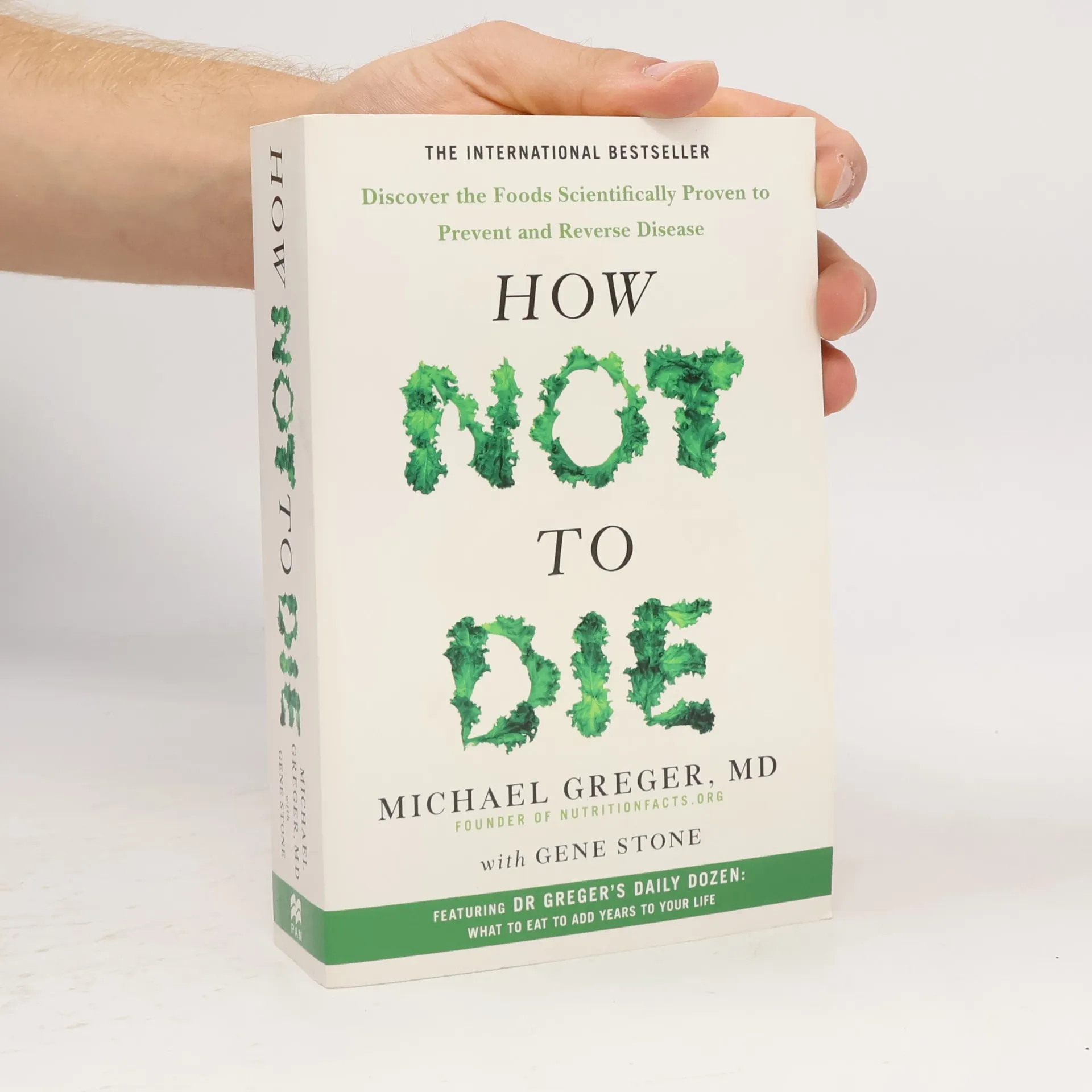
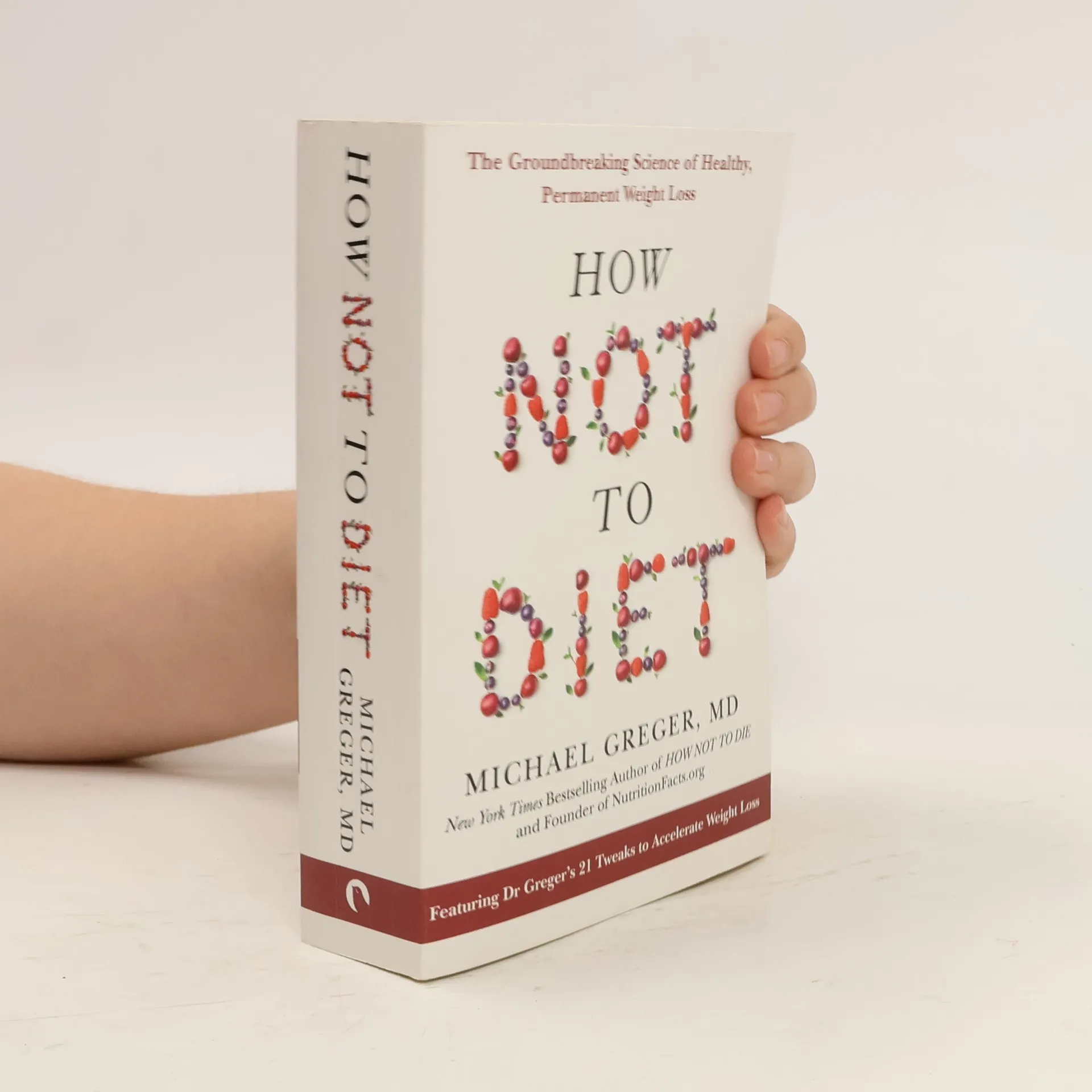
The author of the major bestseller How Not to Die reveals the groundbreaking scientific research behind how a plant-based diet can maximize our fat-burning systems for long-term weight loss success.
Why rely on drugs and surgery to cure you of life-threatening disease when the right decisions can prevent you from falling ill to begin with? 'How Not To Die' gives effective, scientifically-proven nutritional advice to prevent our biggest killers - heart disease, breast cancer, prostate cancer, high blood pressure, diabetes - and reveals the astounding health benefits that simple dietary choices can provide.
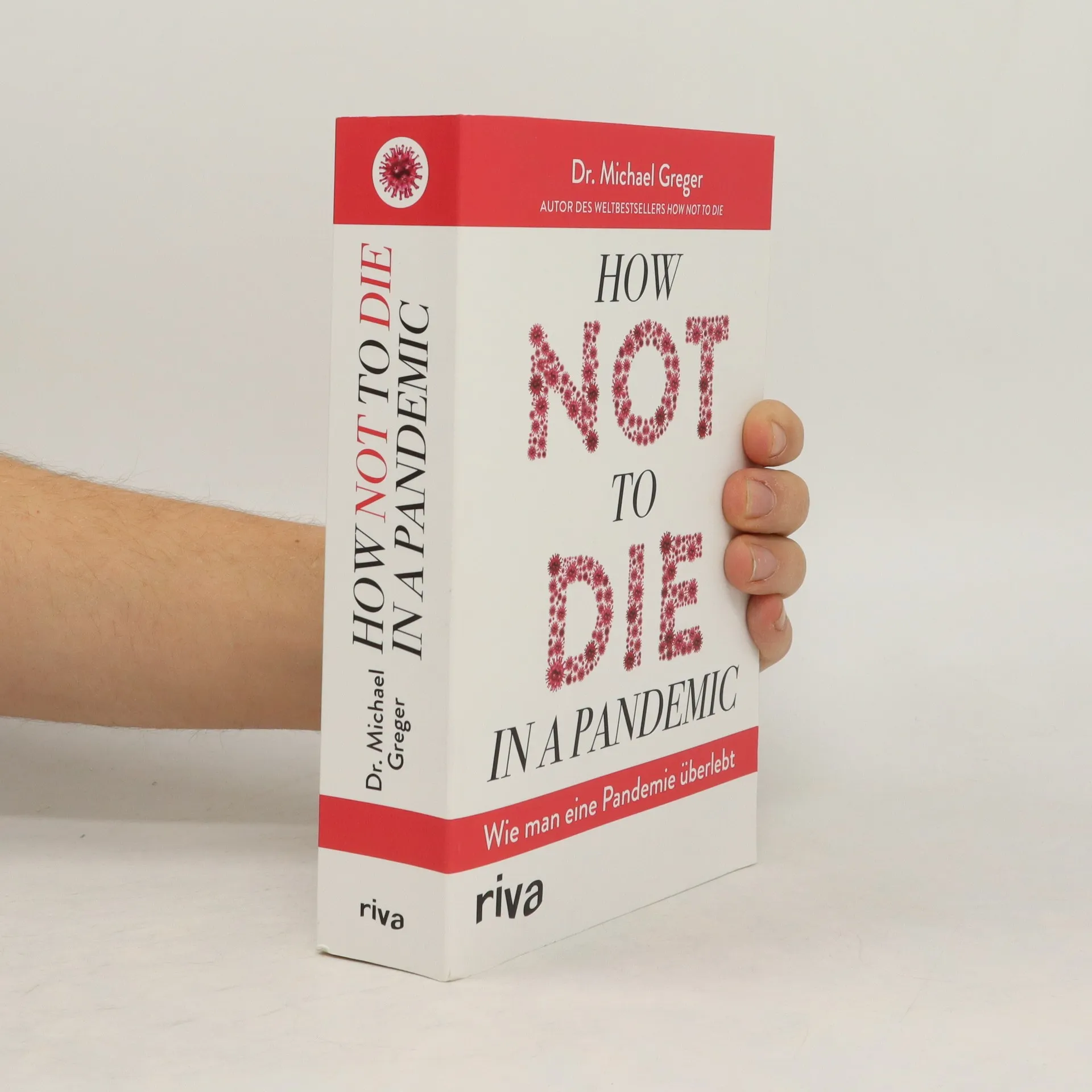
A vital, timely text on the viruses that cause pandemics and how to face them, by the New York Times bestselling author of How Not to Die.
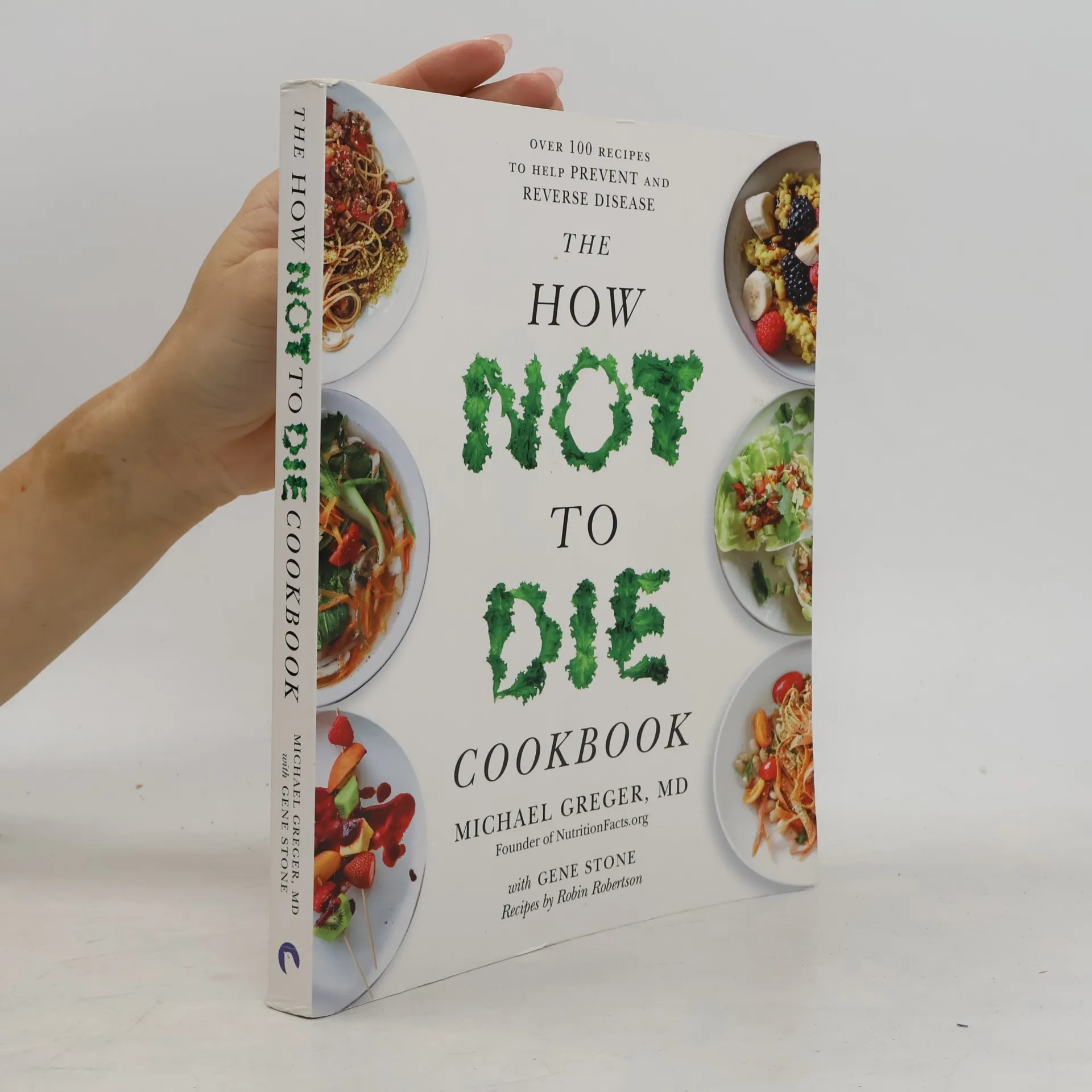
Dr Michael Greger, founder of the wildly popular website NutritionFacts, takes his comprehensive, lifesaving science into the kitchen. Why suffer from disease and ill health when the right food is proven to keep you healthy, and without the side effects of drugs? We can avoid heart disease, cancer and our other biggest killers if we use food as medicine, and the How Not To Die Cookbook offers a sustainable and delicious guide to preparing and eating the foods that will prevent and reverse fatal diseases.
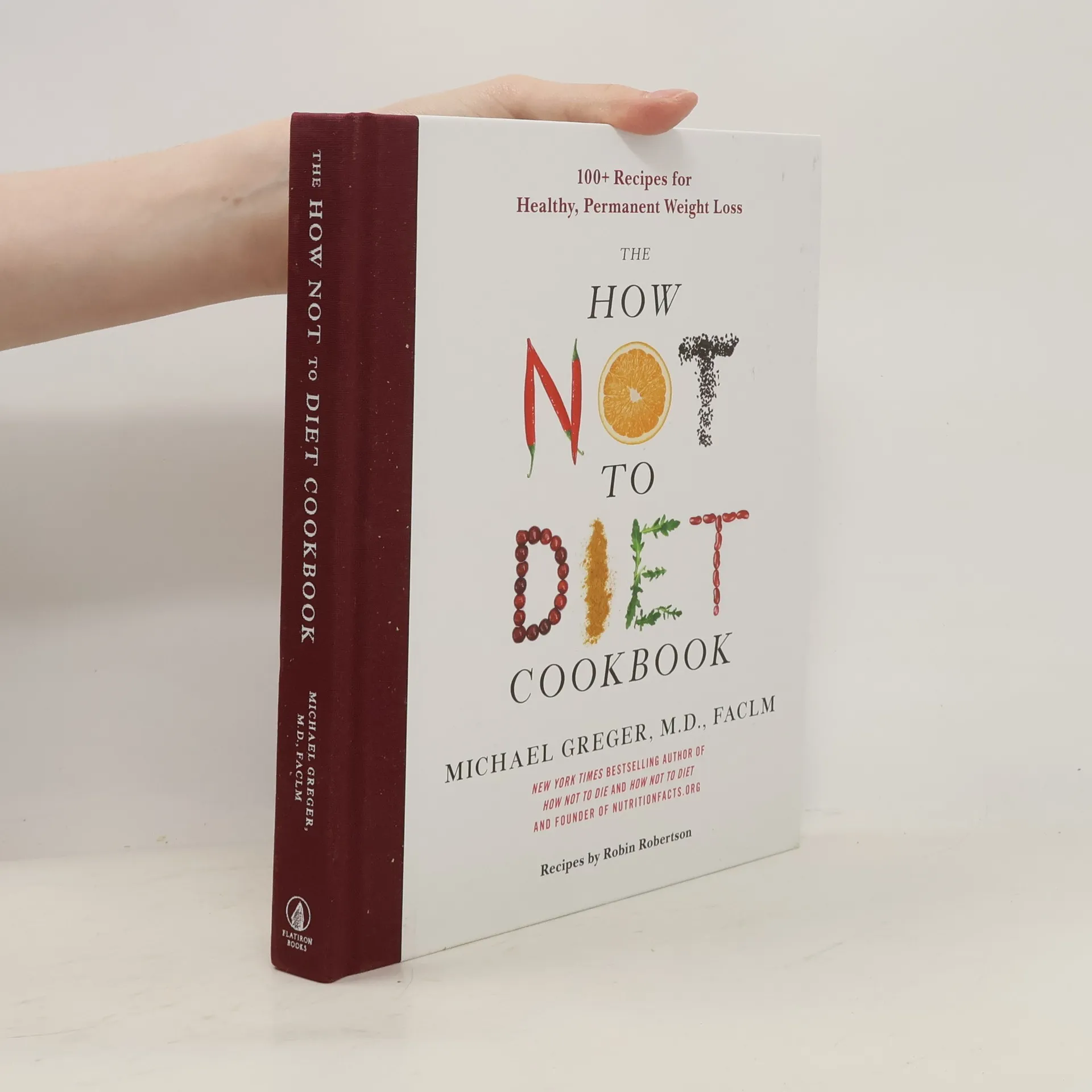
From Michael Greger, M.D., FACLM, the author of the New York Times bestseller How Not to Die, comes a four-color, fully illustrated cookbook that shares the science of long-term weight-loss success.Dr. Michael Greger founded the viral website Nutritionfacts.org with the aim to educate the public about what healthy eating looks like and connect them with a community through food-related podcasts, videos, and blogs. Since then, Nutritionfacts.org has grown and so has Dr. Greger's platform. How Not to Die and The How Not to Die Cookbook were instant hits, and now he's back with a new book about mindful dieting―how to eat well, lose, and keep unwanted weight off in a healthy, accessible way that's not so much a diet as it is a lifestyle.Greger offers readers delicious yet healthy options that allow them to ditch the idea of "dieting" altogether. As outlined in his book How Not to Diet , Greger believes that identifying the twenty-one weight-loss accelerators in our bodies and incorporating new, cutting-edge medical discoveries are integral in putting an end to the all-consuming activity of counting calories and getting involved in expensive juice cleanses and Weight Watchers schemes.The How Not to Diet Cookbook is primed to be a revolutionary new addition to the cookbook incredibly effective and designed for everyone looking to make changes to their dietary habits to improve their quality of life, weight loss notwithstanding.
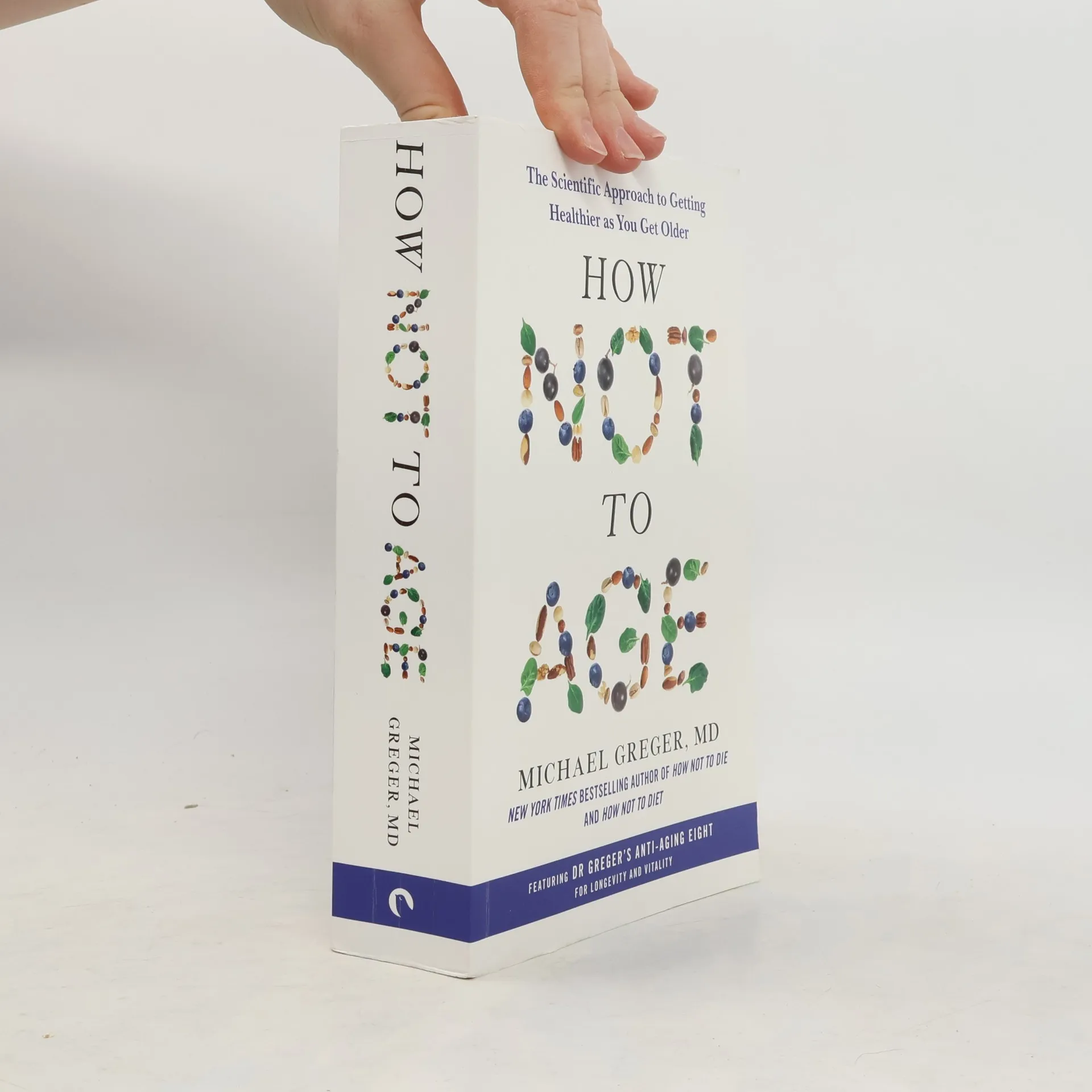
Live better for longer with this ultimate guide to longevity from the Sunday Times bestselling author of How Not to Die and founder of NutritionFacts.org. We all want to stay healthy as we age but, with so many different claims out there, it can be hard to know the best advice to follow. In How Not to Age, Dr Michael Greger digs into the top peer-reviewed anti-aging research to deliver a complete and optimal guide with simple steps to extend your lifespan and slow the adverse effects of aging. Inspired by the dietary and lifestyle patterns of the world's centenarians and residents of 'blue zone' regions where people live the longest, Dr Greger presents easy, evidence-based ways to preserve the body functions that keep us feeling youthful, both physically and mentally. Can an apple a day really keep the doctor away? What's better for your longevity, jogging for four hours or eating two handfuls of nuts twice a week? And are carrots or berries more beneficial to your eyesight? Brimming with expertise, How Not to Age lays out practical strategies for living your longest, healthiest life - and for enjoying every moment of it.
Kontynuacja międzynarodowego bestsellera Jak nie umrzeć przedwcześnie autorstwa uznanego specjalisty z zakresu zdrowego odżywiania doktora Michaela Gregera. Autor udowadnia, że wielu chorób można uniknąć lub odwrócić ich postęp za pomocą diety opartej o produkty roślinne. Tym razem poza prezentacją naukowych dowodów na jej skuteczność Greger spełnia prośby swoich czytelników i przedstawia ponad 100 praktycznych, bogato ilustrowanych przepisów na pyszne dania, przekąski i napoje. Wszystkie zawierają składniki z Codziennego Tuzina - listy najzdrowszych produktów stworzonej przez autora. Jak nie umrzeć przedwcześnie. Przepisy to pozycja obowiązkowa nie tylko dla wielbicieli diety roślinnej, ale wszystkich, którzy chcą cieszyć się lepszym zdrowiem i dłuższym życiem.
Dr. Michael Greger untersucht die Entstehung und Ausbreitung hochinfektiöser Krankheiten wie Tuberkulose, Vogelgrippe, HIV und COVID-19. Er beschreibt die Rolle des Menschen bei der Pandemieentwicklung und bietet einen Leitfaden, um sich vor aktuellen Bedrohungen zu schützen und zukünftige Pandemien zu verhindern.