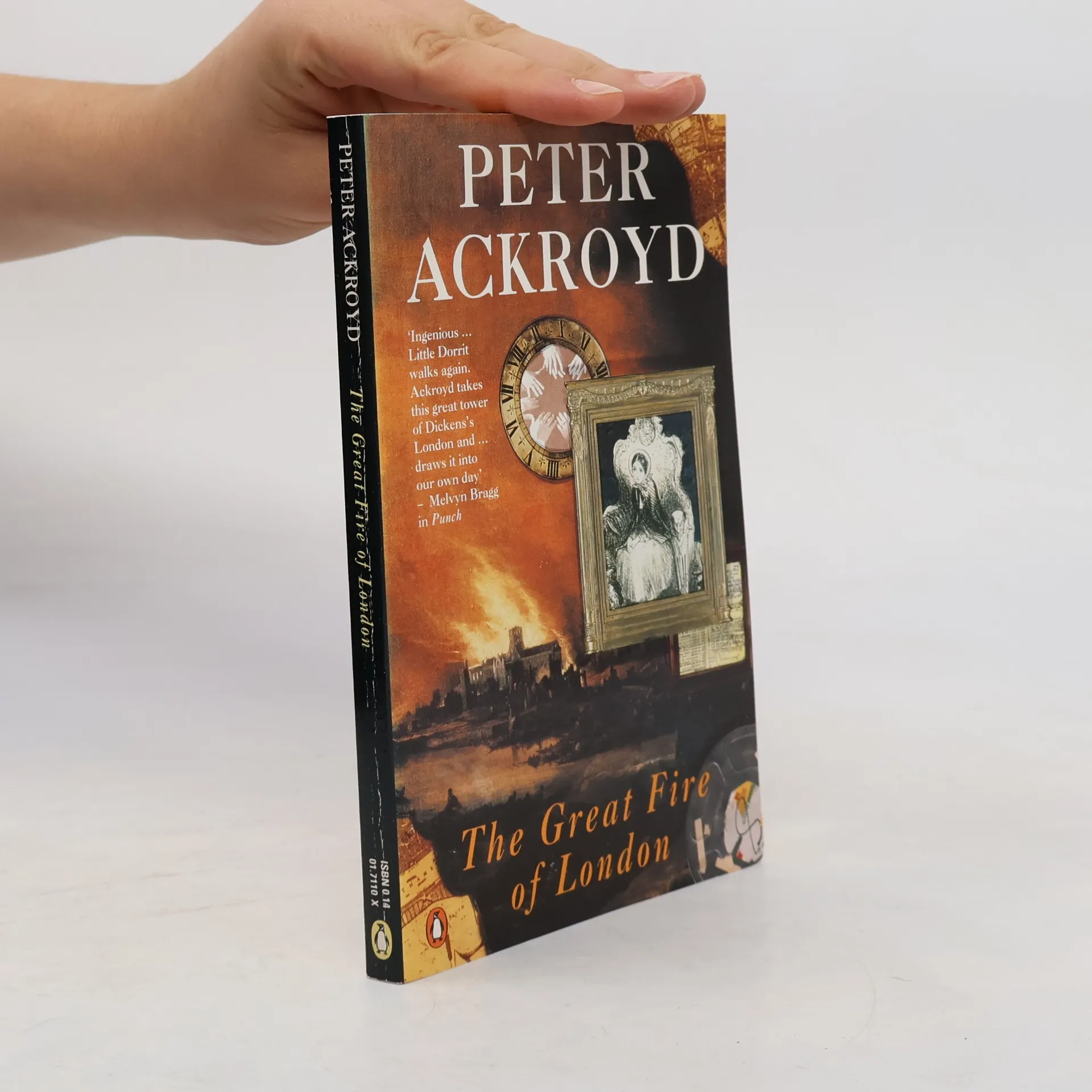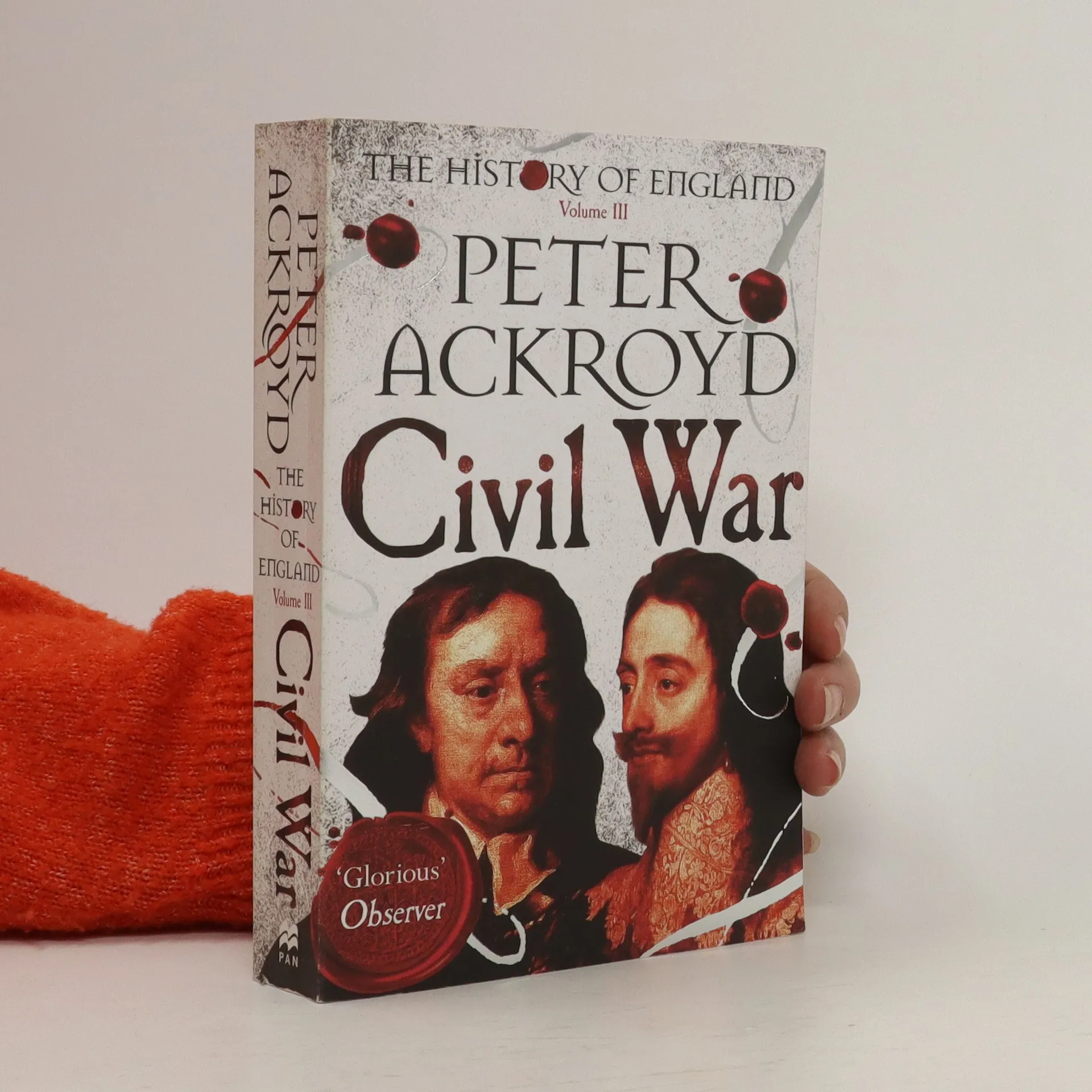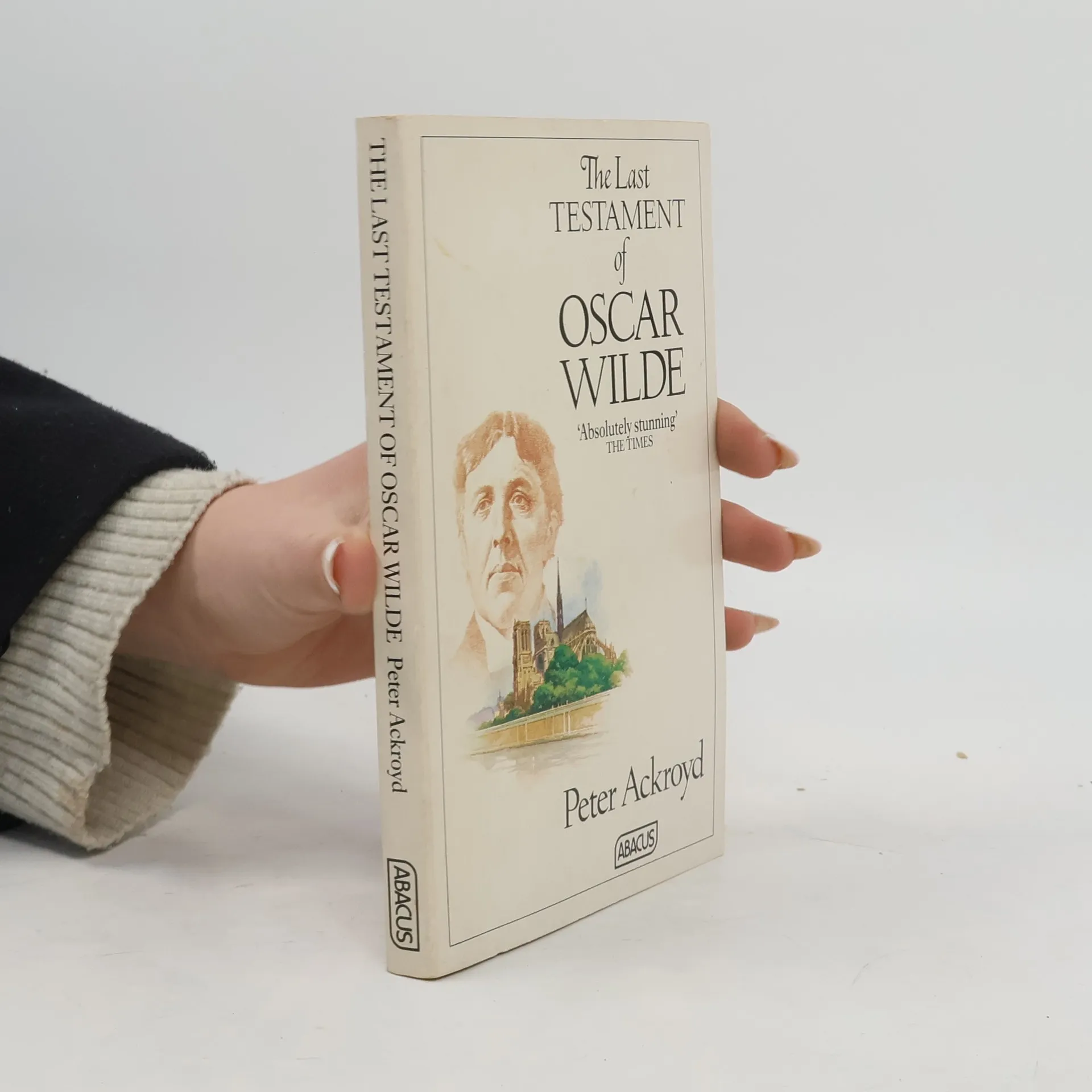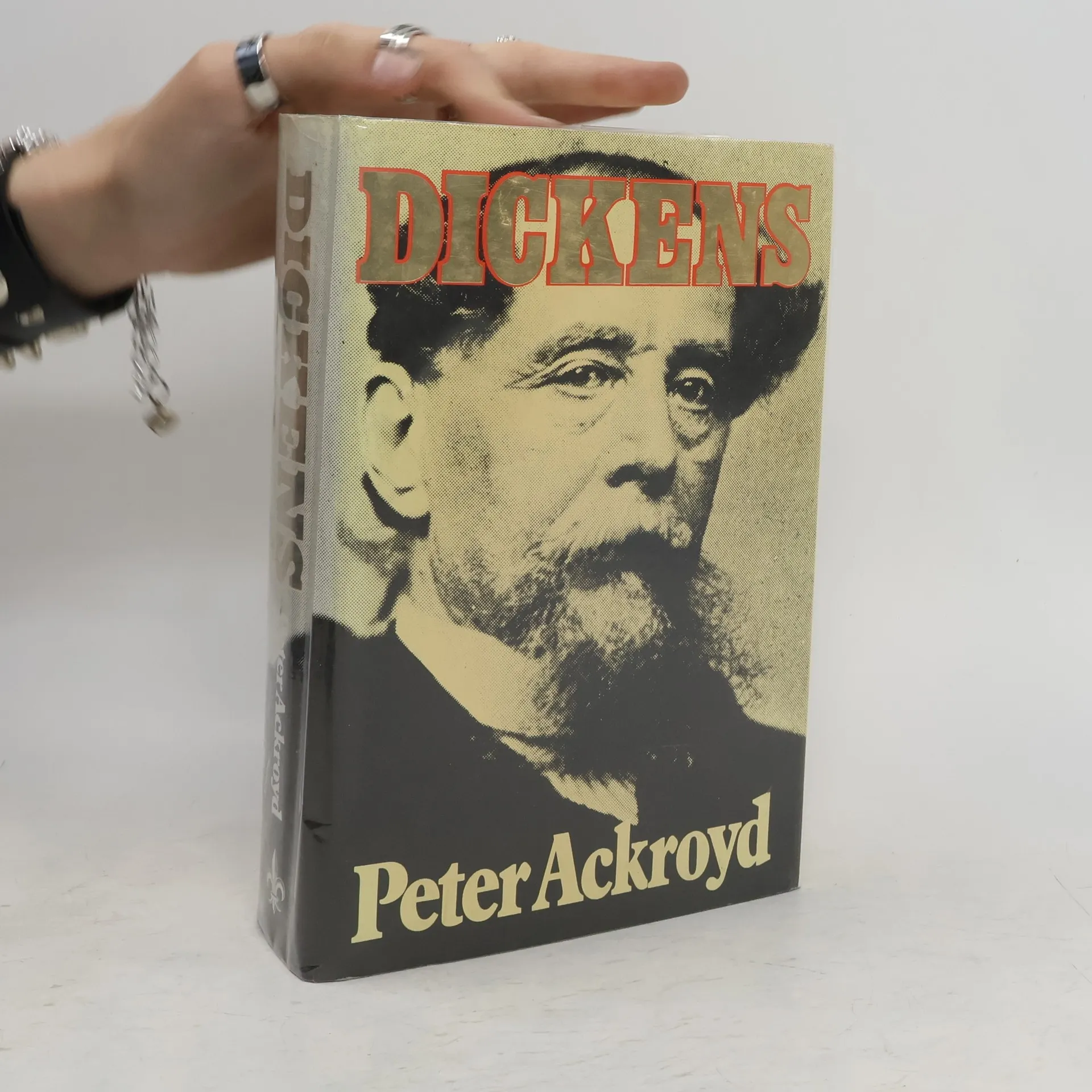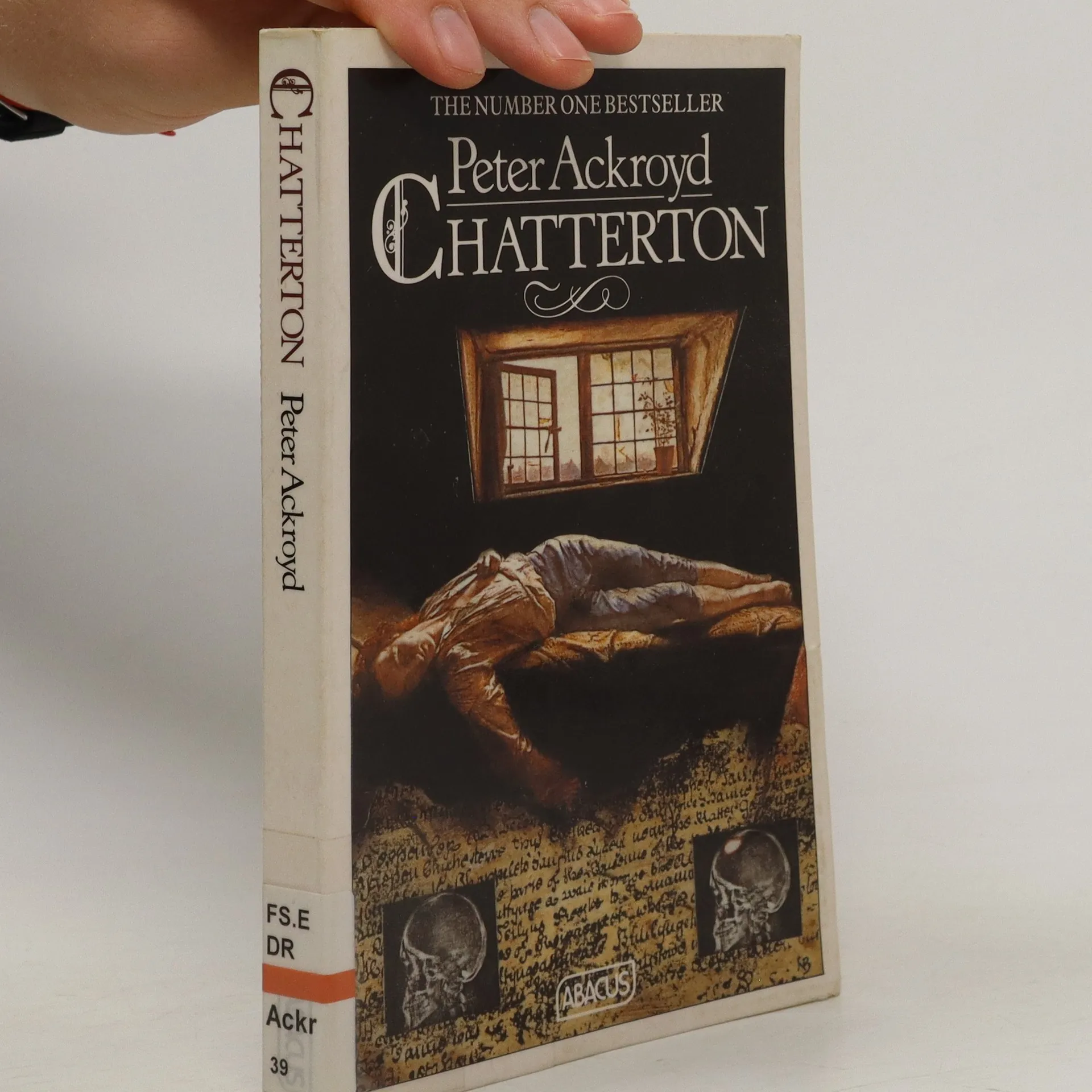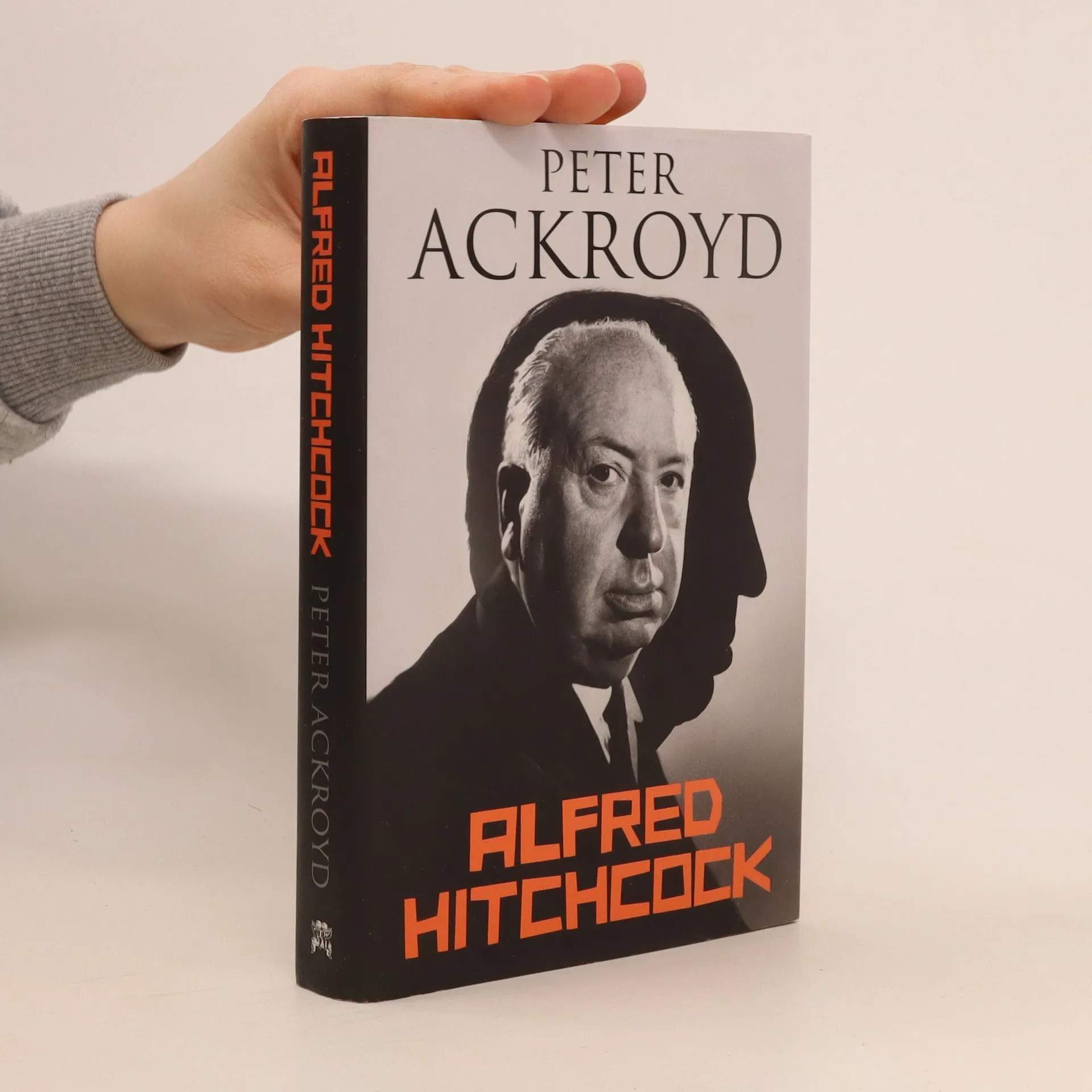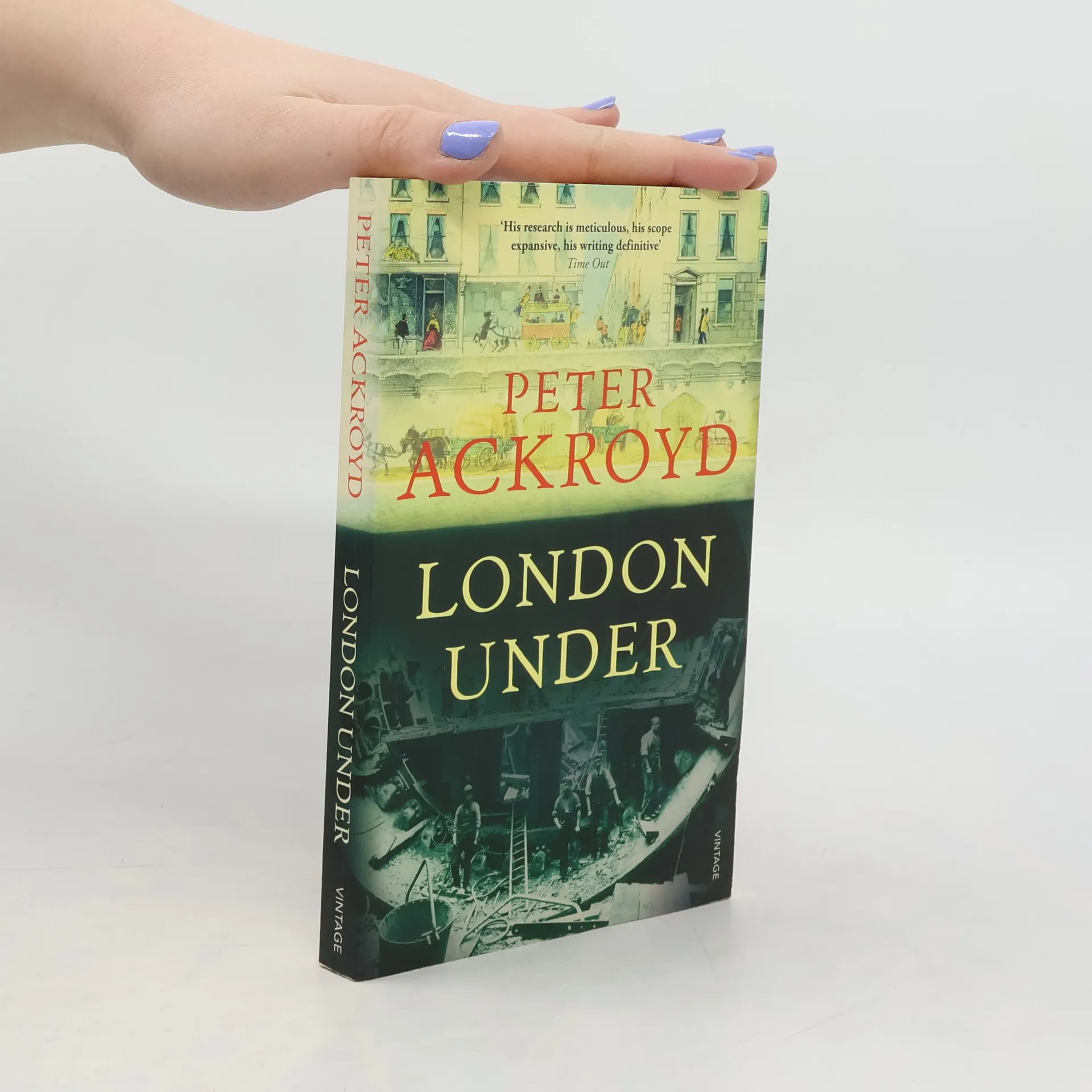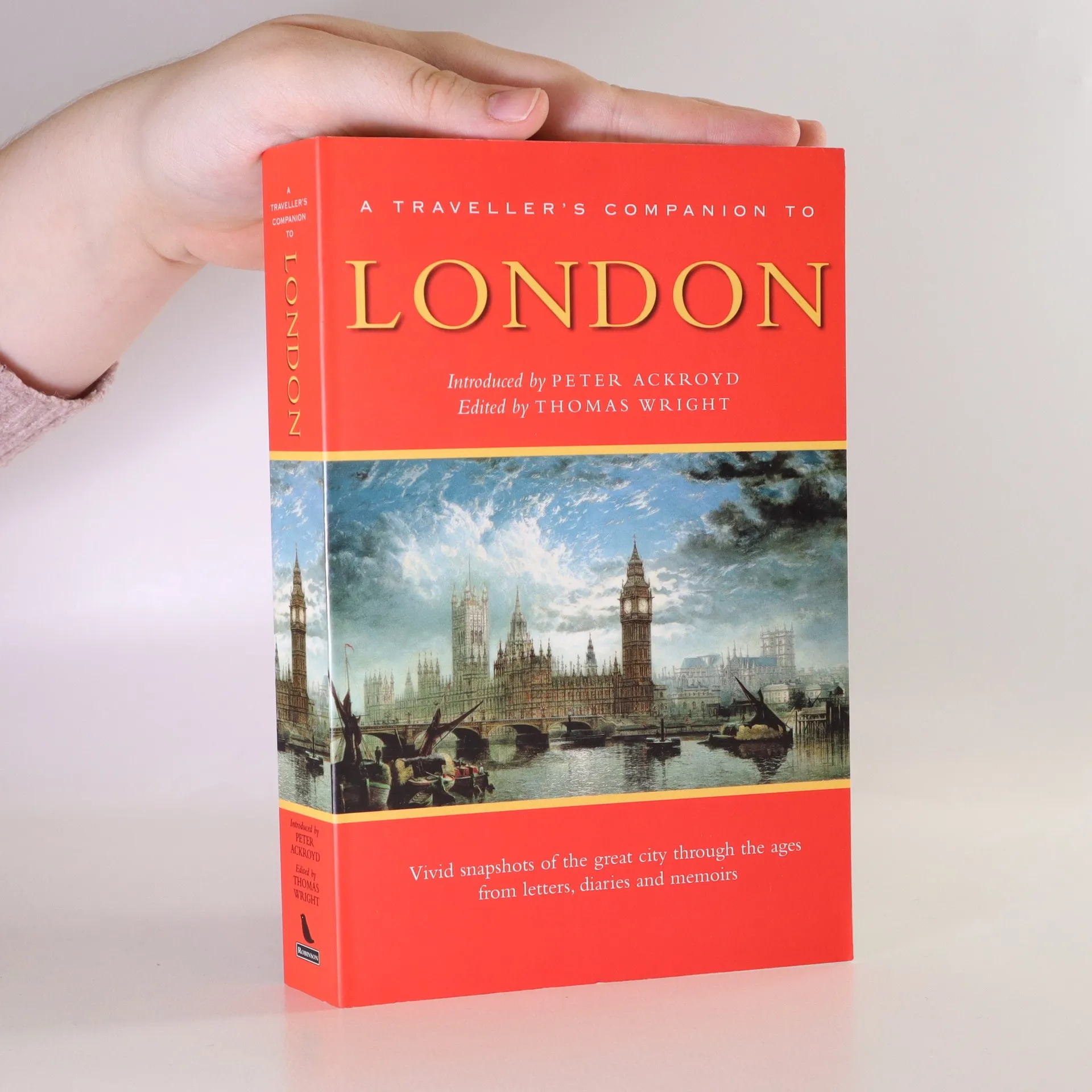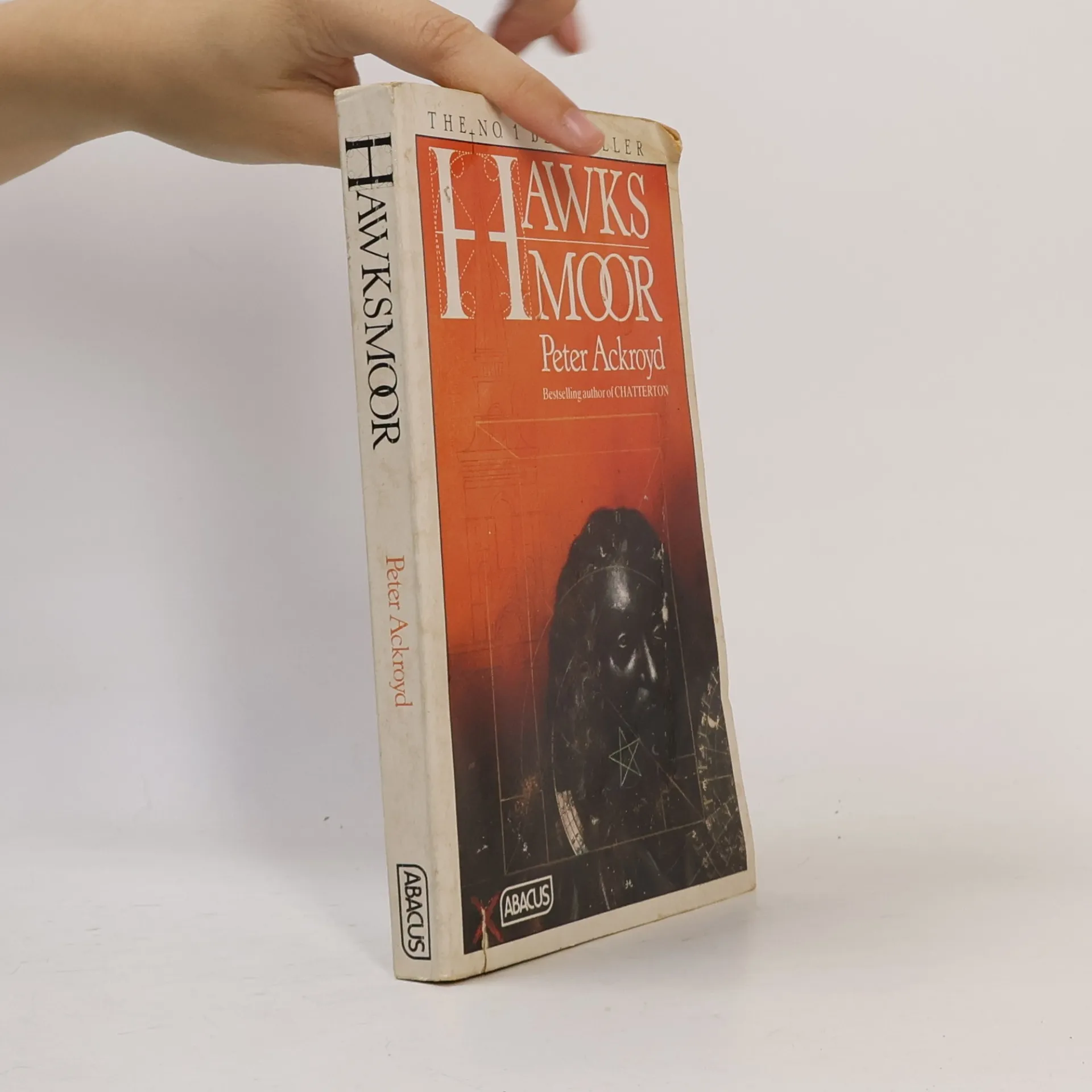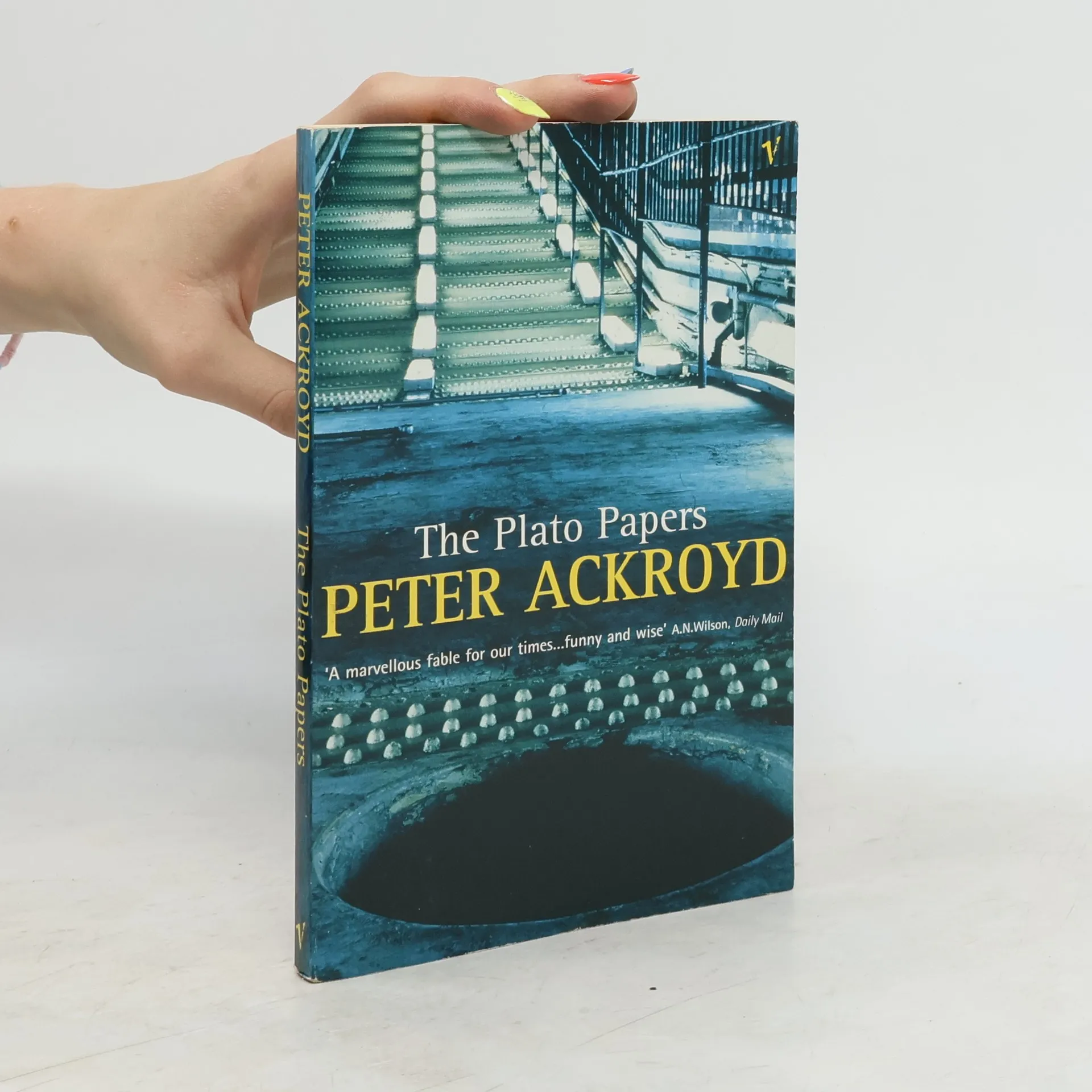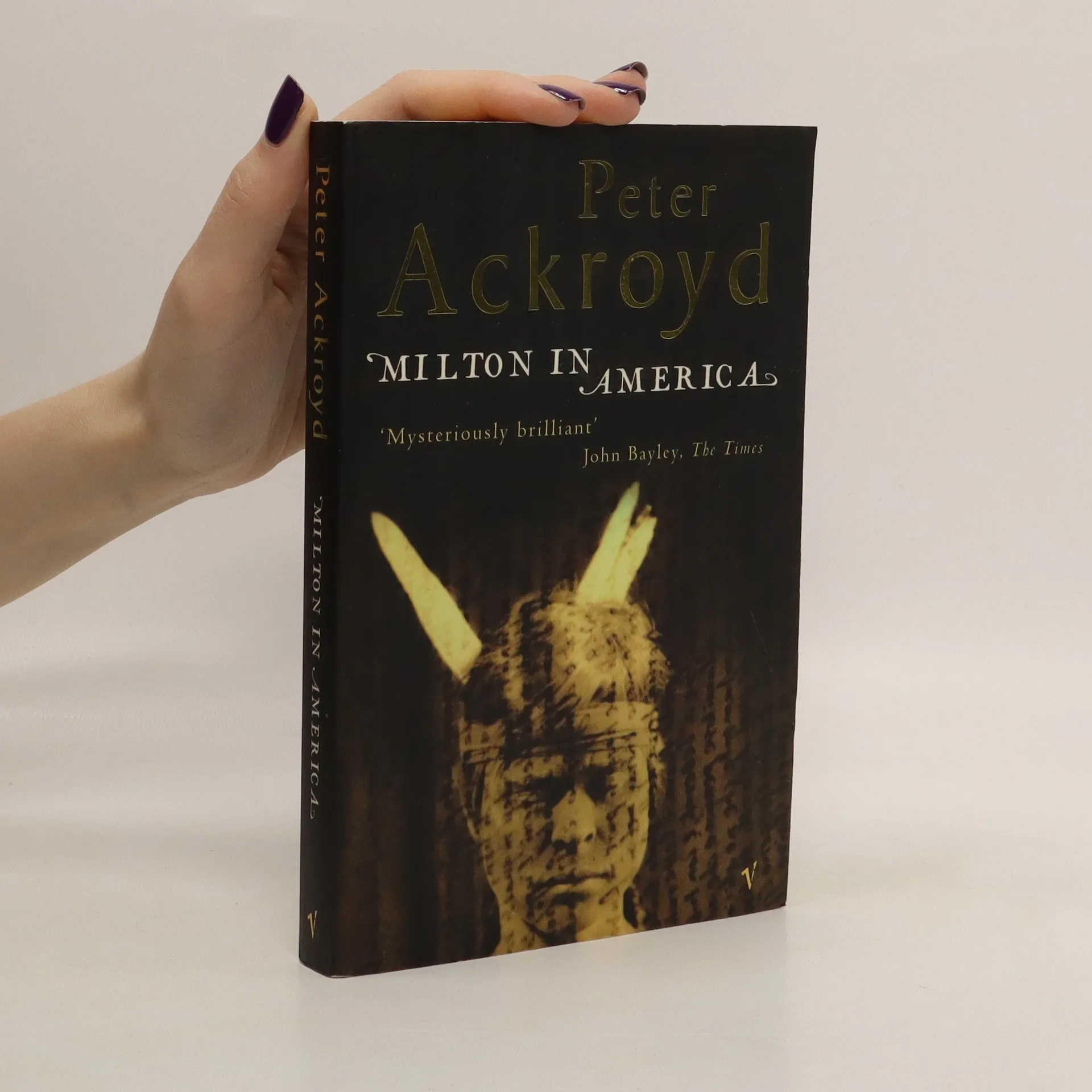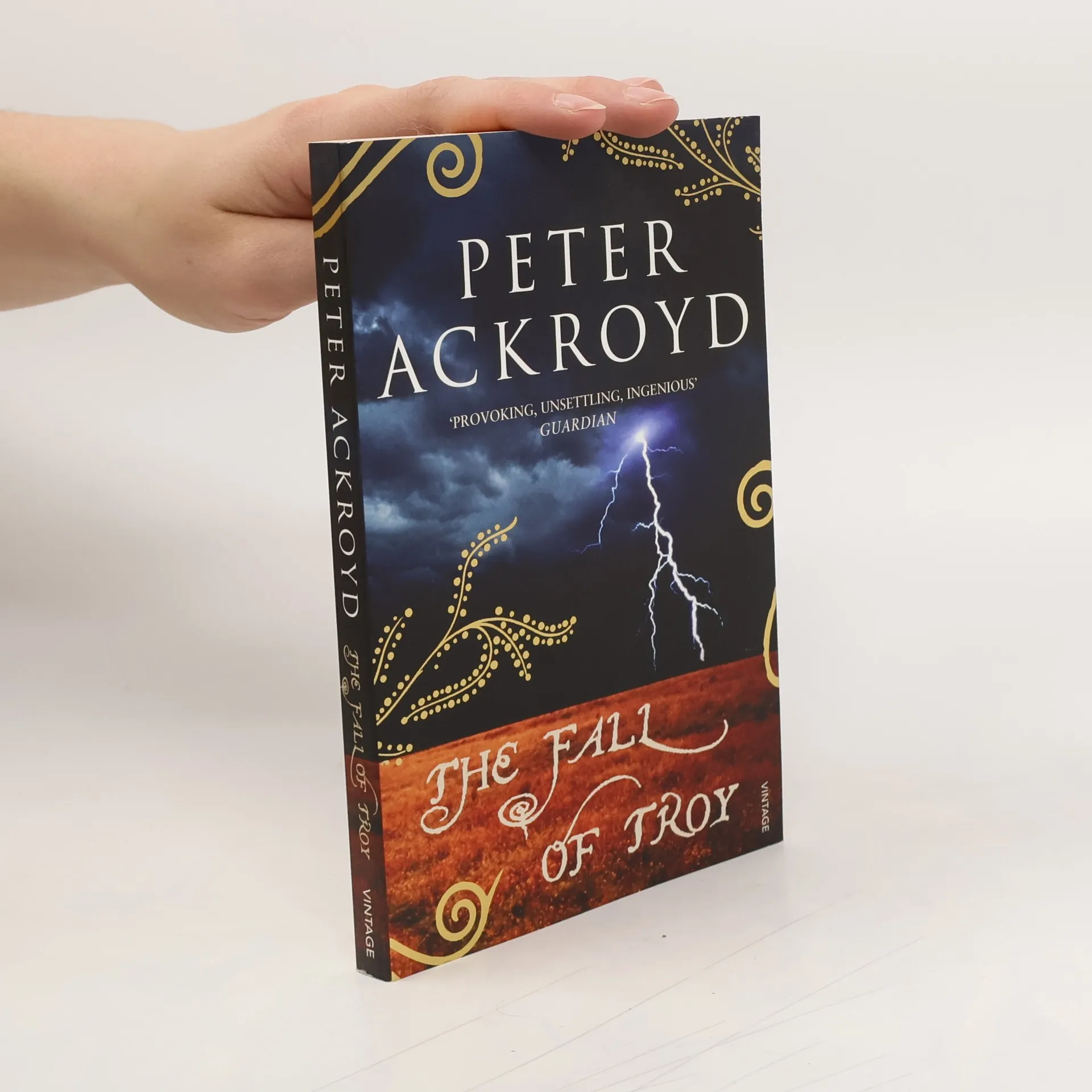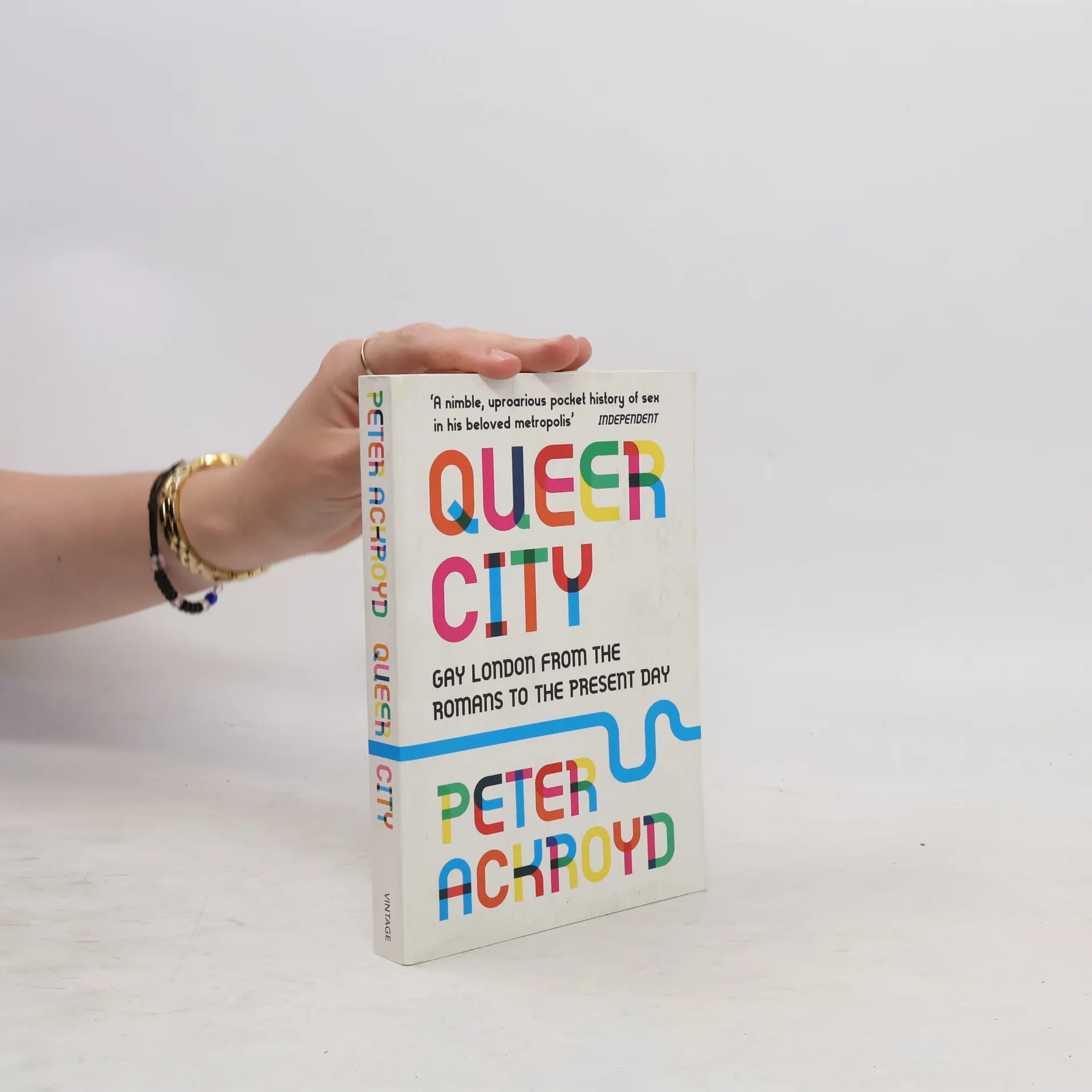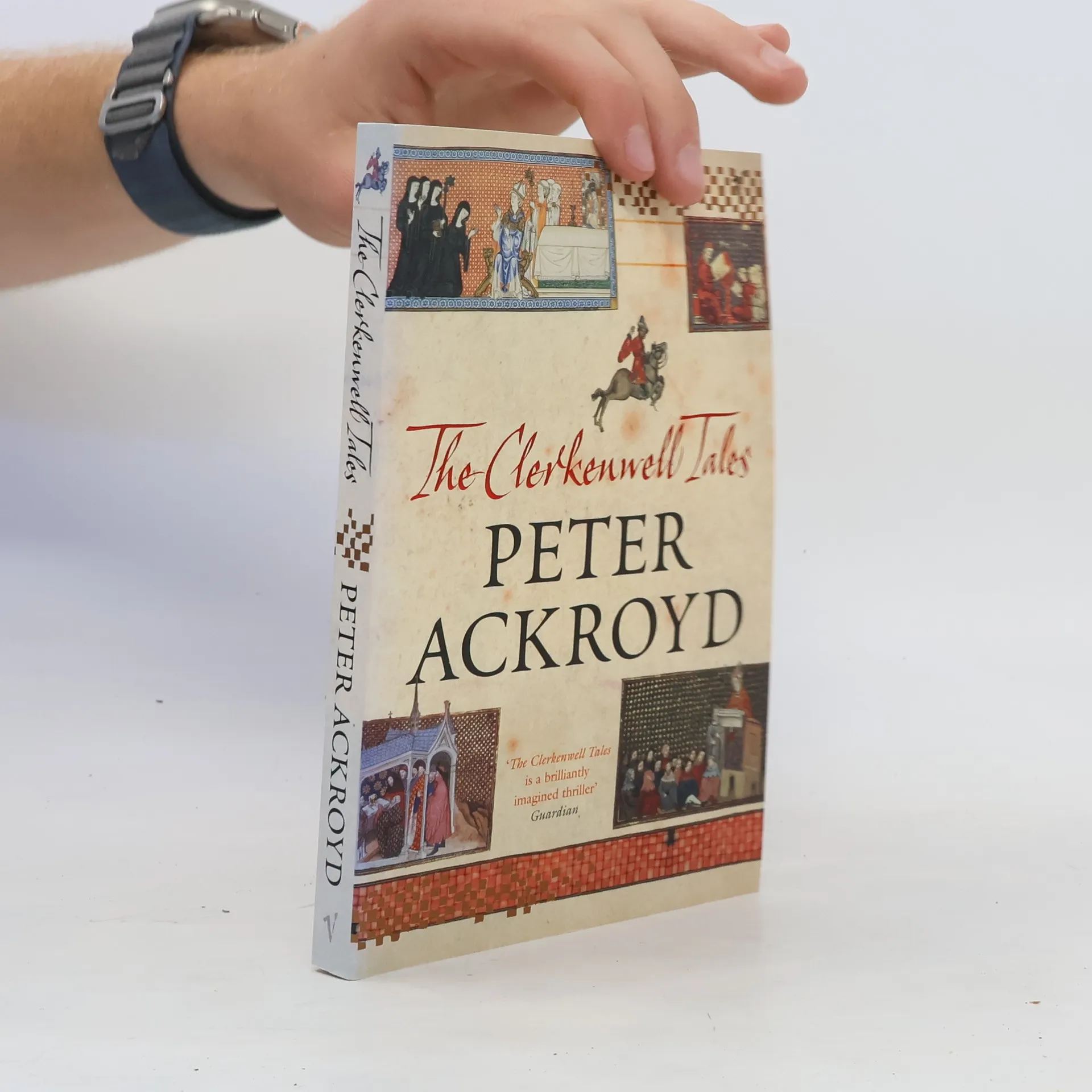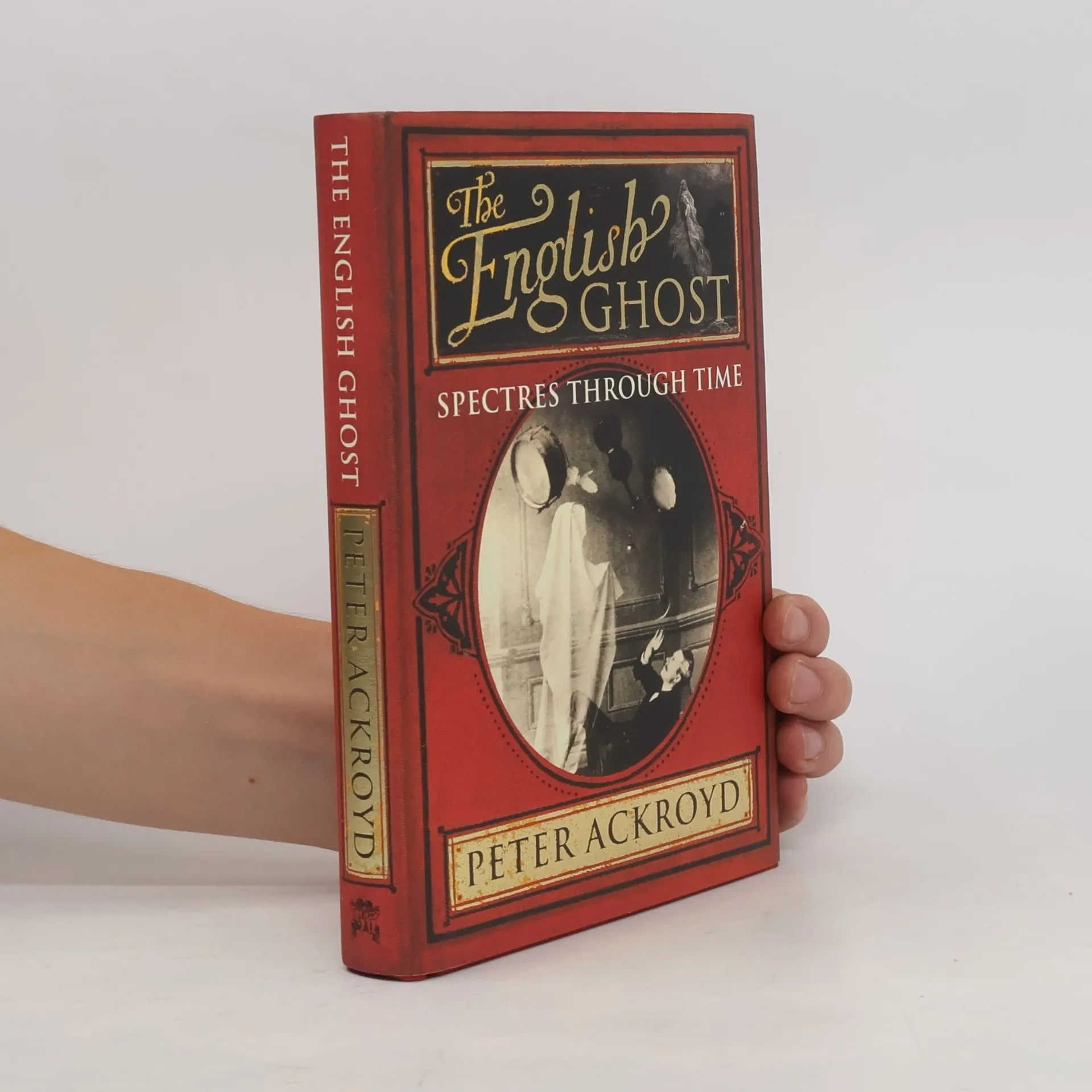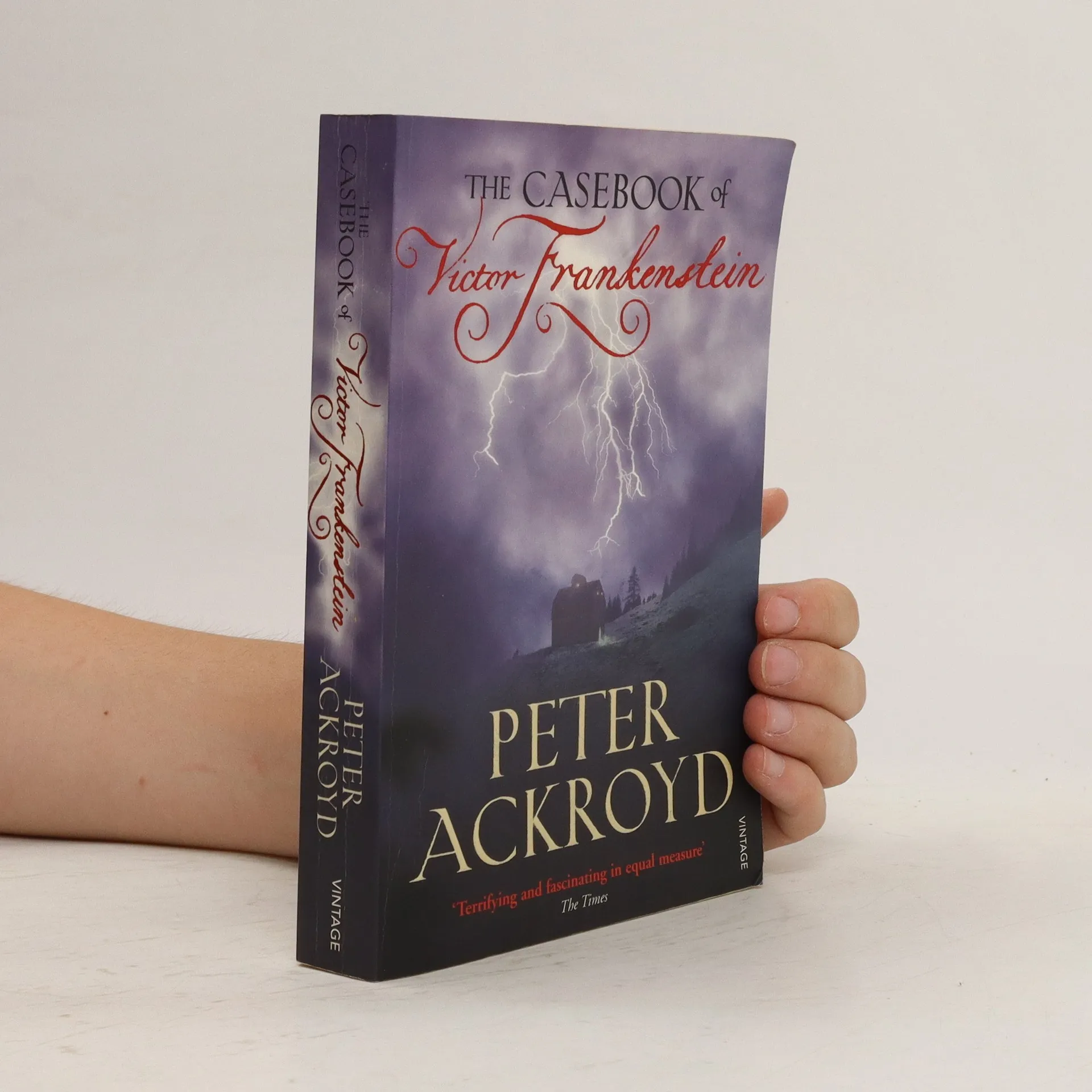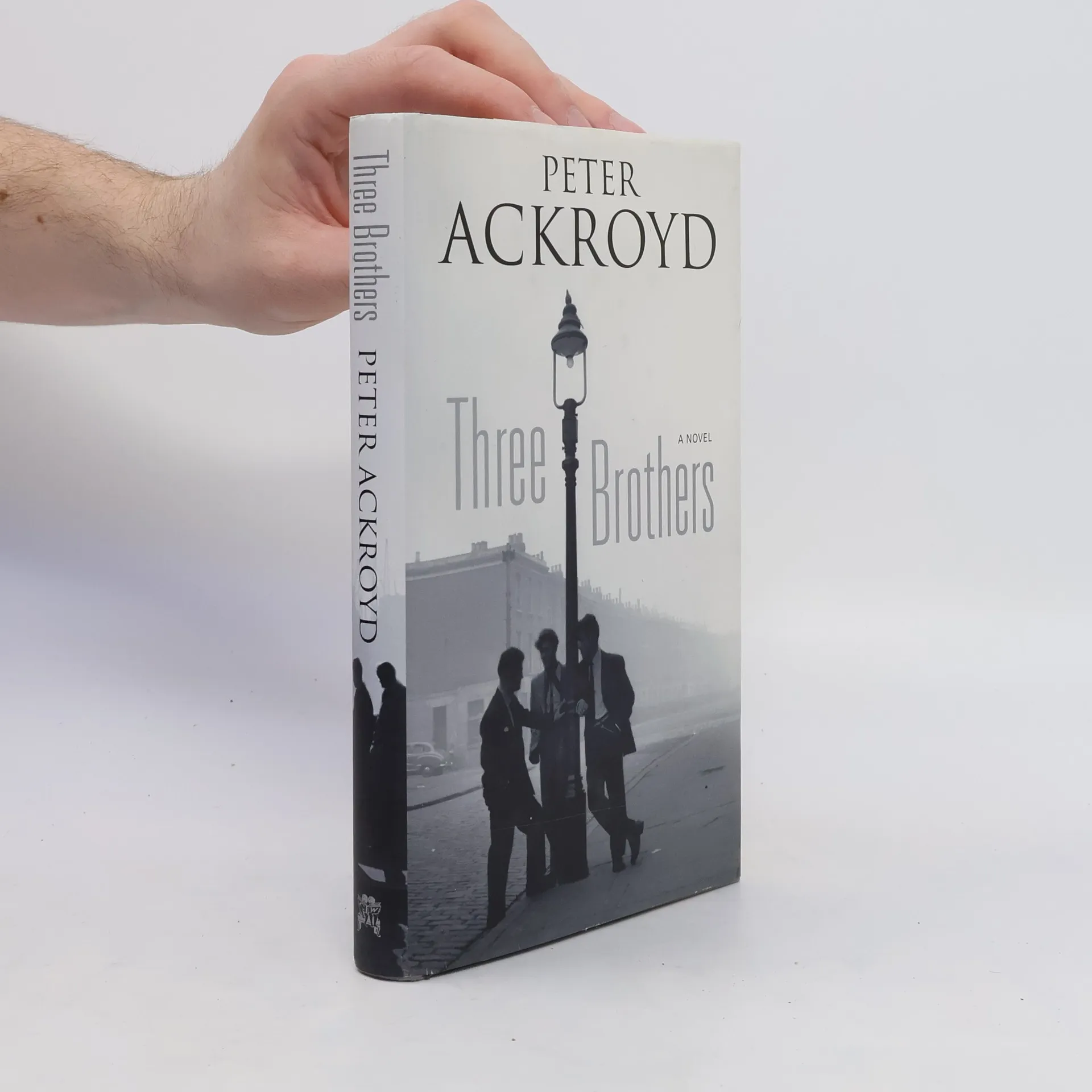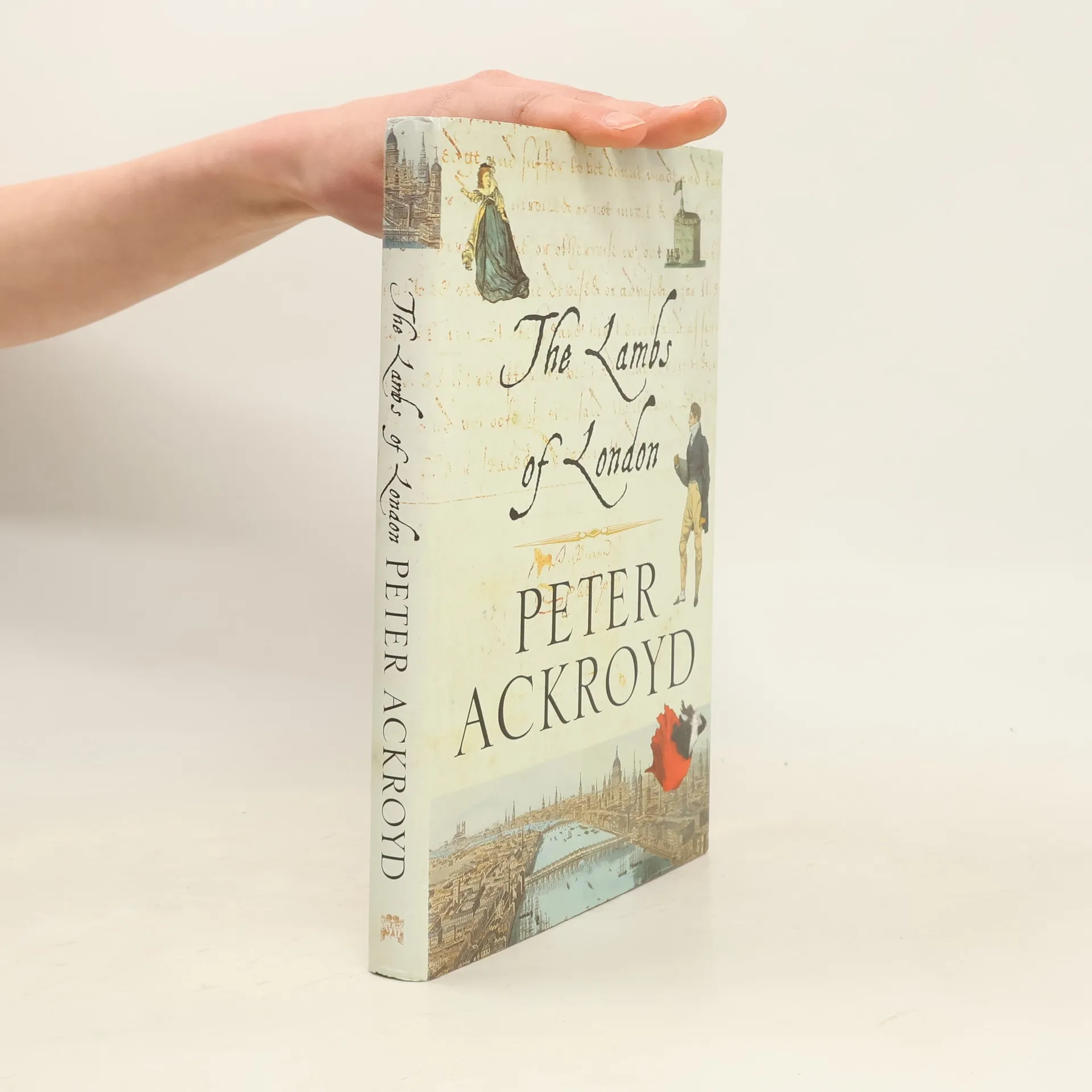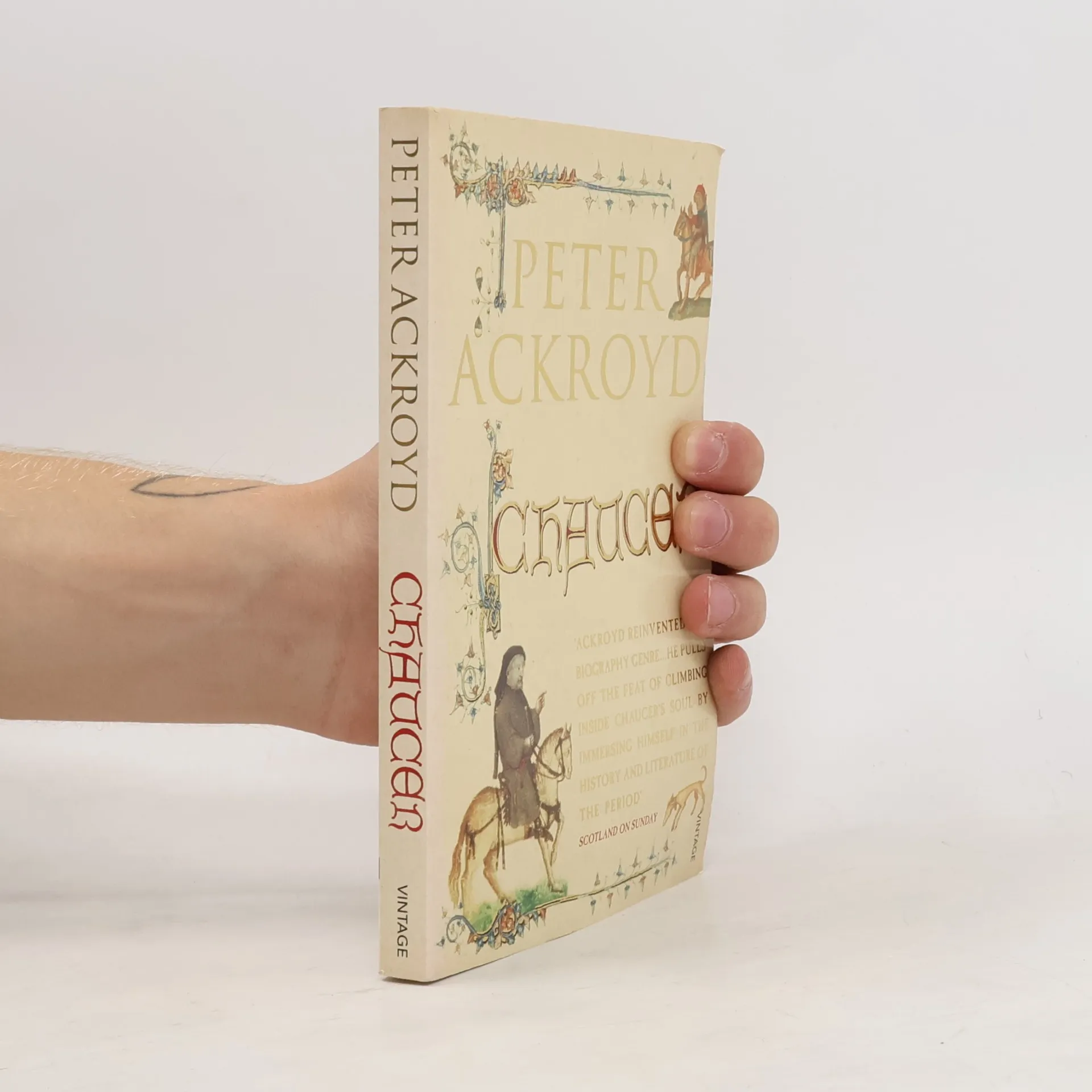
Peter Ackroyd Libros
Peter Ackroyd es un aclamado novelista y biógrafo inglés cuya obra está profundamente arraigada en la historia y la cultura de Londres. Ackroyd explora magistralmente el "espíritu del lugar" en su escritura, a menudo a través de las vidas de artistas y, en particular, de escritores, conectando sus destinos y obras con el vibrante corazón de la ciudad. Sus novelas y biografías, que a menudo profundizan en la compleja interacción del tiempo y el espacio, retratan Londres como una entidad viva cuya naturaleza cambiante se mantiene sorprendentemente constante. La fascinación de Ackroyd por la ciudad y sus figuras literarias crea un retrato rico y cautivador de la metrópoli inglesa.


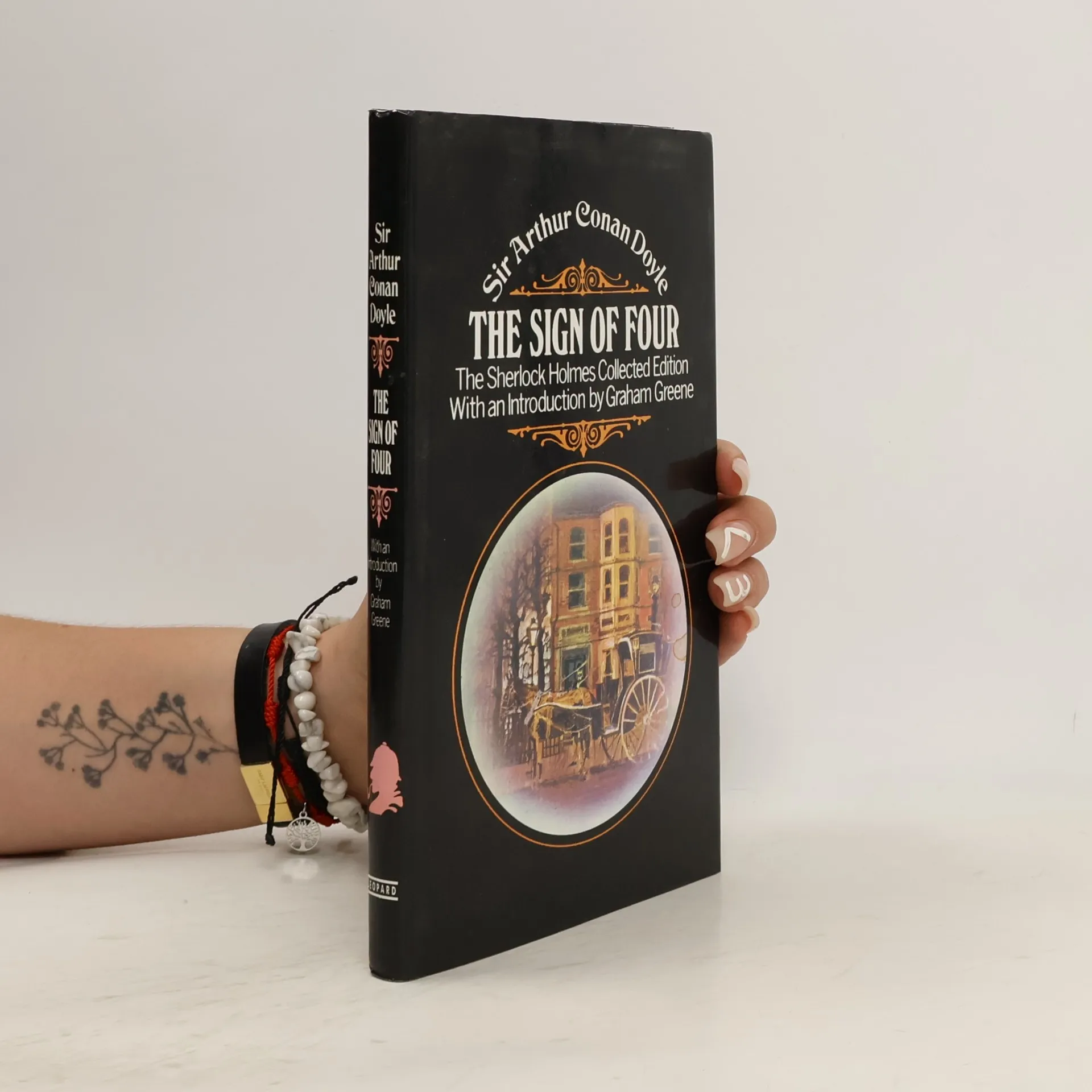
Sherlock Holmes - The Sign of Four
- 64 páginas
- 3 horas de lectura
Having received a cryptic message ten years after her father's sudden disappearance, a young woman asks Sherlock Holmes to solve the mystery
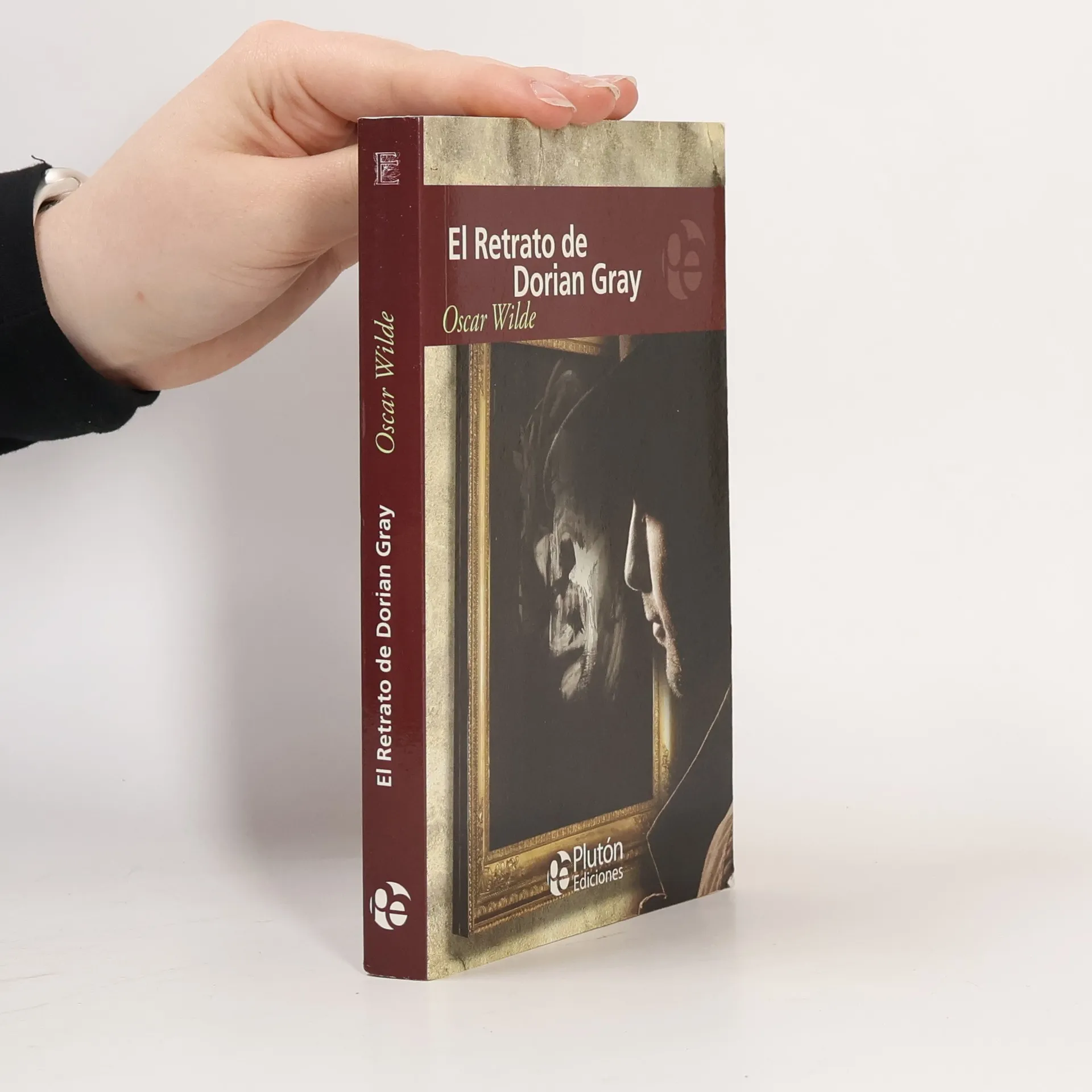
El retrato de Dorian Gray
- 223 páginas
- 8 horas de lectura
Joven agraciado y bellísimo, dotado de 'toda la pasión del espíritu romántico y toda la perfección de lo griego', Dorian Gray es, cuando lo retrata el distinguido pintor Basil Hallward, la encarnación de la armonía vital incorrupta. Sin embargo, inevitablemente, las pasiones, la maldad, el impetuoso torrente de la vida, irrumpen en su existencia. Para su asombro, Gray descubre que es su retrato quien va asumiendo su deterioro físico y moral, protegiendo, en apariencia, su inmaculada imagen.
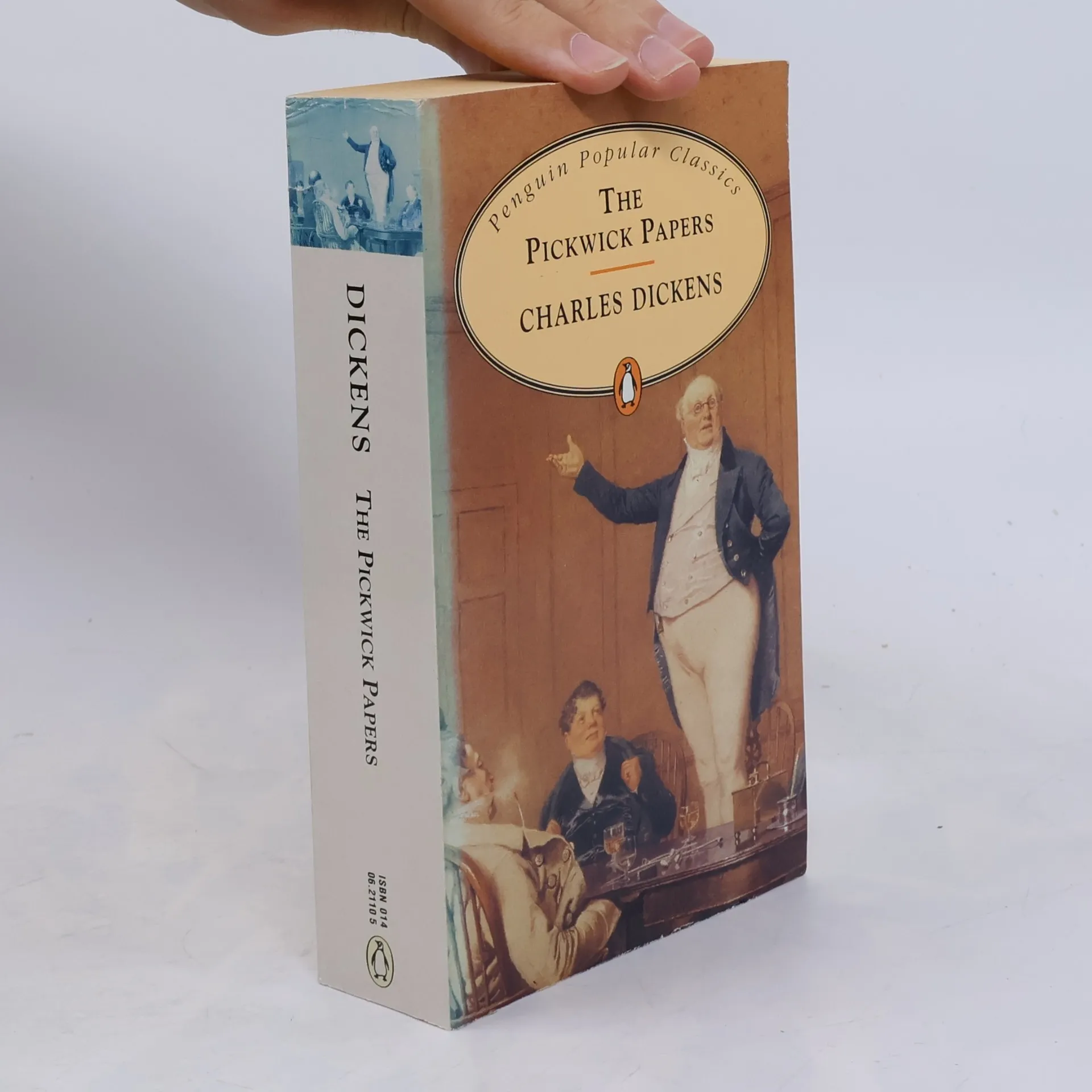
The Pickwick Papers
- 760 páginas
- 27 horas de lectura
Relates the various activites and adventures of the members of the Pickwick Club.
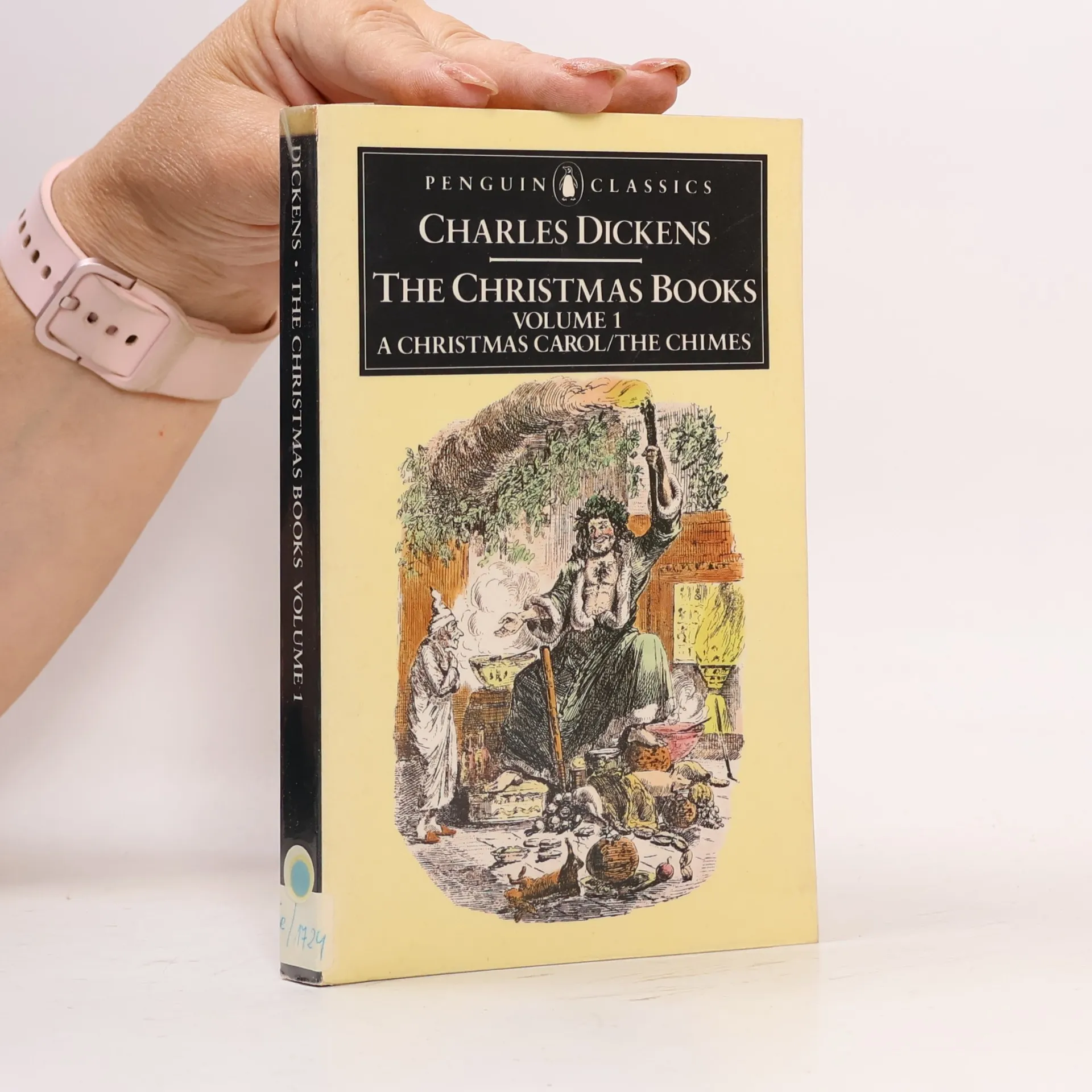
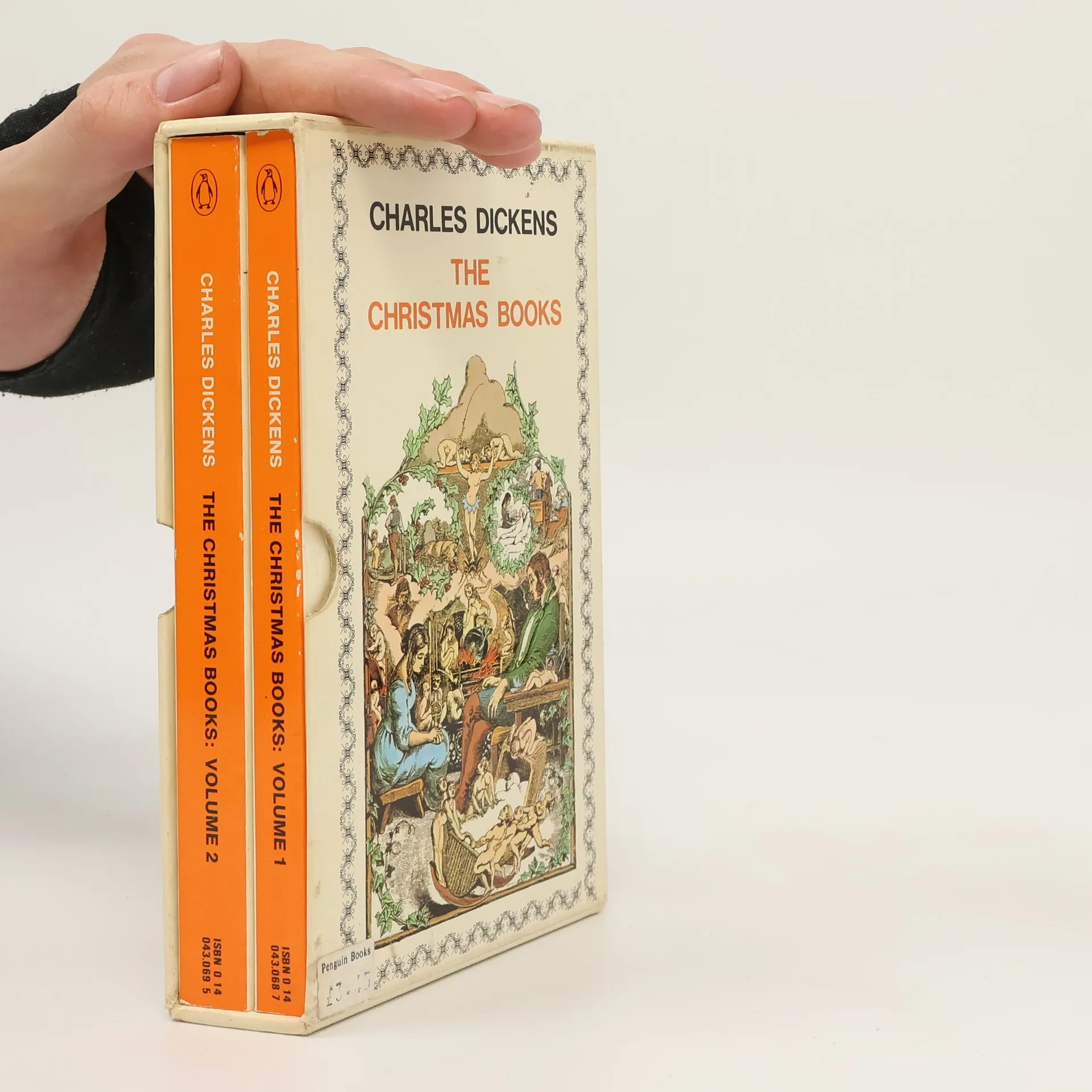
A Christmas Carol 'Bah! Humbug!' Mr Scrooge is a squeezing, wrenching, grasping, scraping, clutching, miserable old man. Nobody stops him in the street to say a cheery hello; nobody would dare ask him for a favour. And I hope you'd never be so foolish as to wish him a 'Merry Christmas'! Scrooge doesn't believe in Christmas, charity, kindness - or ghosts. But one cold Christmas Eve, Scrooge receives some unusual visitors who show him just how very mistaken he's been... The Chimes The second of his series of Christmas books, Charles Dickens wrote The Chimes one year after A Christmas Carol. Tackling familiar themes of redemption, social injustice and family, it is a story of hope and contemplation and is a moving festive read well worth discovering.
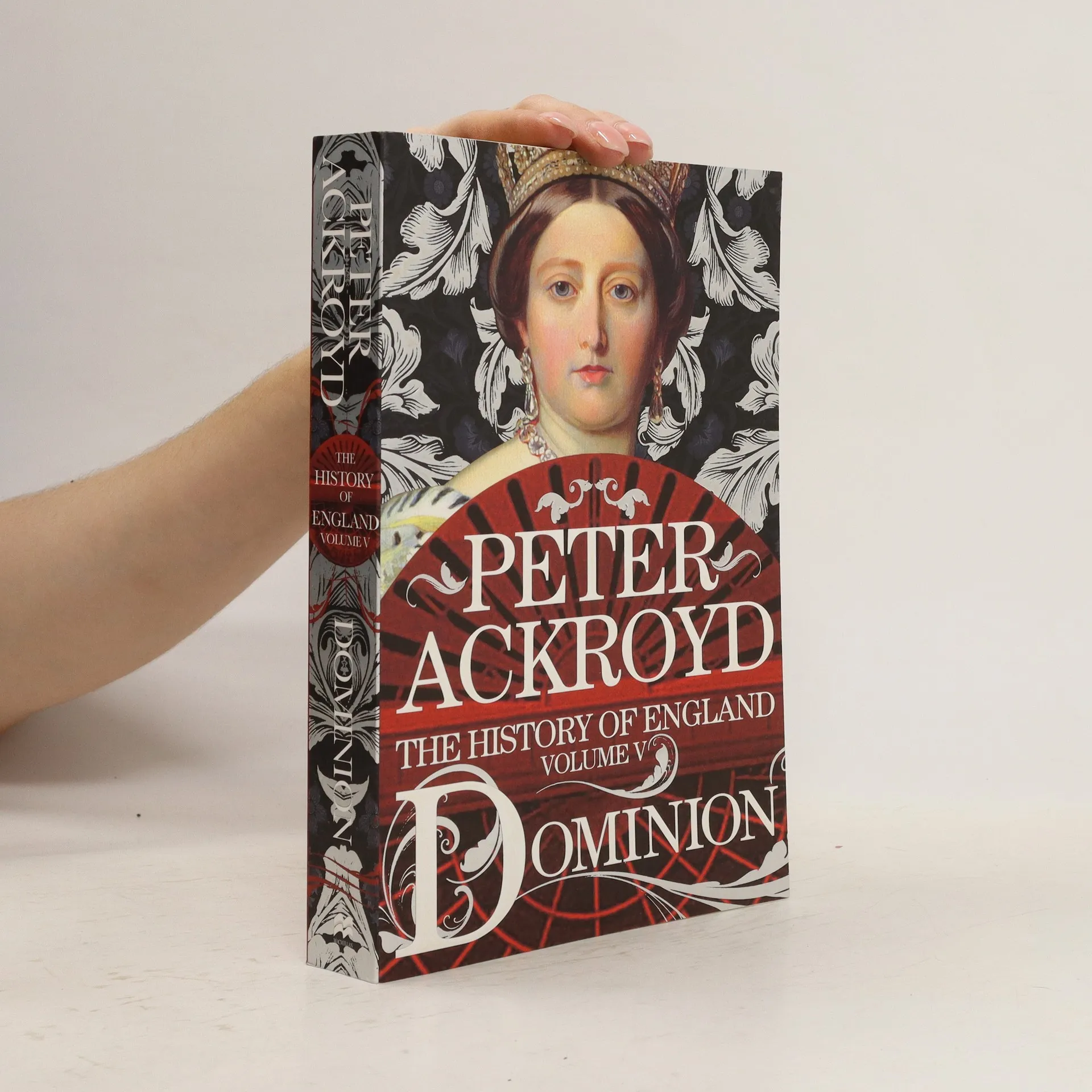
The sixth and final volume in Peter Ackroyd's magnificent History of England series, taking us from the Boer War to the Millennium Dome almost a hundred years later.
Orlando
- 225 páginas
- 8 horas de lectura
Orlando doubles first as an Elizabethan nobleman and then as a Victorian heroine who undergoes all the transitions of history, in an annotated edition of the classic novel that examines sex roles and social mores.
In Colours of London Peter Ackroyd tells the history of London through the lens of colour - with specially commissioned colorised photographs from Dynamichrome that bring a lost London back to life.
Oliver Twist
- 255 páginas
- 9 horas de lectura
A los nueve años el huérfano Oliver Twist ya sabe lo que es pasar hambre, sufrir malos tratos y trabajar de sol a sol en una fábrica. Un buen día decide fugarse a Londres con la esperanza de iniciar una vida más fácil. La gran ciudad, sin embargo, es una trampa llena de peligros.
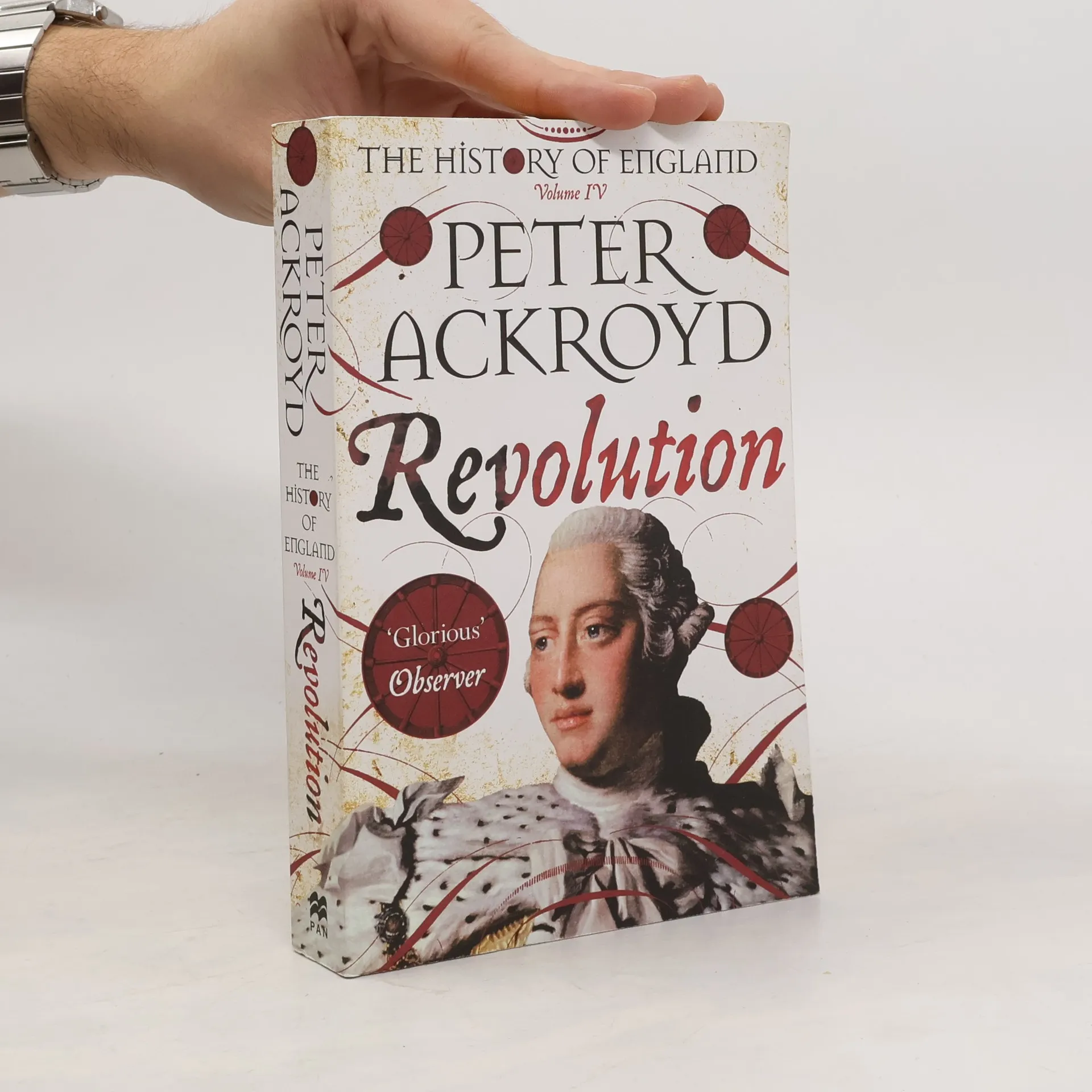
Revolution
- 434 páginas
- 16 horas de lectura
Revolution, the fourth volume of Peter Ackroyd's enthralling History of England begins in 1688 with a revolution and ends in 1815 with a famous victory. In it, Ackroyd takes readers from William of Orange's accession following the Glorious Revolution to the Regency, when the flamboyant Prince of Wales ruled in the stead of his mad father, George III, and England was - again - at war with France, a war that would end with the defeat of Napoleon at Waterloo.Late Stuart and Georgian England marked the creation of the great pillars of the English state. The Bank of England was founded, as was the stock exchange, the Church of England was fully established as the guardian of the spiritual life of the nation and parliament became the sovereign body of the nation with responsibilities and duties far beyond those of the monarch. It was a revolutionary era in English letters, too, a time in which newspapers first flourished and the English novel was born. It was an era in which coffee houses and playhouses boomed, gin flowed freely and in which shops, as we know them today, began to proliferate in our towns and villages. But it was also a time of extraordinary and unprecedented technological innovation, which saw England utterly and irrevocably transformed from a country of blue skies and farmland to one of soot and steel and coal.