Una abuela, una madre, una hija. A lo largo de esta saga, tan verídica como espeluznante, tres mujeres luchan por sobrevivir en una China sometida a guerras, invasiones y revoluciones. La abuela de la autora nació en 1909, época en la que China era aún una sociedad feudal. Sus pies permanecieron vendados desde niña, y a los quince años de edad se convirtió en concubina de uno de los numerosos señores de la guerra.
Verso la fine degli anni venti, Jung scopre singolari affinità tra antichi simboli cinesi e i sogni dei suoi pazienti, iniziando così a studiare i testi degli alchimisti. Dopo quindici anni di lavoro, pubblica questo volume, che rimane fra le sue opere più affascinanti. La tradizione alchimistica e la pratica analitica condividono il tentativo di creare una realtà nuova e superiore: da una parte l'oro e la pietra filosofale, dall'altra la "presa di coscienza" della psicologia moderna. L'alchimia esprime una pulsione a trasformare la materia prima dell'esperienza in conoscenza, cercando di portare alla luce il lato divino che dorme nell'oscurità degli istinti. È quindi una psicologia che non dice il suo nome, affine alla moderna psicoterapia. Jung amplia la sua indagine alla saggezza orientale e a esperienze culturali, mostrando come le scoperte scientifiche possano essere il ritrovamento di antichissime e universali esperienze, che egli definisce come tali.
This is one of Jung's later writings, in which readers will find the practical
applications to familiar psychological situations. It is an account of Jung's
handling of the transference between psychologist and patient in the light of
his conception of the archetypes.
The basic introduction to the thought of Jung, one of the founders of modern psychiatry. Here Jung examines some of the most contested and crucial areas in the field of analytical psychology: dream analysis, the primitive unconscious, and the relationship between psychology and religion. -- Publisher
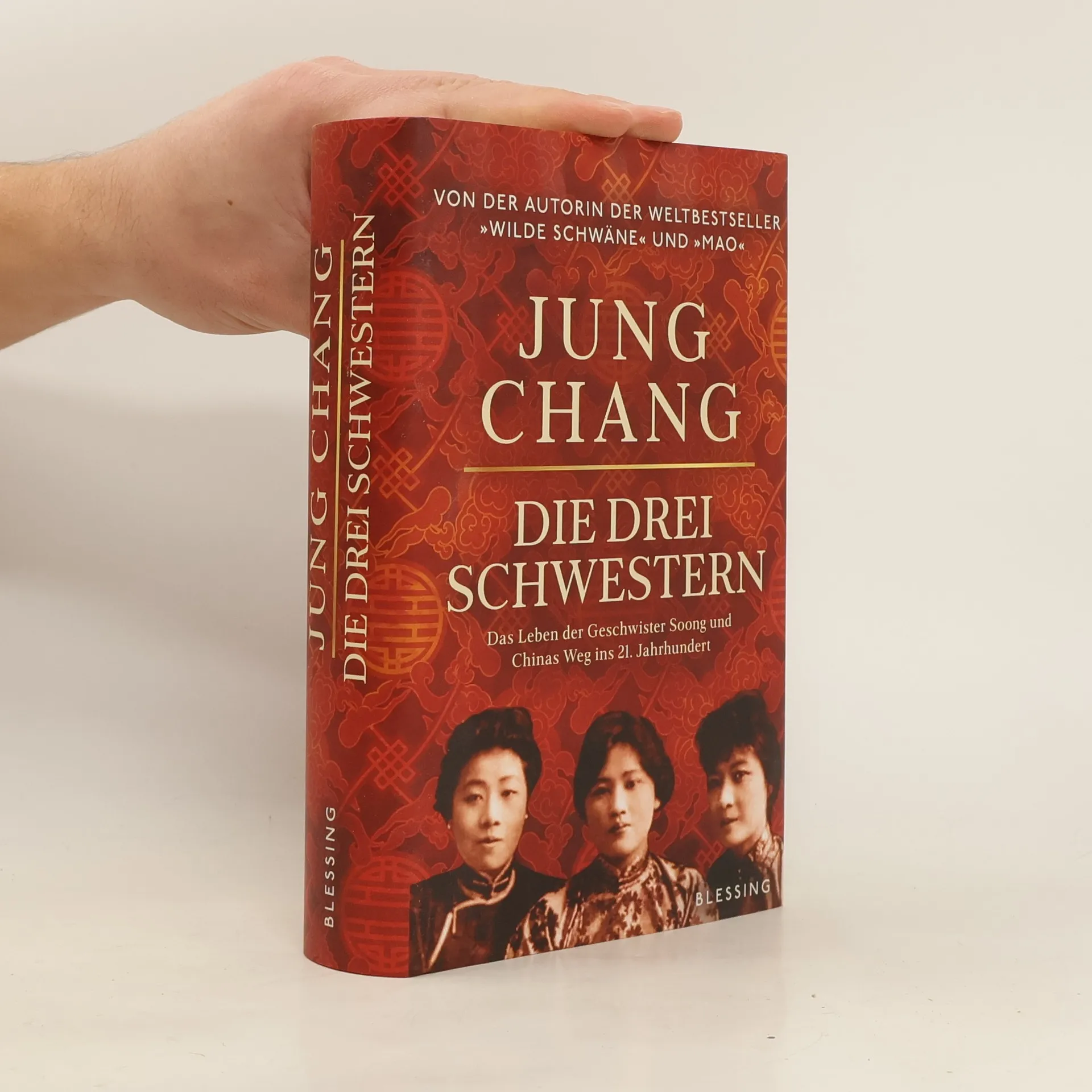
The best-known modern Chinese fairy tale revolves around three sisters from Shanghai, central figures in China's power dynamics throughout the twentieth century. Often simplified as 'One loved money, one loved power, and one loved her country,' the Soong sisters were far more complex. As China faced a century of wars, revolutions, and transformations, each sister played a significant role, leaving an indelible mark on history. Ching-ling, the Red Sister, married Sun Yat-sen, the republic's founding father, and later became Mao's vice-chair. May-ling, the Little Sister, was Madame Chiang Kai-shek, a prominent political figure in pre-Communist Nationalist China. Ei-ling, the Big Sister, served as Chiang's unofficial adviser, amassing wealth and influence as one of China's richest women. Despite their privilege, the sisters faced constant threats and danger. Their lives were filled with courage, love, despair, and heartbreak. The emotional tension between them intensified as they embraced opposing political ideologies, with Ching-ling aiming to dismantle her sisters' world. This gripping narrative unfolds through a monumental journey across various global locales, revealing the intertwined lives of three extraordinary women who significantly shaped twentieth-century China.
From the bestselling author of Wild Swans and Mao: The Unknown Story In this groundbreaking biography, Jung Chang vividly describes how Empress Dowager Cixi âe" the most important woman in Chinese history âe" brought a medieval empire into the modern age. Under her, the ancient country attained virtually all the attributes of a modern state and it was she who abolished gruesome punishments like âe~death by a thousand cutsâe(tm) and put an end to foot-binding. Jung Chang comprehensively overturns the conventional view of Cixi as a diehard conservative and cruel despot andalso takes the reader into the depths of her splendid Summer Palace and the harem of Beijingâe(tm)s Forbidden City, where she lived surrounded by eunuchs âe" with one of whom she fell in love, with tragic consequences. Packed with drama, fast-paced and gripping, it is both a panoramic depiction of the birth of modern China and an intimate portrait of a woman: as the concubine to a monarch, as the absolute ruler of a third of the worldâe(tm)s population, and as a unique stateswoman. âe~Powerfulâe(tm) Simon Sebag Montefiore âe~Truly authoritativeâe(tm) New York Times âe~Wonderfulâe(tm) Sunday Times Shortlisted for the James Tait Black Biography Prize
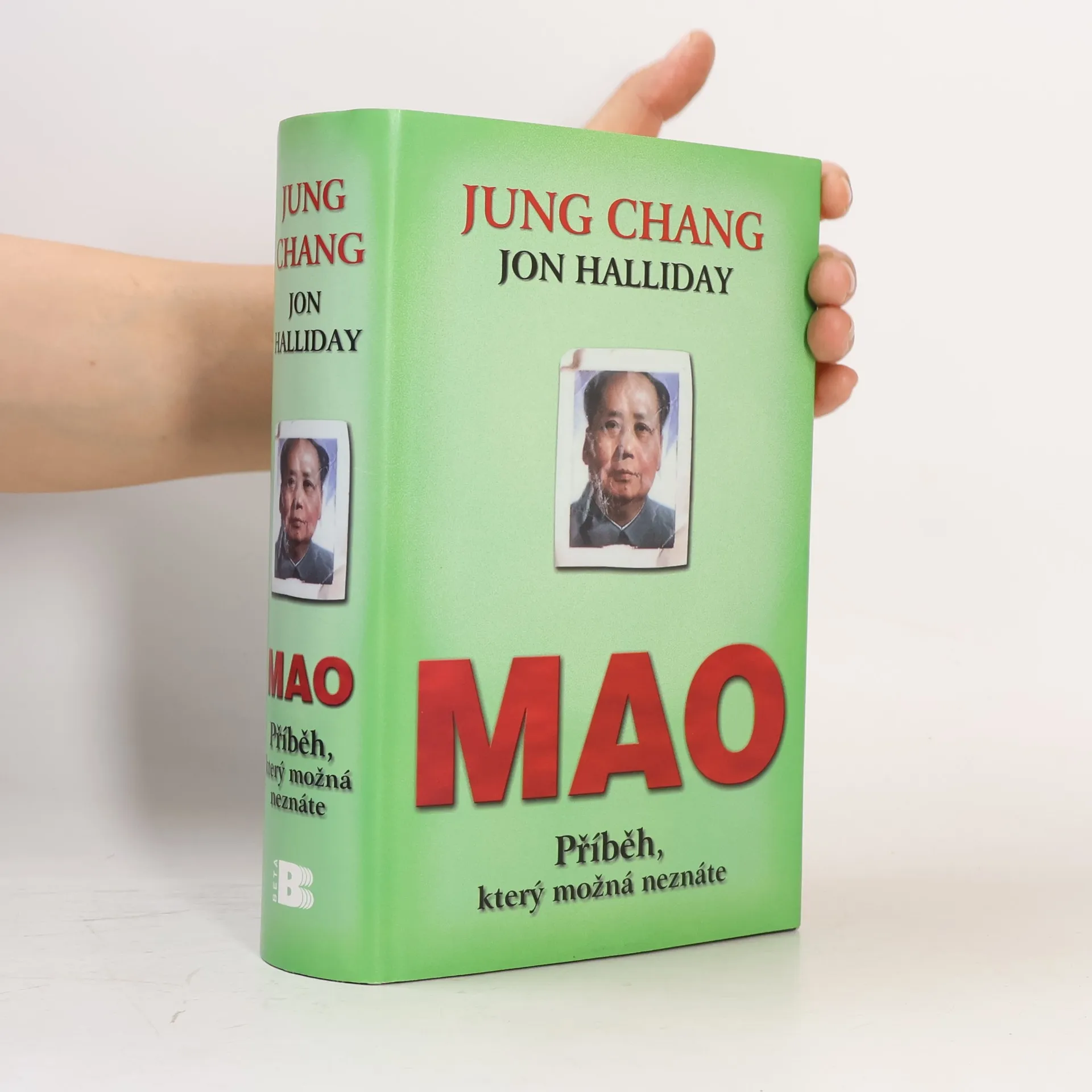
This biography is full of startling revelations, exploding the myth of the Long March, and showing a completely unknown Mao: he was not driven by idealism or ideology: his intimate and intricate relationship with Stalin went back to the 1920's. Mao conquered China in 1949 and his goal was to dominate the world. in chasing this dream he caused the deaths of 38 million people in the greatest famine in history. In all, well over 70 million Chinese perished under Mao's rule in peacetime
Victims all describe hearing a voice before they die gruesomely. Sometimes it’s singing an old Taiwanese song, sometimes it’s in Japanese, and sometimes it’s an anguished call for help from a loved one. Can Wu Shih-Sheng, a degenerate taxi driver in Taipei, hunt down the source of the voice that killed his wife before he becomes the next victim?Whisper is a plot-driven, Taiwanese horror story. As well as being a chilling read, Chang Yu-Ko cleverly combines Taiwanese folklore, the Japanese occupation of Taiwan, and the long-term mistreatment of the country’s aboriginal people into a story of how the past can still kill.
Focusing on the pivotal role of education for international understanding as promoted by UNESCO, the book examines the implementation of these principles in Chinese schools since the 1980s. It highlights the strategies and practices adopted within the educational system to foster global awareness and cooperation among students, showcasing the evolution and impact of these educational initiatives in China.
Focusing on the sociocultural theory and multiliteracies, this book equips educators with strategies to support diverse students and their families in navigating various forms of literacy. It emphasizes the importance of recognizing and utilizing cultural strengths, offering concrete alternatives for teaching that embrace multimodality and posthumanist perspectives. The aim is to create inclusive educational environments that acknowledge and celebrate the richness of students' backgrounds.
Životopis čínského revolucionáře a nejvyššího představitele Komunistické strany Číny - Mao Ce-tunga. Osobní život, ale především politická kariéra předního čínského revolucionáře a státníka. Shrnutí života od dětství přes vstup do Komunistické strany Číny, působení v Nacionalistické straně, "dlouhý pochod", japonskou okupaci, volbu nejvyšším představitelem strany, mocenské ovládnutí Číny, supervelmocenské ambice, peripetie "kulturní revoluce" a smrt. Osobní Mao Ce-tungova role v procesu historického vývoje Číny v průběhu 20.století.
Przejmująca autobiograficzna saga, której bohaterkami są przedstawicielki trzech pokoleń rodziny Chang - autorki książki. Tłem akcji są przemiany zachodzące w Chinach w ciągu ostatnich osiemdziesięciu lat: od schyłku cesarstwa chińskiego, okres japońskiej okupacji, poprzez rządy Mao i Rewolucję Kulturalną do masakry na placu Tian`anmen. Powieść jest spojrzeniem od wewnątrz na proces tworzenia się współczesnych Chin, poprzez pryzmat losów kochającej się rodziny, której ostoją zawsze były kobiety. Nasycona ciepłem opowieść o niezwykłej odwadze i wytrwałości w obliczu wojny, totalitaryzmu, atmosfery represji i tortur, osobistych tragedii.
Few books have had such an impact as Wild Swans: a popular bestseller which has sold more than 13 million copies and a critically acclaimed history of China; a tragic tale of nightmarish cruelty and an uplifting story of bravery and survival. Through the story of three generations of women in her own family – the grandmother given to the warlord as a concubine, the Communist mother and the daughter herself – Jung Chang reveals the epic history of China's twentieth century. Breathtaking in its scope, unforgettable in its descriptions, this is a masterpiece which is extraordinary in every way.
Jedes Kind in China kennt die Geschichte der drei Schwestern aus Shanghai, die die Geschicke Chinas im 20. Jahrhundert von den Zentren der Macht aus mitbestimmten. Man sagte über sie: Eine liebte das Geld, eine liebte die Macht, und eine liebte ihr Land. Alle drei genossen Privilegien, Ruhm und Reichtum, wurden aber auch angefeindet und sahen sich tödlichen Gefahren ausgesetzt. Sie zeigten Mut, erlebten stürmische Liebe, aber auch große Verzweiflung. »Die drei Schwestern« ist ein fesselndes Epos über Liebe, Krieg, Exil, Intrigen, Glamour und Verrat. Jung Chang erzählt die Leben dreier außergewöhnlicher Frauen nach, die China im 20. Jahrhundert maßgeblich prägten.
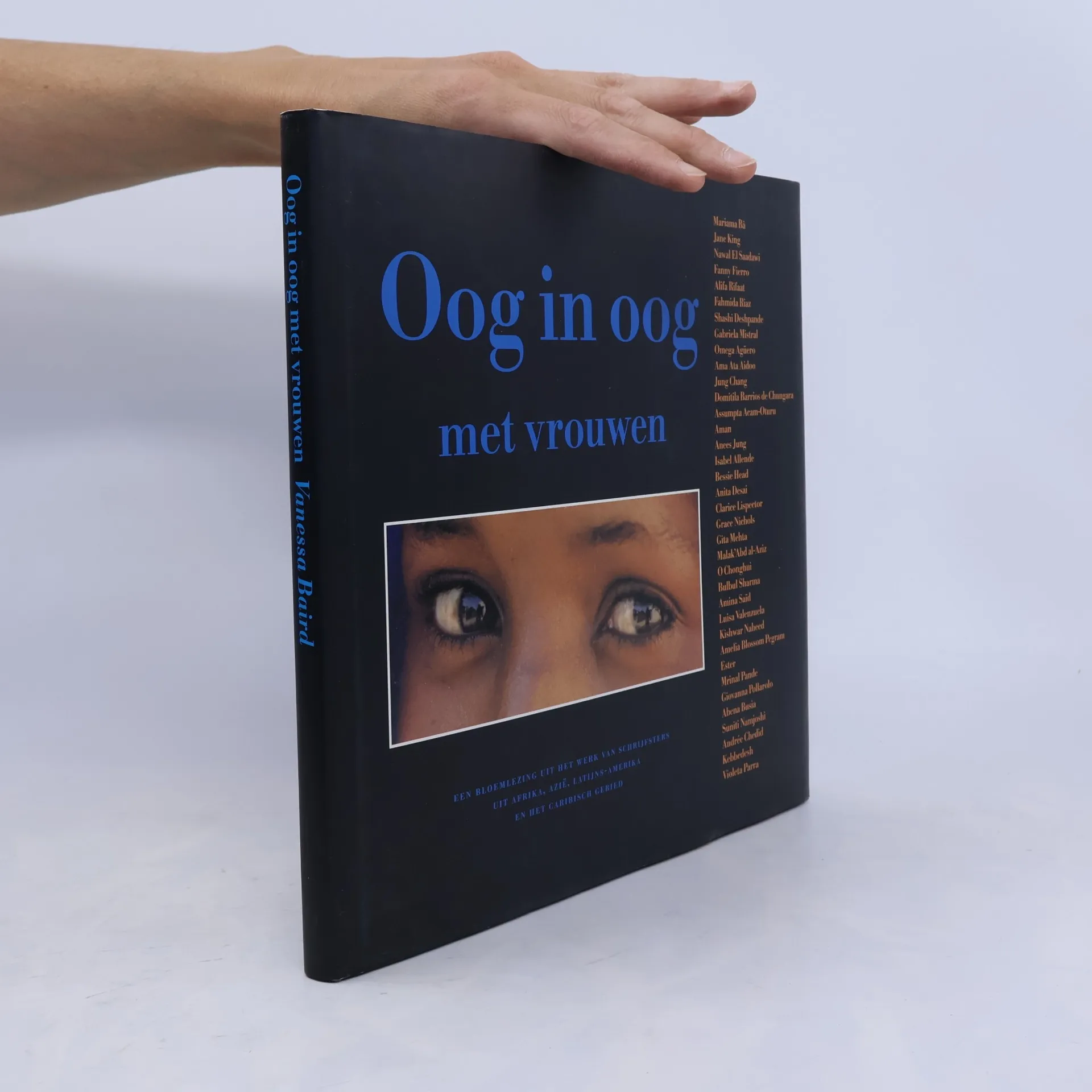
Oog in oog met vrouwen is een bloemlezing uit het prachtige werk van schrijfsters uit Afrika, Azië, Latijns-Amerika en het Caribisch gebied. De fragmenten uit proza en poëzie, die zijn samengebracht onder noemers als Leven en Liefde, Werk en spel en Politiek en maatschappij , worden visueel vertaald en verlevendigd door meer dan veertig kleurenfoto's. Daarmee is dit boek een genoegen om te lezen en tegelijk een lust voor het oog.