La historia del arte es una de las obras sobre arte más famosas jamás publicadas. Durante más de cinco décadas no ha tenido rival como introducción al arte en su totalidad, abarcando desde las primeras pinturas rupestres hasta el arte experimental contemporáneo. Lectores de todas las edades y culturas han sabido hallar en el profesor Gombrich a un auténtico maestro, en quien conocimiento y sabiduría se conjugan con un don único para comunicar de manara clara su profundo fervor por las obras de arte objeto de su estudio.
Ernst Hans Gombrich Libros
30 de marzo de 1909 – 3 de noviembre de 2001




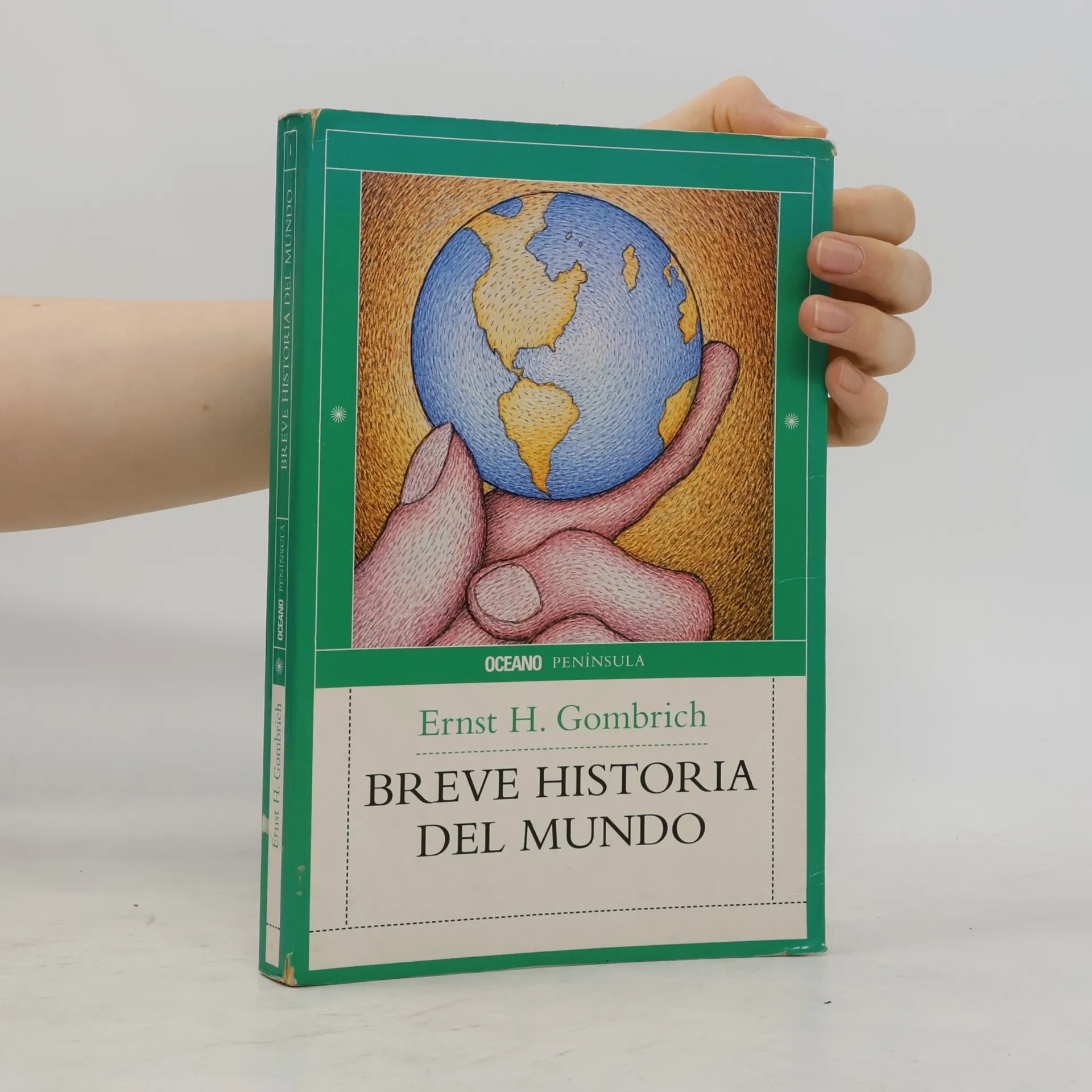

Breve historia del mundo: edición póstuma
- 352 páginas
- 13 horas de lectura
In 1935, with a doctorate in art history and no prospect of a job, the 26-year-old Ernst Gombrich was invited by a publishing acquaintance to attempt a history of the world for younger readers. Amazingly, he completed the task in an intense six weeks, and Eine kurze Weltgeschichte für junge Leser was published in Vienna to immediate success, and is now available in seventeen languages across the world. Toward the end of his long life, Gombrich embarked upon a revision and, at last, an English translation. A Little History of the World presents his lively and involving history to English-language readers for the first time. Superbly designed and freshly illustrated, this is a book to be savored and collected. In forty concise chapters, Gombrich tells the story of man from the stone age to the atomic bomb. In between emerges a colorful picture of wars and conquests, grand works of art, and the spread and limitations of science. This is a text dominated not by dates and facts, but by the sweep of mankind’s experience across the centuries, a guide to humanity’s achievements and an acute witness to its frailties. The product of a generous and humane sensibility, this timeless account makes intelligible the full span of human history.
Topics of our time. Twentieth-century issues in learning and in art
- 223 páginas
- 8 horas de lectura
This collection of hard-hitting and highly readable essays reflects Gombrich's preoccupation with the central questions of value and tradition in our culture. He confronts - with characteristic incision and erudition - some of the most urgent issues that challenge today's students of art and civilization. His topics include a series of radical proposals for the reform of higher education, an assault on the notion of relativism and a heartfelt plea for the conservation of our cities, alongside thought-provoking and engaging studies of the works of Oskar Kokoschka, Abram Games, Saul Steinberg and Henri Cartier-Bresson.
The Story of Time
- 304 páginas
- 11 horas de lectura
Exploring this elusive and often controversial subject, Umberto Eco, Sir Ernst Gombrich, and others contributes essays and reflections on the meaning of time.
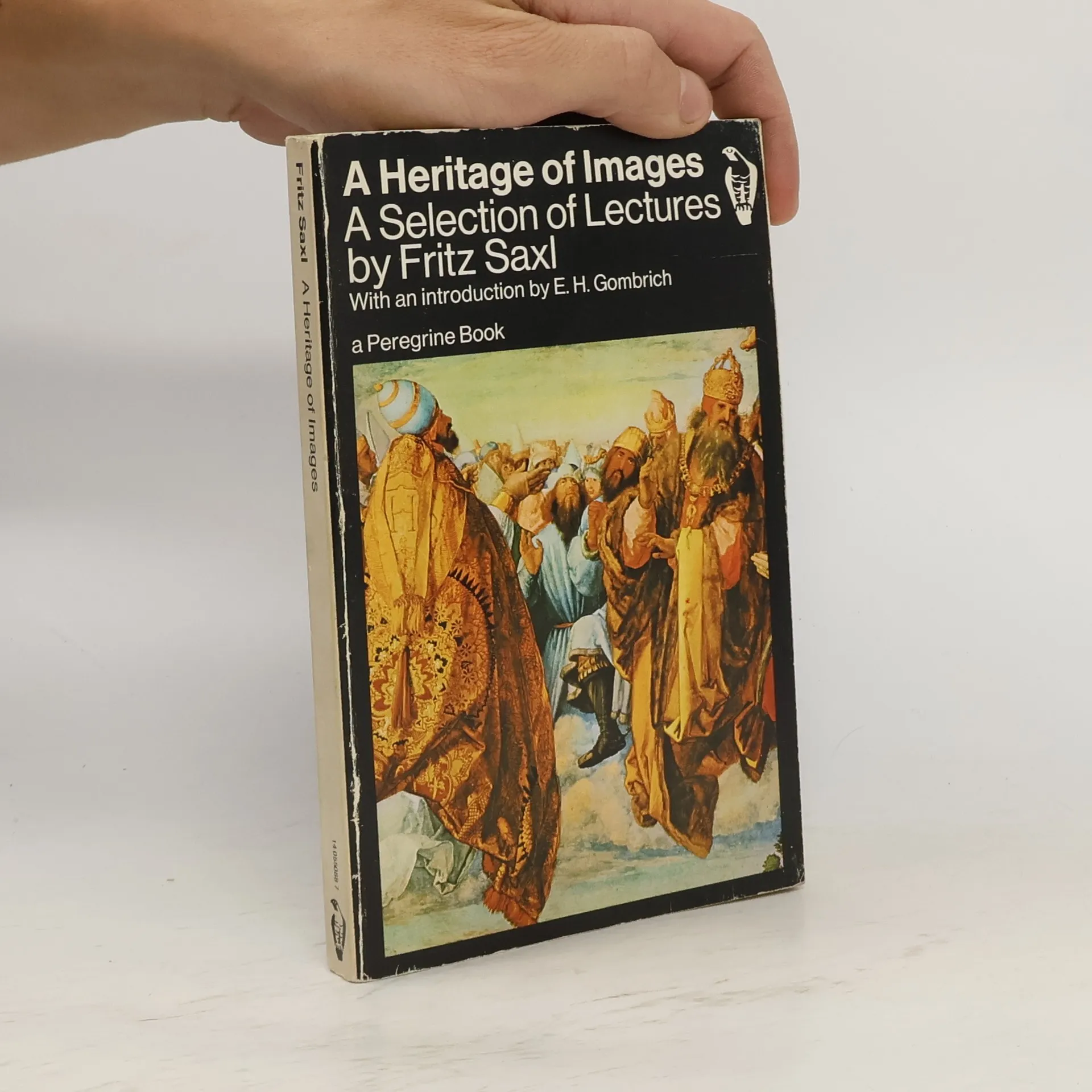
A Heritage of Images
- 154 páginas
- 6 horas de lectura
A disciple of Dvorák in Vienna, of Wöllflin in Berlin, and of Warburg in Hamburg, Fritz Saxl (1890-1948) is a key figure in contemporary art historiography, particularly in the iconographic school. He was a student, collaborator, friend, and ultimately, a spiritual heir and continuator of the work undertaken.
Over the last half century Henri Cartier-Bresson has photographed some of the most famous icons of the twentieth century, those few people among millions whose images pass into history. Tete a Tete is a remarkable arrangement of his most memorable portraits, including Pablo Picasso, Truman Capote, Marilyn Monroe, Lucien Freud, William Faulkner, Robert Kennedy, Che Guevara, Martin Luther King Jr., Coco Chanel, and the Dalai Lama. Beyond these famous names there are also anonymous portraits, chosen for their striking and unusual features, and a selection of pencil drawings, including a self-portrait. Cartier-Bresson supervised the design of the book and the juxtaposition of all the photographs. The result is a distinguished collection of his work, diverse in its range of extraordinary and ordinary personalities from the 1930s to the 1990s. Tete a Tete reveals Cartier-Bresson as a photographer who is as skillful in recording the subtleties of the individual portrait as he is renowned for his masterful ability to capture the decisive moment.
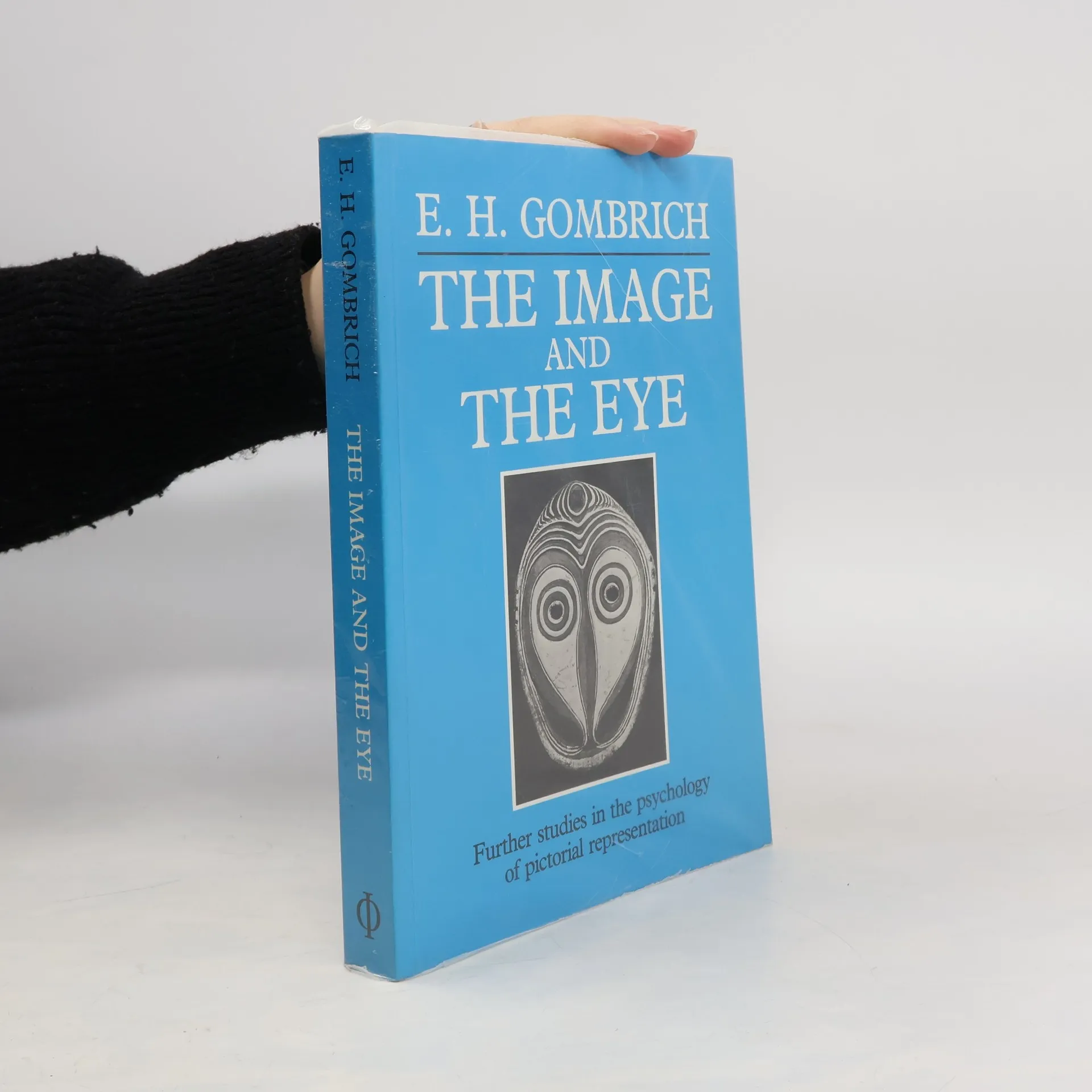
The Image and the Eye
- 320 páginas
- 12 horas de lectura
A companion volume to Art and Illusion , The Image & the Eye provides a comprehensive and intriguing overview of art and our perception of its different dimensions. In a series of landmark papers and lectures, Professor Gombrich presents his thoughts and arguments on subjects as diverse as the tricks of photography with perspective, the problems of expressing emotion through art and how pictorial representation can alter the way in which we see the world. Like any work from Gombrich's vast oeuvre, these masterly pieces display a lively curiosity and an infectious enthusiasm for understanding the challenges presented by art.
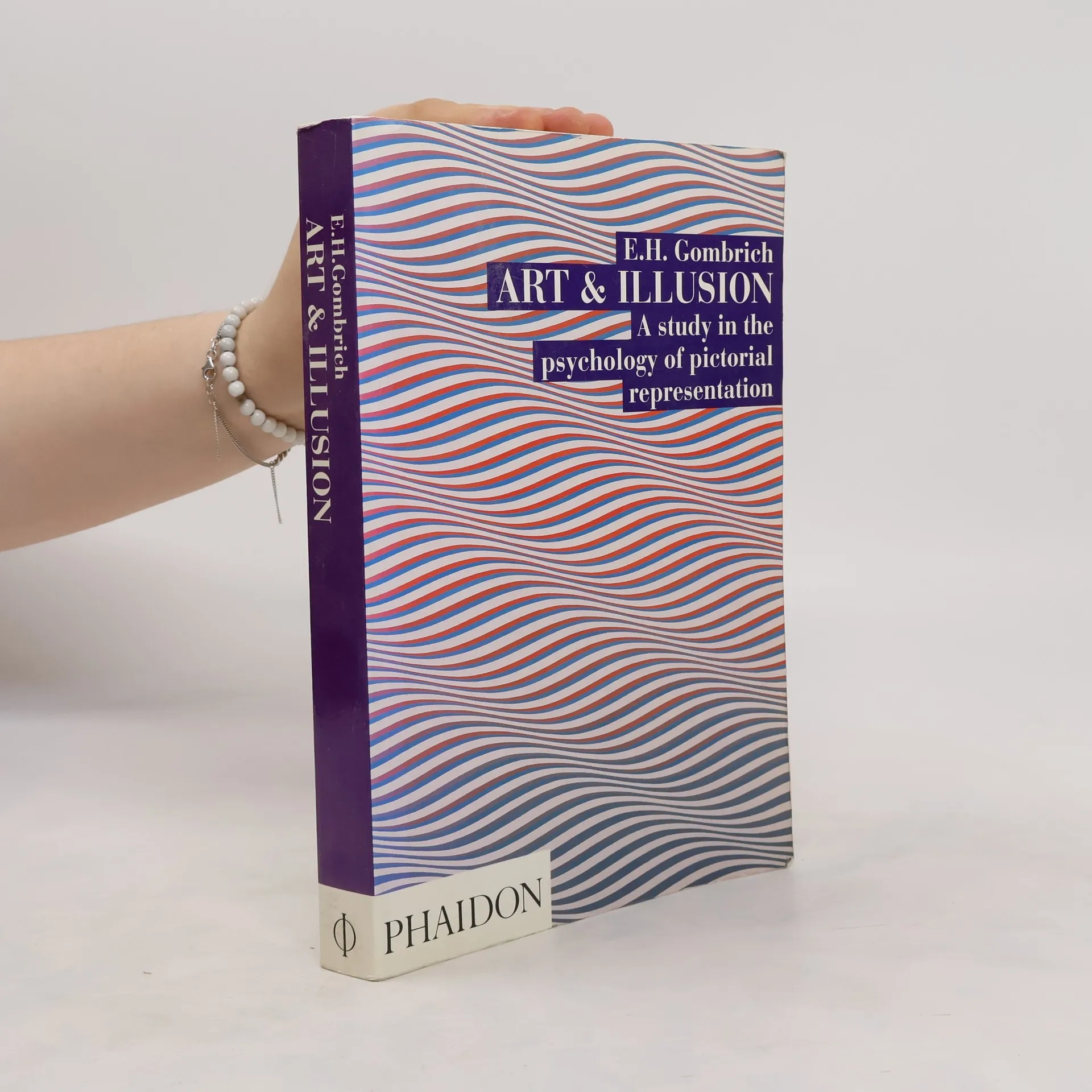
Art and Illusion
- 386 páginas
- 14 horas de lectura
This book is a classical study of image-making, which seeks the answer to an apparently simple but fundamental question : why is there such a thing as style?
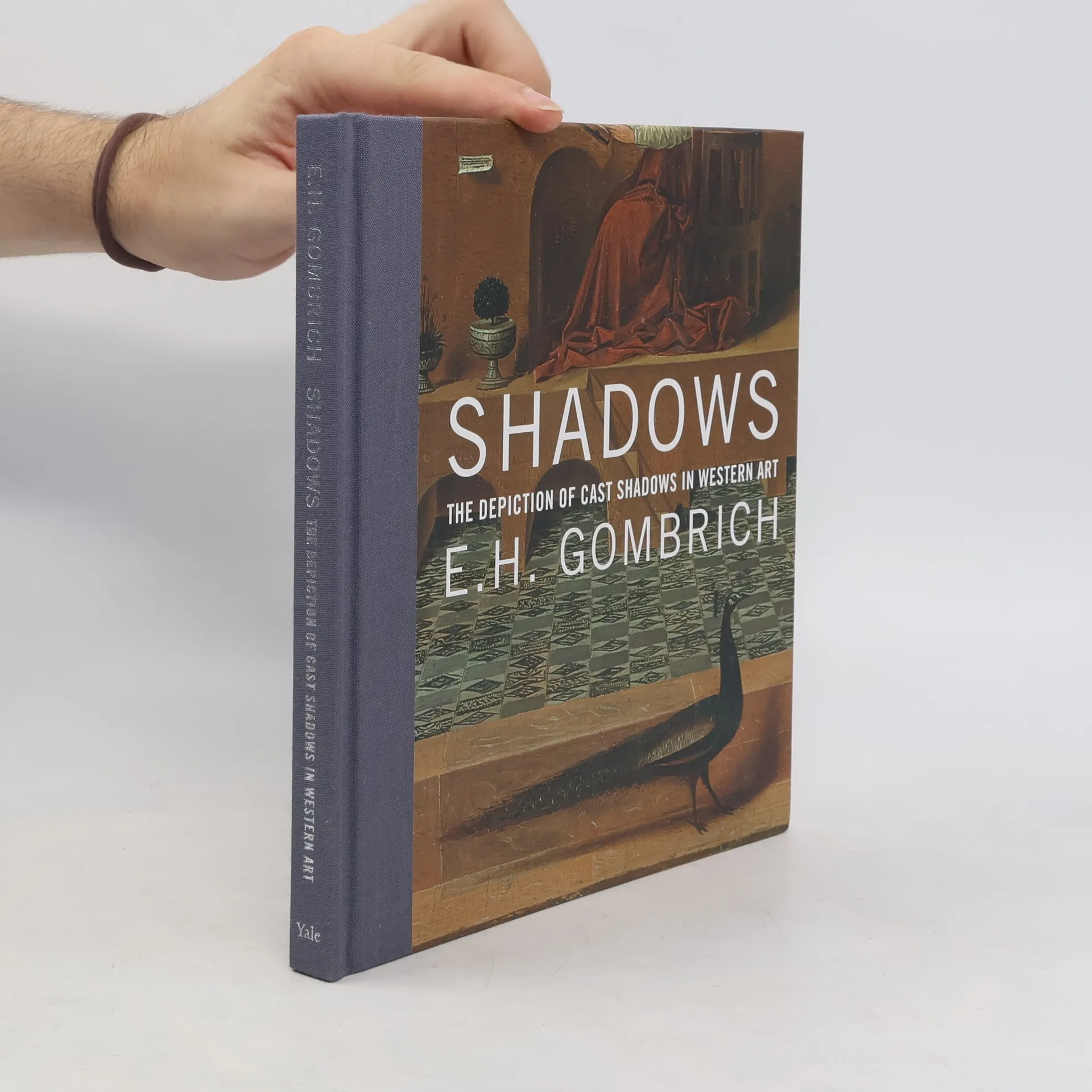
Shadows
- 96 páginas
- 4 horas de lectura
Discusses the way shadows were represented - or ignored - by artists from the Renaissance to the 17th century and then describes how Romantic, Impressionist and Surrealist artists exploited the device of the cast shadow to enhance the illusion of realism or drama in their representations.
E.H.Gombrich on Fresco Painting
- 96 páginas
- 4 horas de lectura
An interpretation of the history of mural painting from ancient Egypt to the twentieth century by one of most eminent art historians of all time, a writer who wielded huge influence over both his professional peers and a vast popular readership.
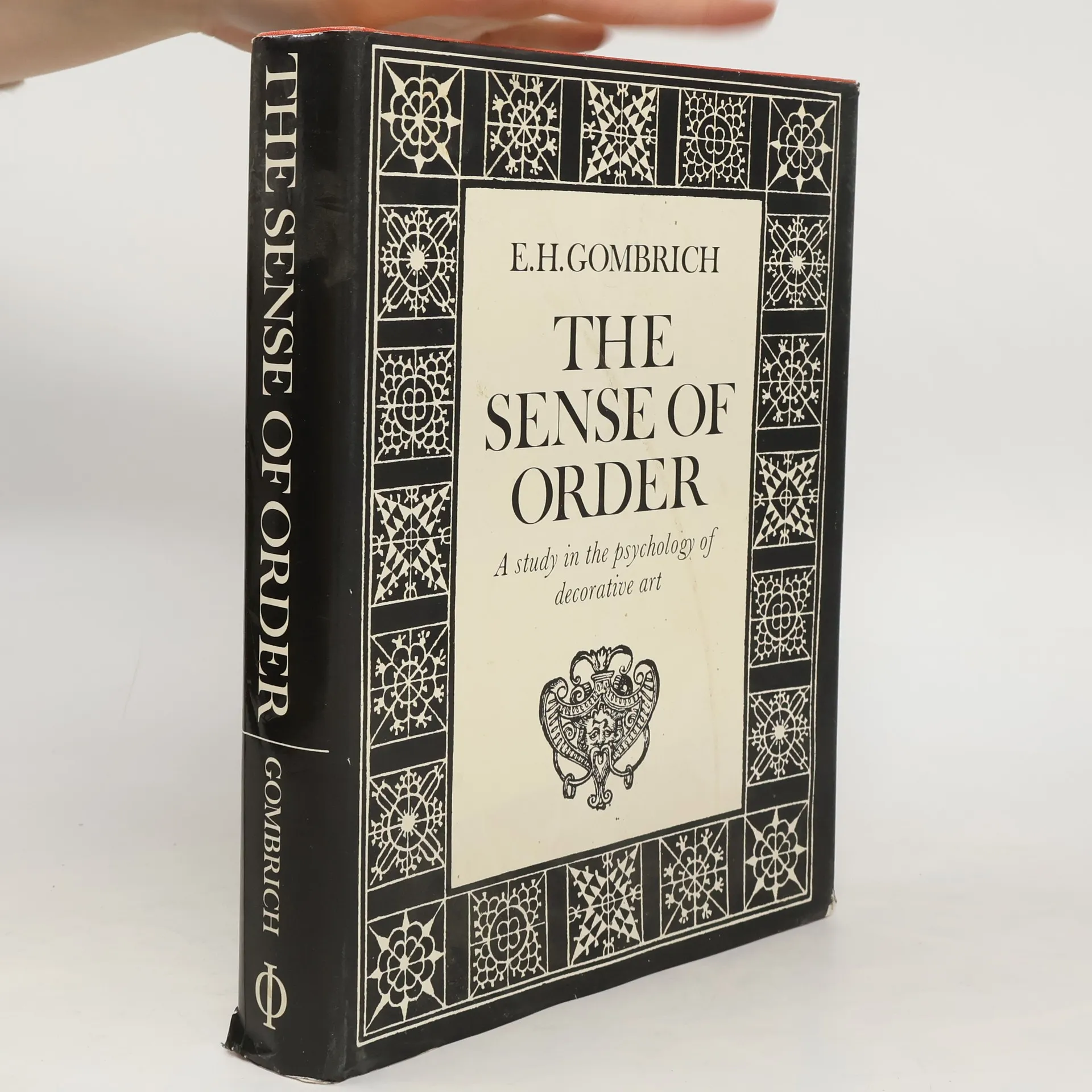
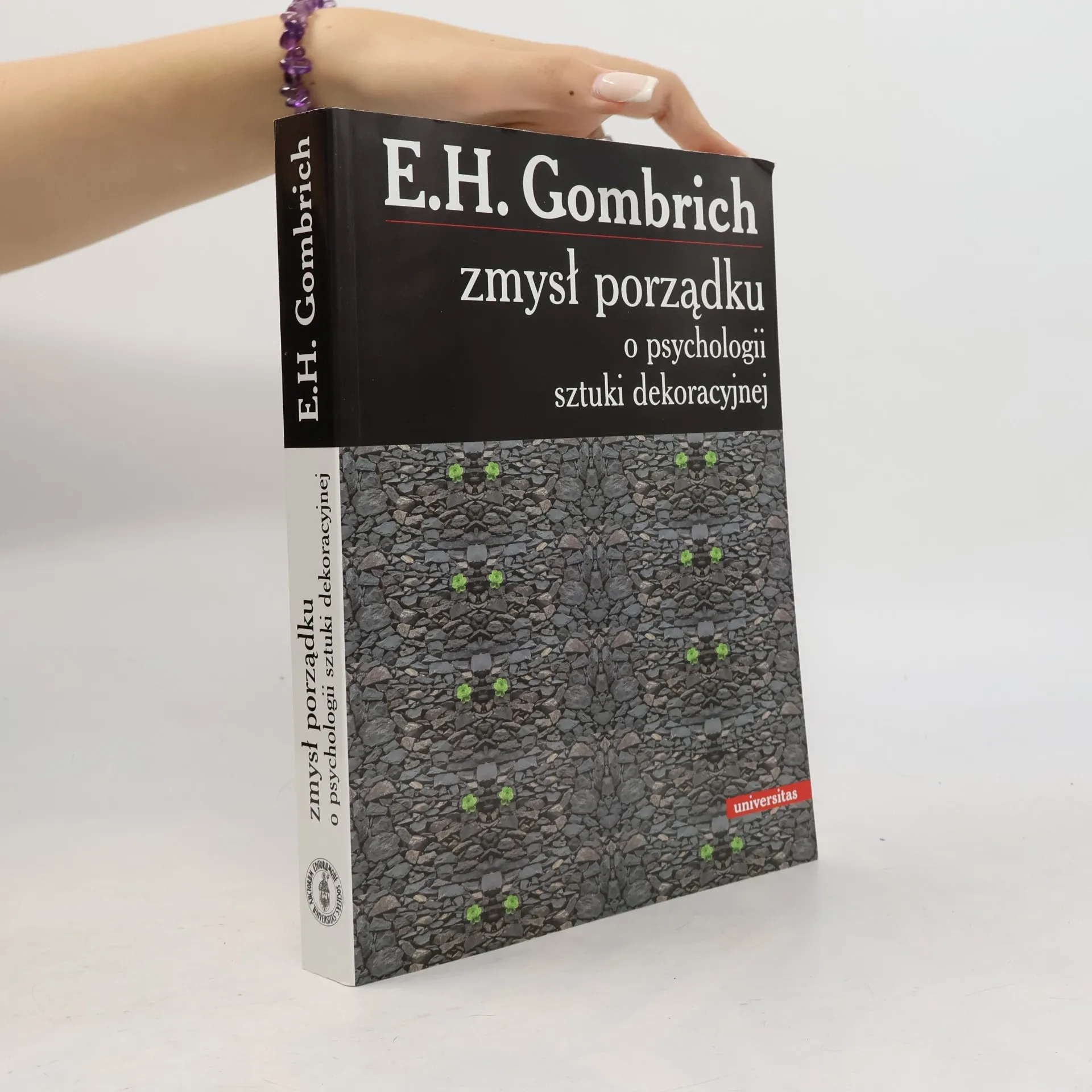
The Sense of Order
- 412 páginas
- 15 horas de lectura
Investigates the psychology of decorative design and the creation and function of formal orders concentrating on problems of decorative theory, visual perception, and the symbolism of design.
The Uses of Images
- 306 páginas
- 11 horas de lectura
Exploring the interplay between social dynamics and art, this volume delves into how supply and demand influence artistic direction. It examines the 'ecology' of images and the concept of 'feedback,' highlighting how skill development can create new demands. Additionally, the book addresses the use and potential misuse of images as historical evidence, providing a comprehensive analysis of the factors shaping the art world.
These classic studies on the interpretation of images are essential reading for all students of Renaissance art and have helped to shape the evolving discipline of art history. Many of the essays focus on the greatest artists of the Renaissance -- notably Botticelli, Leonardo, Raphael, and Michelangelo -- and all reflect the author's deep concern with standards, values, and problems of method. Gombrich never loses sight of the works of art he is investigating, bringing to all his analyses and interpretations original intelligence, clarity of expression, and immense learning. These volumes have permanent value and represent a vitally important humanistic tradition in scholarship and criticism.
New light on old masters
- 192 páginas
- 7 horas de lectura
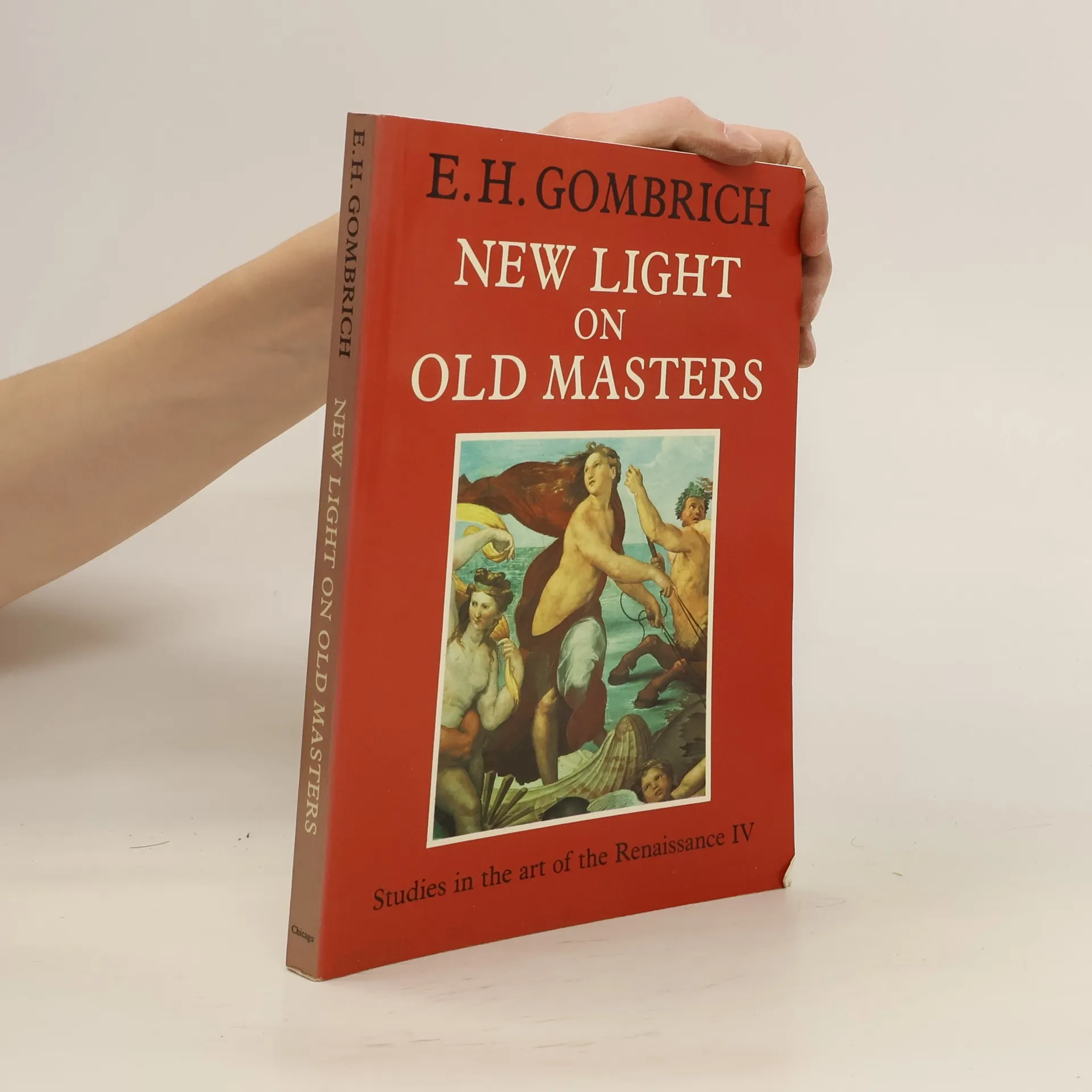
A reprint of the Phaidon edition of 1986. Explores the history of art within the wider frame of sociology. Annotation copyrighted by Book News, Inc., Portland, OR
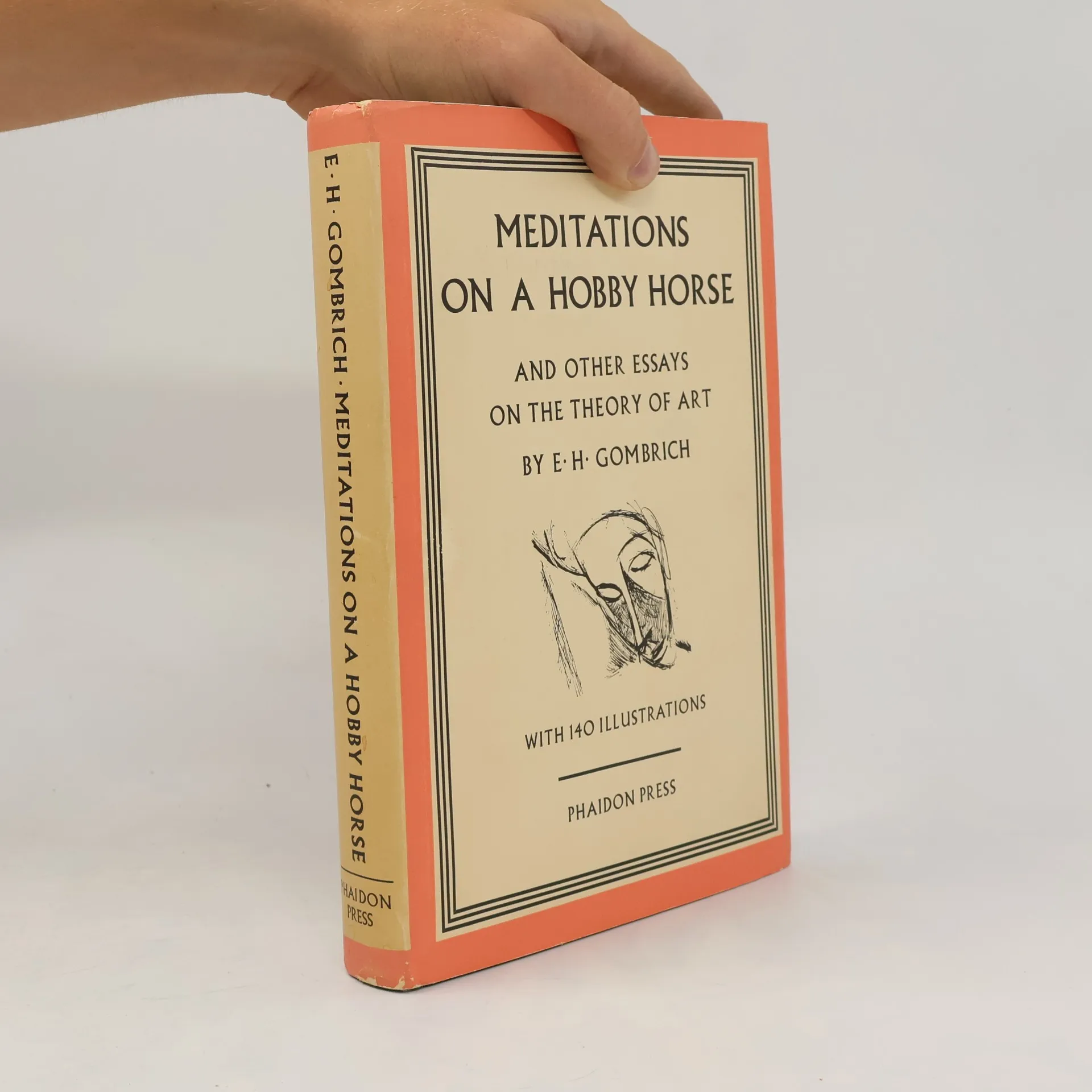
Meditations on a Hobby Horse
And Other Essays on the Theory of Art
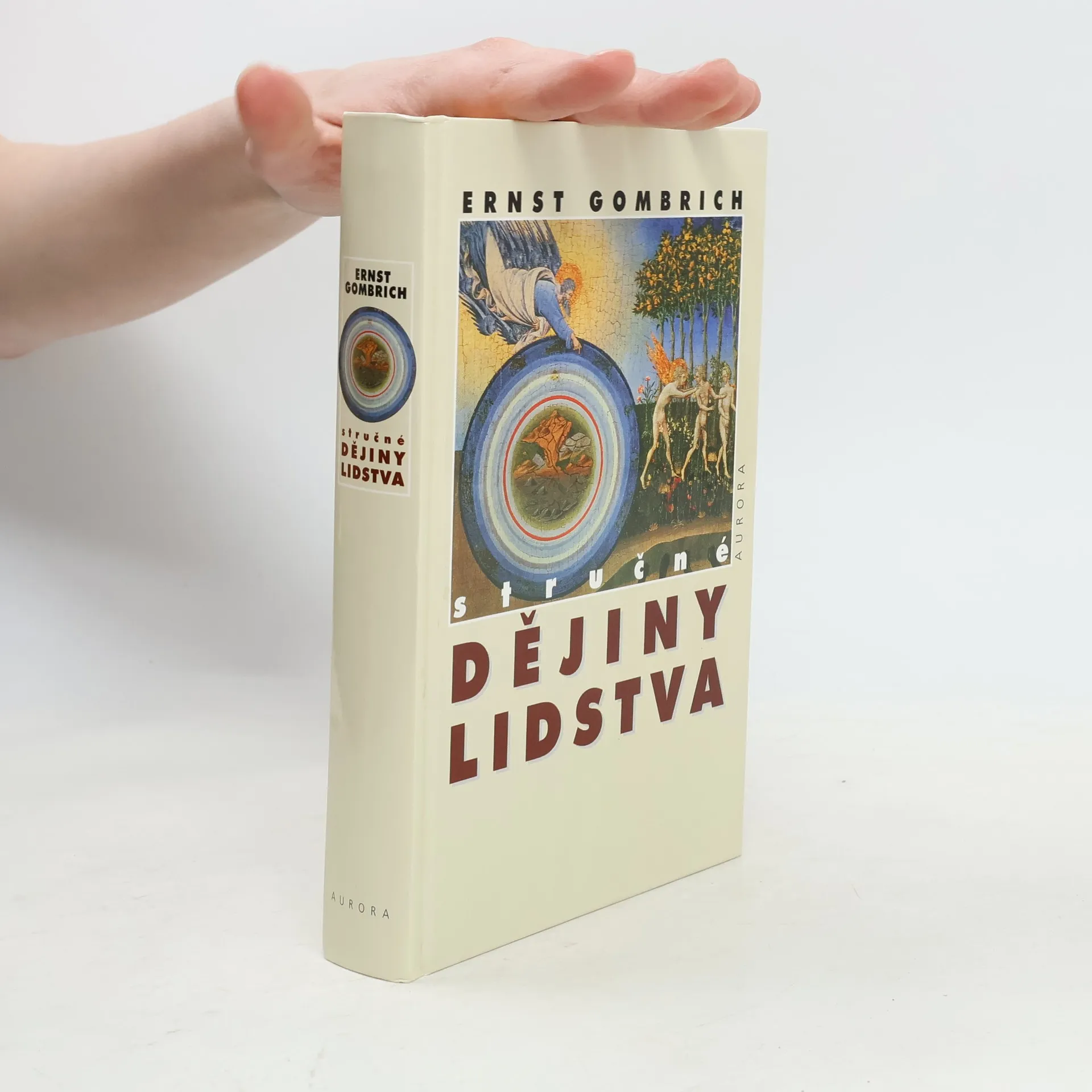
Poutavě napsané dějiny od světově proslulého historika, autora slavného „Příběhu umění“, kterému se podařila vzácná věc: o složitých historických událostech hovoří srozumitelně, ale přitom fundovaně.
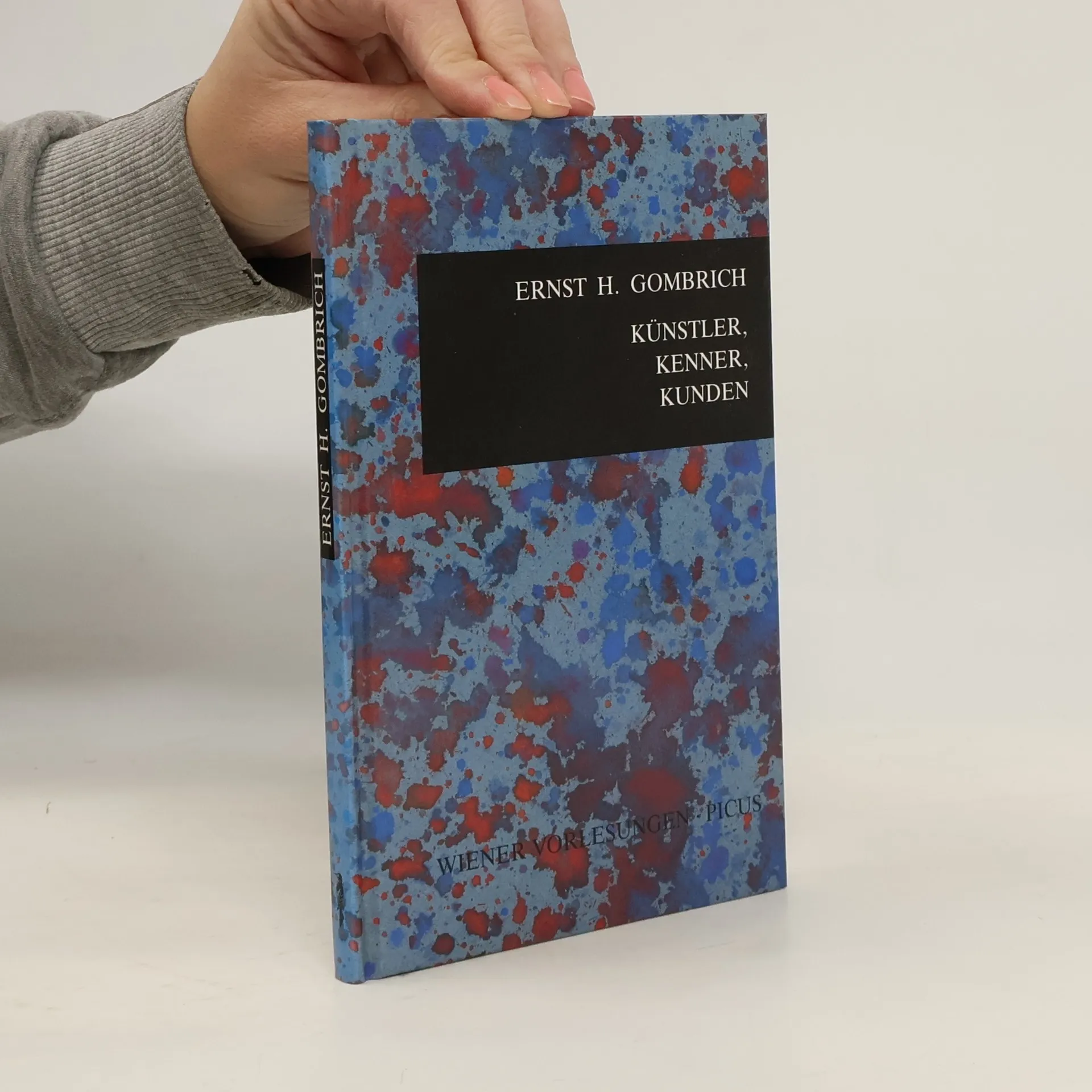
Ernst H. Gombrich unternimmt einen Streifzug durch die Geschichte der Kunst und macht sich dabei auf die Suche nach dem jeweiligen Verhältnis zwischen jenen, die Kunst schaffen, jenen, die sie als solche definieren, und schließlich jenen, die sie ermöglichen.
Aby Warburg
- 477 páginas
- 17 horas de lectura
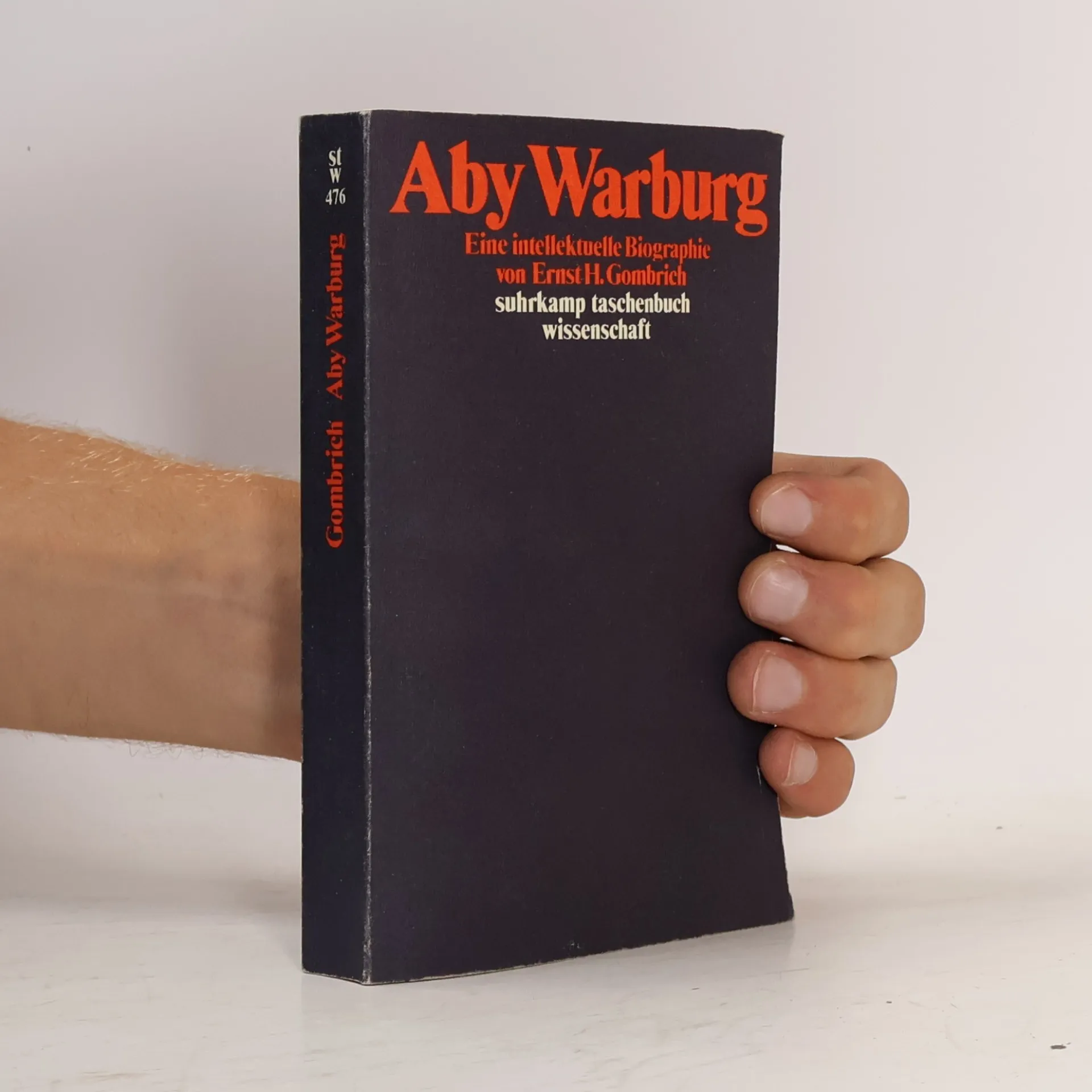
„Wie seine Zeitgenossen hatte Aby Warburg eine persönliche Vorliebe für die Florentiner Meister der Frührenaissance, er respektierte die einsame Kunst eines Rembrandts und begrüßte den Kampf der Moderne gegen die philiströse Salonkunst, aber er stellte dabei nie die überkommenen Wertmaßstäbe in Frage, die auch schon der Kunstgeschichte des 19. Jahrhunderts eigen waren. Gerade weil Warburg diese Auffassung nicht nur teilte, sondern bitter ernst nahm, erscheint er uns im Rückblick so prophetisch. Haben wir doch, wie er, den Durchbruch des Irrationalen mit all seinen schrecklichen Folgen schaudernd erlebt. Er wäre aber nicht der erste bedeutende Mensch, der zu seiner Zeit sprechen konnte, weil er die gültigen Überzeugungen der Vergangenheit nicht zum alten Eisen warf, sondern in die geänderte Lage hinüberrettete. Er vollzog diese Umschmelzung im Feuer seiner eigenen seelischen Leiden und Leidenschaften.“ Ernst H. Gombrich Gombrichs Buch ist eine „intellektuelle Biografie“ nicht nur in dem Sinne, dass sie den geistigen Werdegang Aby Warburgs schildert, sondern auch als biografische Spiegelung einer zentralen intellektuellen Problematik der ersten Jahrzehnte dieses Jahrhunderts, in denen der Zusammenbruch der überlieferten Deutungsschemata der europäischen Geistesgeschichte unübersehbar wurde.
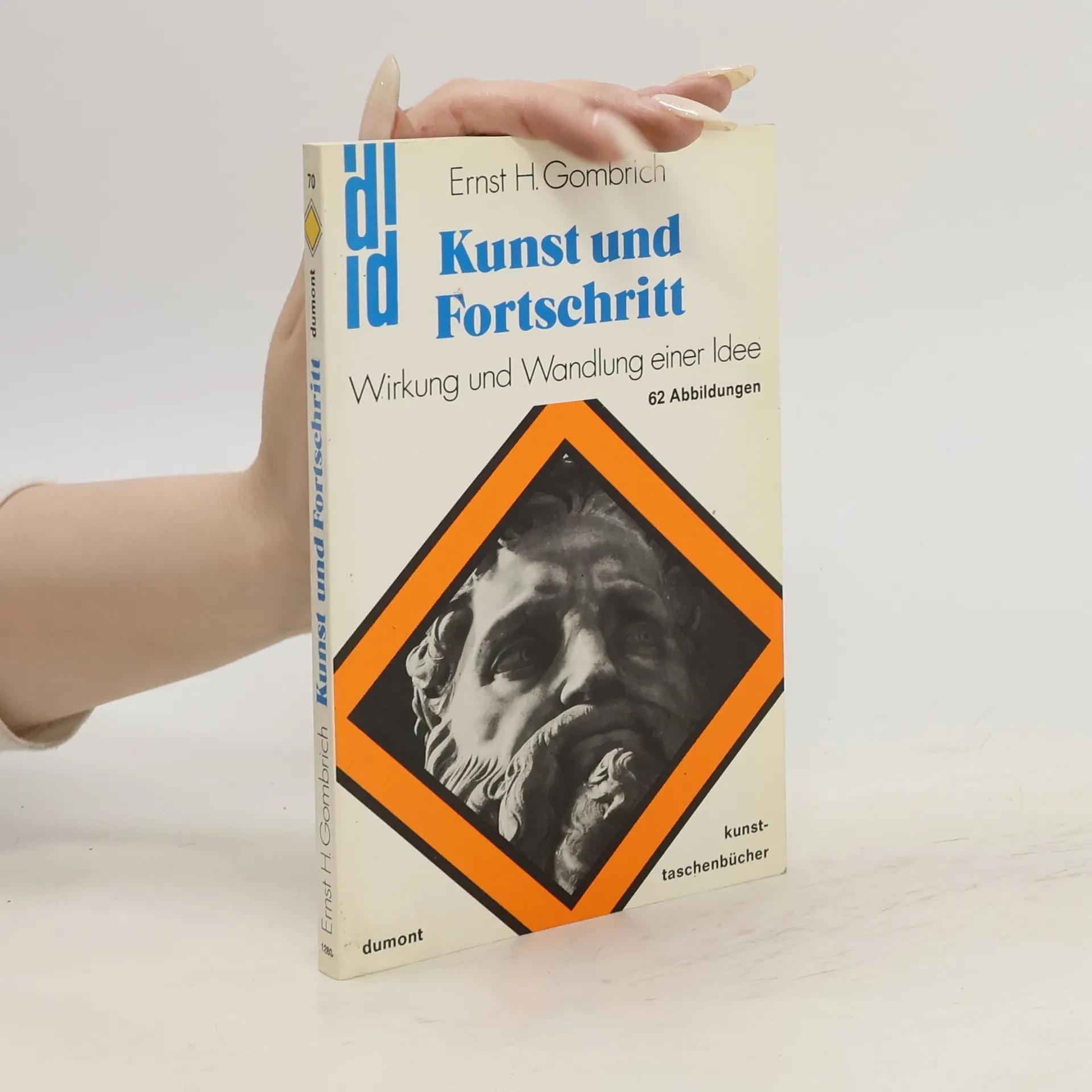
In der Kunstgeschichtsschreibung wird der Begriff des Fortschritts gerne vermieden. Gombrich stellte zu Beginn der siebziger Jahre die Krise des Fortschrittsglaubens ins Zentrum seiner Betrachtung, mit dem Ziel, die verschiedenen Auffassungen des Fortschrittbegriffs zu entwirren. Er beschreibt hierbei zwei Pole: den „Primitivismus„, der nach allgemeingültiger Wahrheit sucht, und den „Modernismus“, der in fortschreitender Bewegung nur das jeweils Neueste gelten lassen will. In Kunst und Fortschritt spricht sich Gombrich gegen einen unkritischen Fortschrittsglauben aus und fordert die Prüfung des jeweils gültigen Fortschrittsbegriffs immer wieder aufs Neue – eine Forderung die seit dem 11. September 2001 aktueller ist als je zuvor. In der zweiten Hälfte der sechziger und den frühen siebziger Jahre, im Zuge eines sich insgesamt wandelnden geistigen und politischen Klimas in Deutschland forcierte der DuMont Verlag durch Herausgabe einiger ihrer wichtigsten Werke die publizistische Repatriierung und Rehabilitierung der 1933 zur Emigration gezwungenen Kunstwissenschaftler. Eine vernunftgeleitete, den Axiomen eines konsequenten Aufklärungsdenkens verpflichtete Schule, die im angelsächsischen Raum bereits wichtige Impulse gegeben hatte, kam nun auch in Deutschland wieder zu ihrem Recht.
Christl, Tochter des Posthalters von Erlbach, will allein auf der Hornsteinalm Ruhe und Entspannung finden, der liebevollen, aber strengen Gängelei ihrer Mutter entfliehen, das innere Gleichgewicht wiederfinden. Aber gerade das Gegenteil tritt ein: Sie begegnet dem Medizinstudenten Thomas von Lafret, einem Sohn des gefürchteten "Bauerngrafen". Betäubt vom Glück der ersten Liebe, erkennen beide nicht die Bedrohung durch die Ereignisse, die ihre Eltern in Gang setzen. Christl vertraut - bis sie eines Tages erfahren muss, dass sich Thomas mit der Fabrikantentochter Anita verloben wird.
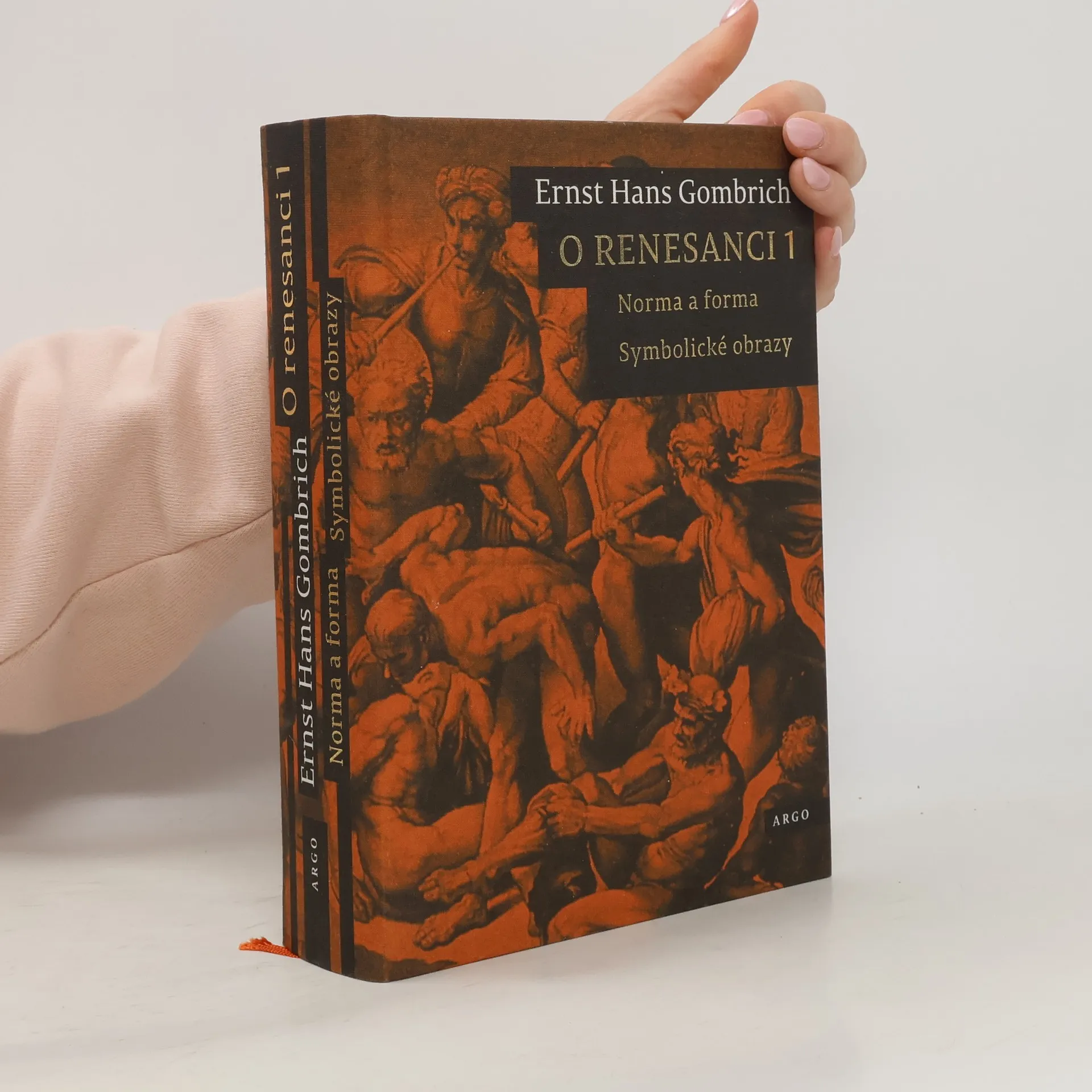
O renesanci. 1, Norma a forma ; Symbolické obrazy
- 656 páginas
- 23 horas de lectura
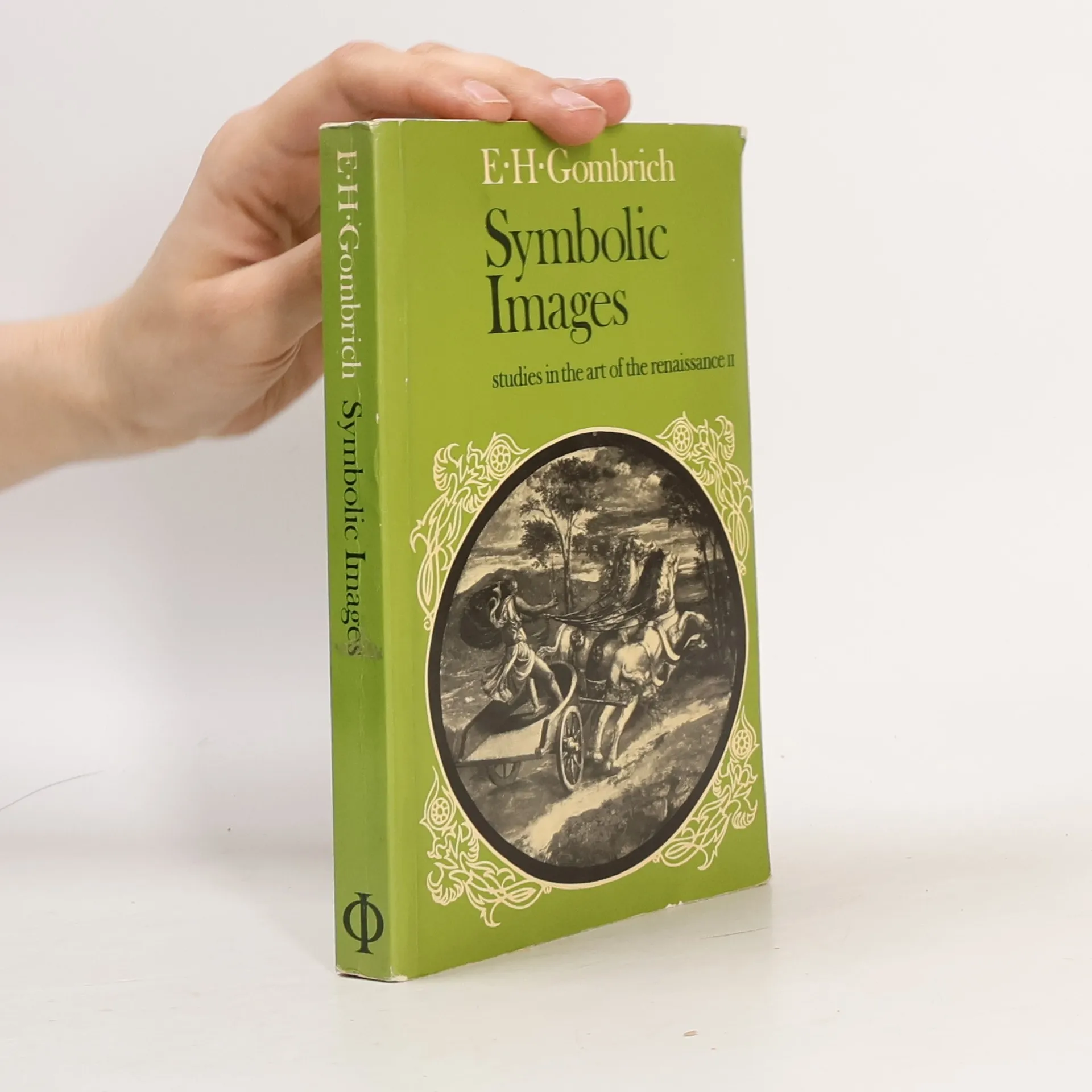
První svazek souboru O renesanci spojuje dvě klasické knihy esejů o renesančním umění. V první z nich, pojmenované Norma a forma, je shromážděno jedenáct studií věnovaných zásadním otázkám stylu, vkusu, patronace, pracovních metod a teorií umění, které autor vykládá se svou příznačnou erudicí a srozumitelností. Tyto eseje jsou povinnou četbou pro všechny, kdo se o renesanci zajímají, a bezpochyby budou přínosem pro každého, kdo si přeje lépe se orientovat v jedné z nejtvořivějších etap západního umění. Druhou část knihy zaujímá soubor Symbolické obrazy, v němž se E. H. Gombrich věnuje stěžejnímu tématu symbolického zobrazování. Knihu otevírá badatelský úvod o „Cílech a omezeních ikonologie“, po kterém následují podrobné studie o Boticellim, Mantegnovi, Rafaelovi, Poussinovi a dalších. Svazek uzavírá rozsáhlé pojednání o filozofických přístupech k symbolice, které ukazuje, že myšlenky, které zaměstnávaly renesanční filozofy, jsou živé dodnes. Stejně jako v případě Normy a formy jde o soubor nezbytný pro všechny, kdo se zabývají renesančním uměním a myšlením; je to práce, která napomáhala utváření vědní disciplíny dějiny umění. A jelikož se zde autor neustále zabývá problematikou norem, hodnot a metod, jde zároveň o úvod k fundamentálním otázkám spojeným s interpretací obrazů obecně.
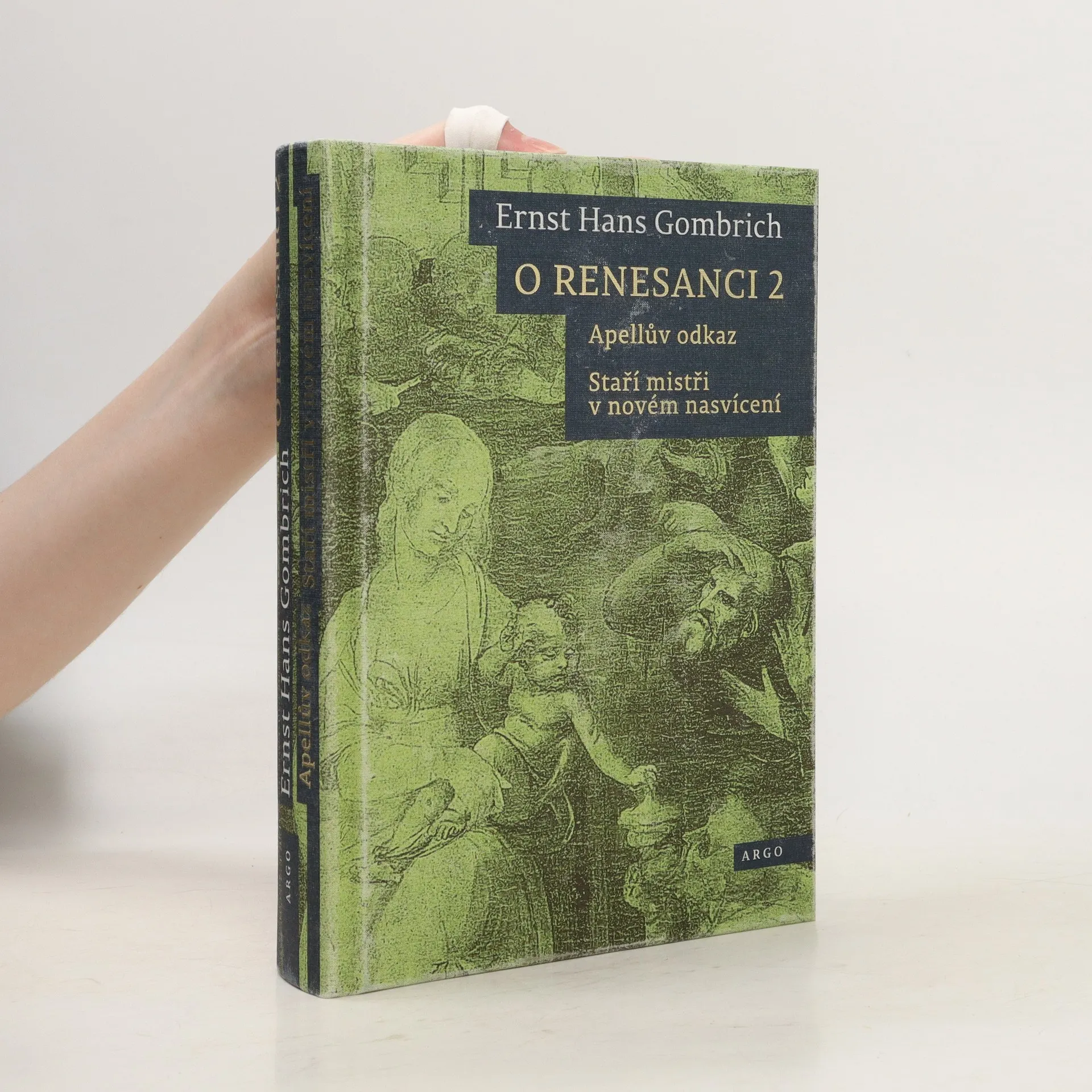
Druhý svazek Gombrichových studií o renesanční době a umění spojuje antologie Apellův odkaz a Staří mistři v novém světle. Název prvního souboru, Apellův odkaz (The Heritage of Apelles, 1976), připomíná nejslavnějšího malíře starověkého Řecka, který prý ve svých dílech spojovaldokonalou krásu s nedostižnou dovedností, s níž zachycoval vzezření přírody. Tento dvojí ideál dokonalé krásy a dokonalého napodobení přírody, zděděný z antiky, přetrvával až do dvacátého století a je východiskem poučených a inspirativních studií v tomto souboru, věnovaných otázkám tradice, hodnot a standardů, i konkrétněji pracovním metodám Leonarda da Vinci či malířským technikám zachycování lesku a světla. Druhá část knihy, antologie Staří mistři v novém světle (New Light on Old Masters, 1986), se pak zaměřuje na jednotlivé tvůrce, nově zkoumá dobové texty a dokumenty a objevně interpretuje díla mistrů, jak byli Giotto, Leonardo da Vinci, Raffael, Giulio Romano či Michelangelo. Gombrichovy eseje zůstávají dodnes vzorem kvalitního psaní o historii výtvarného umění. Soubor O renesanci 2 vychází opět v překladu Martina Pokorného. Vydání knihy podpořilo Ministerstvo kultury České republiky.
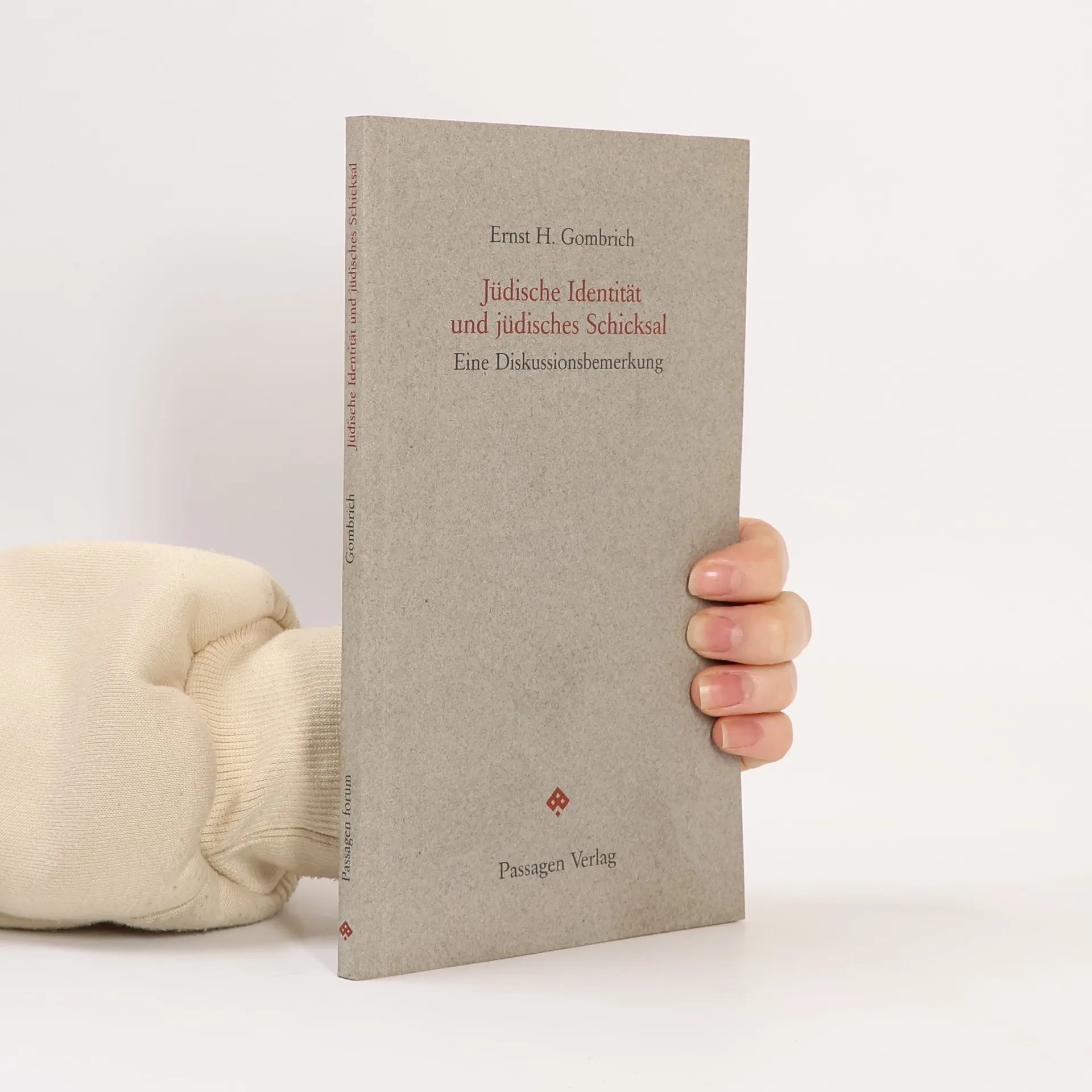
Ernst H. Gombrich verwirft den Begriff der jüdischen Kultur. Das Konzept jüdischer Kunst, so zeigt er, gründet sich keinesfalls auf dem Selbstverständnis der Künstler. Es sei vielmehr ein Produkt derer, die die Kunst und Literatur von Künstlern jüdischen Glaubens oder jüdischer Herkunft diffamieren wollten: „. das Konzept einer jüdischen Kultur ist eine Erfindung Hitlers und seiner Vorläufer und Nachfahren". Diese Fremddefinition führt Ernst H. Gombrich auf die Verschiebung sozialer Hierarchien im Übergang von der Feudalherrschaft zum Kapitalismus zurück. Weil Juden der Landbesitz versagt war, nahmen sie als erste die sozialen Schlüsselpositionen in Handel und Finanzwesen ein. Erst dadurch wurden sie - vor ihrer Herkunft und ihrer Nationalität - als Juden wahrgenommen. So gelingt es Ernst H. Gombrich, den jüdischen Mythos zugunsten eines humanistischen Denkens zu dekonstruieren.
Die Kunst, Bilder zum Sprechen zu bringen
- 159 páginas
- 6 horas de lectura
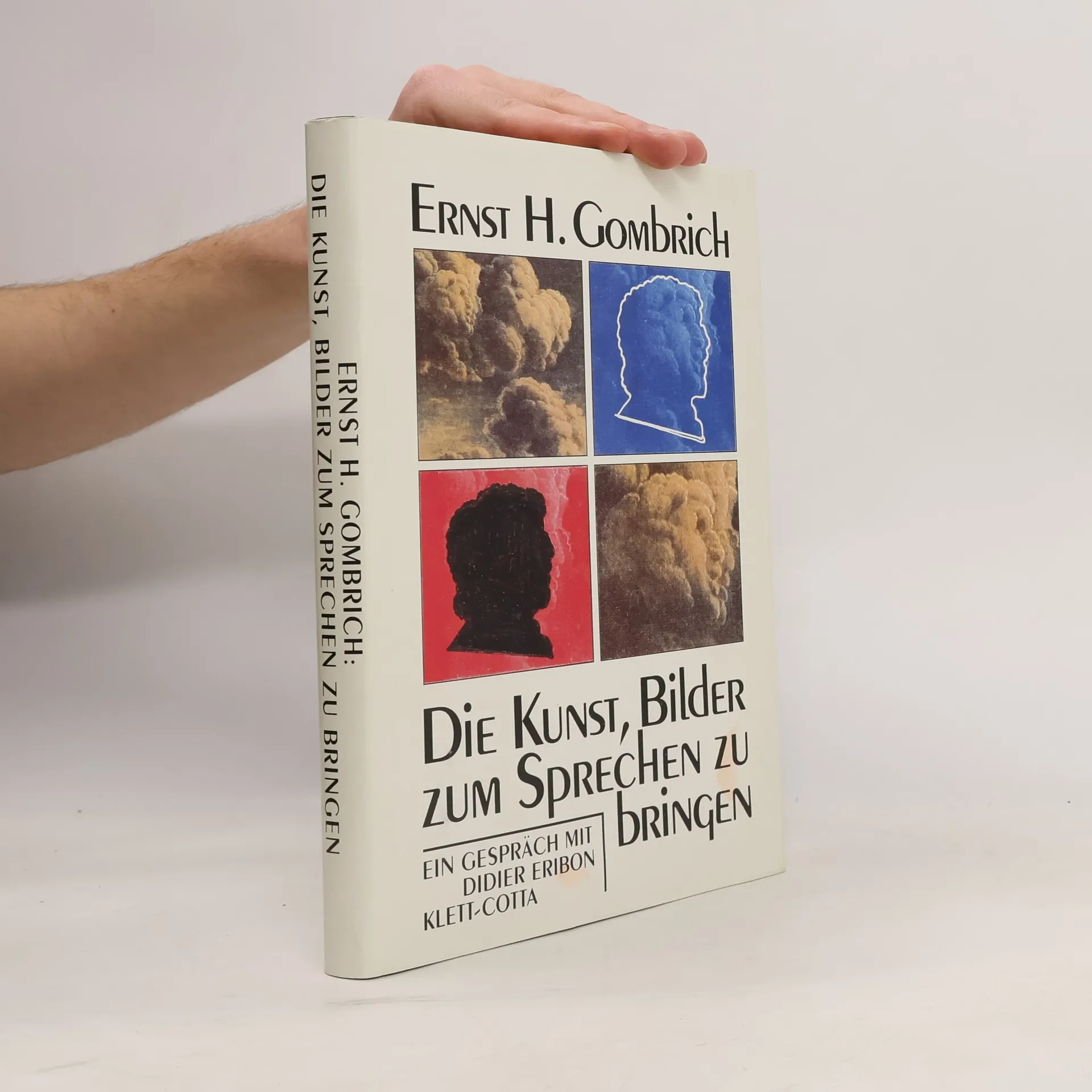
Es ist auch die Geschichte der Lehr- und Wanderjahre eines großen Gelehrten: Das Leben des heute über Achtzigjährigen begann in Wien und führte ihn nach dem Studium mit dem vor den Nazis fliehenden Warburg Institut nach London. Die Zeit hat ihn als wachen Menschen geprägt, doch die Kunst war ihm die bleibende Herausforderung. Am Wissen um die Sprache der Bilder bricht die Bilderflut. Gombrich lehrt den Leser, dass den Wert der Bilder zu unterscheiden der erste Schritt aufs feste Land ist. Diese Festung des Wissenschaftlers ist nicht unzugänglich und fern: aber an ihr wurde ein Leben lang gebaut.
Gastspiele
- 133 páginas
- 5 horas de lectura
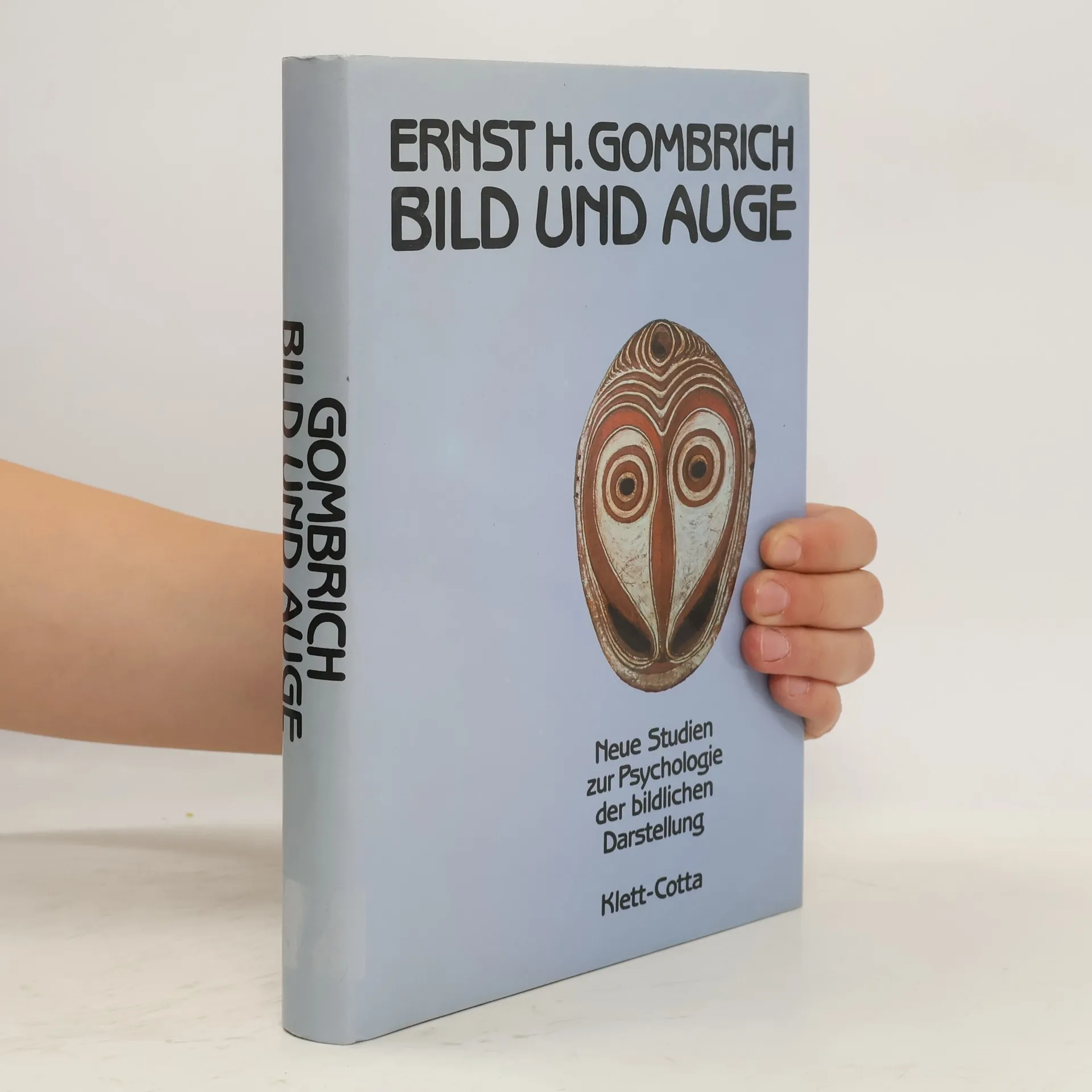
Bild und Auge
- 316 páginas
- 12 horas de lectura
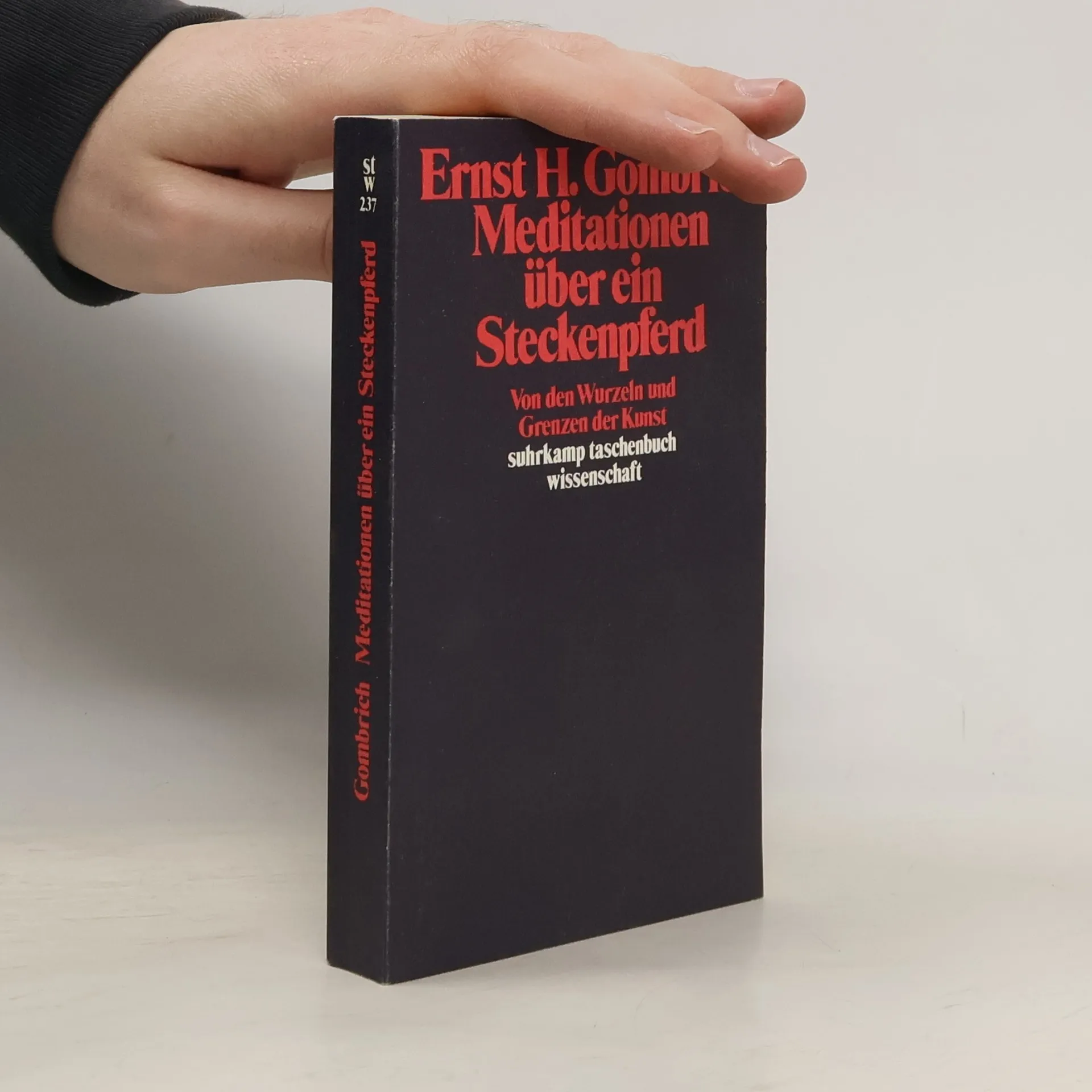
Meditationen über ein Steckenpferd
- 294 páginas
- 11 horas de lectura
Giulio Romano
- 597 páginas
- 21 horas de lectura
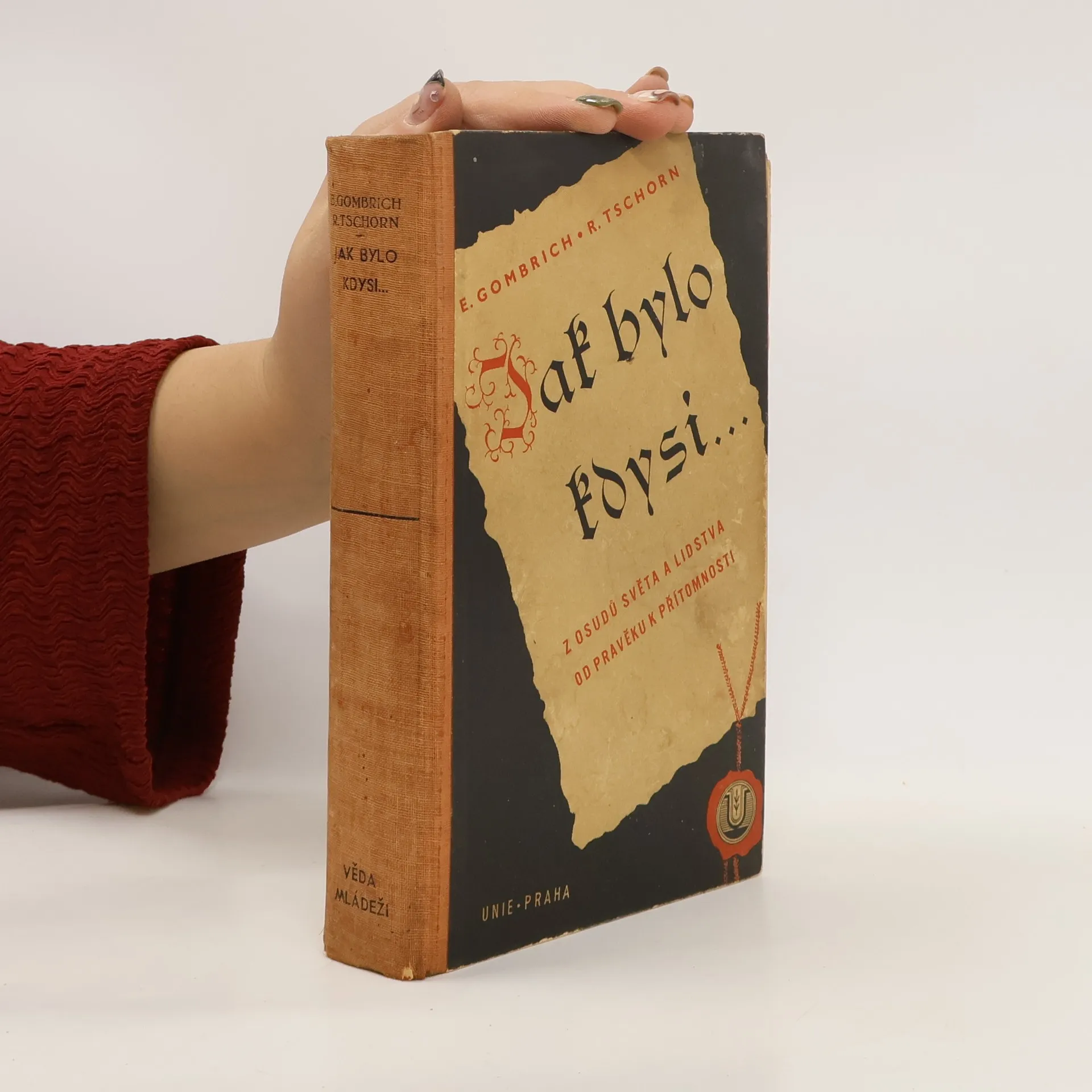
Z osudů světa a lidstva, od pravěku k přítomnosti. Zábavnou románovou formou podané dějiny světa pro mládež. Originální název Weltgeschichte von der Urzeit bis zur Gegenwart, rovněž vyšlo jako Eine kurze Weltgeschichte für junge Leser. Von der Urzeit bis zur Gegenwart.
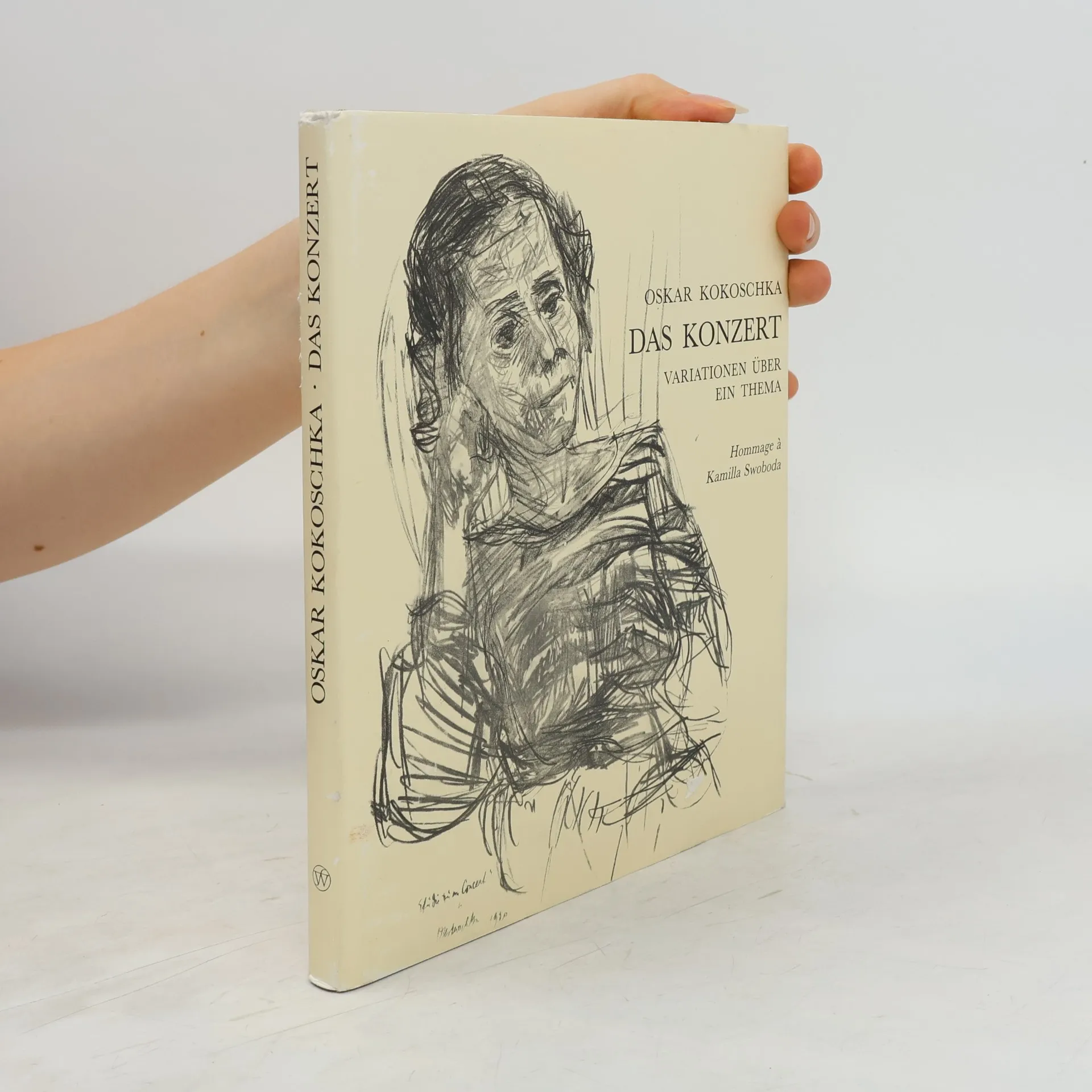
Das Konzert
Variationen über ein Thema - Hommage à Kamilla Swoboda
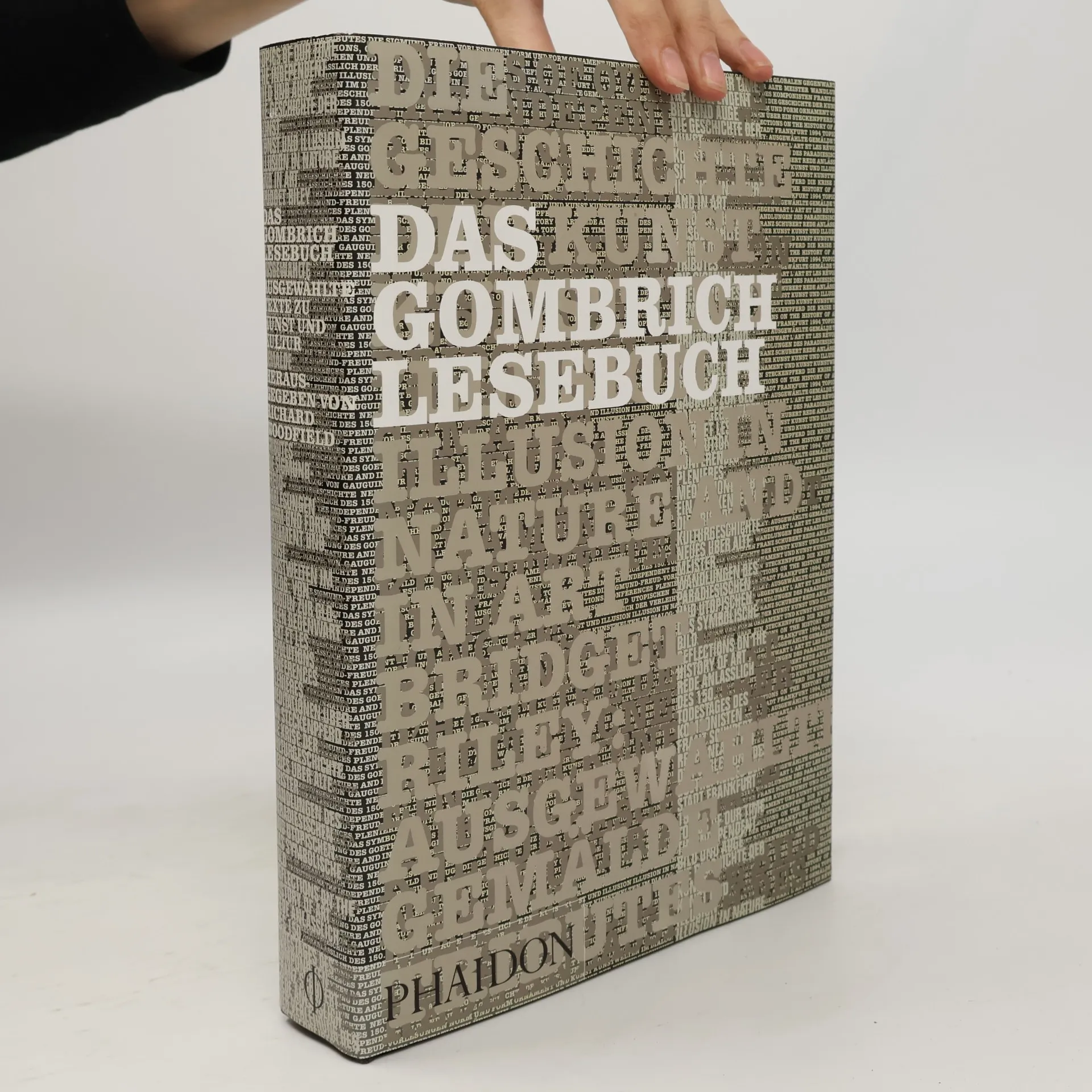
Das Gombrich-Lesebuch
- 624 páginas
- 22 horas de lectura
Präsentiert eine Auswahl der bedeutendsten und charakteristischsten Schriften von Professor Gombrich und führt ein in seine Thesen und Gedankengänge zu vielen fundamental bedeutsamen Fragen. Enthält zusätzlich zu den Auszügen aus Die Geschichte der Kunst, Kunst & Illusion und Ornament und Kunst. Schmucktrieb und Ordnungssinn in der Psychologie des dekorativen Schaffens zahlreiche wissenschaftliche Artikel.
Zmysł porządku O psychologii sztuki dekoracyjnej
- 412 páginas
- 15 horas de lectura
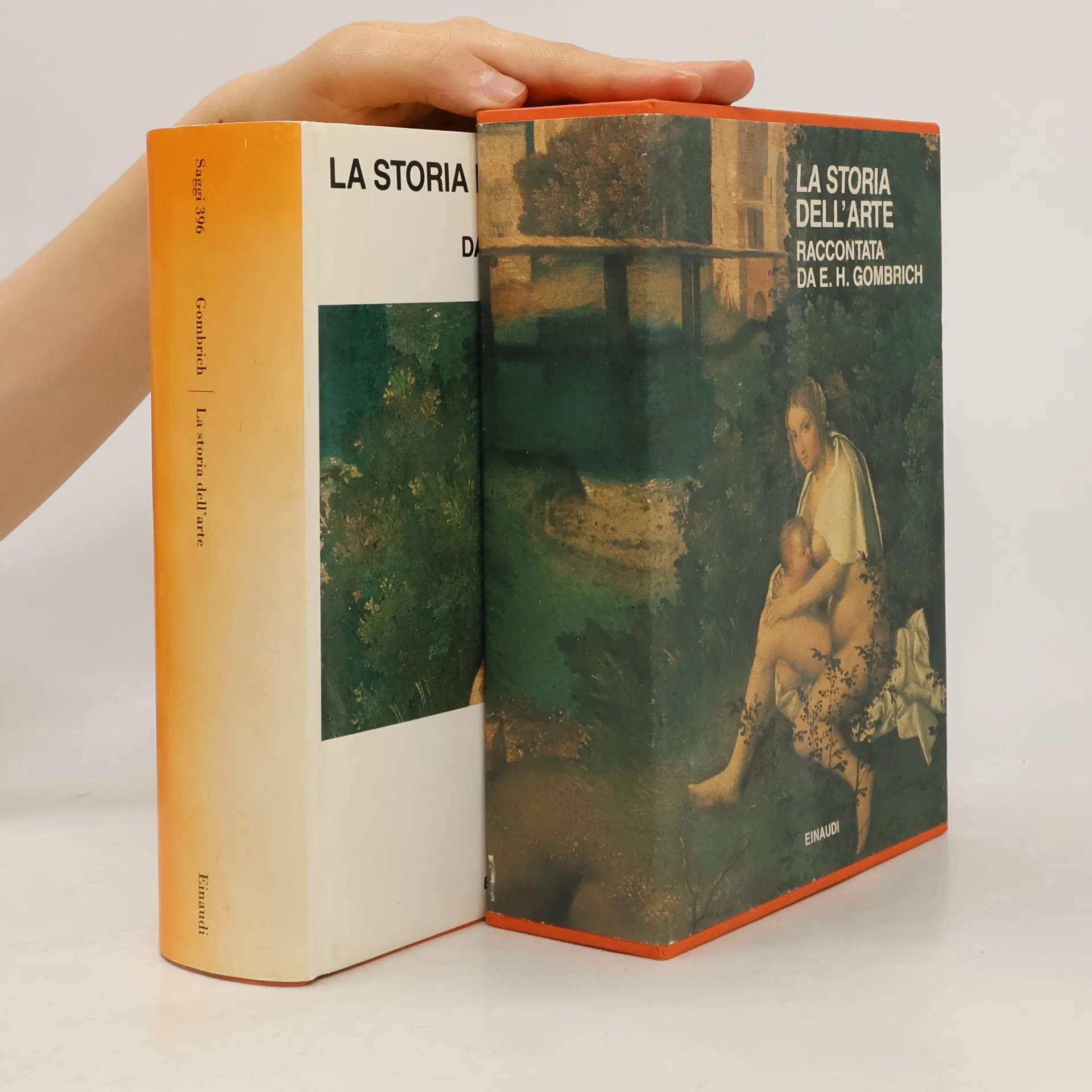
Saggi - 396: Storia dell'arte raccontata da E.H - Ernst H. Gombrich
- 638 páginas
- 23 horas de lectura
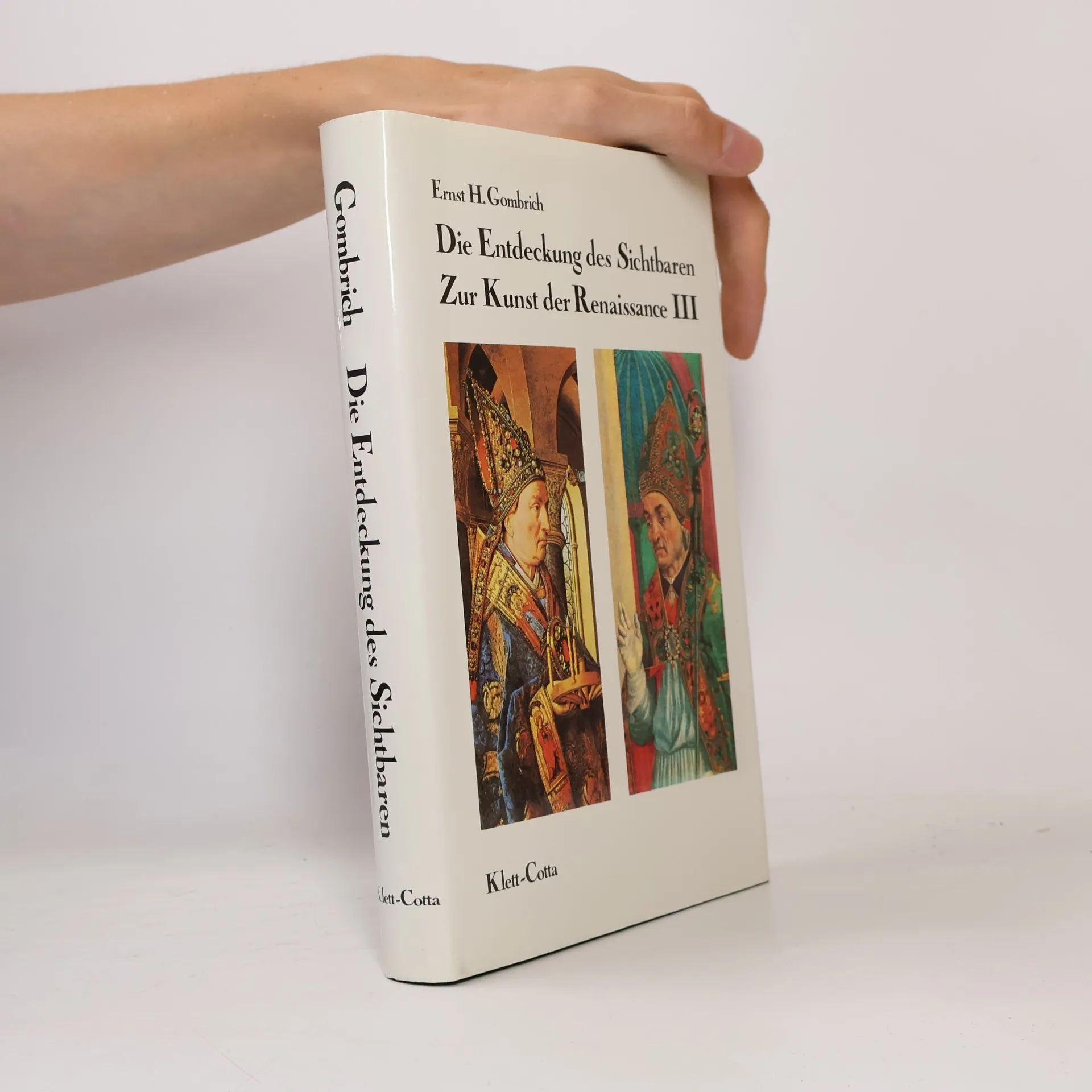
Zur Kunst der Renaissance - 3: Die Entdeckung des Sichtbaren
- 198 páginas
- 7 horas de lectura
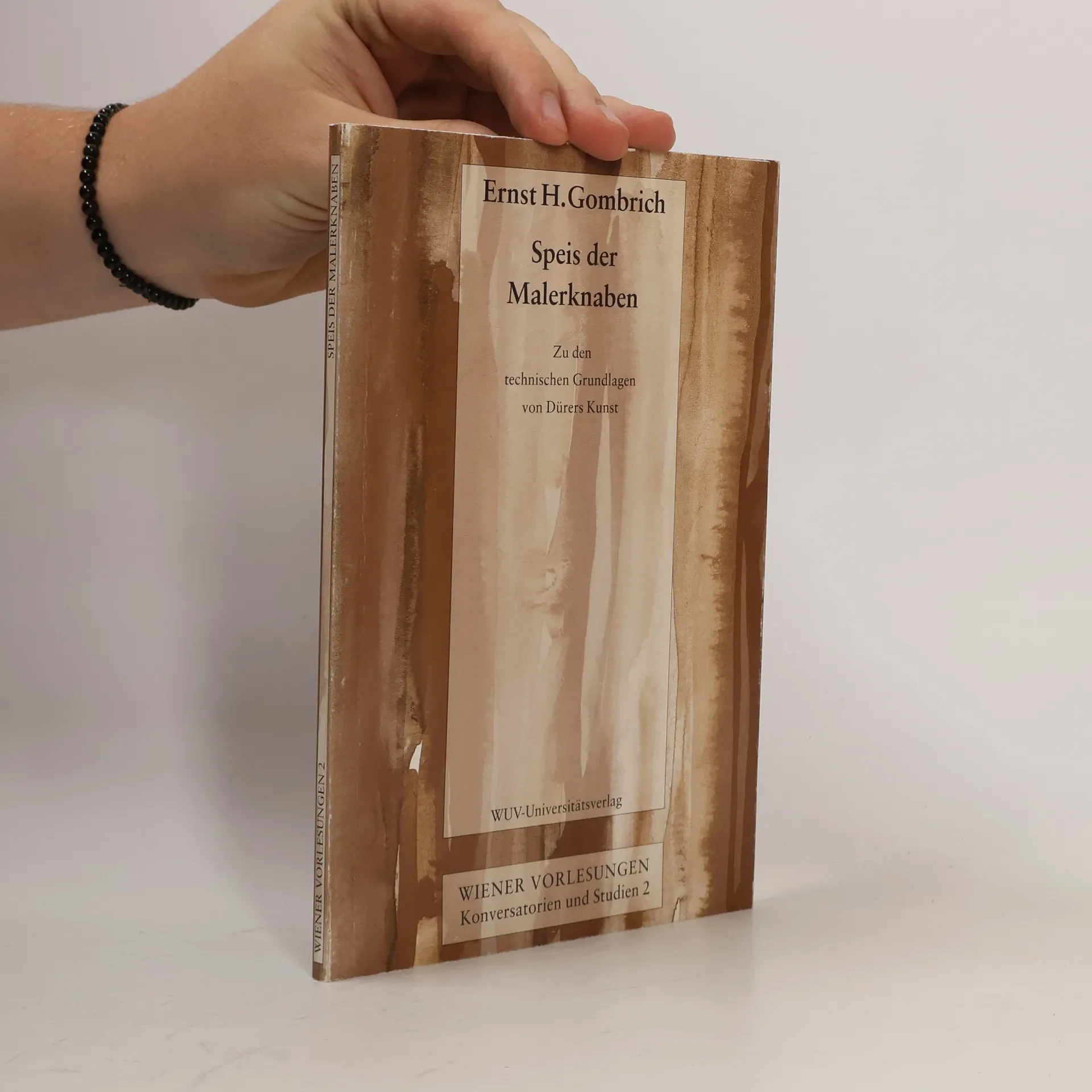
Speis der Malerknaben
- 32 páginas
- 2 horas de lectura
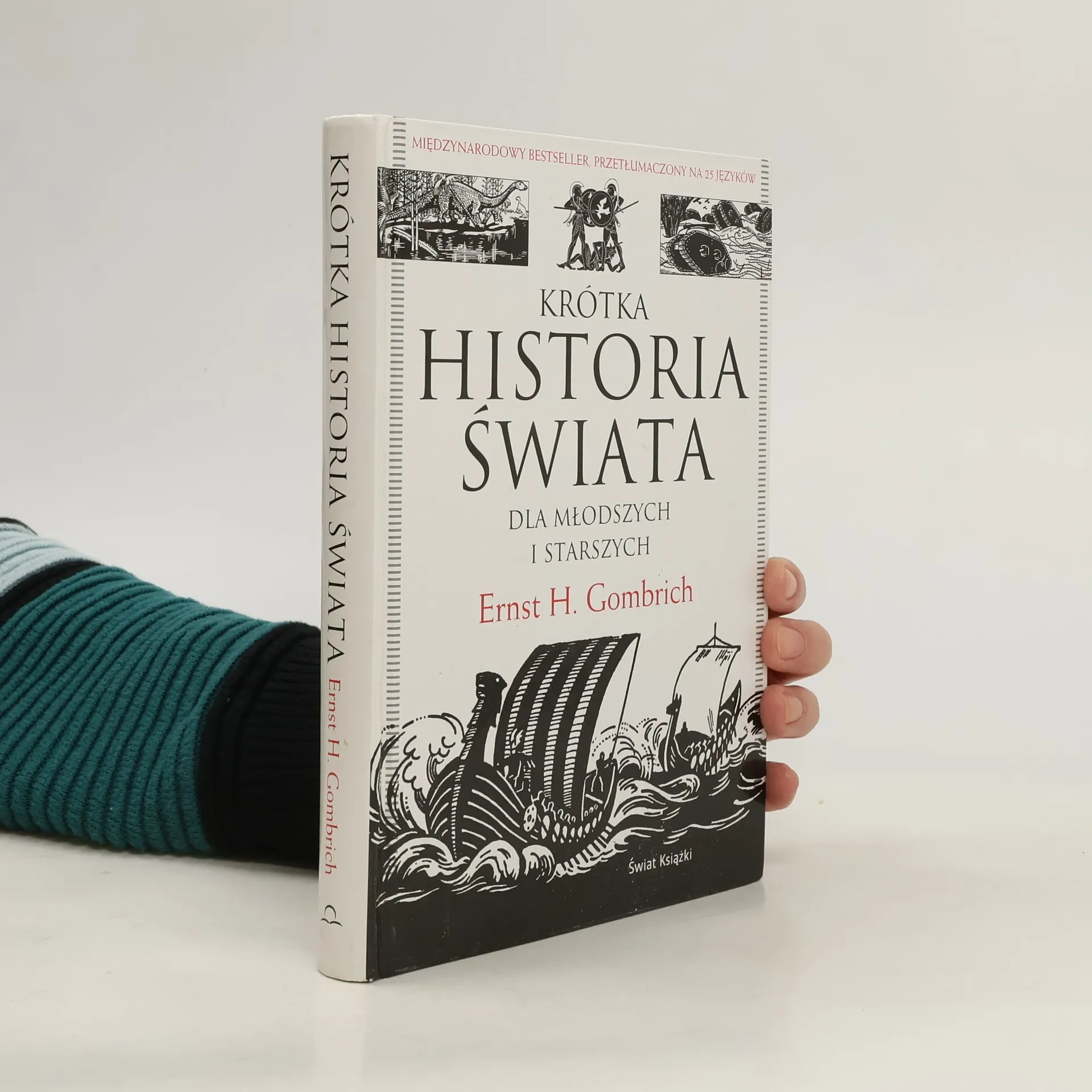
Krótka historia świata dla młodszych i starszych
- 351 páginas
- 13 horas de lectura