George Santayana es una figura central de la filosofía clásica americana, fusionando magistralmente filosofía, poesía y crítica literaria. Su naturalismo y su profundo énfasis en la imaginación creativa presagiaron importantes giros intelectuales a ambos lados del Atlántico. Exploró el concepto de múltiples perfecciones antes de que el multiculturalismo se convirtiera en un tema generalizado y concibió la filosofía a través de una lente literaria mucho antes de que fuera un tema académico común. Santayana integró con maestría el platonismo con el pensamiento aristotélico, contrarrestó las filosofías idealistas y ofreció una descripción sensible de la vida espiritual sin adherirse a creencias religiosas. Su perspectiva como extranjero, moldeada por su herencia hispana y sus experiencias en América, proporcionó ideas únicas sobre la vida estadounidense, rivalizando con Tocqueville en calidad e importancia. Más allá de la filosofía, su producción literaria solo es comparable a la de Emerson.
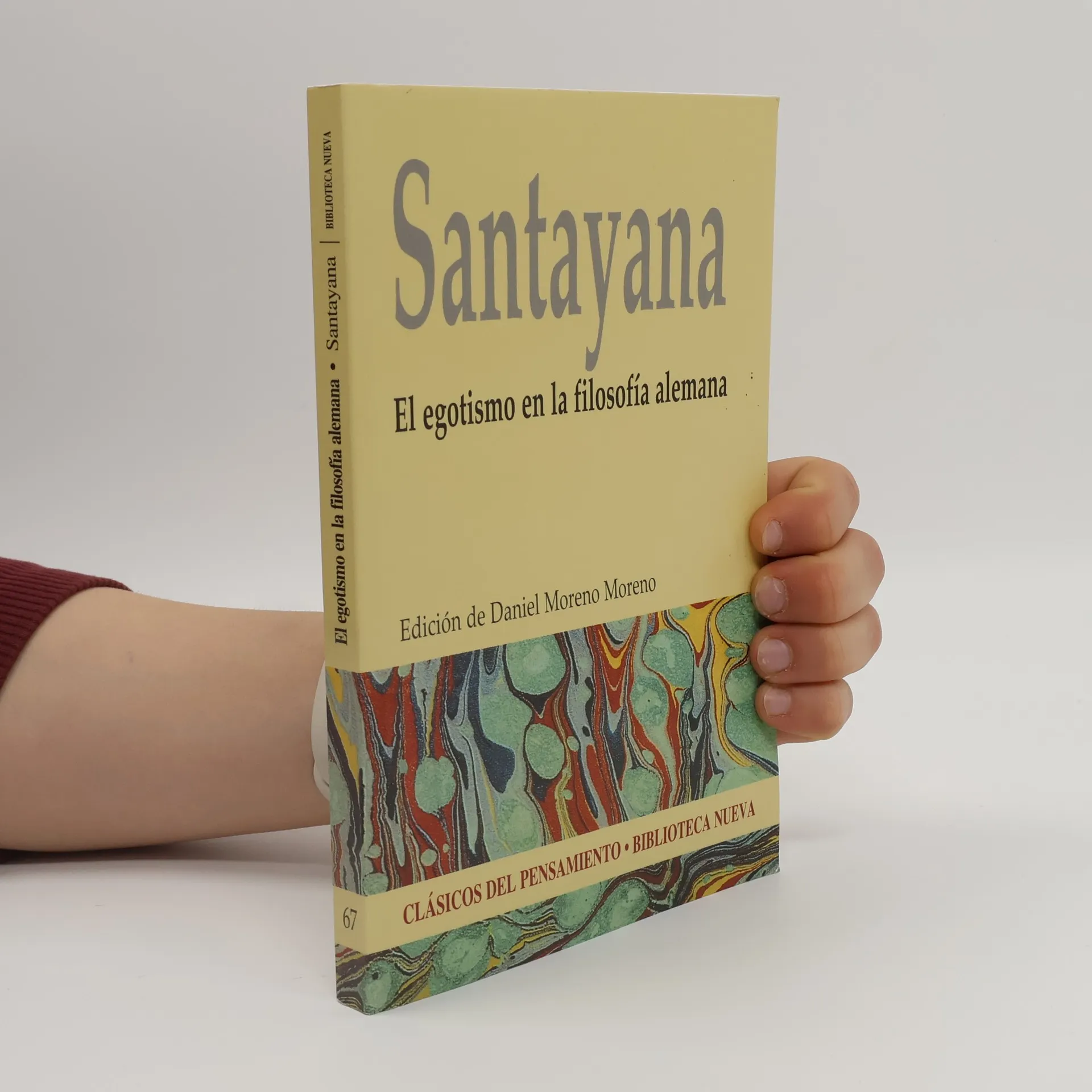
La edición incluye, junto a las secciones habituales, dos apéndices que recogen textos complementarios de Santayana, y también una de las primeras reacciones contra su interpretacióndel pensamiento alemán. En su respuesta, Santayana descubre la conexión entre El egotismo y su obra más técnica: Escepticismo y fe animal.
Influential philosopher, poet, and literary critic George Santayana (1863-1952) was a thorough naturalist, concerned with the ideal factors in human experience. He held that everything possesses a natural basis and that everything natural has an ideal development. In this one-volume edition of his early work, The Life of Reason (originally published 1905-6), Santayana argues that rational life is embodied in various ideal forms, including religion, and that religion may be embodied in reason. However, this is not to say that religion is grounded in science; rather, religion is poetic, a rendering of natural events in a dramatic form. Hence, to take so-called religious truths as literal claims is preposterous
The great philosopher, essayist, poet, and novelist masterfully offers his fascinating outline of Aesthetics Theory. Drawing on the art, literature, and social sciences involved, Santayana discusses the nature of beauty, form, and expression.
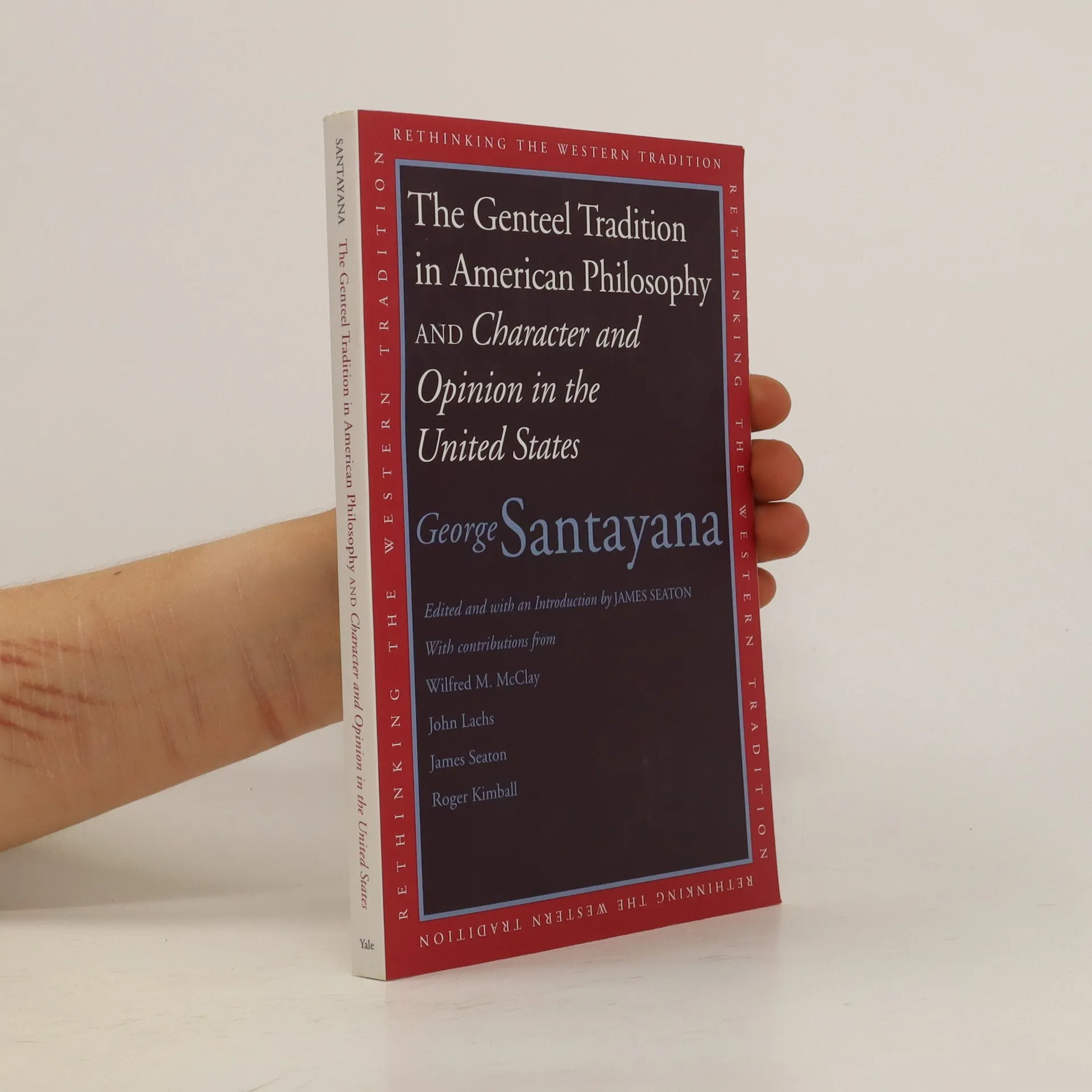
This book brings together two seminal works by George Santayana, one of the most significant philosophers of the twentieth century: Character and Opinion in the United States, which stands with Tocqueville's Democracy in America as one t
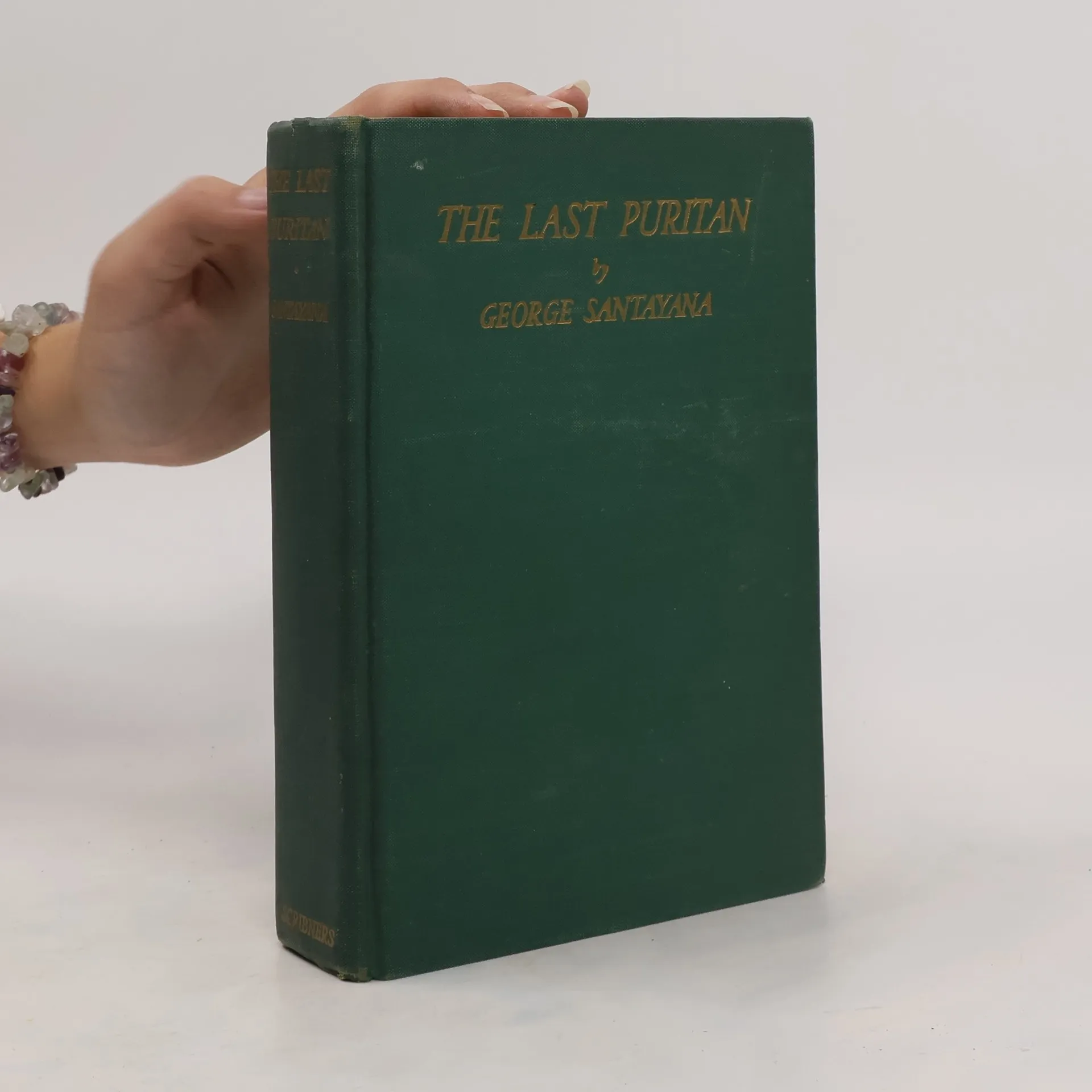
Published in 1935, George Santayana's The Last Puritan was the American philosopher's only novel and it became an instant best- seller, immediately linked in its painful voyage of self-discovery to The Education of Henry Adams. It is essentially a novel of ideas expressed in the birth, life, and early death of Oliver Alden. In Oliver's case the puritanical self-destruction that prevented him from realizing his own spirituality is transcended by his attainment of the type of self-knowledge that Santayana recommends throughout his moral philosophy.The Last Puritan is volume four in a new critical edition of George Santayana's wroks that restores Santayana's original text and provides important new scholarly information. Books in this series - the first complete publication of Santayana's works - include an editorial apparatus with notes to the text (identifying persons, places, and ideas), textual commentary (including a description of the composition and publication history, along with a discussion of editorial methods and decisions), lists of variants and emendations, and line-end hyphenations.
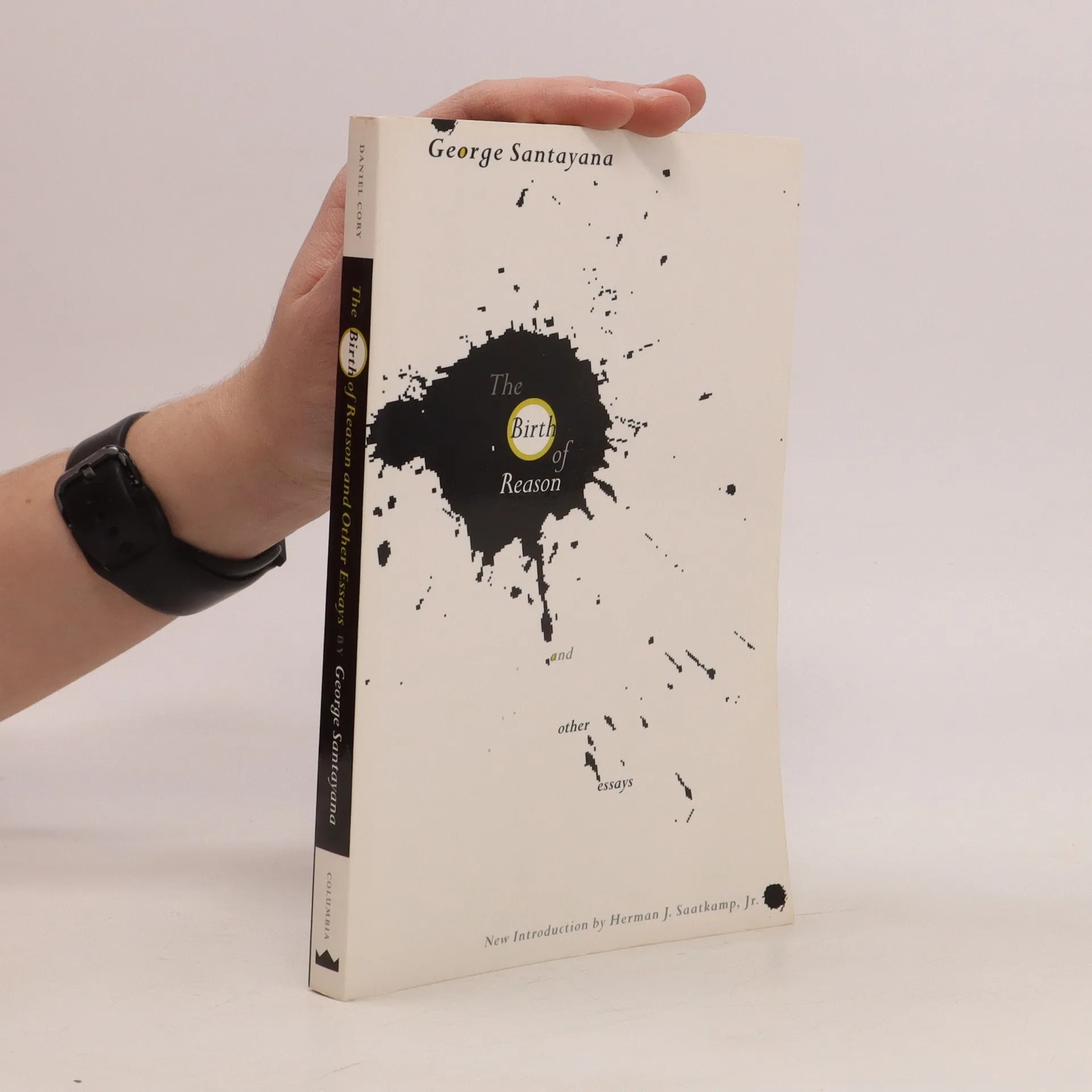
This collection of essays by the prominent American philosopher George Santayana includes the famous "The Birth of Reason," "The Philosophy of Travel," "Bertrand Russell's Searchlight," "Appearance and Reality," and "On the False Steps of Philosophy." Also included are essays on Hellenism, Goethe's Faust , the politics of religion, friendship, and Tom Sawyer as a latterday Don Quixote.
This historic book may contain numerous typos and missing text. Purchasers can often download a free scanned copy of the original work from the publisher. The 1905 edition is not indexed and lacks illustrations.
Love serves as a prelude to life, an overture hinting at the themes to come, yet it remains merely a symbol and a promise. As time progresses, passion evolves into possession, courtship into partnership, and pleasure into habit. The arrival of a child, both a mystery and a plaything, illustrates the consequences of our choices, binding us to a path we cannot escape. We realize that our indulgences create a net of obligations, shaping our destiny. Life, once seemingly infinite in possibilities, becomes confined to a singular career. We learn that in moral pursuits, infinity is an illusion, and to achieve anything definitive requires renouncing other options.
The family stands as a masterpiece of nature, harmonizing instincts where each member supports one another. The husband protects the wife, while she serves him; the weaker partner gains authority and safety, and the more carefree finds a supportive home. Parents impart experience and memory to their children, who in turn offer their parents a sense of immortality. The extended childhood of humans necessitates the transmission of acquired knowledge, allowing instincts and habits to develop postnatally under the influence of their environment.
Valued by scholars for its significance to literature, this book is presented in its original print format, preserving its historical authenticity. The intentional inclusion of marks and annotations enhances its educational value, ensuring that future generations can appreciate its true nature and content.
Exploring key themes in modern philosophy, this collection of five essays delves into significant ideas that have shaped human thought. Recognizing its historical importance, Alpha Editions has republished the work in a modern format, ensuring clarity and readability through meticulous reformatting and retyping. This effort aims to preserve the insights of these essays for both current and future generations, making them accessible in a contemporary presentation.