Compra 10 libros por 10 € aquí!
Bookbot

Richard Rhodes

    4 de julio de 1937

    Richard Rhodes es un periodista e historiador estadounidense cuyo trabajo profundiza en las intersecciones de la ciencia, la guerra y la historia humana. Él denomina a sus escritos de no ficción "verity" (veracidad), distinguiéndolos a través de una investigación meticulosa y un impulso por comprender las complejas dinámicas del avance tecnológico y sus consecuencias. Su enfoque se caracteriza por un profundo compromiso con la precisión histórica y un estilo narrativo convincente que ilumina momentos cruciales. A través de su escritura, Rhodes busca desentrañar las intrincadas historias detrás de los esfuerzos científicos y militares más significativos de la humanidad.

    Richard Rhodes
    The Manhattan Project (Revised)
    The Twilight of the Bombs. Recent Challenges, New Dangers, and the Prospects for a World Without Nuclear Weapons
    Dark Sun
    The Audubon Reader
    Arsenals of Folly
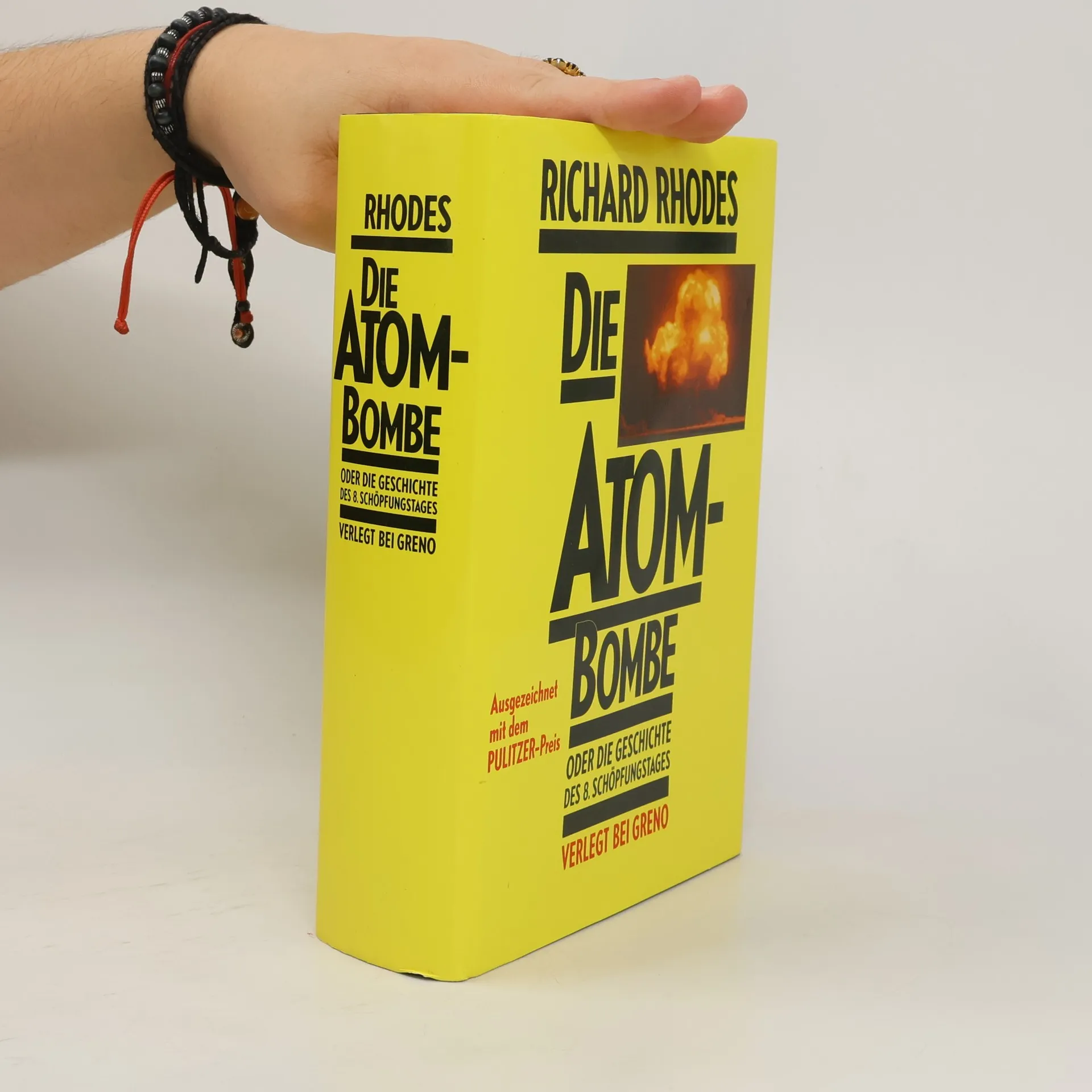
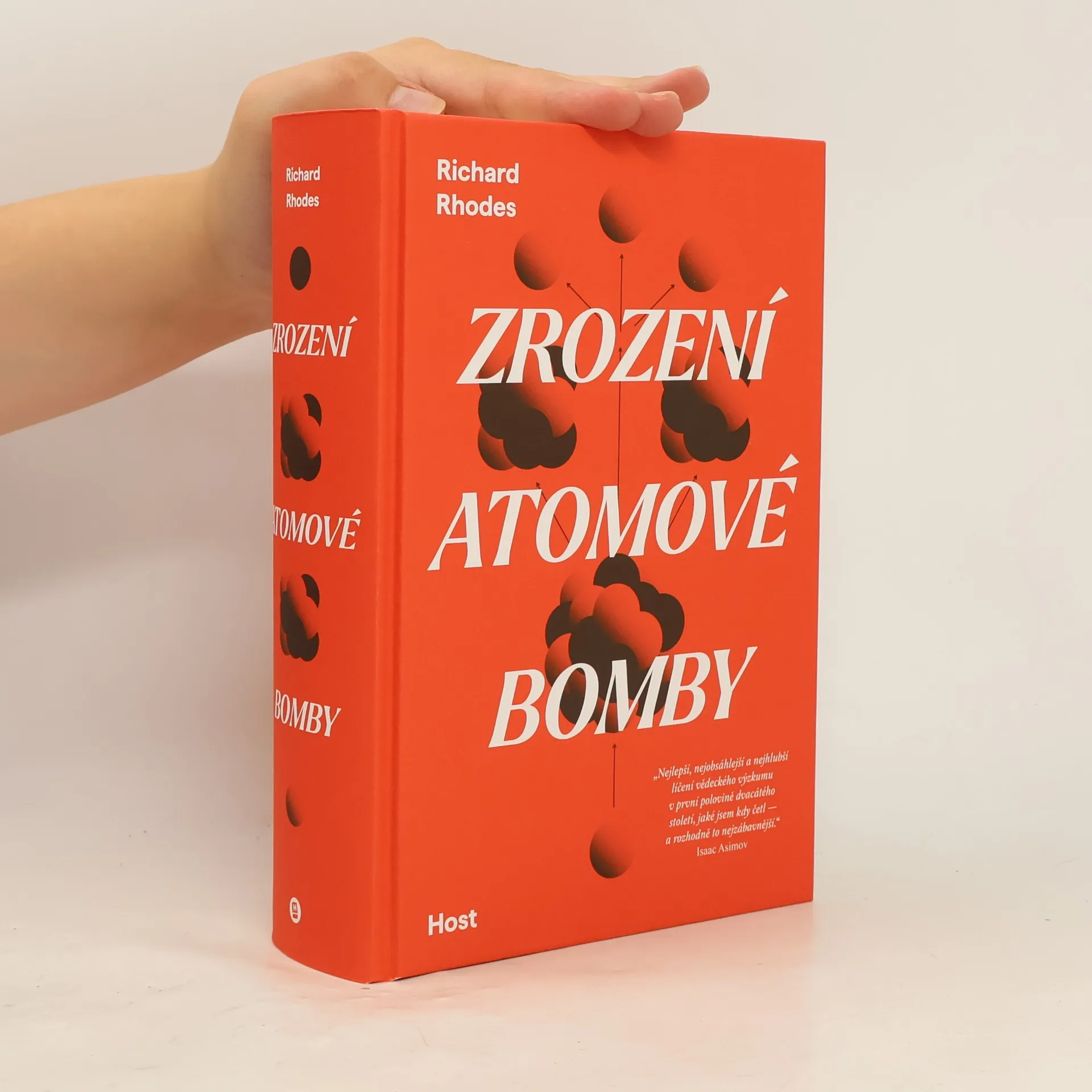
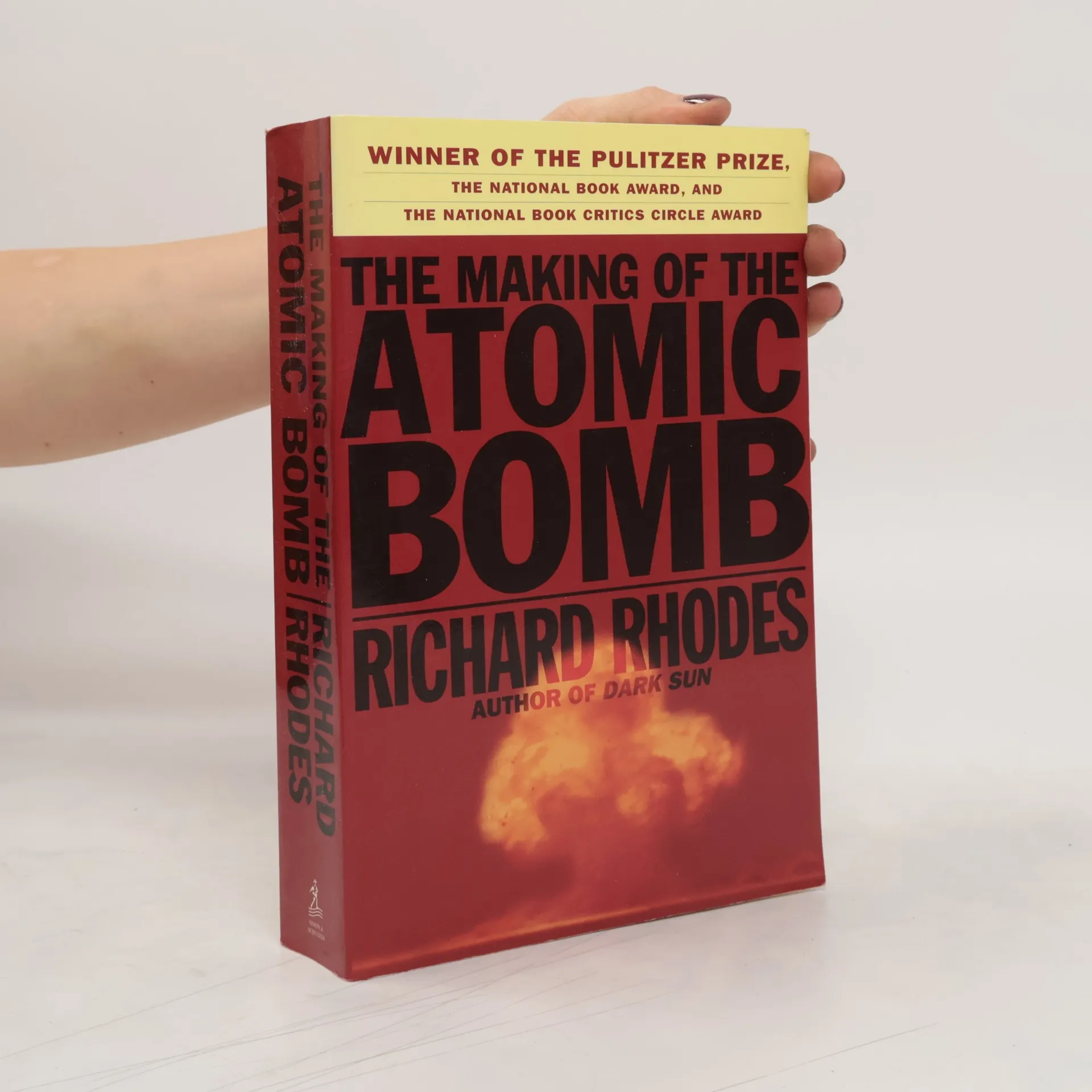
    The Making of the Atomic Bomb
    • The Making of the Atomic Bomb

      • 886 páginas
      • 32 horas de lectura

      Here for the first time, in rich, human, political, and scientific detail, is the complete story of how the bomb was developed, from the turn-of-the-century discovery of the vast energy locked inside the atom to the dropping of the first bombs on Japan. Few great discoveries have evolved so swiftly -- or have been so misunderstood. From the theoretical discussions of nuclear energy to the bright glare of Trinity there was a span of hardly more than twenty-five years. What began as merely an interesting speculative problem in physics grew into the Manhattan Project, and then into the Bomb with frightening rapidity, while scientists known only to their peers -- Szilard, Teller, Oppenheimer, Bohr, Meitner, Fermi, Lawrence, and yon Neumann -- stepped from their ivory towers into the limelight. Richard Rhodes takes us on that journey step by step, minute by minute, and gives us the definitive story of man's most awesome discovery and invention.
      The Making of the Atomic Bomb
    • The riveting secret history of the nuclear arms race and the end of the Cold War, by the Pulitzer-winning author of The Making of the Atomic Bomb.

      Arsenals of Folly
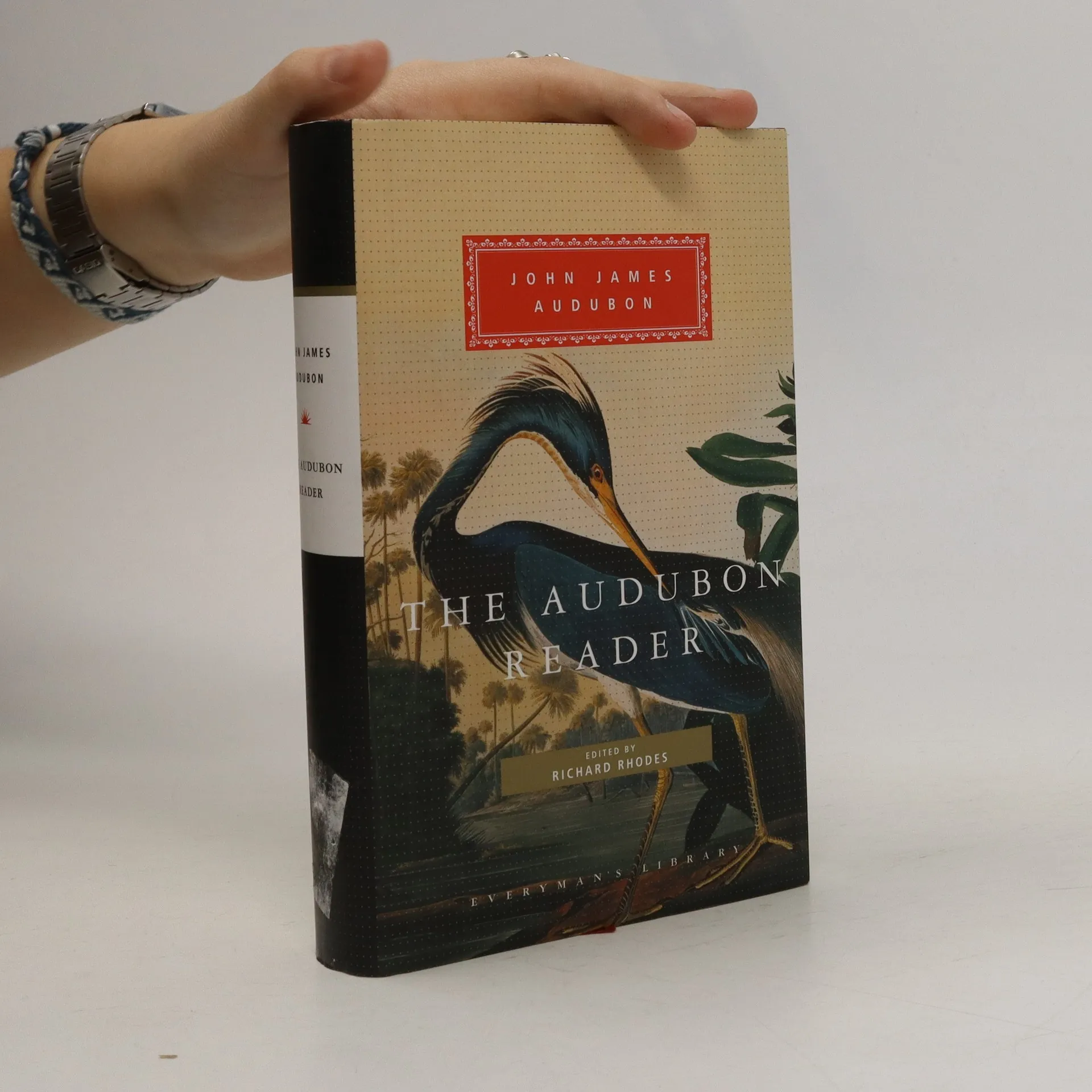
    • The Audubon Reader

      • 680 páginas
      • 24 horas de lectura

      John James Audubon was America's dominant wildlife artist. His name remains synonymous with birds and bird conservation the world over. This book presents 'bird biographies', journal accounts of his river journeys and hunting trips with the Osage Indians, and a sampling of brief stories that have long been out of print.

      The Audubon Reader
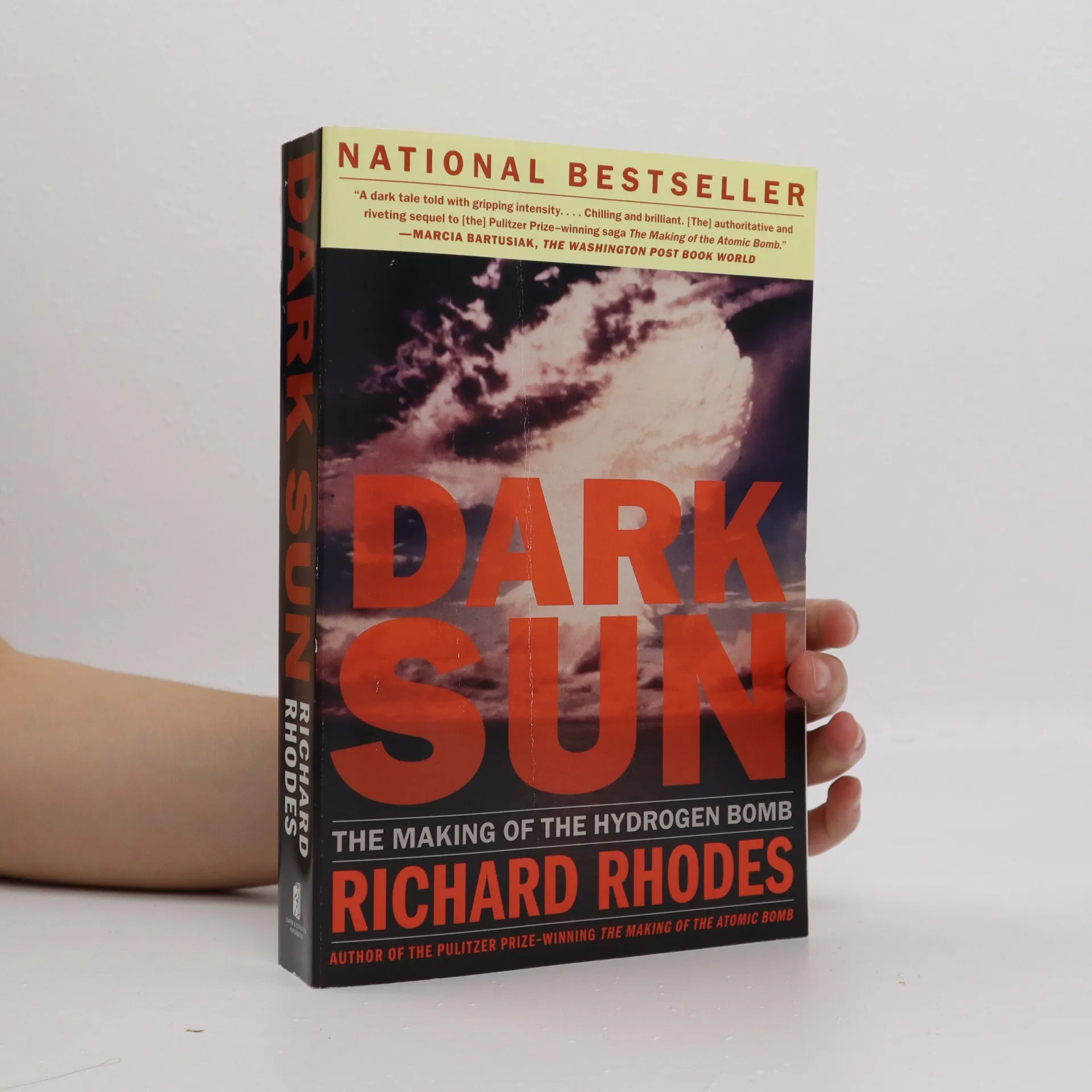
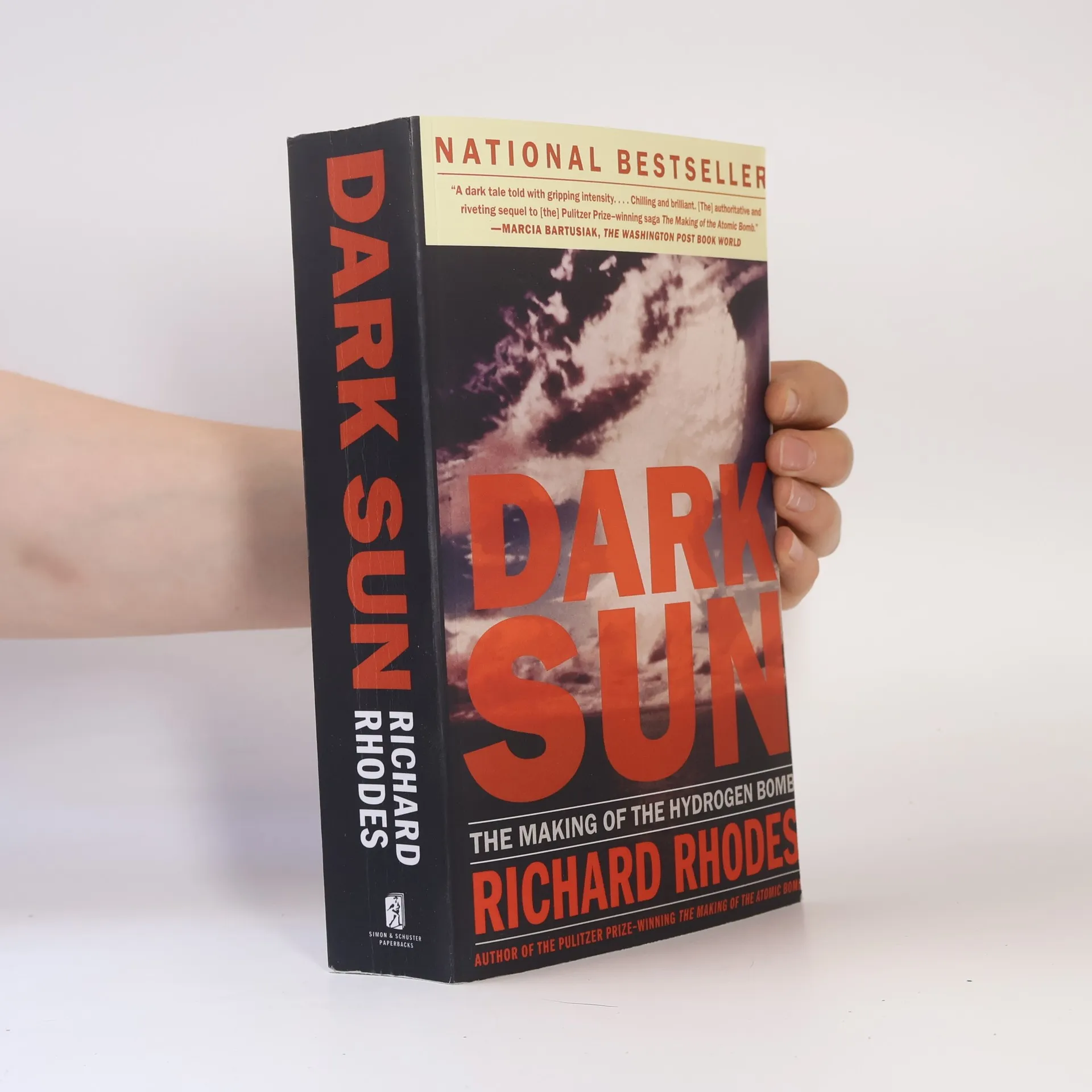
    • Dark Sun

      • 736 páginas
      • 26 horas de lectura

      Here, for the first time, in a brilliant, panoramic portrait by the Pulitzer Prize-winning author of The Making of the Atomic Bomb, is the definitive, often shocking story of the politics and the science behind the development of the hydrogen bomb and the birth of the Cold War.Based on secret files in the United States and the former Soviet Union, this monumental work of history discloses how and why the United States decided to create the bomb that would dominate world politics for more than forty years.

      Dark Sun
    • The final volume in Richard Rhodes's prizewinning history of nuclear weapons offers the first comprehensive narrative of the challenges faced in the post-Cold War age. The past twenty years have transformed our relationship with nuclear weapons drastically. With extraordinary depth of knowledge and understanding, Richard Rhodes makes clear how the five original nuclear powers--Russia, Great Britain, France, China, and especially the United States--have struggled with new realities. He reveals the real reasons George W. Bush chose to fight a second war in Iraq, assesses the emerging threat of nuclear terrorism, and offers advice on how our complicated relationships with North Korea and South Asia should evolve. Finally, he imagines what a post-nuclear world might look like, as only he can.

      The Twilight of the Bombs. Recent Challenges, New Dangers, and the Prospects for a World Without Nuclear Weapons
    • The Manhattan Project (Revised)

      • 400 páginas
      • 14 horas de lectura

      This updated edition of this essential collection of historic writings by the pre-eminent scientists and historians who bore witness to the birth of the modern nuclear age, now includes President Barack Obama's 2016 statement at Hiroshima, all-new writings from Japanese survivors of the atomic bomb, and a new foreword by Cynthia C. Kelly.

      The Manhattan Project (Revised)
    • Scientist

      • 288 páginas
      • 11 horas de lectura

      A Pulitzer Prize-winning author presents this fully authorized--and timely-biography of the Harvard biologist and naturalist who has become a leading voice on the crucial importance to all life of biodiversity and has worked tirelessly to synthesize the fields of science and the humanities in a fruitful way

      Scientist
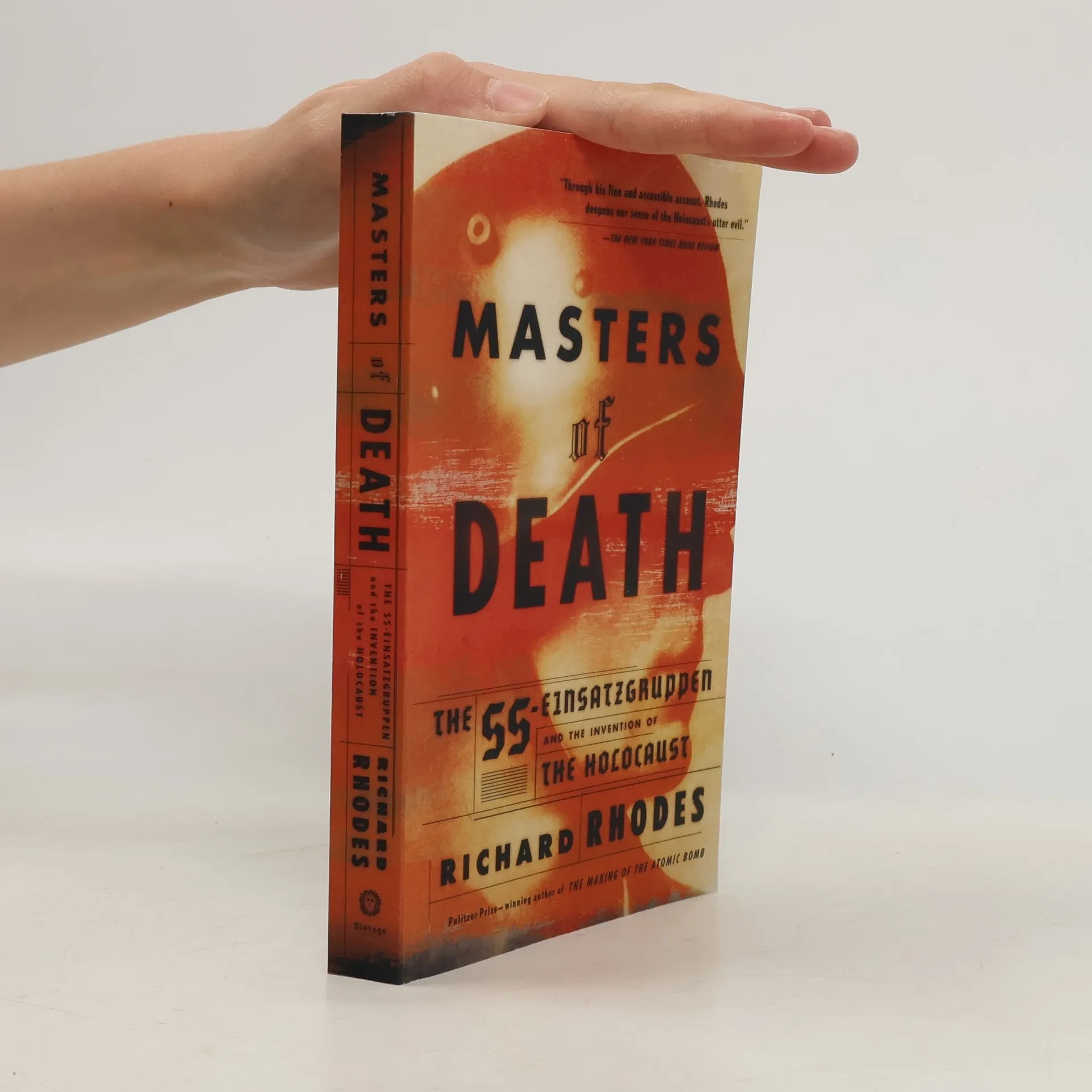
    • In Masters of Death, Richard Rhodes gives full weight, for the first time, to the part played by the Einsatzgruppen - the professional killing squads deployed in Poland and the Soviet Union, early in World War II, by Himmler's SS. And he shows how these squads were utilized as the Nazis made two separate plans for dealing with the civilian populations they wanted to destroy. Drawing on Nuremberg Tribunal documents largely ignored until now, and on newly available material from eyewitnesses and survivors, Richard Rhodes has given us a book that is essential reading on the Holocaust the World War II.

      Masters of Death: The SS-Einsatzgruppen and the Invention of the Holocaust
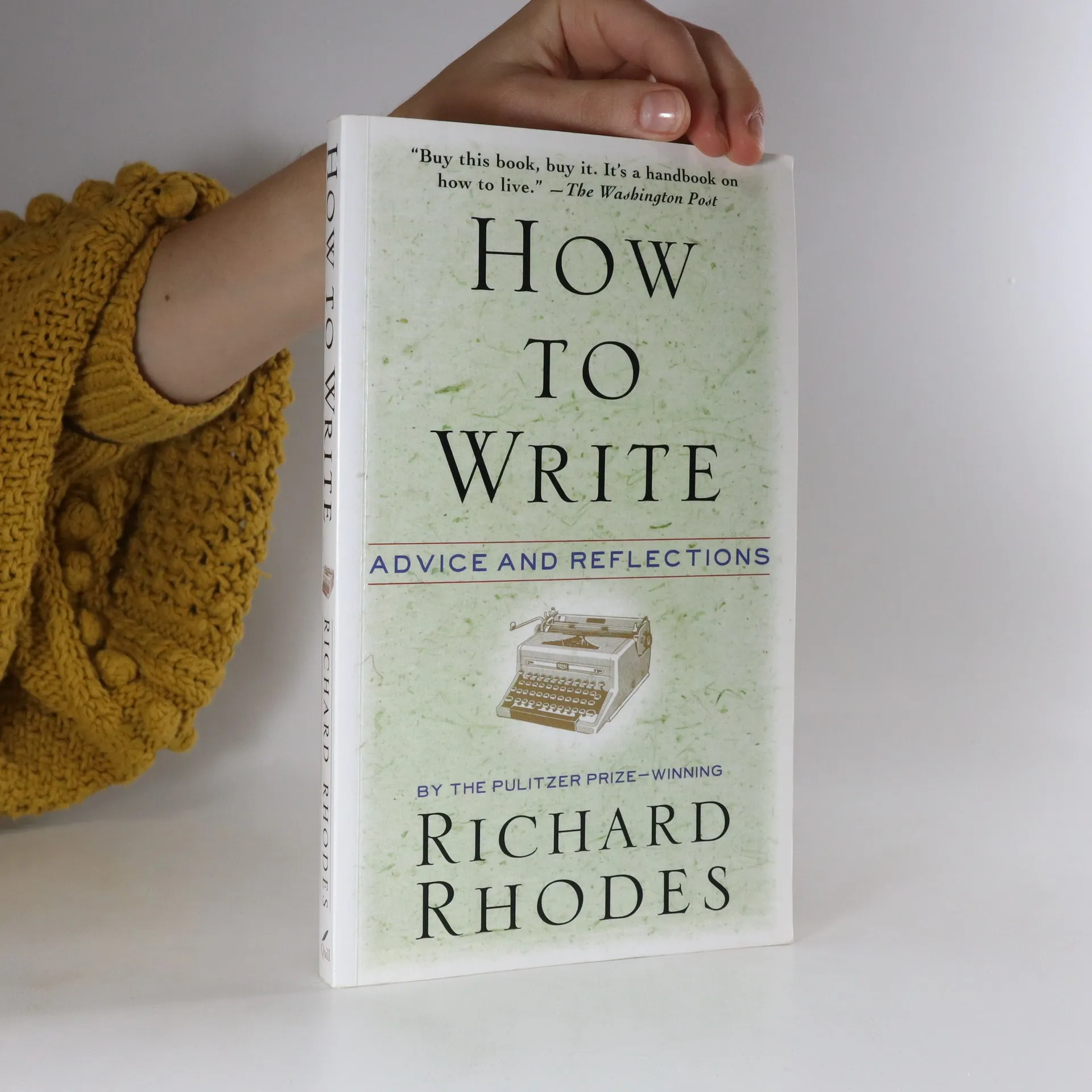
    • How to write. Advice and reflections

      • 240 páginas
      • 9 horas de lectura

      Uniquely fusing practical advice on writing with his own insights into the craft, Pulitzer Prize-winning author Richard Rhodes constructs beautiful prose about the issues would-be writers are most afraid to articulate: How do I dare write? Where do I begin? What do I do with this story I have to tell that fills and breaks my heart? Rich with personal vignettes about Rhode's sources of inspiration, How to Write is also a memoir of one of the most original and celebrated writers of our day.

      How to write. Advice and reflections
    • Energy

      • 480 páginas
      • 17 horas de lectura

      "Pulitzer Prize- and National Book Award-winning author Richard Rhodes reveals the fascinating history behind energy transitions over time--wood to coal to oil to electricity and beyond. People have lived and died, businesses have prospered and failed, and nations have risen to world power and declined, all over energy challenges. Ultimately, the history of these challenges tells the story of humanity itself. ... Human beings have confronted the problem of how to draw life from raw material since the beginning of time. Each invention, each discovery, each adaptation brought further challenges, and through such transformations, we arrived at where we are today. In Rhodes's singular style, Energy details how this knowledge of our history can inform our way tomorrow."--Amazon

      Energy