David Hume Libros
David Hume, una figura cumbre de la Ilustración escocesa, moldeó fundamentalmente el pensamiento occidental a través de su radical empirismo filosófico y escepticismo. Buscó establecer una 'ciencia del hombre' naturalista, explorando los fundamentos psicológicos de la naturaleza humana y concluyendo que el deseo, más que la razón, gobierna el comportamiento. Hume argumentó que el conocimiento proviene únicamente de la experiencia directa, desafiando la noción de ideas innatas y cuestionando la justificación racional de la causalidad. Sus influyentes teorías sobre el libre albedrío y la ética, basadas en el sentimiento en lugar de principios abstractos, continúan resonando en la filosofía contemporánea.

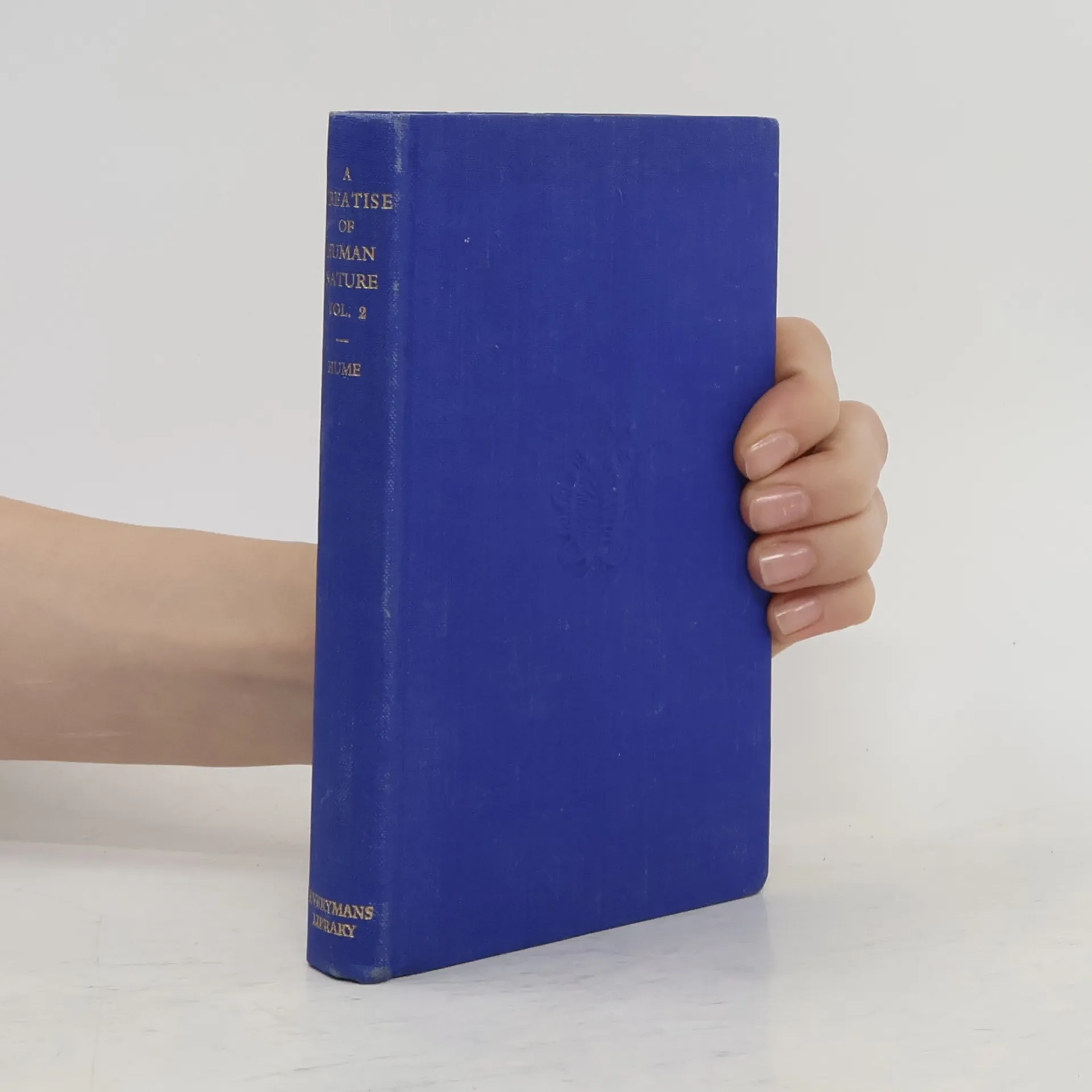
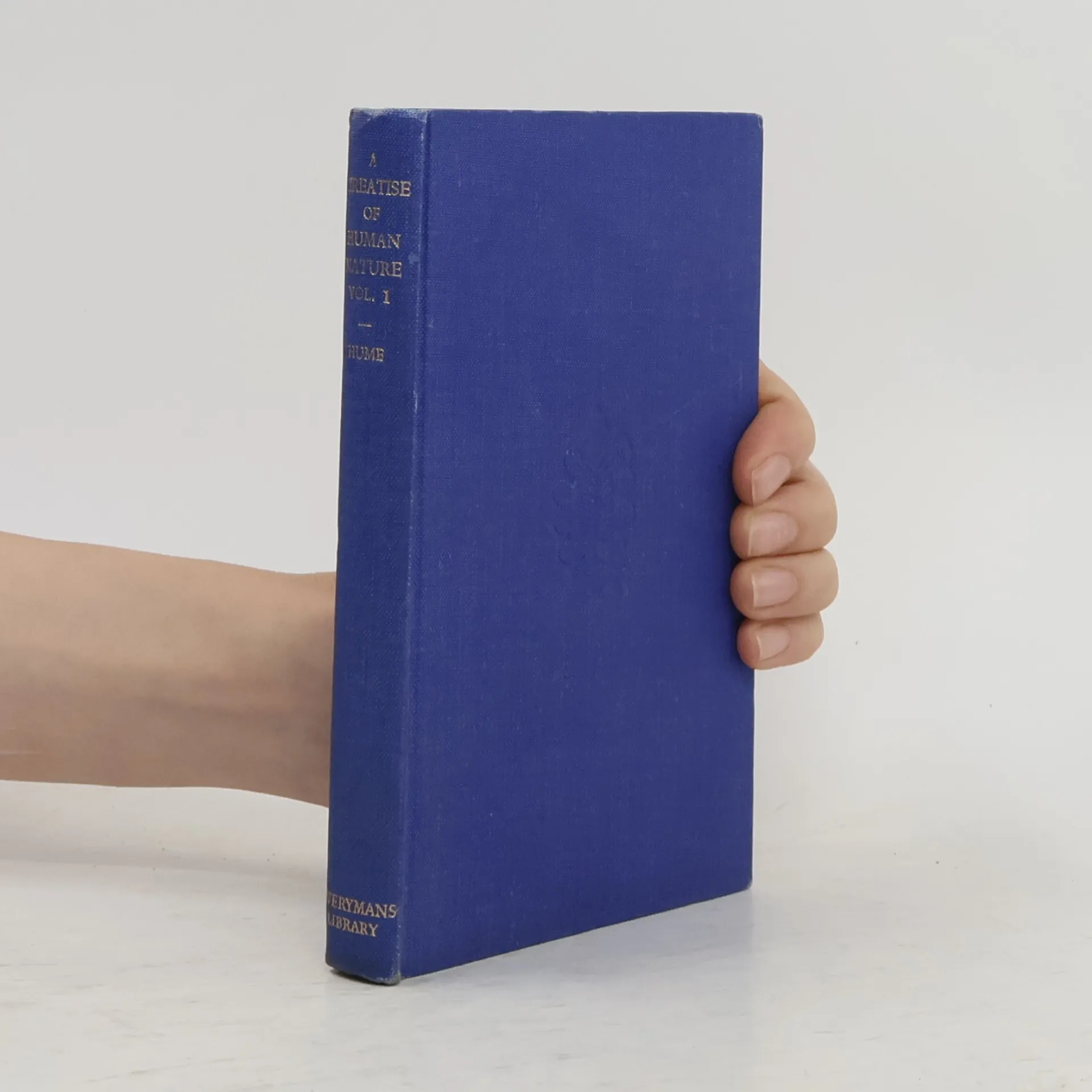
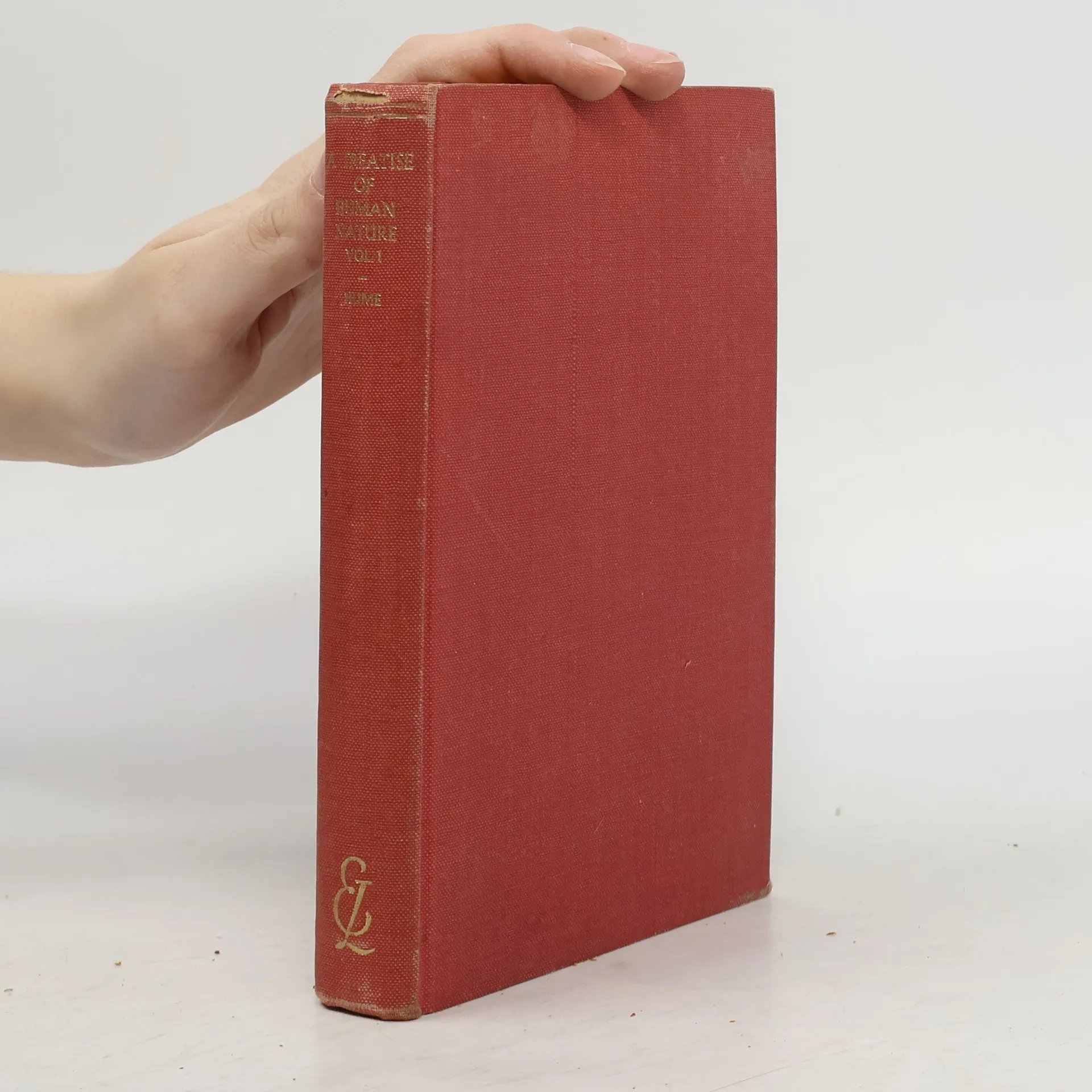
A Treatise of Human Nature - Vol I
- 288 páginas
- 11 horas de lectura
The treatise explores the autonomy of human passions and moral nature, arguing against reason's influence. In the second volume, Hume transitions from skepticism to a more structured moral theory aligned with the sentimentalist school of the eighteenth century. Key topics include the nature of pride, humility, love, hatred, and the distinctions between virtue and vice, justice and injustice. This work delves into the complexities of human emotions and ethical considerations, offering a comprehensive view of Hume's moral philosophy.
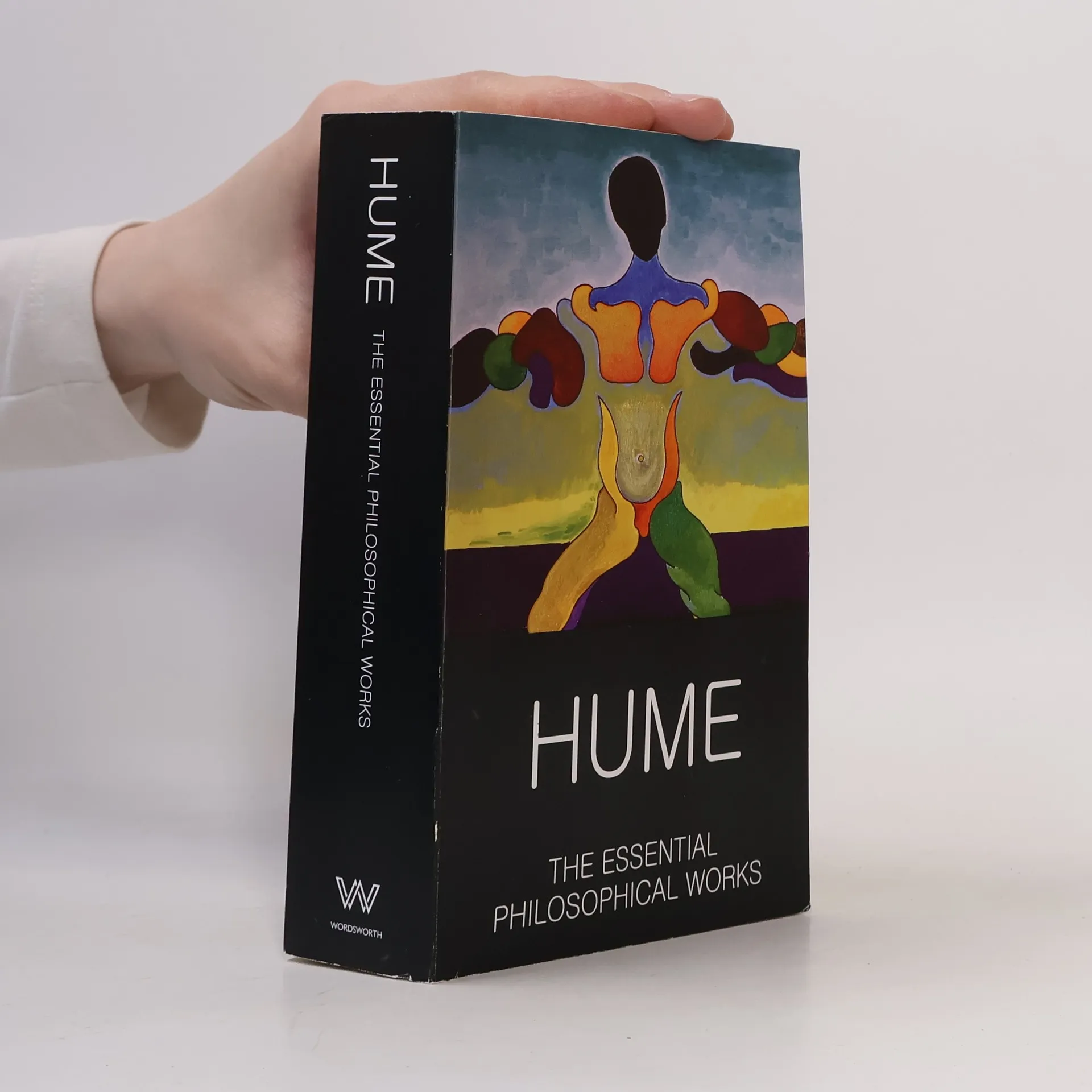
The Essential Philosophical Works
- 860 páginas
- 31 horas de lectura
Morris David Hume (1711-1776) was the one of the important philosopher ever to write in English, as well as a master stylist. This title contains his major philosophical works.
History of England, Volume 1
- 537 páginas
- 19 horas de lectura
Volume I surveys pre-Roman Britain, the Anglo-Saxons, the Norman Conquest, and the kings of England from William I through John, and ends with a comparison of the feudal and the Anglo-Norman systems of government in England.
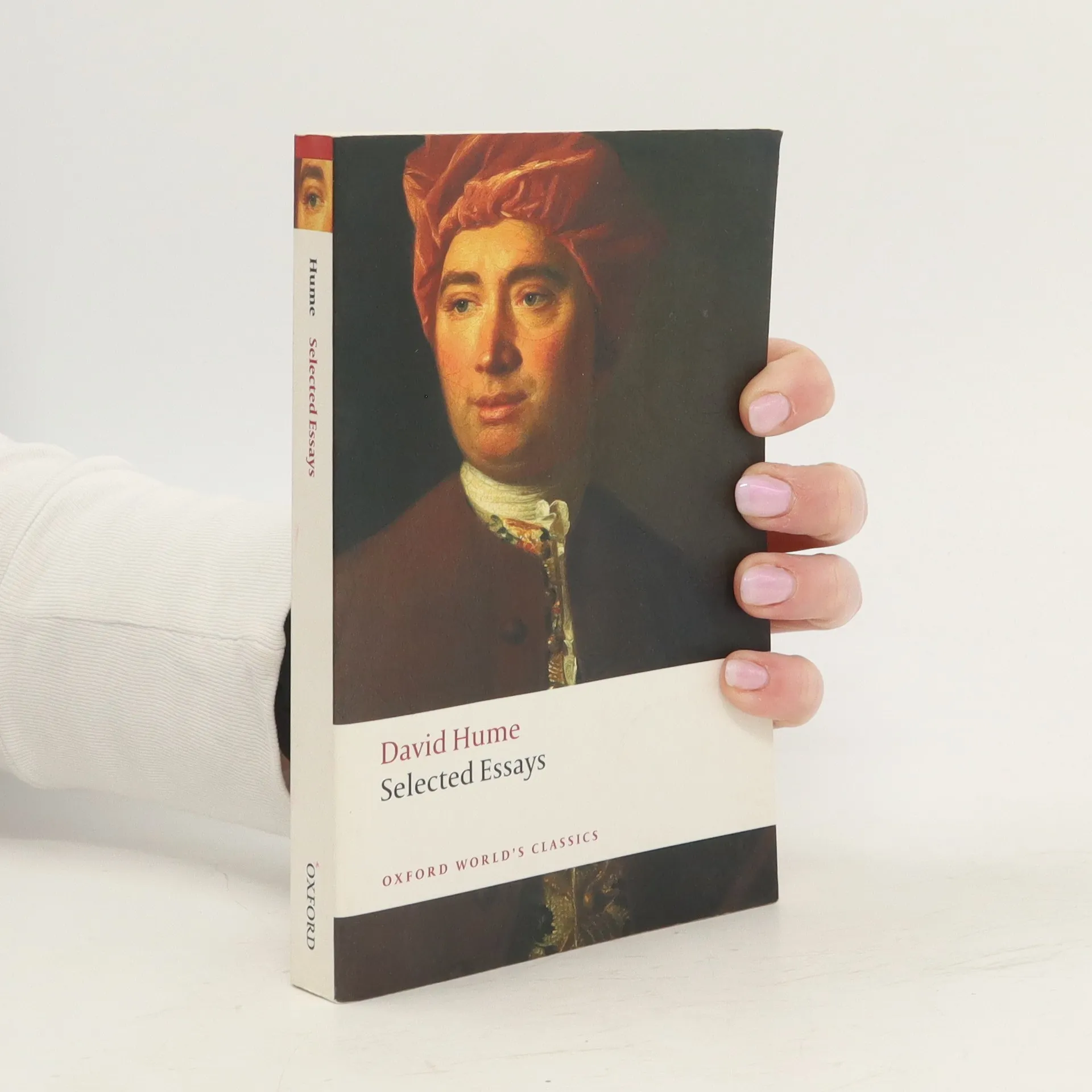
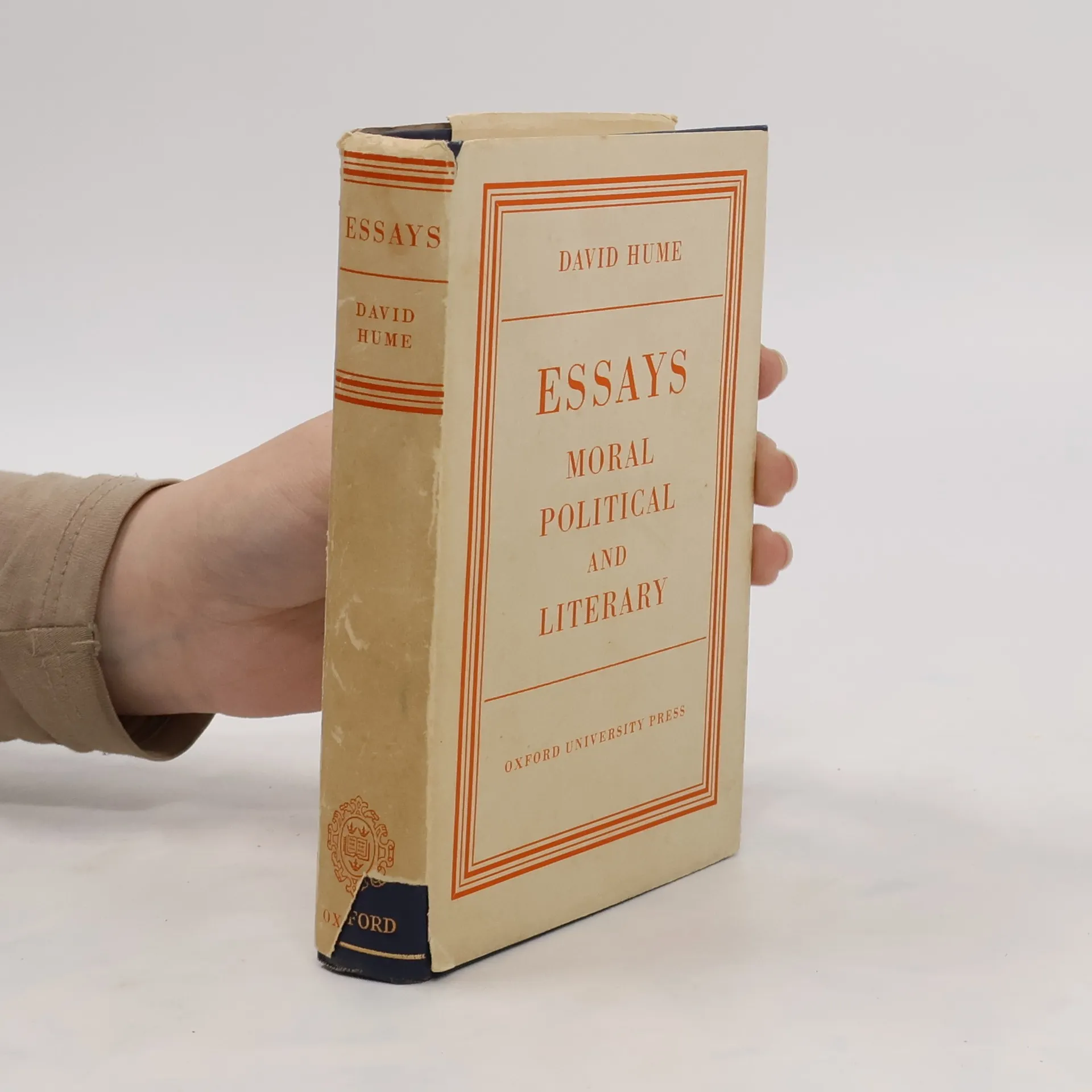
This edition contains the thirty-nine essays included in Essays, Moral, and Literary, that made up Volume I of the 1777 posthumous Essays and Treatises on Several Subjects. It also includes ten essays that were withdrawn or left unpublished by Hume for various reasons. The two most important were deemed too controversial for the religious climate of his time. This revised edition reflects changes based on further comparisons with eighteenth-century texts and an extensive reworking of the index. - Publisher
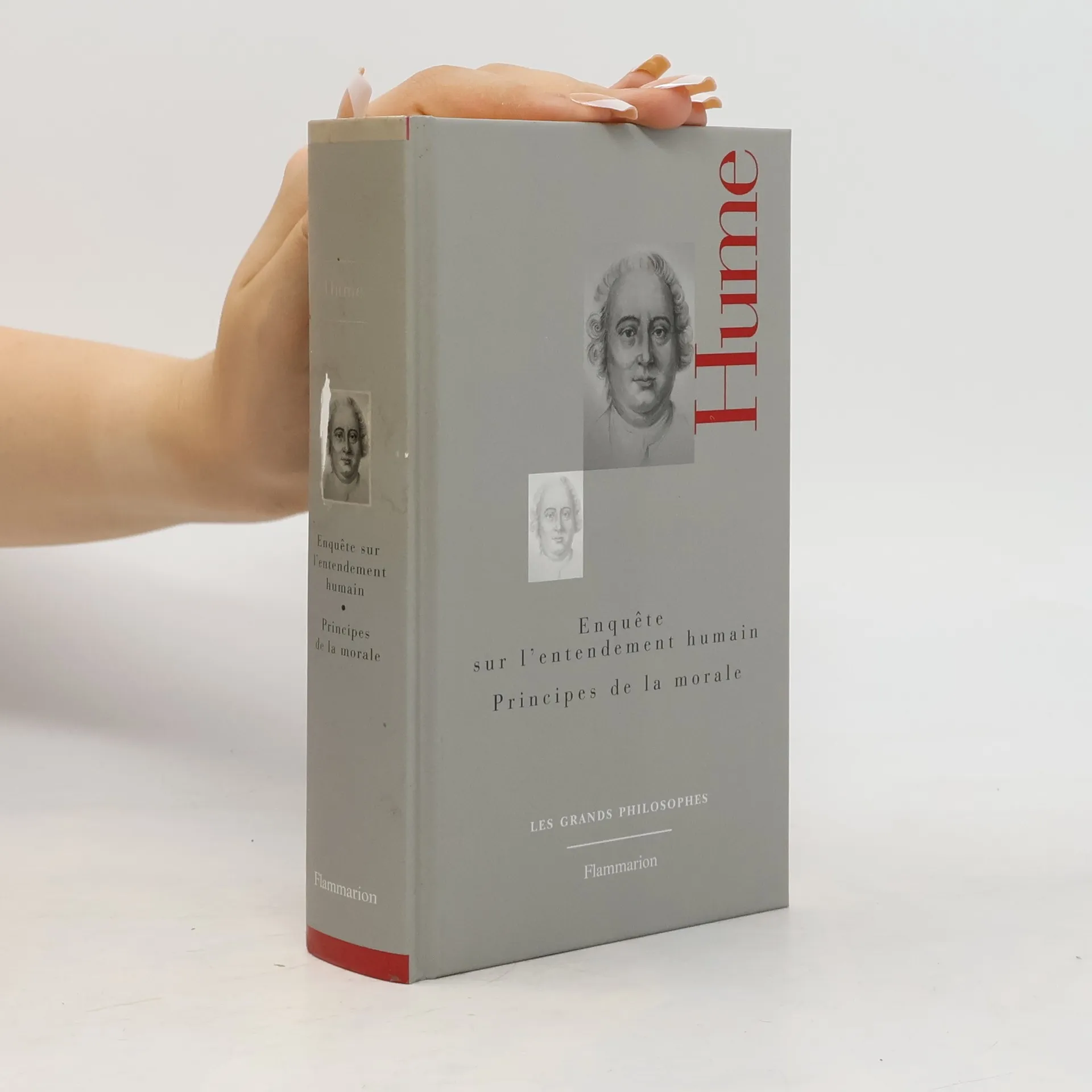
Enquiries Concerning the Human Understanding and Concerning the Principles of Morals
- 424 páginas
- 15 horas de lectura
Reprinted from the posthumous edition of 1777 and edited with introduction, comparative tables of contents, and analytical index by L. A. Selby-Bigge. Third edition with text revised and notes by P. H. Nidditch.
In his writings, David Hume set out to bridge the gap between the learned world of the academy and the marketplace of polite society. This collection, drawing largely on his Essays Moral, Political, and Literary (1776 edition), which was even more popular than his famous Treatise of Human Nature, comprehensively shows how far he succeeded. From `Of Essay Writing' to `Of the Rise and Progress of the Arts and Sciences' Hume embraces a staggering range of social, cultural, political, demographic, and historical concerns. With the scope typical of the Scottish Enlightenment, he charts the state of civil society, manners, morals, and taste, and the development of political economy in the mid-eighteenth century. These essays represent not only those areas where Hume's arguments are revealingly typical of his day, but also where he is strikingly innovative in a period already famous for its great thinkers. ABOUT THE SERIES: For over 100 years Oxford World's Classics has made available the widest range of literature from around the globe. Each affordable volume reflects Oxford's commitment to scholarship, providing the most accurate text plus a wealth of other valuable features, including expert introductions by leading authorities, helpful notes to clarify the text, up-to-date bibliographies for further study, and much more.
An Enquiry Concerning the Principles of Morals
- 117 páginas
- 5 horas de lectura
Scottish philosopher Davie Hume's biting criticism of religion and non-empirical methods of pursuing knowledge have resonated over the centuries, manifesting even to this day in the "New Atheist" movement. In this, his 'second enquiry' in which he concerned himself with morals, he sought out to place morality on entirely empirical grounds. Hume considered this one of his best works. While many find Hume's arguments compelling, that they are still raised today suggests that others remain unconvinced. Indeed, morality--its source, whether it is objective or subjective, etc.--is a matter of fierce debate to this day. Hume aimed to settle the issue once and for all. Though he did not succeed in doing that, he did succeed in making an important and early contribution to the subject.
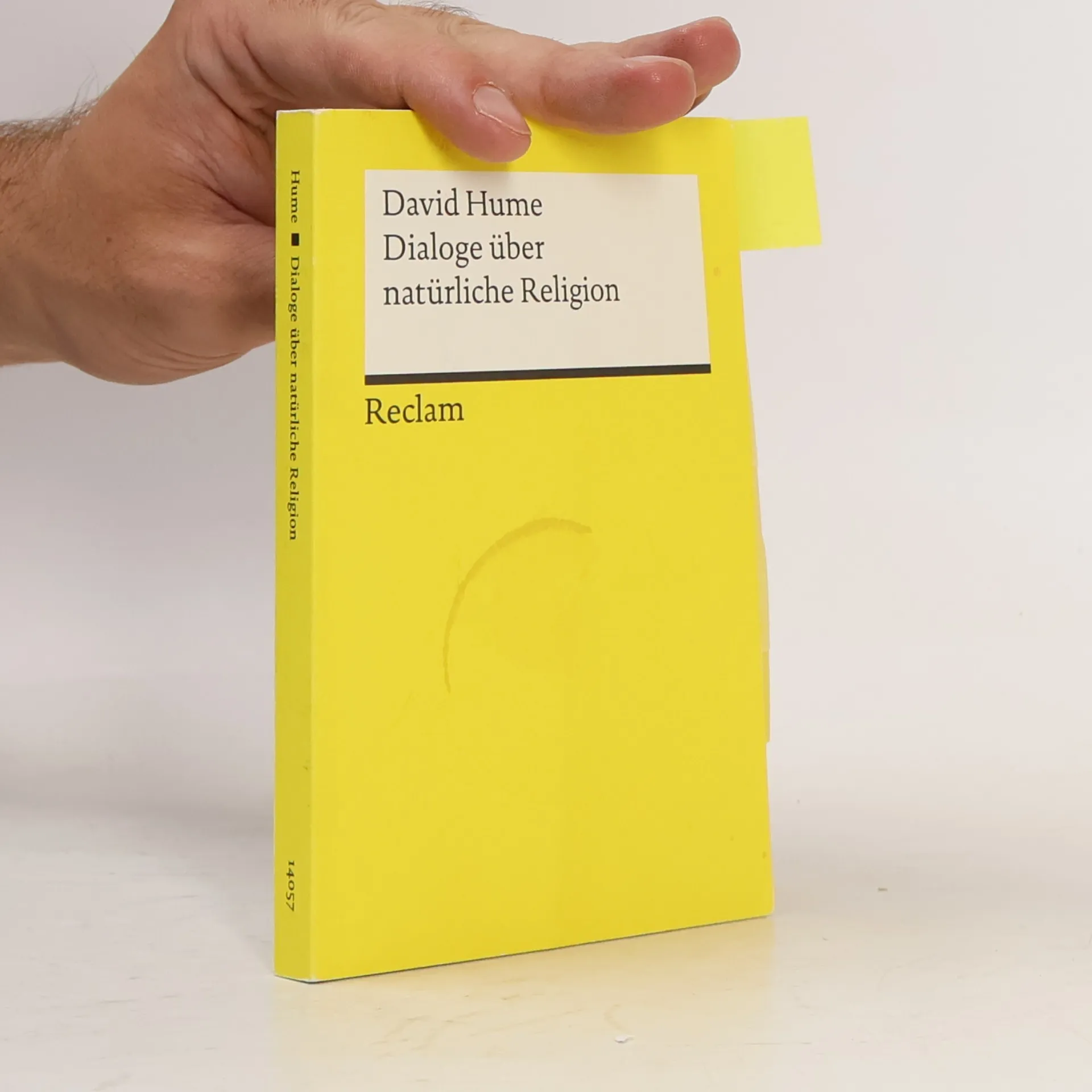
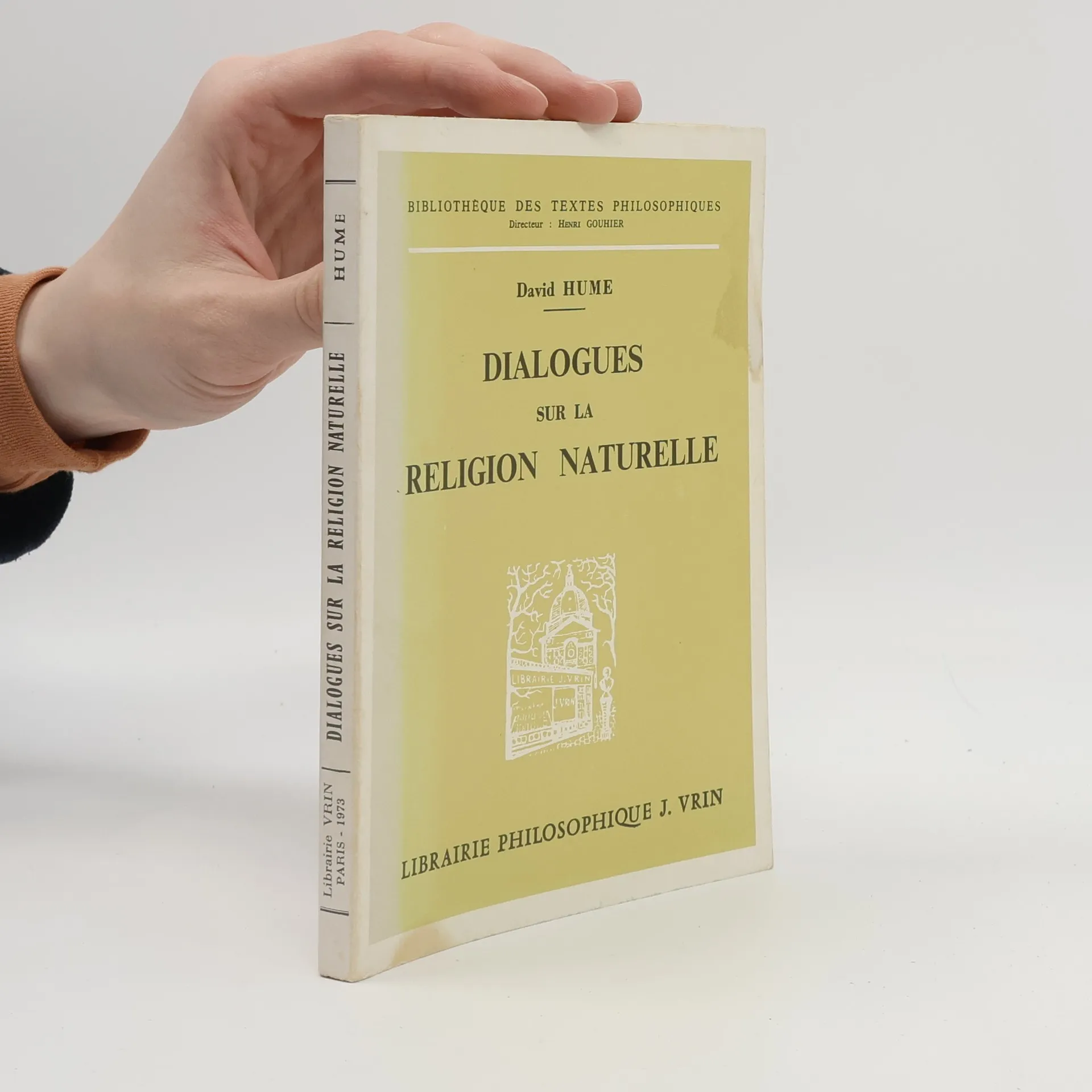
Dialogues Concerning Natural Religion
- 92 páginas
- 4 horas de lectura
Equally captivating as a philosophical argument and as a work of literature, this classic is particularly relevant in terms of its criticism of the reasoning behind Intelligent Design.
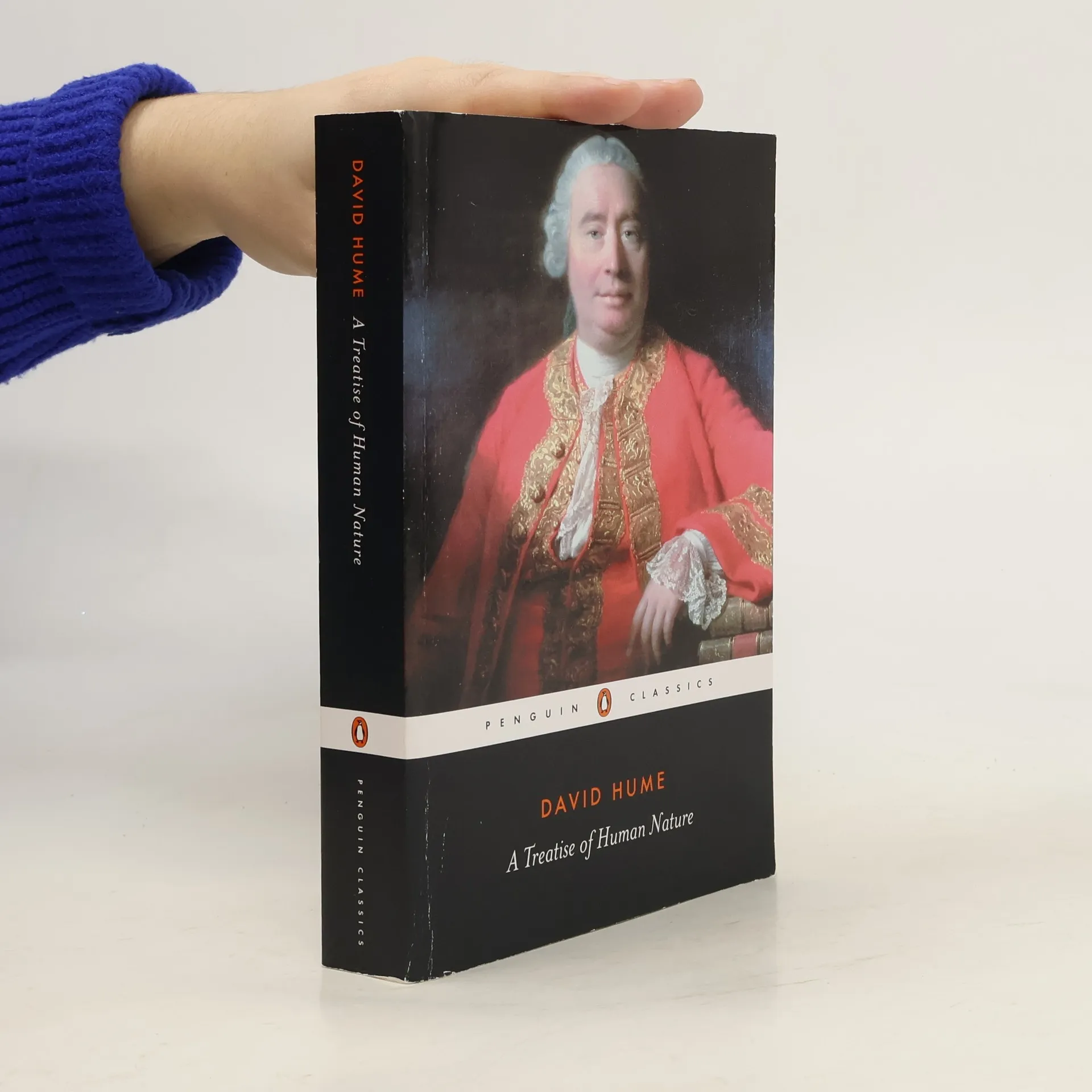
A Treatise of Human Nature
- 688 páginas
- 25 horas de lectura
One of the most significant works of Western philosophy, Hume's Treatise was published in 1739-40, before he was thirty years old. A pinnacle of English empiricism, it is a comprehensive attempt to apply scientific methods of observation to a study of human nature, and a vigorous attack upon the principles of traditional metaphysical thought. With masterly eloquence, Hume denies the immortality of the soul and the reality of space; considers the manner in which we form concepts of identity, cause and effect; and speculates upon the nature of freedom, virtue and emotion. Opposed both to metaphysics and to rationalism, Hume's philosophy of informed scepticism sees man not as a religious creation, nor as a machine, but as a creature dominated by sentiment, passion and appetite. For more than seventy years, Penguin has been the leading publisher of classic literature in the English-speaking world. With more than 1,700 titles, Penguin Classics represents a global bookshelf of the best works throughout history and across genres and disciplines. Readers trust the series to provide authoritative texts enhanced by introductions and notes by distinguished scholars and contemporary authors, as well as up-to-date translations by award-winning translators.
David Hume (1711-1776) is thought to be one of the greatest philosophers. In this text, Hume gives an accessible presentation of strikingly original and challenging views concerning human understanding.
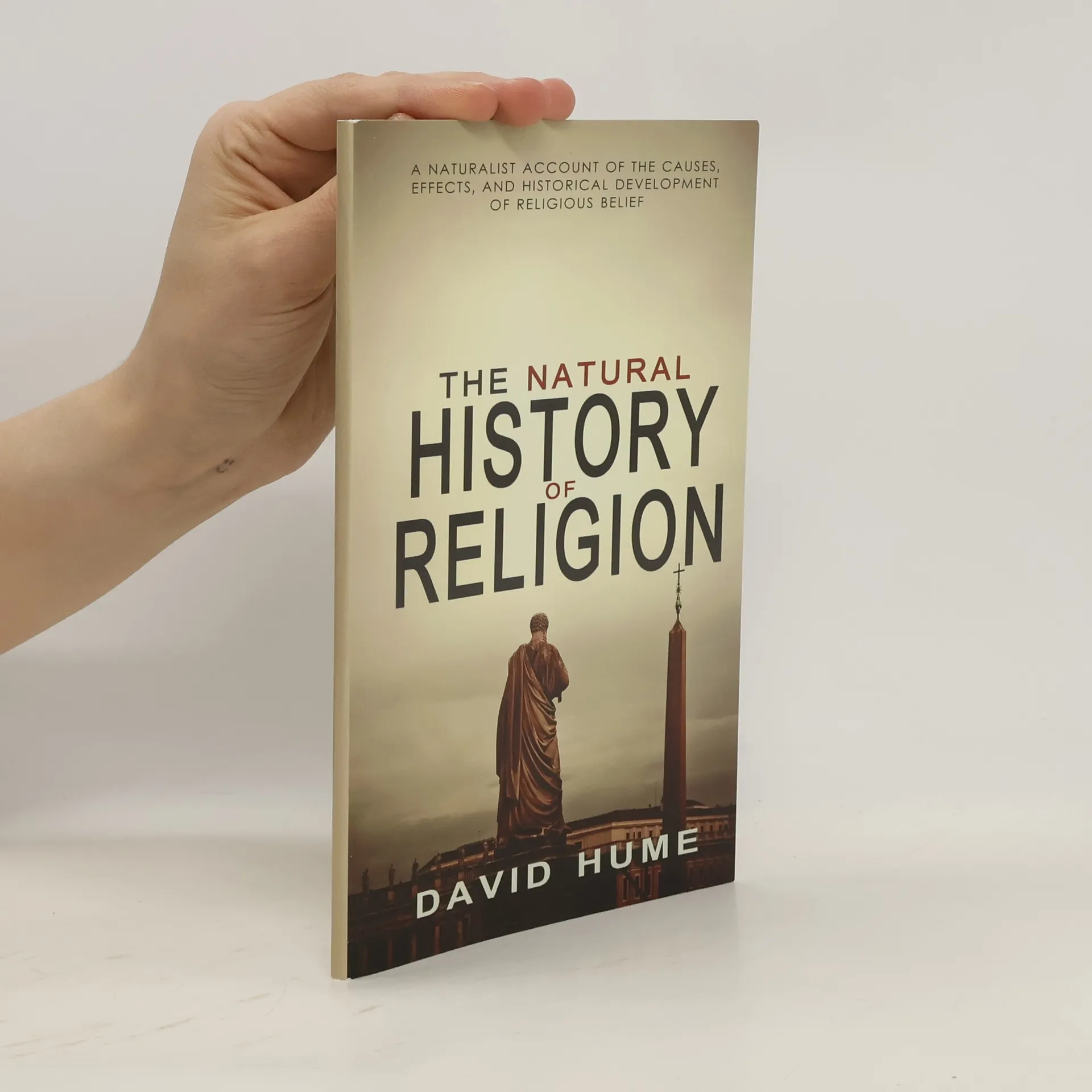
The Natural History of Religion
- 96 páginas
- 4 horas de lectura
A naturalist account of the causes, effects, and historical development of religious belief. The development of religion is argued to be rooted in emotion, particularly fear and the need for a sense of control over our lives and of the future. Intolerance, dishonesty, and bizarre moral doctrines are the outcome.
On suicide
- 128 páginas
- 5 horas de lectura
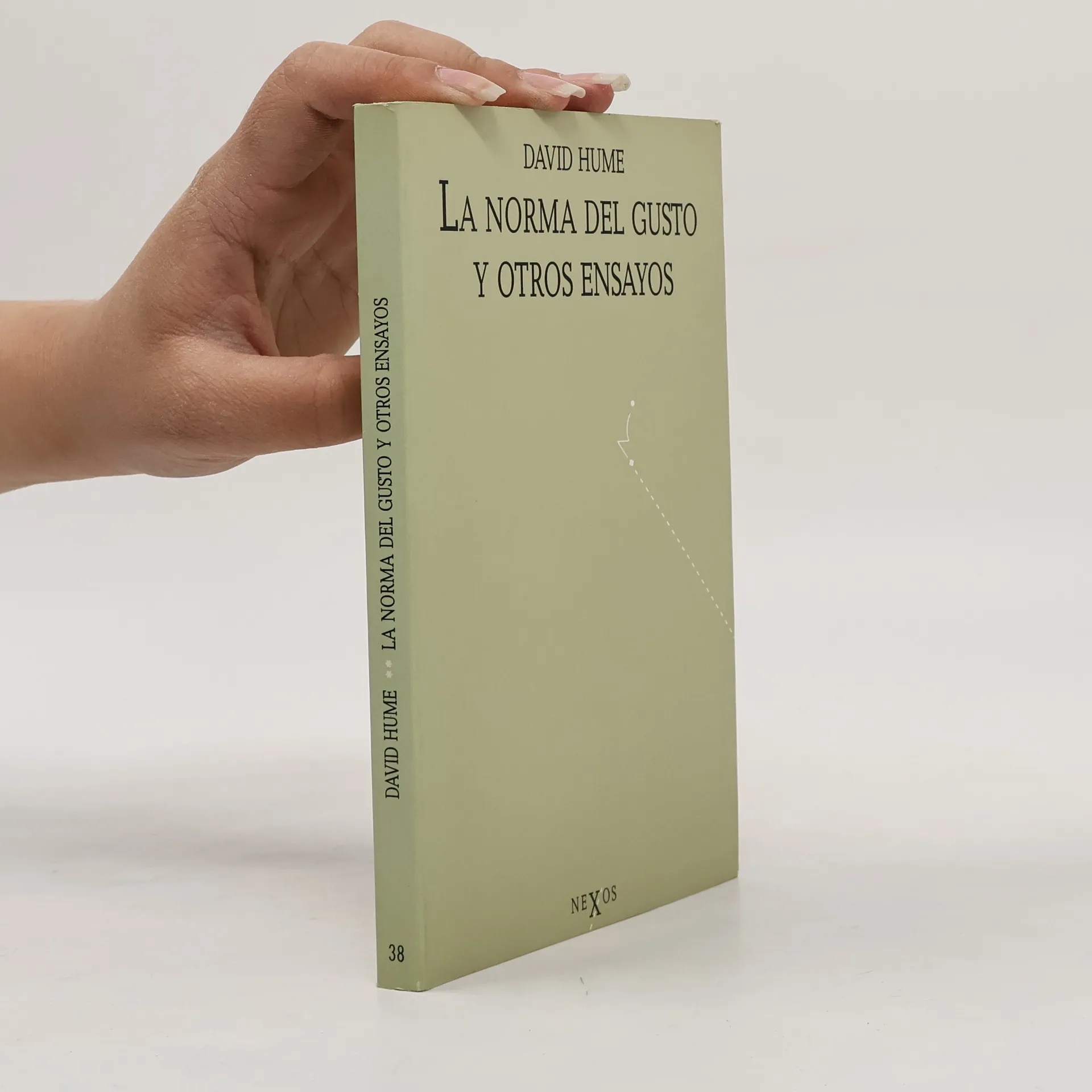
Throughout history, some books have changed the world. They have transformed the way we see ourselves � and each other. They have inspired debate, dissent, war and revolution. They have enlightened, outraged, provoked and comforted. They have enriched lives � and destroyed them. Now Penguin brings you the works of the great thinkers, pioneers, radicals and visionaries whose ideas shook civilization and helped make us who we are. One of the most important thinkers ever to write in English, the Empiricist David Hume liberated philosophy from the superstitious constraints of religion; here, he argues that all are free to choose between life and death, considers the nature of personal taste and succinctly criticises common philosophies of the time.
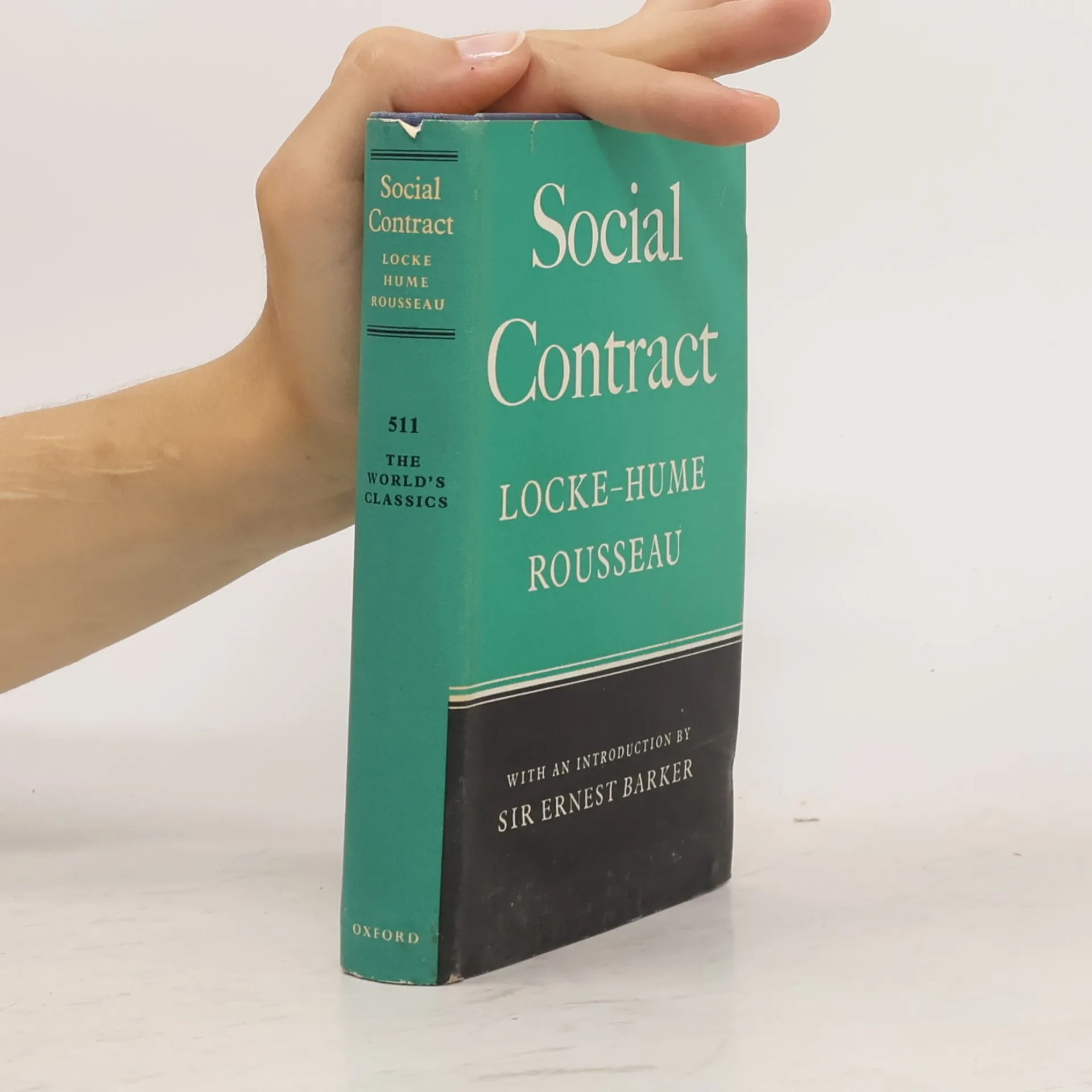
Social Contract
Essays by Locke, Hume and Rousseau
History of England: From the Invasion of Julius Caesar to the Revolution in 1688, Volume 2
- 488 páginas
- 18 horas de lectura
Culturally significant, this work has been preserved from its original artifact, maintaining authenticity with original copyright references and library stamps. It reflects the knowledge base of civilization, showcasing its importance in scholarly discourse. The reproduction aims to honor the integrity of the original, providing readers with a genuine connection to historical texts housed in major libraries worldwide.
This book is a reproduction of a historical work, produced in large print to enhance accessibility for individuals with impaired vision. The publishing house Megali focuses on making such texts available, ensuring that important historical literature can be enjoyed by a wider audience.
Focusing on accessibility, this book is a reproduction of a historical work presented in large print format. The publishing house Megali aims to facilitate reading for individuals with impaired vision, ensuring that classic literature remains available to a wider audience.
History of England: From the Invasion of Julius Caesar to the Revolution in 1688, Volume 3
- 462 páginas
- 17 horas de lectura
Culturally significant, this work preserves the integrity of the original artifact, maintaining original copyright references and library stamps. It serves as a vital part of the knowledge base of civilization, reflecting its historical importance. The reproduction aims to stay true to the original, offering readers a glimpse into the past through authentic notations and markings found in esteemed libraries worldwide.
The History of England
- 494 páginas
- 18 horas de lectura
subtitle: From the Invasion of Julius Caesar to the Revolution of 1688
In order to recruit, motivate and retain an effective workforce, organizations must have an appropriate reward strategy. This practical and accessible text discusses reward management policies and strategies and examines the key components of the total remuneration package. The author evaluates the effectiveness of various elements of the renumeration package and relates this to theories of motivation associated with the individual and organizational performance. All aspects of reward management are discussed, including: * Performance related pay, equal pay and pay structures * Pension schemes * Management of the reward system * Renumeration packages for expatriate workers Providing a succinct introduction to the subject for undergraduate and MBA students of HRM and those taking the IPD Reward Management course, Reward Management will be of great interest to all HR professionals.
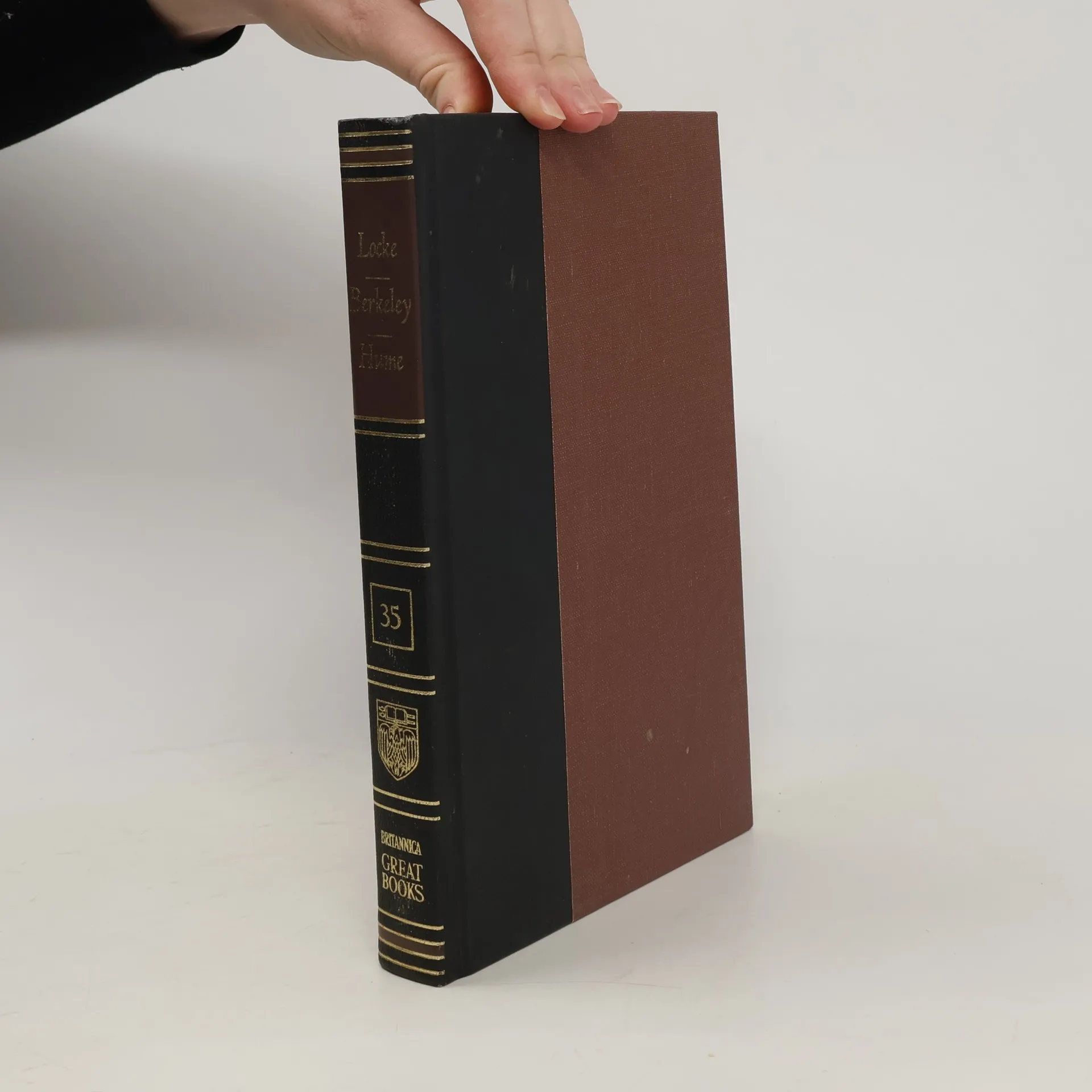
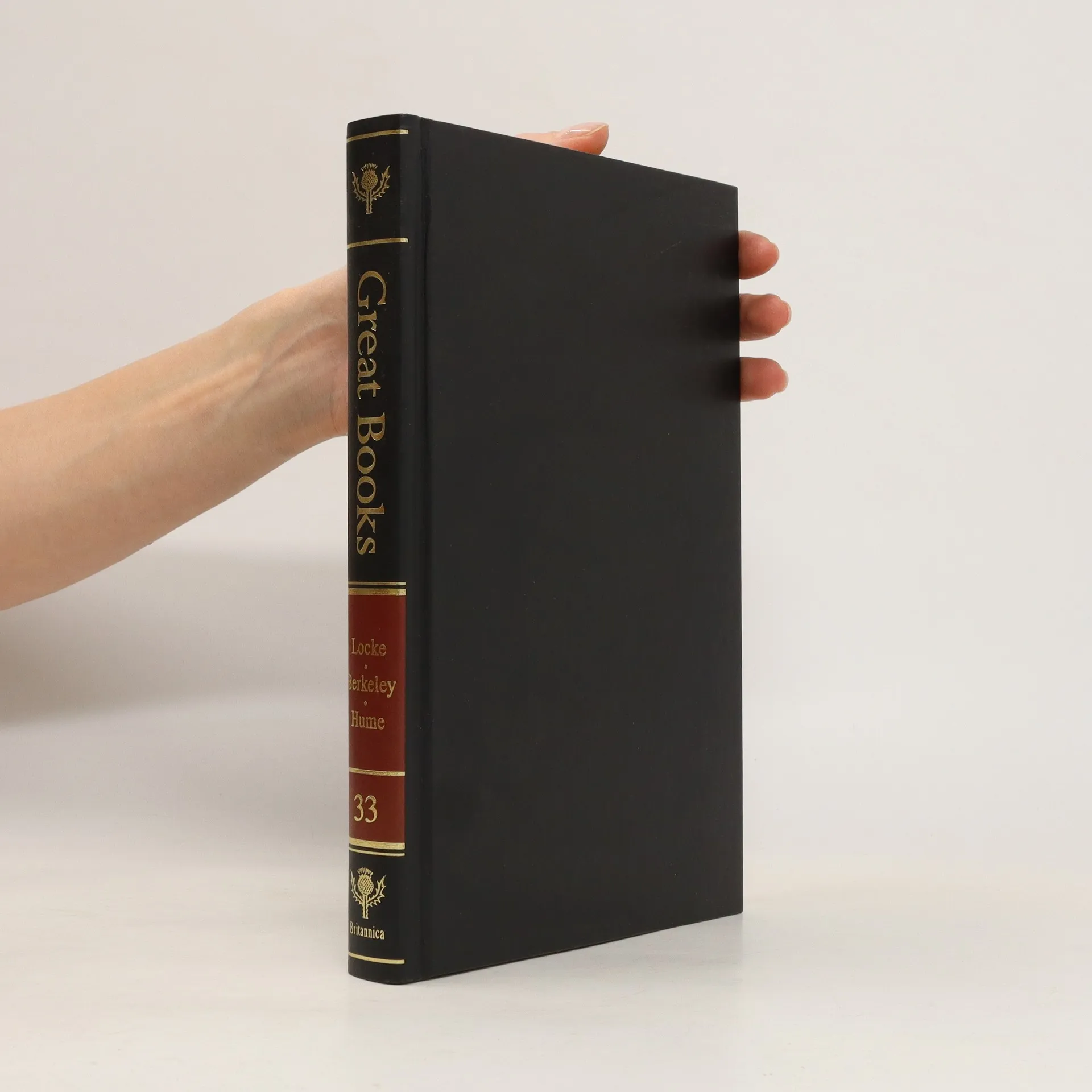
Contents:John Locke:A Letter Concerning TolerationConcerning Civil Government, Second EssayAn Essay Concerning Human UnderstandingGeorge Berkeley:The Principles of Human KnowledgeDavid Hume:Concerning Human Understanding
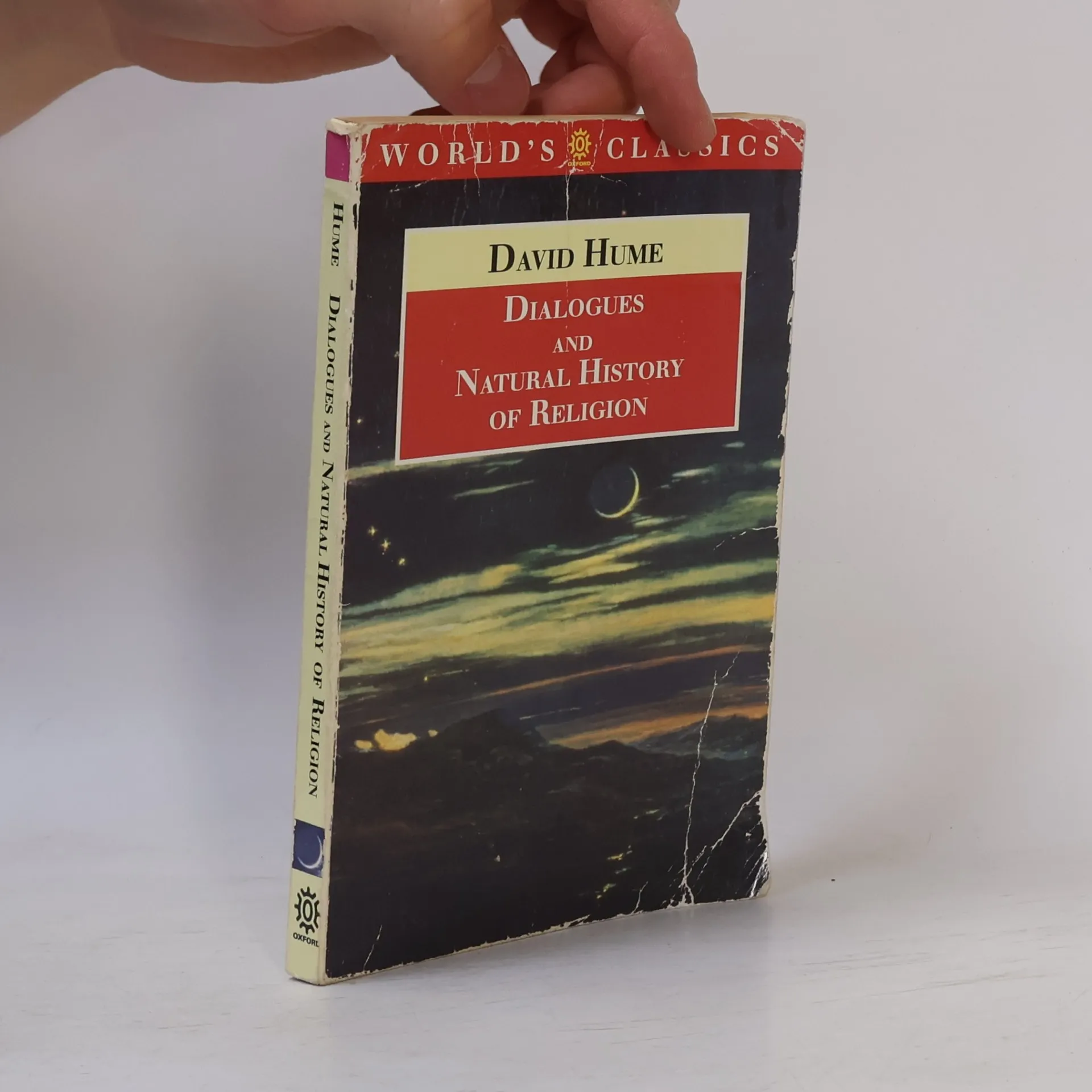
Oxford World's Classics: Dialogues Concerning Natural Religion and The Natural History of Religion
- 250 páginas
- 9 horas de lectura
David Hume is the greatest and also one of the most provacative philosophers to have written in the English language. His sceptical accounts of the causes and consequences of religious belief are expressed most powerfully in the "Dialogues Concerning Natural Religion" and "The Natural History of Religion."
A Treatise of Human Nature
Volume 2
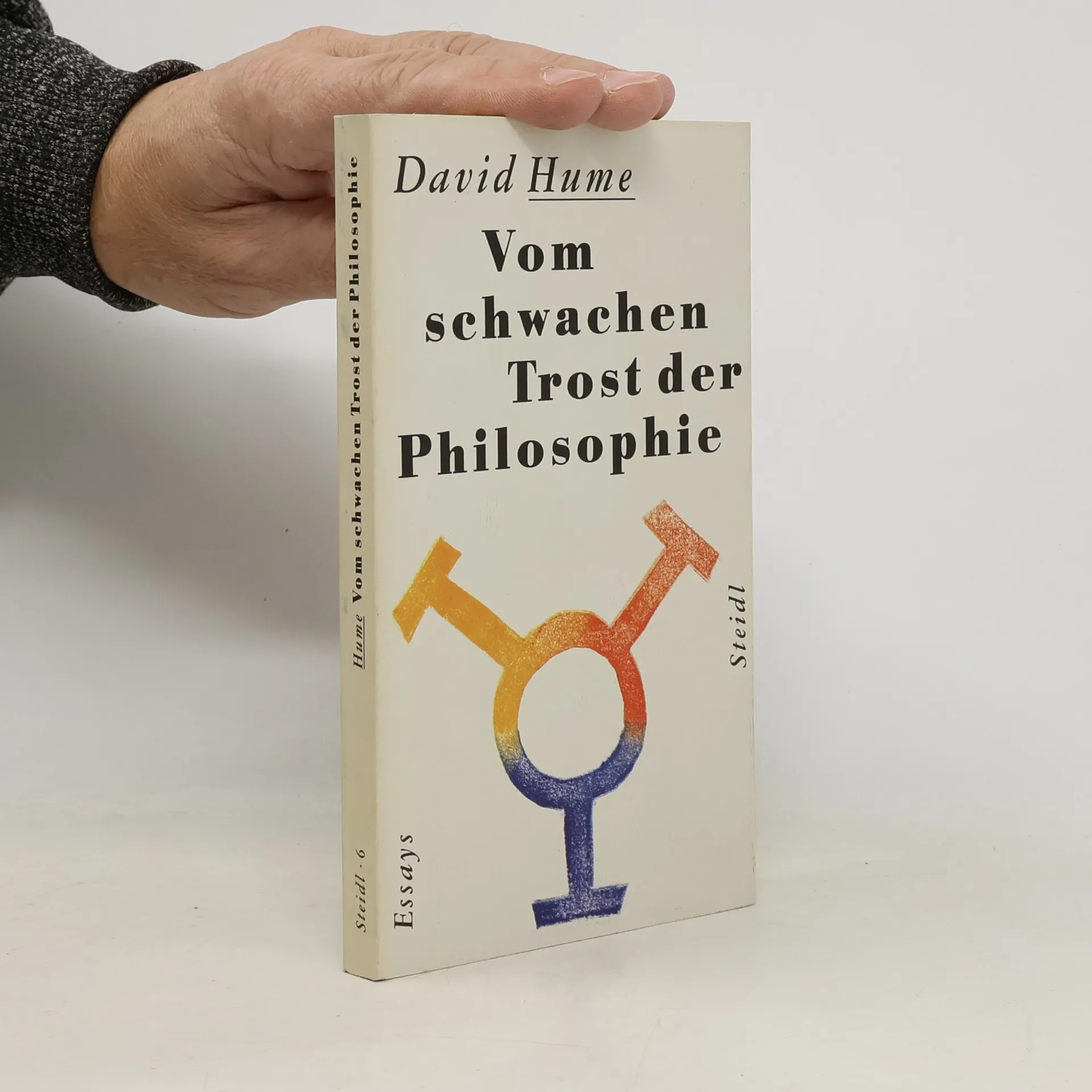
Vom schwachen Trost der Philosophie
- 133 páginas
- 5 horas de lectura
Kann Philosophie trösten? Oder gar den Weg zum Glück zeigen? David Hume hat in scharfsinnigen und literarisch erstklassigen Essays darüber nachgedacht. Er analysiert alle seit der Antike überlieferten Rezepte und zieht dabei auch literarisch alle Register: der Ironie, des Witzes und der satirischen Karikatur. Humes Fazit: Einen Königsweg zum Glück gibt es nicht, denn die Menschen sind dafür zu verschieden. Es muss also ein jeder selbst überlegen, prüfen und herausfinden, was er aus welchem philosophischen Ansatz für sich gewinnen kann. Und dazu fordern Humes Essays nicht nur auf, sondern ermutigen auch zu realistischer Sicht und freier Reflexion. Und dieser »schwache« Trost seiner Philosophie ist auch nach über zwei Jahrhunderten noch so frisch wie sein leserzugewandter Stil.
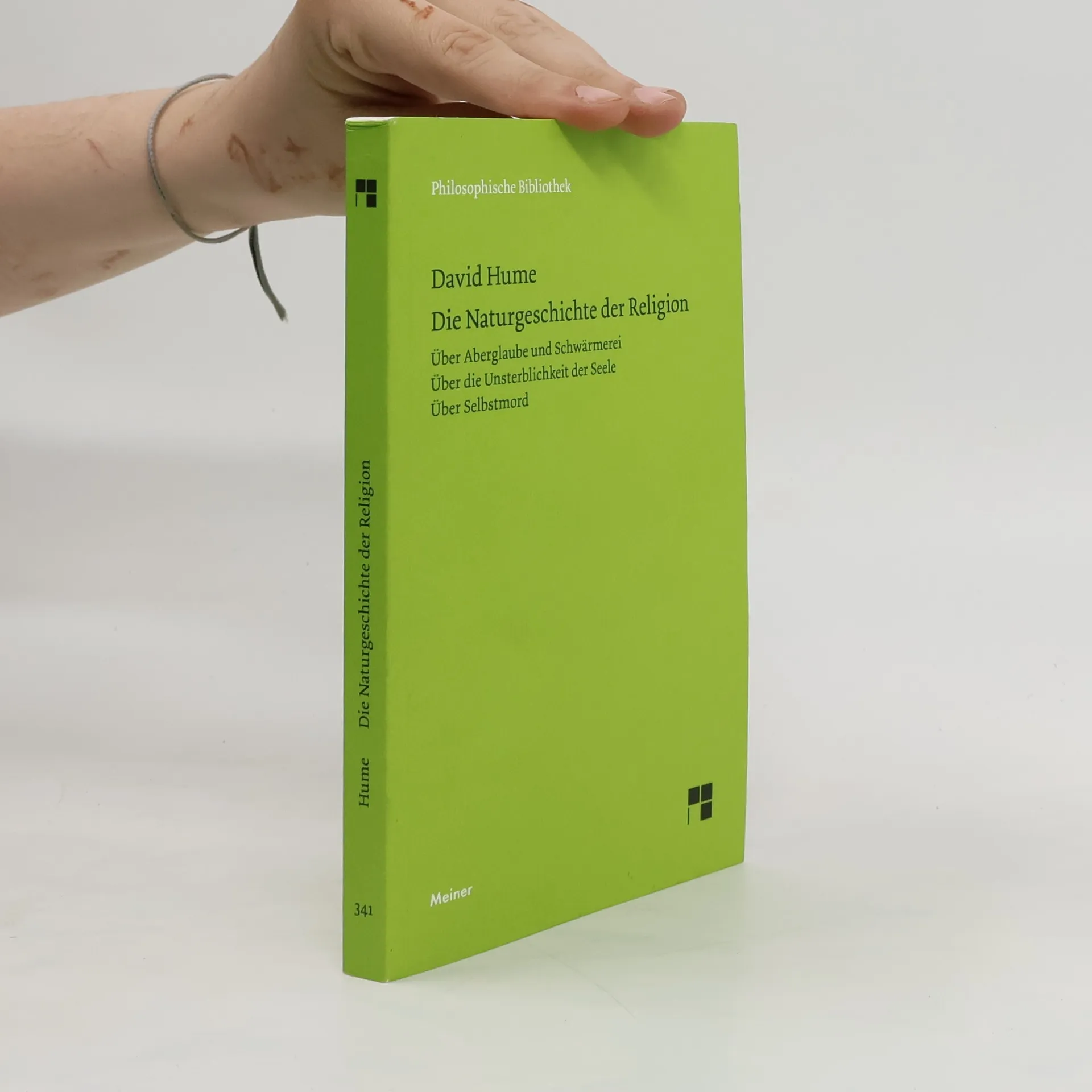
Die Naturgeschichte der Religion
- 144 páginas
- 6 horas de lectura
In der "Naturgeschichte der Religion" (1757) trägt Hume eine Entwicklungsgeschichte des Religiösen vor und ergänzt damit die systematisch orientierte Fragestellung der Dialoge. "Über Aberglaube und Schwärmerei" ist ausschließlich religionsphilosophisch orientiert. In "Über die Unsterblichleit der Seele" und "Über Selbstmord" systematisiert Hume zunächst die jeweils entgegenstehenden Argumente, entkräftet sie dann und hält so nicht nur ein Plädoyer für die moralische wie politisch-rechtliche Legalität des Selbstmords, sondern erweist auch die Unsterblichkeitslehre als philosophisch unbegründet.
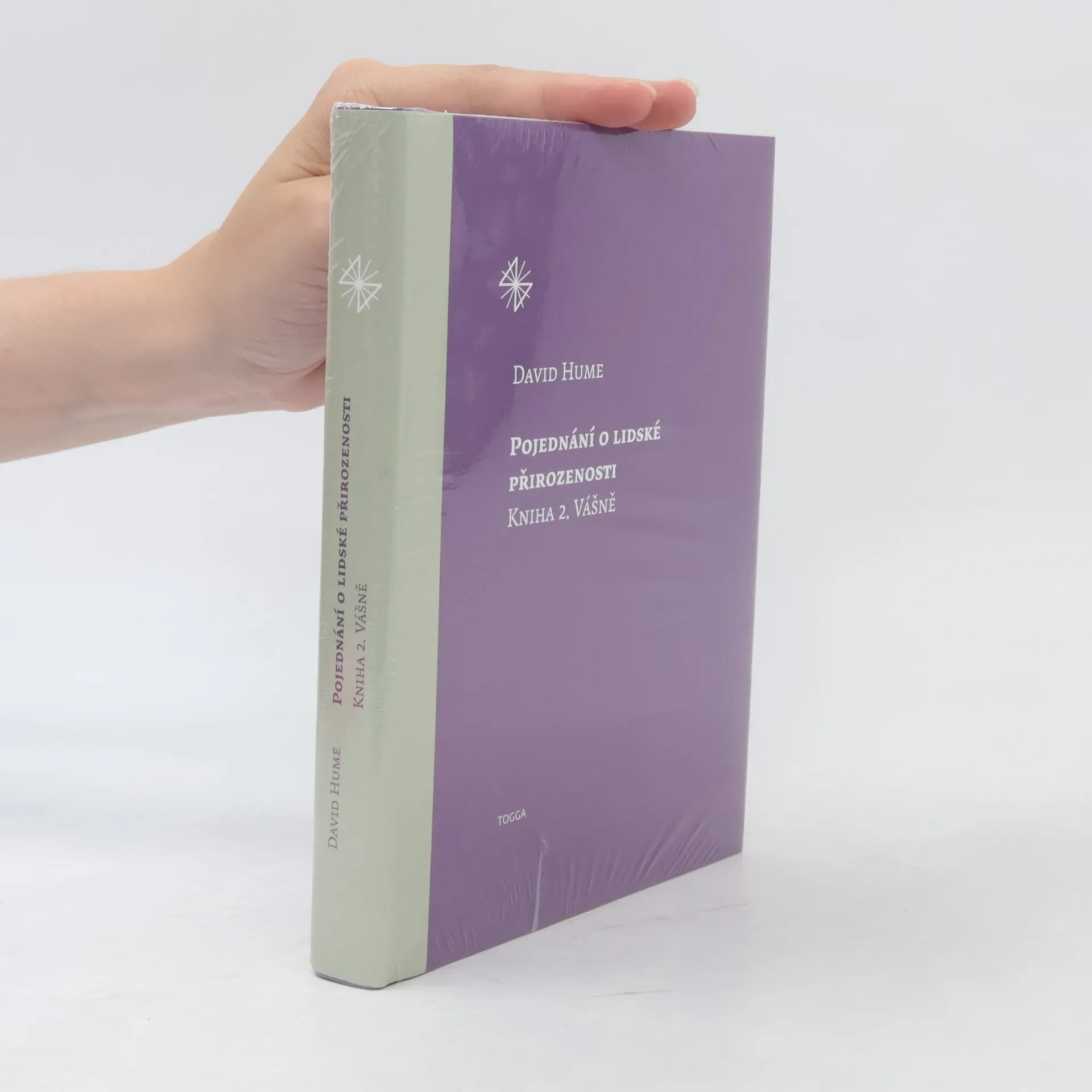
Pojednání o lidské přirozenosti: Kniha 2. Vášně
- 290 páginas
- 11 horas de lectura
Druhá kniha Humova slavného filosofického díla Pojednání o lidské přirozenosti, která poprvé vyšla společně s knihou první v roce 1739, předkládá čtenáři Humovu originální teorii vášní a vůle. Hume se v ní soustředí zejména na výklad čtyř nepřímých vášní pýchy, studu, lásky a nenávisti v prožívání vlastního a cizího já (self). Neopomíjí přitom zdůraznit roli, kterou v tomto prožívání hraje zakoušení pocitů a postojů druhých vůči naší osobě a silná lidská tendence k vzájemnému srovnávání. Stejné východisko Hume následně používá i pro výklad takových emocí jako je soucit, úcta, závist či škodolibost. V závěru knihy předkládá Hume i svou vlivnou kompatibilistickou teorii vůle, podle níž lze svobodu lidské vůle sloučit s požadavkem její zákonité příčinné determinace.
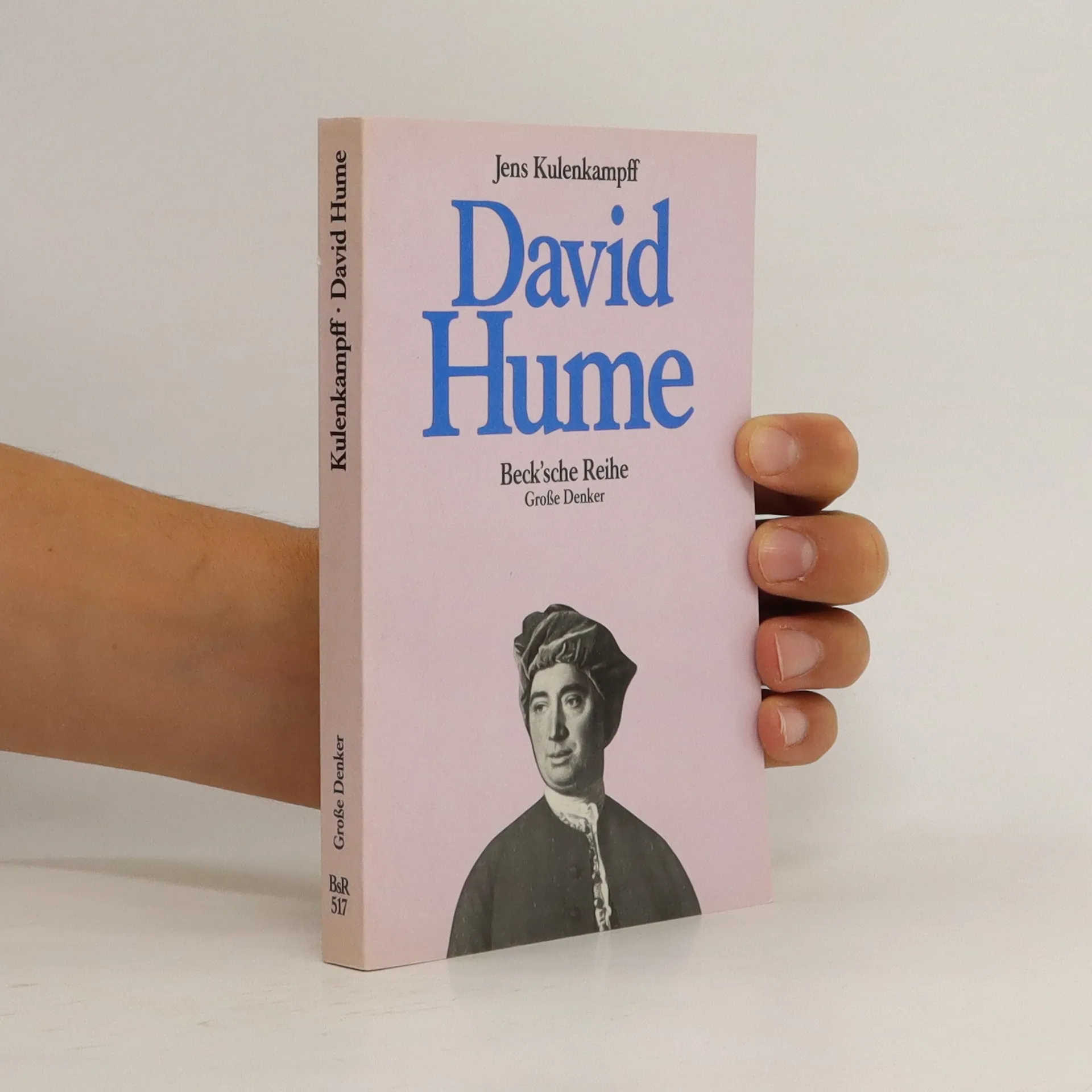
David Hume
- 181 páginas
- 7 horas de lectura
Humes Enquiry gehört zu den wichtigsten Werken des großen schottischen Philosophen und ist einer der Klassiker der Philosophiegeschichte: Kant wurde nach seiner eigenen Aussage von diesem Werk aus seinem »dogmatischen Schlummer« geweckt und zu seiner kritischen Philosophie angeregt. In zwölf Essays untersucht Hume verschiedenste Themen, die auch heute von Interesse sind, etwa Kausalität, den Skeptizismus, die Frage, ob wir frei oder determiniert sind oder ob es Wunder (bzw. letztlich: Religion) geben kann. Die zweisprachige Ausgabe gibt die vollständig durchgesehene klassische Übersetzung von Herbert Herring wieder und führt in Kommentar und Nachwort auf den neuesten Stand der Forschung.
Über Moral
- 374 páginas
- 14 horas de lectura
Die neue Reihe Suhrkamp Studienbibliothek ist ideal als erste Orientierung für Theorieeinsteiger und schafft eine fundierte Grundlage für Lektürekurse an Schulen und Universitäten.
Eine Untersuchung im Betreff des menschlichen Verstandes
- 124 páginas
- 5 horas de lectura
Die Reflexionen über Freiheit und Determinismus von Hume sind entscheidend für die Entwicklung der Analytischen Philosophie. Während Historiker Handlungen in einem kausalen Zusammenhang betrachten, erlebt der Handelnde seine Entscheidungen als undeterminiert. Hume legt auch grundlegende Annahmen zu Bewusstsein und Erkenntnis dar, insbesondere dass Eindrücke die Quelle von Ideen sind und dass der Verstand einfache Vorstellungen zu komplexen Ideen kombiniert. Diese Ansätze prägen das Verständnis von menschlichem Handeln und Denken.
Dialoge über natürliche Religion
Hume, David – Religionsphilosophie; Erläuterungen – Durchges. und bibl. erg. Ausgabe 2021
- 159 páginas
- 6 horas de lectura
Humes letztes Werk wurde ein Klassiker der Drei Meinungen prallen im Gespräch Es diskutieren Demea (ein religiöser Fundamentalist), Cleanthes (ein aufgeklärter Geist, der also davon ausgeht, dass Gott die Welt geschaffen hat, aber nicht mehr in ihren Verlauf eingreifen kann) und Philo (ein wagemutiger Skeptiker). Sie verhandeln fundamentale theologisch-philosophische Ist Gott vollständig unergründbar und andersartig? Kann man die Existenz Gottes als notwendige beweisen? Wie kommt das Übel in die Welt? Und ist Gott allmächtig? Die lebendige Dialogform macht das mutige Werk zu einer hervorragenden Einführung in die Religionsphilosophie. E-Book mit Seitenzählung der gedruckten Buch und E-Book können parallel benutzt werden.
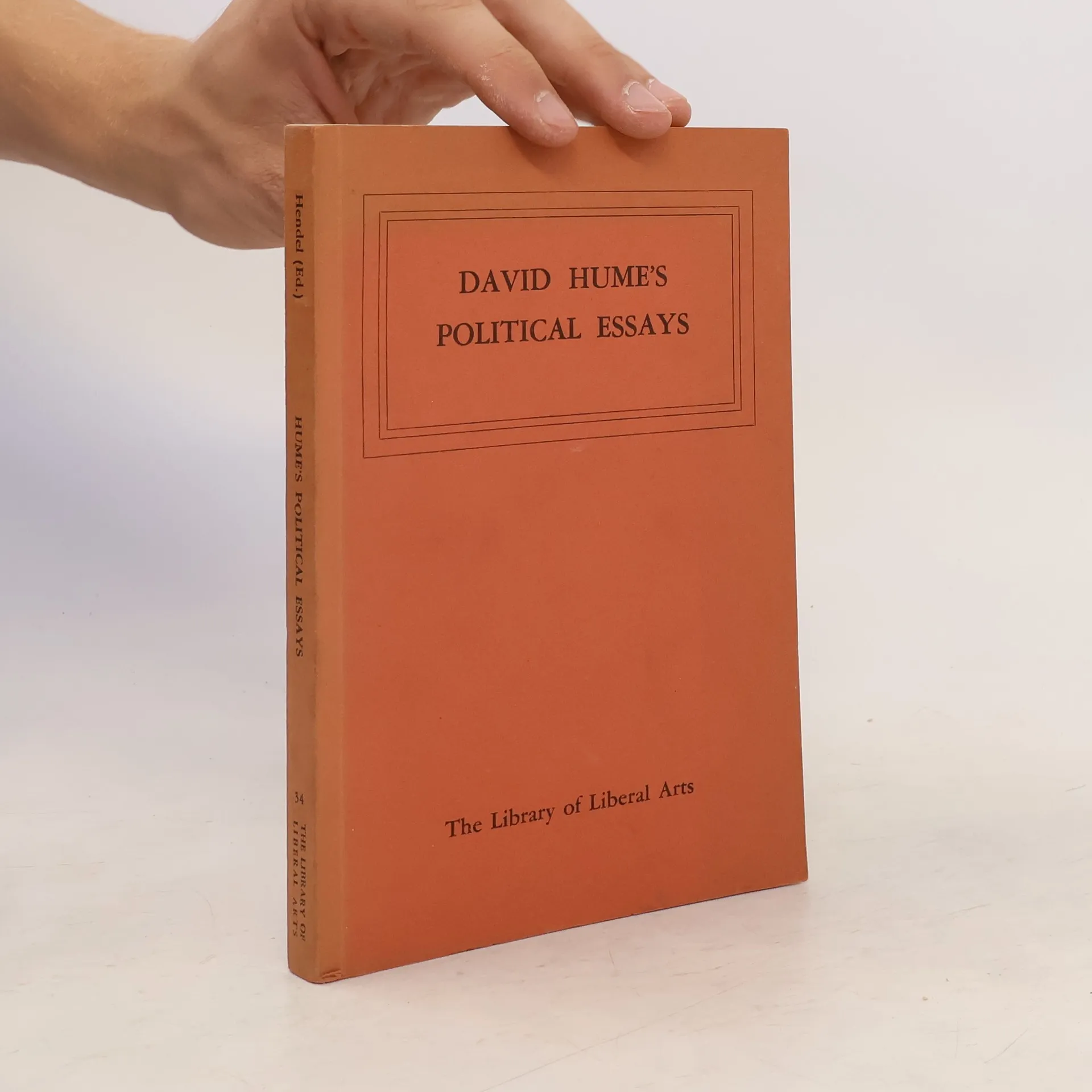
O práve a politike
- 151 páginas
- 6 horas de lectura
Výber z prác ústredného predstaviteľa britského empirizmu je zameraný na základné problémy morálky, najmä na kategórie: spravodlivosť, vlastníctvo a sloboda. Publikácia predstavuje klasické práce z oblasti liberálneho myslenia a zapĺňa biele miesto v prezentovaní tradície politického uvažovania. Vydanie prvé
Essais esthétiques
- 213 páginas
- 8 horas de lectura
Les essais que Hume (1711-1776) consacra à l'esthétique demeurent sans doute le premier témoignage d'une esthétique expérimentale. Comment concilier le relativisme du goût avec les normes universelles dont ce dernier se prévaut par ailleurs ? Pour tenter de mener à bien ce défi, et en pratiquant un genre littéraire qu'il affectionnait particulièrement, Hume formule ce faisant un art de la philosophie.
Die kulturelle Bedeutung dieses Werkes wird von Wissenschaftlern hervorgehoben, da es einen wichtigen Teil des zivilisatorischen Wissens darstellt. Es wurde aus dem Originalartefakt reproduziert und bleibt so nah wie möglich am ursprünglichen Text. Dadurch sind auch die ursprünglichen Urheberrechtsvermerke, Bibliotheksstempel und weitere Notationen erhalten geblieben, die das Werk in bedeutenden Bibliotheken weltweit kennzeichnen.
Eine Untersuchung in Betreff des menschlichen Verstandes
- 124 páginas
- 5 horas de lectura
Die Reflektionen von Hume zu Freiheit und Determinismus sind entscheidend für die moderne Analytische Philosophie. Er kontrastiert die chronologisch-kausale Erklärung von Handlungen durch Historiker mit der subjektiven Wahrnehmung des Handelnden, der seine Entscheidungen als undeterminiert erlebt. Zudem entwickelt Hume grundlegende Annahmen über das Bewusstsein und die Erkenntnis, indem er betont, dass Eindrücke die einzige Quelle von Ideen sind und einfache Vorstellungen im Verstand zu komplexen Ideen kombiniert werden.
Dialoge über natürliche Religion
Über Selbstmord und die Unsterblichkeit der Seele
- 158 páginas
- 6 horas de lectura
In "Dialogen über natürliche Religion" diskutiert David Hume durch drei Charaktere die Existenz Gottes. Philo vertritt den Skeptizismus, Cleanthes sieht Gott als allmächtigen Menschen und Demea betont die Unbegreiflichkeit Gottes. Eine tiefgründige Auseinandersetzung mit Glauben und Vernunft.
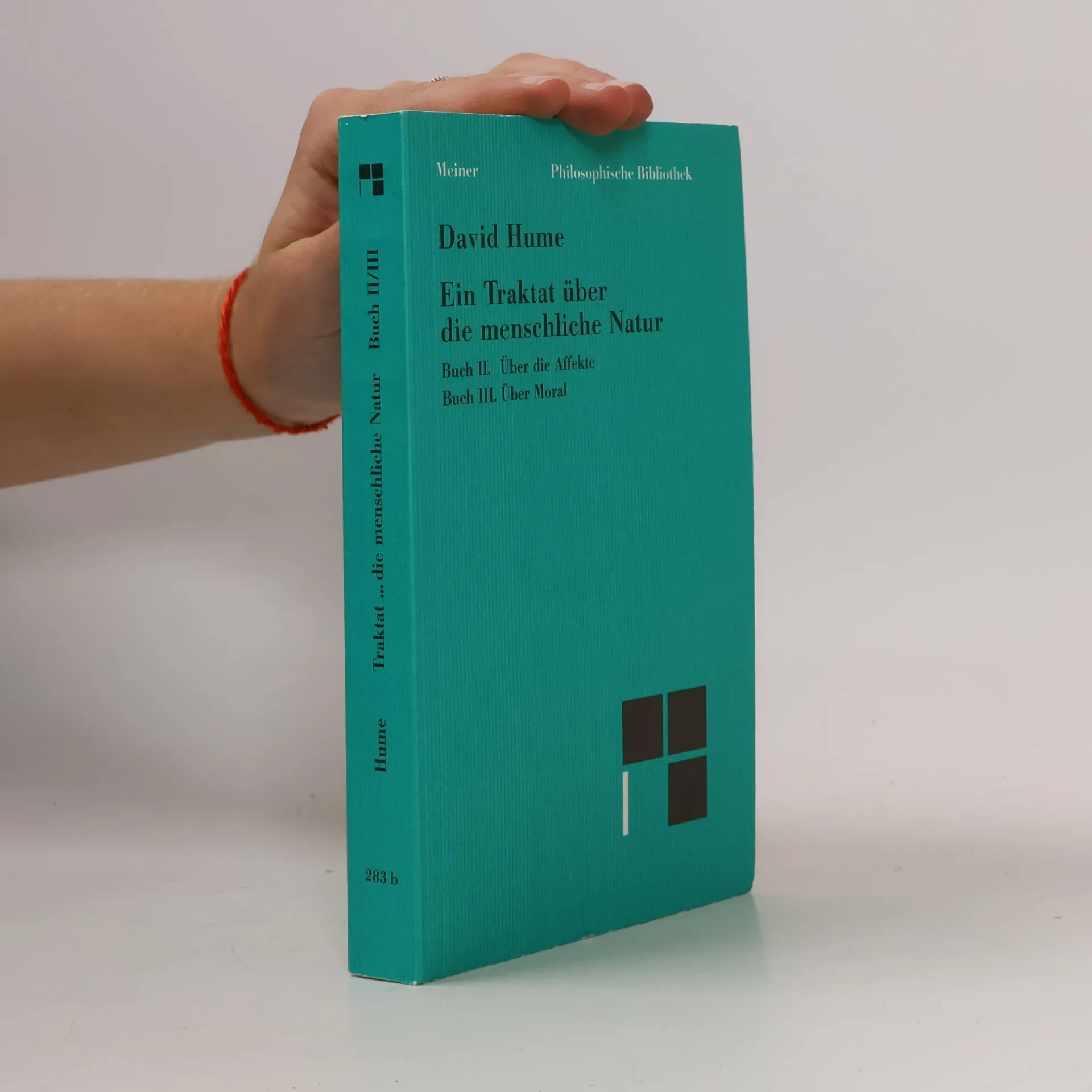
Traktat über die menschliche Natur Buch I-III
Buch I. Über den Verstand/ Buch II. Über die Affekte. Buch III. Über Moral
David Humes Erstlingswerk "A Treatise of Human Nature" besteht aus drei Büchern über Verstand, Affekte und Moral. Es gilt als grundlegendes Werk der kritischen Empirie und zielt darauf ab, traditionelle Metaphysik zu hinterfragen und eine neue Anthropologie zu etablieren, die den Menschen ins Zentrum rückt.
A dissertation on the passions
- 136 páginas
- 5 horas de lectura
David Hume war zeitlebens unzufrieden mit der Breitenwirkung seiner Schriften. Er verfasste deshalb einige Neufassungen seiner Werke, so 1757 mit der »Dissertation on the Passions« eine von Buch II seines berühmten »Treatise of Human Nature«. Inhaltlich geht es um die Entstehung von Gefühlen und Humes Handlungstheorie. Mit bemerkenswerter Kreativität versucht er, die experimentelle Methode der Naturwissenschaften auf den Bereich der menschlichen Gefühlsregungen zu übertragen. Gerade seine Kürzungen lassen dabei die wesentlichen Punkte seiner Affekttheorie schärfer hervortreten. Dies verstand Hume nicht nur als inhaltlichen, sondern vor allem als stilistischen Fortschritt, der jedem Leser zugutekommt. Sprachen: Deutsch, Englisch
Výrazný představitel anglického empirického senzualismu uložil do tohoto spisu své pojetí lidského rozumu a jeho celkového chápání světa. Základem je mu danost zkušenosti, avšak toto antimetafyzické stanovisko je traktováno vesložitých relacích agnostického skepticismu a objektivistických tendencí. Dílo představuje nutnou vývojovou etapu na cestě k vědeckému materialismu, jež pak směřovala přes Hegela k Marxovi.
Politische und ökonomische Essays / Politische und ökonomische Essays
- 236 páginas
- 9 horas de lectura
Diese Essays stellen eine literarische Neuinterpretation der philosophischen Absichten des Traktats dar und reflektieren Humes Reaktionen auf zeitgenössische Probleme. Sie zeigen ein Politikverständnis, das in einer breiten gesellschaftstheoretischen Perspektive verwurzelt ist. Die Ausgabe ist die erste umfassende Neuausgabe seit 1800.
Abriss eines neuen Buches, betitelt "Ein Traktat über die menschliche Natur", etc. [et cetera]
Ein Traktat über die menschliche Natur, etc. Brief eines Edelmannes an seinen Freund in Edinburgh
- 149 páginas
- 6 horas de lectura
Beim Abriss handelt es sich um eine anonyme Selbstanzeige, durch die Hume die Aufmerksamkeit des Publikums auf seinen Traktat zu lenken hoffte; die Schrift enthält eine sehr klare und prägnante Darlegung der Hauptthesen seiner theoretischen Philosophie. Der ebenfalls anonym publizierte Brief ist Humes Versuch, seinen Traktat gegen den Vorwurf zu verteidigen, die vorgetragene Theorie sei skeptizistisch und atheistisch und untergrabe die Grundlagen der Moral.
Politische und ökonomische Essays / Politische und ökonomische Essays
- 204 páginas
- 8 horas de lectura
Diese Essays können als literarische Neu- und Umformulierung der philosophischen Absichten des Traktats gelten und lassen sich auch als Reaktionen Humes auf aktuelle Probleme lesen. In ihnen dokumentiert sich ein Politikverständnis, das aus der Tradition einer umfassenden philosophia practica lebt und eingebettet ist in eine weite, gesellschaftstheoretische Perspektive. Die Ausgabe bietet die erste umfassende Neuausgabe der Essays in deutscher Sprache seit 1800.
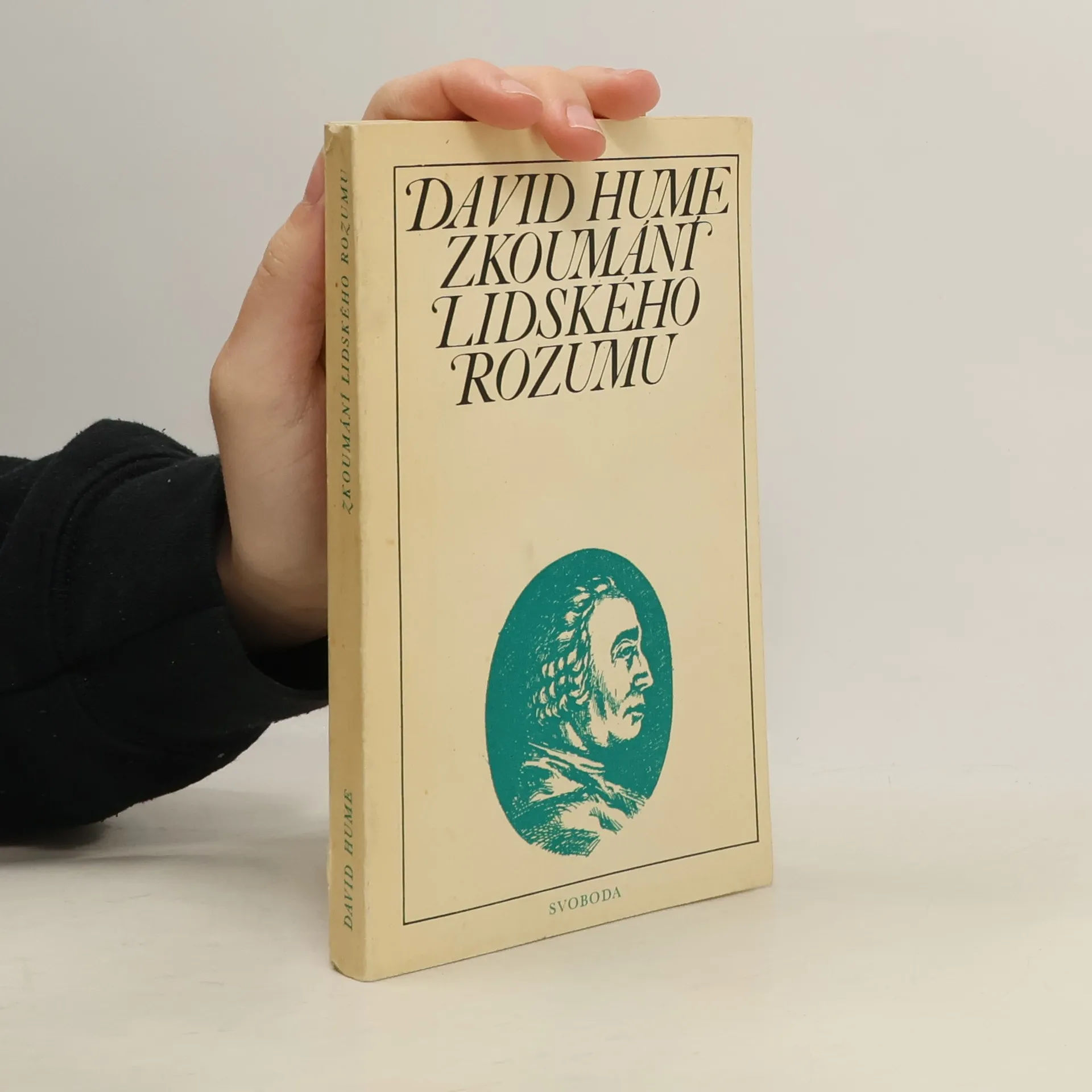
Zkoumání principů morálky
- 167 páginas
- 6 horas de lectura
Humovo Zkoumání principů morálky patří společně s Aristotelovou Etikou Nikomachovou a Kantovými Základy metafyziky mravů do kánonu evropské morální filosofie. Hume v něm rozvíjí zkušenostně založené uvažování o morální stránce lidské přirozenosti, které ve jménu založení etiky v morálních vášních odmítá jak klasický morální racionalismus, tak psychologický egoismus. David Hume (1711–1776) je považován za nejvýznamnějšího anglicky píšícího filosofa a čelního představitele skotského osvícenství. Ve své prvotině, Pojednání o lidské přirozenosti (1739–1740), představil plán zkoumání lidské přirozenosti založený na popisu operací lidské mysli uplatňujících se ve výkonech poznání, při prožívání vášní a v utváření morálního charakteru lidí a společenských zákonů. Myšlenky Pojednání přepracoval ve Zkoumání lidského rozumu (1748), ve Zkoumání principů morálky (1751) a v Rozpravě o vášních (1757).
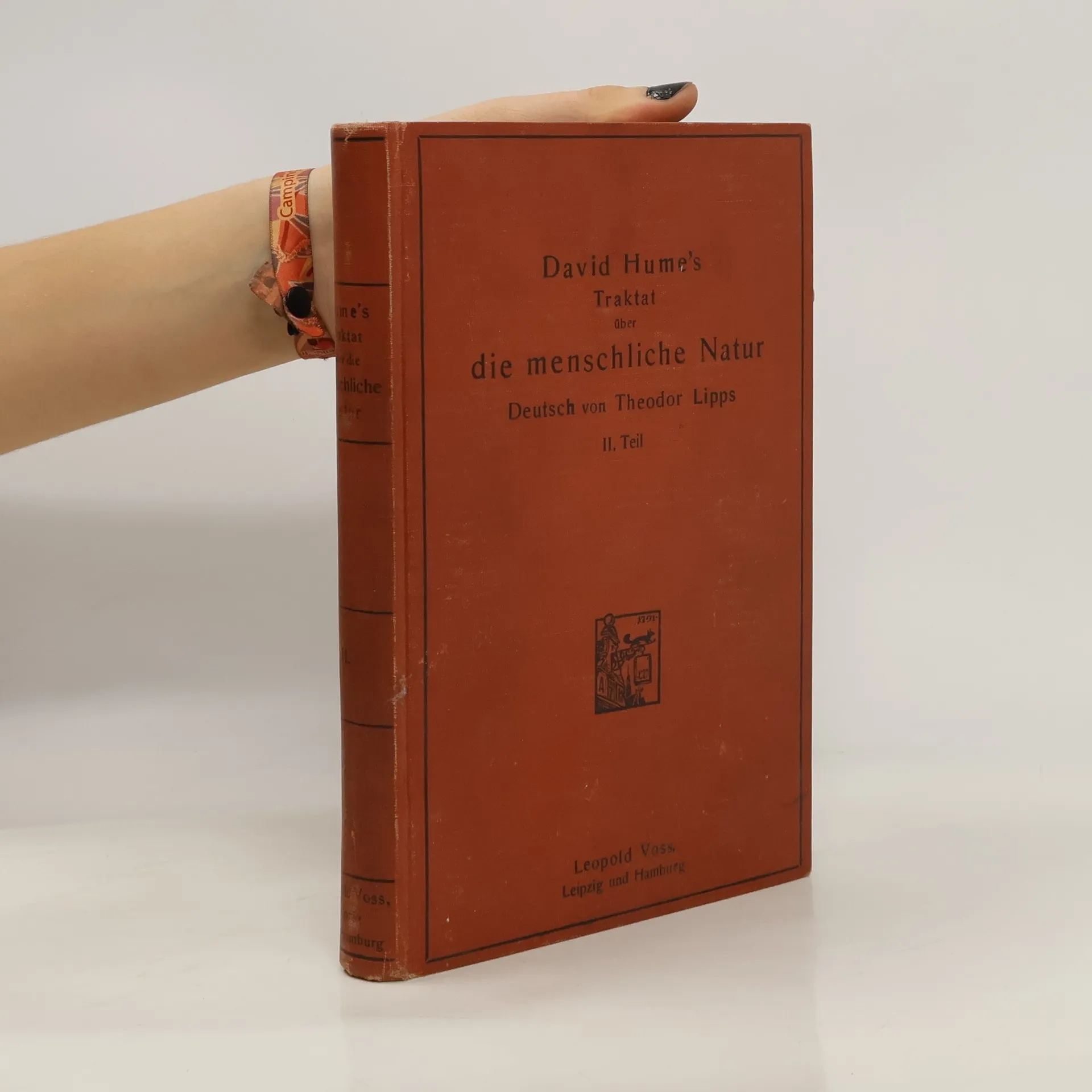
Ein Traktat über die menschliche Natur Buch I. Über den Verstand.
- 386 páginas
- 14 horas de lectura
Die drei Bücher des Traktats (Über den Verstand; Über die Affekte; Über Moral), 1739 bzw. 1740 anonym publiziert, fielen "als Totgeburt aus der Presse" (so Hume über die Nichtbeachtung seines Erstlings durch die Zeitgenossen). Heute gilt das Jugendwerk, da es im Kern bereits die ganze Philosophie des kritischen Empirikers enthält, als Humes theoretisches Hauptwerk. Humes Wissenschaft von der menschlichen Natur vollzieht sich in einer doppelten Bewegung: sie zerstört der Intention nach die traditionelle Metaphysik und etabliert deren ihr selbst verborgene Wahrheit in einer neuartigen Geisteswissenschaft oder Anthropologie, der "science of man".
Neuausgabe des grundlegenden Werkes des englischen Empirismus nach der Übersetzung von Theodor Lipps. Das Erstlingswerk von David Hume (1711-1776), das hier in der bearbeiteten Übersetzung von Theodor Lipps neu ediert wird, trägt den Titel "A Treatise of Human Nature: Being an Attempt to Introduce the Experimental Method of Reasoning into Moral Subjects"; die Bücher I und II der Schrift (Über den Verstand, Über die Affekte) wurden 1739 anonym publiziert, Buch III (Über Moral) folgte 1740, ebenfalls anonym. Die großen Erwartungen, die der Autor in die Veröffentlichung der drei Bücher setzte, erfüllten sich nicht - sie fielen "als Totgeburt aus der Presse" (so Hume über die Nichtbeachtung seines Erstlings durch die Zeitgenossen). ...