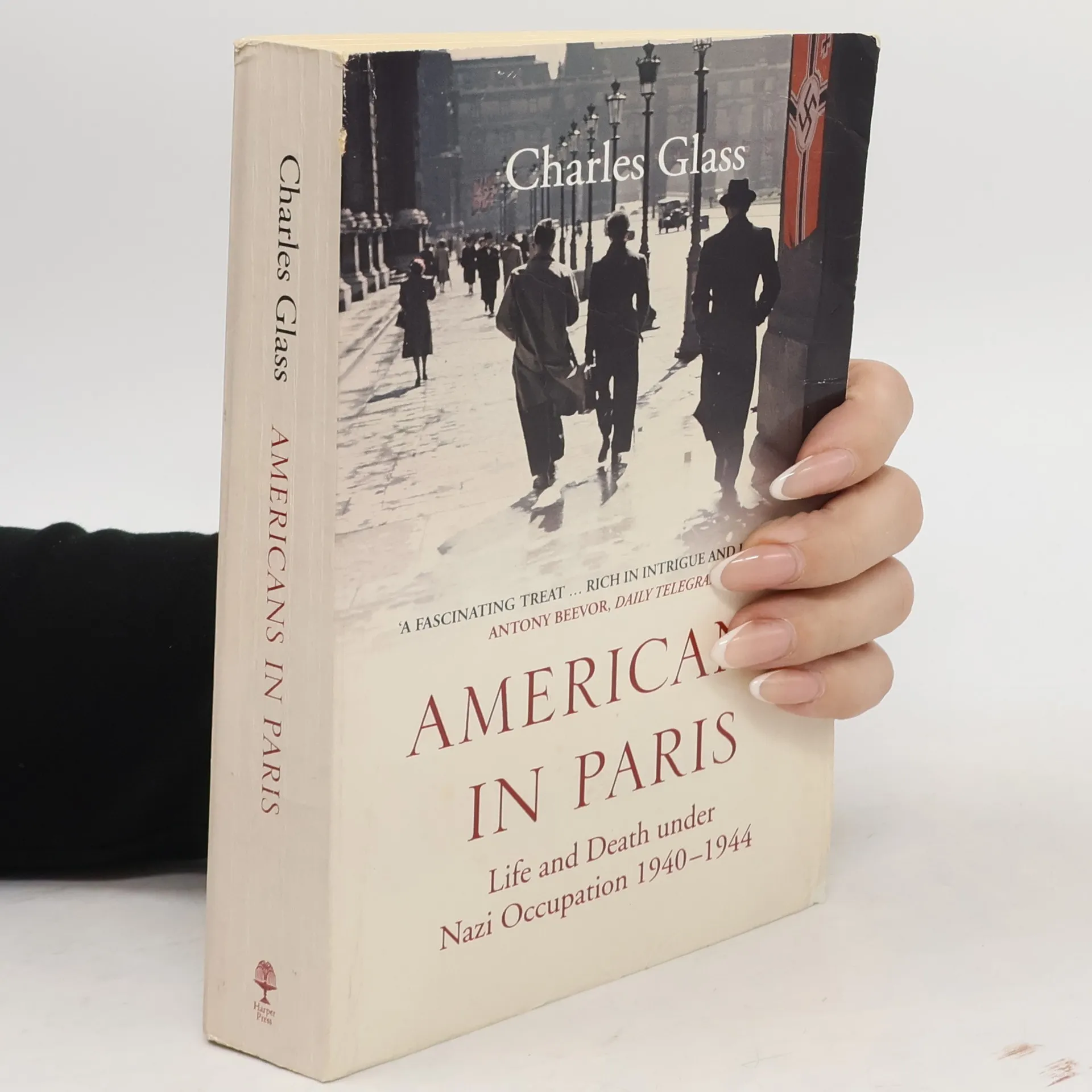

Charles Glass es un autor, periodista y locutor especializado en Oriente Medio. Su obra profundiza en las complejas dinámicas políticas y sociales de la región, ofreciendo perspectivas profundamente investigadas y perspicaces. Glass es conocido por su habilidad para sacar a la luz historias ocultas y desentrañar intrincadas redes geopolíticas, proporcionando a los lectores una comprensión matizada de los acontecimientos actuales. Su enfoque distintivo combina una meticulosa investigación con una narrativa cautivadora, haciendo que sus exploraciones de conflictos y culturas sean tanto informativas como atractivas.
The updated edition by Charles Glass delves into the aftermath of the Syrian conflict, detailing how the Assad government has managed to maintain power amid widespread devastation and suffering. It explores the complexities of the ongoing crises in Syria, highlighting the impact on the population and the unresolved tensions that persist. This comprehensive account offers insights into the political landscape and the human toll of the war, making it a crucial read for understanding contemporary Syria.
Set against a backdrop of scientific exploration, this unique novel explores themes of marriage and human relationships in an imaginative Martian setting. Recognized for its historical significance, it has been meticulously reformatted and redesigned for contemporary readers. The work contributes to the genres of Language and Literature, particularly within American and Canadian literature, ensuring its relevance for both present and future generations.
The narrative explores the profound friendship between war poets Siegfried Sassoon and Wilfred Owen, set against the backdrop of World War I's brutal realities. Both men, grappling with their roles as soldiers and their experiences of trauma, find solace and inspiration at Craiglockhart War Hospital. Their bond fosters artistic expression while illuminating the psychological toll of modern warfare, particularly the emergence of PTSD. Through their journeys and the era's literary response, the book reveals how creativity serves as a means to process and understand the horrors of conflict.
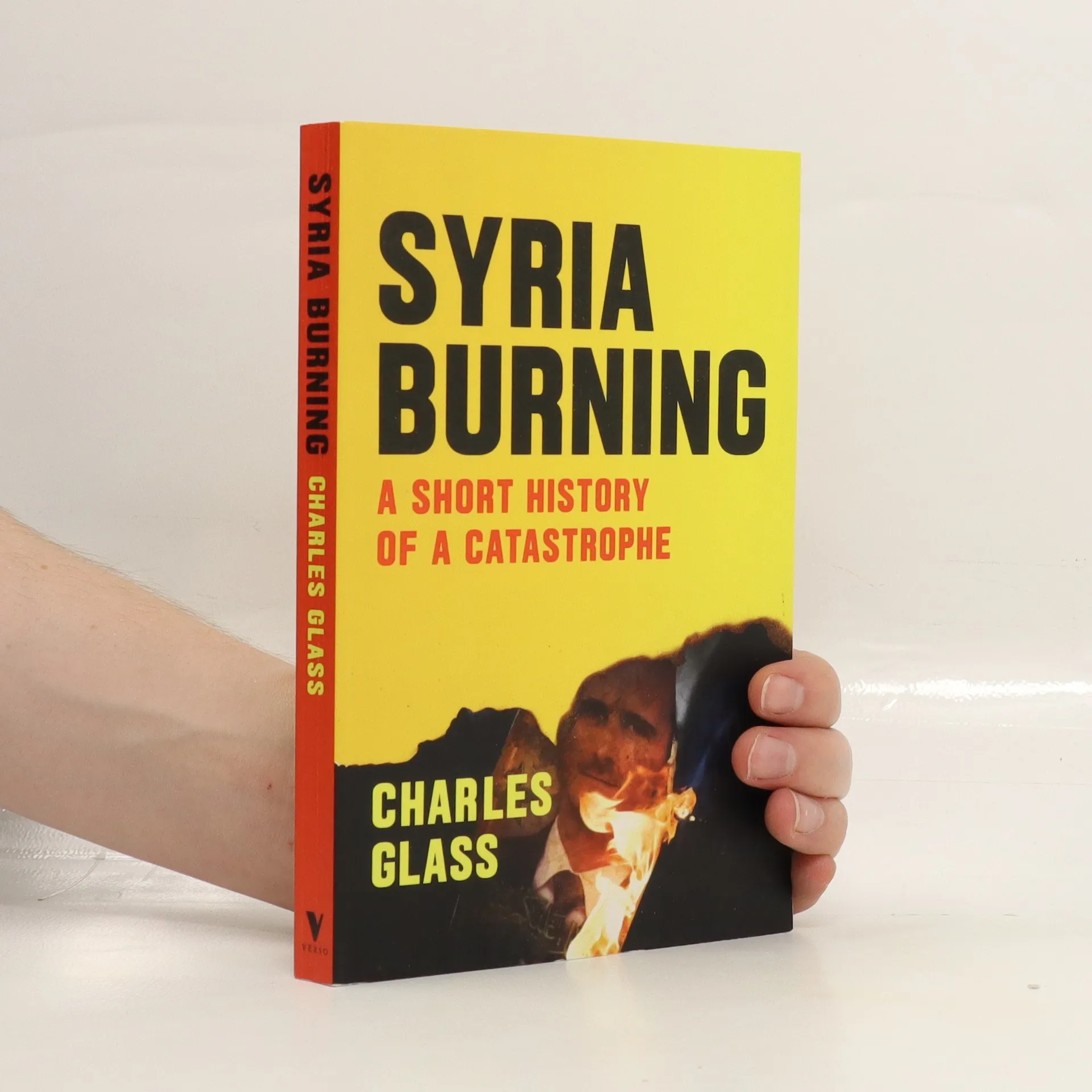
What are the origins of the Syrian crisis, and why did no one do anything to stop it? Since the upsurge of the Arab Spring in 2011, the Syrian civil war has claimed in excess of 200,000 lives, with an estimated 8 million Syrians, more than a third of the country’s population, forced to flee their homes. Militant Sunni groups, such as ISIS, have taken control of large swathes of the nation. The impact of this catastrophe is now being felt on the streets of Europe and the United States. Veteran Middle East expert Charles Glass combines reportage, analysis, and history to provide an accessible overview of the origins and permutations defining the conflict. He also gives a powerful argument for why the West has failed to get to grips with the consequences of the crisis.
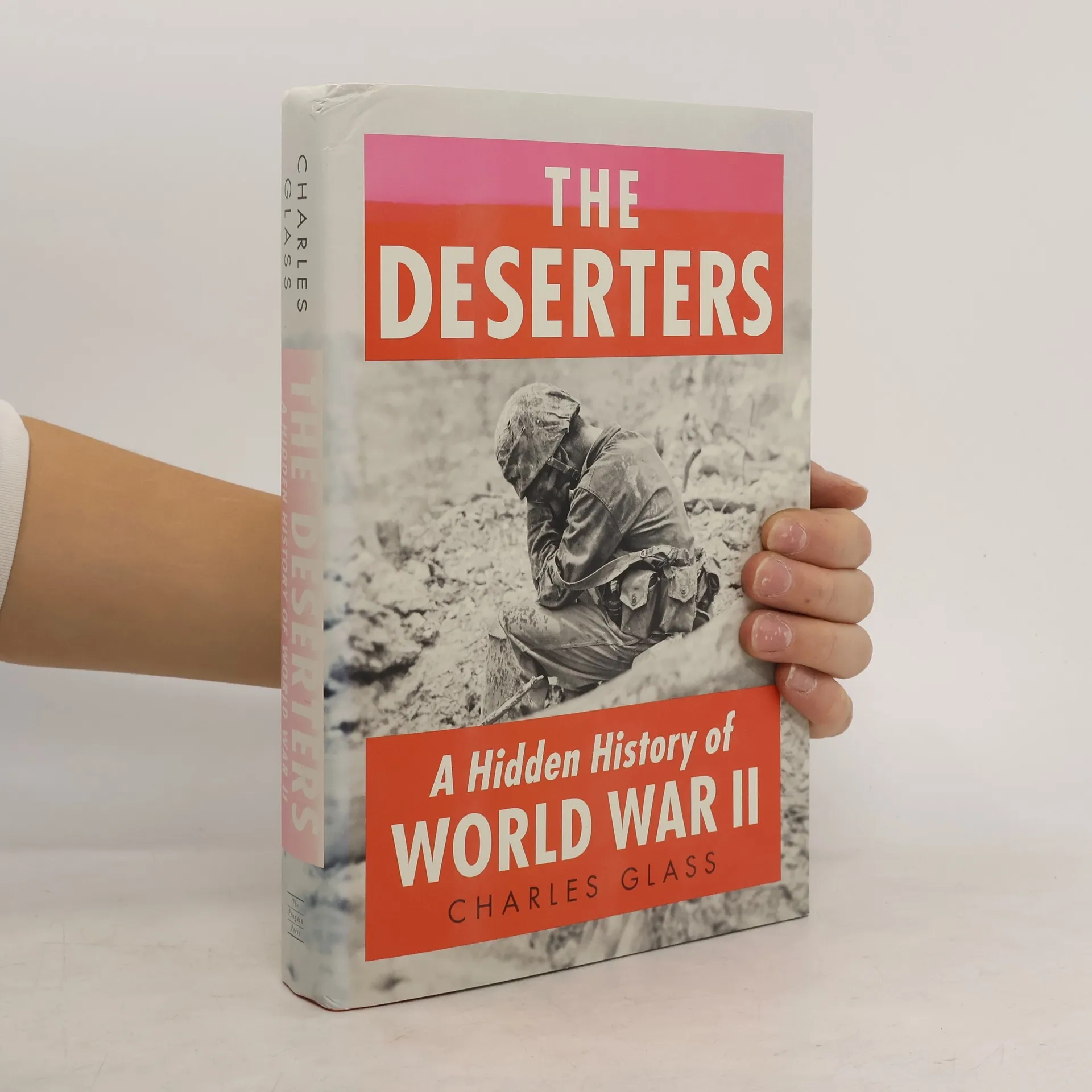
A fast-paced narrative history of World War II centered on the often-overlooked subject of deserters, this work redefines the ordinary soldier's experience. It reveals that many soldiers viewed “desertion” as a natural response to the chaos of conflict, as unpredictable as acts of bravery. Men who had once fought valiantly in Italy were reduced to fearful shells in France, while those who fled from tanks in the desert showed remarkable courage during D-Day. Front-line soldiers often saw no shame in these contradictions, finding ways to support their comrades.
With the narrative flow of a novel, this account transcends simplistic notions of courage and cowardice, illuminating the true experiences of Allied soldiers. It tells the stories of individuals like Private Alfred Whitehead, a Tennessee farm boy who earned military honors but later turned to crime in post-liberation Paris, and Private John Bain, who deserted multiple times yet fought bravely until he was severely injured. At its core is Private Stephen Weiss, a young idealist from Brooklyn who, through his experiences in combat and the French Resistance, came to terms with the harsh realities of war and the complexities of military life. Meticulously researched and deeply insightful, this work stands as an unforgettable war story about ordinary men grappling with immense and contradictory expectations.
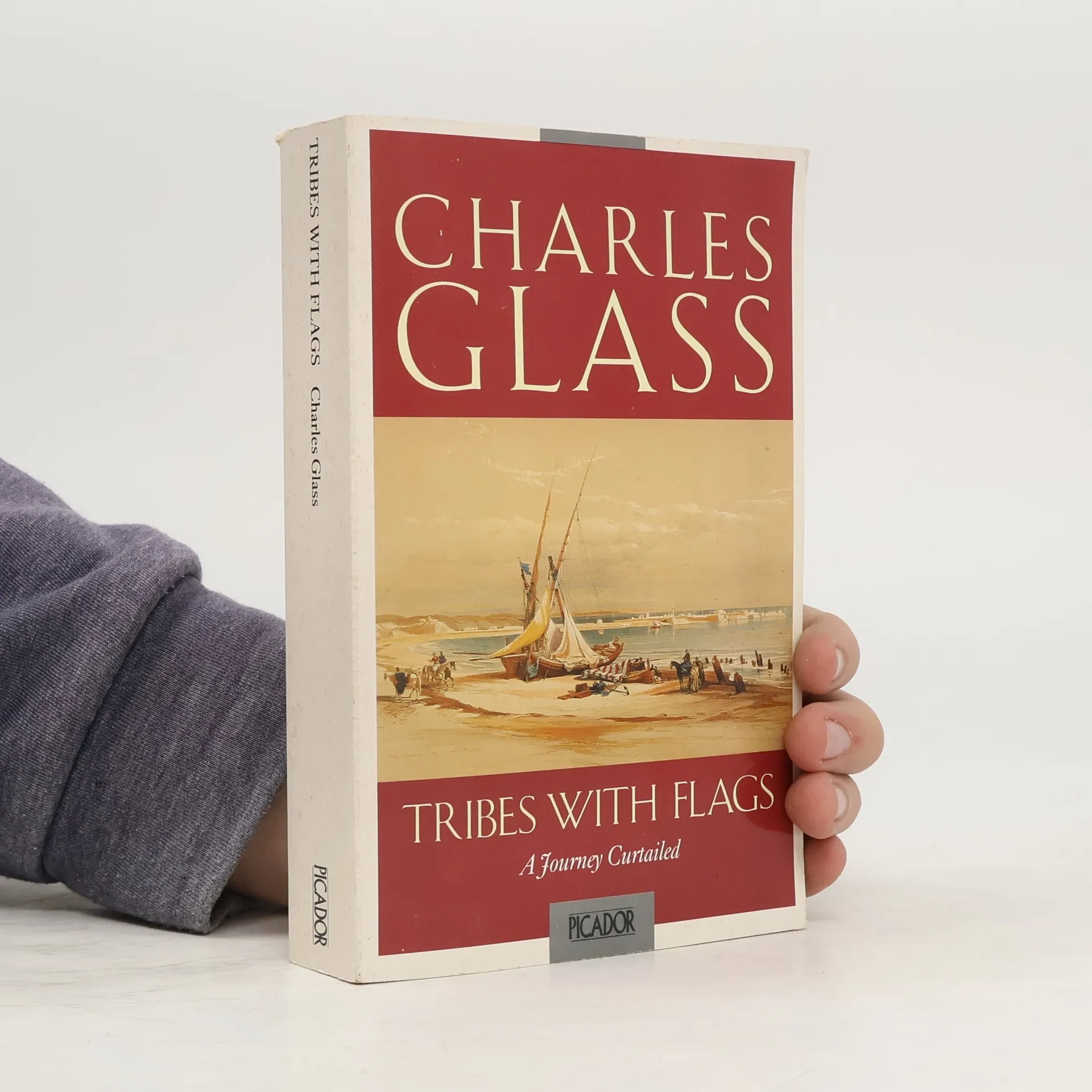
Charles Glass resigned his position as Chief Middle East Correspondent of ABC News in February of 1987 to begin work on a book chronicling the land, people, and culture of the Levant. On June 18, 1987, he was kidnapped by pro-Iranian terrorists in a Shiite Moslem suburb of Beirut and held for 62 days. His daring escape on August 18, 1987, made headlines worldwide.