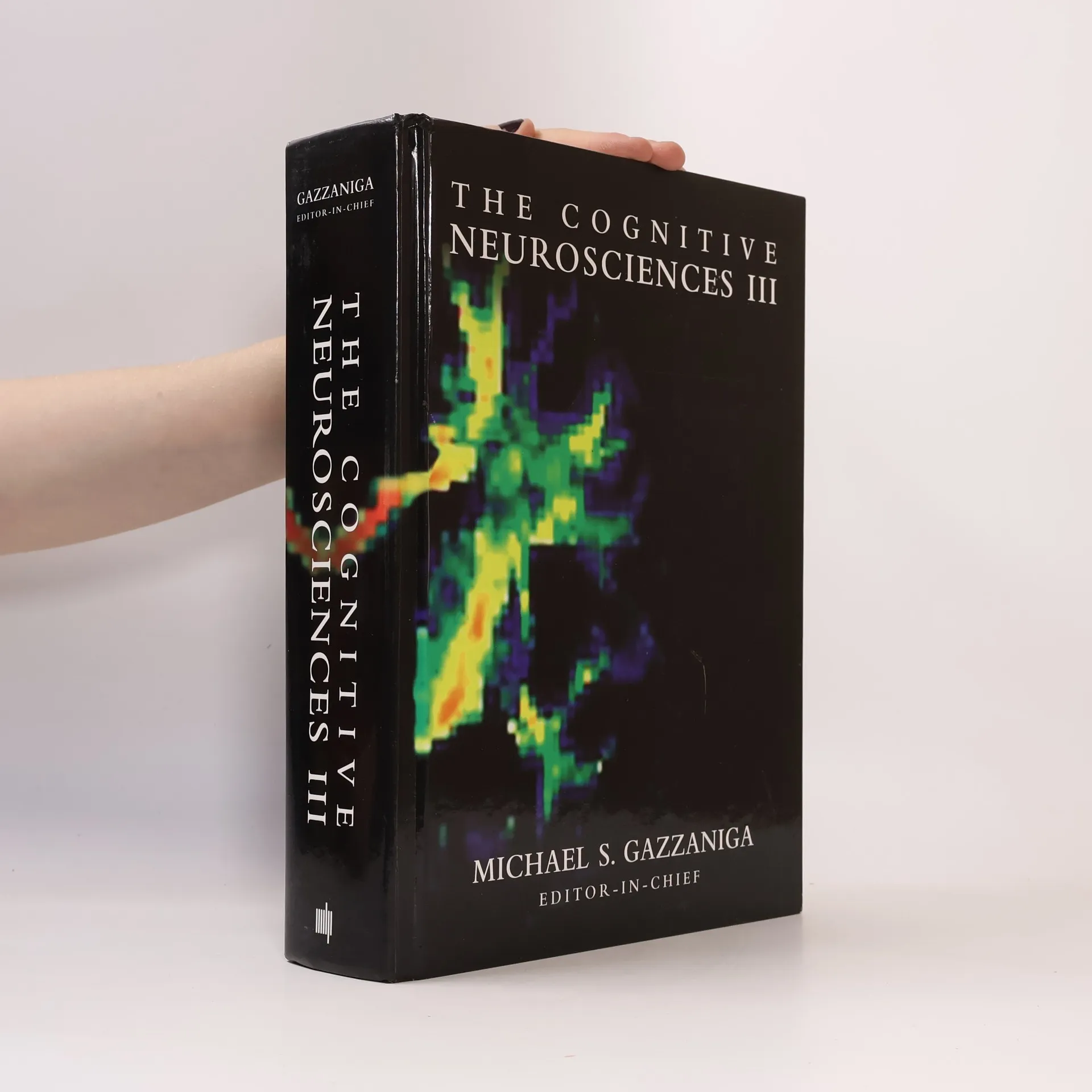
Each edition of this classic reference has proved to be a benchmark in the developing field of cognitive neuroscience. The third edition of The Cognitive Neurosciences continues to chart new directions in the study of the biologic underpinnings of complex cognition -- the relationship between the structural and physiological mechanisms of the nervous system and the psychological reality of the mind. Every chapter is new and each section has new participants. Features of the third edition include research that maps biological changes directly to cognitive changes; a new and integrated view of sensory systems and perceptual processes; the presentation of new developments in plasticity; recent research on the cognitive neuroscience of false memory, which reveals the constructive nature of memory retrieval; and new topics in the neuroscientific study of emotion, including the "social brain." The new final section, "Perspectives and New Directions," discusses a wide variety of topics that point toward the future of this vibrant and exciting field.
Michael S. Gazzaniga Libros
Michael S. Gazzaniga profundiza en el intrincado funcionamiento del cerebro humano, explorando los complejos mecanismos que gobiernan nuestros pensamientos, emociones y comportamiento. Como neurocientífico líder, su trabajo tiende un puente entre la investigación técnica y la perspicacia accesible, iluminando los misterios de la cognición. Ofrece a los lectores un viaje fascinante a la mente, examinando cómo funciona, interactúa con el cuerpo y responde al entorno. Sus escritos estimulan la curiosidad sobre la conciencia y la profunda relación entre nuestro mundo interior y las experiencias externas.


Human
- 464 páginas
- 17 horas de lectura
What happened along the evolutionary trail that made humans so unique? In his accessible style, Michael Gazzaniga pinpoints the change that made us thinking, sentient humans different from our predecessors. He explores what makes human brains special, the importance of language and art in defining the human condition, the nature of human consciousness, and even artificial intelligence.
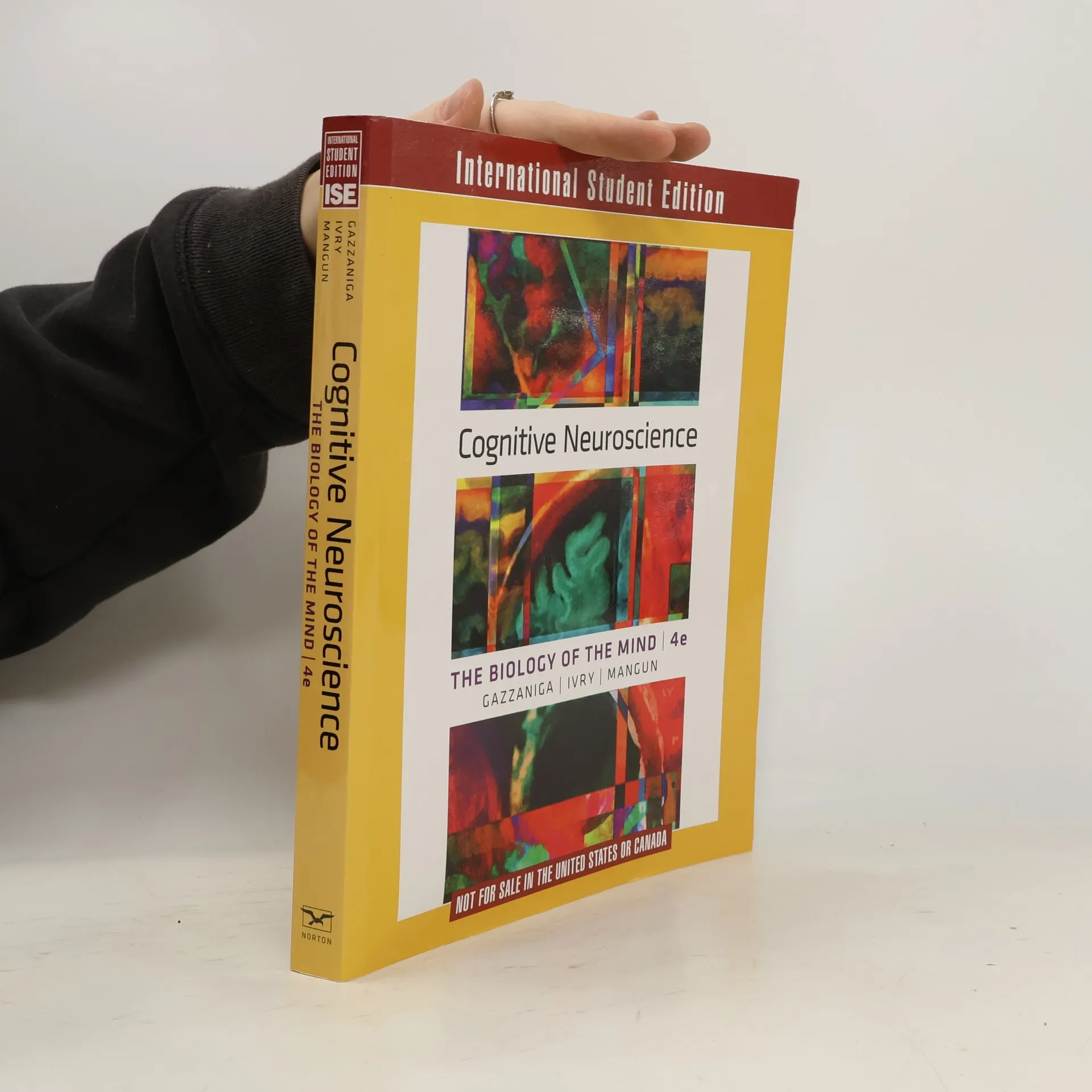
International Student Edition - 4: Cognitive Neuroscience
The Biology of the Mind
- 752 páginas
- 27 horas de lectura
Modeled on classic volumes that shaped an evolving field, this major reference documents and defines cognitive neuroscience. With ninety-two original contributions, it offers comprehensive coverage from the molecular level to human conscious experience, exploring the relationship between the brain's structural and physiological mechanisms and the psychological reality of the mind. Key sections include Molecular and Cellular Plasticity, Neural and Psychological Development, Sensory Systems, Motor Systems, Attention, Memory, Language, Thought and Imagery, Emotion, Evolutionary Perspectives, and Consciousness, each led by distinguished editors. This handbook is an invaluable resource, addressing the challenges of a rapidly growing discipline with a clear focus: intelligible, up-to-date theories of mental processes grounded in the latest brain science findings. The integration within this volume lays a foundation for future cognitive neuroscientists. Esteemed figures like George A. Miller and Sir Roger Penrose commend its comprehensive and authoritative articles, emphasizing its importance for anyone wishing to stay informed in this dynamic field. Eric R. Kandel highlights its thoughtful selection of reviews relevant to current research, making it a much-needed resource for students and professionals alike.
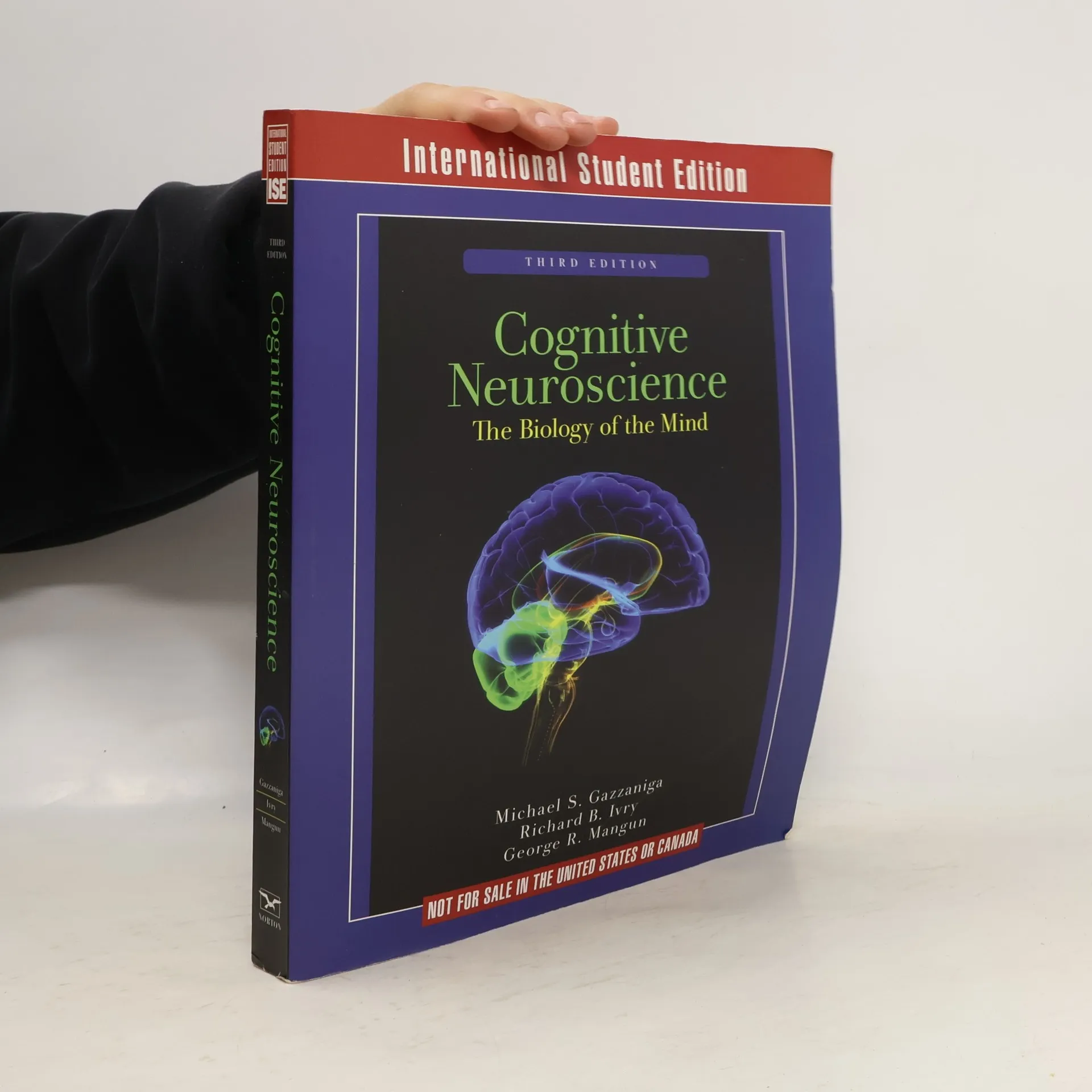
Cognitive Neuroscience
The Biology of the Mind - Third Edition - International Student Edition
- 689 páginas
- 25 horas de lectura
This third edition uses an interdisciplinary approach to understanding how the human mind works. Throughout the text, clinical case studies are presented to humanise the scientific content.
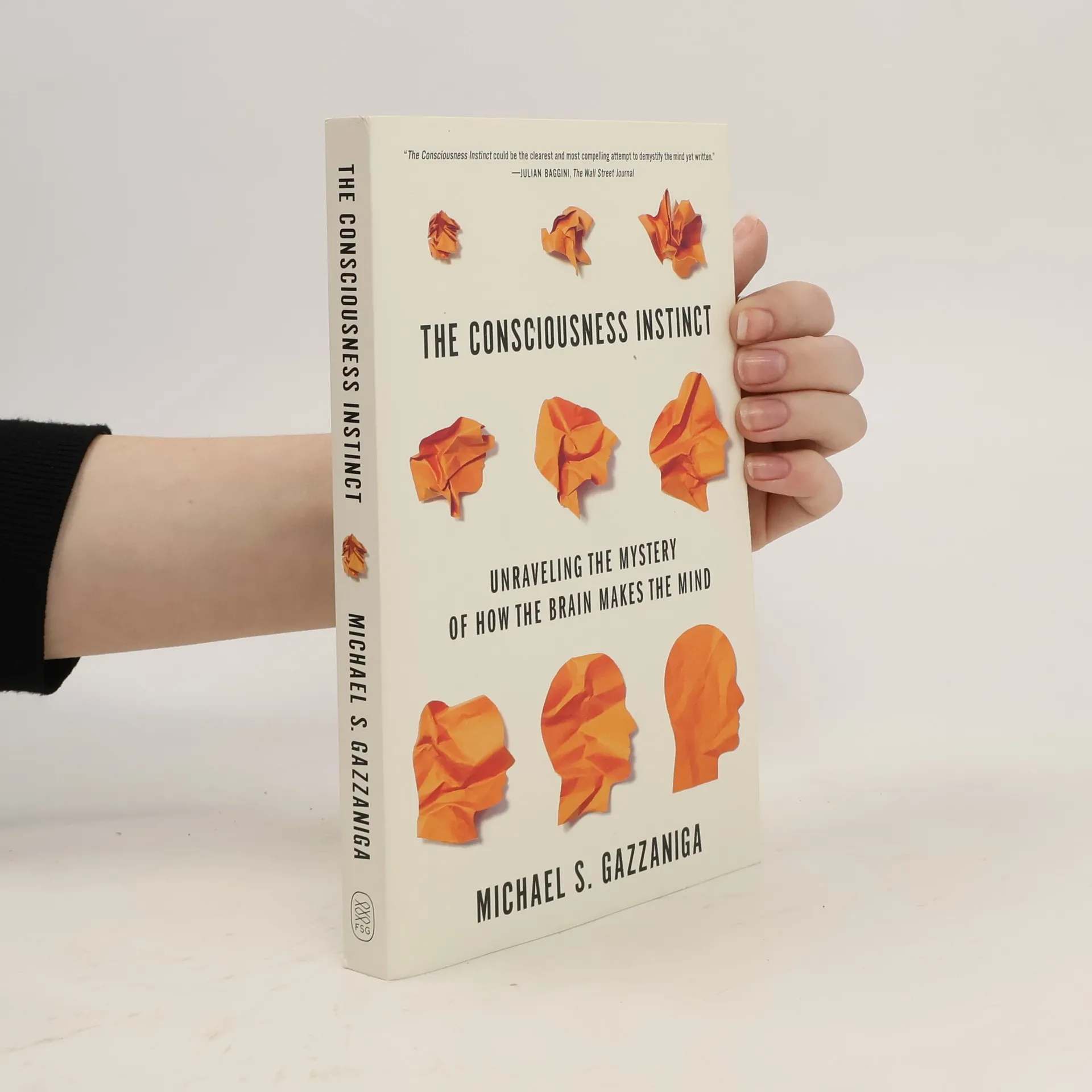
The Consciousness Instinct
Unraveling the Mystery of How the Brain Makes the Mind
- 288 páginas
- 11 horas de lectura
How do neurons turn into minds? How does physical "stuff". Atoms, molecules, chemicals, and cells- create the vivid and various worlds inside our heads? The problem of consciousness has gnawed at us for millennia. In the last century there have been massive breakthroughs that have rewritten the science of the brain, and yet the puzzles faced by the ancient Greeks are still present. In The Consciousness Instinct, the neuroscience pioneer Michael S. Gazzaniga puts the latest research in conversation with the history of human thinking about the mind, giving a big-picture view of what science has revealed about consciousness
Exploring the intricate interplay between biology, psychology, and social dynamics, a leading neuroscientist delves into the fundamentally social nature of humanity. The author presents insights into how these interconnected aspects shape our understanding of the human condition, offering a comprehensive perspective on what it means to be human.
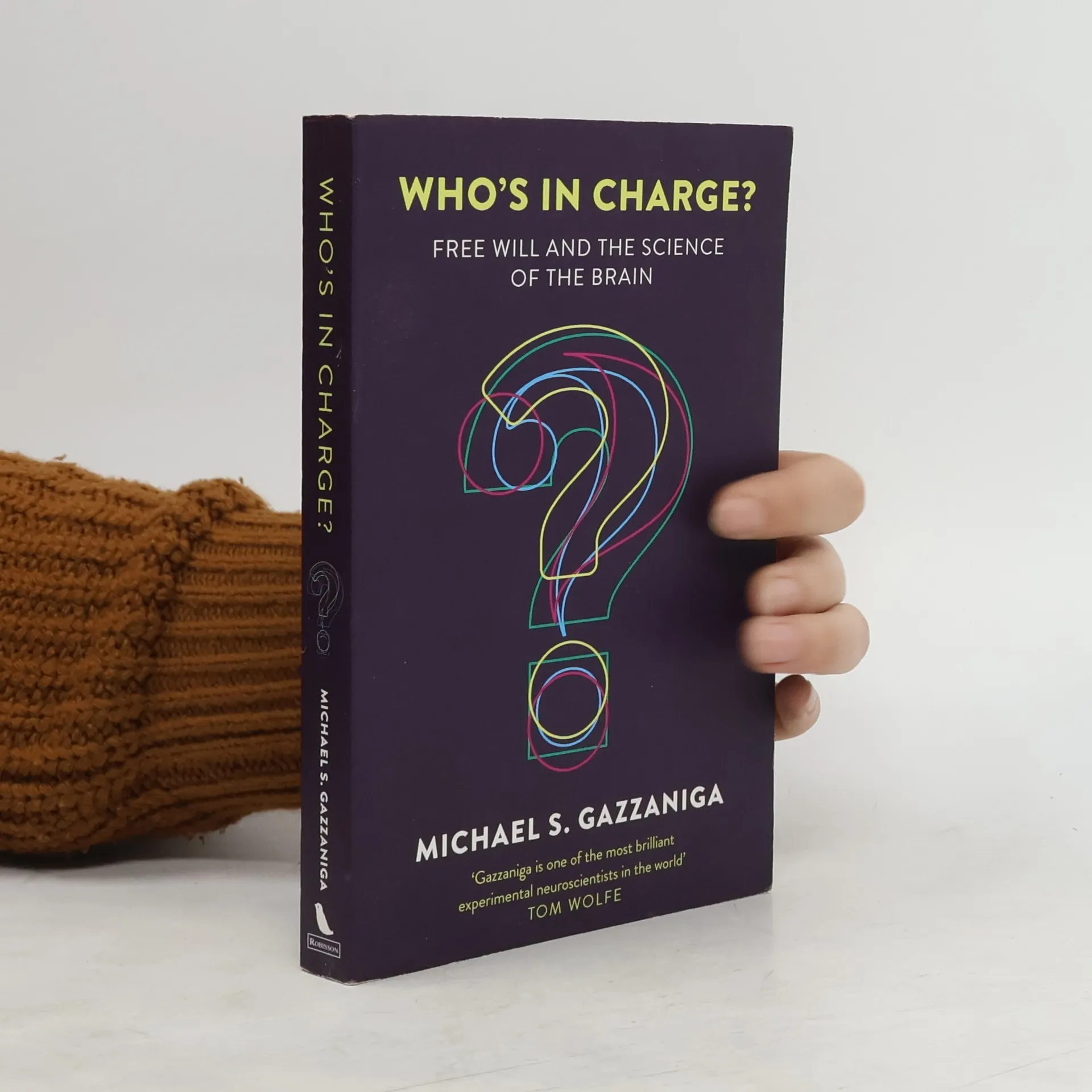
Who's in Charge?
- 272 páginas
- 10 horas de lectura
The prevailing orthodoxy in brain science is that since physical laws govern our physical brains, physical laws therefore govern our behaviour and even our conscious selves. Free will is meaningless, goes the mantra; we live in a 'determined' world. Not so, argues the renowned neuroscientist Michael S. Gazzaniga as he explains how the mind, 'constrains' the brain just as cars are constrained by the traffic they create. Writing with what Steven Pinker has called 'his trademark wit and lack of pretension,' Gazzaniga ranges across neuroscience, psychology and ethics to show how incorrect it is to blame our brains for our behaviour. Even given the latest insights into the physical mechanisms of the mind, he explains, we are responsible agents who should be held accountable for our actions, because responsibility is found in how people interact, not in brains. An extraordinary book, combining a light touch with profound implications, Who's in Charge? is a lasting contribution from one of the leading thinkers of our time.
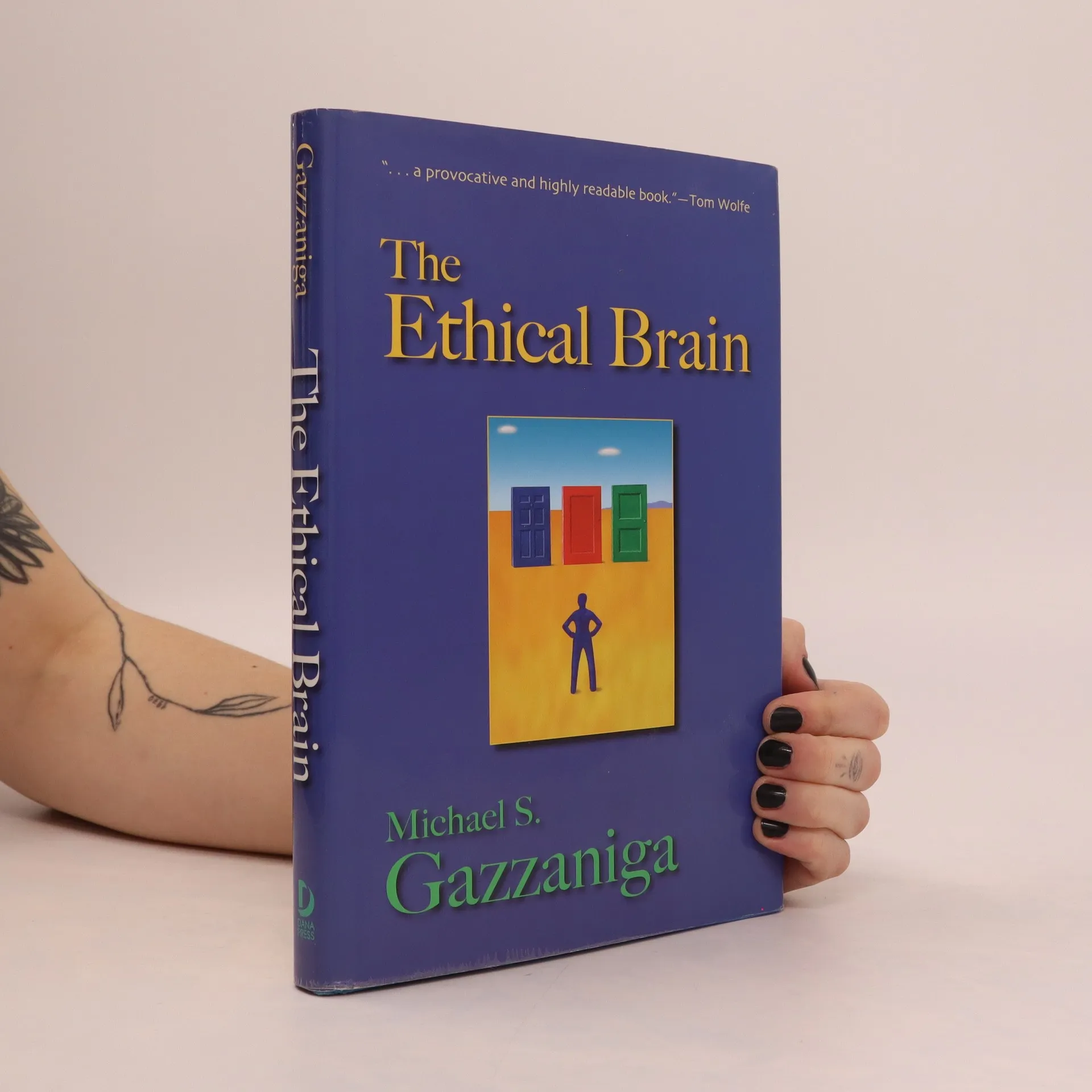
The Ethical Brain
- 232 páginas
- 9 horas de lectura
Widely considered to be the father of cognitive neuroscience, the author examines "lifespan neuroethics." He also addresses the medical ethics challenges confronting modern society at the dawn of the 21st century
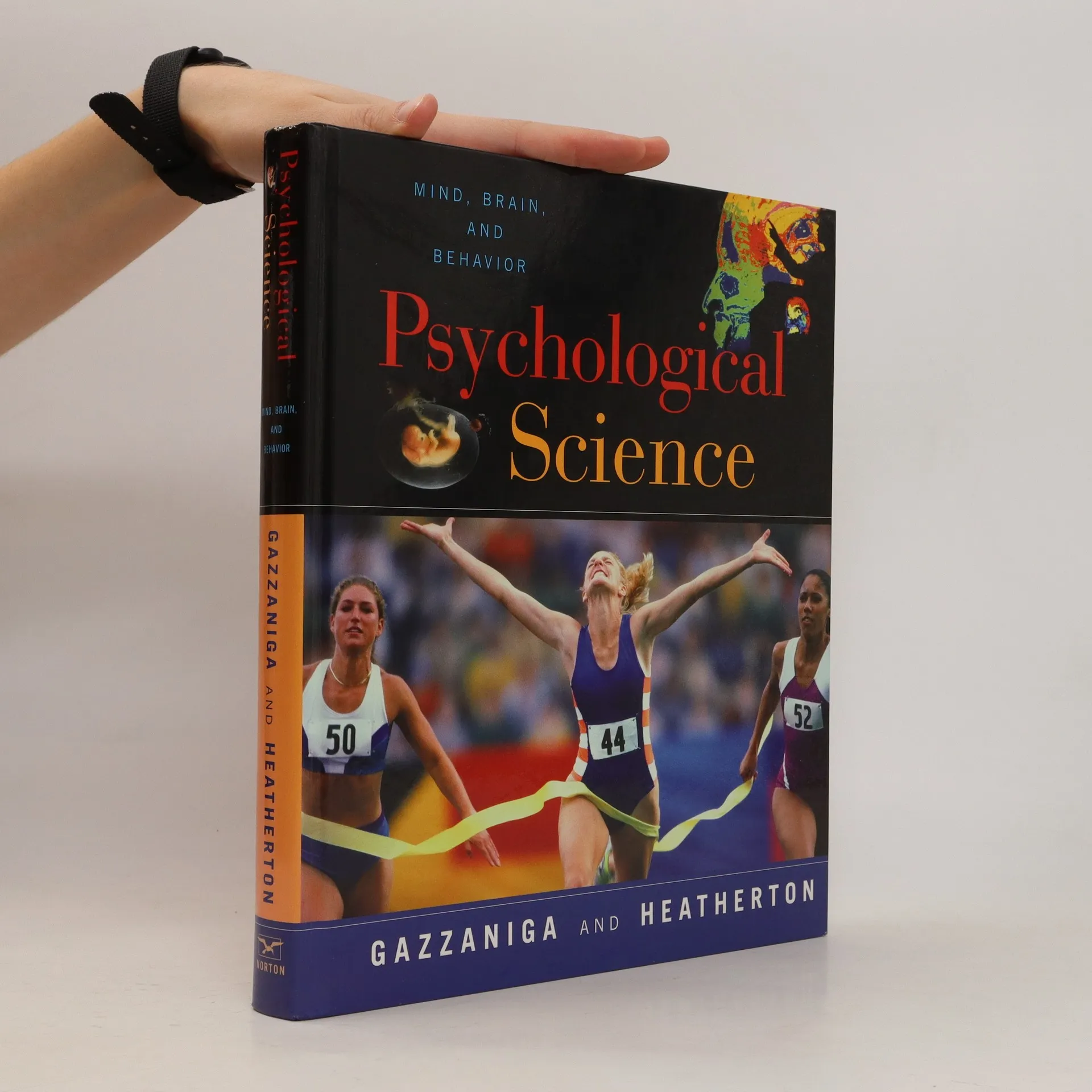
Major principles and contemporary themes drive this narrative overview of the field touching on the latest ideas and findings in biological, cognitive, social, developmental, personality, and clinical psychology. Gazzaniga and Heatherton provide the latest insights on a wide array of topics and issues including the growth of children's minds, the ways we learn, the impact of serious head injuries on behavior, the reasons why we discriminate against one another, the possibility of changing our personalities, and the causes and treatments of psychological disorders.
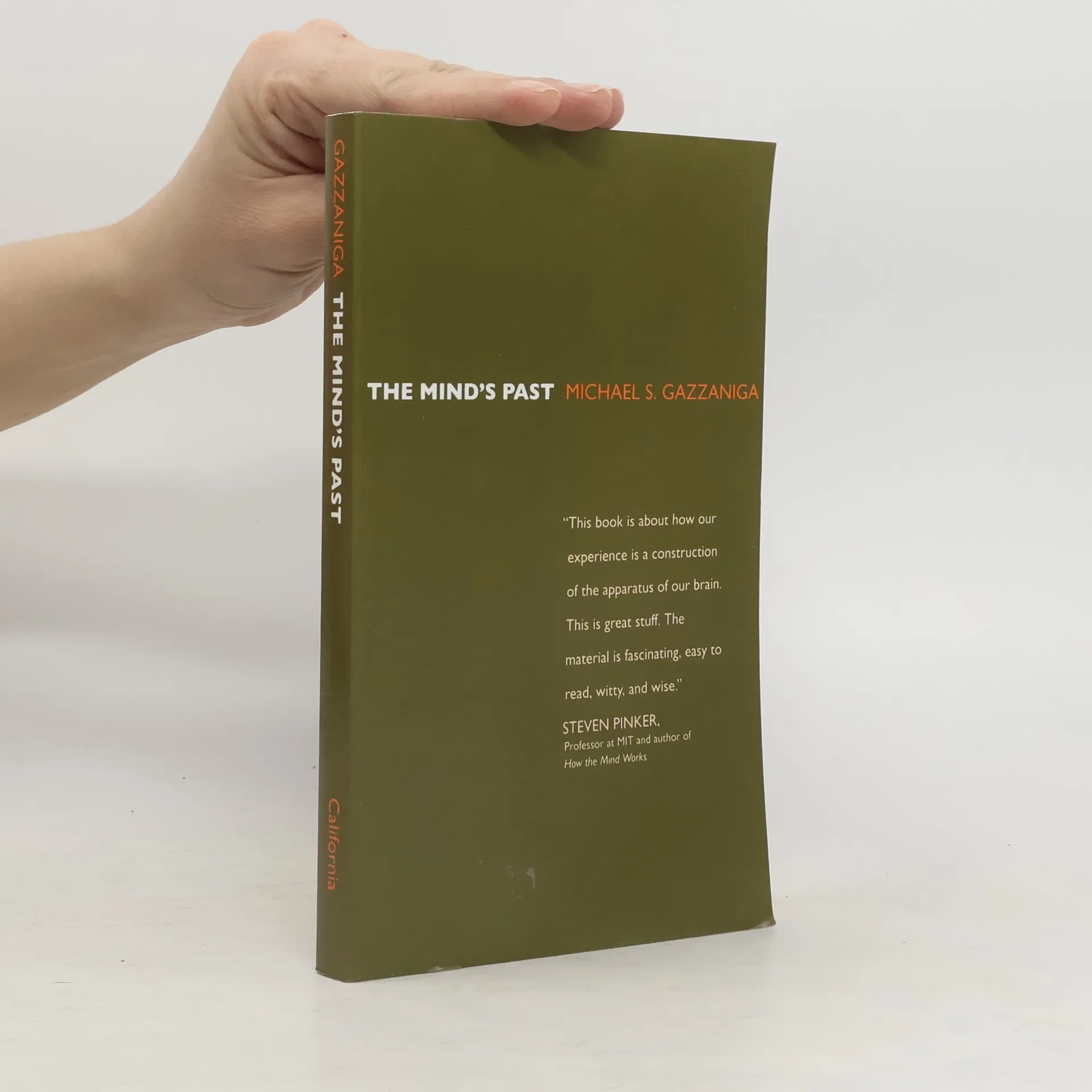
Why does the human brain insist on interpreting the world and constructing a narrative? This title shows how our mind and brain accomplish the amazing feat of constructing our past - a process clearly fraught with errors of perception, memory, and judgment. schovat popis
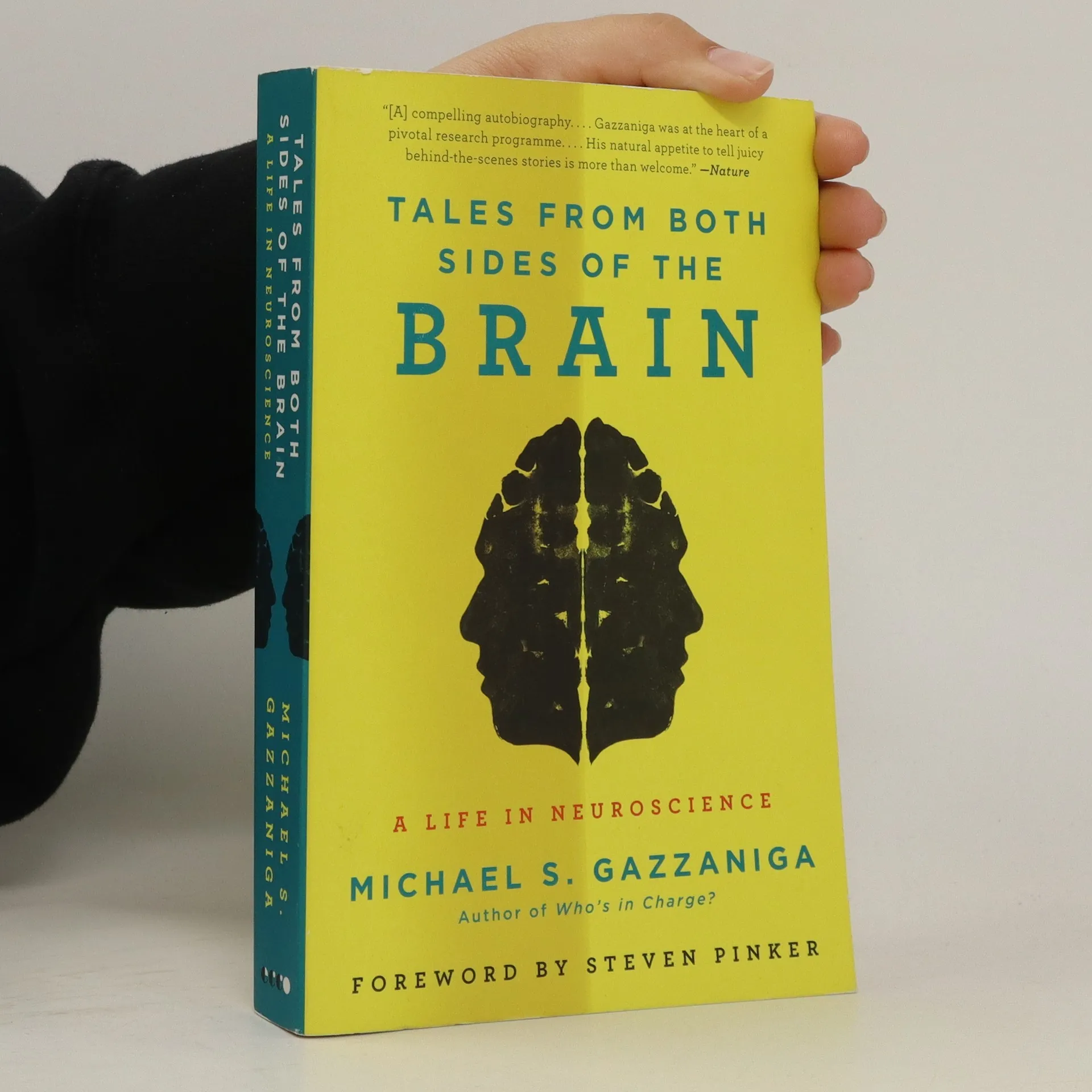
Tales from Both Sides of the Brain
- 448 páginas
- 16 horas de lectura
Michael S. Gazzaniga, one of the most important neuroscientists of the twentieth century, gives us an exciting behind-the-scenes look at his seminal work on that unlikely couple, the right and left brain. Foreword by Steven Pinker. In the mid-twentieth century, Michael S. Gazzaniga, “the father of cognitive neuroscience,” was part of a team of pioneering neuroscientists who developed the now foundational split-brain brain theory: the notion that the right and left hemispheres of the brain can act independently from one another and have different strengths. In Tales from Both Sides of the Brain, Gazzaniga tells the impassioned story of his life in science and his decades-long journey to understand how the separate spheres of our brains communicate and miscommunicate with their separate agendas. By turns humorous and moving, Tales from Both Sides of the Brain interweaves Gazzaniga’s scientific achievements with his reflections on the challenges and thrills of working as a scientist. In his engaging and accessible style, he paints a vivid portrait not only of his discovery of split-brain theory, but also of his comrades in arms—the many patients, friends, and family who have accompanied him on this wild ride of intellectual discovery.
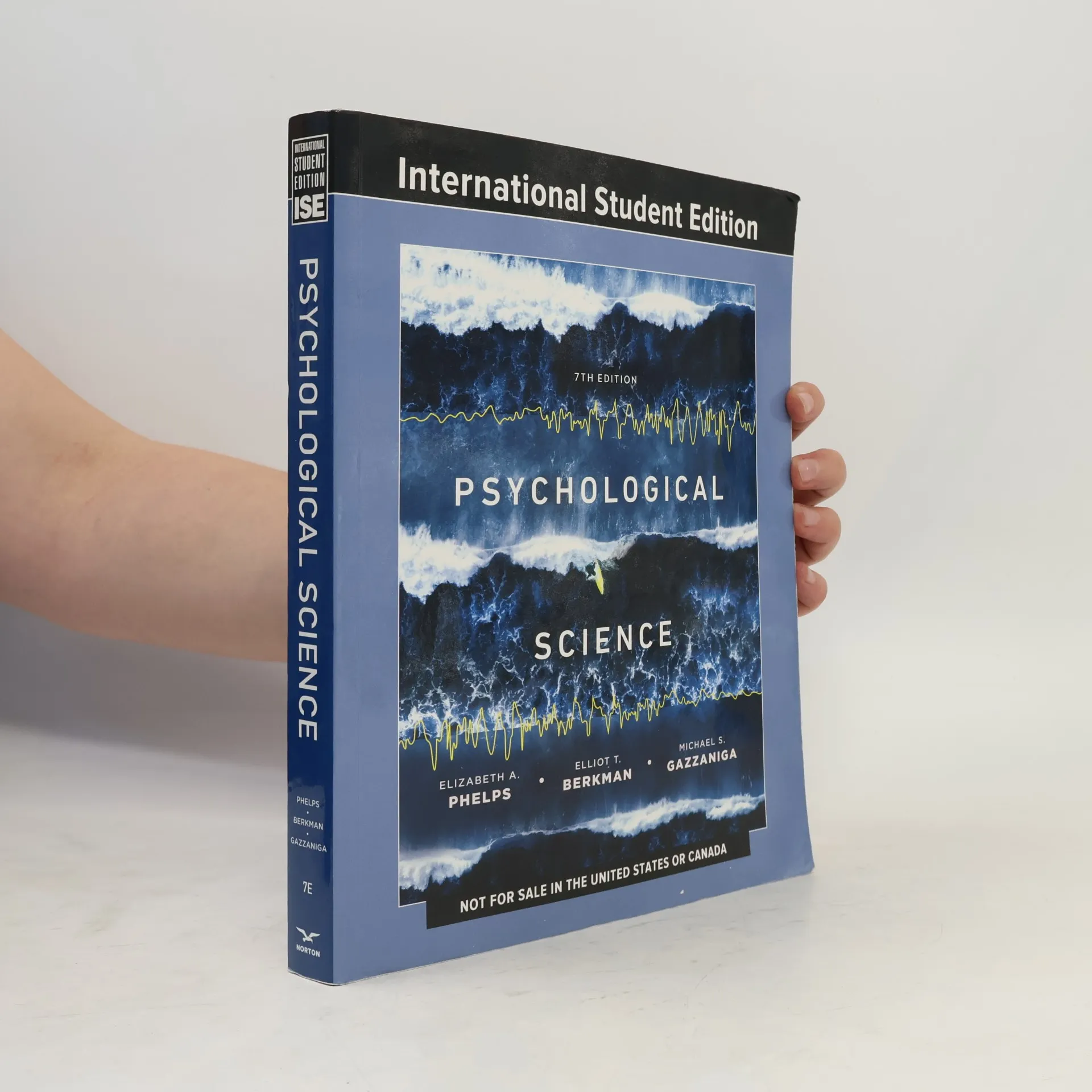
Psychological Science International Student Edition
- 832 páginas
- 30 horas de lectura
W. W. Norton is excited to announce that award-winning authors Elizabeth Phelps and Elliot Berkman will bring their ideas and energy to Psychological Science 7e. Our authors are committed to encouraging students to learn and evaluate psychology through the lens of methods, replication, and the open science era. Looking beyond the text, Liz and Elliot applied their experience with the introductory psychology course to all aspects of the teaching and learning tools, including InQuizitive's adaptive assessment, new ZAPS 3.0 interactive labs with instructor support, a hands-on approach to visualizing brain science through a new interactive 3D brain, and exciting new interactive neuron animations. They are committed to introducing students to a more modern view of the field?one that shows the real-world impact of psychology and showcases the work of diverse researchers throughout.??
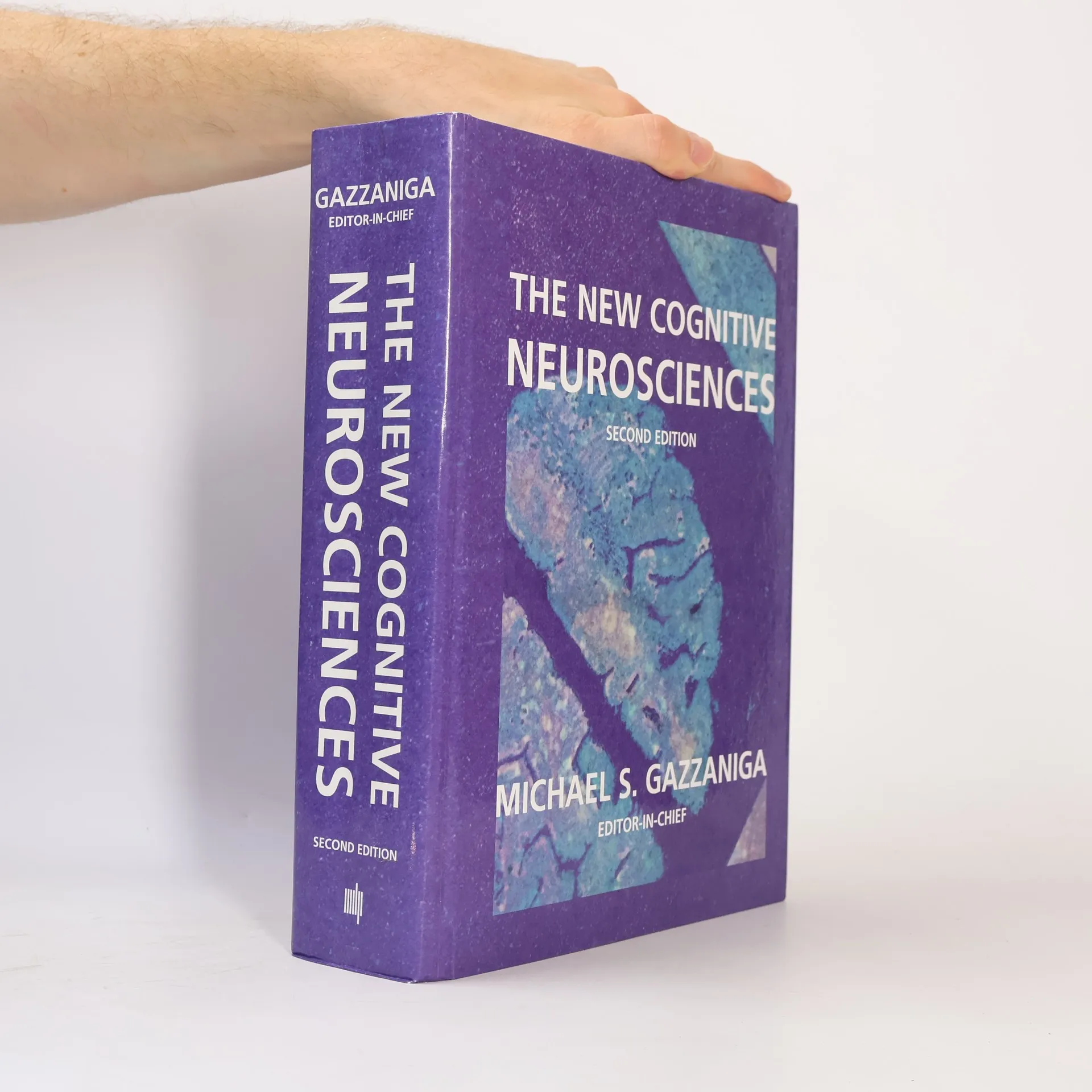
Winner of the 2002 William James Book Award, this influential work has significantly advanced the field of cognitive neuroscience by integrating diverse research and ideas from neuroscience and psychology. The second edition showcases substantial progress in imaging and recording techniques, exploring the intricate relationship between the brain's structural and physiological mechanisms and the psychological aspects of the mind, from molecular processes to human consciousness. Most chapters in this edition are new, while those from the first edition have been thoroughly rewritten and updated. This comprehensive reference is now accessible online through MIT CogNet, enhancing its reach within the cognitive and brain sciences community. Key topics include plasticity, development, sensory systems, motor functions, attention, memory, language, thought, emotion, evolution, and consciousness, featuring contributions from leading experts in each area. This work serves as an essential resource for understanding the complexities of the mind and the underlying neural processes.
Human. Quel che ci rende unici
- 569 páginas
- 20 horas de lectura
Siamo davvero unici nel regno animale? Ed è unico il nostro cervello? Che cosa, nel corso dell'evoluzione, lo ha reso tale? Per oltre mezzo secolo le neuroscienze hanno cercato di spiegare la condizione umana individuando i processi psicologici e i meccanismi neurali che sottendono funzioni chiave quali la percezione, la memoria, le emozioni o il linguaggio. Quello che non hanno fatto è indagare la natura biologica, psicologica e sociale della specie umana nel quadro delle relazioni interpersonali che caratterizzano la nostra vita quotidiana. In questo volume Michael Gazzaniga affronta la sfida, guidandoci con stile chiaro e insieme rigoroso nella ricerca dei cambiamenti che ci hanno reso esseri senzienti e pensanti assai diversi dai nostri predecessori, capaci non solo di passare gran parte del tempo in società, confrontandoci con altri esseri umani e valutando le loro azioni e le loro intenzioni, ma anche di dar prova del nostro ingegno nella creazione artistica e nell'invenzione tecnico-scientifica.
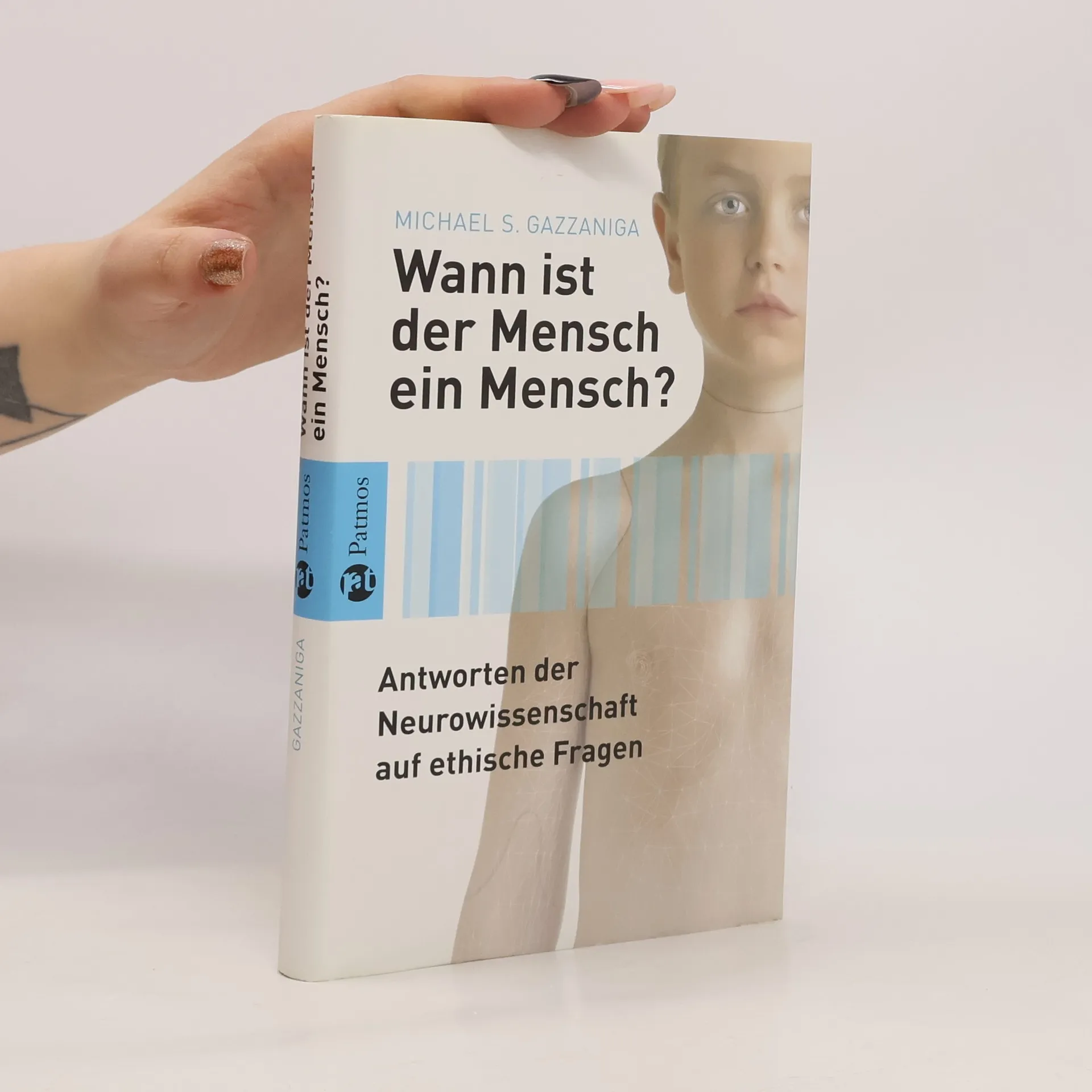
Wann ist der Mensch ein Mensch?
- 167 páginas
- 6 horas de lectura
Was macht Menschsein wirklich aus? Ist ein Embryo erst dann ein Mensch, wenn sich erste Hirnstrukturen herausgebildet haben? Definiert der Hirntod die Nicht-mehr-Existenz eines Menschen? Wäre es legitim, mittels Pränataldiagnostik und Gentechnik den 'idealen Menschen' zu schaffen? Der Neurowissenschaftler Michael S. Gazzaniga beantwortet brisante ethische Fragen und untersucht, auf welche Weise die Möglichkeiten der modernen Wissenschaften unser Menschsein beeinflussen. Eine faszinierende Neubetrachtung der uralten Frage: 'Was ist der Mensch?'
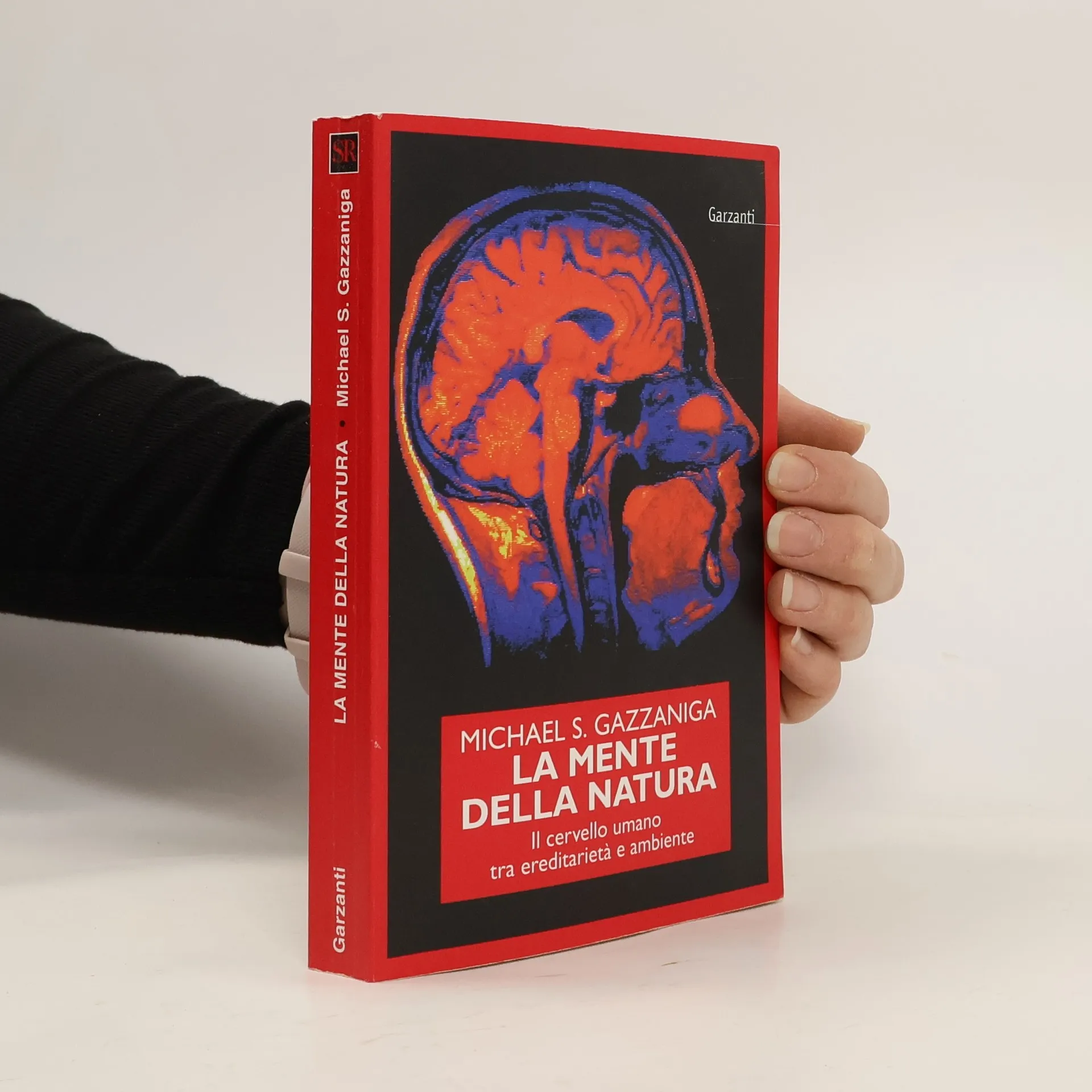
La mente della natura. Il cervello umano tra ereditarietà e ambiente
- 278 páginas
- 10 horas de lectura