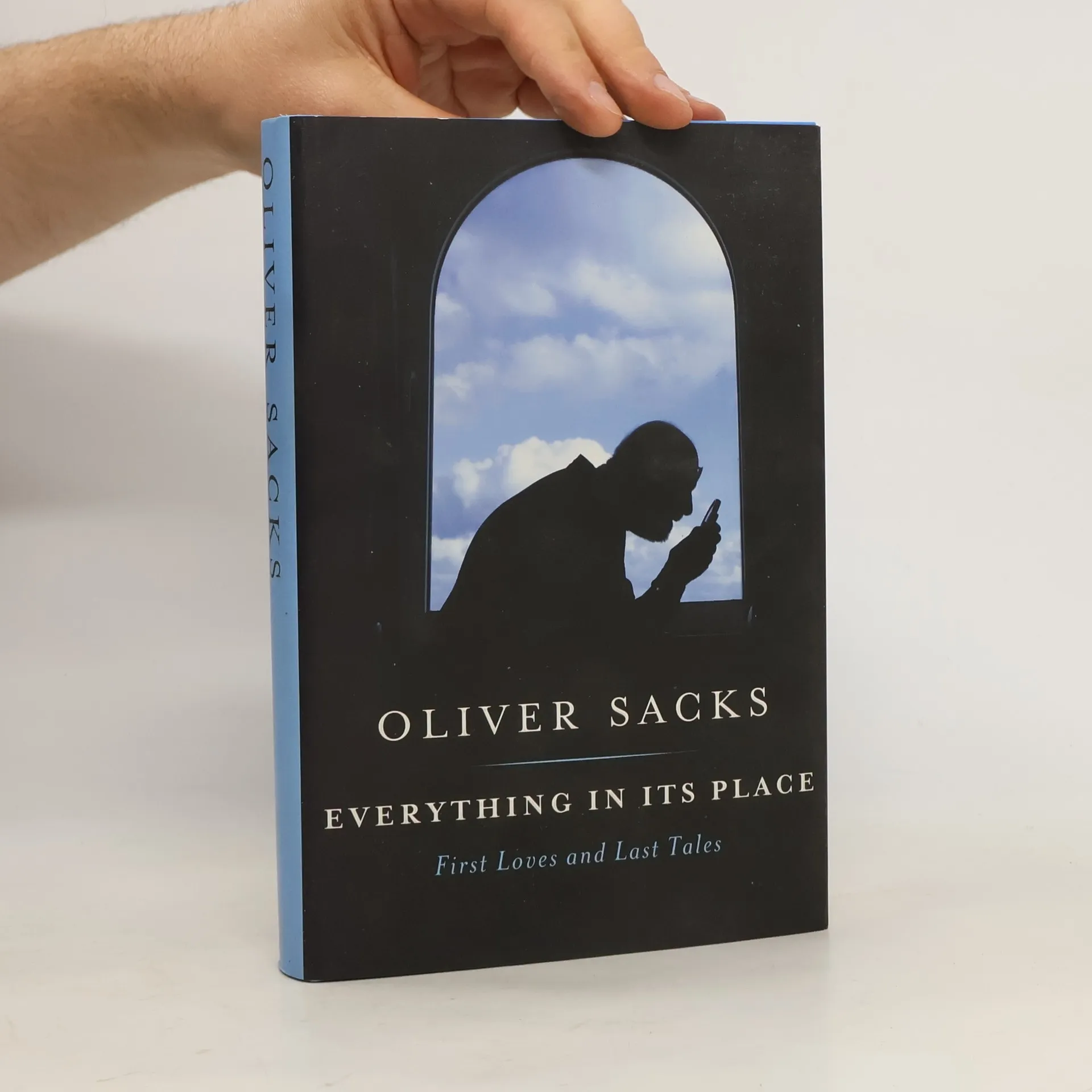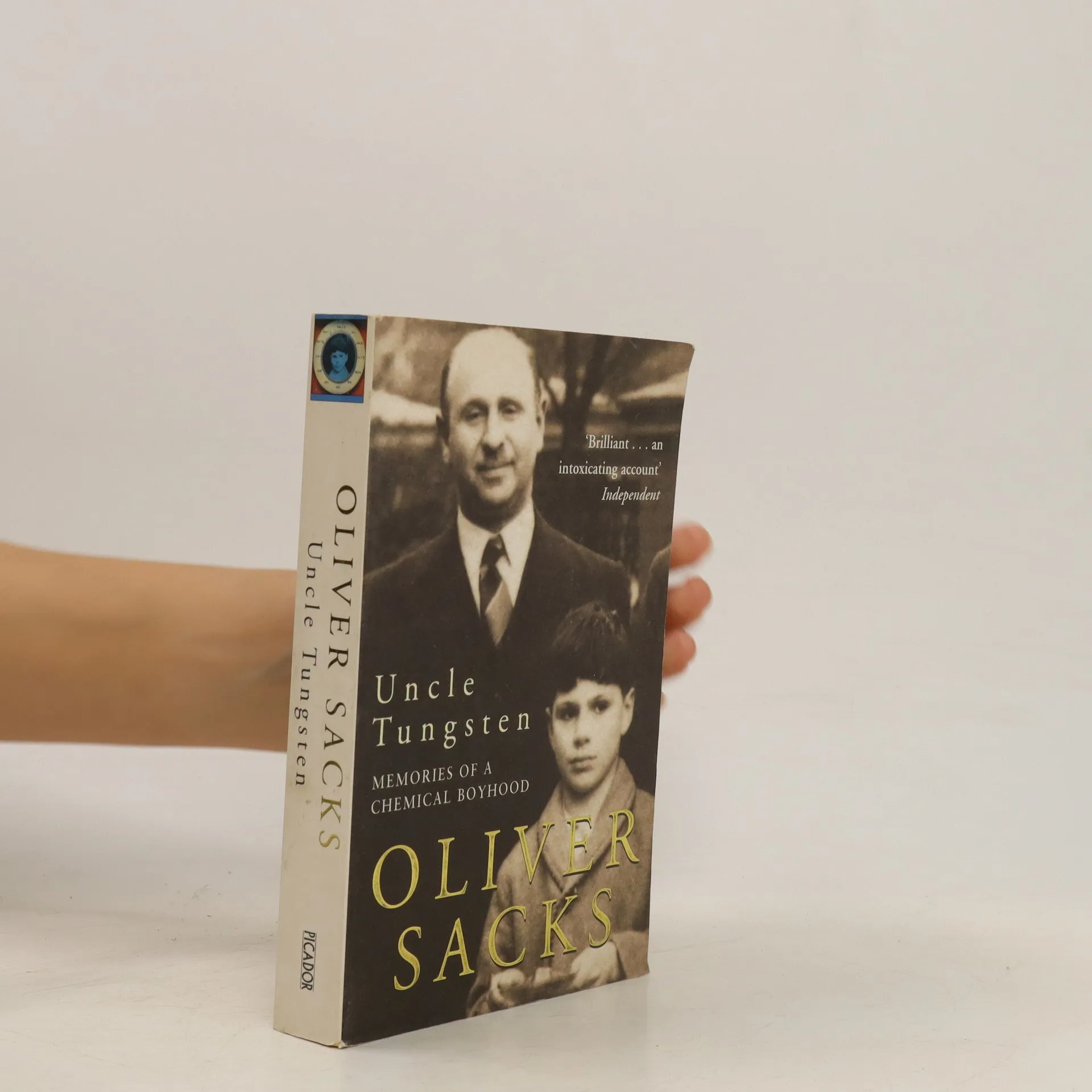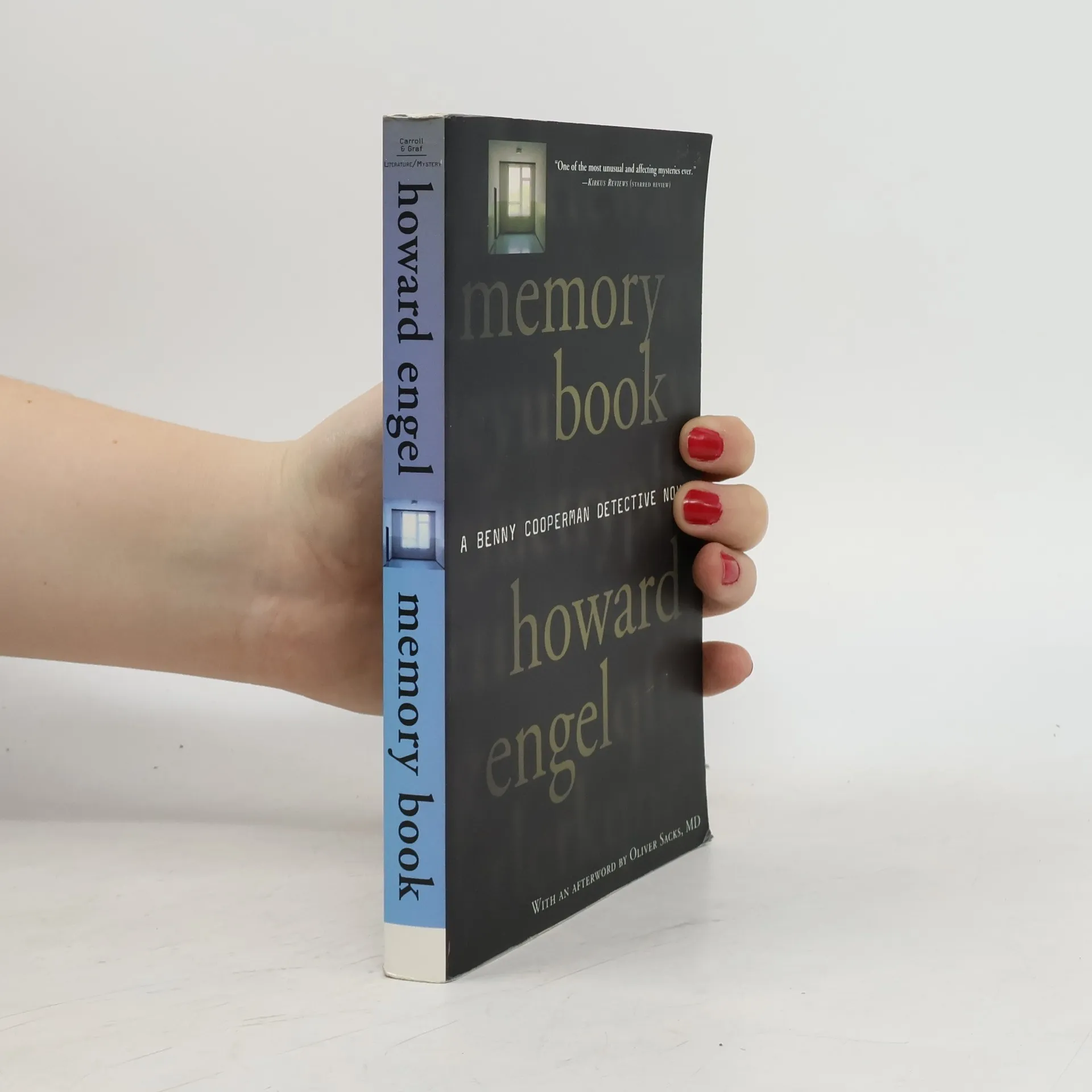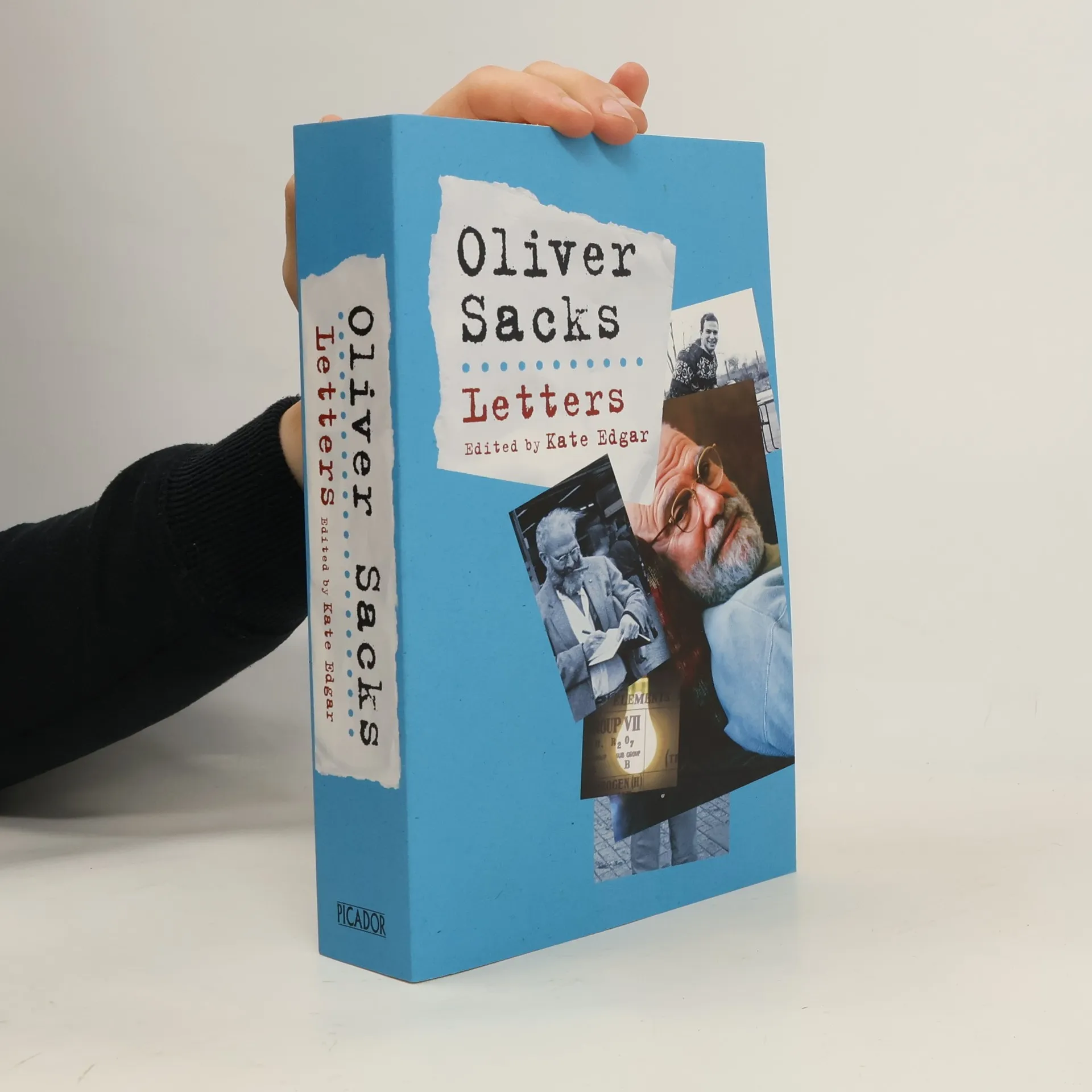

Los lectores conocen a Oliver Sacks por sus fascinantes libros sobre los misterios de la mente a partir de asombrosos casos psiquiátricos. Ahora, aplica su perspicacia y humanismo a su propia vida, ofreciendo un ejercicio de introspección que revela una peripecia vital intensa y compleja. Relata su marcha de Inglaterra y llegada a Estados Unidos, su confesión de homosexualidad a su madre y su reacción, así como su relación con su hermano esquizofrénico. Comparte su primera experiencia sexual en Ámsterdam, su última relación sexual al cumplir cuarenta y su posterior celibato voluntario. Reflexiona sobre el sexo y el amor como motores de la vida, sus inicios como psiquiatra en los años sesenta y sus investigaciones sobre una enfermedad olvidada, así como sus intensas relaciones con pacientes y su abuso de anfetaminas. También menciona su amistad con poetas como Auden y Thom Gunn, y su fugaz relación con figuras como Robert De Niro y Robin Williams. Habla de su afición a las motos y viajes nocturnos por el desierto de California, así como su interés en la halterofilia, el culturismo y la natación. En suma, es una autobiografía emocionante y desgarradamente honesta que refleja su aventura intelectual.
Oliver Sacks Libros
Oliver Sacks fue un neurólogo británico conocido por sus cautivadoras narrativas de pacientes que profundizan en las complejidades de la mente y el cerebro humanos. Su obra une fluidamente la investigación científica con una profunda empatía, descubriendo historias extraordinarias de aflicción que revelan la notable resiliencia del espíritu humano. Sacks se centró en explorar los trastornos neurológicos, examinando su impacto en la identidad y la percepción. Su enfoque, consistentemente humano e inquisitivo, invitó a los lectores a contemplar la esencia misma de lo que significa ser humano.


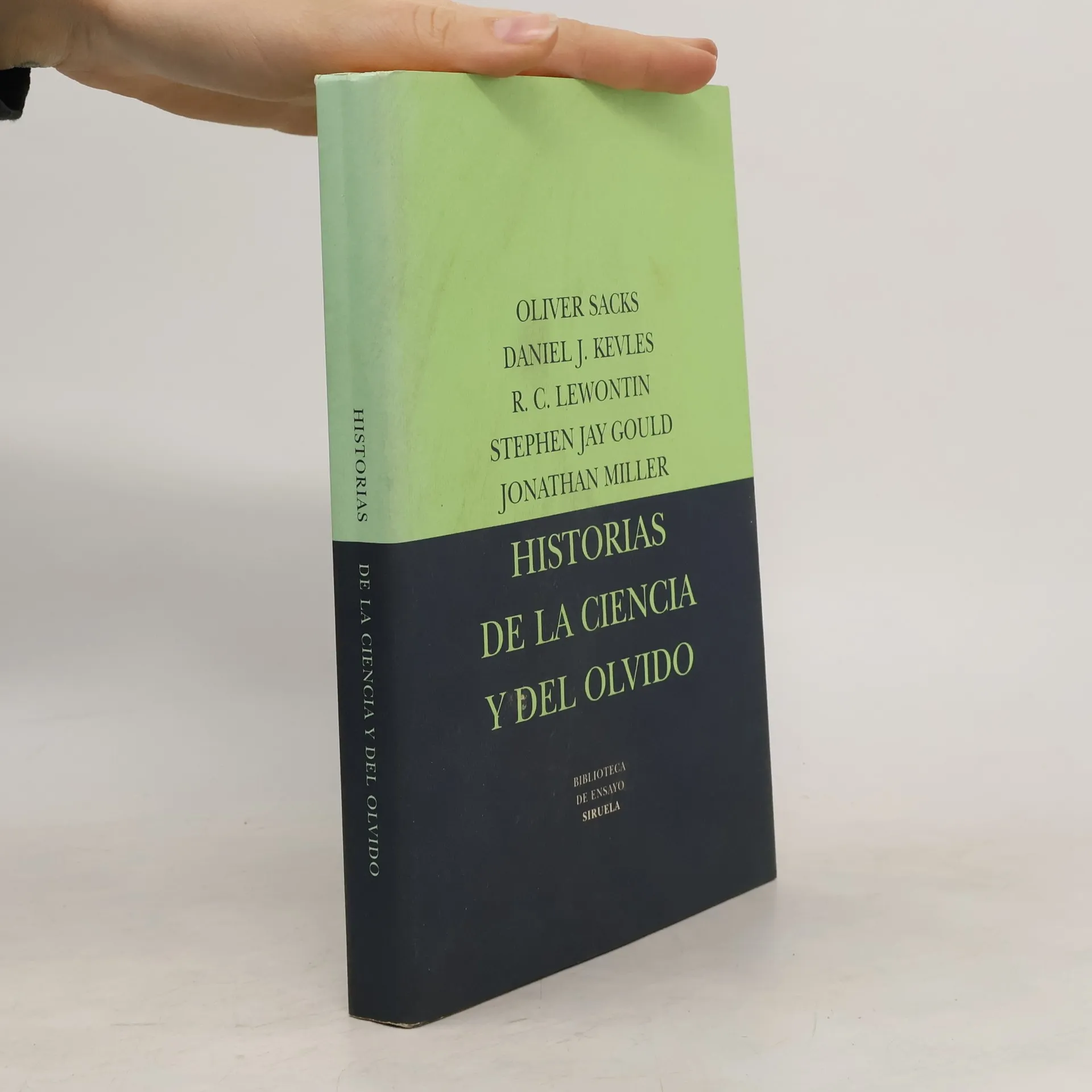
Historias de la ciencia y del olvido
- 188 páginas
- 7 horas de lectura
En esta colección de ensayos, cinco autores de prestigio mundial exploran los aspectos olvidados y desconocidos, o deliberadamente omitidos, de la historia de la ciencia. El libro nació de una idea original de Oliver Sacks, que quería homenajear a sir Humphry Davy en su doble aspecto de eminente químico y notable poeta, y fue propiciado por una iniciativa conjunta de la New York Public Library y The New York Review of Books.
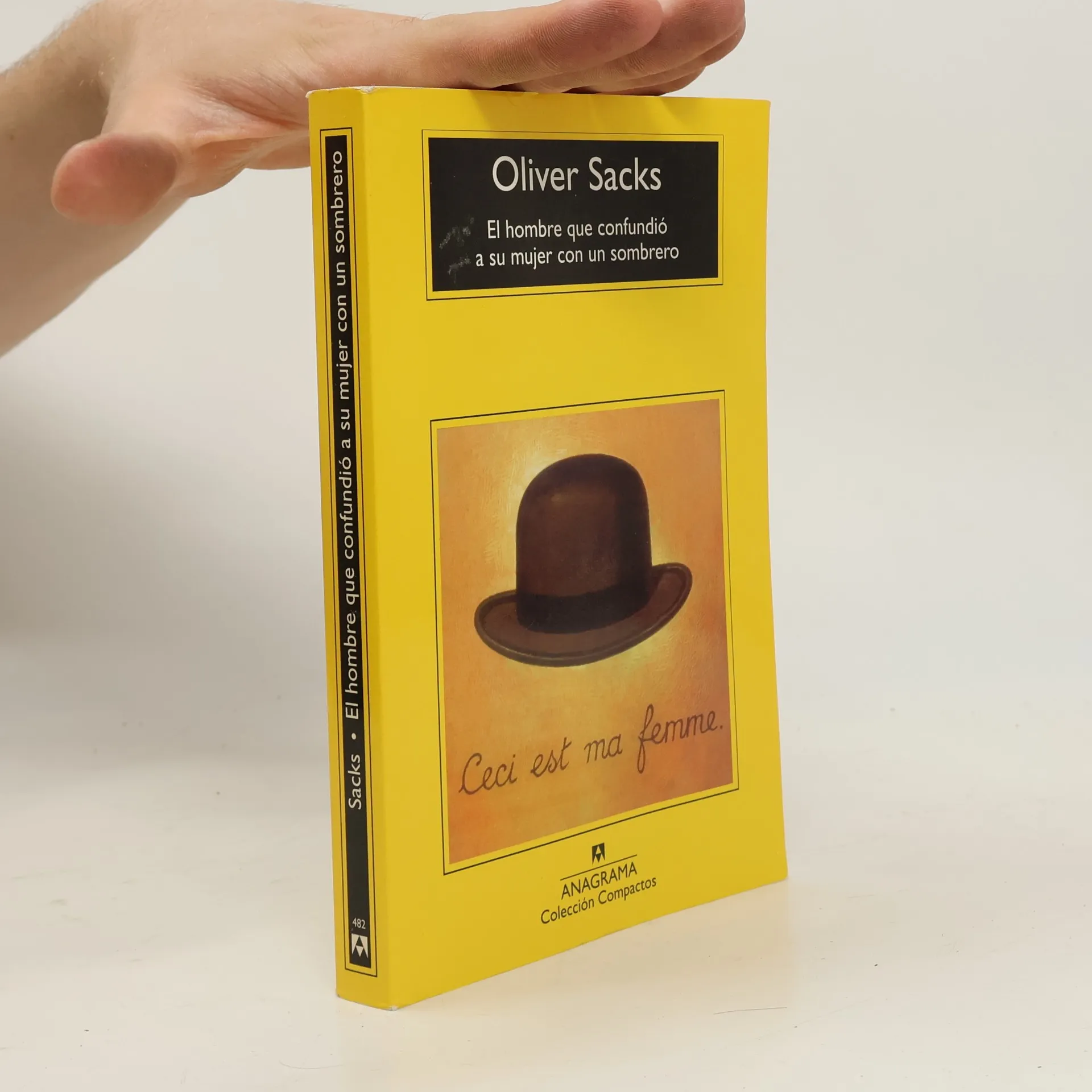
El hombre que confundió a su mujer con un sombrero, una extraordinaria revelación, se convirtió inmediatamente en un clásico y consagró a Oliver Sacks como "uno de los grandes escritores clínicos del siglo". En este libro el autor narra veinte historiales médicos de pacientes perdidos en el mundo extraño y aparentemente irremediable de las enfermedades neurológicas. Se trata de casos de individuos aquejados por inauditas aberraciones de la percepción que han perdido la memoria, y con ella, la mayor parte de su pasado, que son incapaces de reconocer a sus familiares o los objetos cotidanos que han sido descartados como retrasados mentales y que, sin embargo, poseen insólitos dones artísticos o científicos.
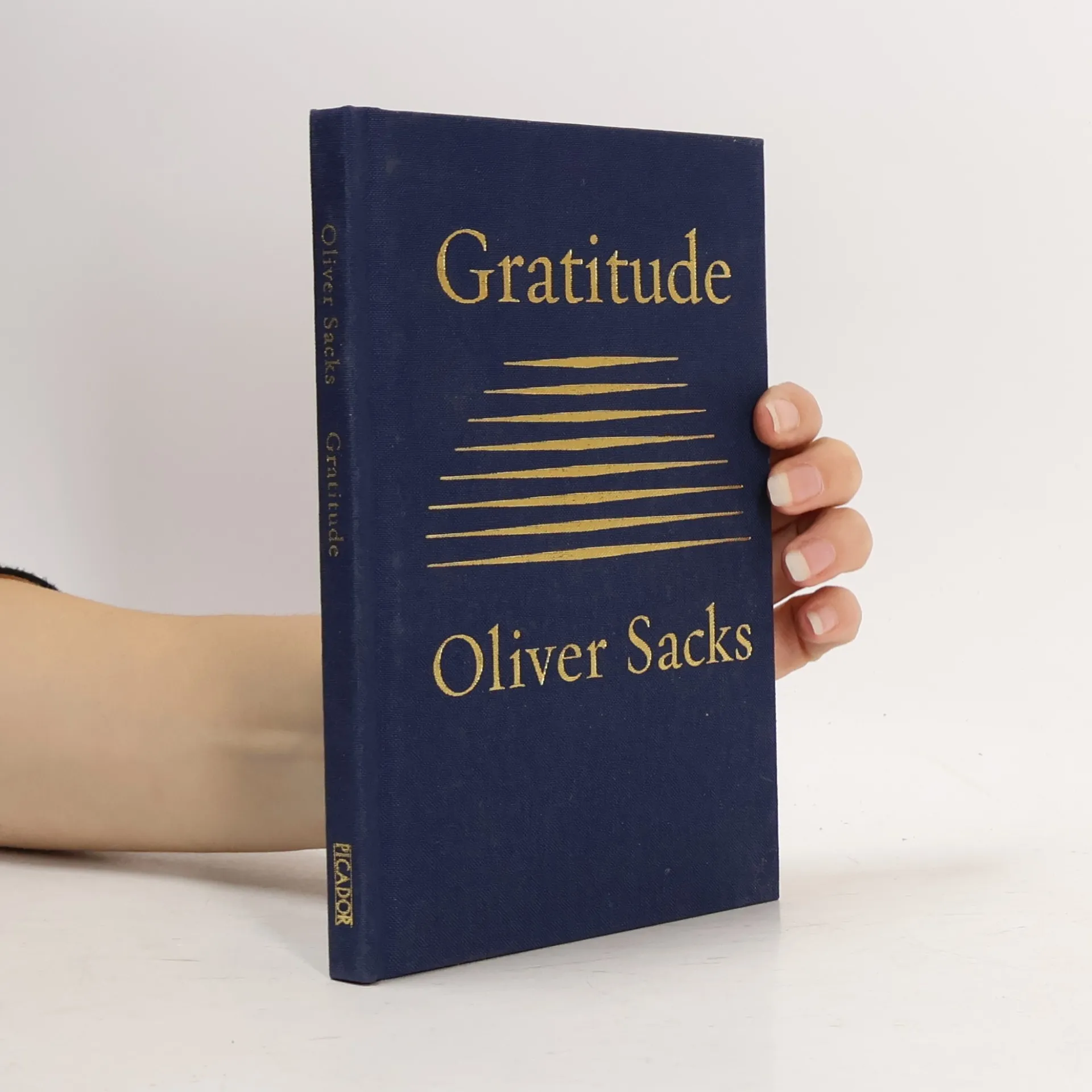
Oliver Sacks died in August 2015 at his home in Greenwich Village, surrounded by his close friends and family. He was 82. He spent his final days doing what he loved: playing the piano, swimming, enjoying smoked salmon - and writing. As Dr Sacks looked back over his long, adventurous life his final thoughts were of gratitude. In a series of remarkable, beautifully written and uplifting meditations, in Gratitude Dr Sacks reflects on and gives thanks for a life well lived, and expresses his thoughts on growing old, facing terminal cancer and reaching the end. I cannot pretend I am without fear. But my predominant feeling is one of gratitude. I have loved and been loved; I have been given much and I have given something in return; I have read and travelled and thought and written. I have had an intercourse with the world, the special intercourse of writers and readers. Above all, I have been a sentient being, a thinking animal, on this beautiful planet, and that in itself has been an enormous privilege and adventure.
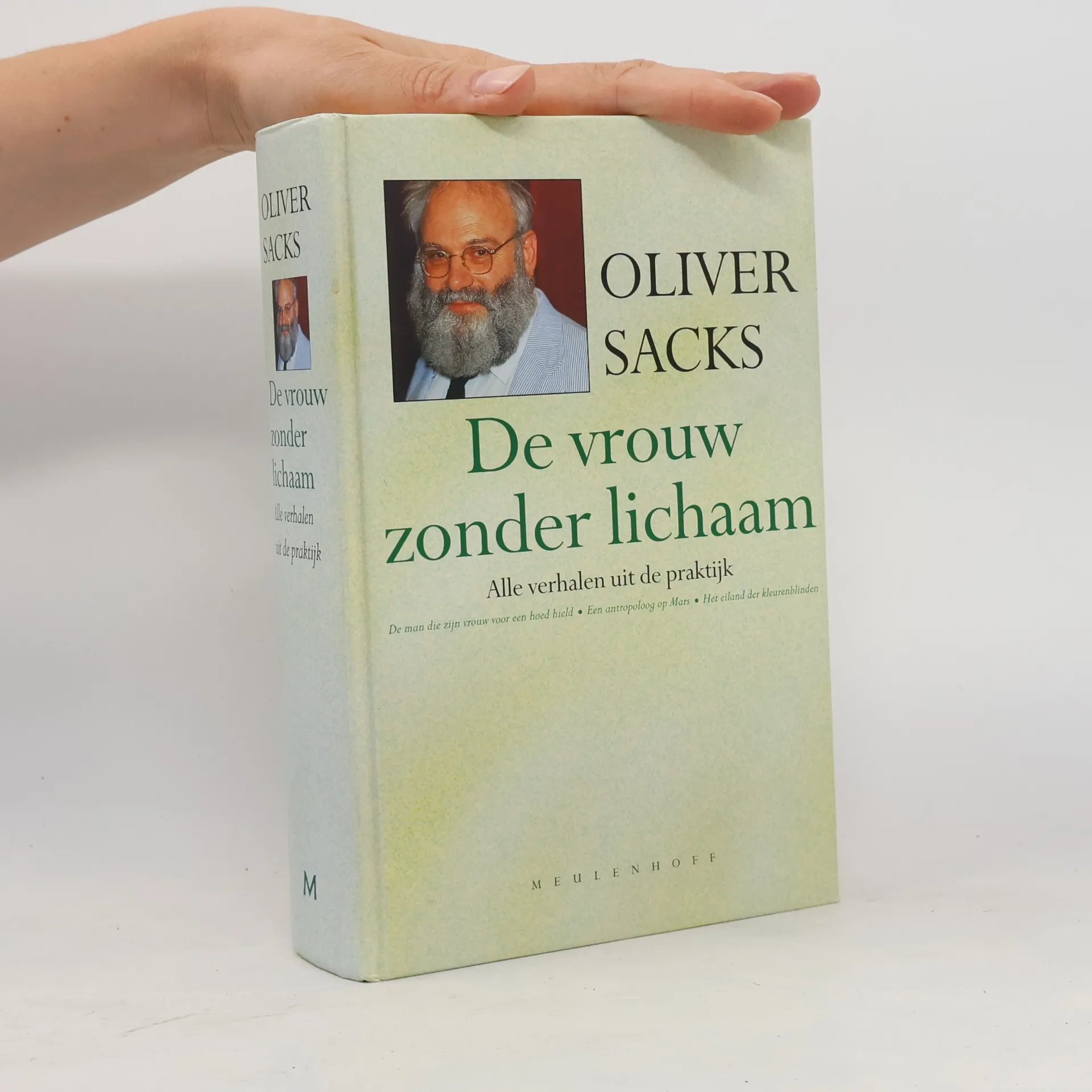
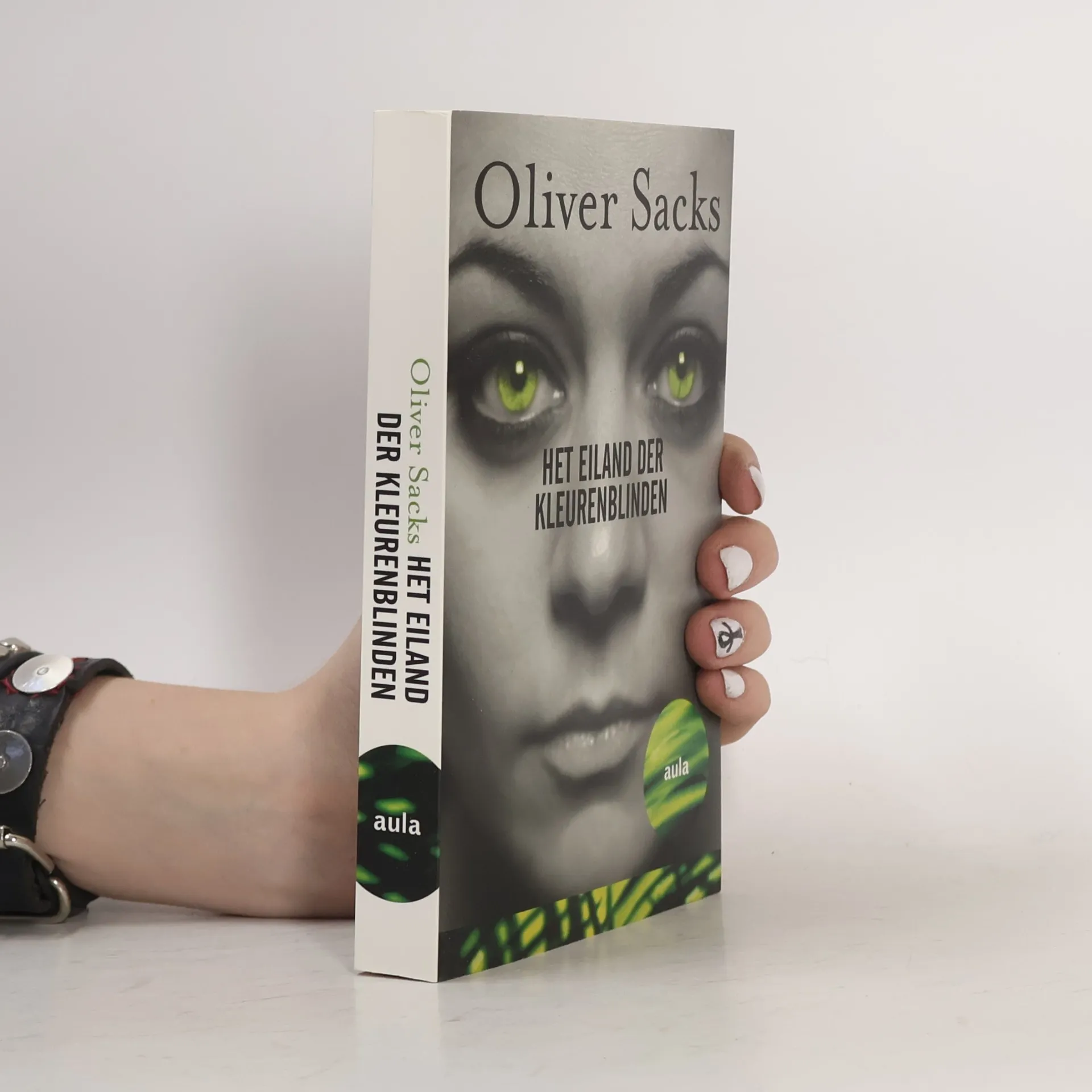
In his books An Anthropologist on Mars and The Man Who Mistook His Wife for a Hat, Oliver Sacks details the lives of patients isolated by neurological disorders, shedding light on our common humanity and the ways in which we perceive the world around us. Now he looks at the effects of physical isolation in The Island of the Colorblind. On this journey, he carried with him the intellectual curiosity, kind understanding, and unique vision he has so consistently demonstrated. Drawn to the Micronesian island of Pingelap by reports of a community of people born totally colorblind, Dr. Sacks set up a clinic in a one-room dispensary. There he listened to patients describe their colorless world in terms rich with pattern and tone, luminance and shadow. Then, in Guam, he investigated a puzzling neurodegenerative paralysis, making housecalls amid crowing cockerels, cycad jungles, and the remains of a colonial culture. The experience afforded Sacks an opportunity to elaborate on such personal passions as botany and history and to explore the meaning of islands, the dissemination of species, the birth of disease, and the nature of deep geologic time.
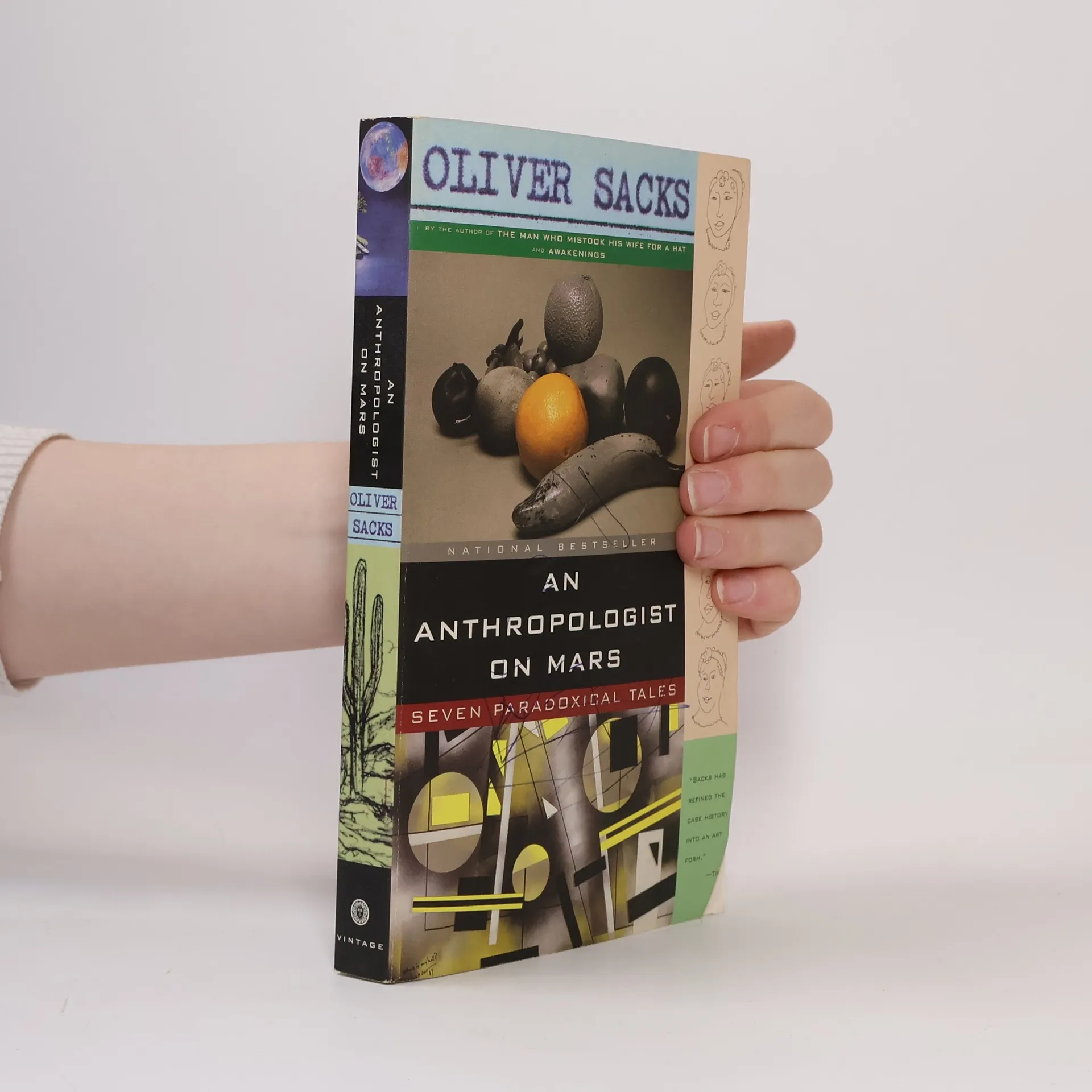
An Anthropologist on Mars
- 336 páginas
- 12 horas de lectura
As with The Man Who Mistook His Wife for a Hat, Oliver Sacks uses case studies to illustrate the myriad ways in which neurological conditions can affect our sense of self, our experience of the world, and how we relate to those around us. Writing with his trademark blend of scientific rigour and human compassion, he describes patients such as the colour-blind painter or the surgeon with compulsive tics that disappear in the operating theatre; patients for whom disorientation and alienation - but also adaptation - are inescapable facts of life.
The captivating subject of Oliver Sacks' An Anthropologist on Mars gives her personal account of living with autism, and tells how her extraordinary gift of animal empathy has transformed her world. of photos & line drawings.
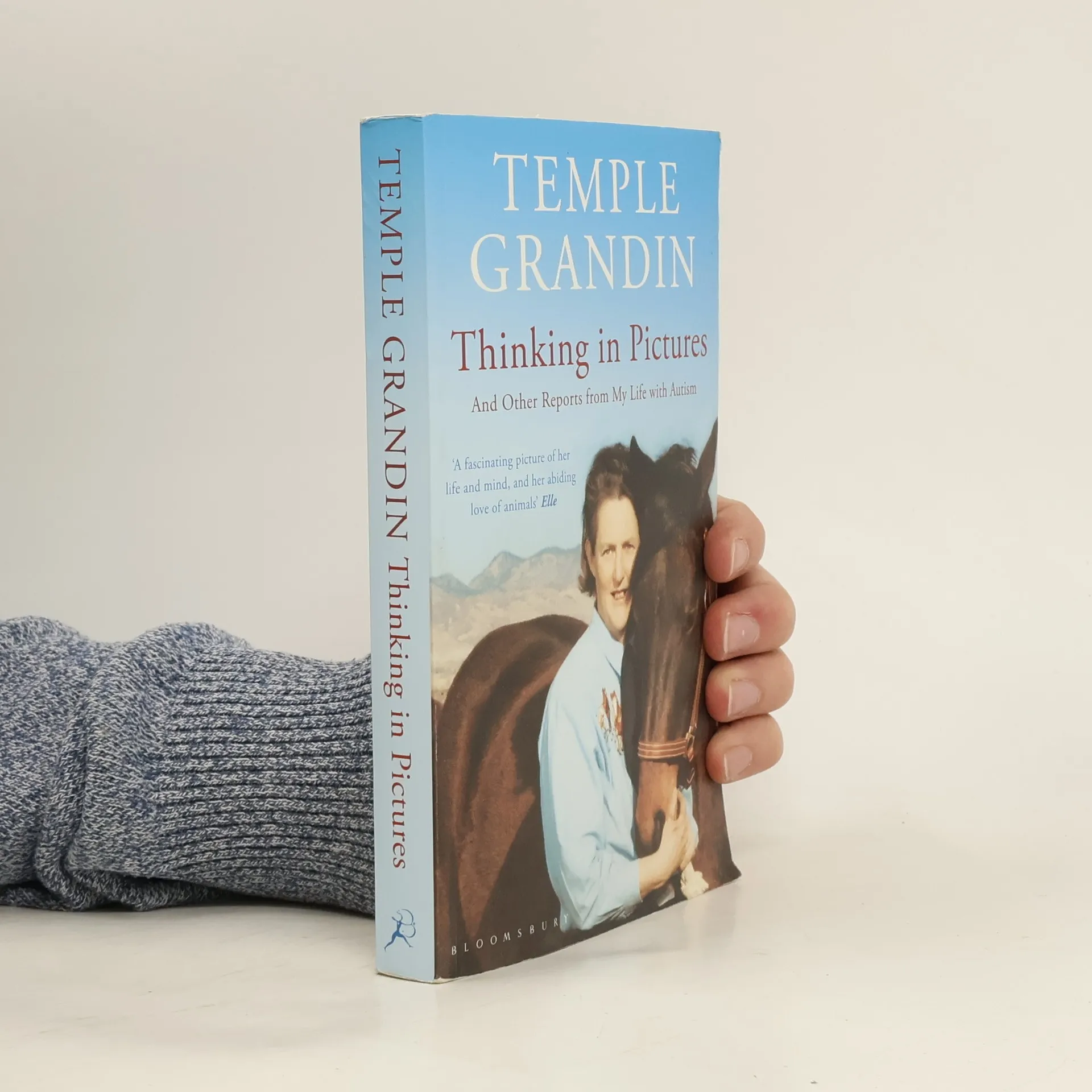
Temple Grandin, Ph.D., is a gifted animal scientist who has designed one-third of all the livestock-handling facilities in the United States. She also lectures widely on autism--because Temple Grandin is autistic, a woman who thinks, feels, and experiences the world in ways that are incomprehensible to the rest of us. In this unprecedented book, Grandin delivers a report from the country of autism. Writing from the dual perspectivies of a scientist and an autistic person, she tells us how that country is experienced by its inhabitants and how she managed to breach its boundaries to function in the outside world. What emerges in Thinking in Pictures is the document of an extraordinary human being, one who, in gracefully and lucidly bridging the gulf between her condition and our own, sheds light on the riddle of our common identity.
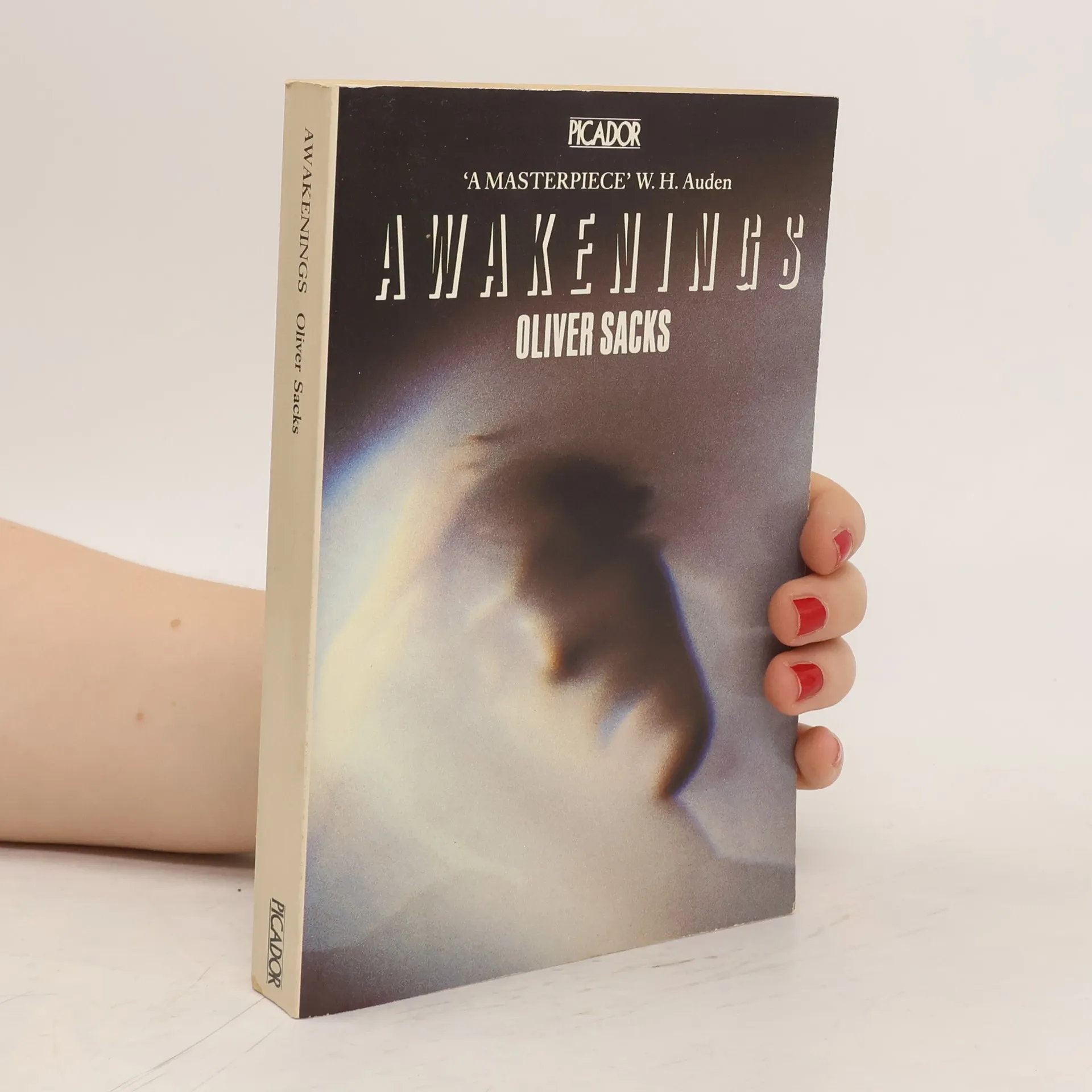
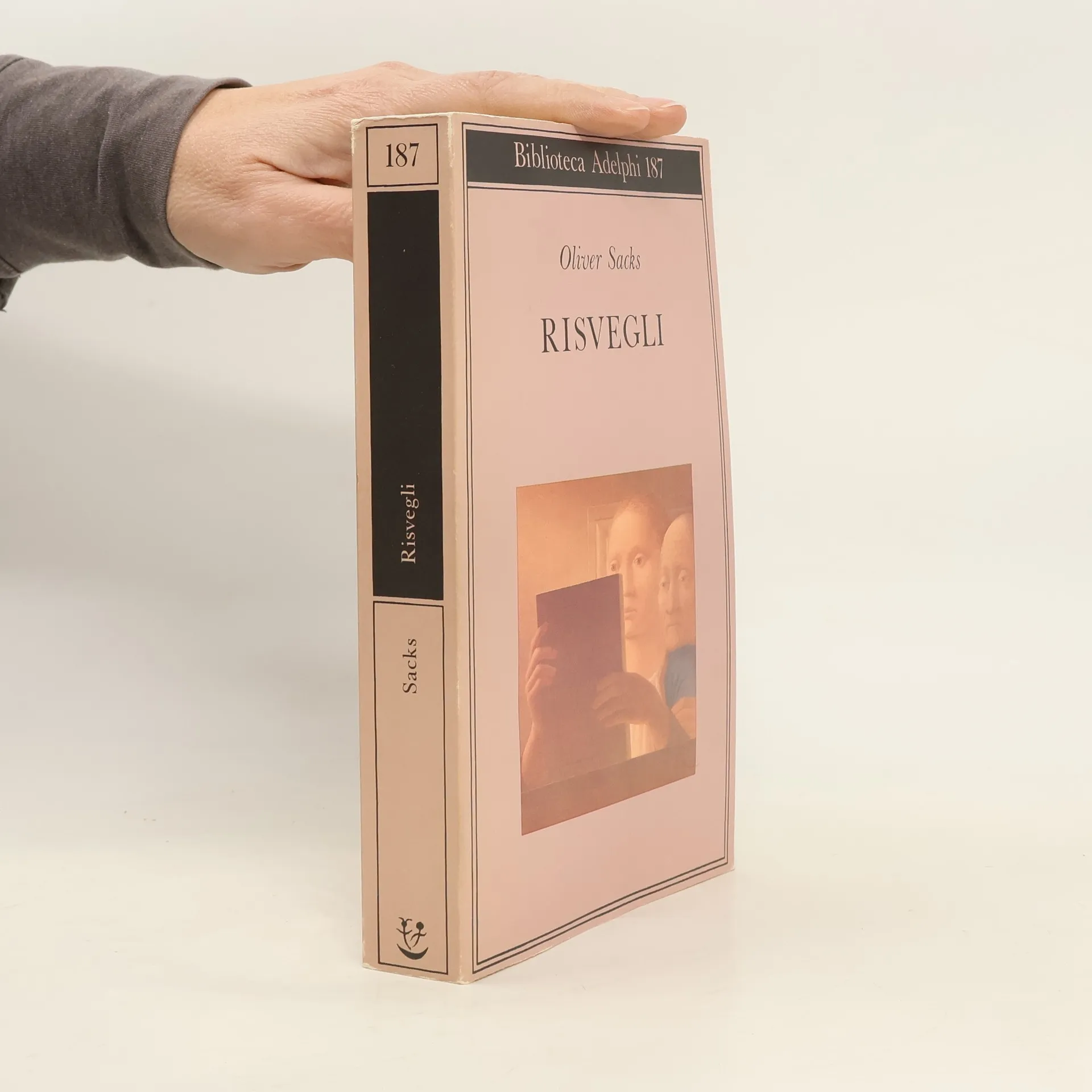
Awakenings
- 352 páginas
- 13 horas de lectura
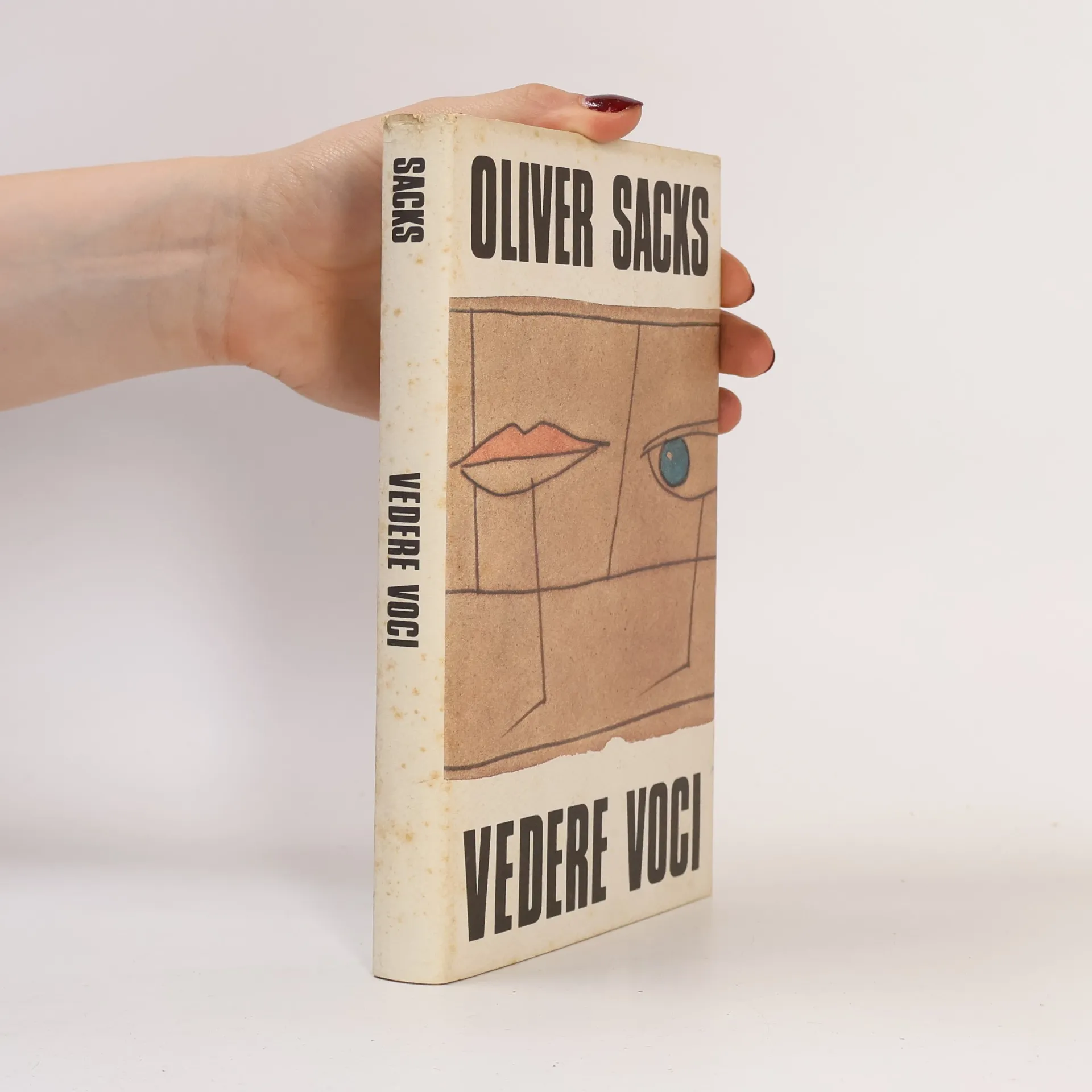
By the author of Seeing Voices', this is a narrative about the awakening of 20 patients from a zombie-like state they had suffered for over 40 years. A new drug meant the sleeping sickness disease was now treatable. Sacks tells the history, offers his own observations and the patients' reactions.