«Più ancora che nei romanzi, Keller si rivelò artista di prima grandezza nei racconti, che ora hanno visto la luce in Italia in una splendida e completa raccolta pubblicata dalla casa editrice Adelphi. Novelle ricche di humour, di invenzione fantastica, di grazia fiabesca e di acutezza realistica ... In queste novelle, magnificamente tradotte e presentate, palpita la dimensione più alta, più aperta della narrativa tedesca di quegli anni».Claudio Magris
Roma, 455 d.C.: durante el saqueo, los vándalos roban como botín de guerra la Menorah (el antiguo candelabro de siete brazos) del Templo de Jerusalén, llevada a Roma por Tito. En la comunidad judía se difunde un gran desánimo: el símbolo más antiguo, el fundamento mismo de la identidad del pueblo judío, se ha perdido y debe ser recuperado a toda costa. Con su estilo cristalino, Stefan Zweig reconstruye una historia que es, en muchos sentidos, un verdadero mito fundacional del pueblo judío, y poco importa si a veces su relato cede el paso a la leyenda. Las leyendas florecidas sobre la desaparición de la Menorah son casi infinitas, y todas, al igual que el relato de Stefan Zweig, tienen un único objetivo: mantenerla viva.
Primera obra maestra del autor, Los Buddenbrook fue escrita tras su período de formación en Italia. En ella narra magistralmente la historia de las sucesivas generaciones de una familia de la alta burguesía de Lübeck, su ciudad natal, hasta la muerte del último heredero en 1876; desde el más brillante esplendor hasta la más desgarradora decadencia.
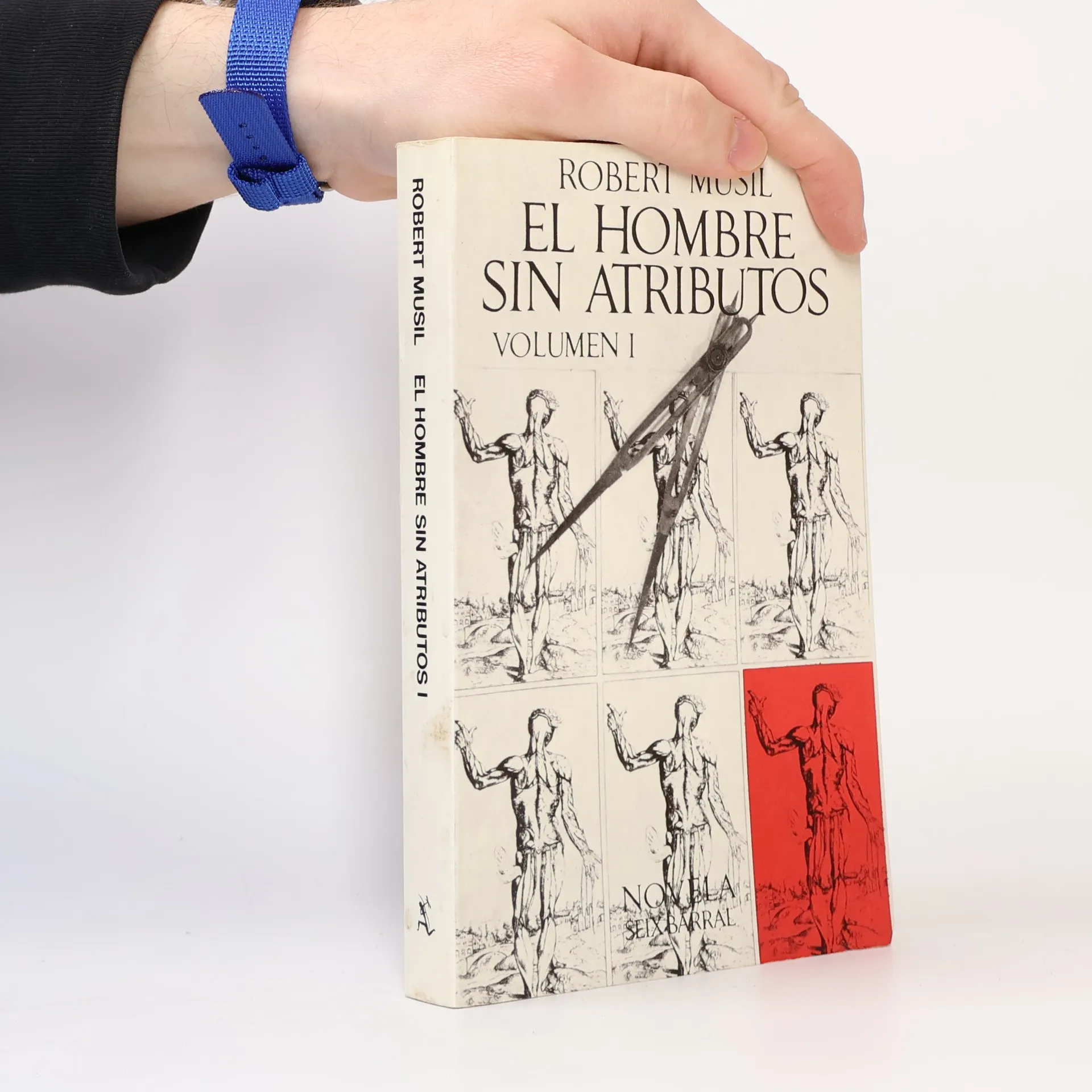
Set in Vienna on the eve of World War I, this great novel of ideas tells the story of Ulrich, ex-soldier and scientist, seducer and skeptic, who finds himself drafted into the grandiose plans for the 70th jubilee of Emperor Franz Josef. This new translation - published in two elegant volumes - is the first to present Musil's complete text, including material that remained unpublished during his lifetime.
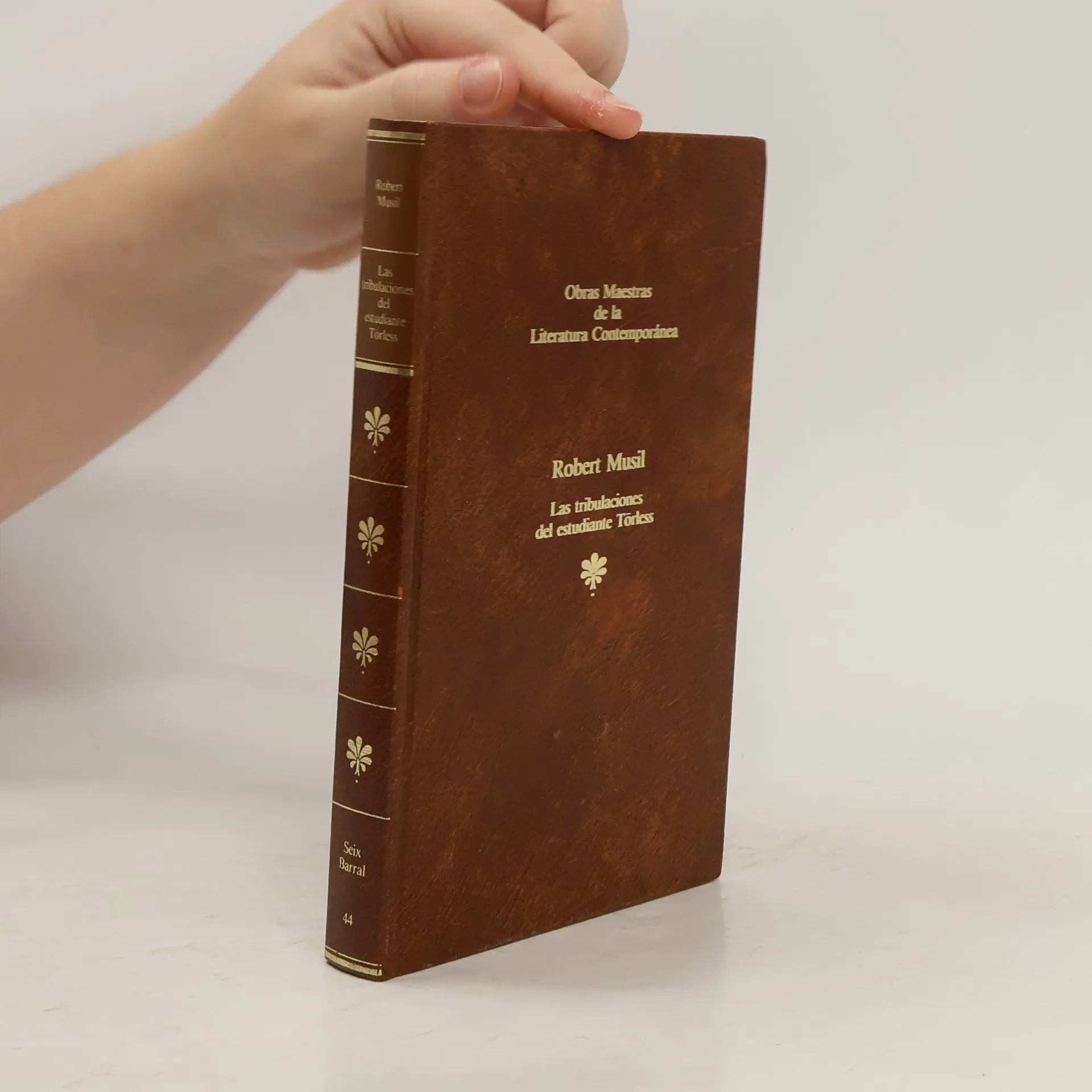
Like his contemporary and rival Sigmund Freud, Robert Musil boldly explored the dark, irrational undercurrents of humanity. The Confusions of Young Törless , published in 1906 while he was a student, uncovers the bullying, snobbery, and vicious homoerotic violence at an elite boys academy. Unsparingly honest in its depiction of the author's tangled feelings about his mother, other women, and male bonding, it also vividly illustrates the crisis of a whole society, where the breakdown of traditional values and the cult of pitiless masculine strength were soon to lead to the cataclysm of the First World War and the rise of fascism. A century later, Musil's first novel still retains its shocking, prophetic power.
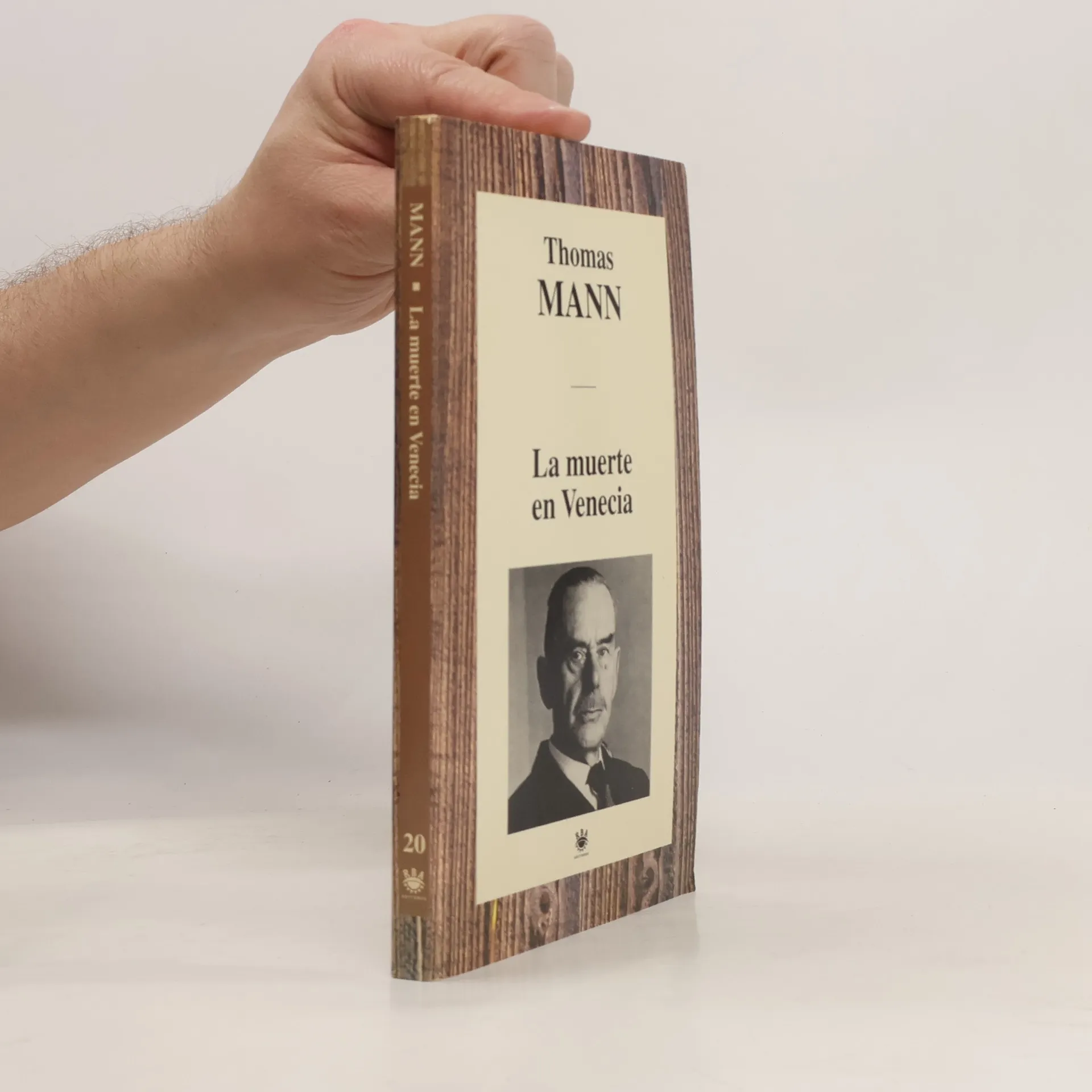
Cuando se publica La muerte en Venecia en el otoño de 1912, Thomas Mann tiene treinta y siete años, está casado y es padre de cuatro hijos. Ya ha escrito I Buddenbrook y los dos capolavoros Tristano y Tonio Kröger, y es un escritor reconocido, considerado por algunos críticos en el apogeo de su potencia narrativa. En el relato sobre la muerte de Gustav von Aschenbach, la crisis que sacude Europa permanece en el fondo. En primer plano, se presenta el retrato implacable, a veces caricaturesco, del gran autor arrastrado por la aventura artística y la pulsión erótica hacia la muerte. Se explora la pasión del protagonista maduro, la descomposición moral y la pérdida del autocontrol. Mann narra de manera a menudo paradójica y enfática la patología de la vocación estética, la disciplina y el culto a la perfección formal, así como las estrategias de defensa contra el desorden. Representa la cultura y la belleza como una disminución del impulso vital, como una corrupción de la vida y los valores burgueses. Venezia se presenta como el fondo ambiguo y hermoso de estos eventos, un homenaje a la gran literatura de fin de siglo y al decadentismo europeo.
Henrik Ibsen nació el 20 de marzo de 1828 en Skien, al sur de Cristianía, llamada hoy con su nombre más antiguo: Oslo. Alternó sus residencias en Noruega -su patria-, Alemania, Italia, y desde 1892 ya no se movió de Cristianía, donde murió en 1906. Hasta el final de su vida Ibsen marcó las llagas morales de su pueblo y de la humanidad, sin hacer caso de las voces contrarias. Desenmascaró a sus adversarios en Un enemigo del pueblo (1883); planteó la lucha entre la verdad y la mentira en El pato silvestre (1884), y la de los valores ciertos o aparentes en Casa de muñecas (1879); determinó las causas del tormento fisiológico y espiritual en Espectros (1881); en Hedda Gabler (1890) buceó en el abismo del alma femenina como foco de un problema general; debatió en La dama del mar (1888) el determinismo y el libre albedrío, formulando sugestiones novísimas, y deslumbró con la imaginación envolvente de Peer Gynt (1867), donde resuenan los ecos de las fantásticas leyendas nórdicas.