Bookbot

Franz Kafka

    3 de julio de 1883 – 3 de junio de 1924
    Franz Kafka
    El arte del hambre
    Cuentos fantásticos
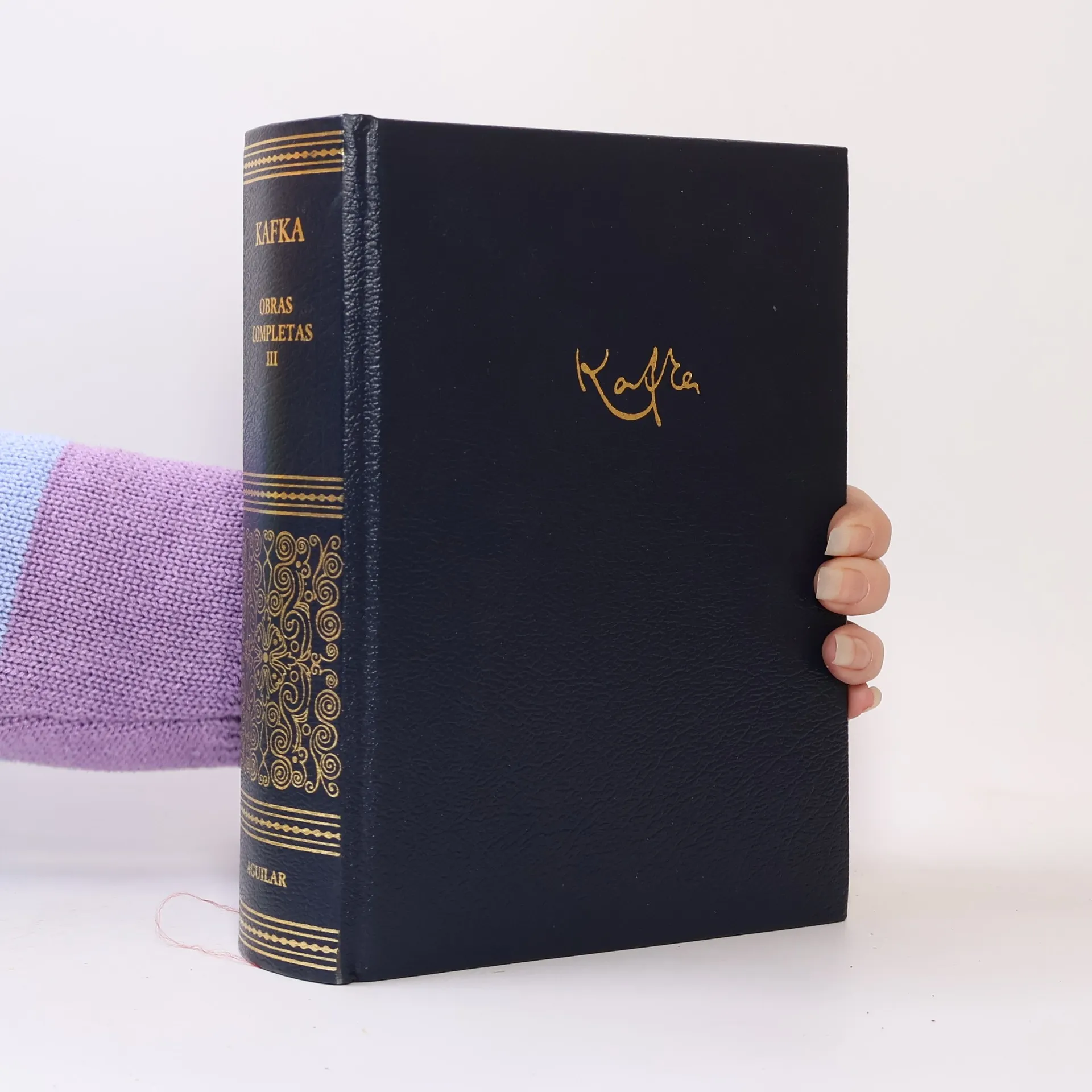
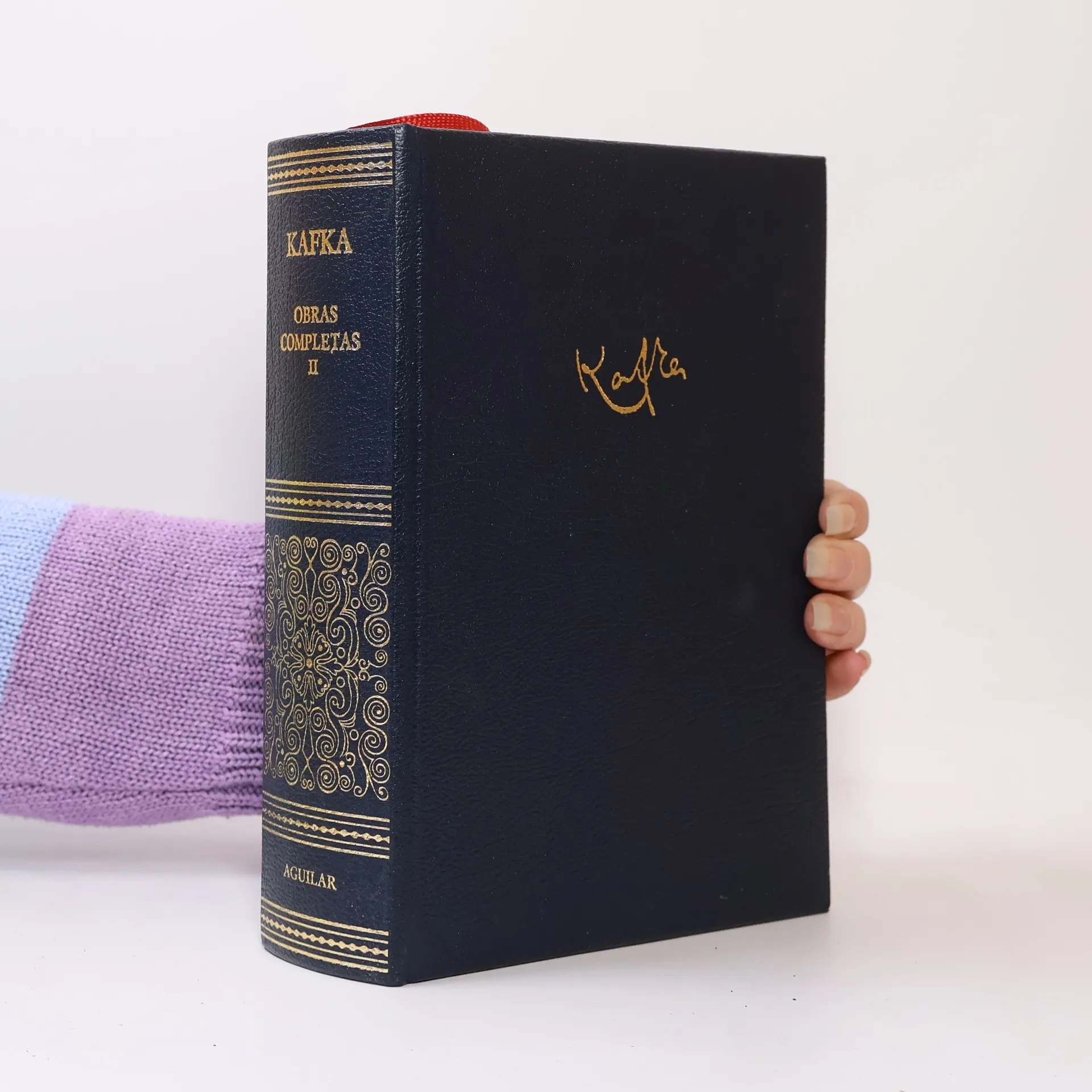
    Carta al padre
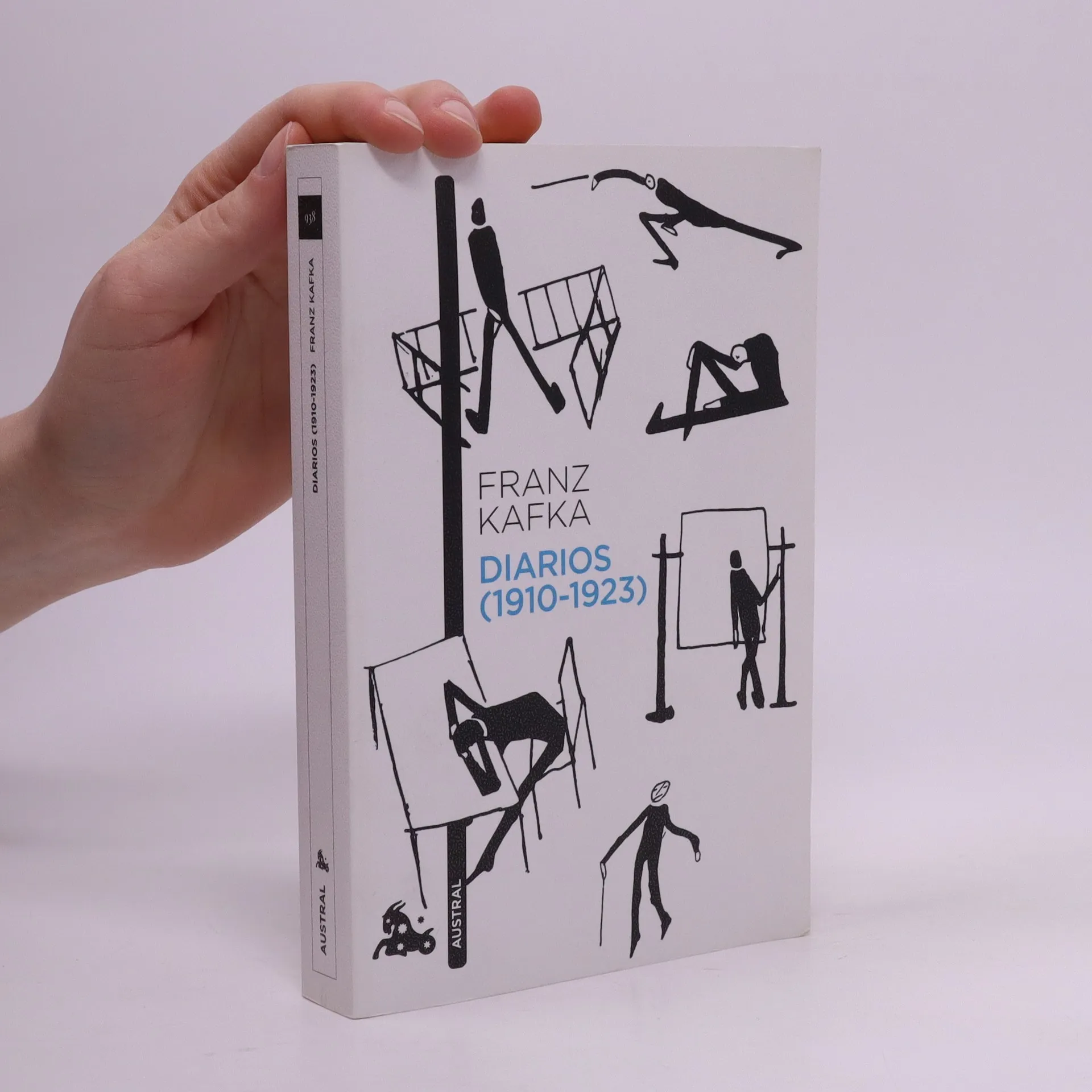
    Diaros (1910 - 1923)
    Diarios
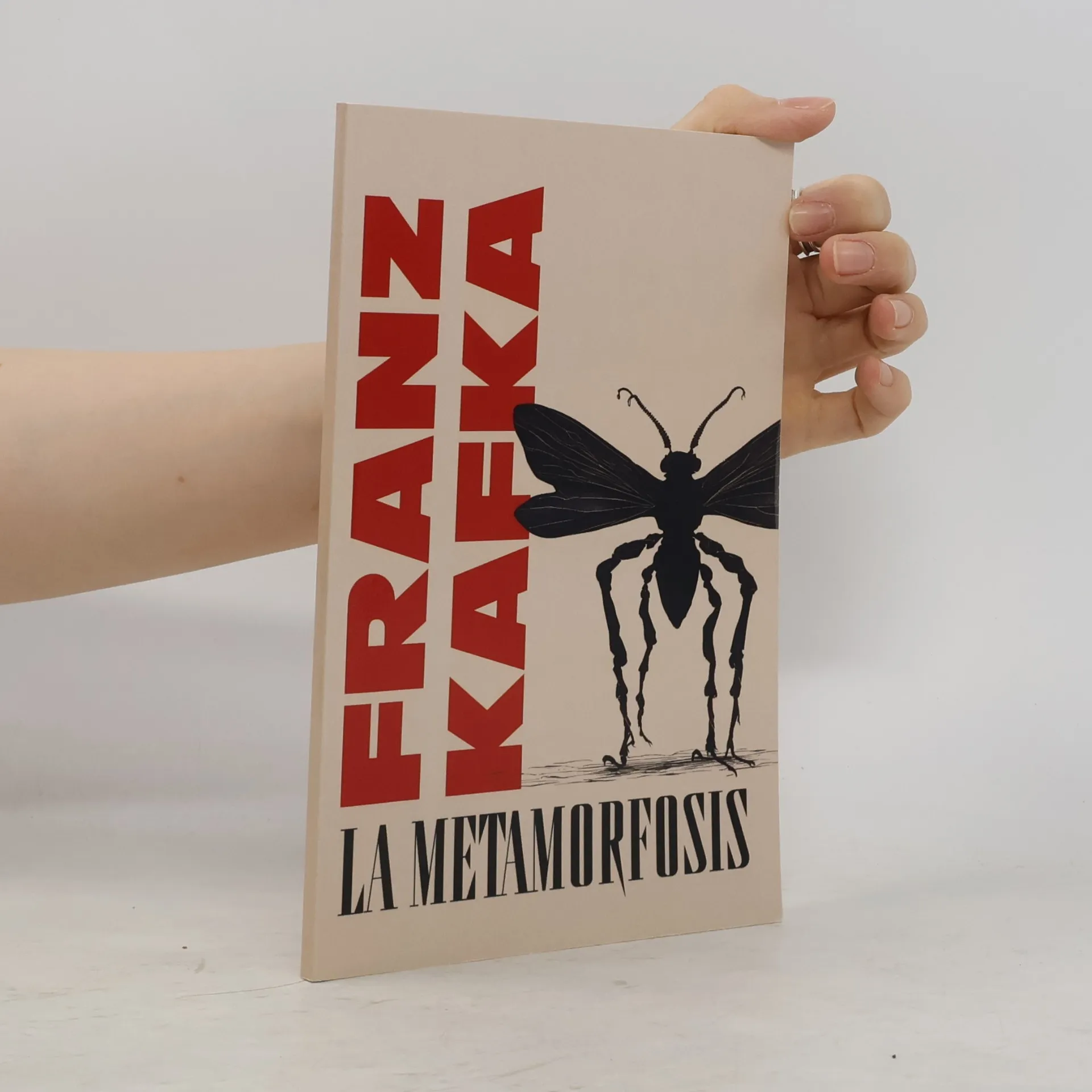
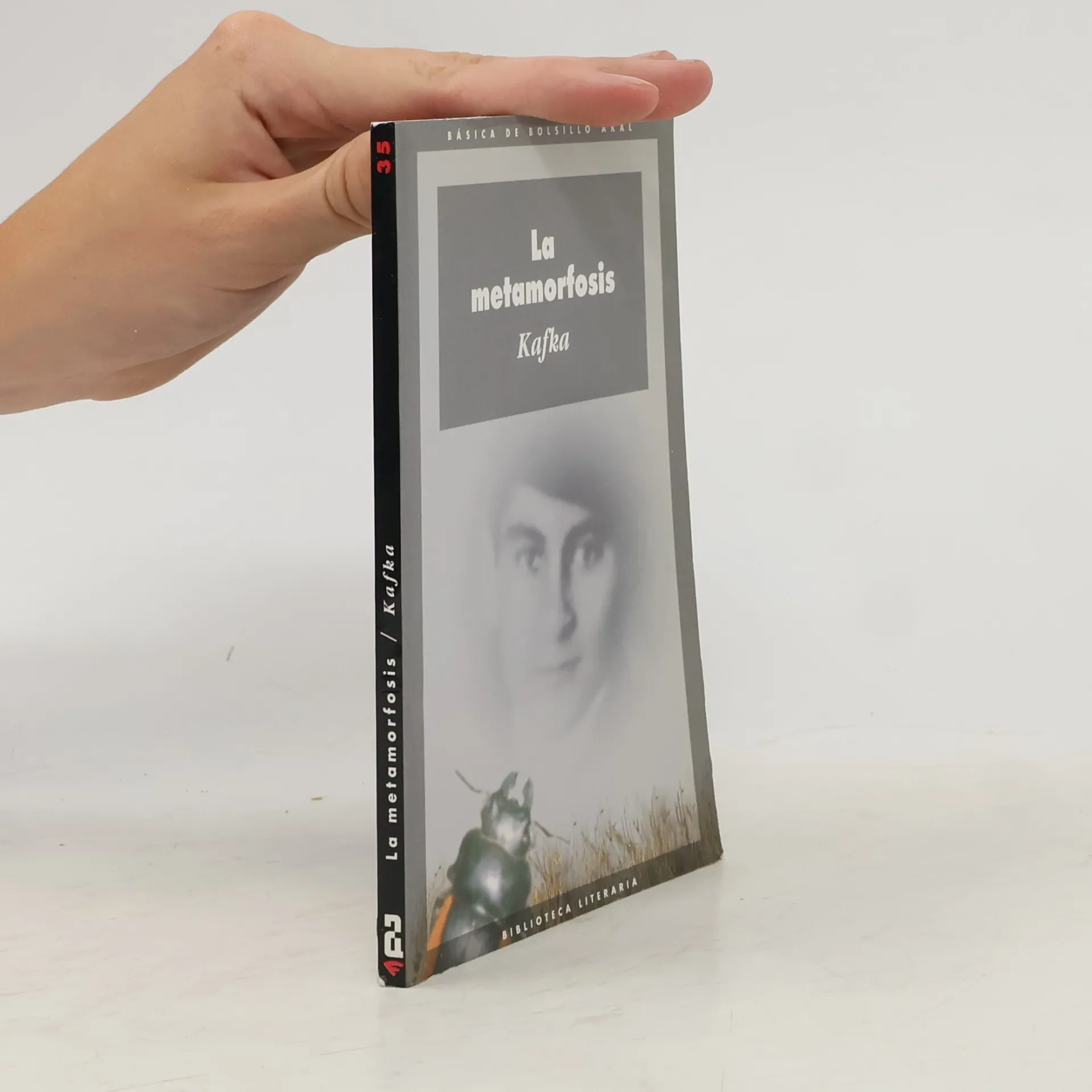
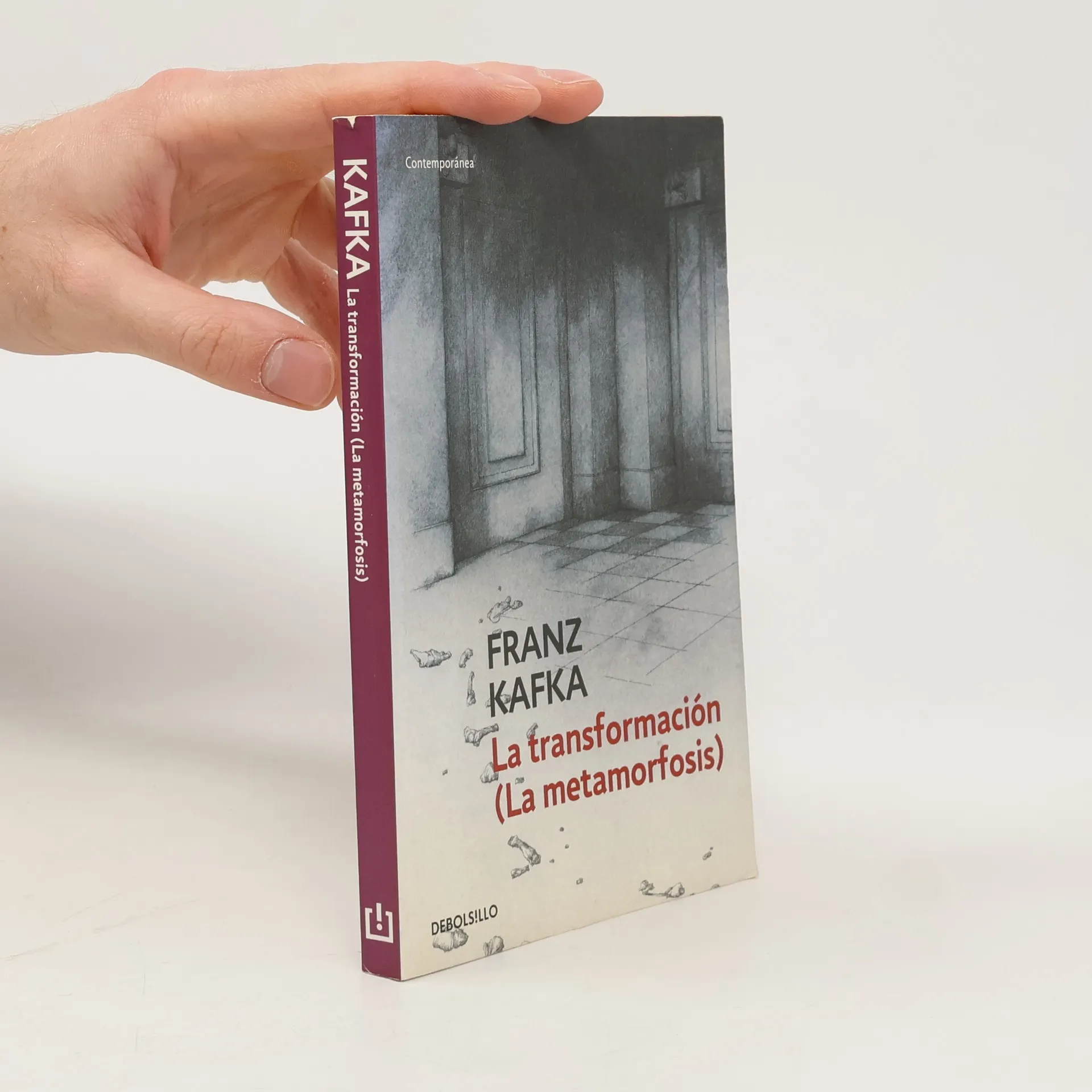
    La transformación
    • La transformación

      • 128 páginas
      • 5 horas de lectura

      Una de las obras capitales de la literatura moderna sobre las pesadillas de la existencia La transformación, o metamorfosis, de Gregor Samsa en un bicho monstruoso, similar a un enorme escarabajo, es uno de los hitos de la literatura universal. Franz Kafka escribió el relato en 1915 y lo publicó por primera vez en la revista mensual Die Weissen Blätter . En noviembre de ese mismo año, el título se imprimió como libro independiente bajo el sello de la editorial Kurt Wolff, con fecha anticipada de 1916. En este volumen, la más conocida y divulgada pesadilla kafkiana es objeto de una nueva traducción a cargo de Juan José del Solar, que ha tenido presentes la luz que arroja sobre la obra de Kafka la edición crítica de la editorial S. Fischer, que ha obligado, felizmente, a reeditar bajo nuevos parámetros a un autor que está considerado el más emblemático del siglo XX. La crítica ha «El mundo de Kafka es, en verdad, un universo indecible donde el hombre se da el lujo torturante de pescar en una bañera, a sabiendas de que no saldrá nada.»Albert Camus «La más indiscutible virtud de Kafka es la invención de situaciones intolerables.»Jorge Luis Borges «La literatura de Kafka es tan cruel e intrincada como una pesadilla. La destrucción del yo planea por sus páginas como algo inminente e ineludible.»Rafael Narbona, El Cultural
      La transformación
      4,7
    • Diarios

      1910-1913, 1914-1923

      • 338 páginas
      • 12 horas de lectura

      Este volumen invita al lector a conocer el lado más íntimo del padre de la literatura del siglo XX a través de sus diarios, legajos y cuadernos de viaje, editados por orden cronológico y respetando fielmente los manuscritos originales del escritor checo, sin las supresiones y censuras de Max Brod. Estas páginas ofrecen una panorámica de la vida de Kafka, sus paseos por Praga, sus sueños, sus sentimientos hacia el padre idolatrado y la mujer con la que no lograba casarse, su contienda personal con la culpa y la percepción de sí mismo como un paria, en una rendición de cuentas de una intensidad casi insoportable. «El mundo de Kafka es, en verdad, un universo indecible donde el hombre se da el lujo torturante de pescar en una bañera, sabiendo que no saldrá nada» - Albert Camus «Hay dos escritores que fueron esenciales en mis comienzos. Uno de ellos es Kafka» - Ian McEwan

      Diarios
      4,4
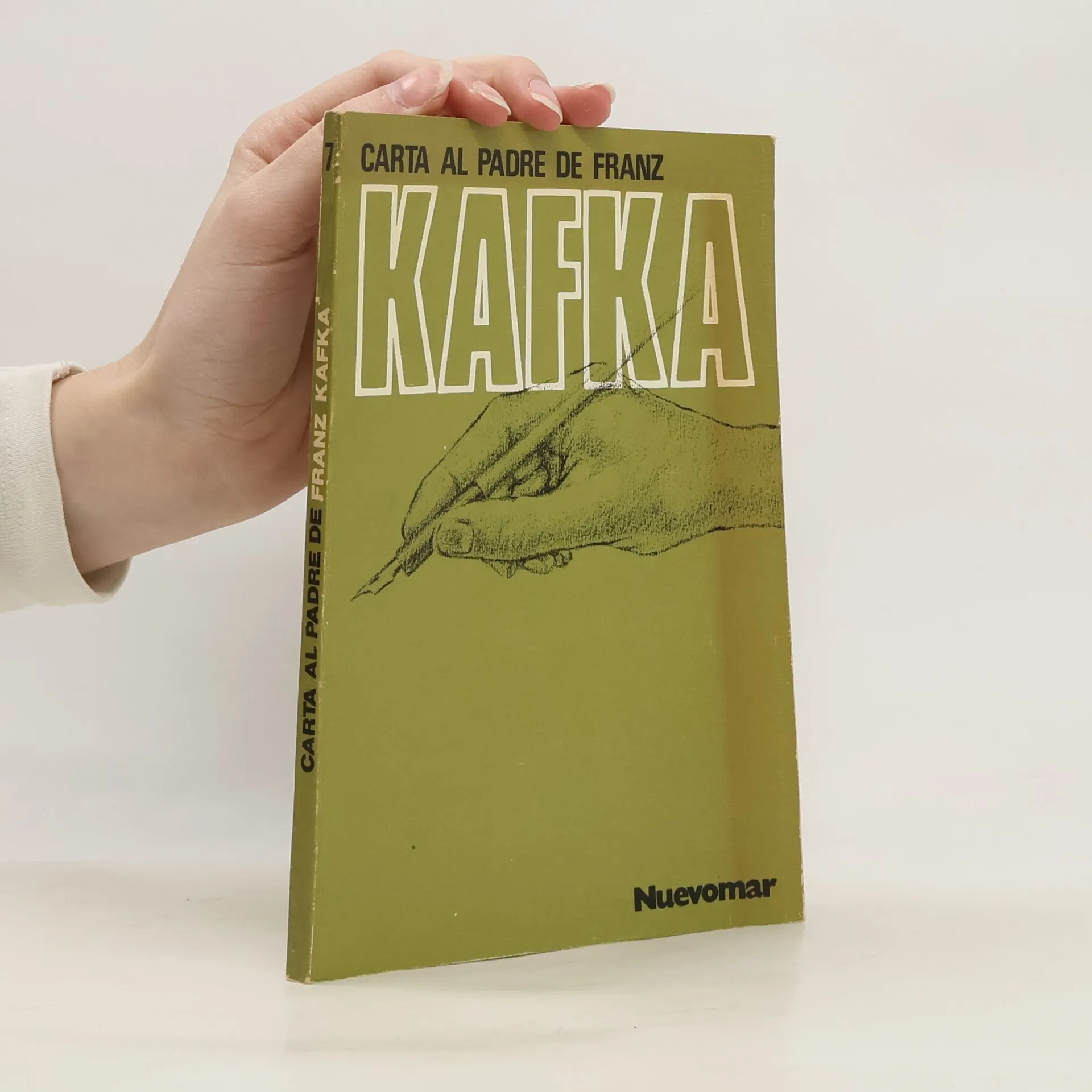
    • Carta al padre

      • 128 páginas
      • 5 horas de lectura

      La carta más famosa del siglo xx jamás llegó a su destinatario. Ni siquiera fue enviada. La escribió Franz Kafka de un tirón entre el 4 y el 20 de noviembre de 1919, y está dirigida a su padre, Hermann Kafka, comerciante judío en la ciudad de Praga. Escrita en un estilo que su propio autor calificó «de abogado», la carta es un memorial de las relaciones que había mantenido con su padre desde su nacimiento. Se trata de un documento literario y autobiográfico de excepcional valor, que sirve para entender los arcanos de la vida afectiva del escritor, su peculiar visión del mundo y el modo en que la plasmó en sus textos.

      Carta al padre
      4,1
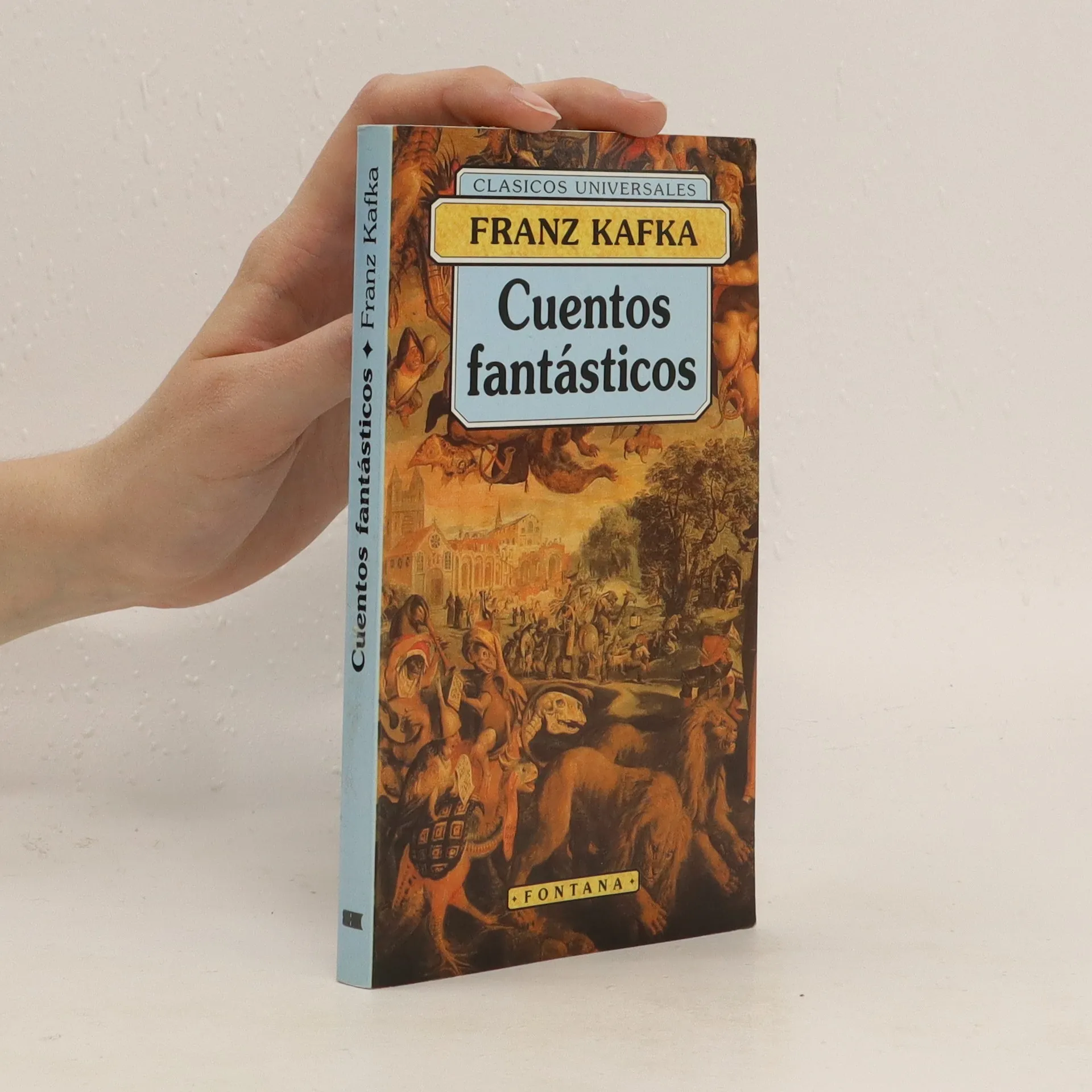
    • Franz Kafka (1883 - 1924), novelista checo, nacido en Praga y muerto en Viena, es uno de los escritores más originales de nuestro tiempo. Su estilo es denso, apretado, lleno de alusiones y sus personajes - llenos de vida - se mueven en una atmósfera de misterio e inquietud.Esta selección intenta reunir sus mejores cuentos fantásticos, como “La construcción de muralla china”, buceando incluso en sus Diarios, donde el clima onírico produce a veces textos de insólita y sorprendente belleza.

      Cuentos fantásticos
      4,0
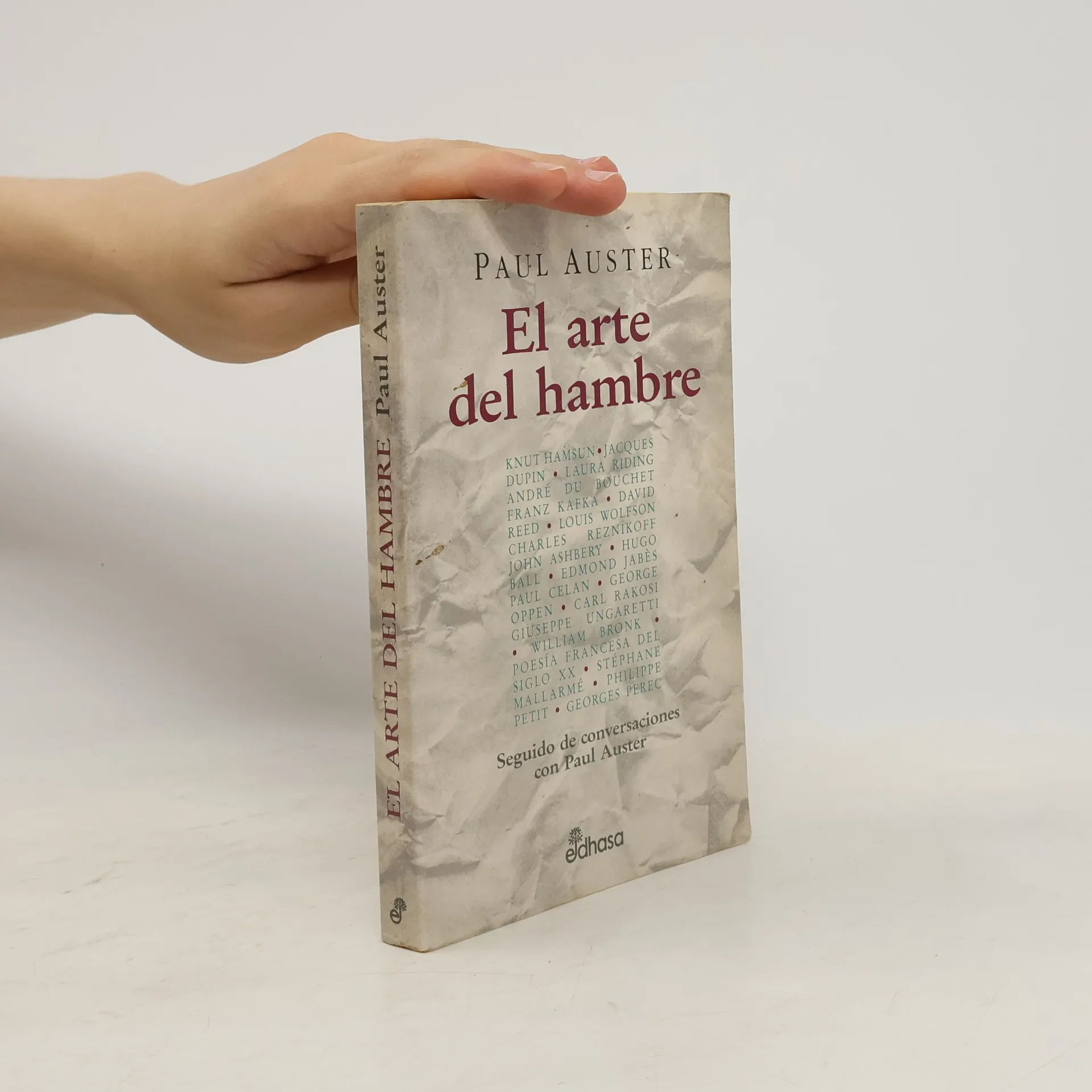
    • El arte del hambre

      • 252 páginas
      • 9 horas de lectura

      ¿Existe una necesidad interna de la literatura? ¿Se diferencian los grandes libros de los demás porque debían ser escritos? En sus ensayos sobre Franz Kafka, Samuel Beckett, Paul Celan, Knut Hamsun y otros grandes autores del siglo XX, Paul Auster explora las condiciones existenciales de la escritura. Sus estudios revelan por qué se le considera el más europeo de los importantes escritores estadounidenses. En cuatro entrevistas detalladas, también ofrece información sobre su propia obra y habla de la necesidad de difuminar la frontera entre escribir y vivir.

      El arte del hambre
      3,5
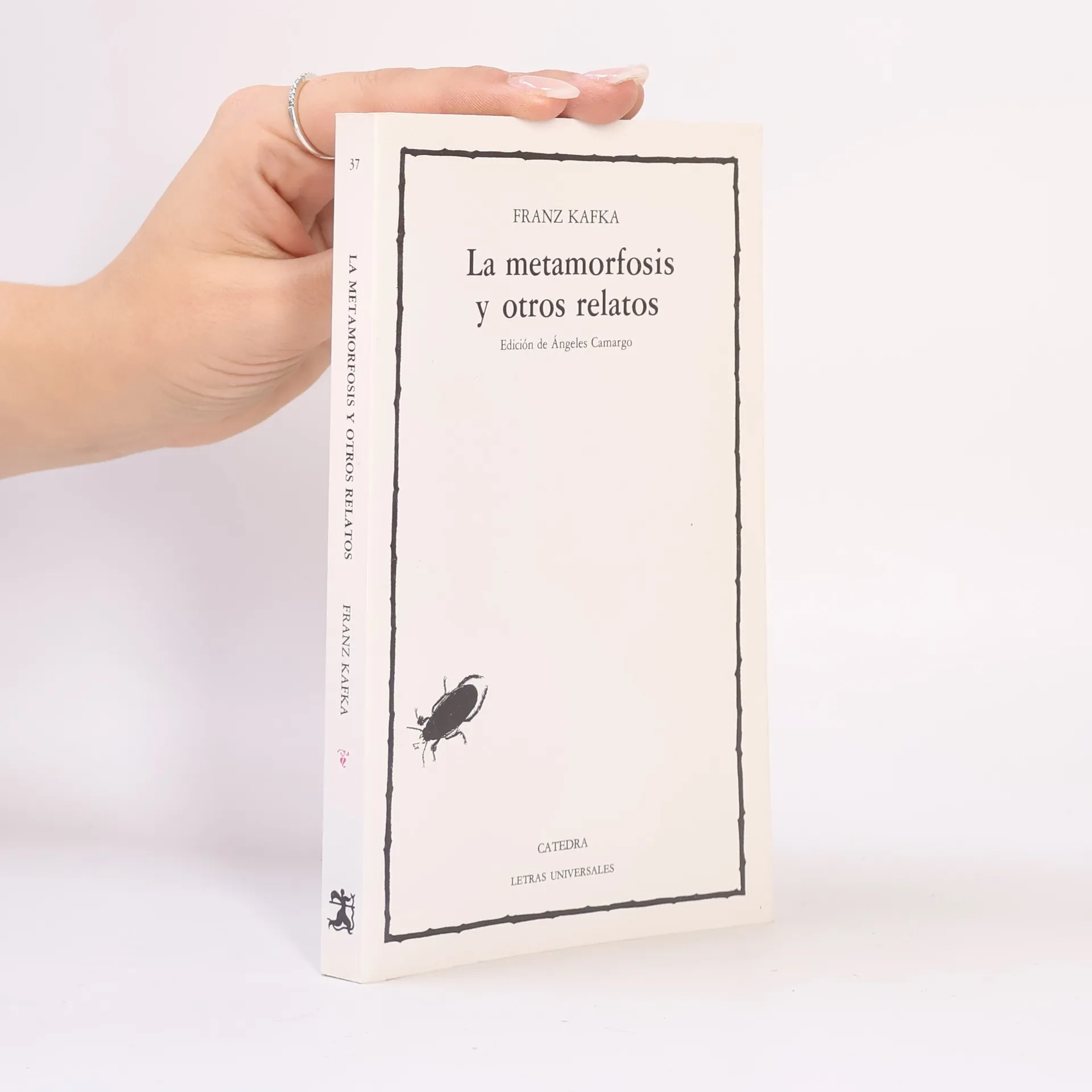
    • La Metamorfosis

      • 112 páginas
      • 4 horas de lectura

      La historia del joven Gregorio Samsa, convertido de la noche a la mañana en un insecto, tiene elementos de la peor pesadilla (la naturalidad con la que asume la transformación irreversible, la inminencia del inevitable desenlace), pero puede ser leída como una parábola sobre la vida familiar. No es extraño entonces que La metamorfosis sea hoy un texto de culto entre los jóvenes.

      La Metamorfosis
      4,1
    • K, un agrimensor contratado por el conde de Westwest, llega a un poblado con la intención de realizar un trabajo, sin embargo comprueba con desagrado que no parece estar autorizado a permanecer ahí. Al intentar esclarecer este malentendido, comprobará que las dificultades crecerán a medida que él intente despejarlas. El conde, dueño del castillo, parece una figura inalcanzable y su legión de delegados y subordinados crearán entorno a K un laberinto opresivo y desconcertante. El clima y la idea dramática que informan El castillo son los que nutren toda la obra narrativa de Franz Kafka: un mundo exterior que, pese a conservar todas las notas que lo hacen reconocible, es objeto de una mutación que lo transforma cualitativamente; una secuencia de acontecimientos incomprensible para quien la padece pero que esconde una necesidad ineluctable; la inoperancia, en fin, de la voluntad y el entendimiento humanos para comprender ese medio hostil y doblegarlo.

      El castillo
      4,0
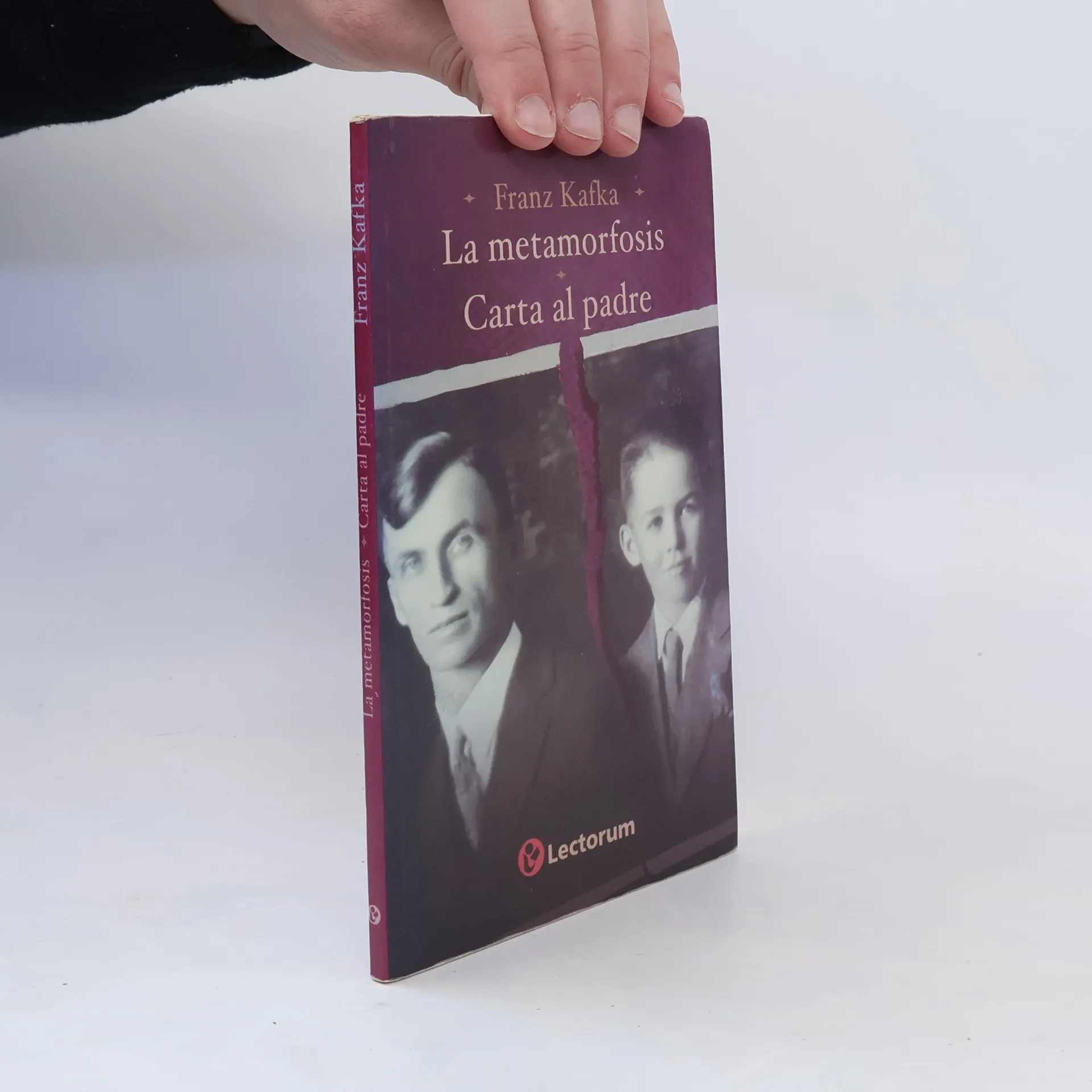
    • En las tres obras breves que reúne este volumen se manifiesta la animadversión que sentía hacia su padre, una figura autoritaria y dominante que marcó su existencia. En La metamorfosis, el protagonista se convierte en un estorbo para todos, y en Carta al padre la relación de amor-odio con el padre es un reflejo de la suya, aunque en ambas sublima la experiencia familiar para hacerla universal. En La condena se agudiza el sentimiento de angustia, opresión y culpabilidad ante un futuro incierto e incomprensible; sentimientos que se reflejan en toda su obra. · En estos relatos cortos se dan los más fulminantes destellos de lucidez e ironía, inequívocos en toda su producción literaria.

      La metamorfosis. La Condena. Carta al Padre
      3,9
    • Cartas a Milena

      • 266 páginas
      • 10 horas de lectura

      Cartas a Milena reúne la correspondencia que entre 1920 y 1922 Franz Kafka (1883-1924) dirigió a Milena Jesenská, mujer residente en la Viena mítica que encarnaba todas las contradicciones del moribundo imperio de los Habsburgos y que acometió la traducción de sus primeros escritos al checo. Procedente de una familia praguense de elevada posición social y casada con un intelectual de vida bohemia, la correspondencia de Kafka con esta mujer de vivo temperamento y amplia cultura no sólo muestra la transición de una amistad basada fundamentalmente en razones literarias a una relación sentimental de particular intensidad, sino que revela de forma excepcional la sensibilidad e intimidad emocional del autor de «La metamorfosis».

      Cartas a Milena
      3,9
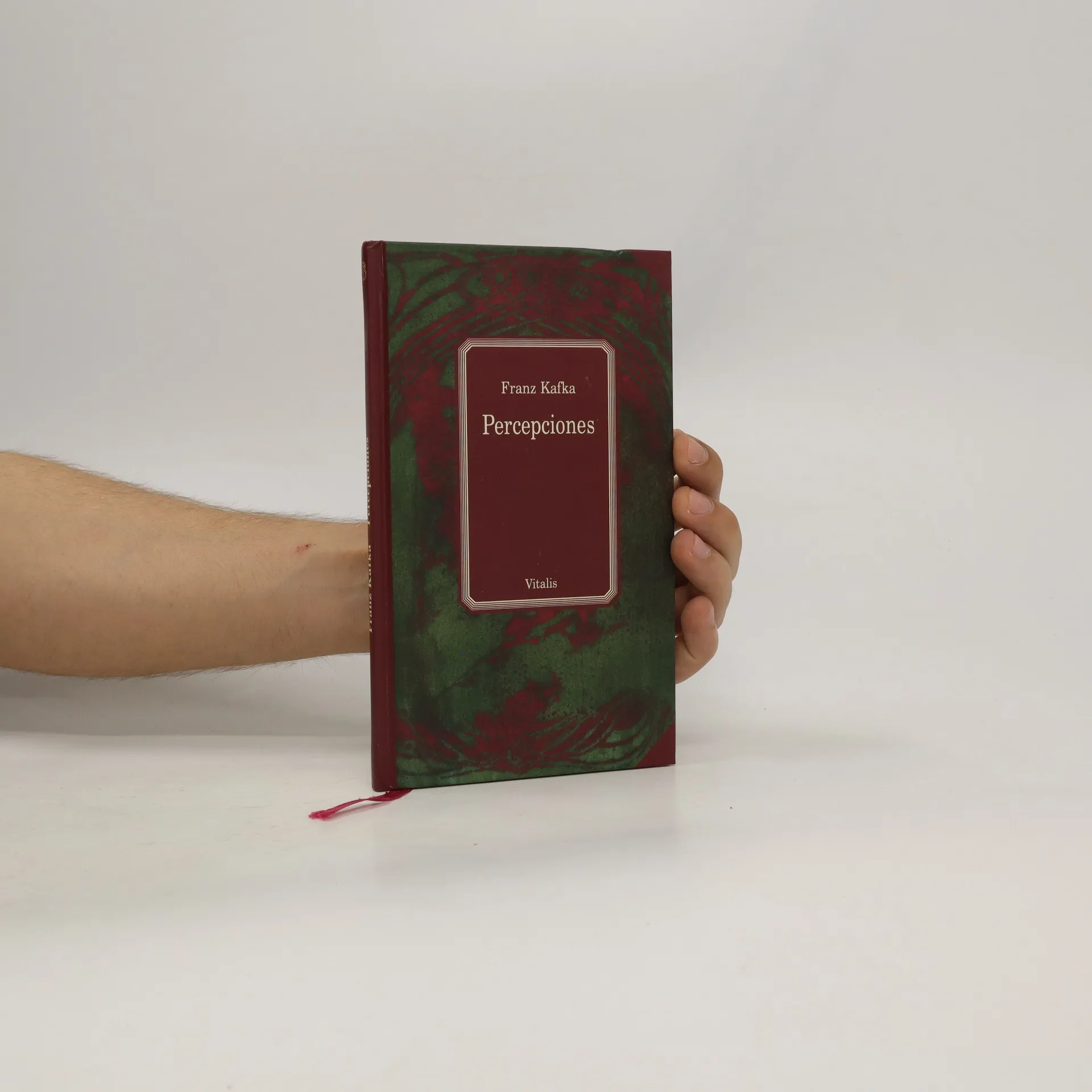
    • Percepciones

      • 79 páginas
      • 3 horas de lectura

      <>Hans Kohn (20 de diciembre de 1912)<>Kurt Tucholsky (27 de enero de 1913)<>Otto Pick (30 de enero de 1913)<>Max Brod (15 de febrero de 1913)

      Percepciones
      3,8
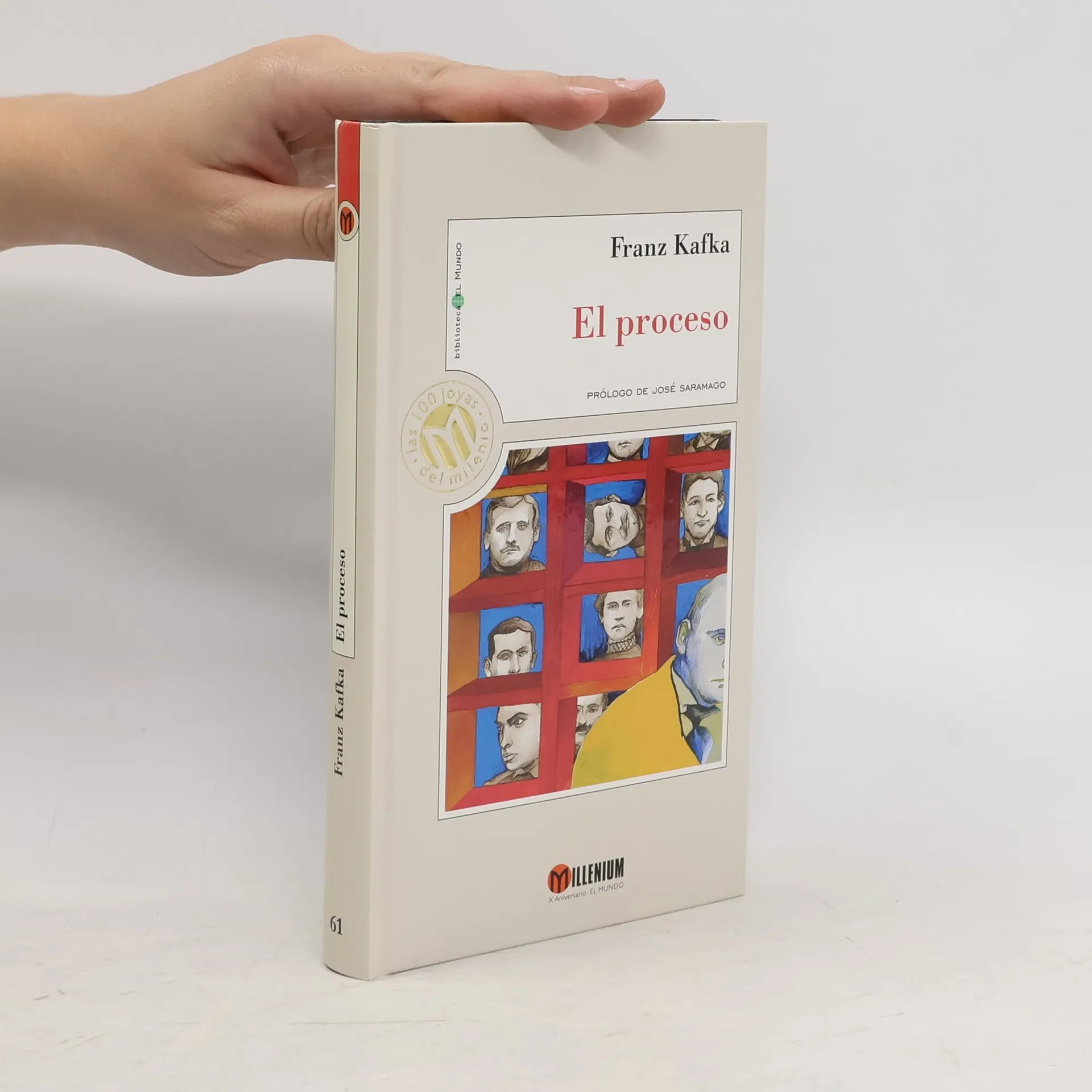
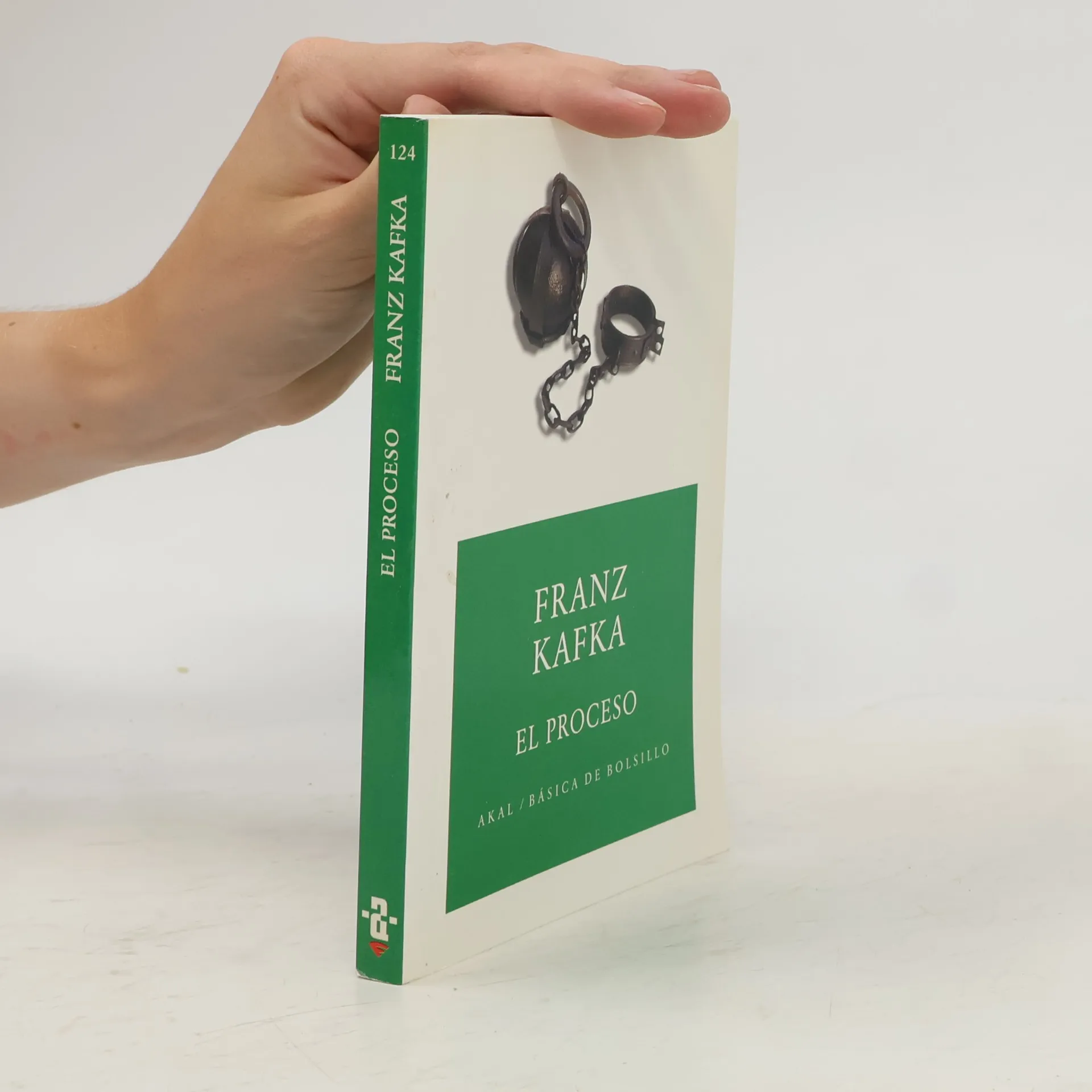
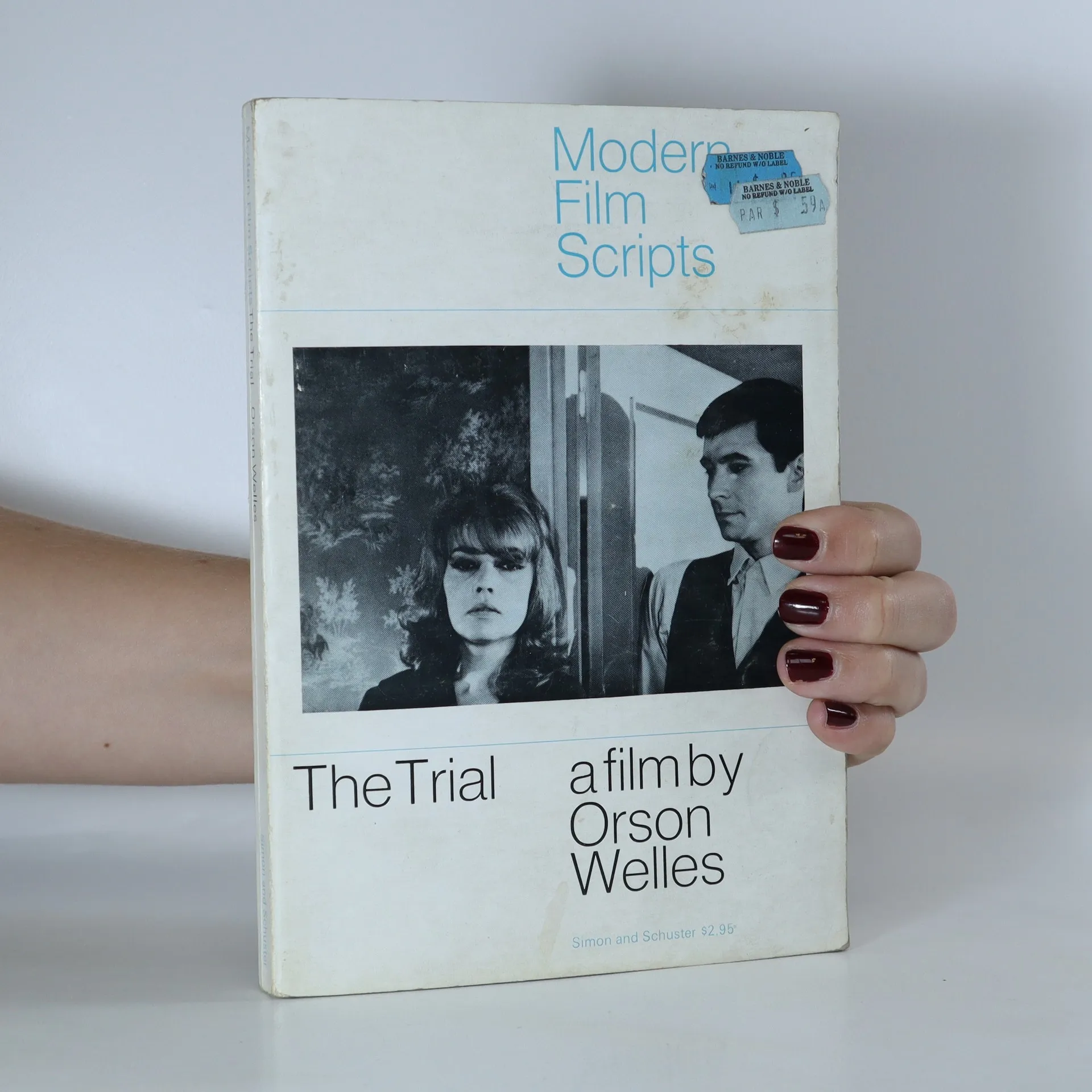
    • El proceso

      • 238 páginas
      • 9 horas de lectura

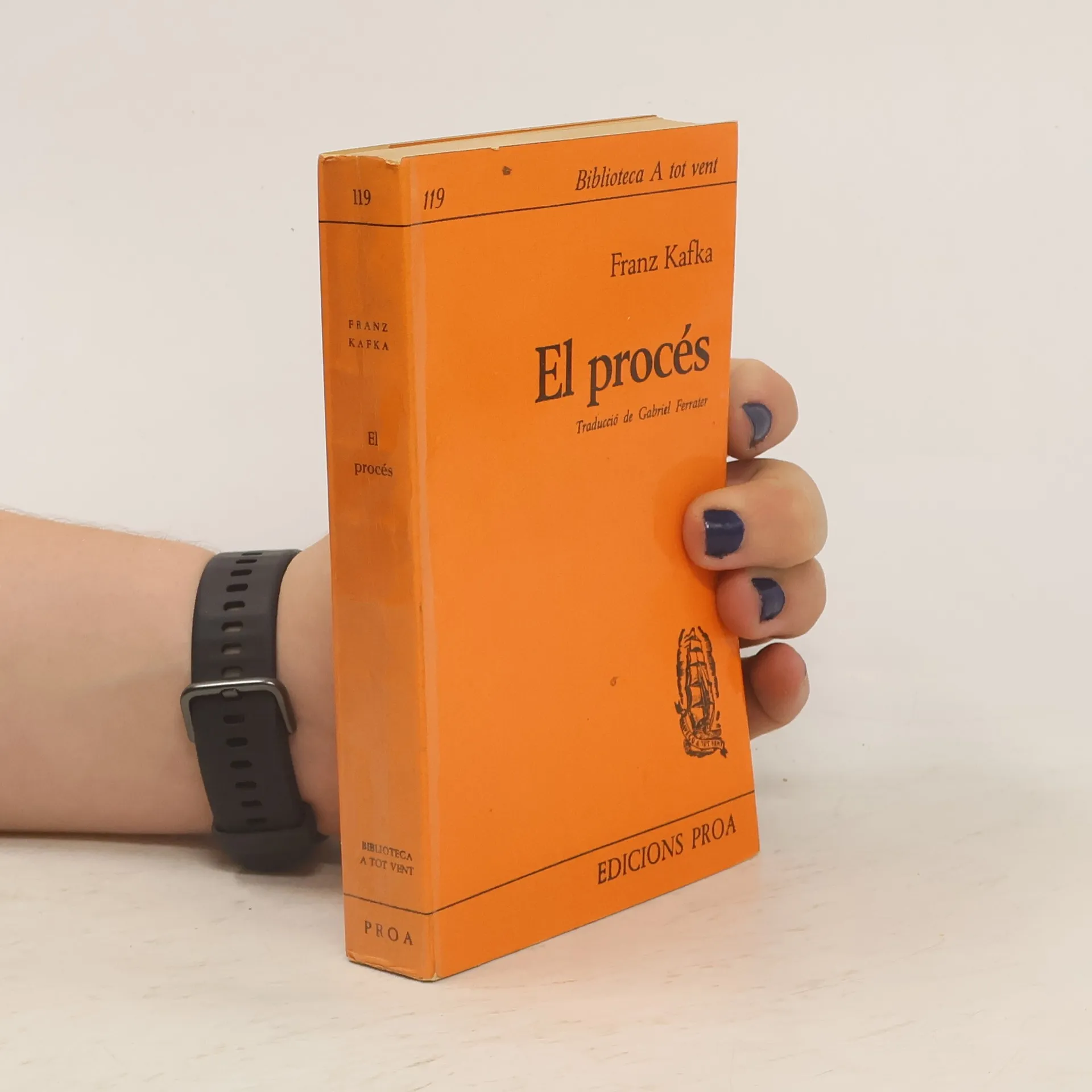
      D'après la 4e de couv. : "Franz Kafka (1883-1924), novelista checo, nacido en Praga y muerto en Viena, es uno de los autores más originales de nuestro tiempo. Su estilo es denso, apretado, lleno de alusiones, sus personajes aparecen rodeados de misterio y alucinación. Sus obras más famosas son América, El castillo, El proceso, La metamorfosis, así como una infinidad de cuentos, género en el que fue un maestro. El proceso, novela inacabada de Franz Kafka, publicada por Max Brod en 1925. Jamás en obra alguna de todas las épocas y países se ha pronunciado una diatriba semejante contra la justicia humana. Toda la obra es una sátira feroz contra lo absurdo de los procedimientos judiciales que hacen que el protagonista, termine por no saber si es inocente o culpable y vaya sereno al sacrificio, en nombre de la justicia que no existe."

      El proceso
      3,9
    • América

      • 341 páginas
      • 12 horas de lectura

      Publicada en 1927 como obra póstuma, Franz Kafka (1883-1924) escribió los siete capítulos iniciales de América en el otoño de 1912, el primero de los cuales -«El fogonero»- apareció como libro independiente en mayo de 1913. El relato de las aventuras de Karl Rossmann -un muchacho de dieciséis años que embarca para el Nuevo Continente en busca de fortuna- constituye una de las piezas magistrales del gran escritor praguense.

      América
      3,8
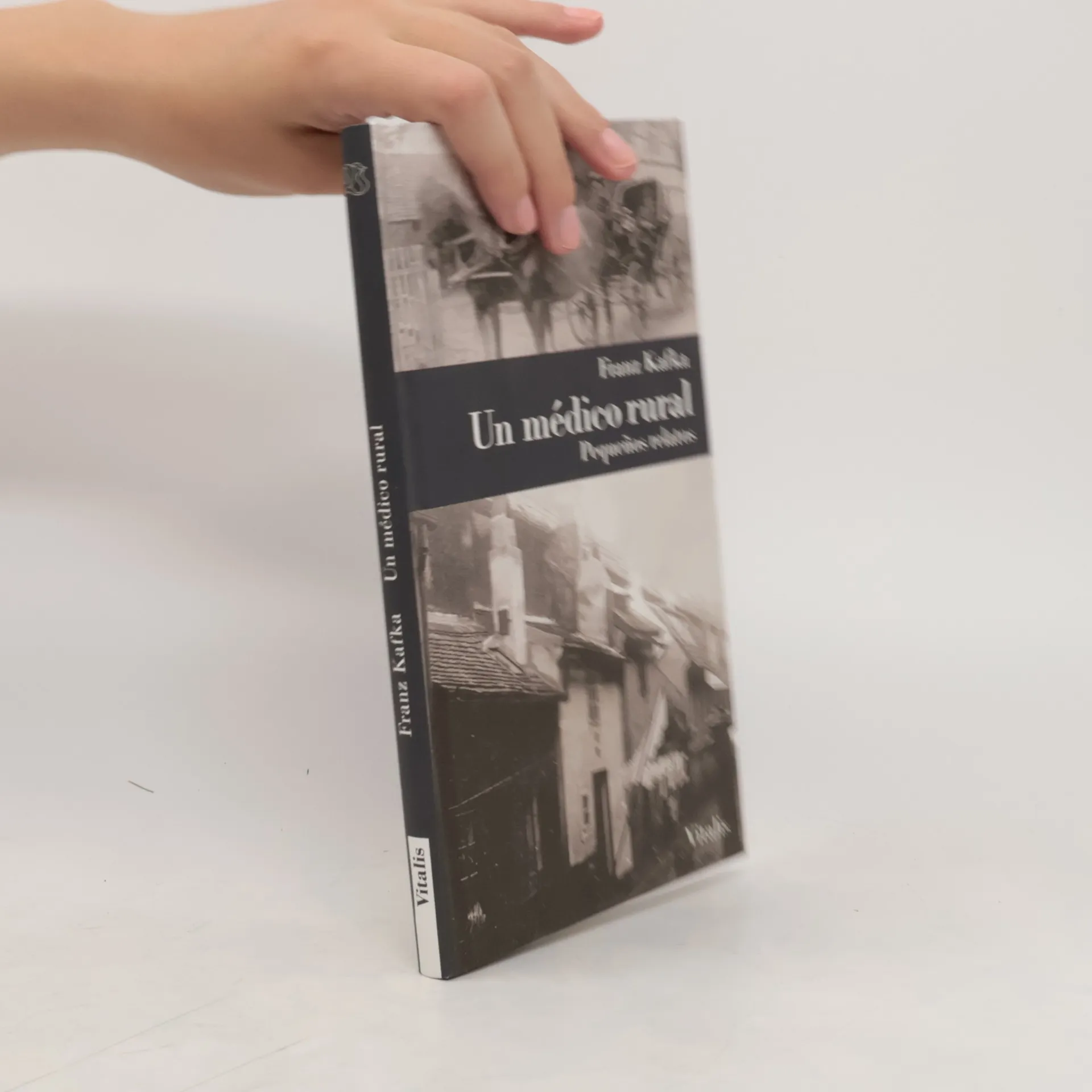
    • Fue en el Hradschin, el Barrio del Castillo de Praga, en el número 22 de la Callejuela del Oro, donde Franz Kafka (1883-1924) escribió estos relatos, que ya se publicaron en vida del autor bajo el título de Un médico rural. En sus breves textos Kafka evoca una y otra vez un mundo en parte irracional y en parte impredecible, pero siempre atemorizador, del que es prácticamente imposible escapar. Una vez el falso sonar de la campanilla del médico desencadena un rosario de desgracias, otra vez aparecen nómadas extraños frente a los que incluso el Emperador es impotente. Los chacales hablantes o el casi indefinible Odralek raptan al lector hacia el surrealismo. ¿Existe alguna salida de este desasosiego? Durante la búsqueda de la Ley, el guardián de la puerta da una respuesta: "Es posible, pero no ahora".

      Un médico rural
      3,7
    • Un artista del hambre y otros relatos

      • 94 páginas
      • 4 horas de lectura

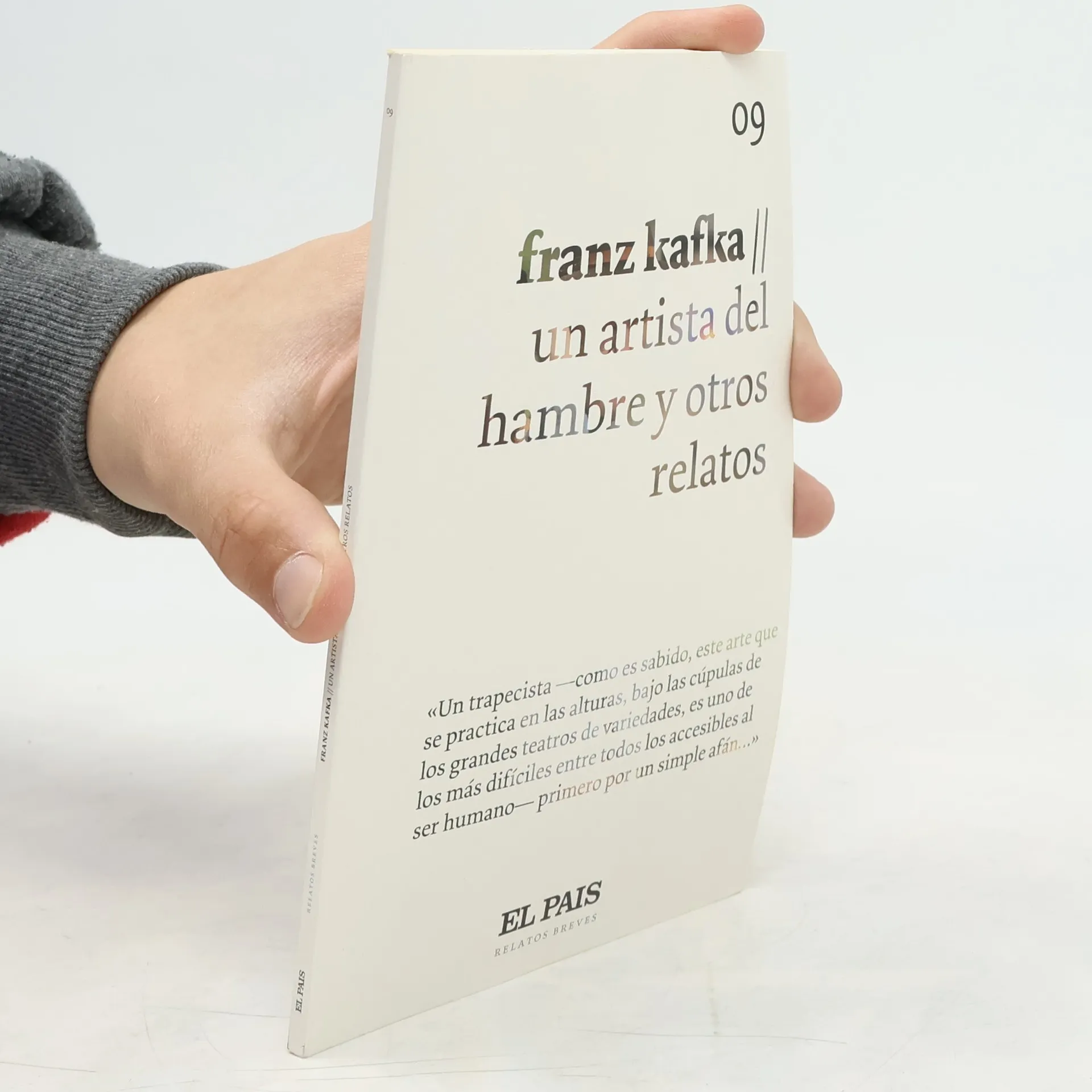
      Un artista del hambre (título original en alemán: Ein Hungerkünstler), es un relato corto escrito por Franz Kafka en 1922 pero no fue publicado hasta 1924, después de su muerte. El protagonista es una arquetípica creación de Kafka, un individuo marginado y victimizado por la sociedad.

      Un artista del hambre y otros relatos
      3,3
    • La metamorfosis y otros relatos de animales

      • 216 páginas
      • 8 horas de lectura

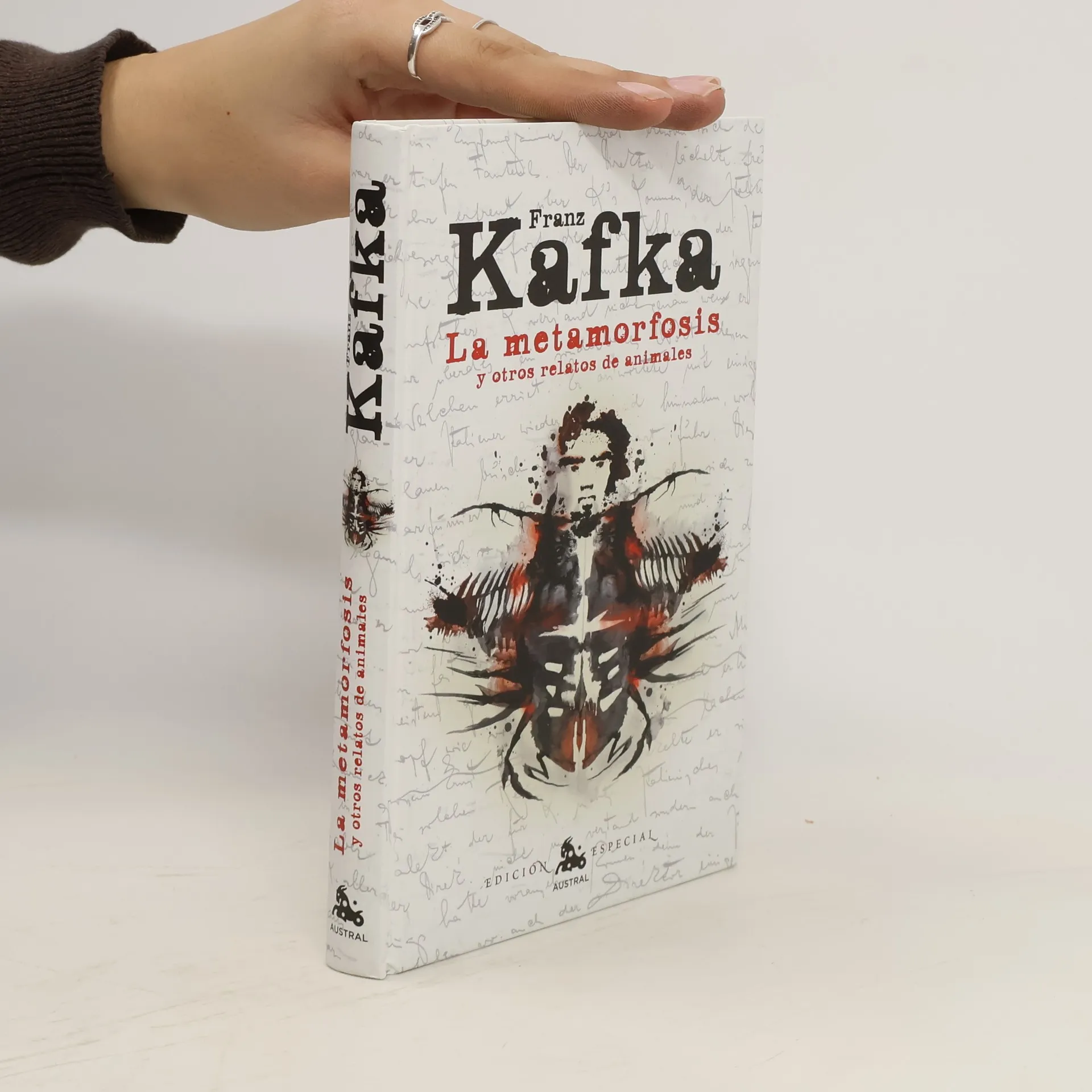
      En La metamorfosis y otros relatos de animales, Franz Kafka (1883-1924) manifiesta la desesperanza frente a su destino personal y el pesimismo respecto a lo humano entendido genéricamente. Junto a la animalización del hombre que nos plantea en “La metamorfosis”, el resto de los relatos que aparecen en esta antología muestran, o bien una “humanización” del animal, o bien el enfrentamiento entre el mundo animal y humano. Al recurrir a animales, Kafka consigue distanciarse suficientemente de lo narrado como para mostrar el dolor, el aislamiento y la desorientación sin resultar patético. Si las fábulas del racionalismo y la ilustración tomaban a los animales como figuras alegóricas para transmitirnos una enseñanza útil y moral, aquí no se encuentran moralejas: el mundo ha tomado un rumbo que ya no permite hallarlas.

      La metamorfosis y otros relatos de animales
      3,6
    • Obras Maestras de Franz Kafka

      • 536 páginas
      • 19 horas de lectura

      Las 'Obras Maestras de Franz Kafka' exploran la angustia existencial y la alienación en la sociedad moderna a través de un estilo surrealista. Sus personajes enfrentan un sistema injusto, reflejando la lucha con el poder y la burocracia. Kafka es esencial para quienes buscan una profunda introspección filosófica sobre la condición humana.

      Obras Maestras de Franz Kafka
    • Obras Maestras de Kafka

      • 560 páginas
      • 20 horas de lectura

      'Obras Maestras de Kafka' ofrece una colección de las obras más representativas de Franz Kafka, como 'La Metamorfosis' y 'El Proceso'. A través de su estilo único, Kafka explora temas de alienación y burocracia, desafiando las convenciones narrativas y provocando la reflexión sobre la existencia humana. Ideal para quienes buscan profundizar en la complejidad del ser humano.

      Obras Maestras de Kafka
    • Selected Stories by Franz Kafka offers new renderings of the author’s finest work. Mark Harman’s English translations convey the uniqueness of Kafka’s German—the wit, irony, and cadence. Expert annotations illuminate Kafka’s cultural allusions and wordplay, while a biographical introduction places the man and his work in historical context.

      Selected Stories
      4,6
    • The Aphorisms of Franz Kafka

      • 256 páginas
      • 9 horas de lectura

      This splendid new translation presents an extraordinary work of modern literature, featuring facing-page commentary by Kafka's acclaimed biographer. Written in 1917 and 1918, the Zürau aphorisms consist of over 100 philosophical reflections composed in a Bohemian village. Among Kafka's most enigmatic writings, they delve into profound questions about truth, morality, and the spiritual and sensory realms. This bilingual volume is the first annotated edition, offering valuable insights into Kafka's mind. Edited and introduced by renowned biographer Reiner Stach, and translated by Shelley Frisch, each aphorism is displayed on its own page in both English and the original German, accompanied by enlightening notes. The aphorisms blend literary and analytical thought, showcasing radical ideas and original imagery, all conveyed in exceptionally condensed language. They evoke Kafka's unsettling charm, often leading readers into unfamiliar territory that can transform into moments of clarity: "I have never been in this place before: breathing works differently, and a star shines next to the sun, more dazzlingly still." Ultimately, this volume reveals that these multifaceted gems are deeply connected to Kafka's novels and stories, situated at the very heart of his literary cosmos. Long overlooked by readers and scholars, these aphorisms finally receive the attention they deserve.

      The Aphorisms of Franz Kafka
      4,5
    • Kafka's storytelling is characterized by isolated protagonists confronting surreal and absurd situations, reflecting the complexities of modern life. In "Metamorphosis," Gregor Samsa's transformation into a giant insect serves as a profound exploration of alienation and identity. This edition includes ten additional short stories and parables, such as "In the Penal Colony" and "A Hunger Artist," showcasing Kafka's unique blend of realism and the fantastical, as well as his critique of socio-bureaucratic systems.

      Metamorphosis & Some Other Stories. (Heathen Edition)
      5,0
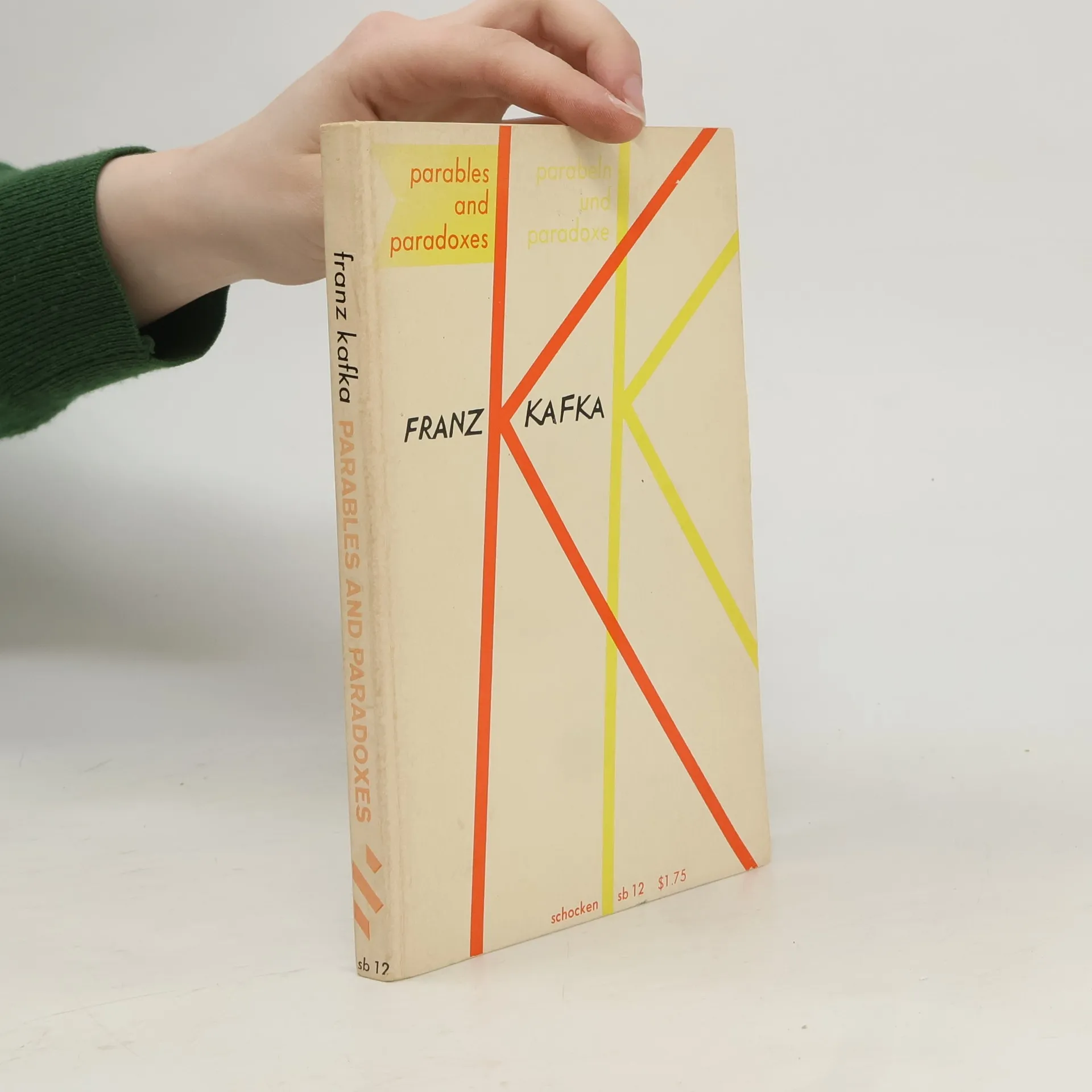
    • Parables and Paradoxes

      • 190 páginas
      • 7 horas de lectura

      An assessment of the works of Franz Kafka aimed at a definiton of the basic components of his style

      Parables and Paradoxes
      4,4
    • The Nightmare of Reason

      A Life of Franz Kafka

      • 466 páginas
      • 17 horas de lectura

      To view the modern world is to see it through the lens of Franz Kafka, the defining writer of the twentieth century. In his exploration, Ernst Pawel captures Kafka's essence and the complex interplay of his work and life. Kafka has become a modern myth, shaped not only by his writings but also by distortions in biographies, especially the one by his close friend Max Brod. Pawel's achievement lies in situating Kafka within his historical context, revealing a life that surpasses the myths surrounding it. This account chronicles Kafka's life while vividly depicting the milieu of affluent Germanized Jewry and the intellectual vibrancy of Central Europe before World War I, as well as the collapse of Austria-Hungary. While informed by psychological insights, Pawel avoids relying solely on them, presenting Kafka not as a mere legend of a frail clerk but as a man who navigated the world, functioning as a reluctant yet effective business executive. Pawel's nuanced readings of Kafka's Judaism, his relationships with his parents, and his tumultuous engagements reveal a figure who, while typical of his age and class, also transcended them. His interpretations of Kafka's life and relationships are both revealing and persuasive, challenging preconceived notions.

      The Nightmare of Reason
      4,4
    • Metamorphosis

      Illustrated by Gaby Verdooren

      • 96 páginas
      • 4 horas de lectura

      The story revolves around traveling salesman Samsa, who experiences a shocking transformation into a giant insect, blending horror with absurdity. This beautifully illustrated collector's edition features the complete text, translated by Will Aaltonen Pearson, and includes new, vibrant illustrations by Gaby Verdooren. Celebrated for its impact on literature and culture, this edition is ideal for both newcomers and seasoned readers, showcasing the work's enduring relevance. Part of the Arcturus Illustrated Classics series, it offers an elegant presentation of Kafka's masterpiece.

      Metamorphosis
      4,3
    • The Metamorphosis And Other Writings

      • 136 páginas
      • 5 horas de lectura

      This collection of stories is made up of Ten original and imaginative tales by Franz Kafka including his masterpiece, "The Metamorphosis" as well as, "Children On A Country Road", "A Hunger Artist", "An Imperial Message", "A Report To An Academy", "Before The Law", "In The Penal Colony", "Jackals And Arabs", "The Great Wall Of China", & "The Hunter Gracchus".

      The Metamorphosis And Other Writings
      5,0
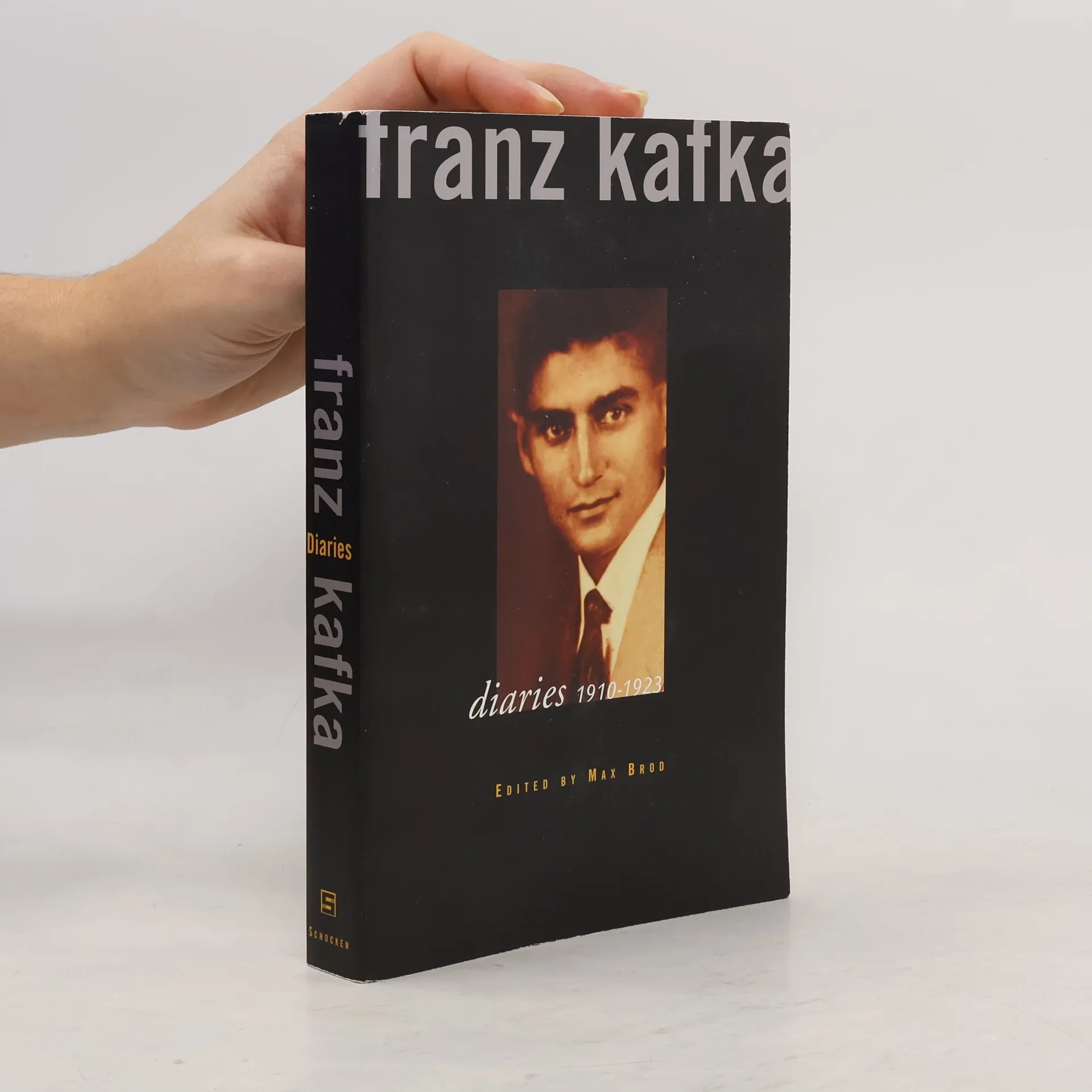
    • These diaries cover the years 1910 to 1923, the year before Kafka’s death at the age of forty. They provide a penetrating look into life in Prague and into Kafka’s accounts of his dreams, his feelings for the father he worshipped, and the woman he could not bring himself to marry, his sense of guilt, and his feelings of being an outcast. They offer an account of a life of almost unbearable intensity.From the Trade Paperback edition.The Diaries of Franz Kafka 1910-13 translated from the German by Joseph KreshThe Diaries of Franz Kafka 1914-23 translated from the German by Martin Greenberg with the cooperation of Hannah Arendt

      The diaries 1910-1923
      4,3
    • Based on translations by leading Kafka scholar, this work includes twenty-nine stories, which accompanies annotations. The extracts from his letters, diaries and conversations offer a glimpse of Kafka's creative process. It covers ten essays on the major stories from a range of voices.

      Kafka's selected stories
      4,3
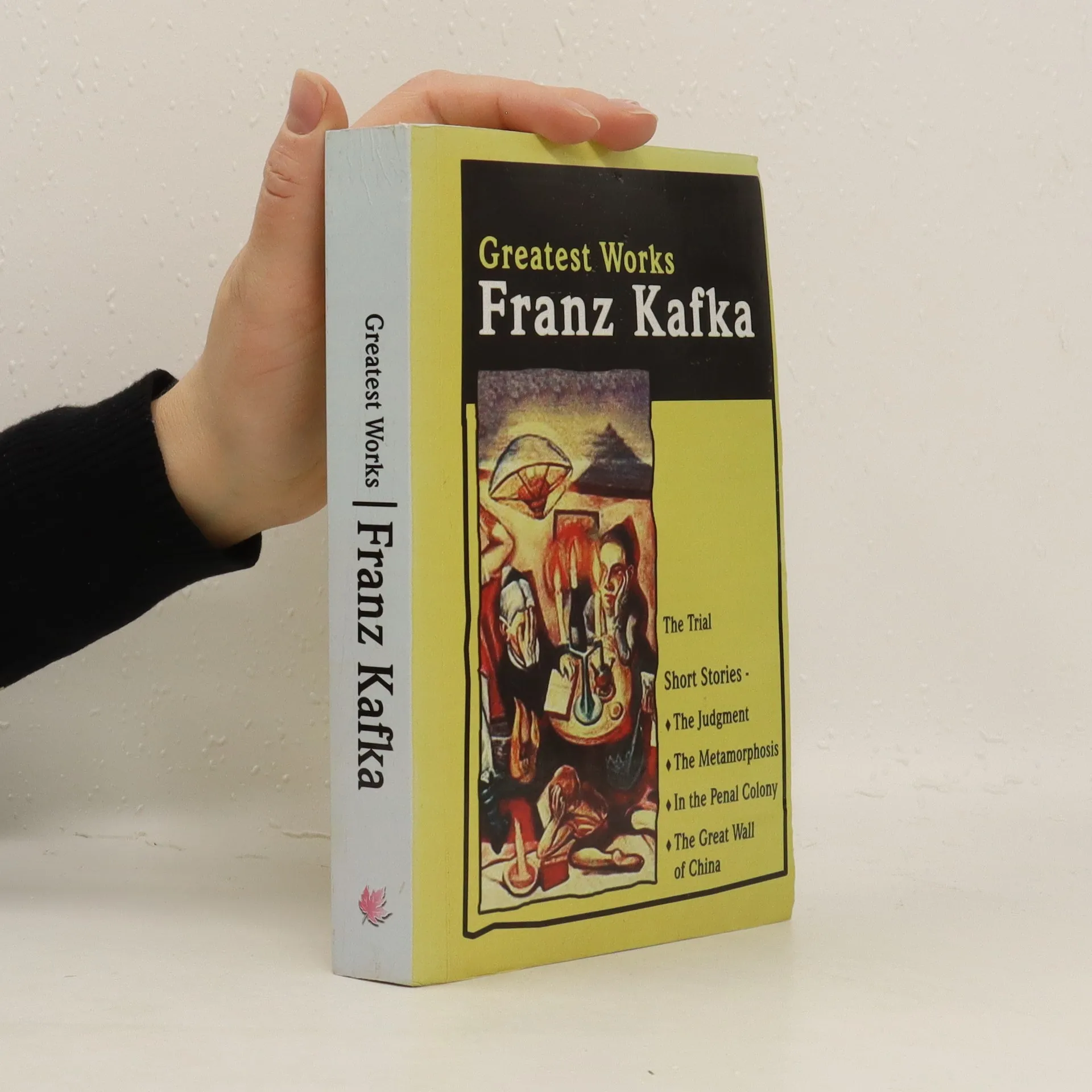
    • Collected Works

      • 346 páginas
      • 13 horas de lectura

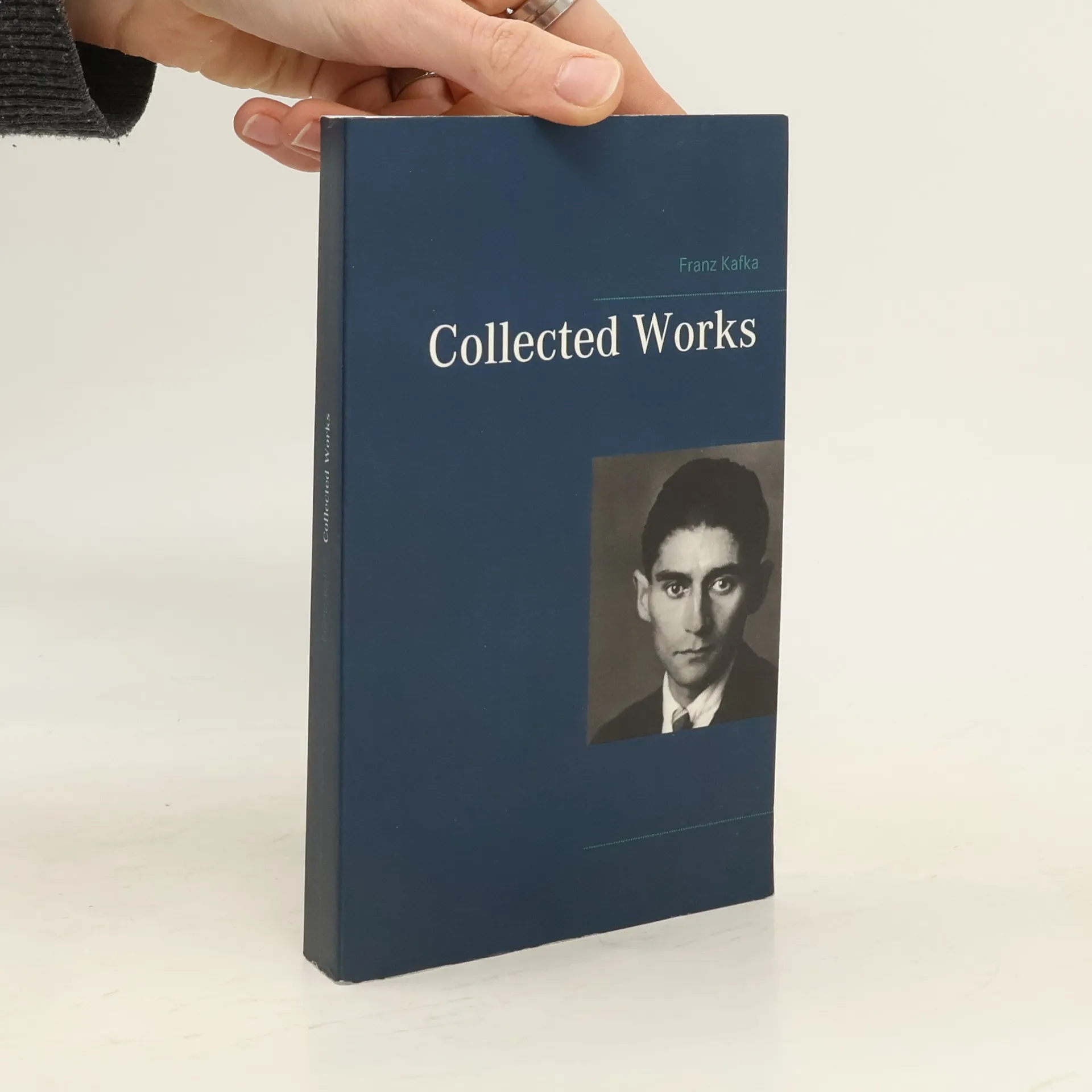
      Franz Kafka (3 July 1883 – 3 June 1924) was a German-language writer of novels and short stories, regarded by critics as one of the most influential authors of the 20th century. Kafka strongly influenced genres such as existentialism. Most of his works, such as "Die Verwandlung" ("The Metamorphosis"), "Der Prozess" ("The Trial"), and "Das Schloss" ("The Castle"), are filled with the themes and archetypes of alienation, physical and psychological brutality, parent–child conflict, characters on a terrifying quest, labyrinths of bureaucracy, and mystical transformations. Table of Contents: - The Metamorphosis - A Country Doctor - A Hunger Artist - A Report for an Academy - An Imperial Message - Before the Law - In the Penal Colony - Jackals and Arabs - The Great Wall of China - The Hunter Gracchus - The Trial - Up in the Gallery

      Collected Works
      4,0
    • Best of Kafka (Collector's Edition)

      • 976 páginas
      • 35 horas de lectura

      Franz Kafka's writing immerses readers in a surreal and ambiguous realm where the nature of the nightmare remains elusive. His work explores themes of existential dread, alienation, and the absurdity of life, inviting deep reflection on the human condition. Kafka's unique narrative style and haunting imagery create an unsettling atmosphere that challenges perceptions of reality and identity, making his stories both compelling and thought-provoking.

      Best of Kafka (Collector's Edition)
      4,0
    • Diaries by Franz Kafka

      • 704 páginas
      • 25 horas de lectura

      An essential new translation of the author's complete, uncensored diaries - a revelation of the idiosyncrasies and rough edges of one of the twentieth century's most influential writers'The writing glimmers with sensitivity, and openness to the world' - The Wall Street JournalDating from 1909 to 1923, Franz Kafka's Diaries contains a broad array of writing, including accounts of daily events, assorted reflections and observations, literary sketches, drafts of letters, records of dreams, and unrevised texts of stories. This volume makes available for the first time in English a comprehensive reconstruction of Kafka's handwritten diary entries and provides substantial new content, restoring all the material omitted from previous publications - notably, names of people and undisguised details about them, a number of literary writings, and passages of a sexual nature, some of them with homoerotic overtones.By faithfully reproducing the diaries' distinctive - and often surprisingly unpolished - writing as it appeared in Kafka's notebooks, translator Ross Benjamin brings to light not only the author's use of the diaries for literary invention and unsparing self-examination but also their value as a work of genius in and of themselves.

      Diaries by Franz Kafka
      4,2
    • (Book Jacket Status: Jacketed)Franz Kafka’s imagination so far outstripped the forms and conventions of the literary tradition he inherited that he was forced to turn that tradition inside out in order to tell his splendid, mysterious tales. Scrupulously naturalistic on the surface, uncanny in their depths, these stories represent the achieved art of a modern master who had the gift of making our problematic spiritual life palpable and real.This edition of his stories includes all his available shorter fiction in a collection edited, arranged, and introduced by Gabriel Josipovici in ways that bring out the writer’s extraordinary range and intensity of vision.Translated by Willa and Edwin Muir

      The collected short stories of Franz Kafka
      4,2
    • It is not well known that Franz Kafka liked to draw. From early on, his friend and literary executor Max Brod was of the opinion that Kafka was 'an artist of particular strength and individuality as a draughtsman too' and that it was unjust merely to regard his drawings as a 'curiosity.'

      "A great artist one day". Franz Kafka as a pictorial artist
      4,0
    • The story centers on Gregor Samsa, a traveling salesman who awakens one day transformed into a giant insect. As he grapples with his new existence, he faces the alienation and horror of his family's and society's reactions. Kafka employs surrealism and symbolism to create a haunting atmosphere, exploring profound themes of isolation, identity, and the absurdity of life. This novella offers a thought-provoking examination of the human condition, prompting readers to reflect on their own perceptions of self and reality.

      The Metamorphosis (Hardcover Library Edition)
      3,0
    • Franz Kafka

      Short Stories

      • 156 páginas
      • 6 horas de lectura

      Featuring a meticulously curated collection of Franz Kafka's significant works, this book offers readers a comprehensive look into the themes and narratives that define his literary legacy. Known for his profound influence on world literature, Kafka's most notable pieces include "The Judgment," "The Metamorphosis," and "In the Penal Colony," among others. The collection is enhanced by a detailed and dynamic table of contents, ensuring an engaging reading experience. Kafka's works, largely published posthumously by his friend Max Brod, delve into existential and absurdist themes.

      Franz Kafka
      3,0
    • A Hunger Artist

      • 88 páginas
      • 4 horas de lectura

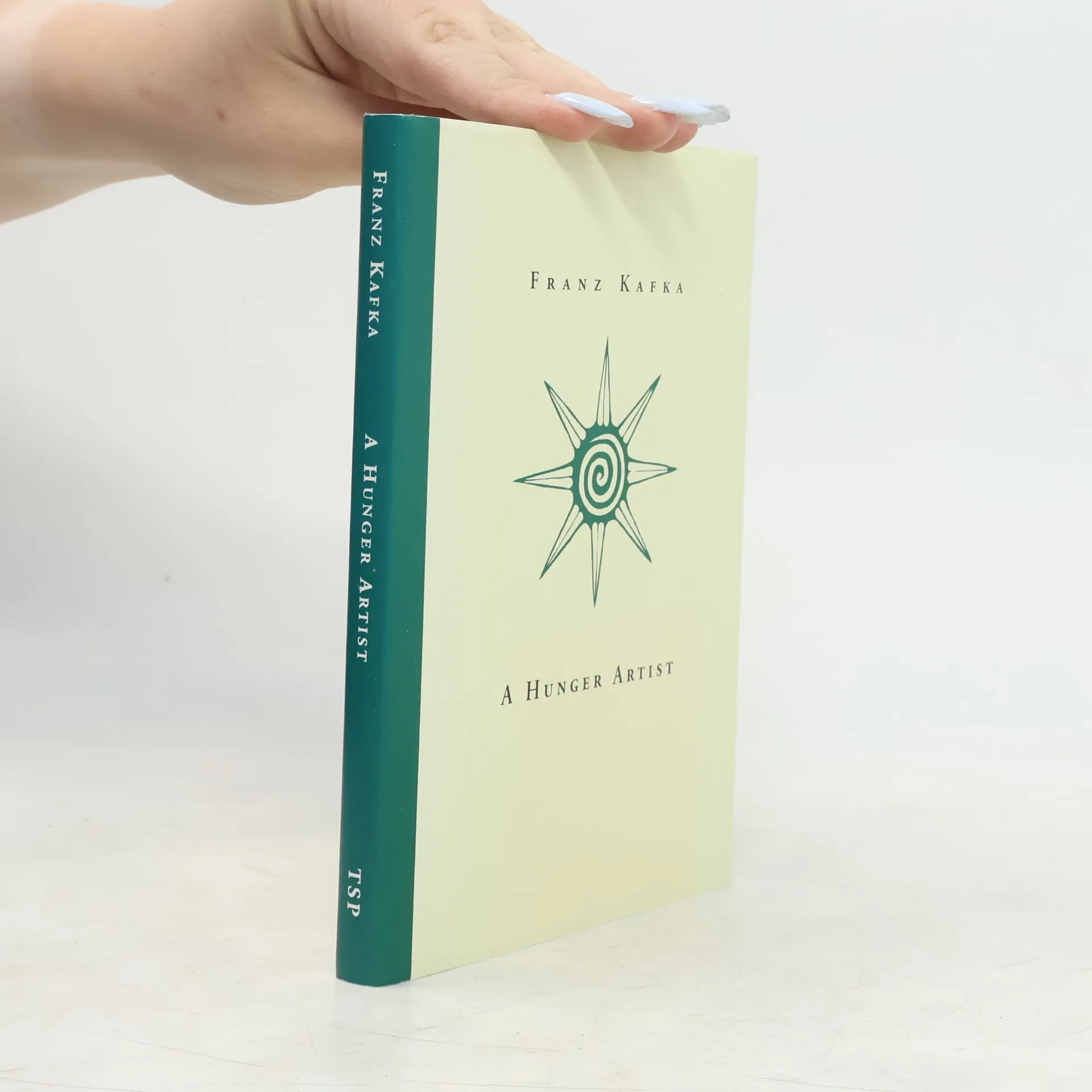
      The last book published during Kafka's lifetime, A Hunger Artist (1924) explores many of the themes that were close to him: spiritual poverty, asceticism, futility, and the alienation of the modern artist. He edited the manuscript just before his death, and these four stories are some of his best known and most powerful work, marking his maturity as a writer. In addition to "First Sorrow," "A Little Woman," and "Josephine the Singer, or the Mouse People" is the title story, "A Hunger Artist," which has been called by the critic Heinz Politzer "a perfection, a fatal fulfillment that expresses Kafka's desire for permanence." The three volumes Twisted Spoon Press has published: Contemplation, A Country Doctor, and A Hunger Artist are the collections of stories that Kafka had published during his lifetime. Though each volume has its own distinctive character, they have most often appeared in English in collected editions. They are presented here as separate editions, in new translations by Kevin Blahut, each with its own illustrator from the Prague community.

      A Hunger Artist
      4,2
    • Diese Buch Sammlung ist mit einem detaillierten und dynamischen Inhaltsverzeichnis versehen und wurde sorgfältig korrekturgelesen. Franz Kafka (1883-1924) war ein deutschsprachiger Schriftsteller. Kafkas Werke zählen unbestritten zum Kanon der Weltliteratur. Sein Hauptwerk bilden neben drei Romanfragmenten zahlreiche Erzählungen. Kafkas Werke wurden zum größeren Teil erst nach seinem Tod und gegen seine letztwillige Verfügung von Max Brod veröffentlicht, einem engen Freund und Vertrauten, den Kafka als Nachlassverwalter bestimmt hatte. Inhalt: • Das Urteil • Die Verwandlung • Ein Bericht für eine Akademie • In der Strafkolonie • Forschungen eines Hundes

      Franz Kafka: Die wichtigsten Erzählungen eines Genies: Das Urteil, Die Verwandlung, Ein Bericht für eine Akademie, In der Strafk
      3,0
    • Letters to Felice

      • 704 páginas
      • 25 horas de lectura

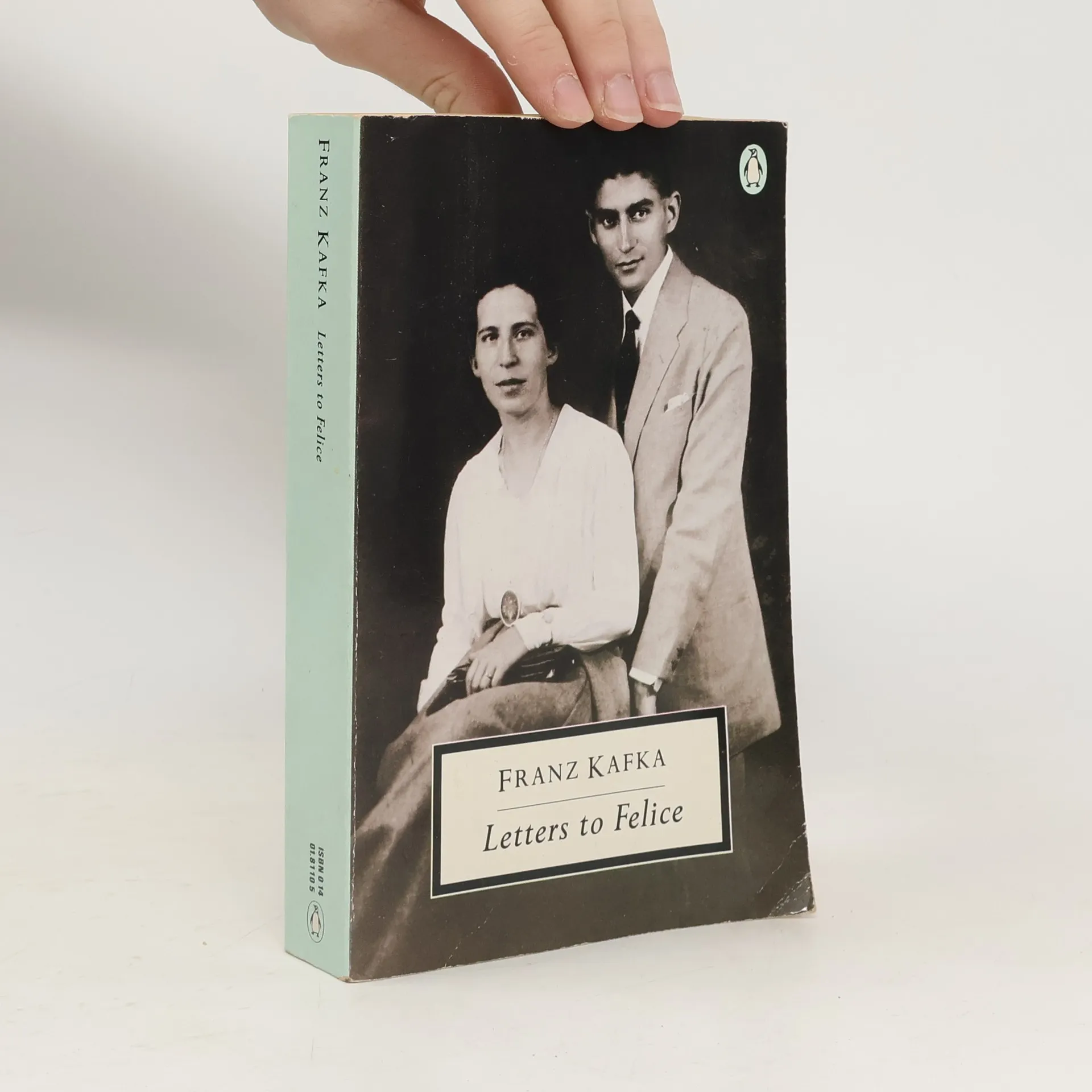
      Franz Kafka met Felice Bauer in August 1912, at the home of his friend Max Brod. Energetic, down-to-earth, and life-affirming, the twenty-five-year-old secretary was everything Kafka was not, and he was instantly smitten. Because he was living in Prague and she in Berlin, his courtship was largely an epistolary one--passionate, self-deprecating, and anxious letters sent almost daily, sometimes even two or three times a day. But soon after their engagement was announced in 1914, Kafka began to worry that marriage would interfere with his writing and his need for solitude.The more than five hundred letters Kafka wrote to Felice--through their breakup, a second engagement in 1917, and their final parting in the fall of that year, when Kafka began to feel the effects of the tuberculosis that would eventually claim his life--reveal the full measure of his inner turmoil as he tried, in vain, to balance his desire for human connection with what he felt were the solitary demands of his craft.

      Letters to Felice
      4,2
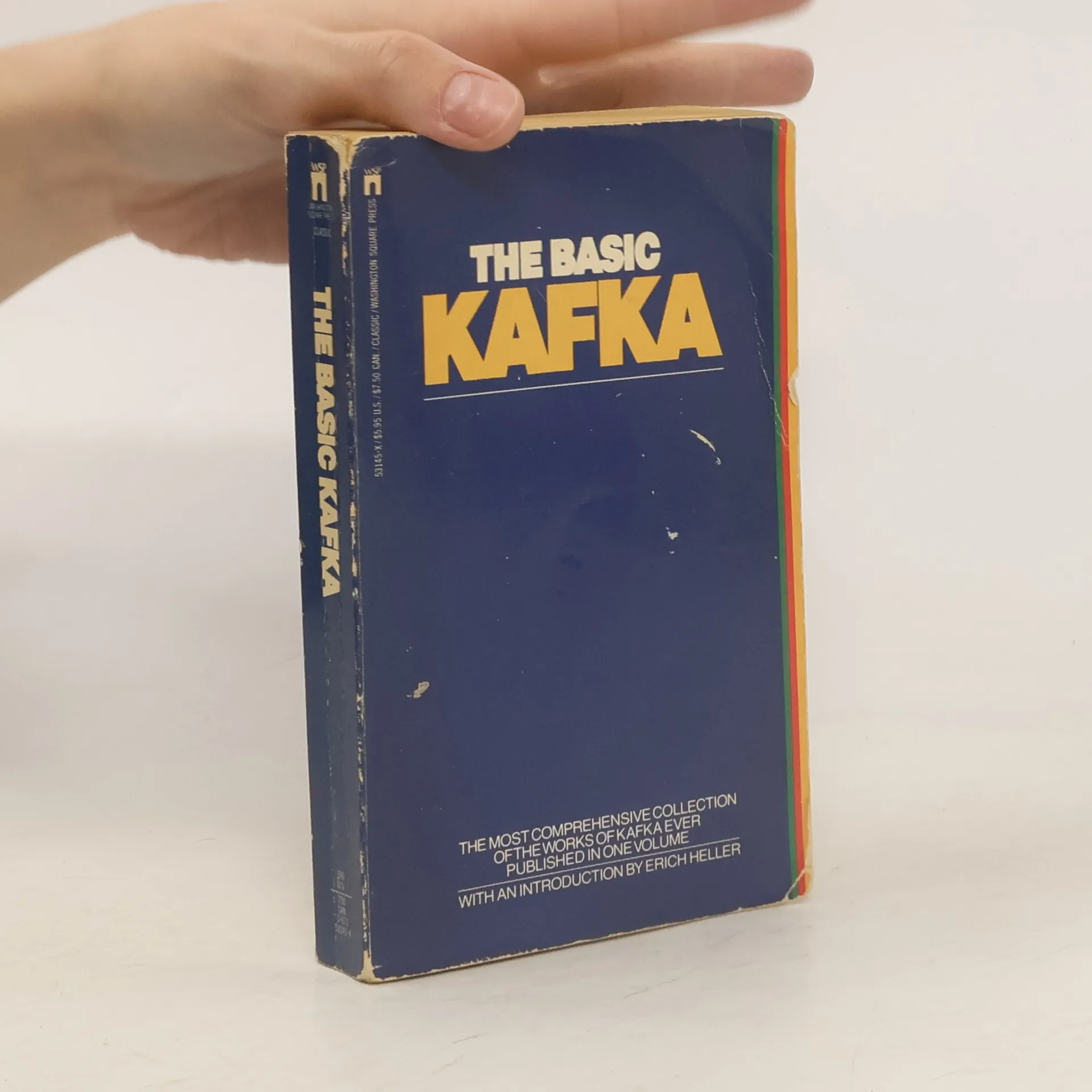
    • The Basic Kafka

      • 295 páginas
      • 11 horas de lectura

      Published together for the first time are selections from all Kafka's writings: The Metamorphosis, Josephine The Singer, plus his short stories, parables, and his personal diaries and letters.

      The Basic Kafka
      4,1
    • Selected Short Stories of Franz Kafka

      • 360 páginas
      • 13 horas de lectura

      Franz Kafka's enigmatic, deadpan, and deeply pessimistic stories are central to literary modernism. In 'The Metamorphosis', the estrangement of everyday life becomes corporealized when Gregor Samsa wakes up as a giant bug and wonders how he is going to get to work on time. Kafka inverts the implied degradation of a man's transformation into an animal in 'A Report of the Academy', an ape's address to a group of scientists.

      Selected Short Stories of Franz Kafka
      4,1
    • He: Shorter Writings of Franz Kafka

      • 320 páginas
      • 12 horas de lectura

      "A selection of short work by Franz Kafka, including stories, diary entries, and letters, selected and with an introduction by Joshua Cohen"--

      He: Shorter Writings of Franz Kafka
      4,0
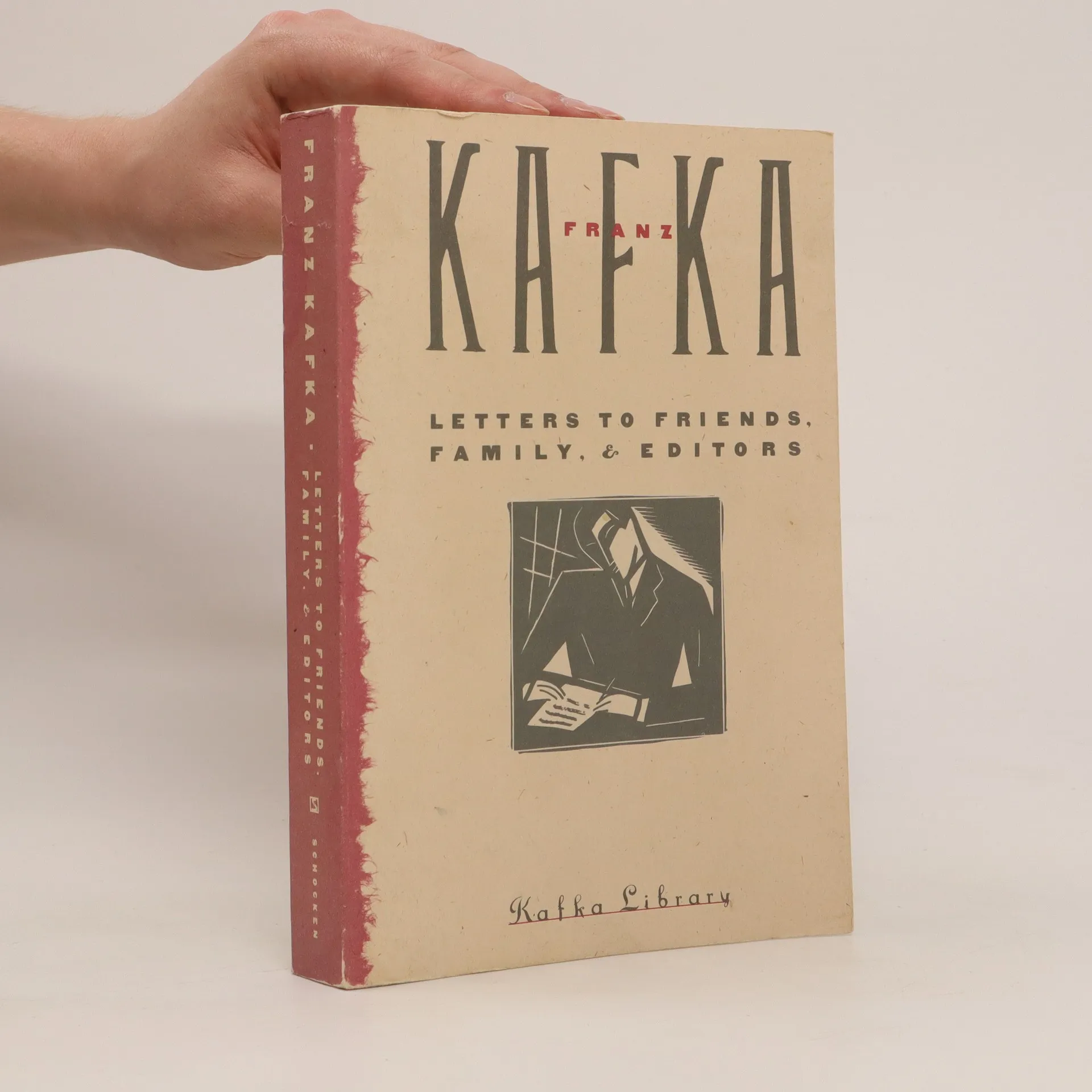
    • Letters to Friends, Family, and Editors

      • 509 páginas
      • 18 horas de lectura

      Collected after his death by his friend and literary executor Max Brod, here are more than two decades' worth of Franz Kafka's letters to the men and women with whom he maintained his closest personal relationships, from his years as a student in Prague in the early 1900s to his final months in the sanatorium near Vienna where he died in 1924.Sometimes surprisingly humorous, sometimes wrenchingly sad, they include charming notes to school friends; fascinating accounts to Brod about his work in its various stages of publication; correspondence with his publisher, Kurt Wolff, about manuscripts in progress, suggested book titles, type design, and late royalty statements; revealing exchanges with other young writers of the day, including Martin Buber and Felix Weltsch, on life, literature, and girls; and heartbreaking reports to his parents, sisters, and friends on the declining state of his health in the last months of his life.

      Letters to Friends, Family, and Editors
      4,1
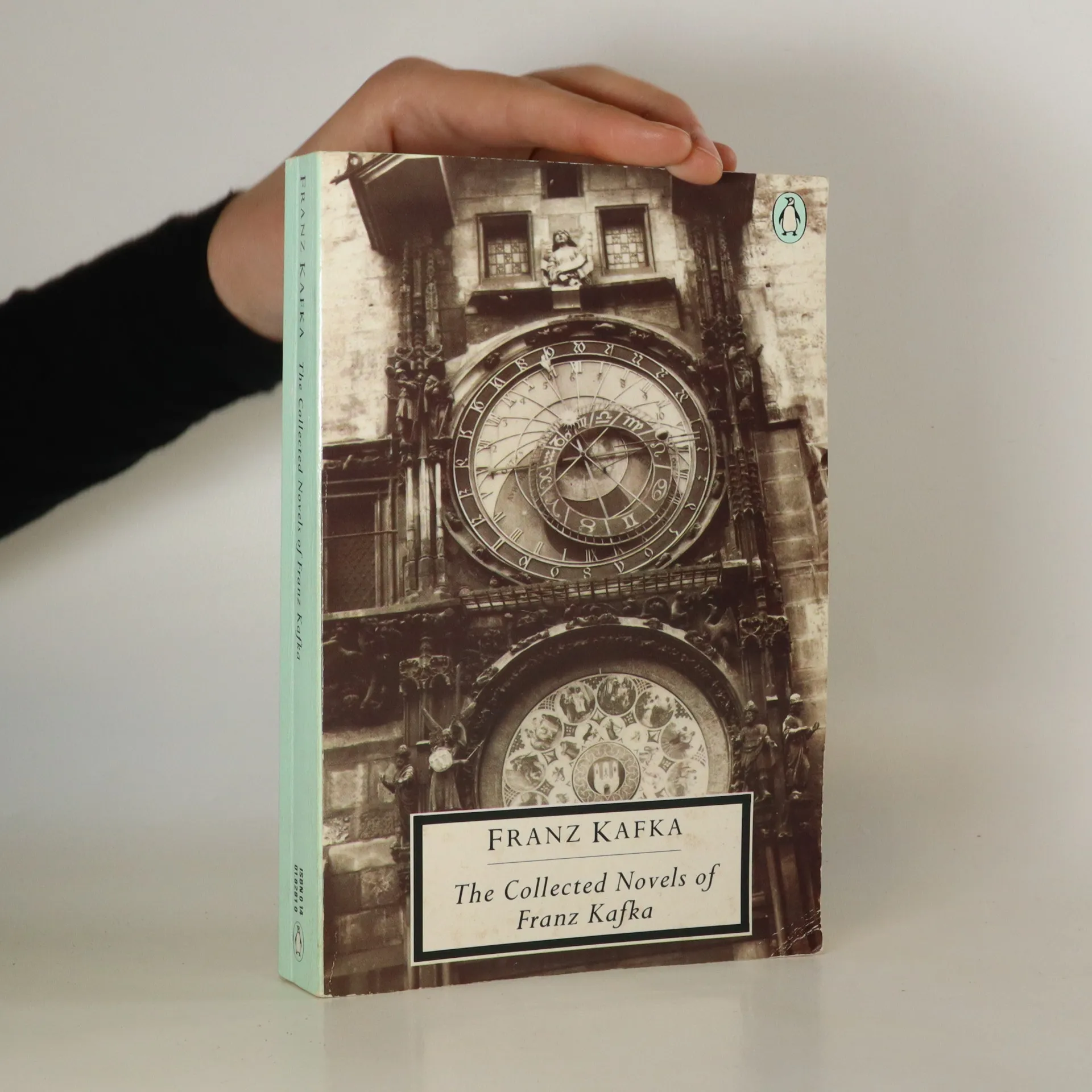
    • The Trial; The Castle; America: Both Joseph K In The Trial And K In The Castle Are Victims Of Anonymous Governing Forces Beyond Their Control. Both Are Atomised, Estranged And Rootless Citizens Deceived By Authoritarian Power. Whereas Joseph K Is Relentlessly Hunted Down For A Crime That Remains Nameless, K Ceaselessly Attempts To Enter The Castle And So Belong Somewhere. Together These Novels May Be Read As Powerful Allegories Of Totalitarian Government In Whatever Guise It Appears Today. In America Karl Rossmann Is 'Packed Off To America By His Parents' To Experience Oedipal And Cultural Isolation. Here, Ordinary Immigrants Are Also Strange, And 'America' Is Never Quite As Real As It Seems.

      The complete novels. The Trial. America. The castle
      4,1
    • The Lost Writings

      • 128 páginas
      • 5 horas de lectura

      A windfall for every reader: sixty-four marvelous Kafka stories only now in English

      The Lost Writings
      4,1
    • Includes novels which are intended to be read as allegories of totalitarian government in whatever guise it appears.

      The Complete Novels of Kafka
      4,0
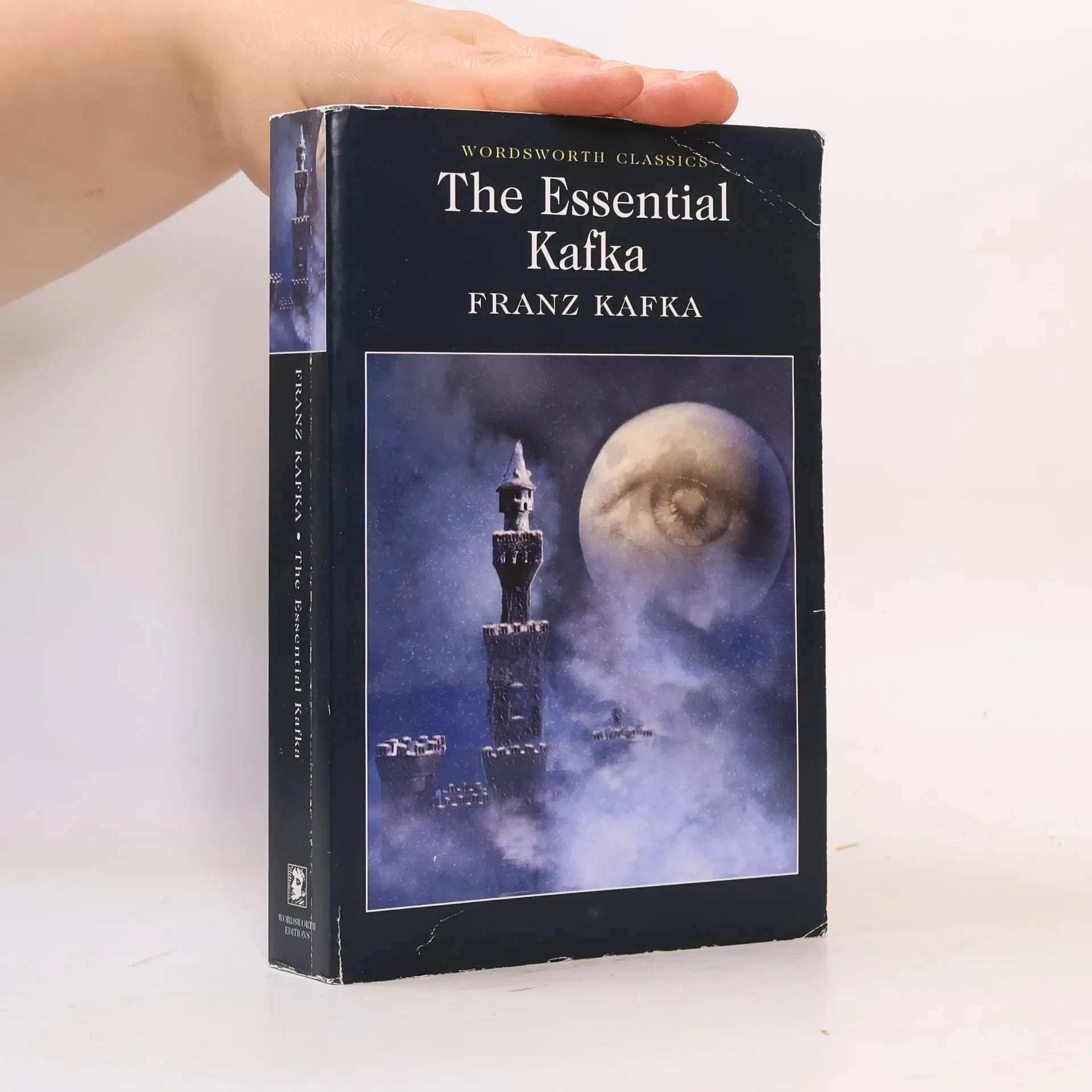
    • A culturally-influential and celebrated author, Kafka is generally considered to be one of the most accomplished writers of the 20th century. In this boxed set are collected together three of his major works, including the maginificent 'Metamorphosis and Other Stories'.

      The Essential Kafka
      4,0
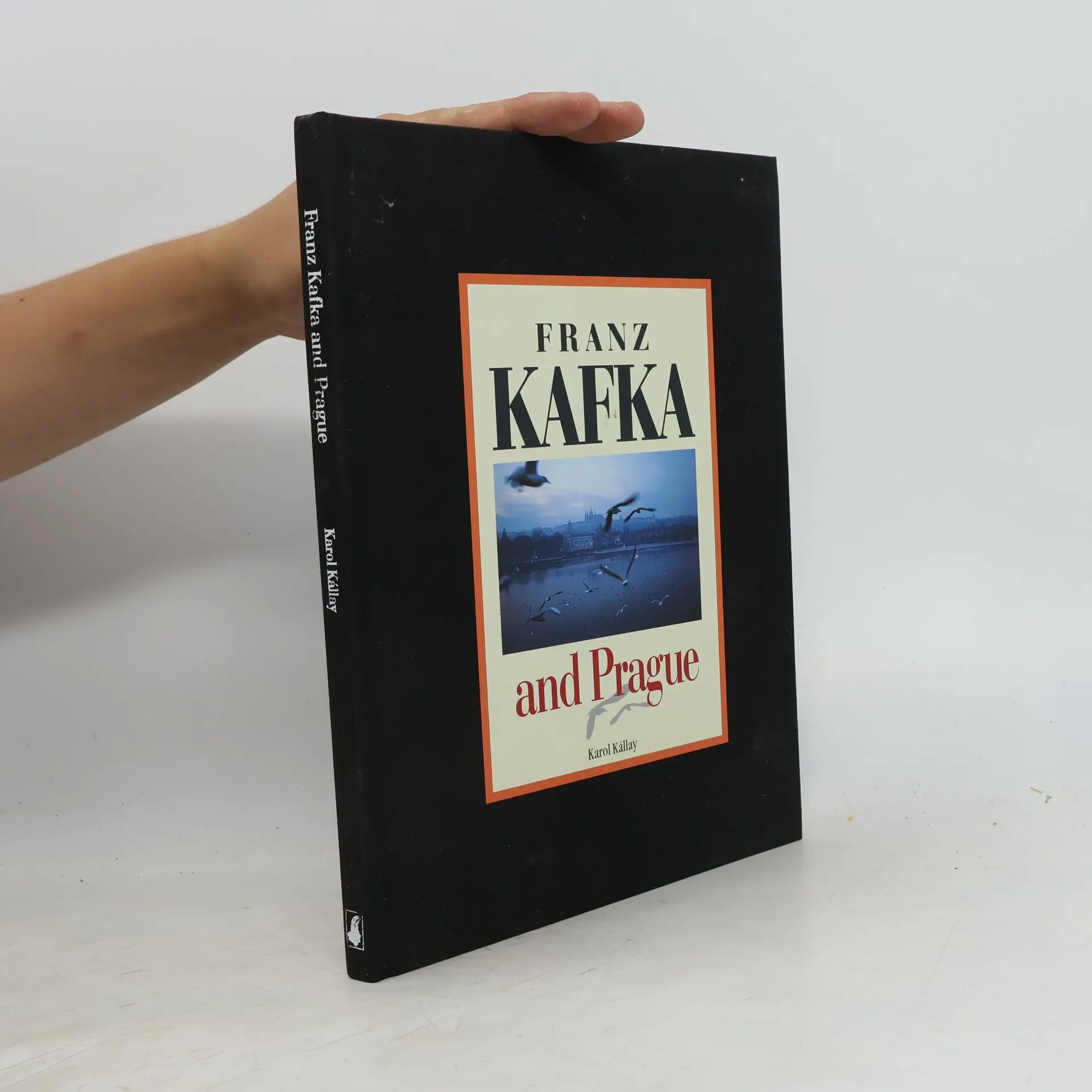
    • Nádherná a jedinečná kniha fotografií Prahy od významného slovenského fotografa Karola Kállaye doprovázených úryvky a citáty z Kafkových dopisů v angličtině.

      Franz Kafka and Prague
      3,8
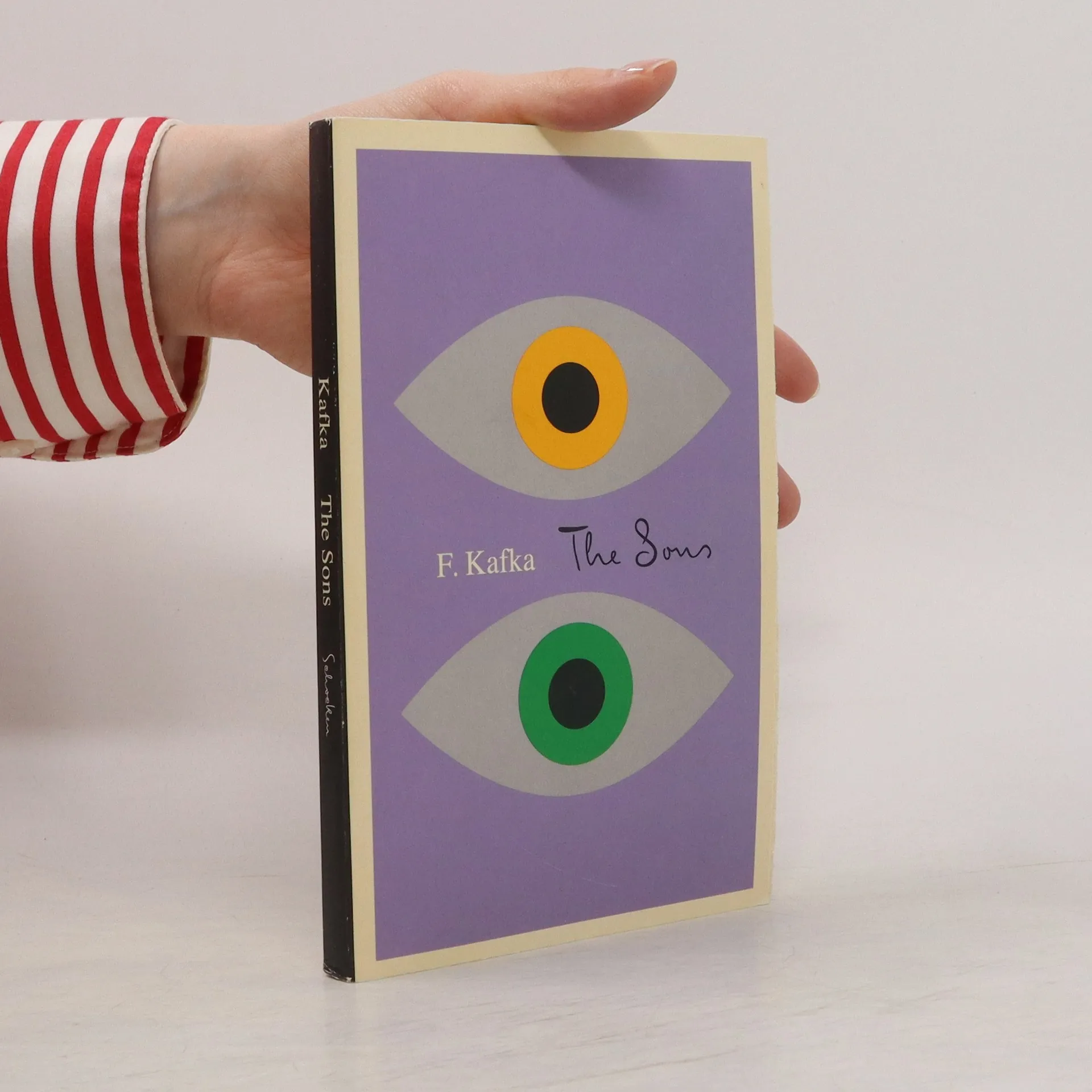
    • The sons

      • 192 páginas
      • 7 horas de lectura

      I have only one request," Kafka wrote to his publisher Kurt Wolff in 1913. "'The Stoker,' 'The Metamorphosis,' and 'The Judgment' belong together, both inwardly and outwardly. There is an obvious connection among the three, and, even more important, a secret one, for which reason I would be reluctant to forego the chance of having them published together in a book, which might be called The Sons."Seventy-five years later, Kafka's request is granted, in a volume including these three classic stories of filial revolt as well as his own poignant "Letter to His Father," another "son story" located between fiction and autobiography. A devastating indictment of the modern family, The Sons represents Kafka's most concentrated literary achievement as well as the story of his own domestic tragedy. Grouped together under this new title and in newly revised translations, these texts—the like of which Kafka had never written before and (as he claimed at the end of his life) would never again equal—take on fresh, compelling meaning.

      The sons
      4,0
    • Both Joseph K inThe Trialand K inThe Castleare victims of anonymous governing forces beyond their control. Both are atomized, estranged and rootless citizens deceived by authoritarian power. Whereas Joseph K is relentlessly hunted down for a crime that remains nameless, K ceaselessly attempts to enter the castle, and so belong somewhere. Both novels may be read as powerful allegories of totalitarian government. InAmerica, Karl Rossman experiences Oedipal and cultural isolation, and finds that “America” is never quite as real as it seems.

      The Complete Novels
      4,0
    • One of 60 low-priced classic texts published to celebrate Penguin's 60th anniversary. All the titles are extracts from "Penguin Classics" titles.

      The Judgement and In the Penal Colony
      4,0
    • Franz Kafka

      • 199 páginas
      • 7 horas de lectura

      Casi un siglo después de la muerte de Franz Kafka, sus obras continúan intrigándonos y atormentándonos. Kafka es considerado uno de los intelectuales más significativos de los siglos XIX y XX, y para aquellos que apenas conocen sus novelas, cuentos, diarios o cartas, "kafkiano" se ha convertido en un término sinónimo de la amenazante e incomprensible absurdidad de la existencia moderna y la burocracia. La importancia de su ficción es vasta, pero la escritura de Kafka está inextricablemente ligada a su vida y trabajo en un lugar particular: Praga. Aquí es donde el autor pasó sus cuarenta años. A partir de una variedad de documentos y materiales históricos, este libro se dedica a la relación entre Kafka y Praga. El relato de Klaus Wagenbach sobre la vida de Kafka en la ciudad es una visión meticulosamente investigada sobre su trasfondo familiar, su educación y empleo, su actitud hacia su ciudad natal, sus influencias literarias y sus relaciones con mujeres. El resultado es un fascinante retrato del escritor más enigmático del siglo XX y de la ciudad que le proporcionó tanta inspiración.

      Franz Kafka
      4,0
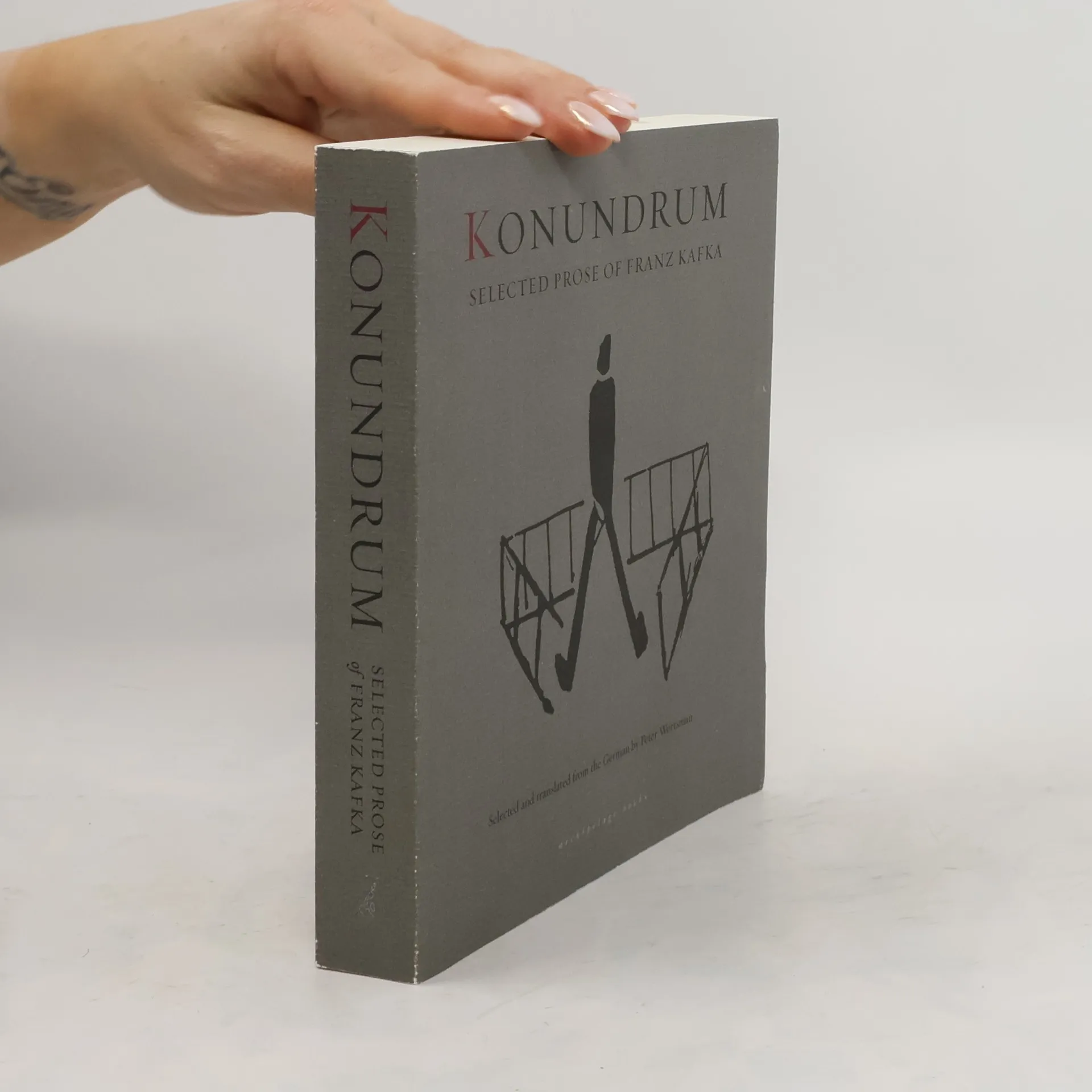
    • Franz Kafka

      The Complete Novels

      • 546 páginas
      • 20 horas de lectura

      Exploring the surreal and thought-provoking realms of human existence, this collection features the masterpieces of Franz Kafka, including "The Trial" and "The Metamorphosis." Readers will encounter ordinary individuals facing absurdity and bureaucratic nightmares, all set against haunting landscapes emblematic of Kafkaesque imagination. The anthology delves into themes of existentialism and surrealism, showcasing Kafka's profound insights into the complexities of human nature. This essential collection invites readers to engage with the literary genius of one of the 20th century's most influential writers.

      Franz Kafka
      1,0
    • From one of the greatest writers of the twentieth century, the author of The Metamorphosis and The Trial: A collection that brings together the stories he allowed to be published during his lifetime, including his best-known tale of a man who wakes up transformed into an insect. To Max Brod, his literary executor, Kafka wrote: “Of all my writings the only books that can stand are these.” “Kafka’s survey of the insectile situation of young Jews in inner Bohemia can hardly be improved upon: ‘With their posterior legs they were still glued to their father’s Jewishness and with their wavering anterior legs they found no new ground.’ There is a sense in which Kafka’s Jewish question (‘What have I in common with Jews?’) has become everybody’s question, Jewish alienation the template for all our doubts. What is Muslimness? What is femaleness? What is Polishness? These days we all find our anterior legs flailing before us. We’re all insects, all Ungeziefer, now.” —Zadie Smith, bestselling author of White Teeth and On Beauty

      The metamorphosis, In the penal colony, and other stories
      4,0
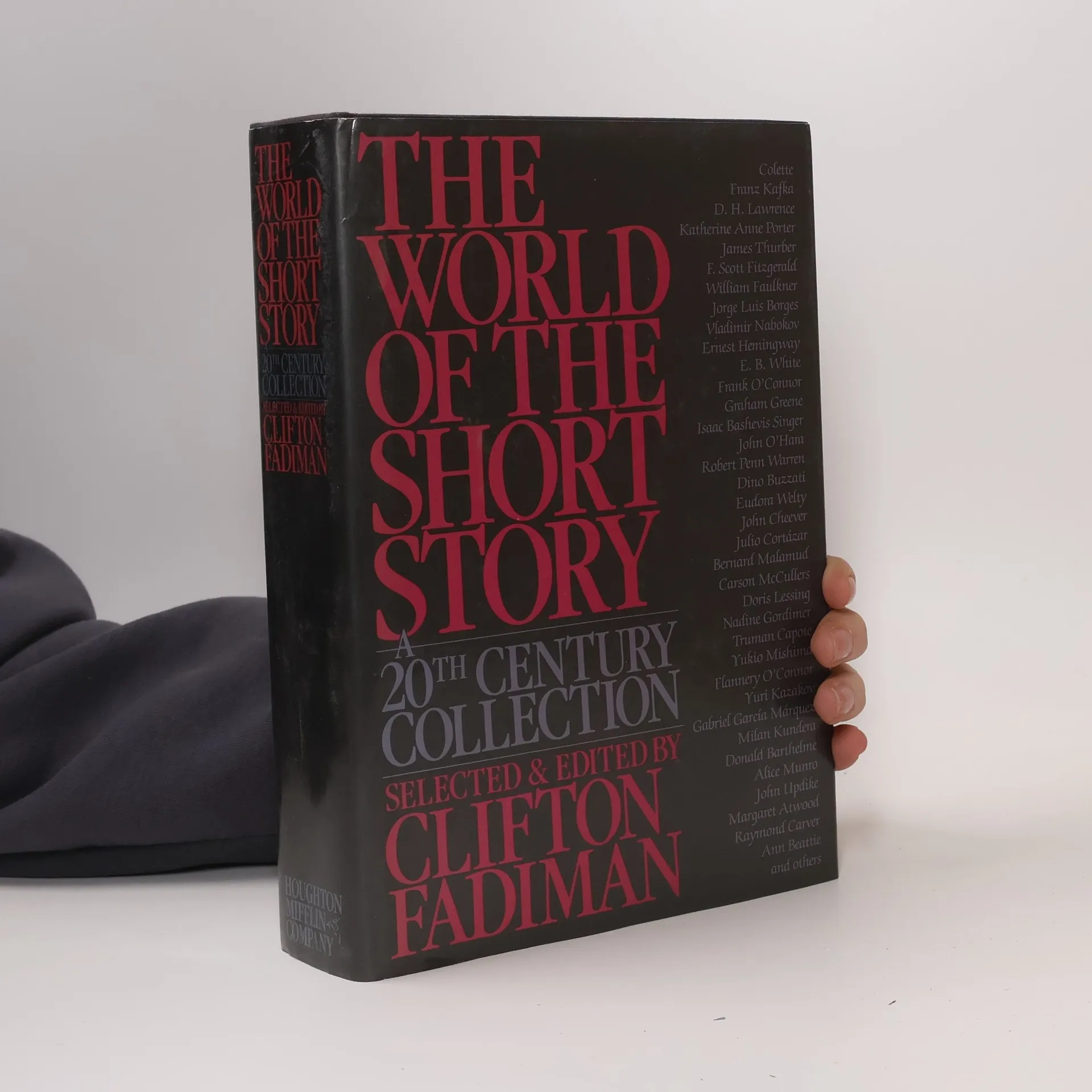
    • The World of the Short Story

      A 20th Century Collection

      • 847 páginas
      • 30 horas de lectura

      At age 82, Clifton Fadiman continues his prolific publishing career, here presenting 62 of the world's best short stories from 16 countries. His criteria? "Each story had to be both interesting and of high literary merit." Fadiman fulfills both requirements and much more, offering a cornucopia of superior 20th-century writers that includes Franz Kafka, D. H. Lawrence, Isaac Babel, F. Scott Fitzgerald, William Faulkner, Ernest Hemingway, John Cheever, Sean O'Faolain, Graham Greene, Robert Penn Warren, Colette, John Updike, Donald Barthelme, and James Thurber. (Regrettably, J. D. Salinger is not included due to lack of permission.) Here is a truly remarkable collection of this century's short stories that readers from all over the world will read with delight.

      The World of the Short Story
      3,8
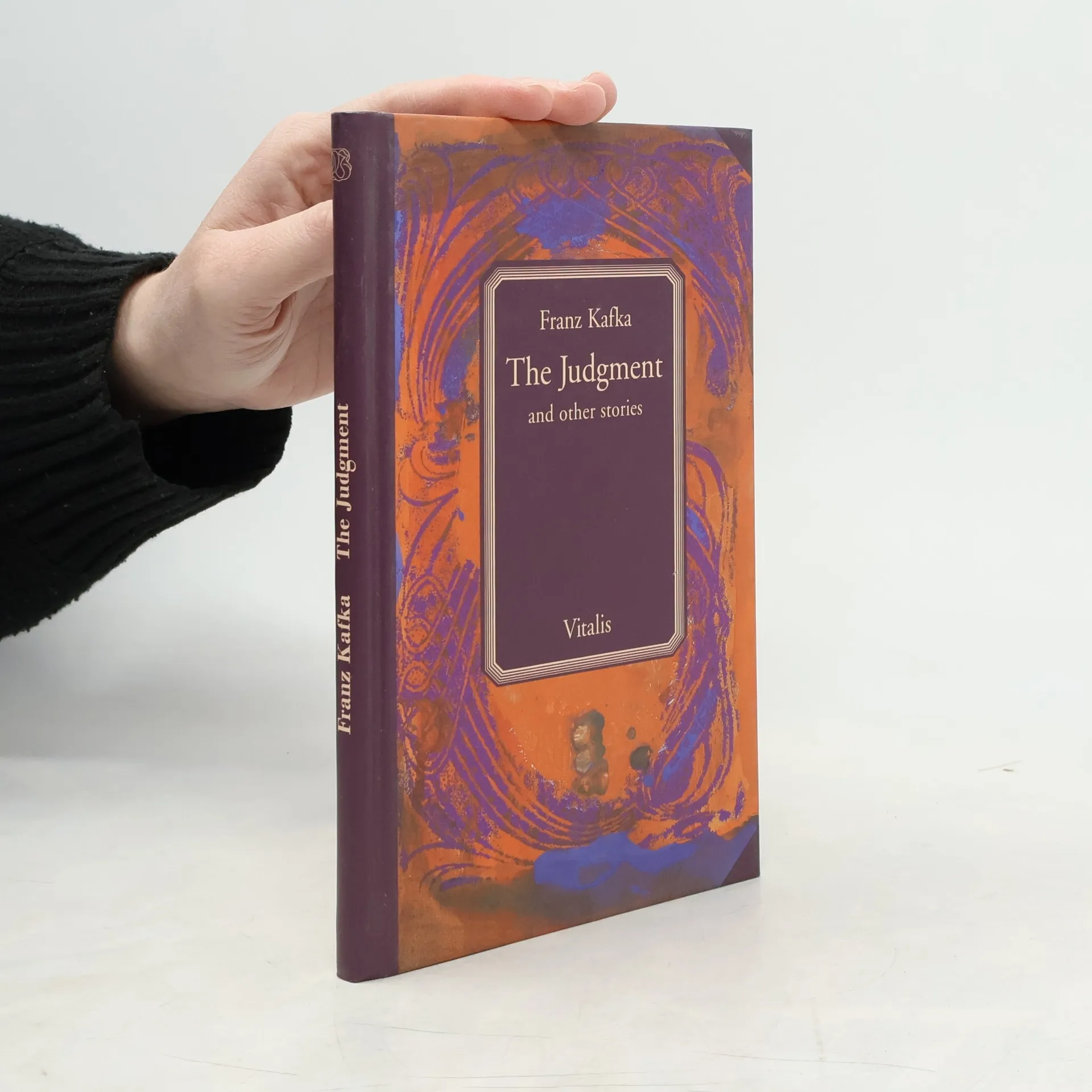
    • The Judgment and other stories

      • 135 páginas
      • 5 horas de lectura

      "His language is crystal clear, and on the surface one observes, in a sense, no other aim than to be accurate, lucid, and suitable to the subject. And yet dreams, visions of measureless depth, are conveyed beneath the serene mirror of this pure stream of language. One peers into it and is spellbound by beauty and originality" --Max Brod in Die Neue (Rundschau 1921) Translated from German by Jon Calame and Seth Rogoff. Story index: The Judgement. A Story The Stoker. A Fragment The Bucket-Rider In the Penal Colony Great Noise The First Chapter of "Richard and Samuel" by Max Brod and Franz Kafka The Air Show at Brescia

      The Judgment and other stories
      3,9
    • A Hunger-Artist

      • 144 páginas
      • 6 horas de lectura

      The whole town got involved with the hunger-artist; from day to day of his starving, people's participation grew; everyone wanted to see the hunger-artist at least once a day; on the later days there were season-ticket holders who sat for days on end in front of his little cage Reading these stories by the master of the absurd is like entering a dreamworld in which nothing, and yet somehow everything, makes sense.

      A Hunger-Artist
      3,8
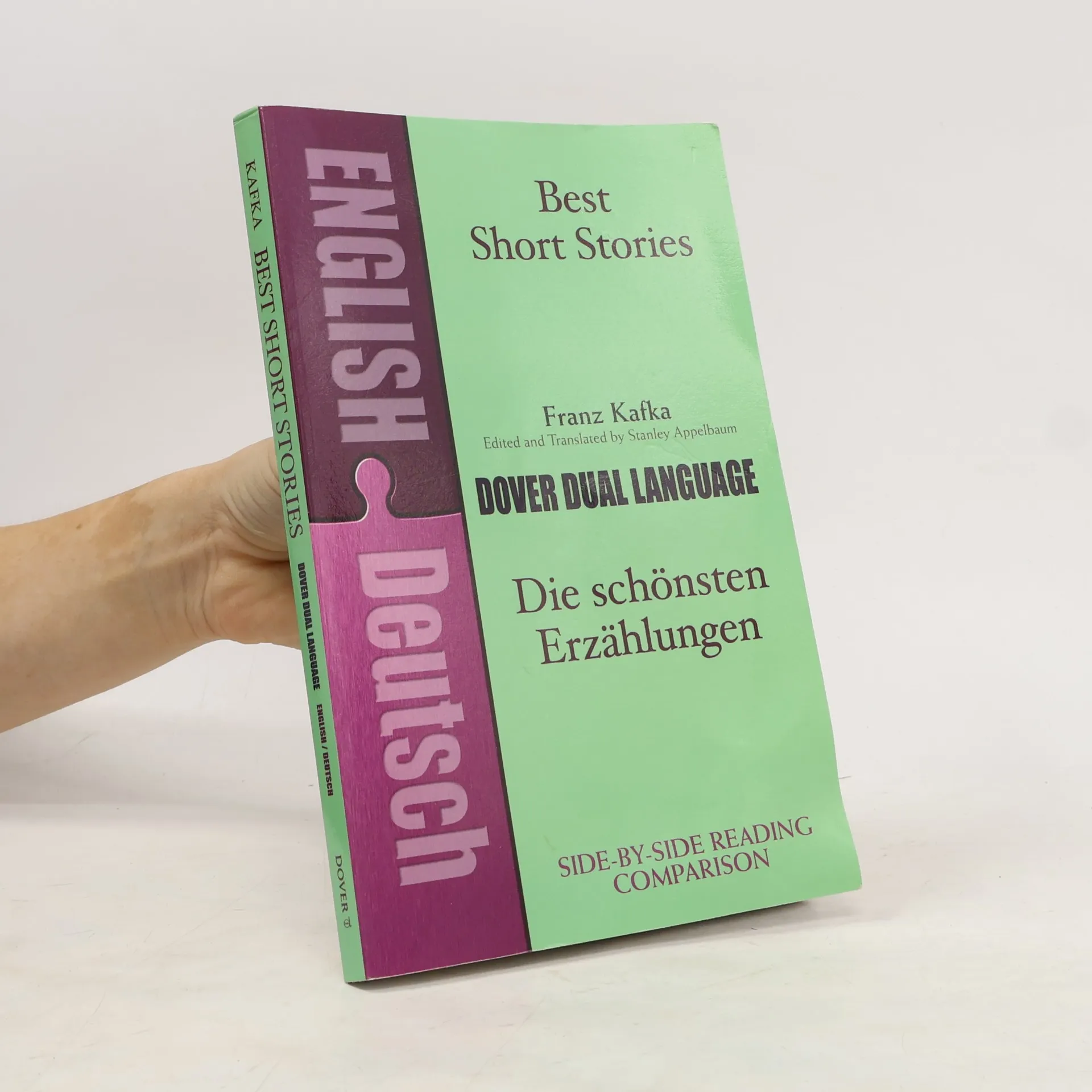
    • Students of German language and literature will welcome this dual-language edition of five stories by Franz Kafka (1883–1924). Considered one of the greatest modern writers, Kafka wrote tales that brilliantly explore the anxiety, futility, and complexity of modern life.The stories in this volume are "The Metamorphosis" (thought by many critics to be Kafka's most perfect work), "The Judgment," "In the Penal Colony," "A Country Doctor," and "A Report to an Academy." Along with the original German texts, Stanley Applebaum has provided accurate English translations on facing pages, affording students an ideal opportunity to read some of Kafka's finest stories in the original, to discover the passion and profundity of this extremely important figure in modern European literature, and to upgrade their German language skills.

      Best Short Stories
      3,8
    • Kafkaesque

      • 160 páginas
      • 6 horas de lectura

      Award-winning graphic novelist Peter Kuper presents a mesmerising interpretation of fourteen iconic Kafka short stories.

      Kafkaesque
      3,8
    • The Unhappiness of Being a Single Man

      • 192 páginas
      • 7 horas de lectura

      The best stories by the one of the twentieth century's greatest and most influential writers No one has captured the modern experience, its wild dreams, strange joys, its neuroses and boredom, better than Franz Kafka. His vision, with its absurdity and twisted humour, has lost none of its force or relevance today. This essential collection, translated and selected by Alexander Starritt, casts fresh light on Kafka's genius. Alongside brutal depictions of violence and justice are jokes and deceptively slight, mysterious fables. These unforgettable pieces reflect the brilliance at the core of Franz Kafka, arguably most fully expressed within his short stories. Together they showcase a writer of unmatched imaginative depth, capable of expressing the most profound reality with a wry smile.

      The Unhappiness of Being a Single Man
      3,7
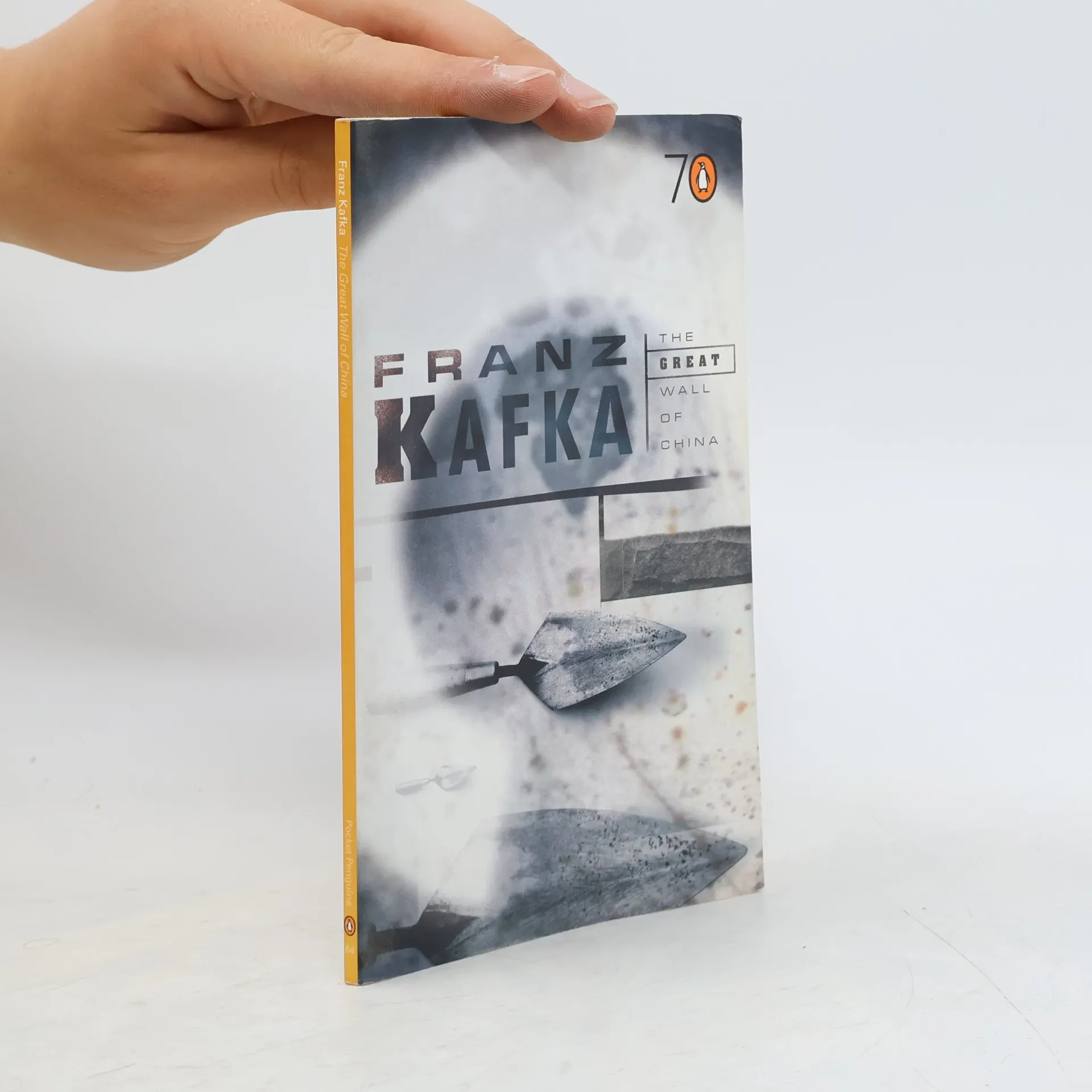
    • In May 2005 Penguin will publish 70 unique titles to celebrate the company's 70th birthday. The titles in the Pocket Penguins series are emblematic of the renowned breadth of quality of the Penguin list and will hark back to Penguin founder Allen Lane's vision of good books for all'. as among the greatest works of early twentieth-century literature. His most famous and influential work, Metamorphosis, depicting a man who wakes up to discover he has been turned into an insect, was first published by Penguin in 1961. These lucid stories and brief fables describe the cruel absurdities he believed dominate human life.

      The Great Wall of China
      3,8
    • Beschreibung eines Kampfes

      • 280 páginas
      • 10 horas de lectura

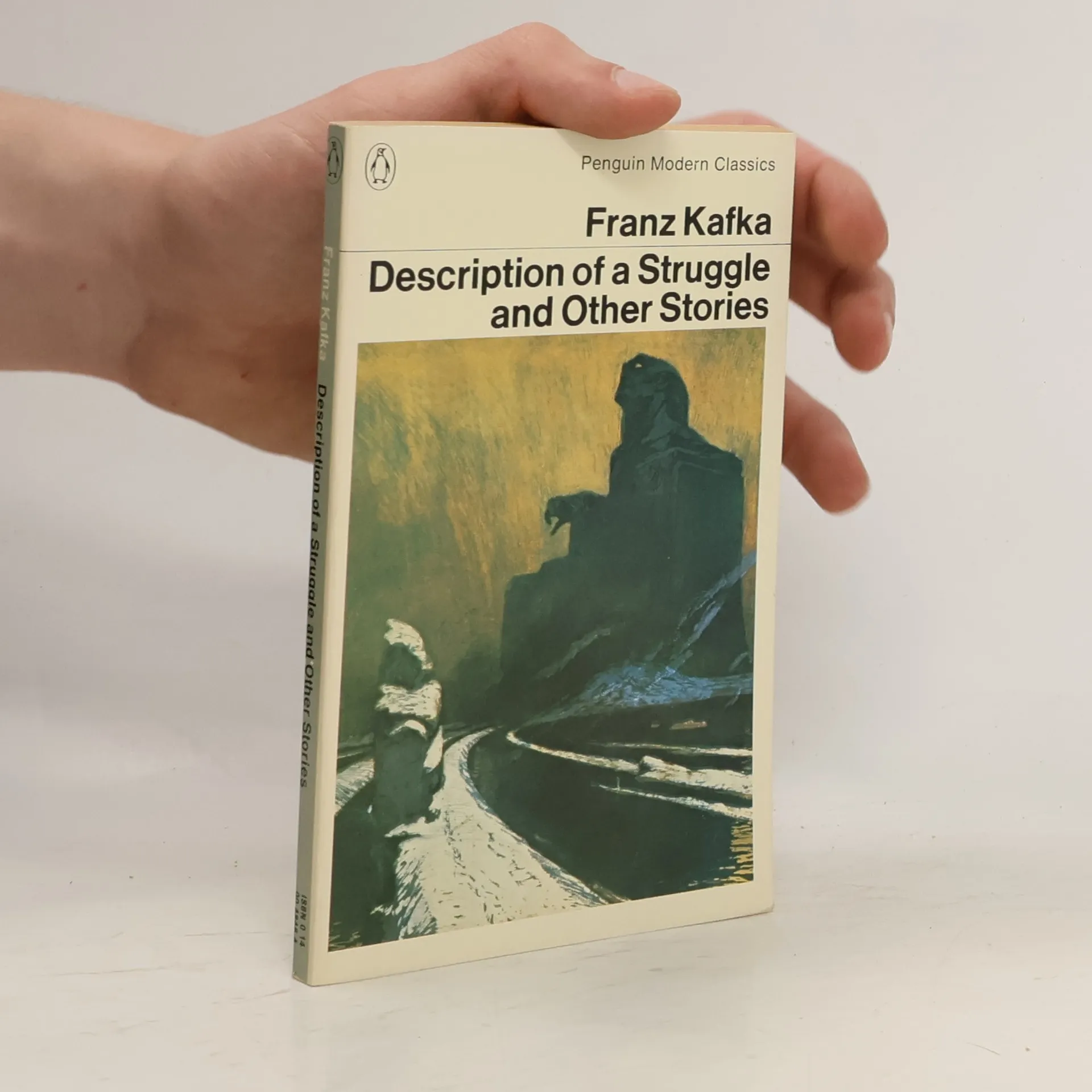
      Description of a Struggle is a three-part story written by Franz Kafka between 1903 and 1907. It constitutes his oldest surviving work and was only published after his death. The first and third sections describe Prague society- and night-life from the point of view of the author and his acquaintance. The central section can be viewed as a fantastical dream sequence divided into several sub-sections. Kafka wrote two versions of this story.

      Beschreibung eines Kampfes
      3,8
    • The Burrow and Other Stories

      • 240 páginas
      • 9 horas de lectura

      After Franz Kafka's death, in perhaps the most important of all acts of literary disobedience, his executor refused to agree to Kafka's wish that his great mass of unpublished fiction be destroyed. This fiction included not only The Castle and The Trial but also the amazingly varied, chilling and ingenious short works collected in The Burrow and Other Stories. These tales, some little more than a page, others much more substantial, are among the greatest works of Central European literature. They vary from the tiny and horrifying 'Little Fable' to the elaborate waking nightmares of 'Building the Great Wall of China' and the title story 'The Burrow', in which an unidentified creature describes its creation of an endlessly elaborate burrow to protect itself from unidentified enemies, but with every trap or tunnel only creating further terrors and uncertainty.

      The Burrow and Other Stories
      3,6
    • Blumfeld, an Elderly Bachelor

      • 88 páginas
      • 4 horas de lectura

      In this volume, British artist David Musgrave revisits Franz Kafka's novella Blumfeld, an Elderly Bachelor , the tale of a man who arrives home one day to find two plastic balls bouncing off the ground of their own accord. To his great irritation, these balls follow Blumfeld--who is a stickler for absolute order in his universe--wherever he goes, and his attempts to divest himself of their presence are described with Kafka's customary flair for the detached observation of the extremely bizarre. Musgrave has responded to Kafka's story with a series of pencil drawings of curious artifacts and pseudo-archaeological fragments of his own invention. Combined with John Morgan's austere design--which finds the book typeset in Kafka's preferred font and large type size, which he was never able to see printed in his lifetime--this volume almost feels like a case study of some unique bygone supernatural phenomenon.
      Blumfeld, an Elderly Bachelor
      3,5
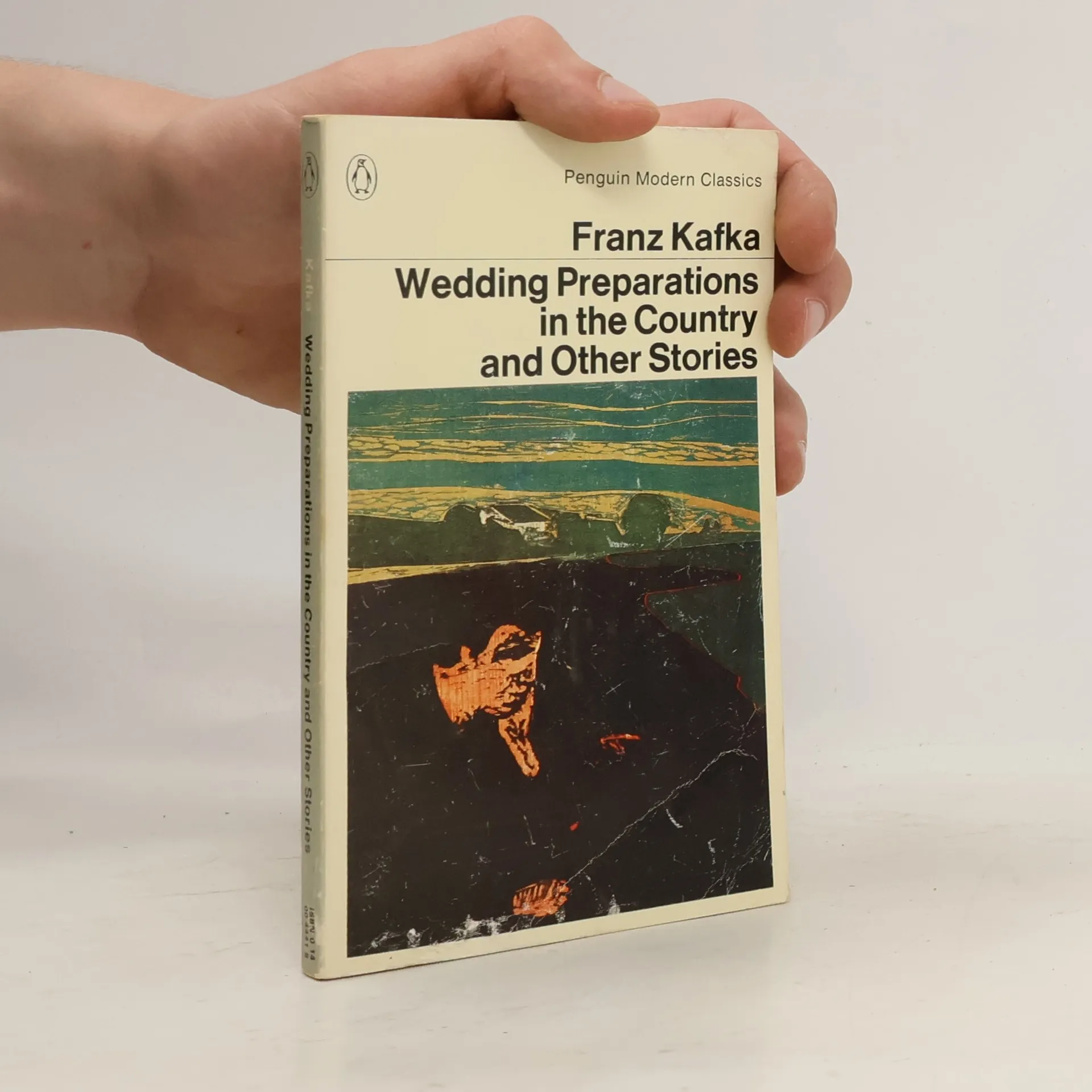
    • In these stories the obscure, yet terrifyingly clear world of Franz Kafka is given enigmatic force. The author's themes are not the fashionable ones of alienation, angst and existentialism; they are powerful allegories of man's spiritual exile from the reality of twentieth-century Europe.

      Wedding Preparations in the Country and Other Stories
      3,3
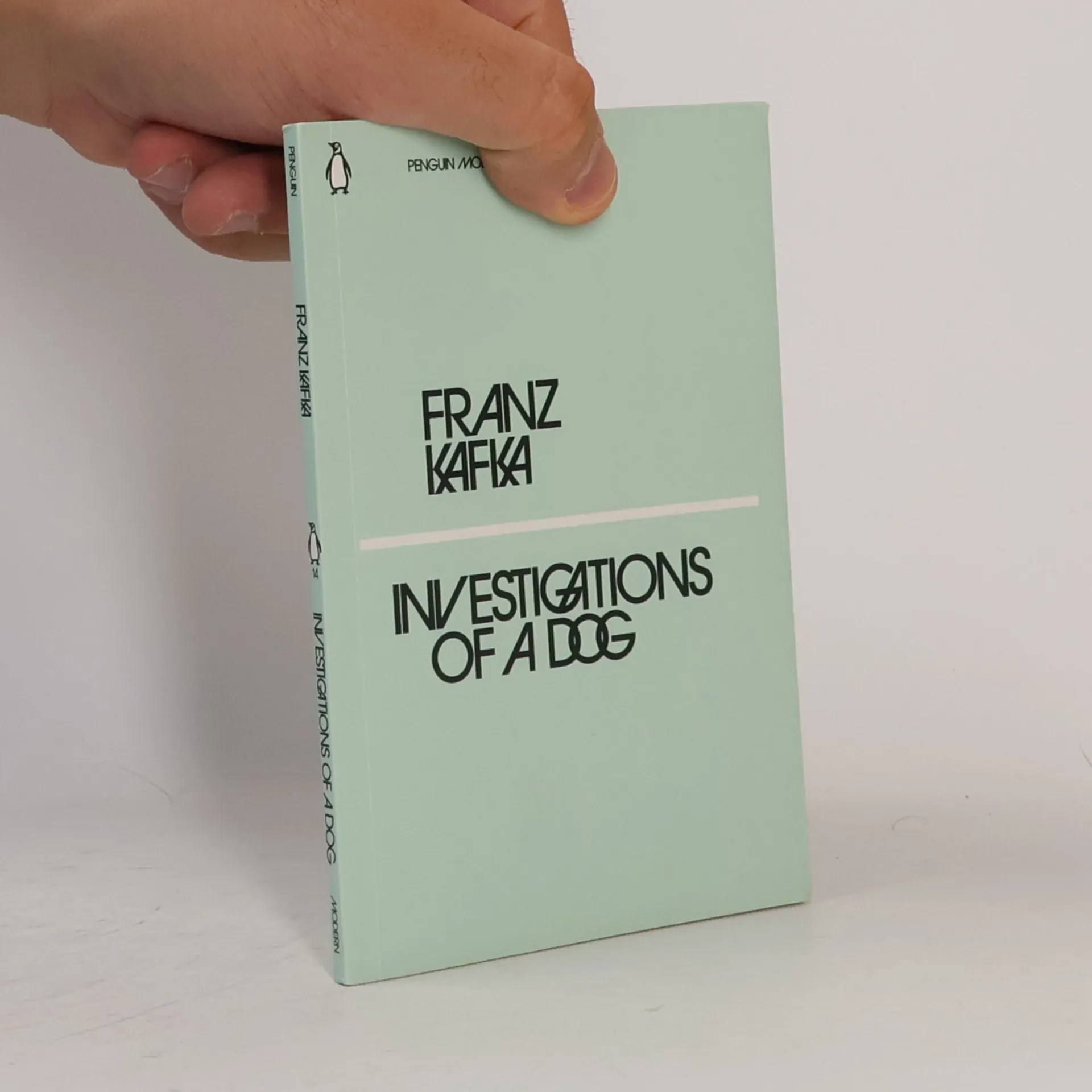
    • How does a dog see the world? How do any of us? In this story of a canine philosopher, Kafka explores the limits of knowledge

      Investigations of a dog
      3,0
    • The Metamorphosis / Die Verwandlung

      • 103 páginas
      • 4 horas de lectura

      Described by Nobel laureate Elias Canetti as, "one of the few great and perfect works of the poetic imagination," this short fable about a man who wakes up one morning transformed into a giant insect is deeply funny in its tragedy and heartbreaking in its humor.
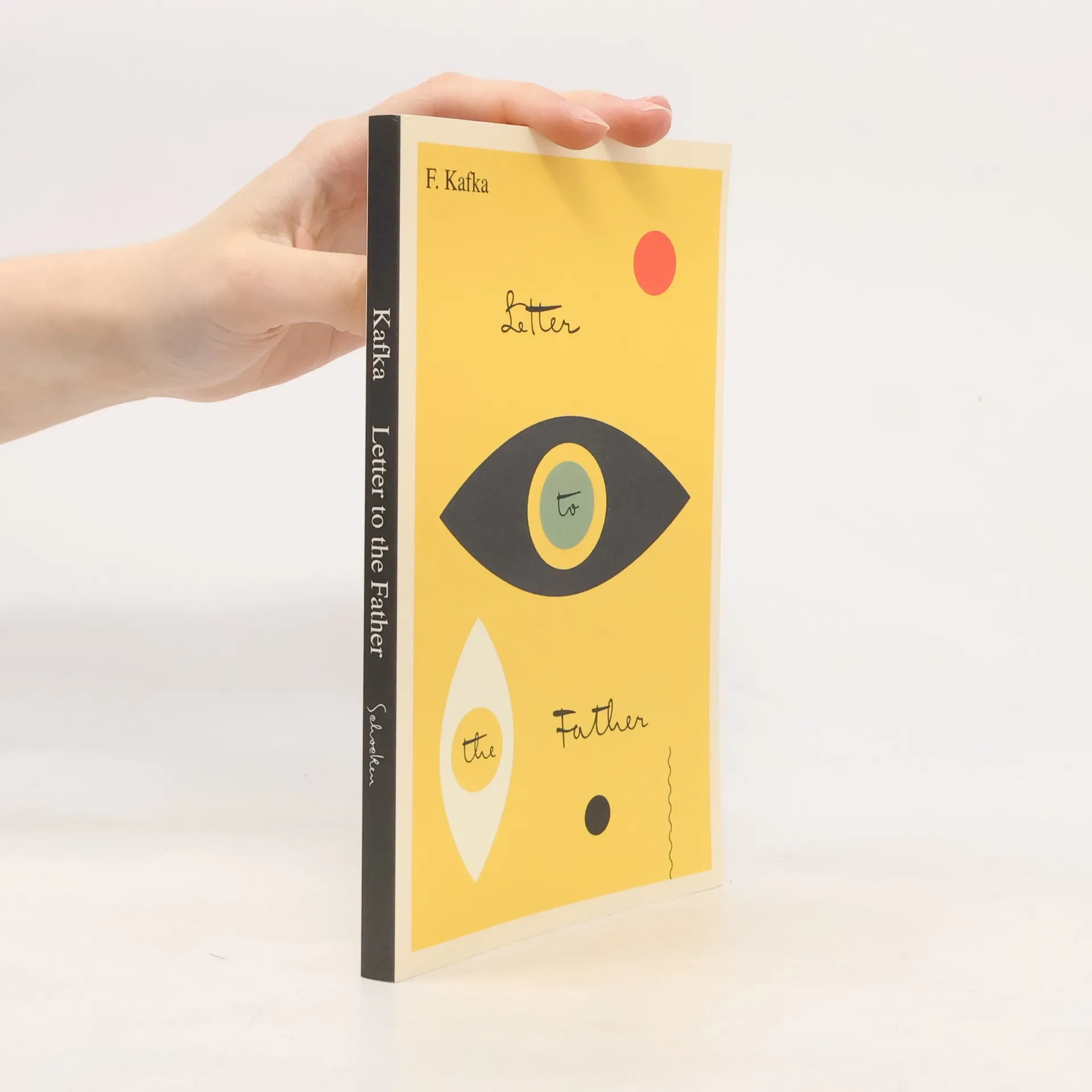
      The Metamorphosis / Die Verwandlung
    • The Trial and Metamorphosis

      • 302 páginas
      • 11 horas de lectura

      The Trial, German Der Prozess, novel by visionary German-language writer Franz Kafka, originally published posthumously in 1925. One of Kafka’s major works, and perhaps his most pessimistic, this surreal story of a young man who finds himself caught up in the mindless bureaucracy of the law has become synonymous with the anxieties and sense of alienation of the modern age and with an ordinary person’s struggle against an unreasoning and unreasonable authority. It is often considered to be an imaginative anticipation of totalitarianism. The Metamorphosis, It is the story of a young man who, transformed overnight into a giant beetle-like insect, becomes an object of disgrace to his family, an outsider in his own home, a quintessentially alienated man. A harrowing—though absurdly comic—meditation on human feelings of inadequacy, guilt, and isolation, The Metamorphosis has taken its place as one of the most widely read and influential works of twentieth-century fiction. As W.H. Auden wrote, "Kafka is important to us because his predicament is the predicament of modern man."

      The Trial and Metamorphosis
    • I Was In Great Perplexity

      New Translations of My Favorite Kafka Stories

      • 292 páginas
      • 11 horas de lectura

      The narrative explores the intricacies of human relationships and the challenges of personal growth. It delves into the lives of its characters as they navigate emotional struggles and seek connection in a rapidly changing world. Themes of resilience and self-discovery are prominent, offering readers insight into the characters' journeys toward understanding themselves and each other. The second edition brings updated perspectives and refined storytelling, enhancing the overall experience for both new readers and returning fans.

      I Was In Great Perplexity