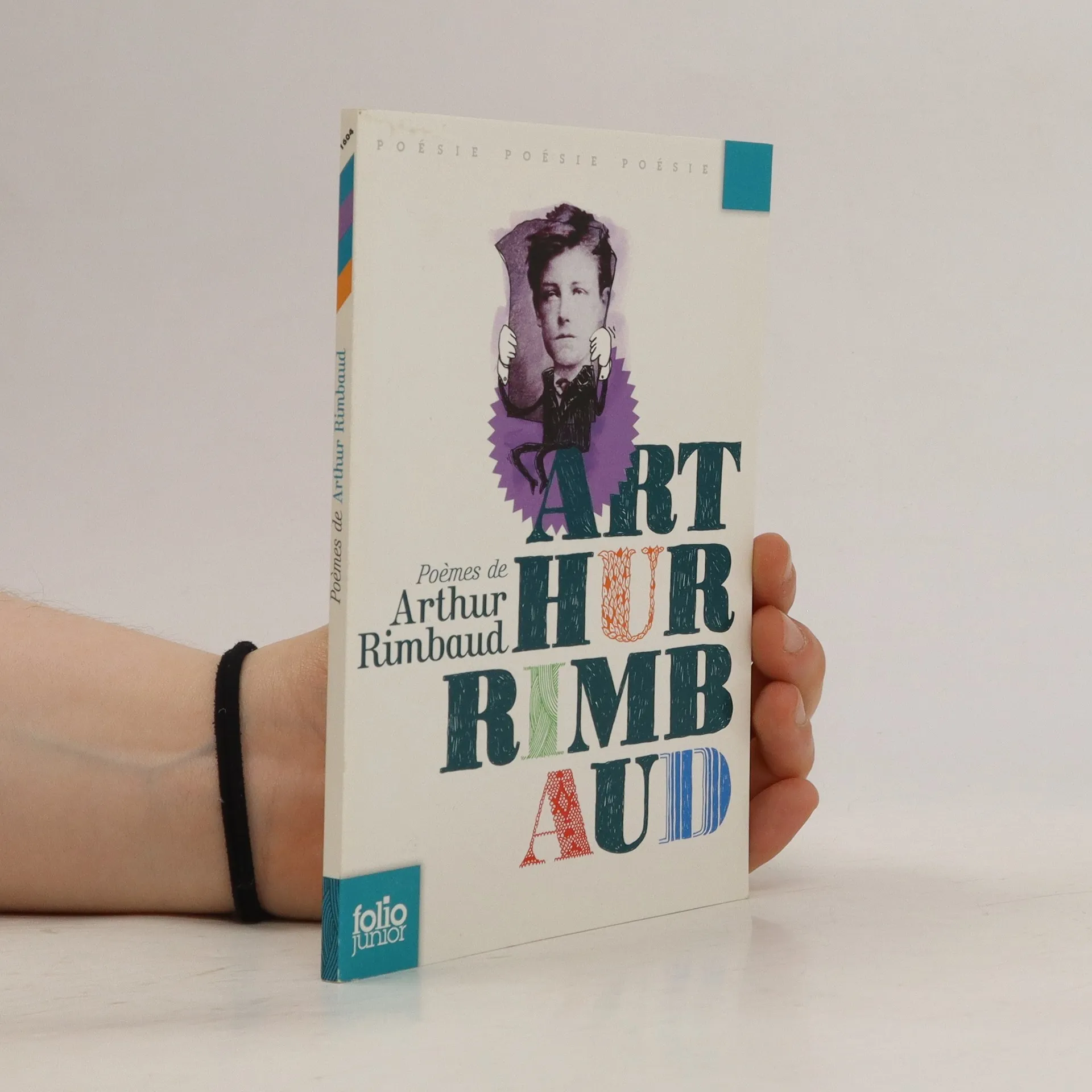
Prosas e iluminaciones
- 115 páginas
- 5 horas de lectura


Poeta y aventurero francés que dejó de escribir verso a los 19 años, se convirtió en un mito inextricable de la vida gay francesa tras su temprana muerte. La poesía de Rimbaud, escrita en parte en verso libre, se define por su visión dramática e imaginativa, y el poeta declaraba que uno debe hacerse visionario. Sus obras se encuentran entre las más originales del movimiento simbolista. Su poema más célebre es una alegoría de una búsqueda espiritual, que representa el viaje de una embarcación.


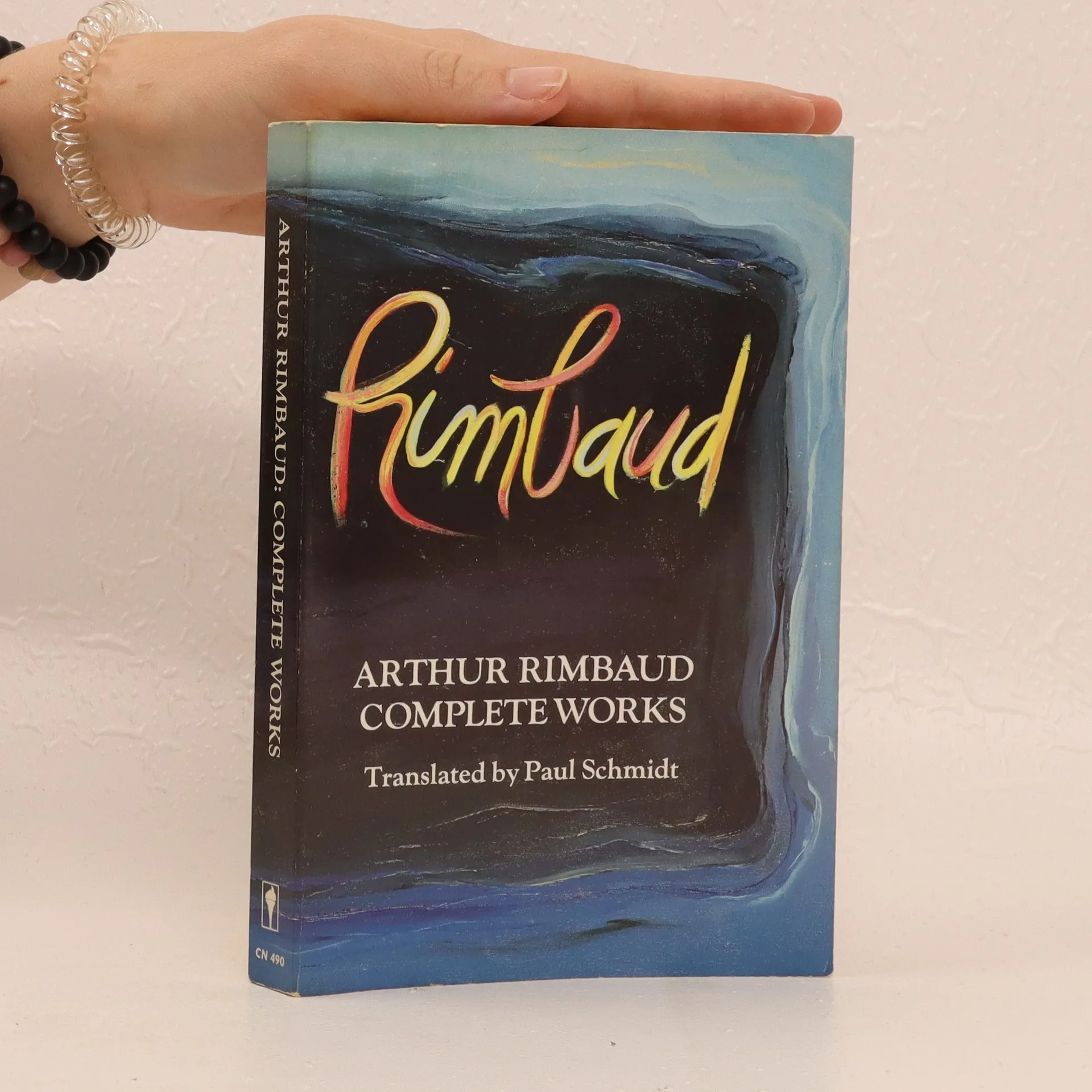

Presents a new translation and a revised chronology along with a sketch of the poet's life.
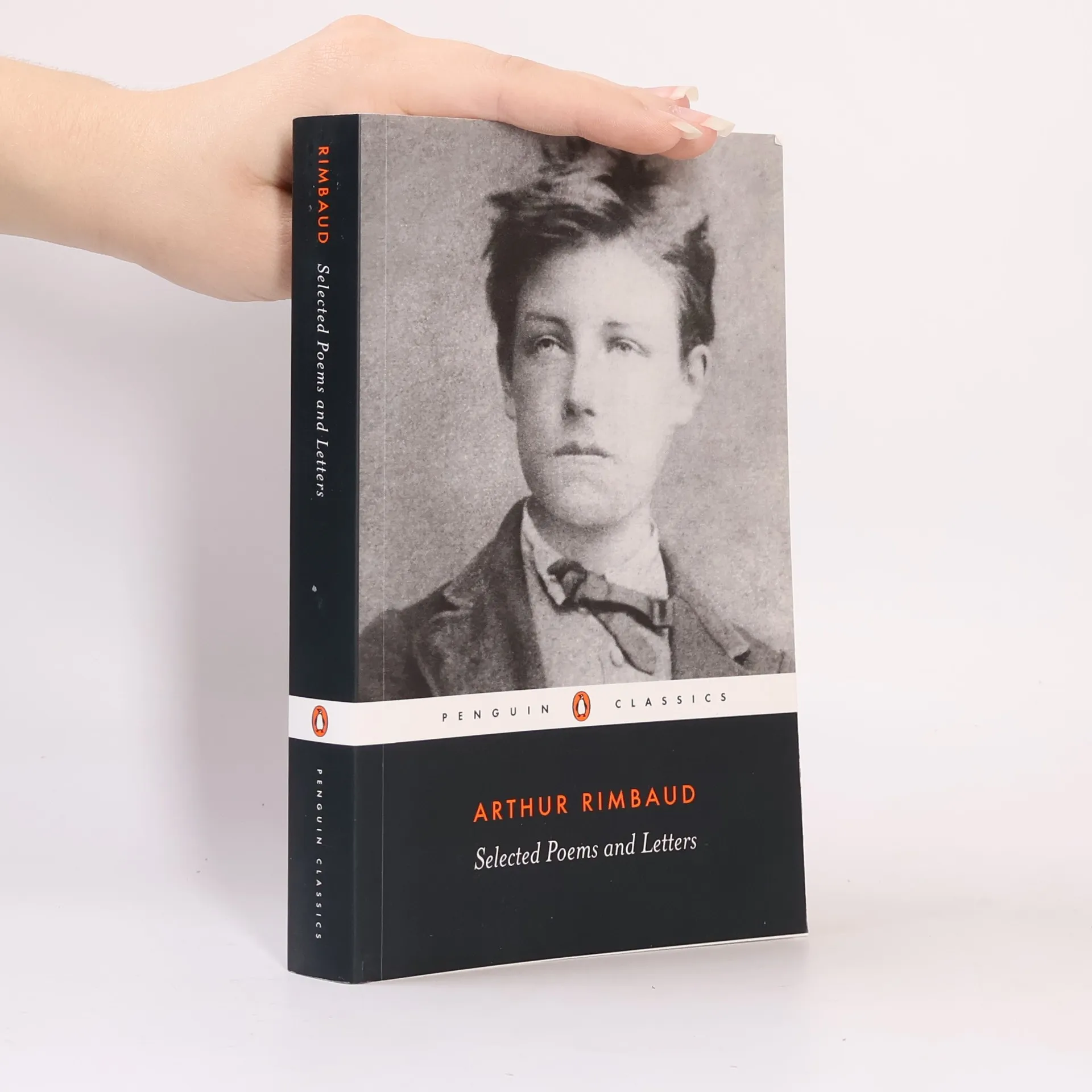
A phenomenonally precocious schoolboy, Rimbaud was still a teenager when he became notorious as Europe's most shocking and exhilarating poet. This book sets the two sides of Rimbaud side by side with a translation of his exhilarating poetry and a selection of the letters from the harsh and colourful period of his life as a colonial trader.
Features A Season in Hell, one of the great works of modern literature, and many of the verse poems which Rimbaud wrote between March 1870 and August 1872.
This may be the most beautiful book in the world, lighted from within and somehow embodying all forms of literature. Susan Salter Reynolds, Los Angeles Times
Exploring themes of love, rebellion, and existential despair, this collection features Arthur Rimbaud's "A Season in Hell," a prose poem reflecting on his tumultuous relationship with Paul Verlaine. It includes "The Drunken Boat," a vivid narrative of loss at sea, and "Illuminations," a celebrated series of forty-two prose poems. Rimbaud's innovative style and profound insights have earned him recognition as a pivotal figure in modern symbolism, as noted by Albert Camus. This edition is printed on premium acid-free paper and showcases translations by notable scholars.
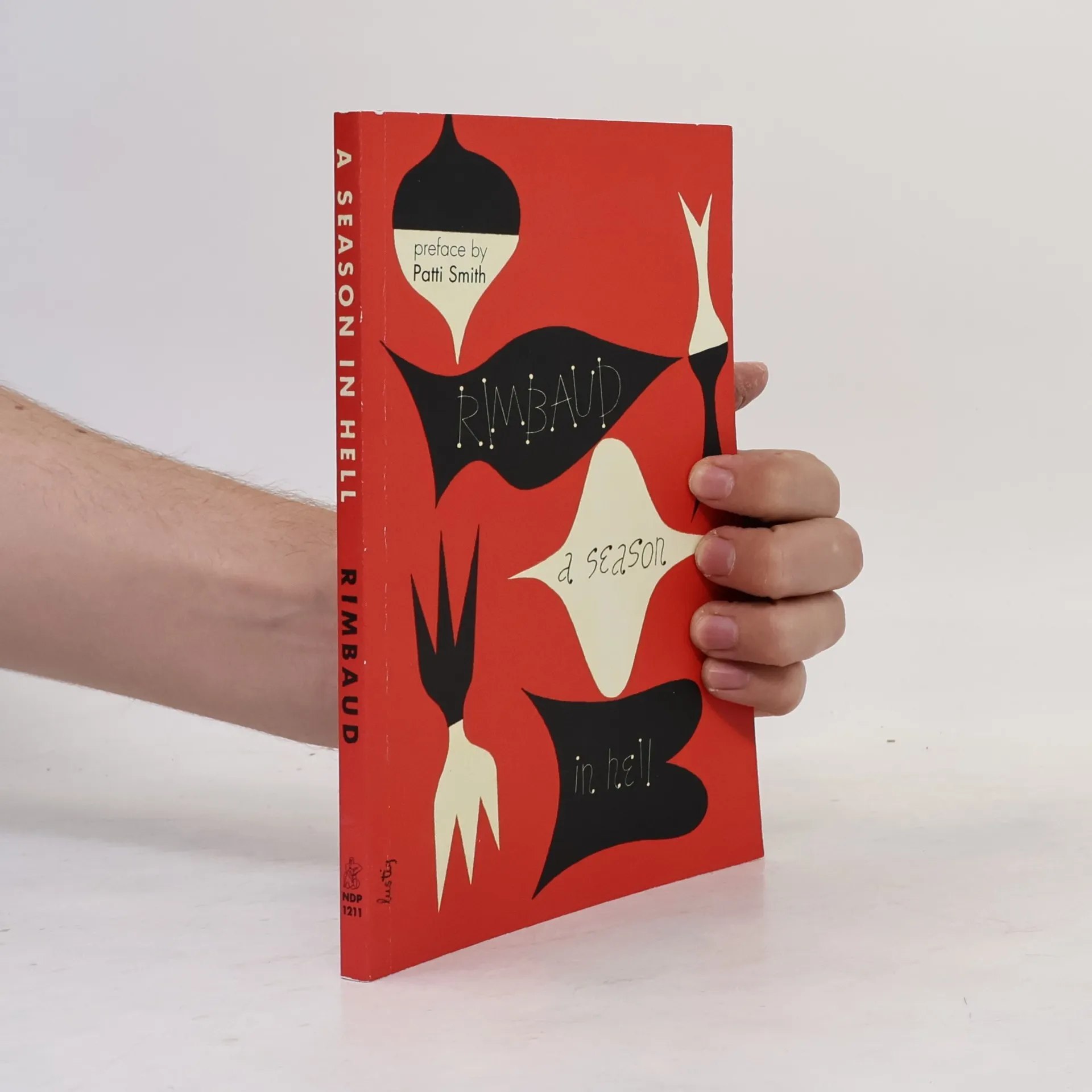
A reissue of Rimbaud's highly influential work, with a new preface by Patti Smith and the original 1945 New Directions cover design by Alvin lustig.
Written by Rimbaud at the age of 18 in the wake of his tempestuous affair with fellow poet Paul Verlaine, "A Season in Hell" has been a touchstone for anguished poets, artists, and lovers for more than a century. This stunning volume presents Rimbaud's poem in the original French and in English translation. Each of the poem's eight sections if accompanied by a dazzling Mapplethorpe photograph that brilliantly complements the work's shifting moods. 95 pp. 20,000 print. Copyright © Libri GmbH. All rights reserved.
'The poet makes himself a seer by a long, prodigious, and rational disordering of all the senses. . .' Rimbaud was sixteen when he made this famous declaration. By 1886, then thirty-two and an explorer, trader and slave-trader on the Red Sea, he had absolutely no interest in the fate or success of the poetry infused with mysticism, alchemy and magic that he had written in his teens. That same year, in Paris, Les Illuminations was being published as the work of 'the late' Arthur Rimbaud, first in a Symbolist periodical and then in book form, with an Introduction by his former lover, Verlaine. Seldom has a writer's vision of changing the world through words failed so spectacularly as did Rimbaud's. That failure turned him into an incomparable tragic poet: not only 'a wild undisciplined genius, a mystic philosopher and thinker, an inspired poet' but also, according to Enid Starkie, 'one of the most finished artists . . . a supreme master of prosody and style'. This Penguin Classic reproduces the text of the Pléiade edition, 1954, with selected letters and prose translations that have been highly acclaimed.
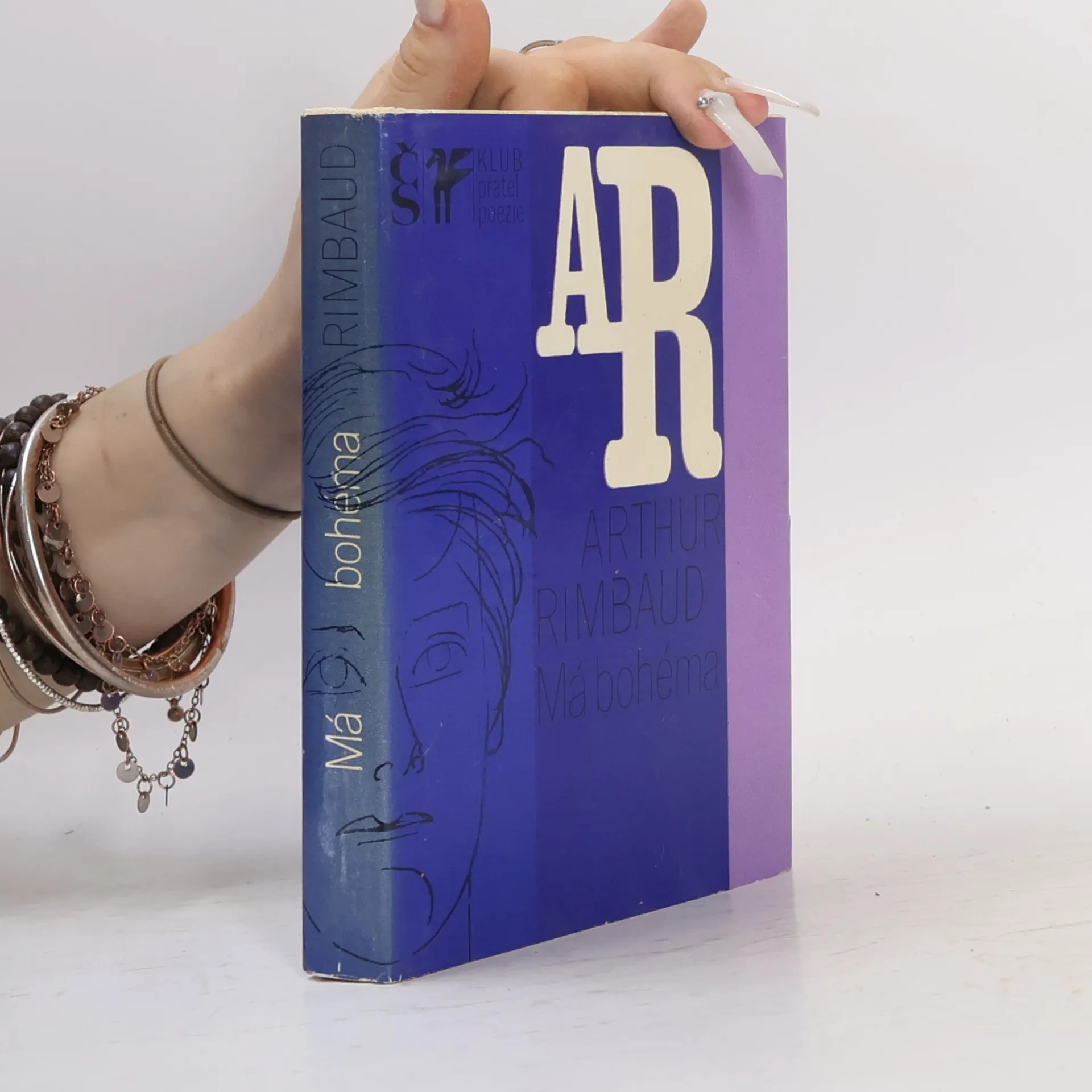
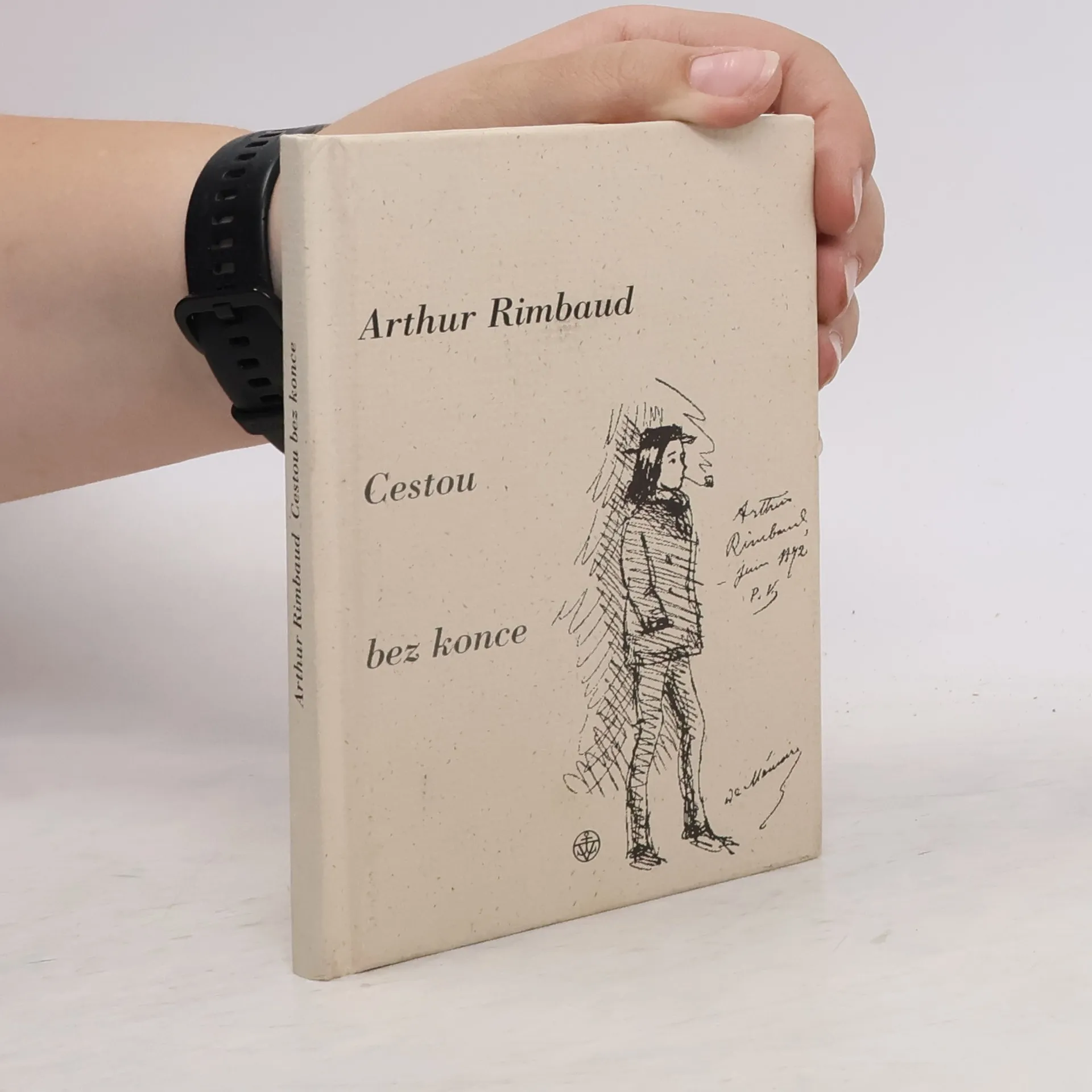
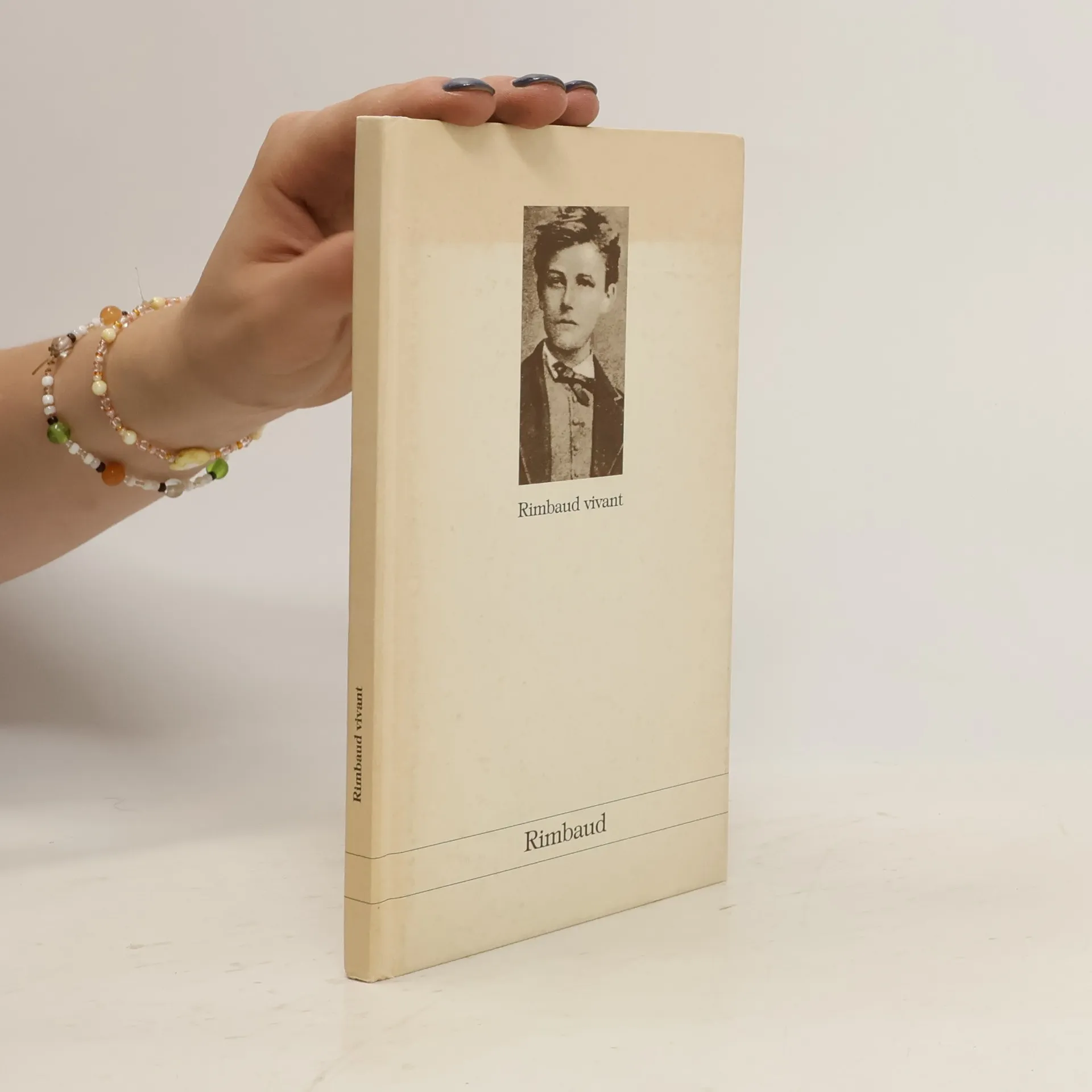
Výborem z básní, prózy a korespondence spolu s obsažným úvodním slovem a množstvím dokumentárních fotografií je čtenáři přiblížen jeden z „prokletých básníků“, člověk pohnutých až románových životních osudů a tvůrce,který svým dílem vzrušoval a vzrušuje vždy nové generace básníků i čtenářů.
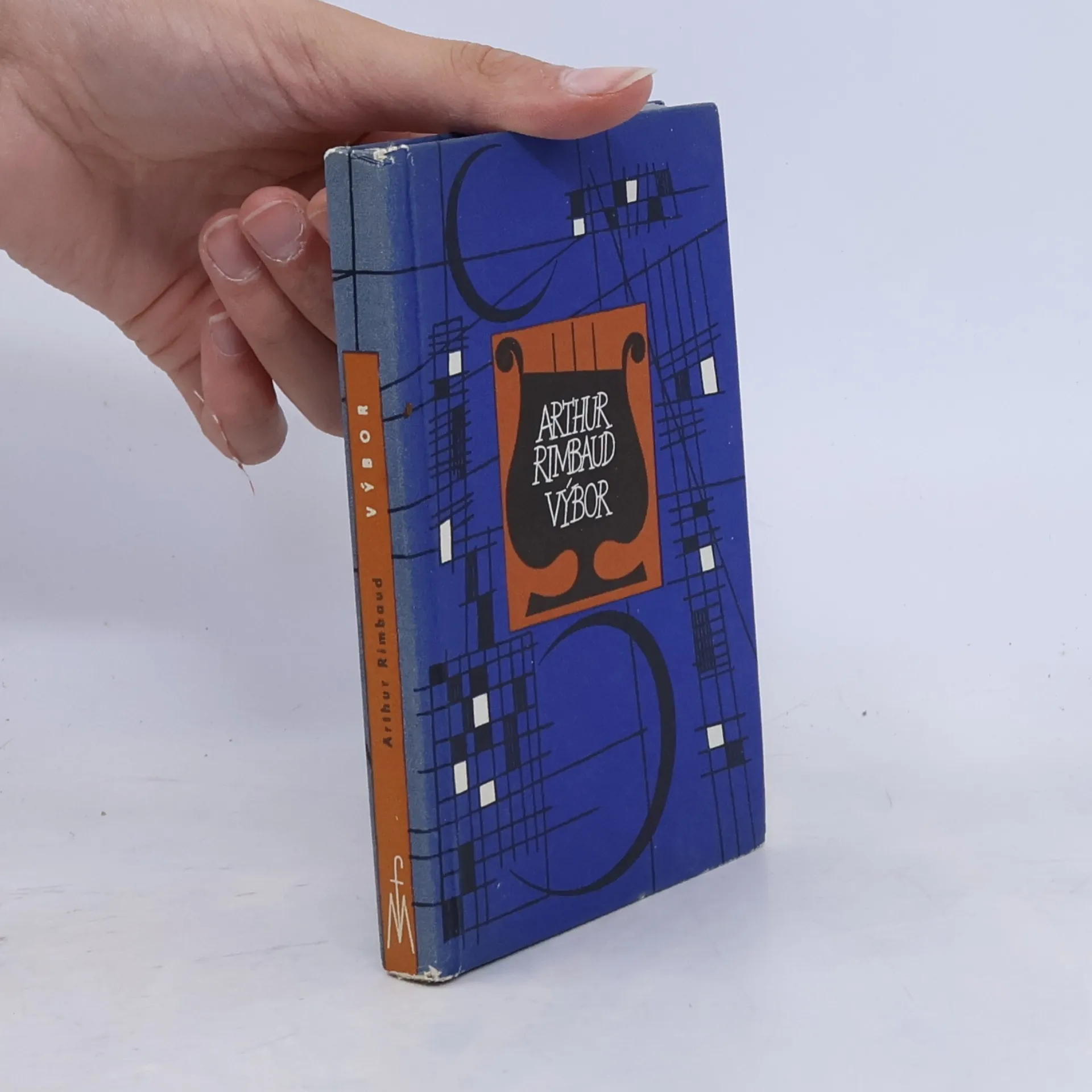
Výbor z veršů a próz A. Rimbauda. Nakonec obsahuje stať: K mému překladu Rimbauda od V. Nezvala. V knize se odrážejí výsledky dosavadního rimbaudovského bádání a v této podobě představuje výbor zatím nejúplněji a nejautentičtěji tvorbu tohoto prokletého básníka u nás.
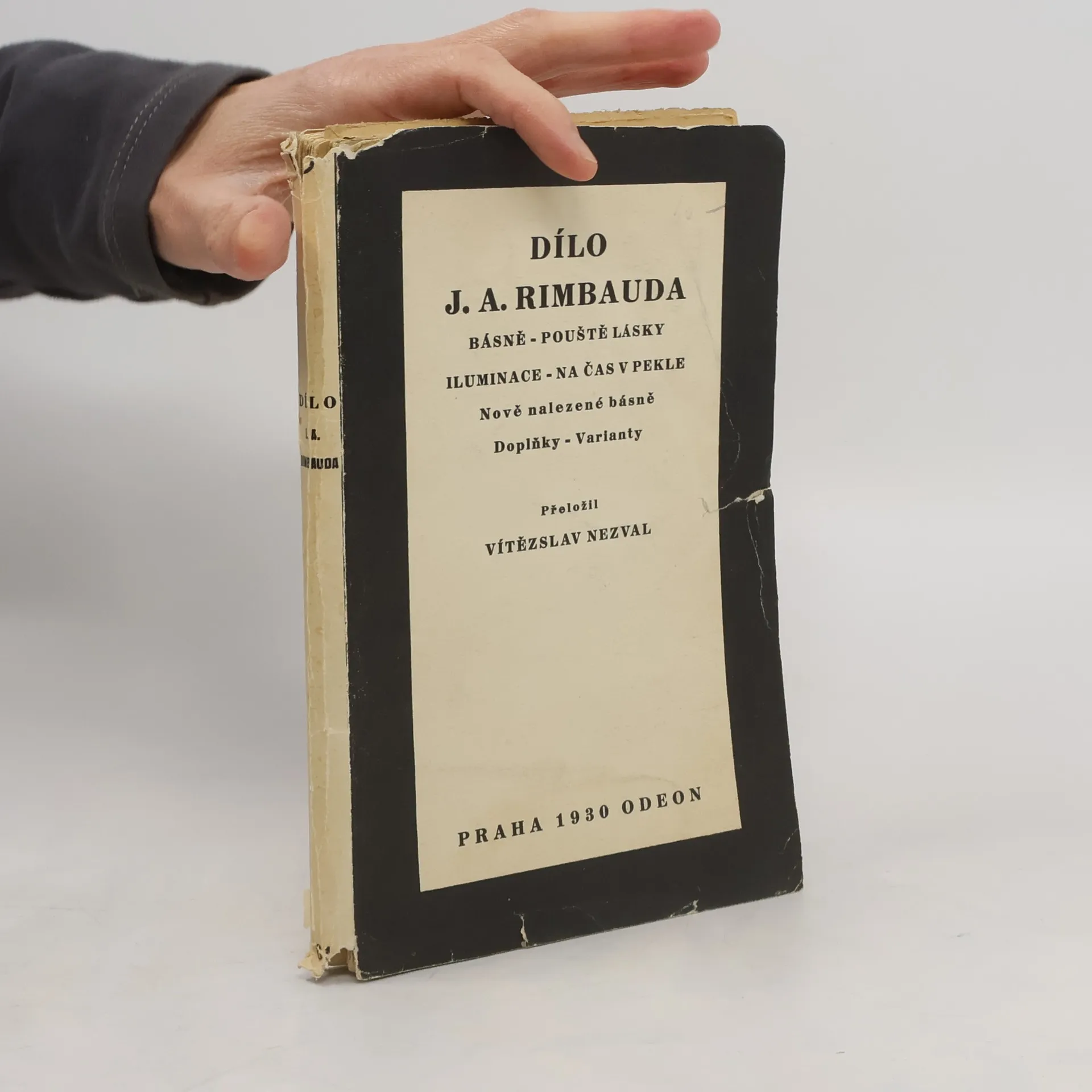
Souborné vydání Rimbaudova básnického díla doplněné o všechny do té doby nalezené texty a zlomky. Obsahuje oddíly: Básně, Pouště lásky, Iluminace, Na čas v pekle, Školní úloha. 2. vydání (poprvé byla kniha vydána v témže roce v Odeonu).
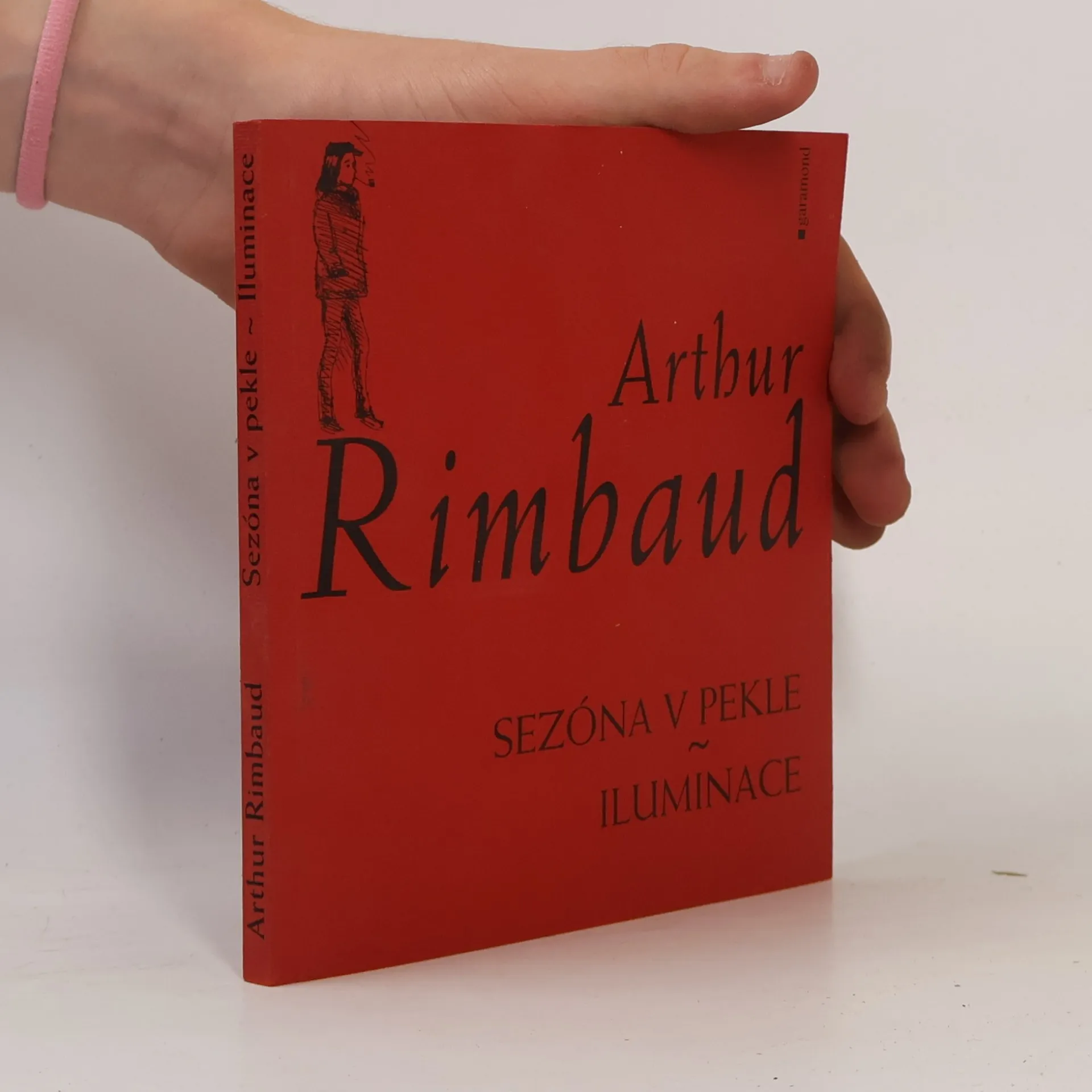
Sezóna v pekle a Iluminace jsou díla uhrančivé, výbušné krásy. Vzácné kameny vložené do samých základů moderní poezie. Přitahují a jitří ty šťastné, kteří se chystají pustit se do jejich hledání. Nejsou snadné k nalezení a hledači se těžko shodnou na jednoznačném výkladu. Básník dobývá z nitra vzpomínky, pátrá v temnotách po pravé lásce, znovu prožívá vztah k Verlainovi, hodnotí básnické pokusy "vidoucího", těží zážitky z cest a za horka předkládá náhledy na moderní dobu, na demokracii, pekelné přeludy velkoměsta.
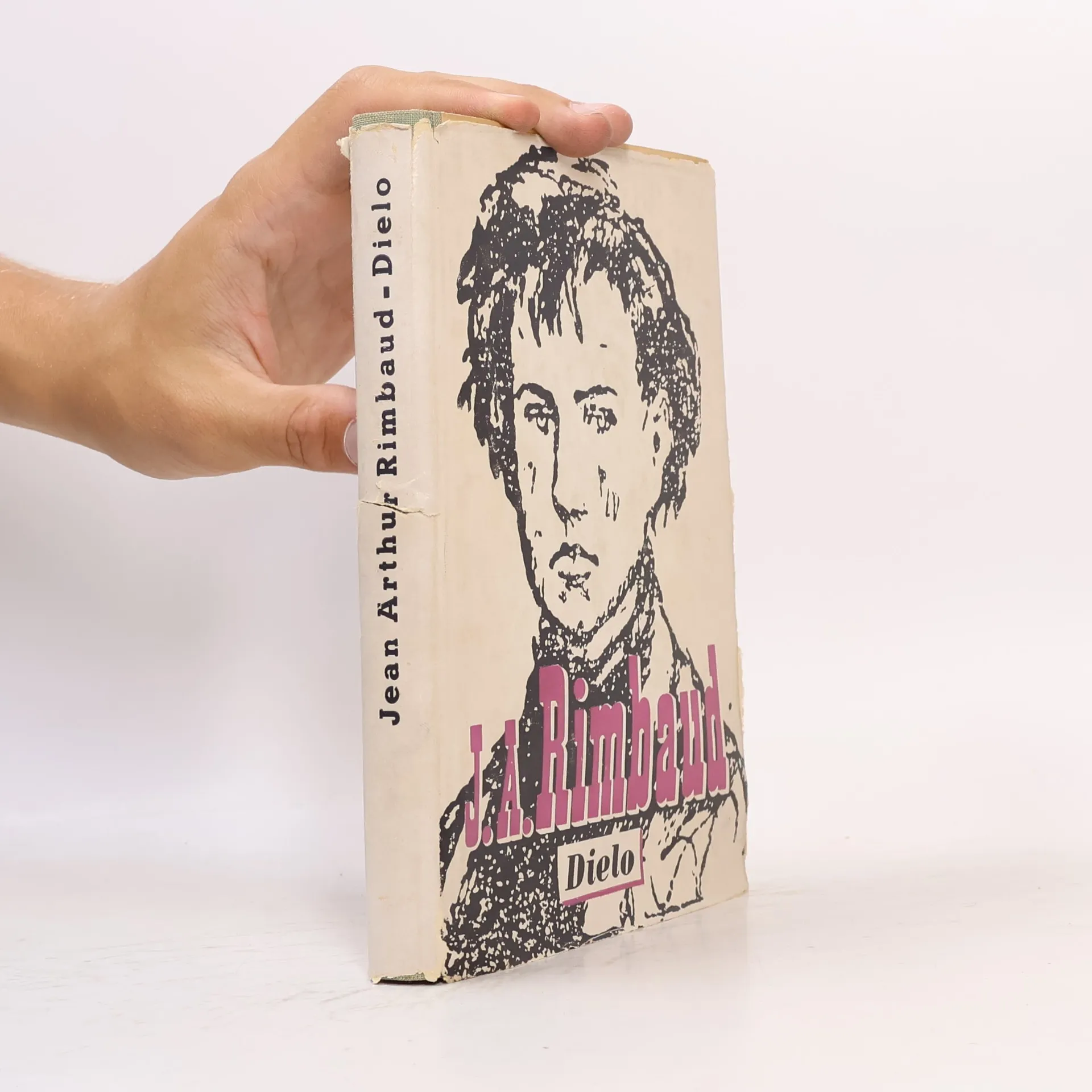
Spoločné vydanie troch zbierok: Básne, Iluminácie a Pobyt v pekle.
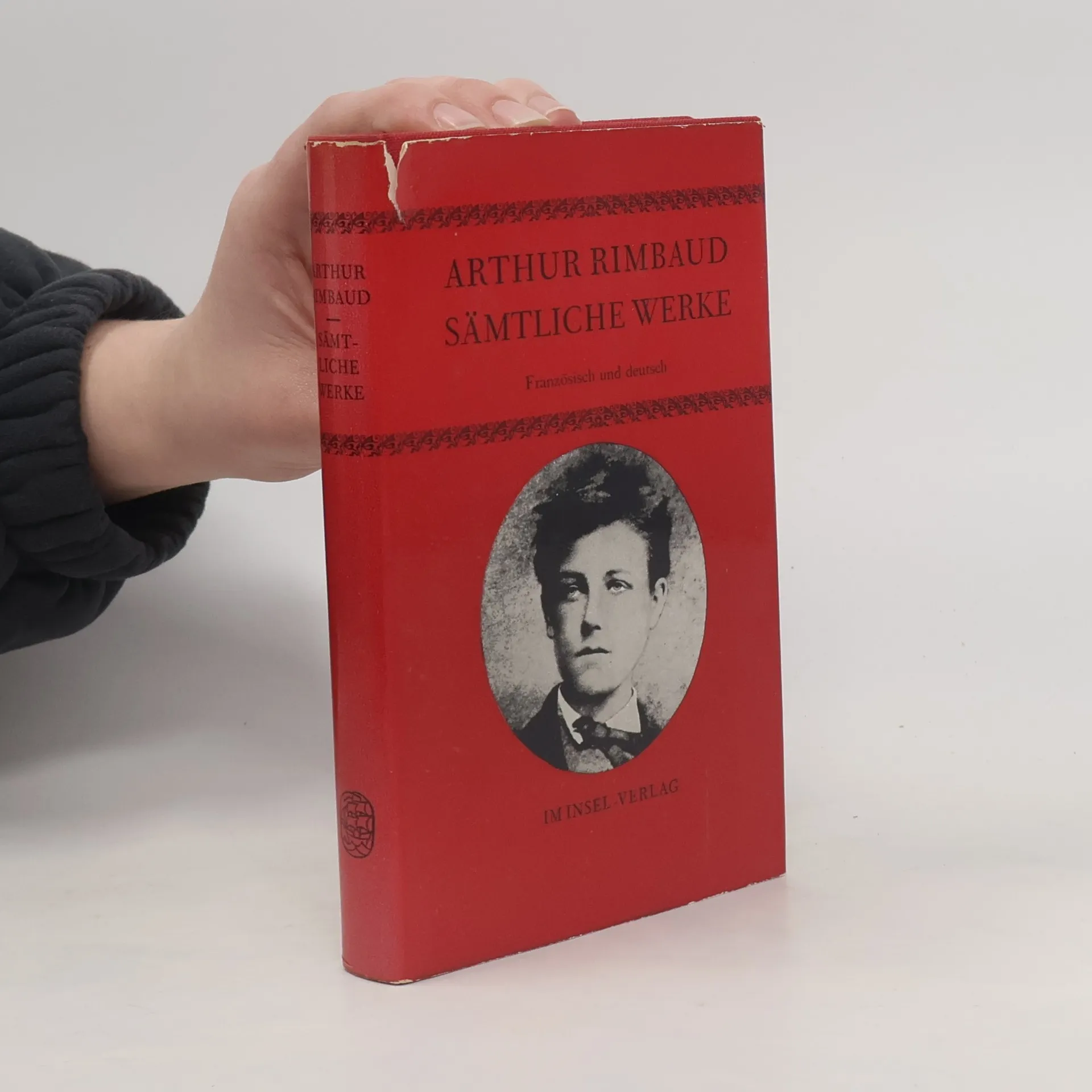
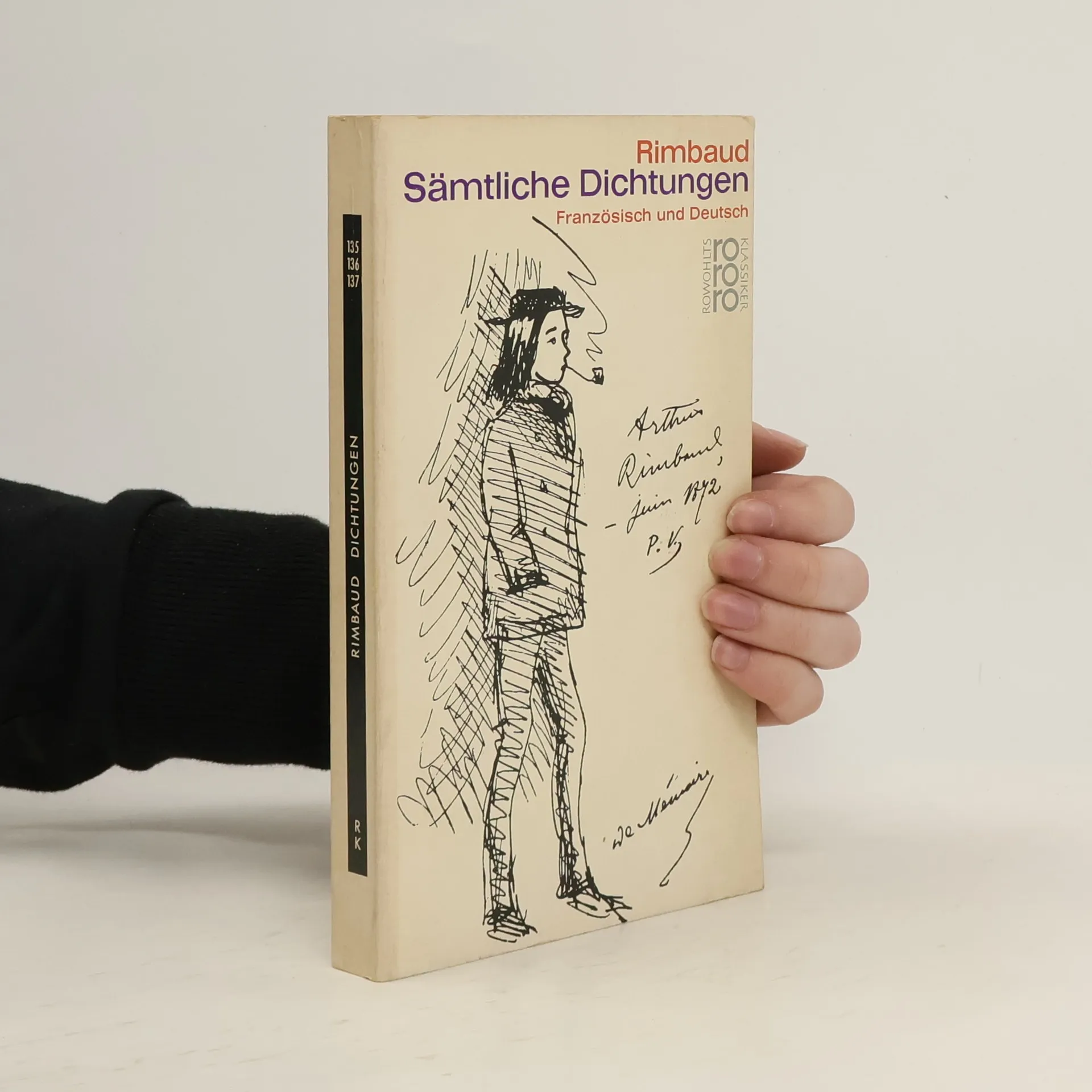
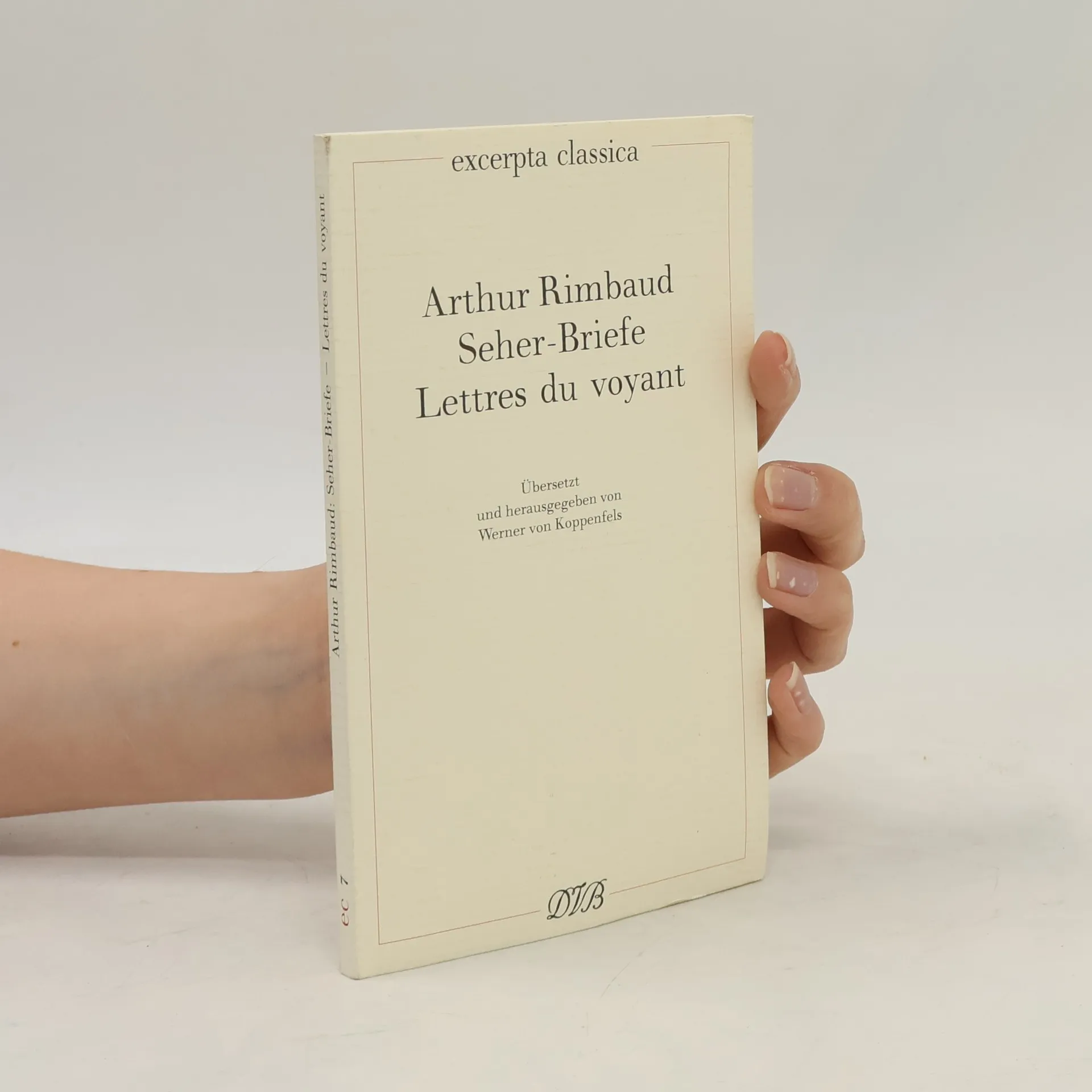
Klar und wortgewaltig Arthur Rimbaud, einer der wortgewaltigsten und bis heute meistgelesenen Dichter Frankreichs, leitete mit freien Versen und einer umfassenden Revolte gegen die Tradition die lyrische Moderne ein. In dem berühmten symbolistischen Dreigestirn Mallarmé-Verlaine-Rimbaud war er sicherlich der Radikalste - die Bewegung des Surrealismus ist ohne ihn nicht zu denken. Diese zweisprachige Ausgabe bietet eine Übertragung, die sich in ihrer Klarheit von den bisherigen deutschen Traditionen des Rimbaud-Übersetzens (expressionistischem Pathos wie modernistischer Auflösung der Form) gleichermaßen abhebt. Enthalten sind sämtliche Gedichte Rimbauds, die Zyklen ›Une saison en enfer‹ und ›Illuminations‹, dazu die beiden »Seher-Briefe« mit Rimbauds Dichtungstheorie. Kommentar, Nachwort und Zeittafel runden den Band ab.
Výbor z poesie jednoho z předních básníků Francie minulého století, jehož dílo znamenalo v údobí revolučních změn skutečný přelom ve francouzském a později i světovém umění. Jeho dílo, které je sice ideově nevyhraněné, podává v mnohém plastický obraz prohnilého měšťáctví. V tomto výboru přibližuje překlad národního umělce Vítězslava Nezvala známou výbušnost, "vůni, zvuky a barvy" Rimbaudových veršů. Výbor obsahuje především ty básně, které jsou charakteristické pro autorovo dílo. Ve srovnání s Nezvalovým vydáním z roku 1930 v Družstevní práci je upuštěno od dvou básní ("Sonet" a "Chovanci internátu"), je zde však uvedena báseň "Hlad", která v tomto vydání chybí. Básně jsou seřazeny podle zjištěných dat vzniku.
Zweisprachige Ausgabe
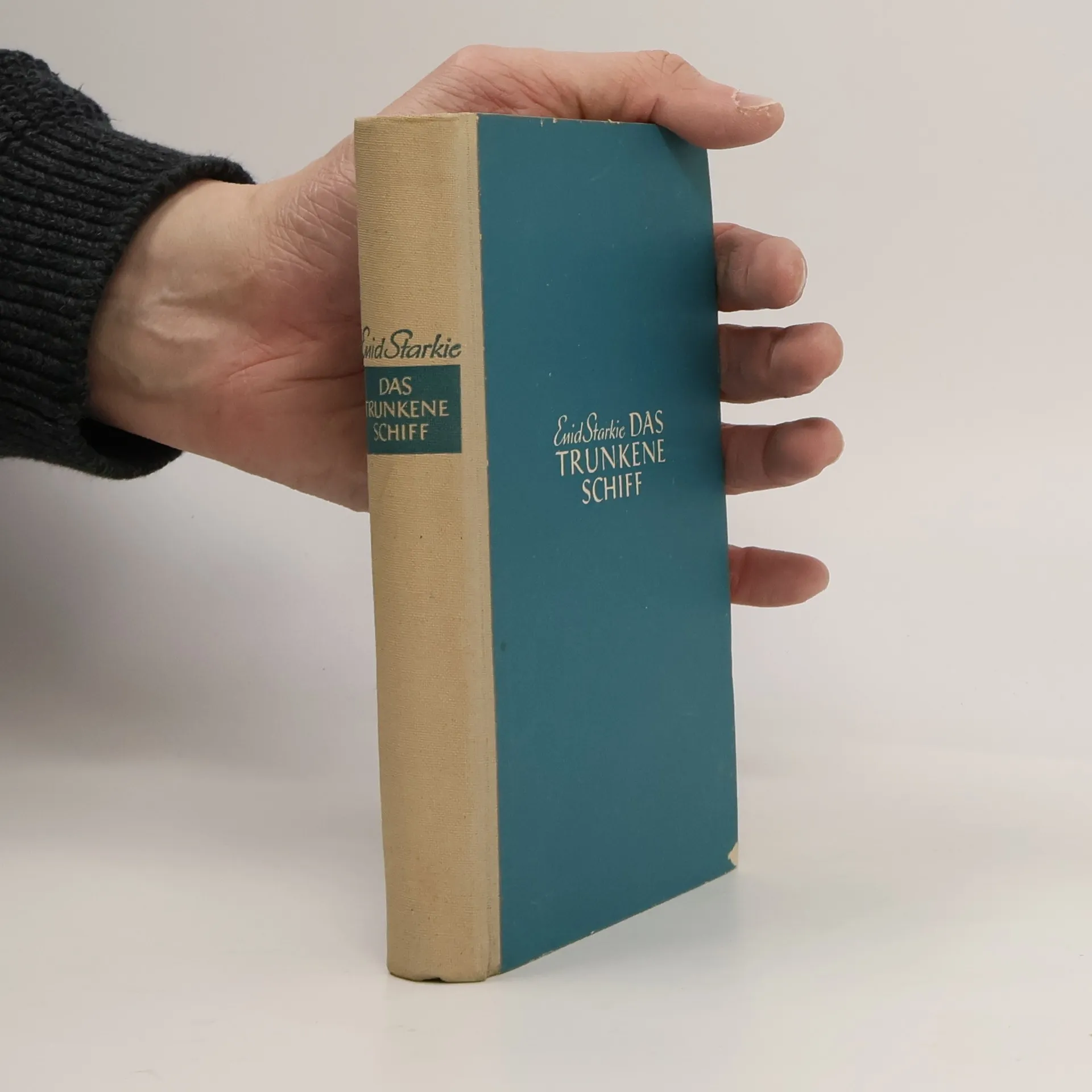
Ein frühreifer Poet, schuf Arthur Rimbaud in seinem kurzen Leben hinreißende Verse, die in ihrer Modernität und kompromisslosen Subjektivität vielen späteren Dichtern den Weg ebneten. Sein ›Trunkenes Schiff‹, mit dem er sich dem Dichter und Geliebten Paul Verlaine vorstellte, revolutionierte die französische Dichtung durch seine wuchernde Bildwelt und den radikalen Symbolismus. Mit den Werkbeiträgen aus Kindlers Literatur Lexikon. Mit Daten zu Leben und Werk, exklusiv verfasst von der Redaktion der Zeitschrift für Literatur TEXT + KRITIK.
Il est nécessaire de faire une petite présentation d'Arthur Rimbaud ; car même au XXIe siècle, il y a toujours quelqu'un qui ne connaît pas sa légende. La légende qui le fait apparaître comme l'ange déchu, celui qui était destiné à obtenir la plus grande gloire dans ce monde, la plus grande dignité ; mais sa vertu littéraire, dès ses premières années, était telle qu'il ne pouvait que tomber dans l'orgueil, le même orgueil qui a conduit Lucifer à s'égaler à l'Éternel ; ainsi sa vie s'est déroulée dans un duel constant entre son incroyable intelligence, sa terrible créativité, sa maîtrise de la technique et du langage, et l'environnement qui l'entourait, qui n'était pas prêt à céder à un adolescent − Qui était cet adolescent qui osait leur dire en face qu'ils étaient des médiocres ? Quelle raison lui faisait penser qu'il était meilleur qu'eux ? Cela ne se supporte pas ! Un gamin nous disant que nous ne savons pas faire de la poésie ! − Cela ne pouvait conduire qu'à un seul endroit, à l'ostracisme, et c'est ce à quoi il a été condamné ! L'œuvre d'Arthur Rimbaud est très courte, presque fugace, néanmoins, par sa sincérité et sa créativité, elle en a fait l'une des cimes de la poésie universelle.
Prózy francouzského "prokletého básníka", jedna sbírka, fragmenty a výběr z korespondence. Zvláště fragmenty, shrnuté v oddíle Pouště a lásky a potom první práce, mezi které patří Srdce pod klerikou, jsou strhujícím obrazem básníkova obnaženého srdce a duše. Hluboce prožívaný rozpor mezi společenskou situací občanské války a marasmu ducha a mezi světem a životem podle Písma je zdrojem utrpení, které se odráží v básníkových myšlenkách. Svazek uzavírá několik ukázek z korespondence s Verlainem. ...
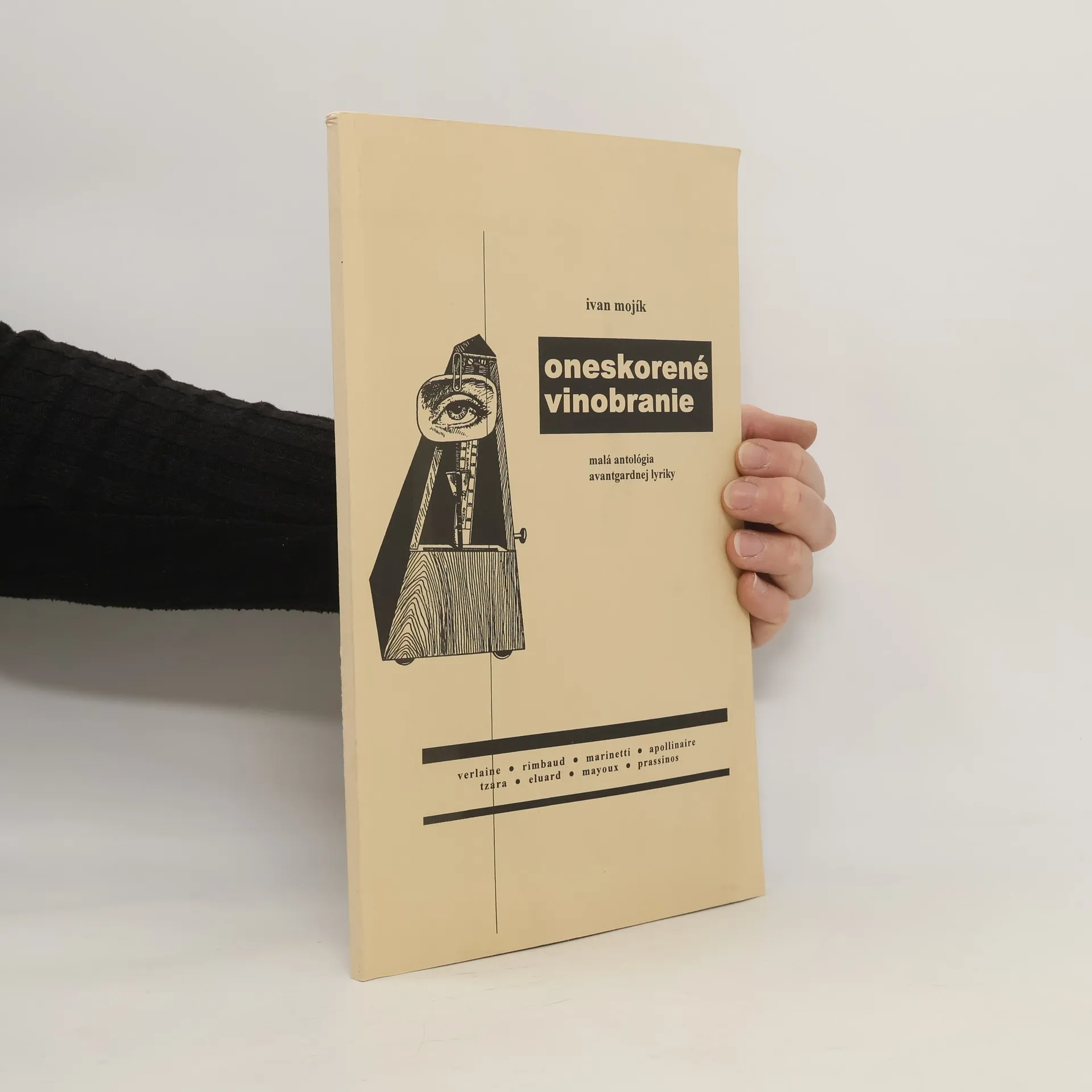
Publikácia ONESKORENÉ VINOBRANIE je tak trochu výnimočná preto, lebo výber textov a ich redakcia sú poznačené dosť subjektívnymi kritériami. Zostavovateľ do nej zaradil texty autorov, ku ktorým má osobitý vzťah, od ktorých sa učil a ku ktorým sa s väčšou či menšou intenzitou v priebehu svojej umeleckej aktivity vracal. Paul Verlaine, Jean Arthur Rimbaud, Filippo Tommaso Marinetti, Guillaume Apollinaire, Tristan Tzara, Paul Eluard či André Breton (hoci ten v prítomnom výbore zastúpený nie je) predstavujú pre Ivana Mojíka, autora niekoľkých básnických zbierok, koncentrát tých úsilí a snáh, o ktoré sa moderná európska lyrika v minulom období usilovala. Ivan Mojík prebásňoval ich texty z doslovných prekladov svojej ženy Drahomíry Mojíkovej, ktorá bola za svojho života jeho neoceniteľnou spolupracovníčkou a tlmočníčkou. Aj preto je kniha venovaná jej pamiatke.
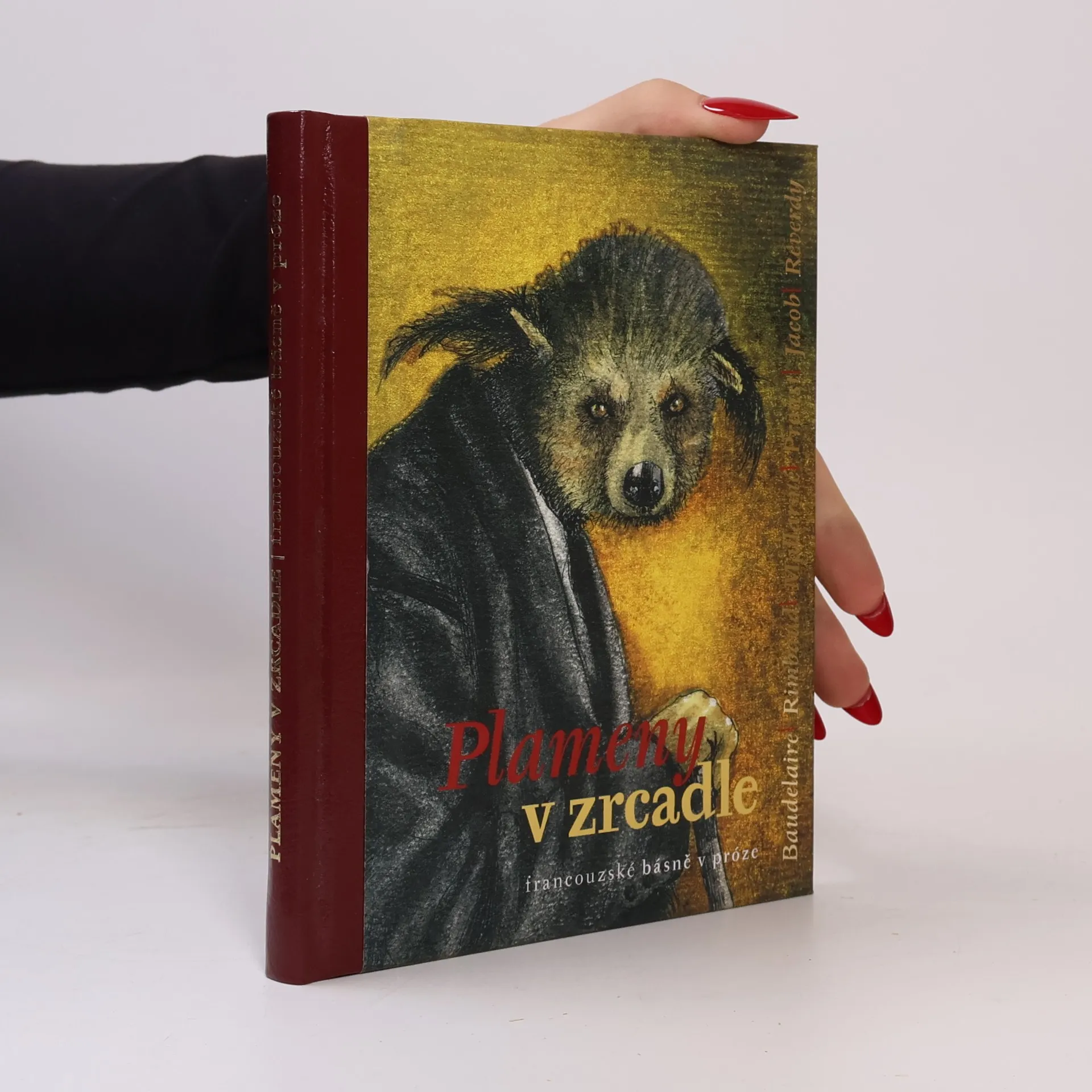
Žánr básní v próze, pohybující se v krajně kultivované podobě na pomezí poezie, esejů, maxim i starých rytin, se u nás příliš nepěstoval. Pro připomínku mohou padnout jména Víta Obrtela nebo Jana Vladislava a před nimi – jak jinak – Jaroslava Vrchlického. Jejich domovem je Francie. Antologie Plameny v zrcadle sleduje jejich proměny od Baudelaira přes Rimbauda, Mallarméa a Prousta až k Jacobovi a Reverdymu. Mají být „klenotem“ a „líbezným šerosvitem života“, zároveň však dovedou s radioaktivní intenzitou vyjadřovat vnitřní či vnější životní zážitek či zachytit výmluvný střípek krvavě vážné životní epizody. V literatuře reprezentují v čiré podobě řád a tvar.
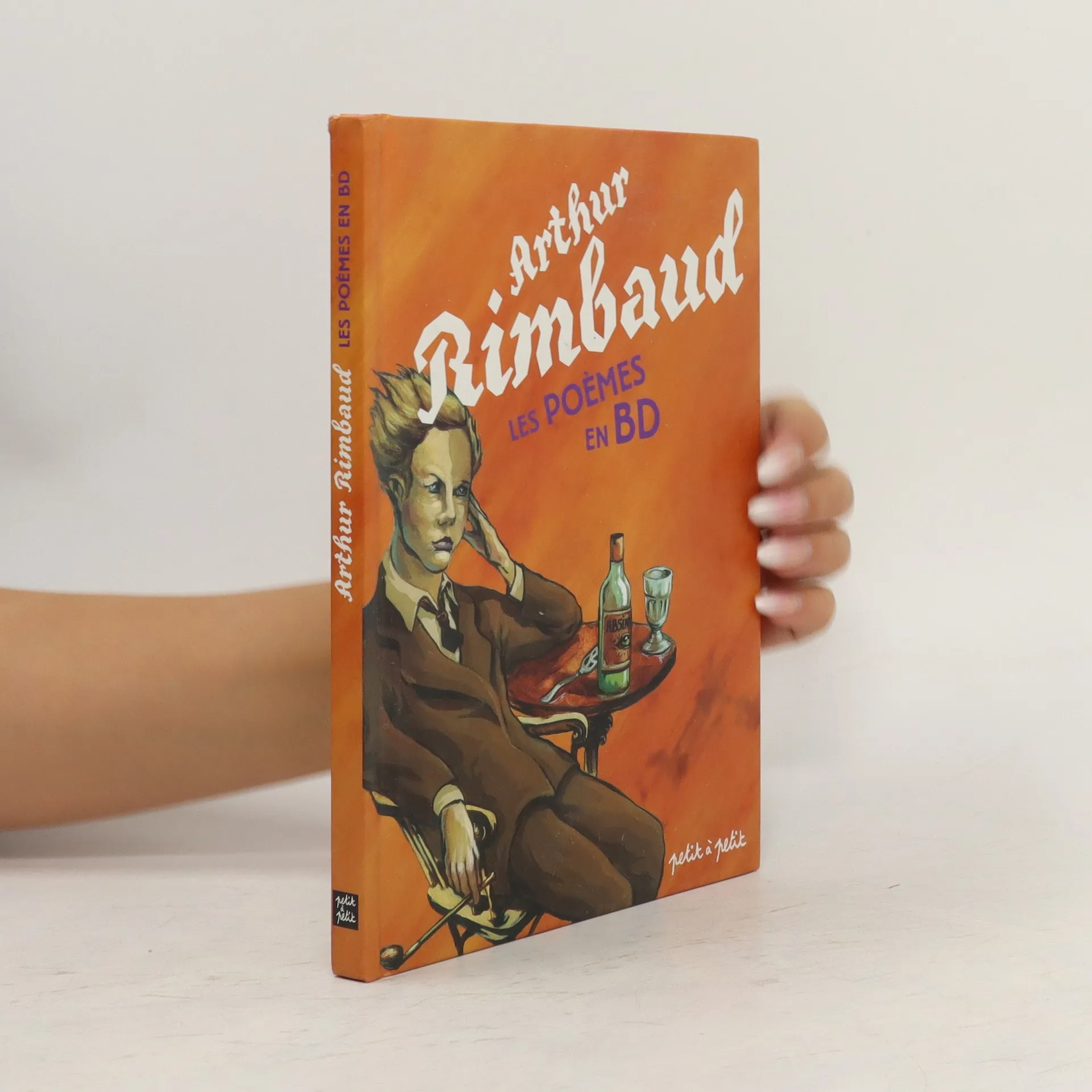
Des poèmes mis en images et accompagnés de repères biographiques qui éclairent la vie mouvementée du poète aventurier.
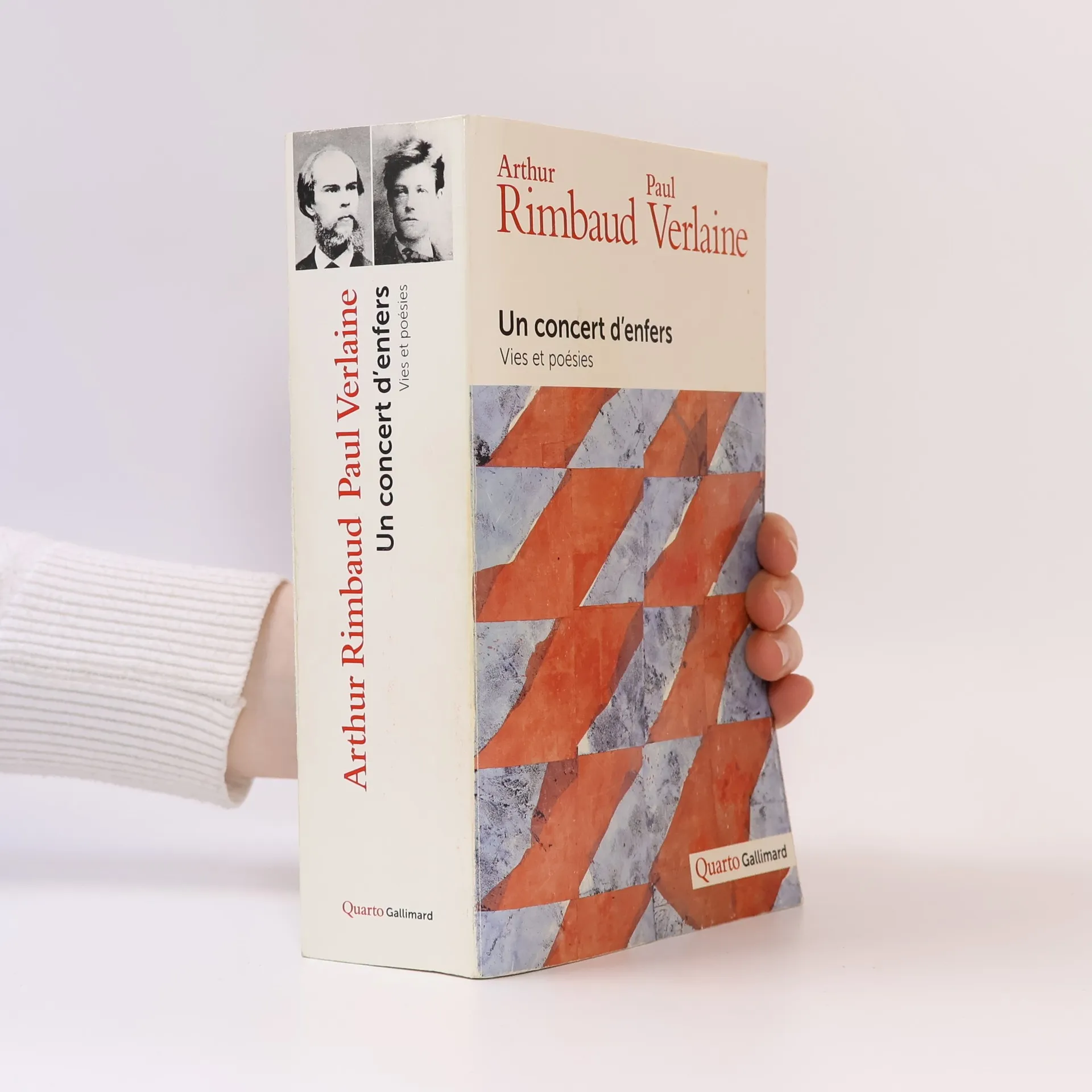
Lorsque le jeune Verlaine appelle l'enfant sauvage des Ardennes – «Venez, chère grande âme, on vous appelle, on vous attend» –, il ne sait pas qu'il provoquera un choc qui fera éclater les résolutions sur lesquelles il souhaite fonder l'équilibre de sa vie personnelle, littéraire et publique. Rimbaud, ange exterminateur et dominateur, rompt les conventions, brise les âmes et sépare les époux, inspirant fascination et répulsion dans les cercles littéraires. Leur relation, un dialogue séminal alimenté par le désir, se manifeste dans Romances sans paroles et les poèmes de 1872, ainsi que dans Une saison en enfer. Ce concert de voix, distancié et entêtant, se prolonge dans certains textes des Illuminations. Des fragments de vues et de vie circulent entre eux, réorganisant le dire poétique et les formes de la figuration lyrique. Cette aventure à deux, tantôt harmonieuse, tantôt discordante, toujours en quête d'une «nouvelle harmonie» et d'un «concert d'enfers», mérite d'être présentée dans un volume unique. Ce recueil rassemble les œuvres de chacun, mettant en lumière le désir d'émancipation du langage et l'espoir de dynamiter l'ennui à travers l'entre-lecture et l'entre-écriture.
Il se voulait « voyant », « voleur de feu »... Il aura fallu quelques années à peine à Rimbaud pour dynamiter la « vieillerie poétique », dans sa tentative de trouver « une autre langue », libérant toute les puissances de la vision. Rimbaud a ouvert la voie de la modernité littéraire à travers une expérience-limite du langage et de la vie.
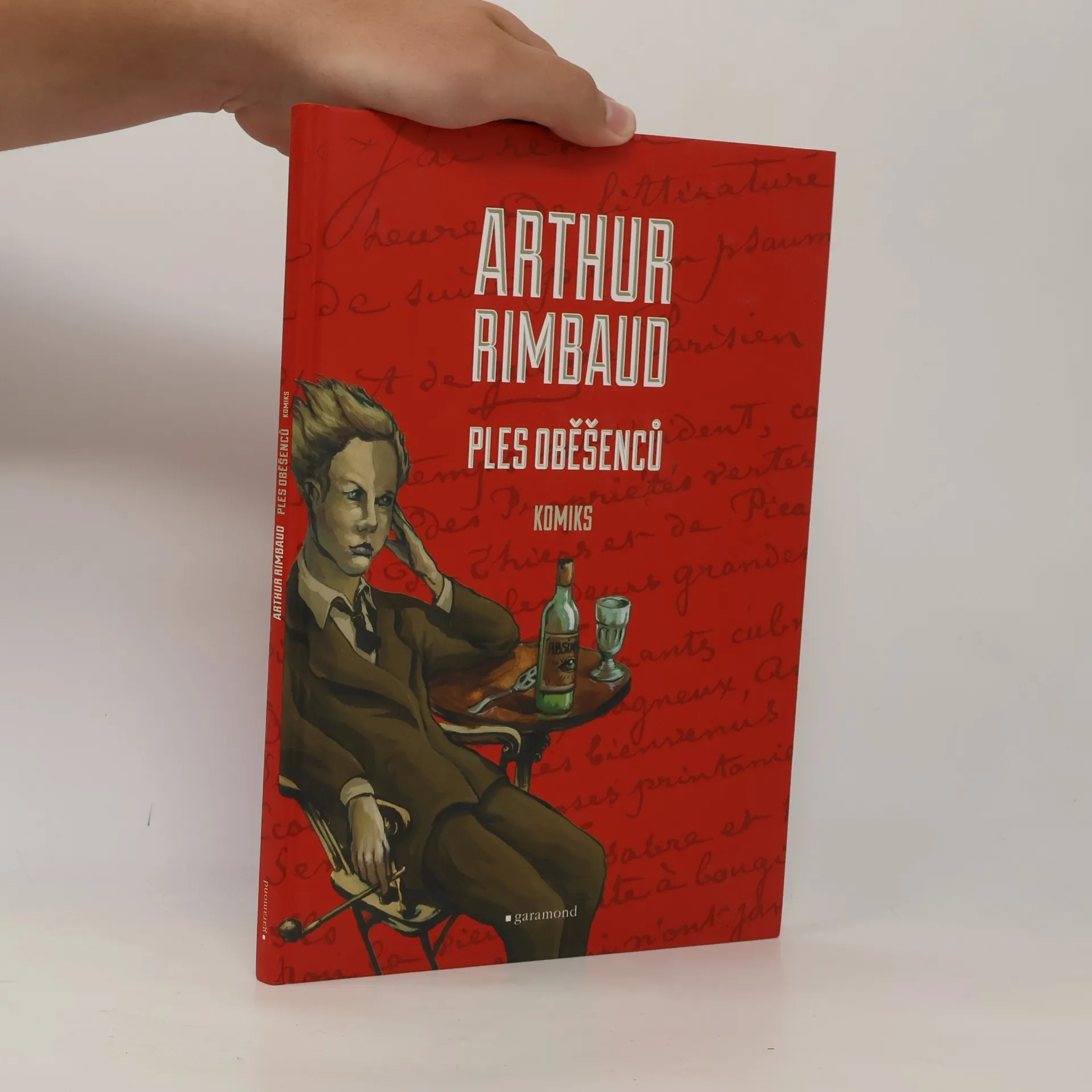
Třináct ilustrátorů, třináct básní Arthura Rimbauda, třináct originálních komiksových zpracování Rimbaudovy poezie z nejranějšího, tuláckého období . Myšlenka převést poezii do obrazové, komiksové podoby se ukázala jako zdařilý způsob, jak představiit poezii mladším čtenářům.
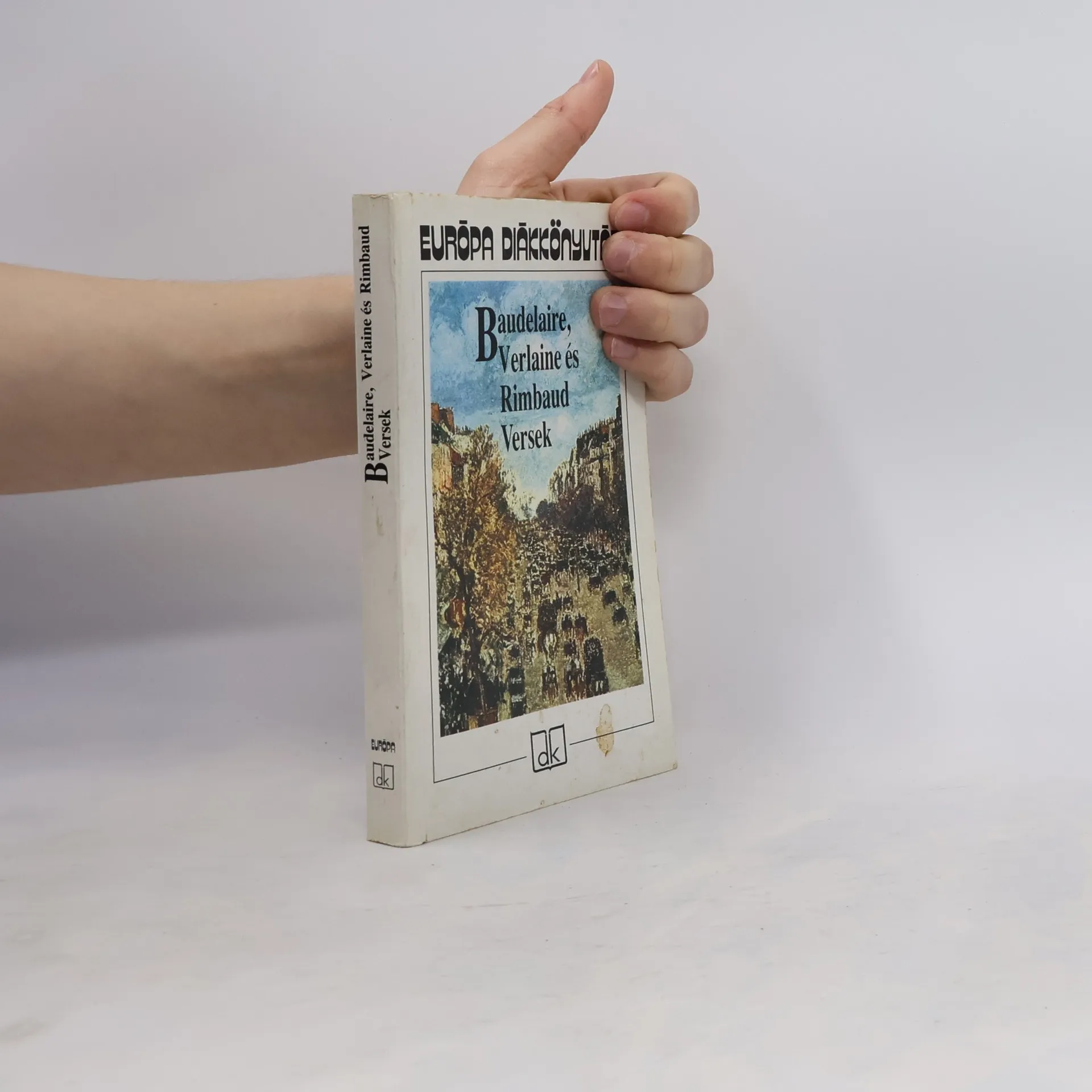
Slavný a pro nejmladší české básníky po první světové válce objevitelský význam mající překlad plejády francouzských básníků od Ch. Baudelaira přes generaci „prokletých" až k vrcholům symbolismu. Doslov napsal Vítězslav Nezval, k vydání připravil, ediční poznámku a vysvětlivky sestavil dr. Miroslav Halík. Jedenácté vydání.
Changer la vie par les moyens de la poésie : telle fut l'ambition de Rimbaud.
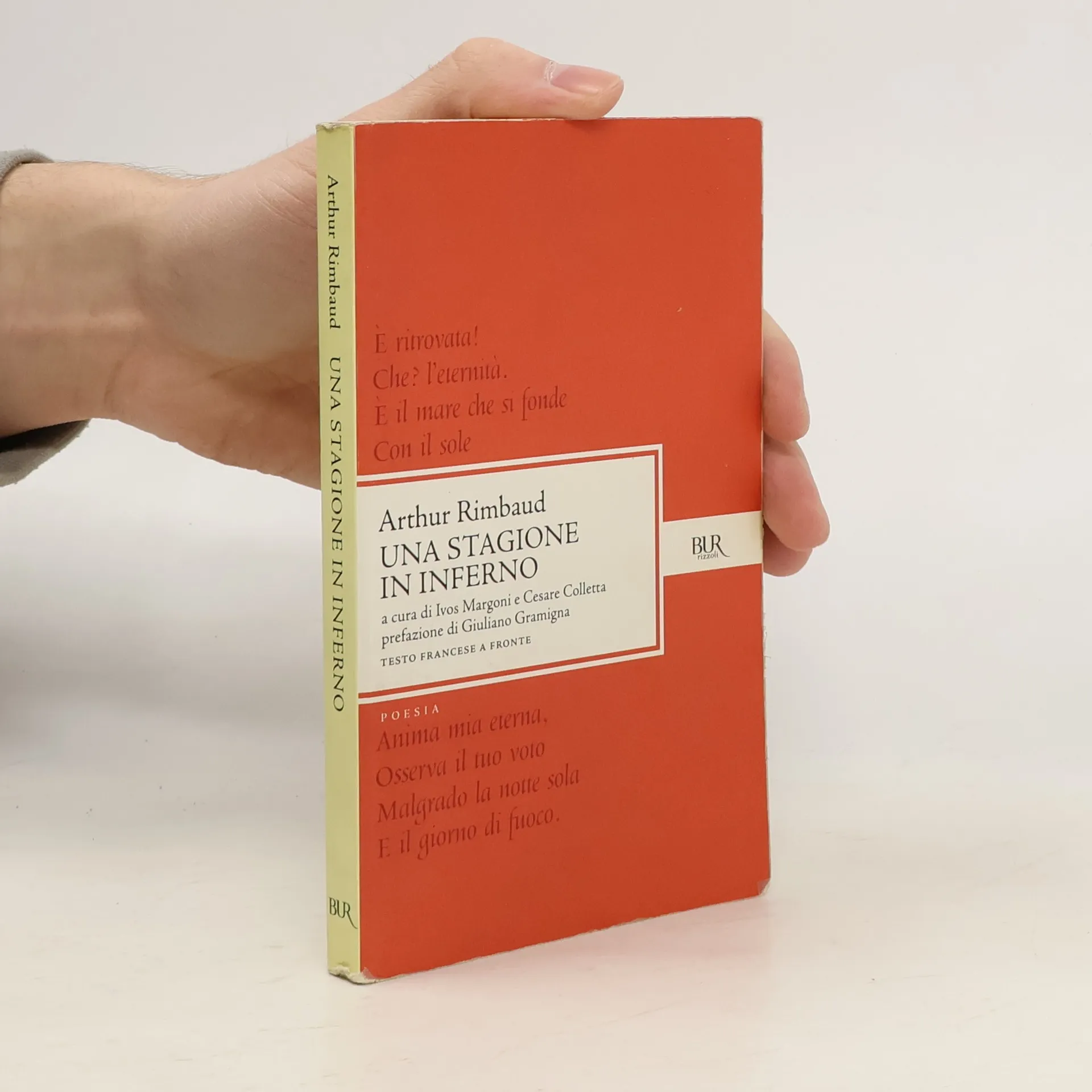
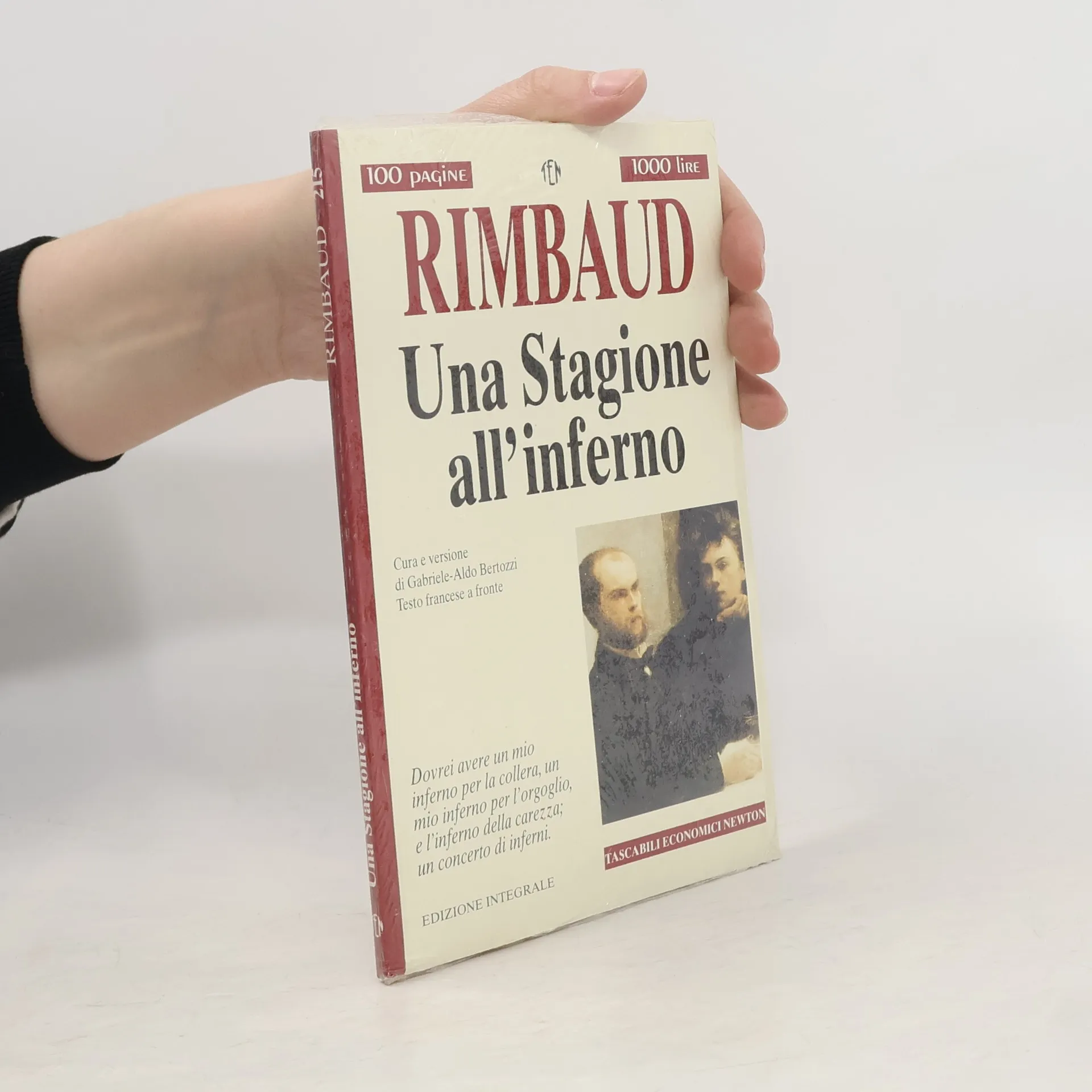
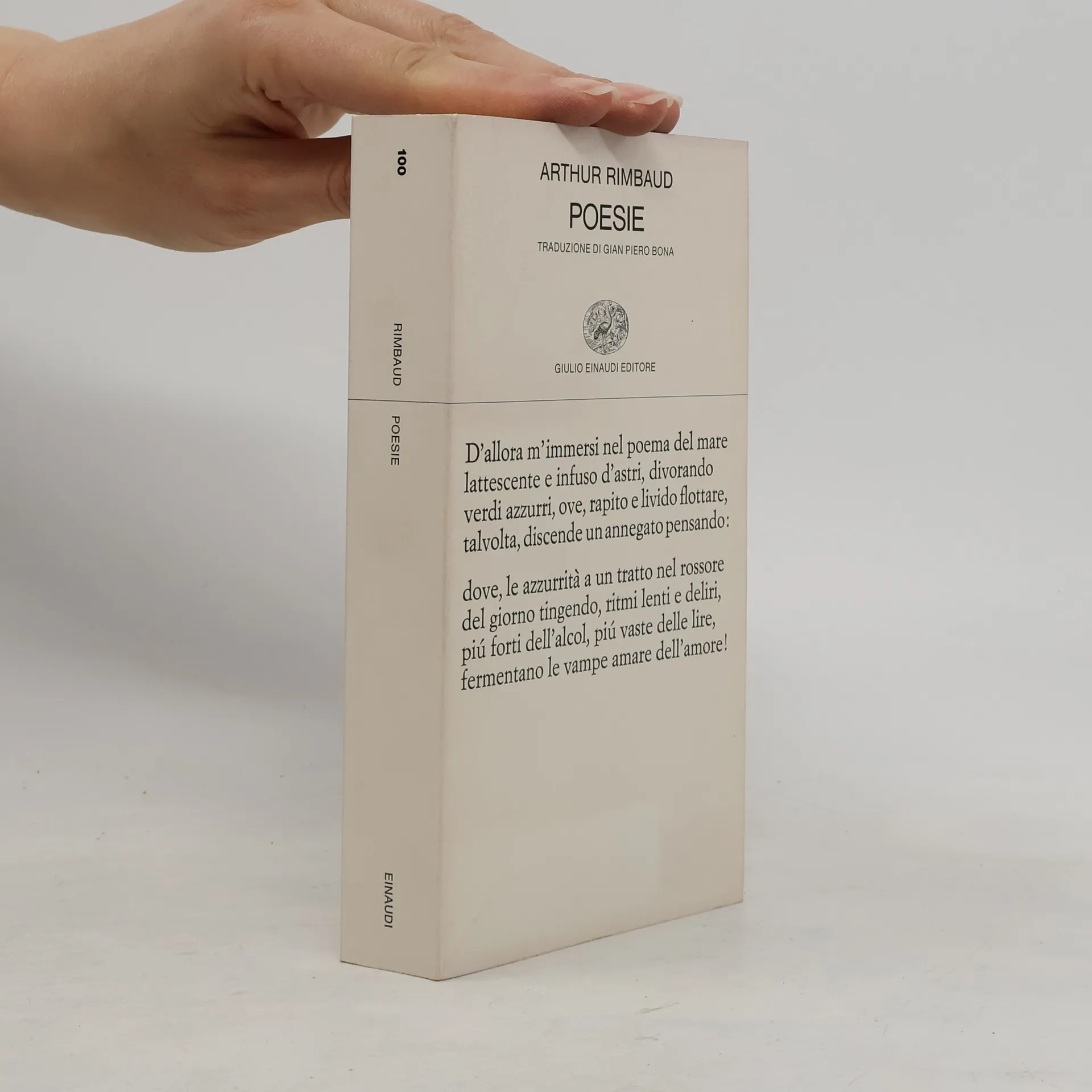
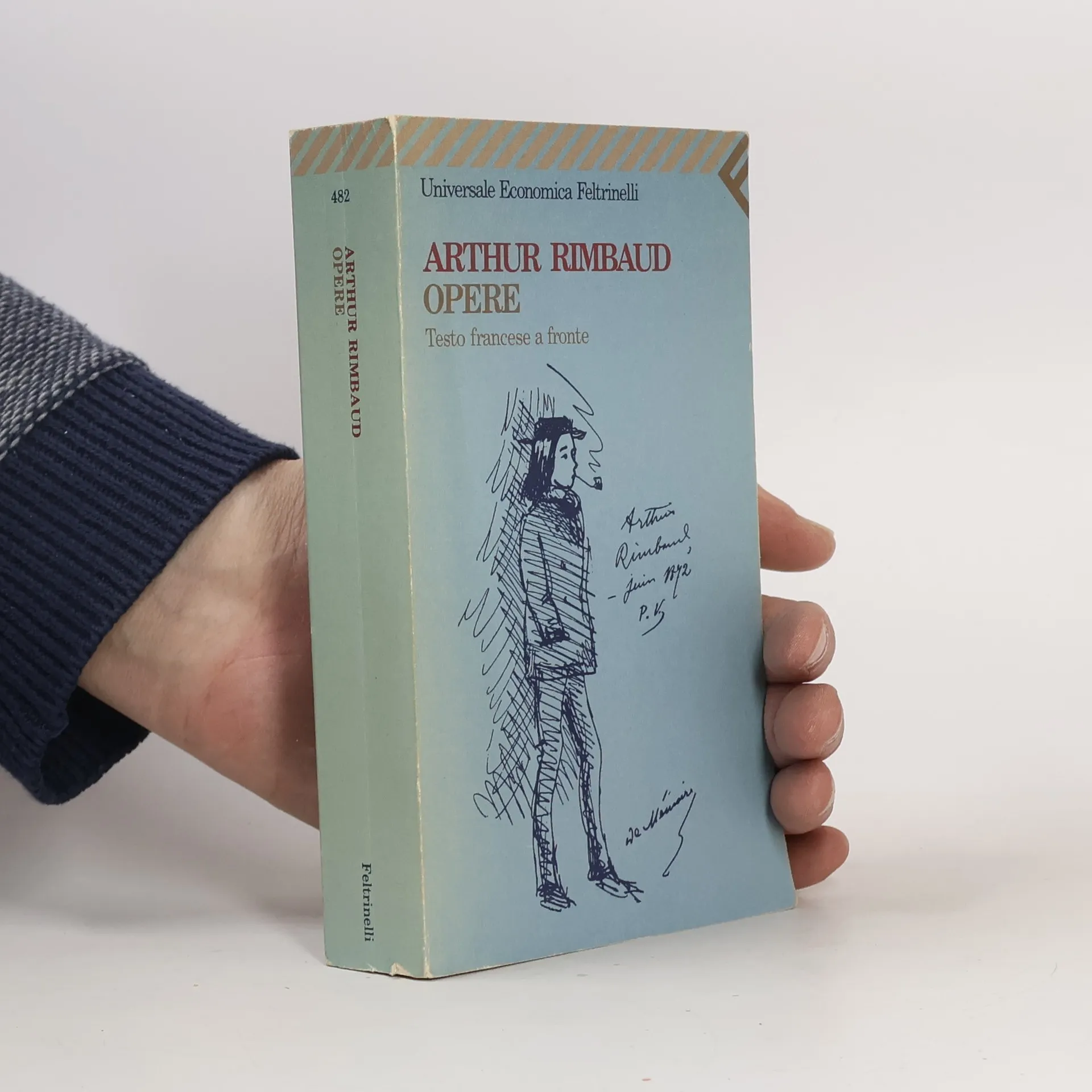
Poesia. A cura di Ivos Margoni e Cesare Colletta, prefazione di Giuliano Gramigna, testo francese a fronte
Scritto da Rimbaud all'età di 18 anni in seguito alla sua tempestosa relazione con il poeta Paul Verlaine, "Una stagione in inferno" è stato un punto di riferimento per poeti, artisti e amanti angusti per oltre un secolo.
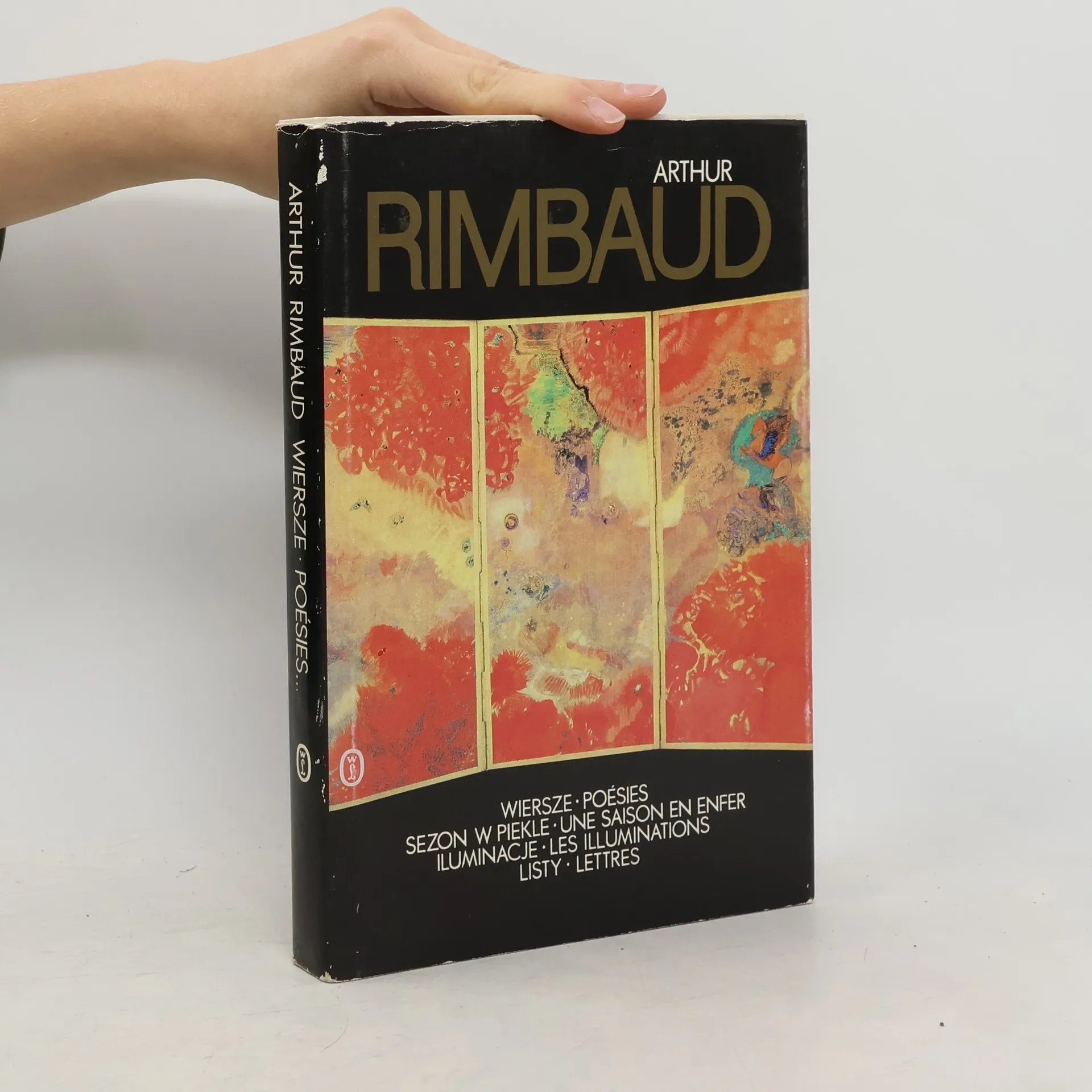
Sezon w Piekle / Une Saison en Enfer; Iluminacje / Les Illuminations; Listy / Lettres
Trente pages de commentaires. Vingt-cinq pages de notes et variantes
Ici, point de jolis poèmes ciselés, de fleurettes ni de petits oiseaux. Pas de rimes savantes ni d’audaces de versification. La Saison, ce n’est pas ce genre de poésie. C’est une plongée au cœur d’une âme effrénée qui traverse une crise morale et intellectuelle aux allures de cataclysme. Le texte est dense, épais et lumineux comme du magma en fusion, charriant un torrent de souvenirs, d’images et de symboles à la fois cryptés et transparents. Il s’écoule à une vitesse vertigineuse – c’est Rimbaud ! – et laisse le lecteur tout abasourdi de ce qu’il vient de vivre, et avide de replonger dans cette fournaise. Ou bien, s’il se prend à feuilleter cette édition üLtim, de redécouvrir sous un jour nouveau le reste de l’œuvre rimbaldienne, depuis les premières Poésies jusqu’aux Illuminations.
Cura e versione di Gabriele-Aldo Bertozzi - Testo francese a fronte - Edizione integrale
Written by Rimbaud at age 18 in the wake of a tempestuous affair with fellow poet, Paul Verlaine, A Season in Hell has been a touchstone for anguished poets, artists and lovers for over a century. This volume presents the text in French and English with photographs by Robert Mapplethorpe.
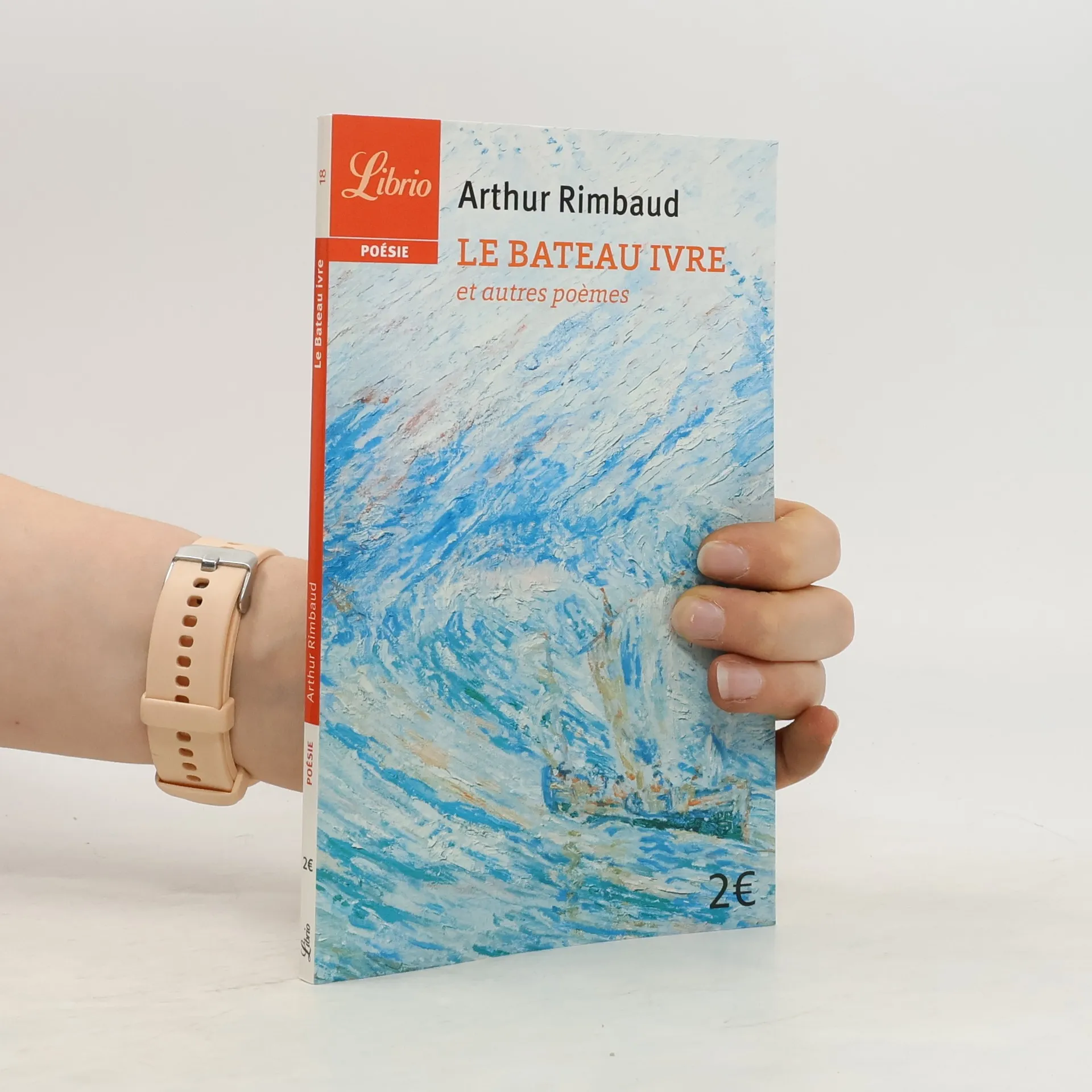
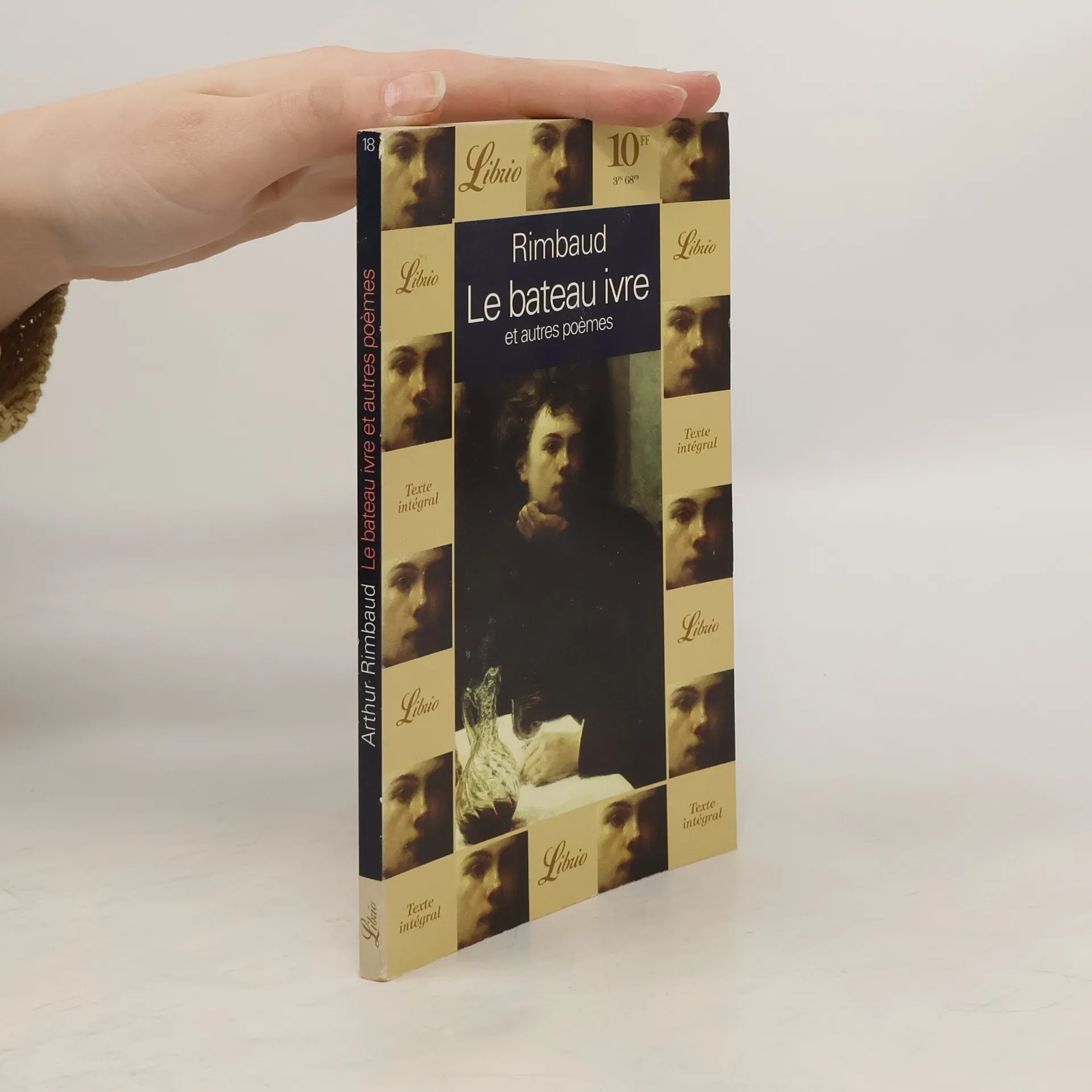
En 1871, lorsqu'il écrit "Le Bateau ivre", Rimbaud a tout juste dix-sept ans. Destiné au cercle des poètes parisiens et faisant office de présentation du jeune auteur, ce poème révèle déjà tout le génie de celui qui, "à seize ans, avait écrit les plus beaux vers du monde (Verlaine). Les autres poèmes du recueil - "Sensation", "Roman", "Ma bohème" - célèbrent la communion avec la nature, le vagabondage et l'éternelle jeunesse.
PoA]mes: les Illuminations, Une saison en Enfer. Notice par Paul Verlaine Date de l'A(c)dition originale: 1892 Ce livre est la reproduction fidA]le d'une oeuvre publiA(c)e avant 1920 et fait partie d'une collection de livres rA(c)imprimA(c)s A la demande A(c)ditA(c)e par Hachette Livre, dans le cadre d'un partenariat avec la BibliothA]que nationale de France, offrant l'opportunitA(c) d'accA(c)der A des ouvrages anciens et souvent rares issus des fonds patrimoniaux de la BnF. Les oeuvres faisant partie de cette collection ont A(c)tA(c) numA(c)risA(c)es par la BnF et sont prA(c)sentes sur Gallica, sa bibliothA]que numA(c)rique. En entreprenant de redonner vie A ces ouvrages au travers d'une collection de livres rA(c)imprimA(c)s A la demande, nous leur donnons la possibilitA(c) de rencontrer un public A(c)largi et participons A la transmission de connaissances et de savoirs parfois difficilement accessibles. Nous avons cherchA(c) A concilier la reproduction fidA]le d'un livre ancien A partir de sa version numA(c)risA(c)e avec le souci d'un confort de lecture optimal. Nous espA(c)rons que les ouvrages de cette nouvelle collection vous apporteront entiA]re satisfaction.
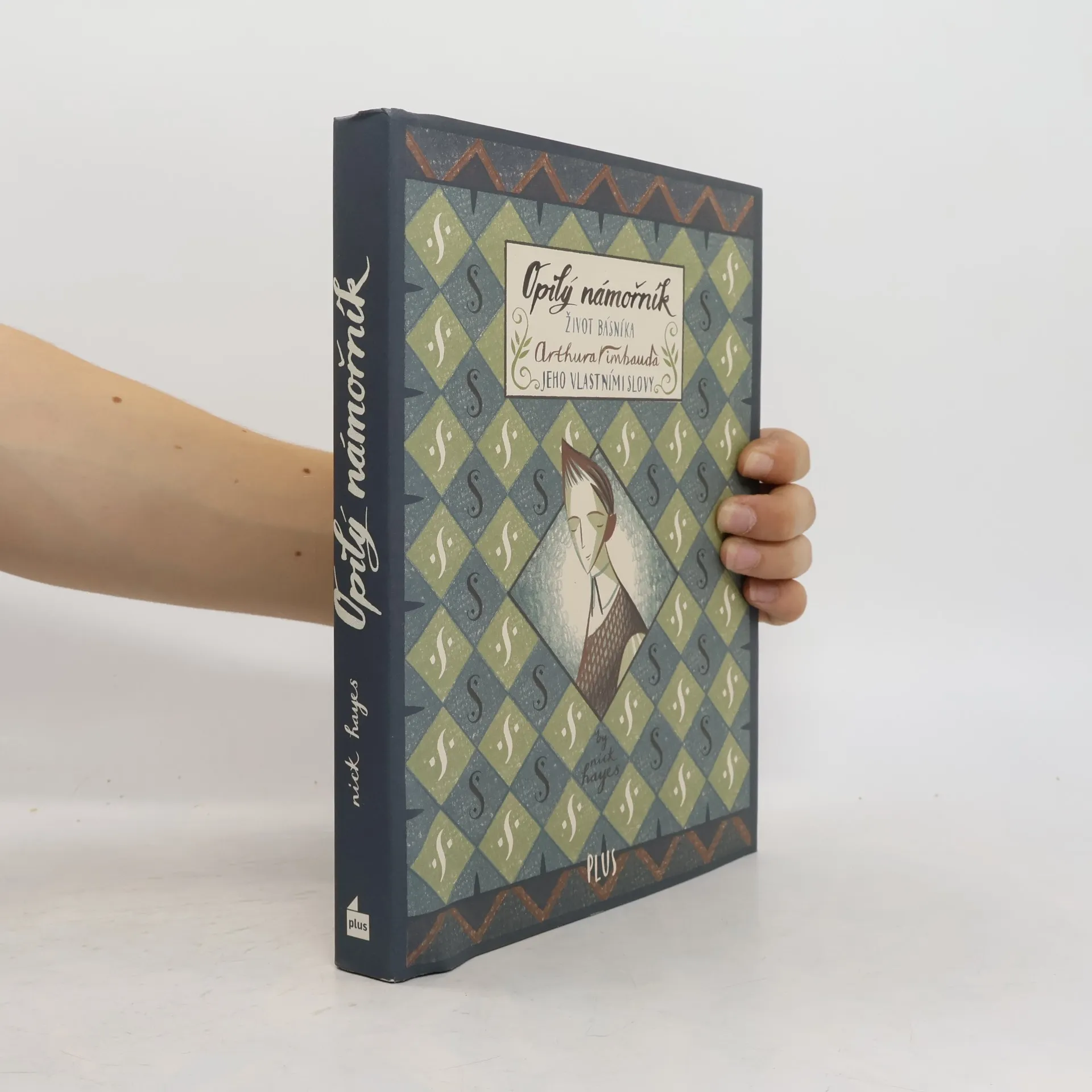
Ilustrovaný životopis Arthura Rimbauda, básníka, tuláka a dobrodruha, vychází z textu jeho nejznámější básně Opilý koráb. Nick Hayes patří k nejtalentovanějším britským kreslířům a za své autorské knihy už podvakrát získal cenu deníku The Guardian. Jeho obrazy ze života „božského rošťáka“, ktery byl milencem Paula Verlaina, než utekl do Habeše a živil se jako překupník zbraní, jsou plné omamné imaginace a nepřekonatelné touhy po dálkách a dobrodružství...
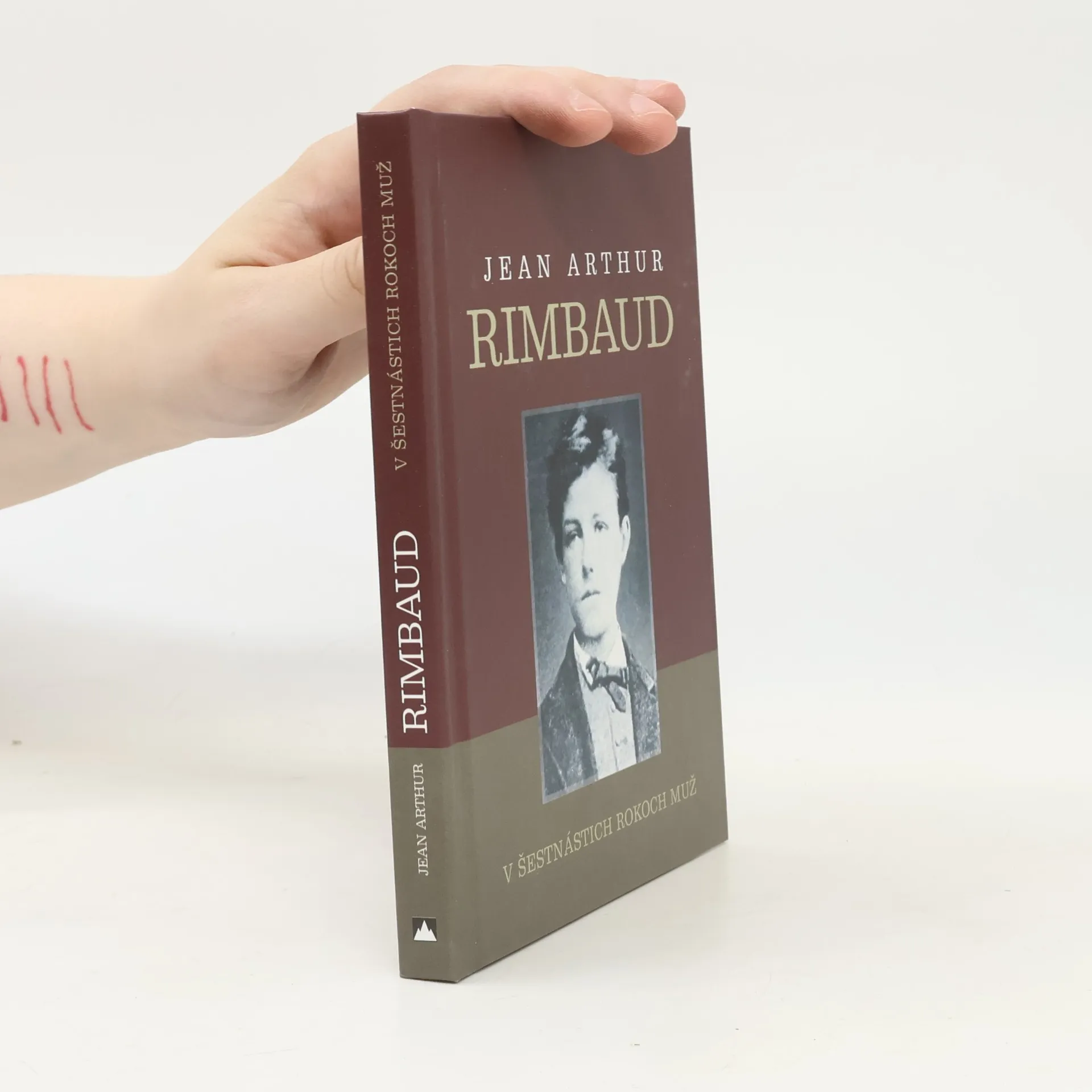
A. Rimbaud měl jako básník velké cíle. Chtěl být básníkem „vidoucím“, jasnozřivým, který realitu nepopisuje, ale evokuje složitou a někdy i strastiplnou cestou rozrušování všech básníkových smyslů. Po hlubokém nepochopení jeho básní současným měšťáckým světem ve svých osmnácti letech na poezii rezignuje a začne obchodovat. Zůstává ale tulákem a se svým zbožím zamíří až do Orientu.
Si l'on devait citer le poète qui a exercé l'influence la plus profonde sur la poésie du début du XXe siècle, il faudrait nommer Rimbaud. Avec plus de hardiesse encore que Baudelaire, il a étendu le champ d'exploration de la poésie. Avant lui, l'expérience poétique était principalement l'expérience de la création littéraire. Après lui, la poésie devient un moyen de connaissance. [...] C'est qu'il n'a pas hésité à se mettre en communication avec la part inconnaissable de lui-même. Il y a découvert un grand jeu d'images, fleurs éclatées, filles à lèvres d'orange, déluges et miracles, un jeu dont chaque figure ressemble à un message marqué d'un sceau incompréhensible et sacré. Dès lors, Rimbaud va libérer tous les phénomènes de l'inconscient, préparer les voies du surréalisme et créer, si l'on veut, un nouveau mystère dont les symboles resteront étrangers au merveilleux et au fantastique.
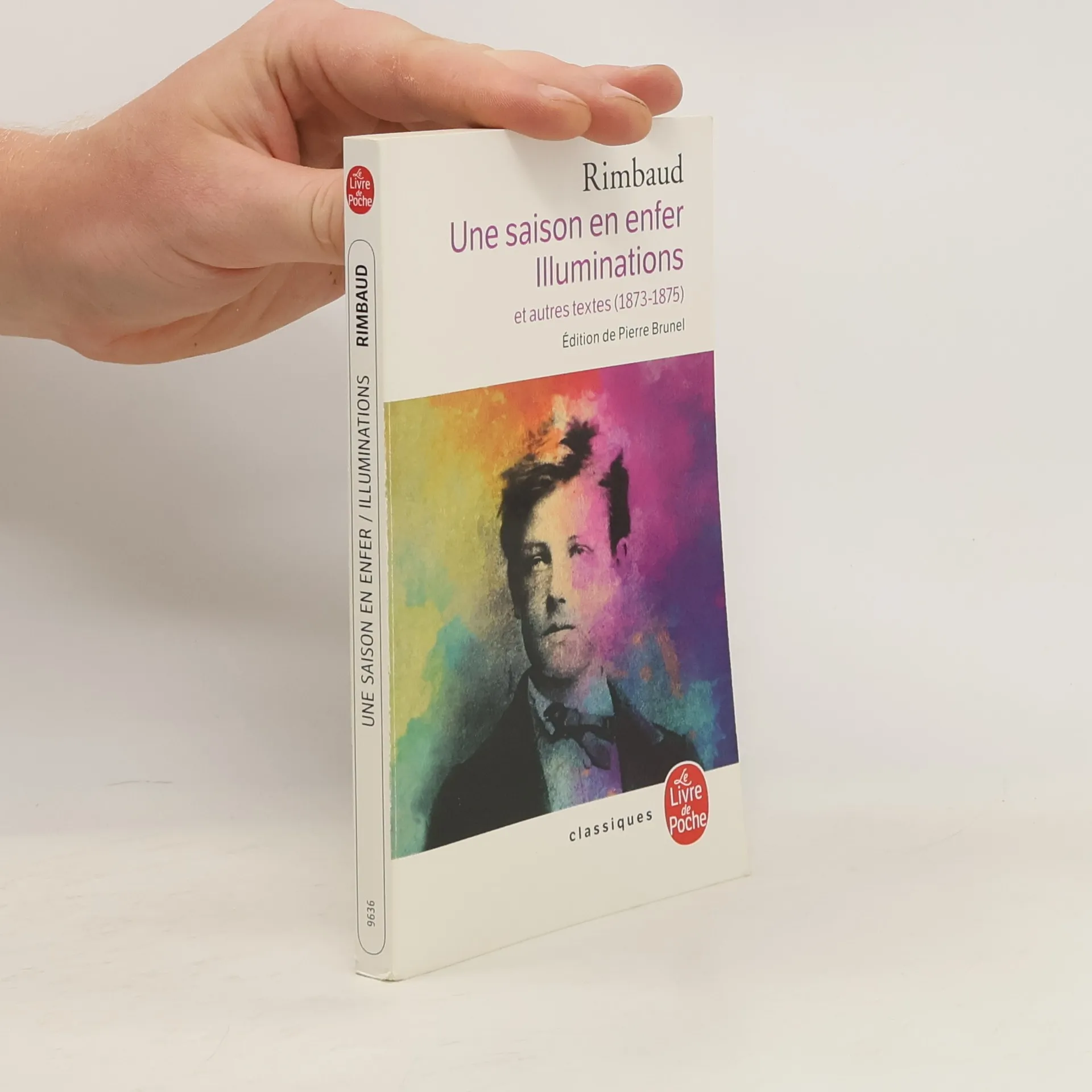
Une Saison en enfer. Illuminations et autres textes
Derniers vers. Une saison en enfer
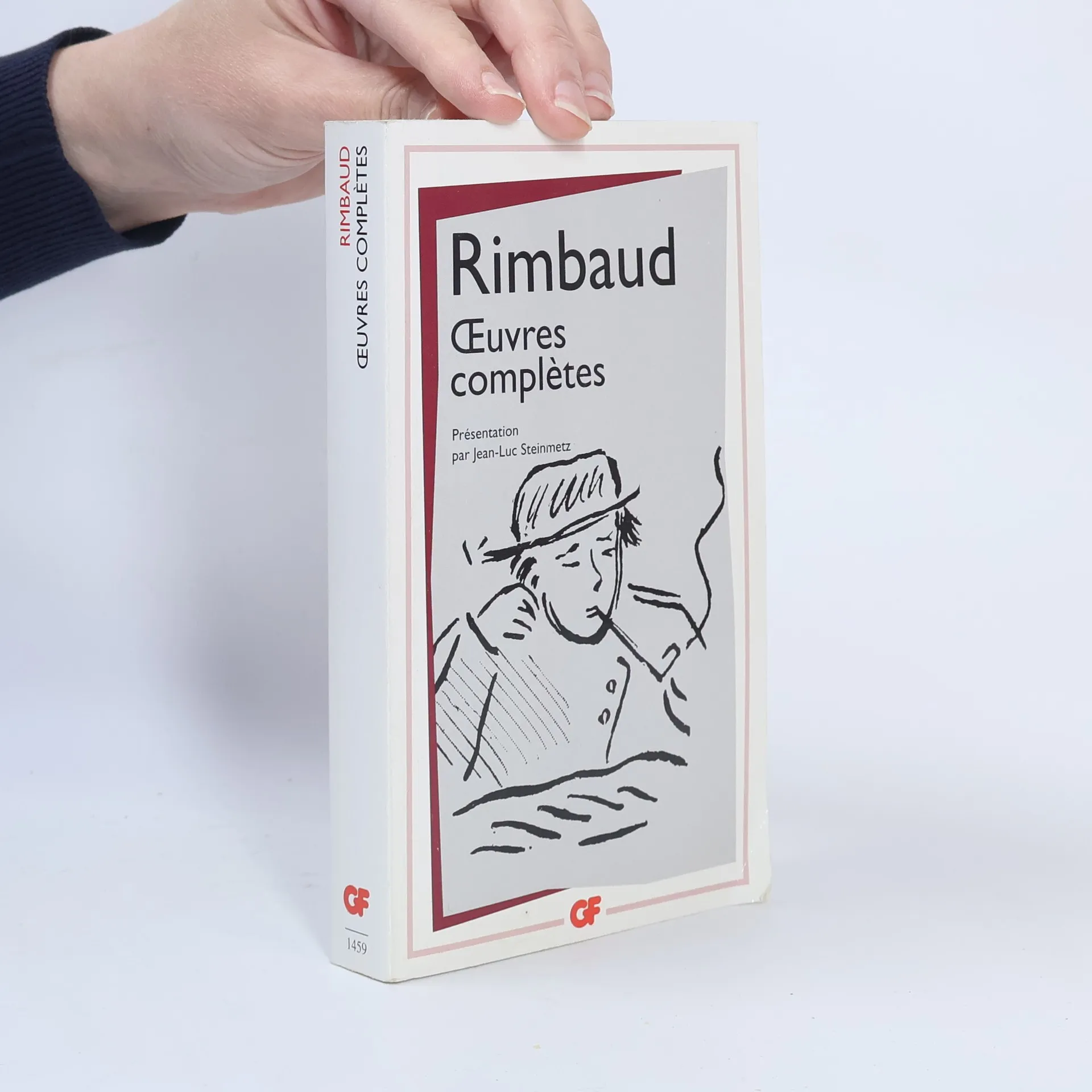
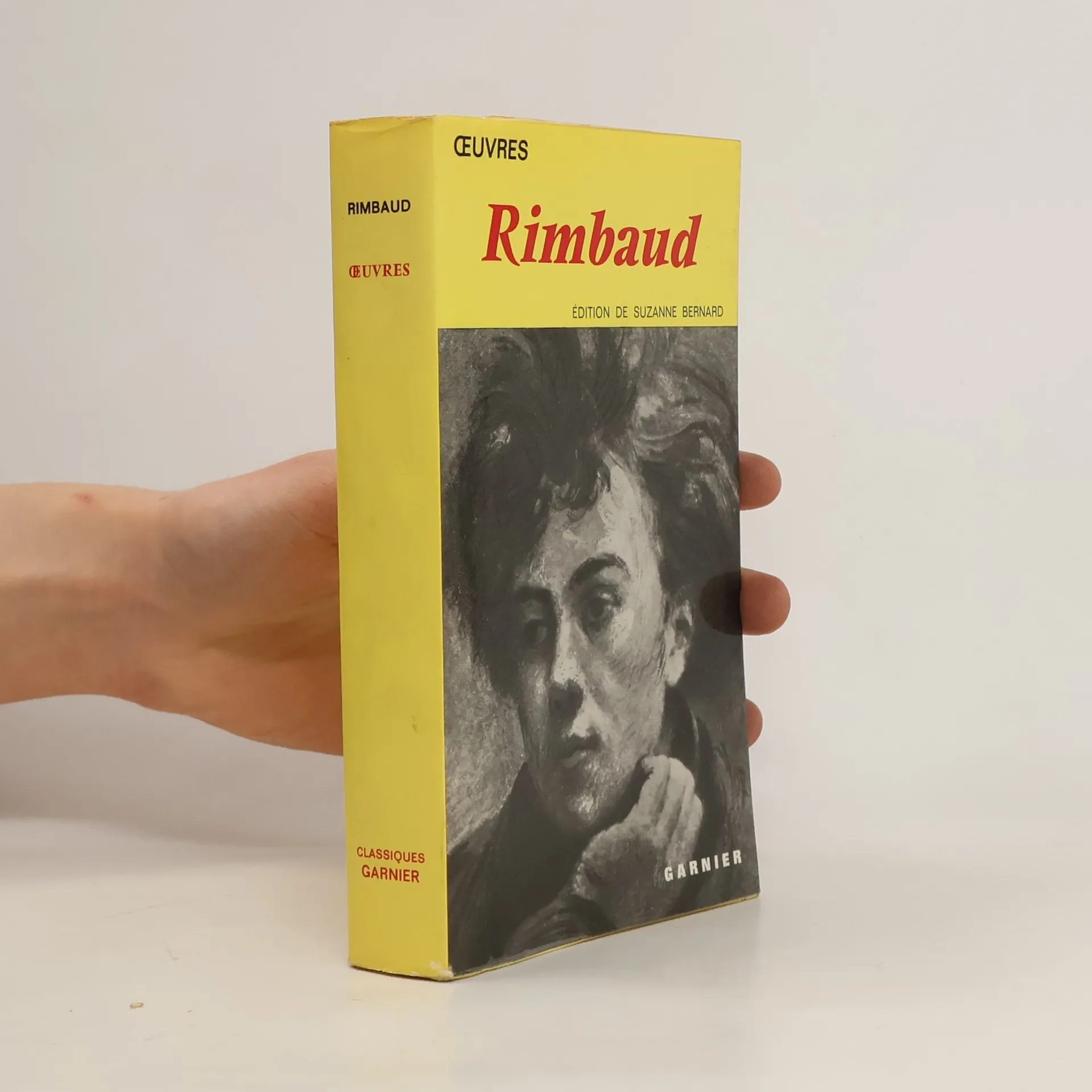
Cette édition des œuvres complètes d'Arthur Rimbaud présente tant ses poésies et sa prose majeures que des textes moins connus. Rimbaud, poète visionnaire, a renoncé à l'écriture à vingt ans pour mener une vie d'aventures. Son œuvre, bien que brève, le place parmi les figures marquantes de la littérature française.
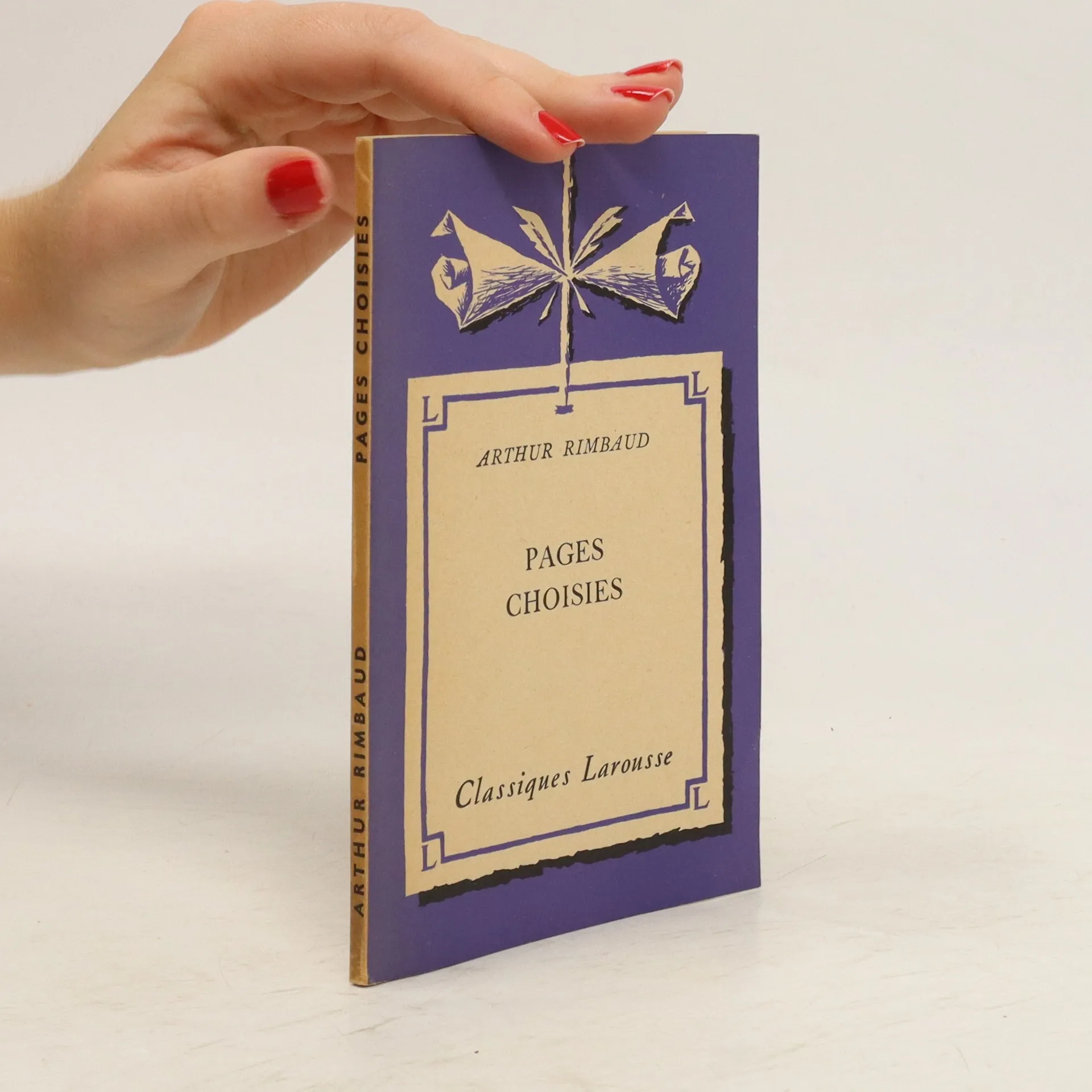
Pages Choisies avec une Notice biographique, une Introduction, des Notes explicatives, des Jugements, un Questionnaire et des Sujets de devoirs par Étiemble, Professeur à la Sorbonne
V nově přepracovaném překladu je do svazečku pojata převážná část veršů a několik básní v próze z díla J. A. Rimbauda, proslulého francouzského bouřliváka, tvůrce nového básnického výrazu a bezohledného kritika měšťácké společnosti.
Mit drei Texten über Rimbaud von Hans Therre und einem Essay von Stefan Zweig
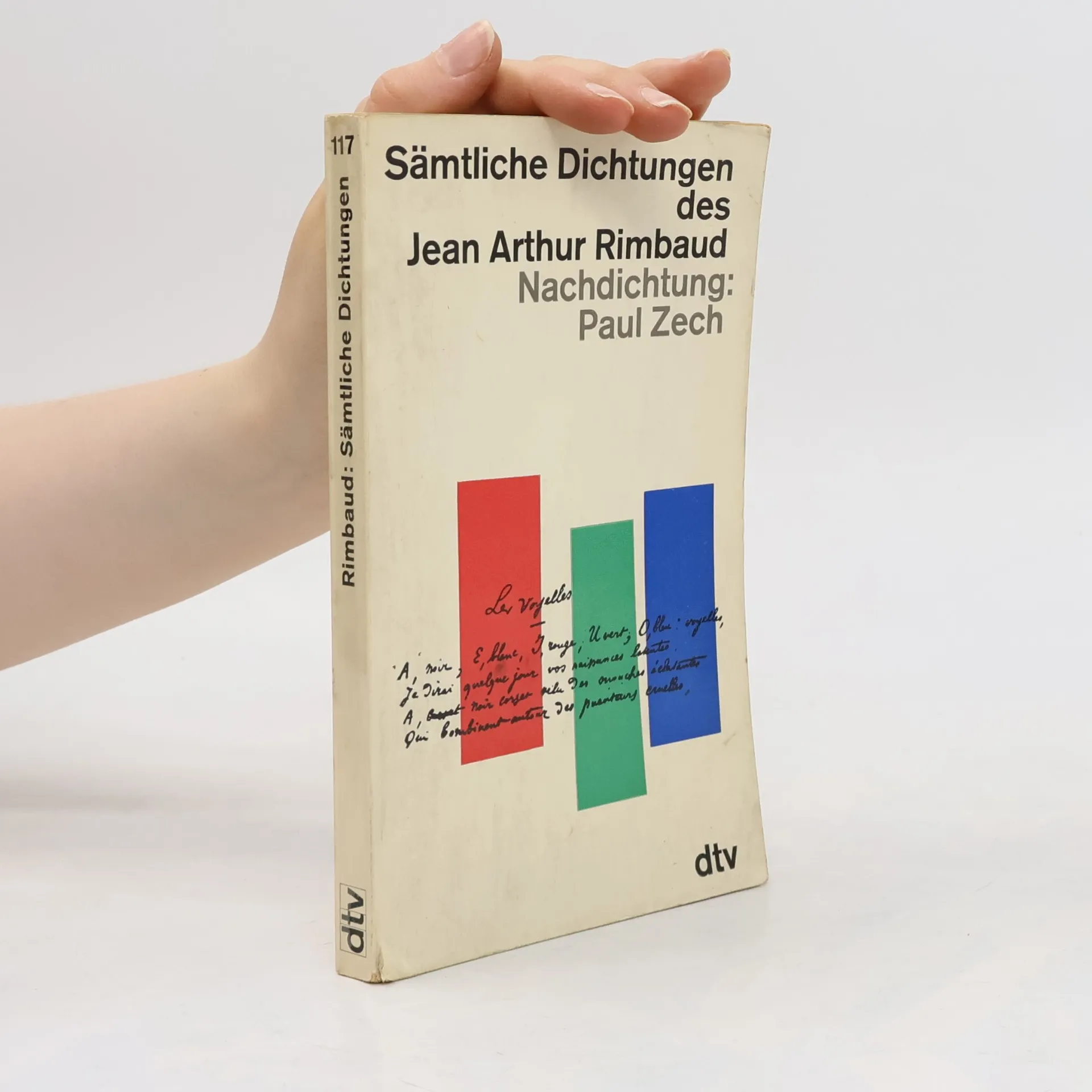
„Der Dichter macht sich zum Seher durch eine lange, ungeheure und wohlüberlegte Entregelung aller Sinne“, sagte Arthur Rimbaud. Er gilt zu Recht als einer der Großen der Weltliteratur: Rimbaud trat als Sechzehnjähriger in einem Frankreich in Erscheinung, das während des Französisch-Deutschen Krieges nicht nur militärisch, sondern auch moralisch und kulturell darniederlag. Er zerstörte die alten Regeln, war einer, der keine Worte suchen musste, vor dem die Worte und der Klang sich verneigten. Arthur Rimbauds berühmte Dichtung „Le Bateau ivre“ ist die licht- und farbentrunkene Dichtung eines früh Vollendeten und eines der Fundamente moderner Dichtung. Paul Zech, ein deutscher Autor und Übersetzer des Expressionismus, übertrug dieses Poem sehr frei und überaus eindrucksvoll. Diese Ausgabe bietet aber nicht nur diese Wiederauflage der eigenwillig-schönen Neudichtung von Zech. Mit Texten von Hans Therre und Stefan Zweig erhält man einen tiefen Einblick in Rimbauds Wesen und Werk – aus Sicht zweier herausragender Schriftsteller. Anlaß des Bandes aber sind die einzigartigen Federzeichnungen des Künstlers Max P. Häring, der sich das trunkene schiff in Zechs Übersetzung zur Vorlage für einen poetischen, mit großem Atem angelegten Zyklus von zwölf Zeichnungen nahm. Dieser Zyklus wird nun, ebenso wie Zechs Übertragung, in einer bibliophilen Aufmachung endlich (wieder) zugänglich.
Die Erleuchtungen, Ein Sommer in der Hölle
Josef Kalmer, selbst ein Lyriker von Rang, war der große Übersetzer des antifaschistischen Exils. Seine Übertragung von Hauptwerken Arthur Rimbauds ins Deutsche entstand aus einer lebenslangen Beschäftigung mit Rimbaud und Verbundenheit mit dem unbändigen Freiheitswillen des Dichters.
(Výbor z díla)
Výbor shrnuje nejlepší básně i básnické prózy autora. Autor fascinuje čtenáře především neobyčejnou poetickou silou a energií, jež zarputile hledá vlastní představu a nenávidí jakoukoli povrchnost.
První svazek přináší čtyři překladatelská díla základního významu z prvního období básníkovy translační činnosti z let 1927–1931: výbor z Poea, úplný překlad tehdy známého básnického odkazu Rimbaudova a Mallarméova a část Baudelairových Květů zla. Překlady těchto čtyř básníků vznikaly z nespokojenosti s dosavadní podobou těchto básníků v češtině a z přání dát českému čtenáři odkaz průkopníků moderní poezie v moderním básnickém znění. Svazek edičně připravili a ediční poznámku napsali Milan Blahynka (Poe, Mallarmé, Baudelaire) a Václav Kubín (Rimbaud).
Mit einer Lebens- Geographie Rimbauds
"Poetische Werke, 1: Prosa" enthält 102 Abbildungen und umfasst 267 Seiten. Im Anhang sind Fragmente eines Höllentagebuchs von Antonin Artaud.
Ediție bilingvă - în tălmăcirea lui C.D. Zeletin