Must You Go?
- 392 páginas
- 14 horas de lectura
A unique testimony to modern literature's most celebrated and enduring marriage.


Antonia Fraser es una aclamada escritora de historia cuyas obras se sumergen en momentos y figuras cruciales de la historia británica. Sus narrativas se caracterizan por una investigación meticulosa y una narración vívida, que dan vida a las épocas pasadas para el lector. Fraser explora con frecuencia la vida de las mujeres a lo largo de la historia, reconstruyendo sus experiencias a partir de documentos de época para crear retratos cautivadores. Su enfoque combina un análisis profundo con una narrativa atractiva, lo que convierte sus libros en lectura esencial para los entusiastas de la historia y la literatura.



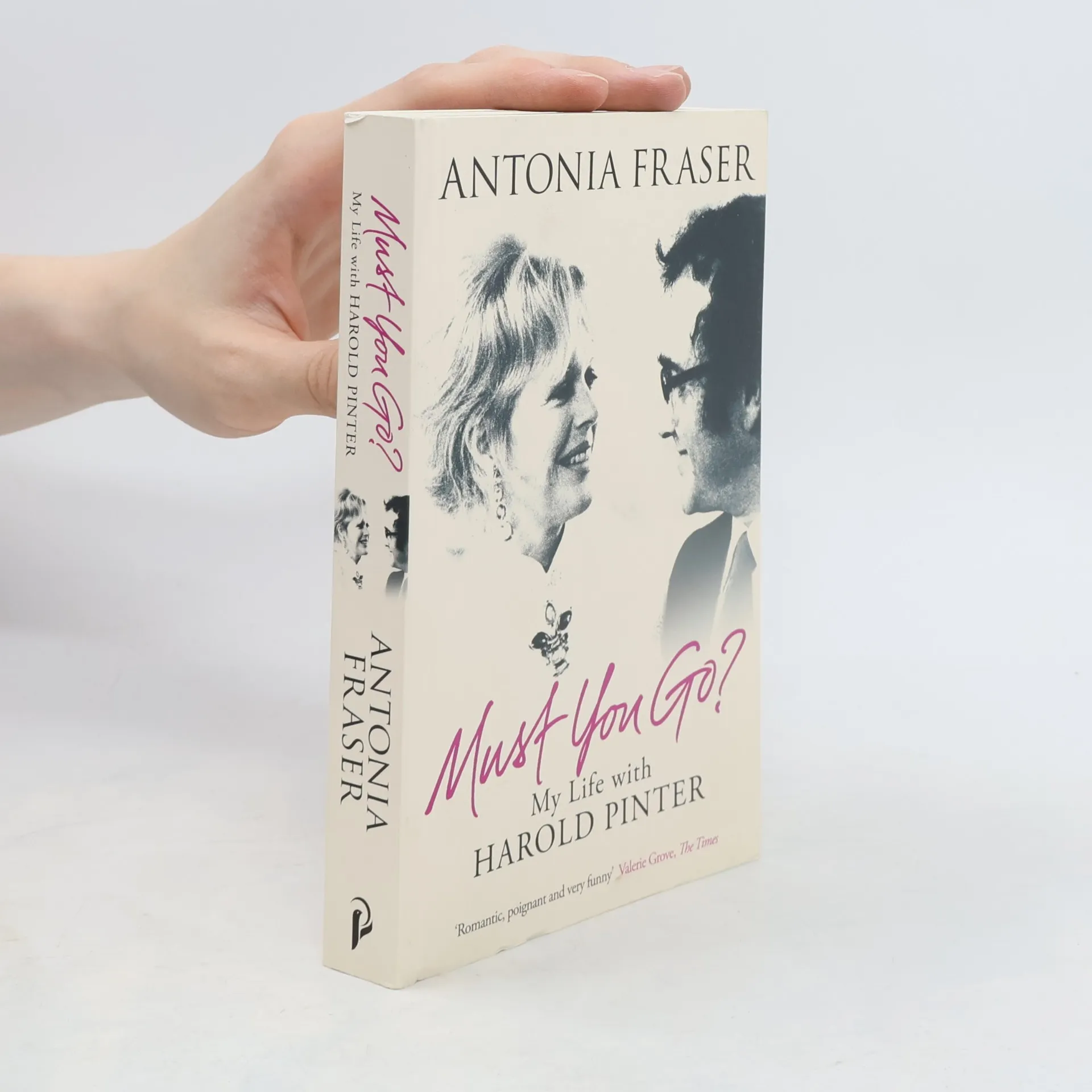
A unique testimony to modern literature's most celebrated and enduring marriage.
Excerpt from The Clans of the Scotland Highlands: Illustrated by Appropriate Figures, Displaying Their Dress, Tartans, Arms, Armorial Insignia, and Social OccupationsM Sound all}. Clad-ton. South Carolina. Mama), Thom Oybbon. Esp, Rolvendon. Kent. Noun. John w. Esq Philadelphin.Han-rill. Uh. Em Ghent. Liverpool. Murray, John. Enn., Dnndnlh.
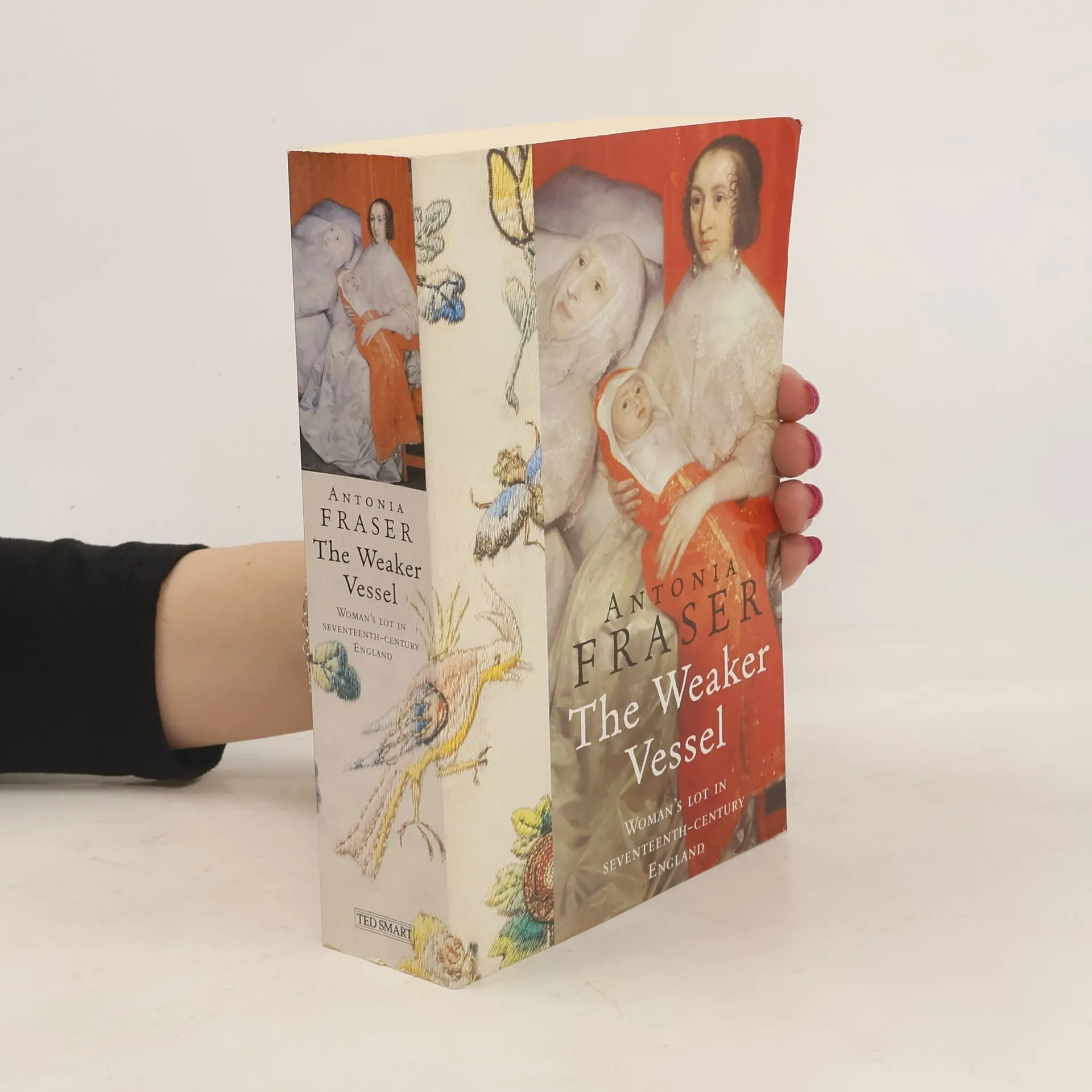
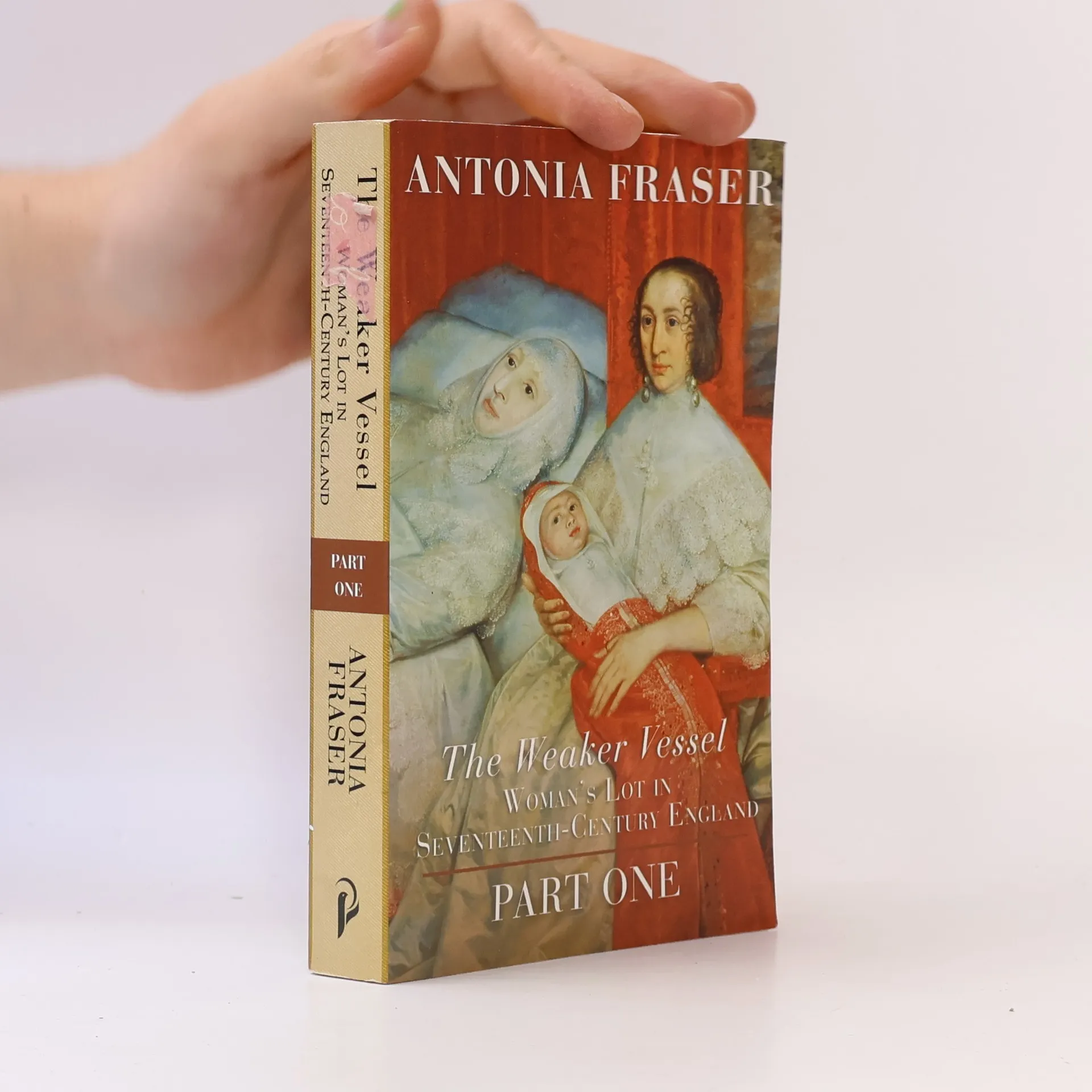
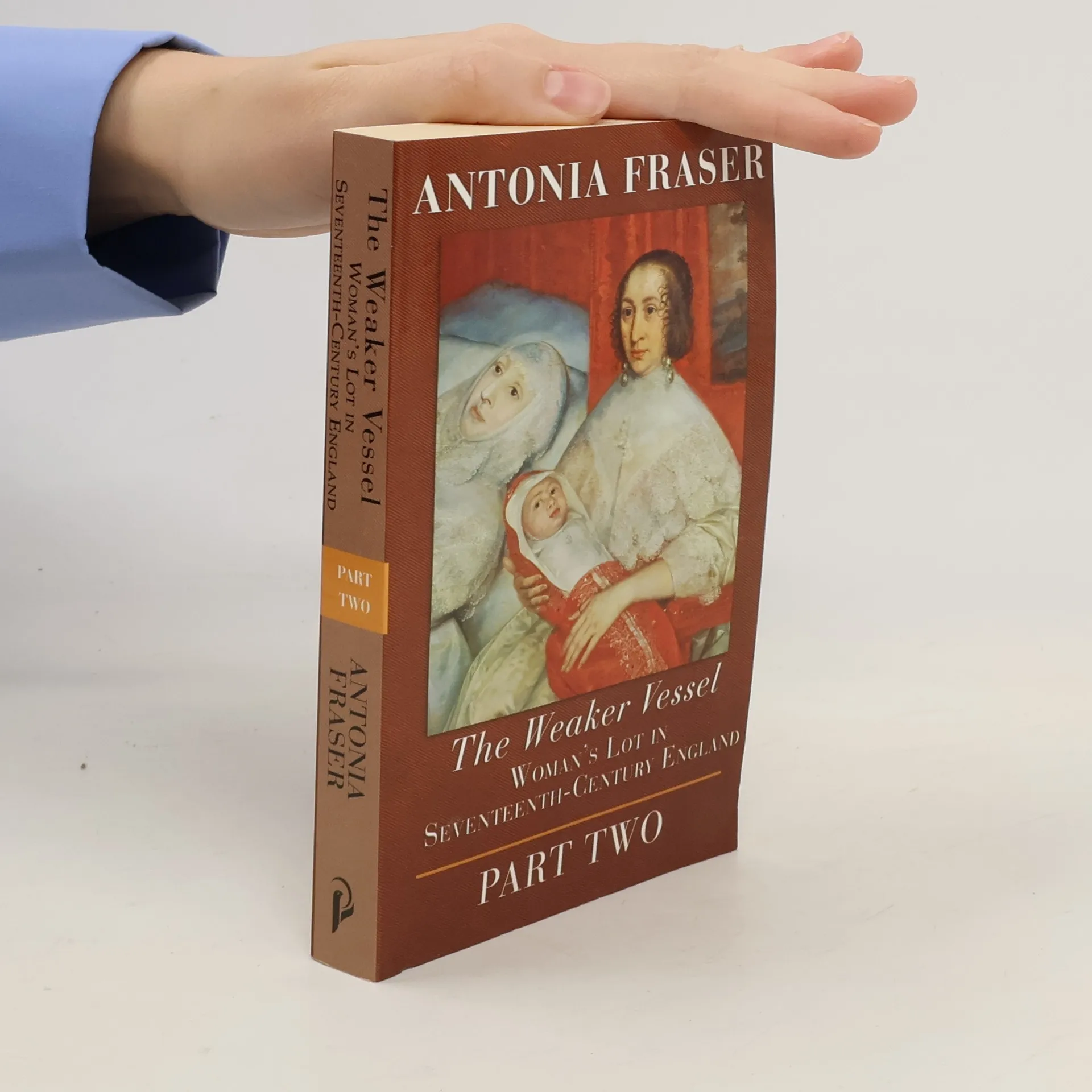
What were the women of the Civil War era like? What could they expect beyond marriage and childbirth in an age where infant and maternal mortality was frequent and contraception unknown? Antonia Fraser brings to life the many women she has researched.
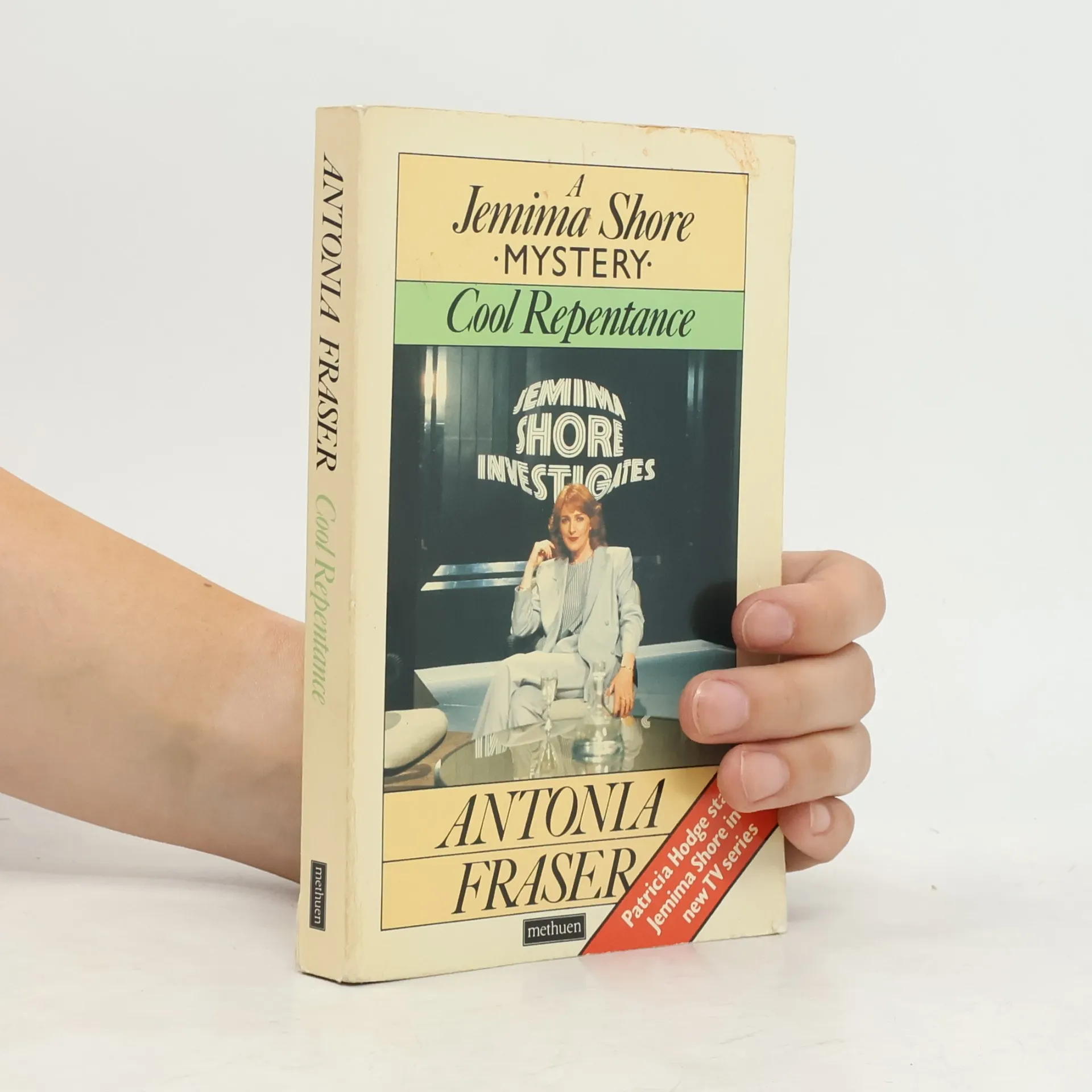
Each of Antonia Fraser’s four Jemima Shore mysteries has enlarged the audience for that redoubtable and unpremeditated sleuth. This new one is set against a theatrical background and shows all the narrative skills that have marked the works of its distinguished author along with an ever-increasing quality of suspense. It is the chilling story of Christobel, a beautiful and profligate actress, who thought she could just come back, repent, and resume with impunity the life she had deserted.
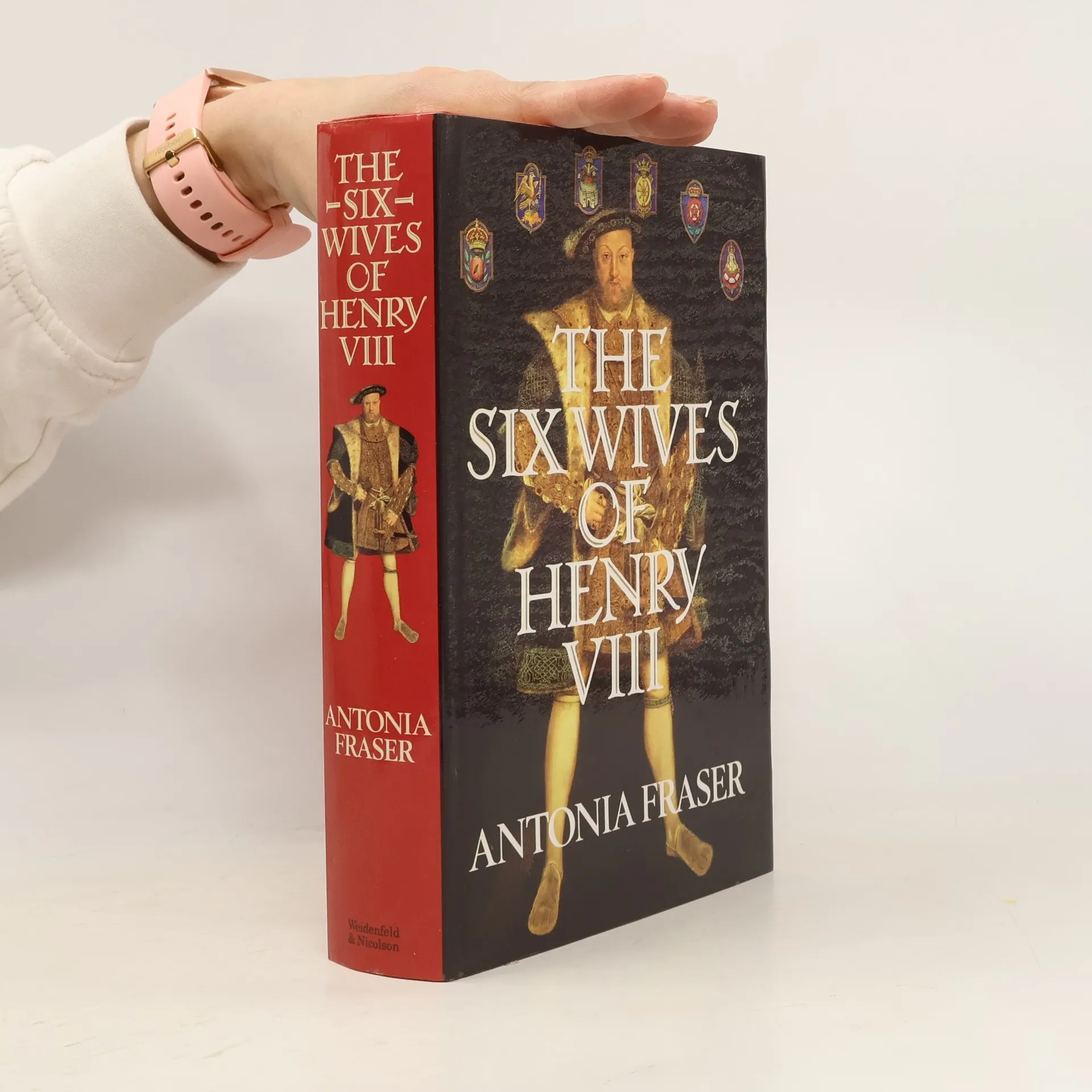
In a sweeping narrative, Fraser traces the cultural, familial and political roots of each of Henry's queens, pushes aside the stereotypes that have long defined them, and illuminates the complex character of each. The result is a superb work of history through which these six women become as memorable for their own achievements--and mistakes--as they have always been for their fateful link to Henry VIII. Illustrations.
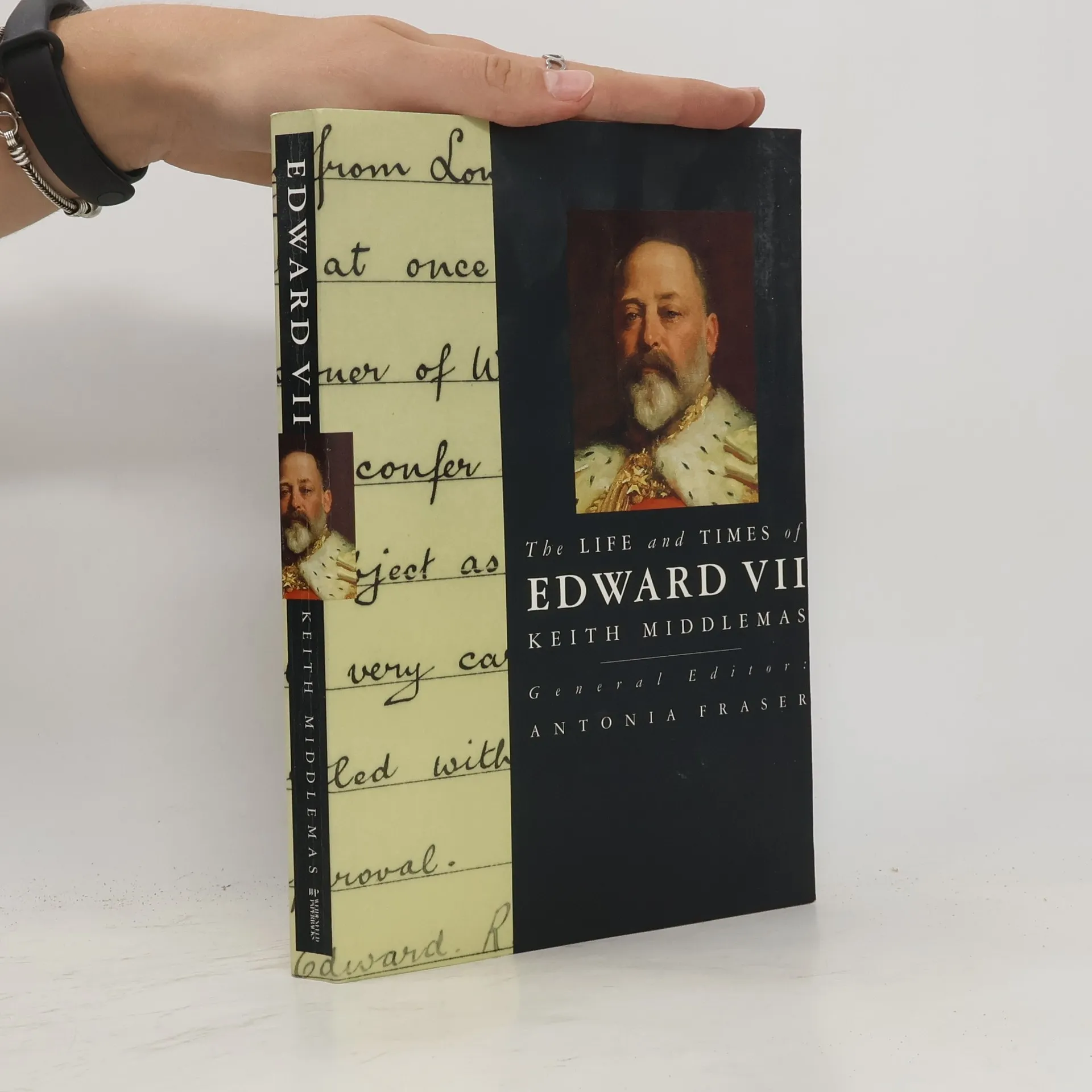
A portrait of Edward VII in all his as the young Prince of Wales, bon viveur and leader of a fashionable and scandalous set; as husband to Alexandra and father to six; and as a statesman adapting the monarchy to a new role in the Constitution.
A definitive series on the monarchs who changed English history
The scandal of nineteenth-century Britain: the sensational trial of Caroline Norton for adultery with the first Victorian Prime Minister
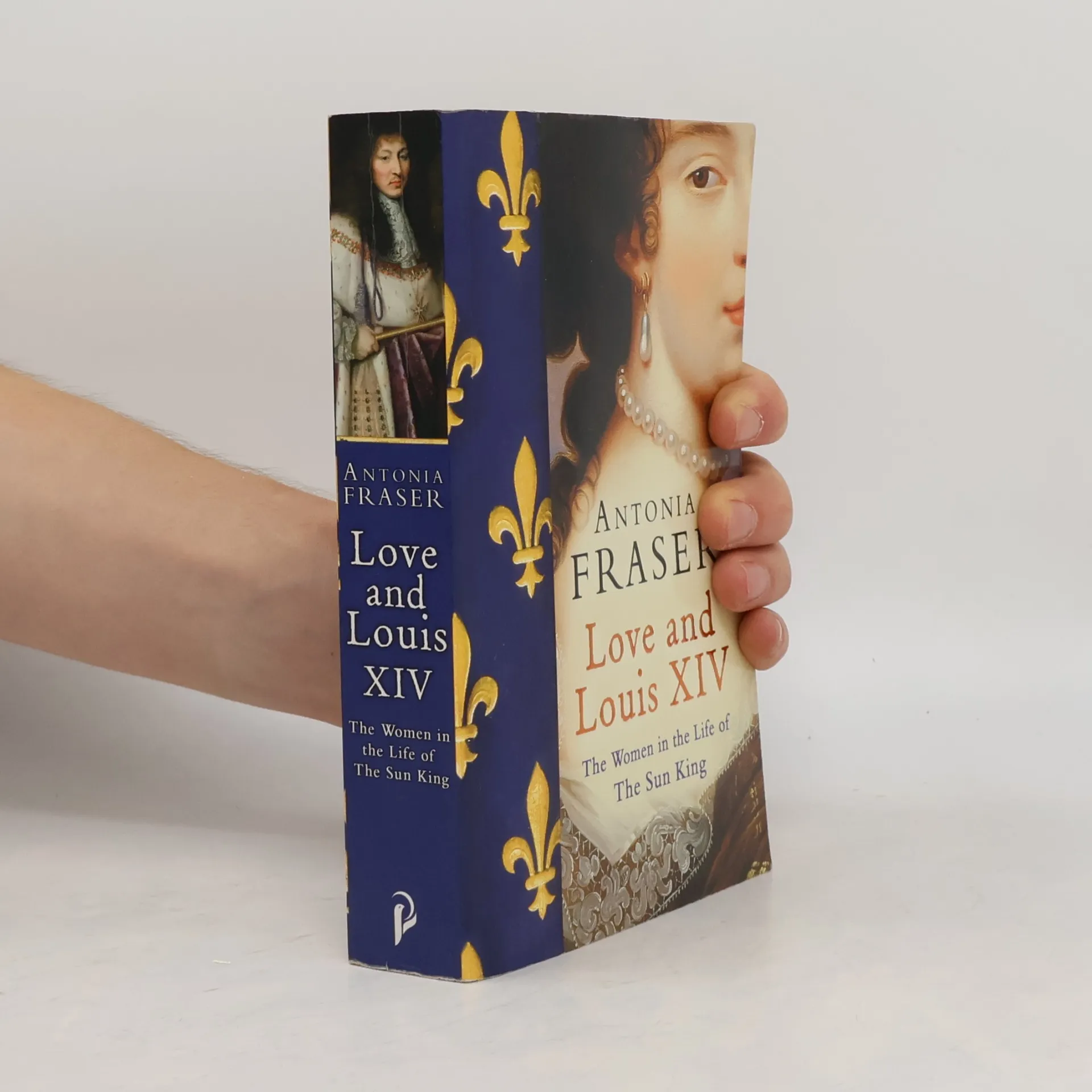
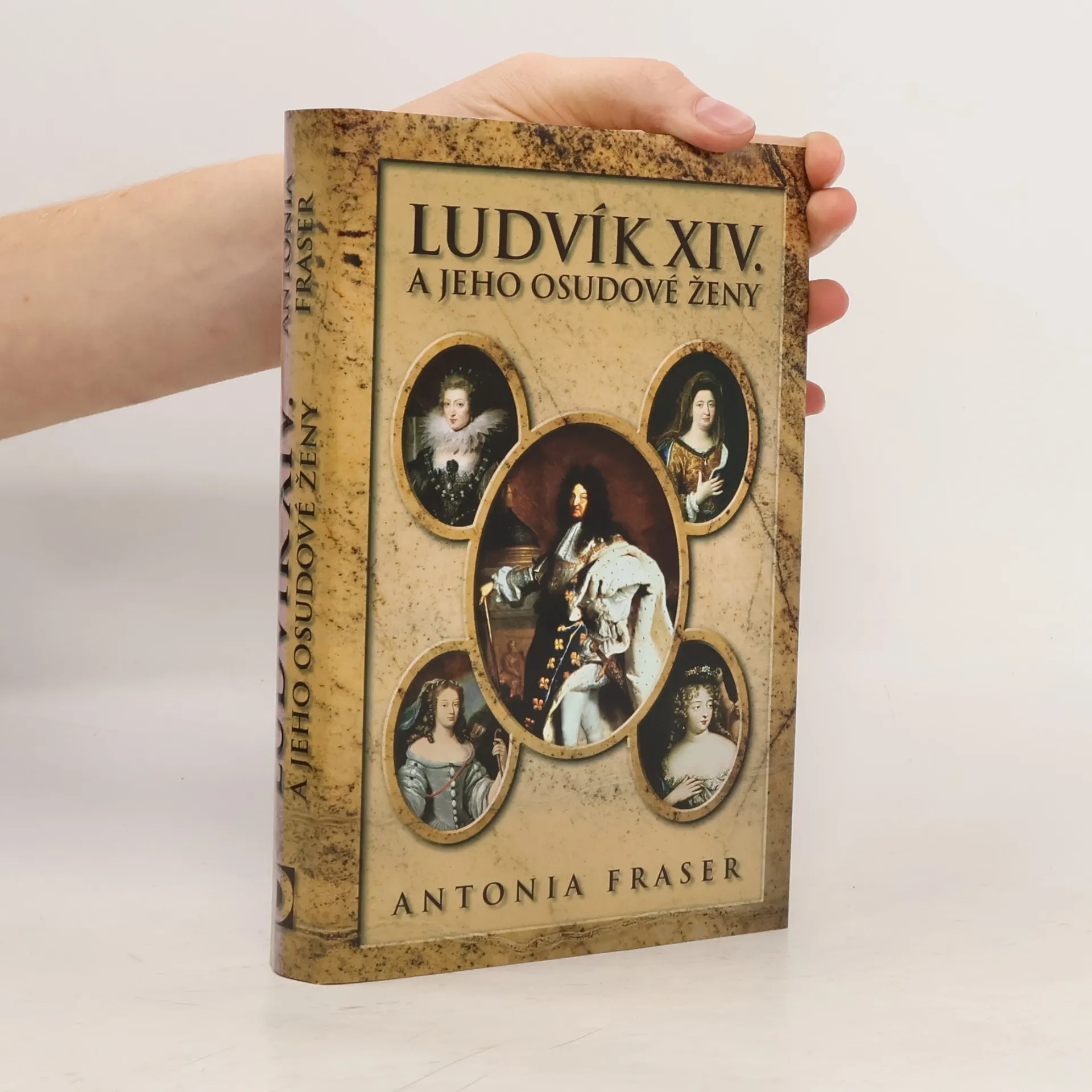
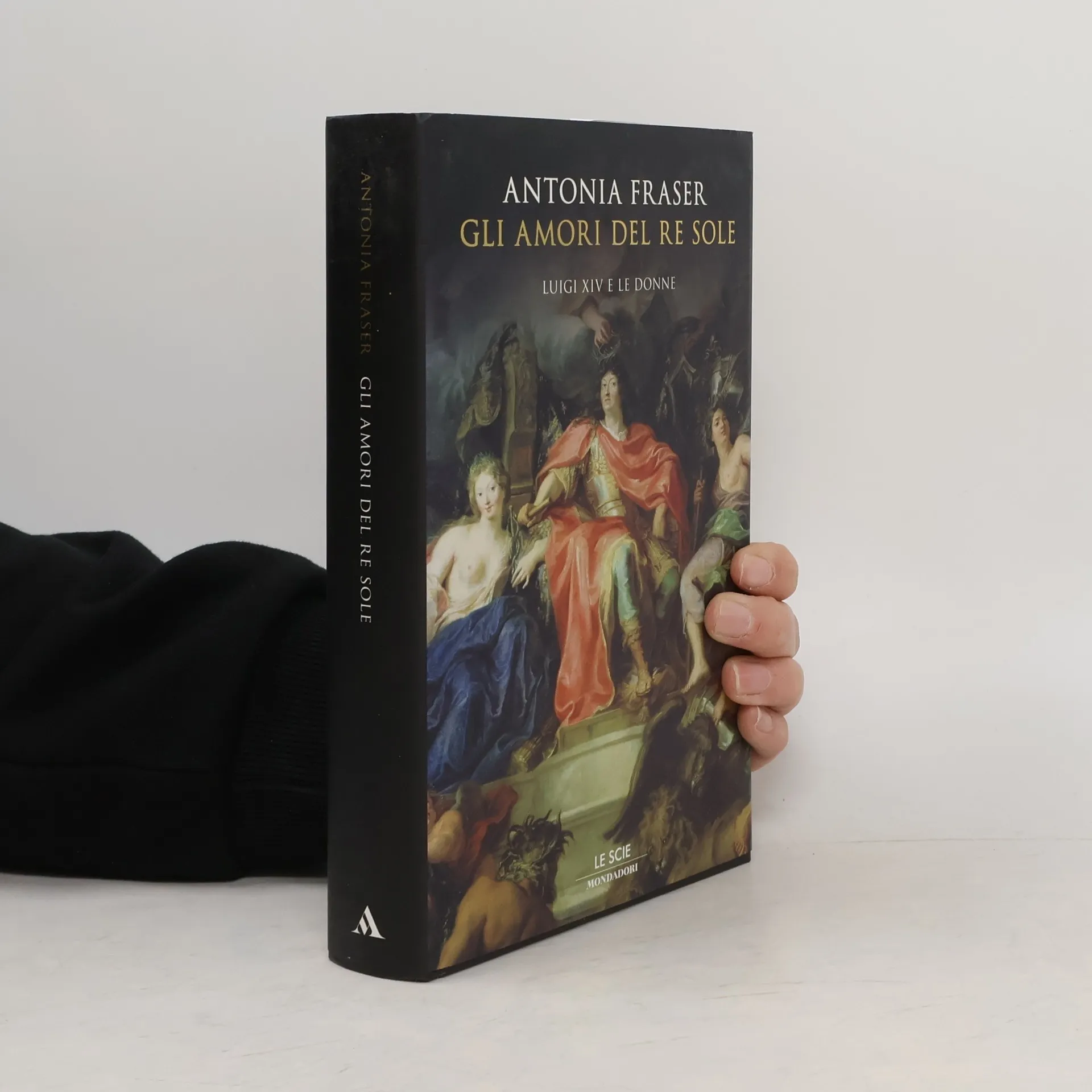
Mistresses and wives, mothers and daughters - Antonia Fraser brilliantly explores the relationships which existed between The Sun King and the women in his life. This includes not only Louis XIV's mistresses, principally Louise de La Vallière, Athénaïs de Montespan, and the puritanical Madame de Maintenon, but also the wider story of his relationships with women in general, including his mother Anne of Austria, his two sisters-in-law who were Duchesses d'Orléans in succession, Henriette-Anne and Liselotte, his wayward illegitimate daughters, and lastly Adelaide, the beloved child-wife of his grandson.
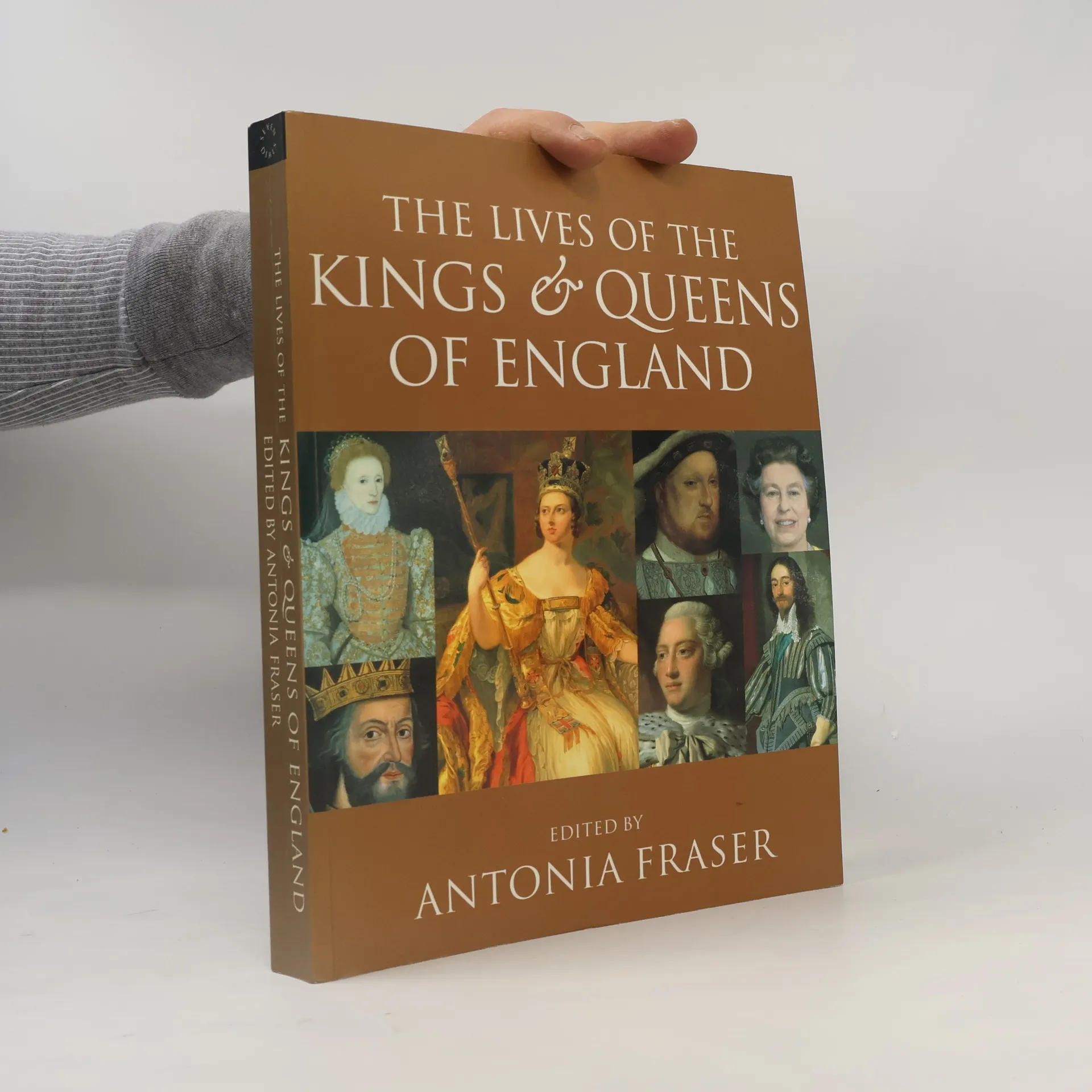
Illustrated in a sweep of colourful episodes, this volume contains the stories of England's monarchs, spanning ten great dynasties, from the invading Normans of 1066 to the House of Windsor. Antonia Fraser introduces this pageant of royalty, and eight contributors examine the complex characters of both well-loved figures such as Victoria and little-known sovereigns such as Richard III. Accompanying the text are 150 contemporary illustrations and colour drawings of the royal coats of arms, whose origin and significance are explained by J.P. Brooke-Little, the Richmond Herald of Arms.
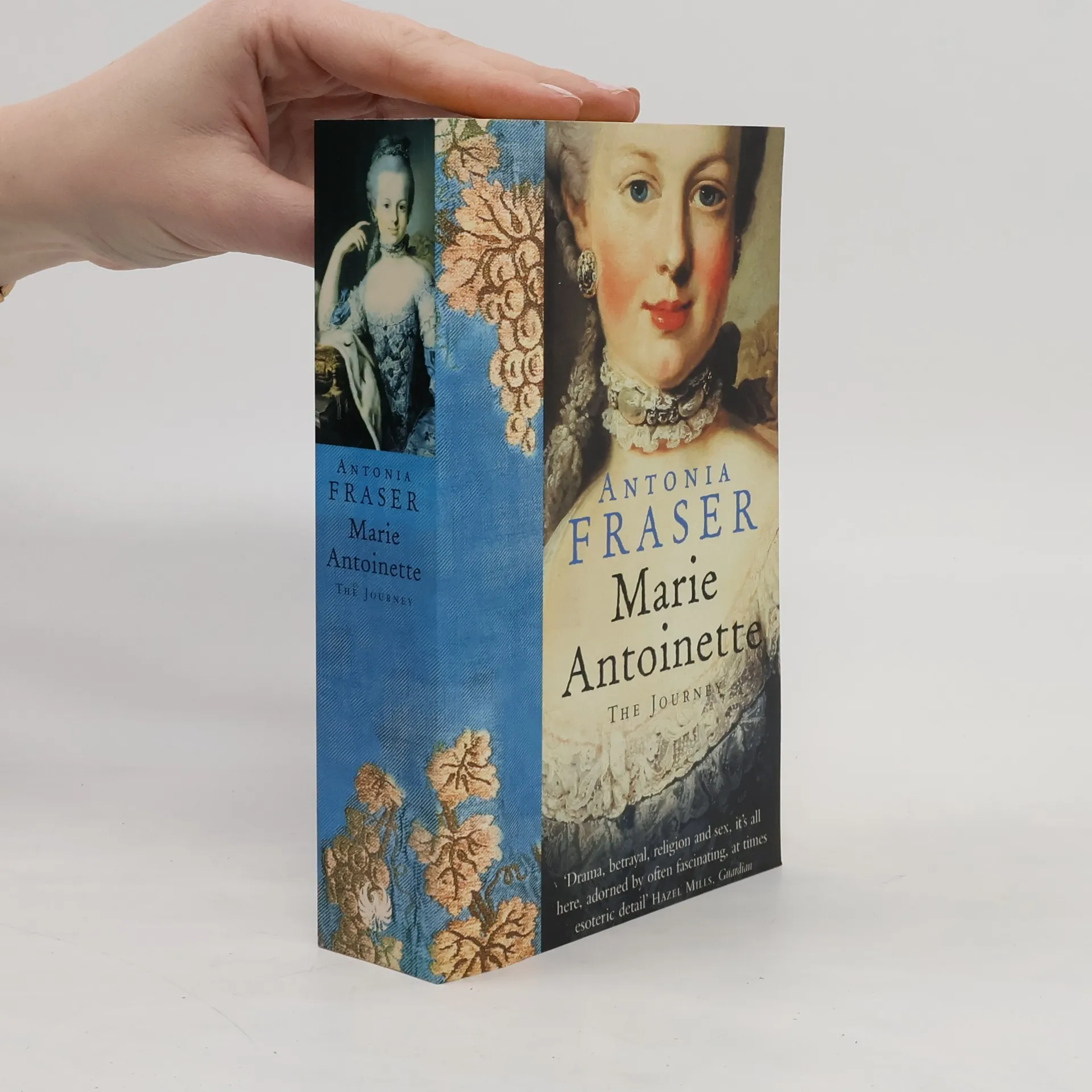
'Drama, betrayal, religion and sex, it's all here ... Fascinating' GUARDIAN 'Beautifully paced, impeccably written ... Don't miss it' INDEPENDENT 'Fraser is at her best here, lucid, authoritative and compassionate' SUNDAY TIMES 'Superbly researched ... the definitive work on the ill-fated queen' CATHOLIC HERALD Marie Antoinette's dramatic life-story continues to arouse mixed emotions. To many people, she is still 'la reine méchante', whose extravagance and frivolity helped to bring down the French monarchy; her indifference to popular suffering epitomised by the (apocryphal) words: 'let them eat cake'. Others are equally passionate in her defence: to them, she is a victim of misogyny. Antonia Fraser examines her influence over the king, Louis XVI, the accusations and sexual slurs made against her, her patronage of the arts which enhanced French cultural life, her imprisonment, the death threats made against her, rumours of lesbian affairs, her trial (during which her young son was forced to testify to sexual abuse by his mother) and her eventual execution by guillotine in 1793.
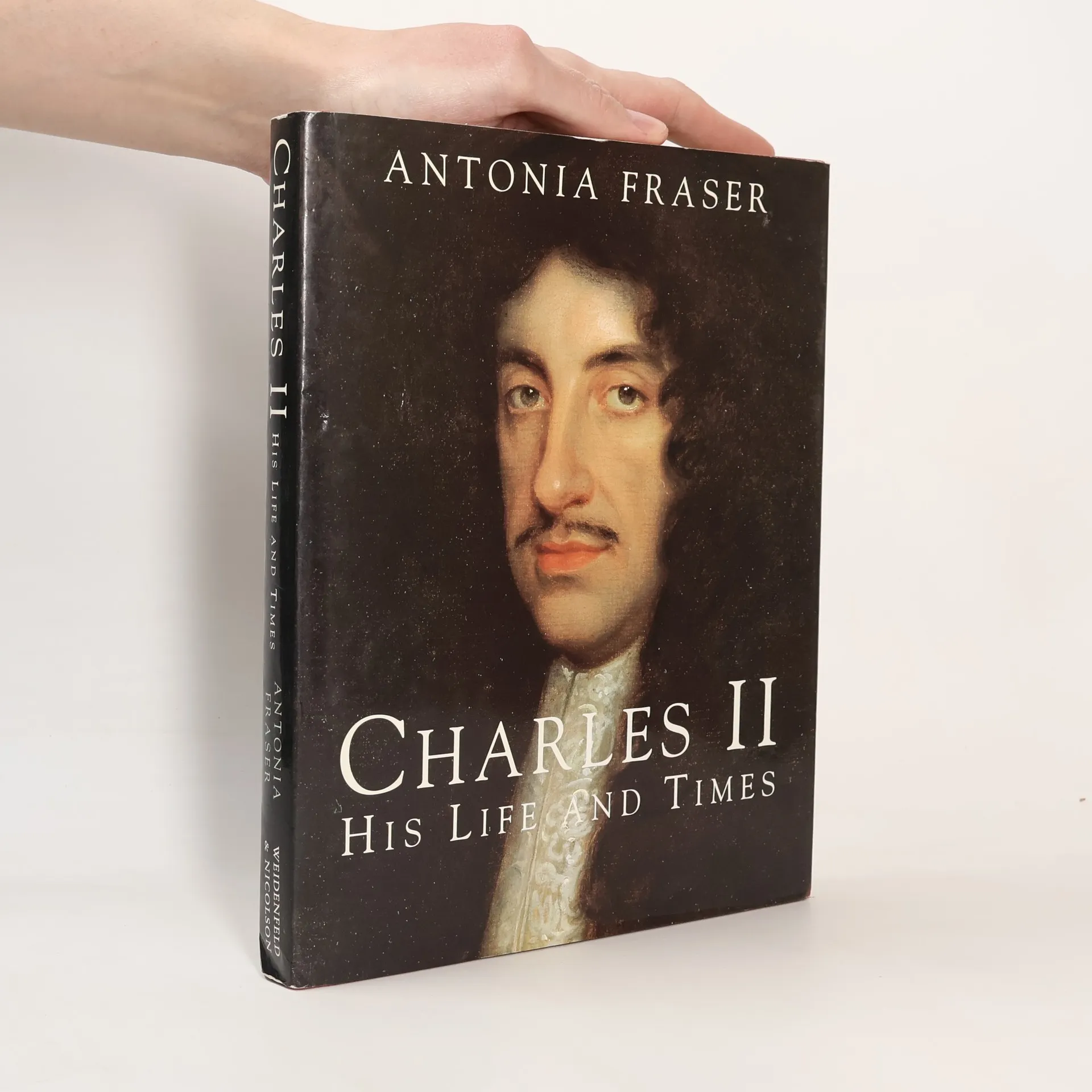
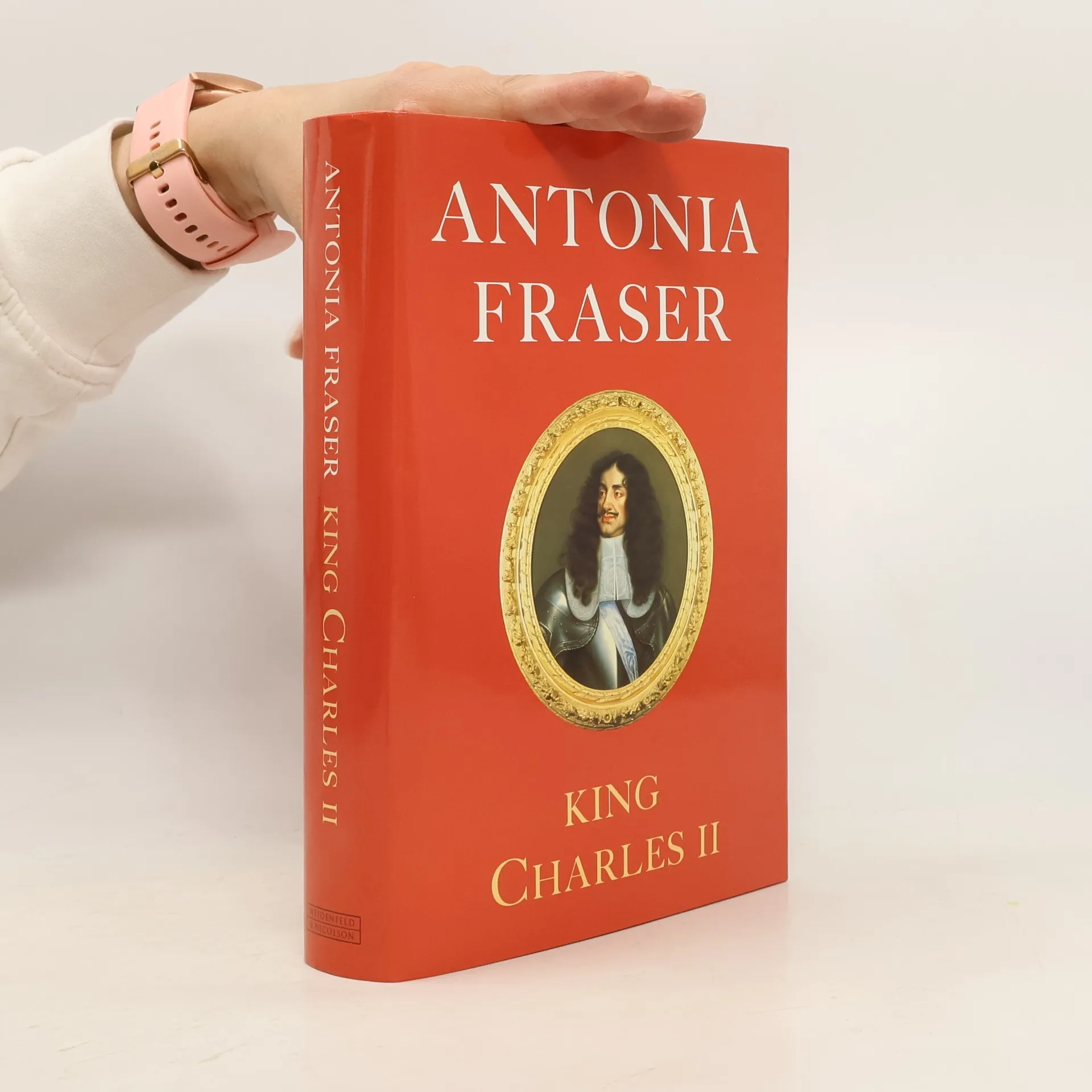
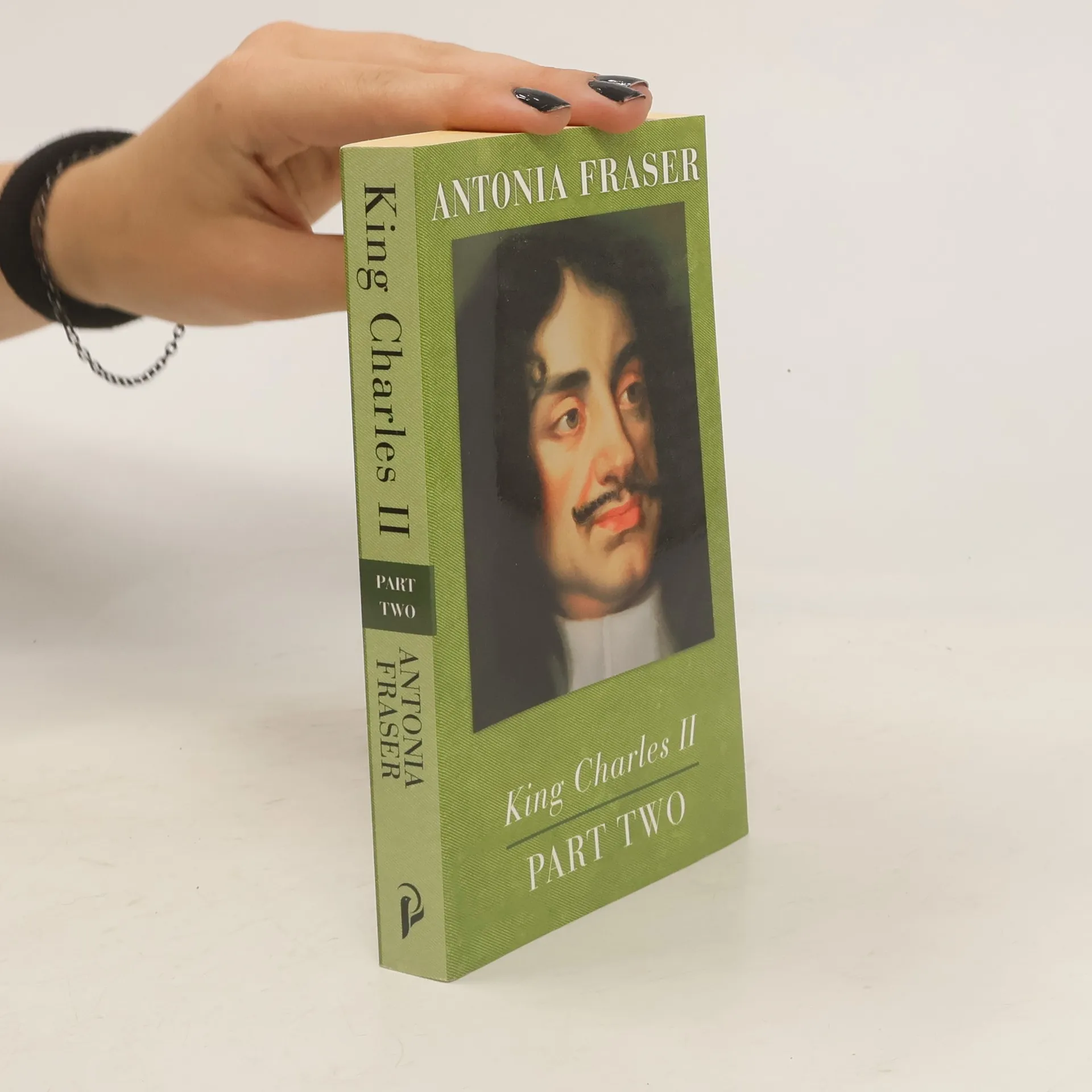
The story of King Charles II captivates with its blend of adventure and tragedy. From his idyllic childhood depicted in Van Dyck's portraits to the harrowing loss of his father during the Civil War in 1649, Charles's journey is marked by resilience. Ascending to the throne at eighteen, he inherited little more than a title. His initial attempts to reclaim his kingdom were thwarted by Cromwell at Worcester, leading to years of exile and hardship across Europe. The miraculous Restoration brought a reign filled with dramatic events, including the Great Plague, the Fire of London, and the Popish Plot, alongside conflicts like the Dutch Wars. The struggle against the Whigs to prevent his Catholic brother James from succeeding culminated in his unexpected victory at the Oxford Parliament of 1681. Known for his love of women, his passion for parks and palaces, and his artistic friendships, Charles navigated the complexities of his reign, ultimately earning the affection of his people. Antonia Fraser's meticulously researched biography offers insightful reassessments of Charles's relationships, kingship, patriotism, and religious beliefs, crafting a compelling narrative that highlights her prowess as a leading biographer.
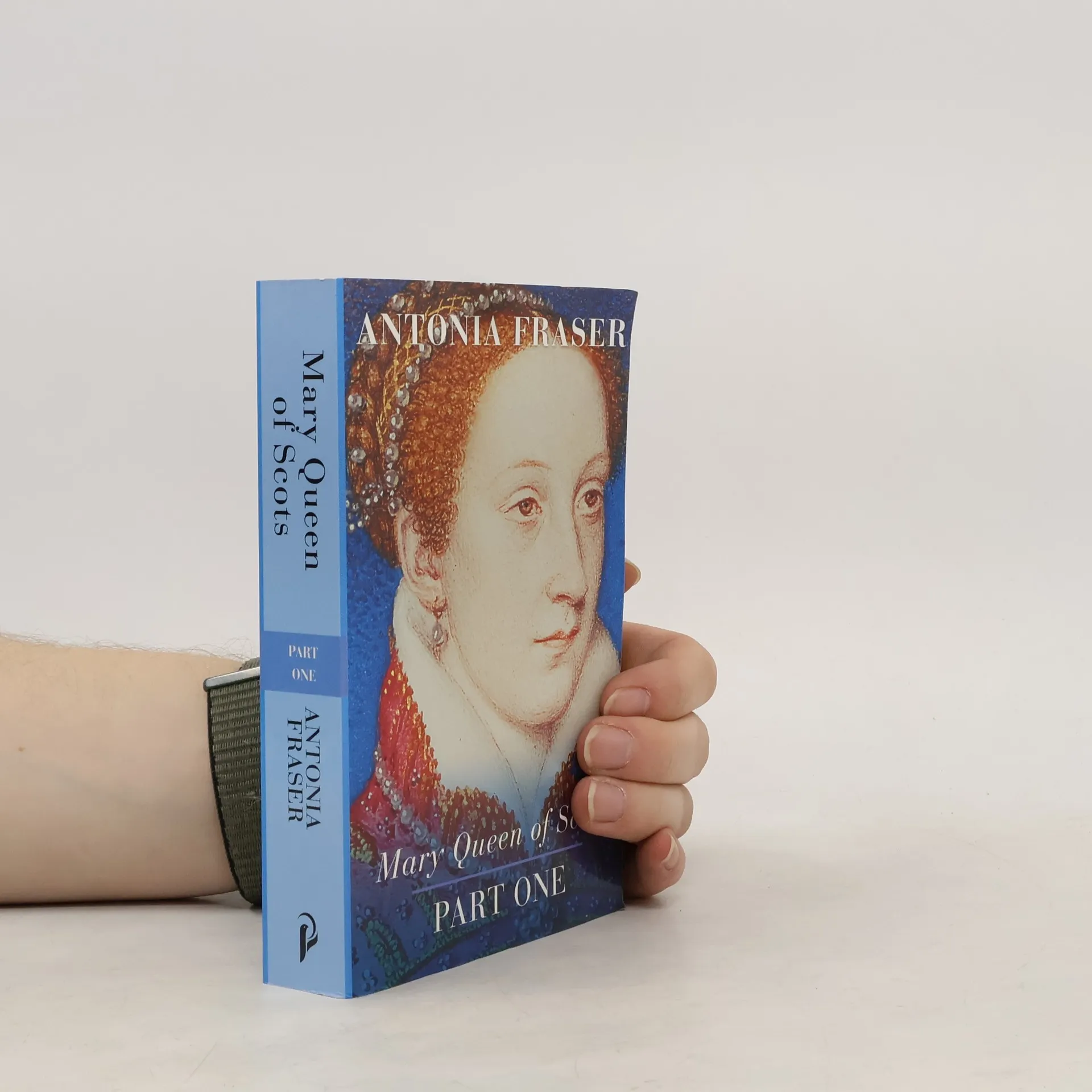
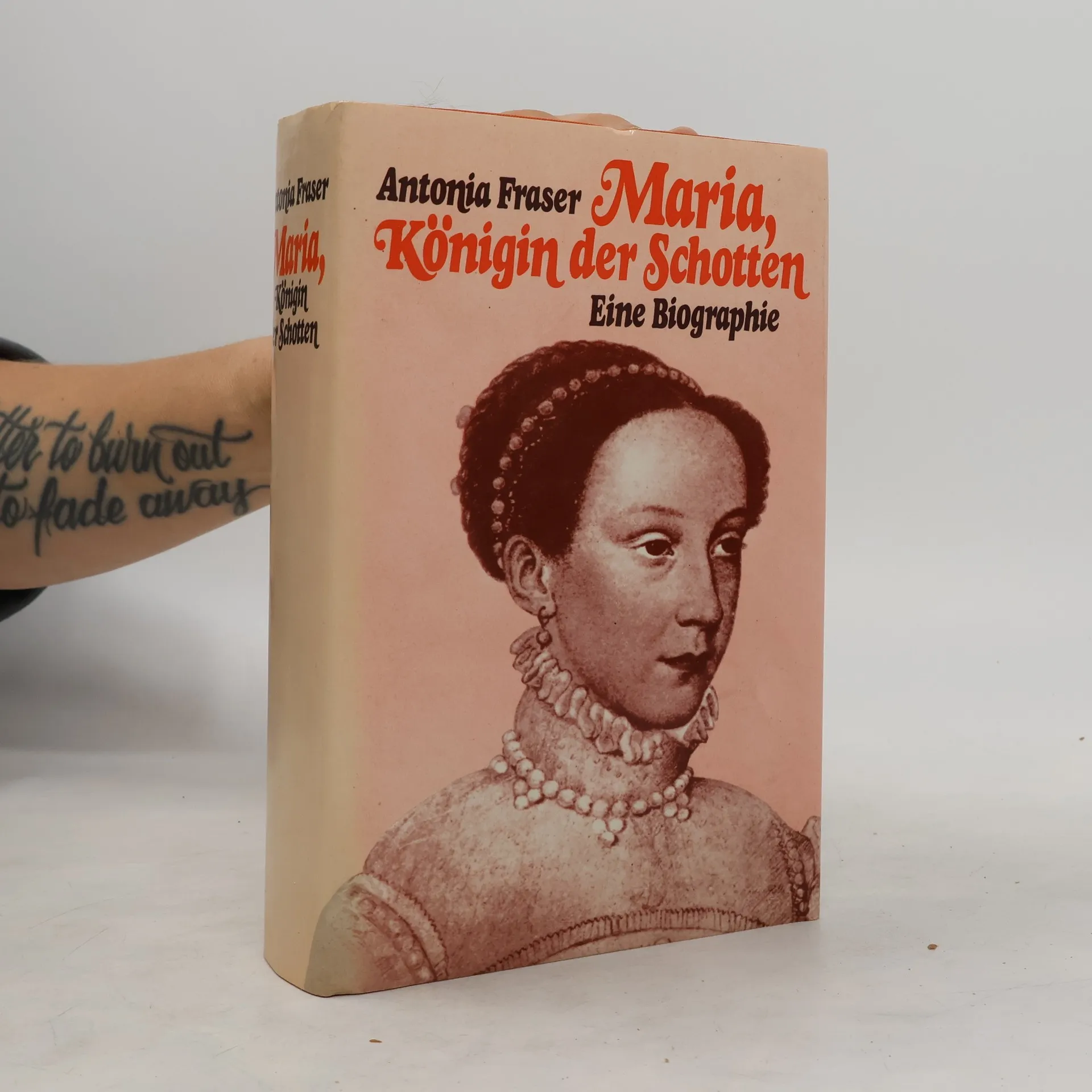
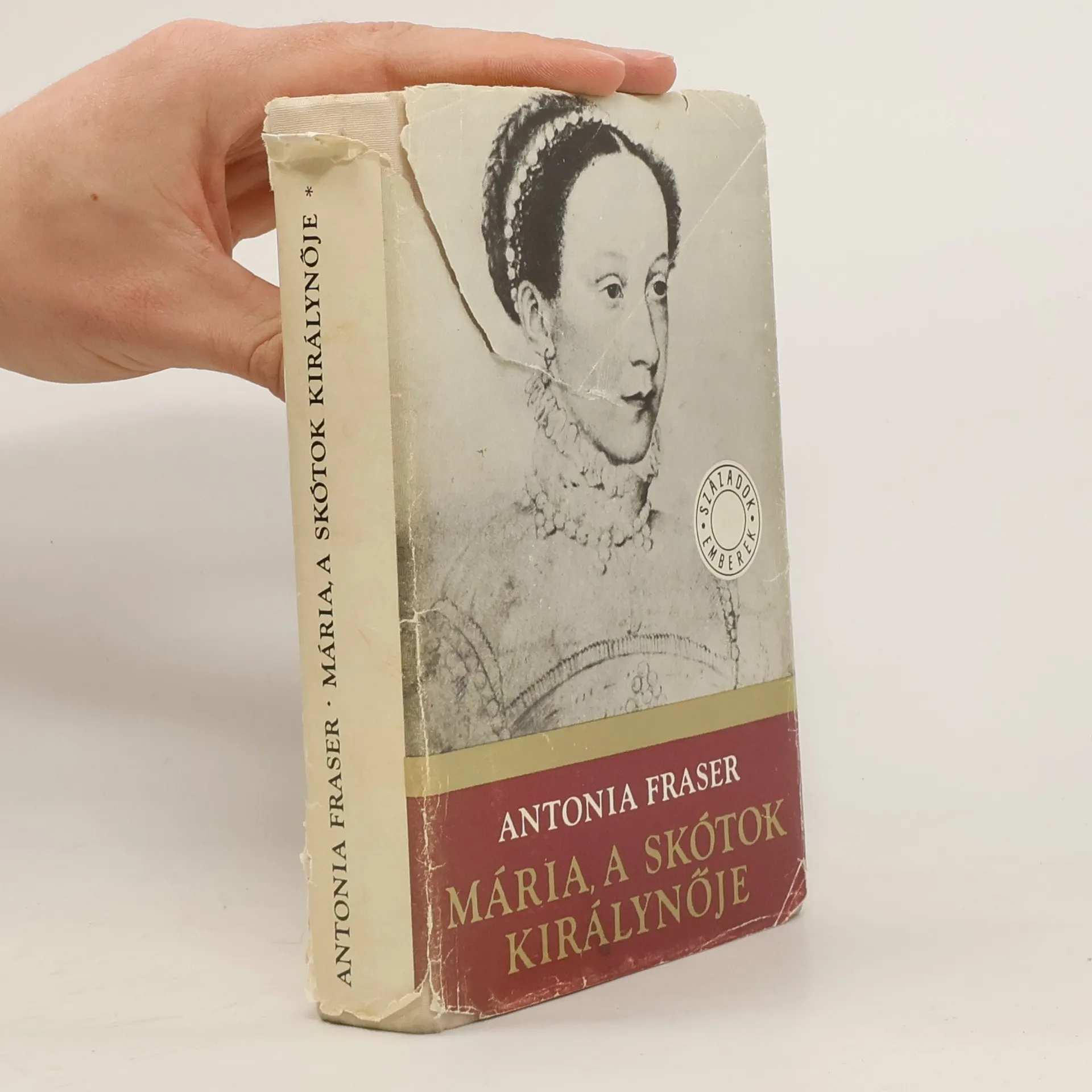
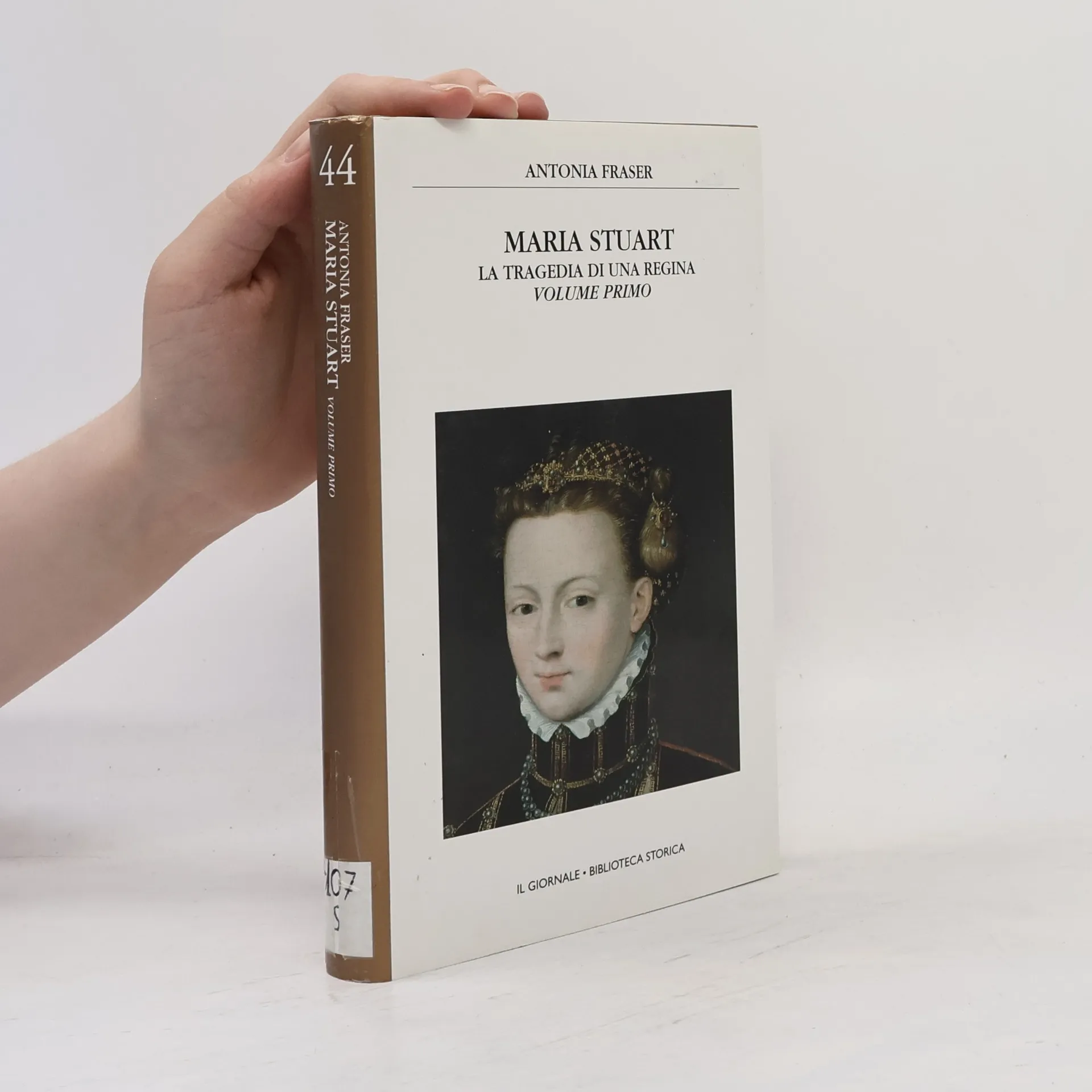
As the subject of a biography, Mary Queen of Scots remains one of the most romantic and controversial figures in British history. Antonia Fraser's masterly biography is a fascinating interpretation of the life of a girl destined to die a martyr.
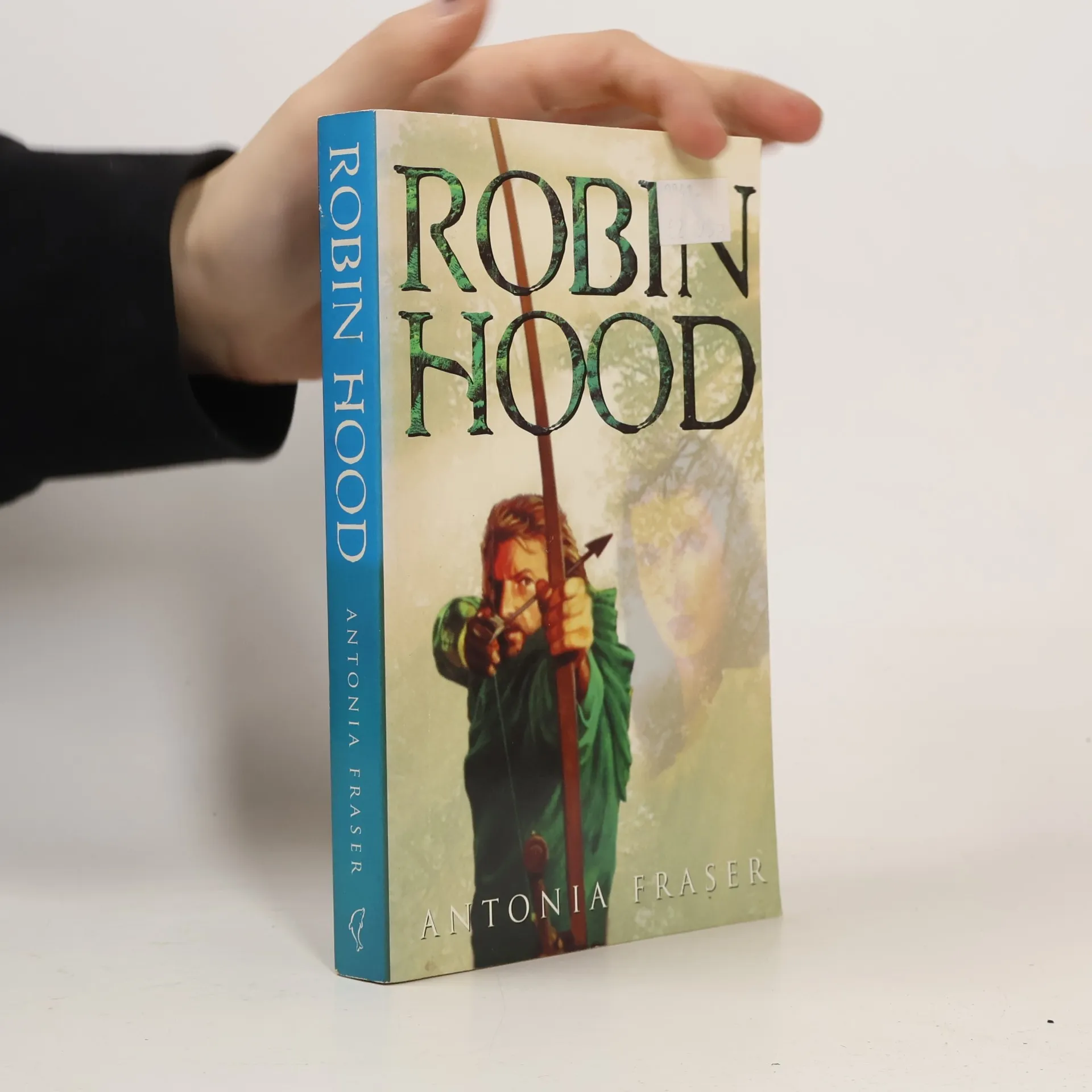
Stories of Robin Hood, the outlaw of Sherwood Forest, who stole from the rich to feed the poor.
The story of King Charles II is one of enduring fascination. In this meticulously researched biography Antonia Fraser offers important judgements and reassessments on central questions of the reign, such as his patriotism and religious beliefs.
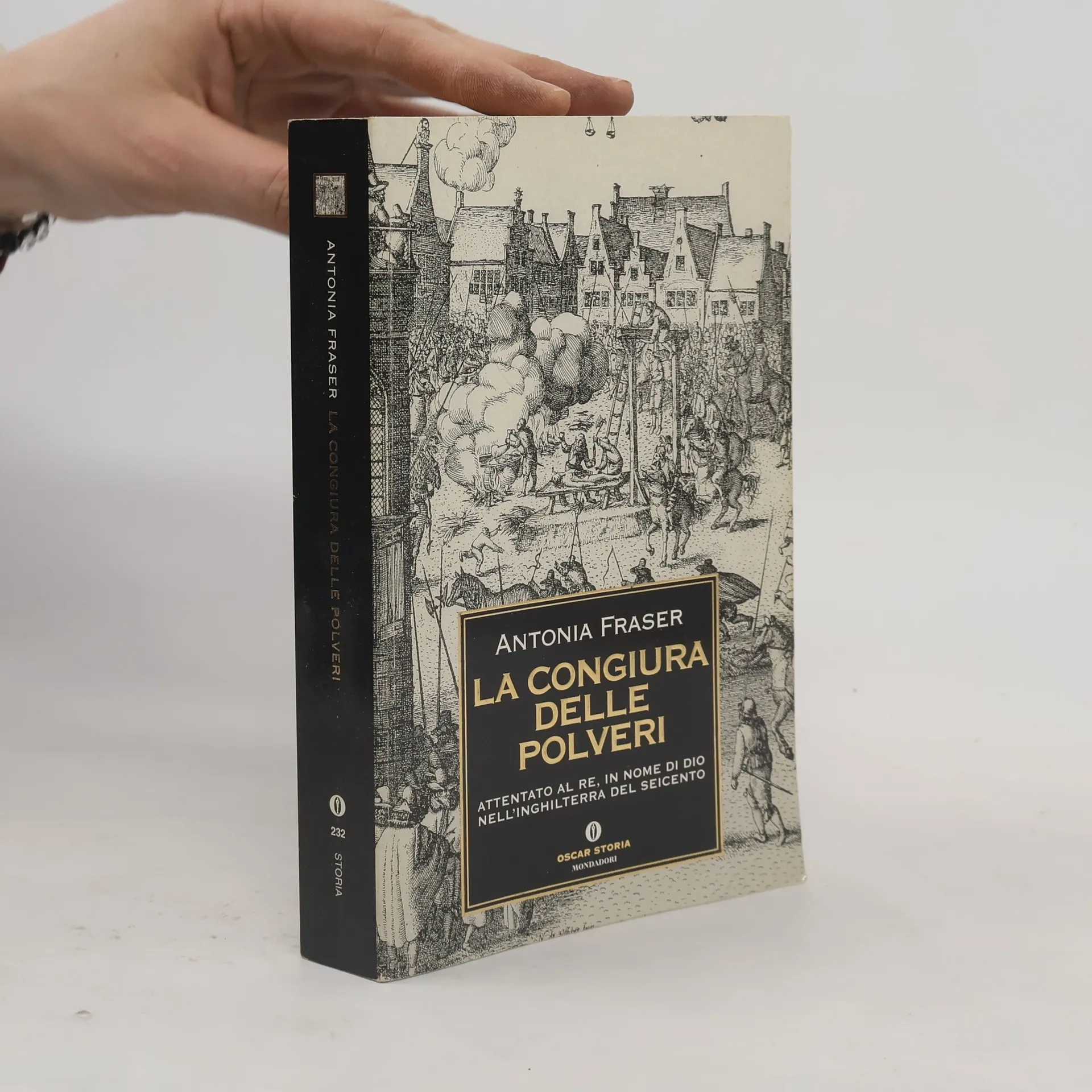
Britain's most popular historian uncovers the truth about Guy Fawkes' plot to blow up the Houses of Parliament.
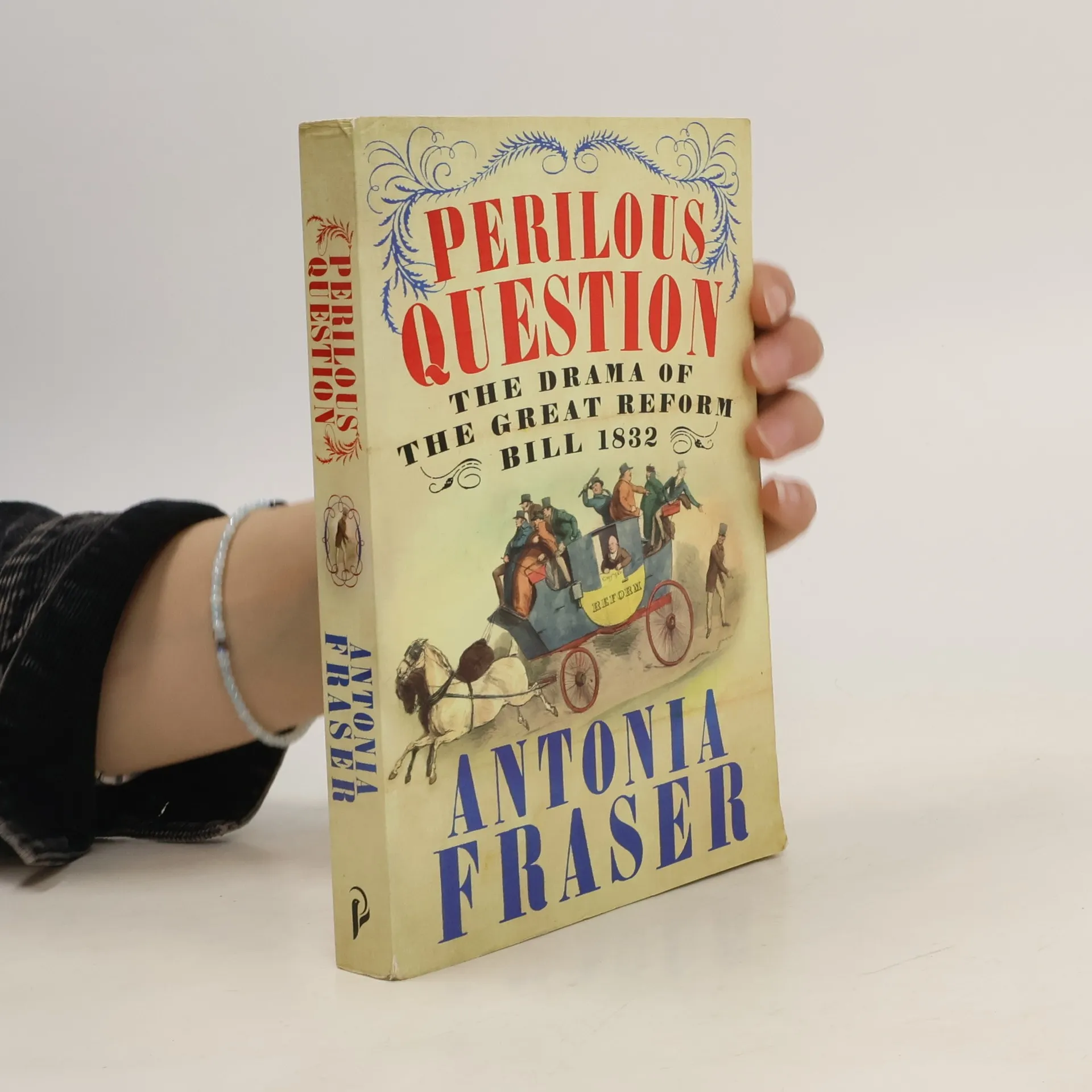
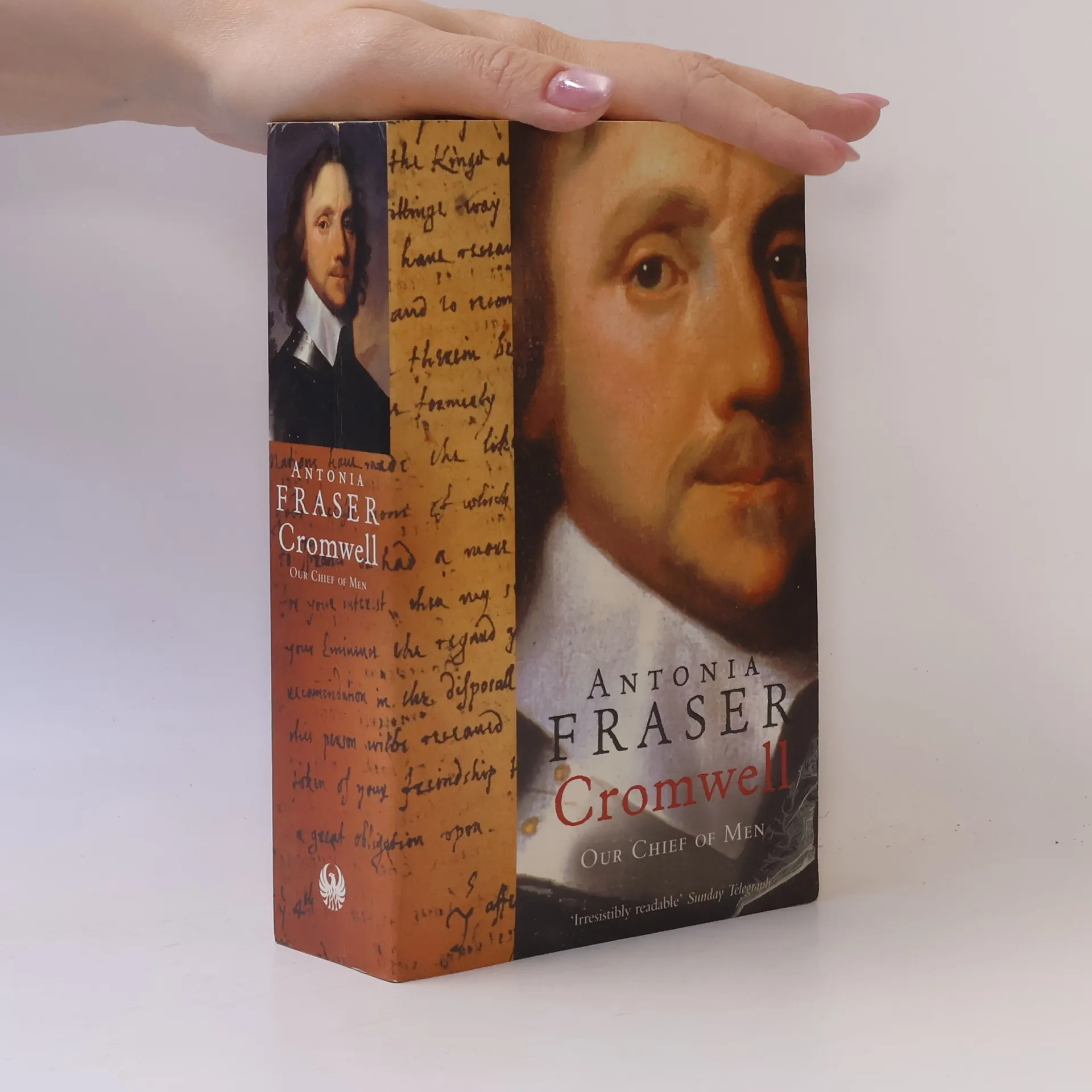
From beloved historian Antonia Fraser, the two-year revolution that totally changed how Britain is governed.
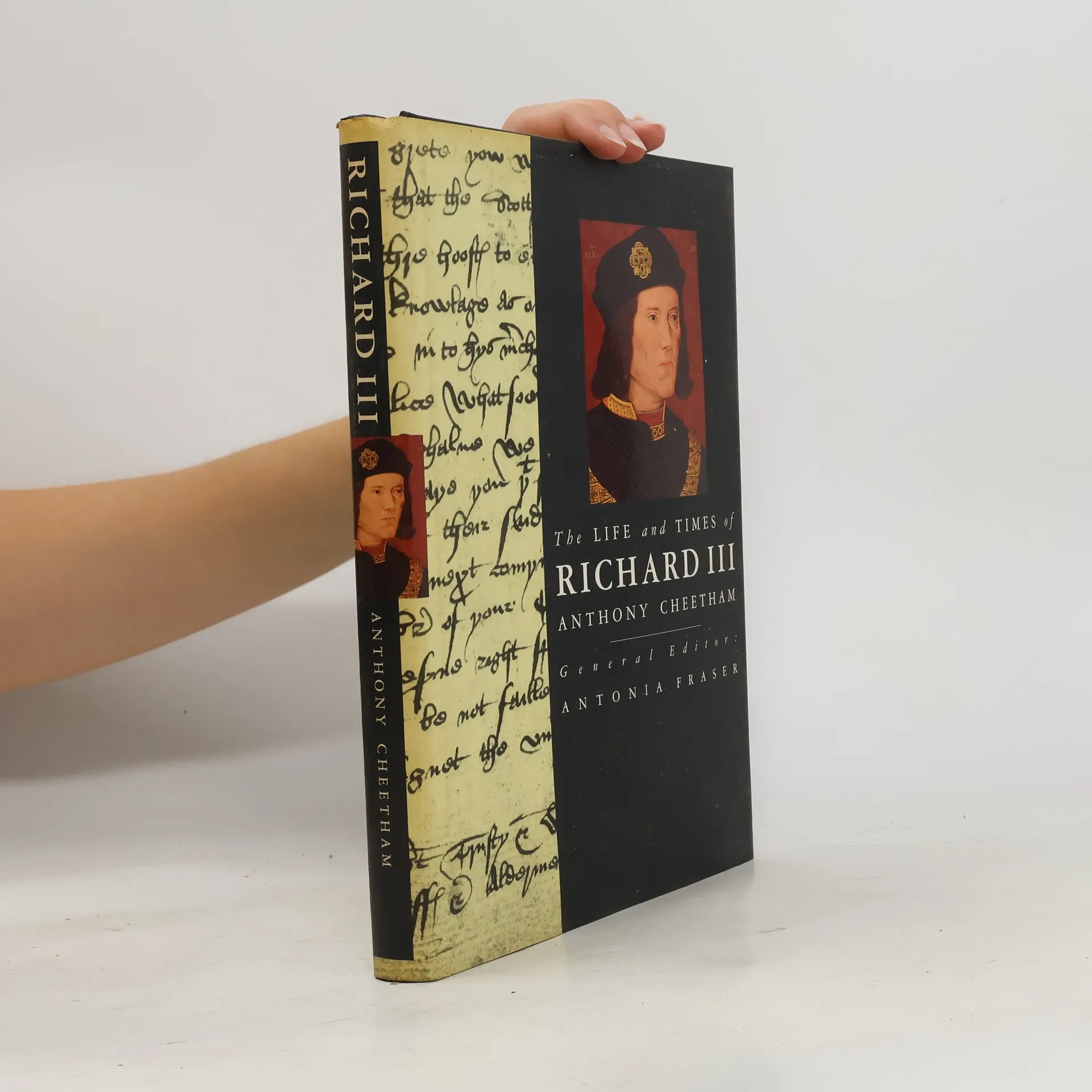
Richard III is one of the most mysterious figures of English history, and as such is the source of perennial fascination. Comparatively little is known of his early life, his appearance, his interests, for up to 1483 he played second fiddle to his more glorious older brothers, Edward 'this sun of York', and the feckless Clarence. He appears to have been content in this role, for he was foremost a soldier and an administrator, preferring to govern the marches of the North than to caper 'nimbly in a lady's chamber'. But the untimely death of Edward IV forced Richard into the limelight, where he has remained ever since. The last three years of his life have taken on the character of a detective story--did Richard really believe his brother and nephews were illegitimate? Why did he seize the throne? What did happen to the Princes in the Tower? Naturally Henry Tudor ensured that Richard should be held responsible for every possible heinous deed. But later historians have swung violently in the other direction, whitewashing Richard to proffer him as the most ill-used and glorious monarch of the period. Anthony Cheetham has cut through the legend and the propaganda to try to retrace the life of Richard, the forgotten years before he assumed the throne, and thus to place the focus of those final hectic years before the last of the Plantagenets died on Bosworth Field.
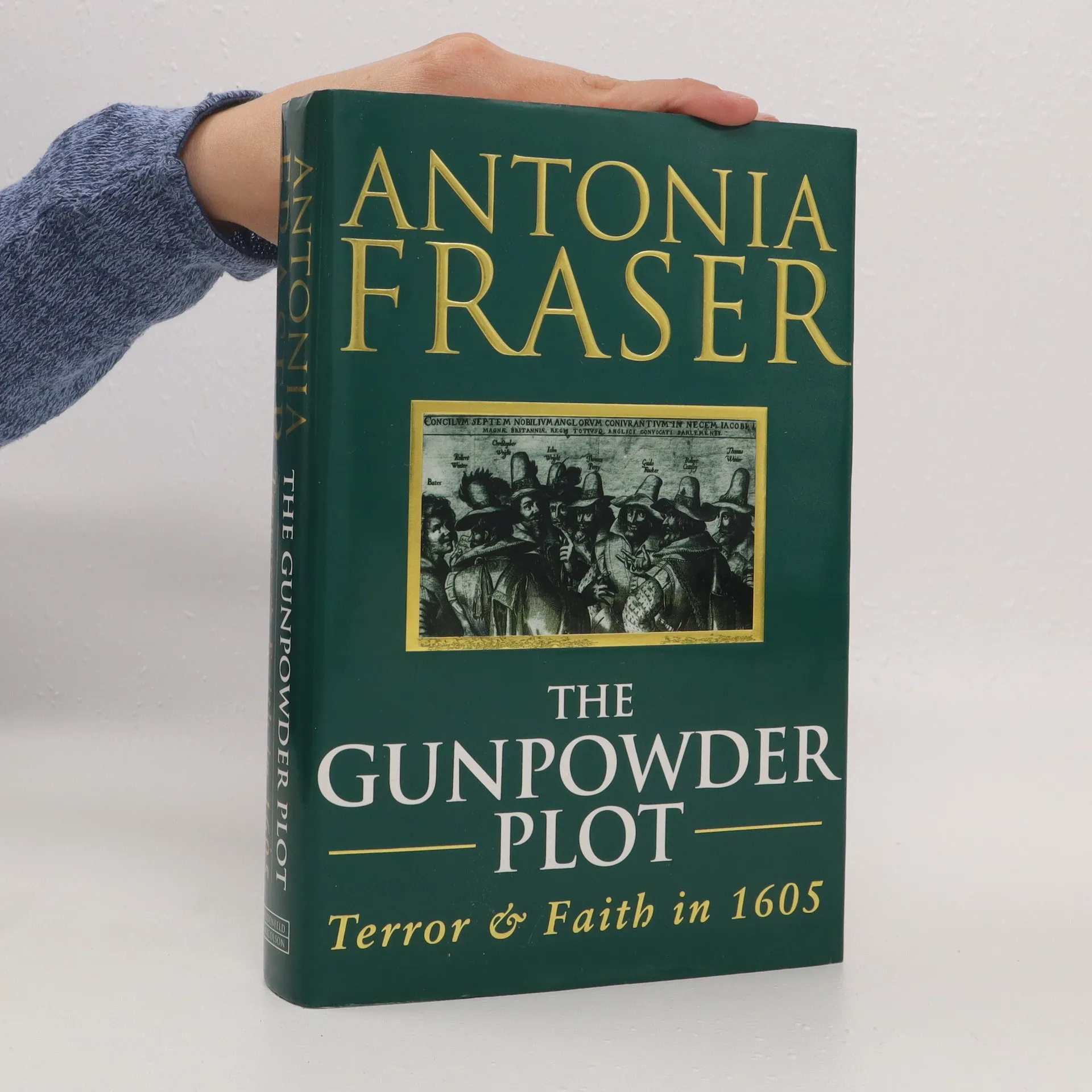
The Gunpowder Plot of 1605 is one of the most commemorated events in English history, but remains shrouded in mystery. The central aim of his account is to explain why there should have been a plot at all, and why the conspirators risked their lives for what they believed to be the cause of God and their country. The narrative reads like a detective story as Antonia Fraser sets with sympathy and objectivity to untangle the intricate relationship between religion and politics in early-17th-century England.
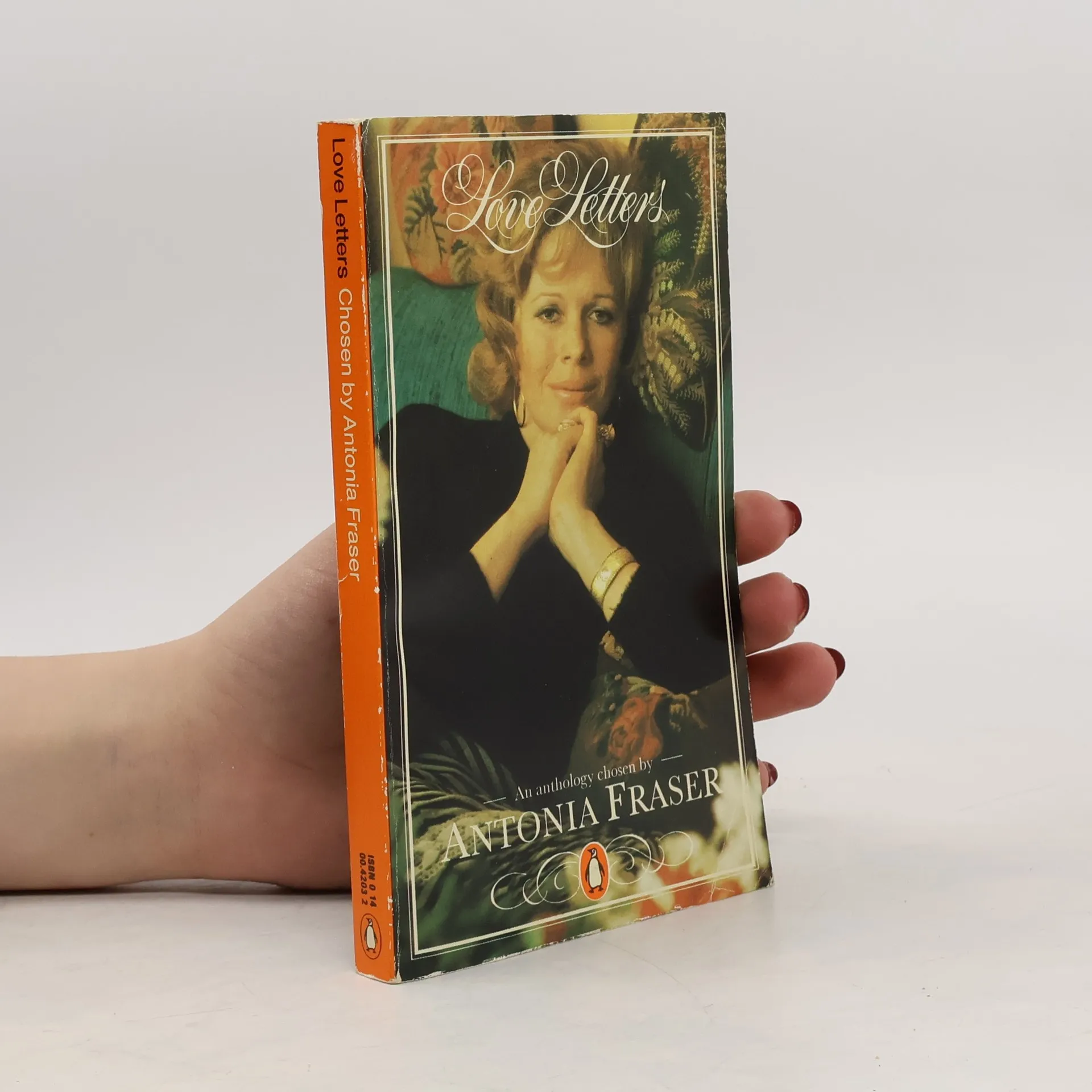
An anthology of love letters. Some of the letters are magnificent outpourings, others more affecting by their understatement. All of them illustrate the power and ferocity of the emotion we call love. Lady Antonia Fraser is the author of several bestselling historical biographies.
Elizabeth I was England's first really successful female monarch. She defeated the Spanish Armada in 1588, promoted religious tolerance, and united England and Scotland at her death in 1603. She was the daughter of Henry VIII and his second wife Anne Boleyn, and was known as the Virgin Queen and Gloriana. Her reign was known as a Golden Age. She used her sex as a strength not a weakness, and claimed she was married to England.
Antonia Fraser's bestselling account of the lives of women in seventeenth- century England.
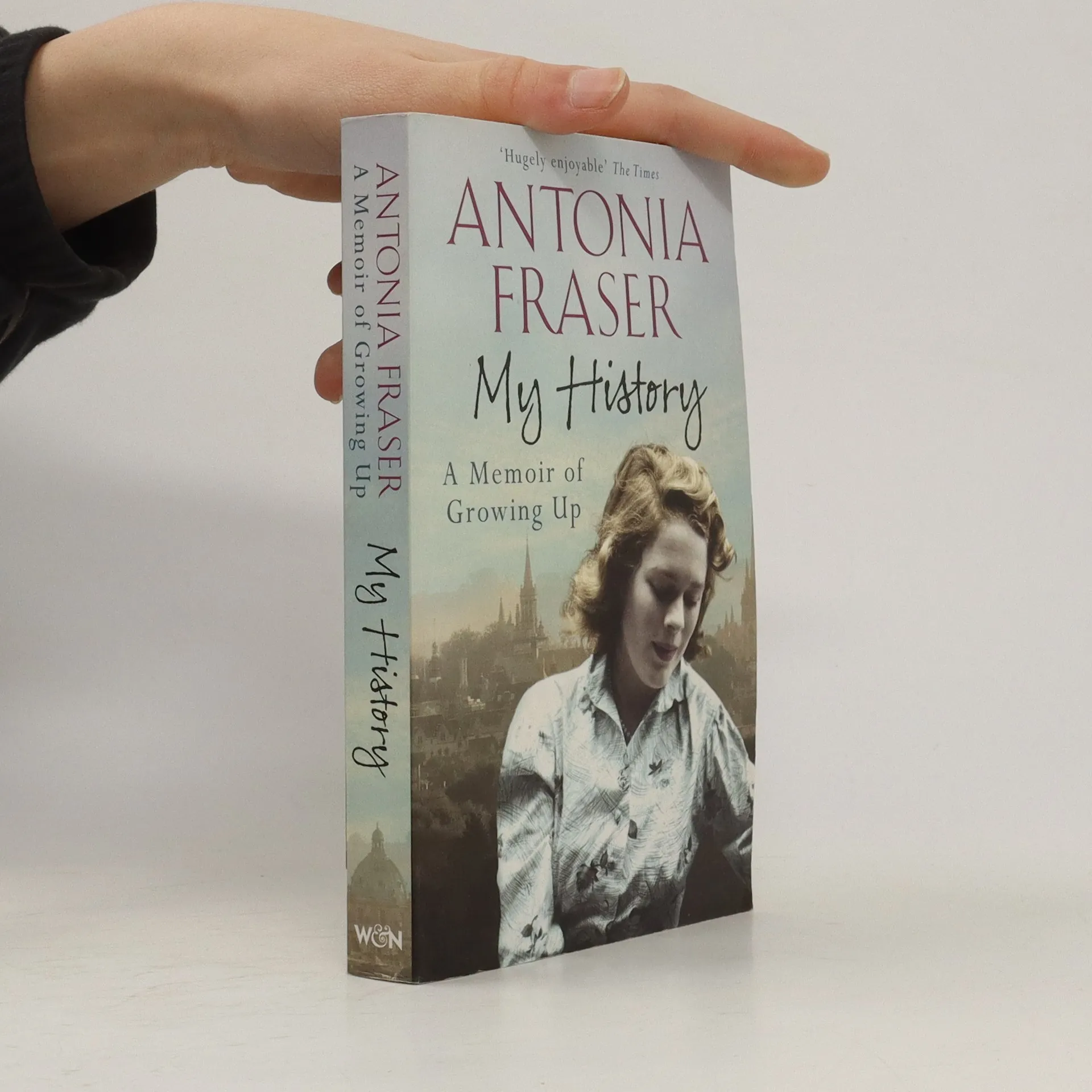
The childhood and early life memoir of Antonia Fraser, one of our finest narrative historians.
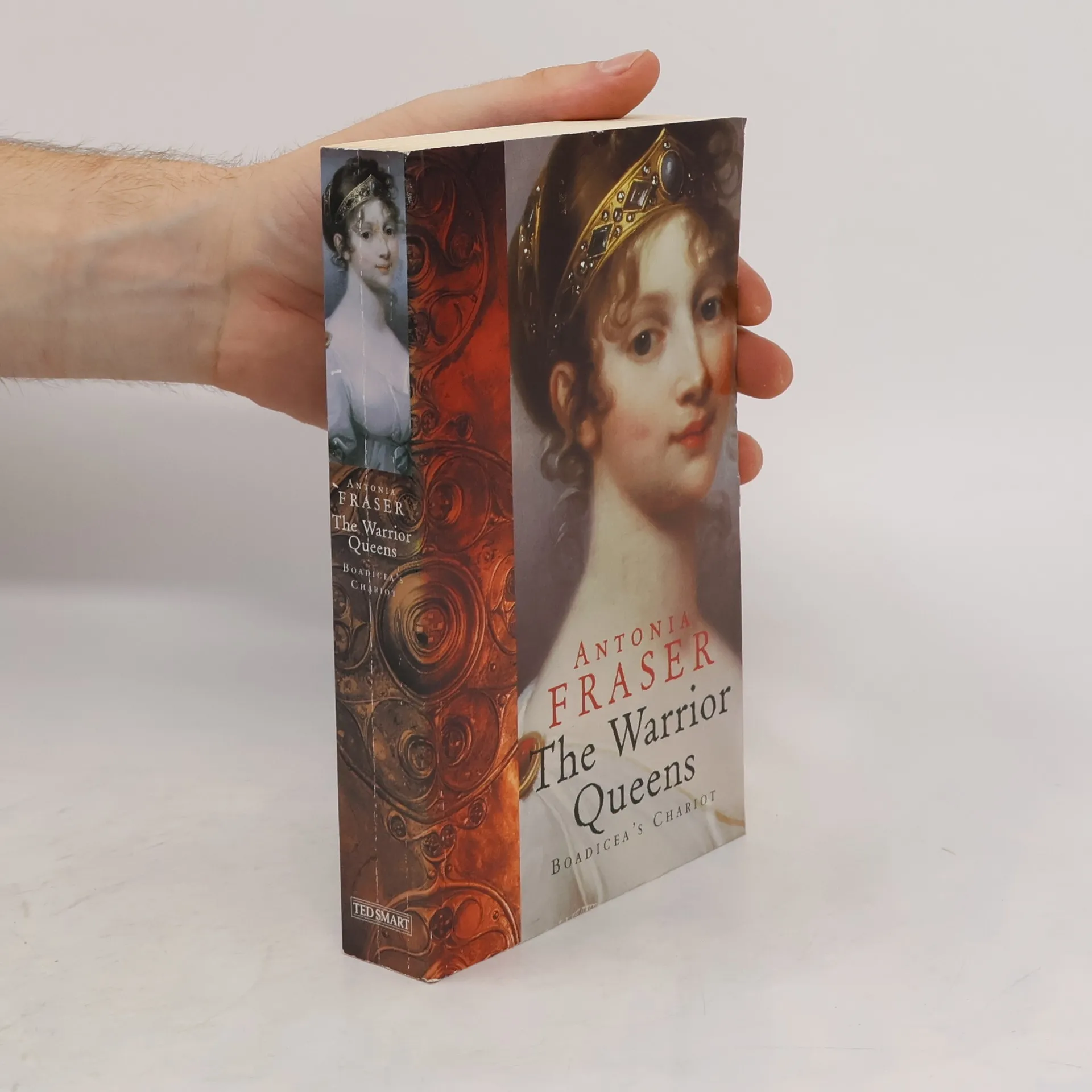
An inspired evaluation of women leaders in war by a bestselling historian
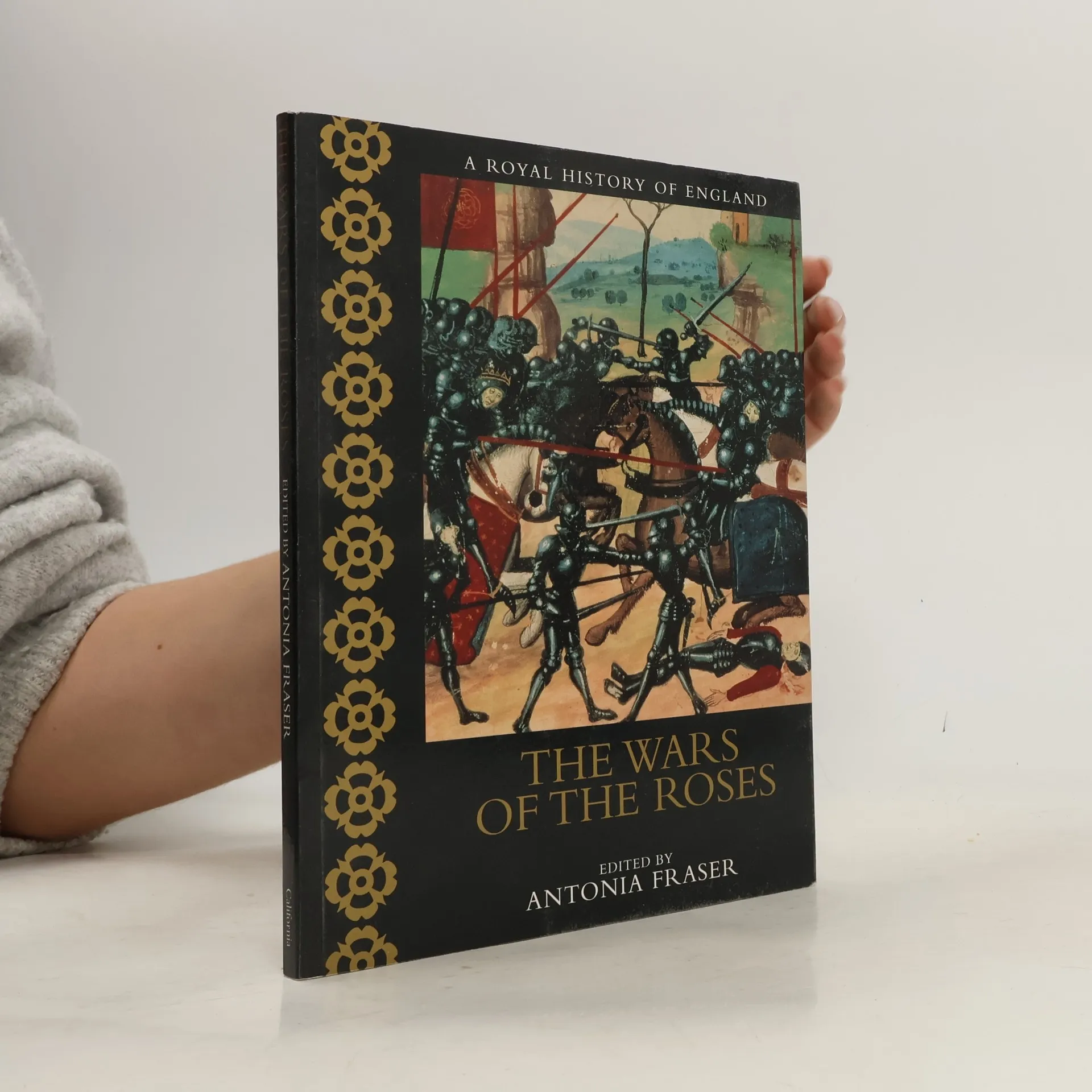
From Henry IV, the first Lancastrian king, to Richard III, The Wars of the Roses follows the history of the kings of the houses of Lancaster and York who shaped this tumultuous period of English history. Anthony Cheetham provides insight into the politics, society, and economy of this time, and above all, he conveys the personal histories and characters of its rulers.About the series A Royal History of England :From the beginning of monarchical power in Norman times to the present queen, the British royal family has experienced many scandals, triumphs, and changes in public image, but few of their reigns can be described as uneventful. With contributions by specialist authors and contemporary illustrations of royal heraldry and coats of arms, Antonia Fraser has edited a definitive and entertaining history of one of the most powerful monarchies in the world.
The bestselling historian's biography of a decisive figure in England's history.
The vivid and dramatic life of Lady Caroline Lamb , whose love affair with the poet Lord Byron scandalised British society, by one of the UK's best-loved historians
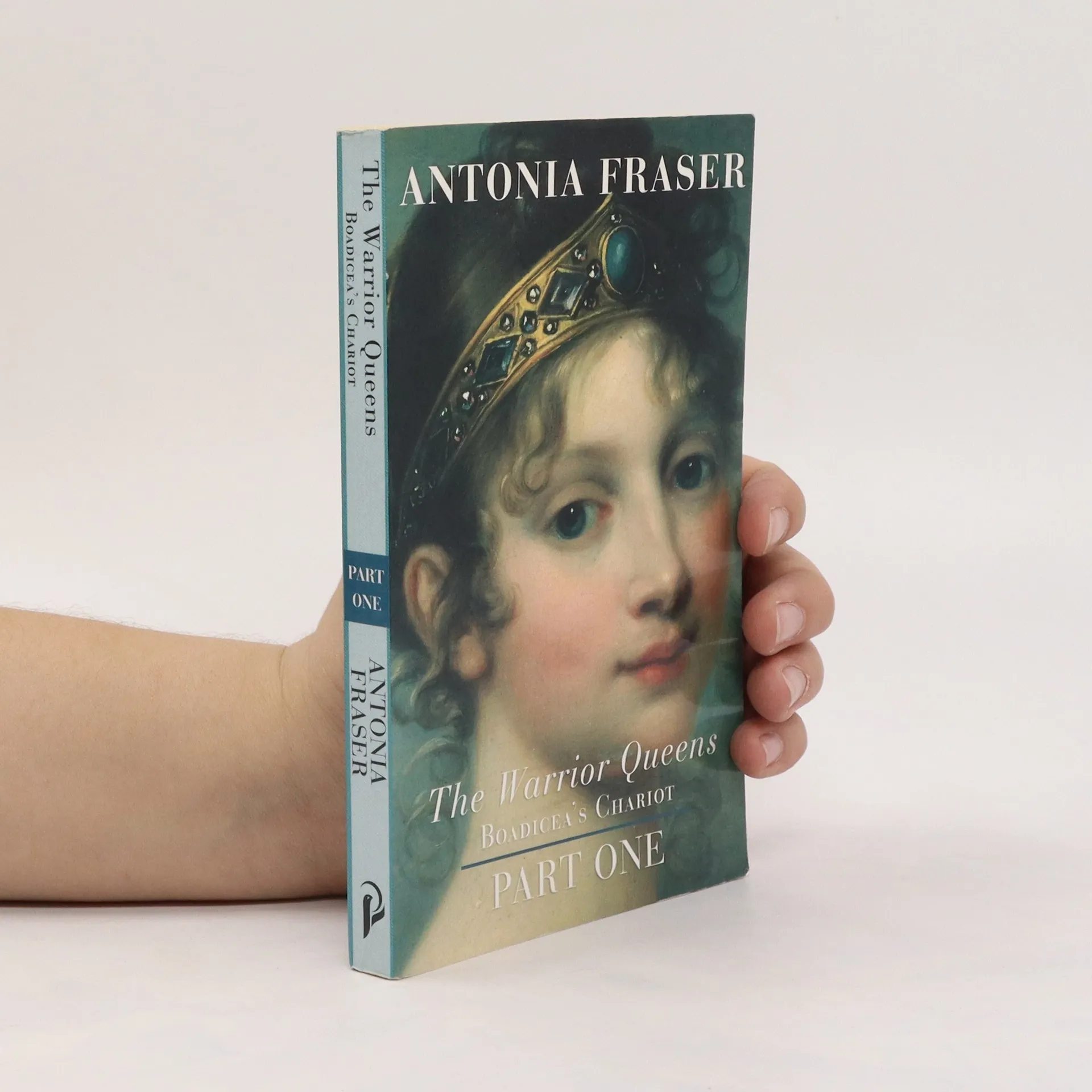
Warrior Queens are found in almost every culture. Here, Antonia Fraser recounts the stories of such diverse national heroines as Zenobia of Palmyra, Elizabeth I, Queen Jinga of Angola and Catherine the Great, right up to modern day stateswomen.
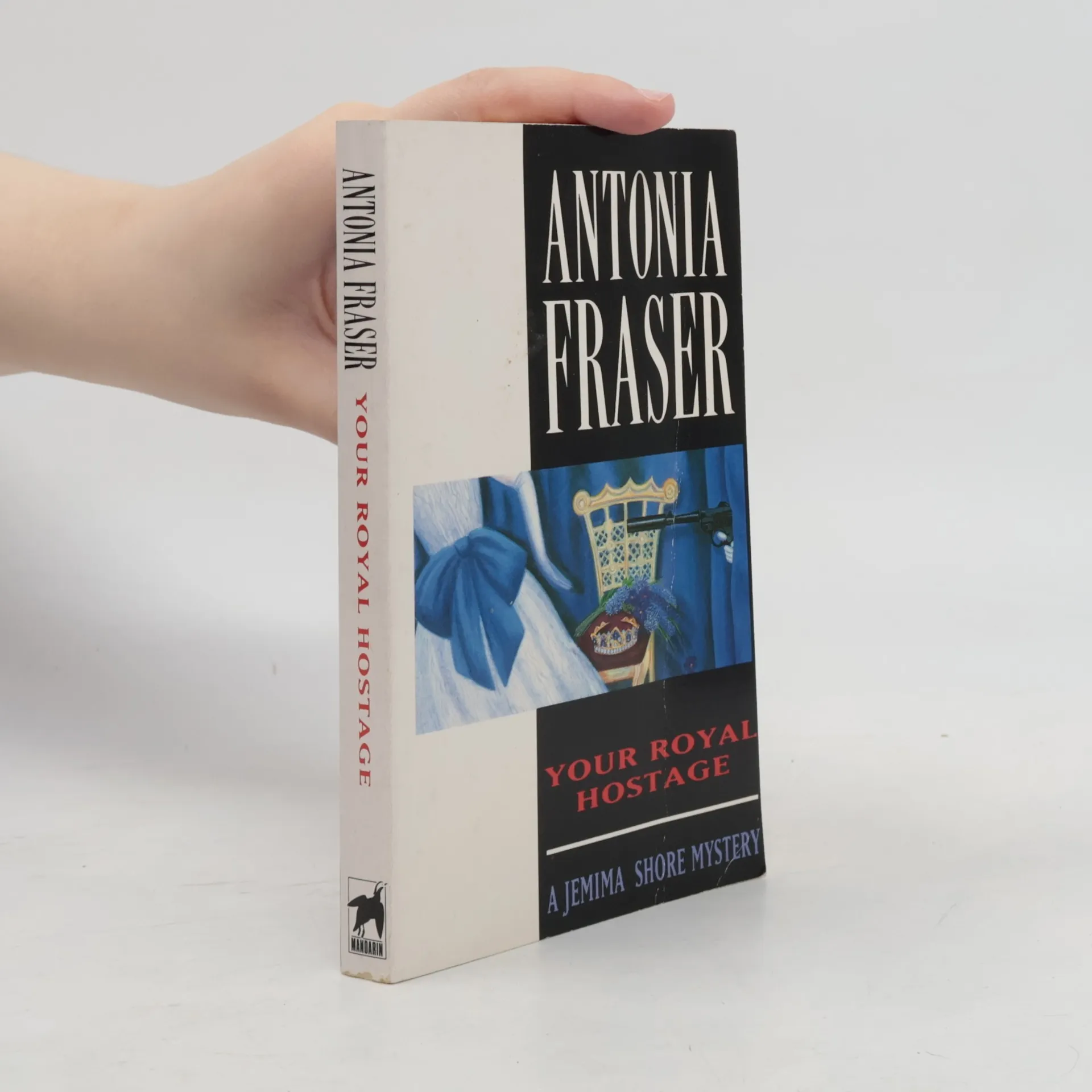
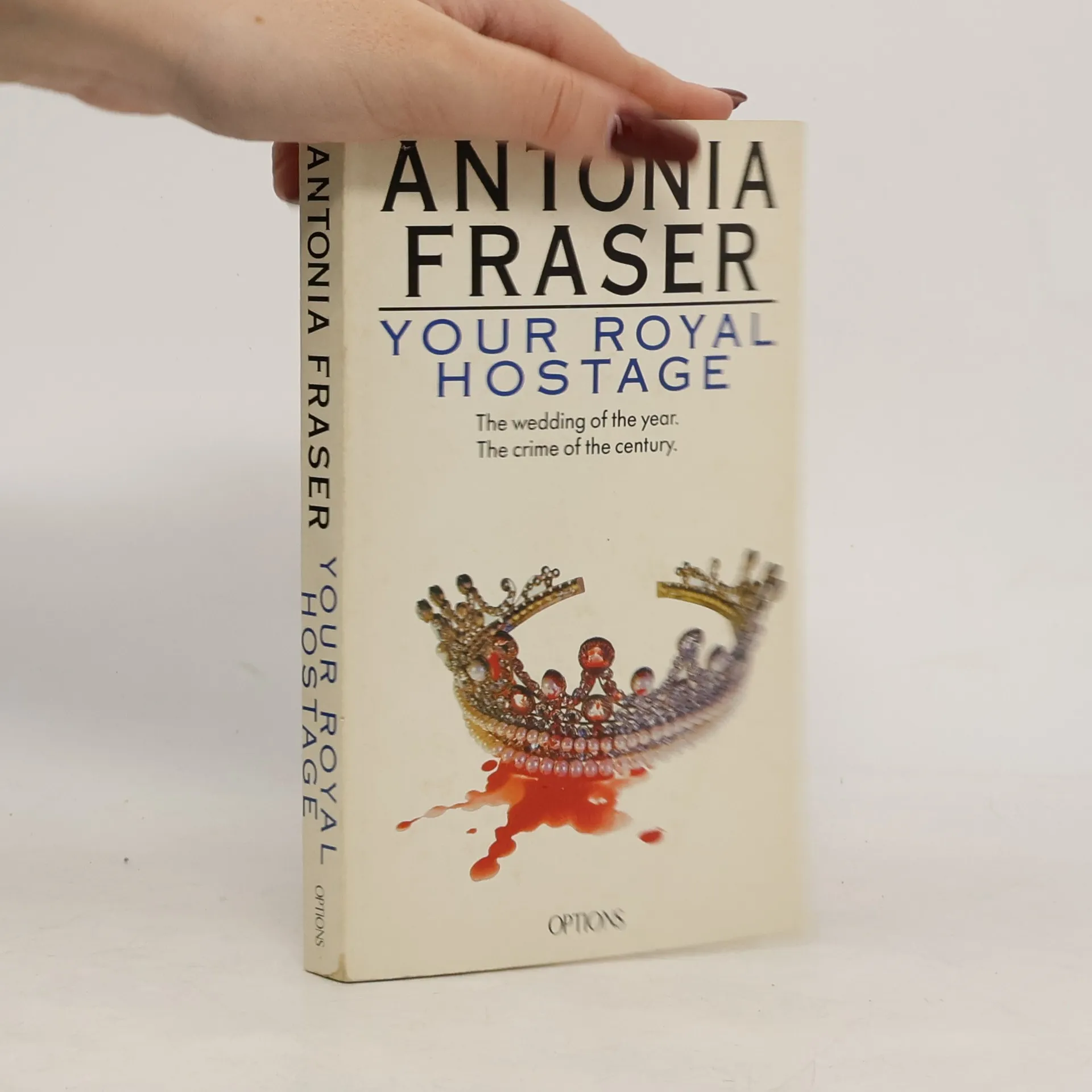
" We don't want to hurt her. We must remember that. All of us. She is after all innocent - Well, isn't she ? " With these words the leader of the secret group tries to establish the ground rules of its conspiracy concerning the bride, HRH Princess Amy of Cumberland, a 22-year-old British Princess about to marry the somewhat older and slightly dissipated European Prince Ferdinand. But there is more than one kind of innocence, and as preperations for the Royal Wedding advance, the group evidently has in mind some gesture which will call attention to the rights and wrongs of those who have no voice of their own. ".
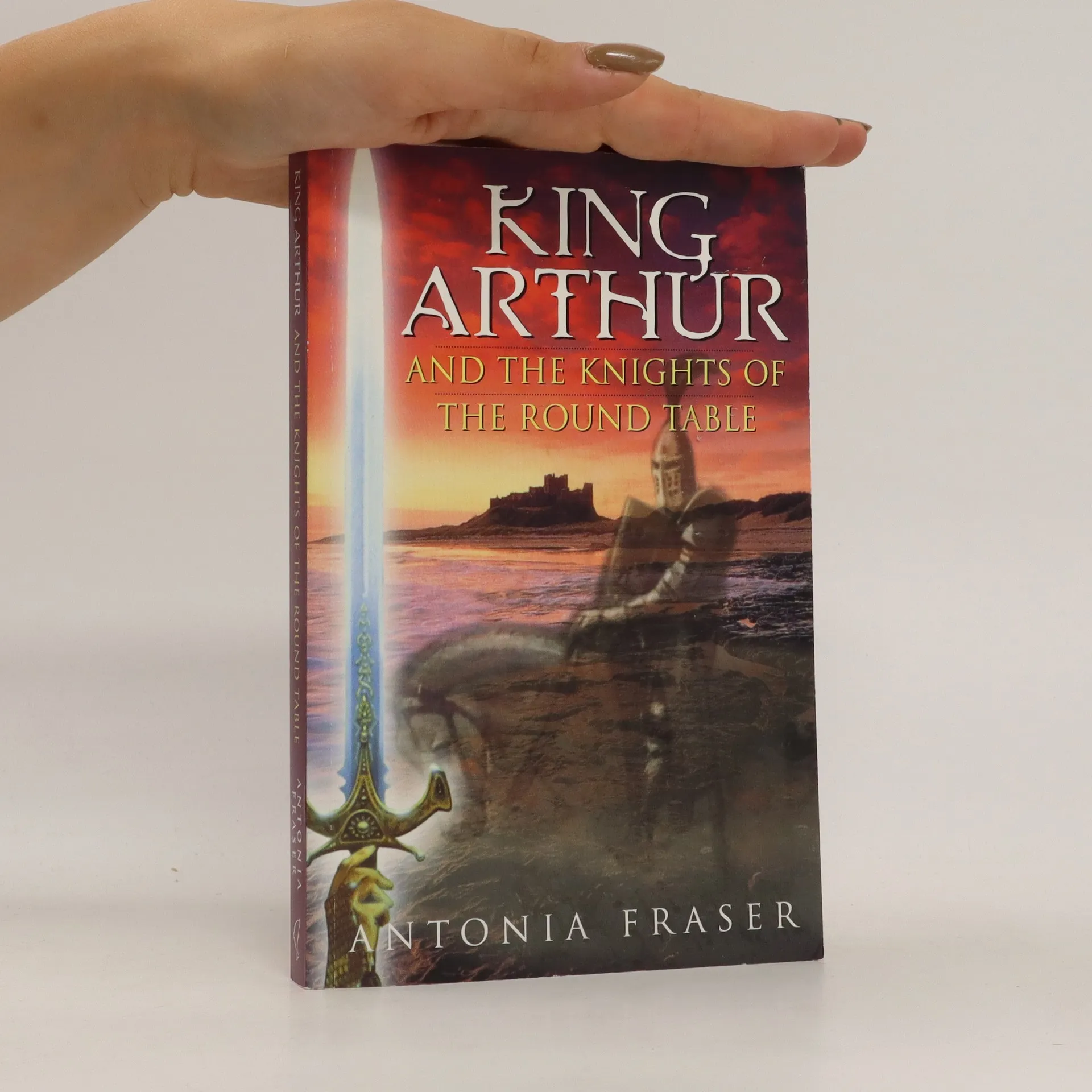
Heroes, adventure, magic, and romance. The exploits of King Arthur and the knights of the Round Table come brilliantly to life in this masterly retelling by Antonia Fraser. All the familiar characters and tales are here: the sword in the stone; Sir Lancelot¿s love for Queen Gwenevere; Sir Galahad¿s quest for the Holy Grail; and Merlin the wizard, Arthur¿s old friend. And the forces of evil are at work too, as the wicked Morgan Le Fay plots to bring about Arthur¿s downfall.
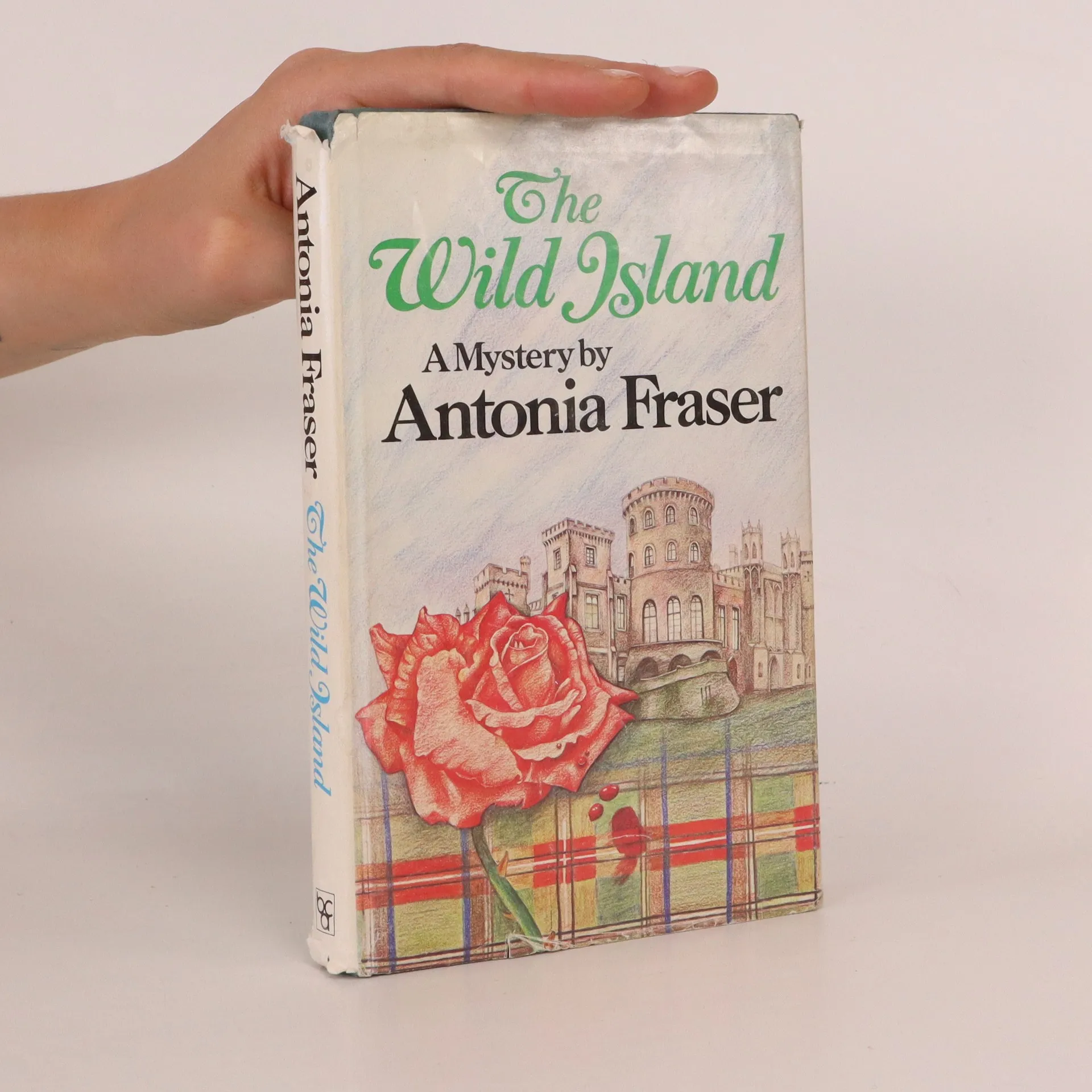
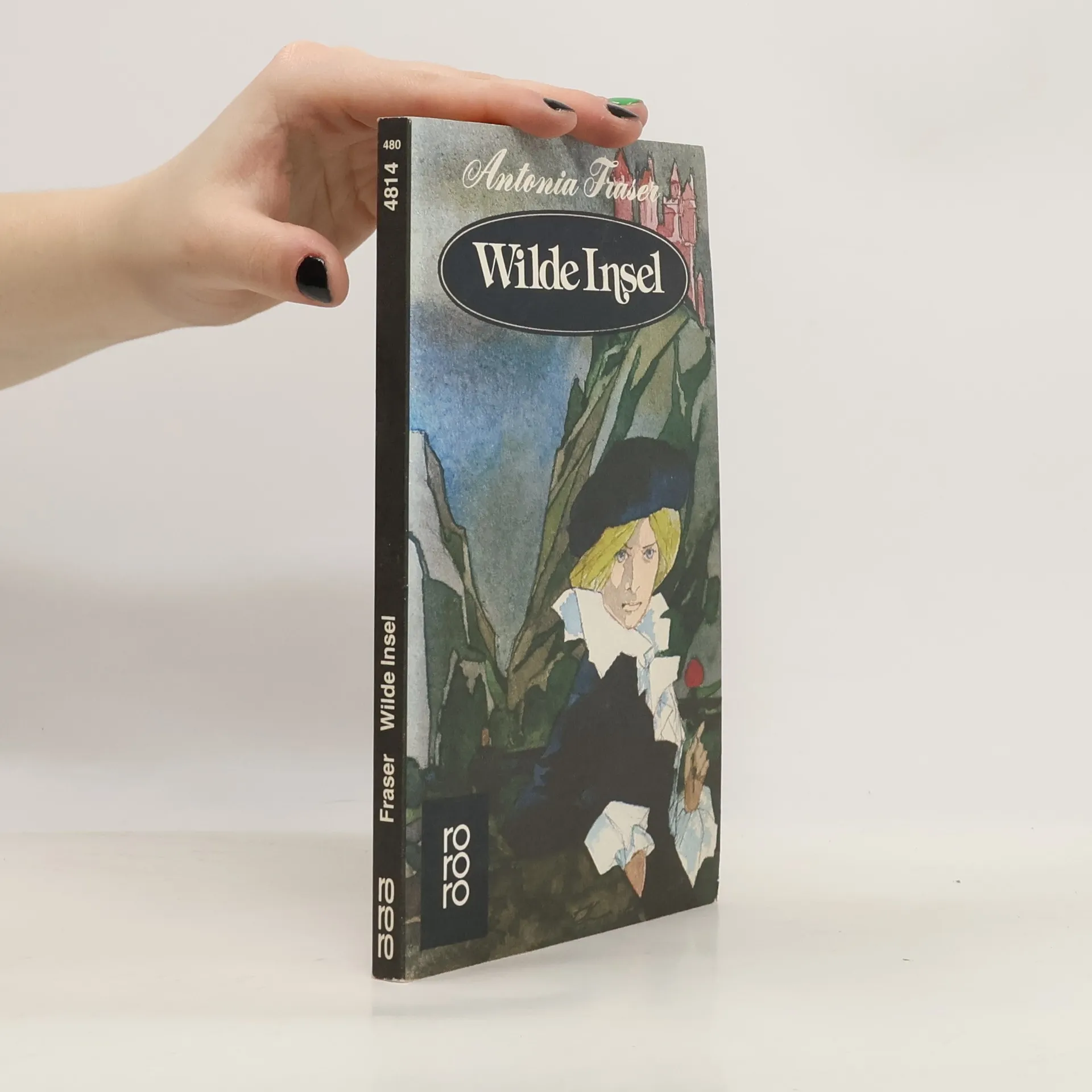
As Jemima Shore, Investigator, arrives at Inverness Station for a Highland holiday, the sun is shining. Paradise, she thinks. But at that moment, she hears a voice: "All this way for a funeral." So begins an adventure far removed from Jemima's visions of heather-covered hills, crystal-clear streams, romantic men in kilts, fairy-tale castles. Instead she is plunged into the strange world of the aristocratic Beauregard family with its tensions, jealousies and violence. The setting is the Wild Island itself, sometimes enchanting but too often frighteningly remote, the streams, not silvery, but brown and sinister; her holiday home with its disturbing influence; the people -- none of them quite what they seem.
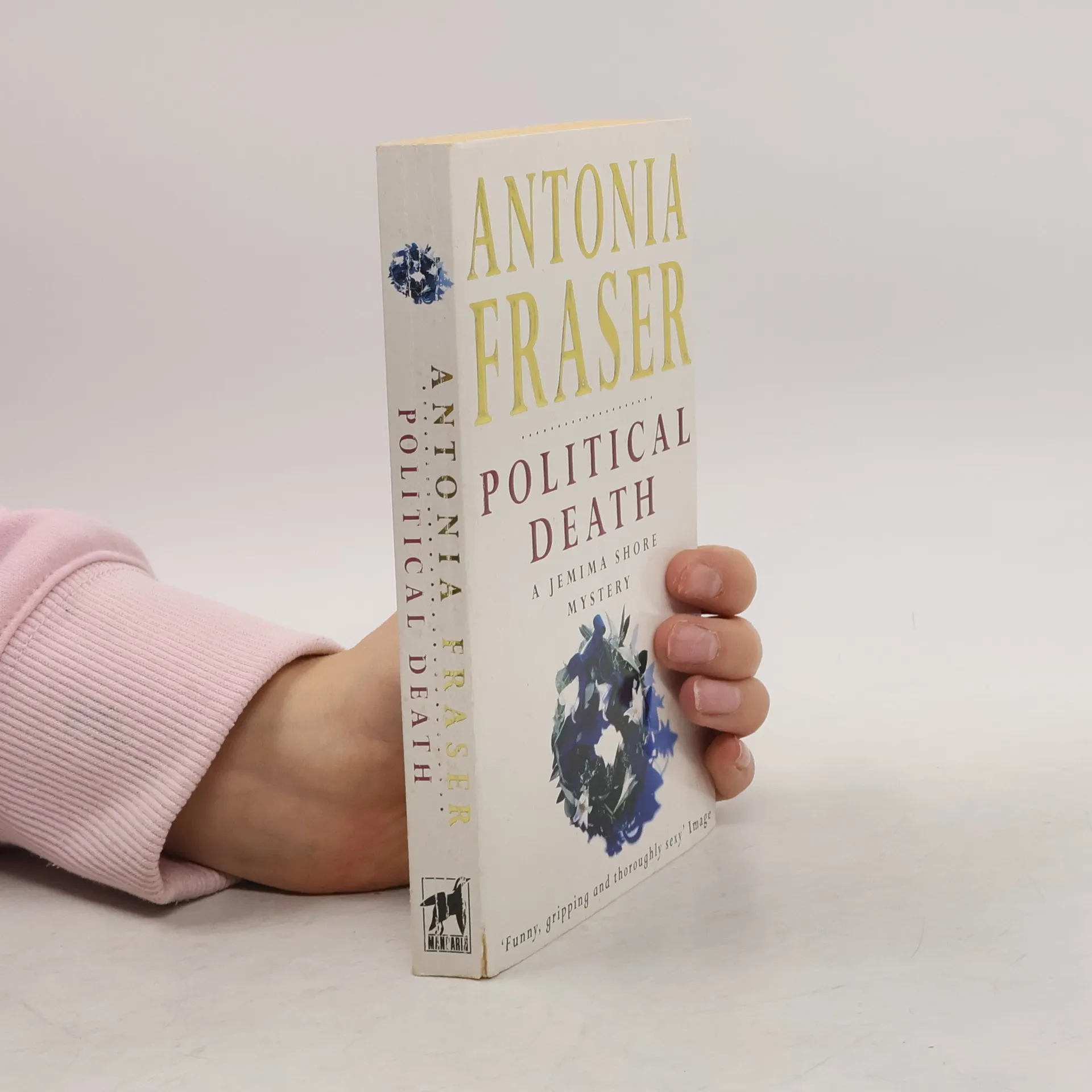
When the wayward lady Imogen Swain summons journalist Jemima Shore to her home, Jemima once again finds herself in the thick of love affairs--old and new--intrigue, and betrayal. For the colorful Lady Imogen kept diaries documenting her passionate affair with a rising young politician who has since risen to high ranks in the government. Increasingly eccentric as the years have passed, Lady Imogen now threatens to reveal details of the affair, and of the subsequent and unsolved disappearance of a young journalist. Jemima's meeting with Lady Imogen is the first step in a sinister series of events which will remind the reader why Antonia Fraser is the reigning queen of murder--British style!
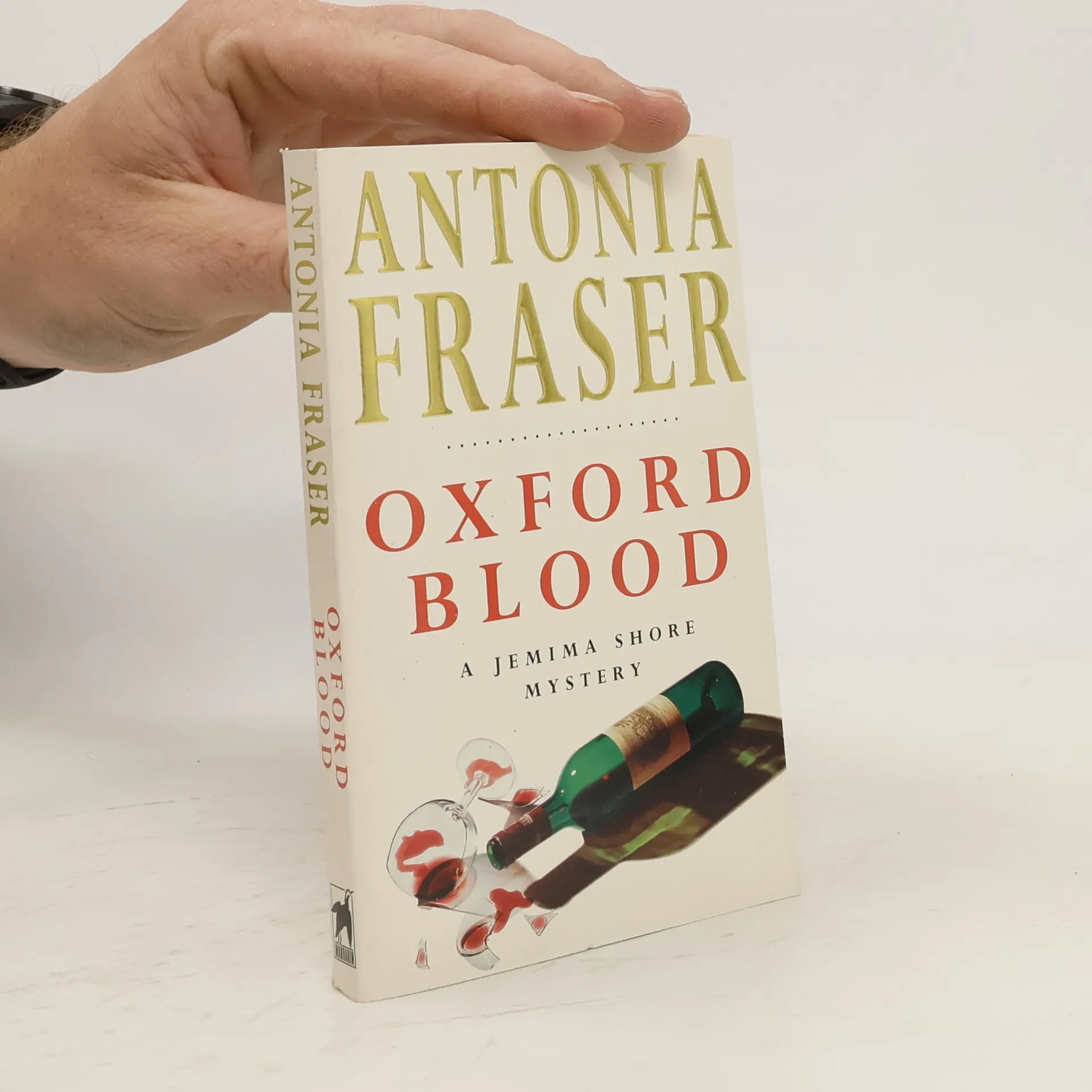
A Jemima Shore mystery. The glamorous investigator discovers that the handsome young Lord Saffron, one of the young bloods at the centre of Oxford society, with his expensive pranks, lavish dances and weekend parties, is not all he seems. Then an attempt is made on his life - and on Jemima's.
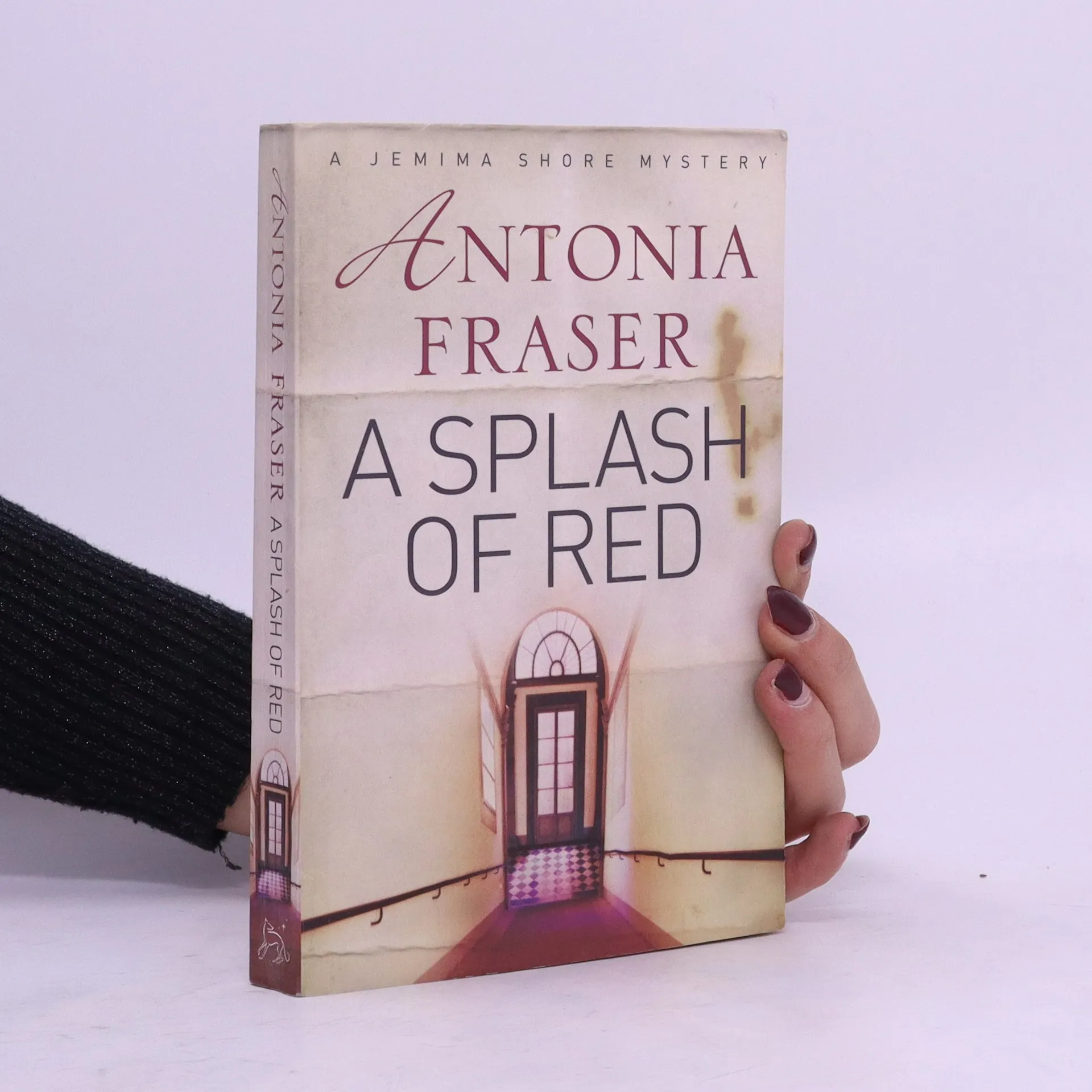
How well do we ever know our friends? When Jemima offers to flat-sit for her friend the last thing she is expecting is threatening anonymous phone-calls on her very first night. A vicious assault by Chloe's ex-lover the next morning forces Jemima to accept that she actually knows little about her friend's life. Fuming, she is determined to confront her. But then she discovers that Chloe never reached her destination - and Jemima is not the only person trying to get in touch with her. It seems she was playing a dangerous game - and Jemima has been left with the aftermath. The only trouble is, Chloe was playing with some of the most influential people in London - people who will stop at nothing to keep their secrets hidden...
What were the women of the Civil War era like? What could they expect beyond marriage and childbirth in an age where infant and maternal mortality was frequent and contraception unknown? Antonia Fraser brings to life the many women she has researched.
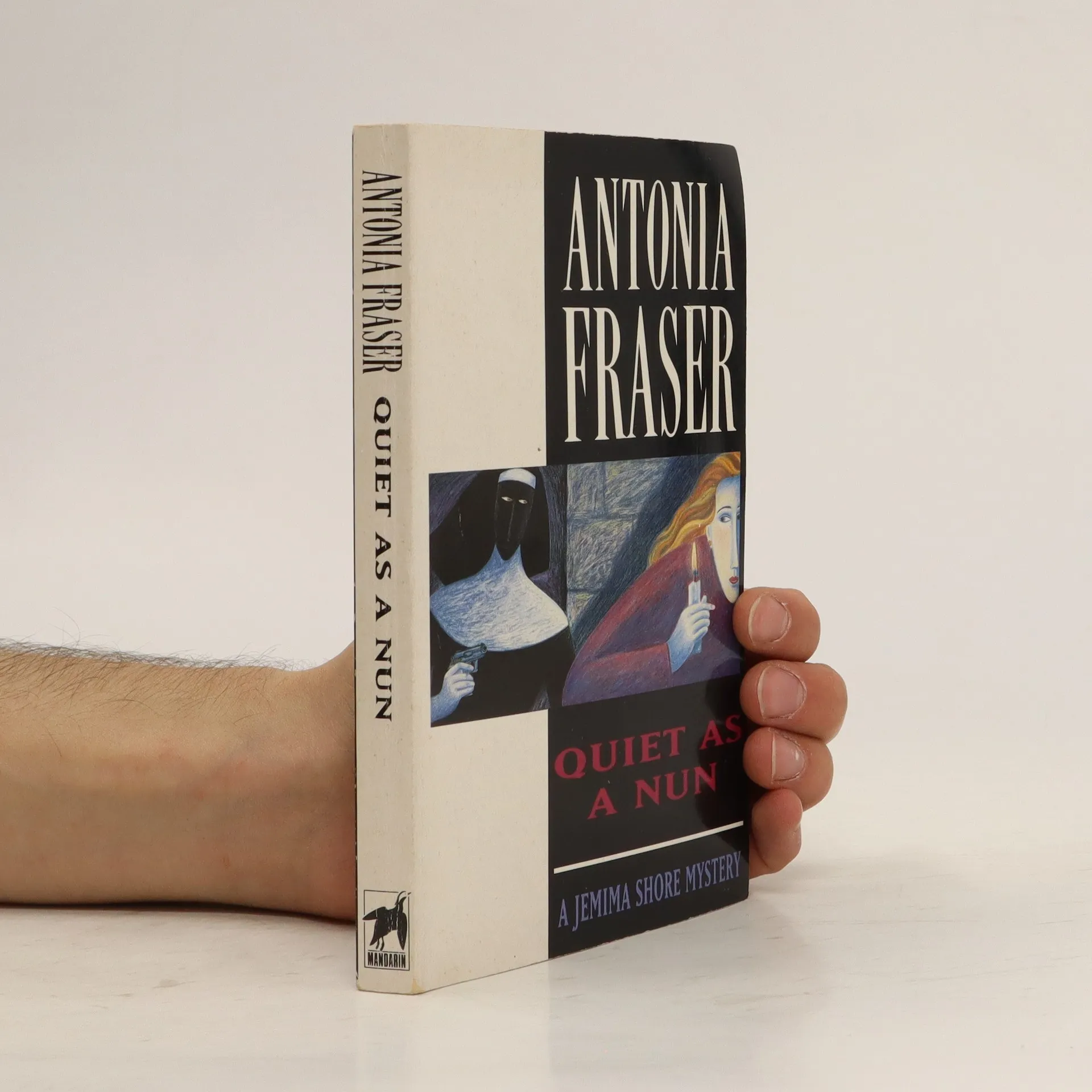
When a murder takes place in a secluded tower at Blessed Eleanor's Convent in Sussex and the victim is an old school friend, Britain's most popular TV reporter Jemima Shore finds herself in the middle of a disturbing puzzle. The dead woman, a nun, was to inherit one of the largest fortunes in Britain. Jemima walks into the eye of a worldly storm of fear - and the more she learns, the clearer it becomes that more lives, including her own, are being threatened.
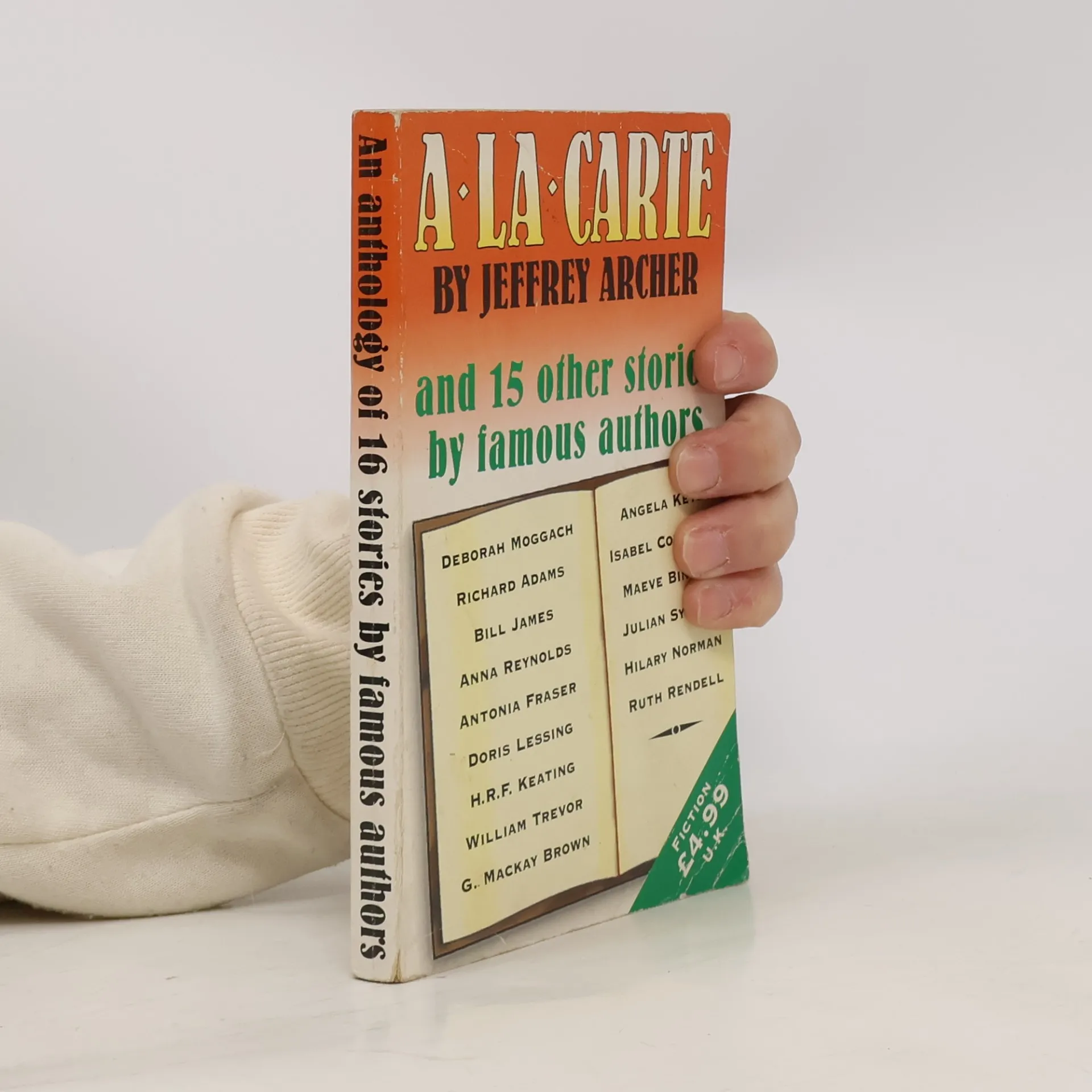
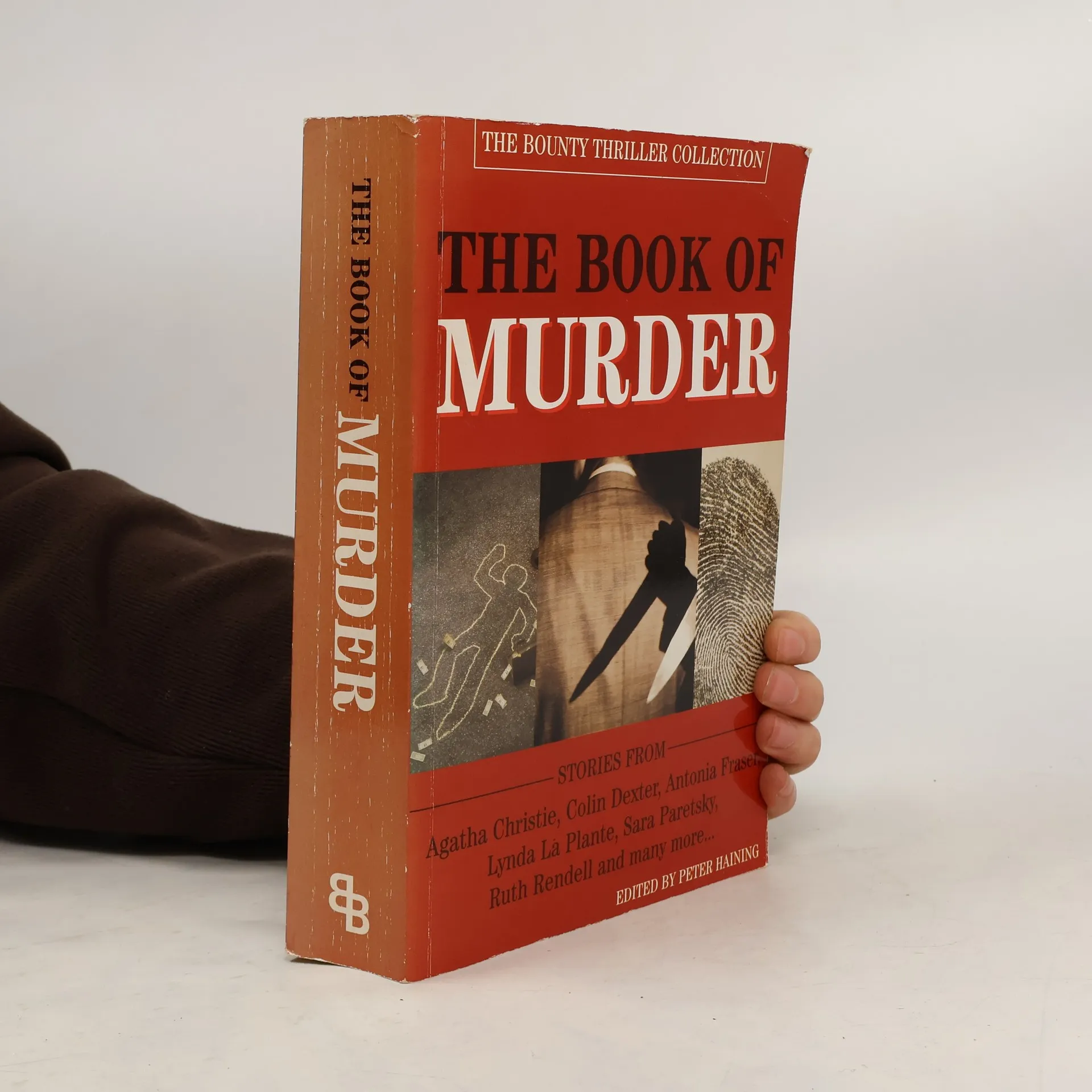
An anthology of short stories by famous authors who have given freely their talents for the National AIDS Trust charity.Foreward - HRH Diana, Princess of WalesIntroduction - Auberon WaughThe Inspiration - Jason CheritonA La Carte and fifteen other stories:A La Carte - Jeffrey ArcherLucky Dip - Deborah MoggachA Dog in the Dark - Richard AdamsTail - Bill JamesA Safe Place - Anna ReynoldsThe Case of the Parr Children - Antonia FraserRomance 1988 - Doris LessingThe Bunting Affirms - H.R.F. KeatingOld Flame - William TrevorThe Village - George Mackay BrownSound Proof - Angela KeysThe Nice Boys - Isabel ColegateRecipe for Victory - Maeve BinchyThe Flowers that Bloom in the Spring - Julian SymonsVampire - Hilary NewmanPaperwork - Ruth RendellPostscript - Sir John Gielgud
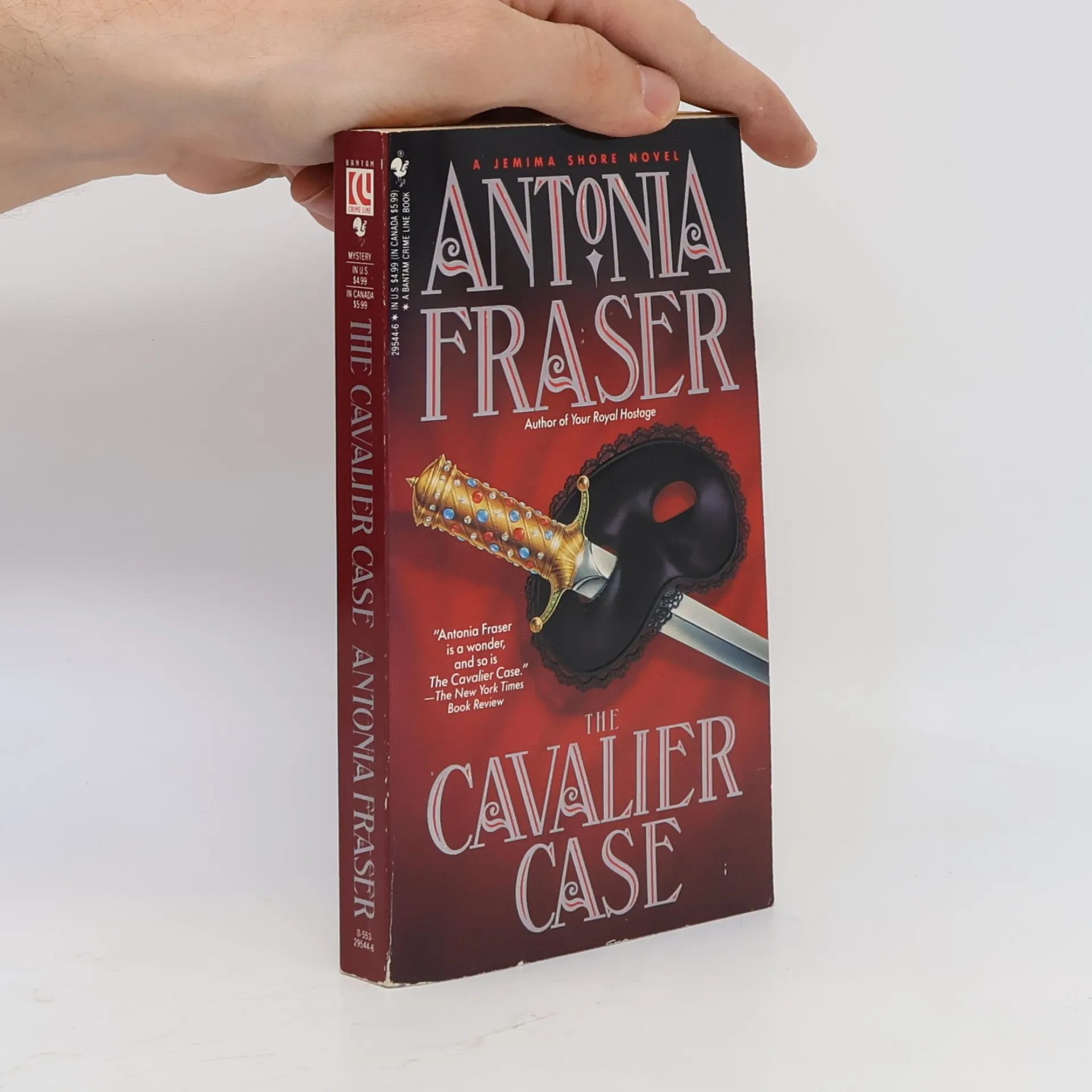
When "Handsome Dan" Meredith plans to convert his stately Elizabethan mansion into an exclusive country club, his family, including Decimus Meredith--the ghost of the dashing, seventeenth century Cavalier poet, soldier, and viscount--has strong objections. Reprint. PW. NYT. K.
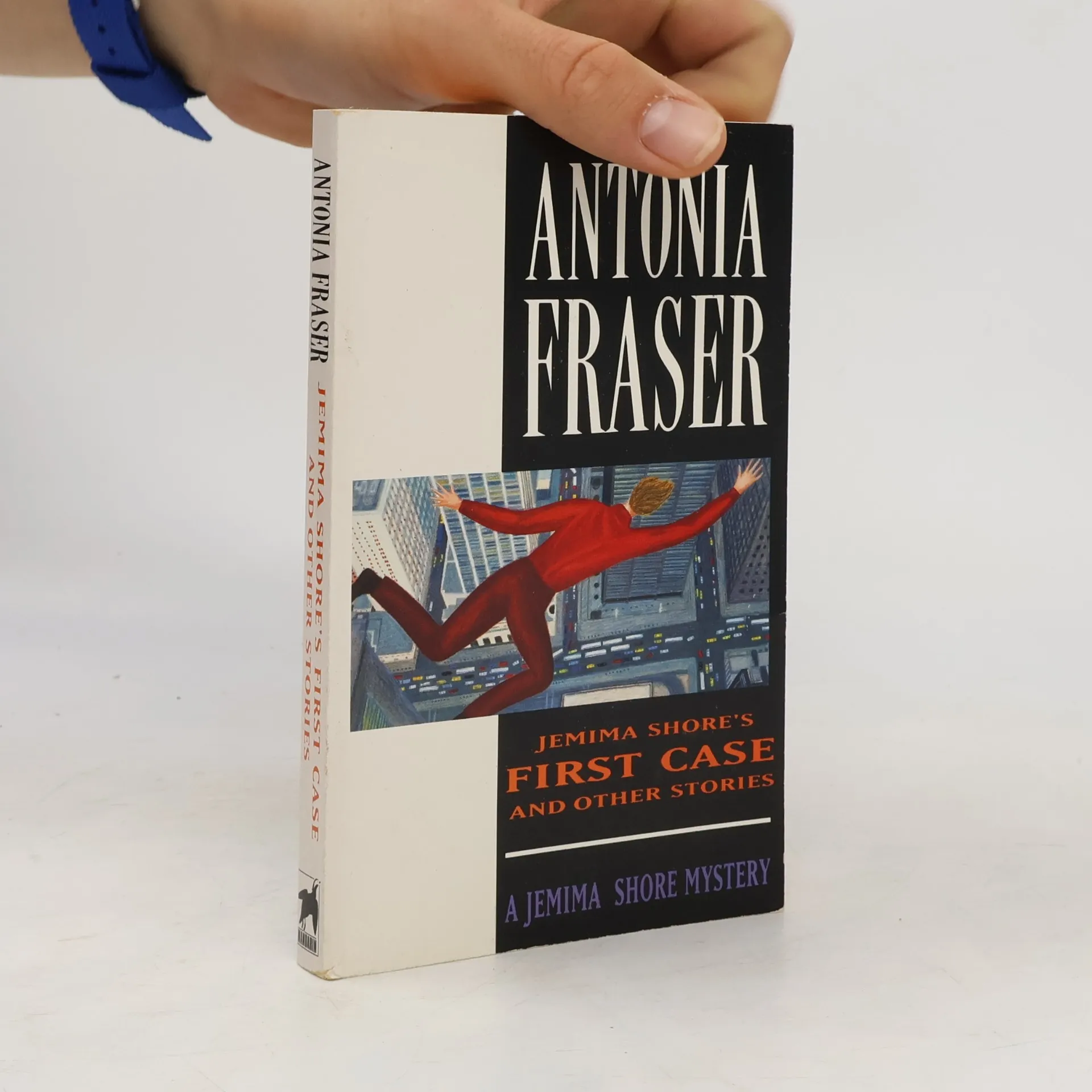
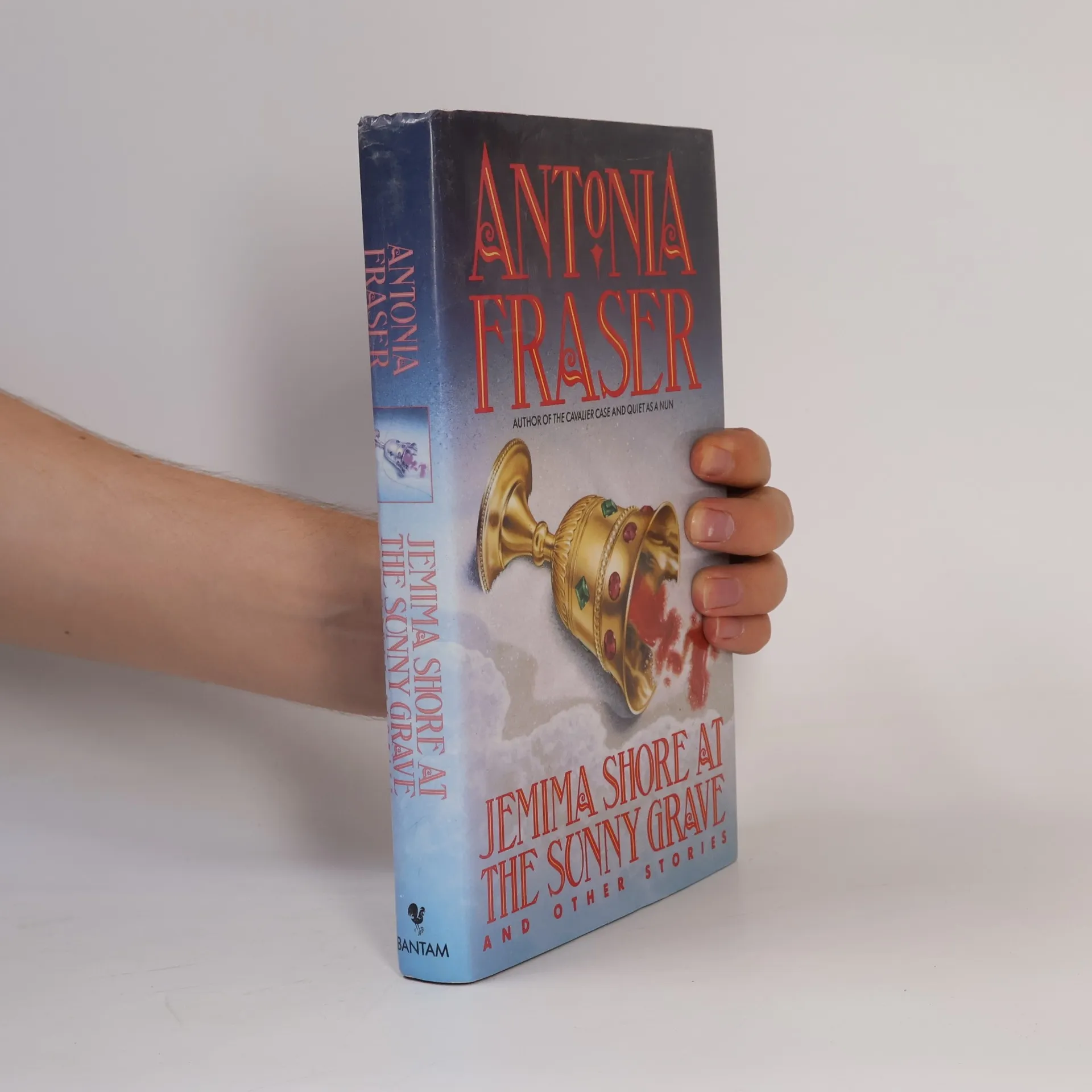
There are five Jemima Shore tales, including her first case, which took place when she was fifteen and still at her convent school, the school featured later in Jemima's career in Quiet as a Nun. Jemima is at her sparkling best as she solves the case of the Parr children in a remote corner of the Scottish Highlands and elegantly deals with the case of the missing bride on a romantic Venetian honeymoon. Nor is she afraid to get wet at the Holland Pools where in-laws feud and plot. Relatives are also closely involved in the murder at Arcangelo's Salon, where Jemima has her hair done....Among other riches are four "true crime" stories and four mysteries, ending with a sophisticated tale about a group of friends holidaying in Tuscany.
A collection of Antonia Fraser's compelling stories exploring the dark hearts and lethal secrets of criminals. This collection features the tale of the jealous wife who engineers revenge for the lovers who wronged her.
The wedding of the year. The crime of the century
Historicky erudovaný obraz francouzského královského dvora za vlády Ludvíka XIV. je věnovaný především biografii několika slavných žen, které osudově ovlivnily jeho život a často se podílely i na politických rozhodnutích. Kniha renomované anglické autorky nepojednává pouze o oficiálních milenkách Ludvíka XIV.(Marie Manciniová, Luisa de La Valliere, Madame de Montespan či Françoise de Maintenon a další), ale charakterizuje jeho vztah k ženám i obecně. První z osudových žen Ludvíka XIV. byla pochopitelně jeho matka Anna Rakouská, která jako regentka vlastními ambicemi ovlivnila první léta jeho vlády, druhou královna Marie Tereza, dcera španělského Filipa IV. Brzy však Ludvíkův bouřlivý soukromý život i přes opatrný nesouhlas katolické církve, proslavil francouzský královský dvůr jako místo galantní zábavy, přepychu a rozkoše. Autorka se v knize zaměřila především na vývoj vztahu s notoricky známými milenkami, snažila se zachytit velkolepost a atmosféru králova dvora i jeho bezprostřední frivolnost. Dalším výrazným tématem knihy je neutuchající zápas katolické církve o spásu královy duše a kromě barvitě a detailně vykreslených dobových poměrů se v knize nevyhnutelně mezi řádky objevují i úvahy o postavení žen ve Francii 17. století.
Das Geständnis seiner Hebamme weckt Zweifel an der Legitimität des jungen Lord Saffron: angeblich ist er ein untergeschobenes Kind und nicht der rechte Erbe seines Titels samt Millionenvermögens. Aber warum trachtet ihm jemand nach dem Leben?
La tragedia di una regina