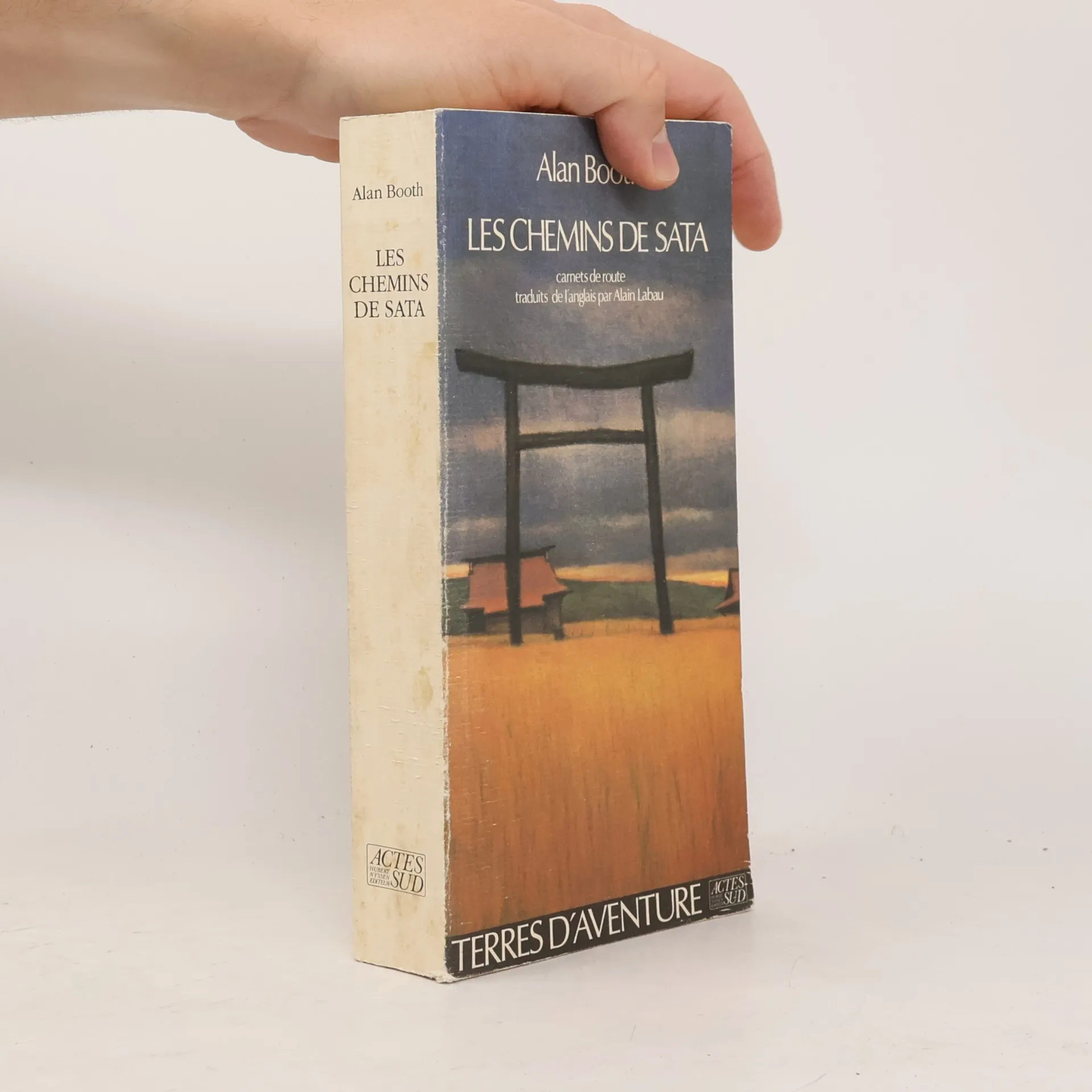
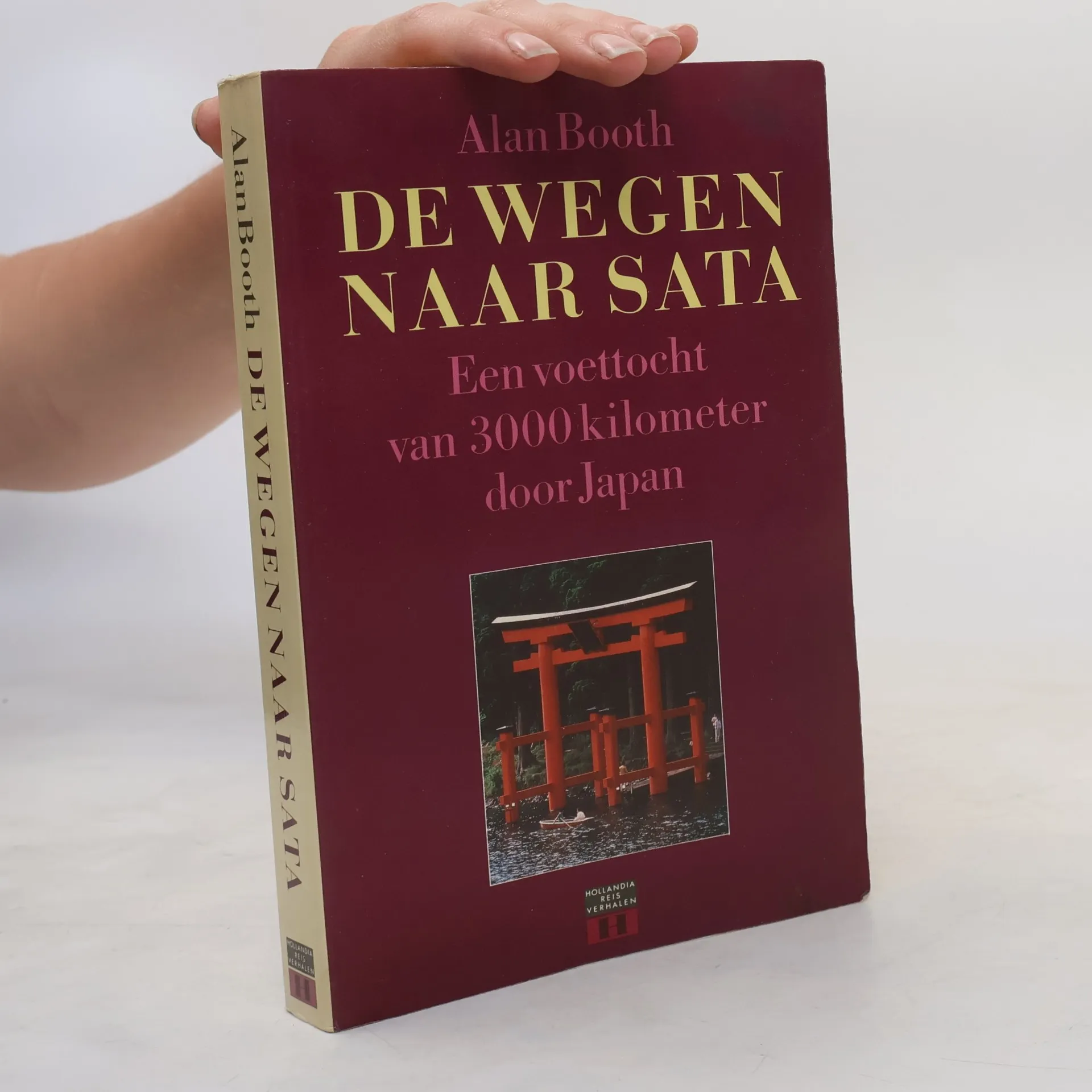
In his final work Alan Booth takes us on a fascinating journey by foot through three remote regions of Japan to search for the country's geographic and spiritual heart - and for the elusive connections between present and past, self and society. Looking for the Lost is a beautifully written, opinionated, and entertaining look at the life and slow death of a culture, and a poignant self-portrait of a writer also nearing death. Booth's journeys begin in the far north, in the homeland of modern Japan's most famous outcast, the decadent novelist Osamu Dazai. His often hilarious encounters in the towns along the lonely, underdeveloped coast where Dazai grew up reveal a region caught between change and tradition, where the effects of Japan's economic miracle are only now being felt. Booth then explores the tangled wilds of southern Kyushu - the battlegrounds where Saigo Takamori, one of Japan's most-loved tragic heroes, led his small rebel army in a futile last stand against overwhelming government forces in 1877. Finally he turns to the mountains and rivers in central Japan where the Heike clan, defeated by the Genji in the epochal twelfth-century civil war, were said to have dispersed. The bloody fall of the Heike marked the decline of refined court culture, an aristocratic golden age that Japan still clings to, however tenuously, in a time of love hotels, tourist traps, and industrial sprawl.
Alan Booth Libros
Alan Booth profundizó en las profundidades de la cultura y la sociedad japonesa durante su prolongada estancia en el país. Su escritura se caracteriza por una aguda observación y una profunda comprensión de las complejidades de la experiencia humana. Booth se centró en temas de identidad, alienación y la búsqueda de significado en entornos extranjeros. Sus obras ofrecen una perspectiva única sobre los encuentros culturales y la transformación personal.
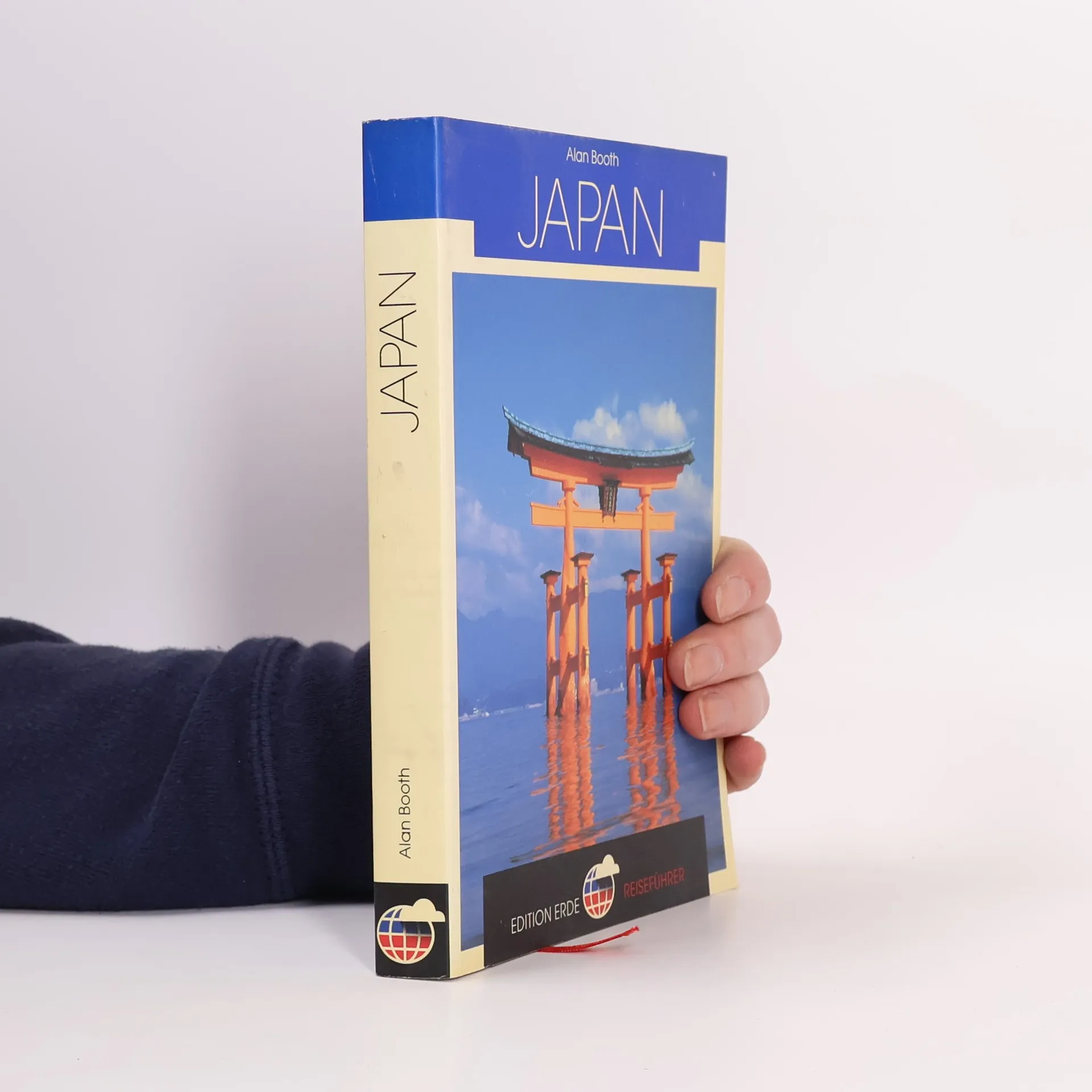

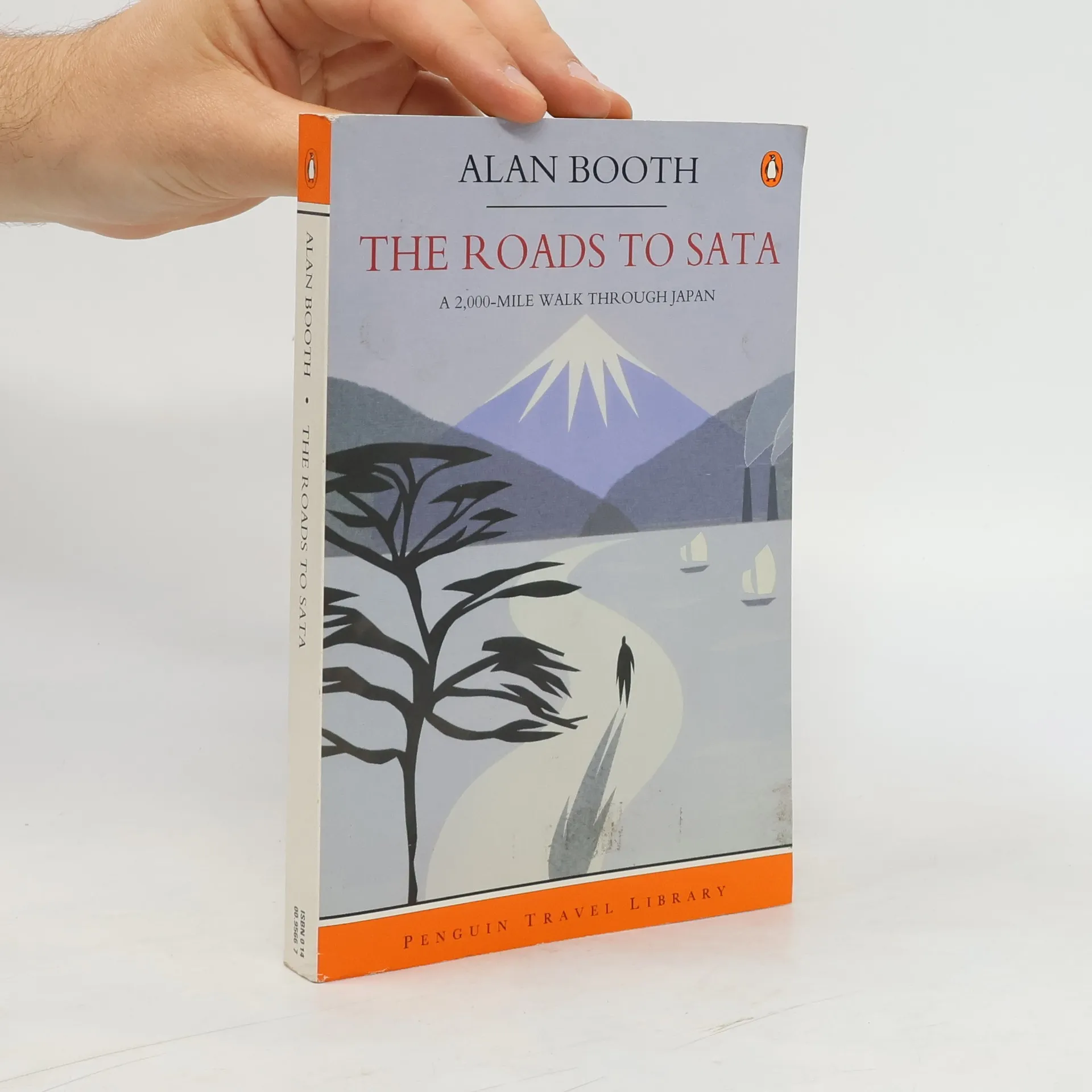

The author recounts his trip from north to south across the four main islands of Japan, and shares his impressions of the Japanese people and culture
MABEL THE FASHION MUSE
- 42 páginas
- 2 horas de lectura
This is the story of Mabel, the chatty dress form of a budding fashion designer, and her furry companion, a little Yorkie named Brooklyn, and their fashion adventures through NYC from sample room to runway.Mabel and her trusty sidekick, the pipsqueak Yorkie, take you through the cobblestone streets of a designers Brooklyn atelier to Seventh Avenue in Manhattan, the heart of the fashion industry. The rush to complete a fashion collection for the big runway show is not without a few fashion faux pasa taxi fiasco, a missing pice de rsistance, and a ticking clock to the fashion show deadline. Can Mabel, the whimsical fashion muse, pull
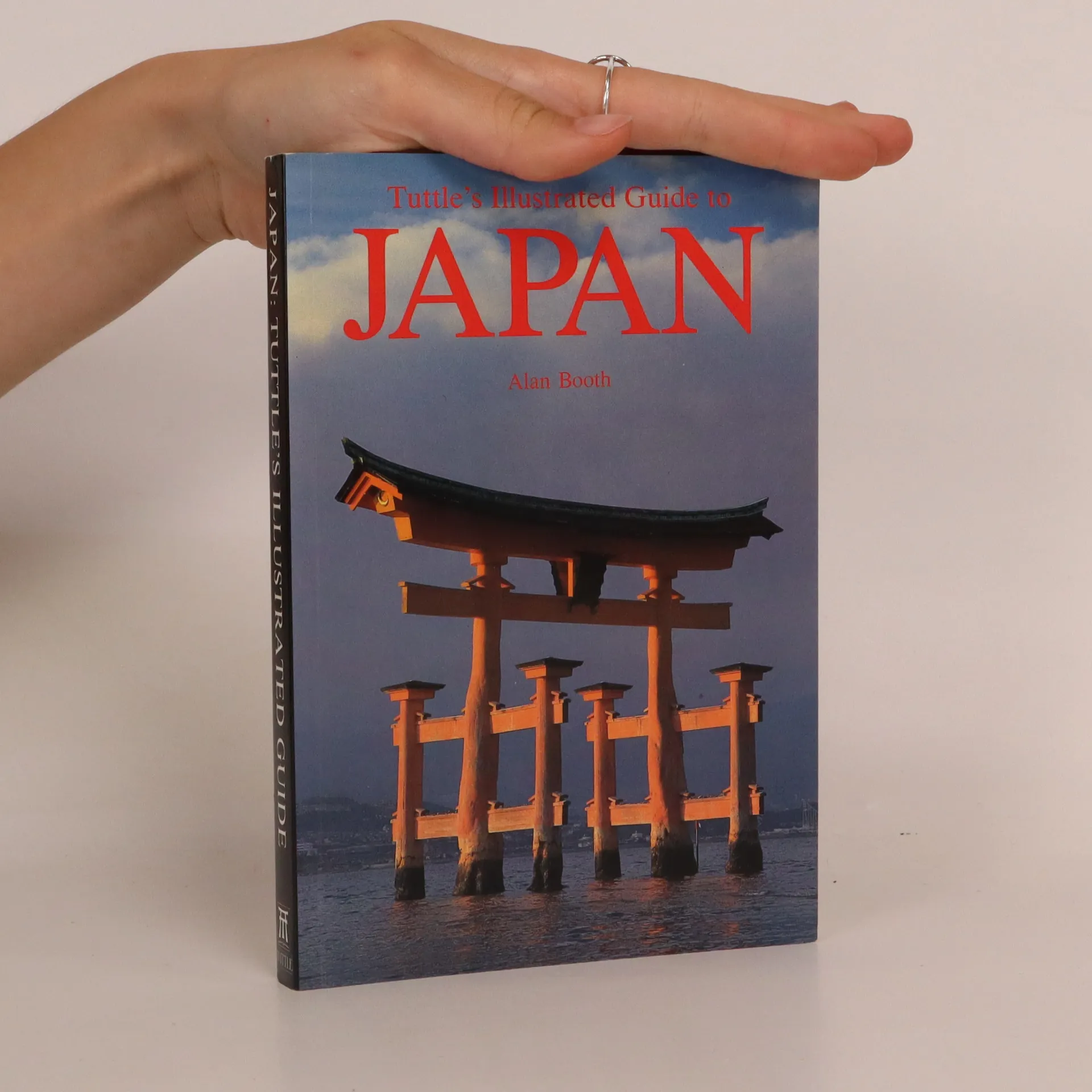
Tuttle's Illustrated Guide to Japan
- 256 páginas
- 9 horas de lectura
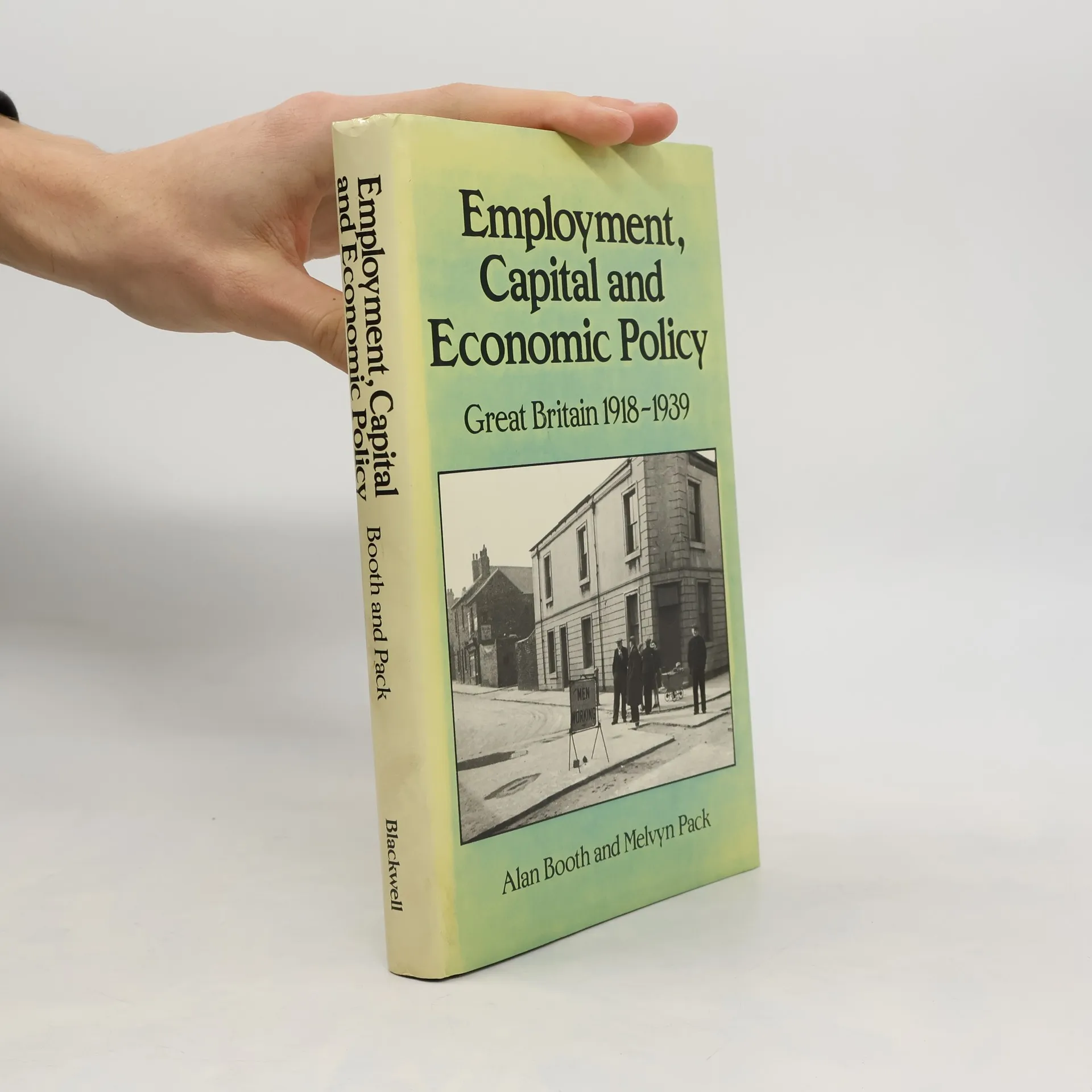
Employment, Capital, and Economic Policy, Great Britain, 1918-1939
- 205 páginas
- 8 horas de lectura
Book by Booth, Alan
Japan
- 304 páginas
- 11 horas de lectura