
Compra 10 libros por 10 € aquí!
Bookbot

Colin McGinn

    10 de marzo de 1950

    Colin McGinn es un filósofo británico conocido por sus importantes contribuciones a la filosofía de la mente. Su obra explora las limitaciones inherentes a la comprensión humana, especialmente en lo que respecta a la conciencia, sugiriendo que podríamos ser intrínsecamente incapaces de comprender plenamente el problema mente-cuerpo. Esta perspectiva, denominada "Nuevo Misterianismo", postula que algunas cuestiones fundamentales sobre la conciencia podrían estar más allá de nuestro alcance cognitivo. Las escritos de McGinn abordan de manera convincente estos profundos dilemas filosóficos, haciendo que ideas complejas sean accesibles y atractivas para un público amplio.

    Das geistige Auge
    Wie kommt der Geist in die Materie?
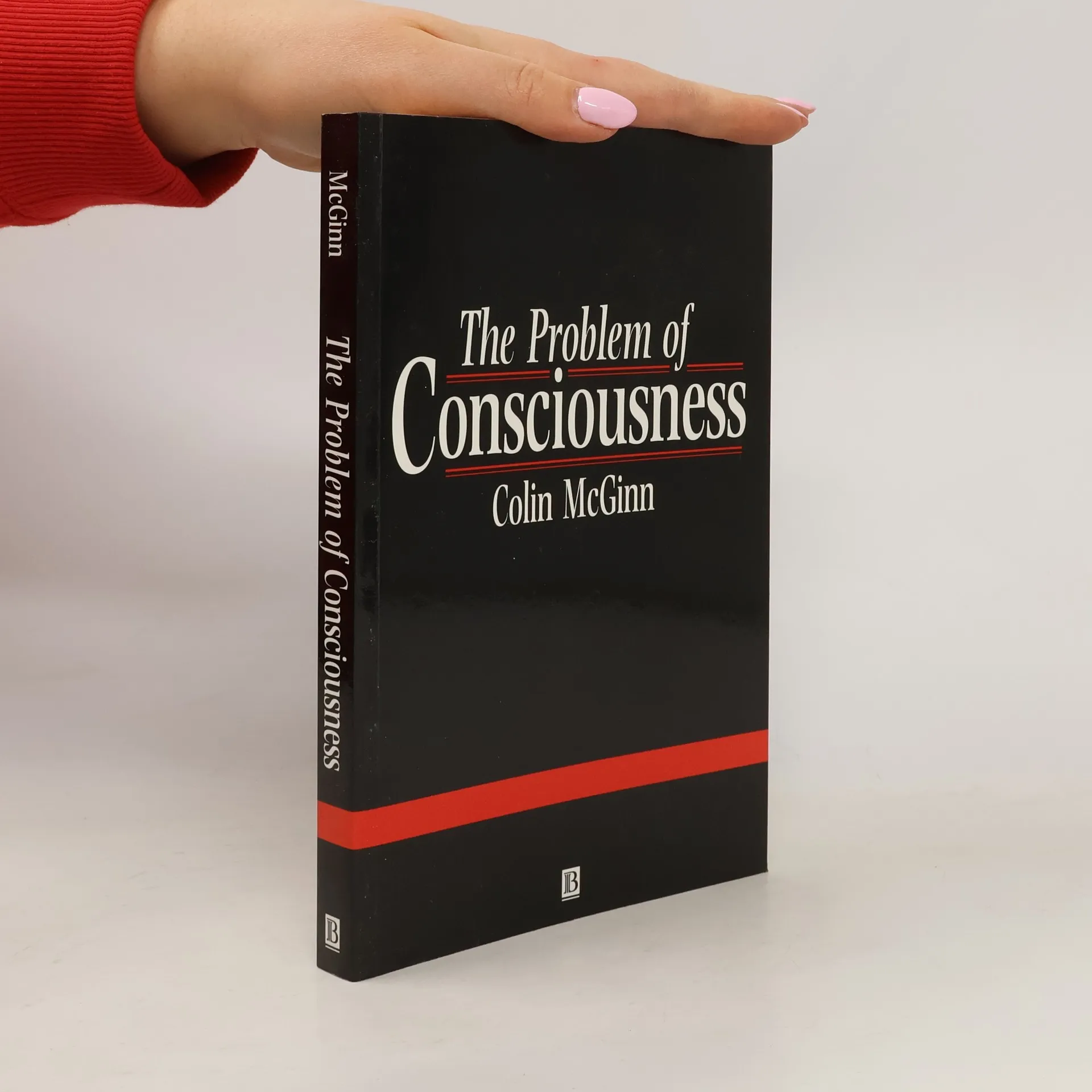
    The Problem of Consciousness
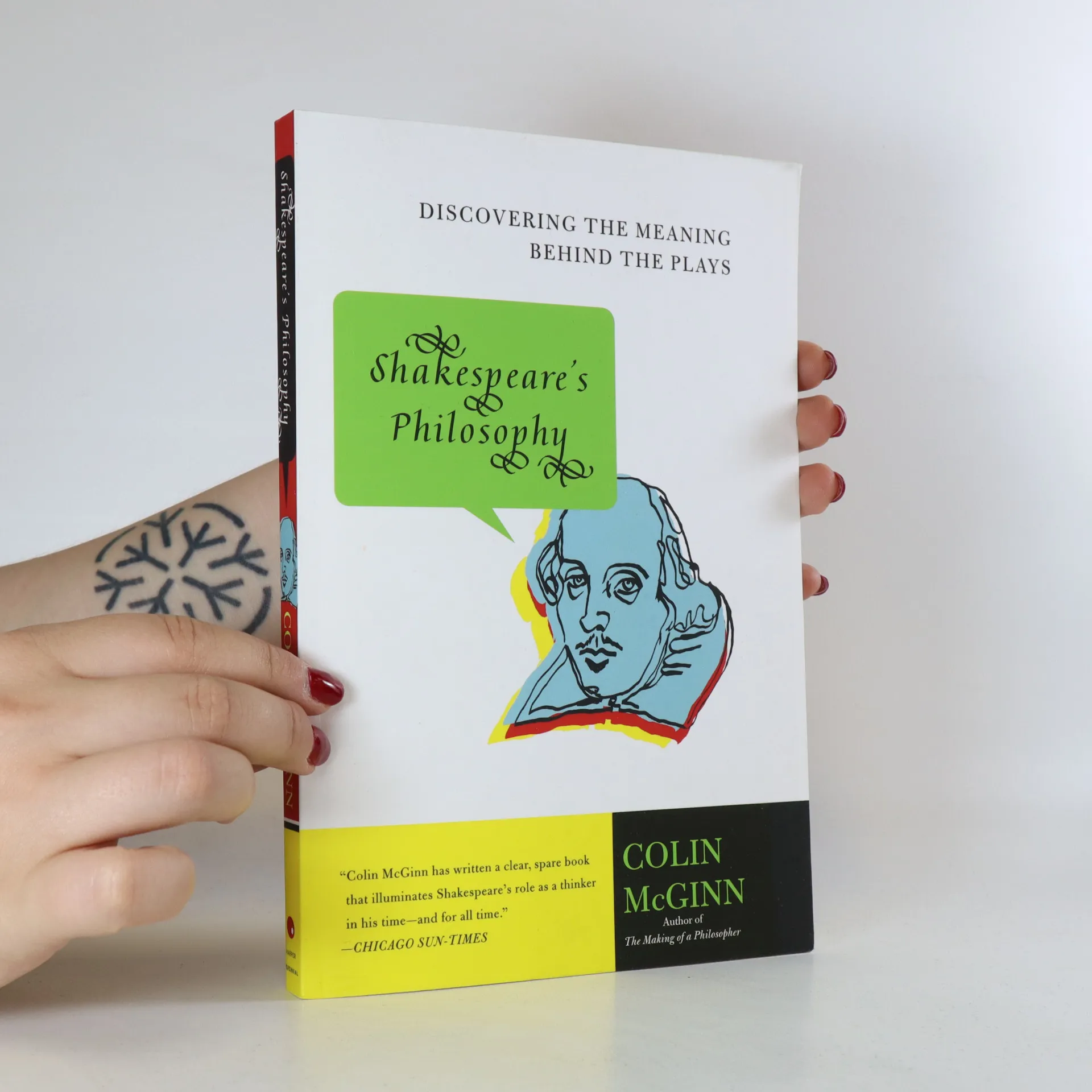
    Shakespeare's philosophy. Discovering the meaning behind the plays
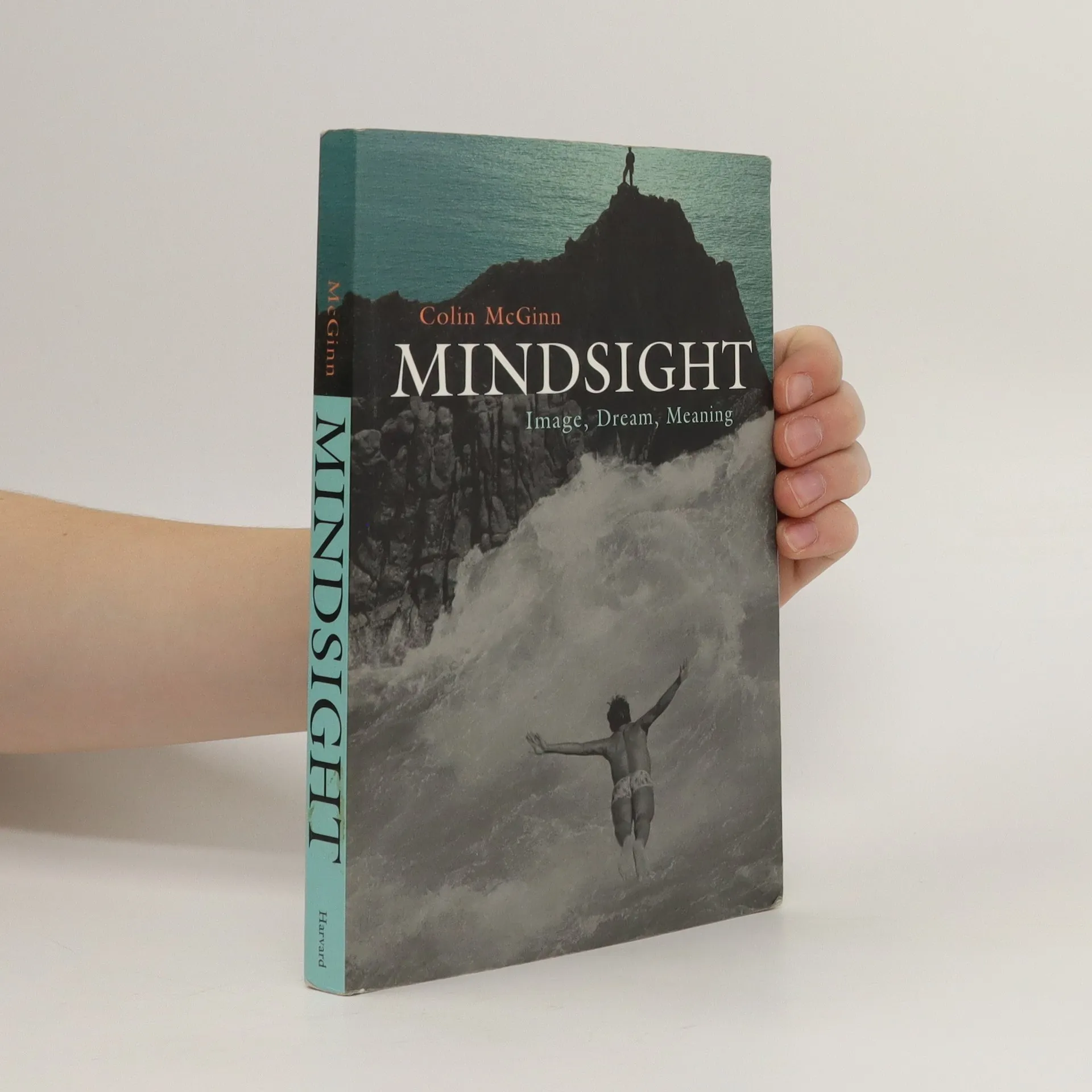
    Mindsight. Image, Dream, Meaning
    • 2007

      Was für ein Bild kann man sich von der Vorstellungskraft machen? Diese Frage beschäftigt die Philosophen bis heute. Von Platon und Aristoteles bis Wittgenstein und Sartre hat die Philosophie versucht, sich mit dieser schwer fassbaren Materie auseinander zu setzen. Einen Gegenstand zu sehen ist in verschiedener Hinsicht ähnlich wie ein geistiges Bild vor Augen zu haben – und doch wieder etwas ganz anderes. Mc Ginn zeigt, worin die Unterschiede zwischen Wahrnehmung und Vorstellungskraft liegen. Dabei diskutiert er auch die Natur von Träumen und geistigen Krankheiten. Außerdem spielt die Einbildungskraft eine nicht zu unterschätzende Rolle bei der logischen Argumentation. Ohne sie wäre weder Erinnern noch Planen, in die Zukunft denken, möglich. Wir nutzen sie, wenn wir Entscheidungen treffen oder uns fragen, was möglich sein könnte. Colin Mc Ginn versucht dem Phänomen 'Vorstellungskraft' auf die Spur zu kommen, über das wir bei Lichte betrachtet erstaunlich wenig wissen.


      Das geistige Auge
    • 2007

      Shakespeare's plays are usually studied by literary scholars and historians and the books about him from those perspectives are legion. It is most unusual for a trained philosopher to give us his insight, as Colin McGinn does here, into six of Shakespeare's greatest plays––A Midsummer Night's Dream, Hamlet, Othello, Macbeth, King Lear, and The Tempest. In his brilliant commentary, McGinn explores Shakespeare's philosophy of life and illustrates how he was influenced, for example, by the essays of Montaigne that were translated into English while Shakespeare was writing. In addition to chapters on the great plays, there are also essays on Shakespeare and gender and his plays from the aspects of psychology, ethics, and tragedy. As McGinn says about Shakespeare, "There is not a sentimental bone in his body. He has the curiosity of a scientist, the judgement of a philosopher, and the soul of a poet." McGinn relates the ideas in the plays to the later philosophers such as David Hume and the modern commentaries of critics such as Harold Bloom. The book is an exhilarating reading experience, especially at a time when a new audience has opened up for the greatest writer in English.

      Shakespeare's philosophy. Discovering the meaning behind the plays
    • 2004

      Mindsight. Image, Dream, Meaning

      • 224 páginas
      • 8 horas de lectura

      The guiding thread of this book is the distinction McGinn draws a distinction between perception and imagination, showing what the differences are, arguing that imagination is a sui generis mental faculty. His overall claim is that imagination pervades our mental life, obeys its own distinctive principles, and merits much more attention.

      Mindsight. Image, Dream, Meaning
    • 2001

      Dieses in den USA heftig diskutierte Buch hat der Frage, wie das Gehirn, also etwas Fleischliches, etwas von ihm gänzlich Verschiedenes, nämlich Geistiges, hervorbringen kann, einen ganz neuen Aspekt gegeben. Wie hat man sich den Zusammenhang von Körper und Geist vorzustellen? Vor allem: Wie überhaupt ist es möglich, daß Materie Geist hervorbringt? Was wäre, wenn das Gehirn einfach prinzipiell nicht in der Lage wäre, über eine bestimmte Grenze hinaus über sich nachzudenken? Kenntnisreich und in verständlicher Sprache erörtert Colin McGinn eine der spannendsten Fragen des Nachdenkens über uns selbst. Seine Antwort wird Sie überraschen.§

      Wie kommt der Geist in die Materie?
    • 1992

      The Problem of Consciousness

      • 224 páginas
      • 8 horas de lectura

      Can consciousness be fitted into a naturalistic worldview or is it inherently mysterious? In virtue of what does a physical organism come to have an inner conscious life? This book argues that we are not equipped to understand the workings of conciousness, despite its objective naturalness.

      The Problem of Consciousness