The battle of Lepanto was the last major battle between fleets of oar-powered war ships. The largest naval battle since Mark Antony's Actium. It was the one major achievement of the short-lived Holy League of Catholic states. The author re-examines the battle's status as a truly decisive battle. číst celé
Nic Fields Libros


Farewell to the Liar
- 528 páginas
- 19 horas de lectura
The final instalment of The Tales of Fenest. Detective Cora Gorderheim must make a terrible choice: her sister's life, or the future of the Union.
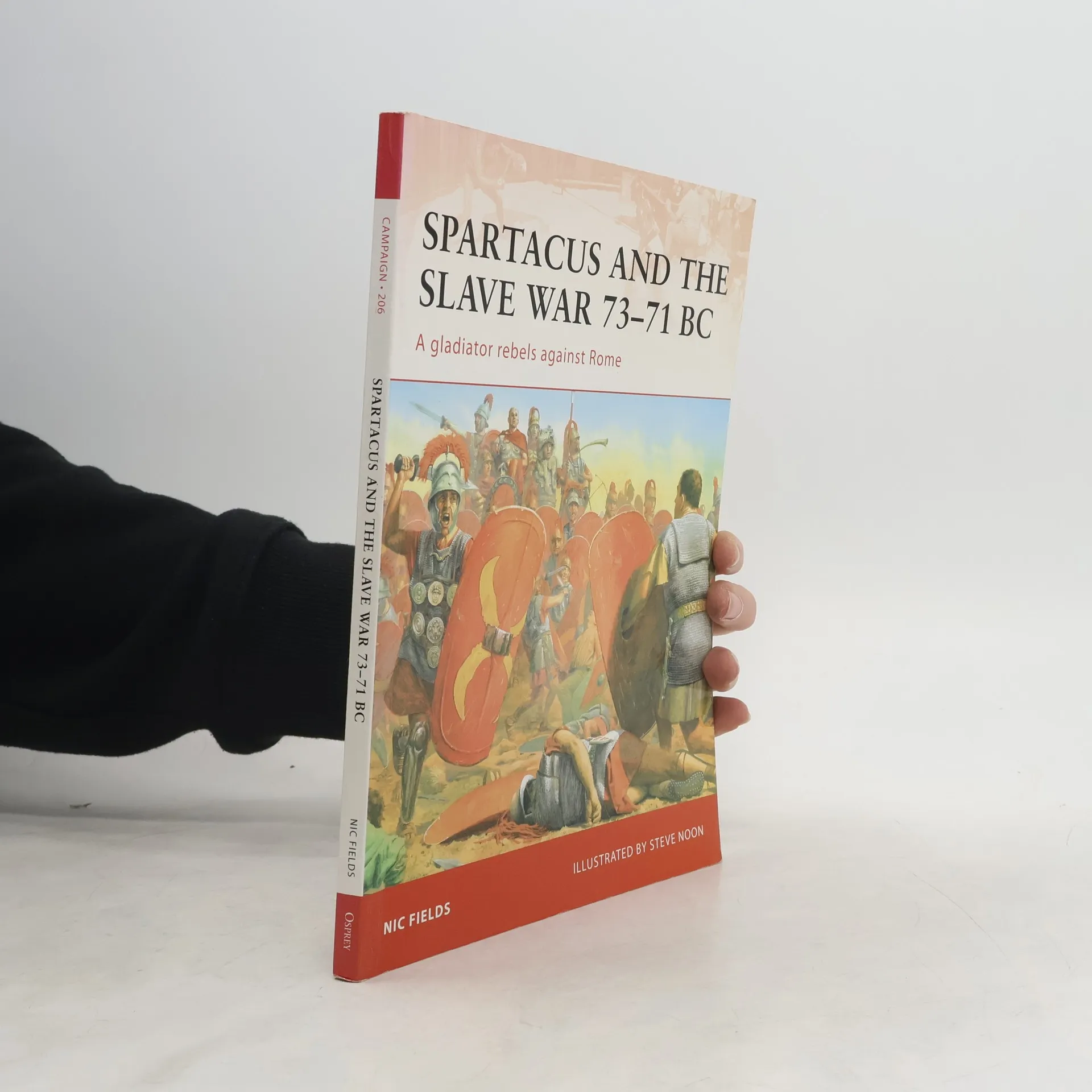
Campaign - 206: Spartacus and the Slave War 73–71 BC
A Gladiator Rebels Against Rome
- 96 páginas
- 4 horas de lectura
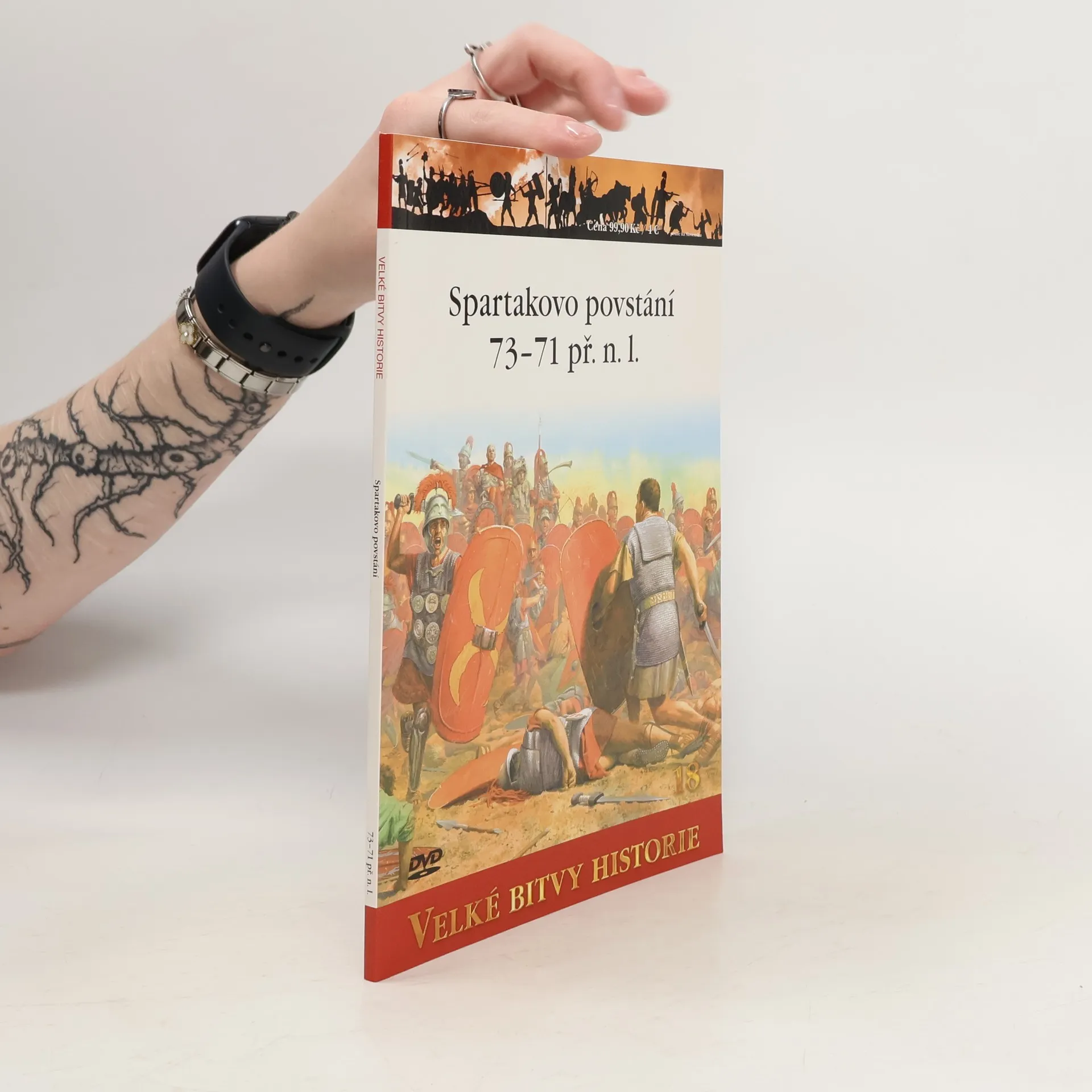
This Osprey Campaign title brings to life the story of Rome's most famous revolt, the Slave War (73-71 BC), and the ex-gladiator who led it. In the year 73 BC, the Thracian Spartacus broke out of the gladiatorial training school at Capua in Campainia. A charismatic leader, Spartacus formed an army of runaway slaves and people with little to lose, and defeated the Roman troops under the praetor C. Claudius Glaber. With this minor victory, Spartacus' army swelled to 70,000 and rampaged throughout Campania assaulting a number of cities and defeating two consular armies.Terrified lest the revolt spread across the republic, the government assigned M. Licinius Crassus the task of crushing the revolt. Crassus' first attempt to capture Spartacus failed, and the Roman senate called upon Pompey to help him. Together, they cornered Spartacus and brought him to battle near the source of the river Silarus. During the battle, Spartacus was killed and his army defeated. Crassus crucified 6,000 prisoners as an example to others who might think of revolt.
Mycenaean Citadels C. 1350-1200 BC
- 64 páginas
- 3 horas de lectura
From 1600BC, urban civilization in Greece began to thrive and the power of a number of warlord states began to be felt around the Aegean. This period is known as the Late Helladic or Mycenaean period. This volume charts the histories of the fortified citadels that dominated the Greek countryside for over 2000 years.
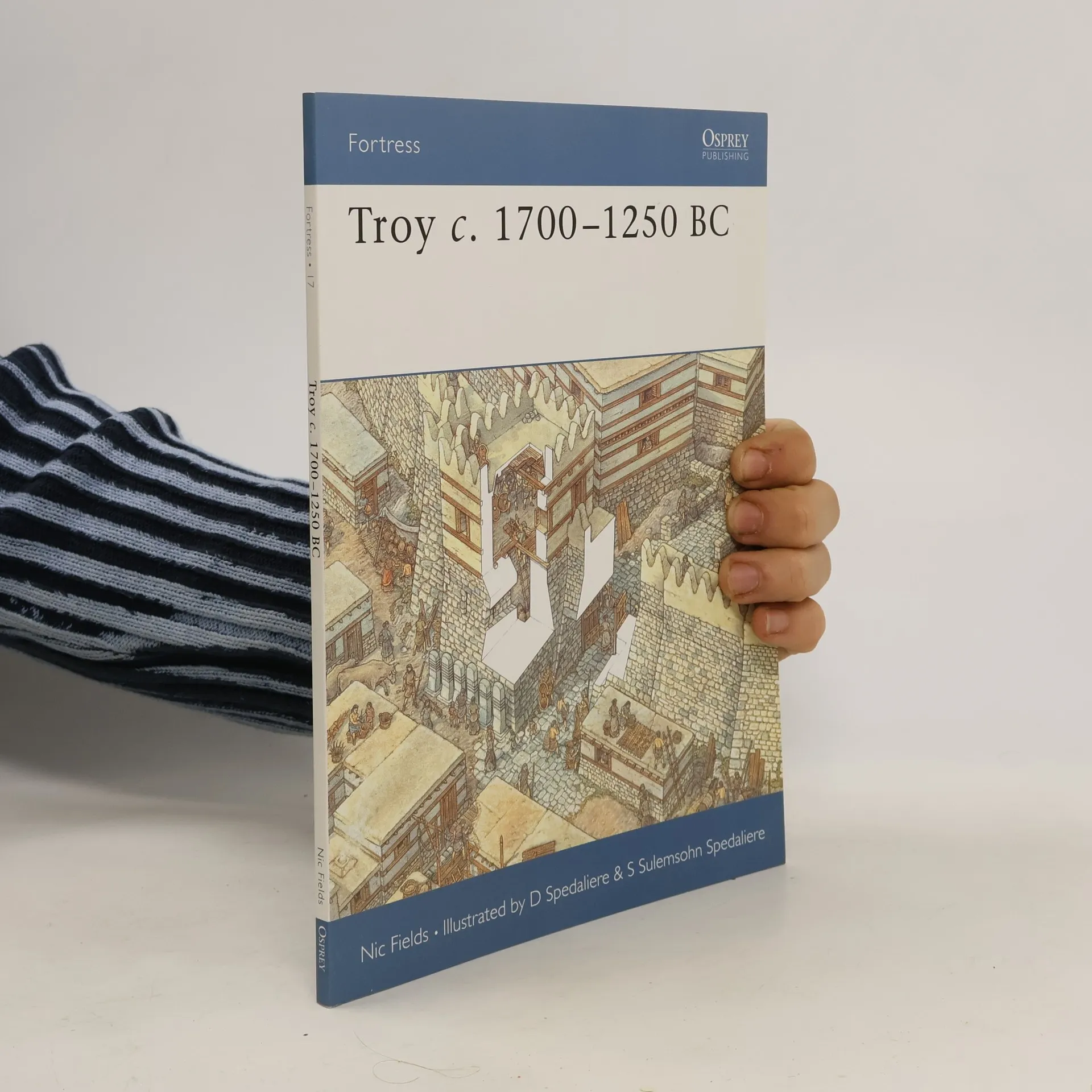
Troy c. 1700–1250 BC
- 64 páginas
- 3 horas de lectura
Hisarlik is a small place, a sandy stone strewn hillock cut up into gullies and hummocks. Yet its historical significance is immense, for this is the site of Troy - the legendary city whose story sprawls across cultures, time and geography. The tale of the siege of Troy is the greatest secular story ever told, and has captured the imagination of the Western World for some 3,000 years. Although there are many difficulties in using Greek myths, oral traditions and the Homeric epics to reconstruct the Trojan War, this title uses the latest archaeological evidence to reconstruct in detail the fortifications of Troy as well as making more general observations about the possible historical events behind the epics of Homer.
The Stitcher and the Mute
- 496 páginas
- 18 horas de lectura
Detective Cora Gorderheim has found the man who strangled the Wayward storyteller. But he was just a small part of a much bigger tale. Someone powerful ordered a murder on Cora's patch. That someone still lurks in the shadows.
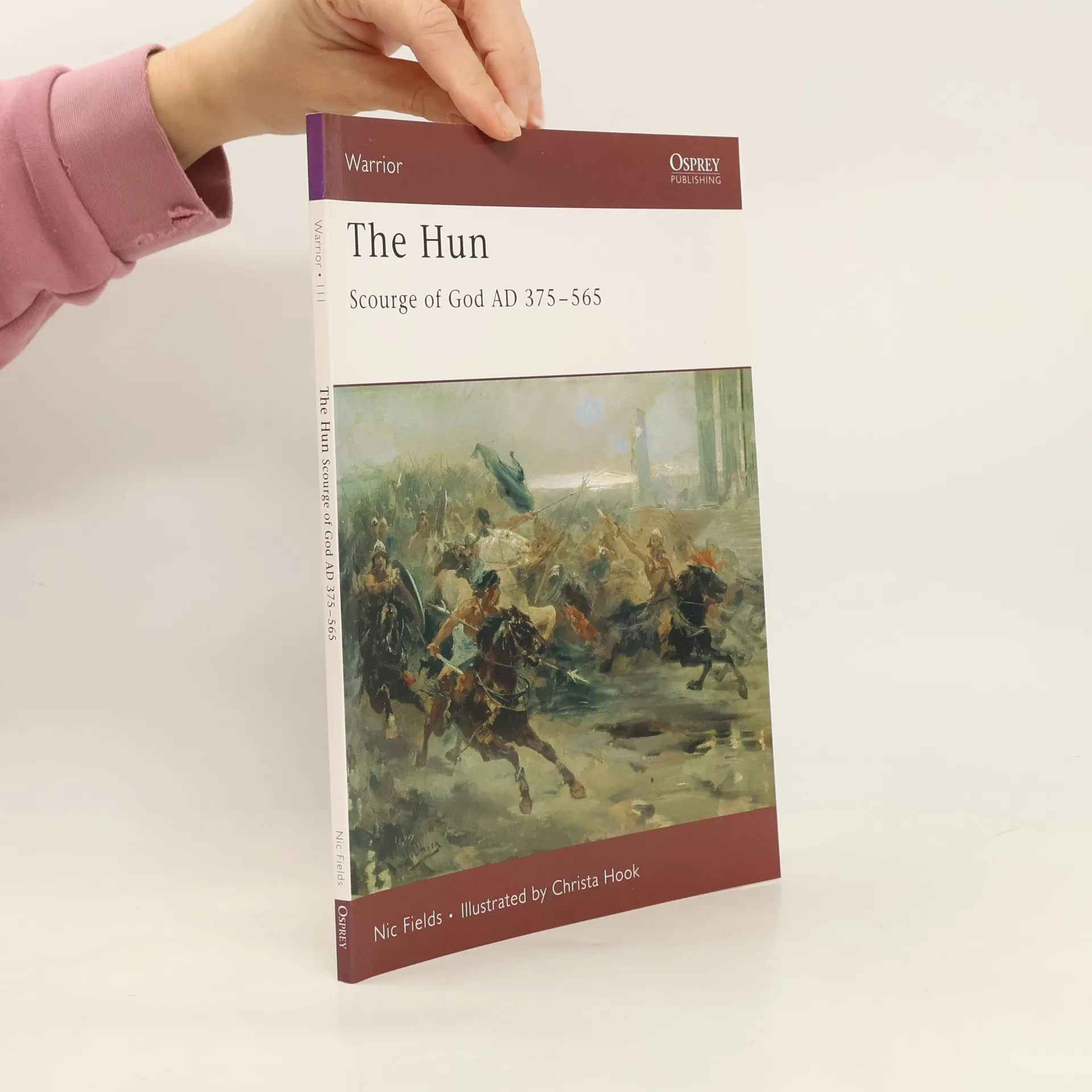
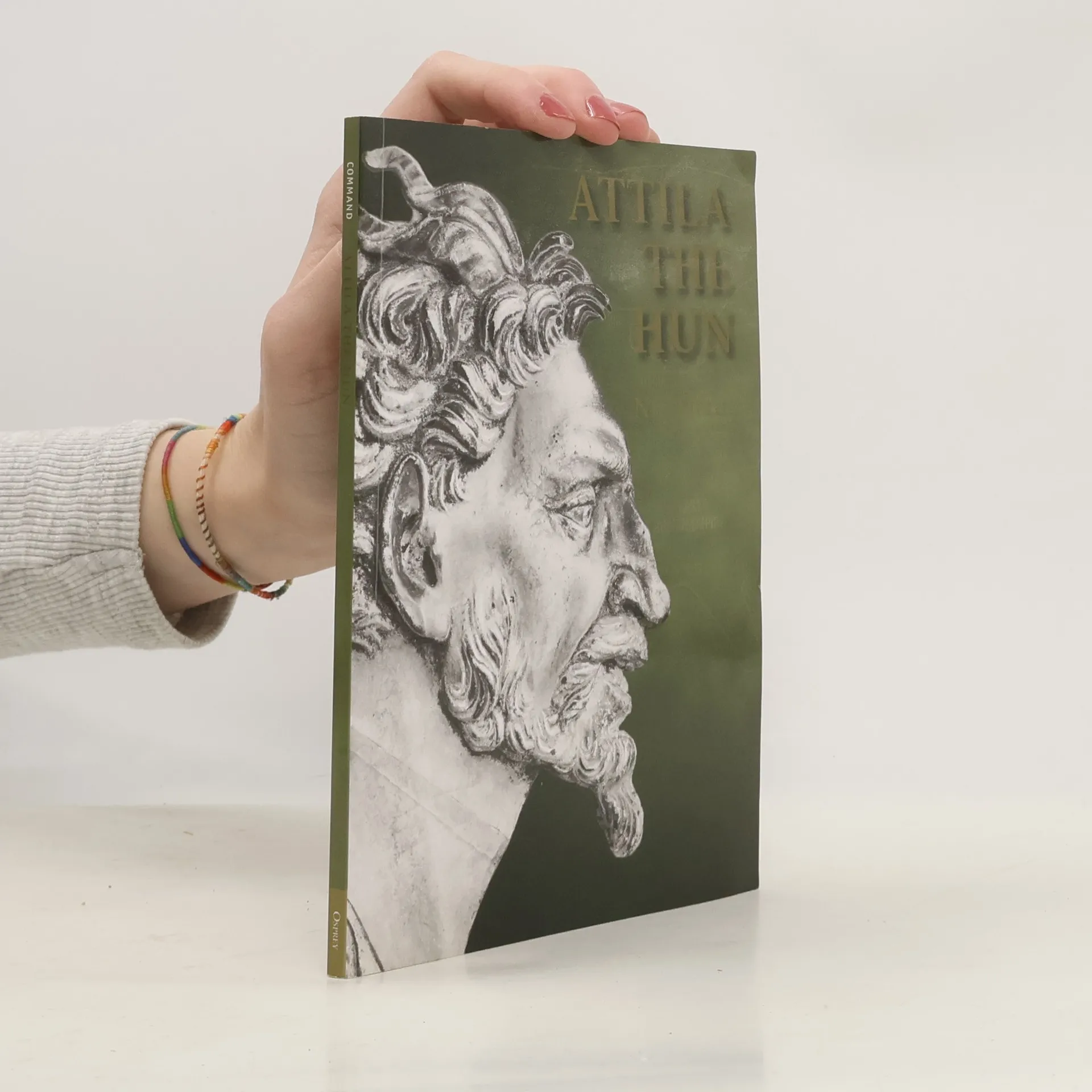
The Huns were among the most feared barbarians of the ancient world, with their infamous king, Attila, known to Romans as the 'scourge of god.' Originating from the steppes of central Asia, these Turco-Mongol nomads migrated westward, causing widespread devastation and displacing entire nations. Renowned for their exceptional horsemanship and archery skills, the Huns wielded a reflex composite bow capable of penetrating armor at 100 yards, surpassing the longbow and other contemporary weapons. In battle, they instilled terror in their enemies, disrupting formations with rapid, chaotic charges while unleashing a hail of arrows, earning a reputation for swift destruction. Often labeled as mere barbarians, the Huns were more complex, enjoying the benefits of civilized society gained through military conquests. Their influence extended to the Roman military, as evidenced by the adoption of the composite bow and the enhancement of cavalry skills in the years following their defeats. Nic Fields provides a comprehensive analysis of the Huns' rise, societal structure, and the evolution of their weaponry and tactics, focusing on key events from their initial assaults on the Goths to the death of Emperor Justinian, with particular emphasis on the pivotal battle of Chalons in 451 and Attila's formidable reign.
Widow's Welcome
- 432 páginas
- 16 horas de lectura
Dead bodies aren't unusual in the alleyways of Fenest. Muggings, brawls gone bad, debts collected - Detective Cora Gorderheim has seen it all. The first novel in a fantasy crime trilogy.
The narrative intricately weaves the battle into the broader political landscape and the preceding campaigns that culminate in a decisive confrontation. It explores the strategic decisions and motivations of key figures, providing a comprehensive understanding of the events leading to this pivotal moment. Through detailed analysis, the book highlights the interplay between military actions and political dynamics, offering readers a deeper insight into the significance of the battle within its historical context.
In the aftermath of Julius Caesar's assassination, Octavian and the forces of the late Republic battled Mark Antony in the battles of Forum Gallorum and Mutina in 43 BC.
Řecká válečná loď - Triéra (500 - 322 př.n.l.)
- 48 páginas
- 2 horas de lectura
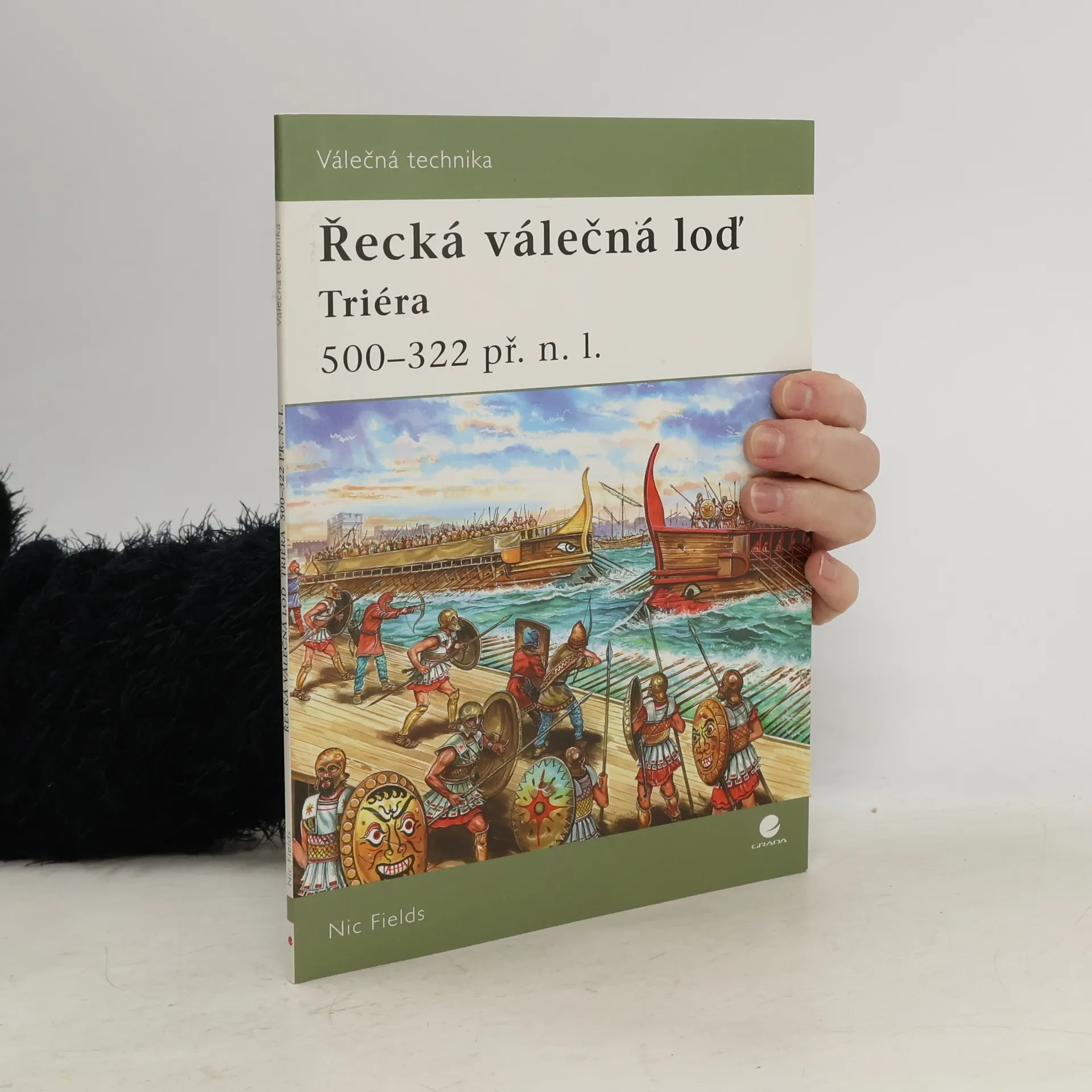
Starověké triéry představovaly nejobávanější a nejdokonalejší válečné lodě Středomoří. V době své největší slávy byli dominantními představiteli jejich ničivé síly Athéňané. Triéra byla veslice primárně určená k boji, s bronzem okovaným klounem na přídi jako hlavní zbraní. Její konstrukční prvky později převzali Římané při stavbě trirém. V knize najdete detailní a kompletní popis této nejmocnější antické válečné lodě, s jejíž pomocí Athény ovládaly po jistou dobu východní Středomoří. Ani tato zbraň jim však nakonec nezajistila výsostné postavení námořní velmoci natrvalo.
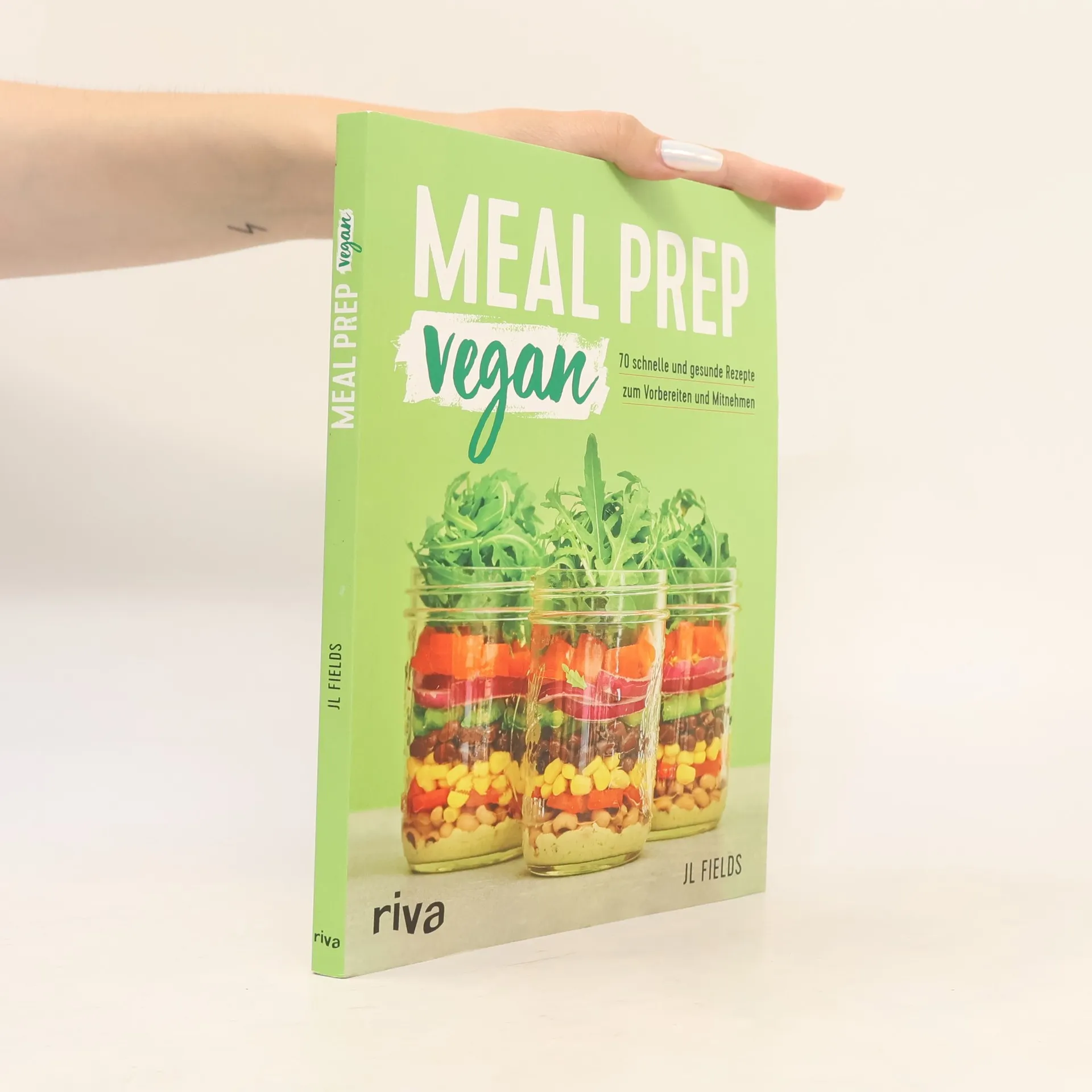
Meal Prep vegan
70 schnelle und gesunde Rezepte zum Vorbereiten und Mitnehmen
- 160 páginas
- 6 horas de lectura
Meal Prep bedeutet, Mahlzeiten für die ganze Woche vorzubereiten, die man dann zur Arbeit mitnehmen und natürlich auch nach Feierabend zu Hause genießen kann – das geht auch in vegan. Die Durch clevere Planung spart man Zeit. Man kauft nicht mehr spontan ungesundes Fast Food oder Snacks. Man weiß genau, was drin gesunde, frische und garantiert vegane Zutaten ohne Geschmacksverstärker oder Zusätze. Und das Essen schmeckt lecker. Dieses Kochbuch enthält 8 abwechslungsreiche Wochenpläne und 70 Rezepte sowie Einkaufslisten und zeigt, wie man mit wenig Aufwand leckeres veganes Essen für mehrere Tage zubereitet.
Termopili, la resistenza dei 300
- 96 páginas
- 4 horas de lectura