


Bookbot

Philippe Sands

    17 de octubre de 1960

    Philippe Sands, un distinguido académico y profesional del derecho, profundiza en las intrincadas intersecciones del derecho, la historia y la moral humana. Su escritura investiga casos internacionales complejos, revelando profundas cuestiones de justicia y rendición de cuentas. A través de un análisis meticuloso y una narrativa cautivadora, da vida a momentos cruciales de la historia moderna para los lectores, incitando a la reflexión sobre los dilemas éticos que encapsulan estos eventos. El trabajo de Sands nos desafía a considerar la naturaleza del derecho y su impacto en las vidas humanas.

    Philippe Sands
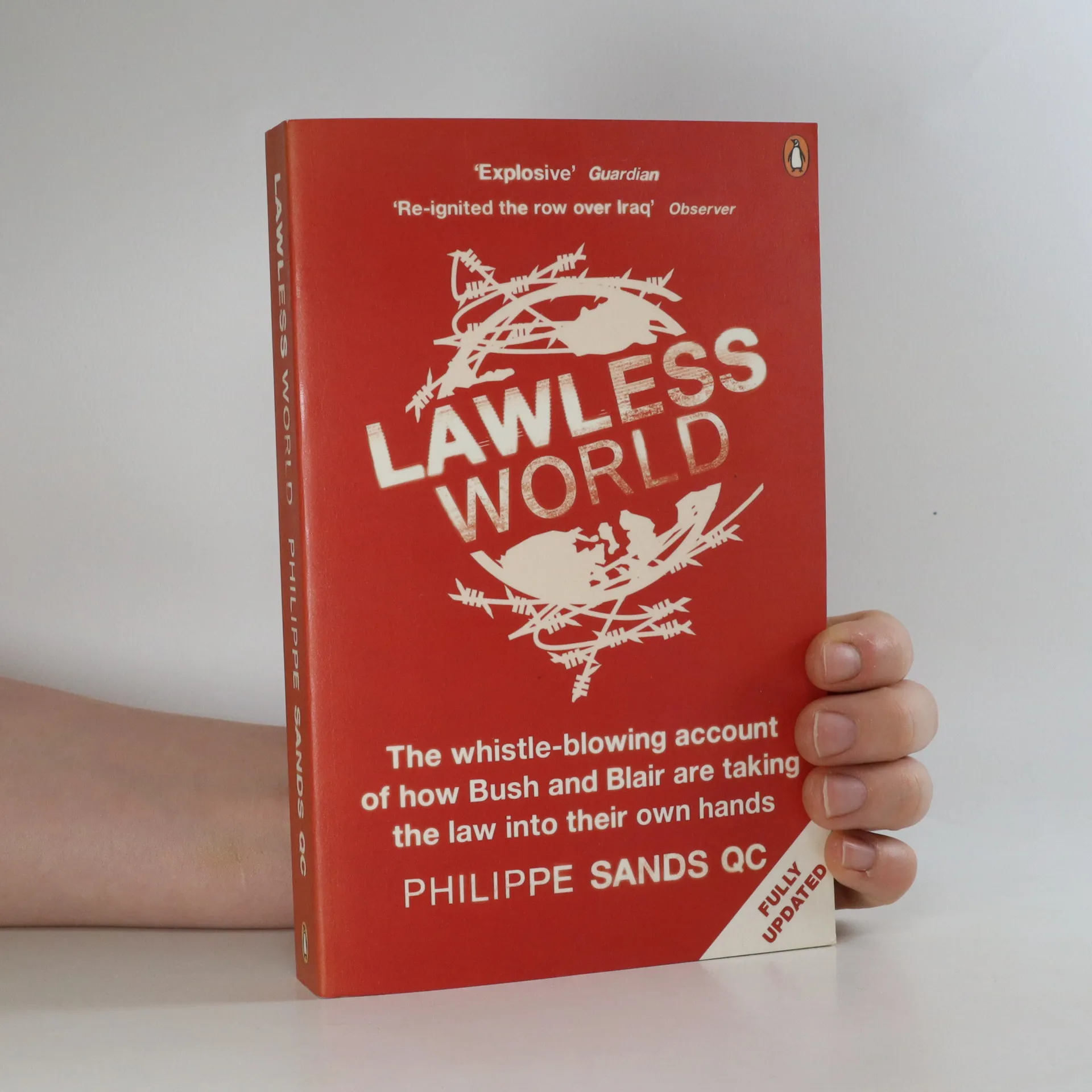
    Lawless World
    La niña del cuaderno
    The Ratline
    The Last Colony
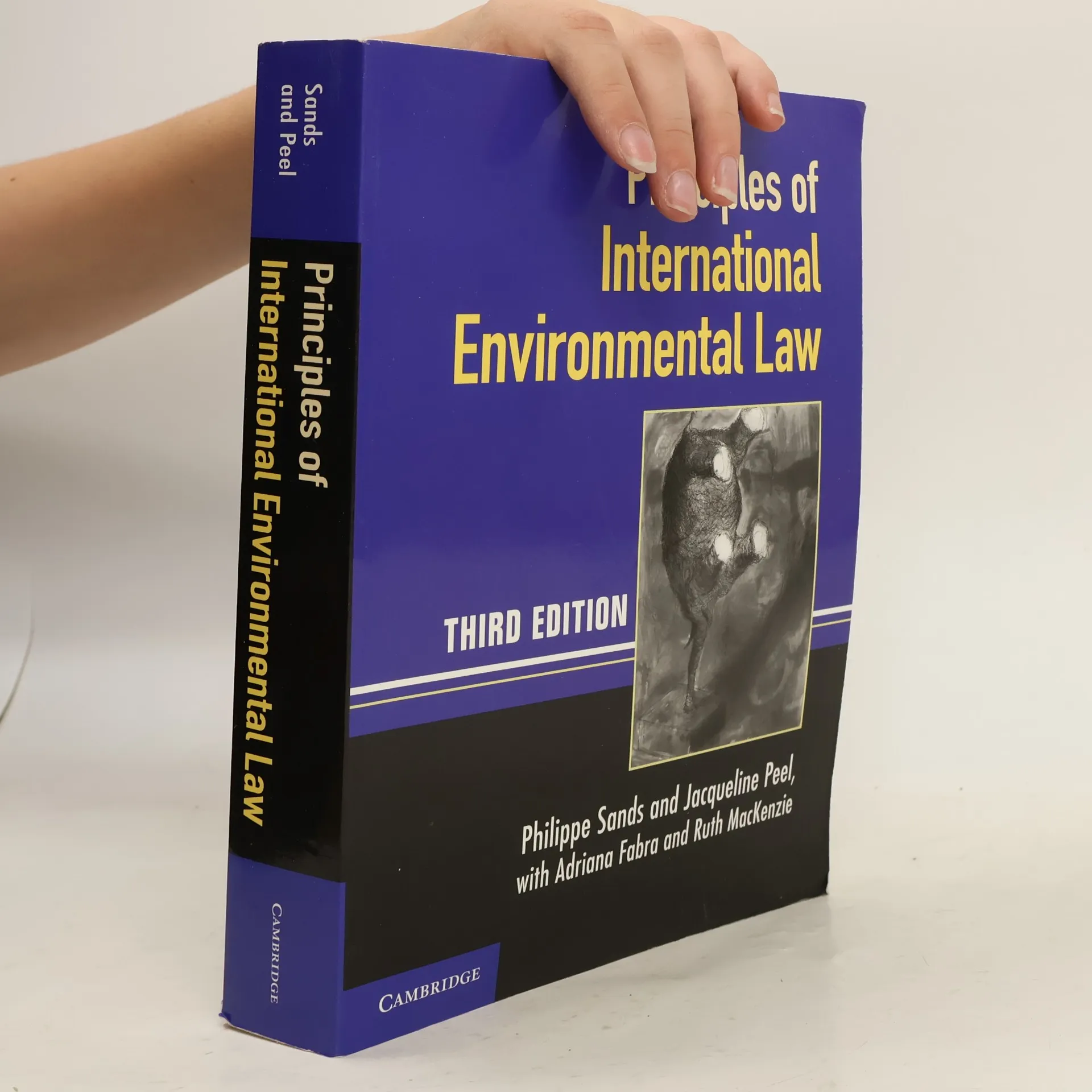
    Principles of International Environmental Law
    East West street : on the origins of genocide and crimes against humanity
    • THE BRITISH BOOK AWARDS NON-FICTION BOOK OF THE YEAR 2017 SUNDAY TIMES TOP 10 BESTSELLER When he receives an invitation to deliver a lecture in the Ukrainian city of Lviv, international lawyer Philippe Sands begins a journey on the trail of his family's secret history. In doing so, he uncovers an astonishing series of coincidences that lead him halfway across the world, to the origins of international law at the Nuremberg trial. Interweaving the stories of the two Nuremberg prosecutors (Hersch Lauterpacht and Rafael Lemkin) who invented the crimes or genocide and crimes against humanity, the Nazi governor responsible for the murder of thousands in and around Lviv (Hans Frank), and incredible acts of wartime bravery, EAST WEST STREET is an unforgettable blend of memoir and historical detective story, and a powerful meditation on the way memory, crime and guilt leave scars across generations. * * * * * 'A monumental achievement: profoundly personal, told with love, anger and great precision' John le Carré 'One of the most gripping and powerful books imaginable' SUNDAY TIMES Winner: Baillie Gifford Prize for Non-fiction JQ-Wingate Literary Prize Hay Festival Medal for Prose
      East West street : on the origins of genocide and crimes against humanity
      4,5
    • The third edition of this classic textbook offers comprehensive and critical commentary on international environmental law. It fully covers the key topics of the course and is clearly structured to include the history and framework in which international environmental law exists, key areas of regulation and implementation, links to other areas of law and future developments. It has been updated to incorporate all the latest developments in treaty and case law. Extensive feedback on previous editions results in a restructuring of material, including a new part focused on linkage to other areas of international law including human rights, international trade and foreign investment. There is also a new chapter on future developments charting the directions in which the subject is moving. Specialist authors writing on oceans, seas and fisheries and biodiversity add to the expertise of the two principal authors for an authoritative overview of the subject.

      Principles of International Environmental Law
      4,2
    • FROM THE WINNER OF THE BAILLIE GIFFORD PRIZE and author of EAST WEST STREET THE INSTANT SUNDAY TIMES BESTSELLER 'Should be read by anyone who cares about justice, humanity and human rights' Elif Shafak 'An essential account' Sunday Times 'Powerful and persuasive . . . superb' Abdulrazak Gurnah 'An urgent reminder that Britain's colonial rule isn't our past. It's our present' New Statesman 'An important [book]' Observer 'Elegant, moving and profoundly informative' The Scotsman Through one woman's fight for justice, the award-winning author of East West Street exposes the shocking events that marked the 1965 establishment of the British Indian Ocean Territory. Written with Sands' characteristic expertise, insight and thrilling storytelling, The Last Colony lays bare the brutal legacy of colonial rule, the devastating impact of Britain's grip on its last colony in Africa and the ongoing struggle to right a historic wrong.

      The Last Colony
      4,2
    • The Ratline

      • 304 páginas
      • 11 horas de lectura

      In this riveting real-life thriller, Philippe Sands offers a unique account of the daily life of senior Nazi SS Brigadeführer Otto Freiherr von Wächter and his wife, Charlotte. Drawing on a remarkable archive of family letters and diaries, he unveils a fascinating insight into life before and during the war, as a fugitive on the run in the Alps and then in Rome, and into the Cold War. Eventually the door is unlocked to a mystery that haunts Wächter's youngest son, who continues to believe his father was a good man - what happened to Otto Wächter while he was preparing to travel to Argentina on the 'ratline', assisted by a Vatican bishop, and what was the explanation for his sudden and unexpected death?

      The Ratline
      4,2
    • La niña del cuaderno

      • 352 páginas
      • 13 horas de lectura

      En la sala de estar de una familia holandesa, una niña trata de no sentirse observada. No se celebra nada, no es su cumpleaños ni nada parecido, pero sus padres, tíos y tías no dejan de abrazarla y sentarla en su regazo. Luego hablan entre susurros y la miran con ojos graves. A la mañana siguiente, una señora llama a la puerta. Le explica que cuando salgan a la calle, debe abrazarse a ella y no decir nada sobre su familia. Junto a su madre, descosen las estrellas de sus vestidos. Ahora ya no es judía, sino simplemente una niña de Róterdam. Esta es la extraordinaria historia real de Lientje de Jong, una joven en la Holanda ocupada que se escondió de los nazis en las casas de una red clandestina de familias adoptivas, entre ellas, la de los abuelos del autor.

      La niña del cuaderno
      4,1
    • International lawyer Philippe Sands has a unique insider's view of the elites who govern our lives. His sensational revelations in Lawless World changed the political agenda overnight, forcing Tony Blair to publish damning mterial that he'd tried to hide. Now, in this updated edition with a shocking new chapter, you can get the full story of how the US and UK governments are riding roughshod over international agreements on human rights, war, torture and the environment - the very laws they put in place. Here sands looks at why global rules matter for all of us. And he powerfully makes the case for preserving them ... before justice becomes history.

      Lawless World
      4,0
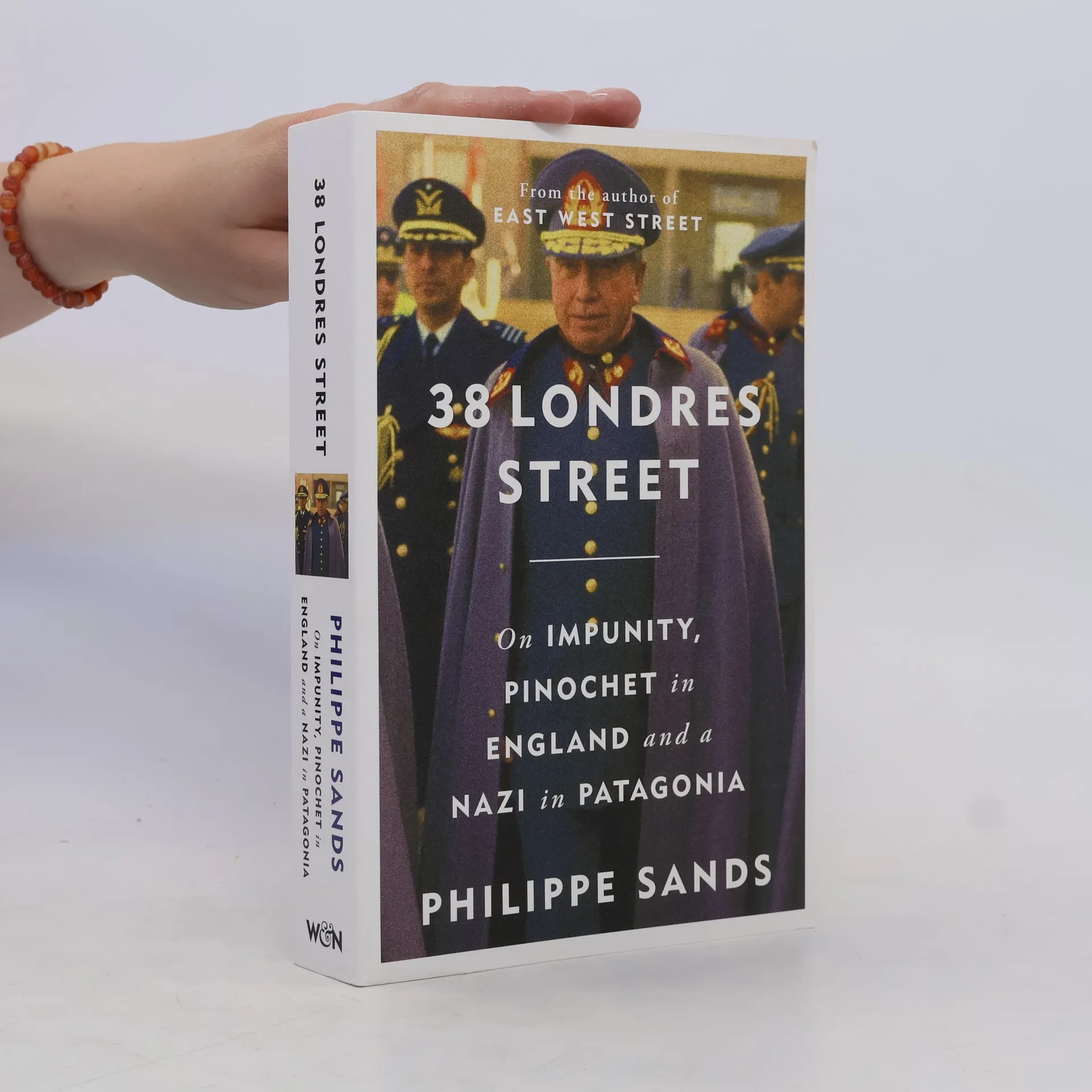
    • 38 Londres Street

      On Pinochet in London and a Nazi in Patagonia

      • 432 páginas
      • 16 horas de lectura

      Set against the backdrop of Santiago, this gripping narrative explores the eerie connections between Augusto Pinochet and former SS officer Walther Rauff, who escaped justice after World War II. Rauff, known for his role in wartime atrocities, settled in Chilean Patagonia, running a crab cannery while his past loomed large. As whispers of his ties to Pinochet's regime and the disappearances in Chile surface, a chilling story of complicity and haunting legacies unfolds, revealing the dark intersections of history and personal fate.

      38 Londres Street
    • Die Verschwundenen von Londres 38

      Über Pinochet in England und einen Nazi in Patagonien

      • 624 páginas
      • 22 horas de lectura

      Der bekannte Menschenrechtsanwalt und Bestseller-Autor Philippe Sands erzählt die atemberaubende Geschichte des SS-Offiziers Walter Rauff, der 1949 nach Chile flüchtete und ab 1973 für die Militärdiktatur unter Augusto Pinochet tätig war. In einem geheimen Verhörzentrum war er an brutalen Verhören und Morden beteiligt. Als SS-Sturmbannführer war Rauff ab 1941 für die Entwicklung mobiler Gaswagen verantwortlich, die in der Sowjetunion für Massenmorde an Juden sowie Sinti und Roma eingesetzt wurden. Nach seiner Flucht schien er weit entfernt von seiner dunklen Vergangenheit, doch Gerüchte über seine Verwicklung in Pinochets Geheimdienst und das Verschwinden von Menschen in Chile werfen ein neues Licht auf sein Leben. 1998 wird Pinochet in London verhaftet, und Sands beteiligt sich an der Anklage, wobei er auf Rauffs Rolle stößt. Acht Jahre lang recherchiert er über Rauffs Verbindungen zu Pinochet und die Gräueltaten, die im Londoner Verfahren thematisiert werden. Gleichzeitig untersucht er das Schicksal der Verschwundenen und sucht nach Beweisen für Pinochets Verantwortung. Im März 2000 wird der Diktator aufgrund seiner Gesundheit freigelassen und kehrt nach Chile zurück, wo er 2006 stirbt. Sands’ Mischung aus Detektivgeschichte, Gerichtsdrama und Lebensgeschichten basiert auf Interviews und umfangreichen Archivrecherchen. So gelingt ihm ein fesselndes Psychogramm zweier Männer und ein spannender Bericht über ein international

      Die Verschwundenen von Londres 38