Kursbuch 187
- 200 páginas
- 7 horas de lectura


Michael Lind es un autor cuyo trabajo se adentra en la historia y el periodismo político. Su estilo literario se caracteriza por un análisis incisivo y una articulación clara de ideas complejas. Lind explora fenómenos sociales y políticos, enfatizando sus raíces históricas y su impacto contemporáneo. Su escritura es valorada por su profundidad intelectual y su capacidad para provocar una reflexión profunda.



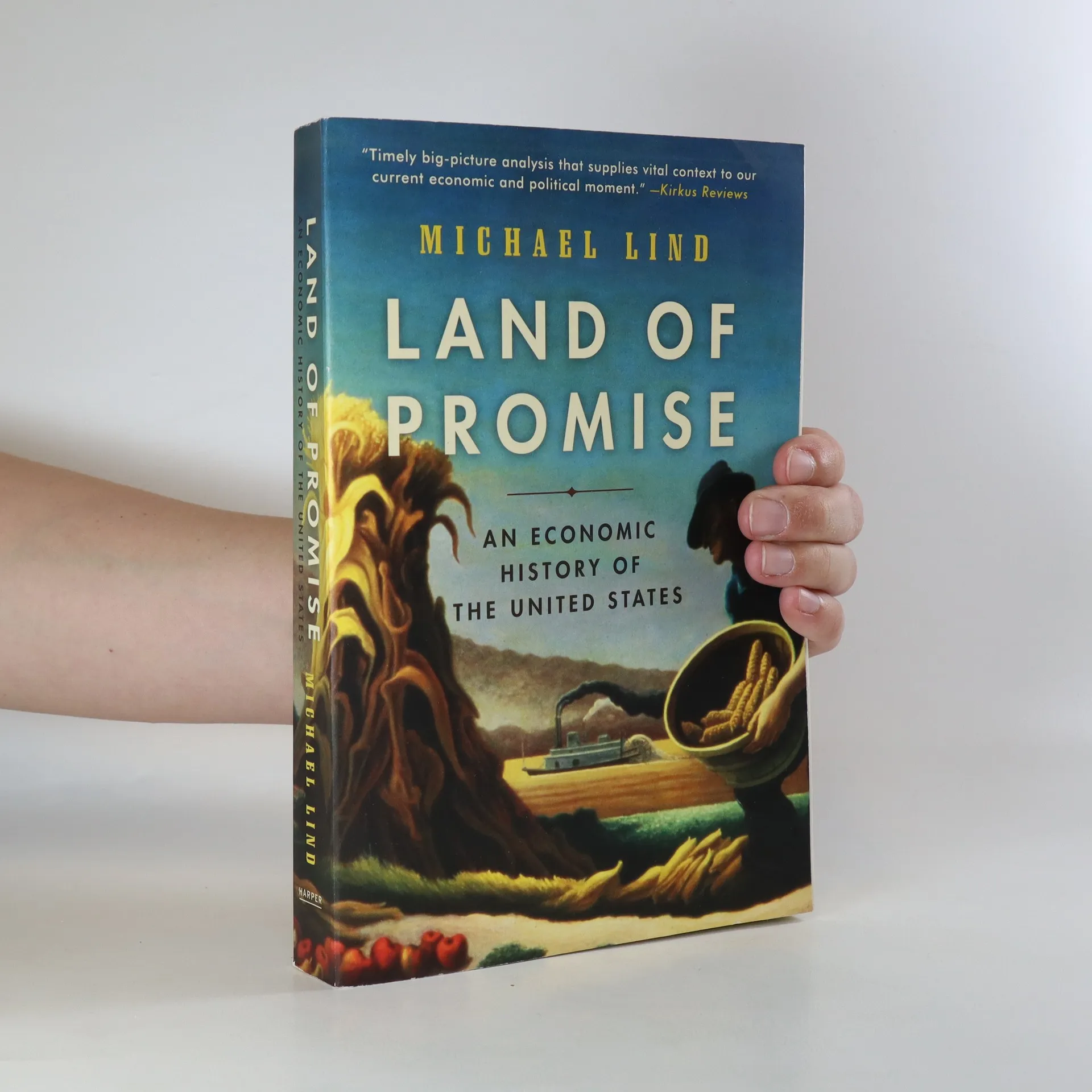
A sweeping and original work of economic history by Michael Lind, one of America’s leading intellectuals, Land of Promise recounts the epic story of America’s rise to become the world’s dominant economy. As ideological free marketers continue to square off against Keynesians in Congress and the press, economic policy remains at the center of political debate. Land of Promise: An Economic History of the United States offers a much-needed historical framework that sheds new light on our past—wisdom that offers lessons essential to our future. Building upon the strength and lucidity of his New York Times Notable Books The Next American Nation and Hamilton’s Republic, Lind delivers a necessary and revelatory examination of the roots of American prosperity—insight that will prove invaluable to anyone interested in exploring how we can move forward.
"Americans are unlikely to lose their cherished rights because of a military coup or a foreign conquest, writes Michael Lind. The more plausible and frightening scenario is one in which foreign danger forces Americans themselves to jettison their way of life, sacrificing liberty to ensure security. To prevent this scenario from happening is the real purpose of American strategy."
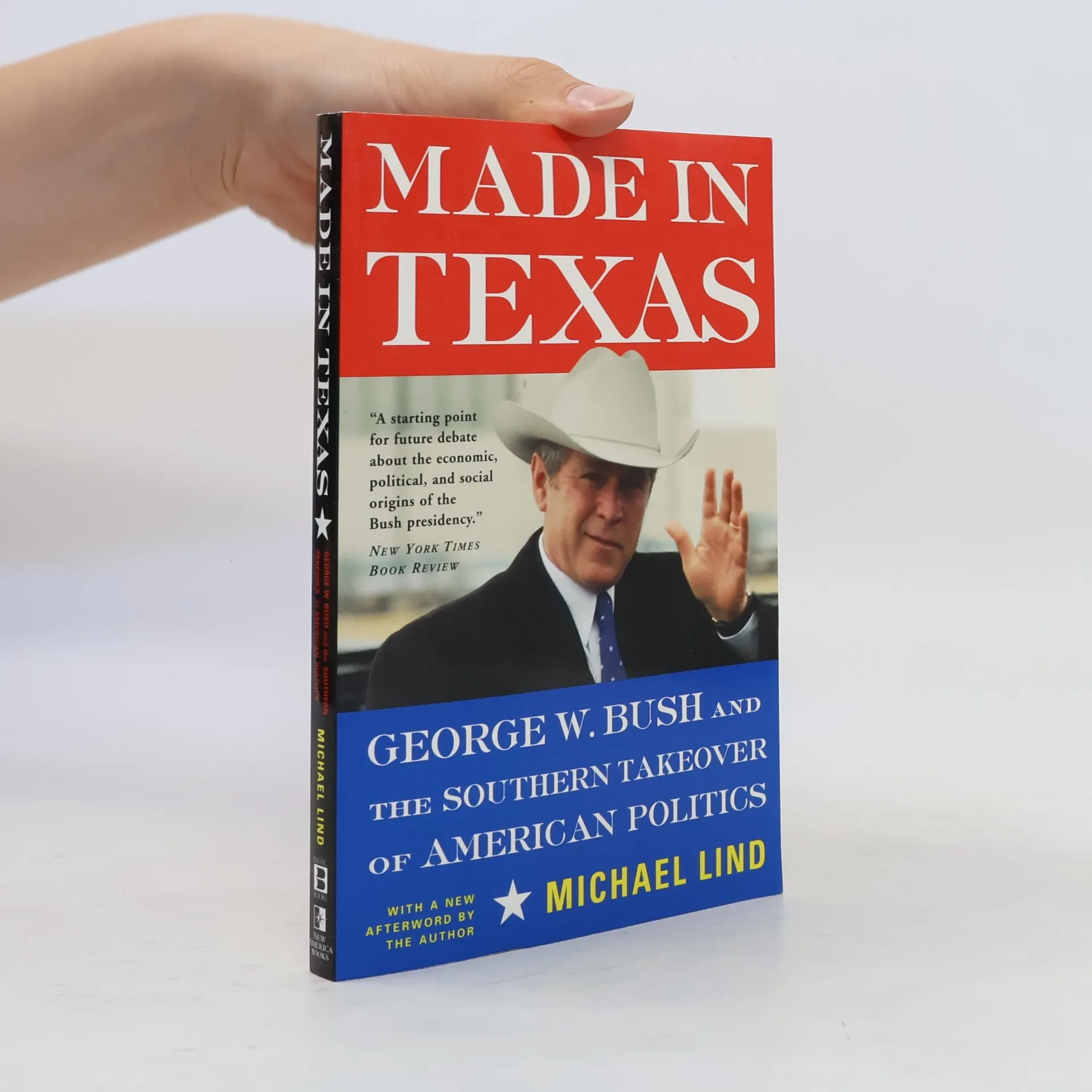
George W. Bush and the Southern Takeover of American Politics
Bush, it threatens the future of the United States - and maybe the entire world." "Fortunately, George W. Bush represents only one tradition in Texas. There is another, more enlightened Texan tradition - the modernist tradition of high-tech industry and activist government represented by figures as different as Lyndon Johnson, H. Ross Perot and Admiral Bobby Ray Inman. The best antidote to Bush conservatism is made in Texas, too."--BOOK JACKET.
Widely reviewed and critically praised, Emmanuel Todd's After the Empire predicts that the United States is forfeiting its superpower status as it moves away from traditional democratic values of egalitarianism and universalism, lives far beyond its means economically, and continues to anger foreign allies and enemies alike with its military and ideological policies. As America's global dominance evaporates, Todd foresees the emergence of a Eurasian alliance bringing together Europe, Russia, Japan, and the Arab-Islamic world.Todd calmly and straightforwardly takes stock of many negative trends, including America's weakened commitment to the socio-economic integration of African Americans, a bulimic economy that increasingly relies on smoke and mirrors and the goodwill of foreign investors, and a foreign policy that squanders the country's reserves of "soft power" while its militaristic arsonist-fireman behavior is met with increasing resistance. Written by a demographer and historian who foresaw the collapse of the Soviet Union, this original and daring book cannot be ignored.
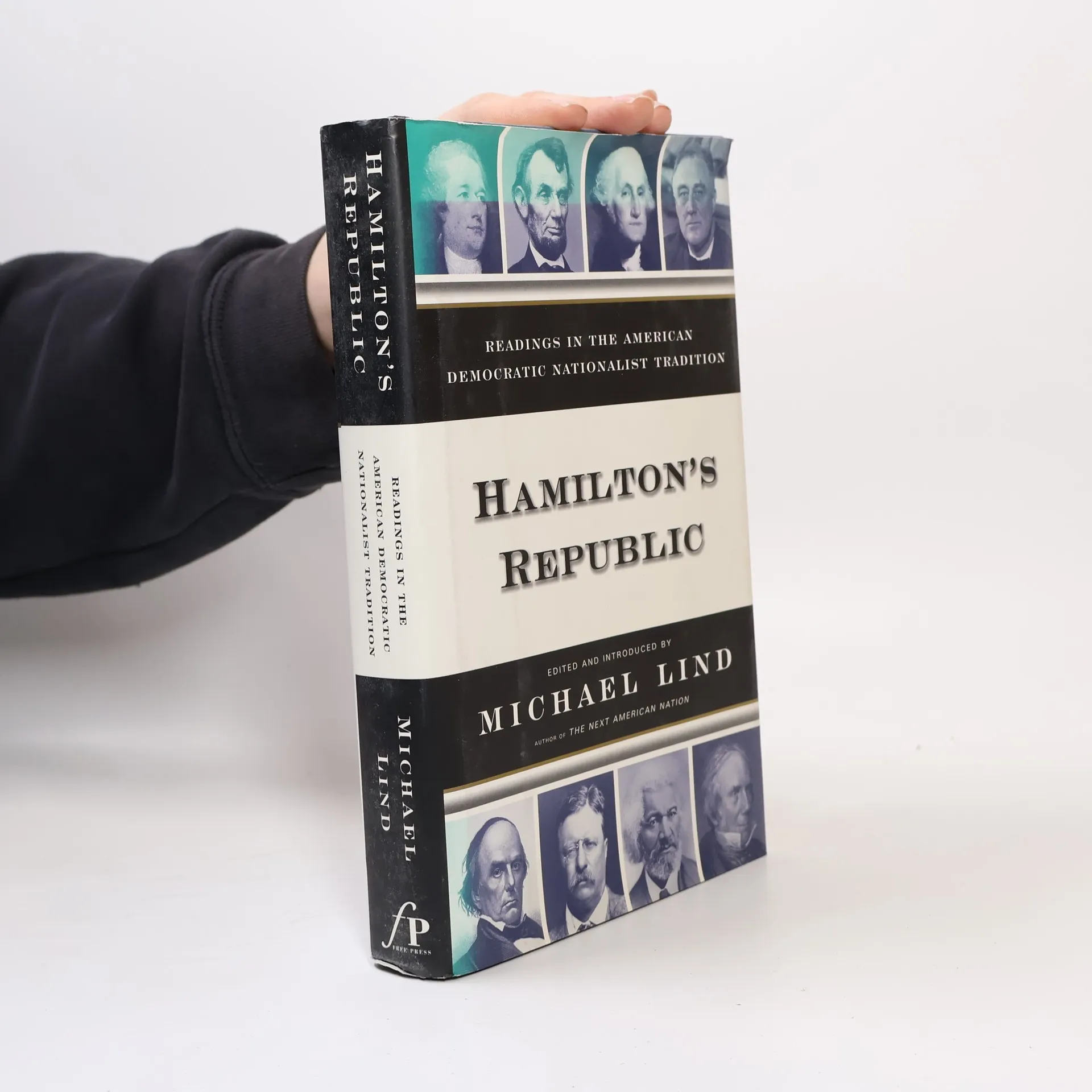
Readings in the American Democratic Nationalist Tradition
An anthology of writings on Hamiltonian democratic nationalism by such individuals as Alexander Hamilton, Frederick Douglass, and Franklin Roosevelt
The New Nationalism And The Fourth American Revolution
As the century draws to a close, debates over American identity have intensified, challenging the previous consensus that shaped our national culture. The urgency of defining our national identity has never been greater. Are we fragmenting into separate ethnic enclaves, or can we create a unified identity as we enter the 21st century? The author argues that American society is not splintering; instead, a multiracial middle-class majority is emerging, connected by a shared language, customs, and culture. This new majority has historically lacked a clear sense of identity and has been subject to divide-and-rule tactics by a wealthy elite controlling both major political parties. To realize the promise of American life, this 'Trans-American' majority needs a new social compact and a fresh theory of national identity. The author presents a comprehensive revisionist perspective on American history and proposes nation-building reforms to enhance our future. He argues that nationalism and the ideal of a trans-racial melting pot can coexist, offering a practical agenda for a liberal nationalist revolution that emphasizes color-blind civil rights while addressing class-based barriers to racial integration. This thought-provoking work challenges readers to reconsider the foundations of American identity and the path forward.