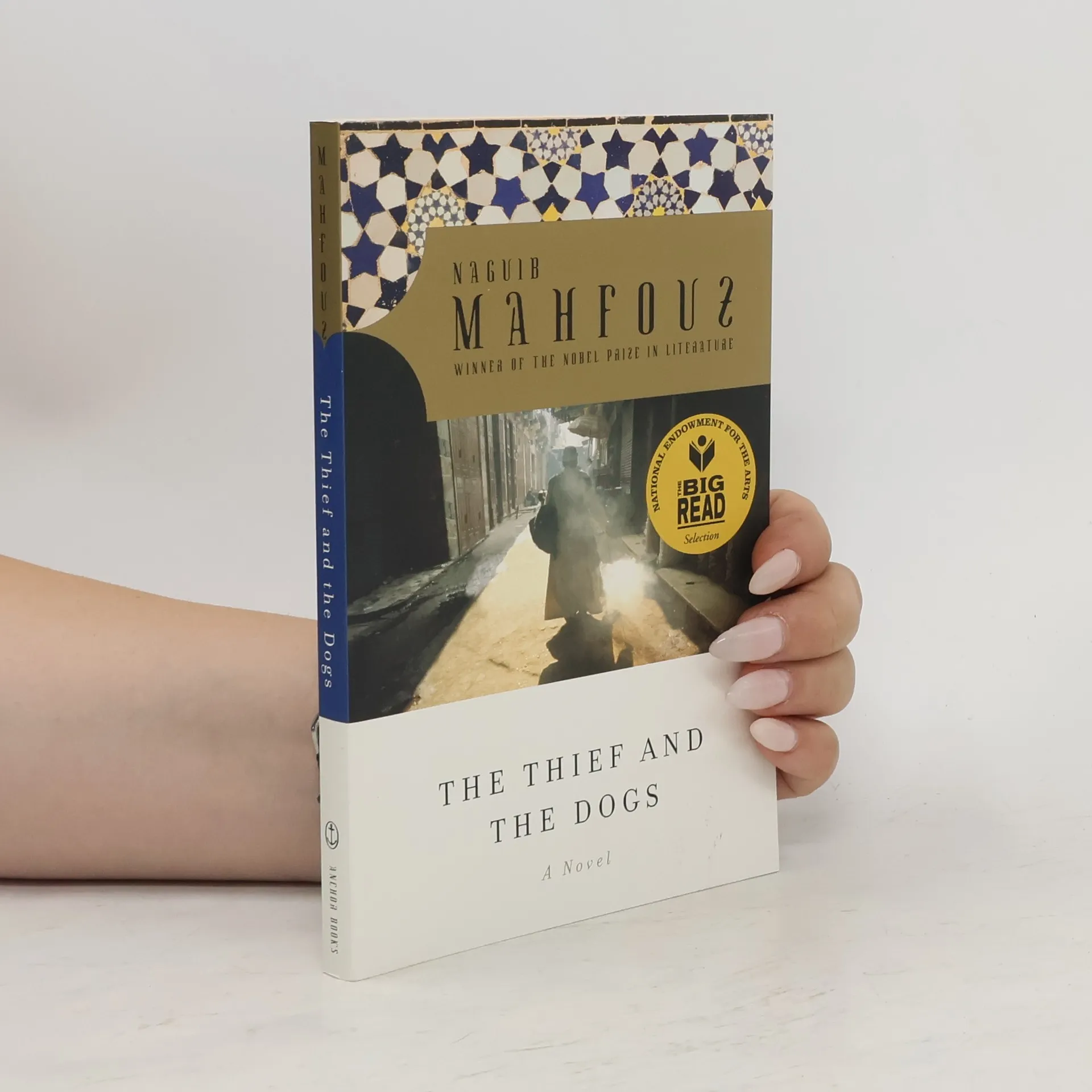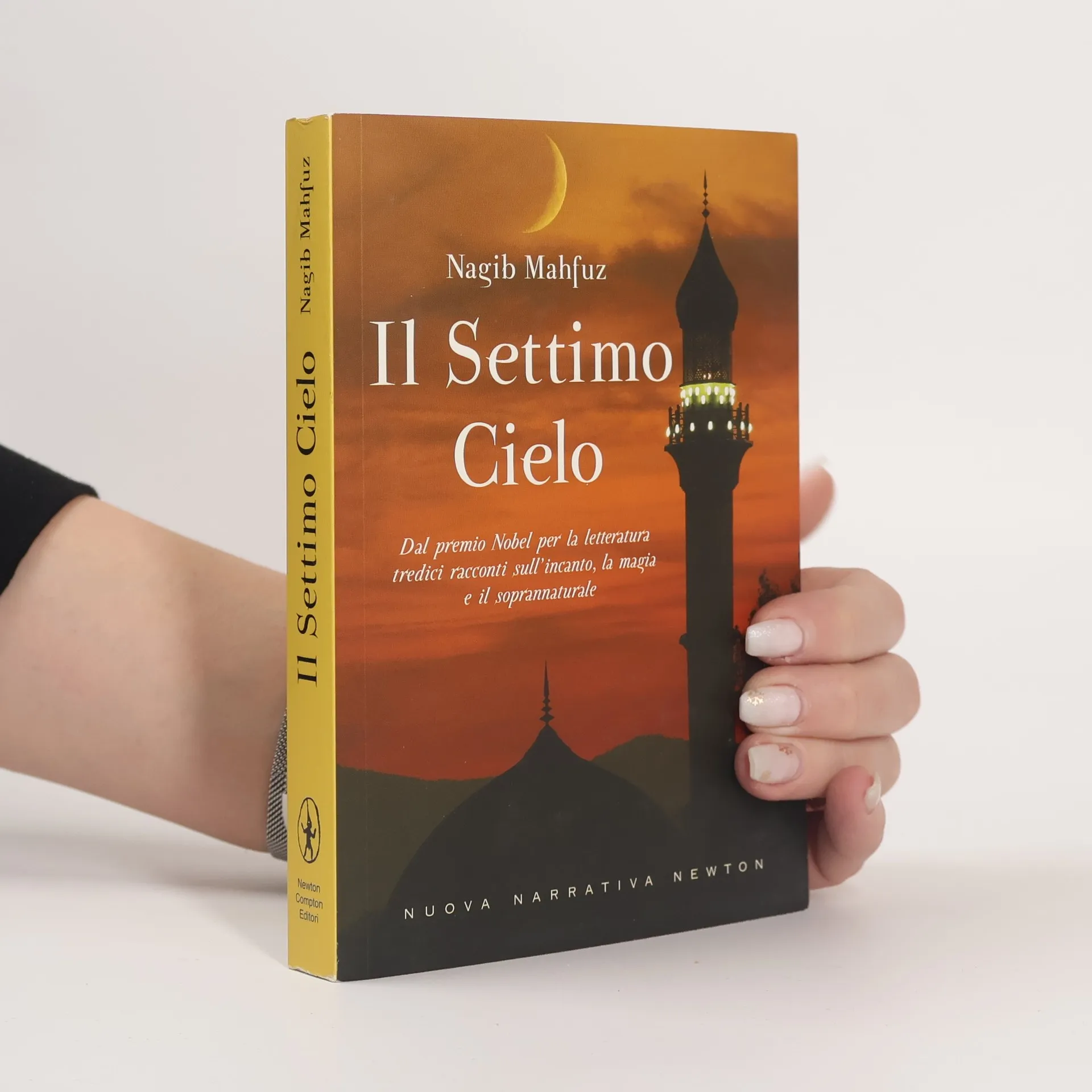
Compra 10 libros por 10 € aquí!
Bookbot

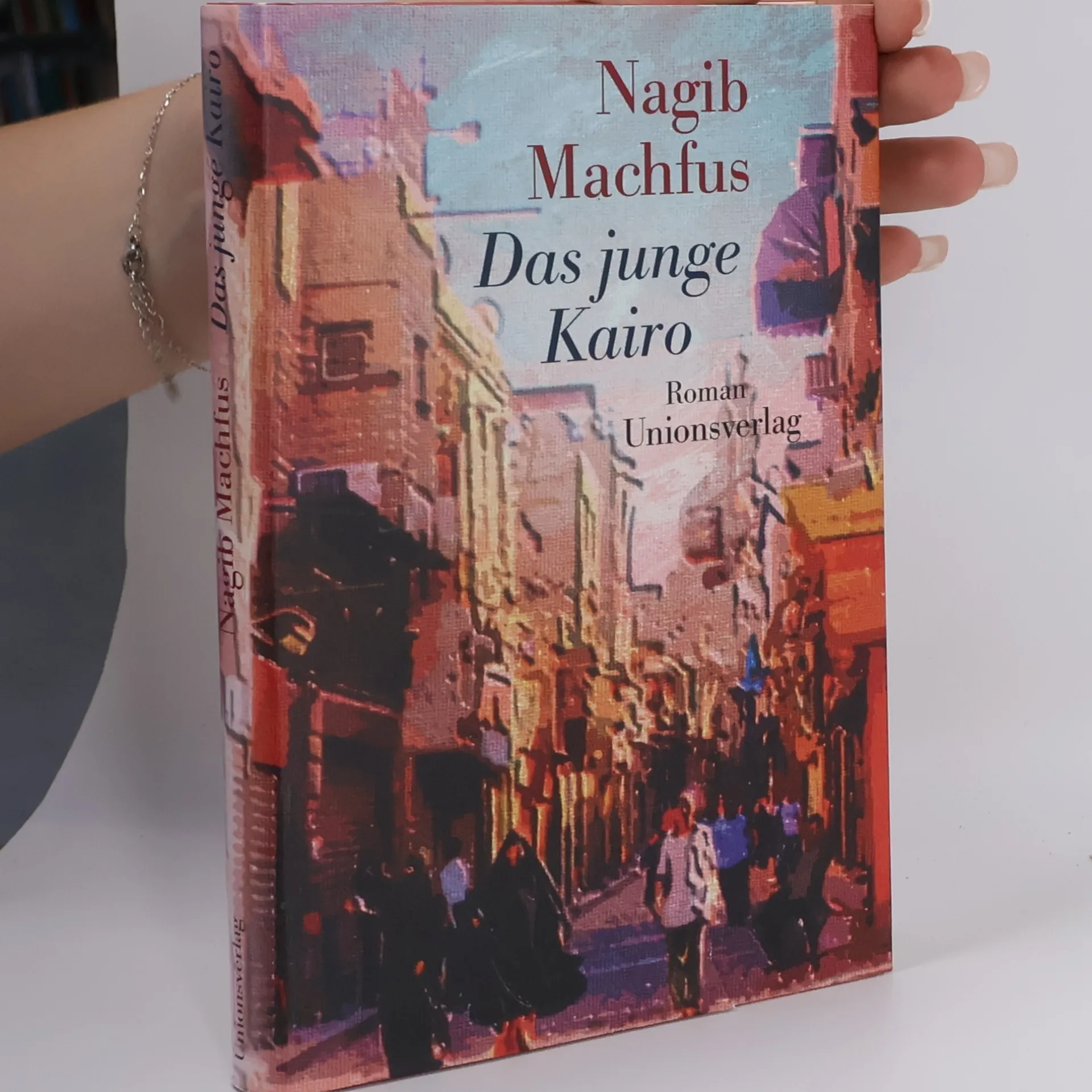
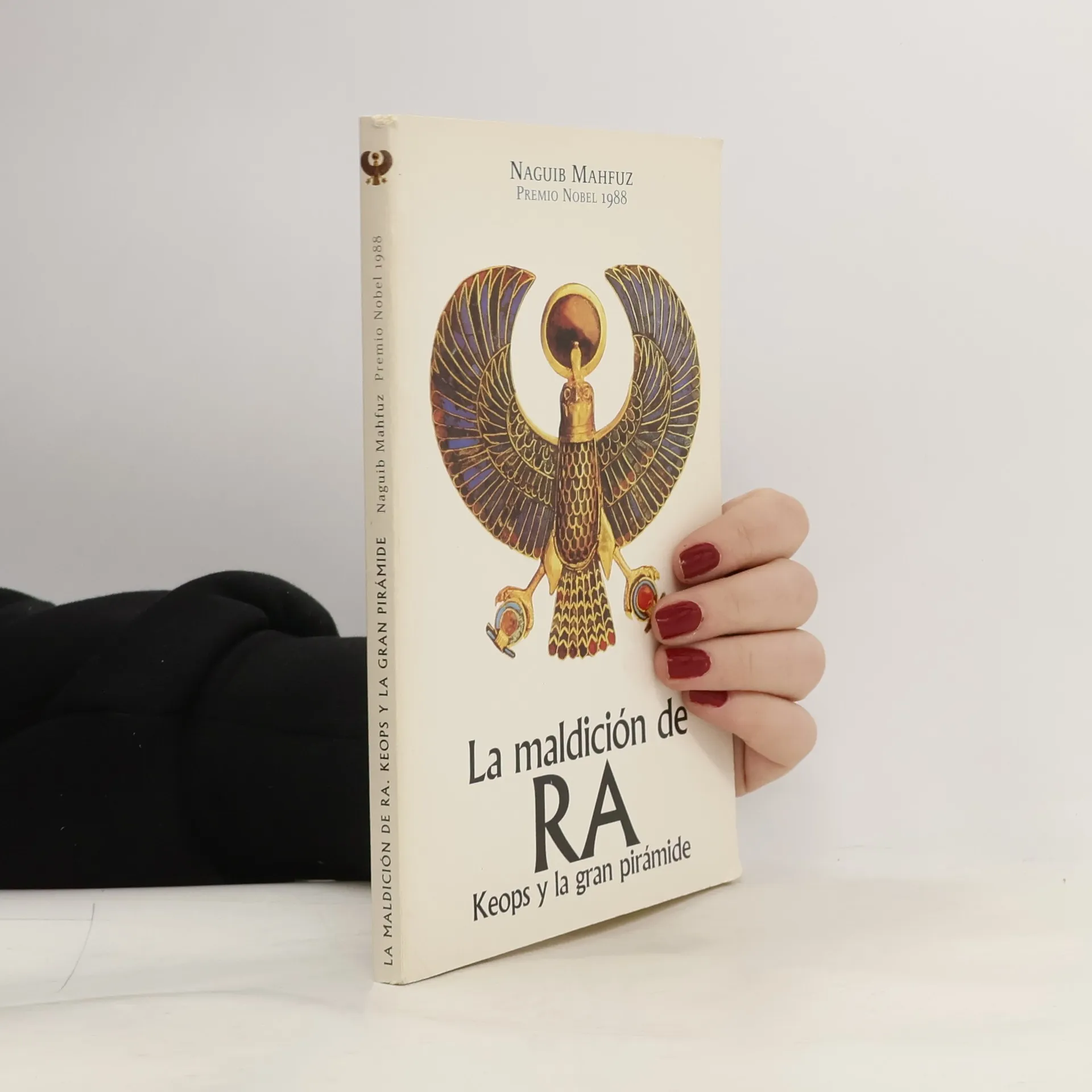
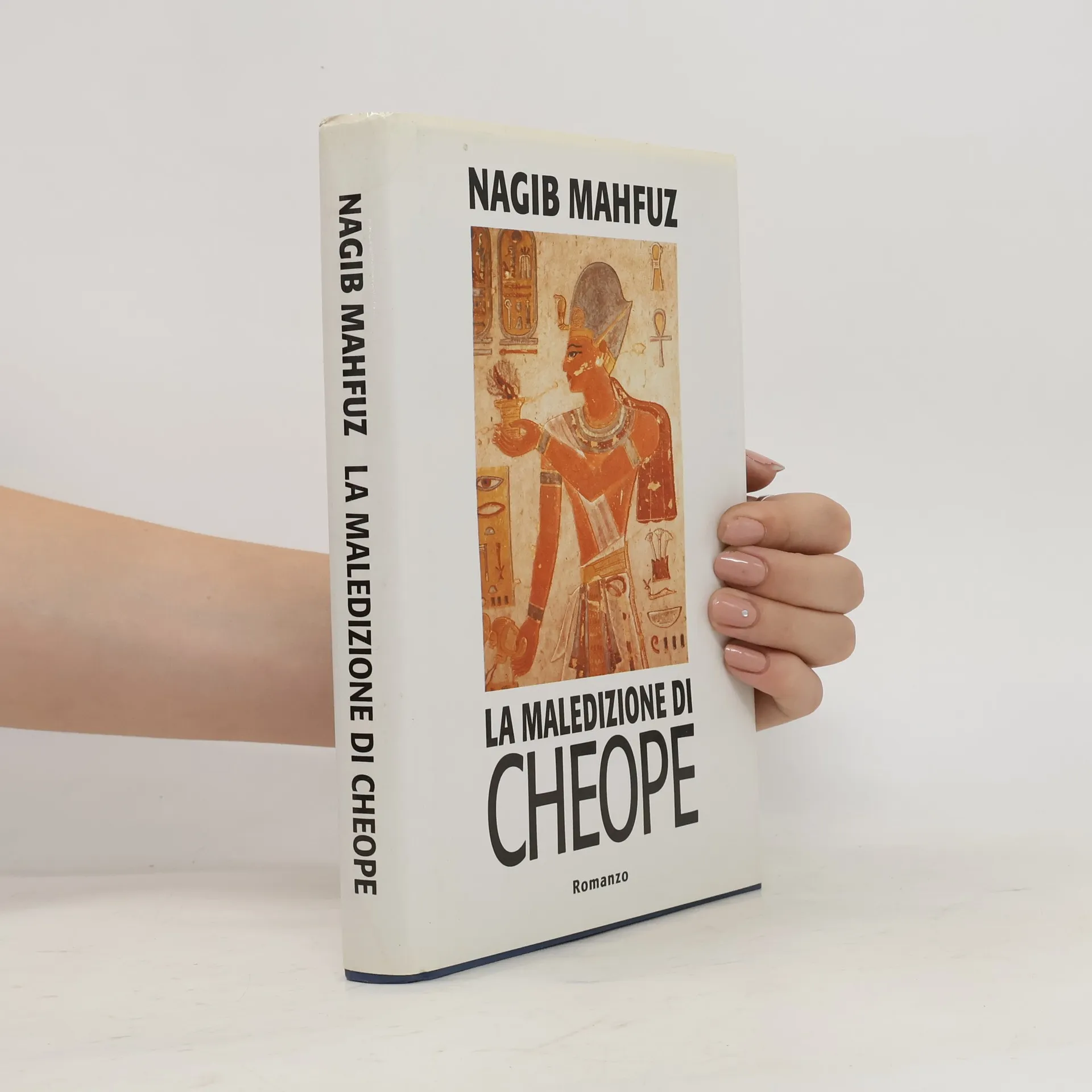
Nagib Machfus

    11 de diciembre de 1911 – 30 de agosto de 2006

    Naguib Mahfouz fue un escritor egipcio cuyas obras a menudo profundizan en profundas cuestiones sociales y políticas. Su extensa obra, que abarca novelas, cuentos y guiones, penetra en el corazón de la sociedad egipcia y la psique humana. A través de su estilo distintivo, captura las complejidades de la vida y la búsqueda de identidad en un mundo cambiante. Su legado literario resuena más allá de las fronteras de Egipto, inspirando a los lectores a contemplar temas universales.

    Nagib Machfus
    The Cairo Trilogy: Palace Walk, Palace of Desire, Sugar Street; Introduction by Sabry Hafez
    The Cairo trilogy
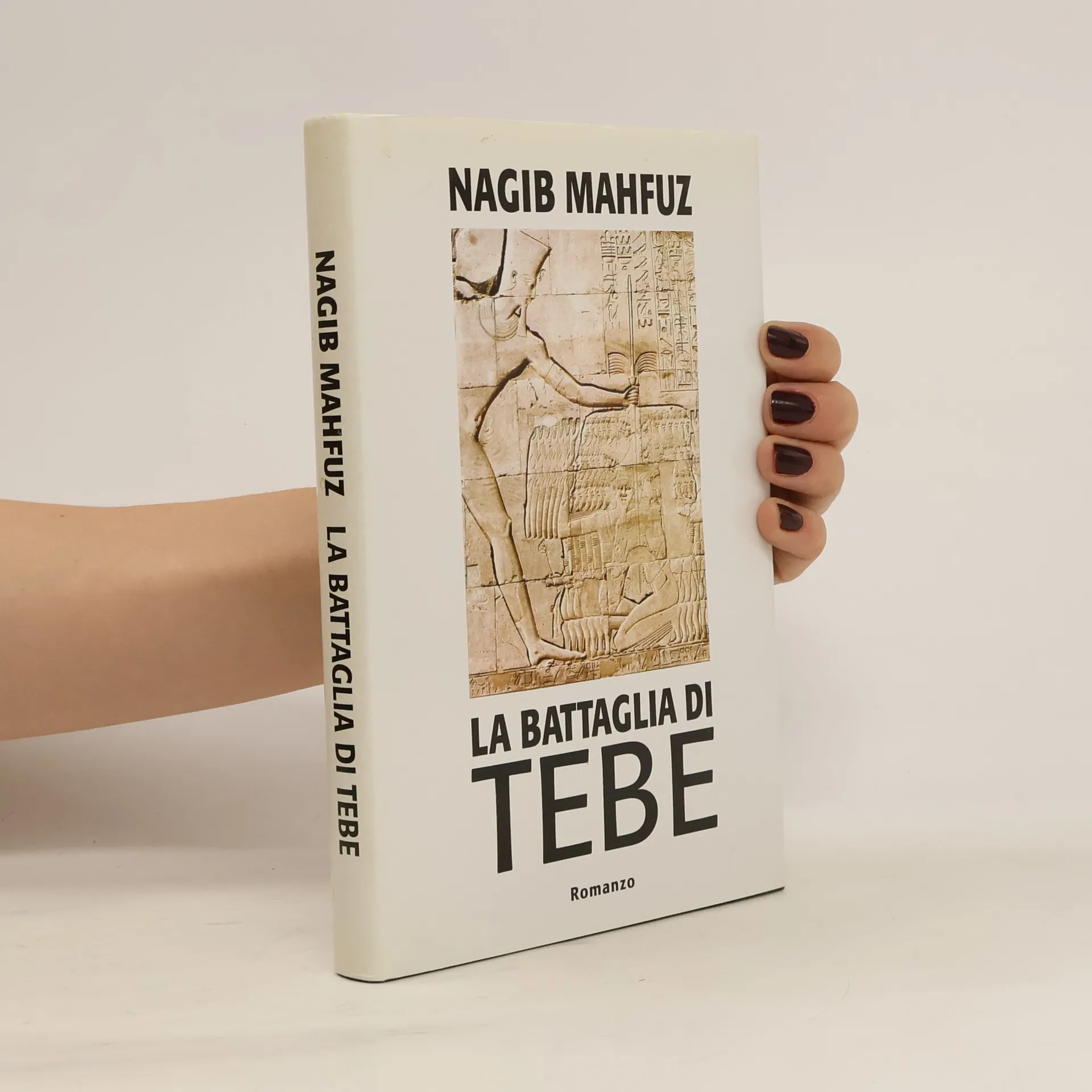
    La batalla de Tebas
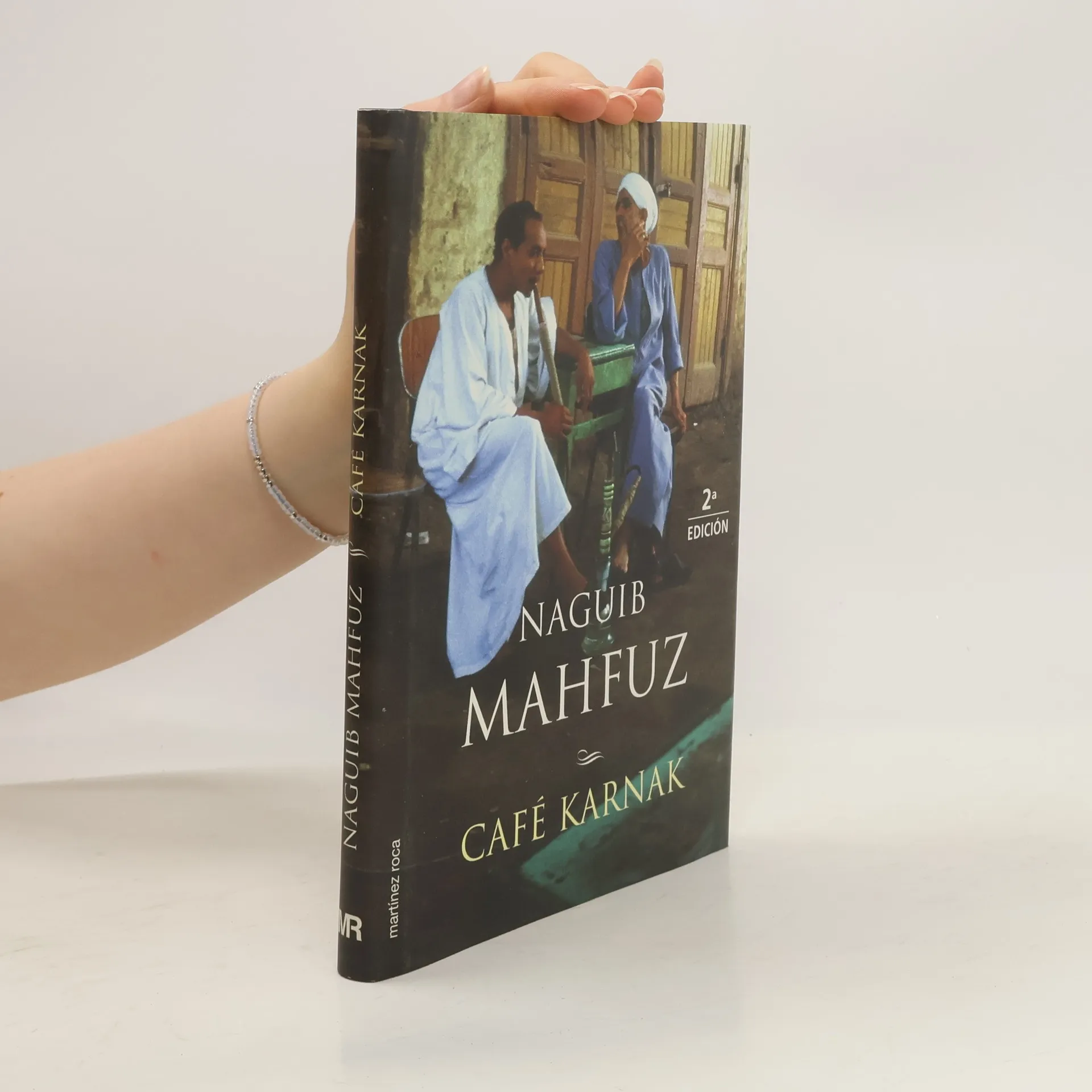
    Café Karnak
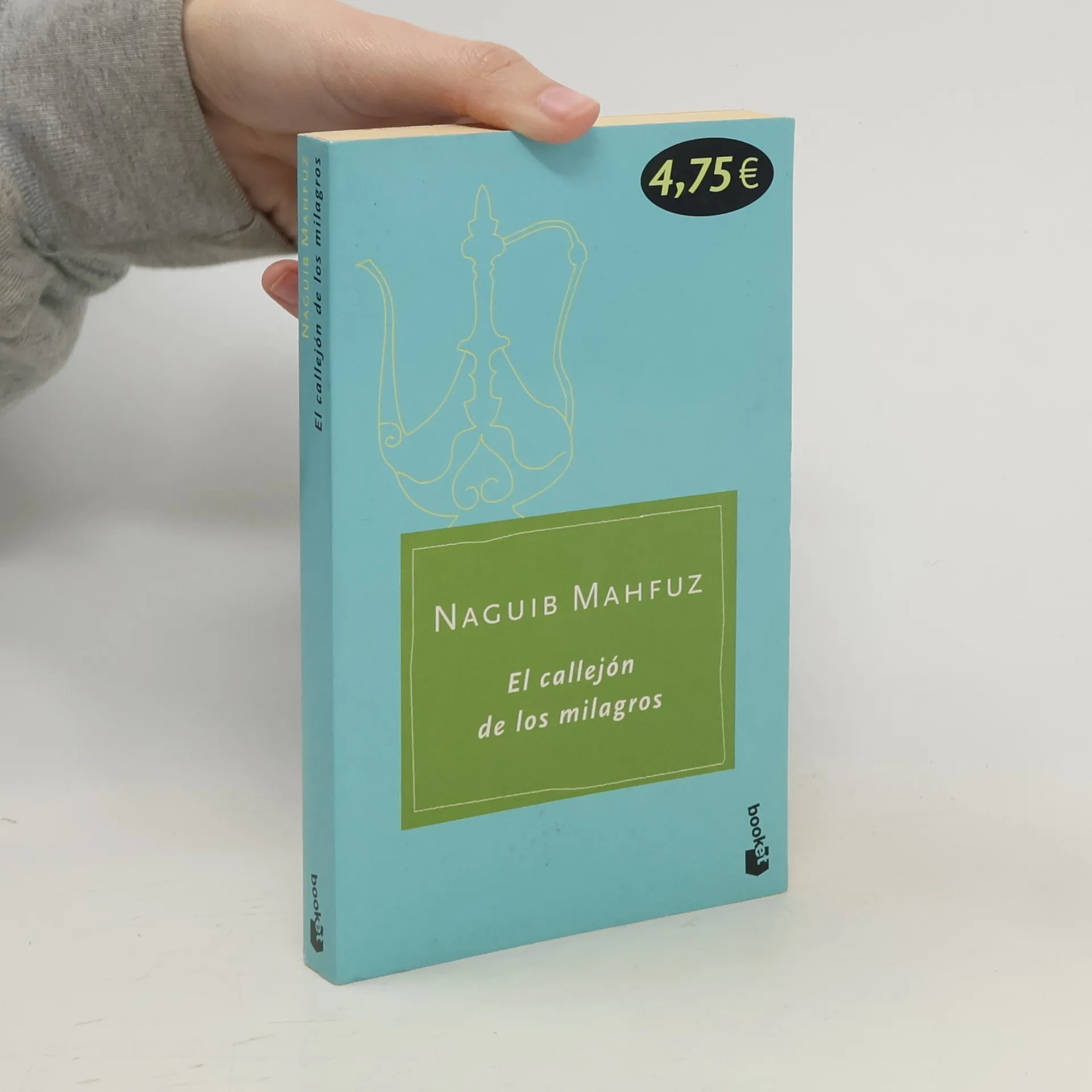
    El Callejón de los milagros
    Palacio Del Deseo
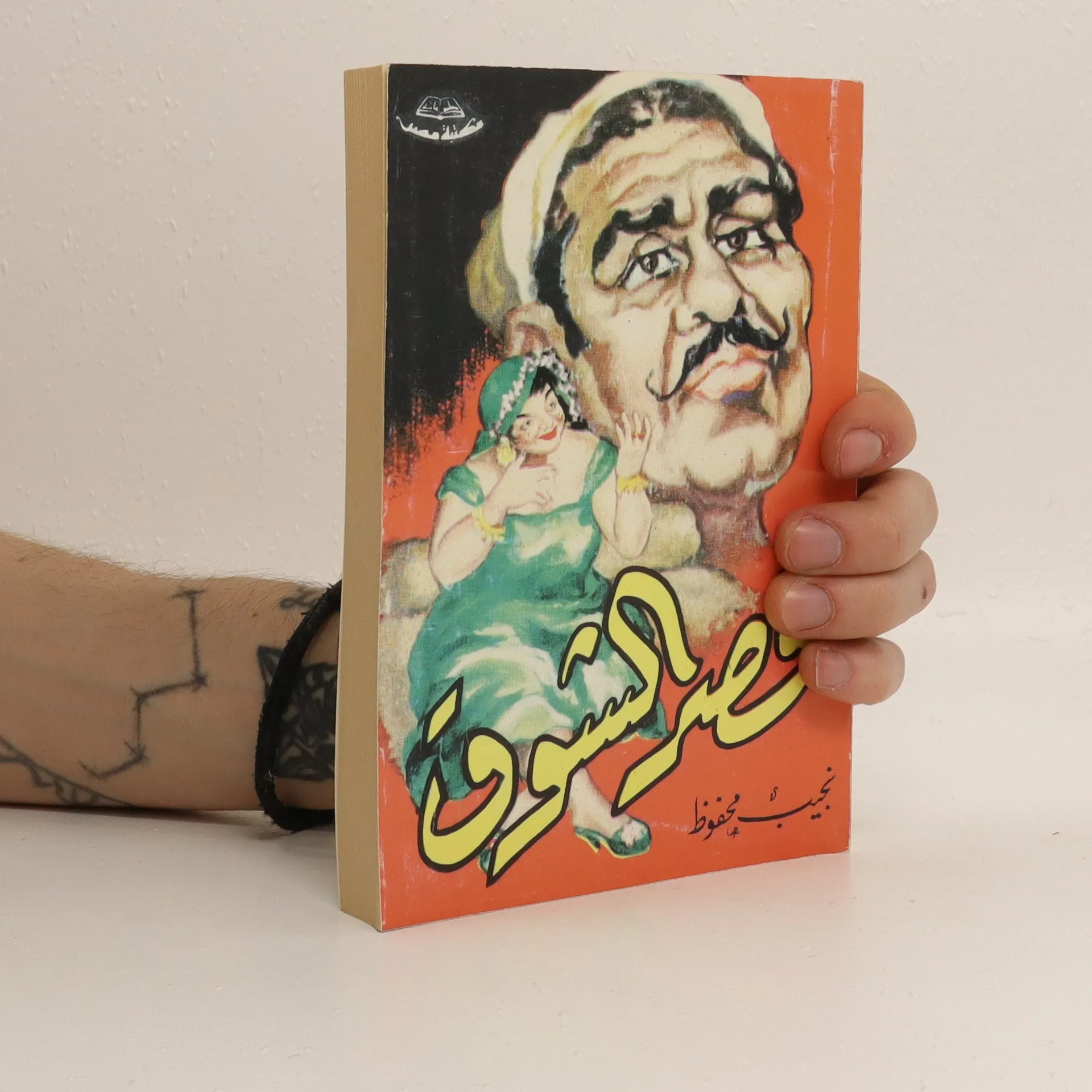
    • Hamida es una joven que ambiciona casarse con un rico comerciante que la rescate de su mísera existencia. El modesto barbero Abbas estaría dispuesto a todo por ella, pero por mucho que la corteja no consigue conquistar su codicia. A Kirsha, el dueño del café del barrio, su inclinación por los muchachos le lleva a tal punto que ya no le importan los escándalos que provoca su lujuria, y la viuda Afifi, madura y sola, se reúne con la casamentera en busca de un joven que caliente su cama por las noches. Todo ocurre en el callejón Midaq, en pleno centro de El Cairo, donde una moderna radio ha sustituido al viejo poeta que recitaba el Corán. Allí todos comparten su tiempo, mientras la miseria convive en silencio con el amor y la desdicha.

      El Callejón de los milagros
    • Café Karnak

      • 144 páginas
      • 6 horas de lectura

      "Me gustó aquel sitio por su excelente café, el agua pura, las tazas y los vasos limpios, la dulzura de Qaránfula, la grave dignidad de los ancianos, la vitalidad de los jóvenes y la belleza de la chica". Así describe el narrador (acaso el mismo autor) el ambiente y los personajes que frecuentan el Café Karnak, cálido punto de unión entre el pasado y el presente. Cuando sin previo aviso tres jóvenes dejan de acudir al café, Qaránfula, su dueña, una bella mujer madura que fue bailarina, empieza a investigar. Descubrirá sus historias entrelazadas y la cara más dura de la revolución.

      Café Karnak
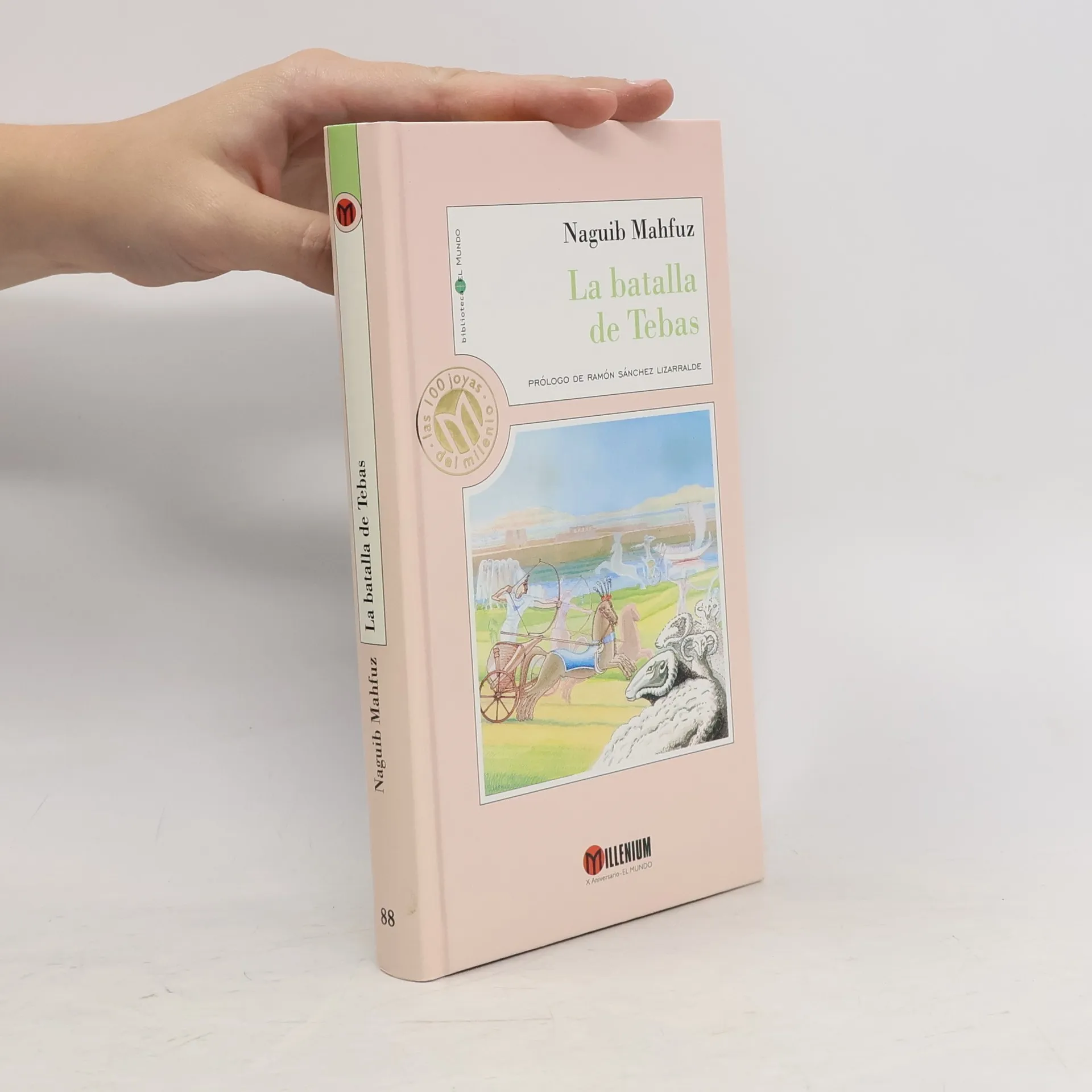
    • La batalla de Tebas

      • 253 páginas
      • 9 horas de lectura

      En La batalla de Tebas Naguib Mahfuz narra una apasionante historia en la que se cruzan la humillación del oprimido, la prepotencia del invasor, la sed de venganza, el anhelo de libertad y el amor apasionado. Tras una terrible revuelta del pueblo egipcio contra el invasor, Sekenenre (legítimo emperador egipcio, pero con el cargo de gobernador a merced de Apofis, rey de los hicsos), muere y su familia se ve obligada a huir a Nubia. Diez años después, Ahmose, el joven nieto de Sekenenre logra obtener un salvoconducto de entrada libre en Egipto expedido por el propio Apofis, que lo tiene por un rico comerciante, sin sospechar siquiera que su propósito es reclutar a un ejército para que luche contra los hicsos. Sin embargo, los sentimientos se interponen en los planes políticos de Ahmose. Mahfuz no se plantea la reconstrucción de la rebelión y guerra de los egipcios contra los hicsos (s. xvi a.C.) con un espíritu arqueológico, sino situando en un primer plano a sus protagonistas, mostrando sus sentimientos y el ambiente espiritual de una época, y probablemente sea este enfoque el que ha convertido La batalla de Tebas en una de las novelas históricas más logradas e intensas del siglo xx.
      La batalla de Tebas
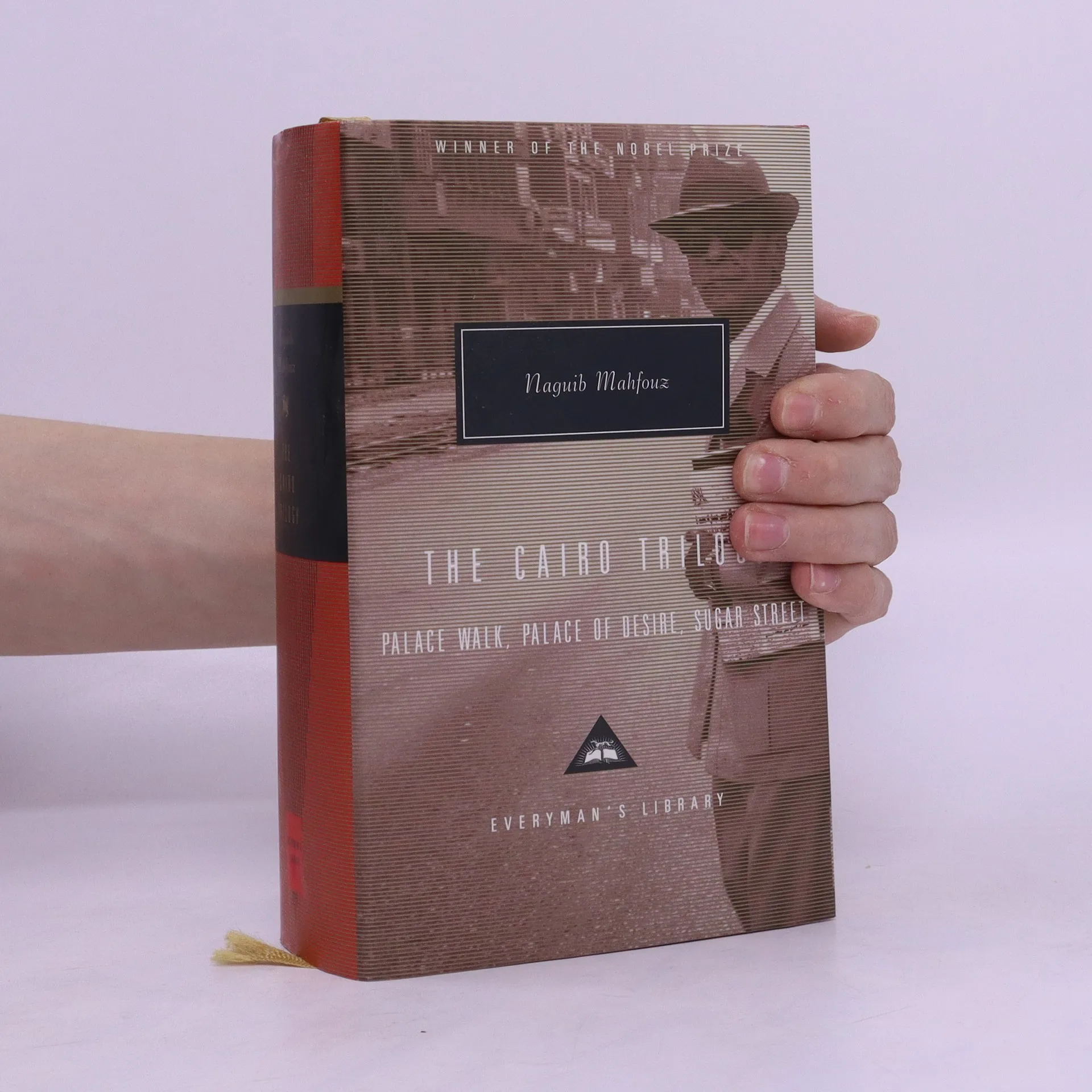
    • The Cairo trilogy

      • 1313 páginas
      • 46 horas de lectura

      Mahfouz's epic trilogy unfolds the story of a Muslim family in Cairo during Egypt's British occupation in the early to mid-20th century. This masterwork, presented in one volume for the first time, captures the lives of the family led by the tyrannical patriarch al-Sayyid Ahmad Abd al-Jawad, who enforces strict control while indulging in secret pleasures. In Palace Walk, we meet his gentle, oppressed wife Amina, his cloistered daughters Aisha and Khadija, and his three sons: the tragic idealist Fahmy, the hedonistic Yasin, and the introspective Kamal. As the narrative progresses to Palace of Desire, the rebellious children strive to break free from their father's domination amid the modernizing influences and political upheaval of the 1920s. Sugar Street culminates the trilogy with a dramatic climax, showcasing the aging patriarch witnessing the divergent paths of his grandsons—one a Communist, another a Muslim fundamentalist, and the third a lover of a powerful politician. Throughout the trilogy, the family's struggles reflect the broader turmoil of their country during the two World Wars, as society grapples with change after centuries of resistance. Rich in drama, humor, and insight, this work exemplifies the artistry of a master storyteller.
      The Cairo trilogy
    • The history of a Cairo alley through several generations. Successive heroes struggle to restore the rights of the people to the trust fund set up by their ancestor Gebelaawi, usurped by embezzlers and tyrants. Mahfouz creates in all its detail a world on the frontier between the real and the imaginary. At a deeper level, the book is an allegory whose heroes relive the lives of Adam and Eve, Cain and Abel, Moses, Jesus and Muhammed. Their appearance in a modern context invites the reader to see them as human beings relevant to the present day, not as remote sacred figures - to the consternation of some traditionalists. Most controversial is the significance of Gebelaawi, the immensely long-lived patriarch. Mahfouz himself has said that his character represents 'not God, but a certain idea of God that men have made', standing for the god of those who forget the absolute transcendence of God affirmed by Islam.

      Childern of The Alley
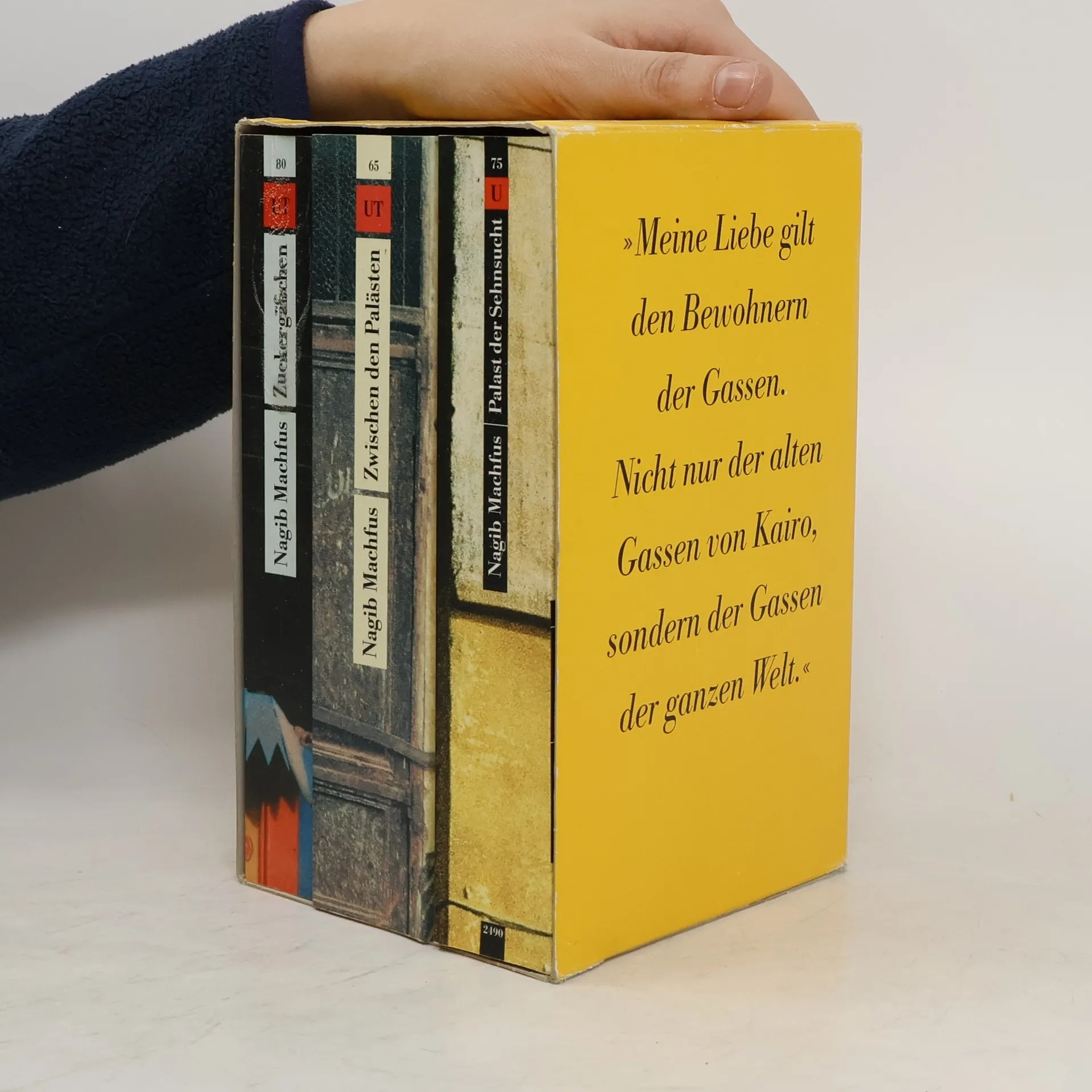
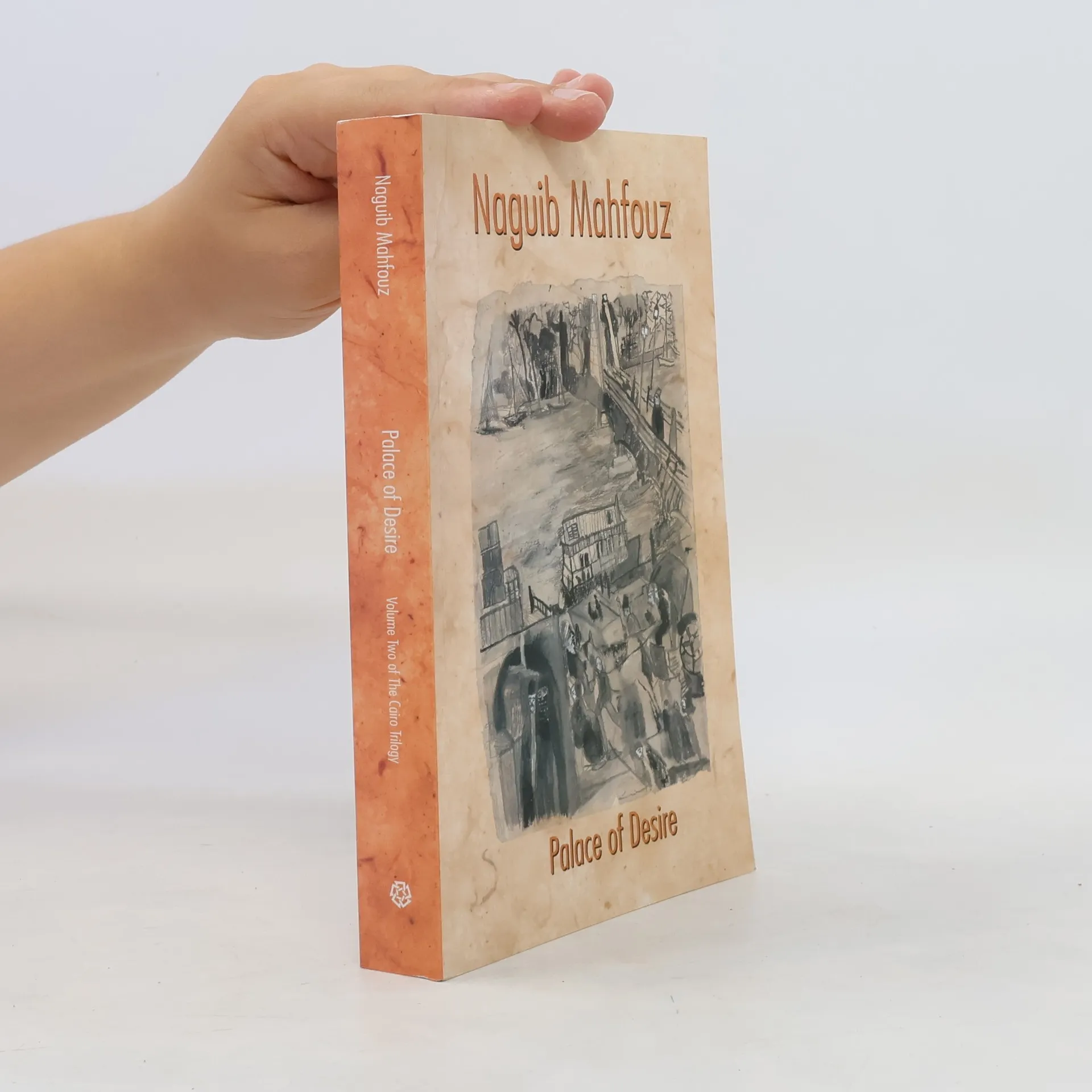
    • The second volume of the highly acclaimed Cairo Trilogy from the winner of the Nobel Prize for Literature. Filled with compelling drama, earthy humor, and remarkable insight, Palace Of Desire is the unforgettable story of the violent clash between ideals and realities, dreams and desires.

      Palace of Desire
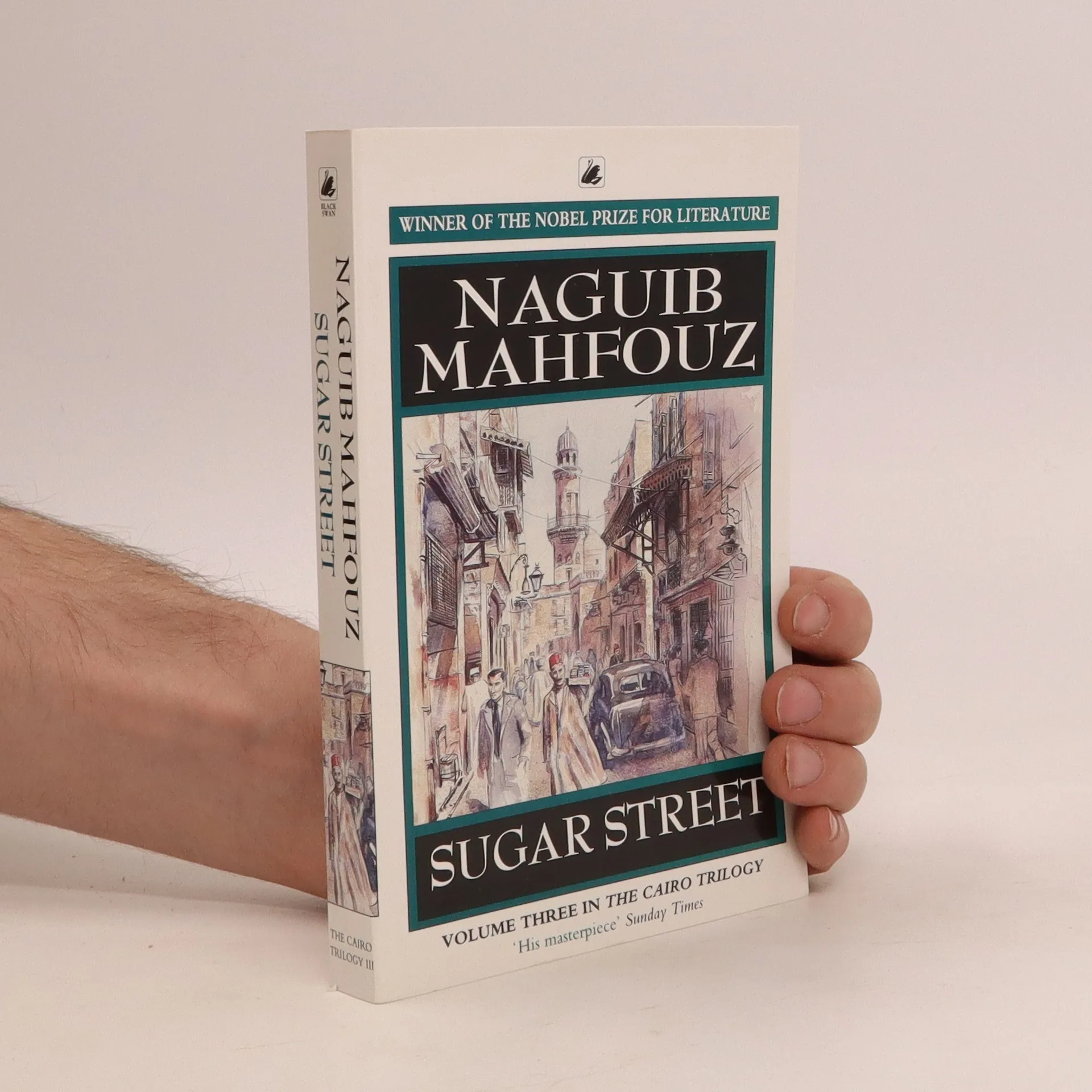
    • Sugar Street

      • 320 páginas
      • 12 horas de lectura

      Sugar Street is the third and concluding volume of the celebrated Cairo Trilogy, which brings the story of Al-Sayid Ahmad and his family up to the middle of the twentieth century.Aging and ill, the family patriarch surveys the world from his housewares's latticed balcony, as his long-suffering wife once did. While his children face middle age, it is through his grandsons that we see a modern Egypt emerging.

      Sugar Street
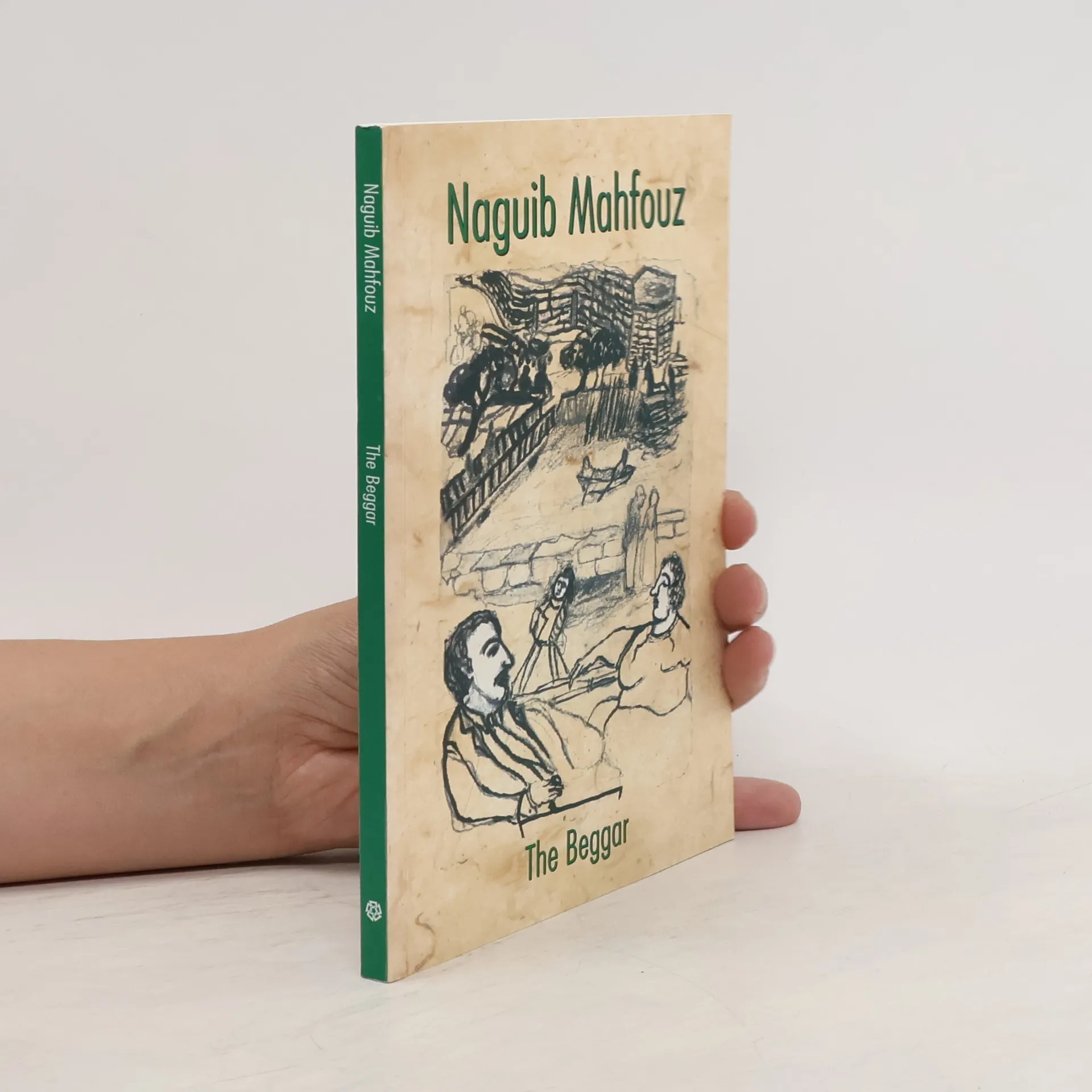
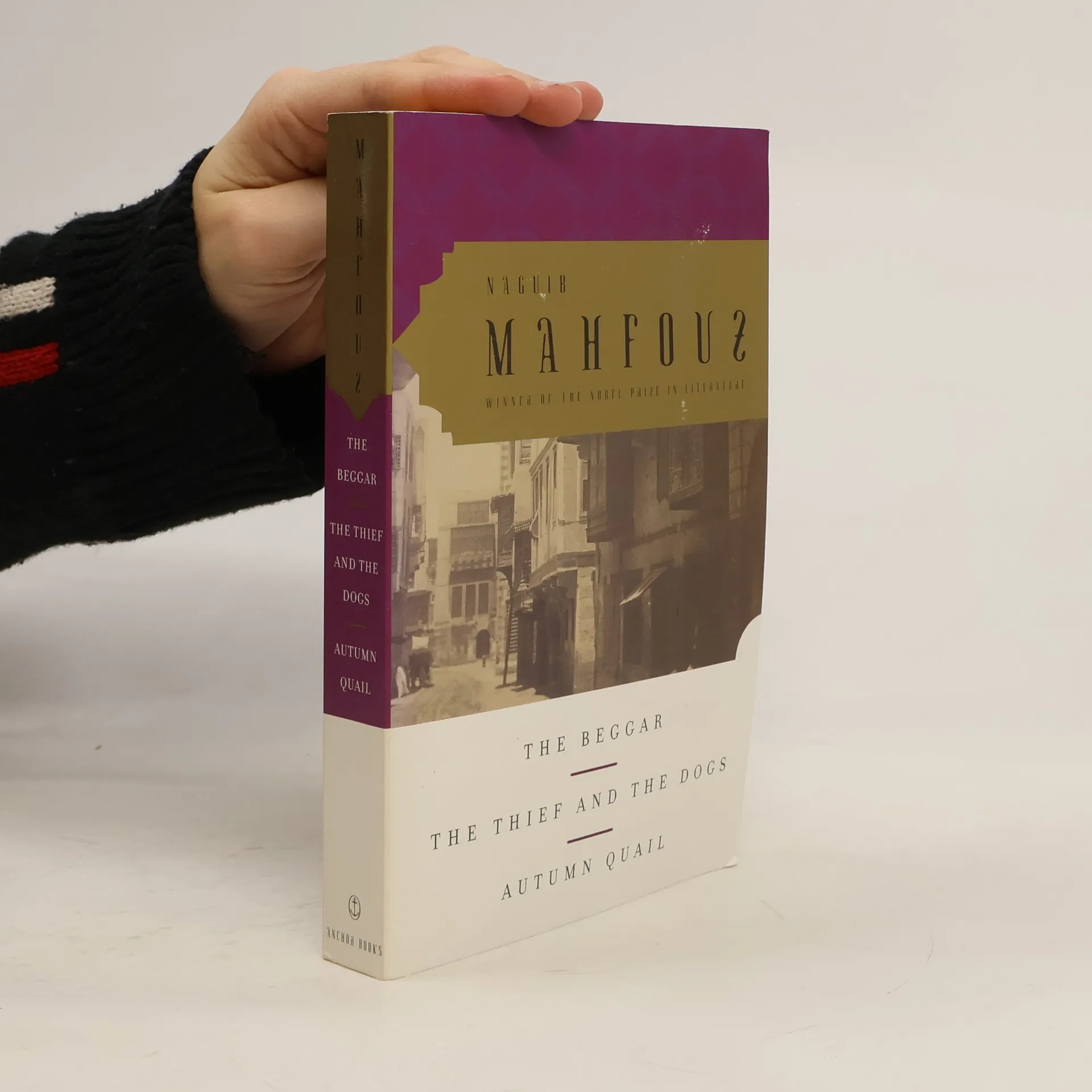
    • The Beggar

      • 124 páginas
      • 5 horas de lectura

      The Beggar, set in Cairo in the early 1950s, portrays the psychological torment of Omar, an ardent revolutionary in youth who in middle age has been left behind by Nasser's Revolution. His conscience has fled. As he struggles with psychological renewal, he sacrifices his work and his family to a series of illicit love affairs, which simply increase his alienation from himself and from the rest of the others. Mahfouz draws the reader not only inside the mind of the central character but also into the conscience of a nation as it tries to chart its course between the often contradictory realms of art and science, idealism and realism. The Swedish Academy of Letters in awarding Naguib Mahfouz the 1988 Nobel Prize for Literature noted that Mahfouz "through works rich in nuance - now clear-sightedly realistic, now evocatively ambiguous - has formed an Arabic narrative art that applies to all mankind."

      The Beggar