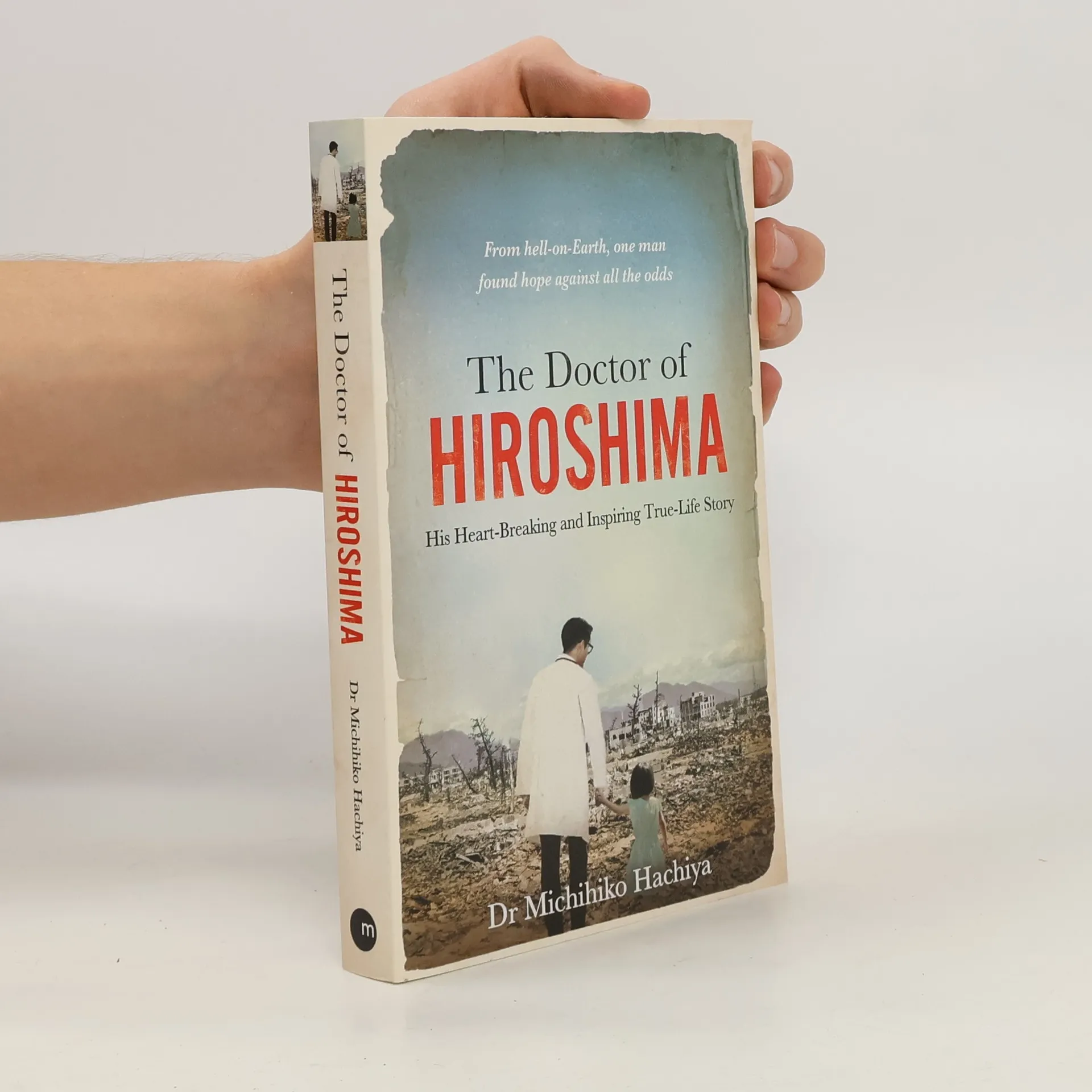
With what this poor woman had been through the sight of her crying tore at my heartstrings. What if something should happen to her; who would care for her little baby? To conceal the fear and terror in my heart I left her, trying to put up a cheerful front. But no one could conceal from her the ominous import of the dark spots that had appeared on her chest.The Doctor of Hiroshima is the extraordinary true story of Dr Michihiko Hachiya, whose hospital was less than a mile from the centre of the atomic bomb that hit on that warm August day. In immense shock and pain, he and his wife Yaeko dragged themselves to the devastated hospital building and what colleagues they could find.In time, they begin to heal, and start to treat the impossible numbers of patients - a small girl covered in burns, an elderly man with pneumonia, a young boy and his little sister looking for their parents. They also began to investigate the strange unexplainable symptoms afflicting his patients - things he never dreamed he would see... Told simply and poignantly in Dr Hachiya's own words, The Doctor of Hiroshima is a unique and deeply moving human story of survival about a small, committed band of hospital staff in the face of unthinkable destruction and loss.
Michihiko Hachiya Orden de los libros (cronológico)