
The Vulnerable Man: Break your patterns. Master your emotions. Reclaim your life.
- 238 páginas
- 9 horas de lectura
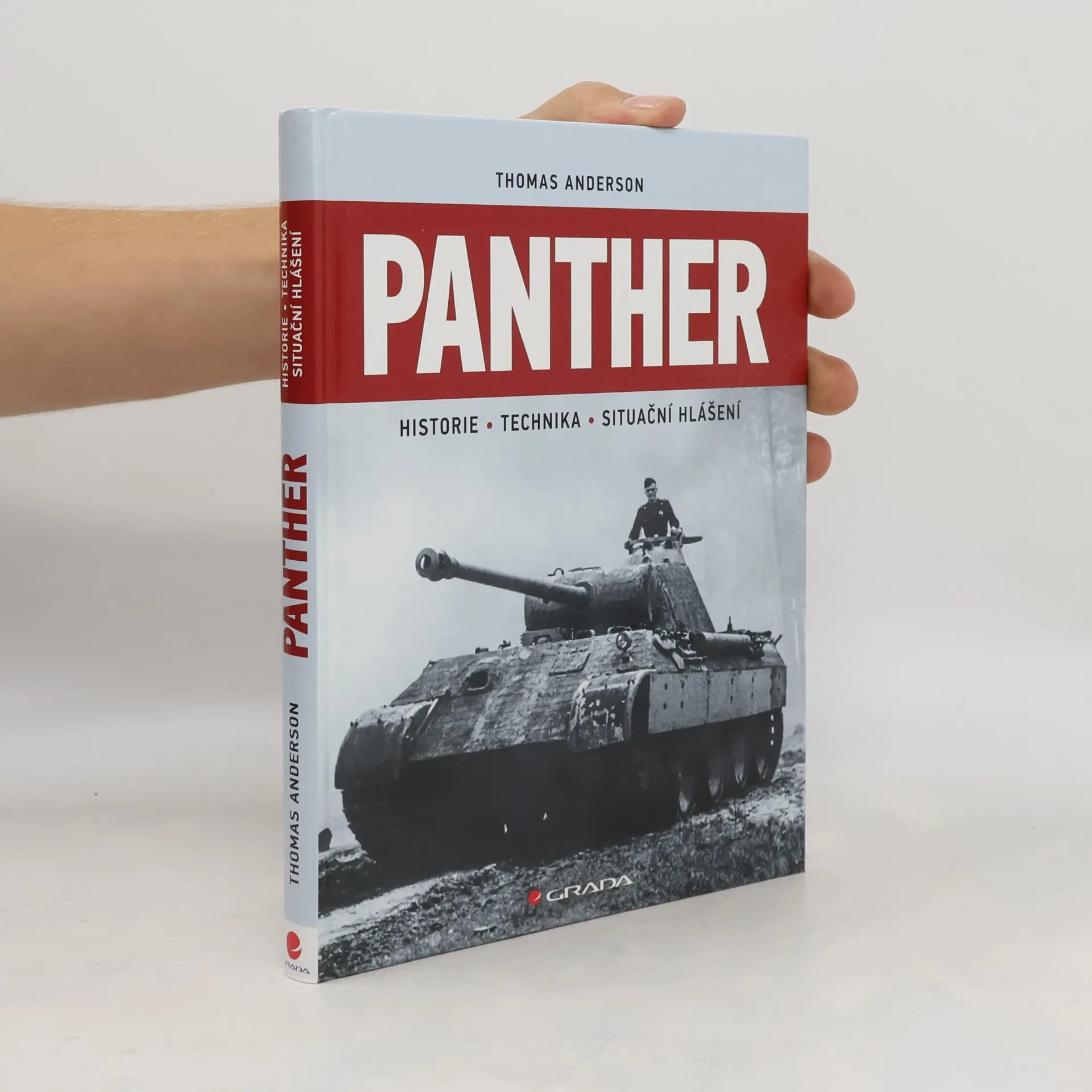
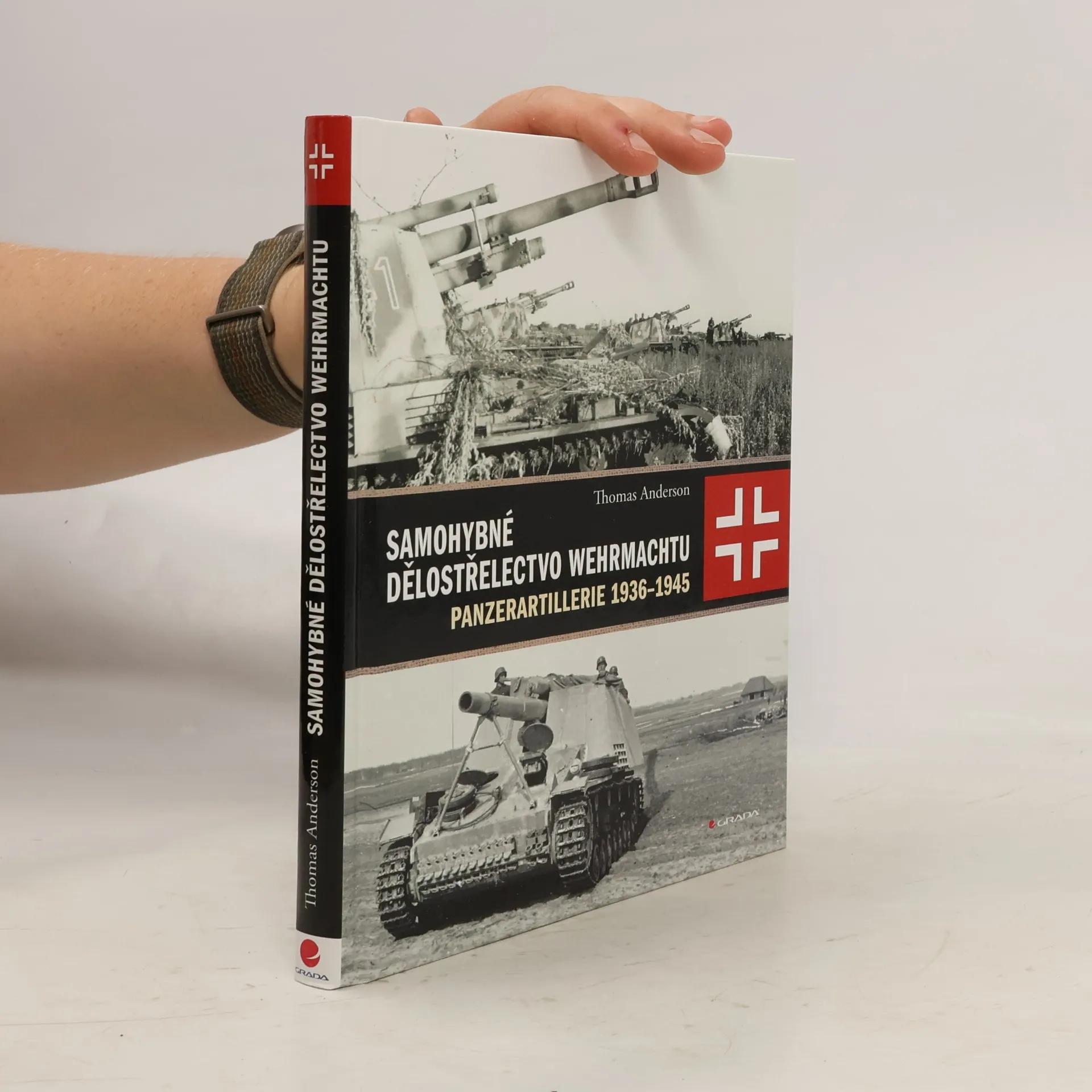
Thomas Anderson se especializa en vehículos alemanes de la Segunda Guerra Mundial, basándose principalmente en el Bundesarchiv y en archivos militares de toda Europa. Su trabajo se caracteriza por profundas inmersiones en detalles y precisión histórica, ofreciendo a los lectores una perspectiva auténtica sobre la tecnología militar de la época. El enfoque de Anderson implica un estudio meticuloso y la presentación de fuentes primarias, revelando la evolución técnica y la aplicación práctica de estas máquinas icónicas. Sus escritos sirven como un valioso recurso para los entusiastas de la historia militar y para aquellos interesados en la ingeniería y la logística en el contexto del conflicto bélico.


"The portfolio company hold period refers to the time from when the private equity firm buys a company to the day it sells the company. Restructuring the Hold helps private equity principals and portfolio company executives work together to restructure outdated and now ineffective approaches to these hold periods. Through better practices and trusting relationships, the two can partner effectively to improve portfolio company performance, thereby improving outcomes not only for the investors but also for the management teams."-- Provided by publisher
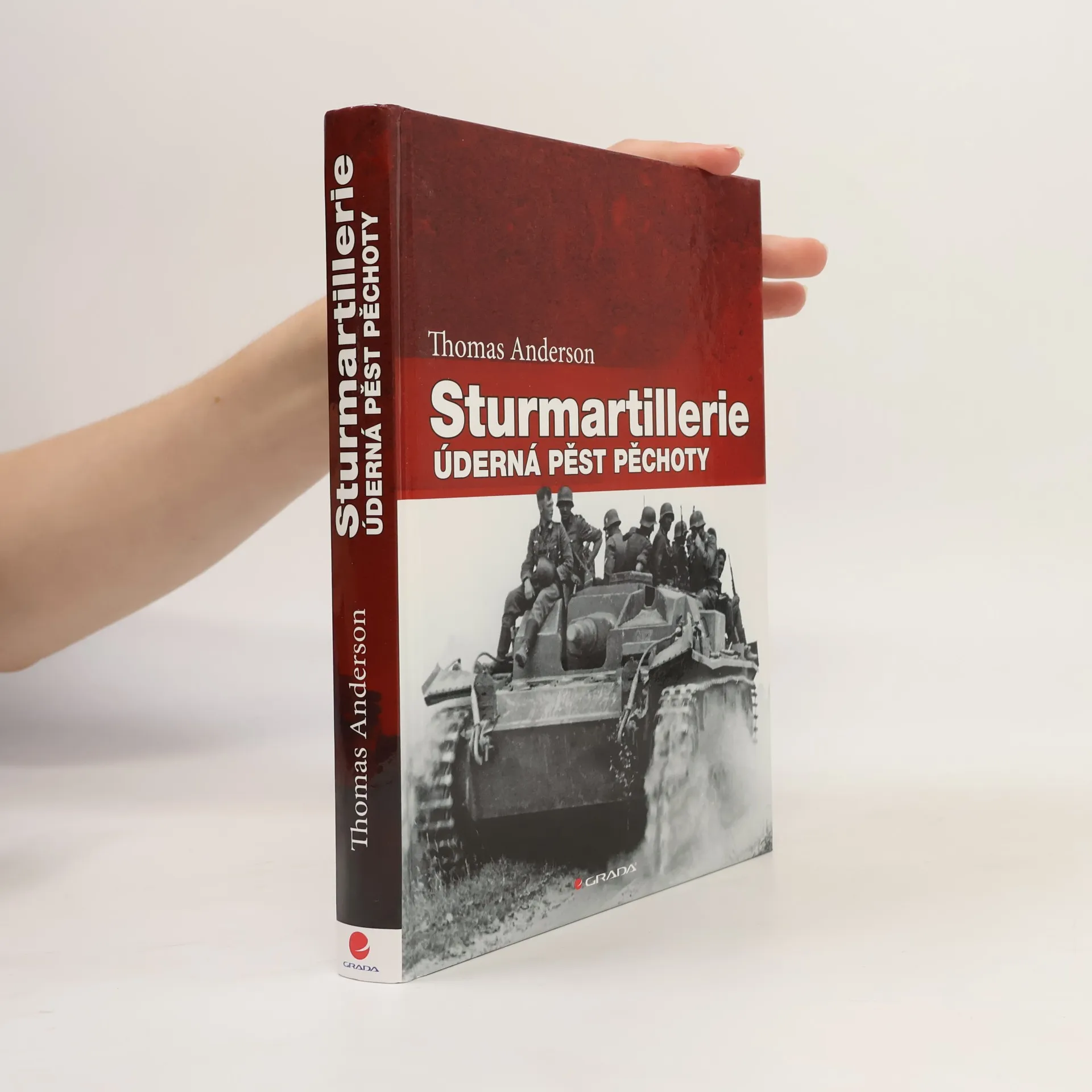
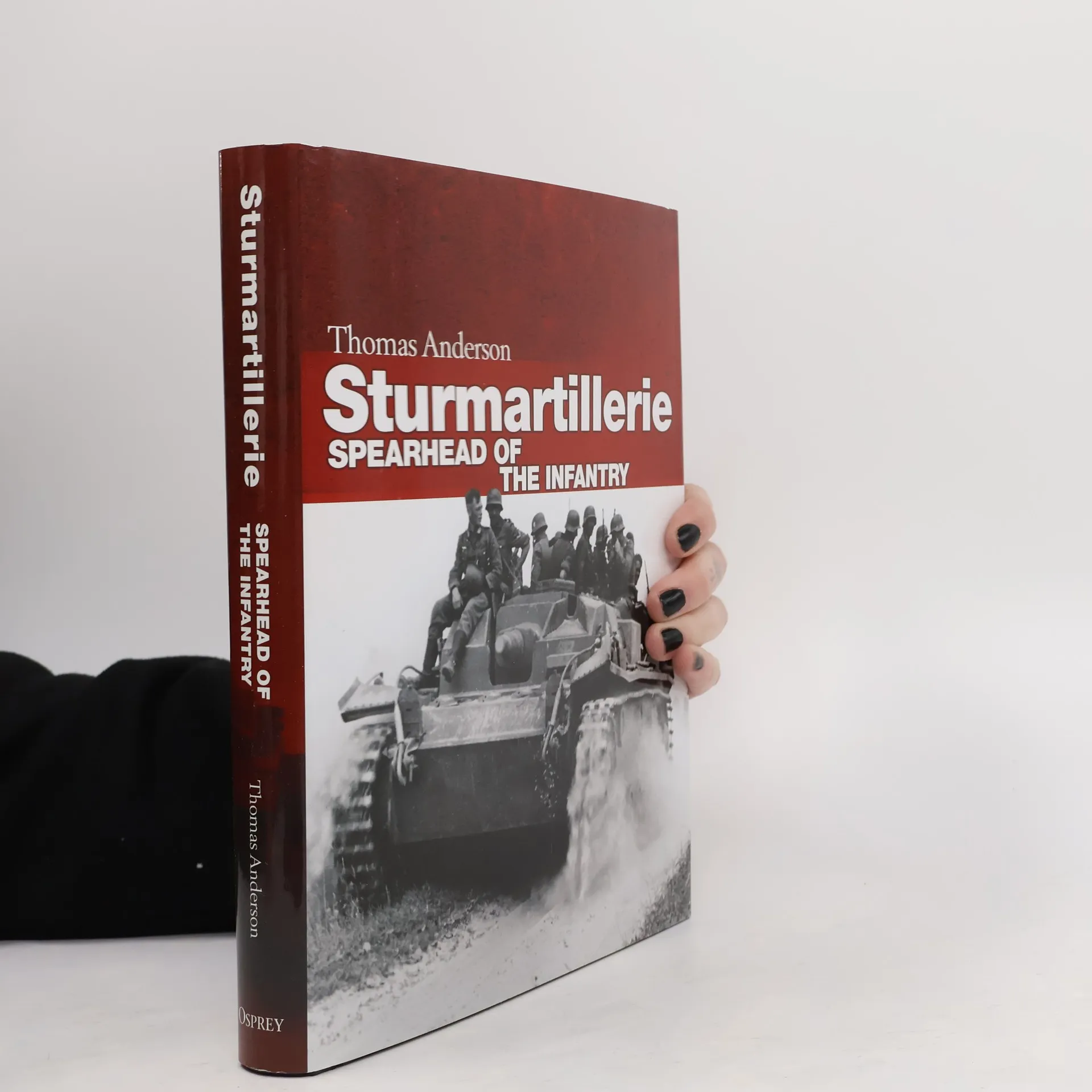
The Sturmartillerie was a key part of Germany's armoured arsenal throughout World War II. Its armoured assault guns were designed to support the artillery on the battlefield, largely using the purpose-built Sturmgeschutz infantry support gun. This study details the development and operational history of this force.
Lists all the tanks used by both Allied and Axis powers
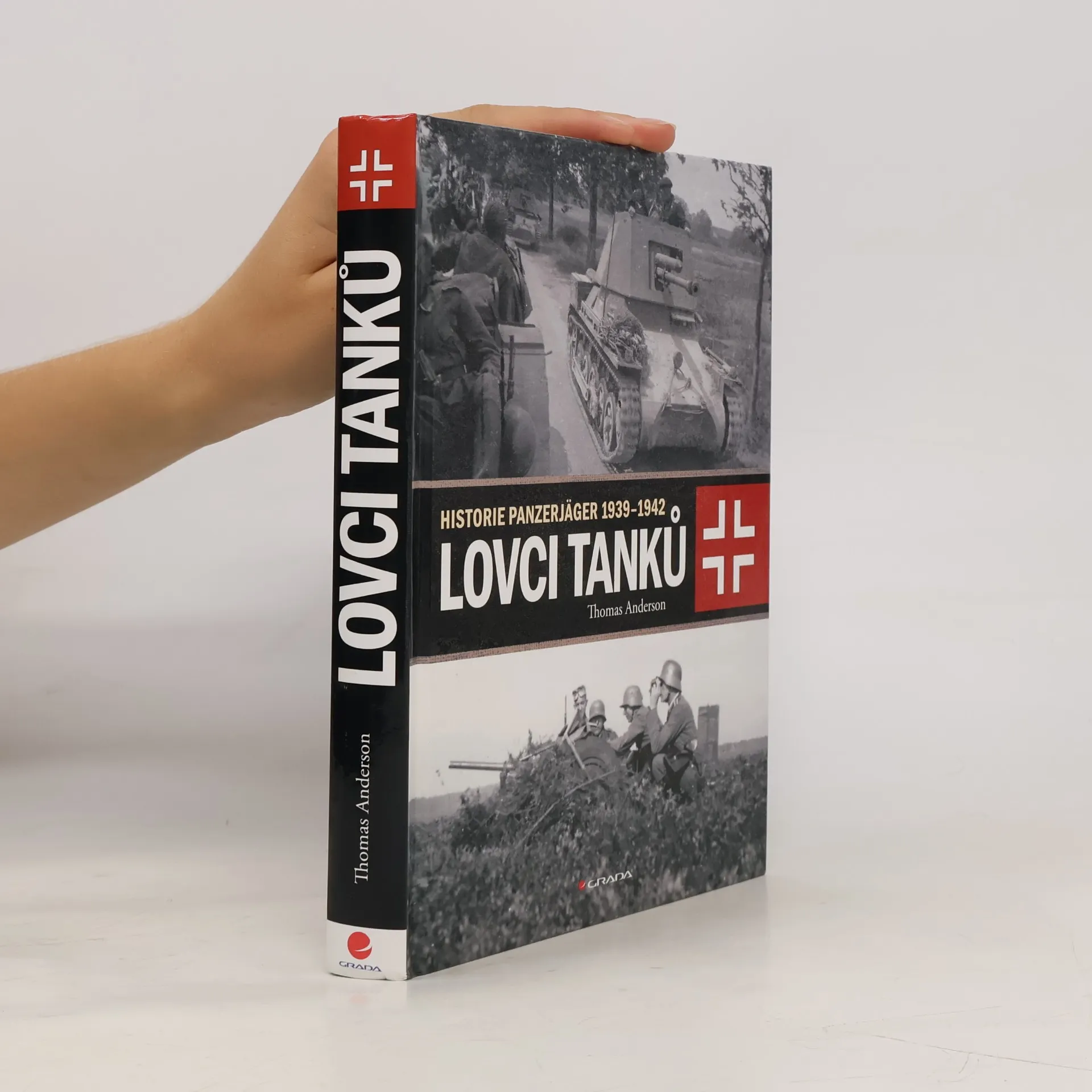
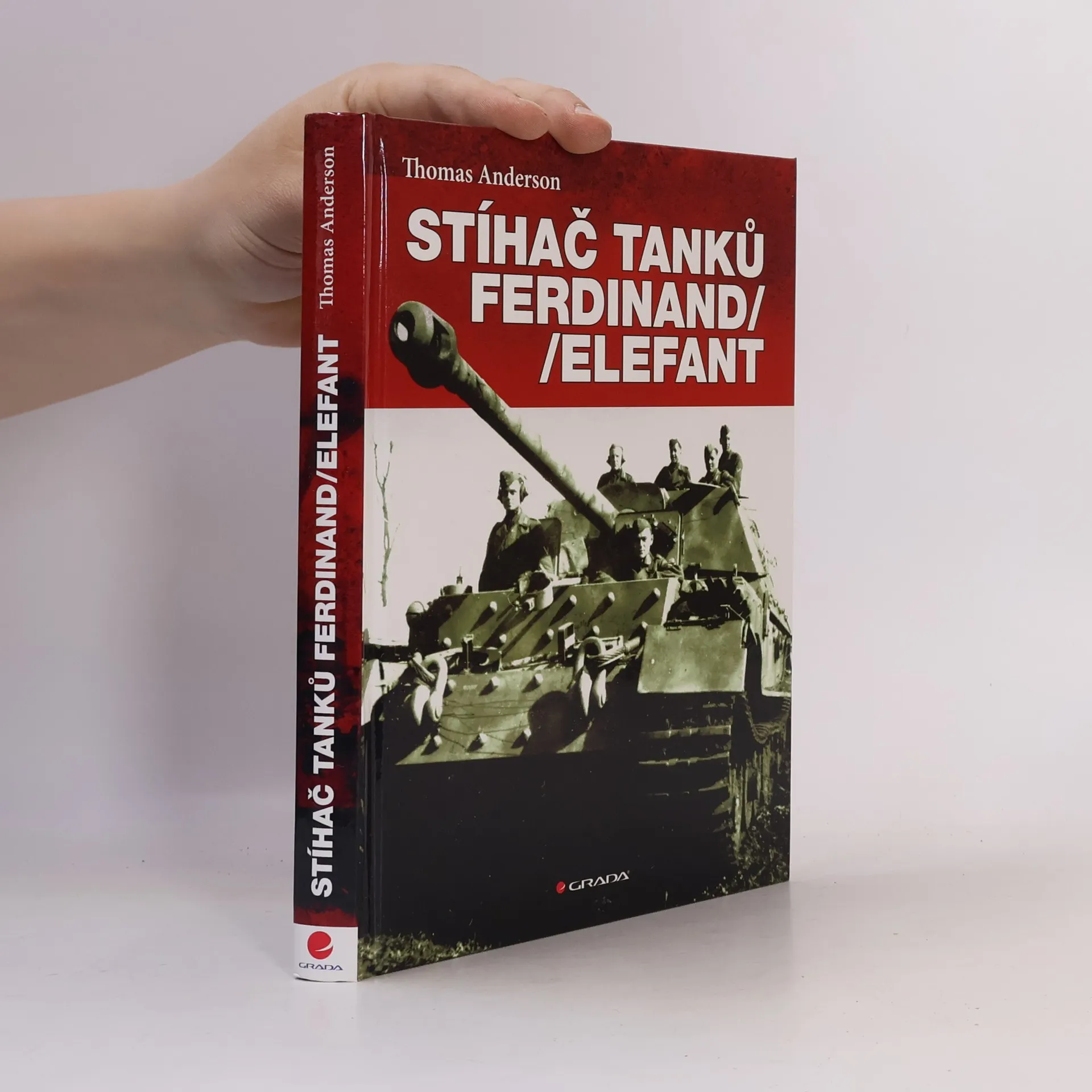
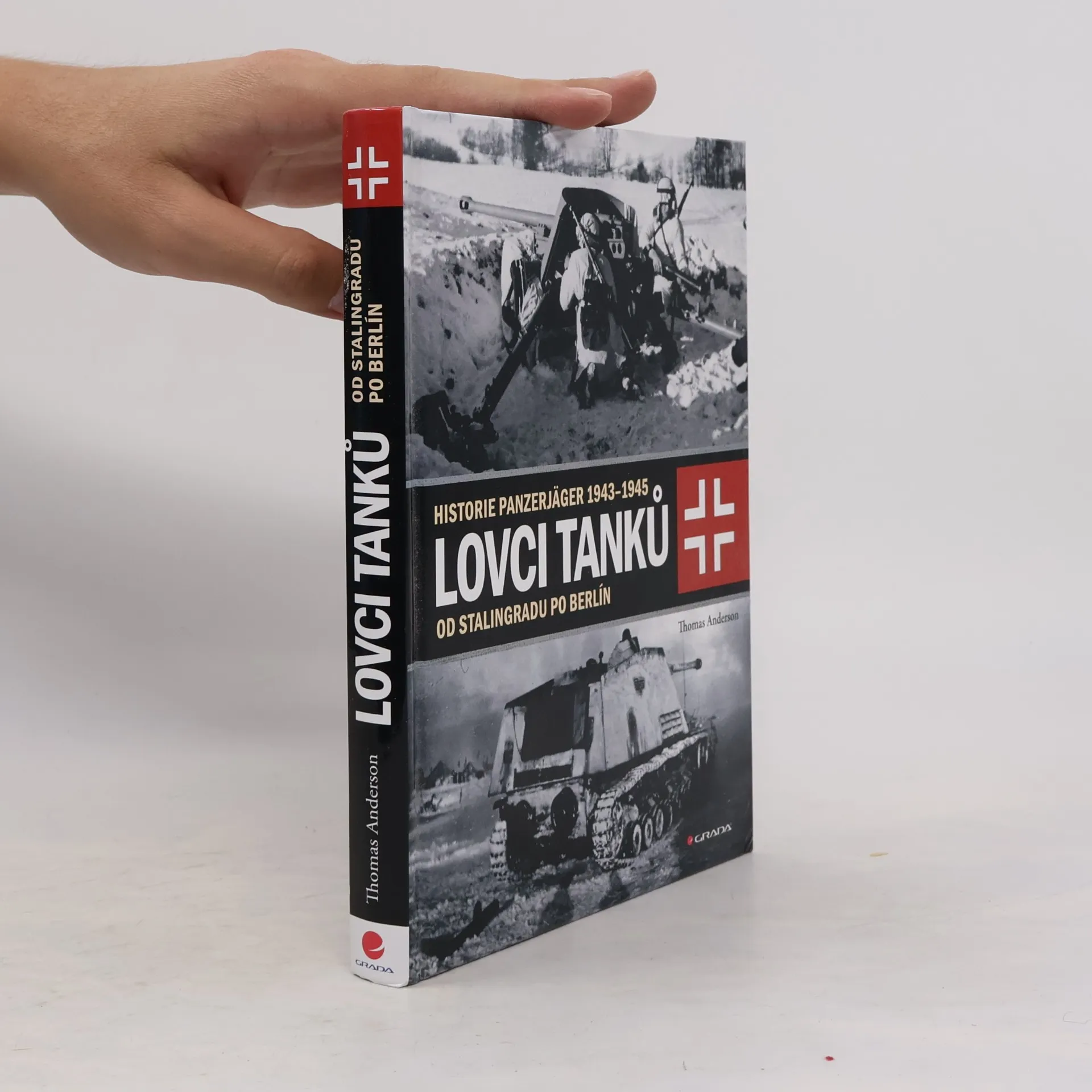
The German Panzerjäger, or Panzerjägertruppe, was one of the most innovative fighting arms of World War II and its story has never properly been told, until now. Many books have focused on an element of the story--the Hetzer, Jagdpanzer, and Jagdpanther--but this two-volume series represents the first time that the whole history of the development and organization of Nazi Germany's anti-tank force has been revealed. This second volume takes up the story in the mid-war years and follows the development of the Panzerjäger, describing the innovative new vehicles such as the Ferdinand, Elefant and Nashorn. German Armored Fighting Vehicle specialist Thomas Anderson also analyzes the key role it performed in the War in the Desert and across the Eastern Front, and ultimately in the defense of the Reich itself. Packed with previously unpublished wartime photographs, combat reports, and detailed charts and statistics, this book offers an unparalleled account of this unique arm of the Wehrmacht.
The Panzer IV programme was started in the very early days of German tank development in 1934. Due to the restrictions of the Treaty of Versailles the new type was 'disguised' as an escort vehicle) but this subterfuge was dropped in 1935 and the type became known as the Panzerkampfwagen (PzKpfw) IV. This new tank along with the PzKpfw II and PzKpfw III was used to equip the schnellen Truppen, the force that was to become the Panzerwaffe.
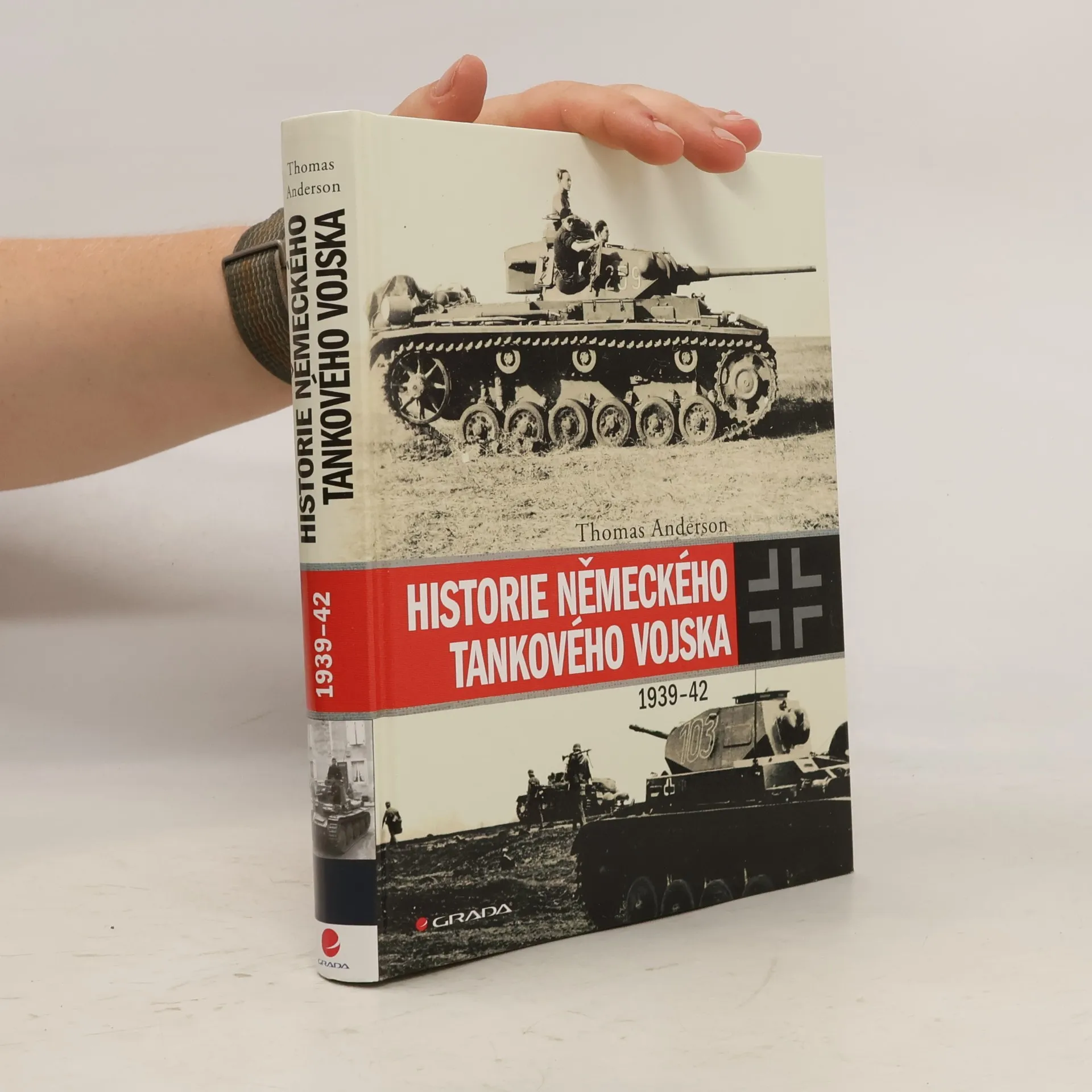
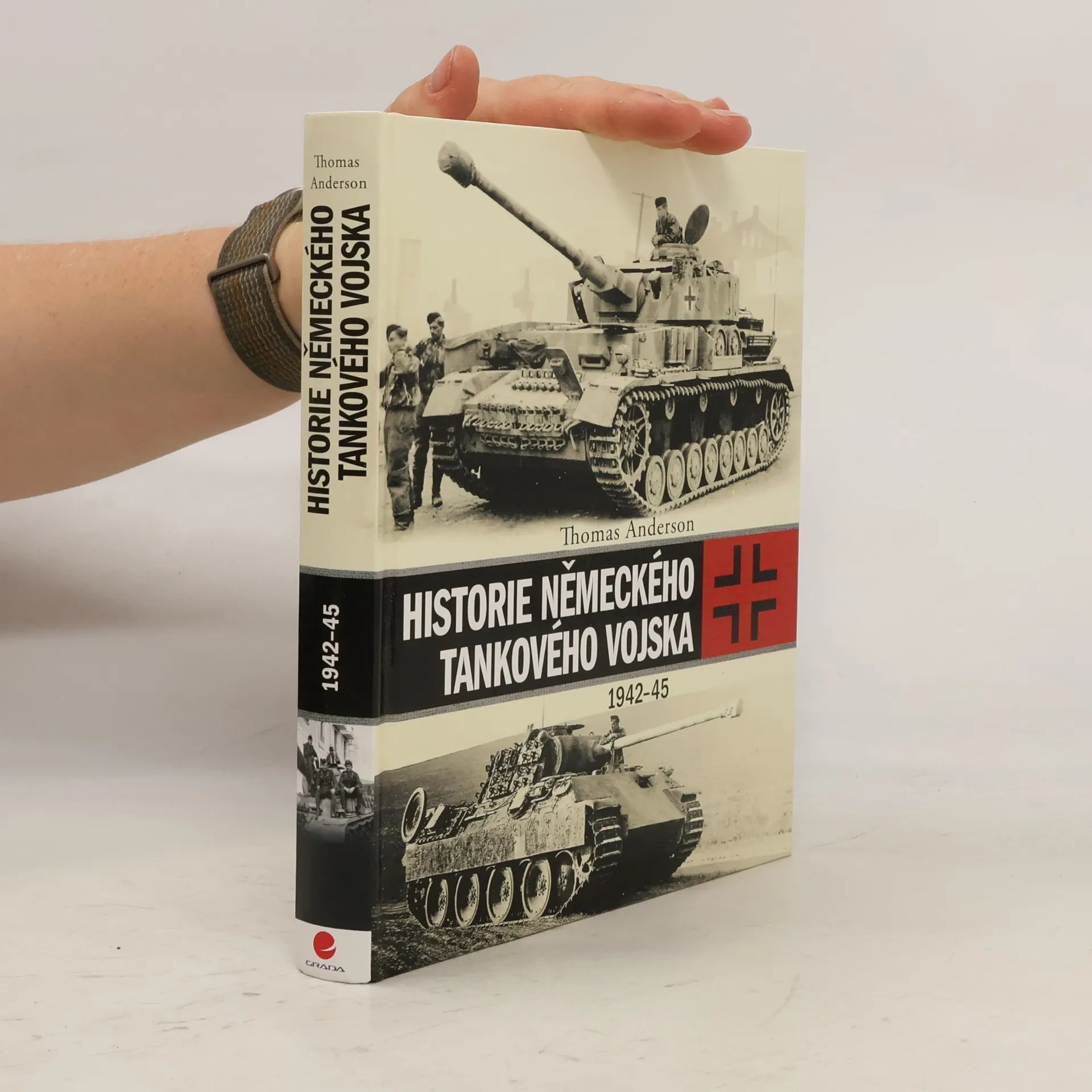
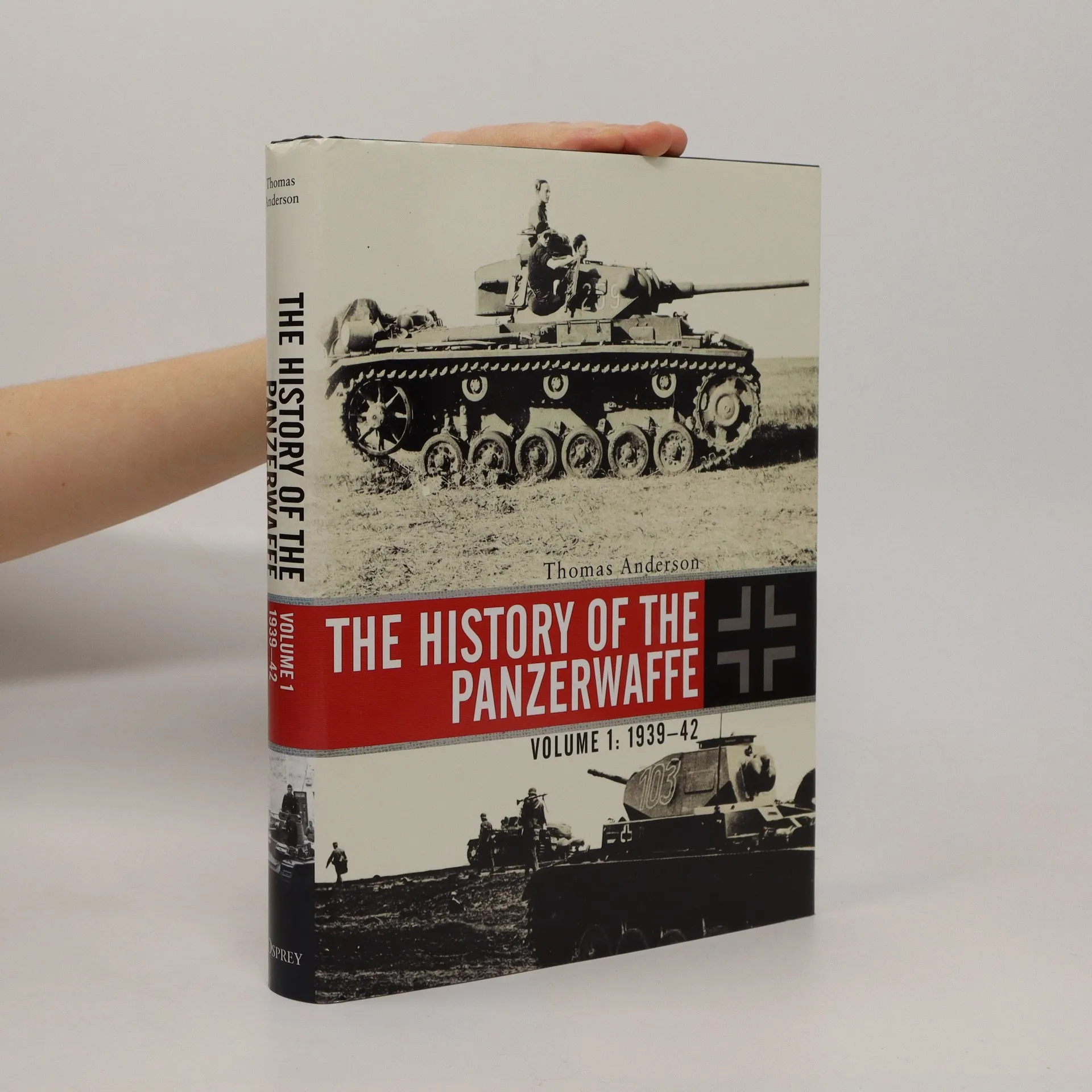
This is the definitive history of the evolution of the feared German Panzerwaffe, from its earliest beginings to the height of its success. With rare and revealing combat reports and photographs sourced from previously unseen private and archival collections, it uncovers the technical and operational stories of the formidable armored beasts that formed the backbone of the German war machine--tanks such as the Panzer I, II and 38(t). The Germans transformed armored warfare from a lumbering and ponderous experiment in World War I, into something that could decide the outcome of conflicts. This technical and operational history is the definitive guide to the legendary Panzerwaffe, from its very infancy to the days when it made Europe its garden path at the height of Nazi German power.
Throughout history, infantry has been the main attacking force deployed by armies around the world, but positioning substantial infantry forces has always required precious time to assemble the troops to launch an attack or form defensive positions. Transportation of men and their equipment has been a major issue through the ages, and one that was only partly alleviated by the establishment of railway systems in the 19th century and motor vehicles in the early 20th century. With the development of the German Panzerwaffe, military planners realized both the enormous potential of the tank as a breakthrough weapon, but also the issues faced by support units following the attacking force a including the infantry. A tank assault moved rapidly forwards and this required a motorized infantry which could keep pace with the attack and provide all necessary support.
Focusing on the Jagdpanzer, this illustrated book explores the development and historical significance of German self-propelled tank destroyers introduced during World War II. It provides insights into their design, operational use, and impact on armored warfare, making it a valuable resource for military history enthusiasts and those interested in armored vehicles.