Julia Alvarez explora en su escritura temas de identidad, cultura y exilio, basándose en sus experiencias personales al emigrar de la República Dominicana a los Estados Unidos. Su prosa se caracteriza por una cualidad lírica y una profunda comprensión de las complejidades de las relaciones humanas. Alvarez indaga cómo el pasado moldea el presente y la búsqueda de significado y pertenencia en mundos dispares. Su obra sirve como un poderoso puente entre culturas, celebrando la fuerza perdurable de la narración.
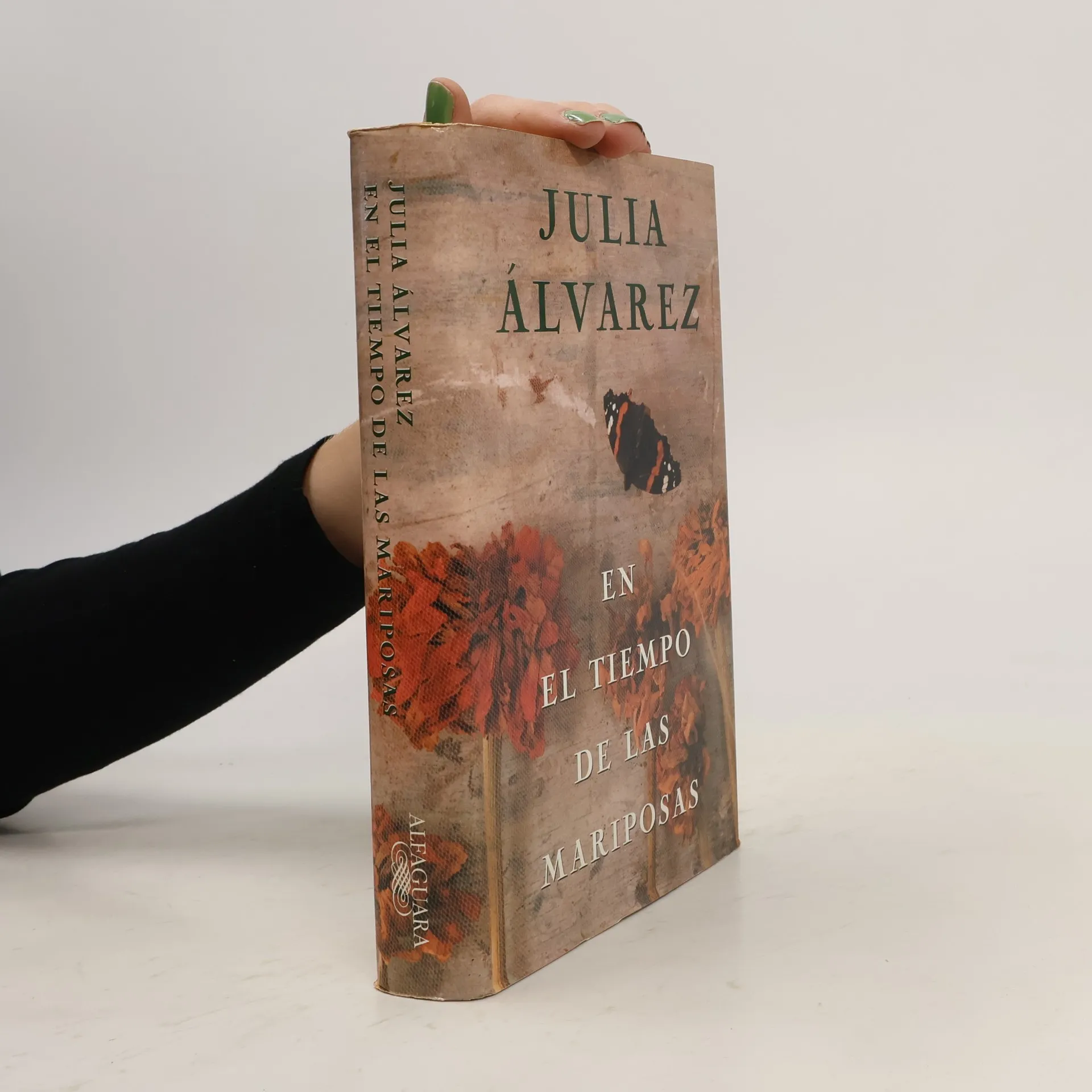
"El 25 de noviembre de 1960 se encontraron, al pie de un risco en la costa dominicana, los cuerpos sin vida de tres muchachas. Segun la version oficial, se trataba de un accidente, y ningun diario publico la verdad: las tres hermanas Mirabal, luchaban contra el violento regimen dictatorial del general Trujillo, y una cuarta hermana, Dede narra la apasionante historia de su lucha en una novela Ilena de magia y poder de imaginacion."
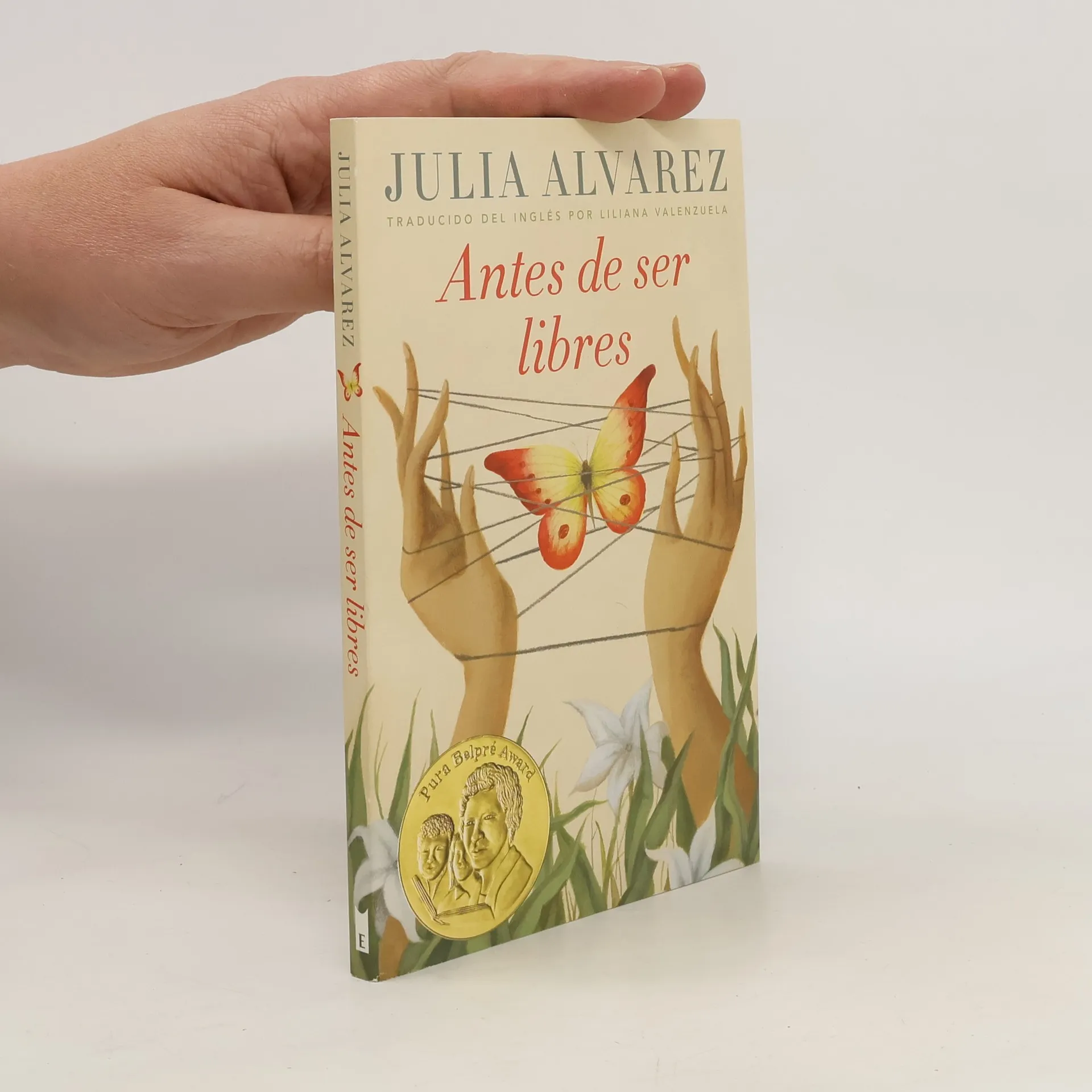
Anita de la Torre nunca cuestionó su libertad viviendo en la República Dominicana. Pero al cumplir doce años de edad en 1960, la mayoría de sus familiares han emigrado a Estados Unidos, su tío Toni ha desaparecido sin dejar rastro y la policía secreta del gobierno aterroriza a su familia restante dada su presunta oposición a la dictadura de Trujillo. Utilizando la fuerza y el valor de su familia, Anita debe vencer sus miedos y volar hacia la libertad, dejando atrás todo lo que alguna vez había conocido. De la renombrada autora Julia Alvarez llega una historia inolvidable sobre la adolescencia, la perseverancia y la lucha de una niña por su libertad.
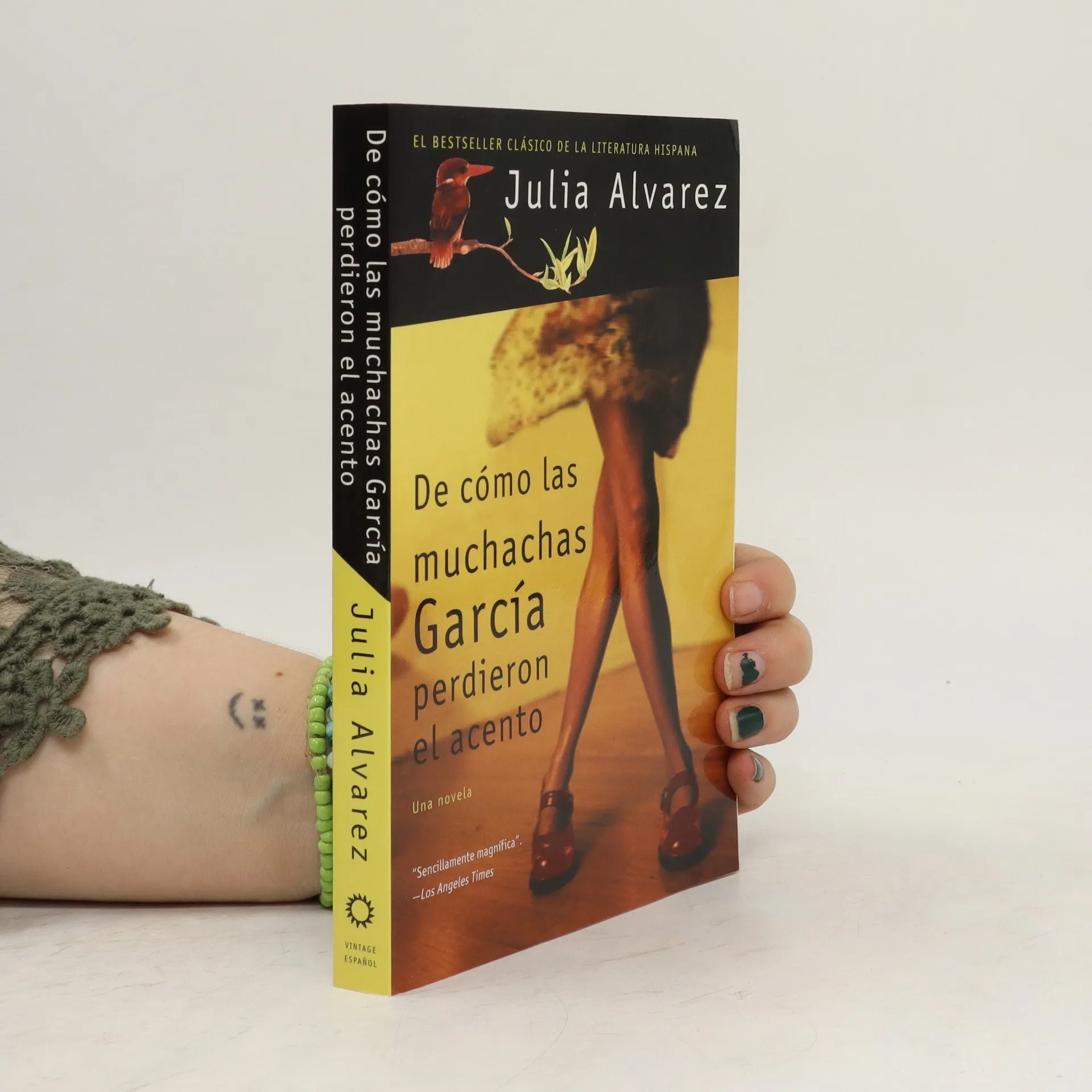
Cuando las hermanas García —Carla, Sandra, Yolanda y Sofía— y sus padres huyen de la República Dominicana buscando refugio de la persecución política, encuentran un nuevo hogar en los Estados Unidos. Pero el Nueva York de los años sesenta es marcadamente diferente de la vida privilegiada, aunque conflictiva, que han dejado atrás. Bajo la presión de asimilarse a una nueva cultura, las muchachas García se alisan el pelo, abandonan la lengua española y se encuentran con muchachos sin una chaperona. Pero por más que intentan distanciarse de su isla natal, las hermanas no logran desprender el mundo antiguo del nuevo. Lo que las hermanas han perdido para siempre —y lo que logran encontrar— se revela en esta novela magistral de una de las novelistas más celebradas de nuestros tiempos.
With a powerful and poignant introduction from Julia Alvarez, Resistencia: Poems of Protest and Revolution is an extraordinary collection, rooted in a strong tradition of protest poetry and voiced by icons of the movement and some of the most exciting writers today. The poets of Resistencia explore feminist, queer, Indigenous, and ecological themes alongside historically prominent protests against imperialism, dictatorships, and economic inequality. Within this momentous collection, poets representing every Latin American country grapple with identity, place, and belonging, resisting easy definitions to render a nuanced and complex portrait of language in rebellion. Included in English translation alongside their original language, the fifty-four poems in Resistencia are a testament to the art of translation as much as the act of resistance. An all-star team of translators, including former US Poet Laureate Juan Felipe Herrera along with young, emerging talent, have made many of the poems available for the first time to an English-speaking audience. Urgent, timely, and absolutely essential, these poems inspire us all to embrace our most fearless selves and unite against all forms of tyranny and oppression. Original languages include Spanish, French, Portuguese, Kaqchikel, Mapudungun, Miskito, and Quechua.
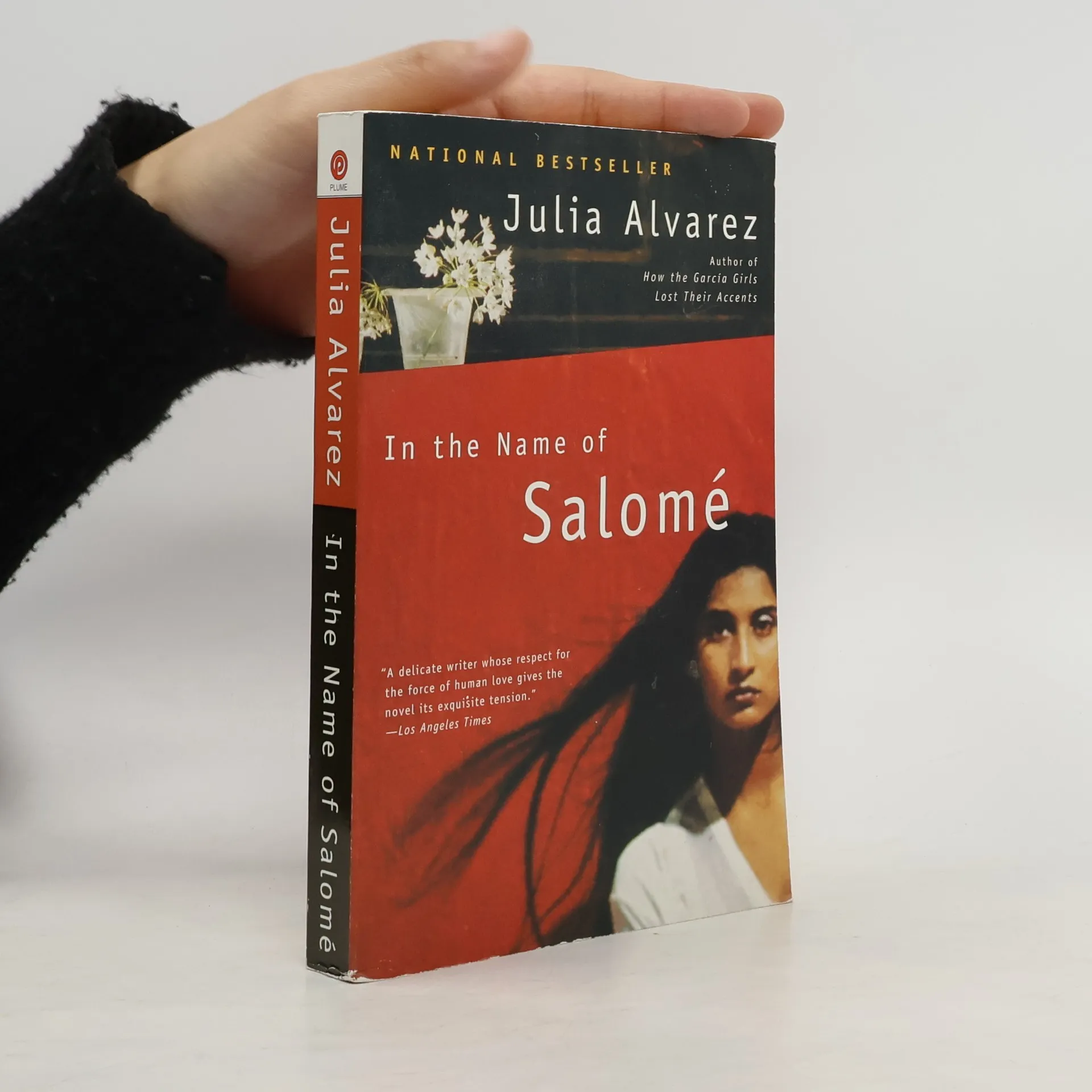
A novel based on the life of Profesora Camila Henríquez-Ureña, a teacher whose mother was Salomé Ureña, famous nineteenth-century political poet from the Dominican Republic.
At last! A zesty, exuberant follow-up to the wildly popular How the Garcia Girls Lost Their Accents, full of Julia Alvarez's keen observations and tender affection for her characters. The Garcia Girls are back, most notably Yolanda, or Yo, who has grown up to be a writer. In the process, she has managed to get kicked out of college, break more than a few hearts, have her own heart broken many times, return for extended visits to the Dominican Republic her family fled when she was a child, and marry three times. She has also infuriated her entire family by publishing the intimate details of their lives as fiction. This brilliant novel is a full and true exploration of a woman's soul, a meditation on the writing life, and a lyrical account of the immigrant's search for identity and a place in the world. !Yo!'s bright colors, zesty dialogue, warm feeling, and genuine insight could only come from the palette of Julia Alvarez. Description from Penguin Group.
"Antonia Vega, the immigrant writer at the center of Afterlife, has had the rug pulled out from under her. She has just retired from the college where she taught English when her beloved husband, Sam, suddenly dies. And then more jolts: her bighearted but unstable sister disappears, and Antonia returns home one evening to find a pregnant, undocumented teenager on her doorstep. Antonia has always sought direction in the literature she loves--lines from her favorite authors play in her head like a soundtrack--but now she finds that the world demands more of her than words. Afterlife is a compact, nimble, and sharply droll novel. Set in this political moment of tribalism and distrust, it asks: What do we owe those in crisis in our families, including--maybe especially--members of our human family? How do we live in a broken world without losing faith in one another or ourselves? And how do we stay true to those glorious souls we have lost?"--Publisher's website
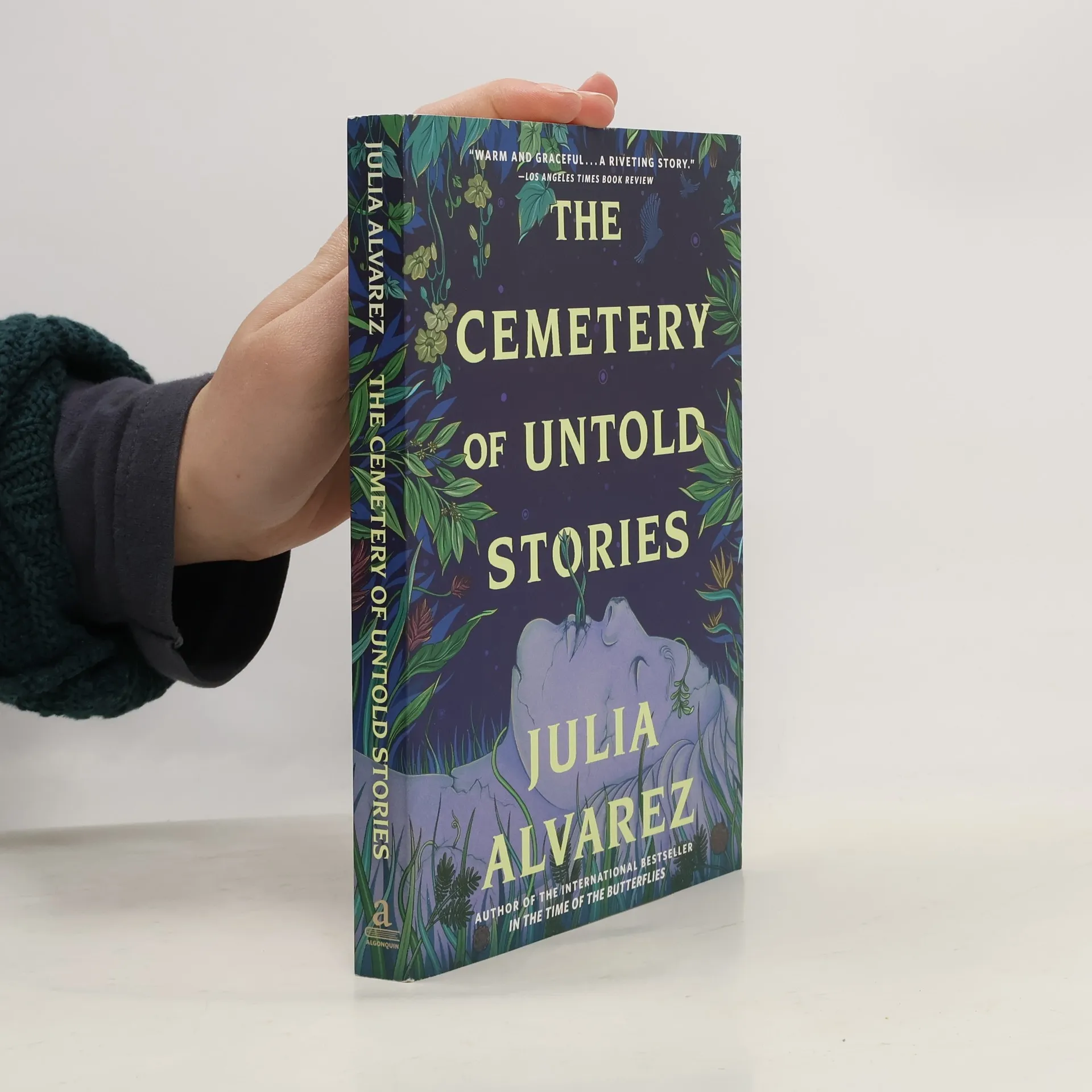
Great American novelist Julia Alvarez returns with a luminescent tale about storytelling that feels like an instant classic. "Only an alchemist as wise and sure as Alvarez could swirl the elements of folklore and the flavor of magical realism around her modern prose and make it all sing . . . Lively, joyous . . . often witty, occasionally somber and elegiac," praises Luis Alberto Urrea. This engaging novel, written in playful, crystal-clear prose, delves into themes of friendship, love, sisterhood, and the haunting nature of unfinished stories.
Alma Cruz, a celebrated writer, inherits a small plot of land in the Dominican Republic and envisions it as a graveyard for her untold stories—literally burying her manuscript drafts and the characters she struggled to bring to life. However, her characters defy her intentions, engaging in conversations and rewriting their own narratives. Filomena, the local groundskeeper, becomes a sympathetic listener to these secret tales, which include figures like Bienvenida, the erased wife of dictator Rafael Trujillo, and Manuel Cruz, a doctor who fought in the Dominican underground.
The narrative raises questions about whose stories are told and whose are buried. Ultimately, Alma discovers the enduring vitality of stories, reminding us that the tales of our lives are never truly finished, even at their conclusion.
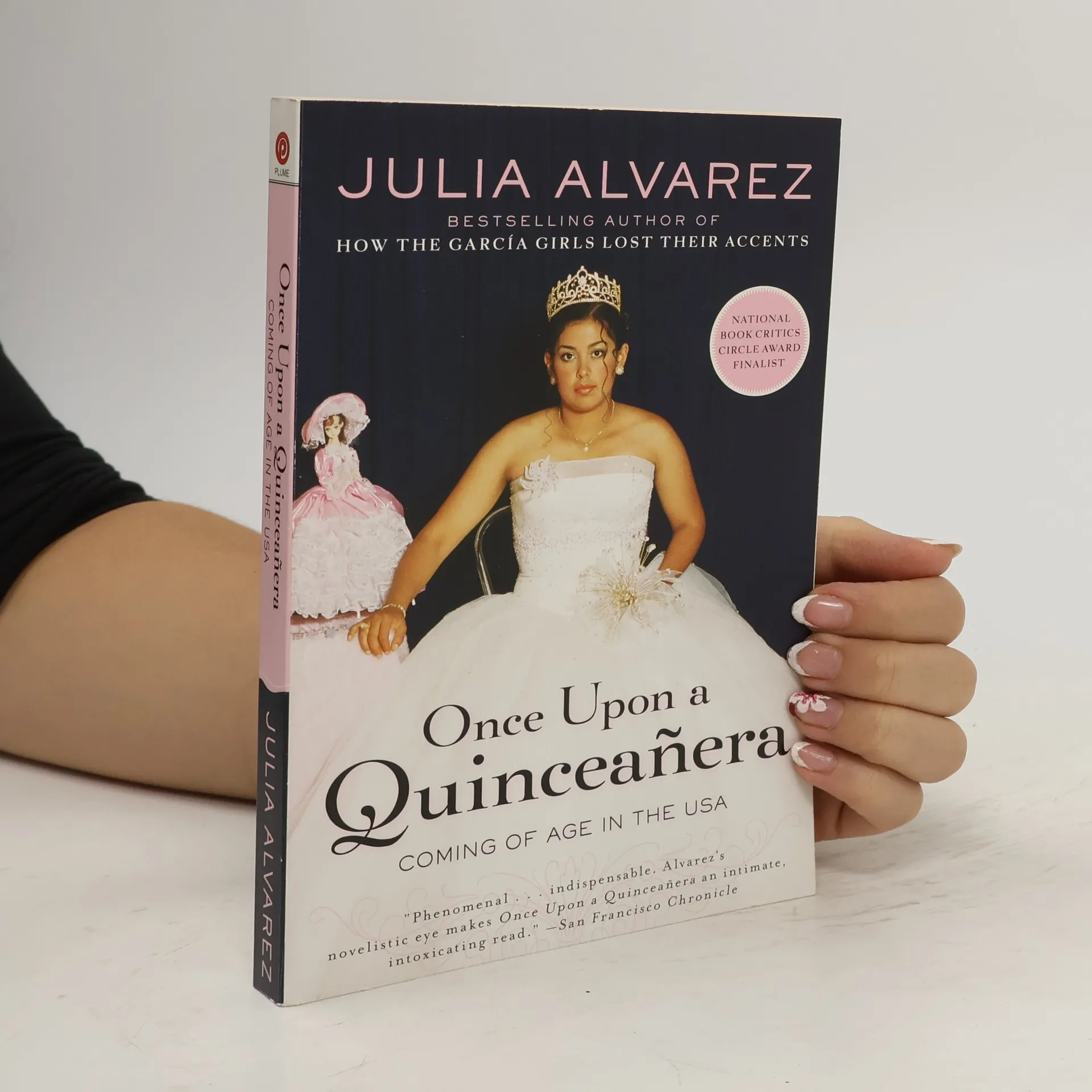
Finalist for the National Book Critics Circle Award, a “phenomenal, indispensable” (USA Today) exploration of the Latina “sweet fifteen” celebration, by the bestselling author of How the García Girls Lost Their Accents and In the Time of the Butterflies. The quinceañera, a celebration of a Latina girl’s fifteenth birthday, has become a uniquely American trend. This lavish party with ball gowns, multi-tiered cakes, limousines, and extravagant meals is often as costly as a prom or a wedding. But many Latina girls feel entitled to this rite of passage, marking a girl’s entrance into womanhood, and expect no expense to be spared, even in working-class families. Acclaimed author Julia Alvarez explores the history and cultural significance of the “quince” in the United States, and the consequences of treating teens like princesses. Through her observations of a quince in Queens, interviews with other quince girls, and the memories of her own experience as a young immigrant, Alvarez presents a thoughtful and entertaining portrait of a rapidly growing multicultural phenomenon, and passionately emphasizes the importance of celebrating Latina womanhood.
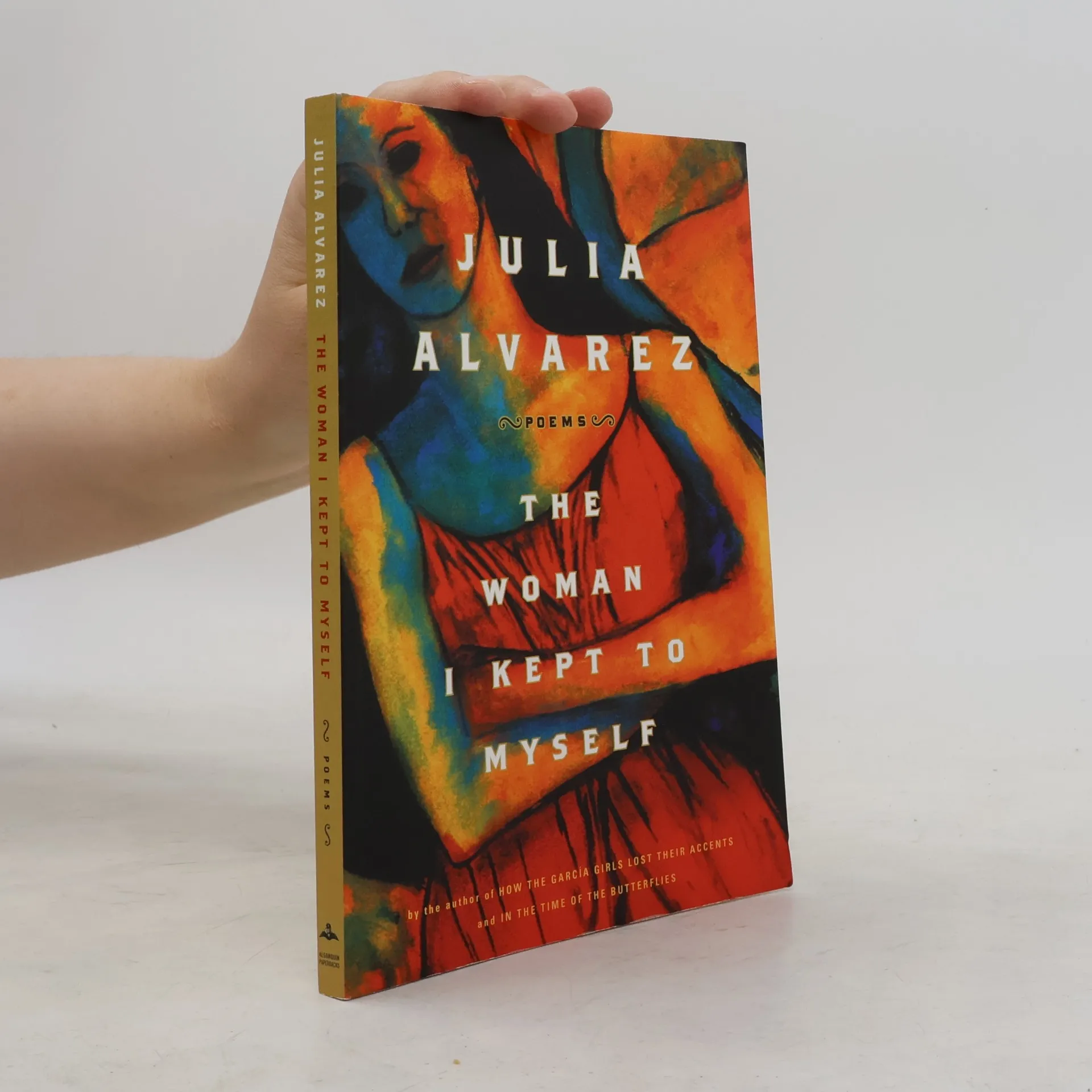
75 Poems by the Author of How the García Girls Lost Their Accents and In the Time of the Butterflies The works of this award-winning poet and novelist are rich with the language and influences of two cultures: those of the Dominican Republic of her childhood and the America of her youth and adulthood. They have shaped her writing just as they have shaped her life. In these seventy-five autobiographical poems, Alvarez’s clear voice sings out in every line. Here, in the middle of her life, she looks back as a way of understanding and celebrating the woman she has become. Julia Alvarez’s new novel, Afterlife , is available now.
Die 21 Kurzgeschichten dieser Anthologie haben eine Länge von nur 85 bis 1815 Wörtern. Sie entstanden fast alle in den achtziger und neunziger Jahren. Neben renommierten Autoren wie Asimov, Bradbury und Paley sind sehr viele junge, noch weitgehend unbekannte Talente vertreten. Diese Textausgabe kann bereits ab Klasse 10 - für sich allein oder zusammen mit dem Schülerarbeitsbuch Creative Exercises (Klettbuch 57791) - benutzt werden.
La bellezza, la vivacità e l'indomabile fragilità delle quattro sorelle Mirabal, note come "farfalle", emergono nella loro lotta contro la dittatura del generale Trujillo. Le sorelle, assassinate in un'imboscata, rappresentano le eroine della liberazione dominicana. Cresciute in una famiglia benestante, rimasero unite da un affetto profondo, nonostante le loro differenze. Minerva, la ribelle, diventa l'avvocato degli oppressi; Patria, la devota, si unisce alla guerriglia per motivi religiosi; Maria Teresa, romantica e frivola, si impegna nella causa per amore; mentre Dedé, l'unica sopravvissuta e meno incline alla politica, racconta la loro storia anni dopo, riunendosi finalmente alle sorelle. La loro eredità è così potente che nel 1999 l'Assemblea generale delle Nazioni Unite ha designato il 25 novembre come Giornata internazionale per l'eliminazione della violenza contro le donne, in onore delle sorelle trucidate. La loro vita e il loro sacrificio continuano a ispirare la lotta per i diritti e la giustizia, rappresentando un simbolo di resistenza e coraggio.
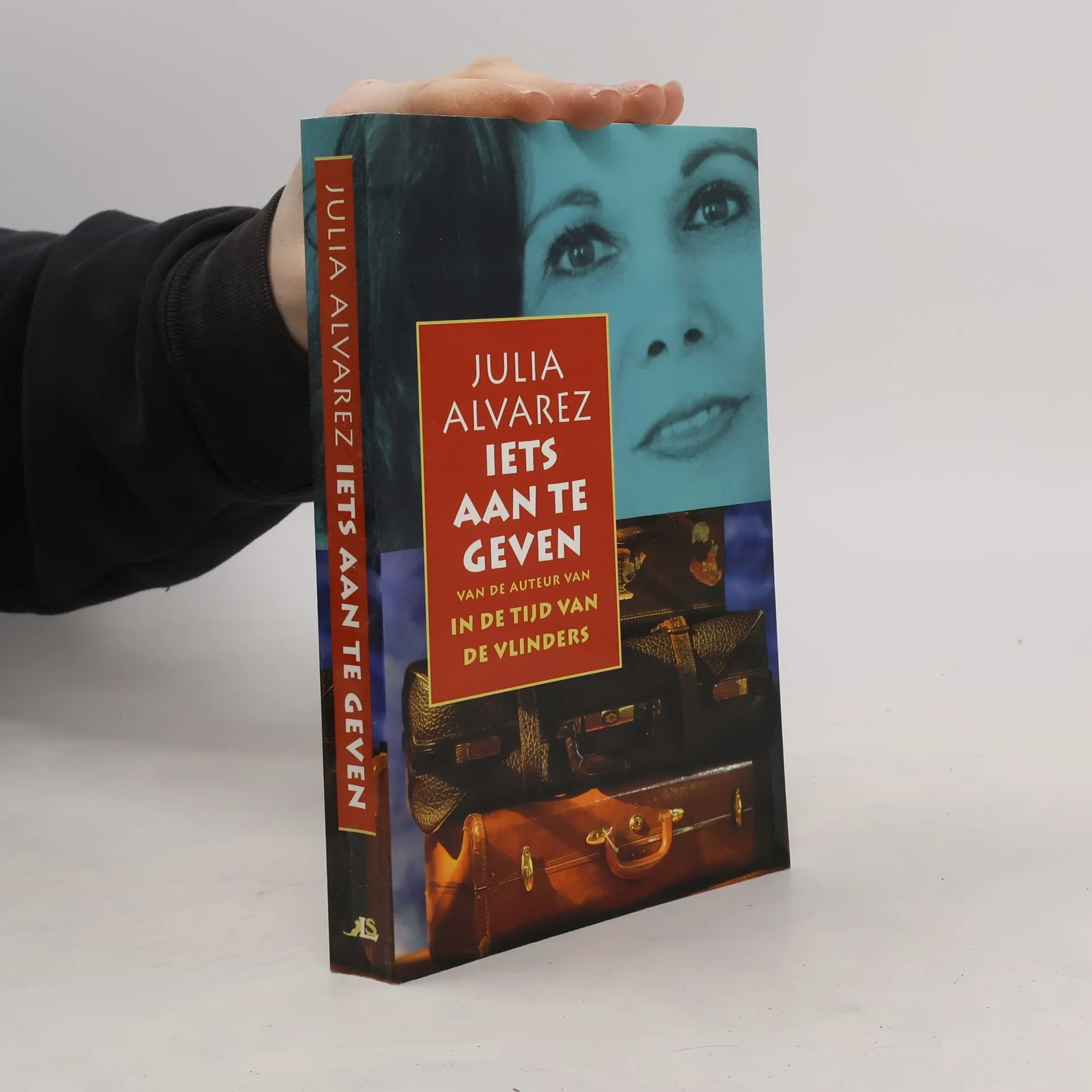
In 1960, toen Julia tien jaar oud was, vluchtte het gezin Alvarez van de Dominicaanse Republiek naar de Verenigde Staten. Julia's vader had deelgenomen aan een mislukte poging om het regime van dictator Rafael Trujillo omver te werpen en ballingschap was de enige manier om zijn leven te redden. Vader Alvarez nam zijn gezin mee naar, New York en probeer de in de Bronx de kost te verdienen als arts, terwijl zijn vrouw en vier dochters hun best deden zich aan te passen aan een vreemde cultuur, een levenslange strijd. Iets aan te geven is Julia's eigen. Persoonlijke verhaal. Het handelt over de invloed die het gevangenzitten tussen twee culturen op haar leven heeft gehad, van een wanhopig verlangen om erbij te horen en een 'echte' Amerikaan te zijn tot een nostalgisch terugverlangen naar haar geboorteland. Daarnaast belicht Julia Alvarez de andere grote factor in haar leven: het schrijverschap. Voor Julia iets waar ze niet zonder kunnen omdat ze veel te vertellen én uit te leggen heeft. Zo ontstond Iets aan te geven, een warm, persoonlijk en openhartig document van een bijzondere vrouw.
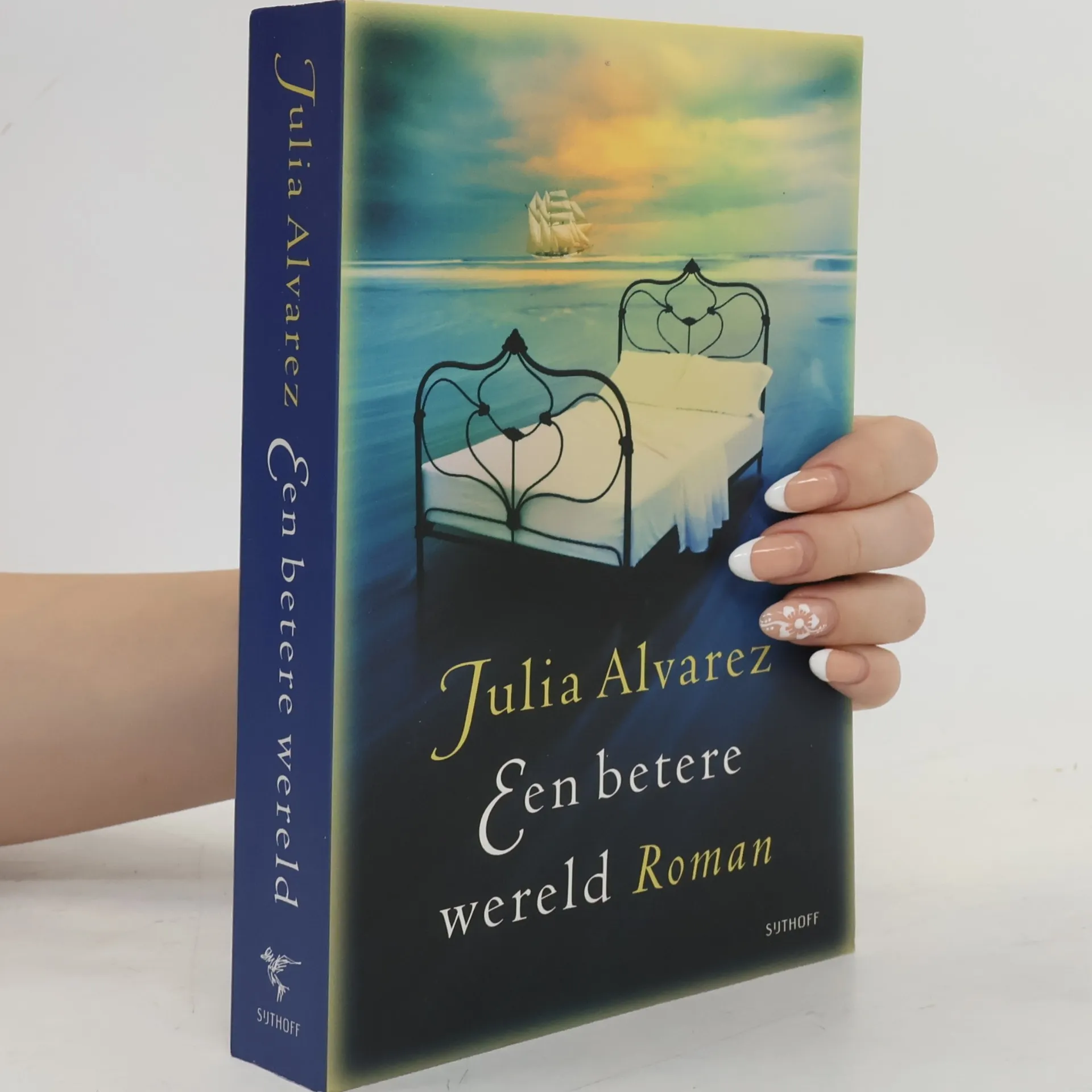
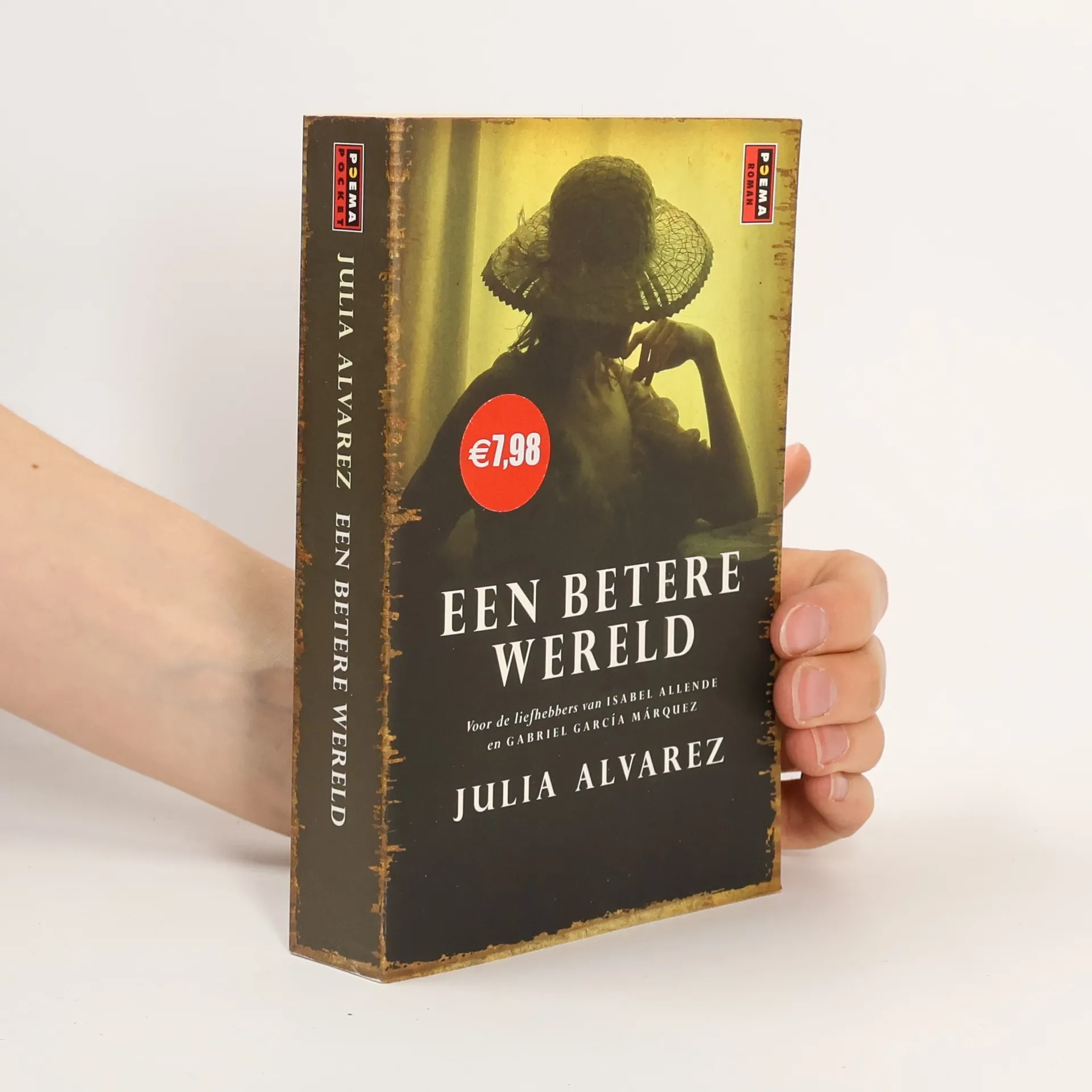
De vijftigjarige Alma werkt aan een historische roman over een uitzonderlijk moedige vrouw, Doña Isabel, die in 1803 met een groep weesjongens uit Spanje vertrok om de Nieuwe Wereld van de pokken te redden. De jongens waren de dragers van het pokkenvaccin, wat in die tijd de enige manier was om een vaccin tijdens een dergelijke reis intact te houden. De dramatische ontwikkelingen in het leven van Doña Isabel verweven zich tijdens het schrijven steeds meer met het leven van Alma.
Een Dominicaans-Amerikaanse schrijfster die een medische expeditie rond 1800 naar de Nieuwe Wereld tot onderwerp heeft, ontdekt parallellen met haar eigen leven.
Het leven van de drie zusters Mirabal die zich verzetten tegen de dictatuur van generaal Trujillo op de Dominicaanse Republiek en dit met de dood moeten bekopen.