Tomorrow I'll be Twenty. Morgen werde ich zwanzig, englische Ausgabe
- 313 páginas
- 11 horas de lectura
An irresistible and heart-warming child's-eye view novel set in Africa


Alain Mabanckou es una voz destacada en la literatura francófona africana contemporánea, célebre por su prolífica obra y sus agudas exploraciones sobre la identidad, el exilio y la colisión cultural. Su trabajo mezcla magistralmente elementos del realismo mágico con una aguda crítica social, adentrándose en las complejidades de la experiencia humana. El distintivo estilo de Mabanckou es a la vez lírico y crudo, ofreciendo a los lectores una perspectiva literaria única y profunda.



An irresistible and heart-warming child's-eye view novel set in Africa
In Pointe-Noire, in the small neighbourhood of Voungou, on the family plot where young Michel lives with Maman Pauline and Papa Roger, life goes on. But Michel's everyday cares - lost grocery money, the whims of his parents' moods, their neighbours' squabbling, his endless daydreaming - are soon swept away by the wind of history. In March 1977, just before the arrival of the short rainy season, Comrade President Marien Ngouabi is brutally murdered in Brazzaville, and not even naïve Michel can remain untouched. Starting as a tender, wry portrait of an ordinary Congolese family, Alain Mabanckou quickly expands the scope of his story into a powerful examination of colonialism, decolonization and dead ends of the African continent. At a stroke Michel learns the realities of life - and how much must change for everything to stay the same.
Liwa Ekimakingaï awakens atop his grave after a mysterious force has claimed his life at twenty-four. Clad in flared purple trousers, he navigates the complexities of Frère Lachaise cemetery's other residents, each with their own unique stories. Ignoring ghostly warnings, he returns to his childhood home to see his grandmother one last time, confronting disturbing rumors and political corruption tied to his final night. This darkly humorous tale explores ambition, community, and the uncontrollable forces of life and death, penned by a prominent Congolese historian.
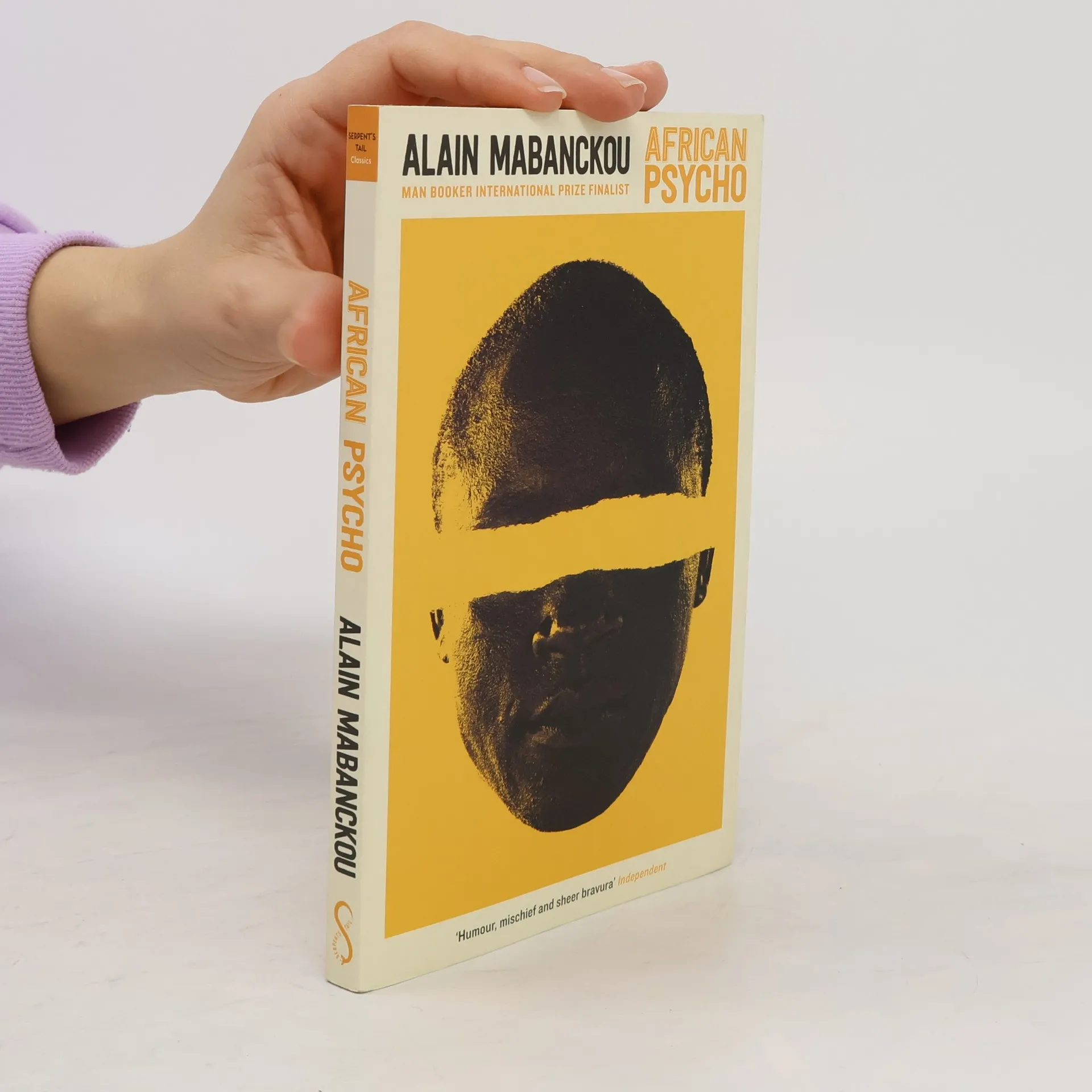
Finalist for the Man Booker International Prize 2015Gregoire Nakobomayo, a petty criminal, has decided to kill his girlfriend Germaine. He's planned the crime for some time, but still, the act of murder requires a bit of psychological and logistical preparation. Luckily, he has a mentor to call on, the far more accomplished serial killer Angoualima. The fact that Angoualima is dead doesn't prevent Gregoire from holding lengthy conversations with him. Little by little, Gregoire interweaves Angoualima's life and criminal exploits with his own.Continuing with the plan despite a string of botched attempts, Gregoire's final shot at offing Germaine leads to an abrupt unravelling. Lauded in France for its fresh and witty style, African Psycho's inventive use of language surprises and relieves the reader by sending up this disturbing subject.
Liwa Ekimakingaï, seines Zeichens Küchengehilfe im Hotel Victory Palace in Pointe-Noire, hat unter mysteriösen Umständen das Zeitliche gesegnet. Am Abend des kongolesischen Nationalfeiertags trifft er in einem Nachtklub die schöne Adeline, er begleitet sie nach Hause ... und erwacht nicht etwa in ihrem Bett, sondern in einem Grab auf dem Friedhof Frère-Lachaise. Liwa findet den eigenen Tod ziemlich unfair und macht sich auf, Licht in die Angelegenheit zu bringen. Bei seiner Reise in die eigene Vergangenheit begegnet er höchst illustren Figuren, lebendigen wie verstorbenen. Da ist beispielsweise Augustin Biampandou, der als Hafenmeister das einträglichste Amt der Stadt bekleidet, sich aber trotz seiner Allmacht zum Schutz eine »Haushexe« hält. Oder der Sänger Lully Madeira, bei dessen Auftritten die Frauen gleich reihenweise in Ohnmacht fallen – aber erst seit er einen Buckel hat, in dem Geister wohnen. Liwa muss erkennen, dass sich die Welt der Toten kaum von der der Lebenden unterscheidet.
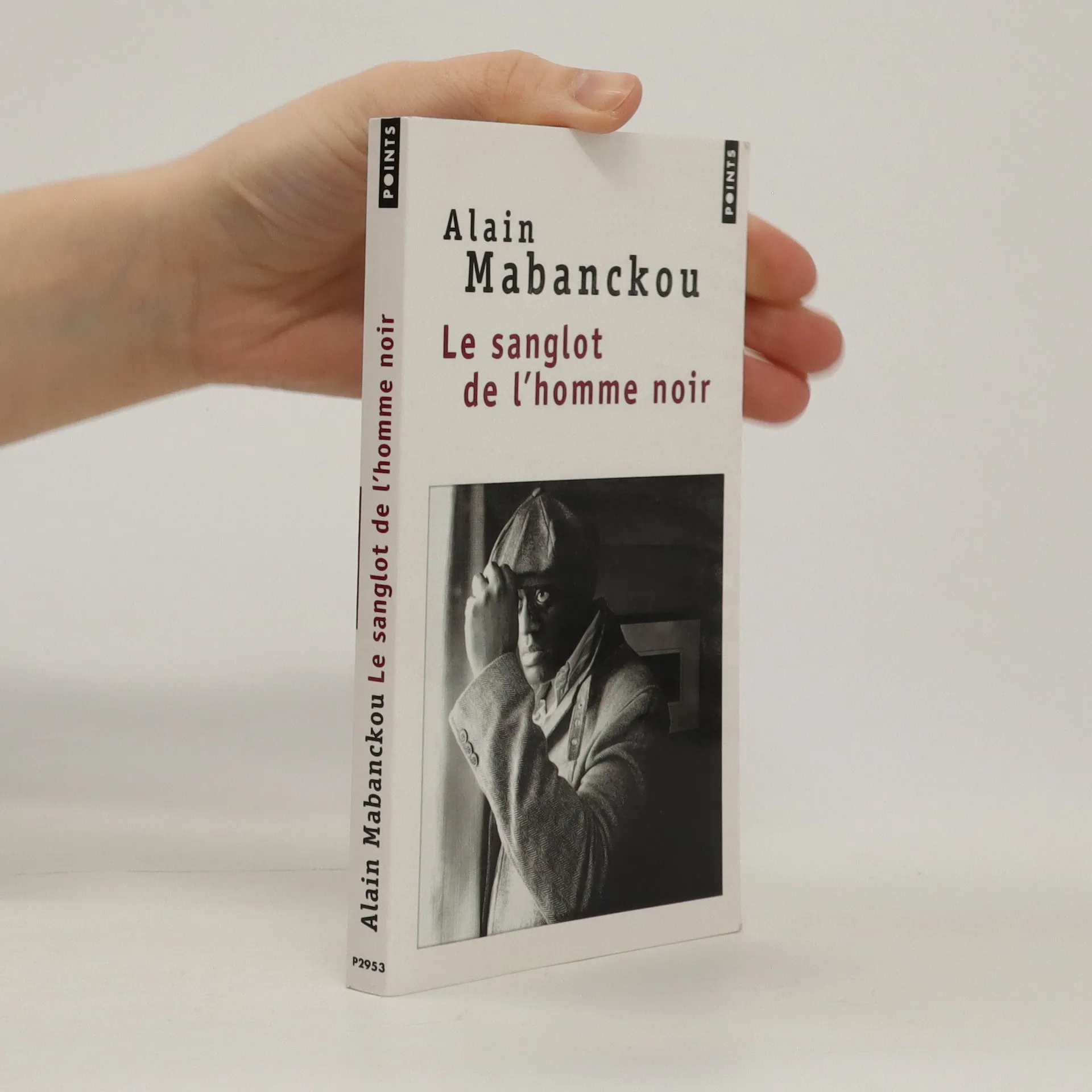
"Suffit-il d'être Noirs pour être frères ? Qu'ont en commun un Antillais, un Sénégalais et un Noir né à Paris, sinon la couleur à laquelle ils se plaignent d'être réduits ? Et la généalogie qu'ils se sont forgée, celle du malheur et de l'humiliation (esclavage, colonisation, immigration)... Dans cet essai, Alain Mabanckou refuse de définir l'identité noire par les larmes et le ressentiment." [Source : 4e de couv.]
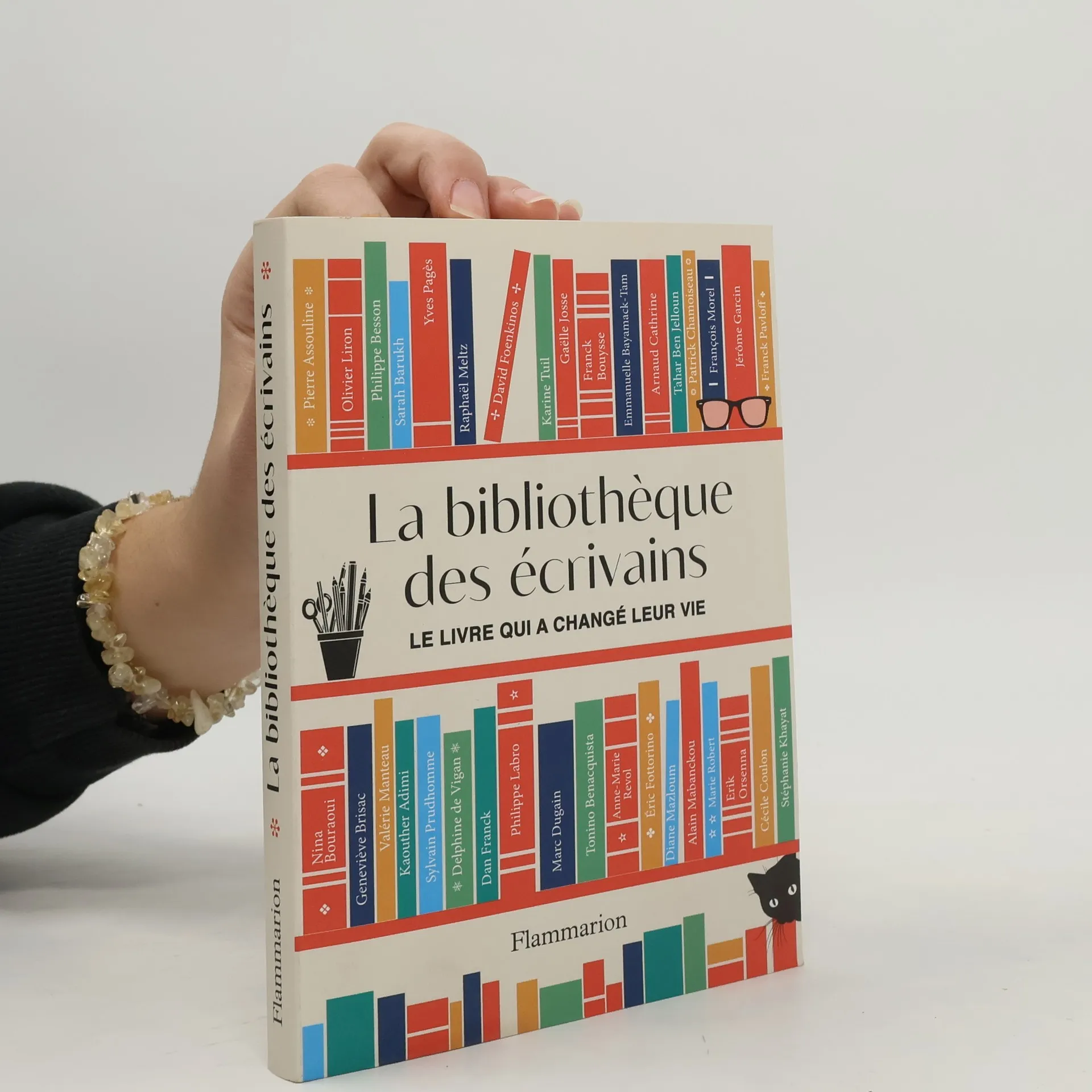
Que trouve-t-on dans la bibliothèque des écrivains ? Qu'ont-ils lu d'essentiel et d'inoubliable ? Quel est le livre qui les a le plus marqués, bouleversés ? Le livre qui les a changés, qui a changé leur regard sur le monde, ou sur la vie ? Le livre avec lequel ils entretiennent une relation particulière, qu'ils ont le plus relu ou offert ? Le livre qui les a peut-être même incités à écrire en leur ouvrant la voie ?34 écrivains nous font découvrir les trésors de leur bibliothèque.Les Éditions Flammarion soutiennent activement Bibliothèques Sans Frontières, association à laquelle est reversée la totalité des droits d'auteur issus de la vente de ce volume.
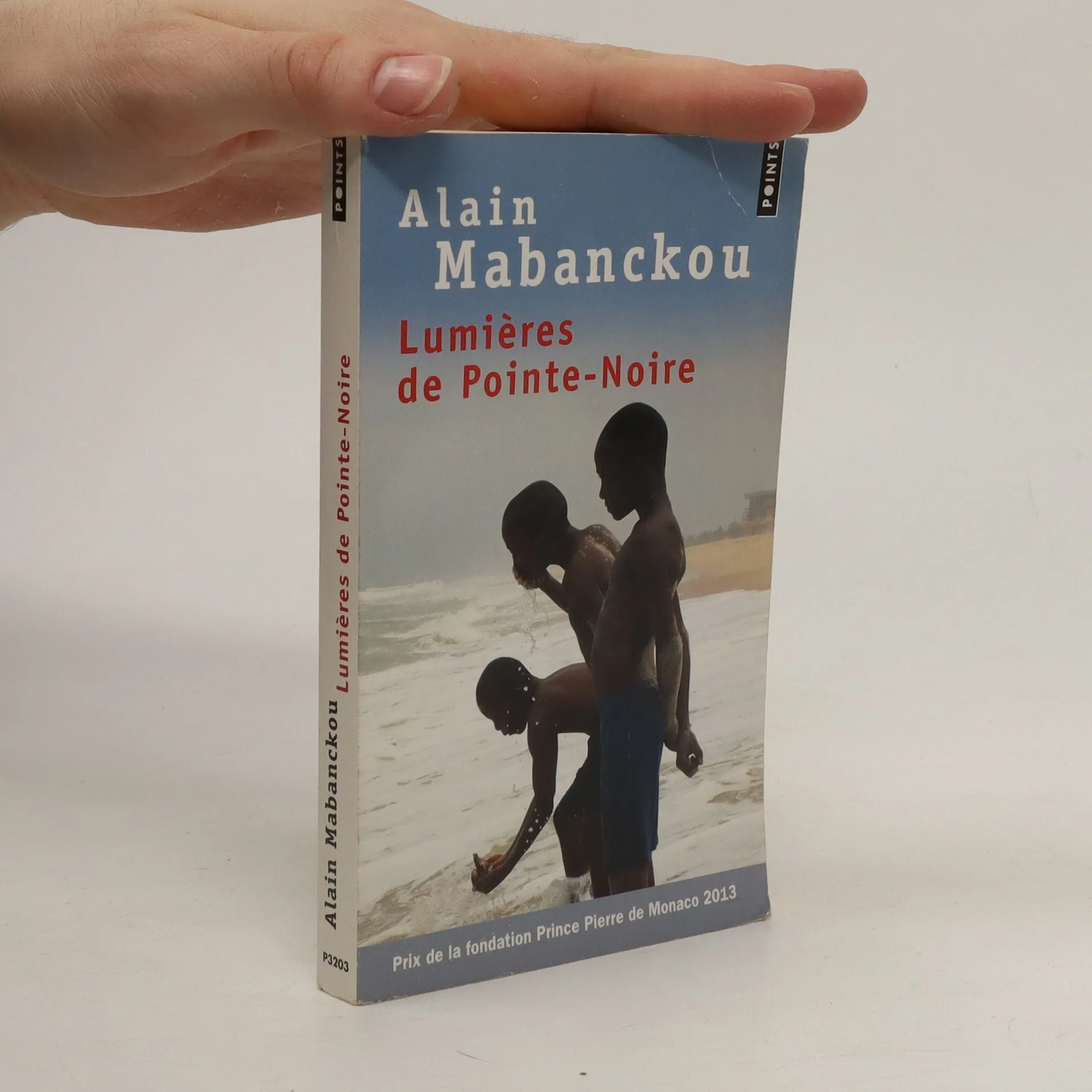
Après vingt-trois ans d’absence, je suis retourné à Pointe-Noire, ville portuaire du Congo où j’ai grandi. Entre-temps, ma mère est morte et, moi, le fils unique, je ne suis pas allé aux obsèques. Pendant un mois, j’ai arpenté la ville en étranger : la cabane de maman Pauline, le lycée Karl-Marx, le cinéma Rex… Jour après jour, entre surnaturel et enchantement, j’ai ressuscité les lumières de mon enfance.
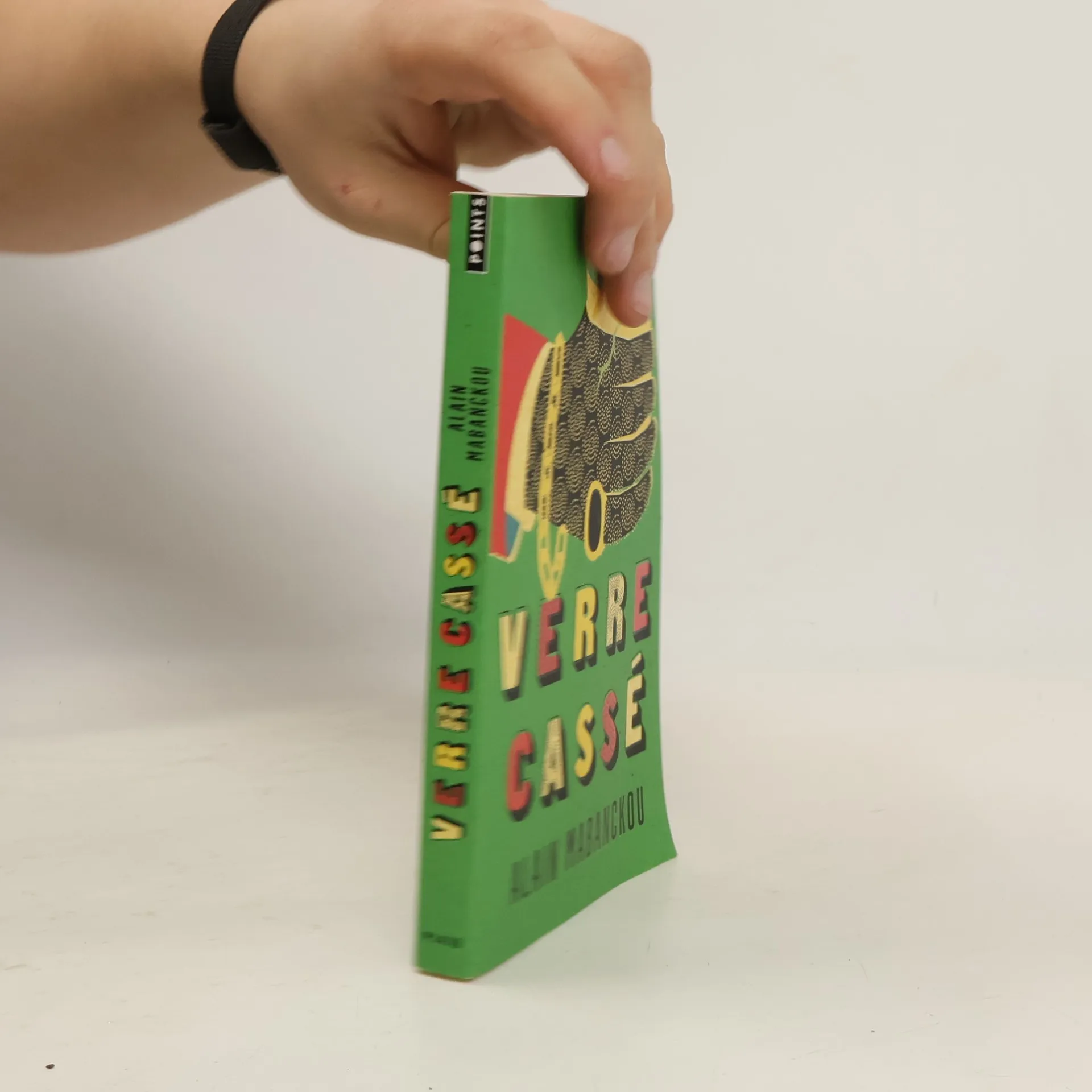
Alain Mabanckou’s riotous new novel centers on the patrons of a run-down bar in the Congo. In a country that appears to have forgotten the importance of remembering, a former schoolteacher and bar regular nicknamed Broken Glass has been elected to record their stories for posterity. But Broken Glass fails spectacularly at staying out of trouble as one denizen after another wants to rewrite history in an attempt at making sure his portrayal will properly reflect their exciting and dynamic lives. Despondent over this apparent triumph of self-delusion over self-awareness, Broken Glass drowns his sorrows in red wine and riffs on the great books of Africa and the West. Brimming with life, death, and literary allusions, Broken Glass is Mabanckou’s finest novel — a mocking satire of the dangers of artistic integrity.
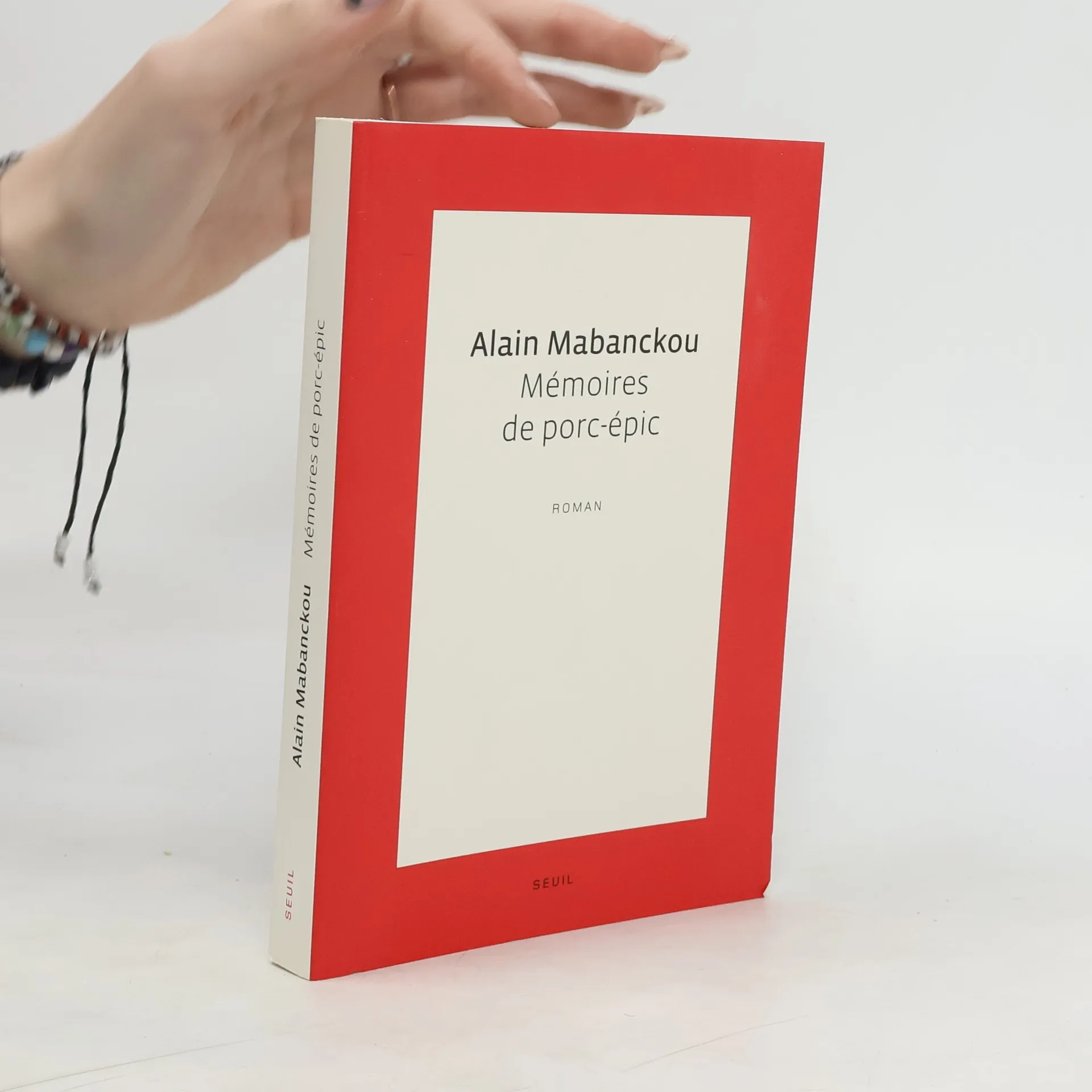
Alain Mabanckou revisite en profondeur un certain nombre de lieux fondateurs de la littérature et de la culture africaines, avec amour, humour et dérision. Parodiant librement une légende populaire selon laquelle chaque être humain possède son double animal, il nous livre dans ce récit l'histoire d'un étonnant porc-épic, chargé par son alter ego humain, un certain Kibandi, d'accomplir à l'aide de ses redoutables piquants toute une série de meurtres rocambolesques. Malheur aux villageois qui se retrouvent sur la route de Kibandi, car son ami porc-épic est prêt à tout pour satisfaire la folie sanguinaire de son "maître" ! En détournant avec brio et malice les codes narratifs de la fable, Alain Mabanckou renouvelle les formes traditionnelles du conte africain dans un récit truculent et picaresque où se retrouvent l'art de l'ironie et la verve inventive qui font de lui une des voix majeures de la littérature francophone actuelle.
De jonge Mozes heeft geen gemakkelijk leven in het weeshuis waar hij opgroeit. Niet alleen is er de strenge directeur Dieudonné Ngoulmoumako, hij wordt ook nog eens gepest door een etterige tweeling. Maar als Mozes wraak neemt door rode peper over hun eten te strooien, oogst hij hun respect en raken ze bevriend. Gedrieën ontvluchten ze het weeshuis en belanden in de kuststad Pointe-Noire, waar ze een nieuw leven beginnen als dievenbende.
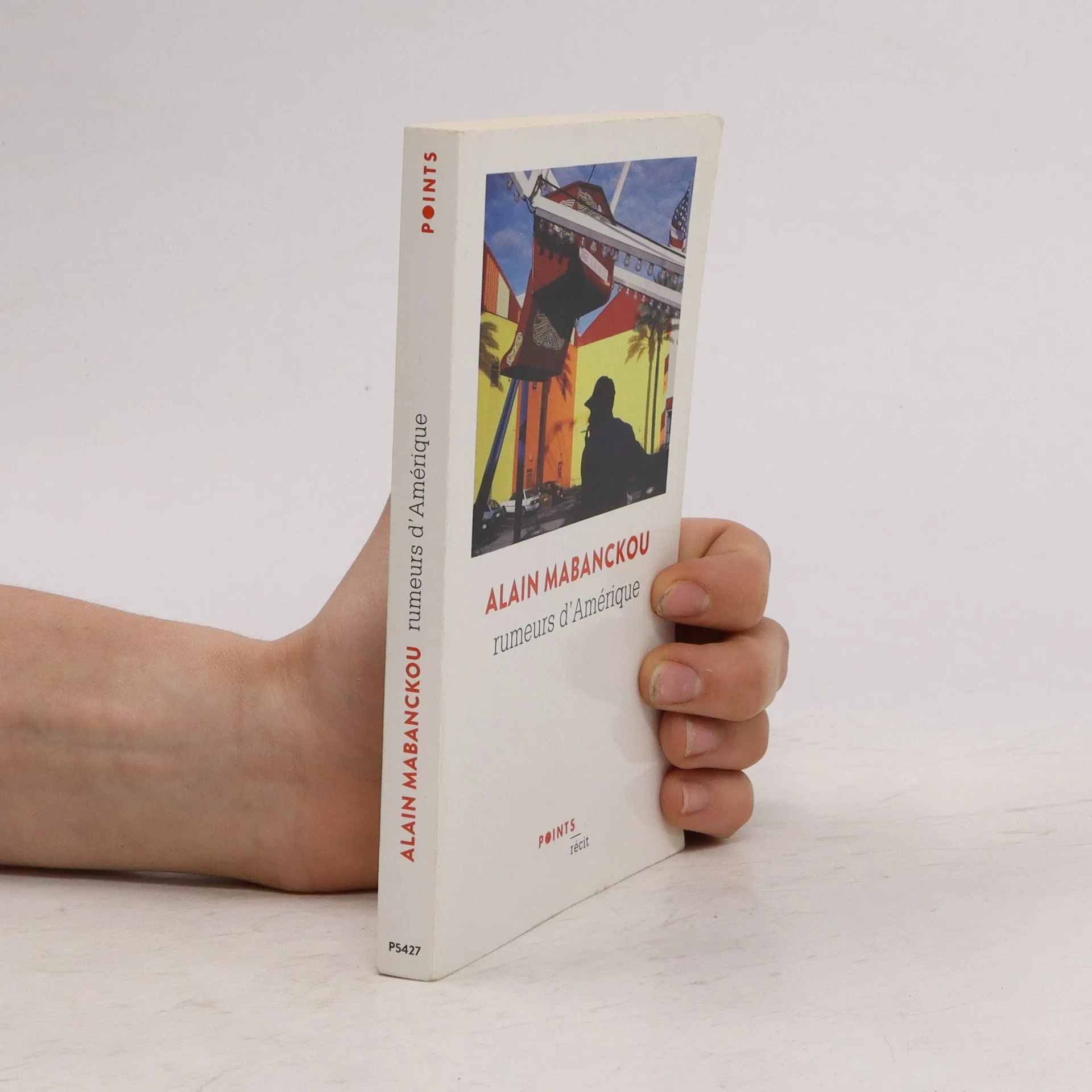
Ici, Alain Mabanckou s’est fondu dans la masse, il a tâté le pouls de ceux qui ont sa couleur, et de ceux qui sont différents de lui, avec lesquels il compose au quotidien. Certains lieux lui soufflent leur histoire car il les connait intimement. D'autres lui résistent, et il lui faut quelquefois excaver longtemps pour voir enfin apparaître leur vrai visage. Entre les rebondissements de l'insolite, la digression de l'anecdote et les mirages de l'imaginaire, l’écrivain monde livre une autobiographie américaine, infiniment personnelle. Alain Mabanckou est poète et romancier. En 2015, il a été Professeur de création artistique au Collège de France. Il enseigne actuellement la littérature française à l'UCLA. Il est notamment l'auteur de Mémoires de porc-épic – prix Renaudot – et Petit Piment , disponibles chez Points. « Un errance toute musicale, impressions vagabondes sur l’Amérique et le monde. » Marianne
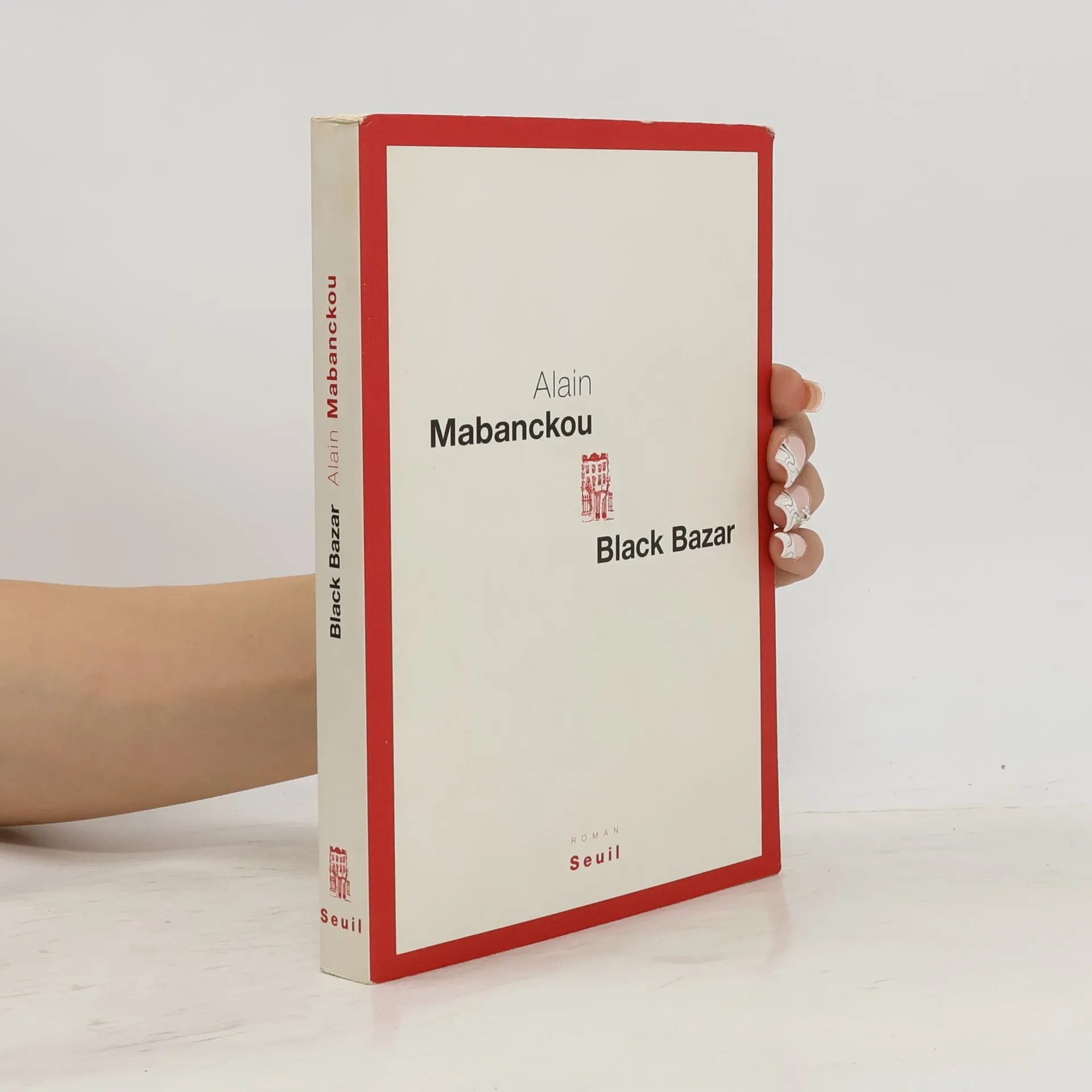
Le héros de Black Bazar est un dandy africain de notre temps, amoureux des cols italiens et des chaussures Weston, qui découvre sa vocation d'écrivain au détour d'un chagrin d'amour. Naviguant entre complainte et dérision, il brosse avec truculence un tableau sans concession de la folie du monde qui l'entoure. Tour à tour burlesque et pathétique, son récit va prêter sa voix à toute une galerie de personnages étonnants, illustrant chacun à leur manière la misère et la grandeur de la condition humaine. Un roman à la verve endiablée, tournant le dos aux convenances et aux idées reçues, par l'une des voix majeures de la littérature francophone actuelle.
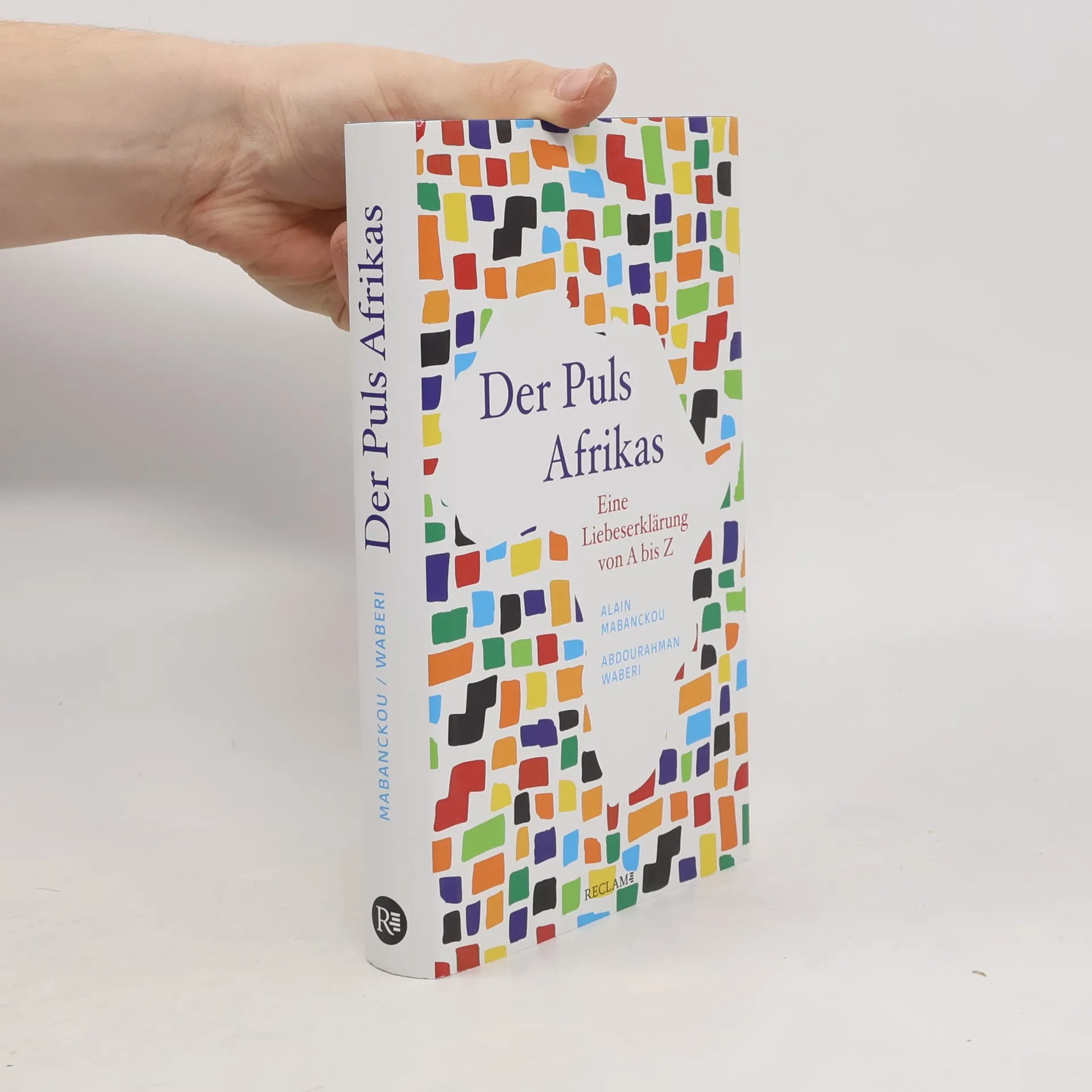
Eine Liebeserklärung von A bis Z
Ist es ein Wörterbuch, eine Liebeserklärung oder doch ein Manifest? Die beiden Literaten Alain Mabanckou und Abdourahman Waberi haben eine ganz eigene Form gefunden, um die Vielfalt des afrikanischen Kontinents in Worte zu fassen. In 111 kurzen Essays und Betrachtungen voller Humor und Scharfsinn stellen sie Aspekte der Kulturen und Geschichte Afrikas vor – von Persönlichkeiten wie Ngũgĩ wa Thiong’o über historische Ereignisse bis zu Alltagsphänomenen wie der Afrofrisur und (kein Witz!) dem Maggiwürfel. Ein oft persönliches und stets erhellendes Buch über einen Kontinent, dessen reiche Tradition der Welt erst ansatzweise bewusst ist – und der sich beeindruckend schnell verändert. »Mabanckou und Waberi definieren Afrika neu.« Le Monde
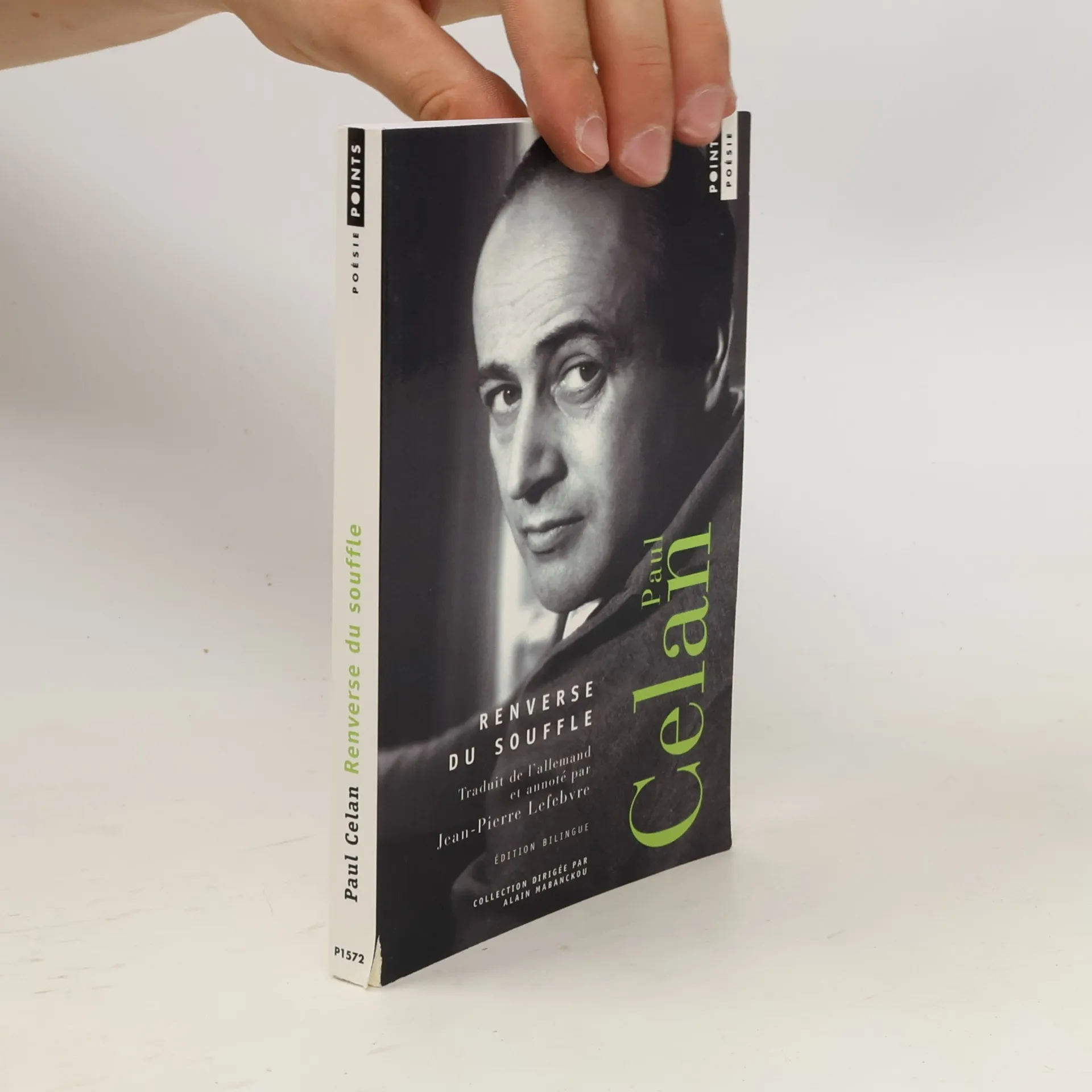
Traduit de l'allemand et annoté par Jean-Pierre Lefebvre - Édition bilingue
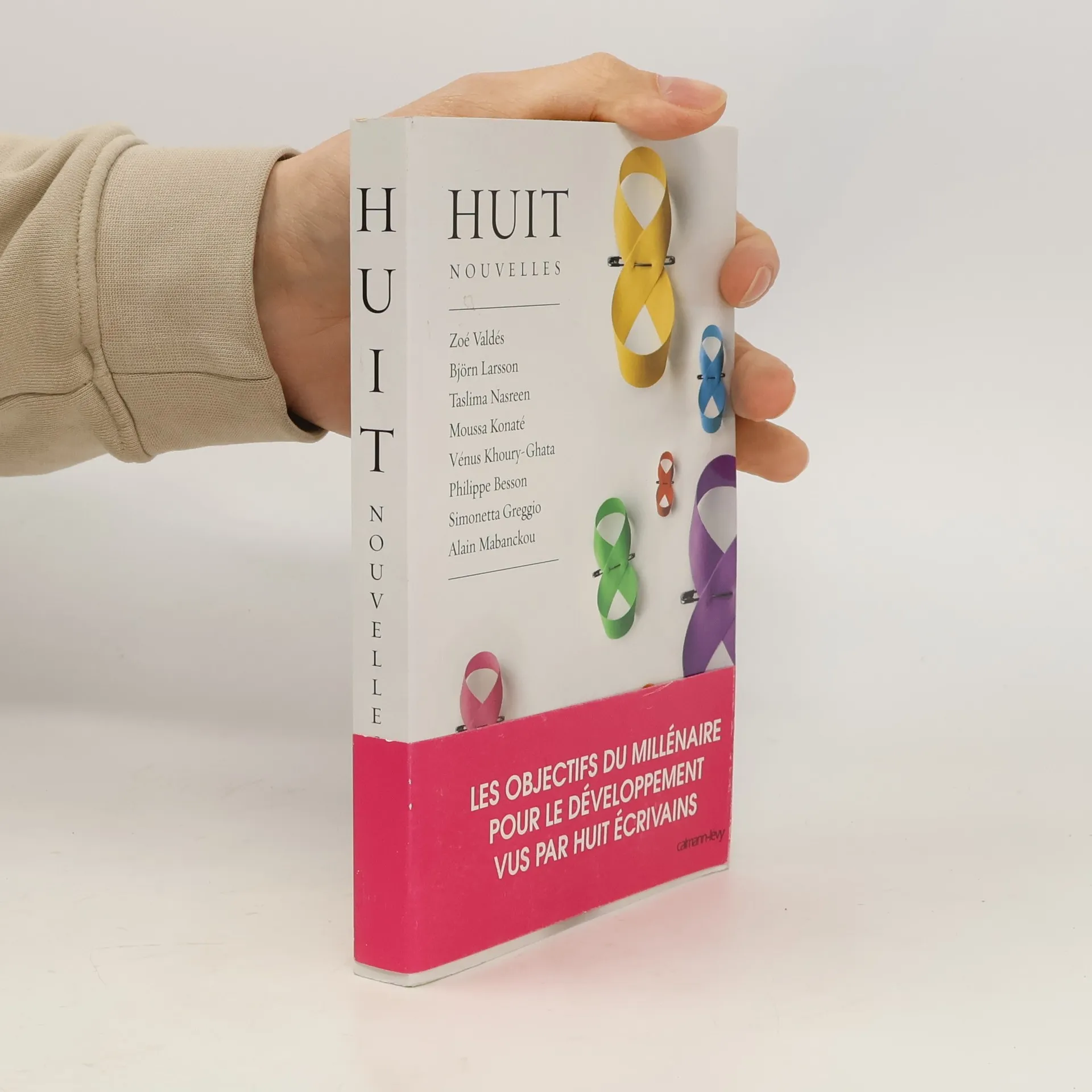
En septembre 2000, pour la première fois, tous les Etats membres des Nations unies se sont engagés à réaliser un projet commun pour s'attaquer à la fatalité de la misère. Ils ont adopté huit objectifs ambitieux et réalistes qui visent à, combattre la faim et la pauvreté, à préserver l'environnement, à améliorer l'accès à l'éducation et a la santé, à promouvoir l'égalité des sexes, et à mettre en place un partenariat mondial d'ici à 2015. Dans les huit nouvelles inédites qui composent ce recueil, on croise une réalisatrice de documentaires qui découvre le quotidien des Haïtiens, un garçon rwandais qui rêve d'aller à l'école refoulé aux portes de l'Europe, une jeune fille arpentant les trottoirs de Ramana, un marchand de tamis qui se bat pour la survie de ses enfants au Mali, une fille mère en danger de mort au Liban, un Européen confronté à la maladie dans un pays lointain, un producteur aux prises avec les cadavres de ses ancêtres dans le Sud de la France, un conférencier des Nations unies interpellé par les habitants d'une grande ville du Congo... Avec humour, gravité, tendresse et lucidité, Zoé Valdés, Björn Larsson, Taslima Nasreen, Moussa Konaté, Vénus Khoury-Ghata, Philippe Besson, Simonetta Greggio et Alain Mabanckou brossent les portraits de femmes, d'hommes et d'enfants qui mettent en lumière l'urgente nécessité d'agir pour un nouveau modèle de développement.
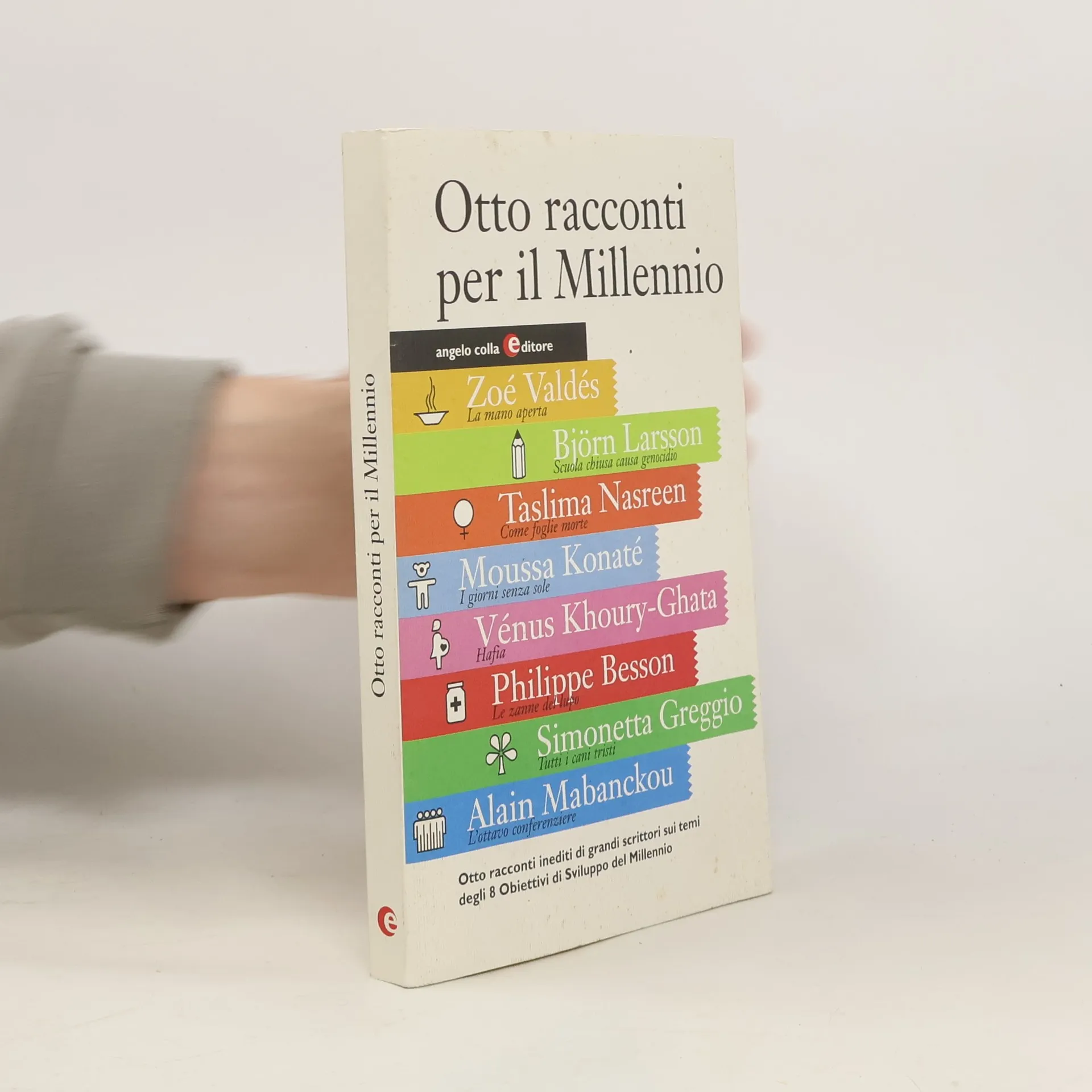
Otto racconti inediti di grandi scrittori sui temi degli 8 Obiettivi di Sviluppo del Millennio