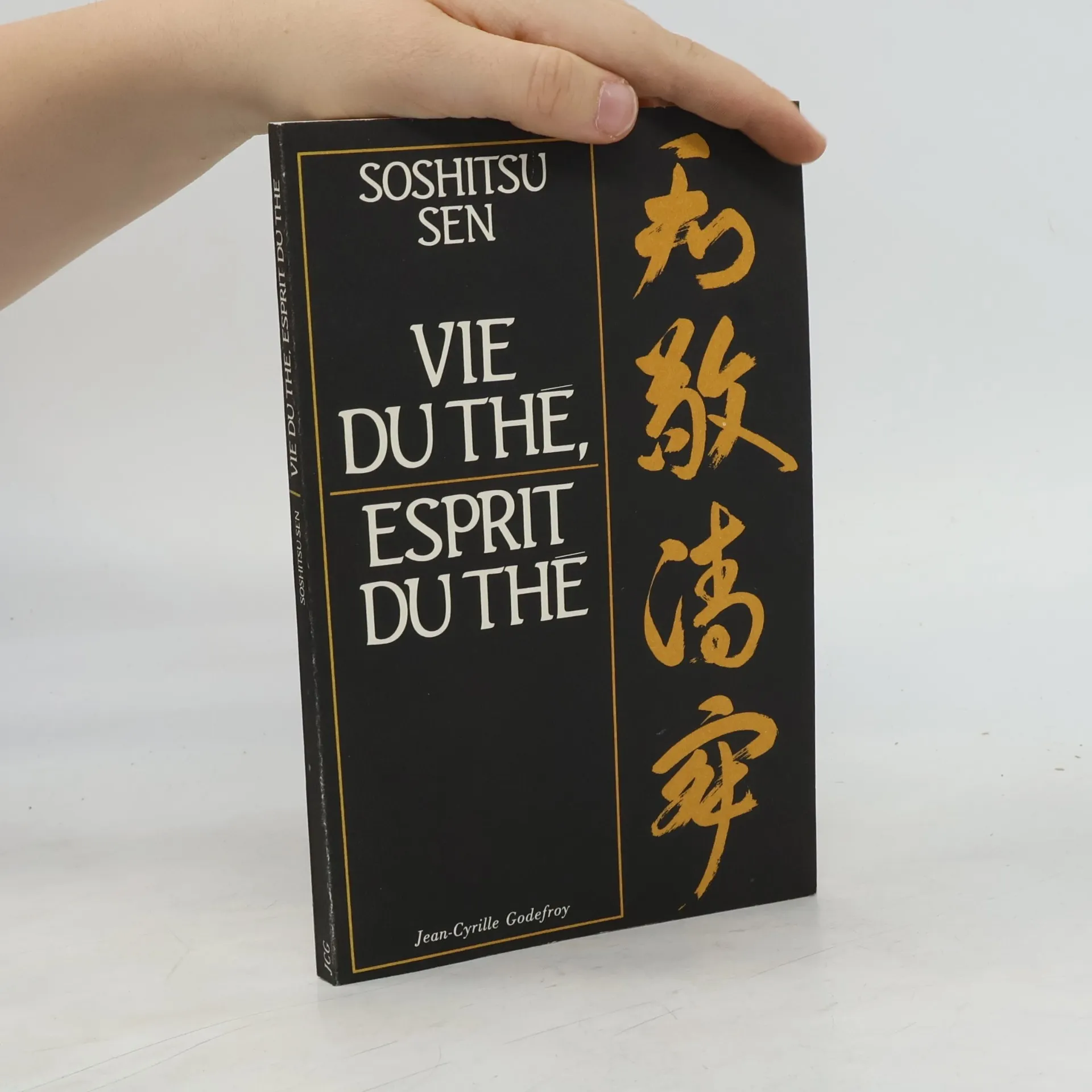
Prostý úkon podávání a vděčného přijímání čaje je základem způsobu života, který se nazývá Čadó – Cesta čaje. Je-li miska čaje podávána v souladu s čajovou etiketou, vchází do hry kulturní syntéza širokého rozsahu s aspekty náboženství, morálky, estetiky, filozofie, kázně a společenských vztahů. S miskou čaje lze dosáhnout opravdového míru a mírumilovnosti.
Sōshitsu Sen Orden de los libros (cronológico)
Este autor es reconocido por obras que profundizan en las profundidades de la psique humana. Su escritura se caracteriza por una introspección profunda y un lenguaje poético que atrae a los lectores a intrincados paisajes emocionales. A través de narrativas cuidadosamente elaboradas, explora temas de identidad, memoria y la búsqueda de significado en un mundo a menudo caótico. Su habilidad única para capturar los sutiles matices de la experiencia humana lo convierte en una voz distintiva en la literatura.
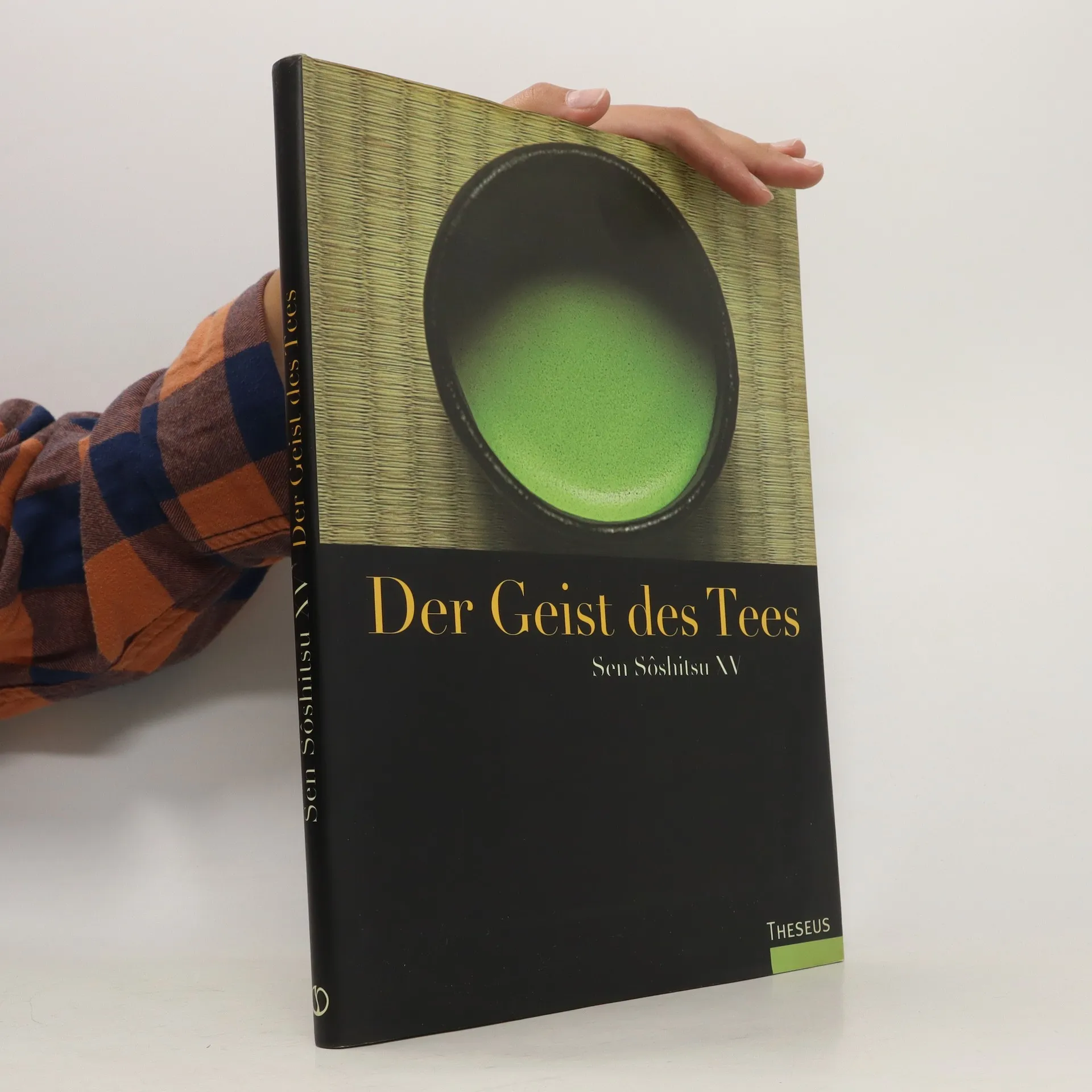
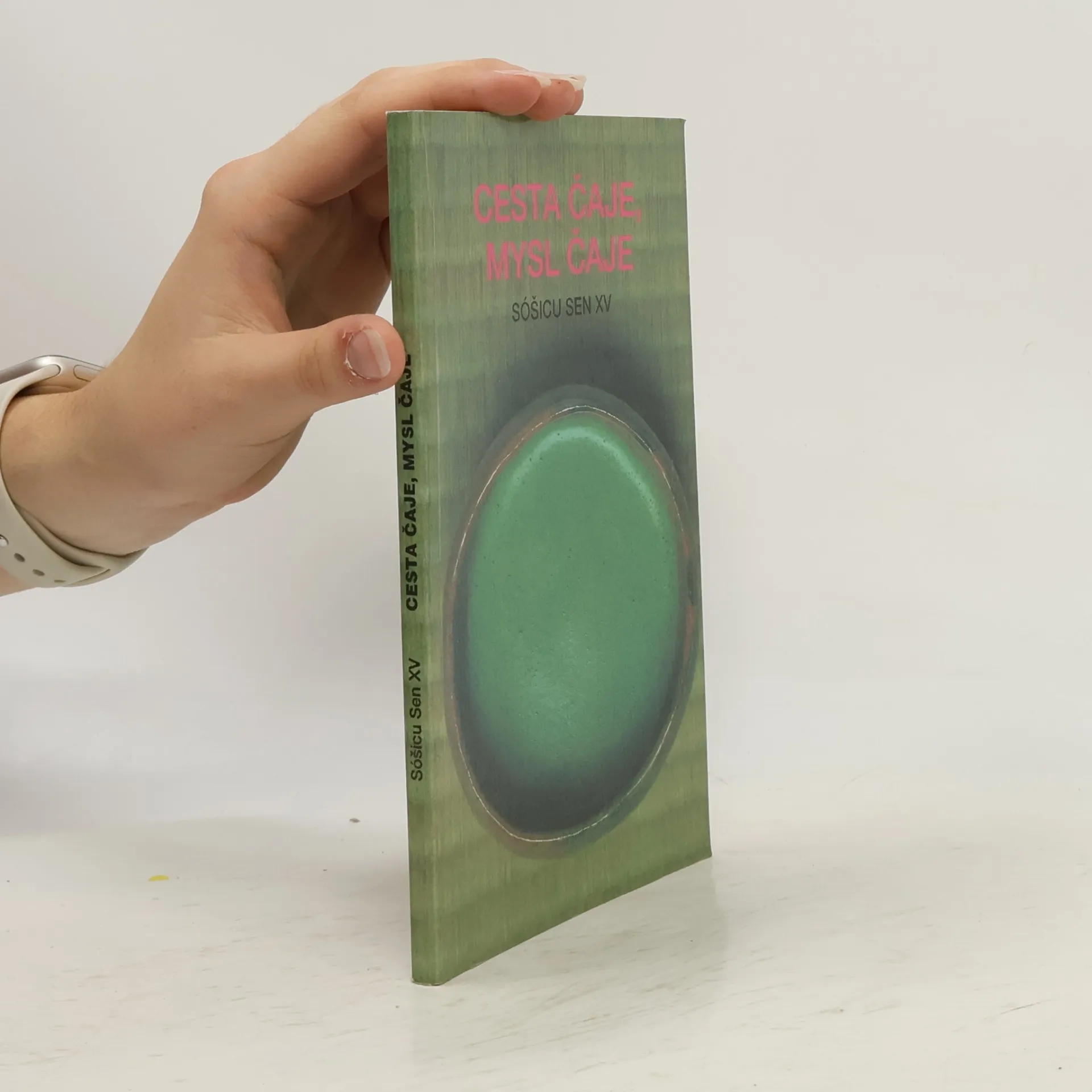
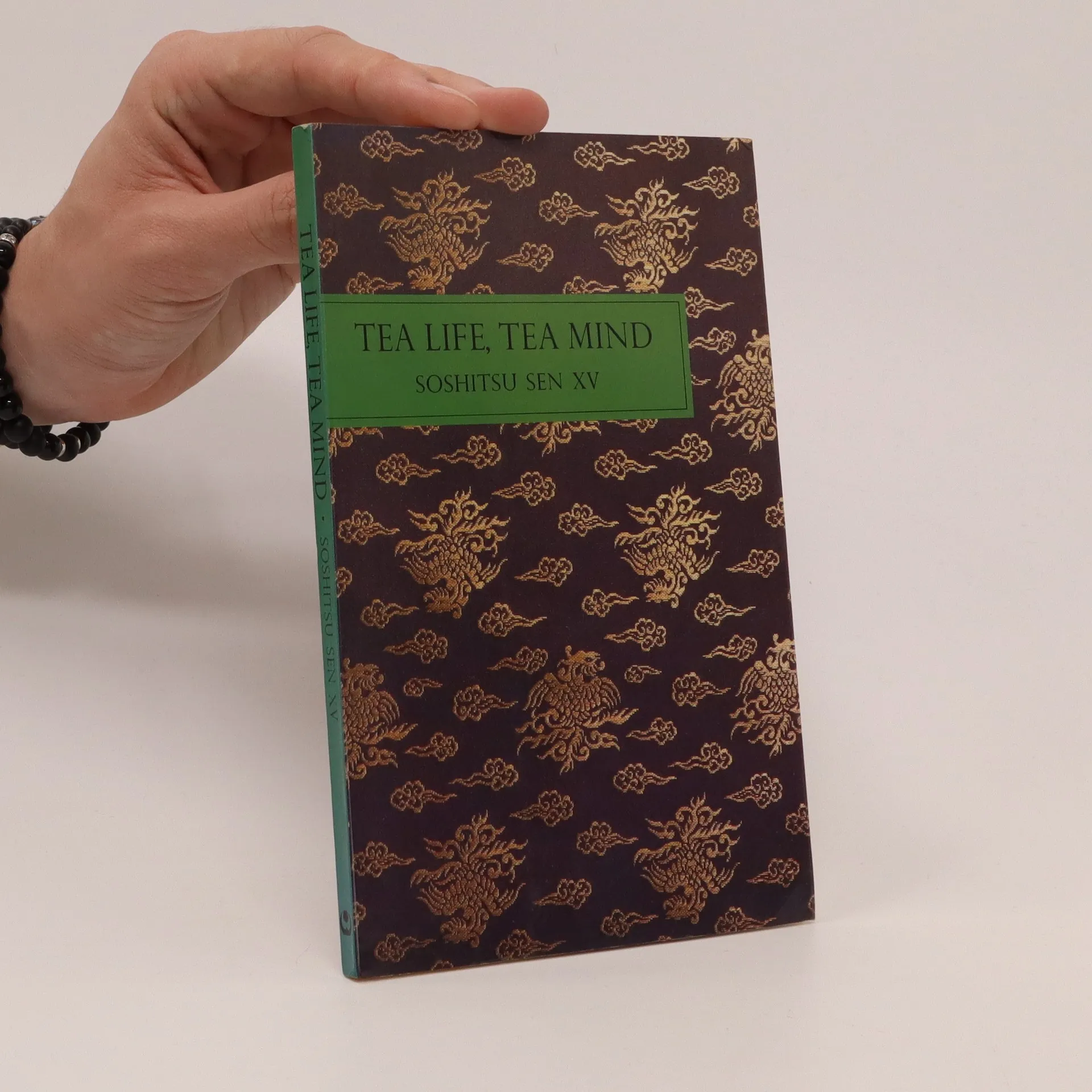
Anhand ausdrucksstarker Fotos und kurzer Beschreibungen wird in diesem Buch die japanische Tradition des Teeweges vorgestellt, die auch im Westen immer mehr Freunde findet. Entstanden als einer der Wege des Zen-Buddhismus, geht es beim Teeweg (Chado) um den Einklang mit der inneren und äußeren Natur, um Einfachheit, Harmonie und die Konzentration auf das Wesentliche. Vor allem diese Ausrichtung begründet die Faszination und den Einfluss der fernöstlichen Ästhetik auf unseren westlichen Lebensstil, der sich u. a. im Design, in der (Innen-)Architektur und der modernen Kunst zeigt. Der Geist des Tees vermittelt in ästhetisch beeindruckender Weise, wie der Teeweg gegen die Wirrnis und das Chaos des modernen Lebens vollkommene Harmonie setzt, gegen die Hast und Unruhe eine lebendige Stille und Zeitlosigkeit. Ein Buch, das diese Zeitlosigkeit in Text und Bild erahnen lässt.
Vie du thé, esprit du thé
- 128 páginas
- 5 horas de lectura
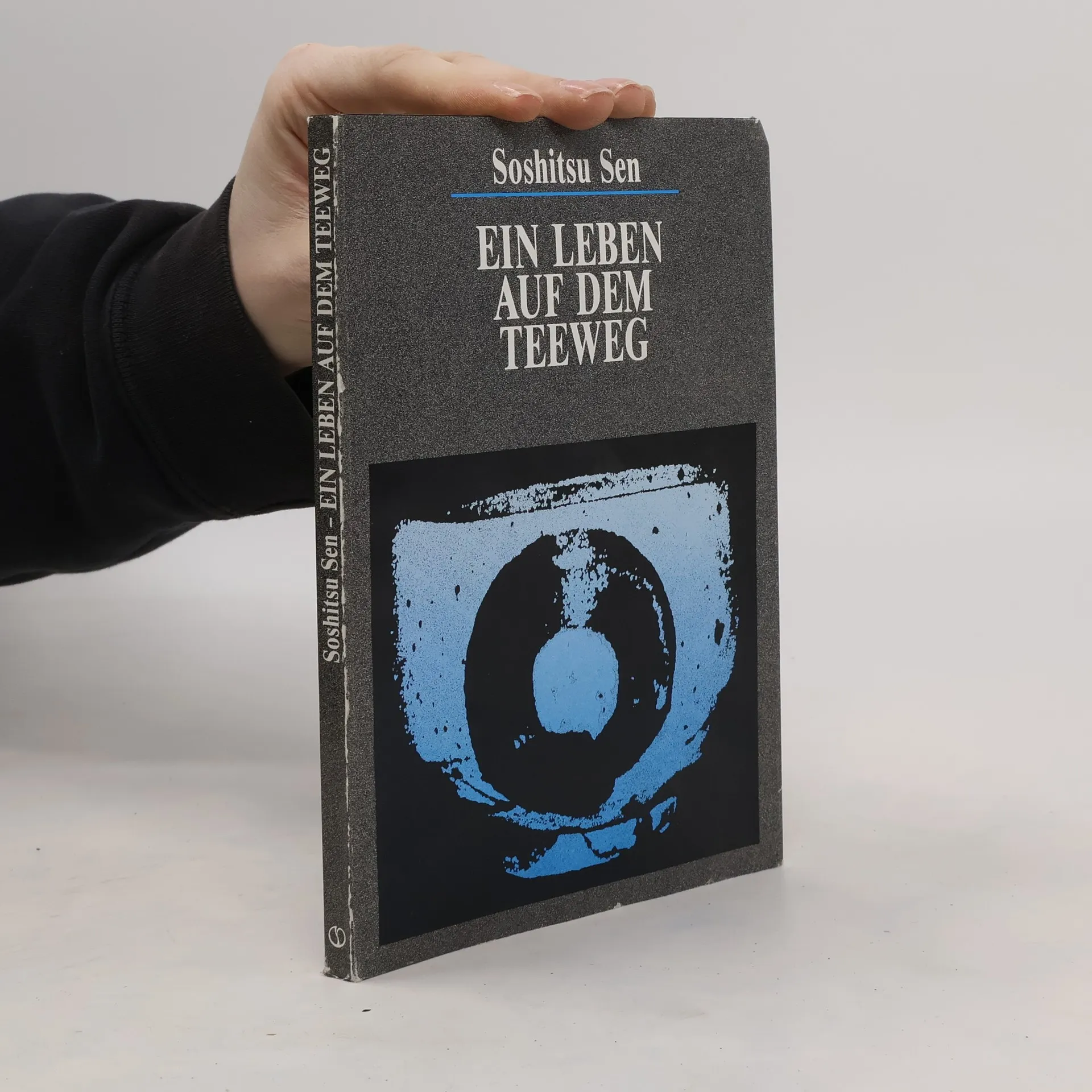
Ein Leben auf dem Teeweg
- 95 páginas
- 4 horas de lectura
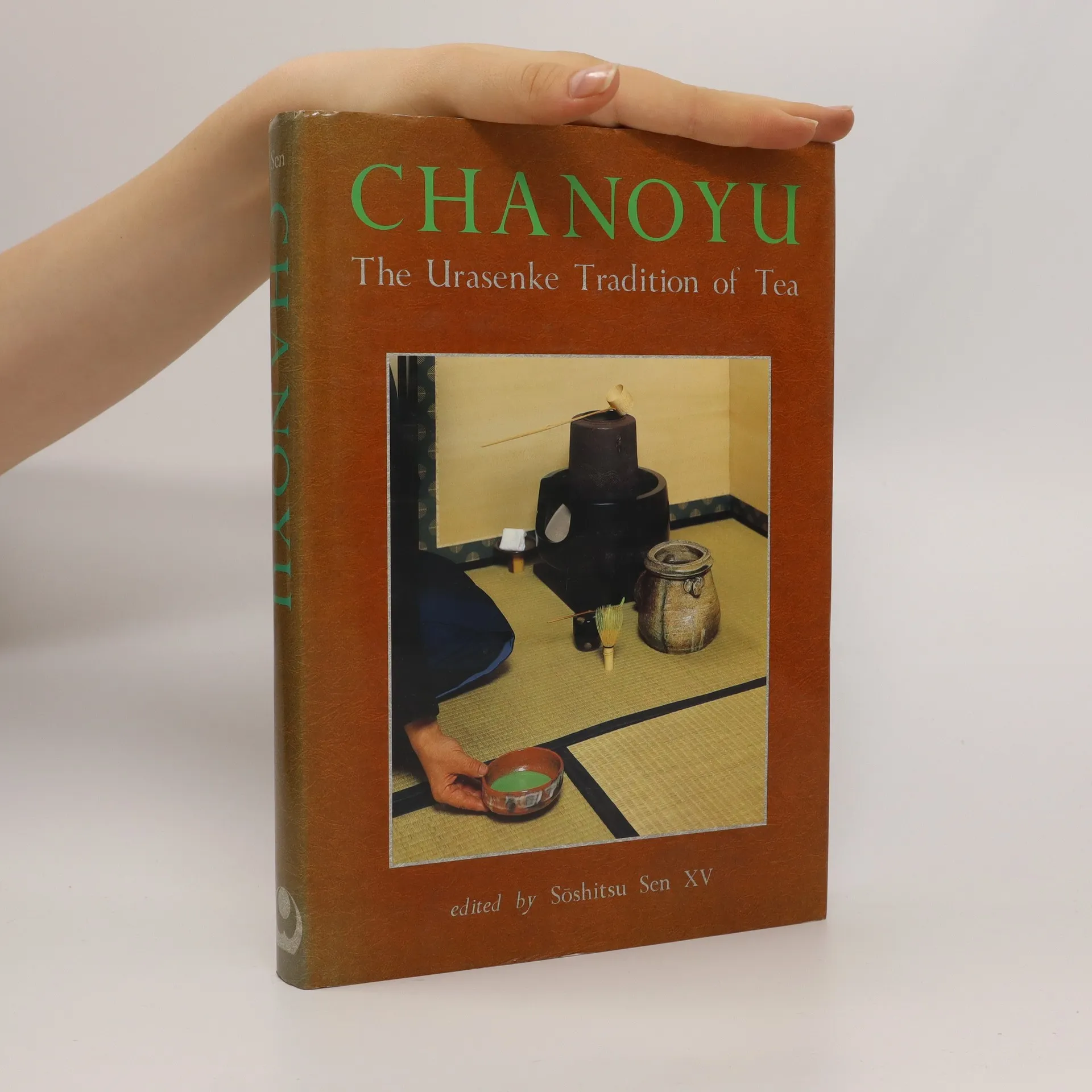
Chanoyu: The Urasenke Tradition of Tea
- 184 páginas
- 7 horas de lectura
Here is the first primer of the Urasenke legacy. The inspirations of the grand masters, their lives, choice of utensils, their ideas and intuitions, and sensibilities provide a background and a setting. The remainder of the book is a concrete, contemporary introduction to the spirit of chanoyu. The spiritual essence of chanoyu is a sharing in tranquillity, simplicity of taste, and muted stillness of natural beauty. The tearoom is the setting, but the tea spirit lies in understanding and sharing the mutual moment of peaceful communication between host, guest, and the quiet surroundings. Chanoyu, by becoming a reflection of inner quiescence, humbly offers new hope--a moment of peace among all human beings partaking in a simple, yet often forgotten, appreciation of repose in a troubled world
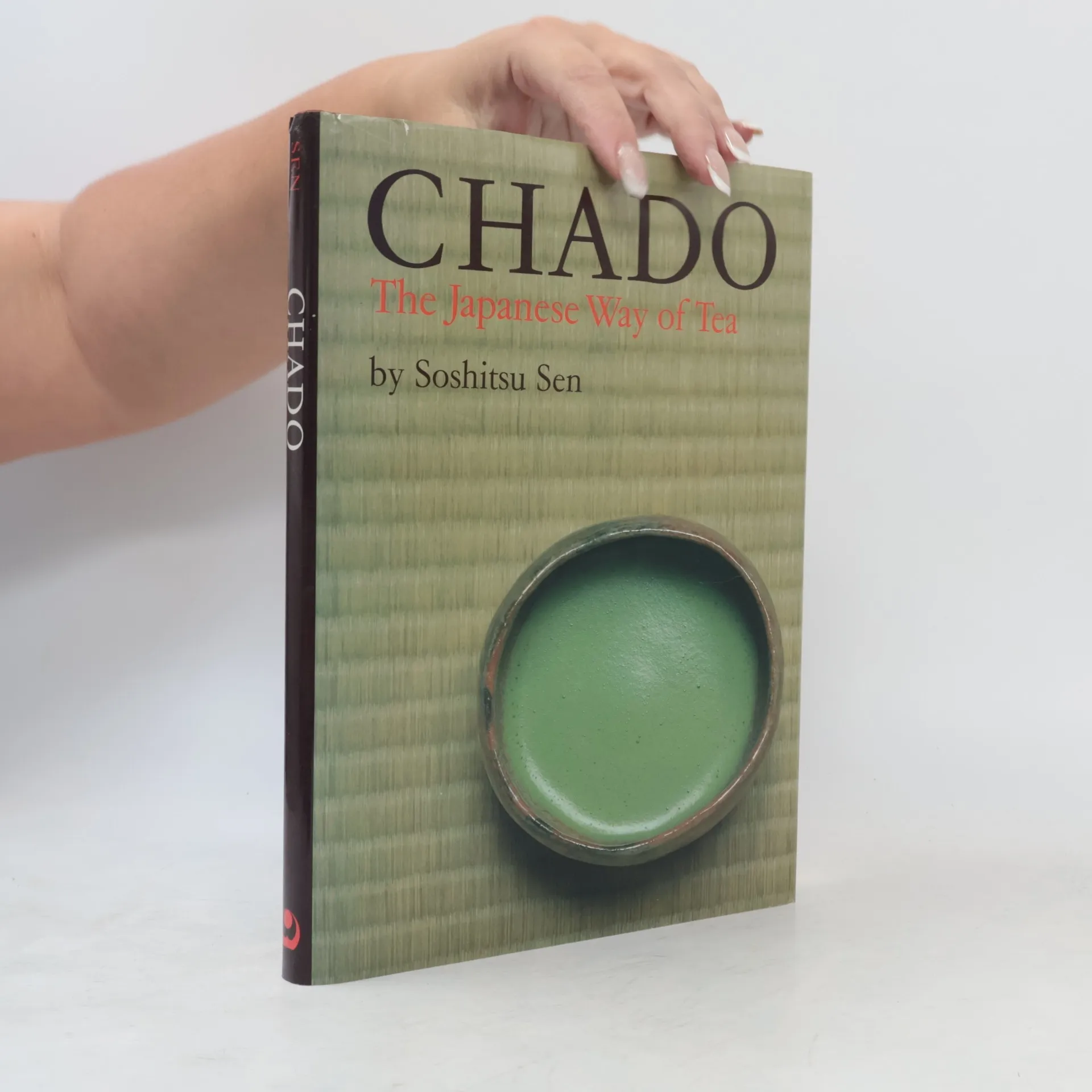
Chado
- 186 páginas
- 7 horas de lectura
"In this lavishly illustrated book, with its 90 color plates and almost 500 black-and-white photos, Soshitsu Sen, fifteenth-generation Grand Master of the Urasenke school of tea, which was founded by Sen Rikyu's great-grandson, sets forth the way of tea as it has developed over the centuries and is practiced today. The reader is introduced to the setting, utensils, and refreshments used for tea, and is then guided through a tea gathering from the time the invitations are sent, through the serving and drinking of the tea, to the final bows of the host as the guests depart through the garden"-- Book jacket