Compra 10 libros por 10 € aquí!
Bookbot

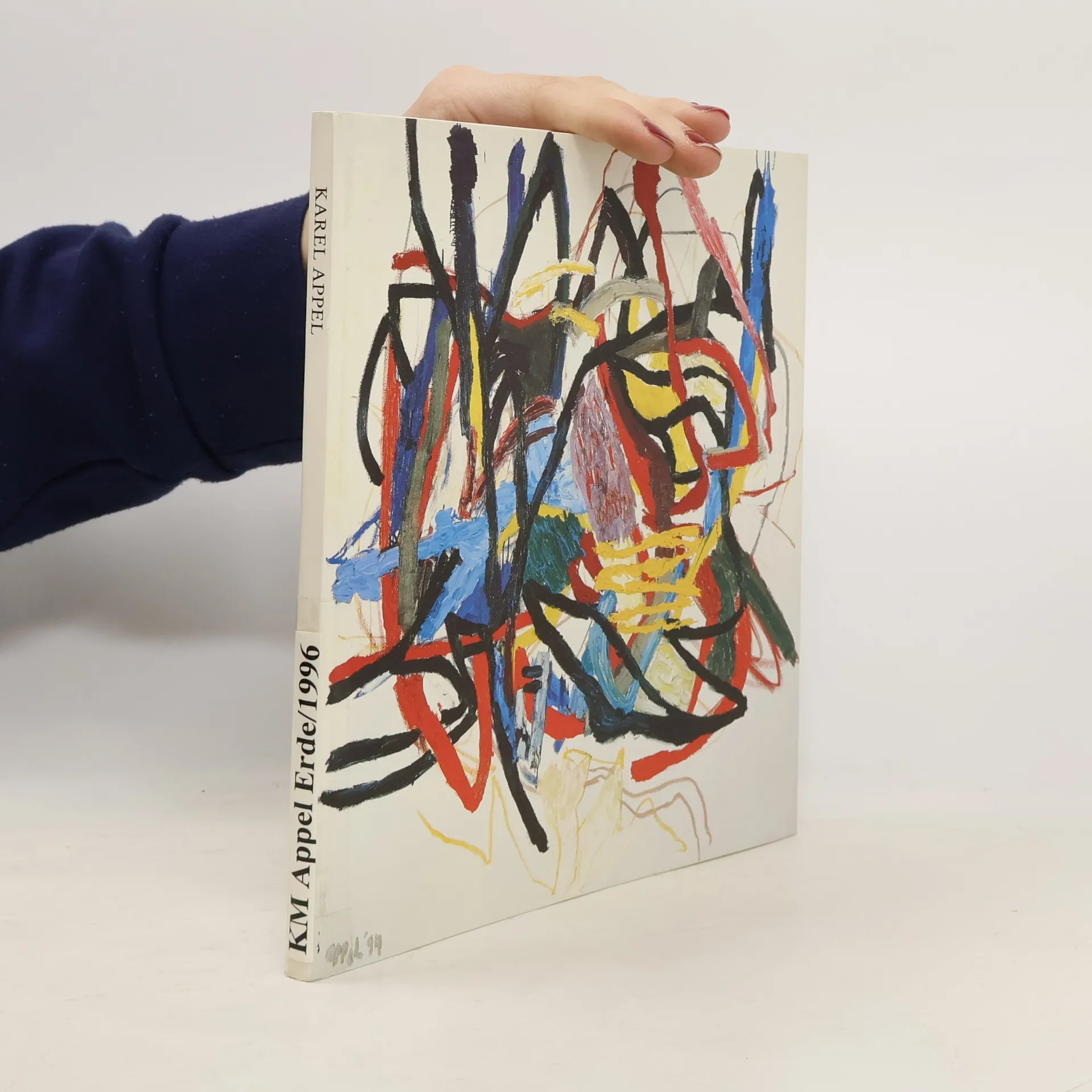
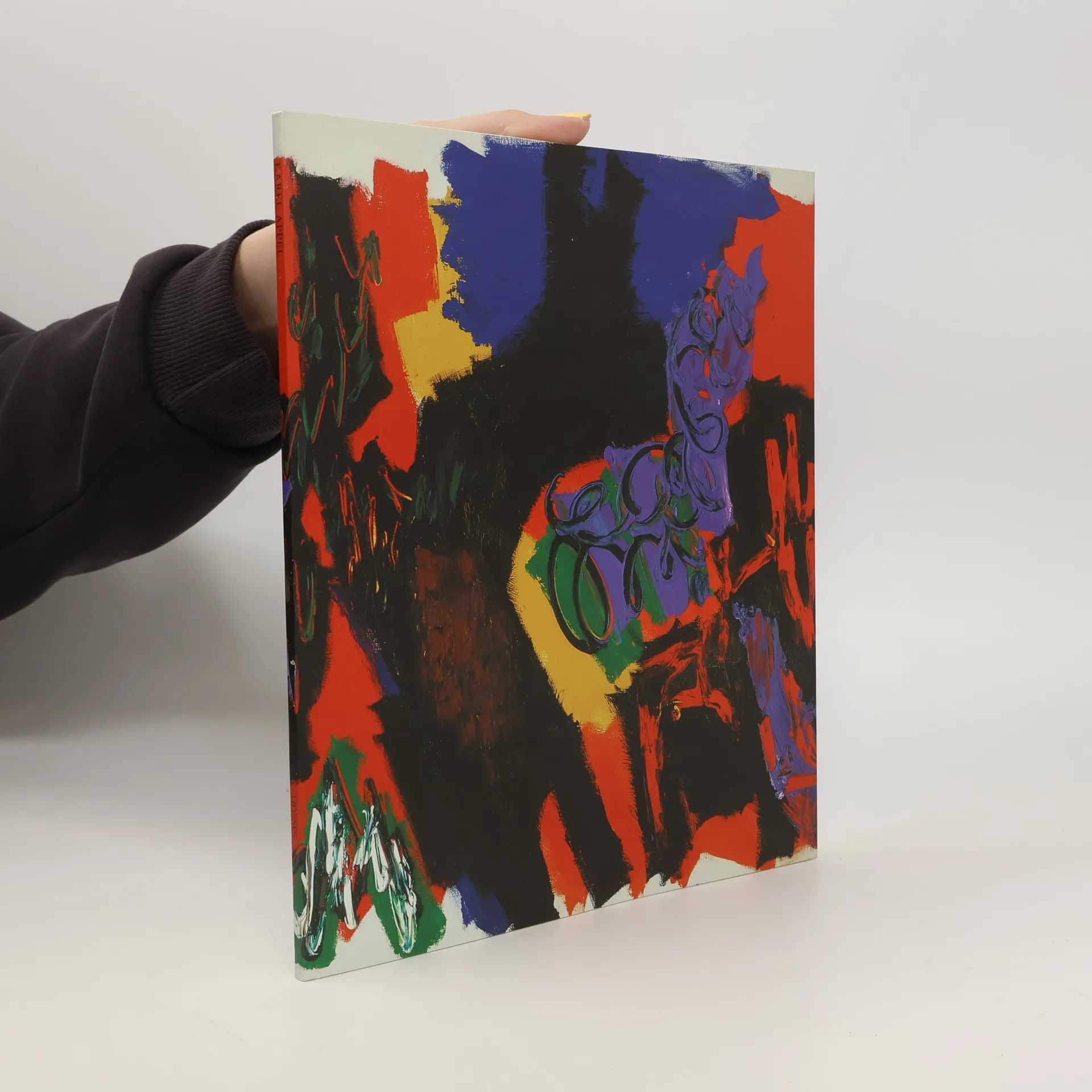
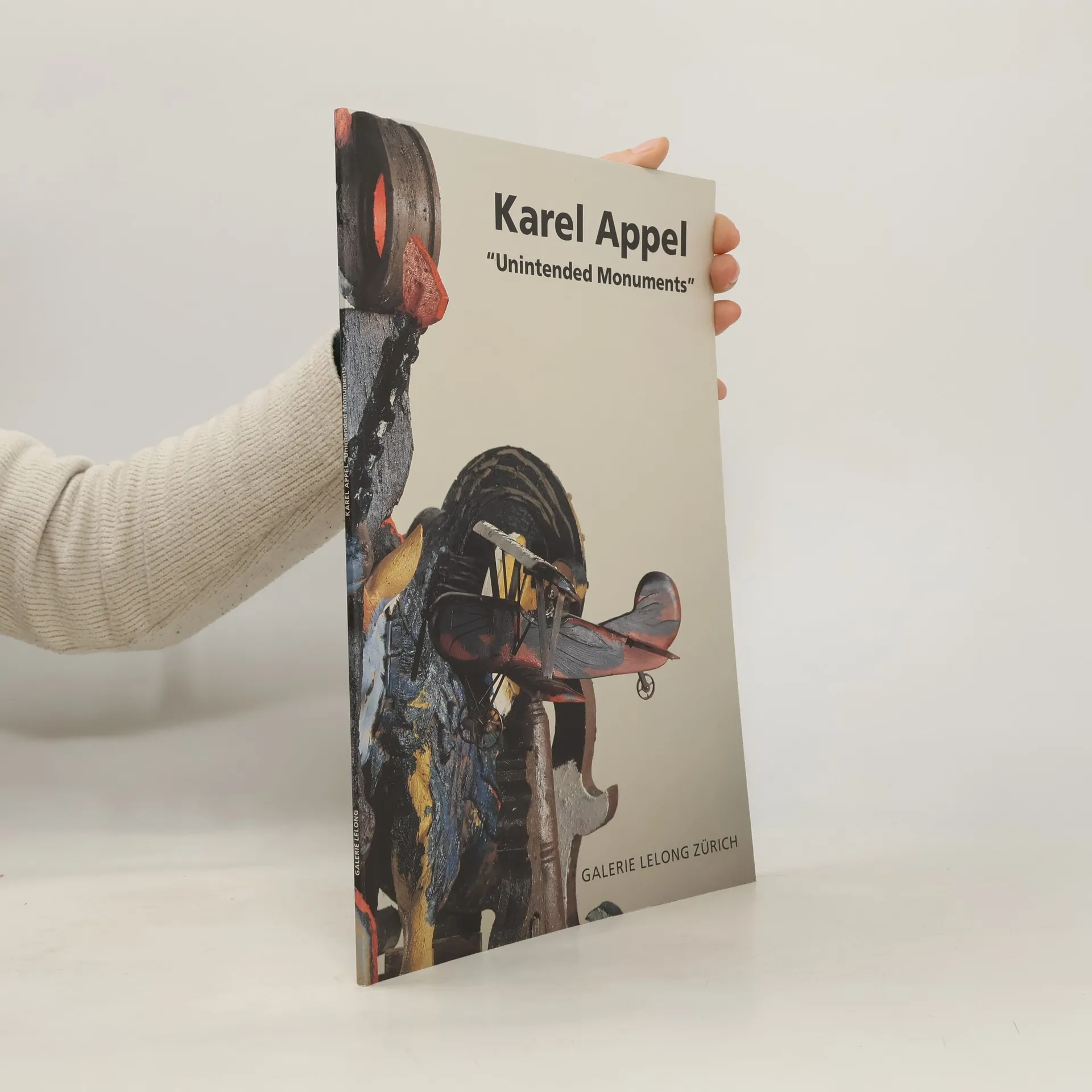
Karel Appel

    25 de abril de 1921 – 3 de mayo de 2006

    Este artista fue un fundador del movimiento de vanguardia Cobra, reconocido por sus pinturas, esculturas y poesía. Su obra temprana, influenciada por sus estudios en la Rijksakademie de Ámsterdam, se caracteriza por su poder expresivo y energía cruda. Sus piezas a menudo exploran temas de la existencia humana con una mirada lúdica pero penetrante. Su legado artístico reside en su enfoque poco convencional de la forma y el color.

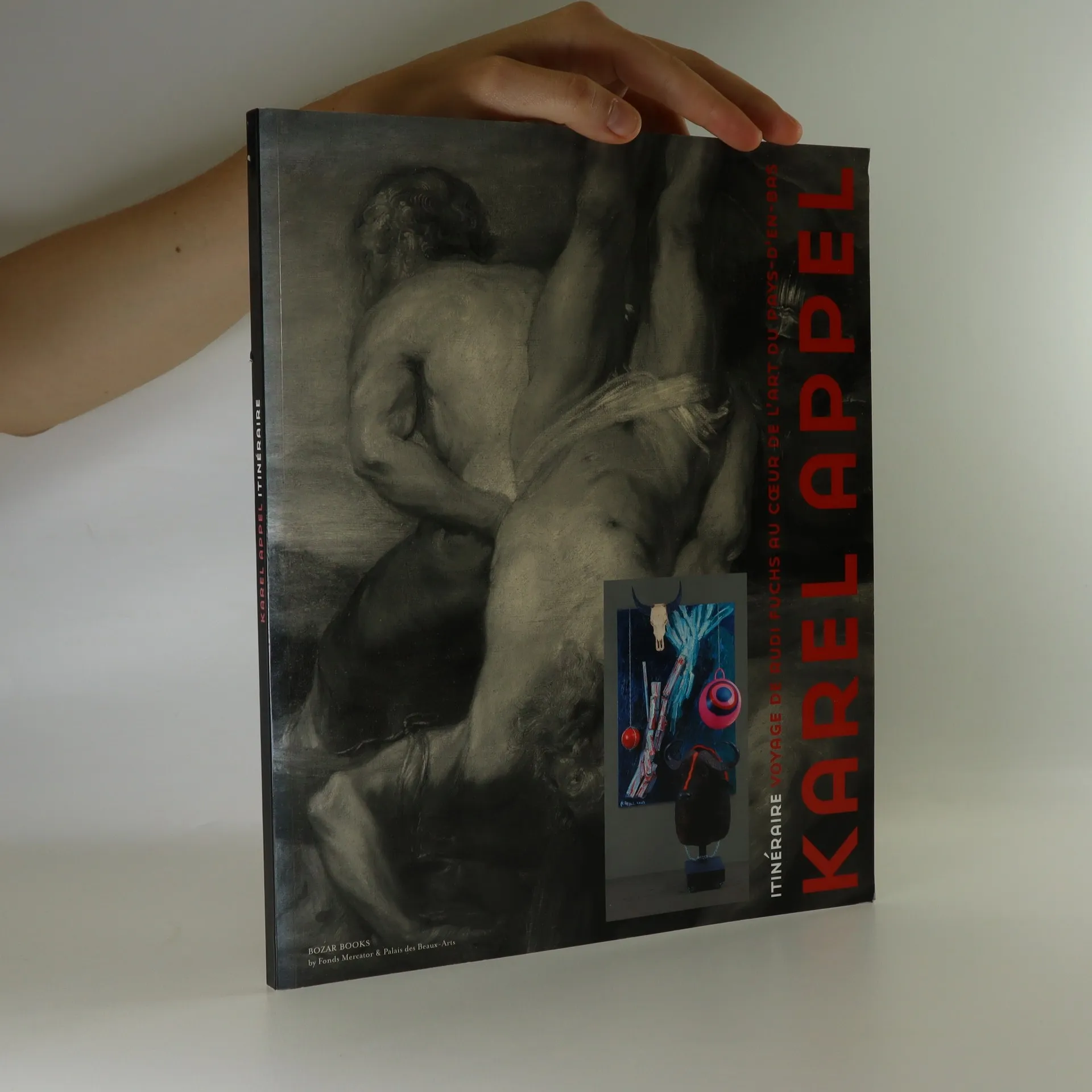
    Itinéraire
    Galerie Ulysses
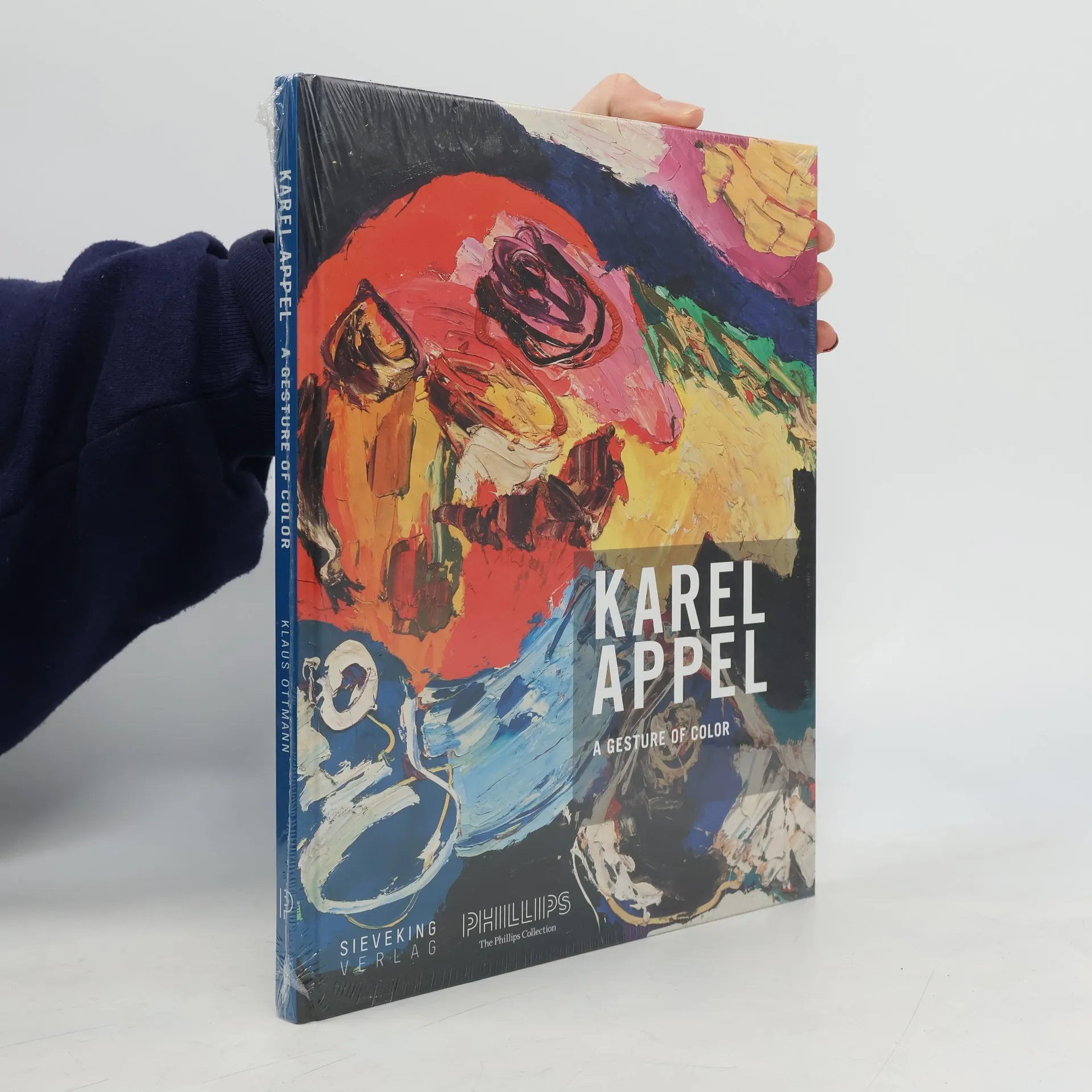
    Karel Appel, a gesture of color
    Karel Appel
    • Karel Appel

      • 144 páginas
      • 6 horas de lectura

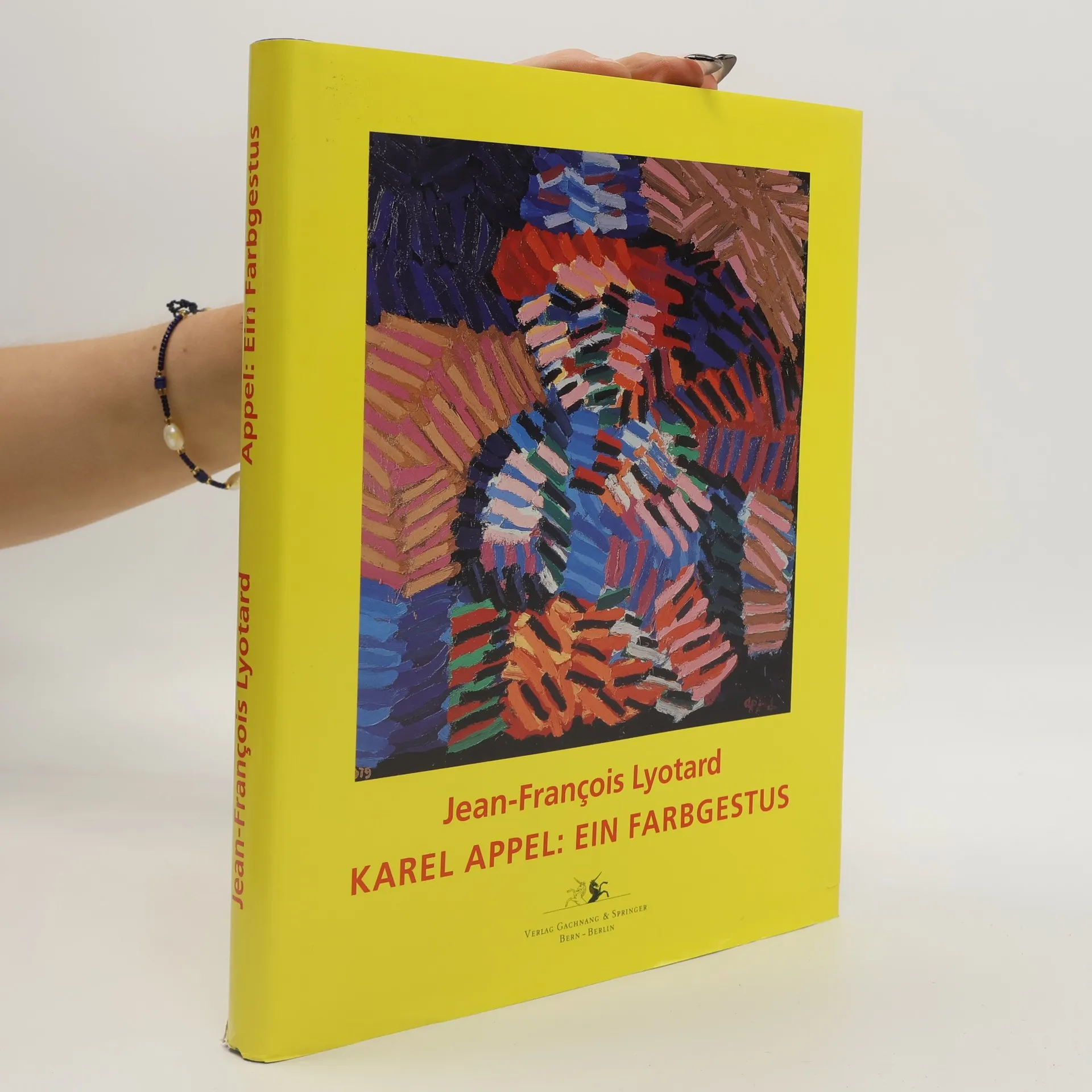
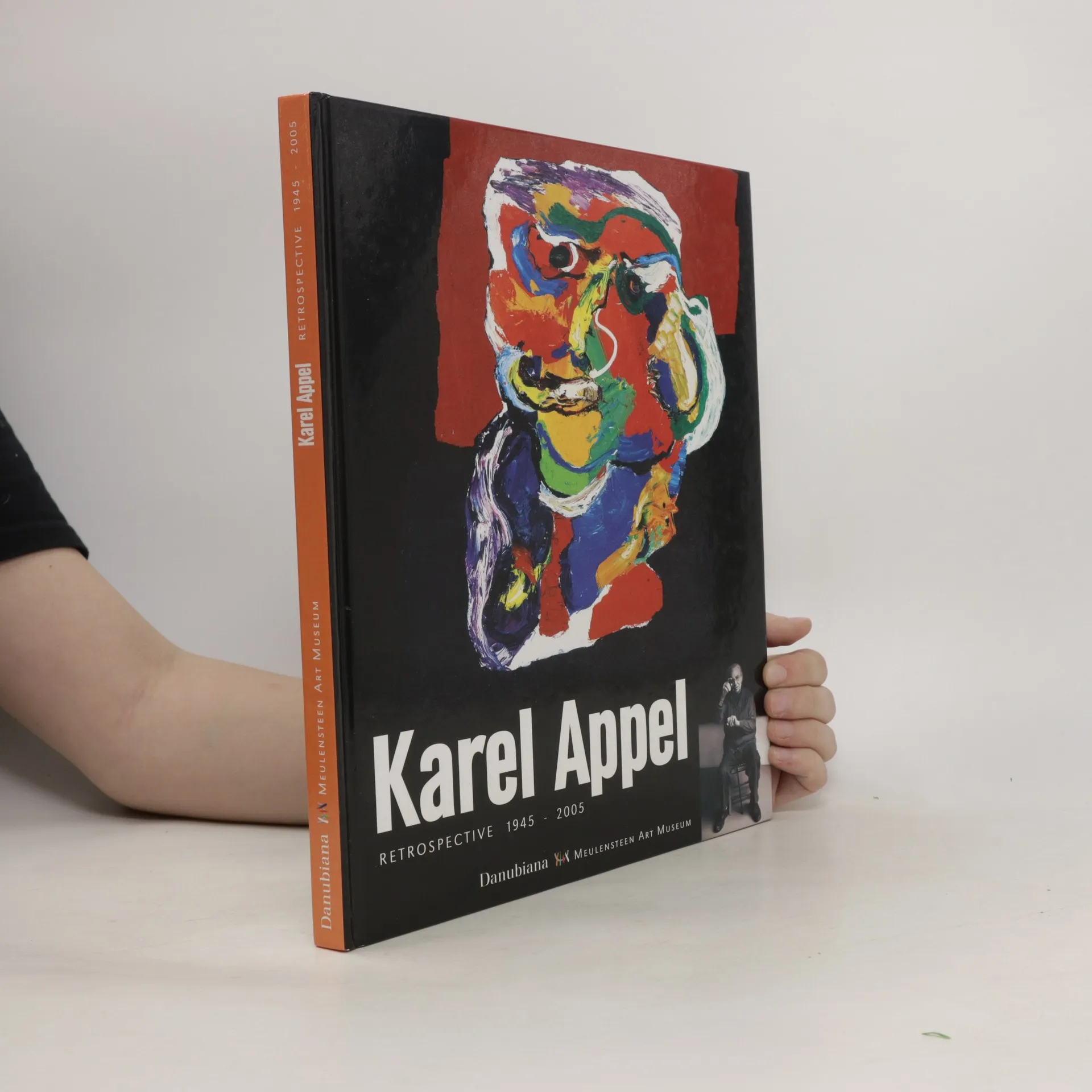
      No discussion of postwar Dutch art--or postwar European art--is complete without mentioning Karel Appel, whom many consider Holland's most important painter. Appel attended the Academy of Arts in Amsterdam from 1940 to 1943, and then bided his time painting landscapes and portraits in an era when artists were forbidden to buy materials or exhibit unless they joined the German "Chamber of Culture." After the liberation, as reproductions of works by Picasso and others began to find their way to Holland, Appel rebelled against his studio training, founded several avant garde groups (including Cobra), and then moved to Paris. Years of travel and experimentation with subjects, colors and materials, left him with a close relationship to the American art community and studios all over the world. Appel is a sculptor and a ceramist, too, but he is above all an expressionist, a man of passion led by spontaneity, who has conversely made a lasting mark.
      Karel Appel
    • Karel Appel, a gesture of color

      • 79 páginas
      • 3 horas de lectura

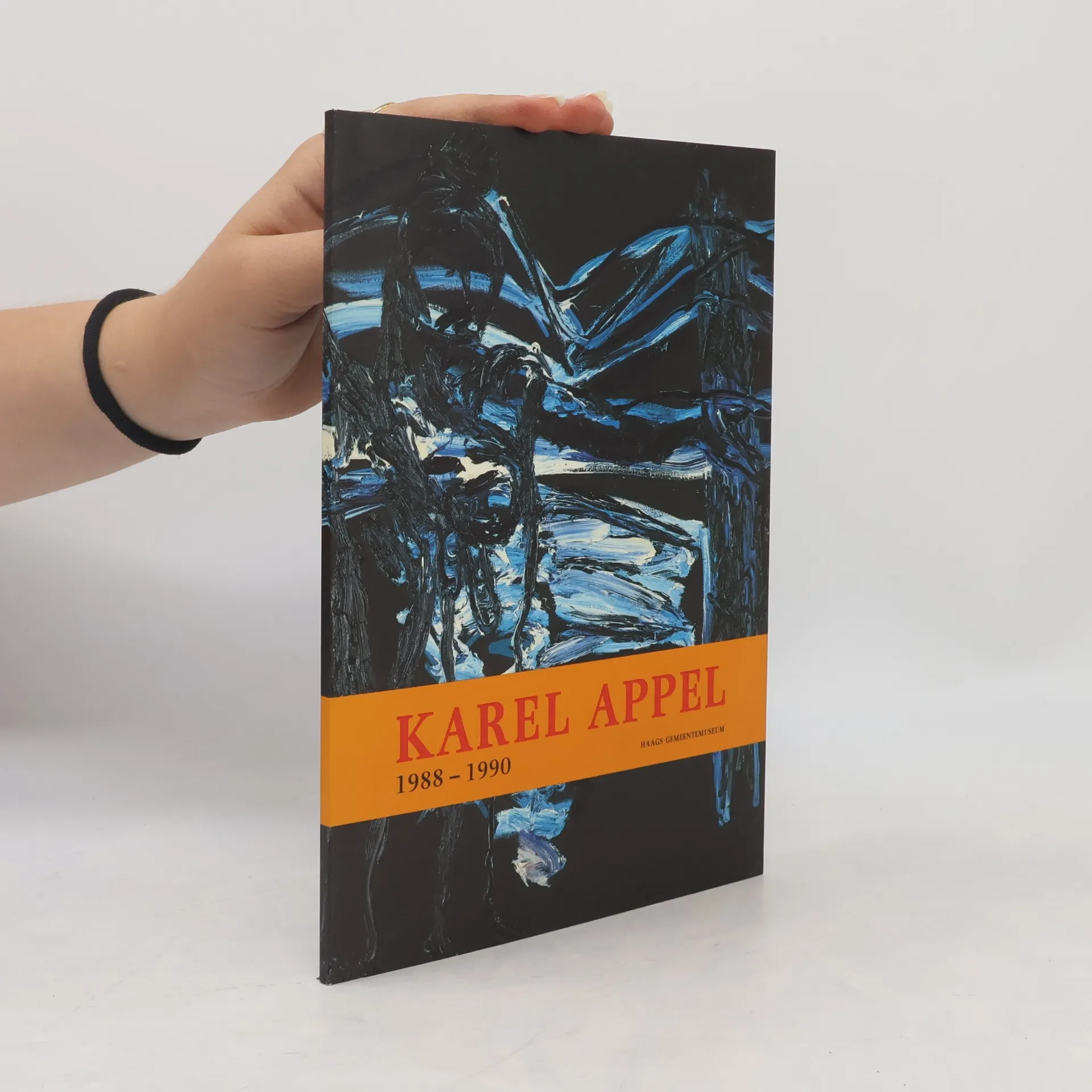
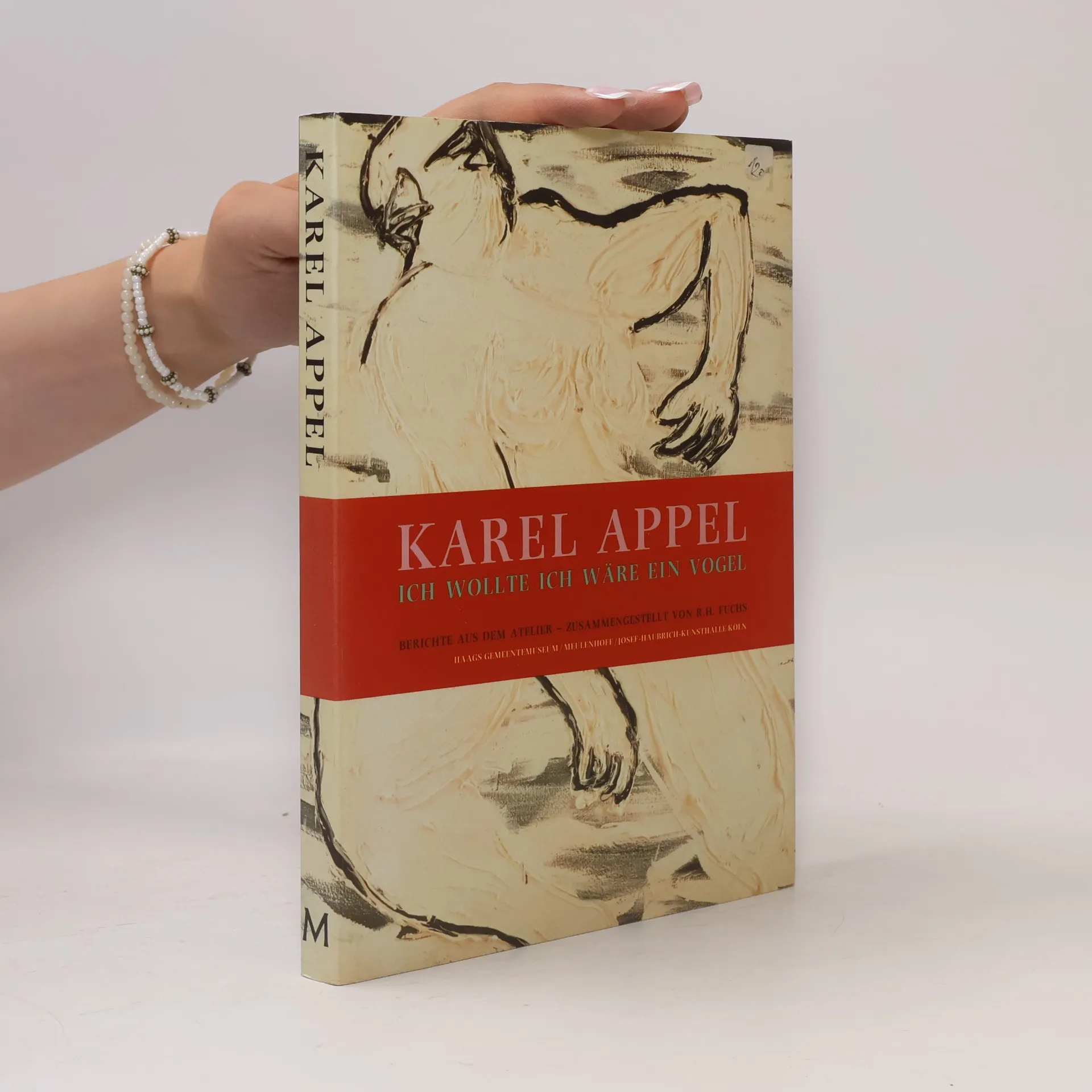
      Karel Appel (1921–2006) is perhaps the most renowned Dutch artist of the latter half of the twentieth century and one of founding members of the avant-garde Cobra group. Marking the tenth anniversary of the artist’s death, this survey of twenty-two paintings and sculptures provides a fresh look at an oeuvre that goes beyond the 1950s, spanning more than sixty years. A Gesture of Color revisits Appel’s early interest in children’s art, his stylistic experiments, and his highly personal — and sometimes almost abstract — interpretation of traditional subjects like the nude, the portrait, and the urban or rural landscape.

      Karel Appel, a gesture of color