Píseň buňky
Proměny medicíny a lidského těla (2025)


Siddhartha Mukherjee es un distinguido médico e investigador, especializado en el campo de la oncología. Su obra literaria profundiza en la compleja historia y el futuro del cáncer. La escritura de Mukherjee combina magistralmente el rigor científico con una profunda empatía humana, ofreciendo a los lectores una exploración accesible y cautivadora de la enfermedad. Su habilidad para traducir intrincados temas médicos en narrativas atractivas lo distingue como un autor único.



Proměny medicíny a lidského těla (2025)
Wie die Biologie die Medizin revolutioniert – Medizinischer Fortschritt und der Neue Mensch | Das spektakuläre neue Buch des Pulitzer-Preisträgers
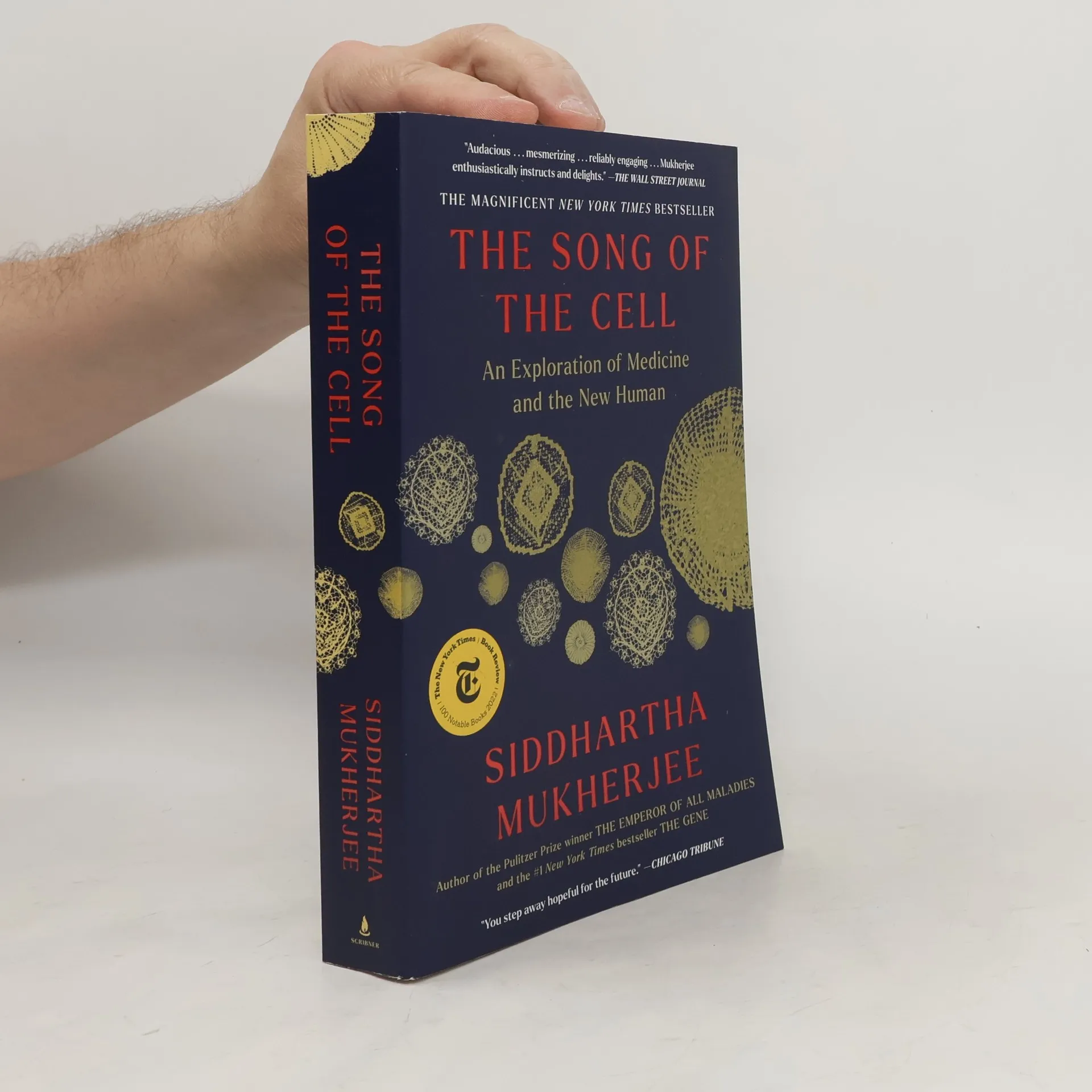
Als im späten 16. Jahrhundert der englische Universalgelehrte Robert Hooke und der holländische Tuchhändler Antonie van Leeuwenhoek durch ihre handgefertigten Mikroskope blickten, sahen sie etwas, was der Biologie und der Medizin ein radikal neues Konzept hinzufügte und beide Wissenschaften für immer veränderte: Komplexe Organismen bestehen aus winzigen, in sich geschlossenen und sich selbst regulierenden Einheiten. Unsere Organe, unsere Physiologie, unser Selbst - Herz, Blut, Gehirn - sind aus diesen kleinen Teilen aufgebaut: den Zellen. Sie ermöglichen all unsere komplexen Körperfunktionen: Immunabwehr, Fortpflanzung, Empfindungsvermögen, Kognition und Erneuerung. Die Schattenseite ist die ungemeine Zerstörungskraft dysfunktionaler Zellen, die einen Körper seiner Lebensfähigkeit berauben können. Mukherjee erzählt vom enormen Potenzial unseres vertieften Verständnisses der Zellphysiologie und -pathologie. Es hat eine Revolution in Biologie und Medizin ausgelöst, transformative Medikamente hervorgebracht und Menschen verändert.
"Presenting revelatory and exhilarating stories of scientists, doctors, and the patients whose lives may be saved by their work, the author draws on his own experience as a researcher, doctor, and prolific reader to explore how the discovery of cells created a new kind of medicine based on the therapeutic manipulation of cells"--
'A brilliant, authoritative, surprising, captivating introduction to human genetics. You'll be spellbound' Brian Cox This is a story about you. It is the history of who you are and how you came to be. It is unique to you, as it is to each of the 100 billion modern humans who have ever drawn breath. But it is also our collective story, because in every one of our genomes we each carry the history of our species - births, deaths, disease, war, famine, migration and a lot of sex. In this captivating journey through the expanding landscape of genetics, Adam Rutherford reveals what our genes now tell us about human history, and what history can now tell us about our genes. From Neanderthals to murder, from redheads to race, dead kings to plague, evolution to epigenetics, this is a demystifying and illuminating new portrait of who we are and how we came to be. *** 'A thoroughly entertaining history of Homo sapiens and its DNA in a manner that displays popular science writing at its best' Observer 'Magisterial, informative and delightful' Peter Frankopan 'An extraordinary adventure...From the Neanderthals to the Vikings, from the Queen of Sheba to Richard III, Rutherford goes in search of our ancestors, tracing the genetic clues deep into the past' Alice Roberts
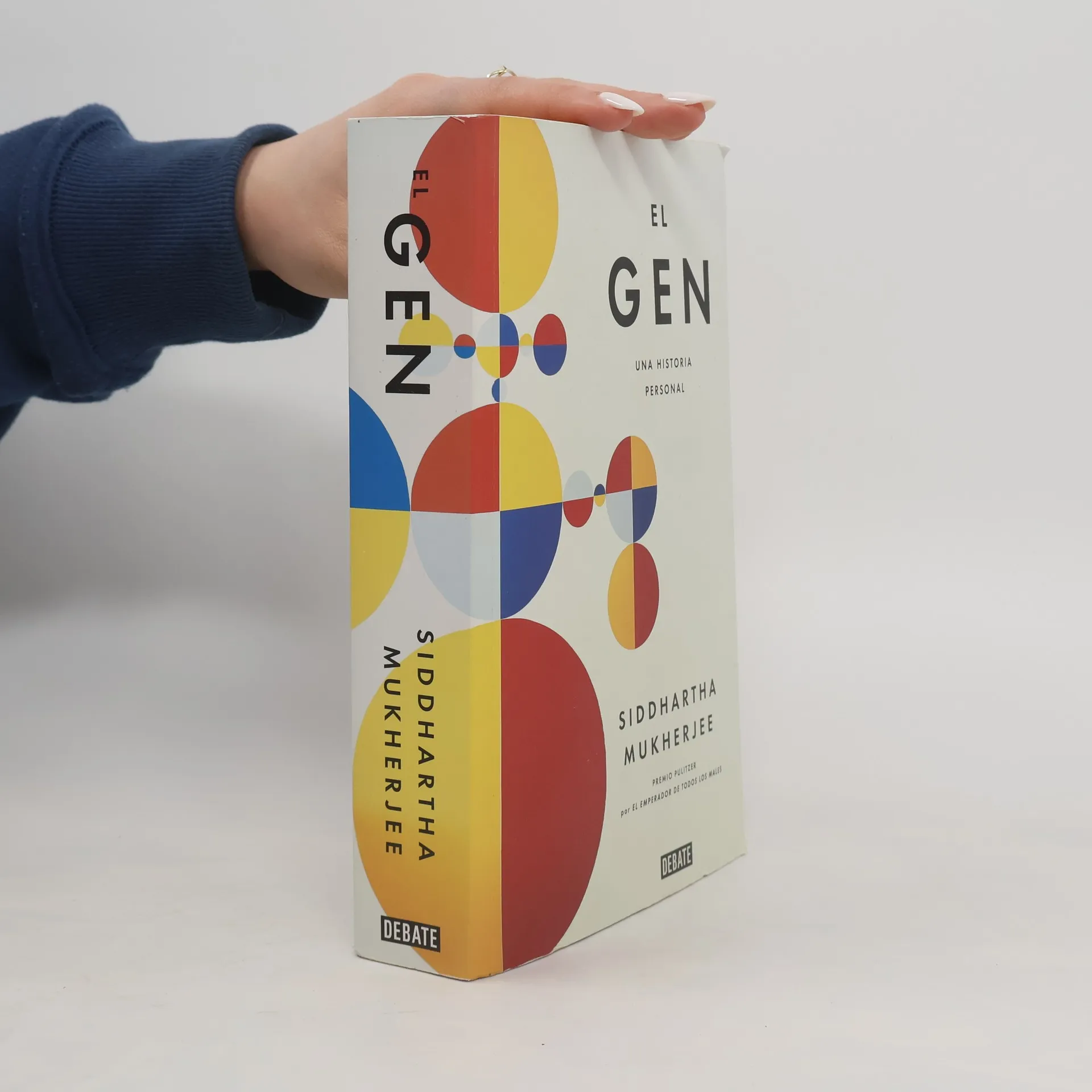
The Gene is the story of one of the most powerful and dangerous ideas in our history from the author of The Emperor of All Maladies. The story begins in an Augustinian abbey in 1856, and takes the reader from Darwin’s groundbreaking theory of evolution, to the horrors of Nazi eugenics, to present day and beyond - as we learn to “read” and “write” the human genome that unleashes the potential to change the fates and identities of our children. Majestic in its scope and ambition, The Gene provides us with a definitive account of the epic history of the quest to decipher the master-code that makes and defines humans – and paints a fascinating vision of both humanity’s past and future.
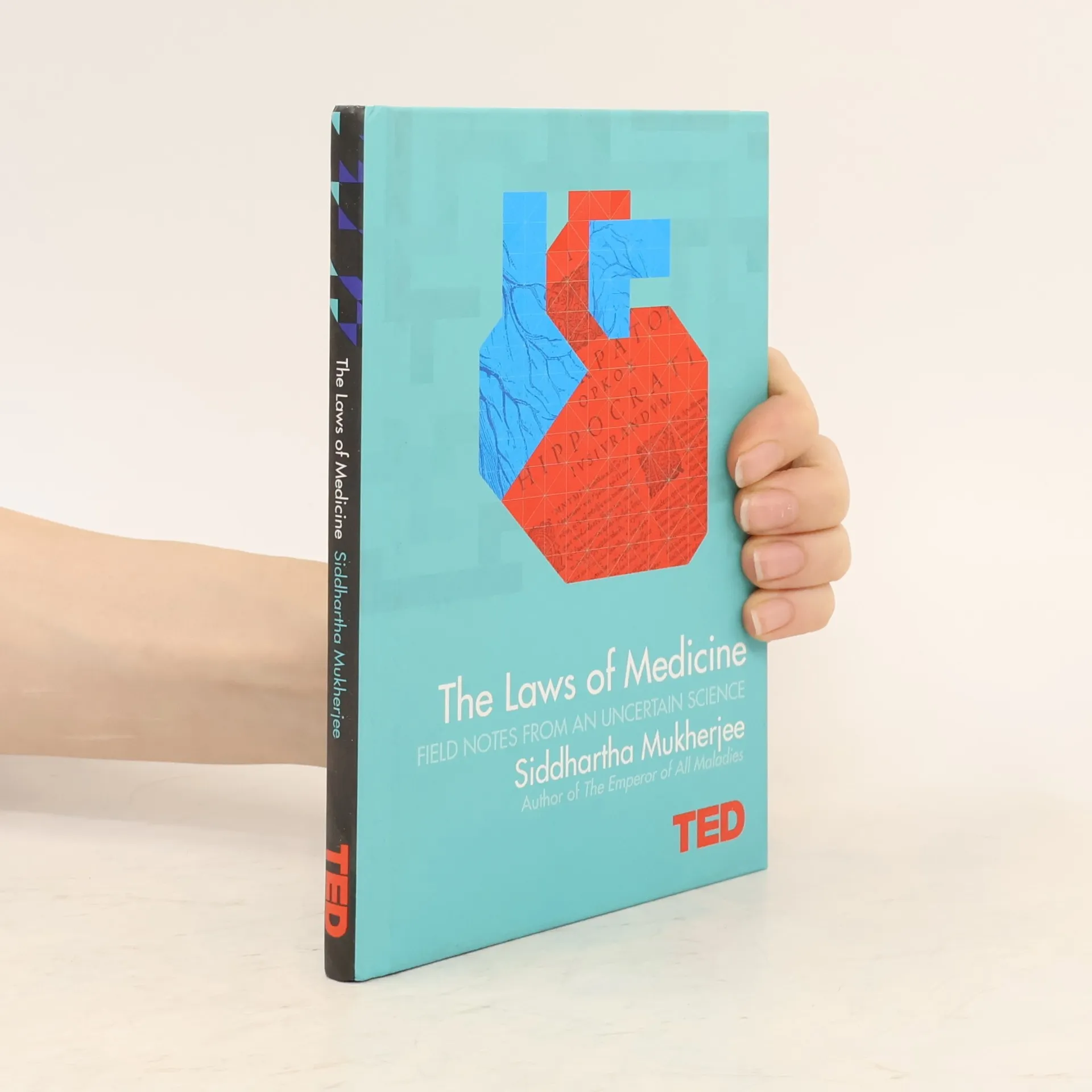
The Laws of Medicine follows Pulitzer-Prize-winning author, Dr Mukherjee as he investigates some of the most perplexing and illuminating cases of his career - the cases that ultimately led him to identify the three key principles that govern medicine. As a young medical student, Mukherjee discovered The Youngest Science, a book that changed the way he understood the medical profession and forced him to ask himself an urgent, fundamental question: Is medicine a 'science'? Science must have laws - statements of truth based on repeated experiments that describe some universal attribute of nature. Dr Mukherjee has spent his career pondering whether the 'youngest science' has laws like the other sciences, culminating in this treatise The Laws of Medicine. Law 1: Rumours are more important than tests. Law 2: The piece of data that does not fit your model is the most crucial piece of data that you own. Law 3: For every perfect medical experiment, there is a perfect human bias. Brimming with fascinating historical details and modern medical wonders, this book is a glimpse into the struggles and Eureka! moments rarely seen by those outside the profession.
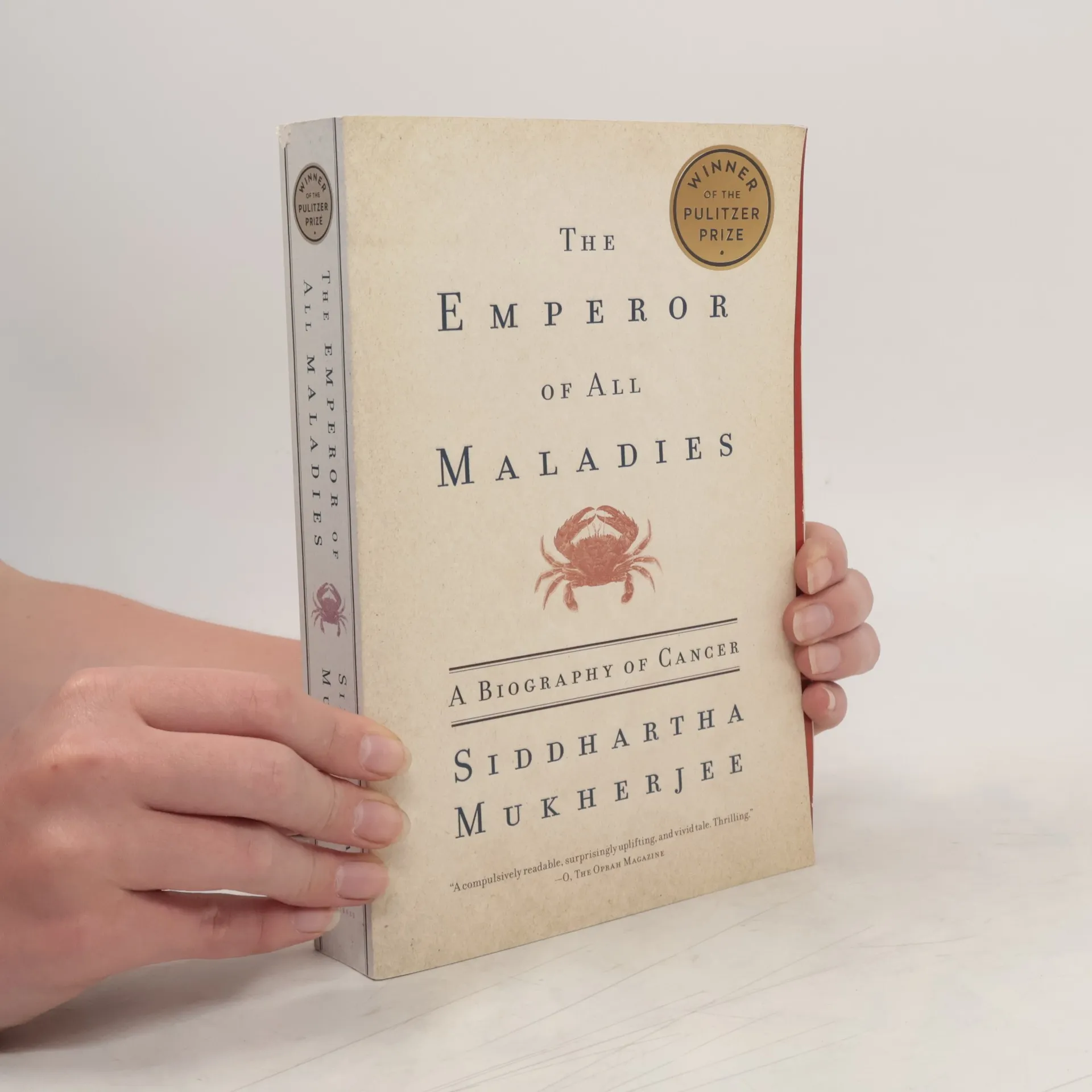
Selected as One of the Best Books of the 21st Century by The New York Times Winner of the Pulitzer Prize, adapted as a documentary from Ken Burns on PBS, this New York Times bestseller is “an extraordinary achievement” (The New Yorker)—a magnificent, profoundly humane “biography” of cancer. Physician, researcher, and award-winning science writer, Siddhartha Mukherjee examines cancer with a cellular biologist’s precision, a historian’s perspective, and a biographer’s passion. The result is an astonishingly lucid and eloquent chronicle of a disease humans have lived with—and perished from—for more than five thousand years. The story of cancer is a story of human ingenuity, resilience, and perseverance, but also of hubris, paternalism, and misperception. Mukherjee recounts centuries of discoveries, setbacks, victories, and deaths, told through the eyes of his predecessors and peers, training their wits against an infinitely resourceful adversary that, just three decades ago, was thought to be easily vanquished in an all-out “war against cancer.” The book reads like a literary thriller with cancer as the protagonist. Riveting, urgent, and surprising, The Emperor of All Maladies provides a fascinating glimpse into the future of cancer treatments. It is an illuminating book that provides hope and clarity to those seeking to demystify cancer.