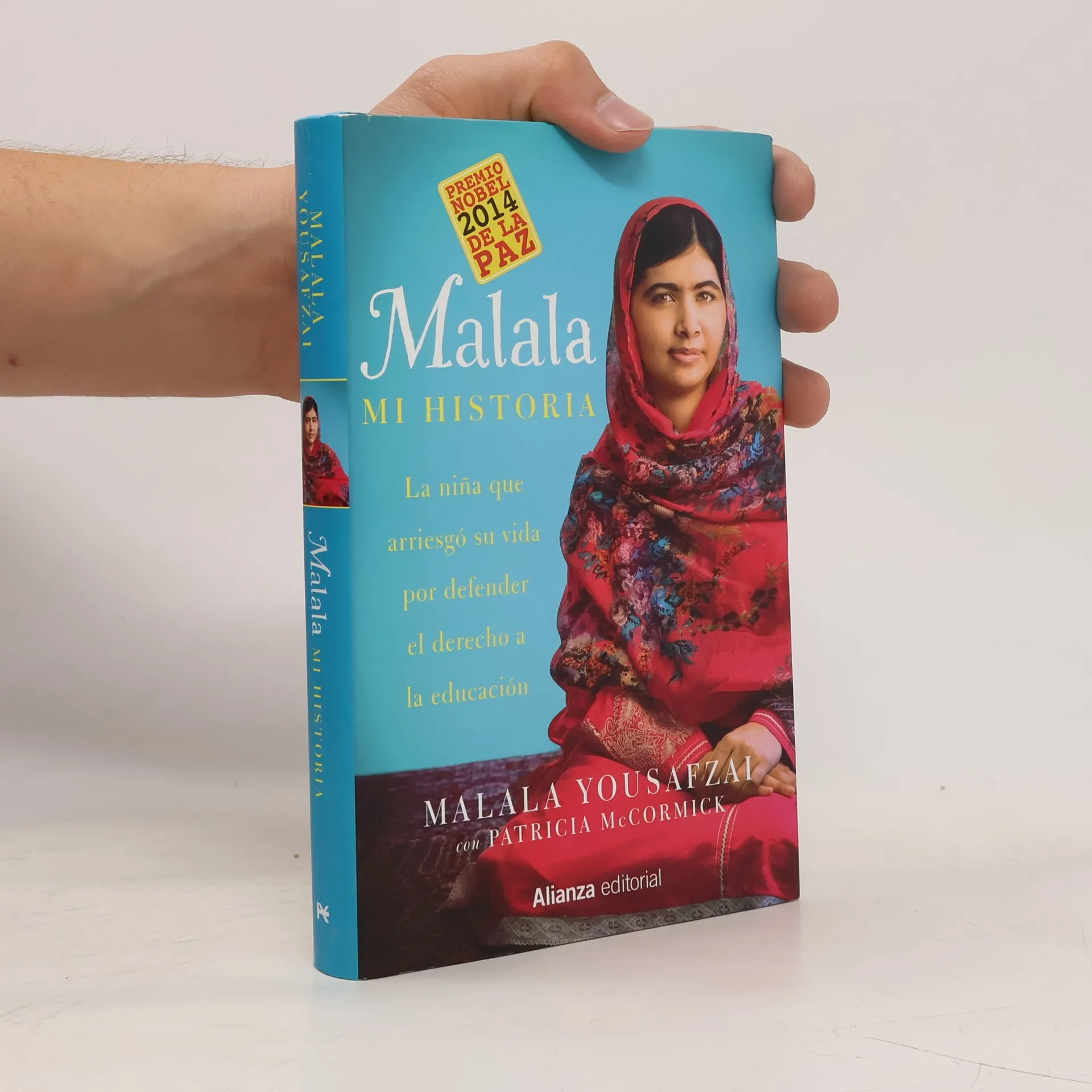
PREMIO NOBEL DE LA PAZ 2014. Malala Yousafzai sólo tenía diez años cuando los talibanes se apoderaron de su región. Decían que la música era pecado. Decían que las mujeres no debían ir al mercado. Decían que las niñas no debían ir al colegio. Malala creció en una pacífica región de Pakistán transformada por el terrorismo. Aprendió a defender sus convicciones y luchó por su derecho a la educación. El 9 de octubre de 2012 estuvo a punto de perder la vida por la causa: le dispararon a quemarropa en el autobús cuando volvía a casa del colegio. Nadie creía que fuera a sobrevivir. Se ha convertido en un símbolo inernacional de la protesta pacífica y es la nominada más joven de la historia para el Premio Nobel de la Paz. En esta nueva edición de sus memorias, que incluye numerosas fotos y otros materiales, escuchamos de primera mano la extraordinaria historia de una niña que, desde muy pequeña, sabía que quería cambiar el mundo... y lo hizo. La poderosa historia de Malala nos abre los ojos a otro mundo y nos impulsa a creer en la esperanza, la verdad, los milagros y la posibilidad de que una persona -una persona muy joven- puede inspirar el cambio en su comunidad y más allá.
Christina Lamb Libros
Christina Lamb es una de las principales corresponsales extranjeras de Gran Bretaña, reconocida por su exploración en profundidad de conflictos globales y problemas sociales. Su trabajo ofrece a los lectores una mirada penetrante a asuntos complejos, a menudo desde la perspectiva de los más afectados. El reportaje de Lamb es elogiado por su valentía, empatía y narrativa precisa que atrae a los lectores al corazón de los acontecimientos.

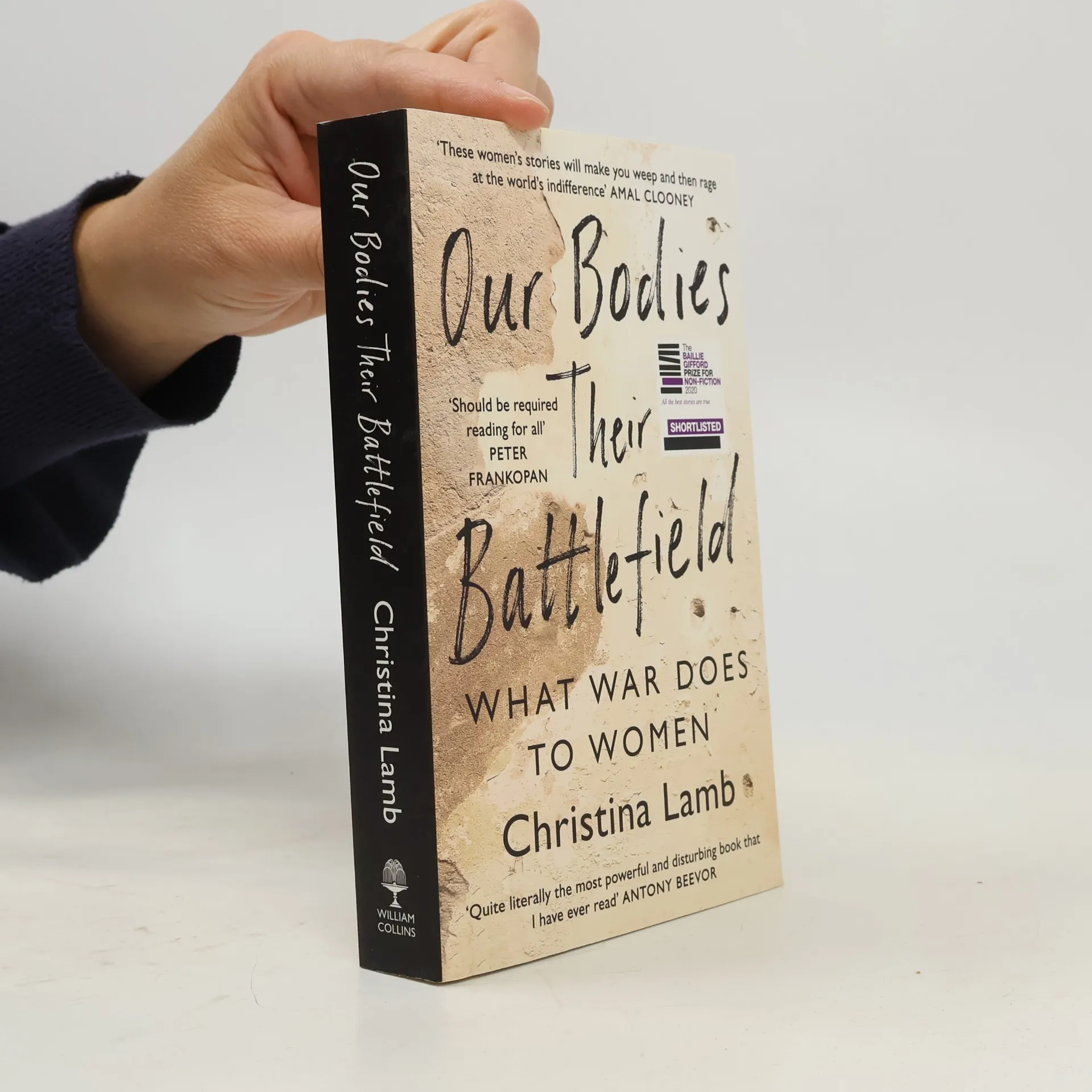
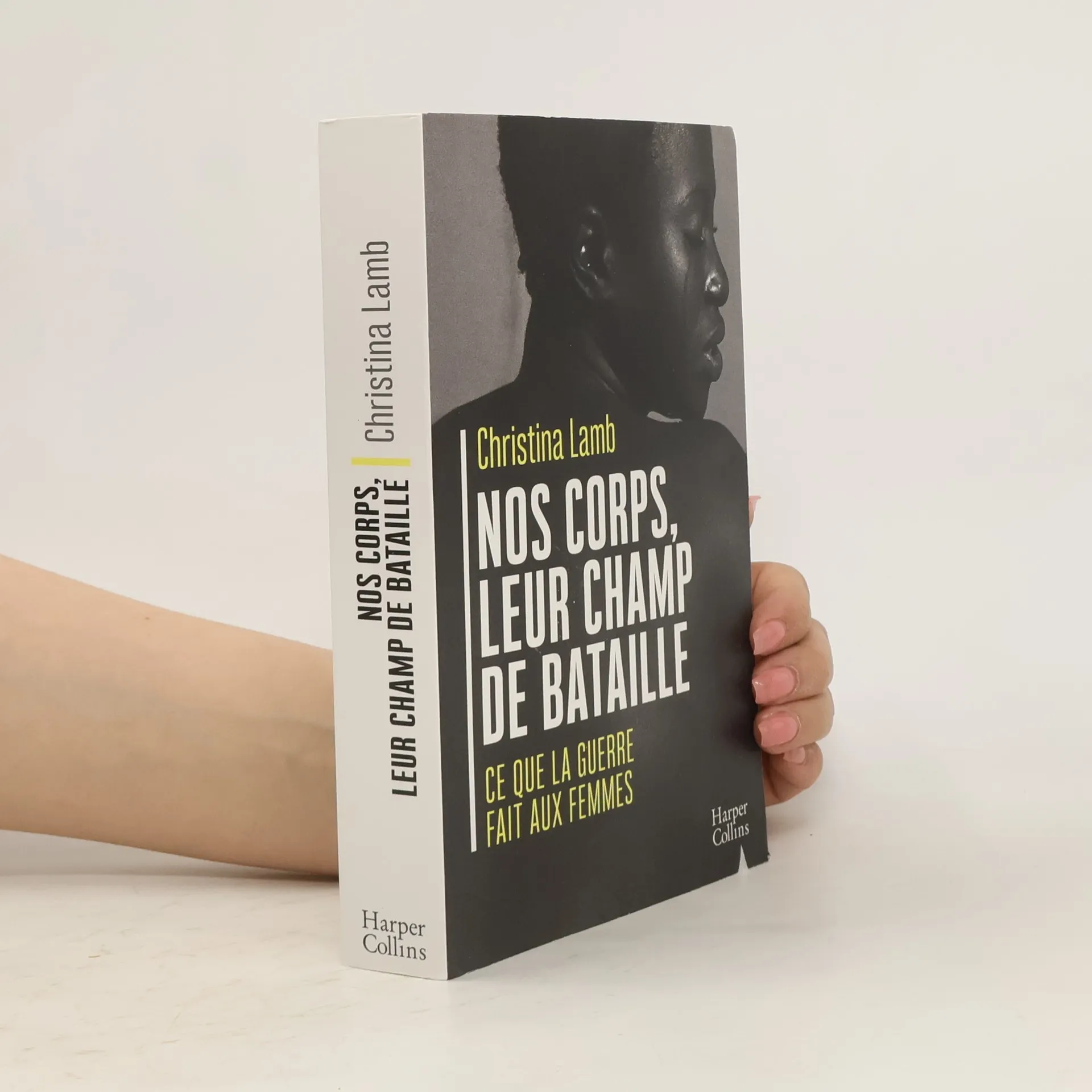
Our Bodies, Their Battlefield
- 448 páginas
- 16 horas de lectura
SHORTLISTED FOR THE BAILLIE GIFFORD PRIZE FOR NON-FICTION 2020 SHORTLISTED FOR THE ORWELL PRIZE 2021 A Times and Sunday Times Best Book of 2020 'A wake-up call ... These women's stories will make you weep, and then rage at the world's indifference.' Amal Clooney
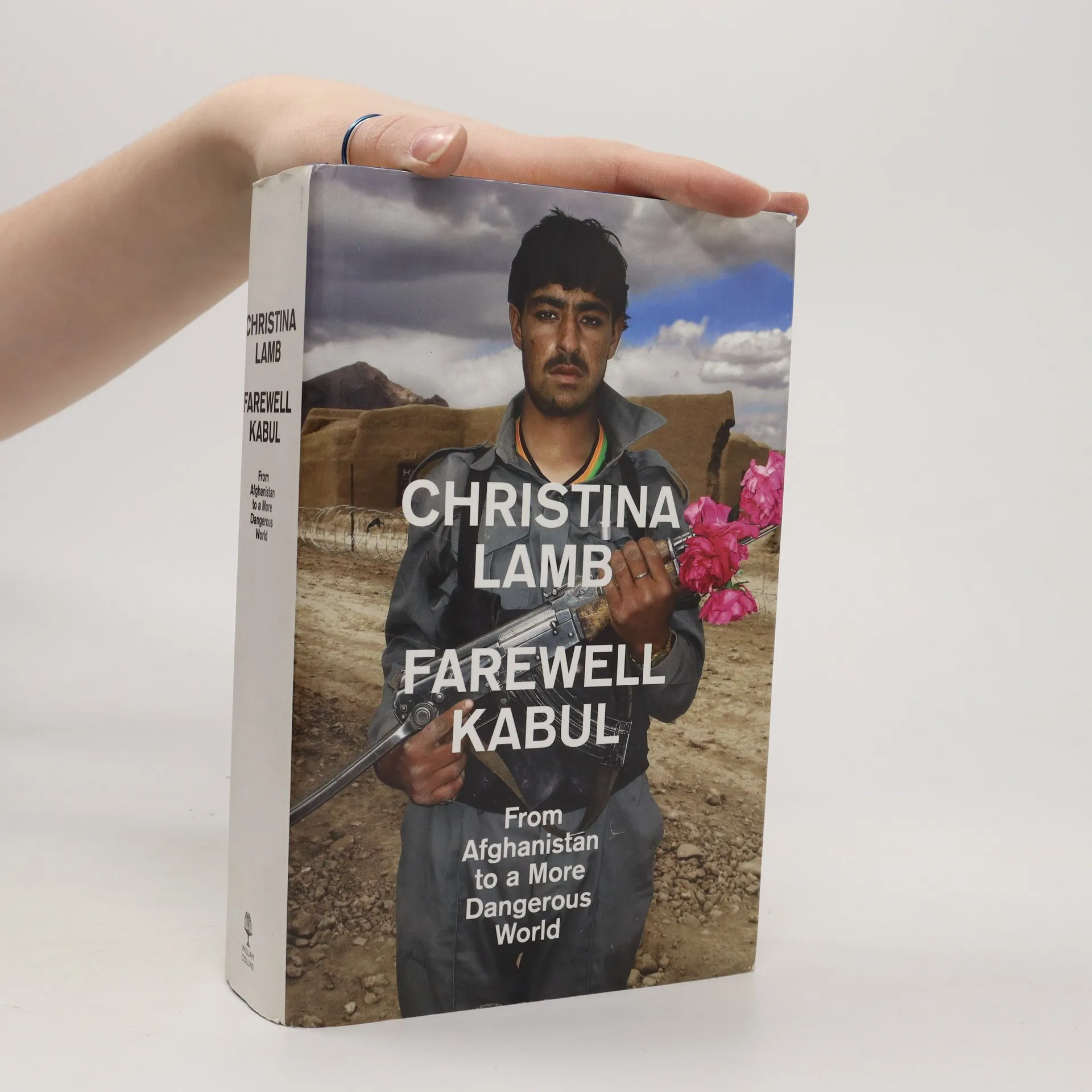
Farewell Kabul
- 640 páginas
- 23 horas de lectura
A gripping expose of the Allied Forces occupation of Afghanistan. The failure of the West in Afghanistan is unquestionably devastating and despite efforts to eliminate the Taliban from the country, their presence has continued to grow. Insurgent attacks have also increased, and the region still struggles against poverty, an unstable infrastructure and a huge number of land mines. Initially billed as the West's success story by both Bush and Blair, Afghanistan remains, largely, a lawless, violent land. Reporting on the region for a number of years, Lamb has fought with the mujahadeen dressed as an Afghan boy, experienced a near-fatal ambush and head-on encounter with Taliban forces and successfully established links with American, British, Afghan government, Taliban and tribal fighters. Her unparalleled access to troops and civilians on the ground, as well as to top military officials has ensured that this is the definitive book on the region, exposing the realities of Afghanistan unlike anyone before. In the same vein as Robert Fisk's "The Great War of Civilisation", this is compelling, moving and impossible to put down.
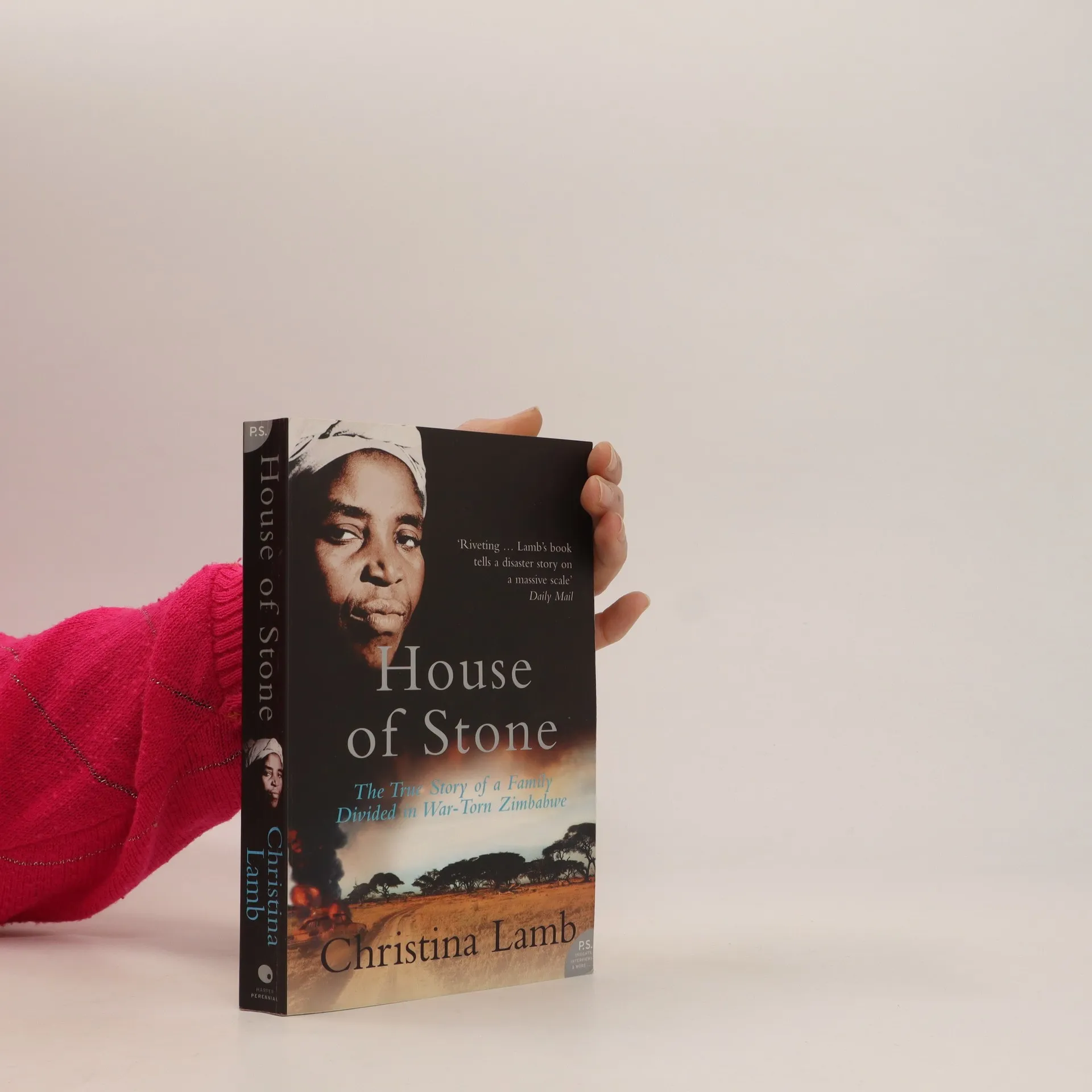
House of stone : the true story of a family divided in war-torn Zimbabwe
- 320 páginas
- 12 horas de lectura
'House of Stone' is based on a series of interviews with a white farmer and black nanny, set against the backdrop of the last of Britain's colonies in Africa to become independent, and the descent into madness of one of Africa's most respected nationalist leaders.
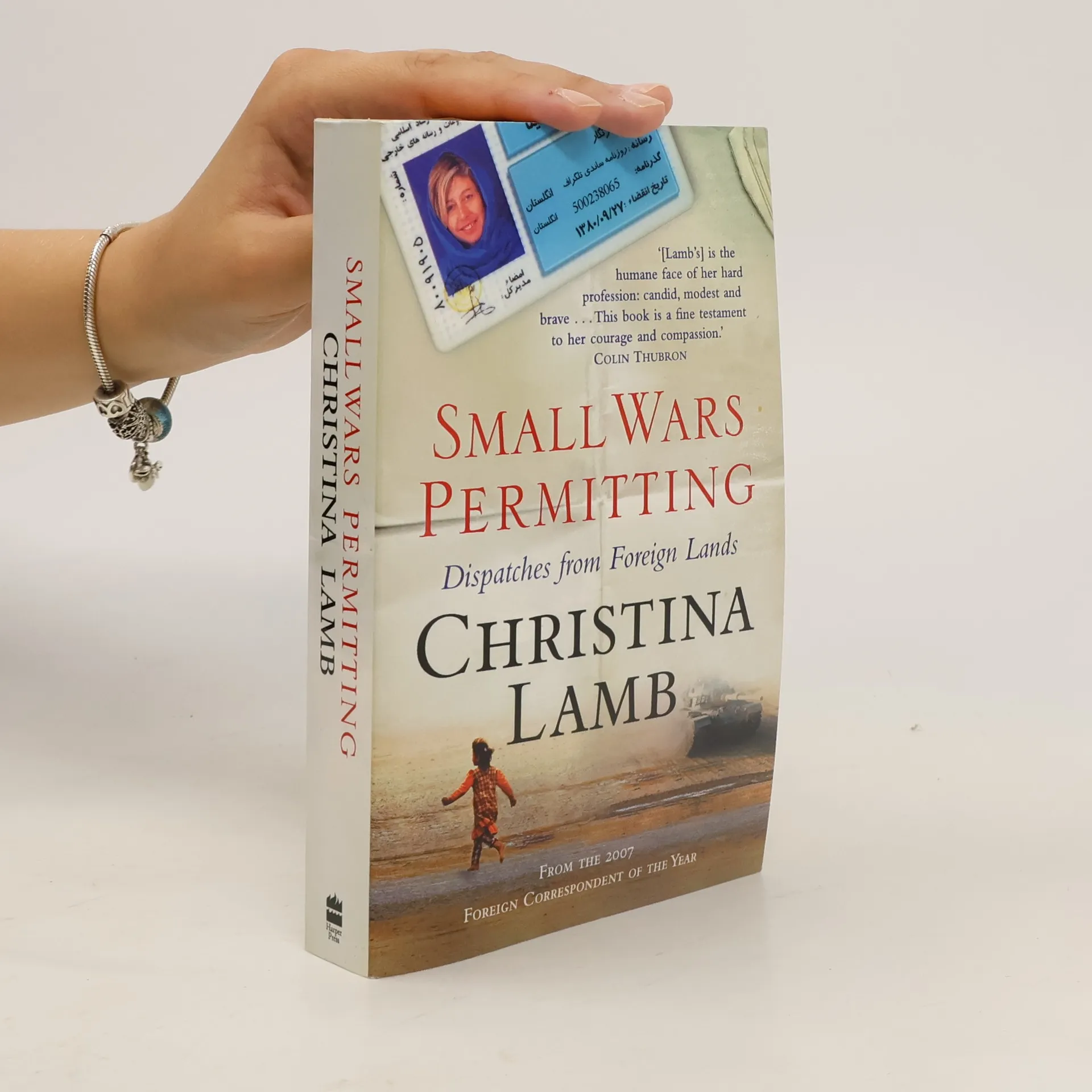
Small Wars Permitting
- 400 páginas
- 14 horas de lectura
An extraordinary collection of reportage that tells the story of some of the most important world events of the past 16 years, from one of the most talented and intrepid female journalists at work today.
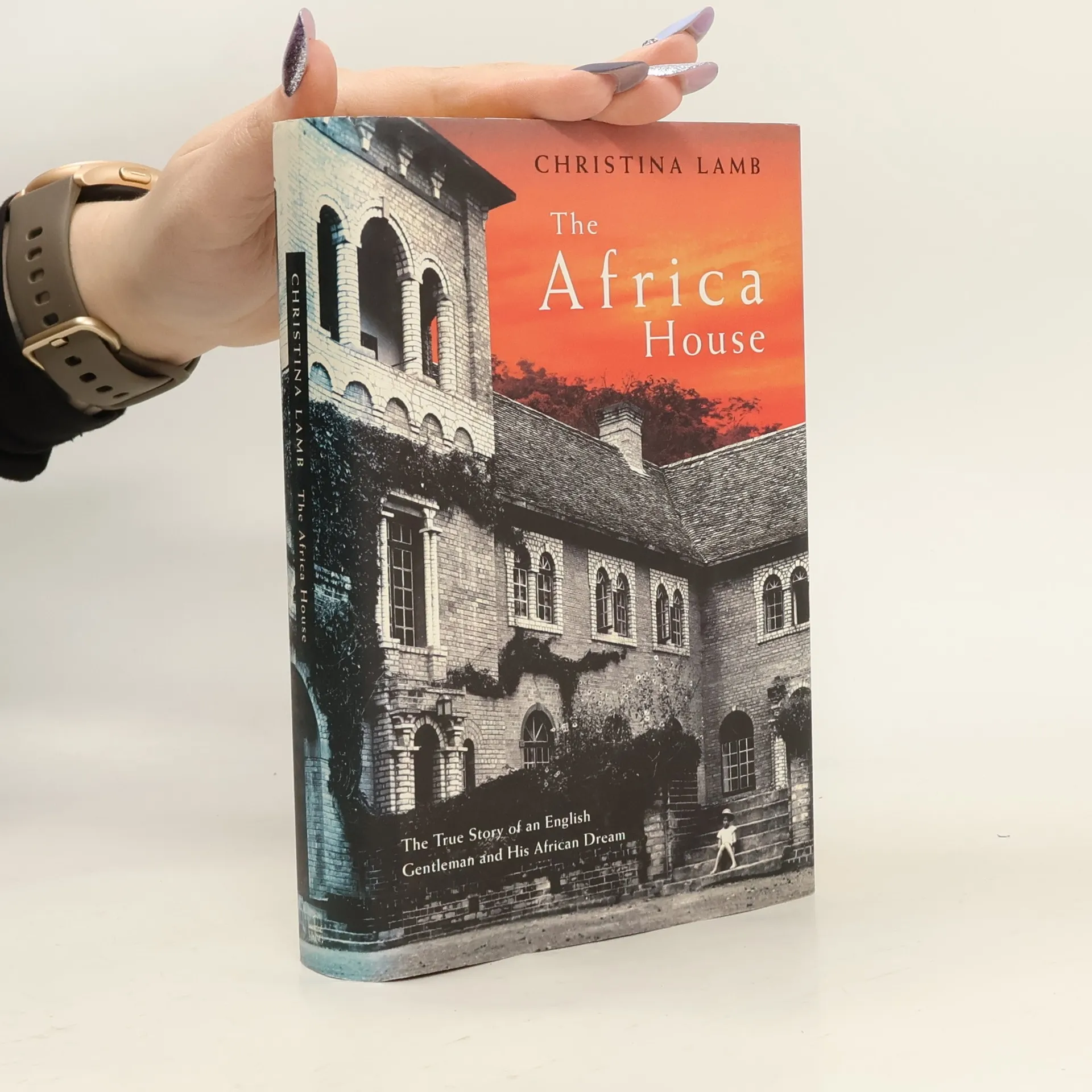
The Africa House
The True Story of an English Gentleman and His African Dream
- 384 páginas
- 14 horas de lectura
In the last decades of the British Empire, Stewart Gore-Brown built a feudal paradise in Northern Rhodesia, a sprawling estate reminiscent of the finest English homes, complete with servants and rose gardens. He envisioned sharing this dream with Ethel Locke King, a remarkable woman nearly twenty years his senior, married, and his aunt. Lorna, the only other woman he loved, had married long ago. Then he encountered Lorna's orphaned daughter, who resembled her mother so closely that it felt like a ghostly reunion. This new connection offered companionship and the possibility of love, yet sharing the Africa House proved challenging. The narrative unfolds against the backdrop of British colonial life, marked by arrogance and ambition, culminating in a poignant conclusion as the once-majestic house falls into ruin, symbolizing lost dreams and betrayal. Christina Lamb captures a tale rich with passion, adventure, and heartache, described as "absorbing, affecting, and bizarre" by the Sunday Telegraph and an "amazing story of high hopes, lost love, and ruined lives" by the Sunday Times. An award-winning journalist, Lamb has spent nearly two decades as a foreign correspondent, covering diverse regions and authoring several acclaimed works.
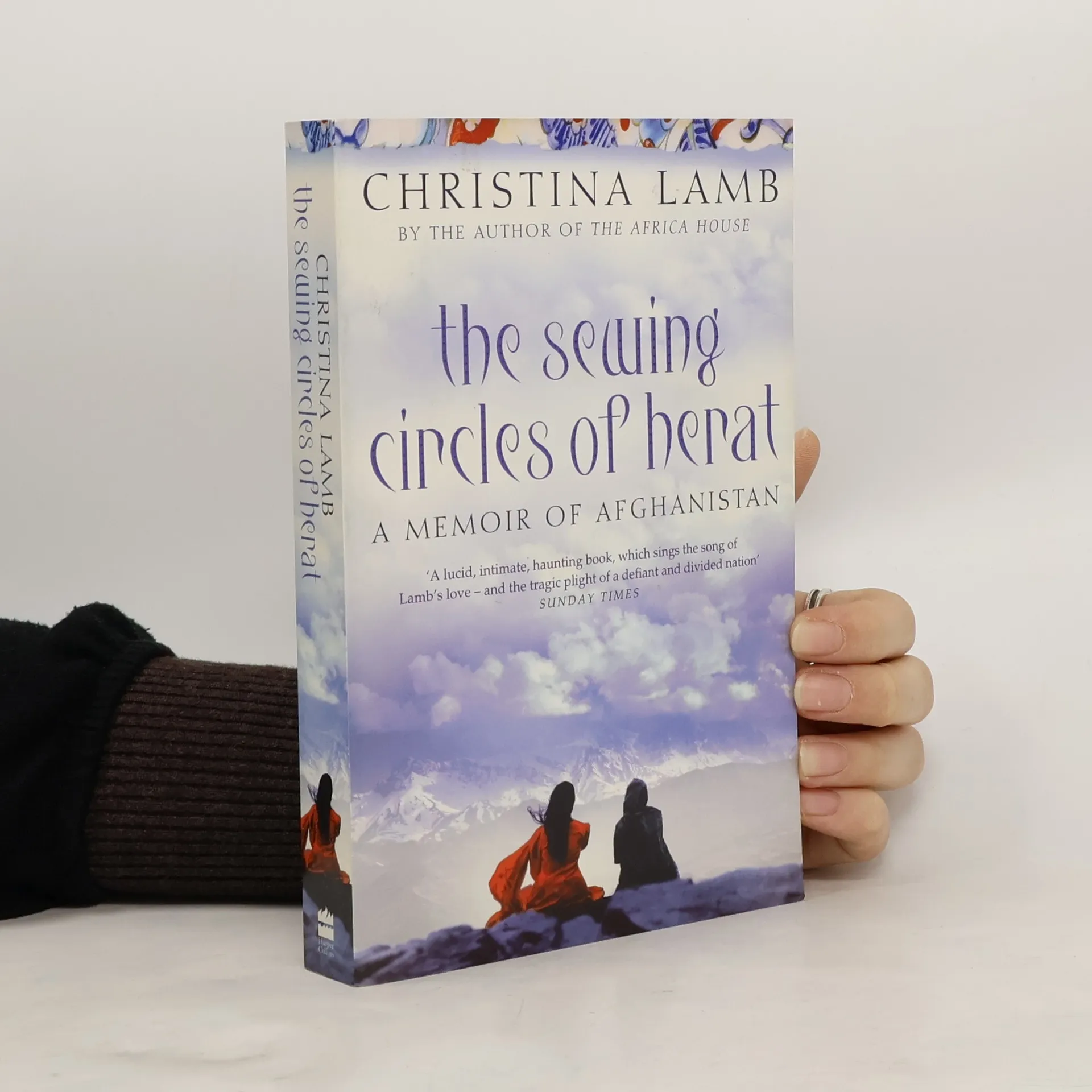
Ten years ago, Christina Lamb reported on the war the Afghan people were fighting against the Soviet Union. Now, back in Afghanistan, she has written an extraordinary memoir of her love affair with the country and its people. schovat popis
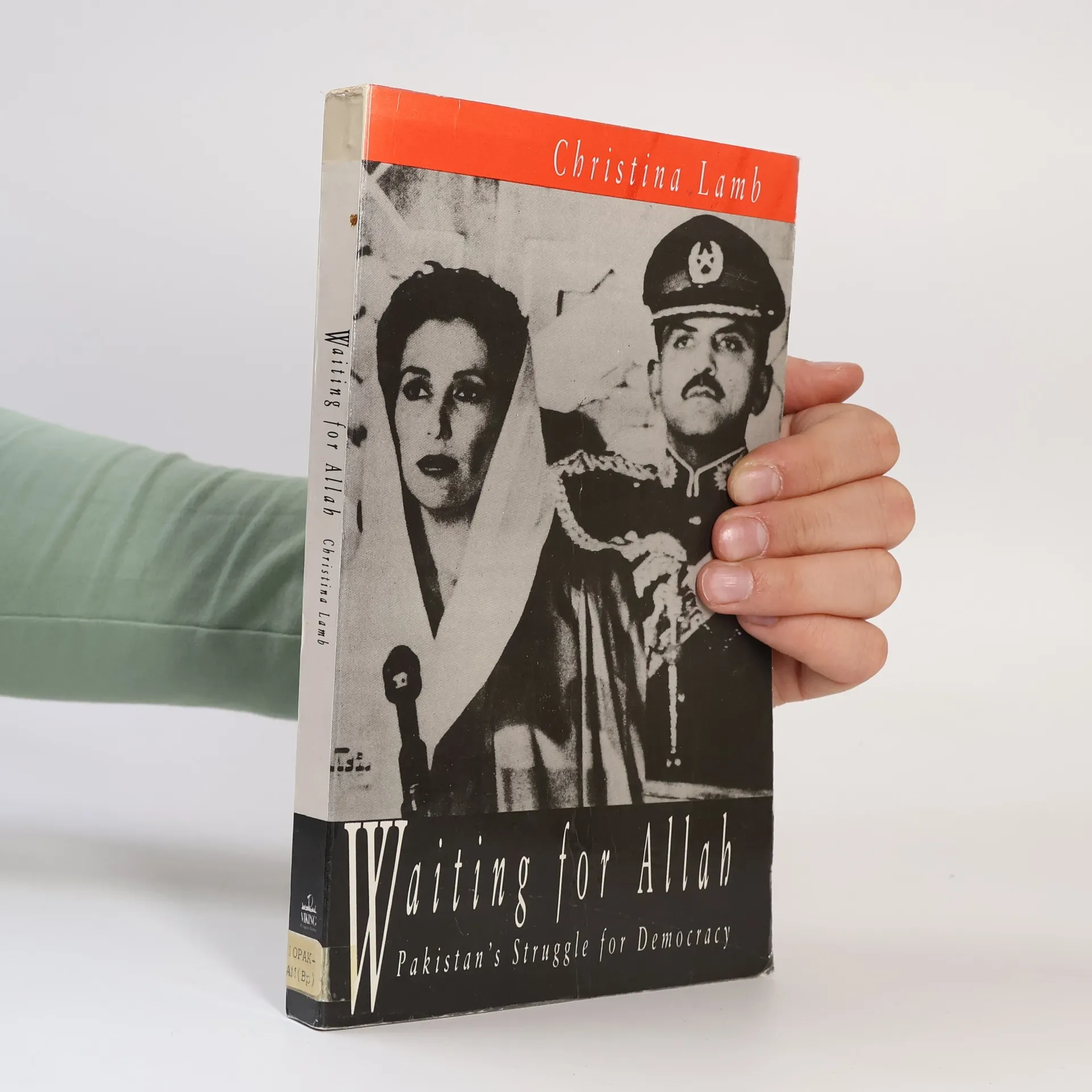
Christina Lamb spent a year reporting on the political turmoil in Pakistan in 1989. This is a descriptive analysis of what she sees as the tragedy of Pakistan as it moves towards the 21st century - a woeful catalogue of vested interests, corruption, an overpowering military, and an unconfident and enfeebled new democracy. She looks at the treatment of women, urban life, patronage and government, the troubled relationship with India, Afghanistan, and the power of tribes and drug lords, the great game of espionage on the new frontier, Benazir Bhutto and her failure to impose change, and the imminent breakdown of democracy.
The Prince Rupert Hotel for the Homeless
- 320 páginas
- 12 horas de lectura
A story of worlds colliding and a snapshot of modern Britain
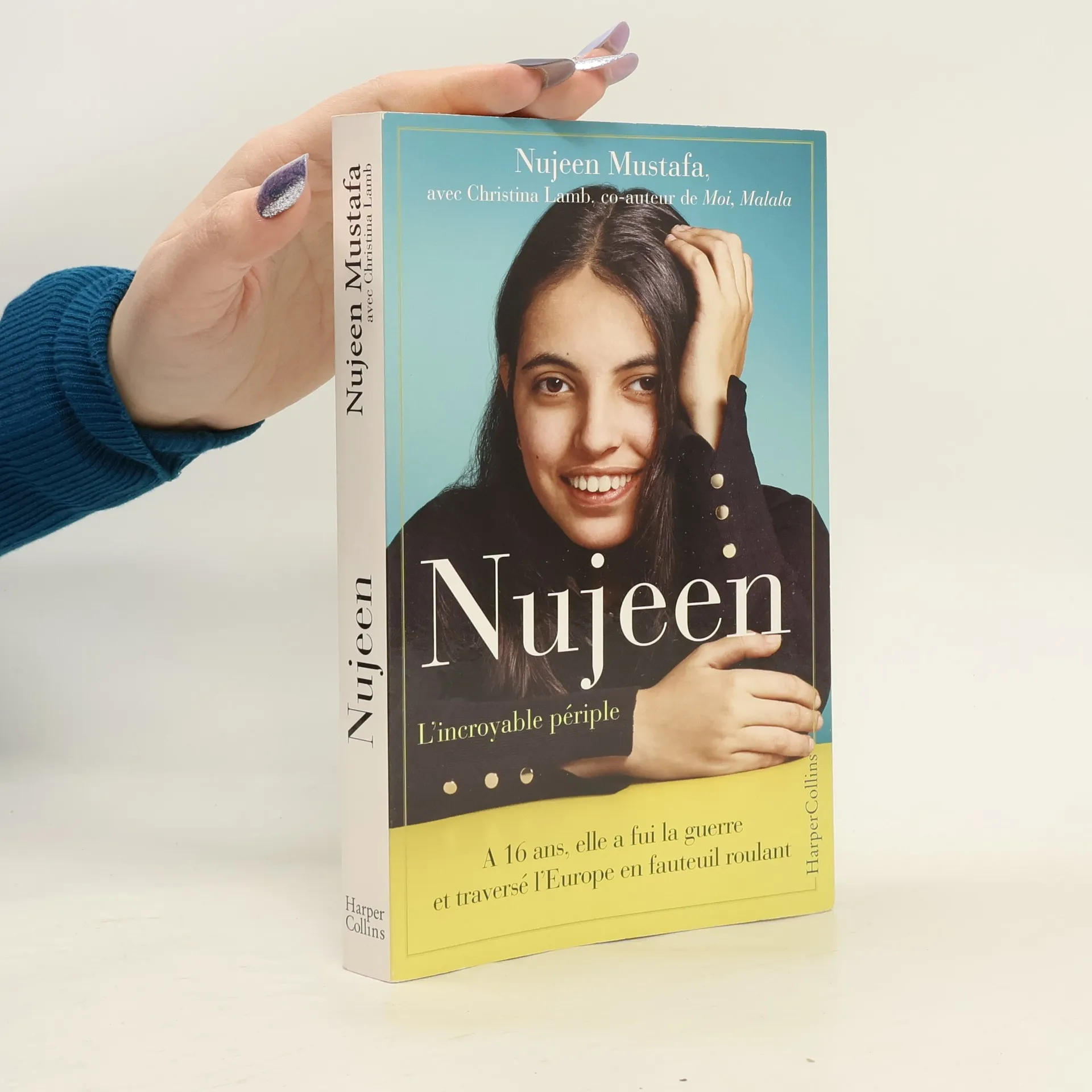
En 2015, Fergal Keane, journaliste à la BBC, découvre une adolescente en fauteuil roulant parmi les migrants. Ému par son courage, il recueille son témoignage, qui suscite un vif intérêt médiatique. Avec Christian Lamb, Nujeen partage son incroyable parcours de 6 000 kilomètres, de la Syrie à l'Allemagne, en passant par la Grèce et la Hongrie. Son récit est marqué par sa détermination à ne jamais se considérer comme une victime. Nujeen Mustafa, jeune fille kurde, a vécu en fauteuil roulant et a reçu peu d'instruction en Syrie. Elle a appris l'anglais en regardant des séries américaines à la télévision, alors qu'Alep était en proie à la guerre. Avant de fuir vers la Turquie avec sa sœur, elle a quitté Kobané, sa ville natale, alors en proie à des combats violents entre l'État islamique et les forces kurdes. Son histoire illustre l'une des plus grandes crises humanitaires contemporaines. Christina Lamb, co-auteur de "Moi, Malala", diplômée de Harvard et d'Oxford, a publié sept livres et a été récompensée à plusieurs reprises pour son journalisme. Elle parvient à capturer la voix attachante de Nujeen, pleine de curiosité, de compassion et d'optimisme.
Ik ben Malala
het meisje dat opkwam voor haar recht op onderwijs en de aanslag op haar leven door de taliban ternauwernood overleefde
- 567 páginas
- 20 horas de lectura
Malala Yousafzai werd op vijftienjarige leeftijd neergeschoten door een talibanstrijder, alleen omdat ze naar school ging. Ze overleefde de aanslag en sindsdien is Malala wereldwijd het symbool van de strijd voor onderwijs. Dit is haar verhaal.