

Bookbot

Eric Weiner

    Eric Weiner es un autor cuyas obras profundizan en las cuestiones más profundas de la existencia humana y la búsqueda de sentido. Su estilo se caracteriza por la curiosidad y el humanismo, a través de los cuales penetra en diversas culturas y corrientes de pensamiento. A través de sus escritos, anima a los lectores a reflexionar sobre el mundo que les rodea y su propio lugar en él. Sus experiencias como corresponsal de todo el mundo enriquecen su escritura con una perspectiva única.

    Eric Weiner
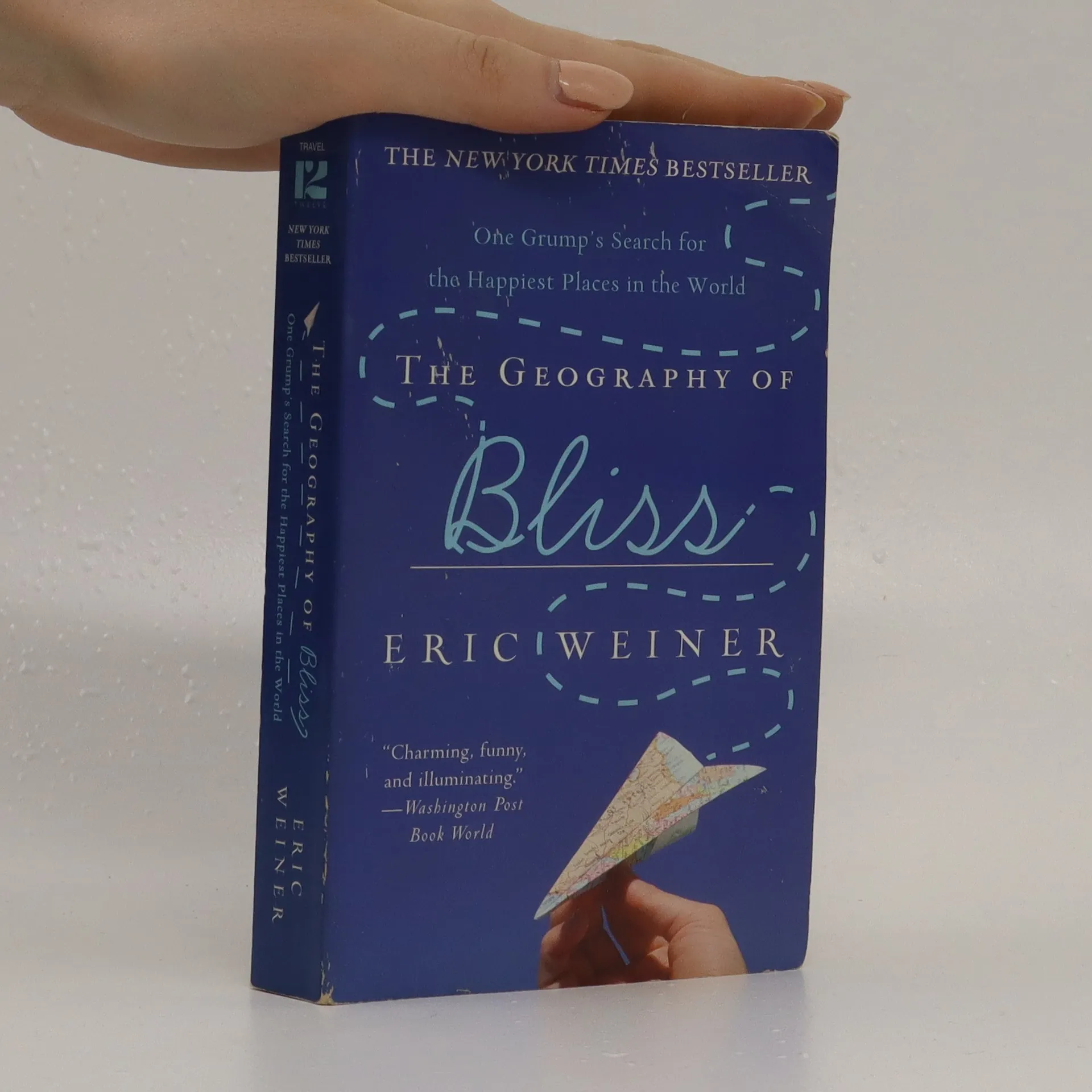
    The geography of bliss
    Famously Funny Parrott
    Ben & Me
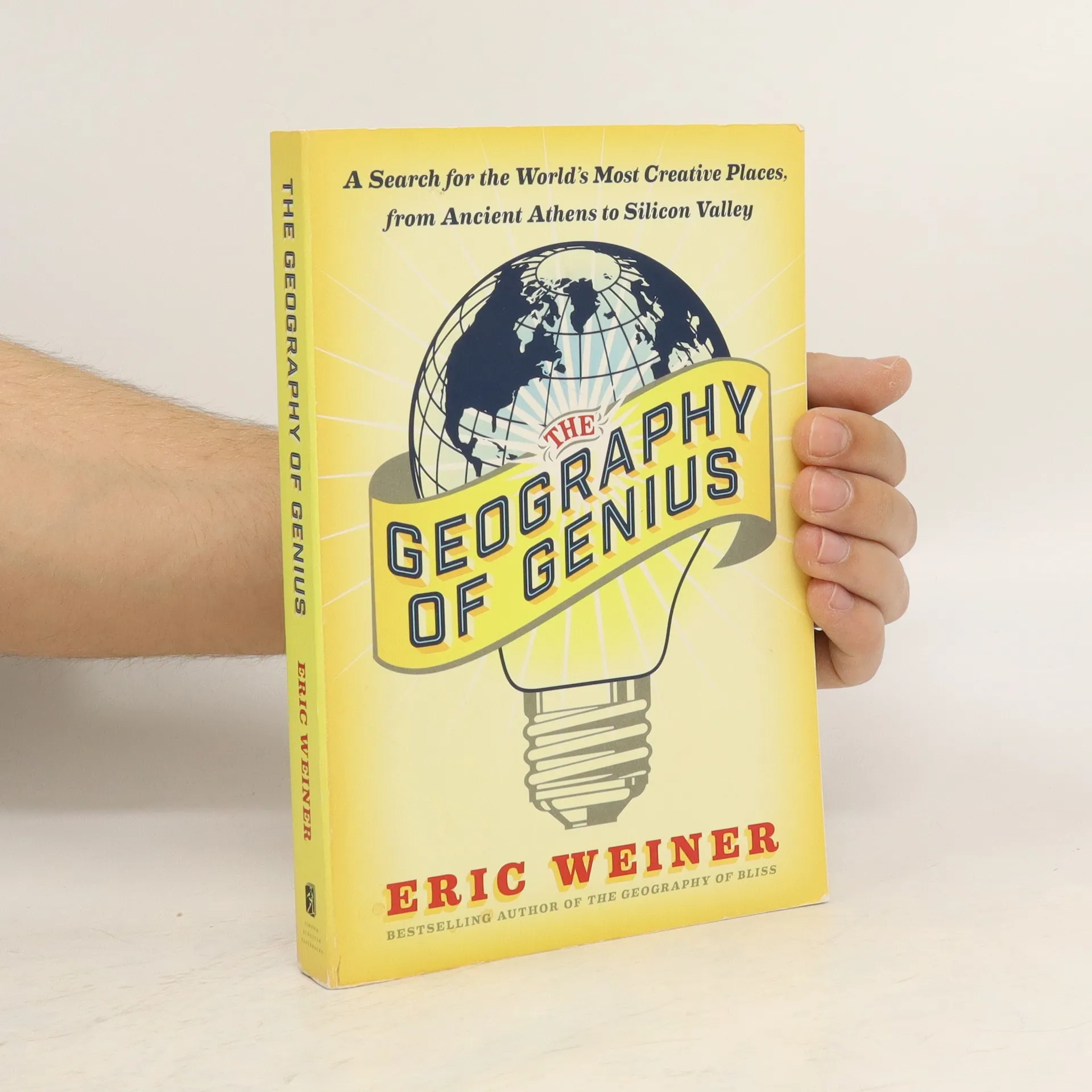
    The Geography of Genius
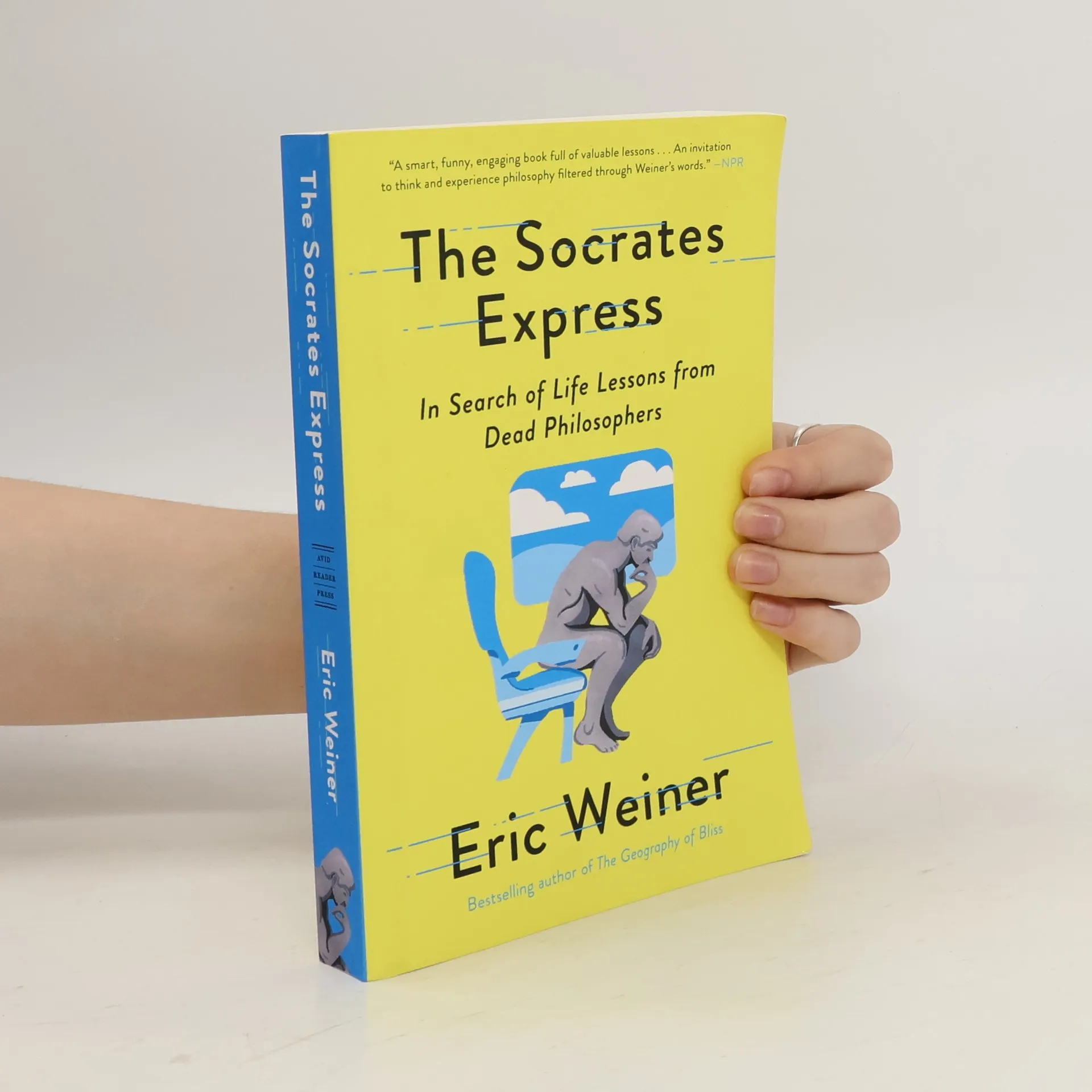
    The Socrates Express
    Geografia de Los Genios, La
    • Geografia de Los Genios, La

      • 416 páginas
      • 15 horas de lectura

      Un aclamado escritor de viajes examina la conexión entre el entorno y las ideas innovadoras, describiendo ejemplos en regiones como la Viena de principios del siglo XX, la Florencia del Renacimiento, la antigua Atenas y Silicon Valley

      Geografia de Los Genios, La
      4,0
    • The Socrates Express

      • 352 páginas
      • 13 horas de lectura

      Following in the footsteps of history's greatest thinkers and showing us how each-from Epicurus to Gandhi, Thoreau to Beauvoir-offers practical and spiritual lessons for today's unsettled times.

      The Socrates Express
      4,1
    • The Geography of Genius

      • 368 páginas
      • 13 horas de lectura

      Travel the world with Eric Weiner, the New York Times bestselling author of The Geography of Bliss, as he journeys from Athens to Silicon Valley-and throughout history, too-to show how creative genius flourishes in specific places at specific times. In The Geography of Genius, acclaimed travel writer Weiner sets out to examine the connection between our surroundings and our most innovative ideas. He explores the history of places, like Vienna of 1900, Renaissance Florence, ancient Athens, Song Dynasty Hangzhou, and Silicon Valley, to show how certain urban settings are conducive to ingenuity. And, with his trademark insightful humour, he walks the same paths as the geniuses who flourished in these settings to see if the spirit of what inspired figures like Socrates, Michelangelo, and Leonardo remains. In these places, Weiner asks, What was in the air, and can we bottle it? This link can be traced back through history: Darwin's theory of evolution gelled while he was riding in a carriage. Freud did his best thinking at this favourite coffee house. Beethoven, like many geniuses, preferred long walks in the woods. Sharp and provocative, The Geography of Genius redefines the argument about how genius came to be. His evaluation of the importance of culture in nurturing creativity is an informed romp through history

      The Geography of Genius
      4,0
    • Ben & Me

      • 336 páginas
      • 12 horas de lectura

      In Ben & Me—part biography, part travelogue, part personal chronicle—New York Times-bestselling author Eric Weiner follows in the footsteps of Benjamin Franklin and plumbs his life for inspiring and useful lessons for the rest of us.

      Ben & Me
      4,0
    • Famously Funny Parrott

      • 144 páginas
      • 6 horas de lectura

      From the co-creator of the hit children’s show, Dora the Explorer, comes a hilarious and timeless collection of stories about the friendship between Freddie Parrott and his loyal butler, Peccary. Ride through Rubberwick in your Rolly Royce with Freddie and Peccary! This story collection is full of whimsical illustrations and laugh-out-loud adventures. From solving problems like the mysterious knock-knocking door, to saving the day with a fresh batch of waffle batter, Freddie Parrott knows that he can always count on his loyal butler and best friend, Peccary. "The Wind in the Willows meets Wodehouse’s Jeeves and Wooster in these short stories."--Kirkus Reviews

      Famously Funny Parrott
      3,8
    • The geography of bliss

      • 448 páginas
      • 16 horas de lectura

      В продължение на десет години Ерик Уайнър е чуждестранен кореспондент на Националното обществено радио на САЩ. Работил е в Ню Делхи, Йерусалим и Токио, правил е репортажи в повече от 40 страни. Бил е кореспондент за НОР в Ню Йорк, Маями, във Вашингтон, окръг Колумбия, бил е репортер на "Ню Йорк Таймс". Автор е на книгите "География на блаженството: Един мърморко търси най-щастливите места на света" и "Човекът търси Бог: Моят флирт с божественото". Дали швейцарците са по-щастливи, защото живеят в най-демократичната страна на света? Дали жителите на Катар, потънали в петродолари, намират радост в това изобилие? Дали кралят на Бутан е визионер, щом е въвел Брутното Национално Щастие като национален приоритет? Защо жителите на Ашвил, Северна Каролина, са толкова доволни от живота? Къде живеят най-щастливите хора на света? Преведеният ня 19 езика бестселър на Ню Йорк Таймс "География на блаженството" е увлекателен разказ, изтъкан от психология, геополитика, наука, пътешествия и хумор, един провокативен и забавен анализ на това какво е щастието, какво не е и къде можем да го открием.

      The geography of bliss
      3,9
    • La geografia della gioia

      Viaggio alla ricerca dei luoghi più felici del mondo

      • 355 páginas
      • 13 horas de lectura

      La felicità dipende dal luogo in cui viviamo o va cercata in noi stessi? Un giornalista ha fatto il giro del mondo per trovare la risposta, e ha scritto una "guida turistica" alla contentezza. Per riflettere sulla ricerca di senso, pienezza e appagamento nella nostra vita. Il racconto di viaggio si rivela una riflessione ironica e profonda su ciò che conta veramente nella vita.

      La geografia della gioia
      4,5
    • Geografia del genio

      Alla ricerca dei luoghi più creativi del mondo. Dall'antica Atene alla Silicon Valley

      • 413 páginas
      • 15 horas de lectura

      Che cos'è il genio? Come nasce? Perché certi luoghi, in certi momenti, hanno prodotto una grande quantità di menti brillanti e di buone idee, mentre altri no? Oggi sappiamo che le persone geniali non nascono singolarmente, a caso, bensì a gruppi. Il genio tende a fare massa, e la genetica c'entra pochissimo: le epoche d'oro vanno e vengono molto più rapidamente di quanto cambi il patrimonio genetico. Quali sono le cause, quindi? Il clima? La ricchezza? Con piglio sicuro e humor irriverente, Weiner esamina le connessioni, anche le più inaspettate, tra l'ingegno e l'ambiente in cui si sviluppa, e lo fa accompagnandoci in sette luoghi esemplari: alcuni sono enormi metropoli, come la Vienna del 1900, altri sono piccoli centri, come la Firenze del Cinquecento. Certi, come l'antica Atene, sono ben noti; altri, come la Calcutta del XIX secolo, lo sono meno. Ciascuno di questi posti, tuttavia, ha rappresentato un momento culminante nella storia dell'umanità. E quasi tutti sono città: possiamo essere ispirati dalla natura, ma è chiaro che il contesto urbano ha qualcosa di particolarmente favorevole alla genialità, che questo libro ci invita a ripensare come il frutto di una cultura che la incoraggia, non come atto individuale ma come responsabilità collettiva.

      Geografia del genio
      4,0
    • Genialumo geografija

      Kūrybiškiausių pasaulio vietų paieškos nuo senovės Atėnų iki Silicio slėnio

      • 424 páginas
      • 15 horas de lectura

      Travel the world with Eric Weiner, the New York Times bestselling author of The Geography of Bliss , as he journeys from Athens to Silicon Valley—and throughout history, too—to show how creative genius flourishes in specific places at specific times. In The Geography of Genius, acclaimed travel writer Weiner sets out to examine the connection between our surroundings and our most innovative ideas. He explores the history of places, like Vienna of 1900, Renaissance Florence, ancient Athens, Song Dynasty Hangzhou, and Silicon Valley, to show how certain urban settings are conducive to ingenuity. And, with his trademark insightful humor, he walks the same paths as the geniuses who flourished in these settings to see if the spirit of what inspired figures like Socrates, Michelangelo, and Leonardo remains. In these places, Weiner asks, “What was in the air, and can we bottle it?” This link can be traced back through history: Darwin’s theory of evolution gelled while he was riding in a carriage. Freud did his best thinking at this favorite coffee house. Beethoven, like many geniuses, preferred long walks in the woods. Sharp and provocative, The Geography of Genius redefines the argument about how genius came to be. His reevaluation of the importance of culture in nurturing creativity is an informed romp through history that will surely jumpstart a national conversation.

      Genialumo geografija
      4,0