Thomas Hylland Eriksen es un antropólogo social cuyo trabajo explora las intrincadas dinámicas de la identidad, el nacionalismo y la globalización. Se dedica a popularizar la antropología social y a examinar críticamente el nacionalismo noruego para un público más amplio. Eriksen ha liderado una importante investigación interdisciplinaria sobre las crisis de la globalización, abarcando desafíos económicos, ambientales y culturales. Su escritura tiene como objetivo constante hacer que los complejos problemas sociales sean accesibles y comprensibles para una amplia audiencia.
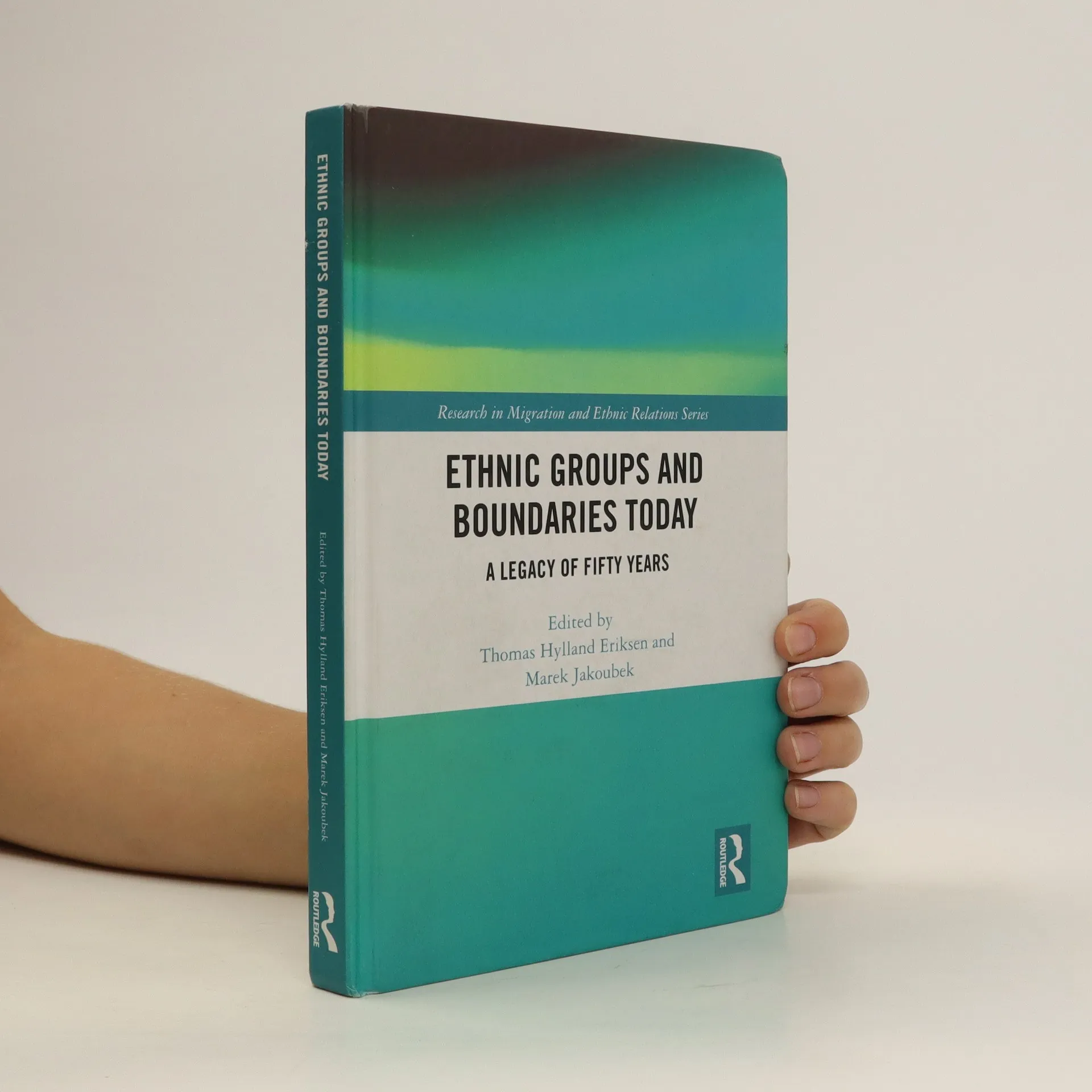
Ethnic Groups and Boundaries Today demonstrates the enduring significance of Barth's work, identifying its shortcomings and showcasing the state of the art today, fifty years after the publication of the ground-breaking original.
Leading anthropologist Thomas Hylland Eriksen shows how anthropology is a
revolutionary way of thinking about the human world. Perfect for students, but
also for those who have never encountered anthropology before, this book
explores the key issues in an exciting and innovative way. Lucid and
accessible, What is Anthropology? draws examples from current affairs as well
as previous anthropological studies. He looks at the history of anthropology,
its unique research methods and some of its central concepts, such as society,
culture and translation. This second edition contains a new introduction, as
well as updates throughout. New content includes discussions about Brexit, the
rise of the populist Right in Europe, the anthropology of climate change and
social media. What is Anthropology? shows in persuasive ways why anthropology
is a fundamental intellectual discipline, perhaps more so in the 21st century
than ever before.
This concise introduction to social and cultural anthropology has become a modern classic, revealing the rich global variation in social life and culture across the world.The text provides a clear overview of anthropology, focusing on central topics such as kinship, ethnicity, ritual and political systems, offering a wealth of examples that demonstrate the enormous scope of anthropology and the importance of a comparative perspective. Unlike other texts on the subject, Small Places, Large Issues incorporates the anthropology of complex modern societies. Using reviews of key monographs to illustrate his argument, Eriksen's lucid and accessible text remains an established introductory text in anthropology.This fourth edition is updated throughout and increases the emphasis on the interdependence of human worlds. It incorporates recent debates and controversies, ranging from globalisation and migration research to problems of cultural translation, and discusses the challenges of interdisciplinarity in a lucid way. Effortlessly bridging the perceived gap between "classic" and "contemporary" anthropology, Small Places, Large Issues is as essential to anthropology undergraduates as ever.
The book critically examines anthropology's struggle for recognition and relevance in the modern world. It highlights the discipline's intellectual strengths while challenging anthropologists to engage more actively with contemporary issues, such as immigration and biotechnology. Eriksen advocates for a return to narrative storytelling, urging the community to move beyond dry analysis and confront the complex challenges of today's societies without hesitation.
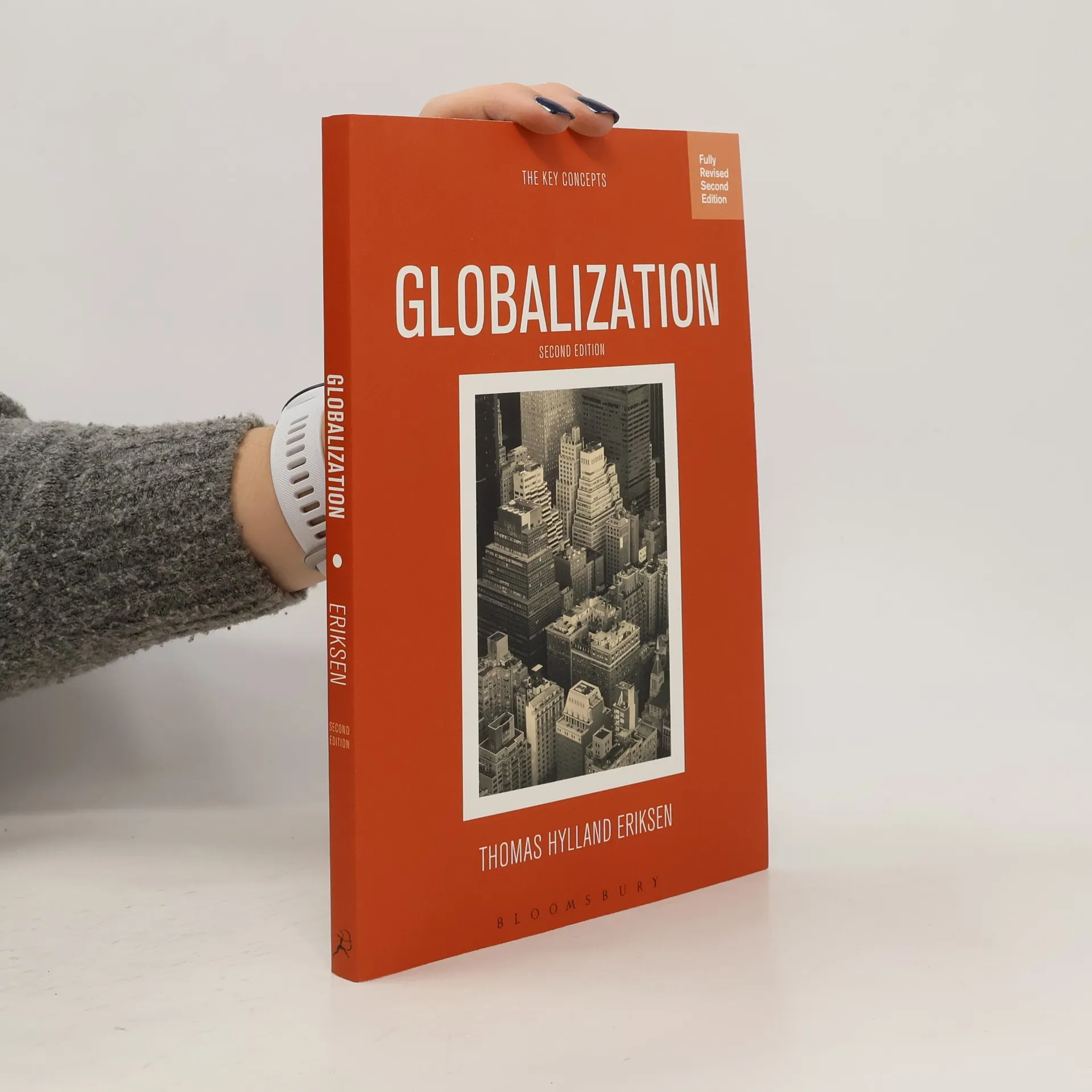
For the first time in human history, the vast majority of the world's population is connected through trade, travel, production, media and politics. Ours is an era of ubiquitous mobile communication, economic outsourcing, mass migration and imported consumer goods. At the same time, people everywhere are concerned to keep their identities rooted and sense of place in the face of momentous change. This new edition of Thomas Hylland Eriksen's concise and engaging landmark textbook outlines the main debates and controversies around globalization, and develops a unique perspective to show how globalization is an inherently double process, taking place both from above and below. Each chapter is supported by boxed case studies and bullet points summarizing the core information, suggestions for further reading, and essay and discussion questions, making this the ideal guide for both the classroom and independent study. Focusing on key concepts of globalization and drawing on international examples, this book is essential for anyone wishing to understand the fundamental processes underlying the contemporary world and the consequences these have for all of us.
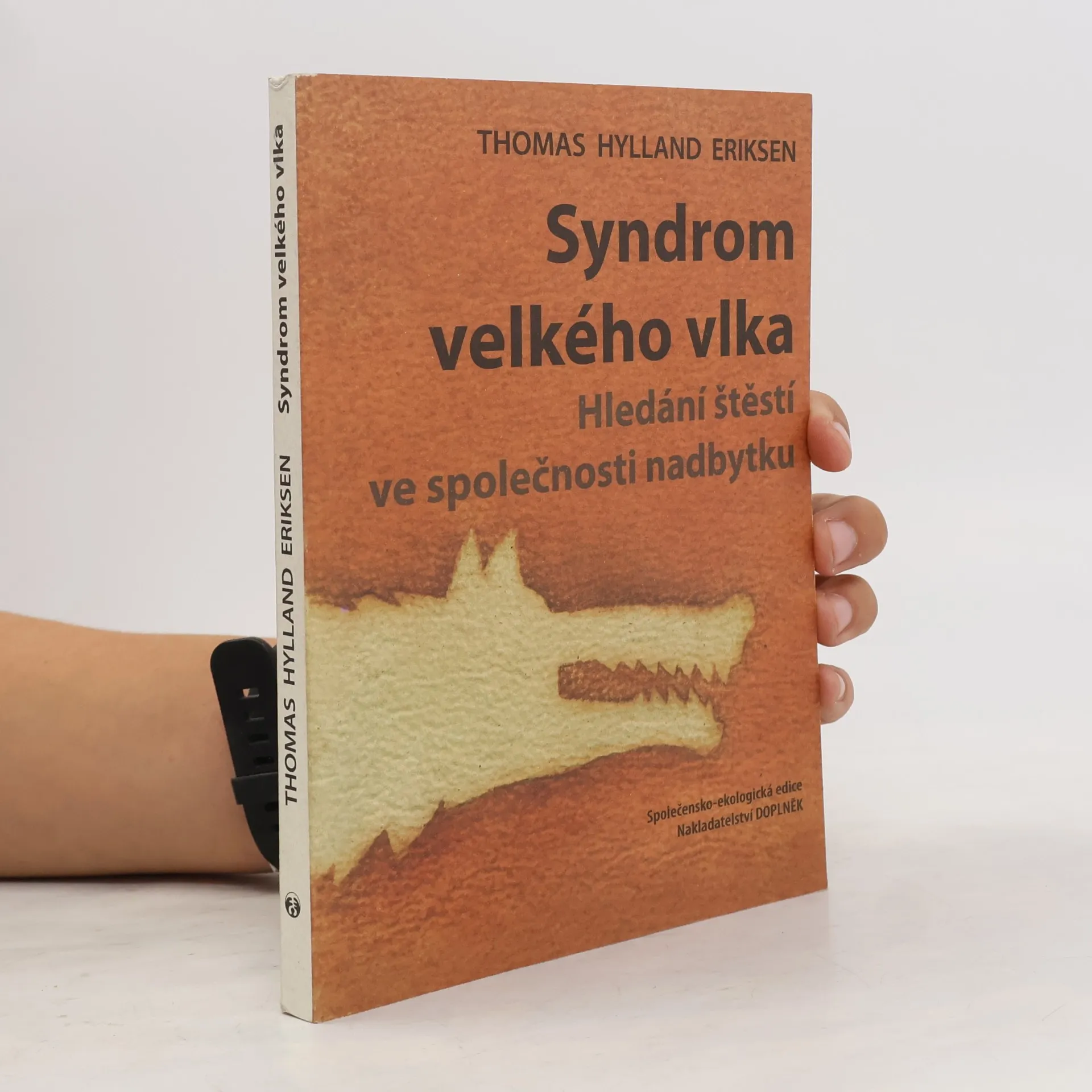
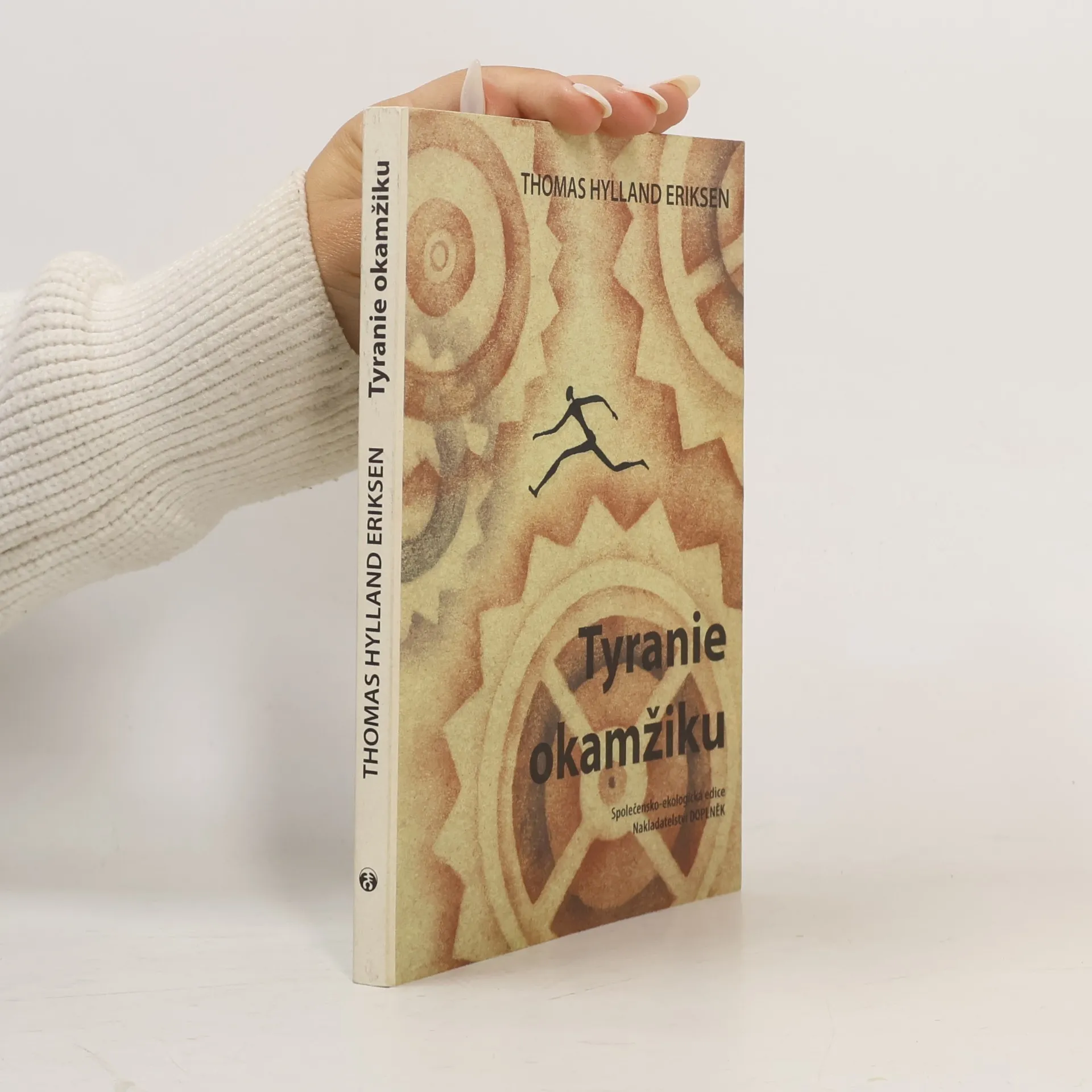
Tématem další pozoruhodné knihy z pera známého norského sociálního antropologa (v Doplňku již vyšla jeho kniha Tyranie okamžiku) je spokojenost. Kniha psaná přístupnou a čtivou formou se snaží odpovědět na otázku, čím se vyznačuje šťastný a hodnotný život. My, příslušníci globální střední třídy, máme v podstatě ráj na zemi: dožíváme se vyššího věku než kdokoli před námi, méně pracujeme a jsme zdravější než předchozí generace. Dopřáváme si kvalitní a chutnou stravu, posloucháme hudbu, která se nám líbí, nabízí se nám nepřeberný výběr literatury… Přesto však nejsme spokojeni. Vědecké studie ukazují, že životní spokojenost od 50. let minulého století poněkud poklesla. Nadbytek nám nepřináší štěstí. Zdá se, že šťastný život nám uniká stejně jako v dobách chudoby a nedostatku.
Také si lámete hlavu nad tím, proč musíte pořád odkládat zásadní a průlomové projekty, zatímco zvládat každodenní agendu se vám daří jen s nasazením všech sil?
A koho by před čtvrtstoletím napadlo, že všechny úžasné technologie vynalezené k úspoře času povedou nezadržitelně k tomu, že budeme mít nevyvratitelný pocit, že času máme stále méně?
Co rozumíme taylorizací rodinného života? Proč rychlý čas v konfrontaci s pomalým vždy vítězí? A co mají tyto jevy společného s tzv. vyhořením?
Tyto otázky rozebírá Tyranie okamžiku - originální komentář odborníka v oboru sociální antropologie, formulovaný s vtipem a nadhledem. Nudit se nebude nikdo, kdo se zamýšlí nad zákonitostmi naší epochy a vývojem informační společnosti.
Sborník esejí norského antropologa se věnuje široké paletě témat (etnicita, nacionalismus, kulturní komplexita, politika identit, multikulturní identita, etnický konflikt), která byla v posledních letech aktuální. S nevšední erudicí špičkového společenskovědního badatele se T. H. Eriksen zaměřuje na problematiku společností a zejména pak jejich vztahů v době, kterou charakterizují nejen pojmy jako globalizace a multikulturalismus, ale také termíny jako etnické čistky či střet civilizací. Sjednocujícím elementem jednotlivých esejí je fenomén identity, který se stal i emblematickým termínem celé antologie.
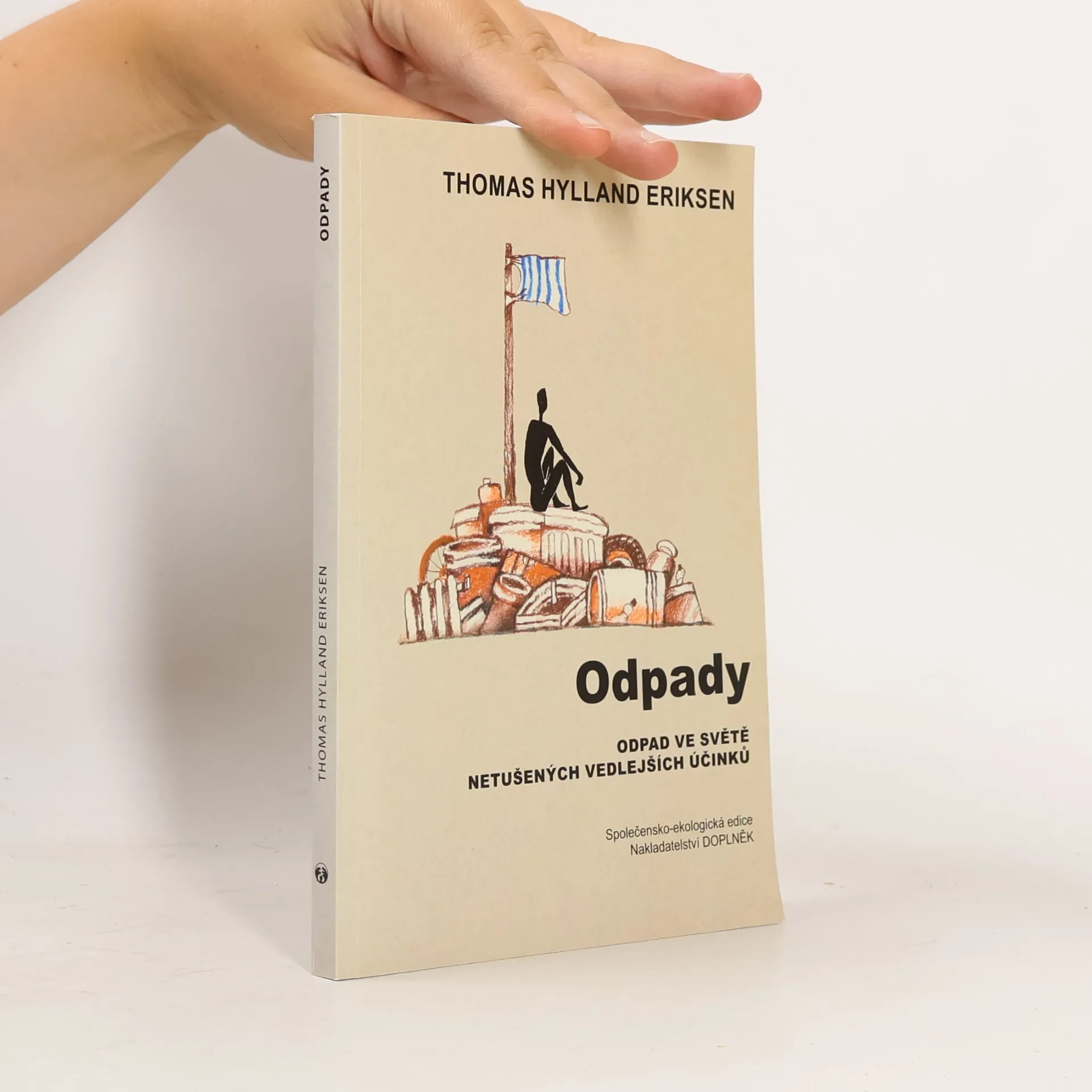
Profesor Thomas Hylland Eriksen ve svých knihách systematicky mapuje nežádoucí průvodní jevy modernity, tentokrát se zaměřuje na odpad. Odpad je to, co zbývá, co nikdo nechce. Je pěkné si představovat, že když něco vyhodíme, prostě to zmizí. Ovšem skutečnost je taková, že množství odpadu roste každým dnem, a týká se to celé naší planety.
Aktuální kniha má spojitost s předchozími Eriksenovými publikacemi – Tyranie okamžiku pojednávala o nadbytku informací, Odpad zase o nadbytku předmětů. Jak je autorovým dobrým zvykem - je kniha neobyčejně čtivá, plná pozoruhodných detailů a neobvyklých pohledů na zdánlivě obyčejné věci, ovšem obsahuje silné morální poselství
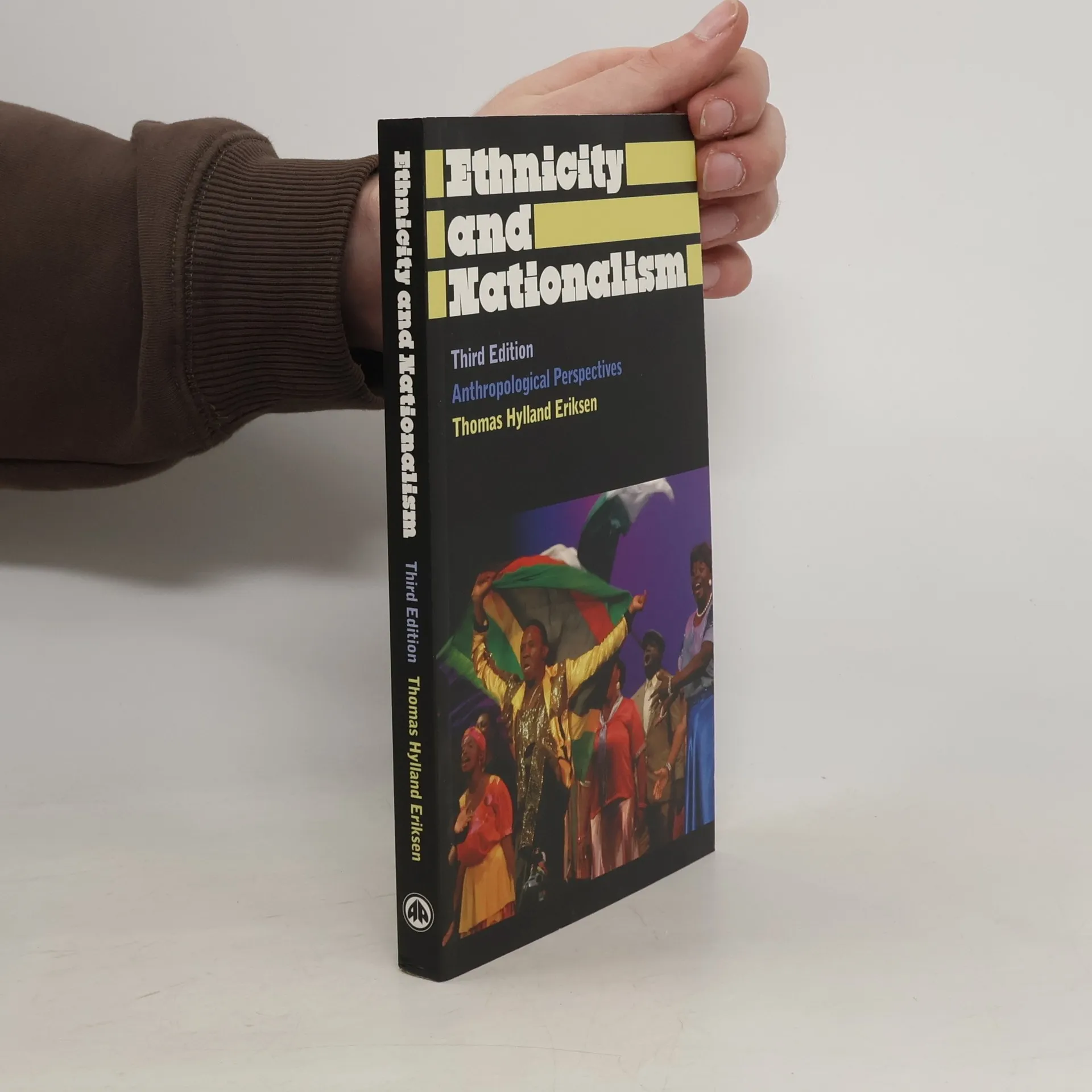
Etnicita je v sociální antropologii klíčovým tématem od konce šedesátých let a zůstává centrálním objektem výzkumu. Tato kniha, založená na antropologických přístupech ke studiu etnicity, přesahuje akademické hranice. Díky dlouhodobému terénnímu výzkumu a perspektivě zdola antropologie generuje poznatky o sociálním životě a každodenních interakcích, kde etnicita vzniká. Etnické vztahy se formují v sociálních situacích jako odpověď na životní nároky a výzvy. Sociální antropologie umožňuje zkoumat tyto procesy v kontextu lokálního dění, avšak pro komplexní pochopení etnicity a nacionalismu je nezbytné doplnit je historickými a makrosociologickými přístupy.
Antropologické metody odhalují, jak lidé definují a vnímají etnické vztahy, jak hovoří o svých skupinách a o ostatních, a jak se udržují, vyjednávají a proměňují příslušné světonázory. Význam členství v etnické skupině je nejlépe zkoumatelný prostřednictvím detailního, participativního výzkumu, který je charakteristický pro antropologii. Jako komparativní disciplína sociální antropologie zkoumá podobnosti a rozdíly mezi mezietnickými situacemi a jejich kontexty, čímž nabízí mnohovrstevnou a komplexní vizi etnicity v současném světě.
Dreck, Abfall, Kehricht, Schlacke, Schrott und Müll: Viele Wörter bezeichnen diesen immer größer werdenden Bereich unserer Zivilisation, mit dem wir uns eigentlich nicht auseinandersetzen möchten, dessen möglichst rasche und diskrete Entsorgung uns wesentlich lieber ist. Aber die Auseinandersetzung mit dem Müll ist nicht nur unumgänglich, sie kann auch sehr heilsam sein, gehört er doch zu den verdrängten Tatsachen der modernen Zivilisation. Der Autor betreibt mit seinem Buch eine längst fällige kulturphilosophische Abfallforschung – vom Haushalts- und industriellen Abfall über Menschen die nicht mehr gebraucht werden, bis zu Informationsmüll. Betrachtet man Mensch und Müll in ihren jeweiligen Kontexten, ergeben sich überraschende Perspektiven. Mit einem wohltuend sachlichen und distanzierten Blick auf alles, was stinkt, ekelt, verschmutzt und stört, gelingt es dem Autor, uns für das Phänomen Müll zu interessieren und unser Augenmerk auf diese Schattenseiten des modernen Lebens zu richten. Eine spannende und folgenreiche Untersuchung, zeigt sie doch auch Notwendigkeit und Möglichkeit, dieses verdrängte Thema bzw. seinen stofflichen Inhalt wieder in unsere realen und ideellen Kreisläufe zu integrieren.
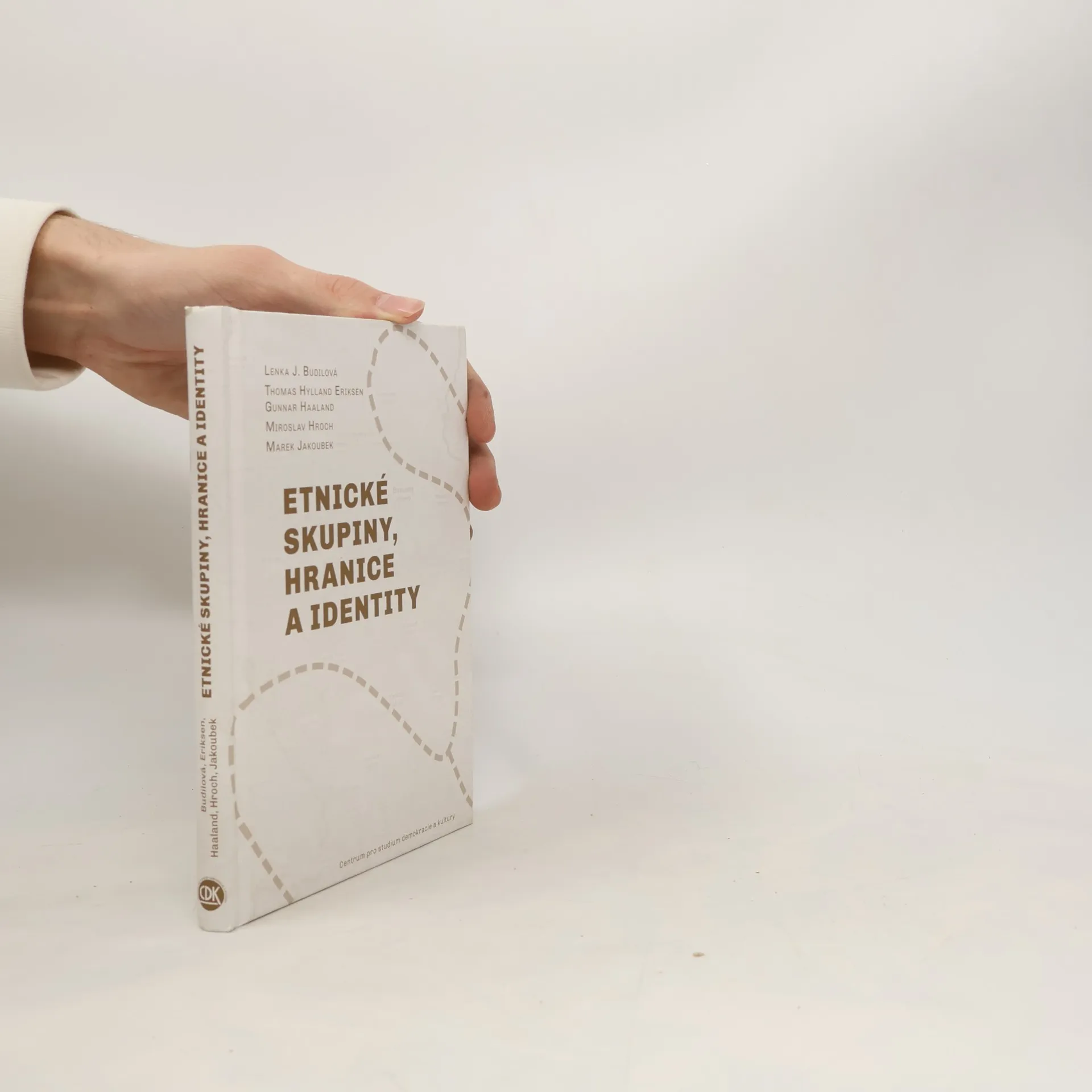
Kniha se zaměřuje na etnické skupiny a identity, což je klíčové téma sociálních věd. Etnické fenomény a procesy zůstávají zásadními determinanty lidského světa, přičemž jejich význam přetrvává i dnes, ačkoliv se před sto lety předpovídal jejich zánik. Etnicita se projevuje nejen v hnutích původních obyvatel a menšin, ale také v jádru mnoha destruktivních válečných konfliktů posledních dekád. Tyto fenomény ovlivňují společnosti od každodenních interakcí na lokální úrovni až po mezinárodní vztahy. Pochopení etnických identit a skupin je klíčové pro porozumění současnému světu. Publikace představuje vývoj studia etnicity a aktuální diskurzy v této oblasti, přičemž se odkazuje na přelomovou práci „Ethnic Groups and Boundaries: The Social Organization of Culture Difference“ (ed. F. Barth 1969). V autorském týmu se nachází jeden z posledních žijících spoluautorů této práce, Gunnar Haaland, a významné postavy jako Thomas Hylland Eriksen a Miroslav Hroch, který je klíčovou osobností v oblasti nacionalismu. Dále přispívají mladší generace českých antropologů, Marek Jakoubek a Lenka J. Budilová.
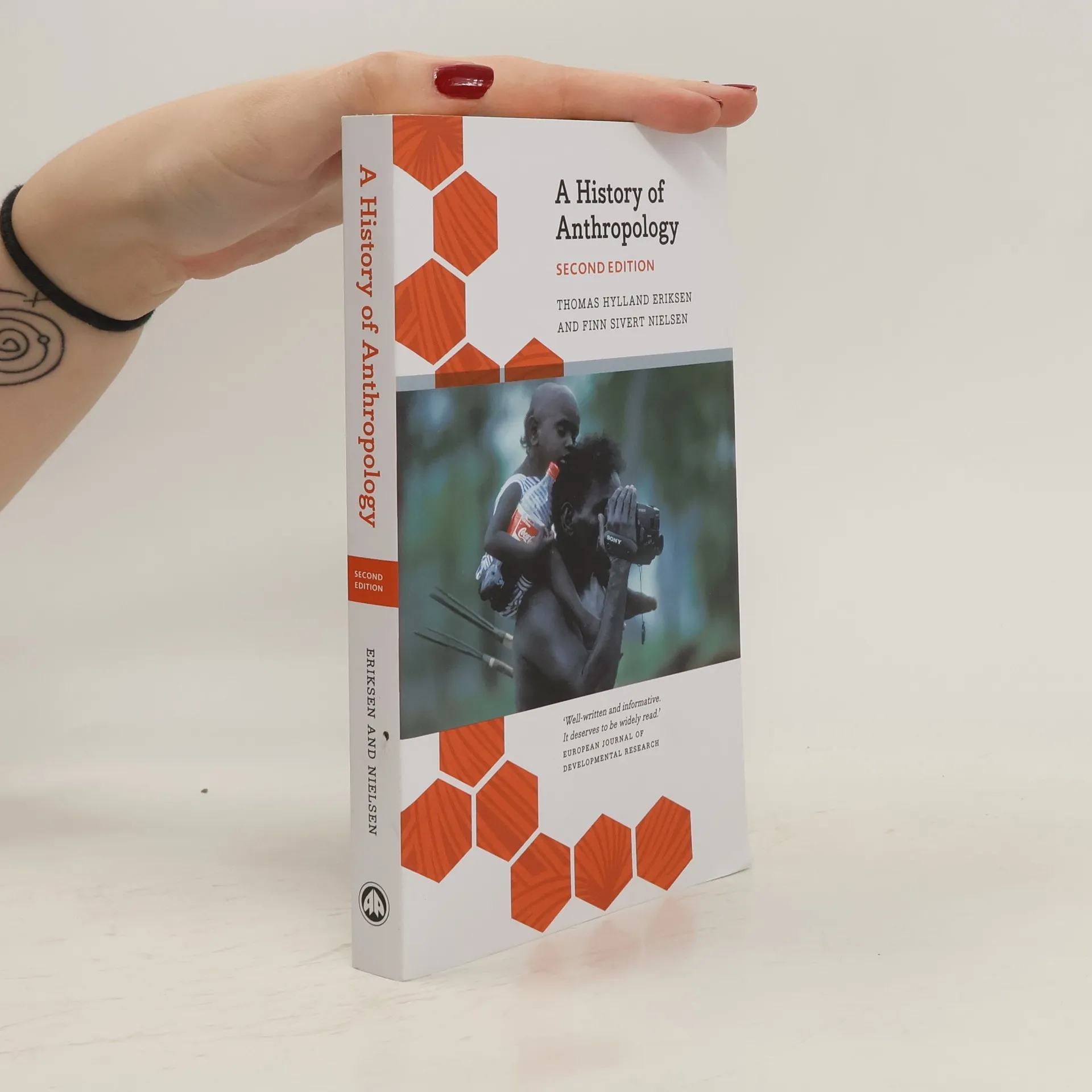
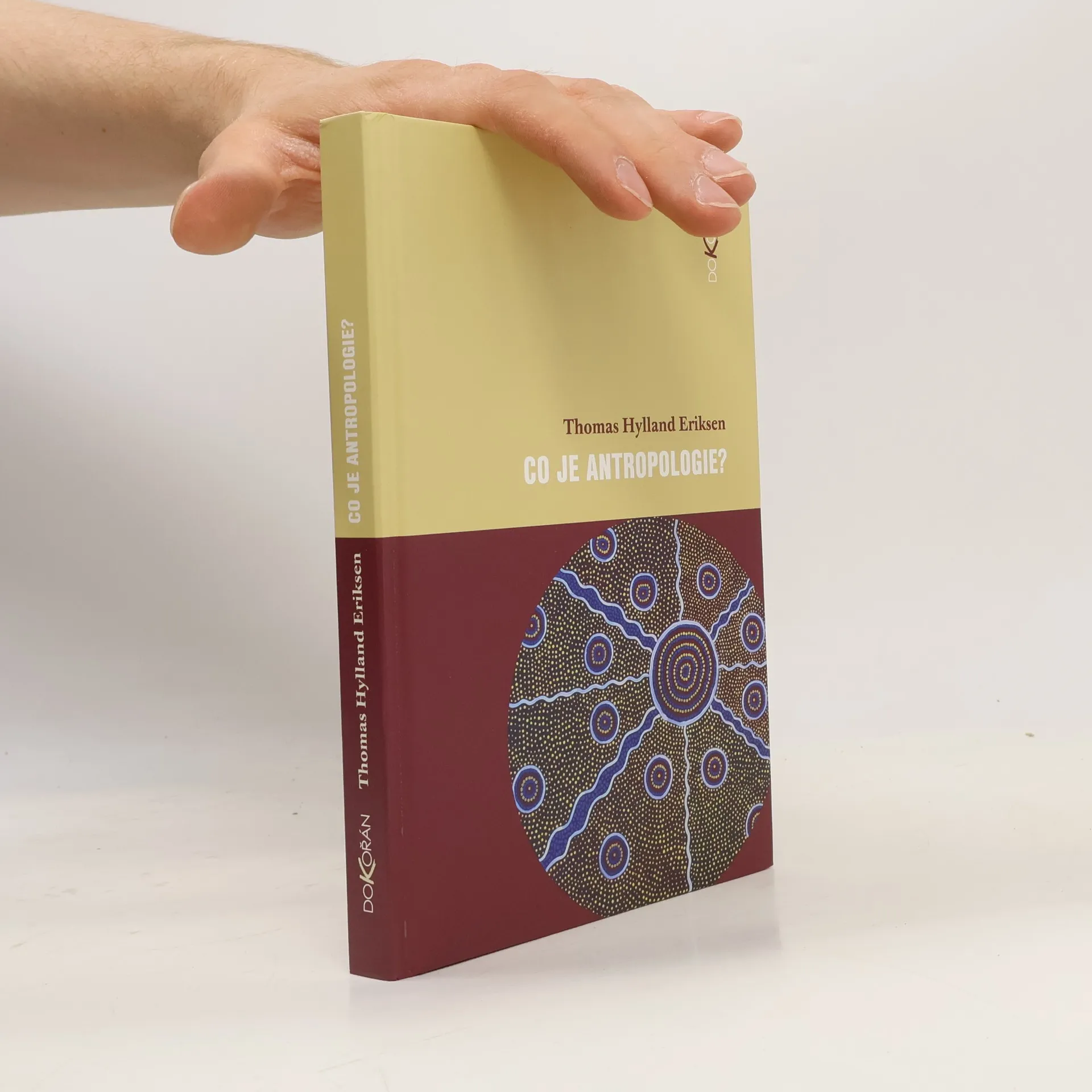
Přední světový antropolog Thomas Hylland Eriksen představuje antropologii jako revoluční způsob přemýšlení o lidských společnostech. Kniha je perfektním vstupem do oboru nejen pro studenty, ale i pro čtenáře, kteří se s touto vědní disciplínou zatím blíže neseznámili. Eriksen poutavým způsobem nastiňuje historii antropologie a základní pojmy, jako je společnost, osoba, kultura či překlad. Přibližuje také metody terénního výzkumu a hlavní témata, jimiž se antropologové zaobírají. Eriksen v knize Co je antropologie? přesvědčivě ukazuje, proč je antropologie jednou ze základních vědních disciplín a jak se její zjištění zrcadlí v mnoha současných debatách nejen o ekologii, identitě a podstatě lidství.
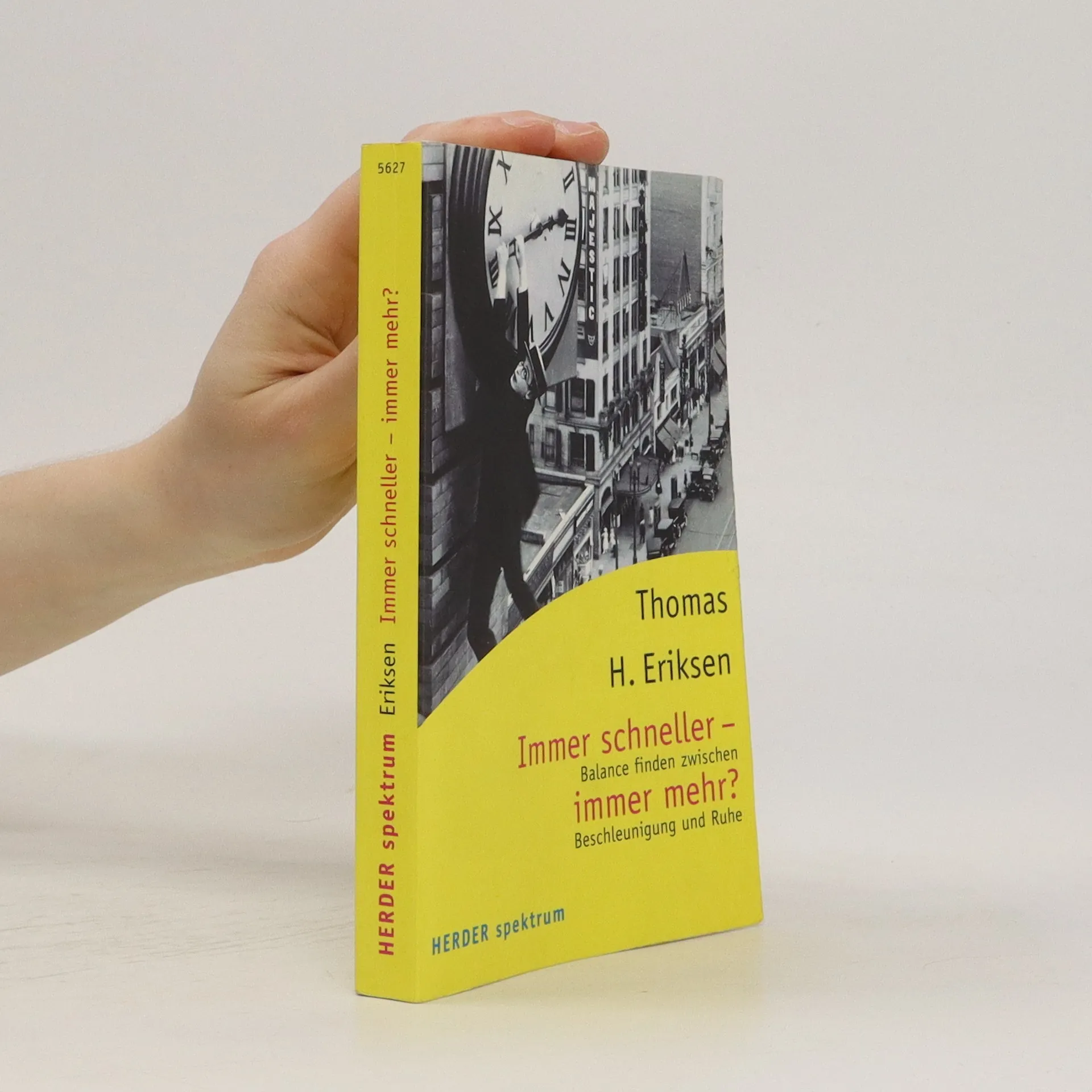
Wir brauchen dringend Langsamkeit: für erfüllende Beziehungen, Kreativität und Selbstbestimmung. Ein Appell zum souveränen Umgang mit der Zeit - und eine „brillant polemische Kulturanalyse“ (Deutsche Welle).