How Boards Work
- 304 páginas
- 11 horas de lectura
A unique insight into the work of corporate boards and why their work is so important in society, by a hugely influential economist who has global recognition[Bokinfo].


Dambisa Moyo es una economista internacional cuya escritura se adentra en la macroeconomía y los asuntos globales. A través de su obra, examina sistemas económicos complejos y su impacto en el escenario mundial. Moyo ofrece perspectivas perspicaces sobre los desafíos económicos mundiales clave y las posibles vías a seguir. Sus análisis se publican con frecuencia en destacadas publicaciones económicas y financieras.


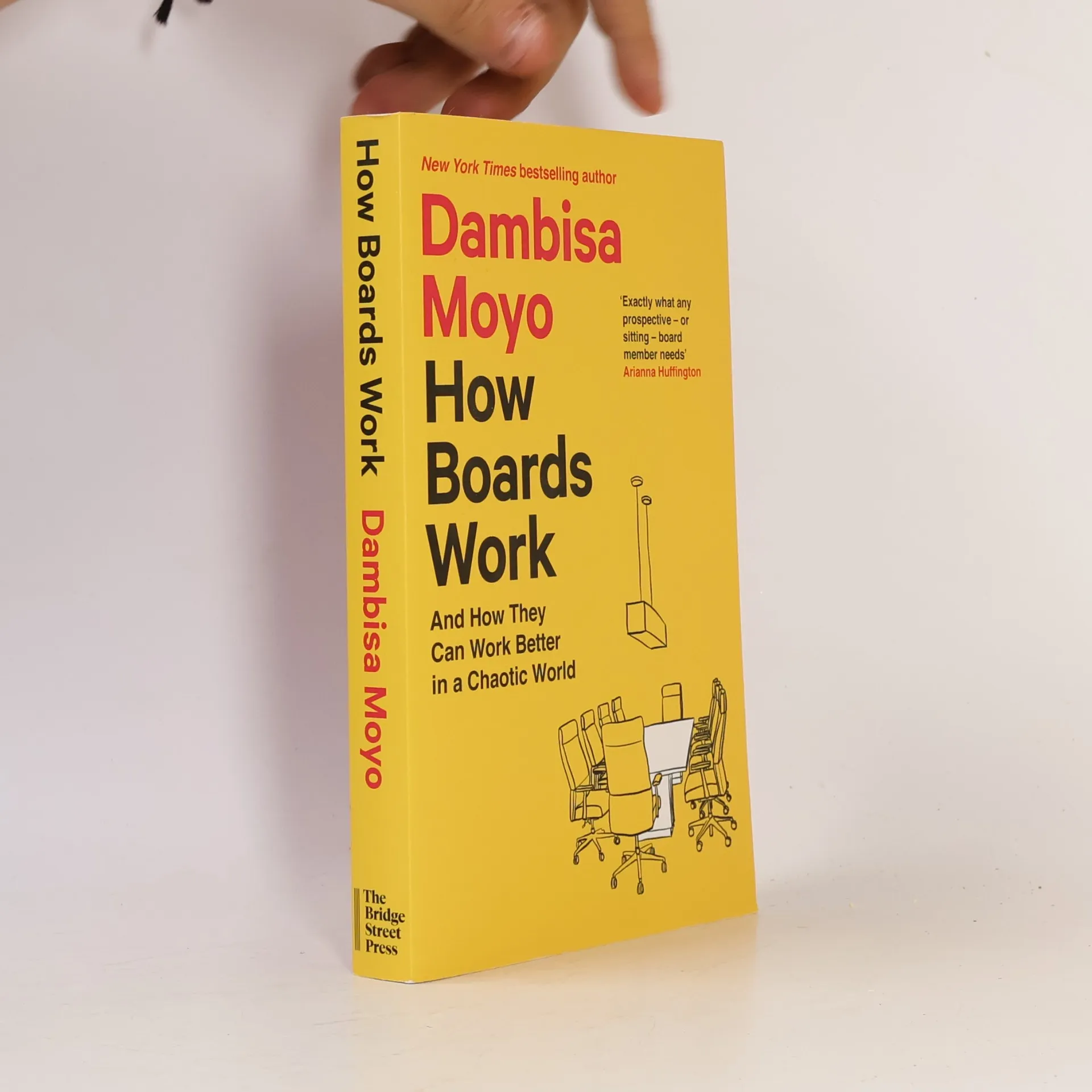
A unique insight into the work of corporate boards and why their work is so important in society, by a hugely influential economist who has global recognition[Bokinfo].
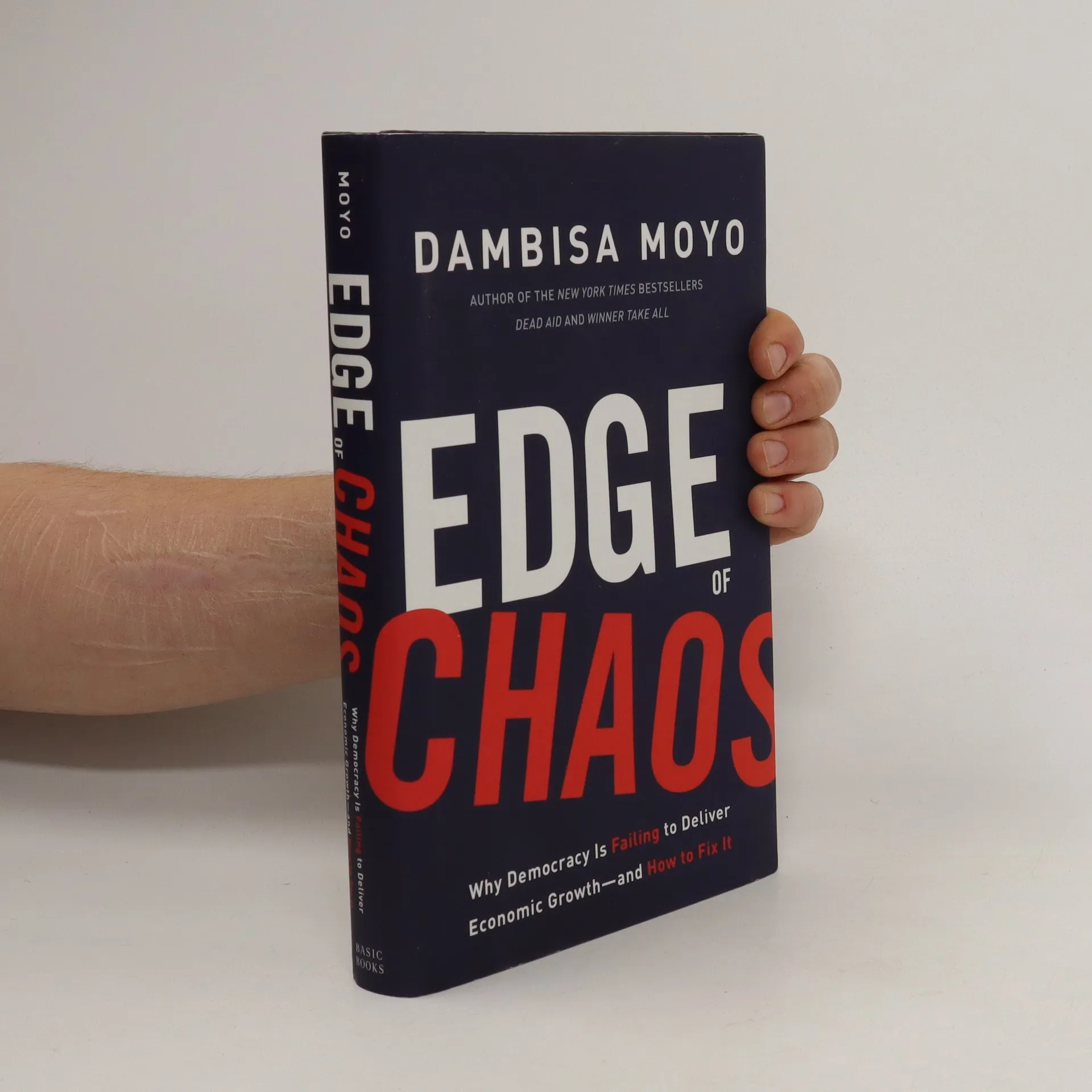
From an internationally acclaimed economist, a provocative call to jump-start economic growth by aggressively overhauling liberal democracy Around the world, people who are angry at stagnant wages and growing inequality have rebelled against established governments and turned to political extremes. Liberal democracy, history's greatest engine of growth, now struggles to overcome unprecedented economic headwinds--from aging populations to scarce resources to unsustainable debt burdens. Hobbled by short-term thinking and ideological dogma, democracies risk falling prey to nationalism and protectionism that will deliver declining living standards. In Edge of Chaos, Dambisa Moyo shows why economic growth is essential to global stability, and why liberal democracies are failing to produce it today. Rather than turning away from democracy, she argues, we must fundamentally reform it. Edge of Chaos presents a radical blueprint for change in order to galvanize growth and ensure the survival of democracy in the twenty-first century.
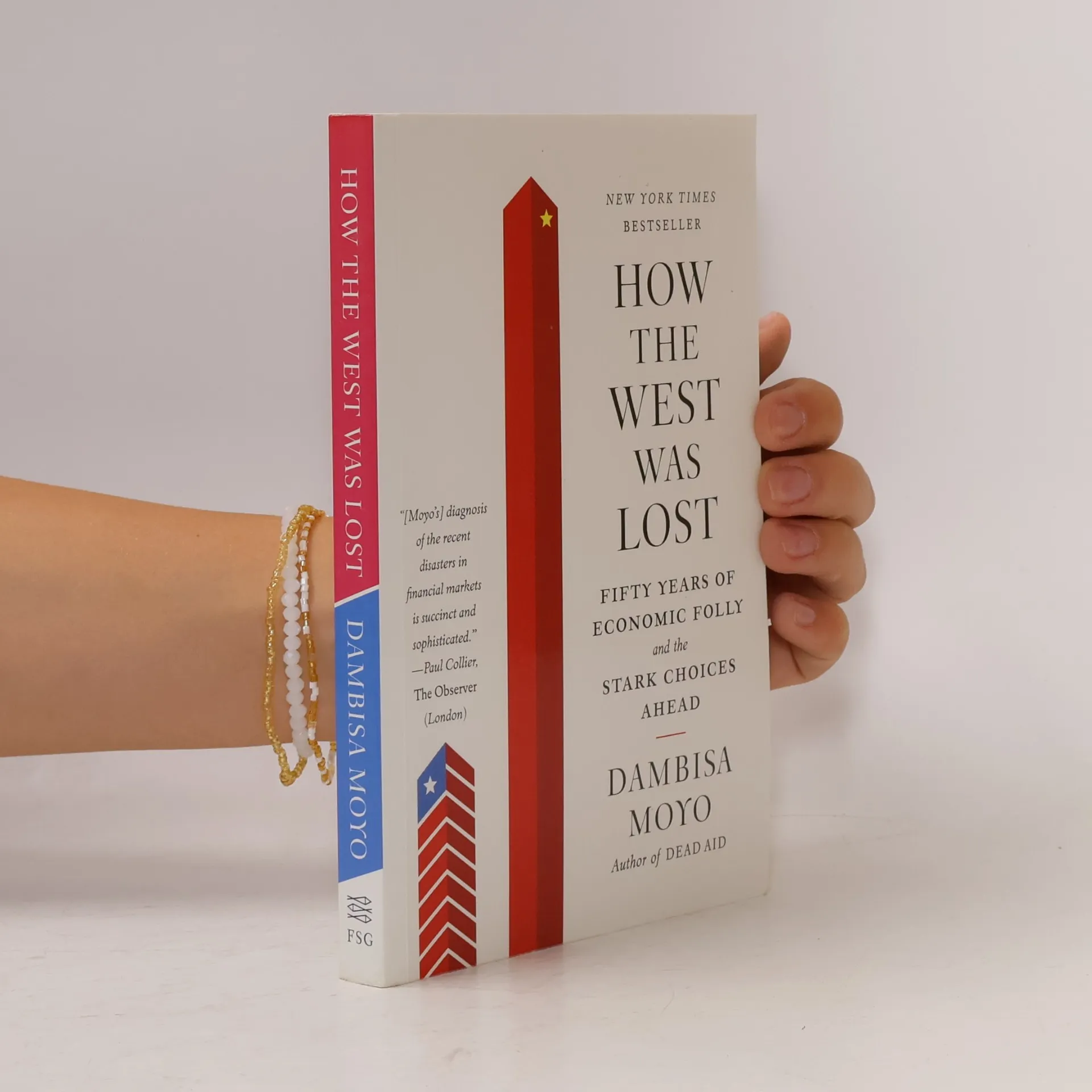
Výstižná a čtivá zpráva o současném úpadku hospodářské nadvlády Západu. Jak kvůli chybné hospodářské politice v uplynulých padesáti letech nejvyspělejší a nejbohatší státy světa promarnily své dominantní postavení? Podle ekonomky D. Moyové jsou příčiny hospodářského úpadku tři: za prvé západní svět většinu kapitálu investoval špatně, za druhé pracovní síla na Západě příliš zdražila a za třetí se začala snižovat produktivita obecně. Základním rysem naší společnosti už není inovace a progresivní myšlení. Místo toho jsme krátkozraká a lhostejná civilizace, které nejvíc záleží na spotřebě. Jaká opatření je třeba přijmout? Moyová ve své knize nabízí řešení.
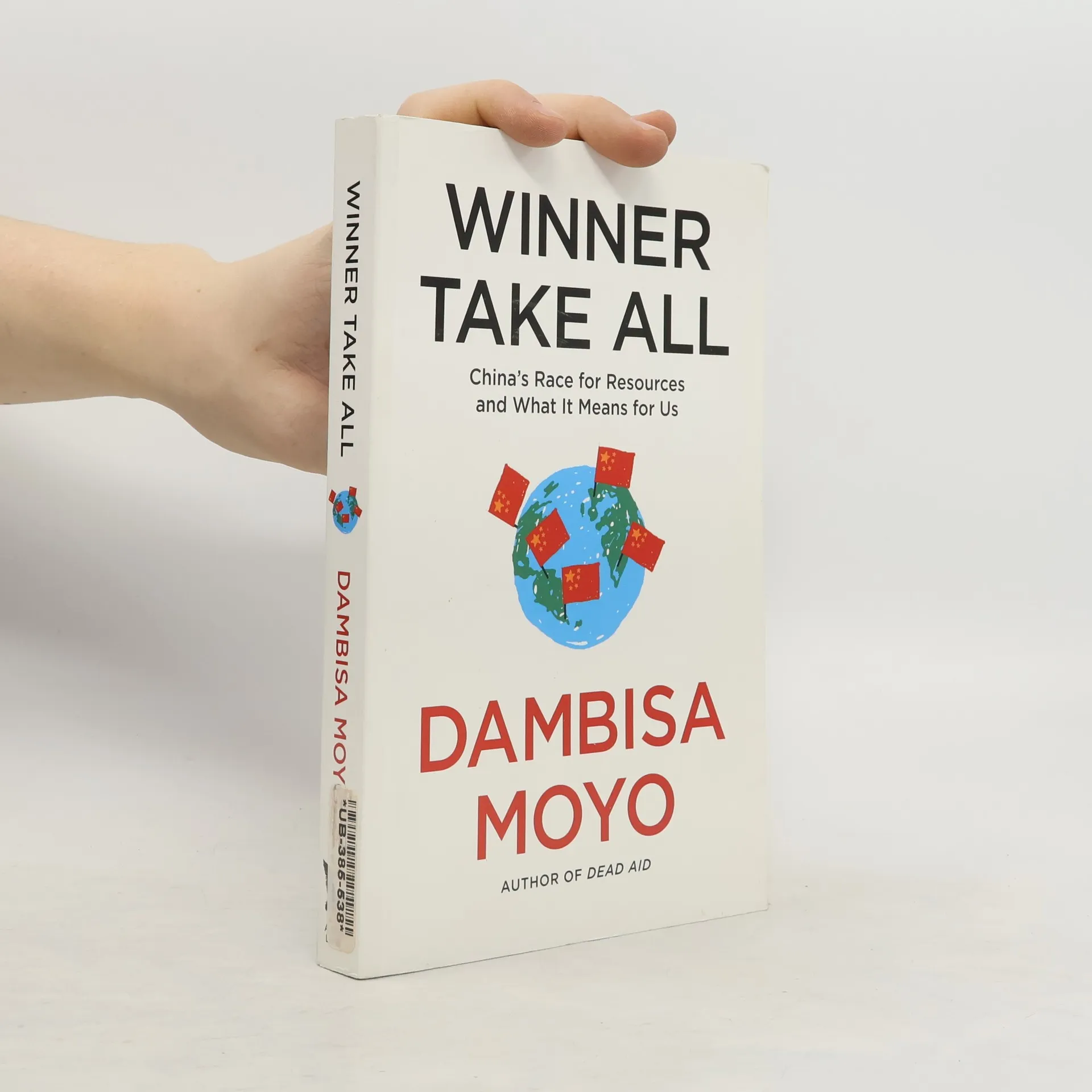
China's race for recources and what it means for us
We all know the world's resources the commodities that underpin our daily lives and economies are scarce. But how many of us know what that really means for the global economy today?
Fifty Years of Economic Folly and the Stark Choices Ahead
Dambisa Moyo presents a compelling analysis of the West's waning economic dominance, attributing this decline to misguided financial choices. The book explores the shifting balance of power, suggesting that the emerging economies, particularly China, are on the verge of surpassing Western influence. Through her insights, Moyo challenges readers to reconsider the future of global economics and geopolitics in light of these transformative changes.
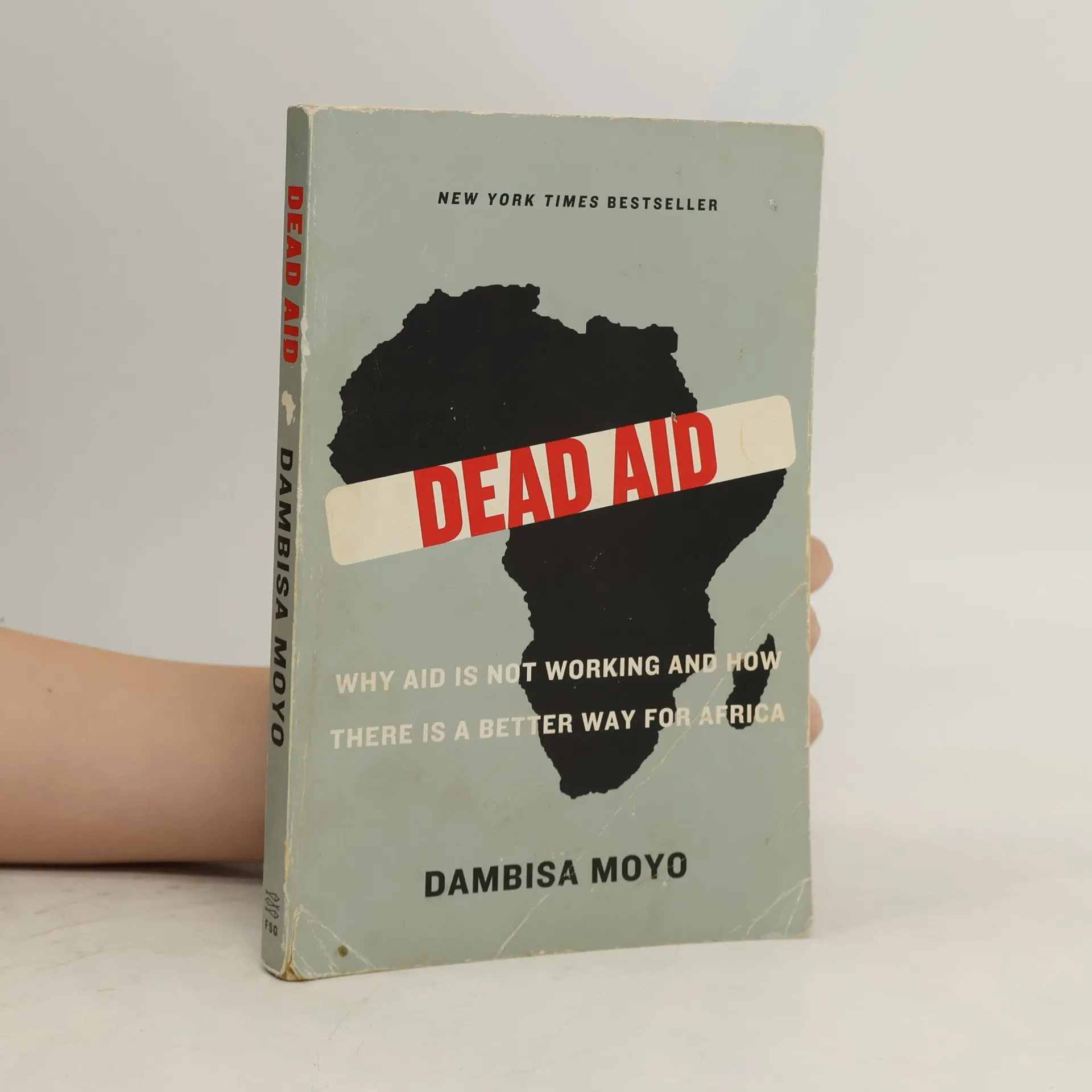
Argues that international aid sent to developing African nations has not helped and contends that the money has led to corrupt governments and dependent citizens.