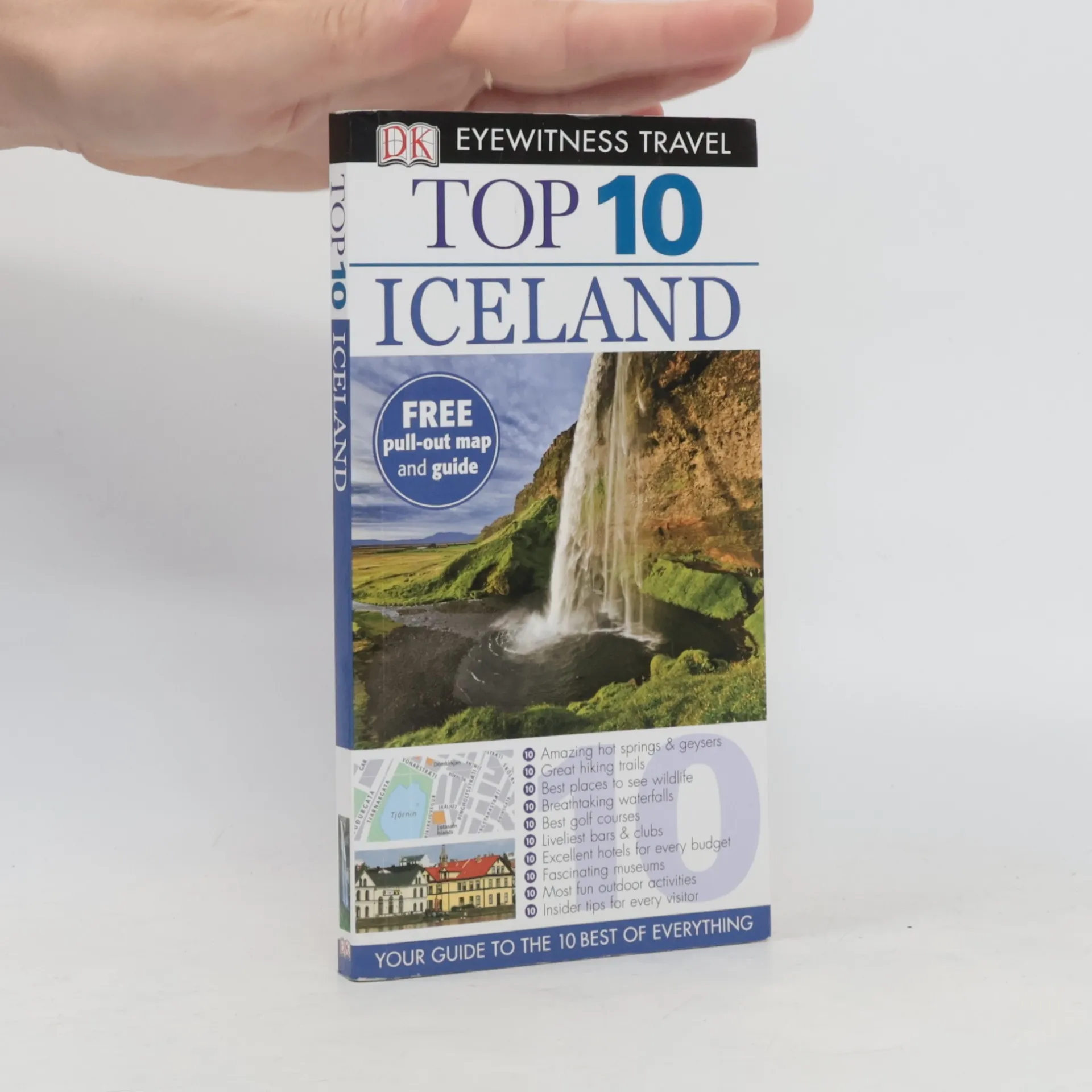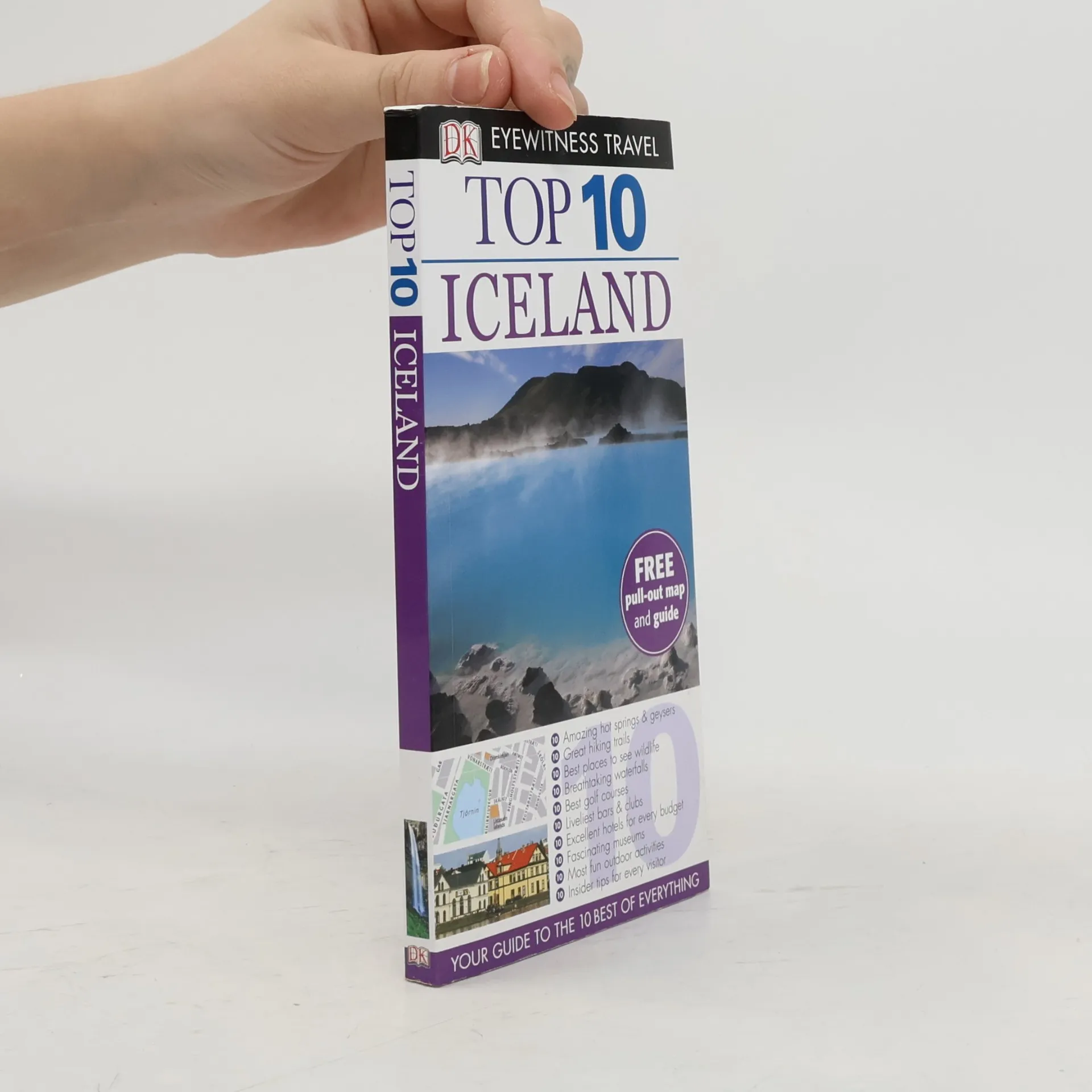
This is your essential guide to Iceland's captivating capital, covering all the key places, restaurants, shops, cafés and bars you simply must visit, not to mention the jaw-dropping sights and scenery within reach of the city. Slim, stylish and utterly pocketable, it comes with a full-colour pull-out map to help you find your way around - the only map of its kind to be marked with every single recommendation from the guide
This guide to Iceland gives information on hotels, hostels and camping, and covers sites and stories of Viking sagas. There is advice on swimming in hot springs, climbing volcanoes, and tackling the icefields of Europe's largest glacier.
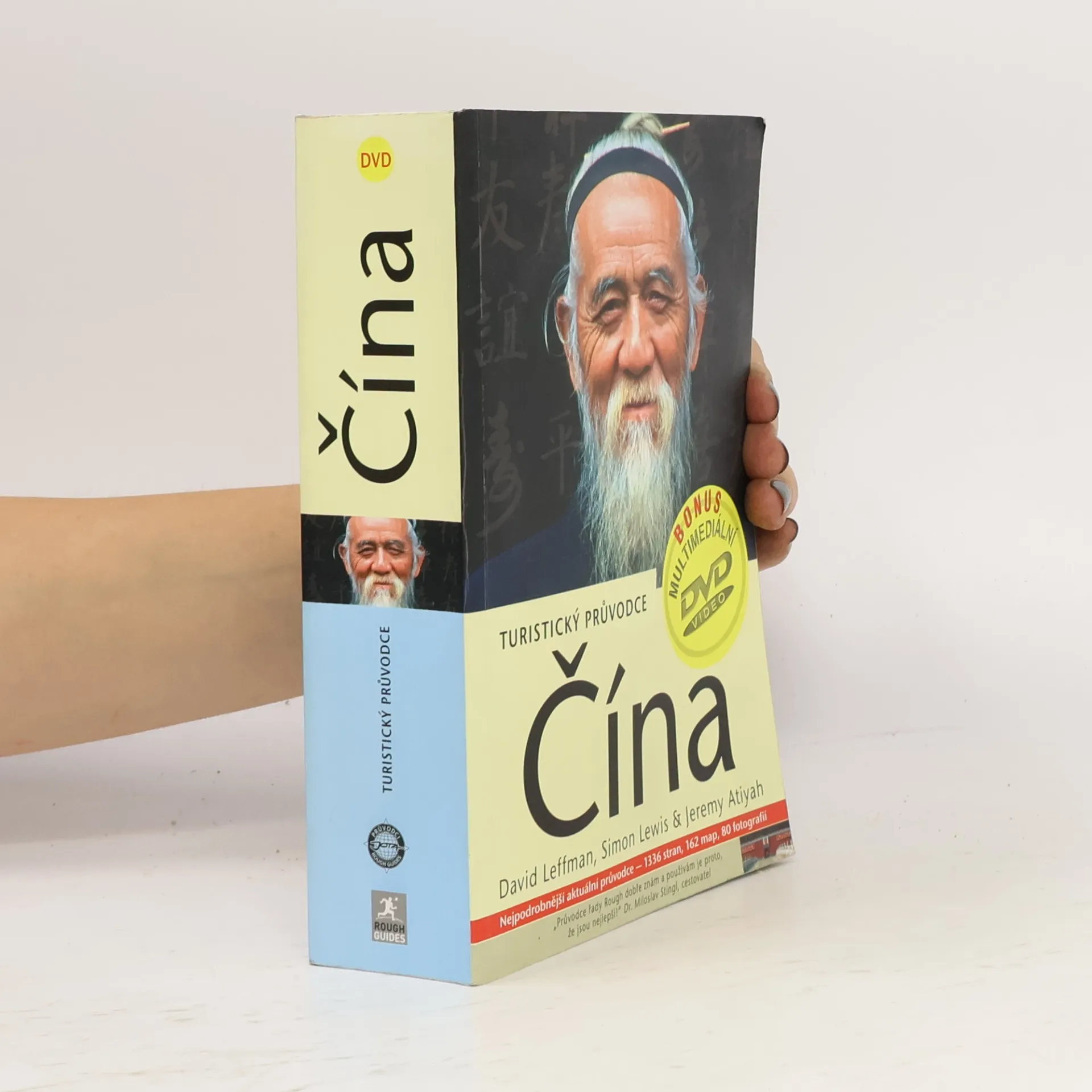
The Rough Guide to Chinacovers of all of mainland China and Tibet, as well as the lesser known administrative regions of Hong Kong and Macau. The Rough Guide provides all the information you need, whether you want to explore the sophisticated nightlife of Beijing and Shanghai, chill out in the mellow travellers' havens of Dali and Yangshuo, or roam the streets of wonderfully historical towns such as Lijiang. Up-to-date descriptions provide you with the low-down on famous sights such as Beijing's Forbidden City, the Terracotta Army outside Xi'an, limestone peaks around Guilin and the cruise through the mighty Three Gorges along the Yangzi. There's also full practical information on where to drink, sleep, party and eat - from streetside snack stalls to luxurious Beijing Duck restaurants. Detailed maps and comprehensive practical information help you get under the skin of China, whilst the guide's stunning photography and a full-colour introduction make this your ultimate travelling companion. Make the most of your time on earth(tm) with The Rough Guide to China.
Hong Kong is a captivating destination where aggressive capitalism meets an Eastern emphasis on order and harmony. Despite its 150 years under British colonial rule, Hong Kong has always been fundamentally Chinese. The city boasts a striking skyline and a variety of cultural influences, yet for the majority of its nearly seven million residents, life resembles that of mainland China, characterized by hard work, cramped living conditions, and vibrant street markets. Recent years have posed challenges, including the political turmoil following the 1997 handover to China and the subsequent Asian economic crisis, which led to high unemployment. While concerns about Chinese government interference have largely proven unfounded, worries about local leadership's capability persist. Visitors will find that many aspects of life remain unchanged, with practical matters like entry requirements unaffected. The city's architecture ranges from modern skyscrapers to traditional temples, and its culinary scene is renowned for both Chinese and international cuisine. However, commercialism often overshadows cultural pursuits, though recent developments in the arts are promising. Nearby Macau, set to return to China in 1999, offers a contrasting experience with its Portuguese heritage, charming architecture, and unique culinary delights. Macau is particularly known for its exciting fusion of Portuguese and Chinese cuisines, making it a worthwhil
Australia is a vast and sparsely populated land, comparable in size to the USA but home to just over eighteen million people. This ancient continent features some of the most eroded and arid landscapes, particularly in its central and western regions. In contrast, its cities, established mainly in the mid-nineteenth century, exude a youthful energy. The Outback, with its striking geological features and unique wildlife, showcases a vivid ecology that has supported the oldest surviving human culture for over fifty thousand years. The harsh interior has led to a coastal lifestyle, with most Australians living within 20km of the ocean, particularly in a suburban arc from southern Queensland to Adelaide. Urban Australians embrace New World values of material self-improvement, often enjoying a vibrant outdoor life characterized by beach culture and backyard barbecues. While this lifestyle may seem mundane to some visitors, opportunities exist, especially in the Northern Territory, to engage with Australia's indigenous cultures through ancient art sites and tours. Many Aboriginal people in central Australia maintain traditional lifestyles, yet those in urban areas often face challenges related to "welfare colonialism," leading to cycles of poverty and ill-health. Achieving genuine equality between black and white Australians remains a significant challenge.
Featuring a blend of must-see attractions and hidden gems, this guidebook is tailored for independent travelers exploring Iceland. It provides essential planning tips and practical advice for on-the-ground adventures, ensuring a comprehensive travel experience. Additionally, the book emphasizes environmental responsibility through its sustainable printing practices.
In 2020 a large album of "paper horses" - prayer prints of Chinese gods - appeared for sale. How had these fragile things, cheaply printed in the 1940s and meant to be ritually burned soon after purchase, survived for so long? In answering this mystery, David Leffman explores the techniques behind Chinese woodblock printing, which dates back to at least the Tang dynasty. All 93 "paper horses" are reproduced alongside biographies of the gods, providing an illustrated introduction to the fascinating world of Chinese folk religion.
The main chapters of the guide, arranged by region, provide detailed coverage of all the attractions from glamorous Sydney to the rugged grandeur of the Red Centre. Throughout there are author picks highlighting the top places to eat, drink and stay to suit every budget.