Bookbot

Barbara Bray

    Clásicos Contemporáneos Internacionales - 8: El amante
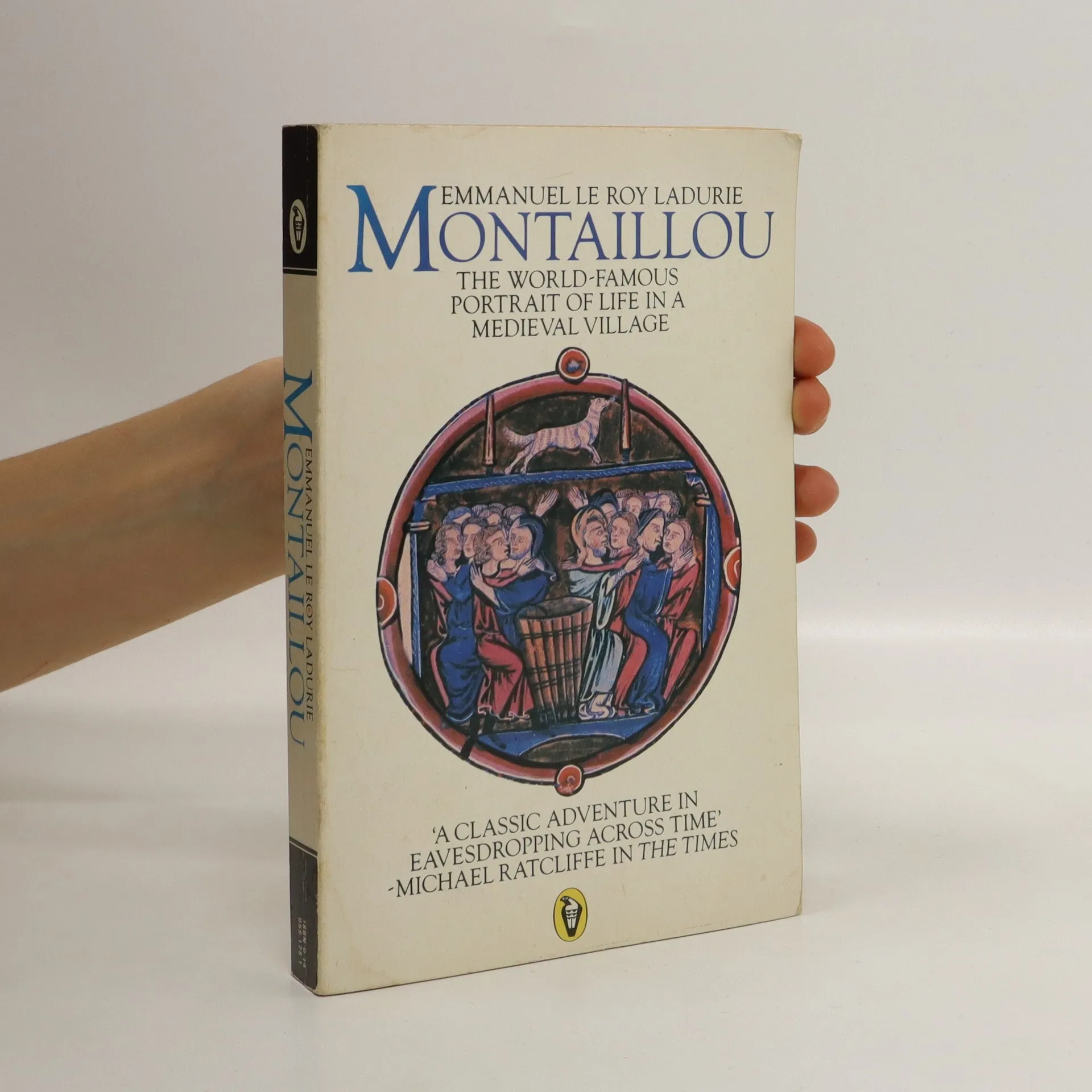
    Montaillou
    Jacques Lacan. An Outline of a Life and a History of a System of Thought
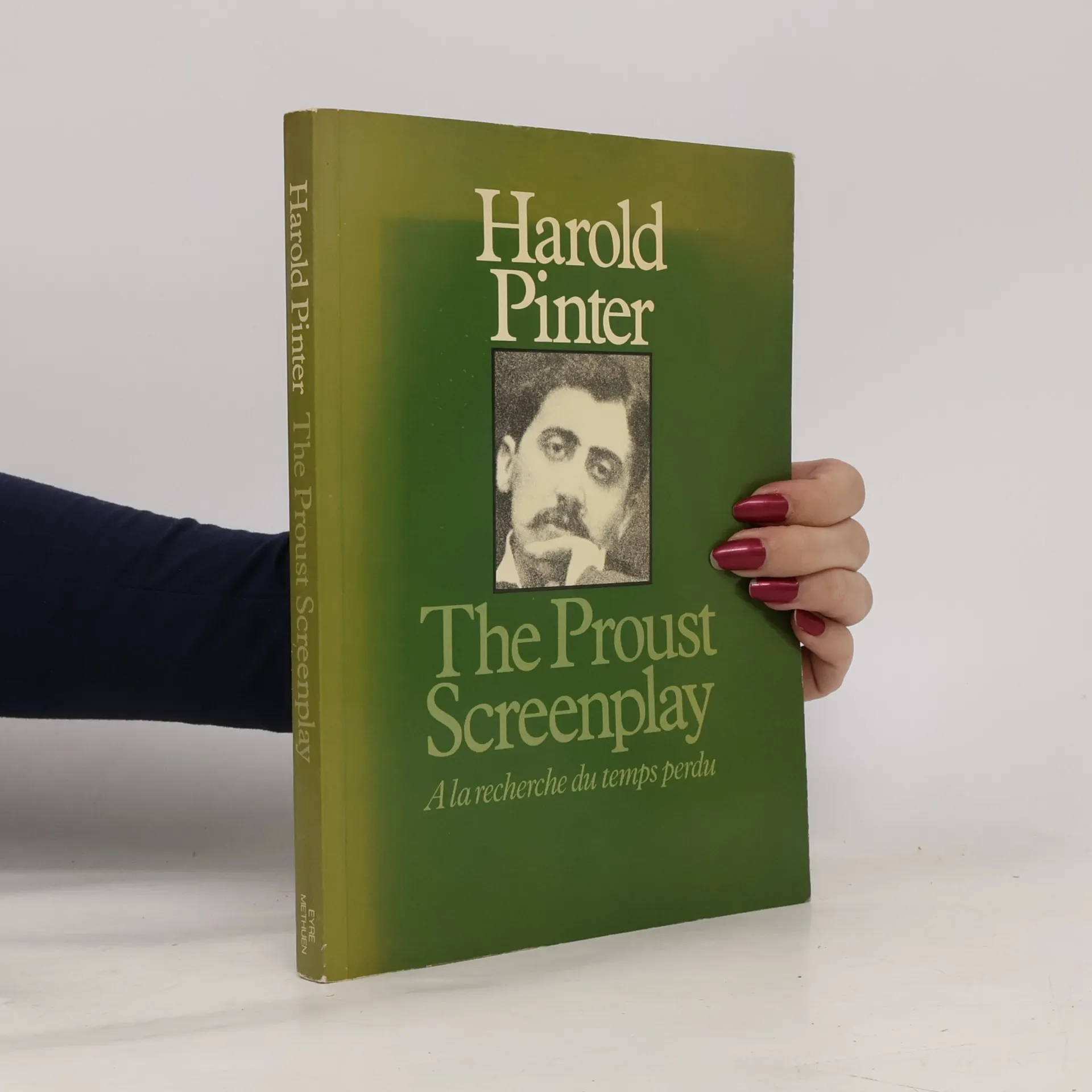
    The Proust Screenplay
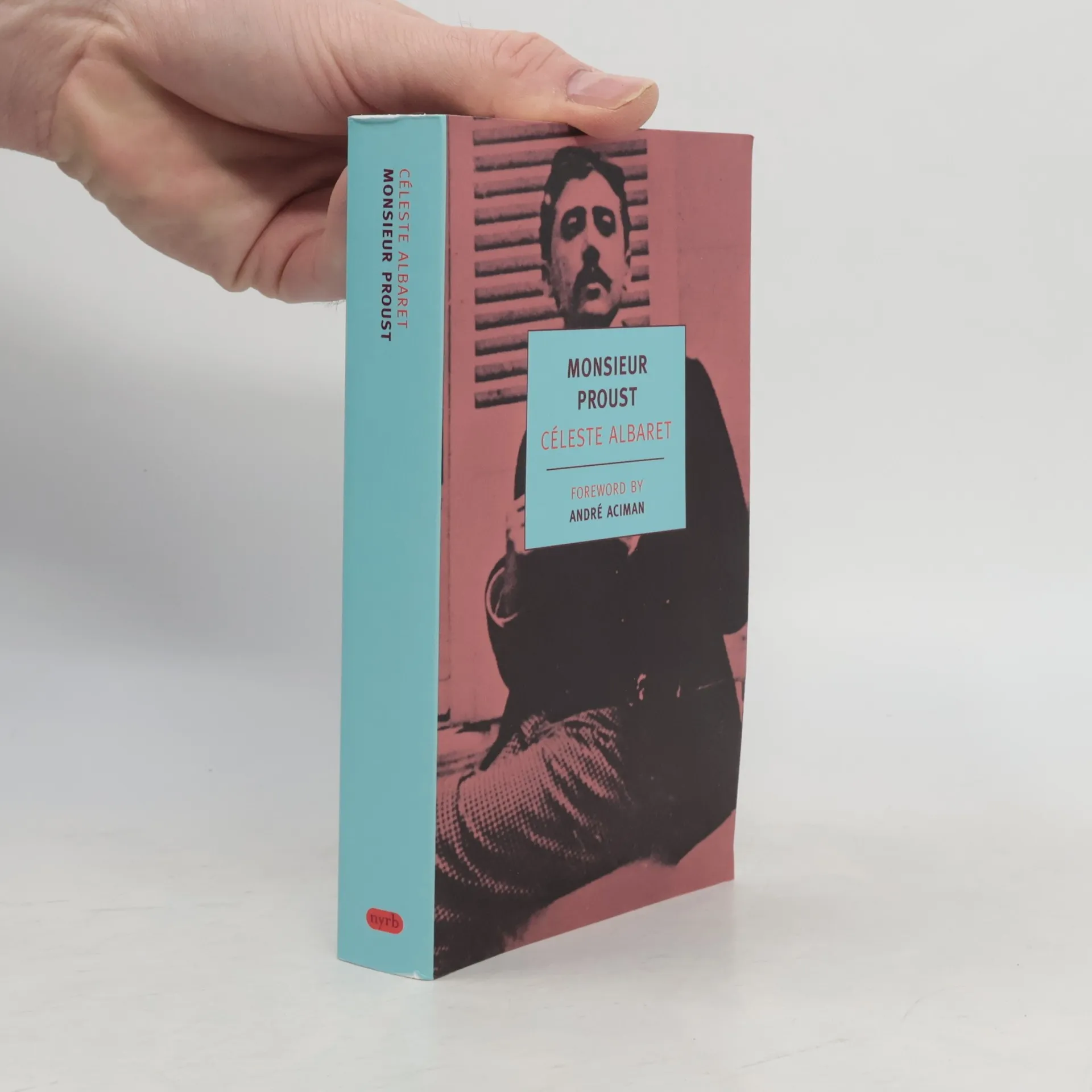
    Monsieur Proust
    The Man Who Planted Trees
    • Monsieur Proust

      • 456 páginas
      • 16 horas de lectura

      Céleste Albaret was Marcel Proust's housekeeper in his last years, when he retreated from the world to devote himself to In Search of Lost Time. She could imitate his voice to perfection, and Proust himself said to her, "You know everything about me." Her reminiscences of her employer present an intimate picture of the daily life of a great writer who was also a deeply peculiar man, while Madame Albaret herself proves to be a shrewd and engaging companion.

      Monsieur Proust2003
      4,7
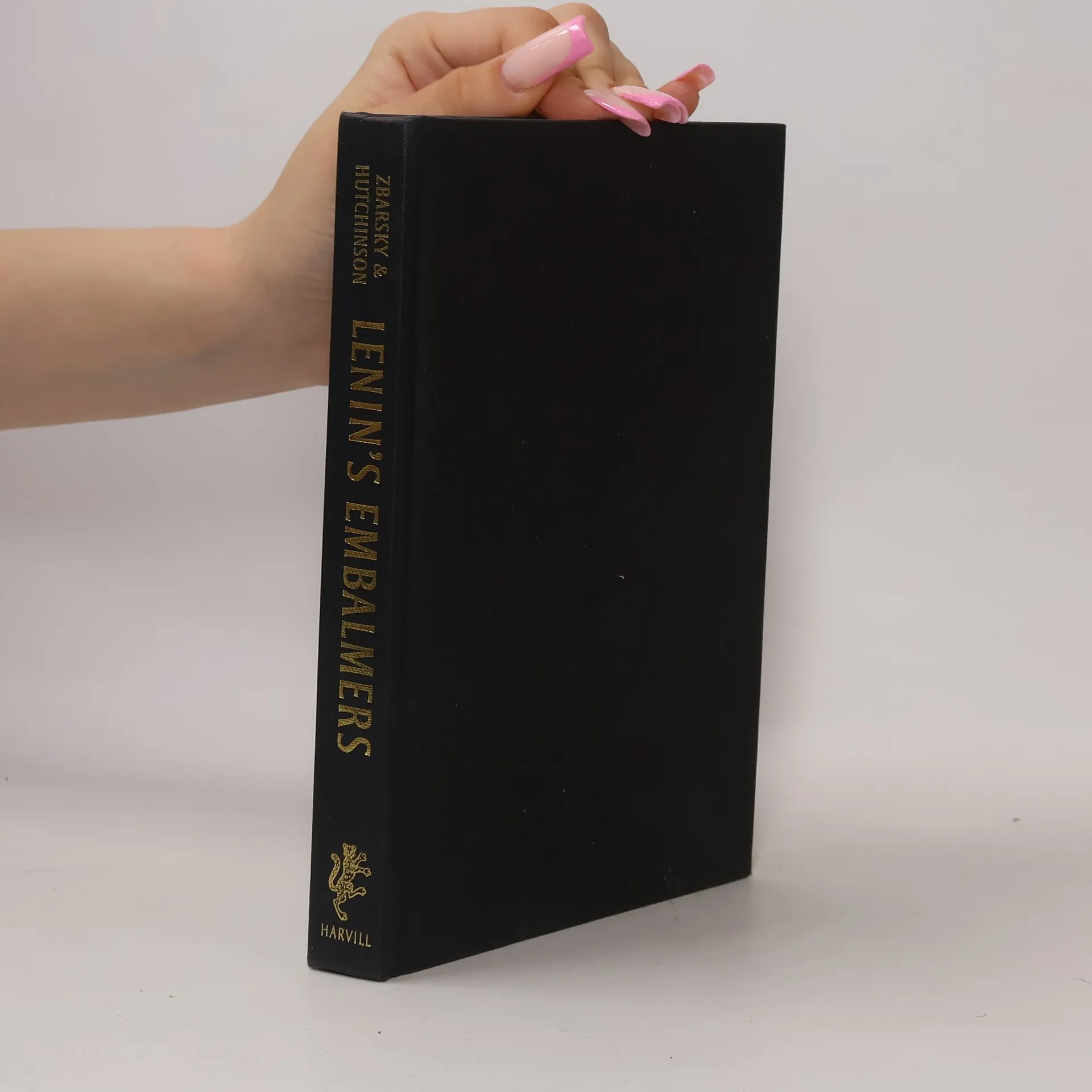
    • Lenin's Embalmers

      • 215 páginas
      • 8 horas de lectura

      Professor Ilya Zbarski mummified Lenin two months after his death to maintain the Soviet founder's body in perpetuity. Between 1924 and the fall of communism in 1991, hundreds of millions of visitors paid their respects to the embalmed bodies of Lenin and later, Stalin. This text reveals the story of Zbarski, his family and of those who worked in the mausoleum laboratory. Lenin's body was plunged into a secret solution based on glycerine and potassium acetate. This story, unthinkable except in a totalitarian regime, is also that of the burgeoning Soviet Union and those who, disregarding Stalin and his growing antisemitic paranoia, believed that working in the shadows of the mausoleum would protect them forever. Abandoned by the State since 1991, the laboratory can only survive through the patronage of the "nouveaux riches" and the Russian mafia dynasties. The text includes both archival and contemporary photographs.

      Lenin's Embalmers1997
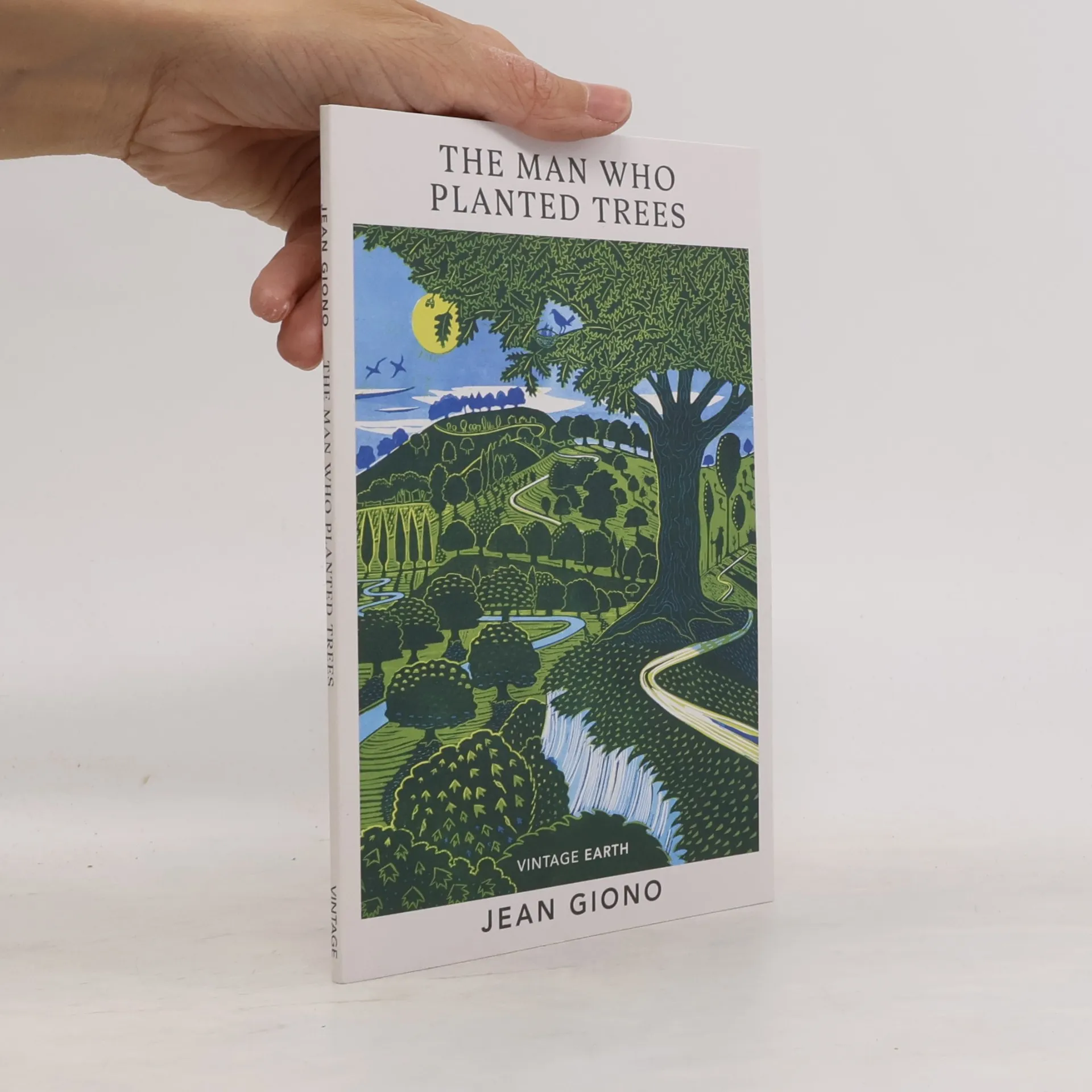
    • A beautiful gift edition of this classic fable about one man's quest to create a forest. In 1910, while hiking through the wild lavender in a wind-swept, desolate valley in Provence, a man comes across a shepherd called Elzéard Bouffier. Staying with him, he watches Elzéard sorting and then planting hundreds of acorns as he walks through the wilderness. Ten years later, after the war, he visits the shepherd again and sees the young forest he has created spreading slowly over the valley. Elzéard's solitary, silent work continues and the narrator returns year after year to see the miracle he is gradually creating: a verdant, green landscape that is a testament to one man's creative instinct.

      The Man Who Planted Trees1996
      4,6
    • Yann Andréa Steiner

      • 115 páginas
      • 5 horas de lectura

      A semi-autobiographical novel exploring the anarchic nature of passion, the traumas of childhood and the legacy of the Holocaust. Threatened with allusions to her life's work, this melancholic and dreamlike novel is typical of the novelist.

      Yann Andréa Steiner1995
      3,7
    • Premio Goncourt en 1984 y llevada al cine en 1992, esta novela autobiográfica narra, con la intensidad del deseo, la historia de amor entre una adolescente de quince años y un acaudalado comerciante chino de veintiséis, que se desarrolla en los escenarios coloniales de Indochina. Esa jovencita, bellísima pero pobre, no es otra que la propia Marguerite Duras, quien rememora no solo su singular vivencia sino también las apasionadas y tensas relaciones que desgarraron a su familia y que, prematuramente, grabaron en su rostro los implacables surcos de la madurez.

      Clásicos Contemporáneos Internacionales - 8: El amante1986
      3,7
    • Presents an account of day-to-day life in a medieval French village. Using records gathered by the Catholic Church in its pursuit of heretics, this book shows the lives of a cast of village characters.

      Montaillou1980
      3,9
    • The Proust Screenplay

      À la recherche du temps perdu

      • 166 páginas
      • 6 horas de lectura

      In the early 1970s Harold Pinter joined forces with director Joseph Losey and Proust scholar Barbara Bray to develop a screenplay of Proust's masterpiece, Remembrance of Things Past. Pinter took more than a year to conceive and write the screenplay and called the experience "the best working year of my life." Although never produced, Harold Pinter's The Proust Screenplay is considered one of the greatest adaptations for the cinema ever written.With fidelity to Proust's text, the screenplay is an extraordinary re-creation by one of the leading playwrights of our time. It is, in its way, a unique collaboration between two extraordinary writers united across more than half a century and two different cultures by a special concern for time and memory.

      The Proust Screenplay1978
      3,0