

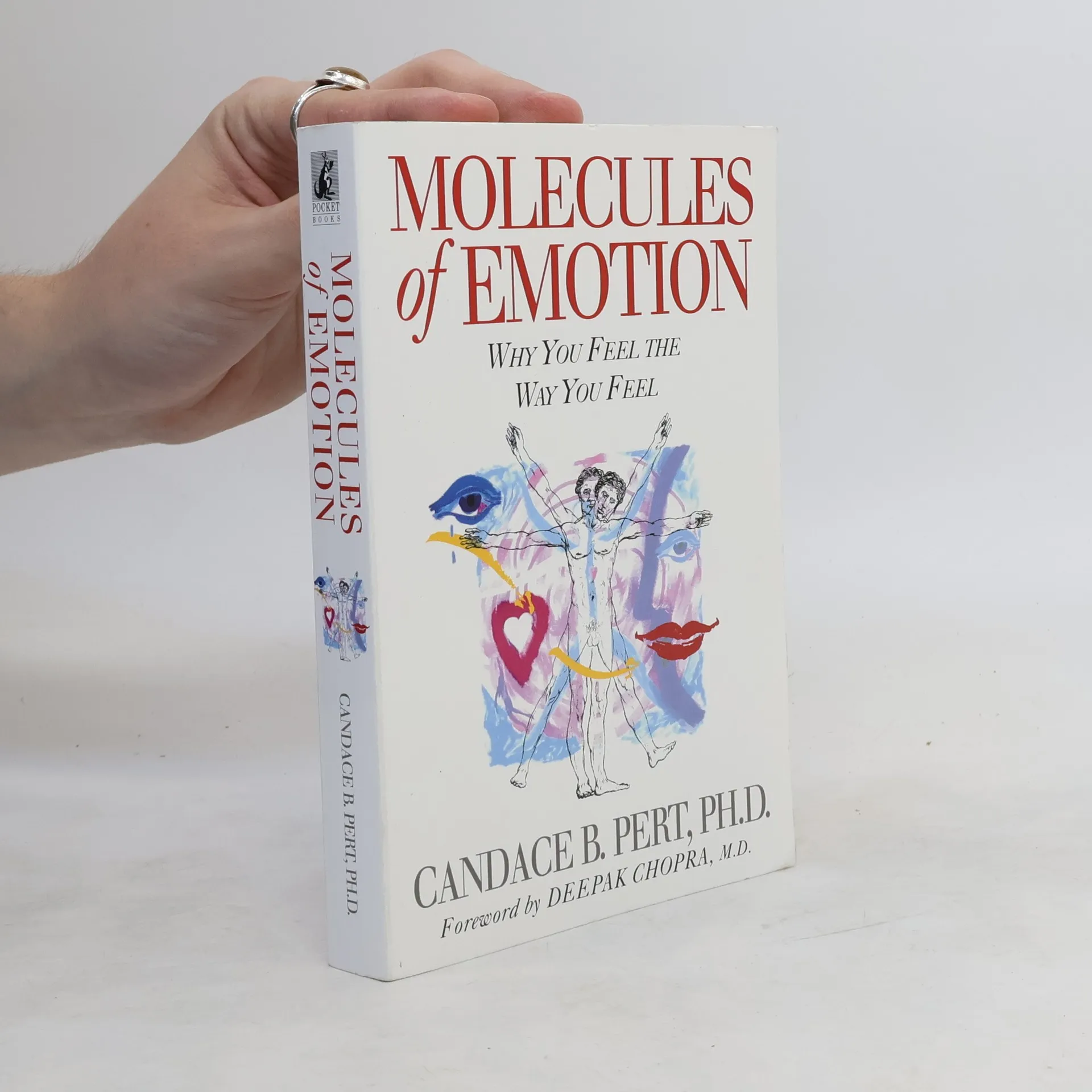
Why do we feel the way we feel? How do our thoughts and emotions affect our health? Are our bodies and minds distinct from each other or do they function together as part of an interconnected system? In MOLECULES OF EMOTION, neuroscientist Candace Pert provides startling and decisive answers to these long-debated questions, establishing the biomolecular basis for our emotions and explaining these new scientific developments in a clear and accessible way. Her pioneering research on how the chemicals inside us form a dynamic information network, linking mind and body, is not only provocative, it is revolutionary. In her groundbreaking book, Candace Pert offers a new scientific understanding of the power of our minds and our feelings to affect our health and well-being.
Candace B. Pert Libros
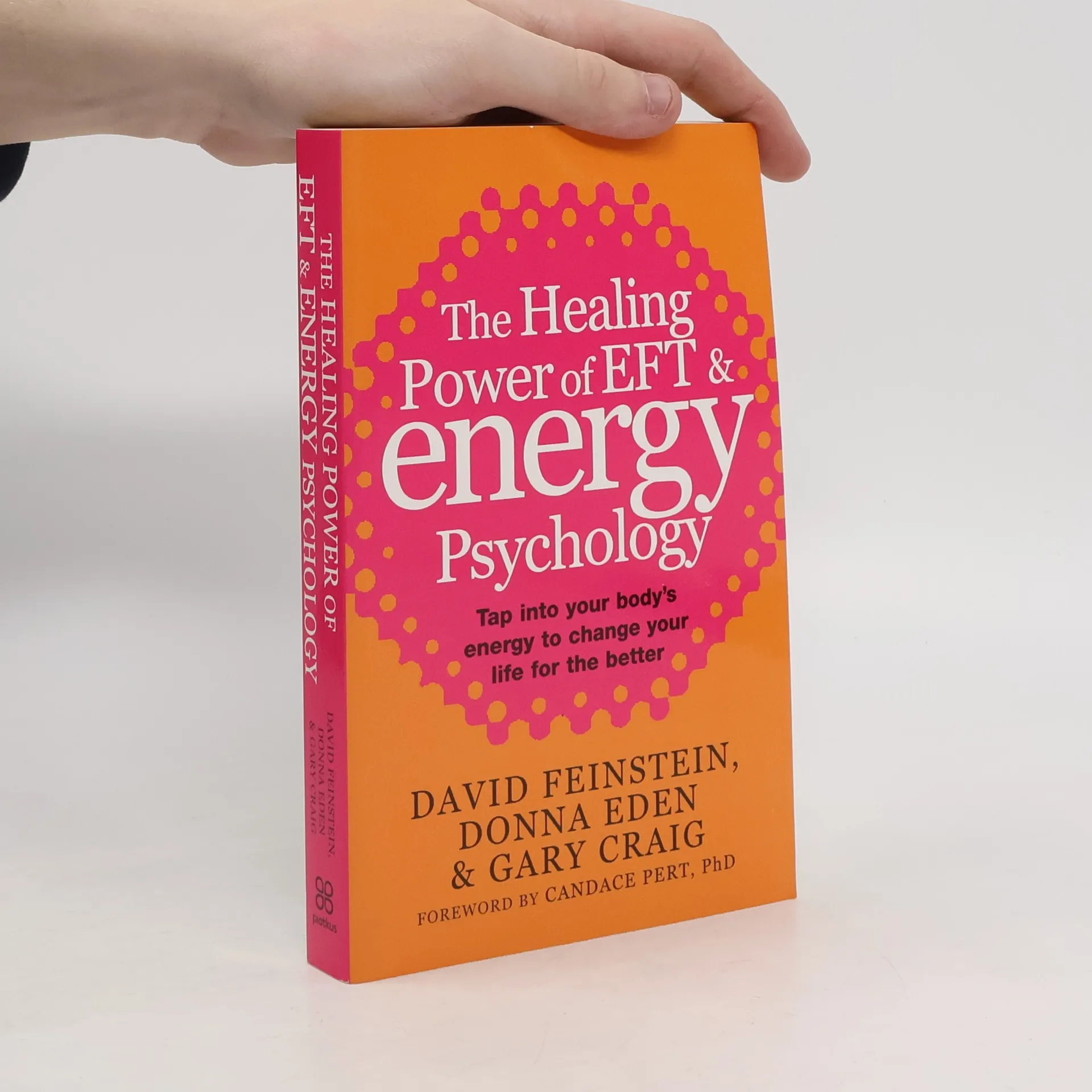
The Healing Power Of EFT and Energy Psychology
- 336 páginas
- 12 horas de lectura
This groundbreaking book explains how to tap into your body's energy not only to change your health, but to change your behaviours and thought patterns as well.
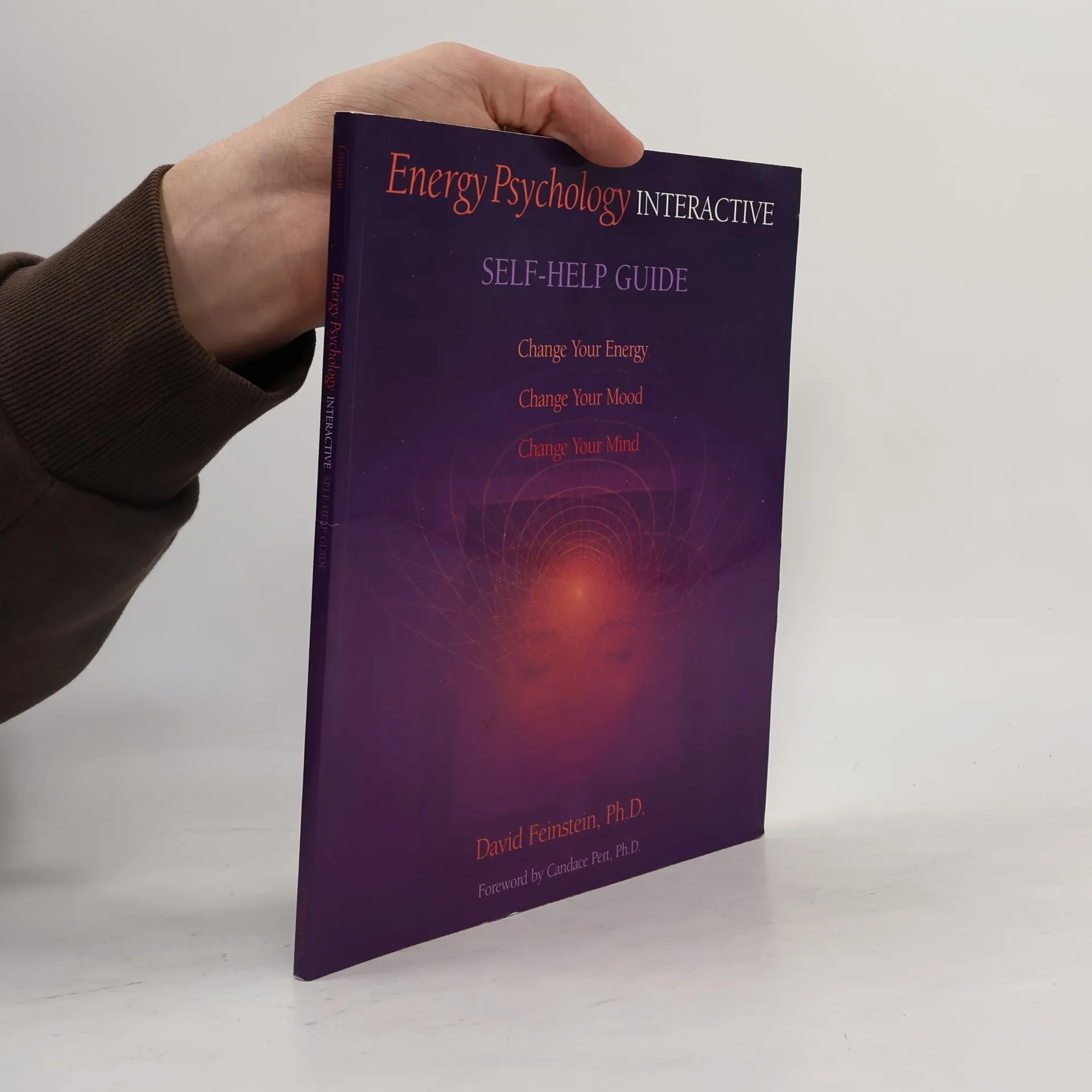
Energy Psychology Interactive Self-Help Guide
- 83 páginas
- 3 horas de lectura
This self-help guide is part of a renowned program that teaches the principles of energy psychology, enabling individuals to shift emotions by focusing on their body's energy system. It serves as a practical introduction for the general public and a resource for therapists to share with clients. The guide offers clear instructions for achieving quick and impactful changes in emotions, thoughts, and behaviors. Readers will learn essential steps to tackle specific issues, enhance their mood, and optimize energy levels. Originally aimed at clients of psychotherapists using the Energy Psychology Interactive program, this concise guide is now a powerful, accessible entry point for anyone interested in energy psychology techniques. This approach introduces innovative tools for facilitating emotional and behavioral changes, suggesting that psychological patterns are encoded not only in neurons but also in energies, drawing on acupuncture principles. The effectiveness of these methods is increasingly supported by evidence. The Energy Psychology Interactive program has been reviewed and endorsed by 26 leaders in the field, who constitute its Advisory Board. Additionally, a version for psychotherapists received the ACEP "Outstanding Contribution Award" in 2002.