
From one of the world's preeminent neuroscientists: a landmark reflection that spans the biological and social sciences, offering a new way of understanding the origins of life, feeling and culture.
Antonio R. Damasio Libros


Neuroscience has paid only little attention to decision-making for many years. Although no field of science has cohered around this topic, a variety of researchers in different areas of neuroscience ranging from cellular physiology to neuropsychology and computational neuroscience have been engaged in working on this issue. Thus, the time seemed to be ripe to bring these researchers together and discuss the state of the art of the neurobiology of decision-making in a broad forum. This book is a collection of contributions presented at that forum in Paris in October 1994 organized by the Fondation IPSEN.
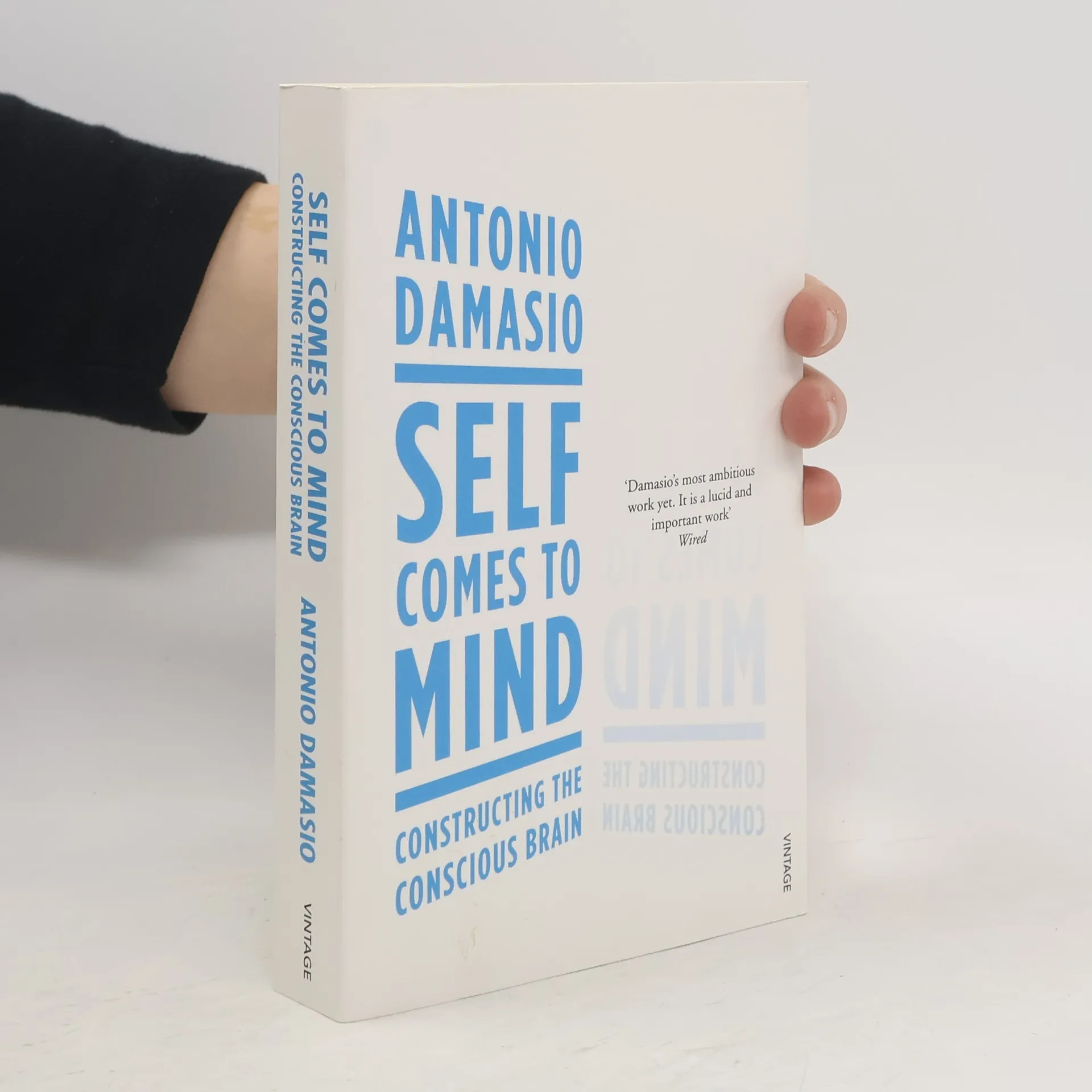
Self Comes to Mind
- 384 páginas
- 14 horas de lectura
In Self Comes to Mind, he goes against the long-standing idea that consciousness is somehow separate from the body, presenting compelling new scientific evidence that consciousness - what we think of as a mind with a self - is in fact a biological process created by a living organism.
The Feeling Of What Happens
- 400 páginas
- 14 horas de lectura
One of the world's leading experts on the neurophysiology of emotions, Professor Antonio Damasio shows how our consciousness, our sense of being, arose out of the development of emotion. At its core, human consciousness is consciousness of the feeling, experiencing self, the 'very thought of' oneself. schovat popis
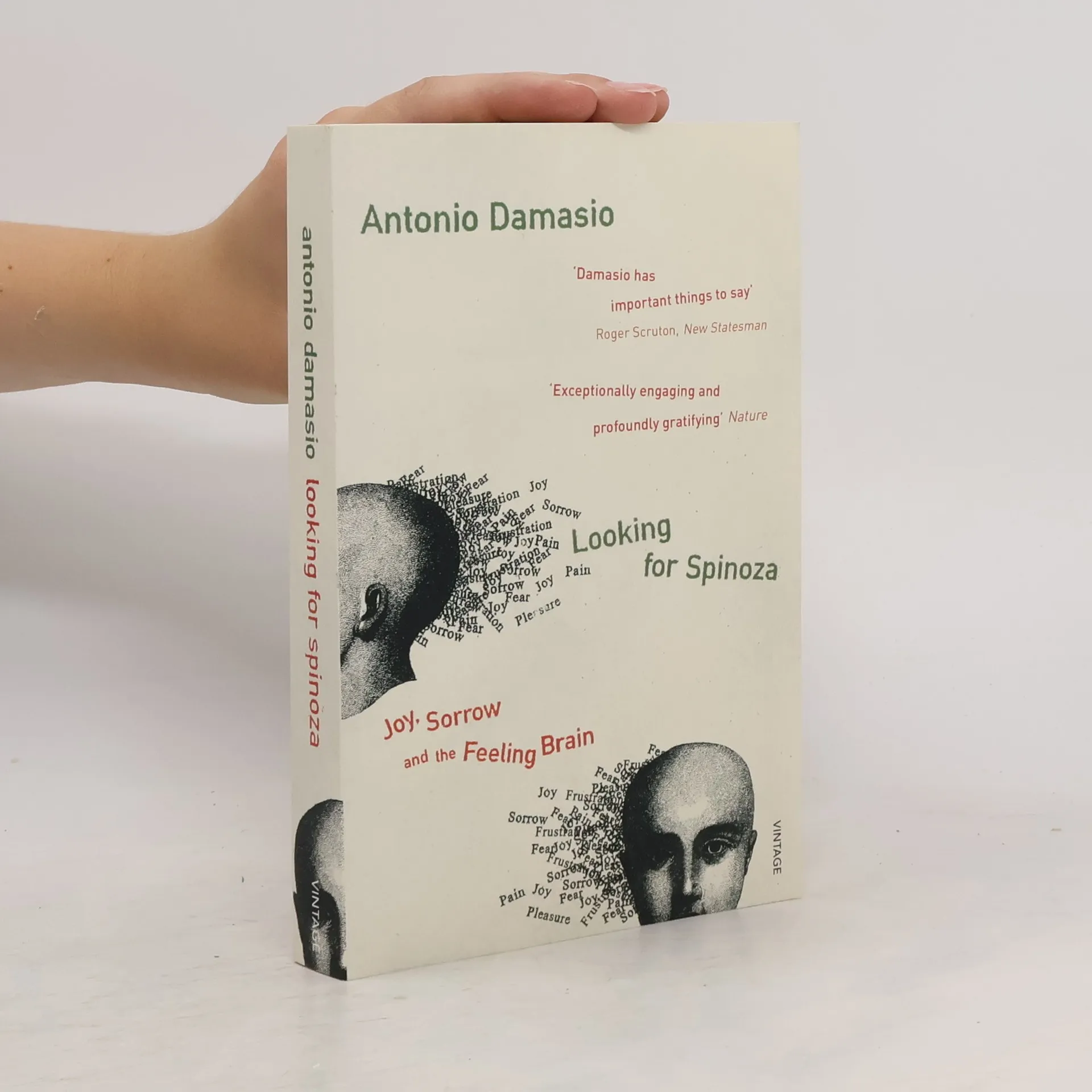
Looking for Spinoza
- 355 páginas
- 13 horas de lectura
Joy, sorrow, jealousy and awe - these and other feelings are the stuff of our daily lives. Presumed to be too private for science to explain and not to be essential for comprehending human rationality and understanding, they have largely been ignored. But not by the great seventeenth-century Dutch philosopher Spinoza. And not by Antonio Damasio. In this book Dr. Damasio draws on his innovative research and on his experience with neurological patients to examine how feelings and the emotions that underlie them support the governance of human affairs.
Descartes' Error
- 336 páginas
- 12 horas de lectura
Since Descartes famously proclaimed, "I think, therefore I am," science has often overlooked emotions as the source of a person’s true being. Even modern neuroscience has tended, until recently, to concentrate on the cognitive aspects of brain function, disregarding emotions. This attitude began to change with the publication of Descartes’ Error in 1995. Antonio Damasio—"one of the world’s leading neurologists" (The New York Times)—challenged traditional ideas about the connection between emotions and rationality. In this wondrously engaging book, Damasio takes the reader on a journey of scientific discovery through a series of case studies, demonstrating what many of us have long suspected: emotions are not a luxury, they are essential to rational thinking and to normal social behavior.
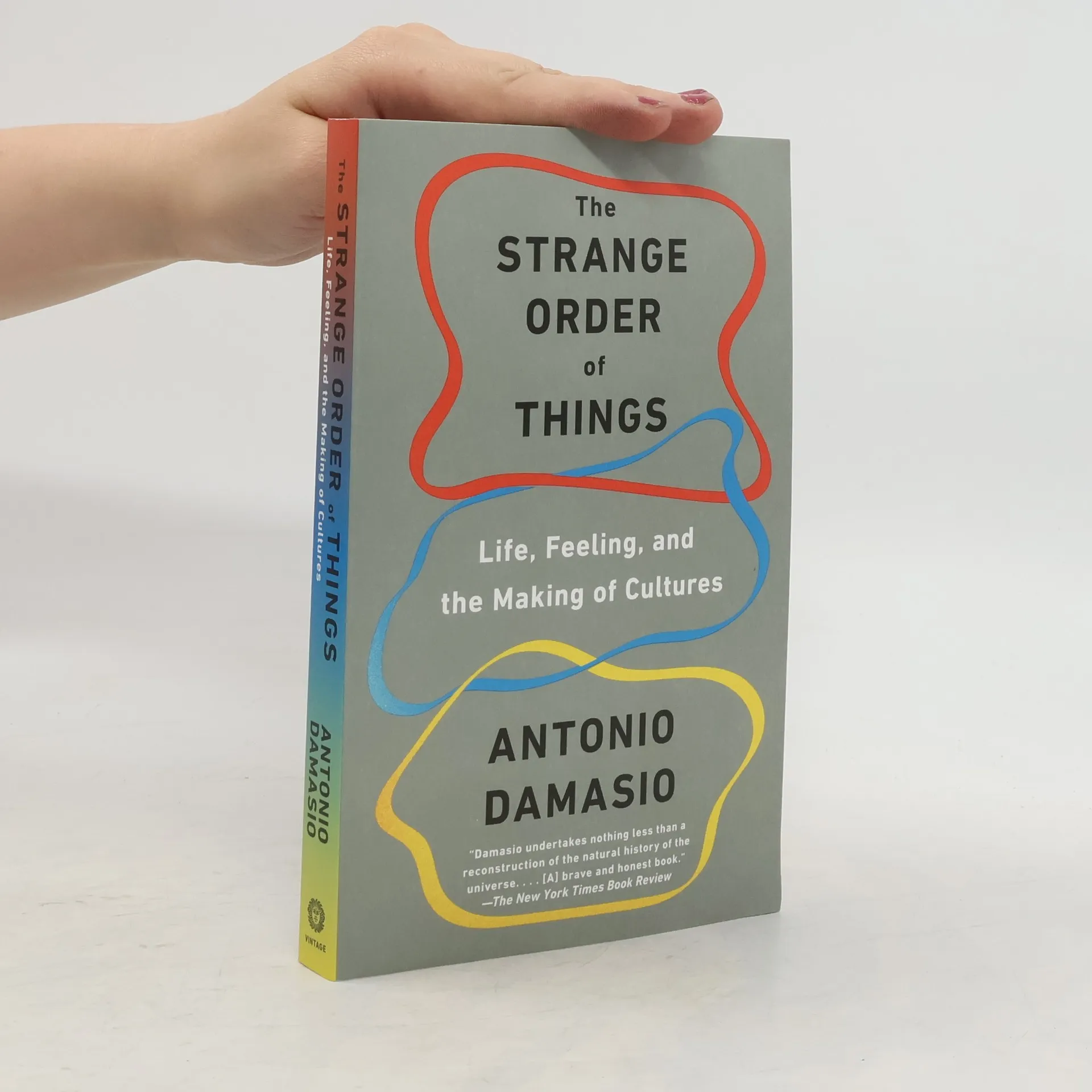
The Strange Order of Things
- 336 páginas
- 12 horas de lectura
“Damasio undertakes nothing less than a reconstruction of the natural history of the universe. . . . [A] brave and honest book.” —The New York Times Book Review The Strange Order of Things is a pathbreaking investigation into homeostasis, the condition that regulates human physiology within the range that makes possible not only survival but also the flourishing of life. Antonio Damasio makes clear that we descend biologically, psychologically, and even socially from a long lineage that begins with single living cells; that our minds and cultures are linked by an invisible thread to the ways and means of ancient unicellular existence and other primitive life-forms; and that inherent in our very chemistry is a powerful force, a striving toward life maintenance that governs life in all its guises, including the development of genes that help regulate and transmit life. The Strange Order of Things is a landmark reflection that spans the biological and social sciences, offering a new way of understanding the origins of life, feeling, and culture. www.antoniodamasio.com
The strange order of things : life, feeling, and the making of the cultures
- 310 páginas
- 11 horas de lectura
From one of our preeminent neuroscientists: a landmark reflection that spans the biological and social sciences, offering a new way of understanding the origins of life, feeling, and culture. The Strange Order of Things is a pathbreaking investigation into homeostasis, the condition of that regulates human physiology within the range that makes possible not only the survival but also the flourishing of life. Antonio Damasio makes clear that we descend biologically, psychologically, and even socially from a long lineage that begins with single living cells; that our minds and cultures are linked by an invisible thread to the ways and means of ancient unicellular life and other primitive life-forms; and that inherent in our very chemistry is a powerful force, a striving toward life maintenance that governs life in all its guises, including the development of genes that help regulate and transmit life. In The Strange Order of Things, Damasio gives us a new way of comprehending the world and our place in it. www.antoniodamasio.com
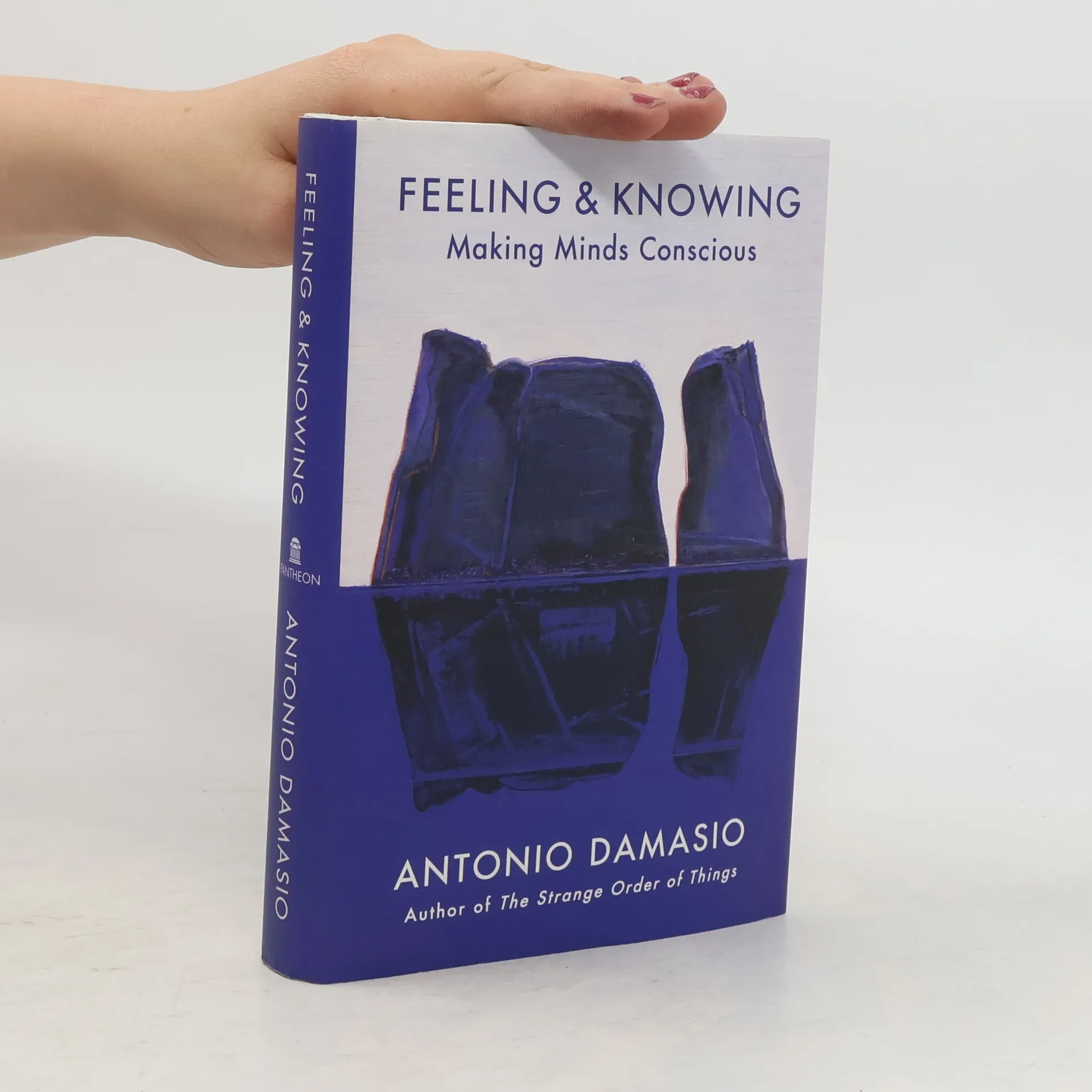
Feeling & Knowing
- 224 páginas
- 8 horas de lectura
From one of the world’s leading neuroscientists: a succinct, illuminating, wholly engaging investigation of how biology, neuroscience, psychology, and artificial intelligence have given us the tools to unlock the mysteries of human consciousness “One thrilling insight after another ... Damasio has succeeded brilliantly in narrowing the gap between body and mind.” —The New York Times Book Review In recent decades, many philosophers and cognitive scientists have declared the problem of consciousness unsolvable, but Antonio Damasio is convinced that recent findings across multiple scientific disciplines have given us a way to understand consciousness and its significance for human life. In the forty-eight brief chapters of Feeling & Knowing, and in writing that remains faithful to our intuitive sense of what feeling and experiencing are about, Damasio helps us understand why being conscious is not the same as sensing, why nervous systems are essential for the development of feelings, and why feeling opens the way to consciousness writ large. He combines the latest discoveries in various sciences with philosophy and discusses his original research, which has transformed our understanding of the brain and human behavior. Here is an indispensable guide to understanding how we experience the world within and around us and find our place in the universe.
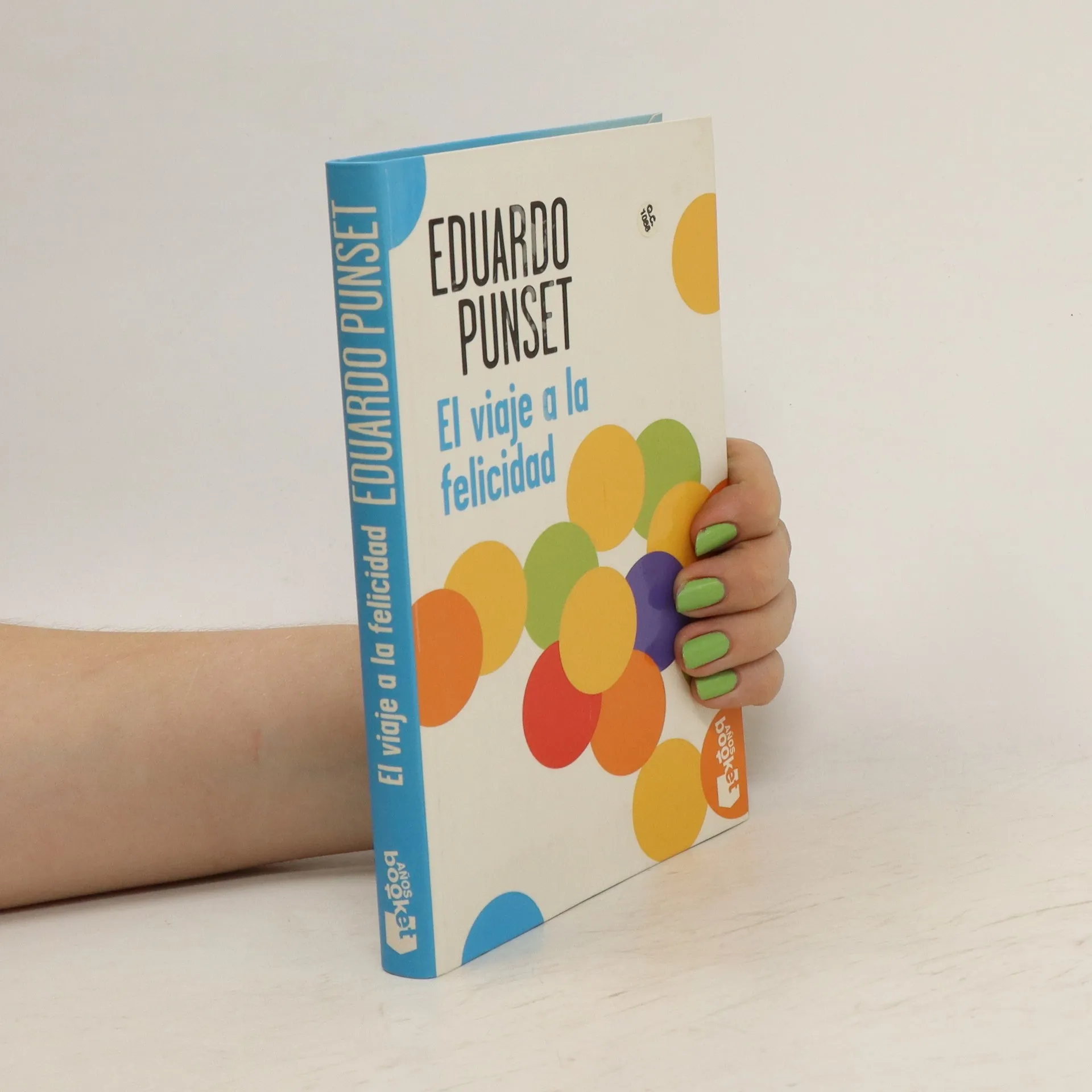
Este libro es una lúcida y apasionante aproximación a la felicidad y sus condicionantes: las emociones, el estrés, los flujos hormonales, el envejecimiento, los factores sociales, económicos, culturales y religiosos... Una indagación que nos desvela los más recientes descubrimientos científicos en torno a este tema y que en su capítulo final nos propone la fórmula de la felicidad.