

Bookbot

Karl Wesker

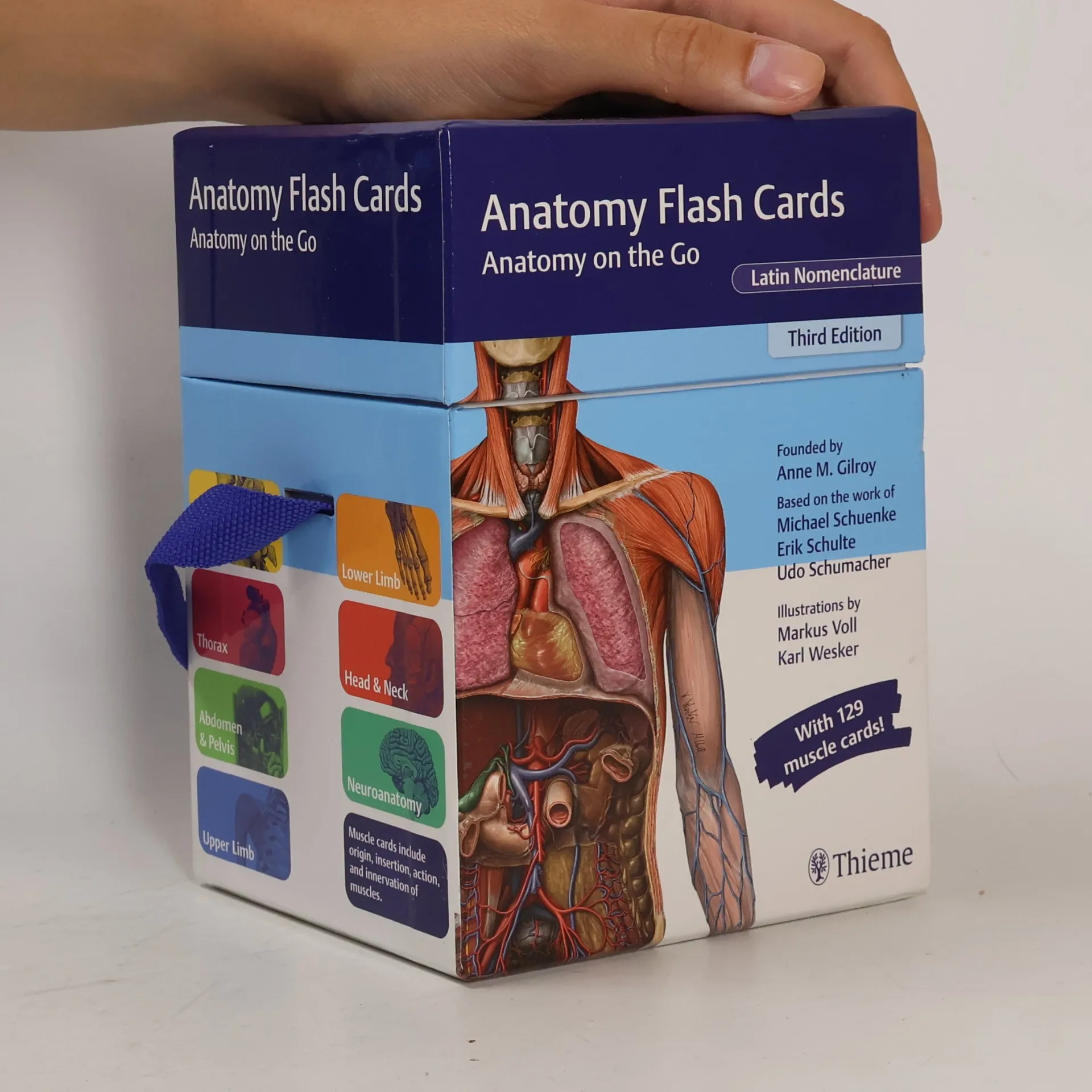
    Anatomy Flash Cards, Latin Nomenclature
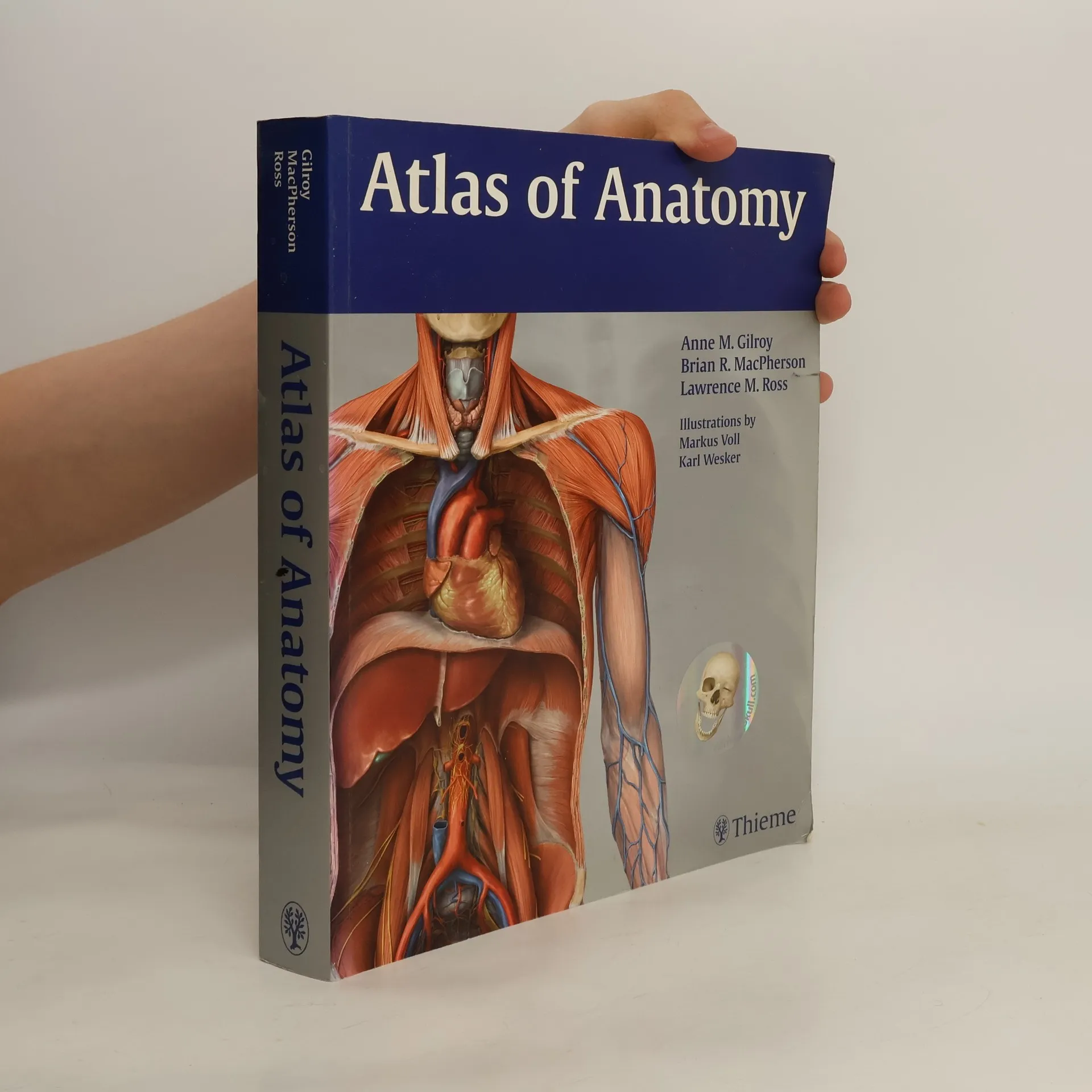
    Atlas of Anatomy
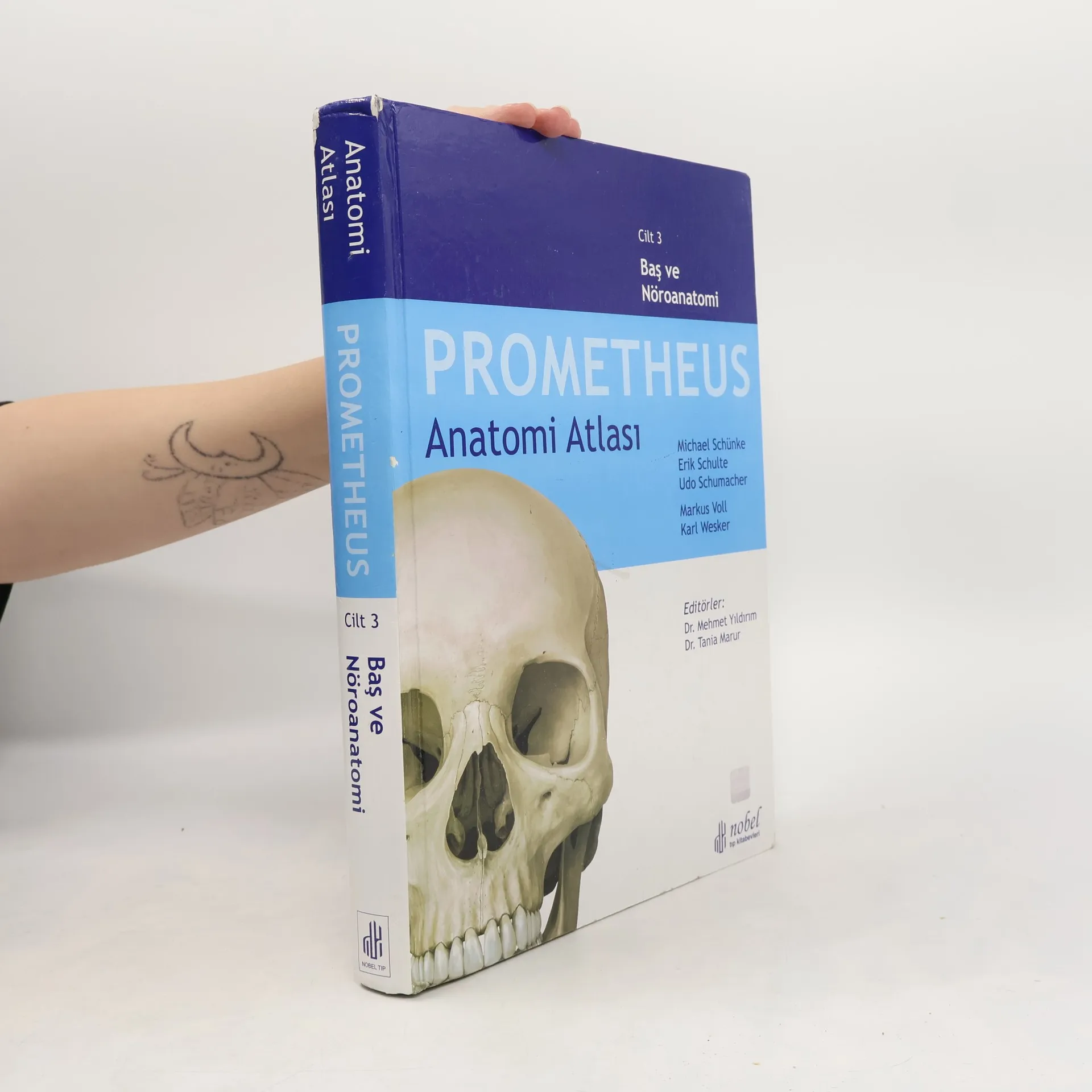
    Prometheus 3
    Prometheus 2
    Atlas of Anatomy - 1: General Anatomy and Musculoskeletal System
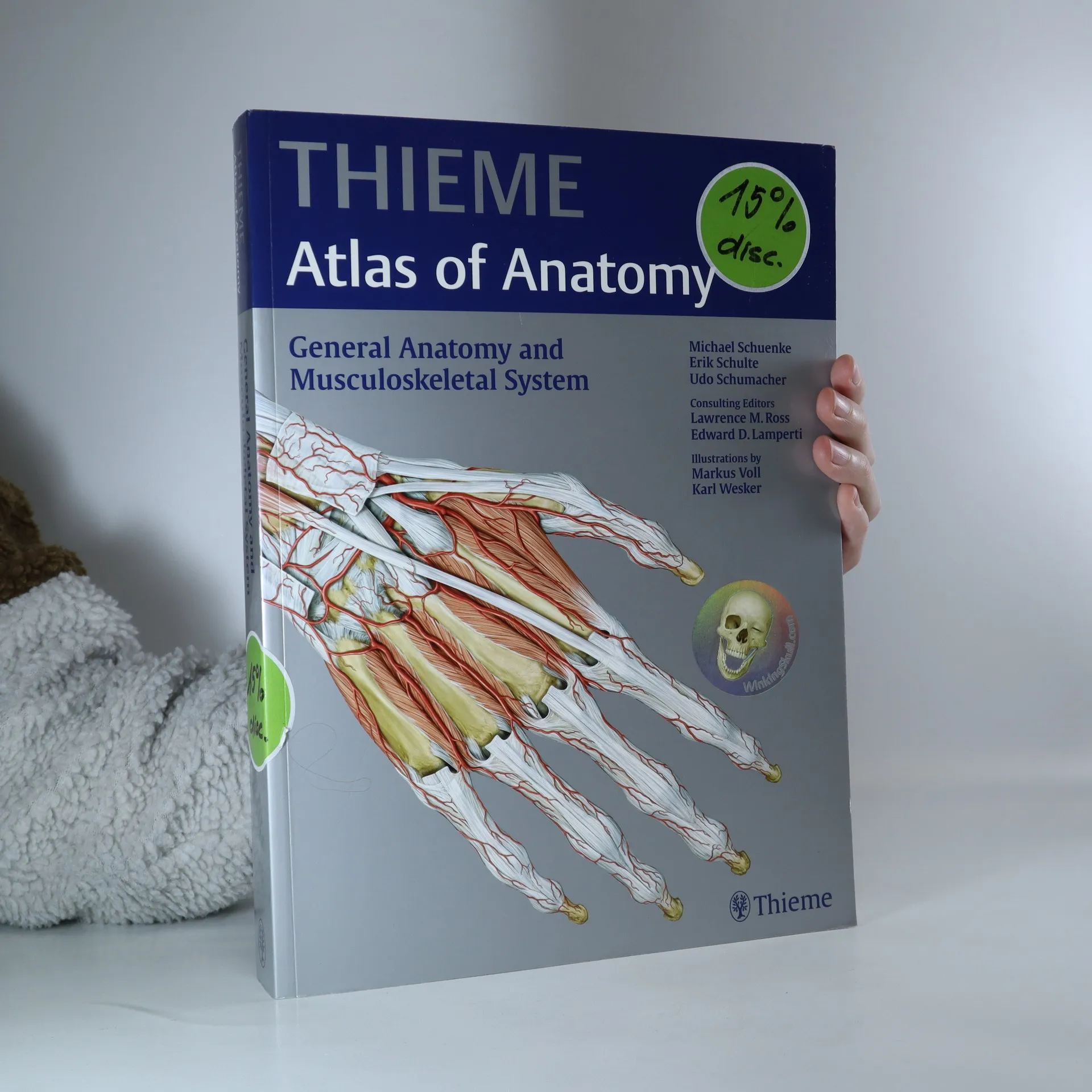
    Thieme atlas of anatomy. General anatomy and musculoskeletal system
    • Schichtatlas der Gesichtsanatomie

      • 150 páginas
      • 6 horas de lectura

      Jeder Therapeut und jede Therapeutin, die Eingriffe im Gesichtsbereich durchführen, benötigen eine dreidimensionale Vorstellung seiner anatomischen Strukturen. Hierzu haben die Forschungsergebnisse der letzten Jahre zahlreiche neue Einsichten hervorgebracht. Der vorliegende Schichtatlas kompiliert und überträgt die neuen wissenschaftliche Erkenntnisse zur Schichtenstruktur in ein einmaliges visuelles Darstellungskonzept. Dadurch vermittelt er ein lückenloses dreidimensionales Verständnis für die miteinander verbundenen Strukturen der einzelnen Gesichtsregionen und die klinisch relevantenNerven- und Gefäßstrukturen in diesem Bereich.Das Werk bietet jedem Praktiker der relevanten medizinischen Fachgebiete ein umfassendes Bild der individuellen Gesichtsanatomie auf dem neuesten Stand der Wissenschaft. Die aufwendigen Abbildungen zur genauen und detailreichen Visualisierung der Anatomie basieren auf Fresh-frozen-Präparaten, an denen sich die anatomisch funktionelle Schichtung hervorragend darstellen lässt.- Herausragende Grafiken:Auf der Basis von klinischen Präparationen werden die funktionellen Schichten des Gesichts nach neuesten wissenschaftlichen Erkenntnissen dargestellt.- Praktische Hilfe:Orientierung bei allen Prozeduren und Eingriffen im Bereich des Gesichts durch die Darstellungklinisch relevanter Details.
      Schichtatlas der Gesichtsanatomie2024
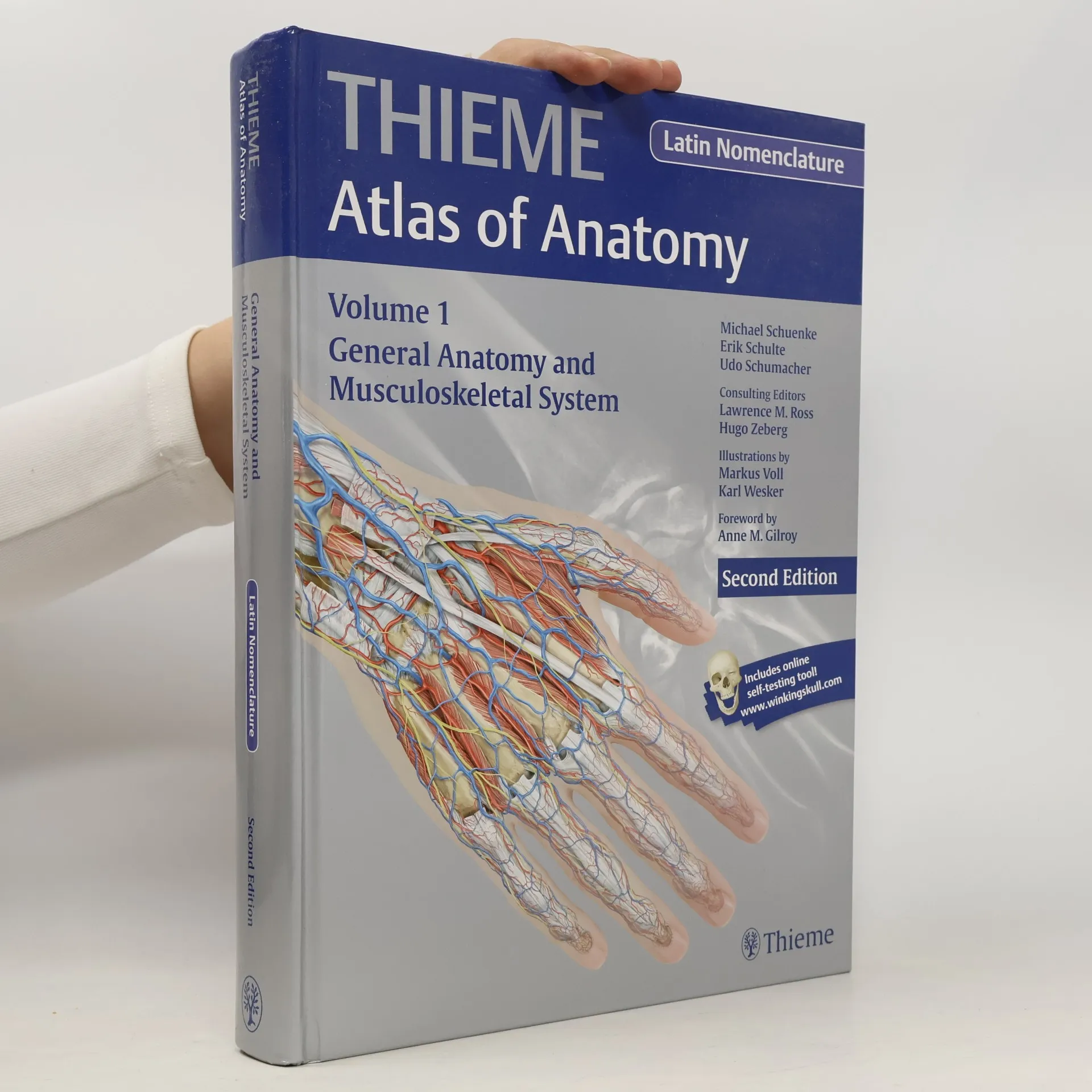
    • Atlas of Anatomy - 1: General Anatomy and Musculoskeletal System

      Latin Nomenclature - Second Edition

      • 623 páginas
      • 22 horas de lectura

      THIEME Atlas of Anatomy: General Anatomy and Musculoskeletal System, Second Edition, Latin Nomenclature is an ideal educational tool for anyone studying musculoskeletal anatomy. Each region is presented in a manner that builds understanding: starting with bones, joints, and muscles, then vasculature and nerves, and concluding with topographic illustrations. This atlas begins with a concise overview of general anatomy and moves on to the detailed anatomy of the trunk wall, upper limb, and lower limb. Key Features: Labels and anatomic terminology are in Latin nomenclature. Expanded coverage of tissue structure and development, functional testing, diagnostic imaging, and diseases of the musculoskeletal system Exquisite full-color illustrations with clear, descriptive captions Each two-page spread is a self-contained guide to a topic Hundreds of clinical applications integrated into the anatomic descriptions, emphasizing the vital link between anatomic structure and function Access to WinkingSkull.com PLUS, with over 500 images from the book for labels-on and labels-off review and timed self-tests The THIEME Atlas of Anatomy series also features Neck and Internal Organs and Head and Neuroanatomy . Each atlas is available in softcover.

      Atlas of Anatomy - 1: General Anatomy and Musculoskeletal System2014
      4,8
    • " ... Atlas of Anatomy contains everything students need to successfully tackle the daunting challenges of anatomy."--Back cover

      Atlas of Anatomy2008
      4,4
    • PROMETHEUS asocia dibujos únicos con explicaciones gráficas. Como atlas de aprendizaje ordena el conocimiento anatómico en unidades de dos páginas, que son fáciles de retener. Con esto logra que el estudio resulte más atractivo y accesible El tomo “Órganos Internos” contiene: *La estructura y el desarrollo embrionario de los sistemas de órganos, *Los órganos internos con sus vías de conducción, al igual que su topografía en el tórax, abdomen y pelvis, *Notas con información esencial para todos los órganos internos, al igual que *Información clínica seleccionada de enfermedades y procedimientos de diagnóstico.

      Prometheus 22006
      4,8
    • Prometheus 3

      • 413 páginas
      • 15 horas de lectura

      La obra se estructura por regiones: tronco, miembro superior y miembro inferior. Hay que destacar que se utiliza un método constructivo, huesos, articulaciones y músculos van formando el esquema corporal para luego incorporar las vías de conducción. Finalmente, la topografía muestra las relaciones de las diferentes estructuras y planos.Las imágenes están comentadas, dispone de tablas resumen, y dispone de índice analítico parala localización de los términos anatómicos y clínicos

      Prometheus 32005
      4,5