
Compra 10 libros por 10 € aquí!
Bookbot

Douglas Murray

    16 de julio de 1979

    Douglas Murray es un escritor y comentarista británico reconocido por sus perspectivas conservadoras. Su trabajo aborda frecuentemente críticas al fundamentalismo islámico y otros temas sociopolíticos. Los ensayos y artículos de Murray se publican en destacadas publicaciones británicas e internacionales. Su estilo es directo y provocador, lo que lo establece como una voz intelectual influyente en el panorama político actual.

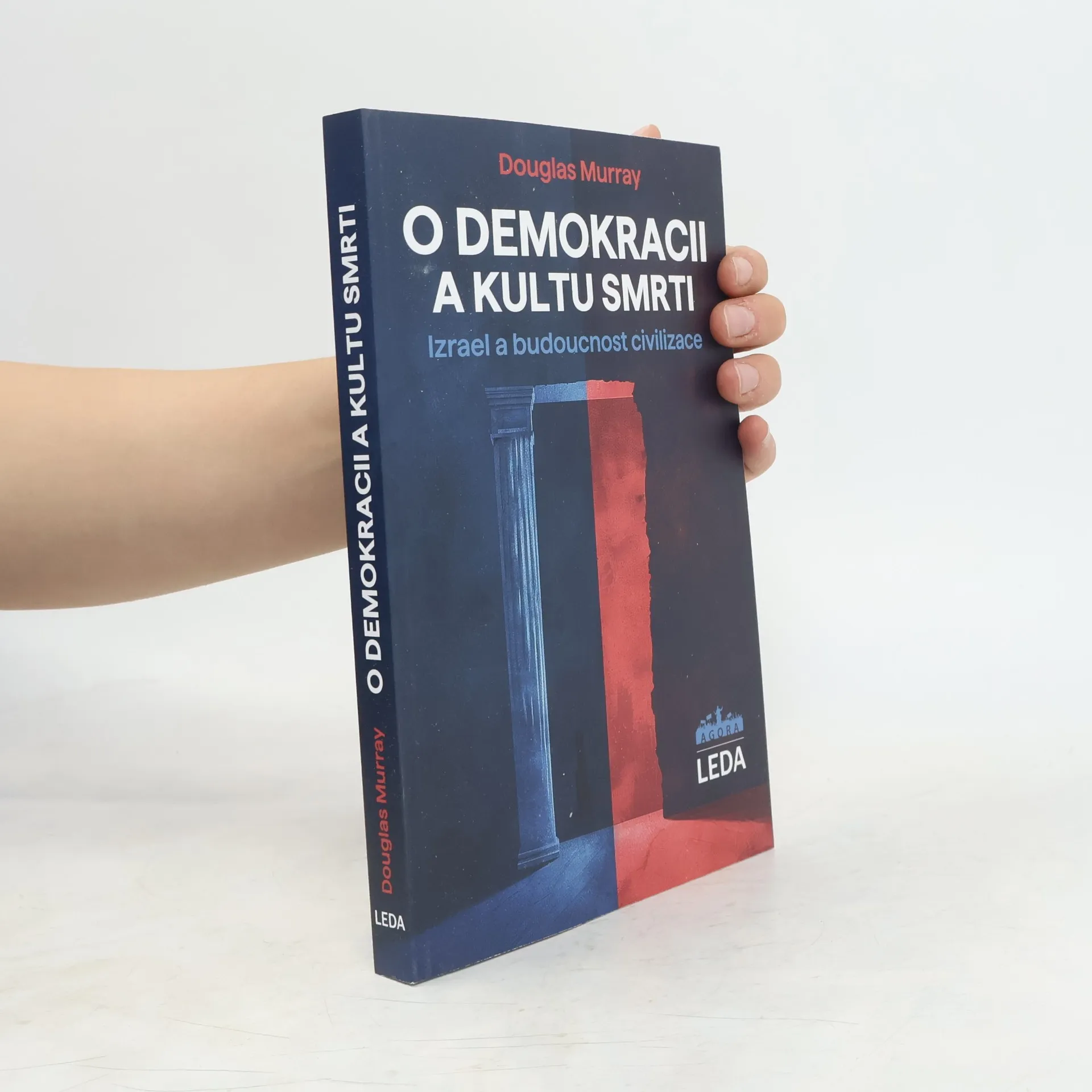
    Douglas Murray
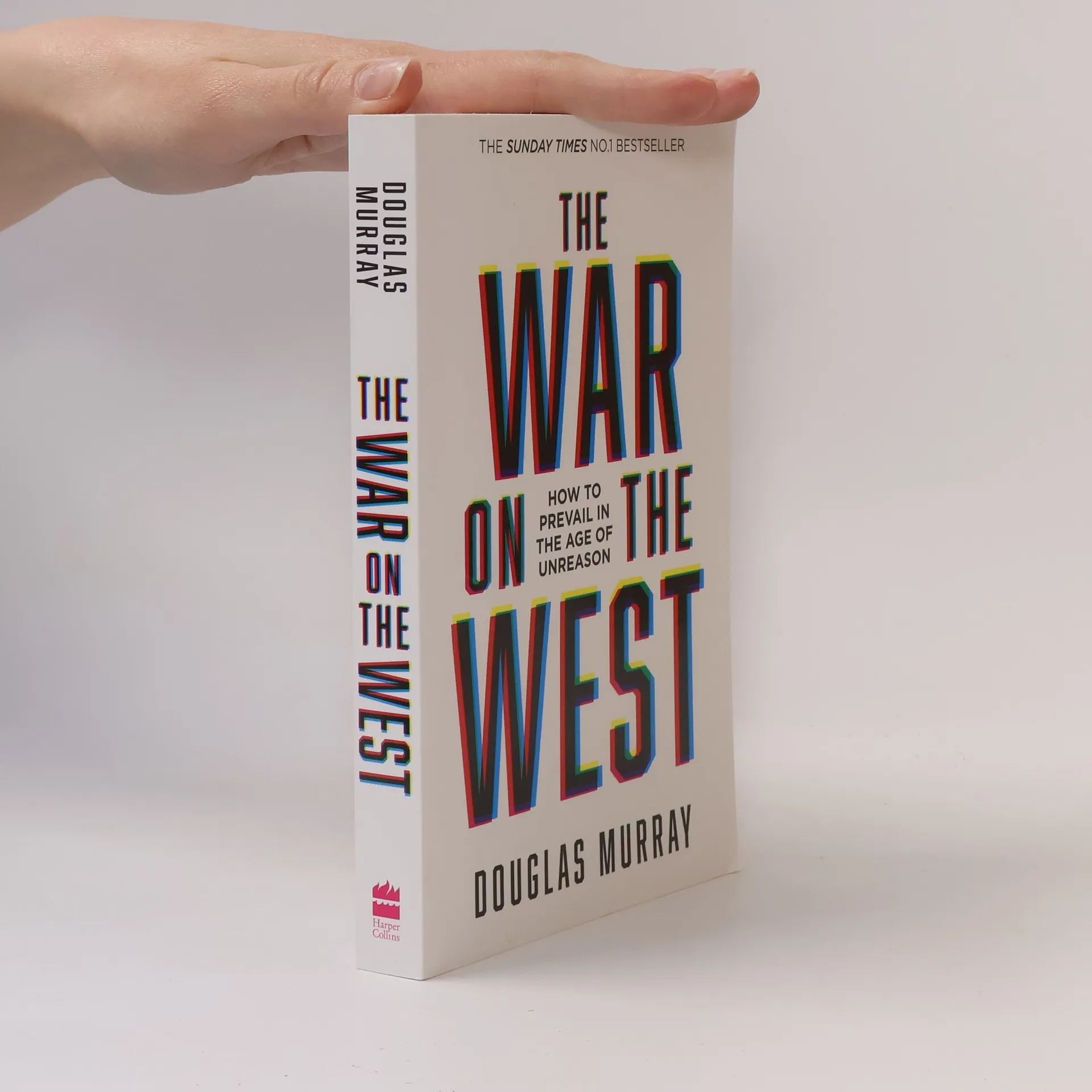
    The War on the West : How to Prevail in the Age of Unreason
    Bloody Sunday
    The War on the West
    Bosie
    The madness of crowds : gender, race and identity
    The Boathouse
    • The Boathouse

      • 176 páginas
      • 7 horas de lectura

      Three lives, three pebbles dropped into the sea, the ripples converging into transient patterns of interconnection as they each try to come to terms with their fragility and search for meaning. This search ultimately leads them all back to the boathouse, to rediscover the profound impact it had upon their lives.The Boathouse is a story about the healing power of writing and our human need to leave something behind to show that our life had meaning, or in Japanese our ikigai, our reason for living.The novel is in three parts as the three main protagonists take it in turns to describe their life in an old boathouse on the west coast of Hokkaido. A wandering beggar, a young fisherwoman, and an old poet, united in their experience of the healing power of telling the story of their time in the boathouse.

      The Boathouse
    • "In The Madness of Crowds Douglas Murray investigates the dangers of 'woke' culture and the rise of identity politics. In lively, razor-sharp prose he examines the most controversial issues of our moment: sexuality, gender, technology and race, with interludes on the Marxist foundations of 'wokeness', the impact of tech and how, in an increasingly online culture, we must relearn the ability to forgive. One of the few writers who dares to counter the prevailing view and question the dramatic changes in our society--from gender reassignment for children to the impact of transgender rights on women--Murray's penetrating book, now published with a new afterword taking account of the book's reception and responding to the worldwide Black Lives Matter protests, clears a path of sanity through the fog of our modern predicament."--Back cover

      The madness of crowds : gender, race and identity
    • Bosie

      • 384 páginas
      • 14 horas de lectura

      The definitive biography of Lord Alfred Douglas, the lover of Oscar Wilde and 'the other man' in the renowned scandal, by the acclaimed author of The Strange Death of Europe and The Madness of Crowds. With a new Foreword and revised Introduction.

      Bosie
    • 'The most important book of the year' Daily Mail The brilliant and provocative new book from one of the world's foremost political writers

      The War on the West
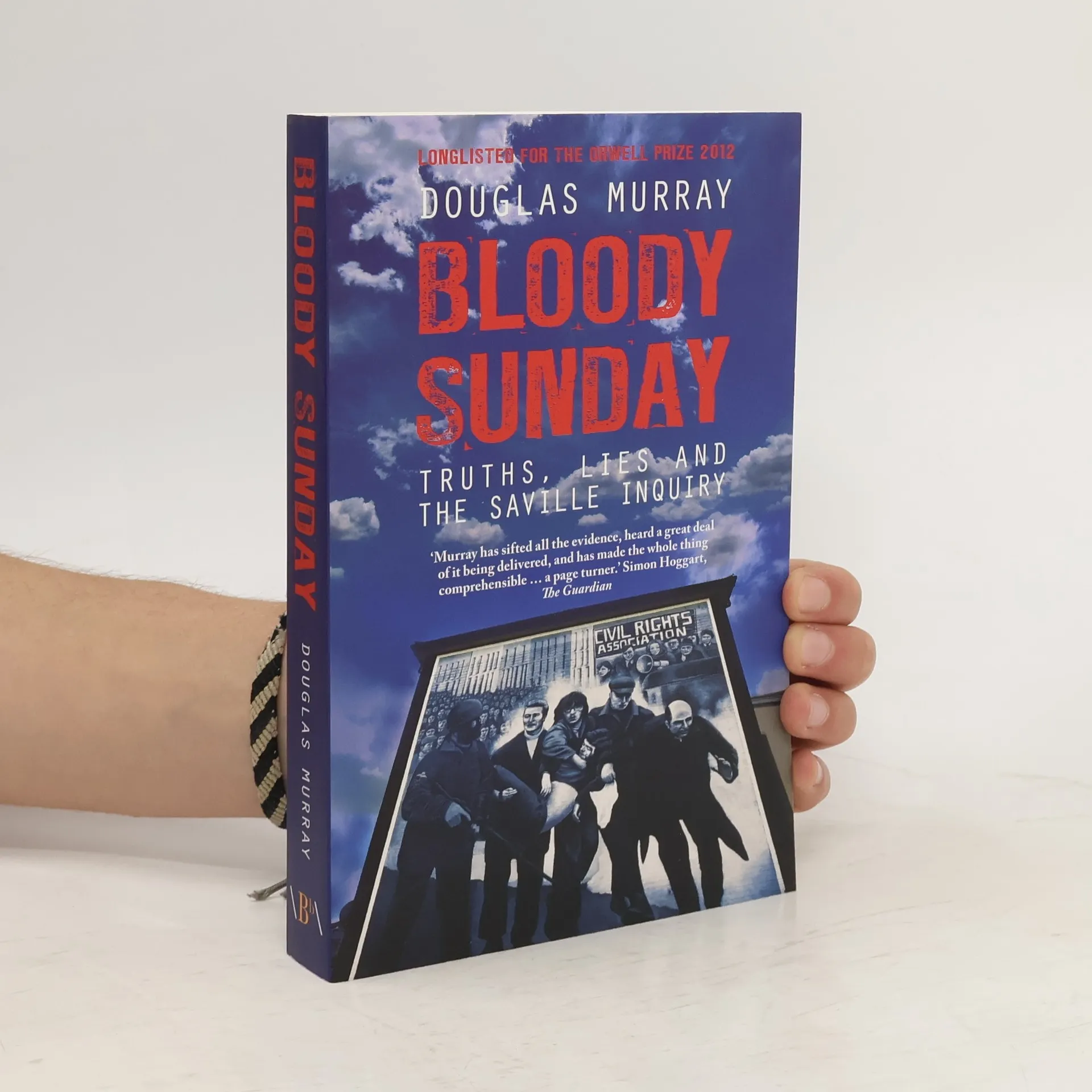
    • Bloody Sunday

      Truths, Lies and the Saville Inquiry

      • 338 páginas
      • 12 horas de lectura

      The very human stories from one of the most catastrophic events in the modern history of the United Kingdom.

      Bloody Sunday
    • In this incisive work, international bestselling author Douglas Murray explores why only Western nations are held accountable for humanity's historical injustices, such as slavery and genocide. He highlights a troubling double standard: while non-Western cultures can be celebrated without scrutiny, any critique of them is deemed hate speech. Conversely, discussing the flaws of Western culture is acceptable, yet celebrating its achievements is also labeled as hate speech. Murray argues that while some criticisms may be warranted, they often serve a broader agenda aimed at undermining reason, democracy, and progress, driven by dishonest scholars and hostile entities seeking to divert attention from their own misdeeds. He illustrates how many well-meaning individuals have been misled into polarization by these narratives. This polemic methodically examines how political discourse in Europe and America has diverged from its goals of justice and equality. With a sharp deconstruction of inconsistent arguments and activism, Murray calls for a defense of enlightenment values. This work stands out as a crucial commentary for our times, solidifying Murray's status as a leading political thinker.

      The War on the West : How to Prevail in the Age of Unreason
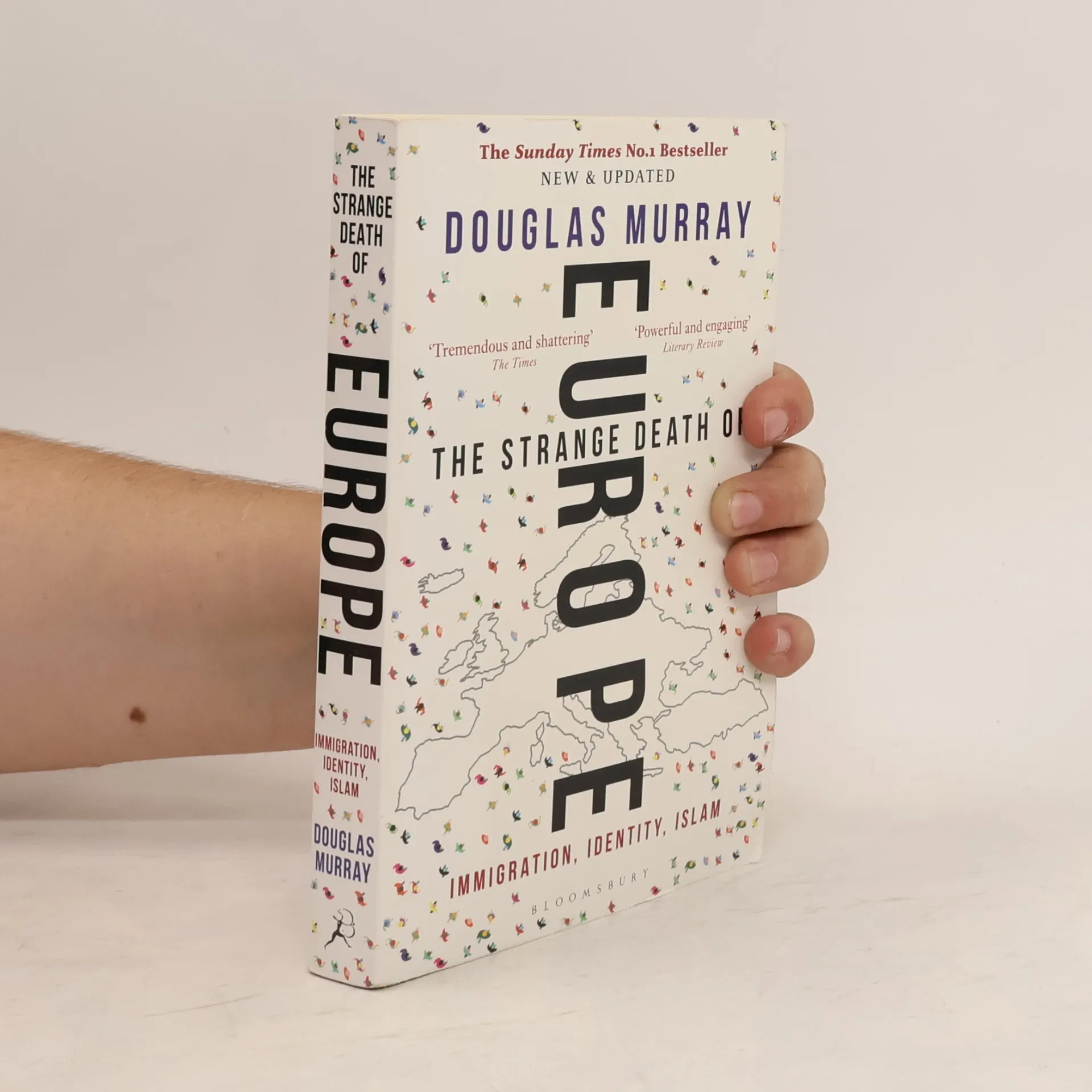
    • This highly personal account explores a continent and culture in crisis, grappling with declining birth rates, mass immigration, and pervasive self-doubt. The narrative reveals how these factors have rendered Europeans unable to advocate for themselves or resist significant societal changes. It serves as both an analysis of demographic and political realities and an eyewitness account of a continent seemingly in self-destruct mode. The author provides insights from various locations across Europe, documenting the experiences of migrants and the responses of local populations. Through first-hand reporting and extensive research, the book critiques the failures of multiculturalism, Angela Merkel's migration policy shift, the absence of repatriation, and the Western obsession with guilt. The author travels to cities like Berlin, Paris, and Lampedusa, uncovering the underlying malaise within European culture and sharing stories from those who have journeyed to Europe. Each chapter also examines broader issues contributing to this existential crisis, questioning why an entire civilization might engage in self-sabotage. The narrative concludes with two contrasting visions for Europe’s future—one hopeful and one pessimistic—highlighting the ongoing crisis and the choices that lie ahead.

      The strange death of Europe. Immigration, identity, Islam
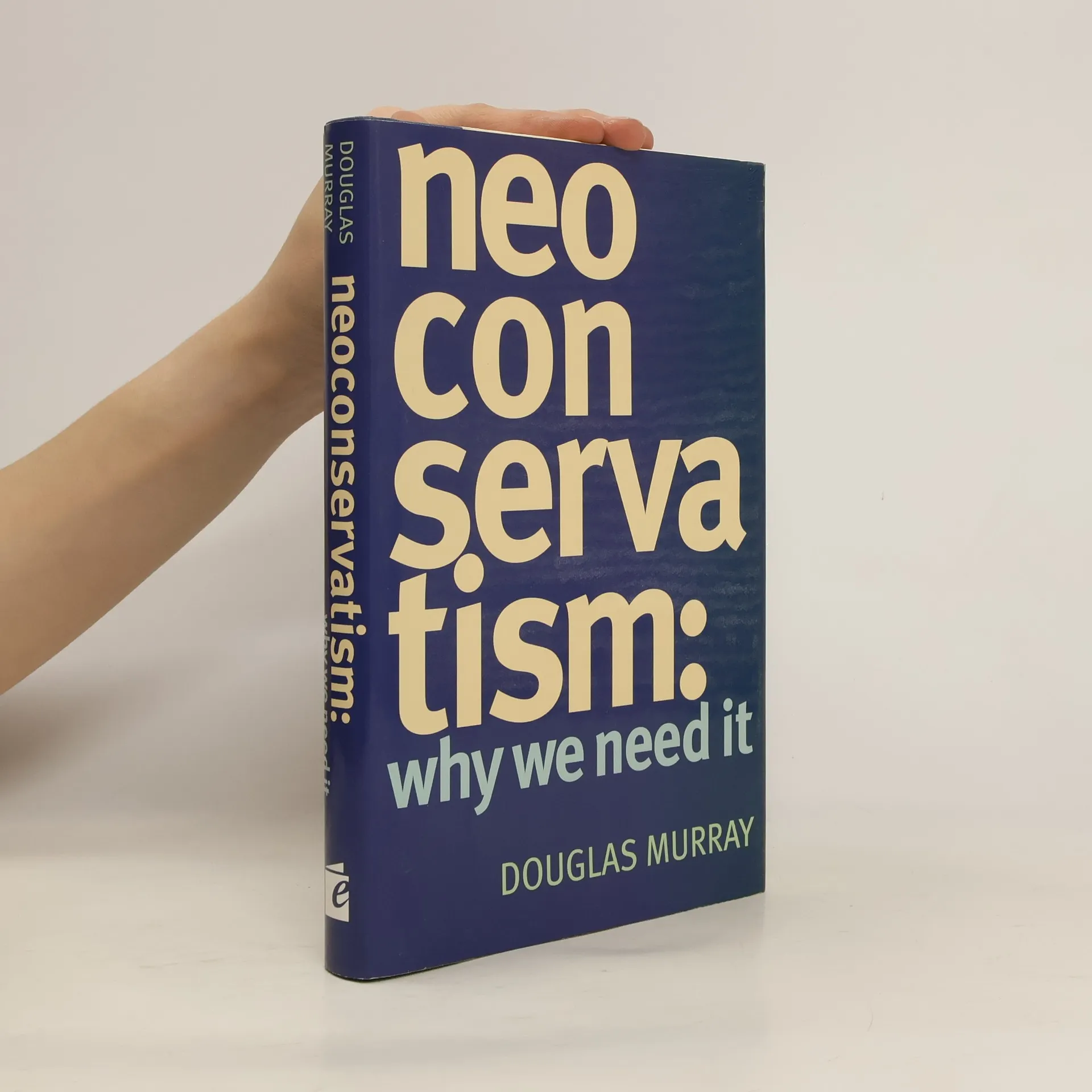
    • Neoconservatism: Why We Need It

      • 248 páginas
      • 9 horas de lectura

      Neo Conservatism: Why We Need It is a defense of the most controversial political philosophy of our era. Douglas Murray takes a fresh look at the movement that replaced Great-Society liberalism, helped Ronald Reagan bring down the Wall, and provided the intellectual rationale for the Bush administration's War on Terror. While others are blaming it for foreign policy failures and, more extremely, attacking it as a Jewish cabal, Murray argues that the West needs Neo-conservatism more than ever. In addition to explaining what Neo conservatism is and where it came from, he argues that this American-born response to the failed policies of the 1960s is the best approach to foreign affairs not only for the United States but also for Britain and the West as well.

      Neoconservatism: Why We Need It