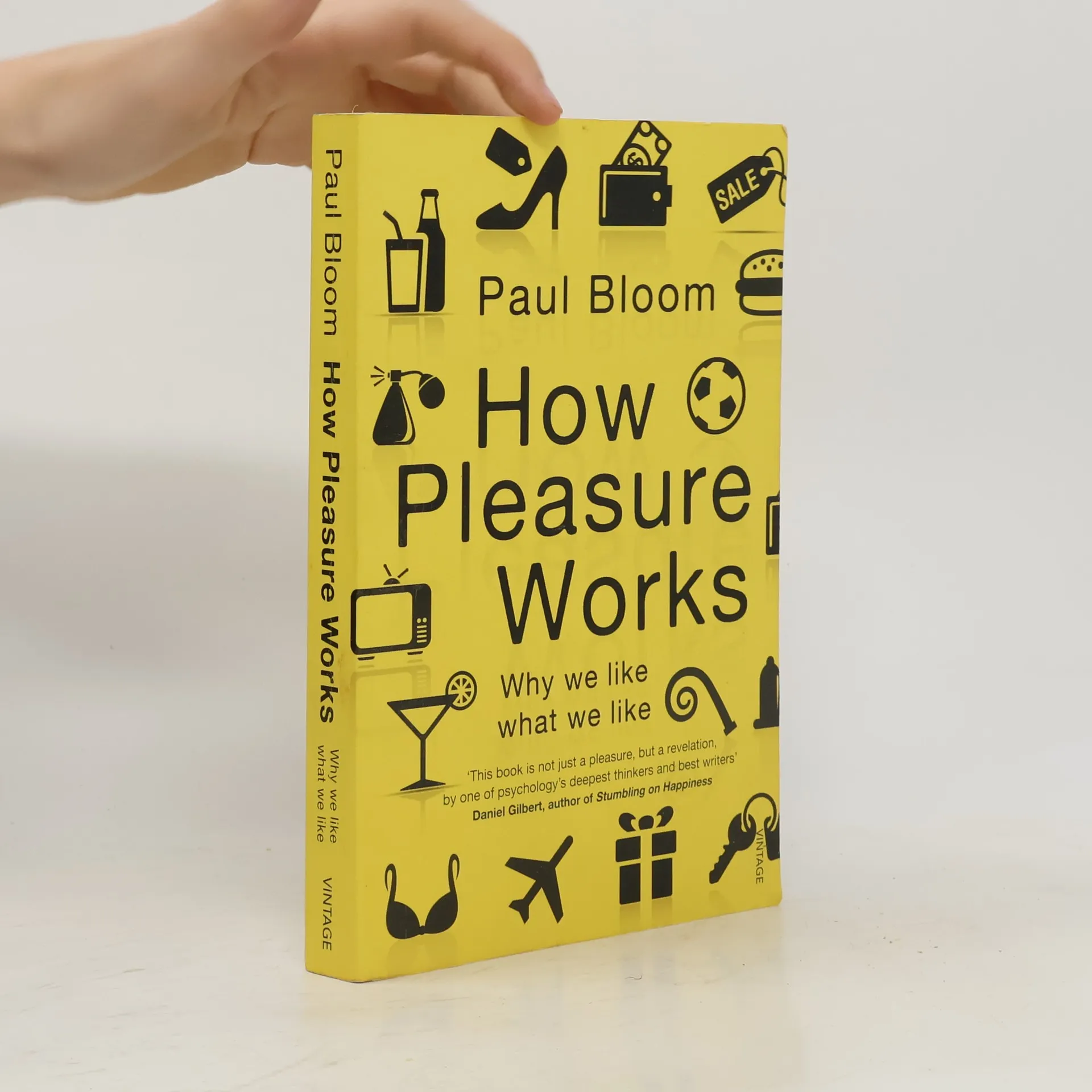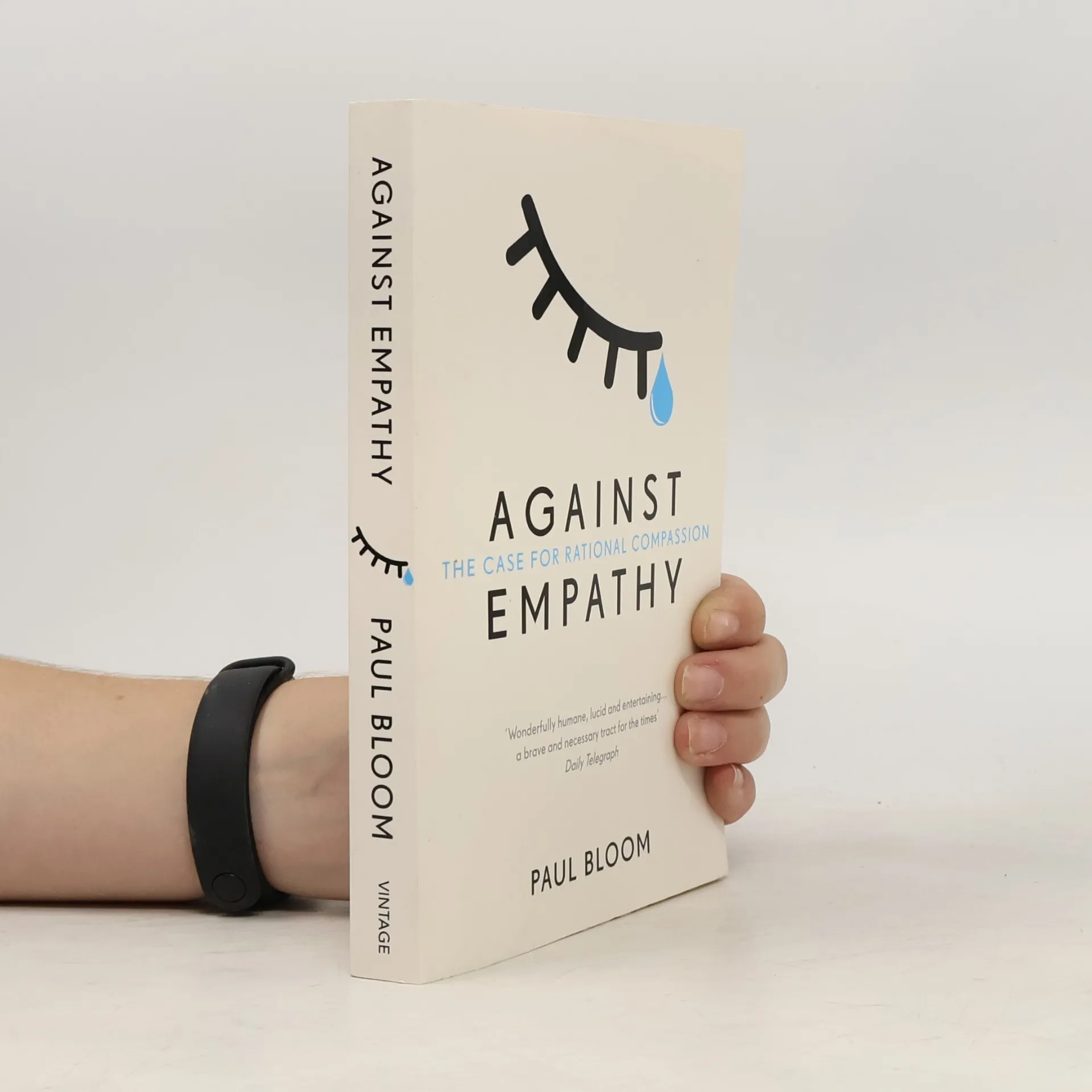
Bookbot

Paul Bloom

    El trabajo de Paul Bloom profundiza en las complejidades de la comprensión humana, centrándose particularmente en cómo percibimos los mundos físico y social. Su investigación explora los aspectos fundamentales de la moralidad, la religión, la ficción y el arte, buscando descubrir los orígenes de nuestros juicios y creencias. A través de extensas publicaciones tanto en revistas científicas como en medios populares, Bloom ofrece ideas convincentes sobre la mente humana. Su escritura proporciona una lente fascinante para examinar los cimientos de nuestras sensibilidades éticas y estéticas.

    Descartes' baby. How the science of child development explains what makes us human
    The Story Advantage
    The Human Mind
    Psych
    What Gardeners Grow
    Language, Speech, and Communication: Language and Space
    • The fifteen original contributions in this volume bring together significant research and theoretical perspectives from psychology, linguistics, anthropology, and neuroscience, offering a vital synthesis across these fields. The exploration of the relationship between natural language and spatial cognition aims to address fundamental questions regarding the mind, language, and culture. Each chapter presents a contemporary overview of specific research programs, tackling inquiries such as how the brain represents space, the types of spatial representations, the process of learning to discuss space, and the influence of culture. Additionally, the discussions consider whether experimental tests on the relationship between space and language should focus solely on closed-class linguistic elements or also include open-class elements. Throughout the text, contributors engage with one another's arguments, highlighting key areas of consensus and contention. Notable contributors include Manfred Bierwisch, Paul Bloom, Melissa Bowerman, and others, each providing unique insights into the intricate connections between language and spatial understanding.
      Language, Speech, and Communication: Language and Space
      4,3
    • Find the right plant for the right place from an encyclopaedia of flowers, shrubs, herbs and more as chosen by the world's best gardeners, designers and horticulturists.

      What Gardeners Grow
      4,1
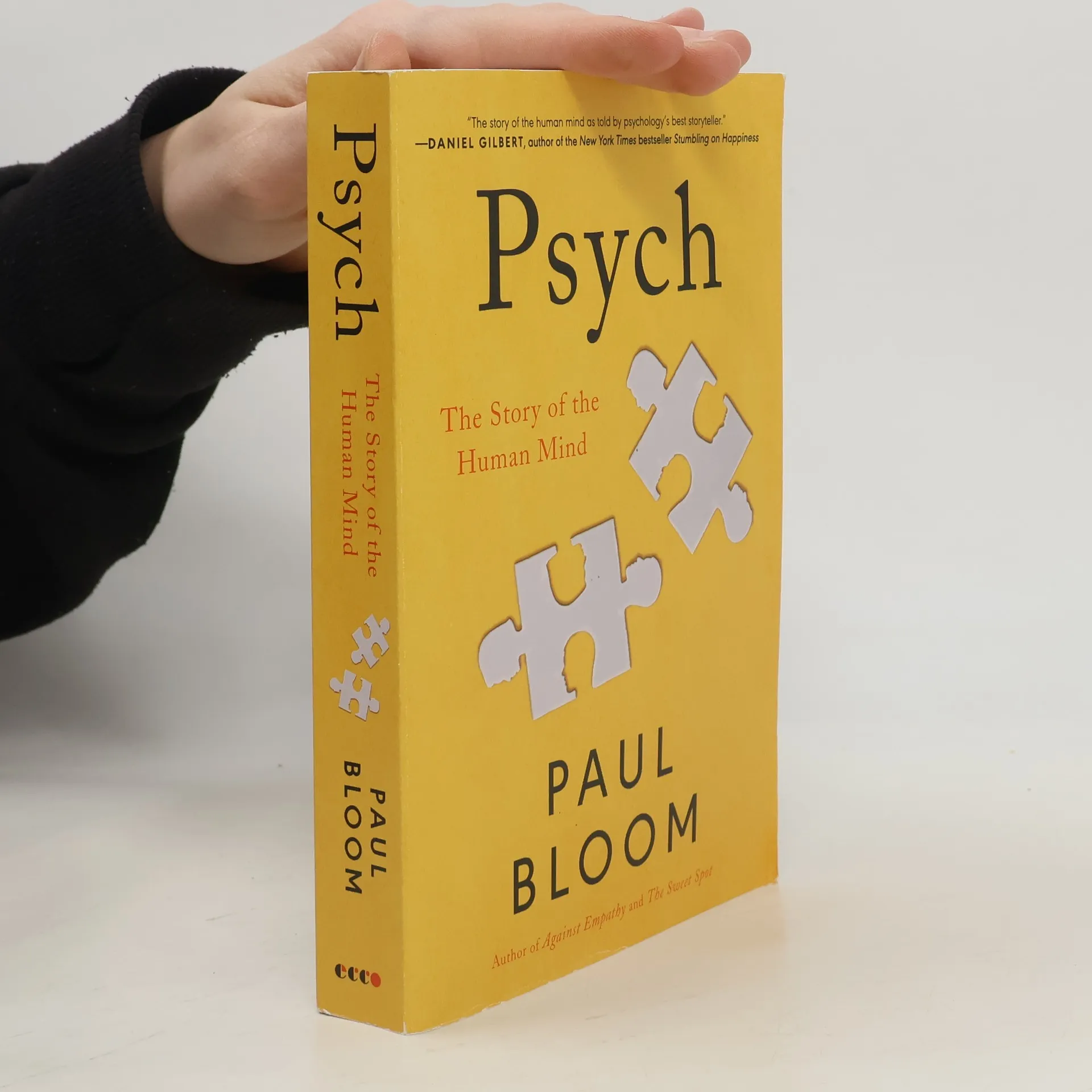
    • Psych

      • 464 páginas
      • 17 horas de lectura

      A Next Big Idea Club Must-Read A compelling and accessible new perspective on the modern science of psychology, based on one of Yale's most popular courses of all time How does the brain--a three-pound wrinkly mass--give rise to intelligence and conscious experience? Was Freud right that we are all plagued by forbidden sexual desires? What is the function of emotions such as disgust, gratitude, and shame? Renowned psychologist Paul Bloom answers these questions and many more in Psych, his riveting new book about the science of the mind. Psych is an expert and passionate guide to the most intimate aspects of our nature, serving up the equivalent of a serious university course while being funny, engaging, and full of memorable anecdotes. But Psych is much more than a comprehensive overview of the field of psychology. Bloom reveals what psychology can tell us about the most pressing moral and political issues of our time--including belief in conspiracy theories, the role of genes in explaining human differences, and the nature of prejudice and hatred. Bloom also shows how psychology can give us practical insights into important issues--from the treatment of mental illnesses such as depression and anxiety to the best way to lead happy and fulfilling lives. Psych is an engrossing guide to the most important topic there is: it is the story of us.

      Psych
      4,1
    • The Human Mind

      • 454 páginas
      • 16 horas de lectura

      A Next Big Idea Club Must-ReadA compelling and accessible new perspective on the modern science of psychology, based on one of Yale’s most popular courses of all timeHow does the brain—a three-pound wrinkly mass—give rise to intelligence and conscious experience? Was Freud right that we are all plagued by forbidden sexual desires? What is the function of emotions such as disgust, gratitude, and shame? Renowned psychologist Paul Bloom answers these questions and many more in Psych, his riveting new book about the science of the mind.Psych is an expert and passionate guide to the most intimate aspects of our nature, serving up the equivalent of a serious university course while being funny, engaging, and full of memorable anecdotes. But Psych is much more than a comprehensive overview of the field of psychology. Bloom reveals what psychology can tell us about the most pressing moral and political issues of our time—including belief in conspiracy theories, the role of genes in explaining human differences, and the nature of prejudice and hatred.Bloom also shows how psychology can give us practical insights into important issues—from the treatment of mental illnesses such as depression and anxiety to the best way to lead happy and fulfilling lives. Psych is an engrossing guide to the most important topic there is: it is the story of us.

      The Human Mind
      4,1
    • The Story Advantage

      • 168 páginas
      • 6 horas de lectura

      Telling a powerful story is crucial for your business. In today's world, despite being digitally connected, many experience profound loneliness and isolation. As we face unprecedented crises—climate change, a global pandemic, leadership failures, poverty, and social injustice—the need for hope and meaning is greater than ever. Storytelling provides that hope. Mastering storytelling is not limited to a select few; it is accessible to everyone and does not depend on innate skills, cultural backgrounds, or gender. Instead, it involves cultivating specific skills, awareness, and intention. This book reveals how to successfully navigate the complexities of the modern era, build winning teams, and lead in unpredictable environments that demand innovation and creativity. You will learn to thrive both personally and professionally, creating remarkable opportunities for yourself and your organization. With newfound knowledge and confidence, you can maintain your vision for a better world, capturing exciting ideas and driving social change. Discover your innate storyteller and the power of narrative as you uncover your core story. You will learn to tell and live stories that will inspire and impact both your professional and personal life.

      The Story Advantage
      2,0
    • How Children Learn the Meanings of Words

      • 314 páginas
      • 11 horas de lectura

      How do children learn that the word dog refers not to all four-legged animals, and not just to Ralph, but to all members of a particular species? How do they learn the meanings of verbs like think, adjectives like good, and words for abstract entities such as mortgage and story? The acquisition of word meaning is one of the fundamental issues in the study of mind. According to Paul Bloom, children learn words through sophisticated cognitive abilities that exist for other purposes. These include the ability to infer others' intentions, the ability to acquire concepts, an appreciation of syntactic structure, and certain general learning and memory abilities. Although other researchers have associated word learning with some of these capacities, Bloom is the first to show how a complete explanation requires all of them. The acquisition of even simple nouns requires rich conceptual, social, and linguistic capacities interacting in complex ways.This book requires no background in psychology or linguistics and is written in a clear, engaging style. Topics include the effects of language on spatial reasoning, the origin of essentialist beliefs, and the young child's understanding of representational art. The book should appeal to general readers interested in language and cognition as well as to researchers in the field.

      How Children Learn the Meanings of Words
      3,9
    • Boston Review Forum: On Anger

      • 160 páginas
      • 6 horas de lectura

      Anger looms large in our public lives. Should it?Reflecting on two millennia of debates about the value of anger, Agnes Callard contends that efforts to distinguish righteous forms of anger from unjust vengeance, or appropriate responses to wrongdoing from inappropriate ones, are misguided. What if, she asks, anger is not a bug of human life, but a feature—an emotion that, for all its troubling qualities, is an essential part of being a moral agent in an imperfect world? And if anger is both troubling and essential, what then do we do with the implications: that angry victims of injustice are themselves morally compromised, and that it might not be possible to respond rightly to being treated wrongly? As Callard concludes, “We can’t be good in a bad world.”The contributions that follow explore anger in its many forms—public and private, personal and political—raising an issue that we must grapple with: Does the vast well of public anger compromise us all?

      Boston Review Forum: On Anger
      3,7
    • "Can your marriage survive if you're both sleeping with other people? After more than 20 years of marriage, Fay and Steve are happy, but their lives lack excitement. Fay believes an open relationship could reignite that spark. But can sex ever just be sex? Steve eventually agrees to the idea, but first they must set some ground rules; no sleeping with friends, no telling the kids, and a limit on how many times they can see the same person. Can their marriage survive this arrangement - even if they have permission?"--Provided by publisher

      Permission
      3,8
    • Just Babies

      The Origins of Good and Evil

      • 288 páginas
      • 11 horas de lectura

      Exploring the innate sense of morality, a leading cognitive scientist presents the idea that our understanding of good and evil is fundamentally ingrained in human nature. The book delves into the psychological and evolutionary underpinnings of moral instincts, suggesting that these concepts are not merely social constructs but are deeply rooted in our biology. Through compelling arguments and research, it challenges readers to reconsider the origins of their moral beliefs and the implications for society.

      Just Babies
      3,7