Este autor profundiza en el choque entre liberalismo e iliberalismo entrelazando las vidas de quienes habitaron su residencia de Praga antes que él. Su narrativa une las historias del constructor de la casa, un ocupante nazi, un rescatador estadounidense de la posguerra y una embajadora estrella de cine de la Guerra Fría. En el corazón de su obra se encuentra el legado personal de su madre, una superviviente checa del Holocausto que lo envió de regreso a Praga. Su escritura a menudo explora temas de ética y comentario político.
How to Restore Ethics, the Rule of Law, and Democracy
396 páginas
14 horas de lectura
Drawing on over a century of collective expertise, this book presents innovative solutions to address flaws in federal governance. It serves as a beacon of hope and optimism following a challenging era in the nation's history, aiming to inspire reform and improvement in the political landscape.
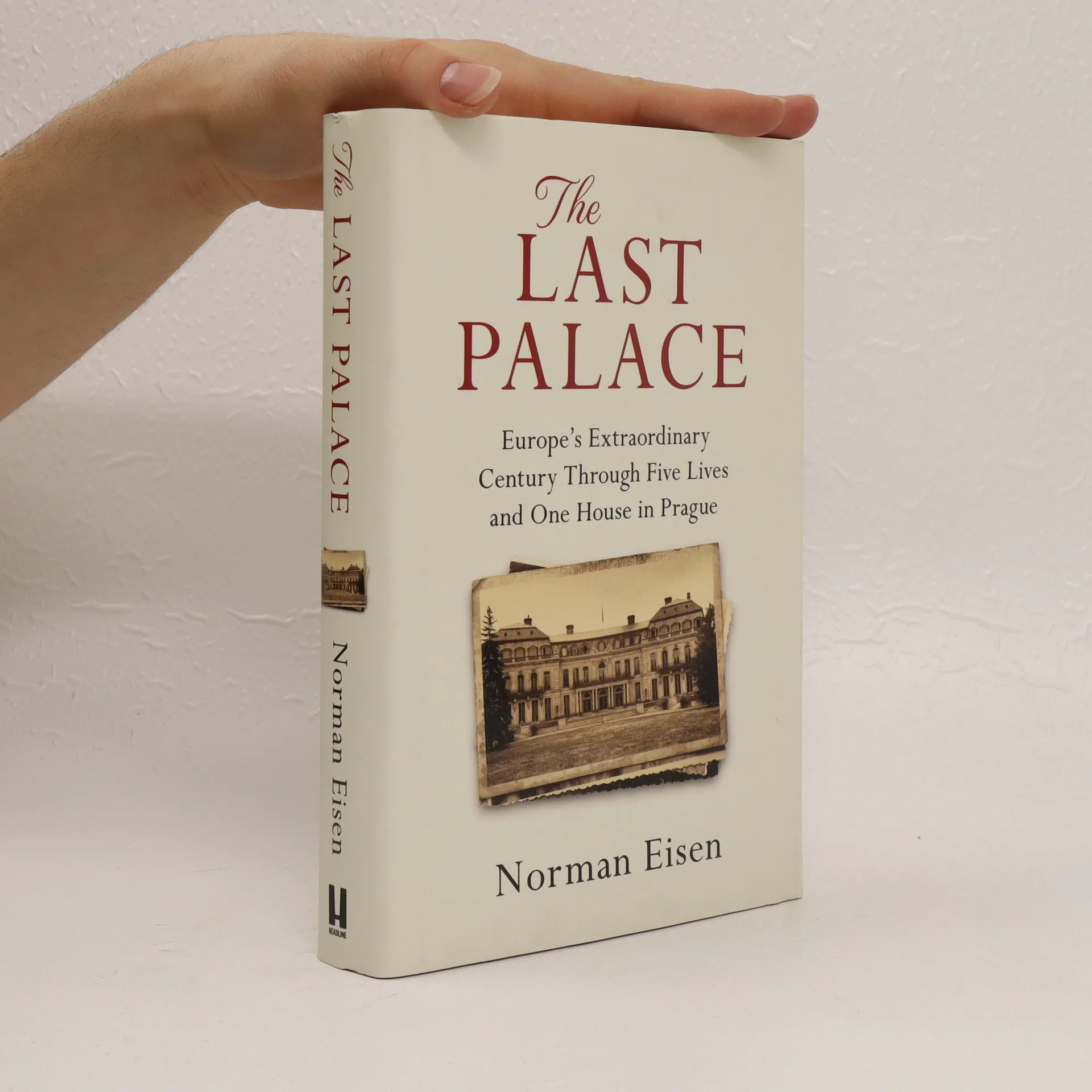
When Norman Eisen moved into the US ambassador's residence in Prague, returning to the land his mother had fled after the Holocaust, he was startled to discover swastikas hidden beneath the furniture. From that discovery unspooled the captivating, twisting tale of the remarkable people who lived in the house before Eisen. Their story is Europe's, telling the dramatic and surprisingly cyclical tale of the endurance of liberal democracy: the optimistic Jewish financial baron who built the palace; the conflicted Nazi general who put his life at risk for the house during World War II; the first postwar US ambassador struggling to save both the palace and Prague from communist hands; the child star- turned-diplomat who fought to end totalitarianism; and Eisen's own mother, whose life demonstrates how those without power and privilege moved through history. The Last Palace chronicles the upheavals that have transformed the continent over the past century and reveals how we never live far from the past.
When Eisen moved into the US ambassador's residence in Prague, he was startled to discover swastikas hidden beneath the furniture. As he unspooled the twisting, captivating tale of some of the remarkable people who had called this palace home, he began to chronicle the upheavals that transformed the continent over the past century. He introduces us to optimistic Jewish financial baron, Otto Petschek, who built the palace after World War I; Rudolf Toussaint, the cultured, compromised German general who occupied the palace during World War II; Laurence Steinhardt, the first postwar US ambassador; and Shirley Temple Black, an eyewitness to the crushing of the 1968 Prague Spring who returned as US ambassador in 1989. -- adapted from jacket
Europa's turbulente 20e eeuw in vijf levens in een legendarisch paleis in Praag Norman Eisen wordt in 2011 door president Barack Obama aangesteld als de Amerikaanse ambassadeur in Tsjechië. Eisen verhuist naar Praag en keert daarmee terug naar het land dat zijn moeder na de Holocaust ontvluchtte. Hij komt te wonen in het Petschek-paleis, waar hij tot zijn verbazing hakenkruizen ontdekt aan de onderkant van zijn bureau. Deze ontdekking is het begin van een meeslepend verhaal over vier fascinerende personen die dit paleis ooit hun thuis noemden. Het is ook het verhaal van Eisens Tsjechische moeder die Auschwitz overleefde, en die na enig aandringen meegaat naar Praag met haar zoon en zijn vrouw.