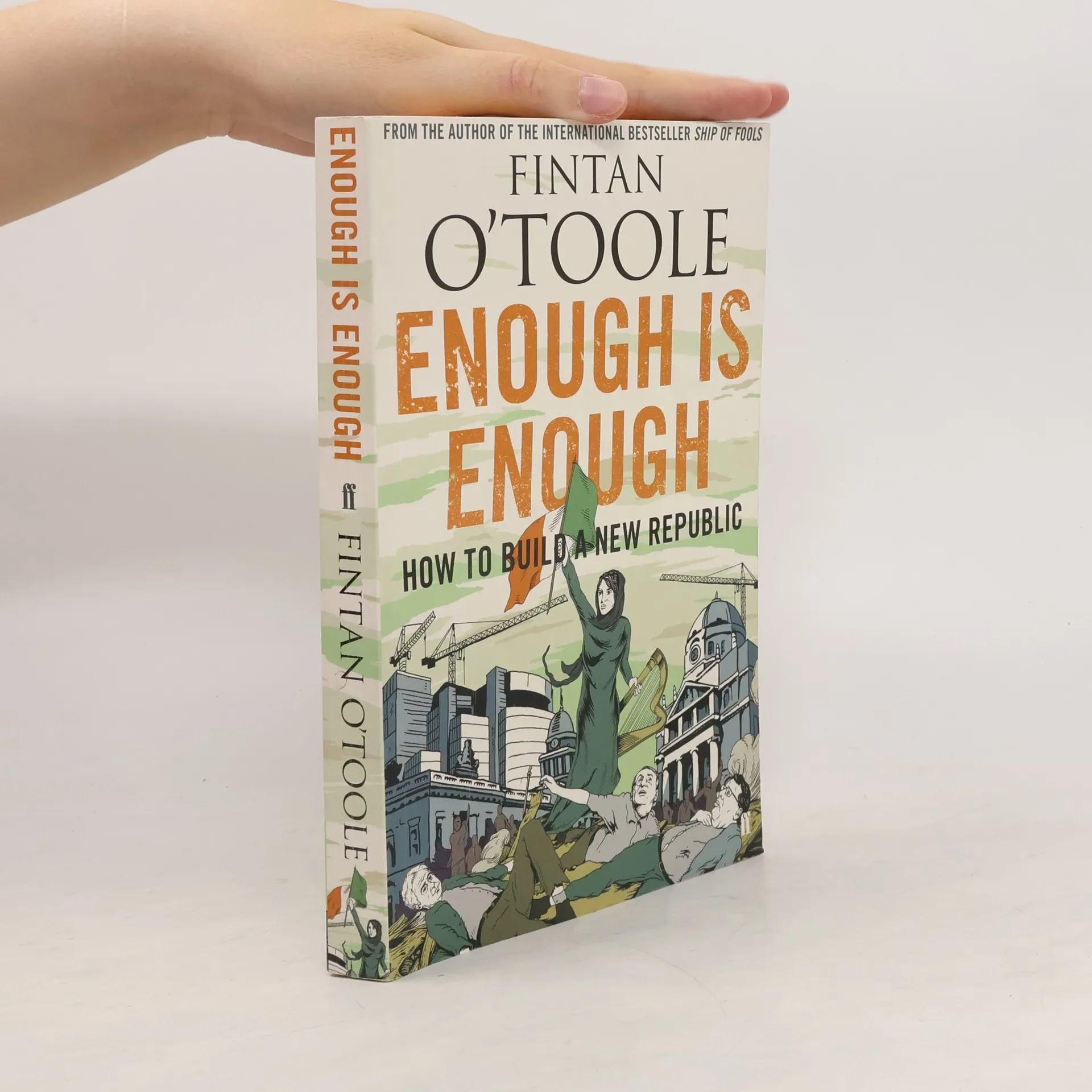
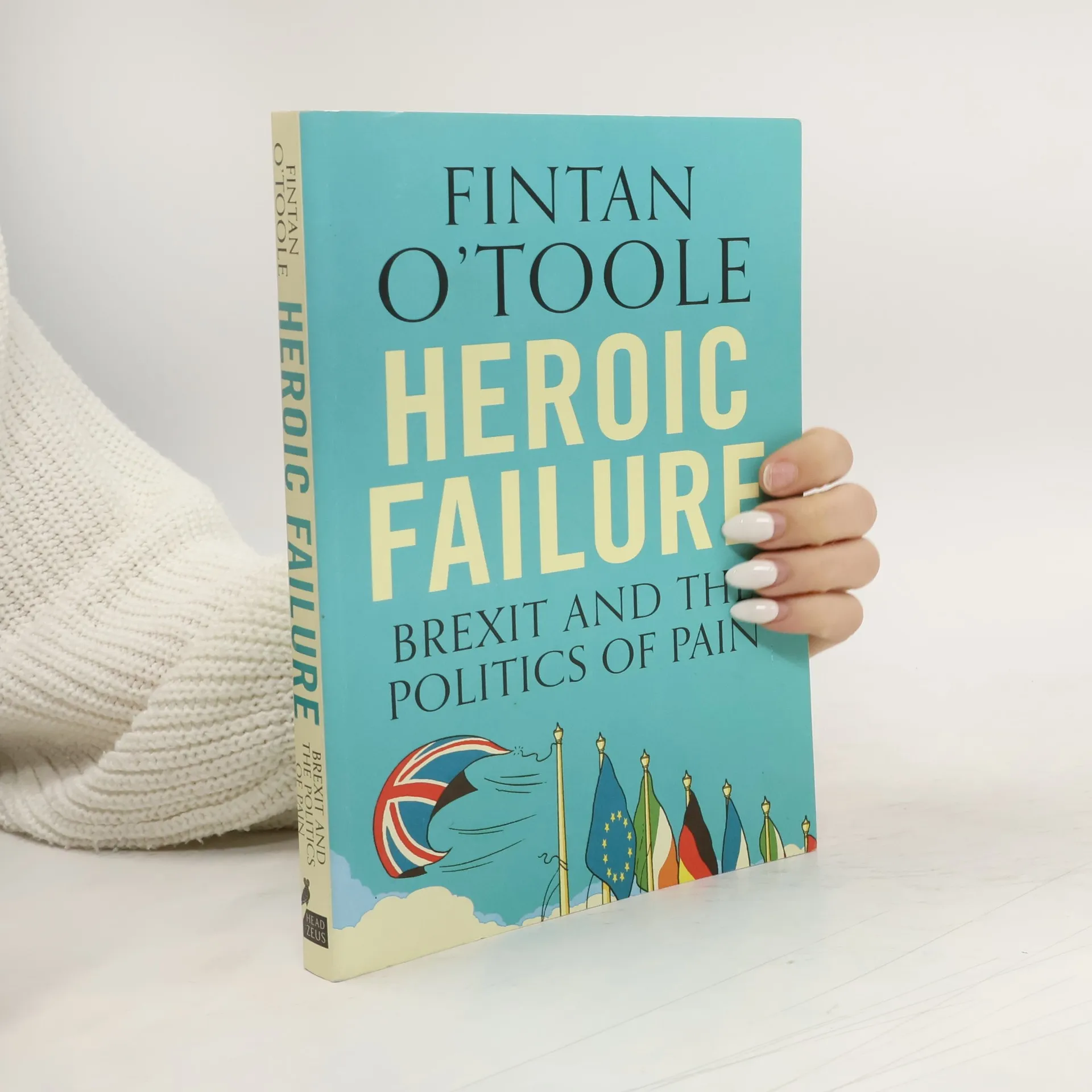
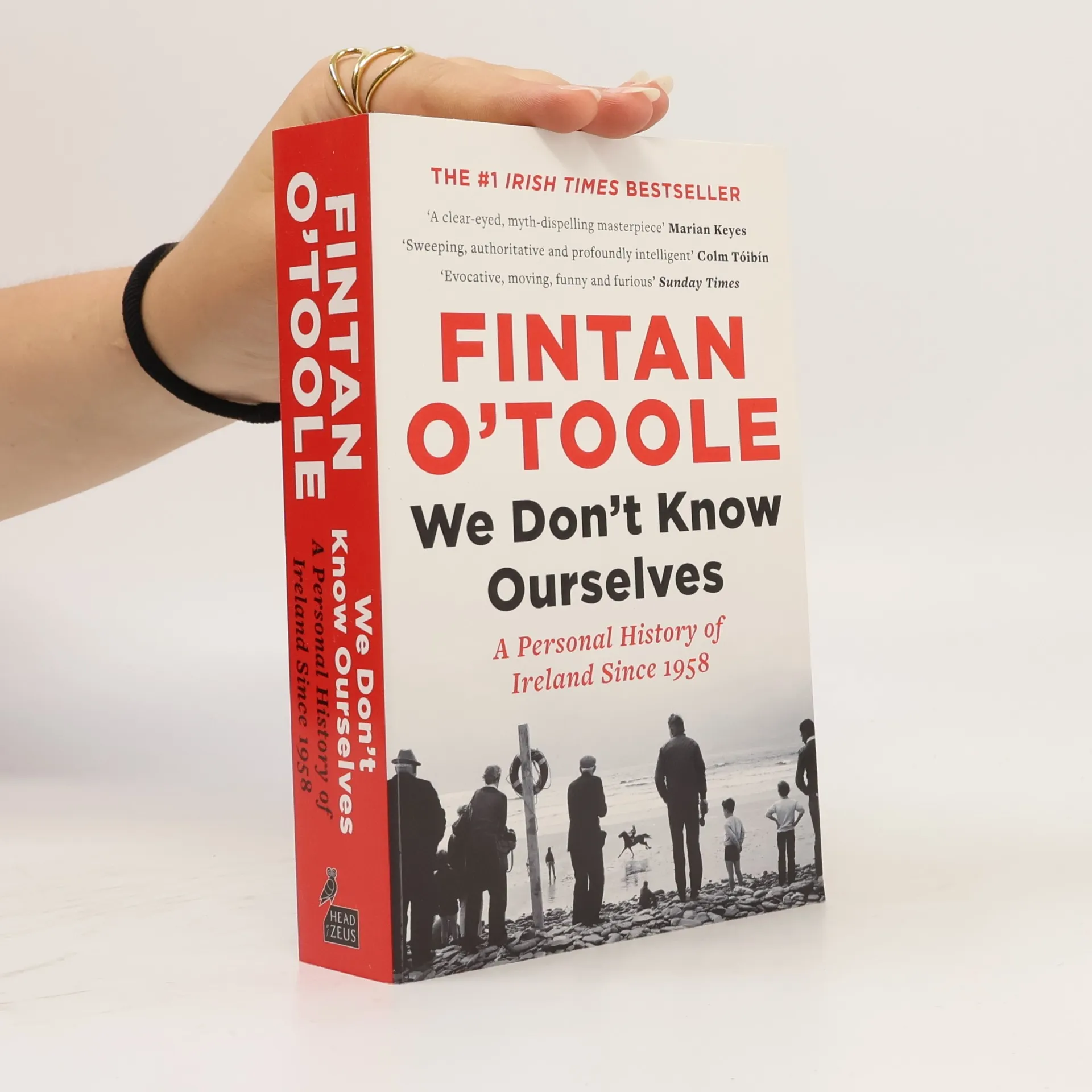
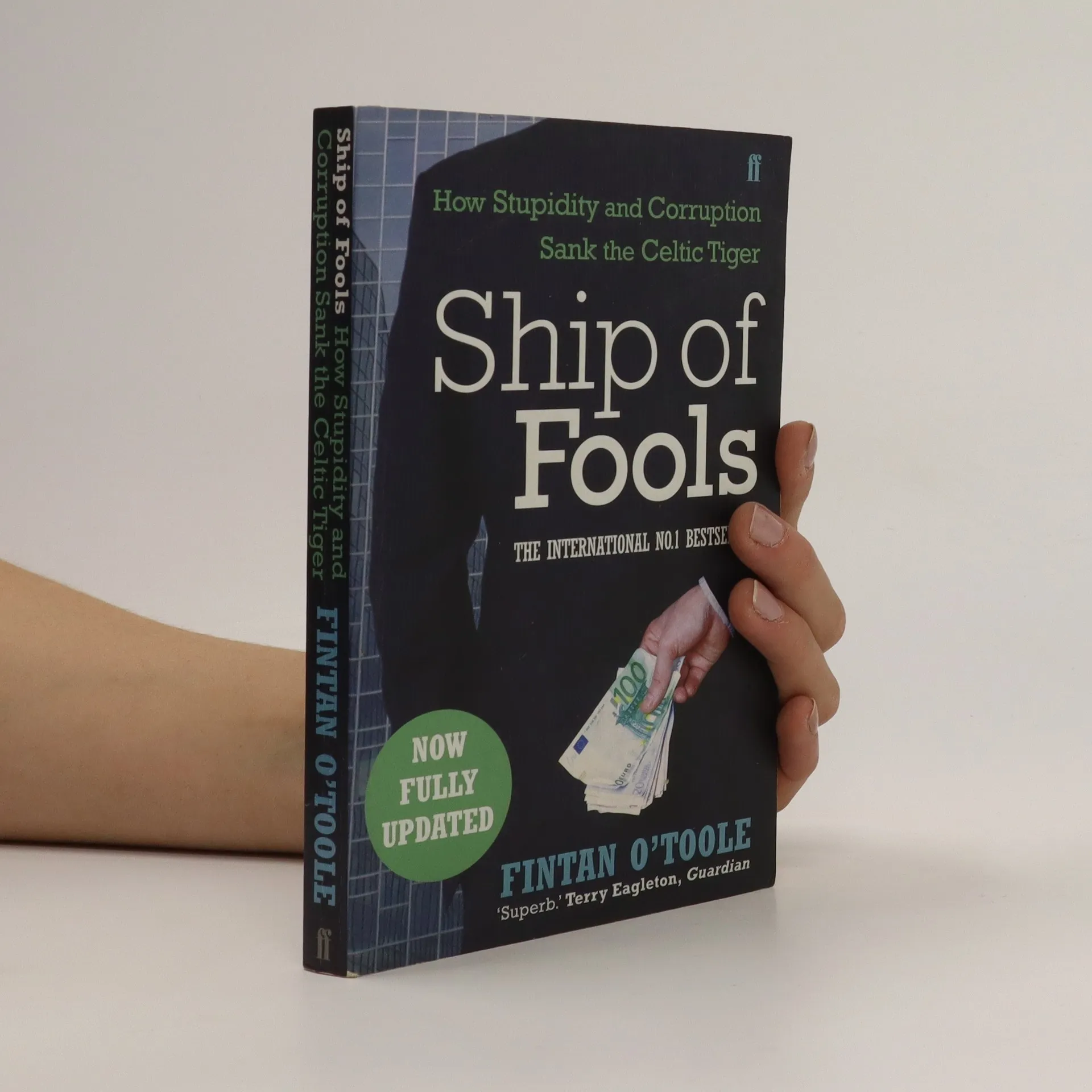
Fintan O'Toole es un destacado crítico literario y comentarista irlandés, célebre por sus agudas análisis de la sociedad y la política irlandesas. A través de sus ensayos, profundiza en temas como la corrupción, la desigualdad y las actitudes hacia la inmigración, sin temor a cuestionar las normas establecidas. Su escritura se caracteriza por un intelecto agudo, una articulación clara y un compromiso inquebrantable con la justicia. La obra de O'Toole ofrece profundas perspectivas sobre cuestiones irlandesas contemporáneas, impulsando a los lectores a reflexionar sobre complejas dinámicas sociales.
Fintan O'Toole's history of Ireland in his own time. Ireland has changed
almost out of recognition during the decades since O'Toole's birth in 1958,
and this is his very personal vision of recent Irish history.
'There will not be much political writing in this or any other year that is carried off with such style' The Times. In exploring the answers to the question: 'why did Britain vote leave?', Fintan O'Toole finds himself discovering how trivial journalistic lies became far from trivial national obsessions; how the pose of indifference to truth and historical fact has come to define the style of an entire political elite; how a country that once had colonies is redefining itself as an oppressed nation requiring liberation; the strange gastronomic and political significance of prawn-flavoured crisps, and their role in the rise of Boris Johnson; the dreams of revolutionary deregulation and privatisation that drive Arron Banks, Nigel Farage and Jacob Rees-Mogg; and the silent rise of English nationalism, the force that dare not speak its name. He also discusses the fatal attraction of heroic failure, once a self-deprecating cult in a hugely successful empire that could well afford the occasional disaster: the Charge of the Light Brigade, or Franklin lost in the Arctic. Now failure is no longer heroic - it is just failure, and its terrible costs will be paid by the most vulnerable of Brexit's supporters, and by those who may suffer the consequences of a hard border in Ireland and the breakdown of a fragile peace.
The Lament for Arthur Cleary / In High Germany / The Holy Ground / Blinded by the Light
224 páginas
8 horas de lectura
The first collection of plays from one of Ireland's most accomplished contemporary writersThis volume contains four plays: The Lament for Arthur Cleary: "Theatrically rich and socially powerful, it takes on the lineaments of an epic voyage, a voyage into the dark heart of a city where Irish theatre has seldom been before" (Irish Times); In High Germany: "Thoughtful, comic, sad and provocative, this monologue of a lost and altered heritage … These two plays [In High Germany and The Holy Ground] are cogent manifestations of a changing Irish world" (Irish Times); The Holy Ground: "A tour de force. It's stream of consciousness theatre at its best … [which] develops a pace until the listener is hanging on to every syllable" (Sunday Press); Blinded by the Light: "Manically madcap and hilariously funny, it canters in a bawdy romp onto the stage, heralding the arrival of a unique comic writing talent. Energetic, perfectly timed and brilliantly observed" (Irish Press)
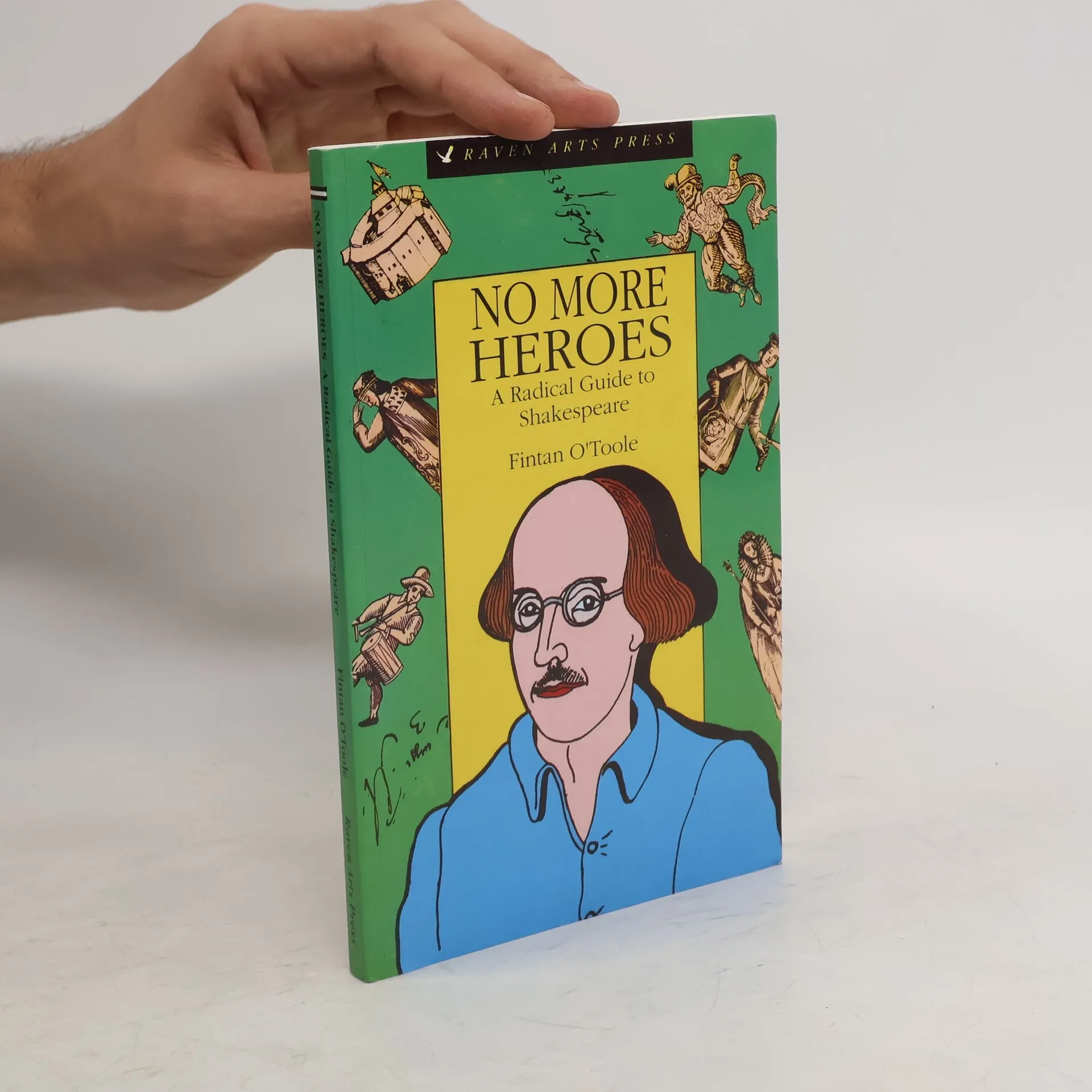
Fintan O'Toole offers a fresh perspective on four of Shakespeare's iconic tragedies: Hamlet, Macbeth, Othello, and King Lear. He critiques how these complex characters have often been simplified to align with conservative ideals, arguing for a deeper understanding of their true essence. The book combines wit and irreverence, aiming to challenge conventional interpretations while celebrating the richness of Shakespeare's work. Roddy Doyle praises it as a unique and engaging read.
The Republic of Ireland, which declared itself in 1949, allowed the Catholic Church to dominate its civil society and education system. Investment by American and European companies, and a welcoming tax regime, created the 'Celtic Tiger' of the 1990s. That brief burst of good fortune was destroyed by a corrupt political class which encouraged a wild property boom, leaving the country almost bankrupt. What Ireland needs now is a programme of real change. It needs to become a fully modern republic in fact as well as name. This disastrous economic collapse also allows us to think through the kind of multiculturalism that Ireland needs, and to build institutions that can accommodate the sudden influx of migrants who have come to Ireland in the past 15 years. The State should take over the entire education system, for which it pays already, and make it fit for the 21st century. The political system is dysfunctional and is one of the main causes of the debacle we have just experienced. Ireland needs constitutional reform. Politicians have been let get away with murder, and there is a fatalistic sense that nothing can change. The country needs to encourage participation in, and oversight and knowledge of politics, to make people feel that they have a right to challenge the old party machines and to make a difference. It is their country, after all.
For twenty years, Ireland's economic miracle was supposed to be the envy of the world. Low taxes, light regulation and an 'anything goes' attitude seemed to have created boundless prosperity. And then, as in Iceland, the glittering palaces vanished in the heat of the global financial meltdown. For years, those with economic power had been investing in a gigantic property bubble. In Ship of Fools Fintan O'Toole tells the story of this dizzying rise and sickening fall. Ireland may have had a tiger economy, but those in charge of it had not lost their taste for sweetheart deals, back-handers and bribery. This is the essential analysis of Ireland's economic suicide.
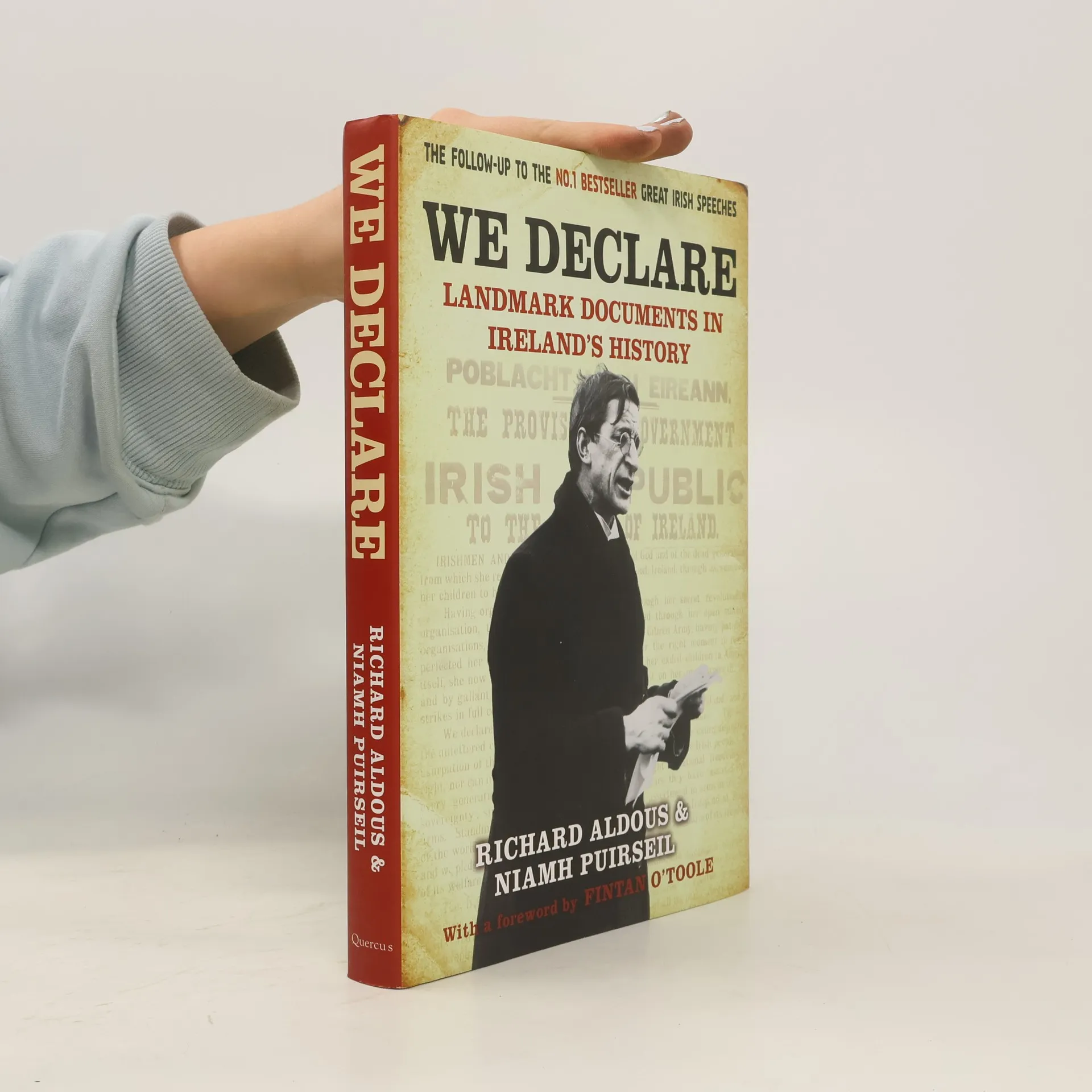
From St. Patrick’s confession to the harrowing reports of the Famine Relief Commission, the dramatic Proclamation of the Republic and the controversial 1921 Anglo-Irish treaty, and the road to peace and the Good Friday agreement, the most momentous and stirring documents in the history of Ireland are collected here. Presented chronologically, and embellished with images of the actual documents alongside transcripts of the key passages, each document is preceded by an introduction placing the text in its historical context and explaining its significance. From early chapters showing the efforts of British monarchs and governments to establish their authority and the efforts of Irishmen to resist, to documents recording the creation of the newly independent Irish state, to documents that have helped create the Irish national identity, these are gripping snapshots of their times.
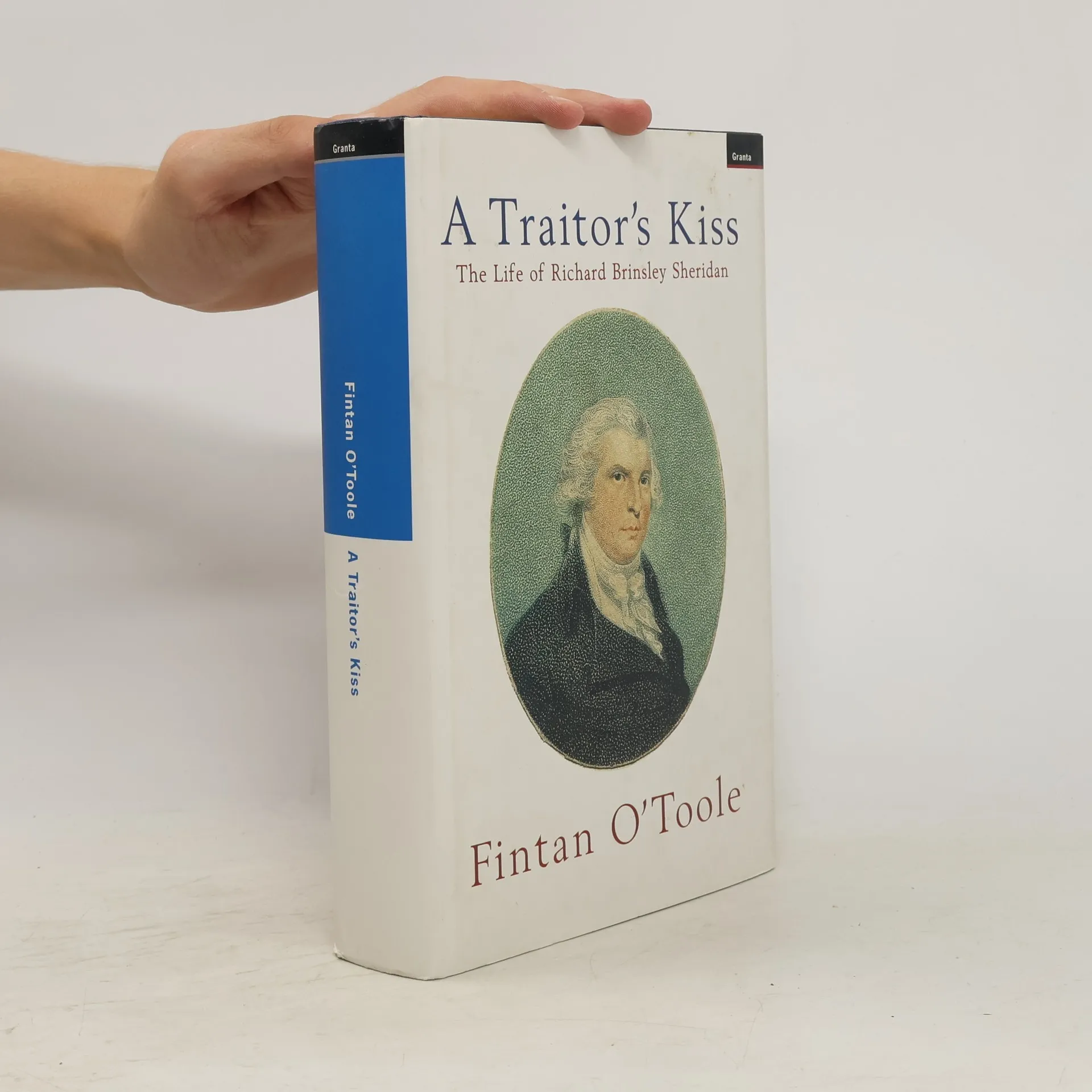
This is a biography of Richard Brinsley Sheridan, the author of The School for Scandal and The Rival. He was the quintessential dramatist-entrepreneur, an 18th-century wit and man about town, and one of the foremost politicians in Britain - an unthinkable combination today.