

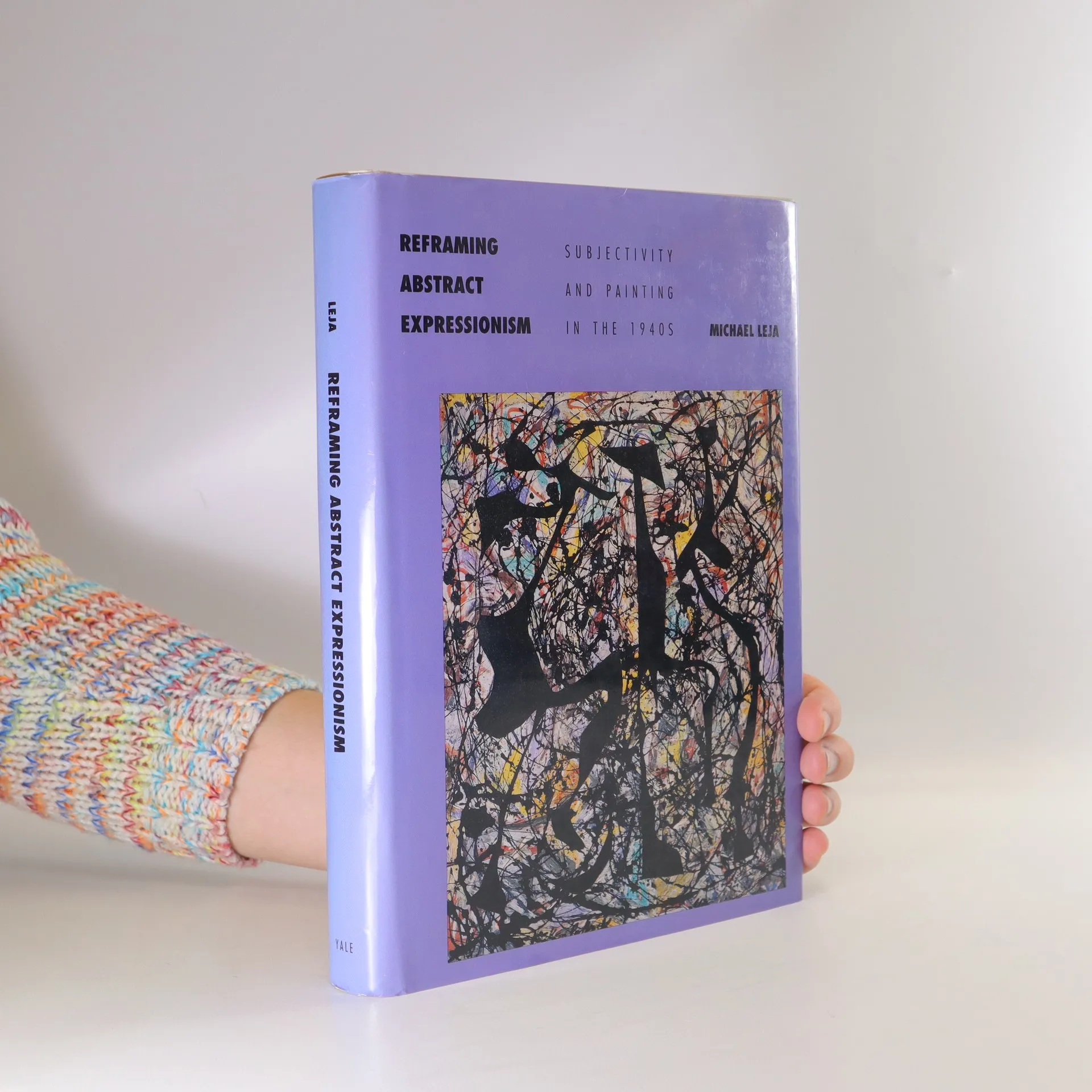
In the aftermath of World War II, the works of Jackson Pollock, Mark Rothko, Barnett Newman, and Willem de Kooning contributed to a cultural movement aimed at redefining the self. As traditional beliefs about human nature became increasingly questioned, Abstract Expressionism offered a compelling visual representation of a new subjectivity and understanding of self. Michael Leja's study argues that these artists' exploration of "primitive" and "unconscious" elements of identity parallels the interests of contemporary essayists, filmmakers, journalists, and philosophers who also turned to psychology, anthropology, and philosophy to reshape individual identity. Using Pollock's paintings and their reception as a focal point, Leja demonstrates how critics interpreted Pollock's abstract forms through various metaphors—such as spatial entrapment and energy flow—that connected the art to broader cultural discussions about self and identity. This interpretative approach reveals the cultural and ideological significance of Abstract Expressionism, suggesting that it effectively embodied the new, complex subjectivity of the time, which garnered considerable support from cultural and political institutions.
Michael Leja Libros
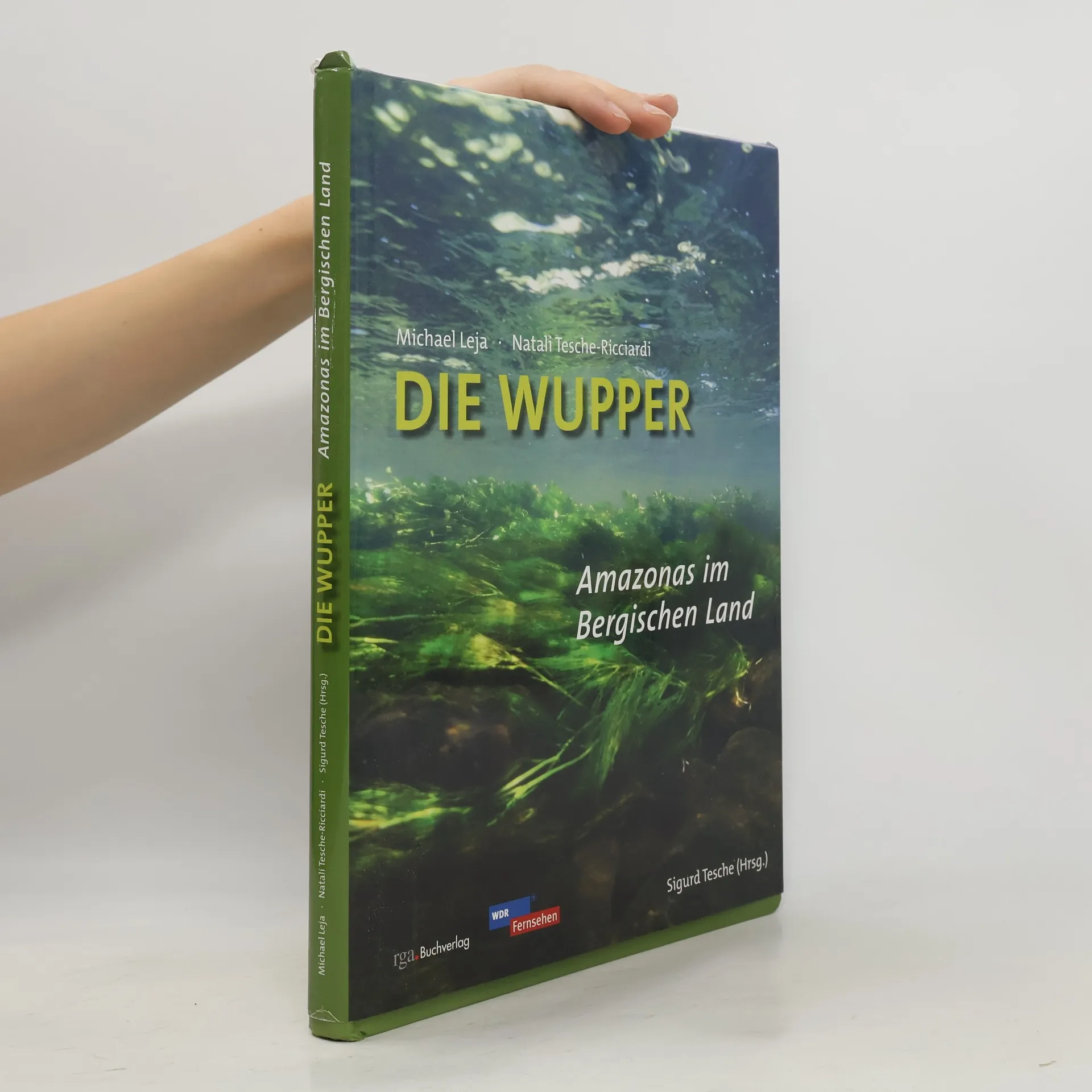
Die Wupper - Amazonas im Bergischen Land
- 191 páginas
- 7 horas de lectura
Die Wupper - Amazonas im Bergischen Land: Unser aller Fluss. Eine Lebensader mit einer unglaublichen Tier- und Pflanzenwelt. Sigurd Tesche, der bekannte Solinger Tier- und Naturfilmer, hat zusammen mit seiner Tochter Natali Tesche-Ricciardi, der Wupper ein filmisches Denkmal gesetzt. Der Film- und Bildband dazu zeigt exklusiv die faszinierenden Filmaufnahmen aus fast 2 Jahren Produktion. Der Biologe und langjährige „Terra-X“ - Autor Michael Leja liefert dazu alles Wissenswerte über den Lebensfluss Wupper.
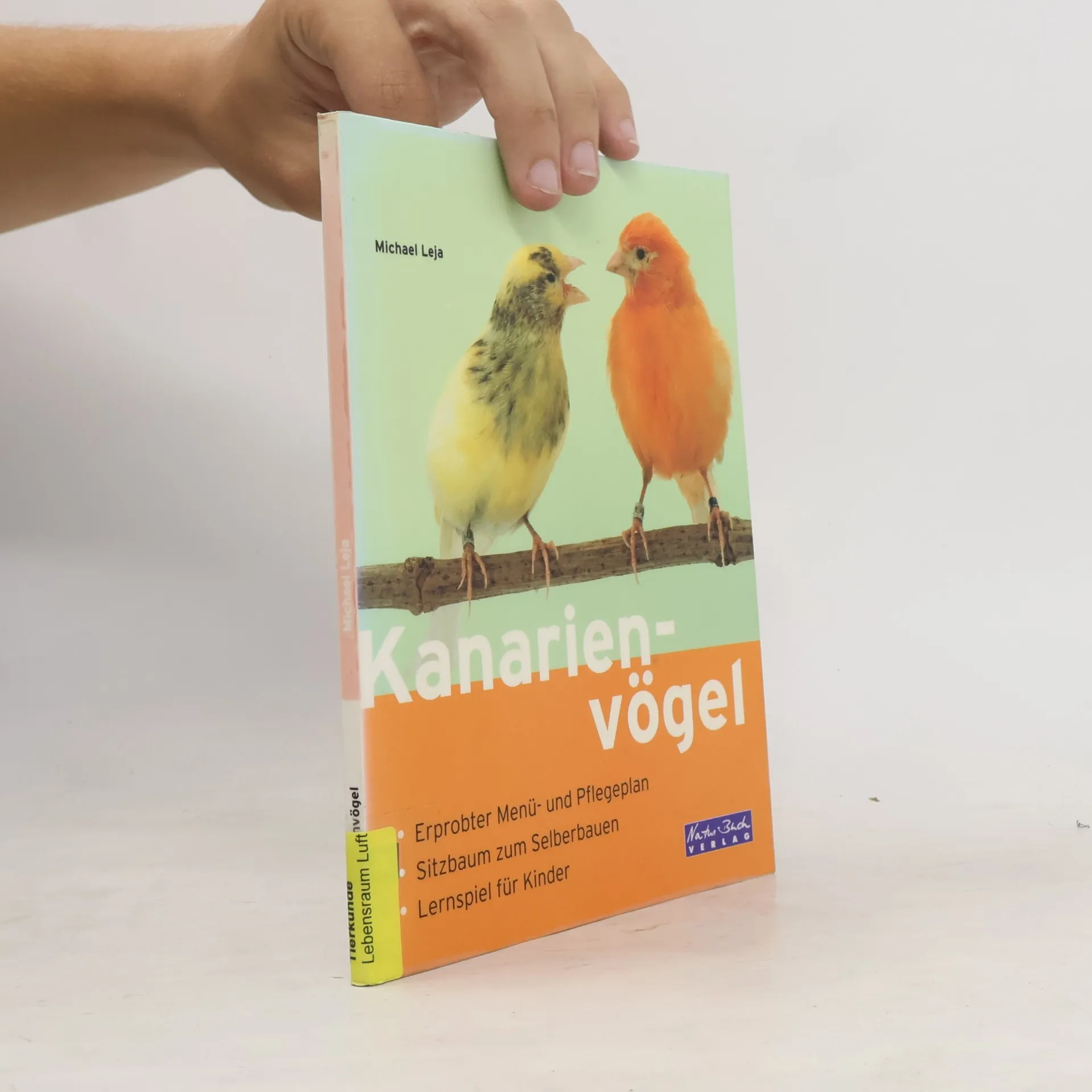
Kanarienvögel
- 64 páginas
- 3 horas de lectura
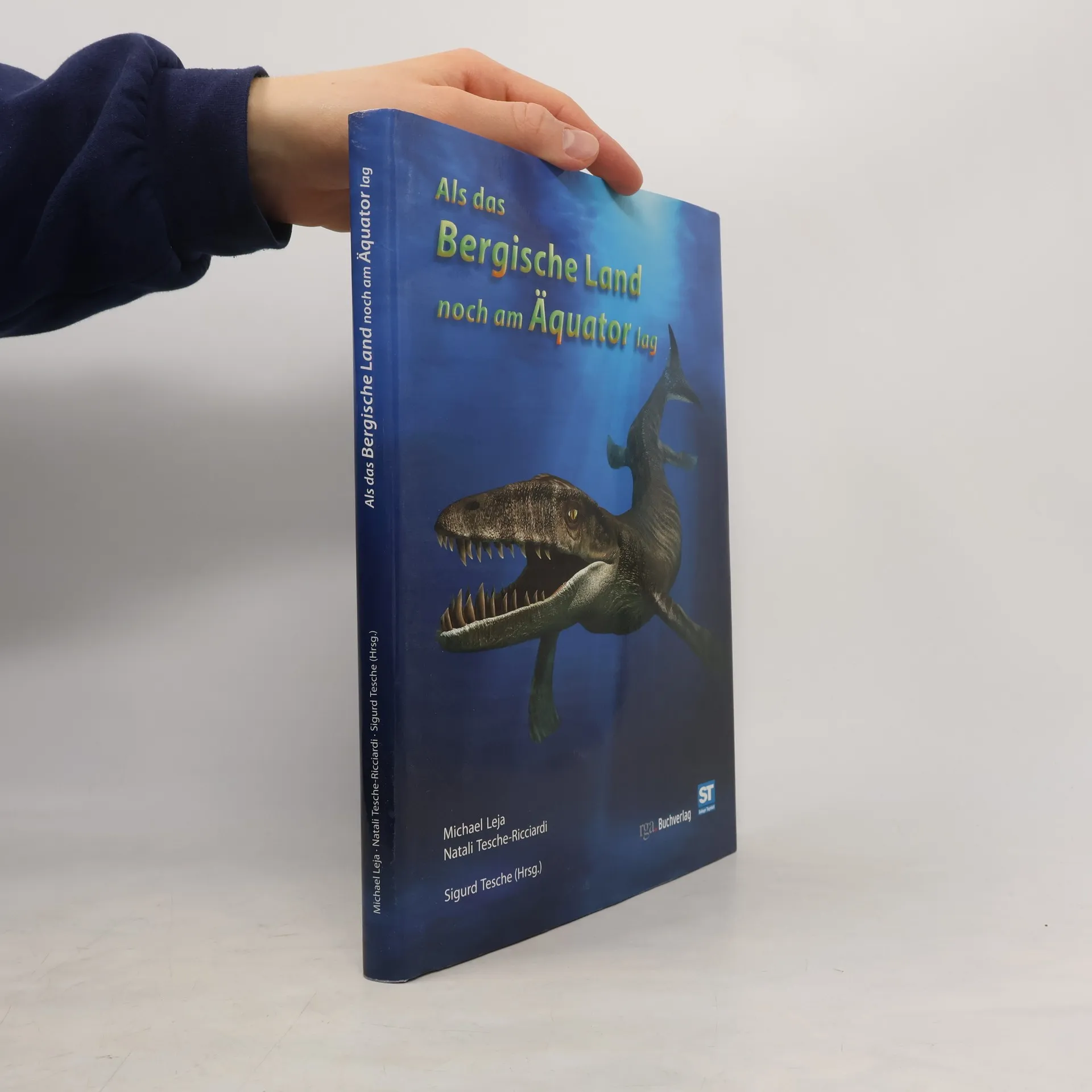
Als das Bergische Land noch am Äquator lag
Die Entstehungsgeschichte des Bergischen Landes
- 192 páginas
- 7 horas de lectura