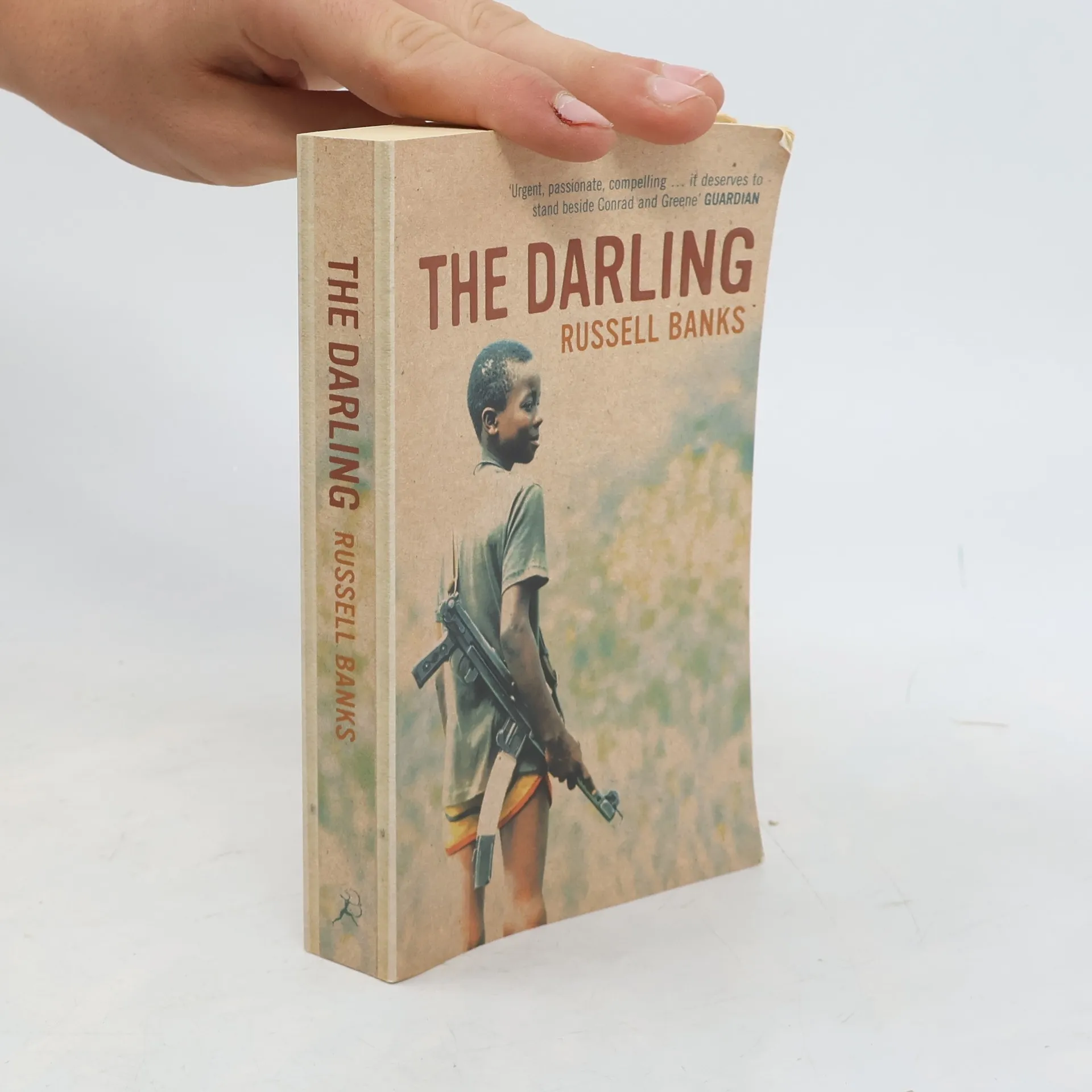
Hannah Musgrave is on the run: from her adoring parents, her many lovers, even from herself. As a young woman she worked for a Boston terrorist group which has put her on the FBI's most wanted list, forcing her to flee to Liberia in West Africa. There she marries an ambitious young politician and settles down. But Hannah can never quite bridge the differences between herself and her African husband. Liberia is a country on the verge of explosion and the threat of civil war is ever present. The violent events that follow touch everyone close to Hannah and, once again, she has to flee. This time, though, the past won't disappear.
Russell Banks Libros
28 de marzo de 1940 – 7 de enero de 2023
La escritura de Russell Banks profundiza en las vidas de gente común que lucha contra la adversidad y las complejidades de la experiencia estadounidense. Sus narrativas a menudo exploran temas profundos de culpa, redención y la búsqueda de identidad. Banks capta magistralmente las crudas realidades y las intrincadas psicologías de sus personajes, creando obras profundamente conmovedoras y a menudo inquietantes.


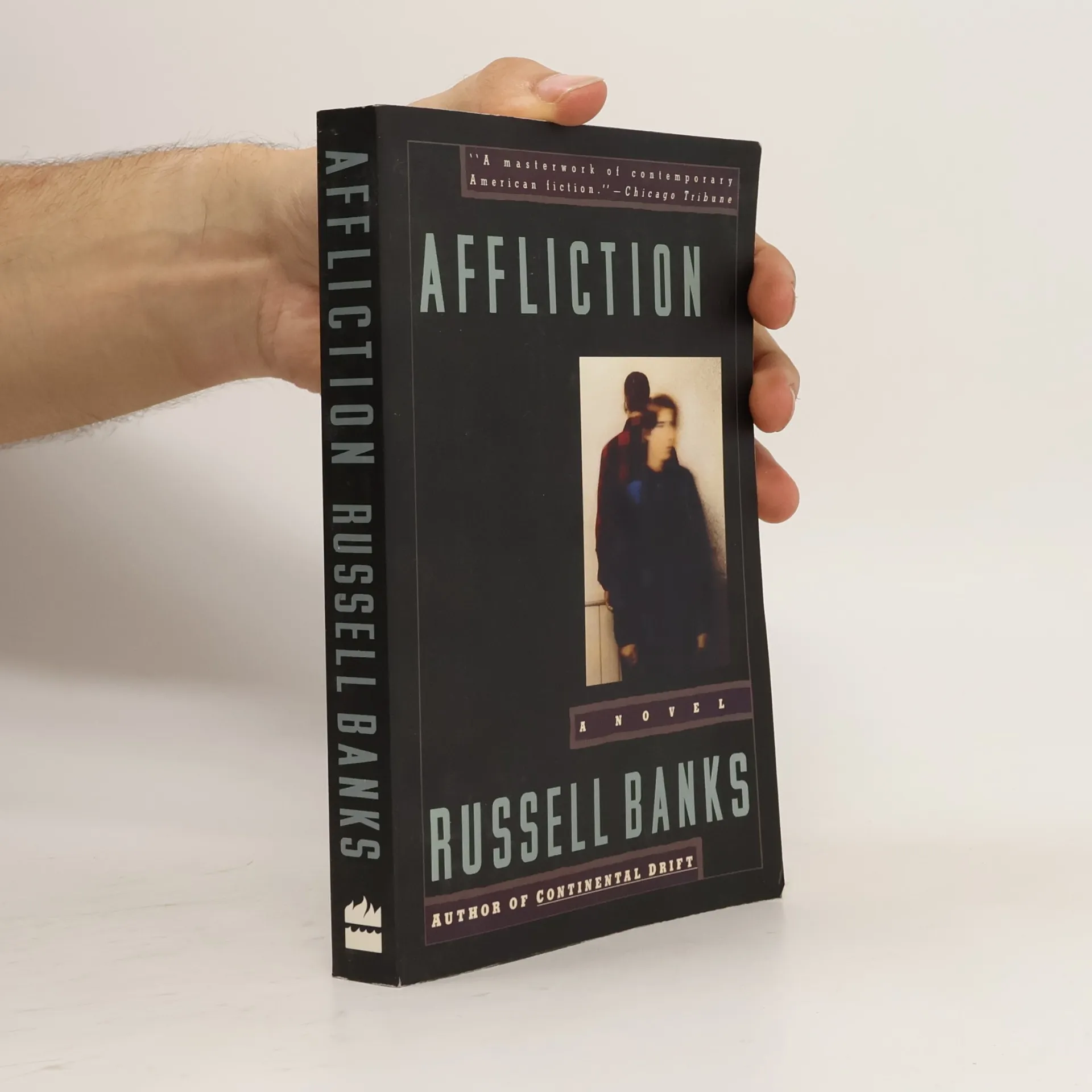
Affliction
- 355 páginas
- 13 horas de lectura
Wade Whitehouse is an improbable protagonist for a tragedy. A well-digger and policeman in a bleak New Hampshire town, he is a former high-school star gone to beer fat, a loner with a mean streak. It is a mark of Russell Banks' artistry and understanding that Wade comes to loom in one's mind as a blue-collar American Everyman afflicted by the dark secret of the macho tradition. Told by his articulate, equally scarred younger brother, Wade's story becomes as spellbinding and inexorable as a fuse burning its way to the dynamite.
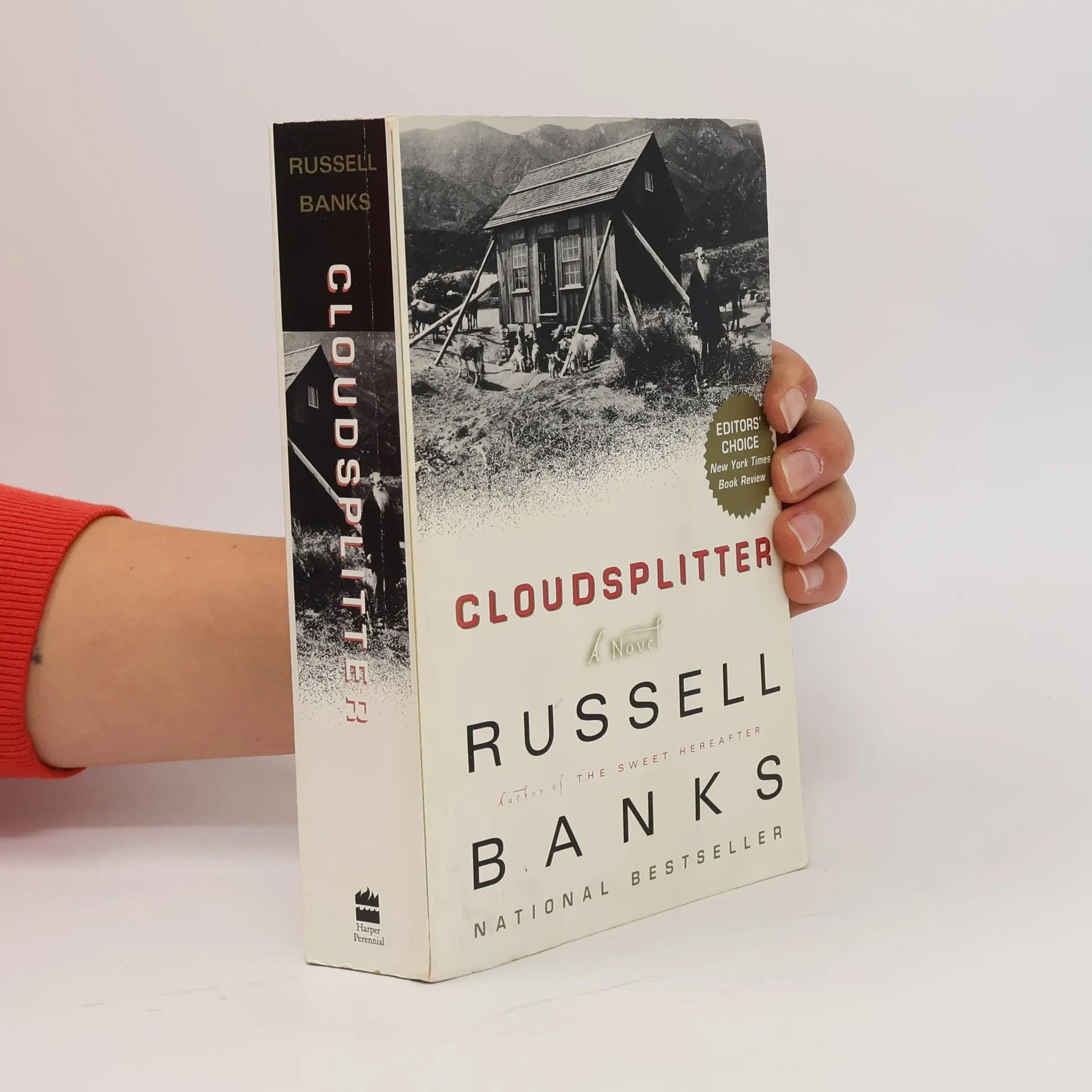
Cloudsplitter
- 768 páginas
- 27 horas de lectura
A triumph of the imagination and a masterpiece of modern storytelling, Cloudsplitter is narrated by the enigmatic Owen Brown, last surviving son of America's most famous and still controversial political terrorist and martyr, John Brown. Deeply researched, brilliantly plotted, and peopled with a cast of unforgettable characters both historical and wholly invented, Cloudsplitter is dazzling in its re-creation of the political and social landscape of our history during the years before the Civil War, when slavery was tearing the country apart. But within this broader scope, Russell Banks has given us a riveting, suspenseful, heartbreaking narrative filled with intimate scenes of domestic life, of violence and action in battle, of romance and familial life and death that make the reader feel in astonishing ways what it is like to be alive in that time.
Originally published by Harper in 1985 to great acclaim, "Continental Drift" is an American masterpiece about innocence and evil by one of the most important novelists writing today.
Rule of the Bone
- 400 páginas
- 14 horas de lectura
When we first meet him, Chappie is a punked-out teenager living with his mother and abusive stepfather in an upstate New York trailer park. During this time, he slips into drugs and petty crime. Rejected by his parents, out of school and in trouble with the police, he claims for himself a new identity as a permanent outsider; he gets a crossed-bones tattoo on his arm, and takes the name "Bone." He finds dangerous refuge with a group of biker-thieves, and then hides in the boarded-up summer house of a professor and his wife. He finally settles in an abandoned schoolbus with Rose, a child he rescues from a fast-talking pedophile. There Bone meets I-Man, an exiled Rastafarian, and together they begin a second adventure that takes the reader from Middle America to the ganja-growing mountains of Jamaica. It is an amazing journey of self-discovery through a world of magic, violence, betrayal and redemption.
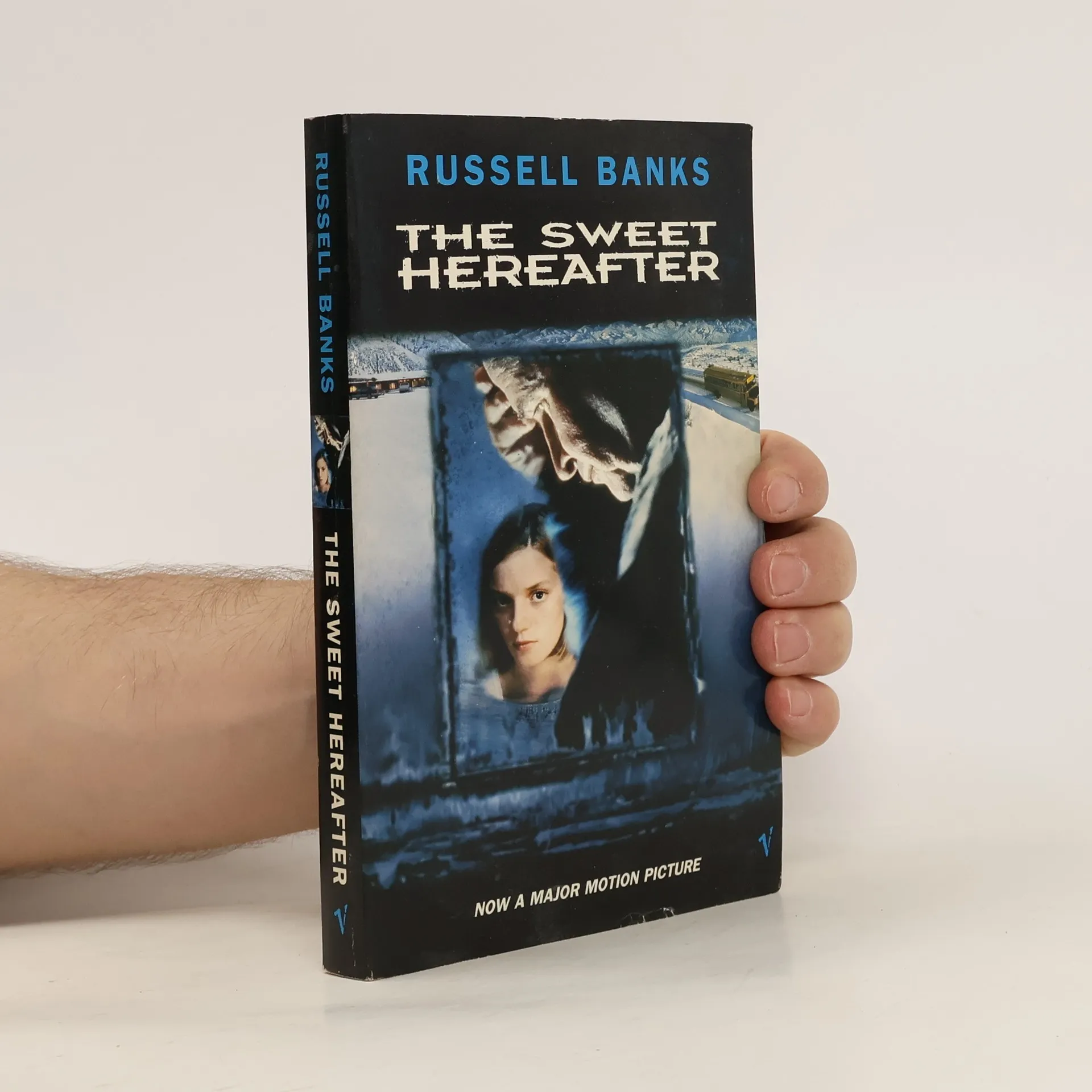
The Sweet Hereafter
- 416 páginas
- 15 horas de lectura
A small town's response to the inexplicable loss of its children in a school bus accident.
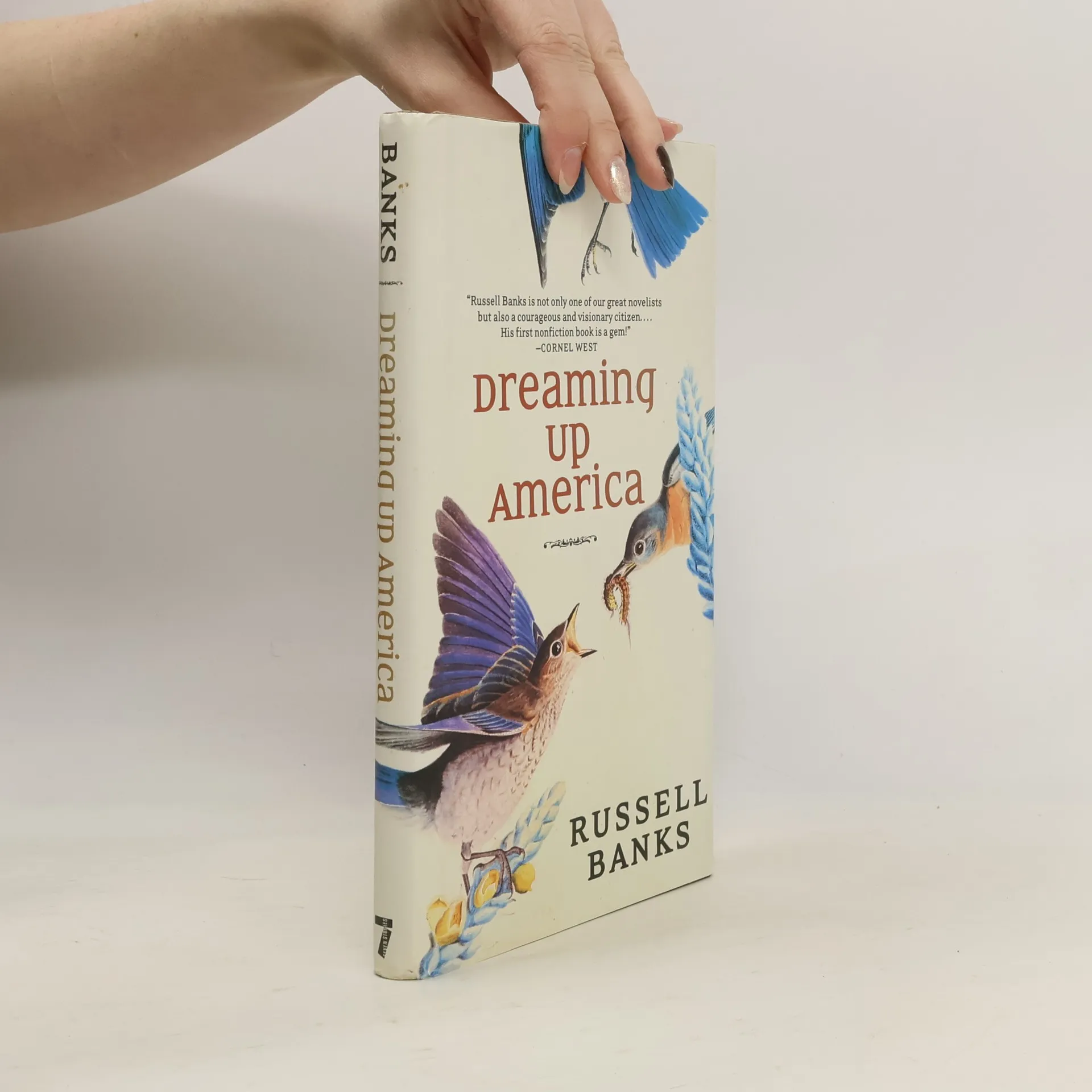
Dreaming Up America
- 144 páginas
- 6 horas de lectura
Exploring themes of origins, values, and national contradictions, Russell Banks engages with contemporary politics and culture through a reflective lens. His writing combines conversational style with emotional depth, incorporating insights from literature, film, and American history to examine the complexities of the American experience.
The Magic Kingdom
- 332 páginas
- 12 horas de lectura
"In 1971, a property speculator named Harley Mann begins recording his life story onto a reel-to-reel machine. Reflecting on his childhood in the early 20th century, Harley recounts that after his father's sudden death, his family migrated down to Florida-mere miles away from what would become Disney World-to join a community of Shakers. Led by Elder John, a generous man with a mysterious past, the colony devoted itself to labor, faith, and charity, rejecting all temptations that lay beyond the property. Though this initially saved Harley and his family from complete ruin, when Harley began falling in love with Sadie Pratt, a consumptive patient who lived on the grounds, his loyalty to the Shakers and their conservative worldview grew strained and, ultimately, broke. As Harley dictates his story across more than half-a-century, the truth about Sadie, Elder John, and the Shakers comes to light, clarifying the past into a world we recognize today"-- Provided by publisher
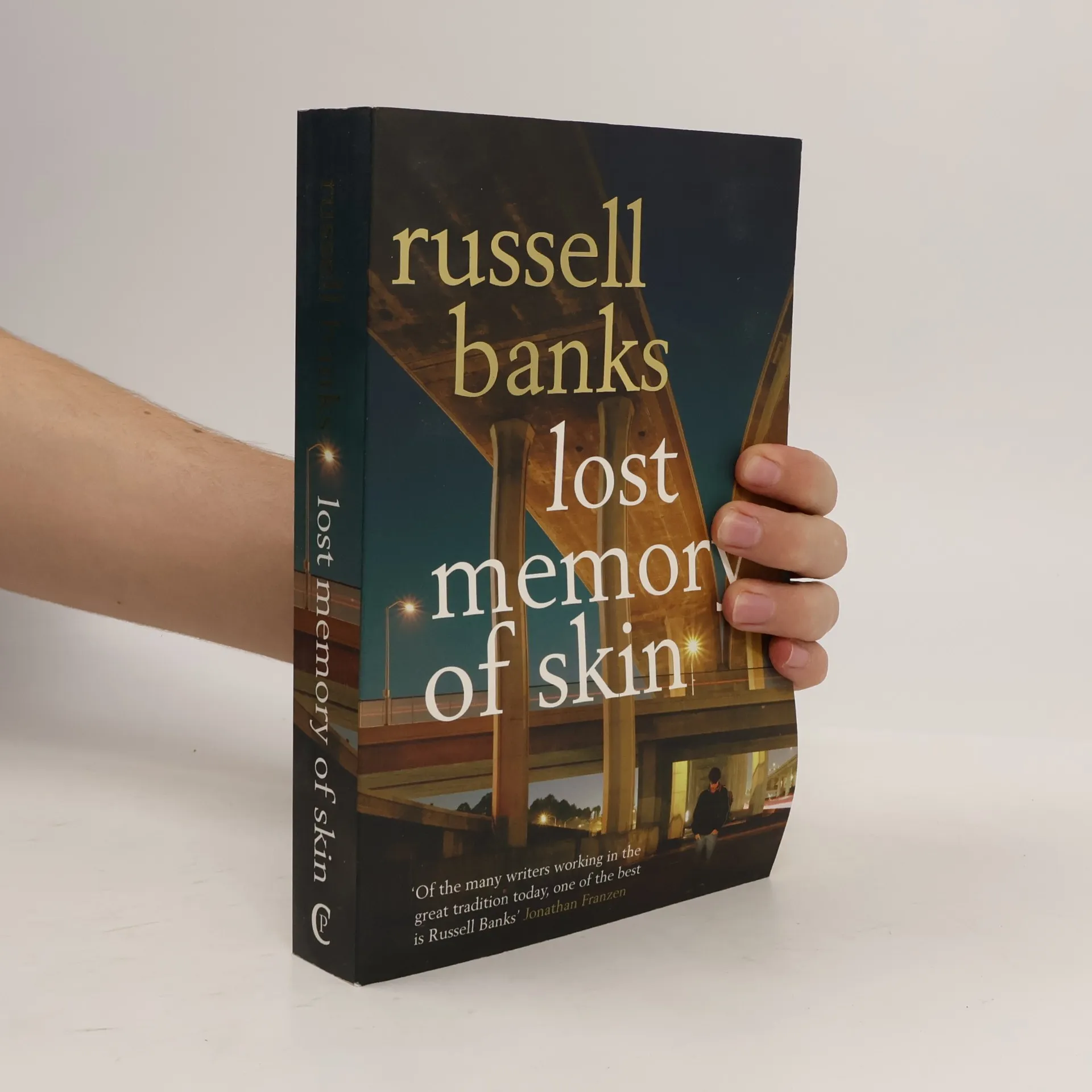
Lost Memory of Skin
- 416 páginas
- 15 horas de lectura
The acclaimed author of The Sweet Hereafter and Rule of the Bone presents a provocative novel that explores the darker aspects of contemporary American culture. At its center is the Kid, a young man navigating life after incarceration for a crime involving an underage girl. Restricted by a GPS device and prohibited from living near children, he finds himself in a makeshift encampment under a South Florida causeway, surrounded by other convicted sex offenders. Despite his crime, the Kid remains, in many ways, an innocent, grappling with impulses and choices he struggles to understand. Enter the Professor, a sociologist with a complex past who sees the Kid as the ideal subject for his research on homelessness and recidivism. Their tentative partnership develops, with the Kid wary of the Professor's motives while accepting his guidance and support. However, when their camp is raided and a hurricane devastates their settlement, the Professor attempts to help the Kid while teaching him to reflect on his actions. As the Professor's own past threatens to unravel his life, the dynamic between them shifts, forcing the Kid to reassess his beliefs and face new moral dilemmas. Russell Banks, known for his keen insights into human nature, delves into the blurred lines between intention and action in this masterful work of contemporary fiction. Through powerful and lyrical language, the novel examines a society where zero tolerance has st
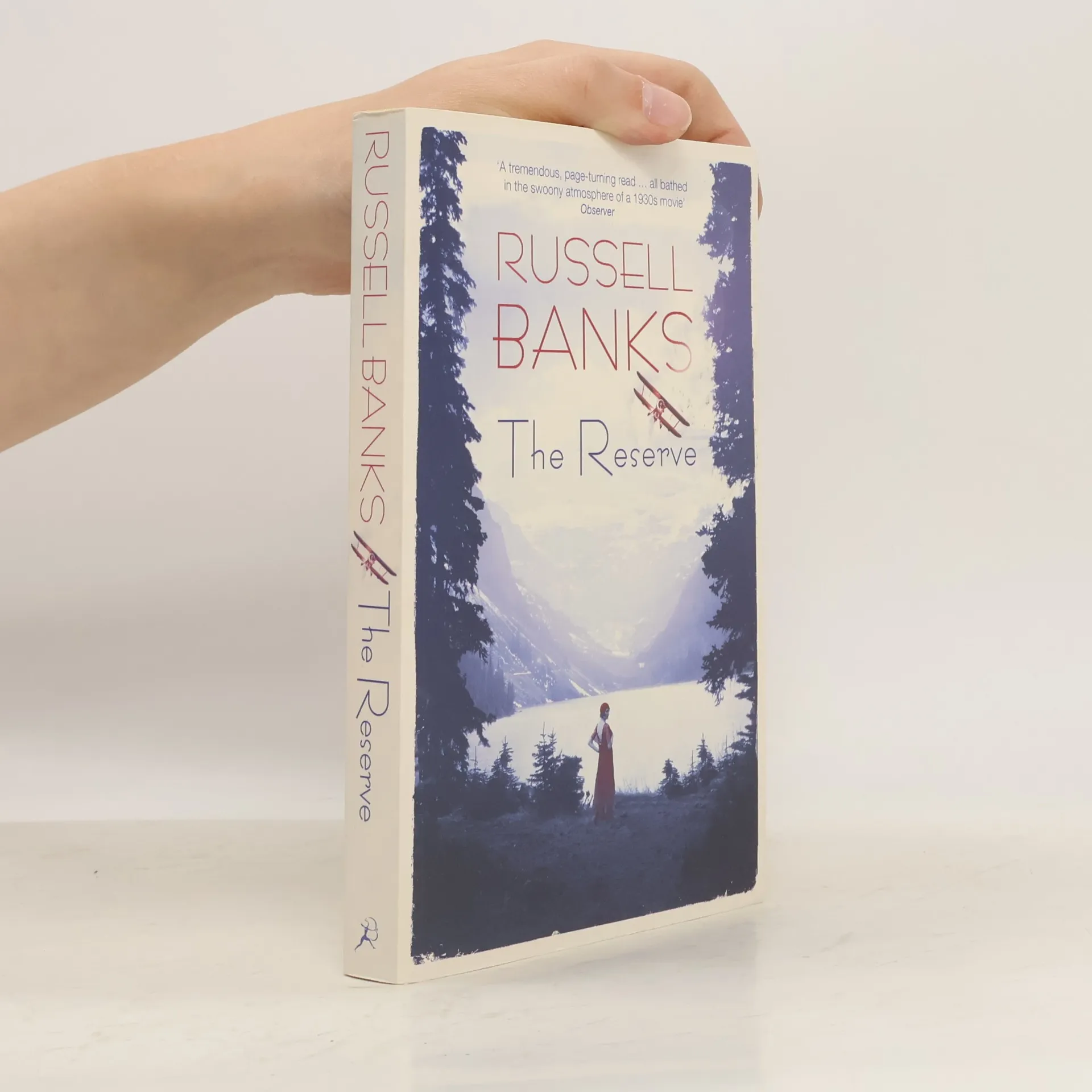
The Reserve
- 287 páginas
- 11 horas de lectura
An addictively readable story of lives lived under the encroaching shadow of WWII
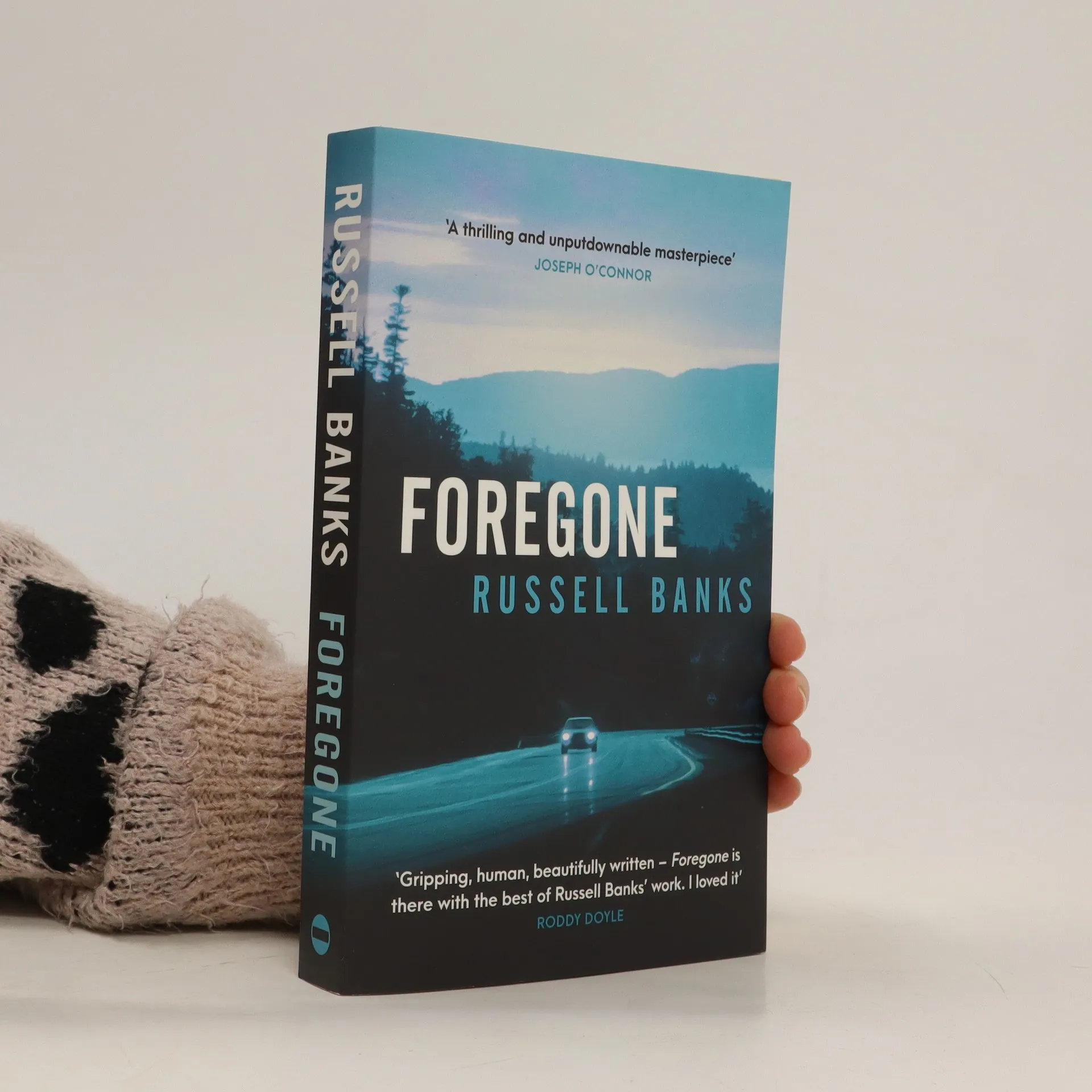
Foregone
- 320 páginas
- 12 horas de lectura
At the centre of Foregone is famed Canadian American leftist documentary filmmaker Leonard Fife, one of sixty thousand draft evaders and deserters who fled to Canada to avoid serving in Vietnam. Fife, now in his late seventies, is dying of cancer in Montreal and has agreed to a final interview in which he is determined to bare all his secrets at last, to demythologise his mythologised life.
American Spirits
- 208 páginas
- 8 horas de lectura
From one of America’s most celebrated storytellers come three dark, interlocking tales about the residents of a rural New York town, and the shocking headlines that become their local mythologies.
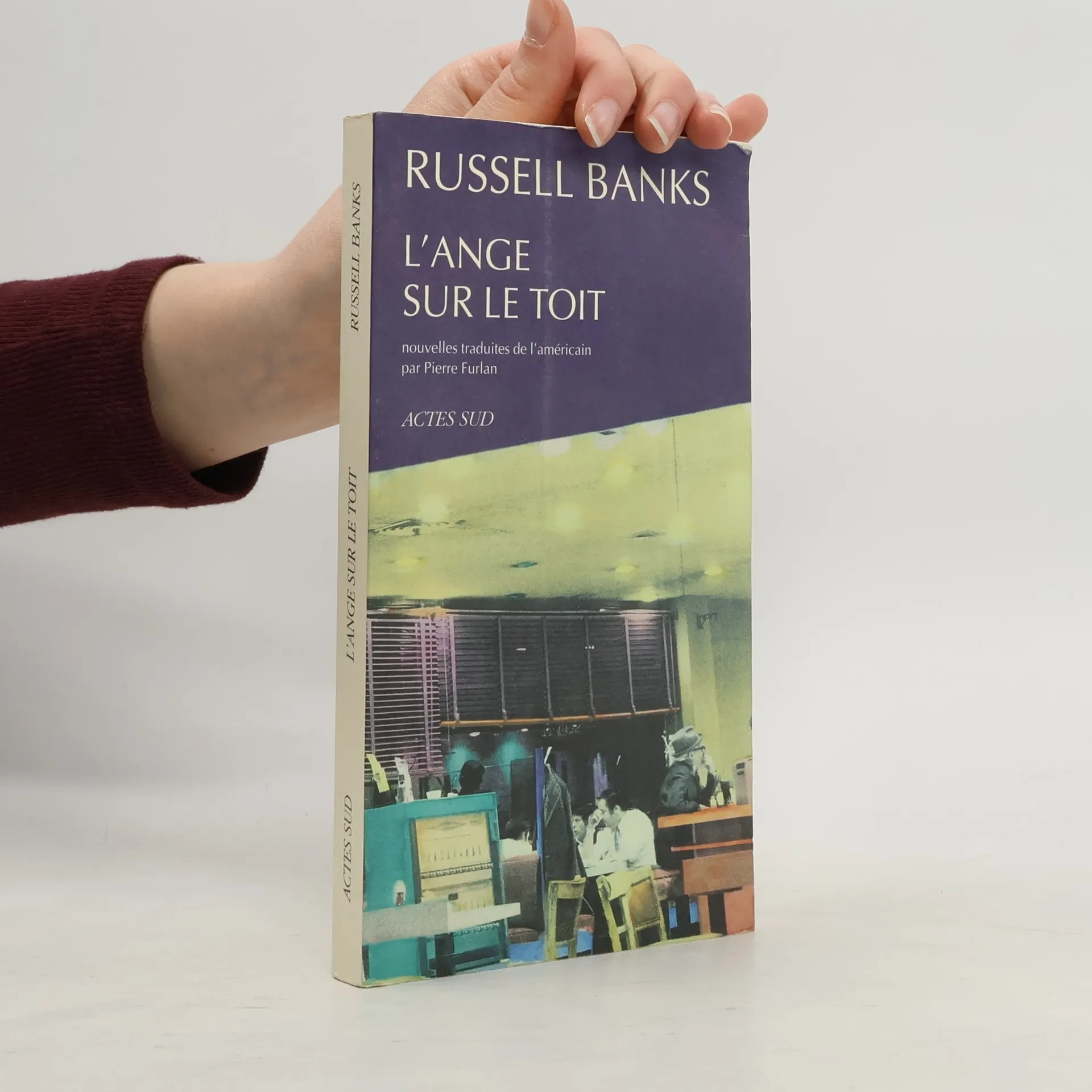
L'Ange sur le toit
- 205 páginas
- 8 horas de lectura
L’une des choses les plus difficiles à dire à quelqu’un est celle-ci : j’espère que vous m’aimerez sans raison particulière. C’est pourtant ce que nous voulons tous dire les uns aux autres — à nos enfants, à nos parents, à nos compagnons, à nos amis et à des inconnus — en ne l’osant que rarement. Peut-être même surtout à des inconnus qui n’ont ni de bonnes, ni de mauvaises raisons de nous aimer. C’est pour cela que nous échangeons des histoires en priant que cet ange sur le toit les transforme au cours de la narration, qu’elles deviennent crédibles et parlent de nous tous, qui que nous soyons les uns pour les autres.
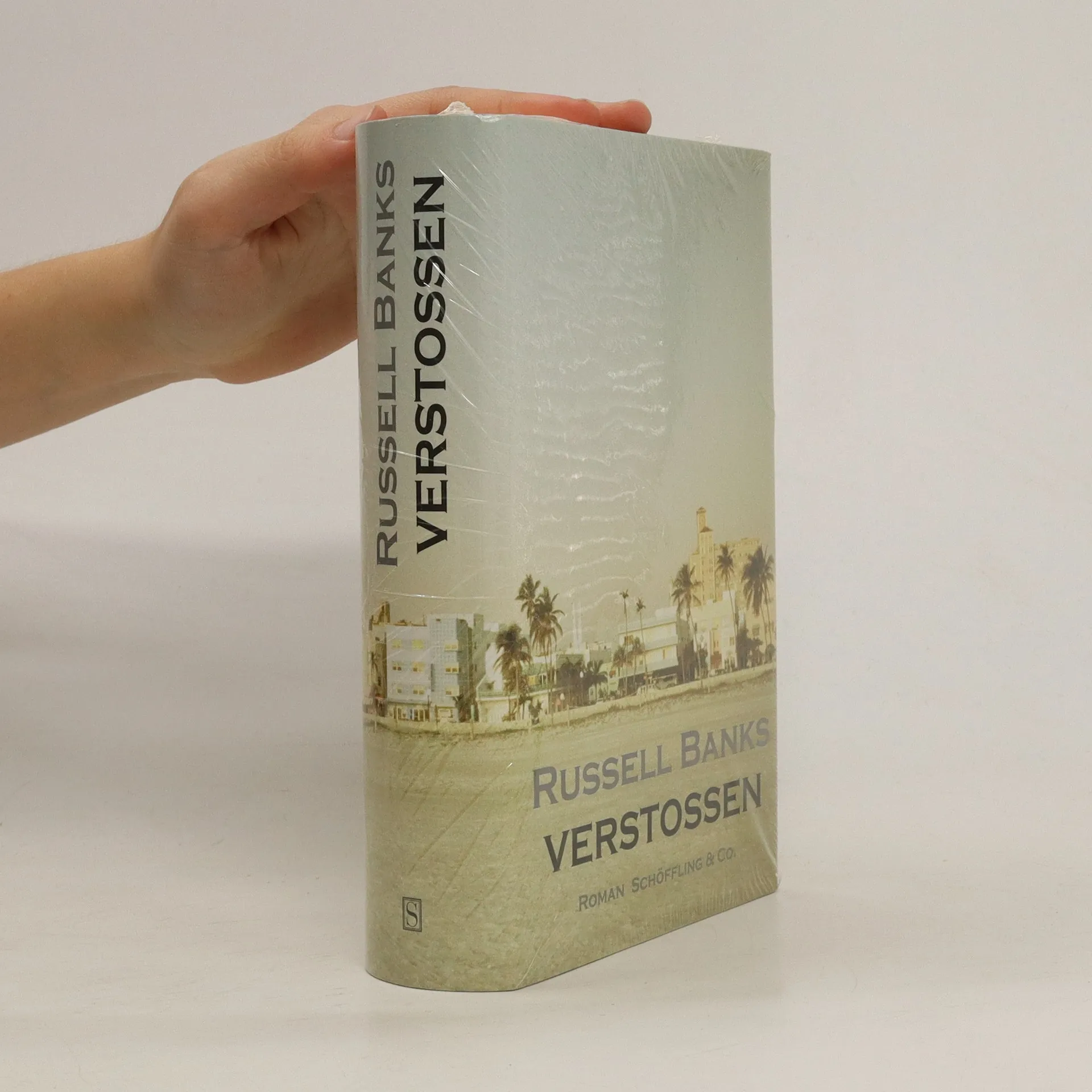
Verstoßen
- 544 páginas
- 20 horas de lectura
The Kid, ein einsamer junger Mann, kommt wegen einer Dummheit ins Gefängnis. Nachdem er seine kurze Haftstrafe abgebüßt hat, wird er während der Bewährungszeit rund um die Uhr elektronisch überwacht. In seiner Stadt darf er sich fortan nicht mehr frei bewegen. Er hat keine andere Wahl, als ein Dasein unter einer Autobahnbrücke am Rande der Gesellschaft zu fristen. Russell Banks beschreibt das Leben der Außenseiter und Geächteten von heute, die den Elementen und der staatlichen Überwachung gleichermaßen ausgesetzt sind. Kid bleibt nur die Flucht in die Wildnis. Doch auch hier holt ihn die Vergangenheit wieder ein. Im seinem Schicksal spiegeln sich die Abgründe der amerikanischen Justiz und der modernen Informationsgesellschaft, die kein Recht auf Vergessen duldet.
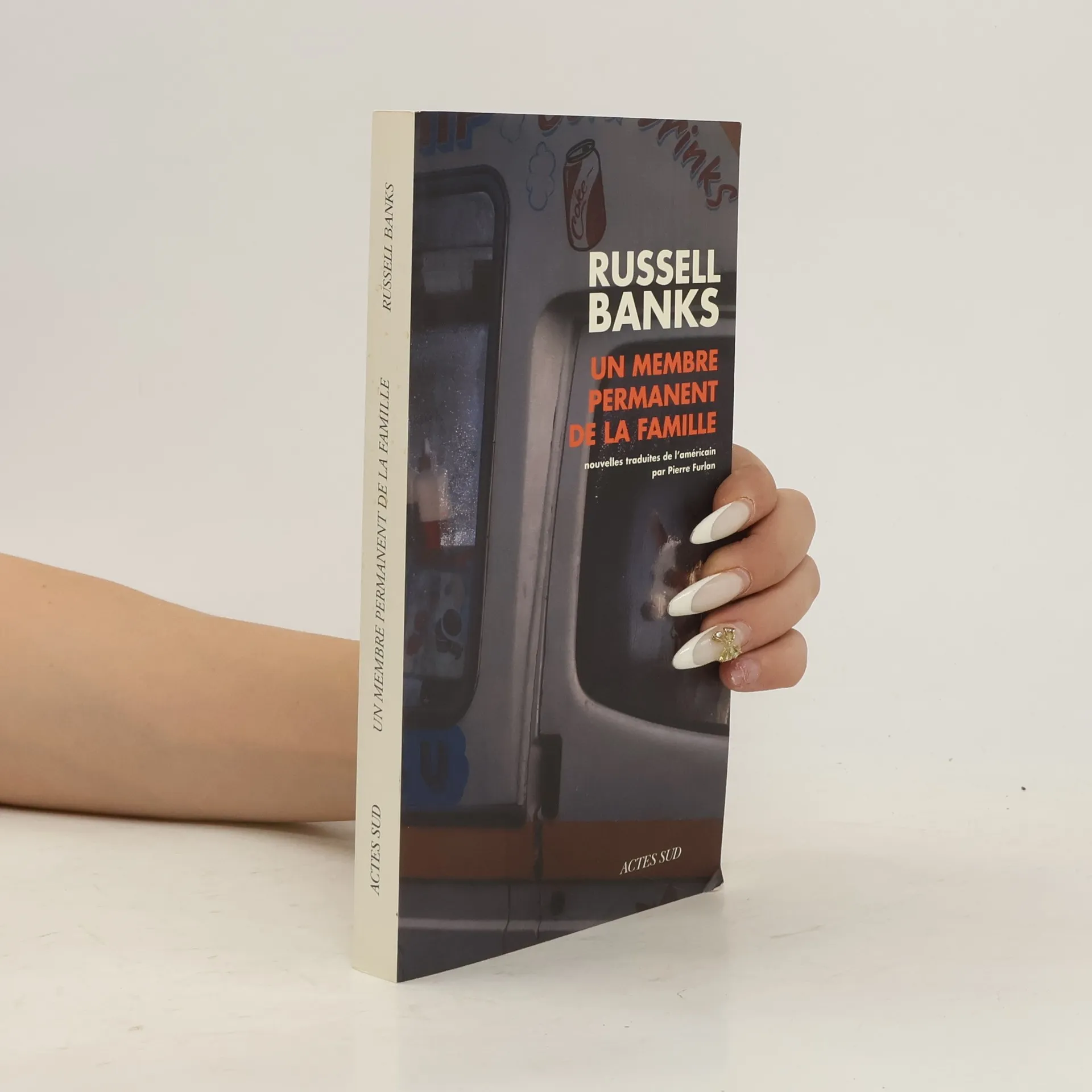
Douze nouvelles placées sous le signe d’une sobriété stylistique digne de Raymond Carver au fil desquelles des couples divorcent, des femmes noires sont traquées par des pit-bulls sur des parkings, où la liste des courses à effectuer au supermarché finit par se confondre avec un programme de vie, où des mythomanes prennent leurs semblables en otage, où la mort frappe les hommes comme les animaux, où l’on écoute battre sous la poitrine d’un autre le cœur transplanté d’un amour décédé. Au sommet de son art et avec une superbe économie de moyens, Russell Banks propose ici un recueil de textes dont l’intensité transmue le réel et le quotidien en authentiques paraboles métaphysiques.
Was Noni H. der Polizei über Jesus nicht erzählte
- 266 páginas
- 10 horas de lectura