

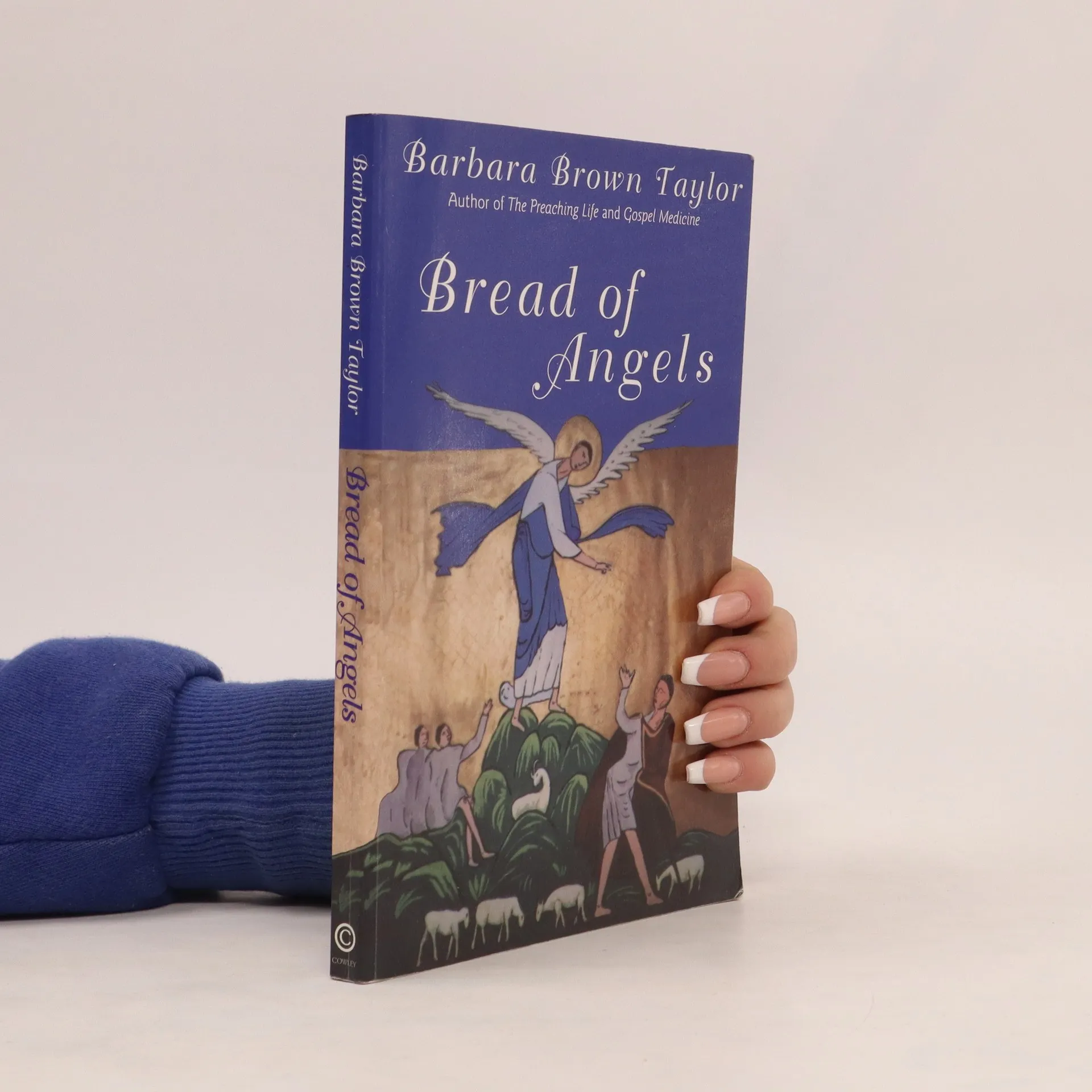
As Barbara Brown Taylor reminds us, the Israelites received the bread of angels― manna―as they made their way through the wilderness. So too is God made known to us in the simple things that sustain our lives. With humor and an eye for human stubbornness, Taylor points to just how much like the people of scripture we can be―stiff-necked and ungrateful in the face of God's bounty.Taylor moves through the span of the Bible in her search for divine love. In the stories of Moses, David, and Daniel she picks up its trace in reversals and surprises. She refreshes our perspective on Pentecost and its aftermath in a sermon sequence on the Book of Acts. And at book's center radiates her stunning parable of the Incarnation, “God's Daring Plan.”With characteristic flair, Taylor grounds her exegetical enterprise on jokes and stories packed with truth. As pleasurable as they are profound, her meditations on the life of faith and the cost of discipleship will instruct the preacher and delight the reader.
Barbara Brown Taylor Libros
Barbara Brown Taylor es una aclamada autora y maestra cuya obra profundiza en cuestiones espirituales y existenciales con una voz distintiva y poética. Explora magistralmente la intrincada relación entre la fe, el mundo natural y la experiencia humana, invitando a los lectores a descubrir lo sagrado en lo cotidiano. Su escritura se caracteriza por una profunda contemplación y una prosa perspicaz, ofreciendo nuevas perspectivas sobre la búsqueda universal de significado y conexión. El enfoque literario de Taylor fomenta un compromiso más atento con la vida, revelando las dimensiones espirituales a menudo pasadas por alto en nuestras rutinas diarias.
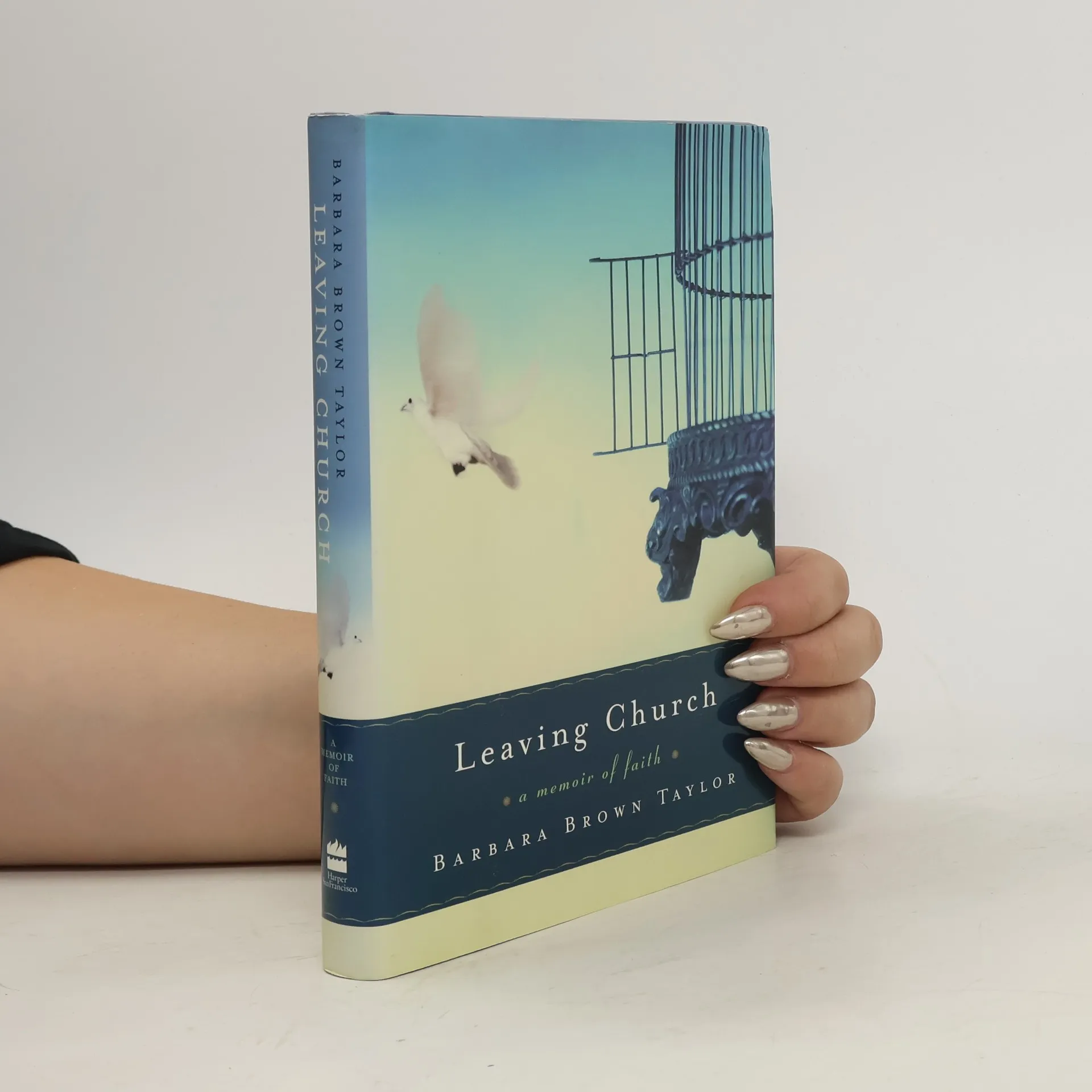
One of America's most beloved preachers shares her heartfelt journey in search of an authentic Christian identity, even at the cost of leaving her pulpit. Barbara Brown Taylor recounts her experiences starting and sustaining a small church in rural north Georgia, transitioning from urban ministry to academia. After a decade in a bustling city church, she moves to Clarkesville (population 1500), where she becomes one of the few professional women and the only female leader of a congregation. Following five and a half years of significant growth, Taylor faces "compassion fatigue." When an opportunity arises to join the religion and philosophy department at a local college, she embraces it, despite feelings of betrayal toward her church and her identity. This new academic life challenges her faith, prompting her to confront deep questions within the Christian narrative. Although she feels she has "left the church," Taylor discovers that it is possible to "keep the faith" outside traditional boundaries. Her story resonates with anyone grappling with doubts about their vocation or seeking a community that addresses contemporary questions of faith in the twenty-first century.
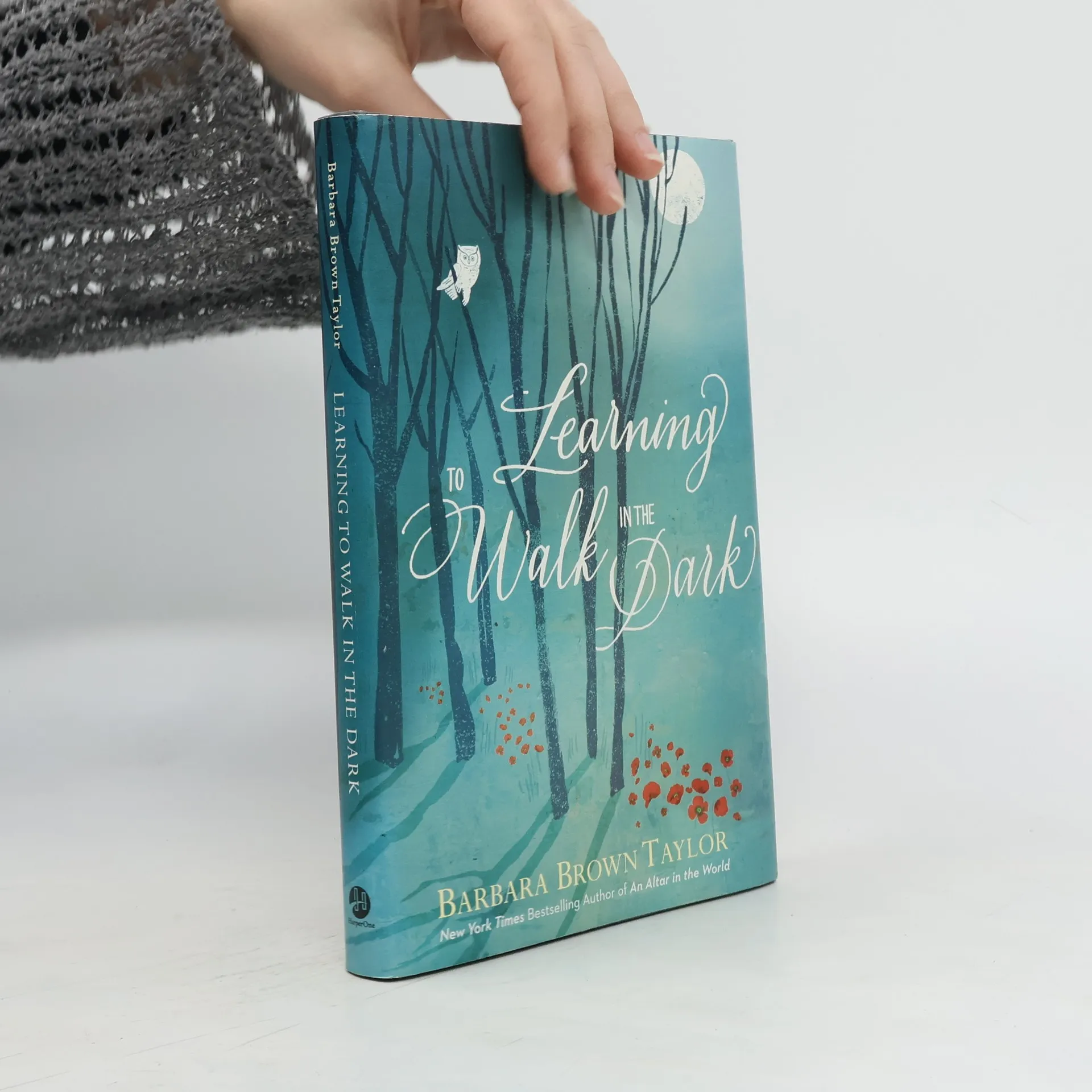
Learning to Walk in the Dark
- 200 páginas
- 7 horas de lectura
New York Times Bestseller From the New York Times bestselling author of An Altar in the World, Barbara Brown Taylor’s Learning to Walk in the Dark provides a way to find spirituality in those times when we don’t have all the answers. Taylor has become increasingly uncomfortable with our tendency to associate all that is good with lightness and all that is evil and dangerous with darkness. Doesn’t God work in the nighttime as well? In Learning to Walk in the Dark, Taylor asks us to put aside our fears and anxieties and to explore all that God has to teach us “in the dark.” She argues that we need to move away from our “solar spirituality” and ease our way into appreciating “lunar spirituality” (since, like the moon, our experience of the light waxes and wanes). Through darkness we find courage, we understand the world in new ways, and we feel God’s presence around us, guiding us through things seen and unseen. Often, it is while we are in the dark that we grow the most. With her characteristic charm and literary wisdom, Taylor is our guide through a spirituality of the nighttime, teaching us how to find our footing in times of uncertainty and giving us strength and hope to face all of life’s challenging moments.