

"Guerra y paz" se centra en la invasión de Rusia por Napoleón en 1812 y sigue a tres de los personajes más conocidos de la literatura: Pierre Bezukhov, el hijo ilegítimo de un conde que lucha por su herencia y anhela la realización espiritual; el príncipe Andrei Bolkonsky, quien deja atrás a su familia para combatir en la guerra contra Napoleón; y Natasha Rostov, la hermosa hija de un noble, que intriga a ambos hombres. A medida que el ejército de Napoleón invade, Tolstói sigue vívidamente a personajes de diversos orígenes—campesinos y nobles, civiles y soldados—mientras lidian con los problemas únicos de su época, su historia y su cultura. Con el avance de la novela, estos personajes trascienden su especificidad, convirtiéndose en algunas de las figuras más conmovedoras y humanas de la literatura mundial.
Rosemary Edmonds Libros



The Death of Ivan Ilyich
- 96 páginas
- 4 horas de lectura
A middle-aged judge who had never thought about his own mortality, must readjust his thinking when he learns he has a terminal illness
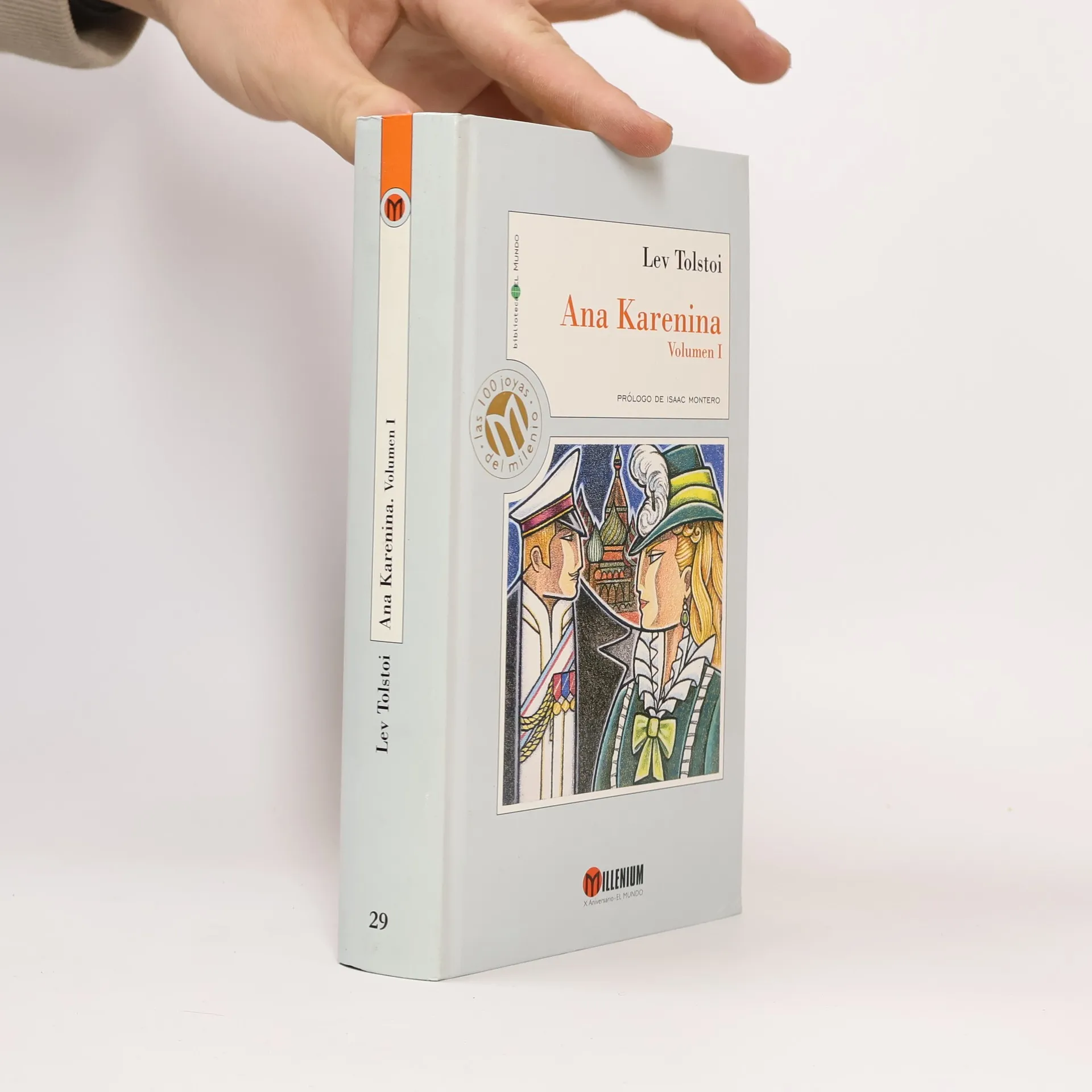
Anna Karenina es, junto con la monumental Guerra y paz, una de las obras clave Lev Tolstoi, en la que vemos todas las señas de identidad del gran realismo ruso: fina crítica social y multitud de personajes con una profundidad psicológica asombrosa. Las desventuras de Anna Karenina y su afán por integrarse en una sociedad hipócrita que la margina por adúltera, pero perdona los desmanes de su amante, nos hacen reflexionar sobre la invisibilización de la mujer a la par que nos ofrecen un fresco monumental de la Rusia decimonónica y todas sus contradicciones. Together with the monumental War and Peace, Anna Karenina is one of Leo Tolstoy's most important works and a classic of Russian realism. It contains all the hallmarks of that genre, from pointed social critique to psychologically complex characters. Anna Karenina's misadventures and eagerness to integrate into a hypocritical society that condemns her for adultery, but pardons her lover's excesses, offer a portrait of nineteenth-century Russia in all its contradictions. It also encourages us to reflect on the way women are invisibilized in society.
Recognized for its cultural significance, this work contributes to the foundational knowledge of civilization. It has garnered attention from scholars for its important themes and insights, reflecting key aspects of historical and societal development.
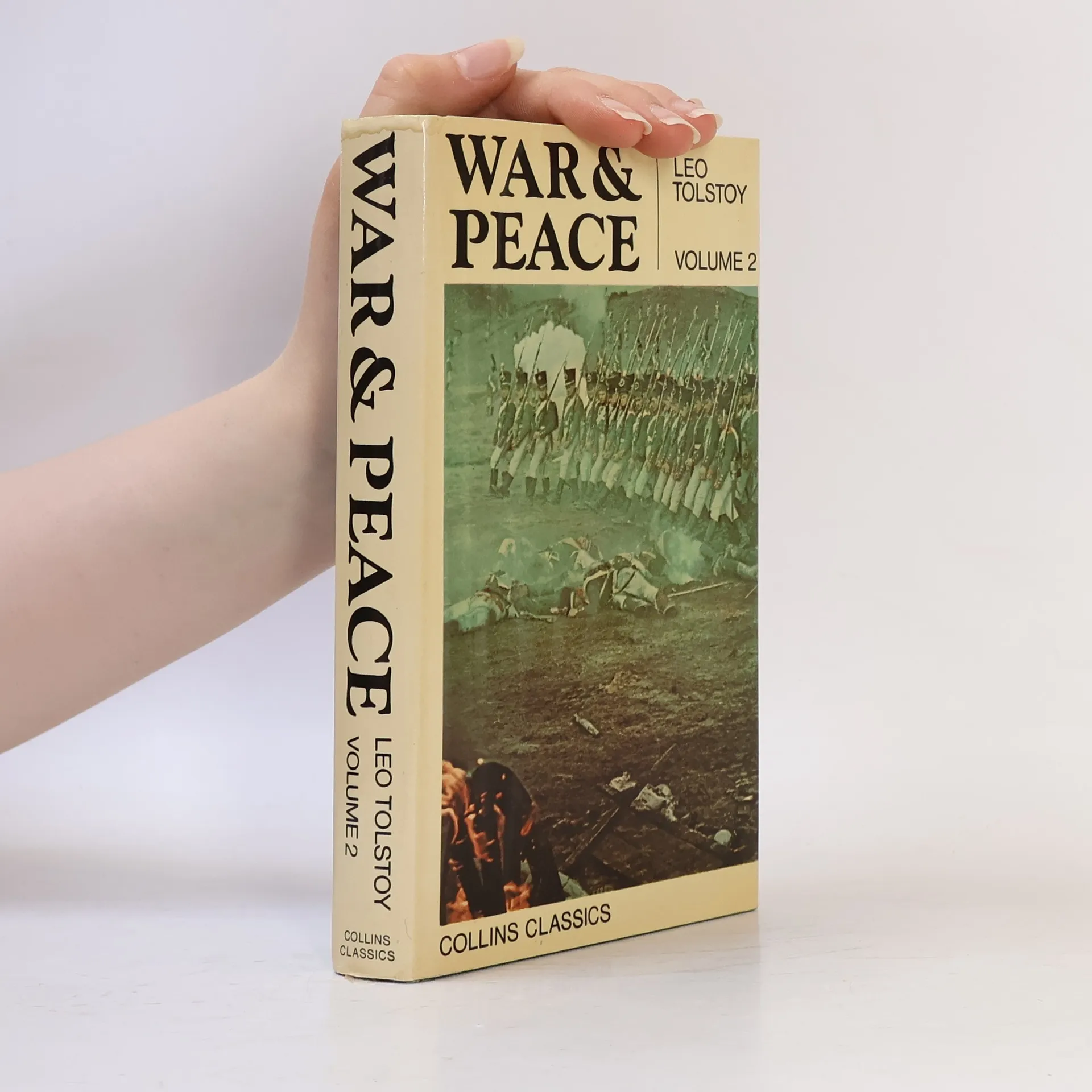
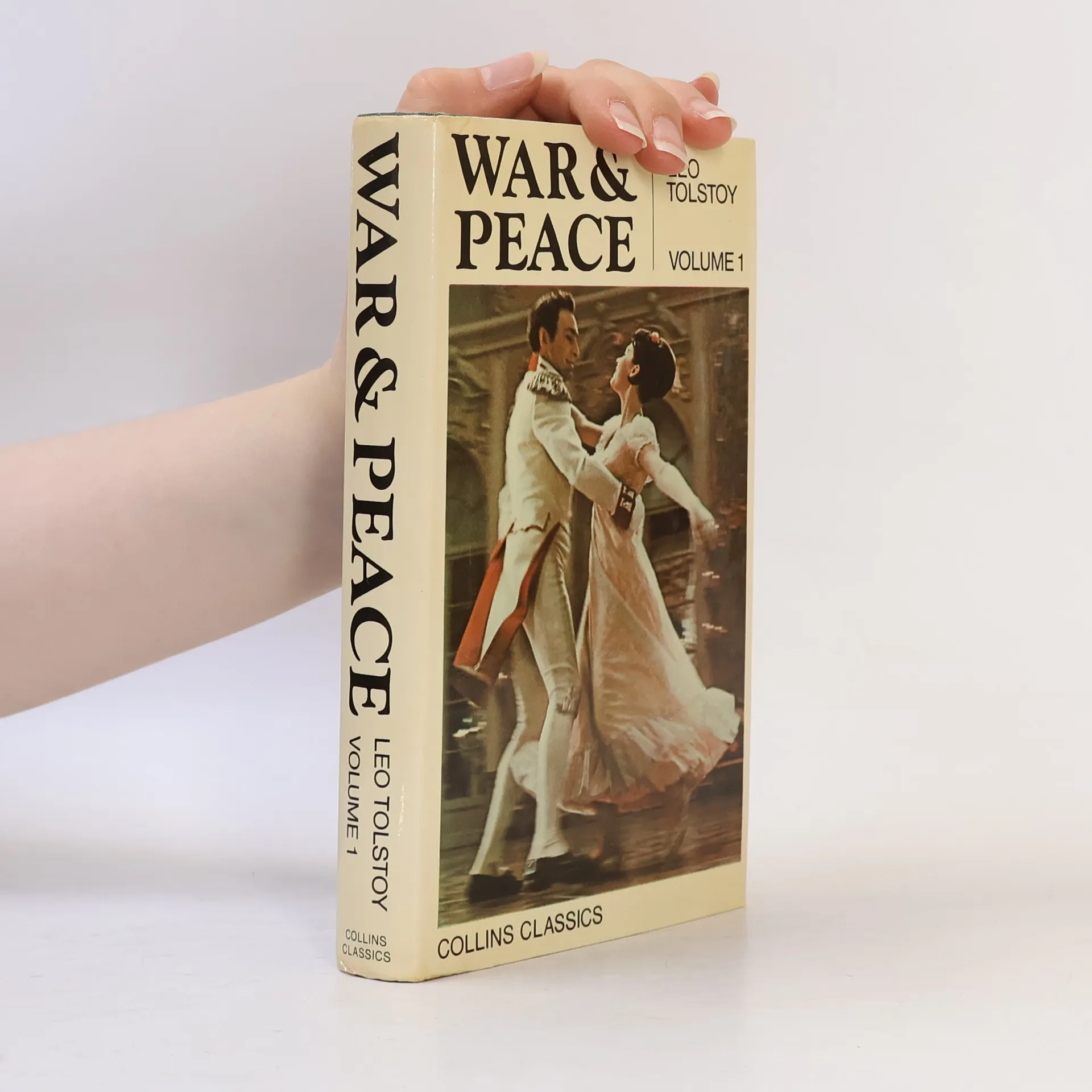
Collins Classics - 1: War and Peace
- 712 páginas
- 25 horas de lectura
Collins Classics - 2: War and Peace
- 730 páginas
- 26 horas de lectura
War and Peace broadly focuses on Napoleon’s invasion of Russia in 1812 and follows three of the most well-known characters in Pierre Bezukhov, the illegitimate son of a count who is fighting for his inheritance and yearning for spiritual fulfillment; Prince Andrei Bolkonsky, who leaves his family behind to fight in the war against Napoleon; and Natasha Rostov, the beautiful young daughter of a nobleman who intrigues both men.As Napoleon’s army invades, Tolstoy brilliantly follows characters from diverse backgrounds—peasants and nobility, civilians and soldiers—as they struggle with the problems unique to their era, their history, and their culture. And as the novel progresses, these characters transcend their specificity, becoming some of the most moving—and human—figures in world literature.