

Bookbot

Alexander Watson

    Alexander Watson es un historiador especializado en la Primera Guerra Mundial, particularmente en Europa Central y el Frente Oriental. Su trabajo se centra en examinar campañas cruciales que dieron forma a la historia moderna, desvelando los extensos conflictos que asolaron Europa Central y Oriental. Los libros de Watson, elogiados por su escritura vívida y su investigación exhaustiva, ofrecen profundas perspectivas sobre las experiencias humanas durante la guerra y su impacto duradero en la configuración de Europa. Su enfoque se considera significativo para comprender las complejidades del siglo XX.

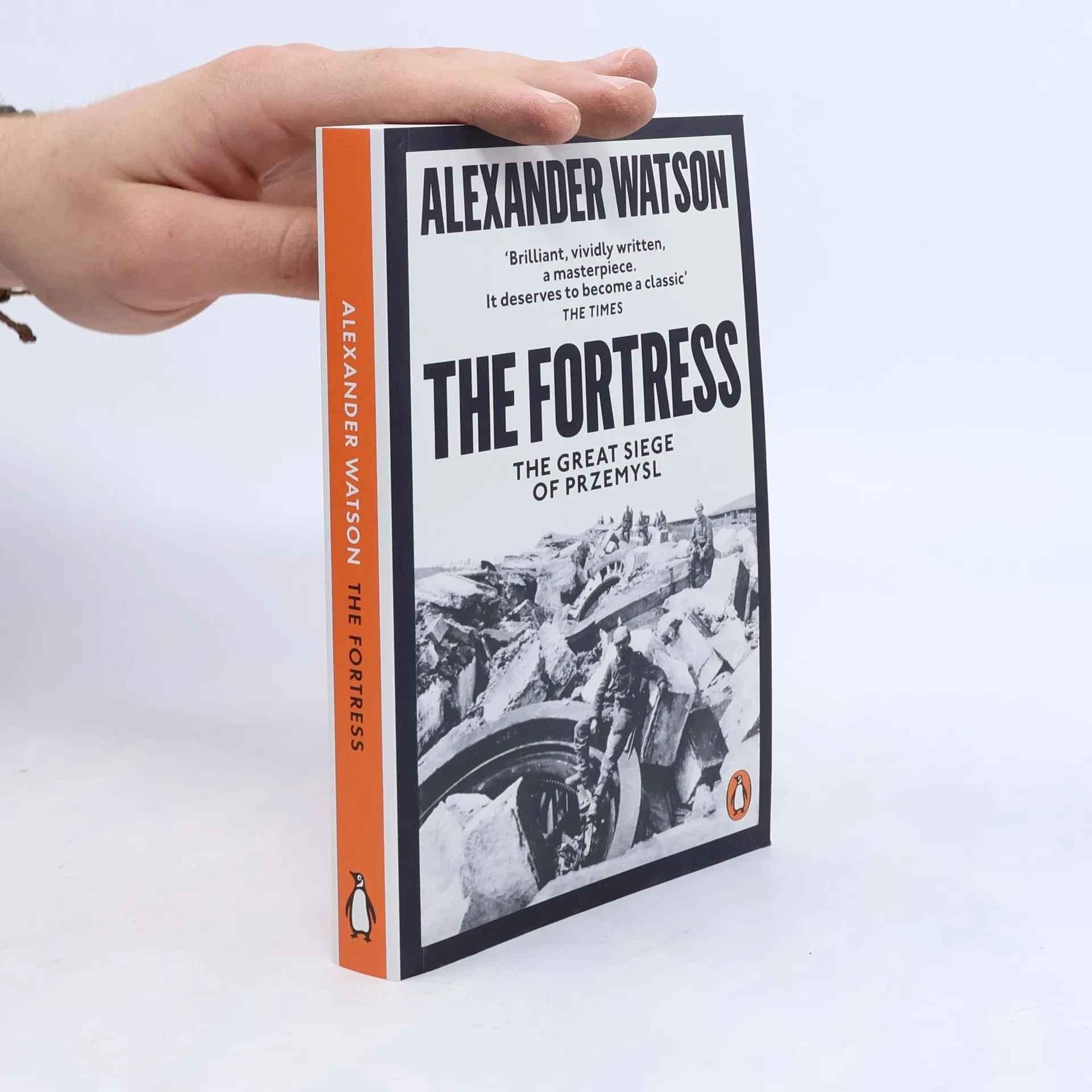
    The Fortress. The Great Siege of Przemysl
    Enduring the Great War
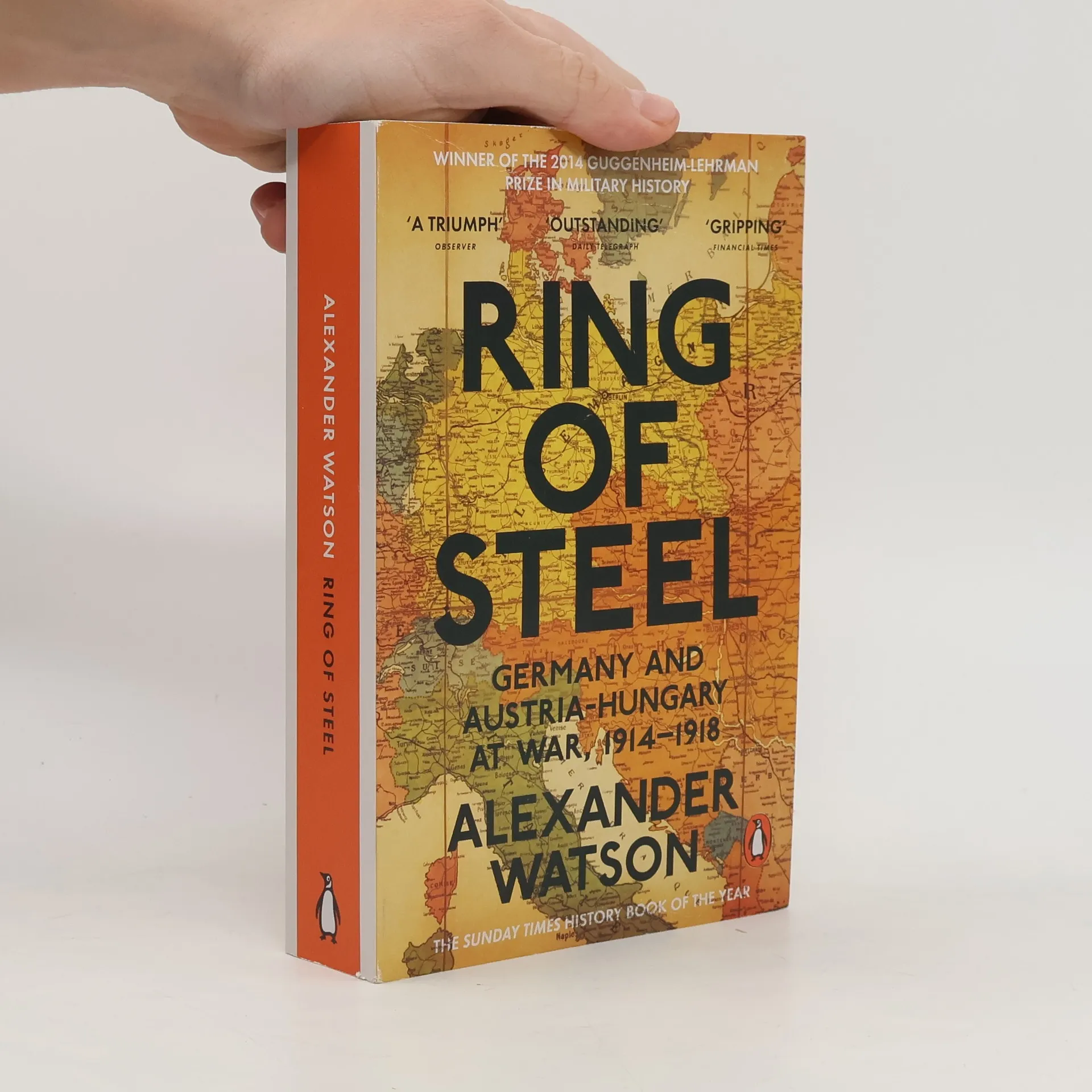
    Ring of steel
    Ring of Steel. Germany and Austria-Hungary at War, 1914-1918
    • The Fortress. The Great Siege of Przemysl

      • 368 páginas
      • 13 horas de lectura

      A prizewinning historian tells the dramatic story of the siege that changed the course of the First World War. In September 1914, just a month into World War I, the Russian army laid siege to the fortress city of Przemyśl, the Hapsburg Empire's most important bulwark against invasion. For six months, against storm and starvation, the ragtag garrison bitterly resisted, denying the Russians a quick victory. Only in March 1915 did the city fall, bringing occupation, persecution, and brutal ethnic cleansing. In The Fortress, historian Alexander Watson tells the story of the battle for Przemyśl, showing how it marked the dawn of total war in Europe and how it laid the roots of the bloody century that followed. Vividly told, with close attention to the unfolding of combat in the forts and trenches and to the experiences of civilians trapped in the city, The Fortress offers an unprecedentedly intimate perspective on the eastern front's horror and human tragedy.

      The Fortress. The Great Siege of Przemysl2020
      4,1
    • Sunday Times History Book of the Year 2014 Winner of the 2014 Wolfson History Prize, the 2014 Guggenheim-Lehrman Prize in Military History, the Society for Military History's 2015 Distinguished Book Award and the 2015 British Army Military Book of the Year For the empires of Germany and Austria-Hungary the Great War - which had begun with such high hopes for a fast, dramatic outcome - rapidly degenerated as invasions of both France and Serbia ended in catastrophe. For four years the fighting now turned into a siege on a quite monstrous scale. Europe became the focus of fighting of a kind previously unimagined. Despite local successes - and an apparent triumph in Russia - Germany and Austria-Hungary were never able to break out of the the Allies' ring of steel. In Alexander Watson's compelling new history of the Great War, all the major events of the war are seen from the perspective of Berlin and Vienna. It is fundamentally a history of ordinary people. In 1914 both empires were flooded by genuine mass enthusiasm and their troubled elites were at one with most of the population. But the course of the war put this under impossible strain, with a fatal rupture between an ever more extreme and unrealistic leadership and an exhausted and embittered people. In the end they failed and were overwhelmed by defeat and revolution. -- Provided by publisher

      Ring of Steel. Germany and Austria-Hungary at War, 1914-19182015
      4,4
    • Ring of steel

      • 787 páginas
      • 28 horas de lectura

      A prize-winning, magisterial history of World War I from the perspective of the defeated Central Powers For the Central Powers, the First World War started with high hopes for an easy victory. But those hopes soon deteriorated as Germany's attack on France failed, Austria-Hungary's armies suffered catastrophic losses, and Britain's ruthless blockade brought both nations to the brink of starvation. The Central powers were trapped in the Allies' ever-tightening Ring of Steel. In this compelling history, Alexander Watson retells the war from the perspective of its losers: not just the leaders in Berlin and Vienna, but the people of Central Europe. The war shattered their societies, destroyed their states, and imparted a poisonous legacy of bitterness and violence. A major reevaluation of the First World War, Ring of Steel is essential for anyone seeking to understand the last century of European history.

      Ring of steel2014
      4,4
    • Enduring the Great War

      Combat, Morale and Collapse in the German and British Armies, 1914-1918

      • 306 páginas
      • 11 horas de lectura

      Exploring the shared experiences of German and British soldiers during the First World War, this comparative history delves into the psychological and physical challenges faced by troops on both sides. It examines their resilience and coping mechanisms amidst the brutality of war, highlighting the human capacity for endurance in the face of adversity. Through personal accounts and historical analysis, the book sheds light on the commonalities and differences in their wartime experiences.

      Enduring the Great War2012
      4,0