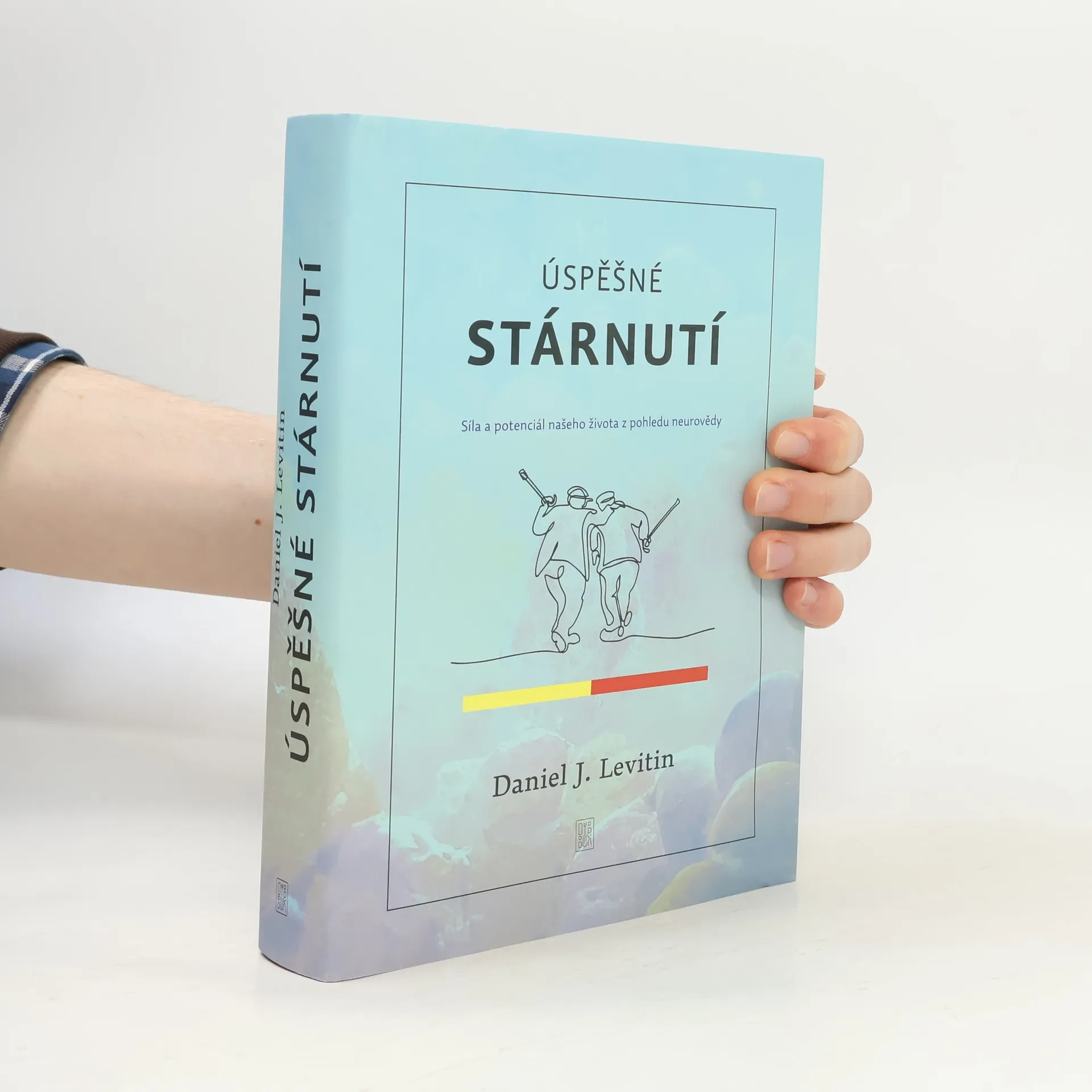
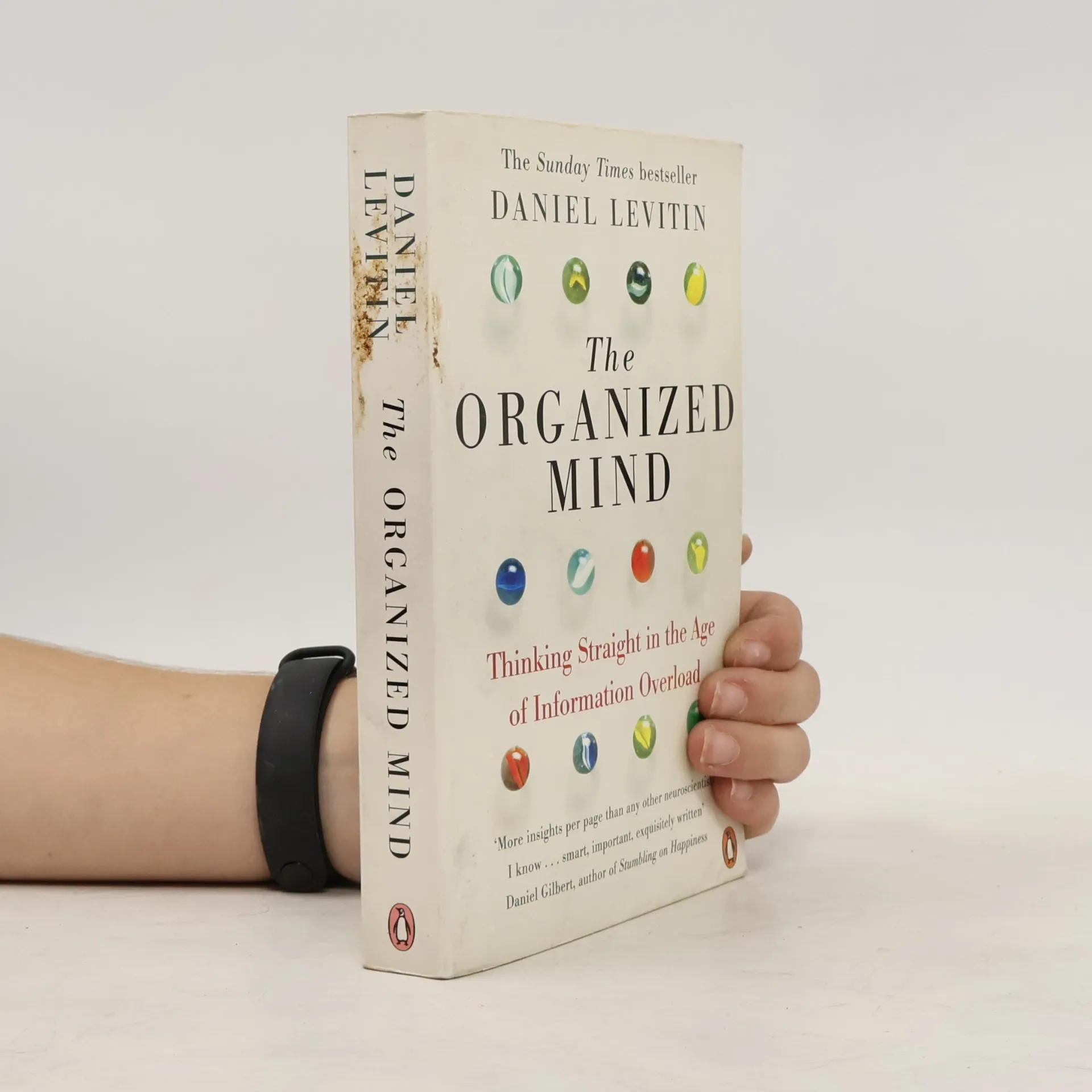
Úspěšné stárnutí: Síla a potenciál našeho života z pohledu neurovědy
- 464 páginas
- 17 horas de lectura


Daniel J. Levitin es un neurocientífico y erudito de la música cuyo trabajo explora la intrincada relación entre la música, el cerebro y la percepción humana. Aportando una perspectiva única de su extensa experiencia como músico e ingeniero, su investigación une la práctica artística con la investigación científica. Levitin profundiza en cómo el cerebro procesa y responde a la música, descubriendo los profundos mecanismos cognitivos y emocionales que la música activa. Sus escritos sobre la psicología de la música y la cognición son accesibles y cautivadores, ofreciendo a los lectores una comprensión más profunda del papel que juega la música en nuestras vidas.

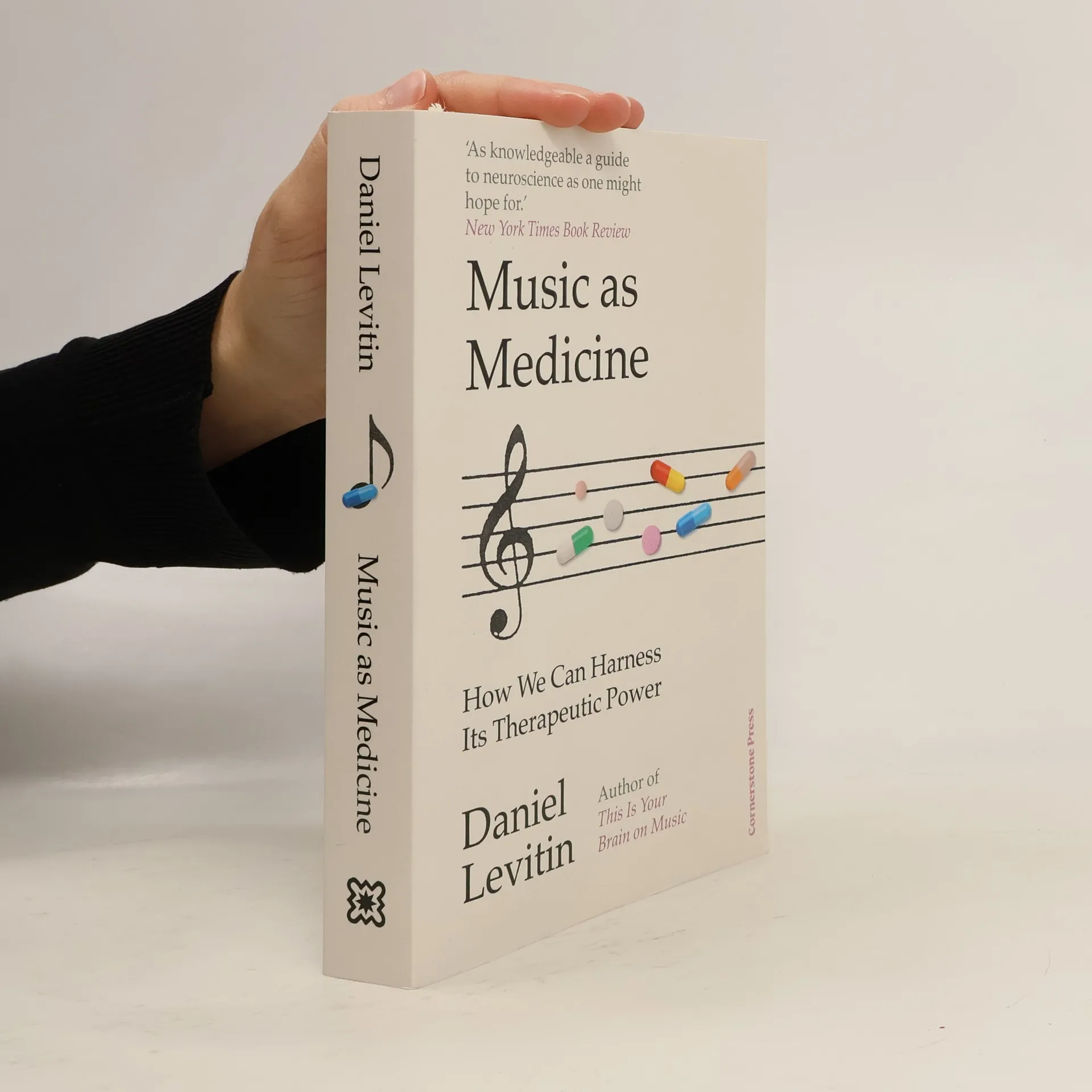
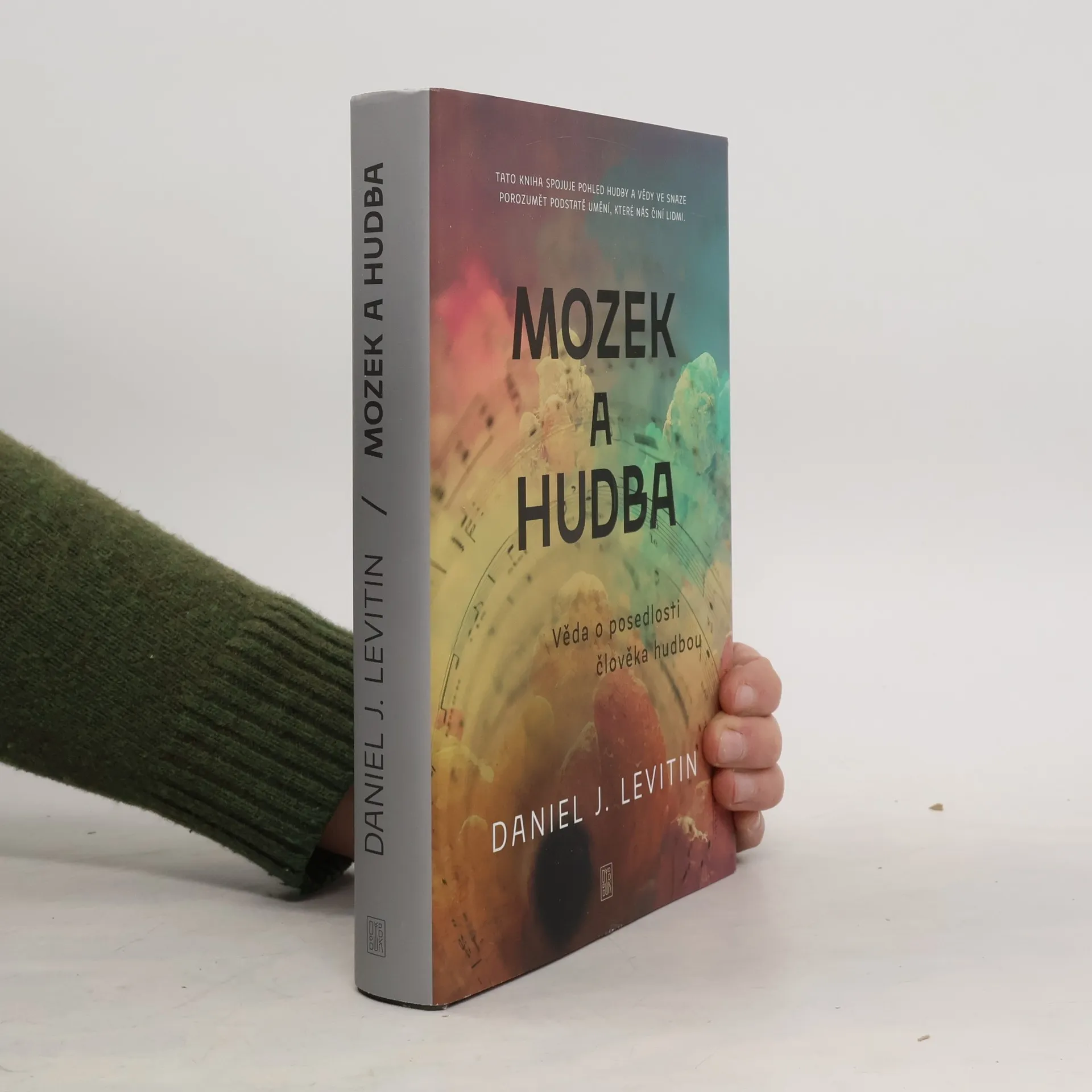
Exploring the transformative effects of music, this book delves into its profound healing capabilities, supported by recent scientific research. It reveals how music can reduce stress, enhance cognitive functions, and even combat neurodegenerative diseases. The author, a neuroscientist and musician, presents innovative concepts like 'rhythmic auditory stimulation' for treating conditions such as PTSD and multiple sclerosis. Through insights on how music can aid in emotional healing and memory repair, the book celebrates humanity's deep connection to music and its potential as a therapeutic tool.
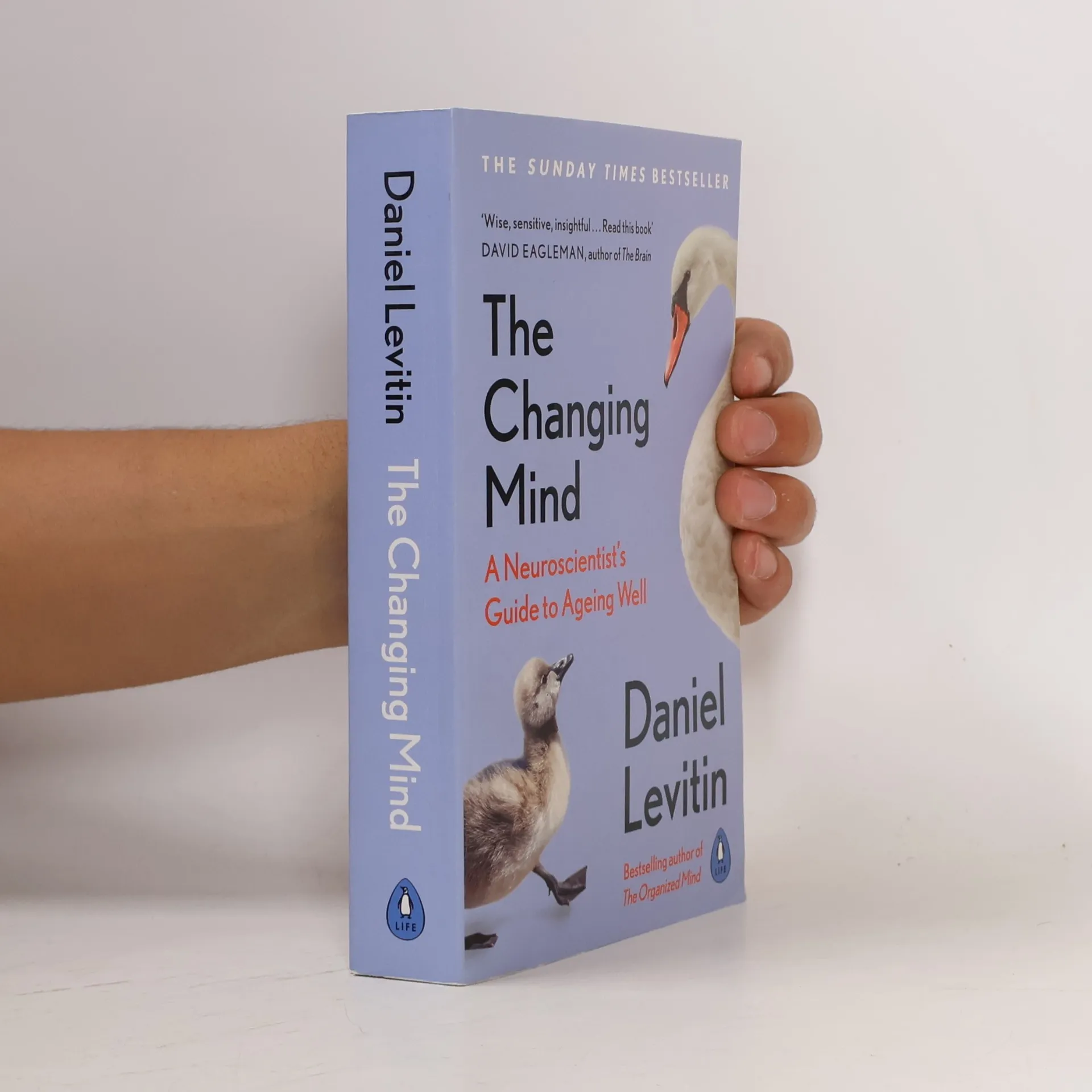
In this ground-breaking book, Dr Daniel Levitin uses cutting-edge research from neuroscience and psychology to demonstrate the importance of the stage that follows the middle-age. Packed with engaging interviews with successful, creative individuals far beyond the conventional age of 'retirement', this book also reflects on challenges many…
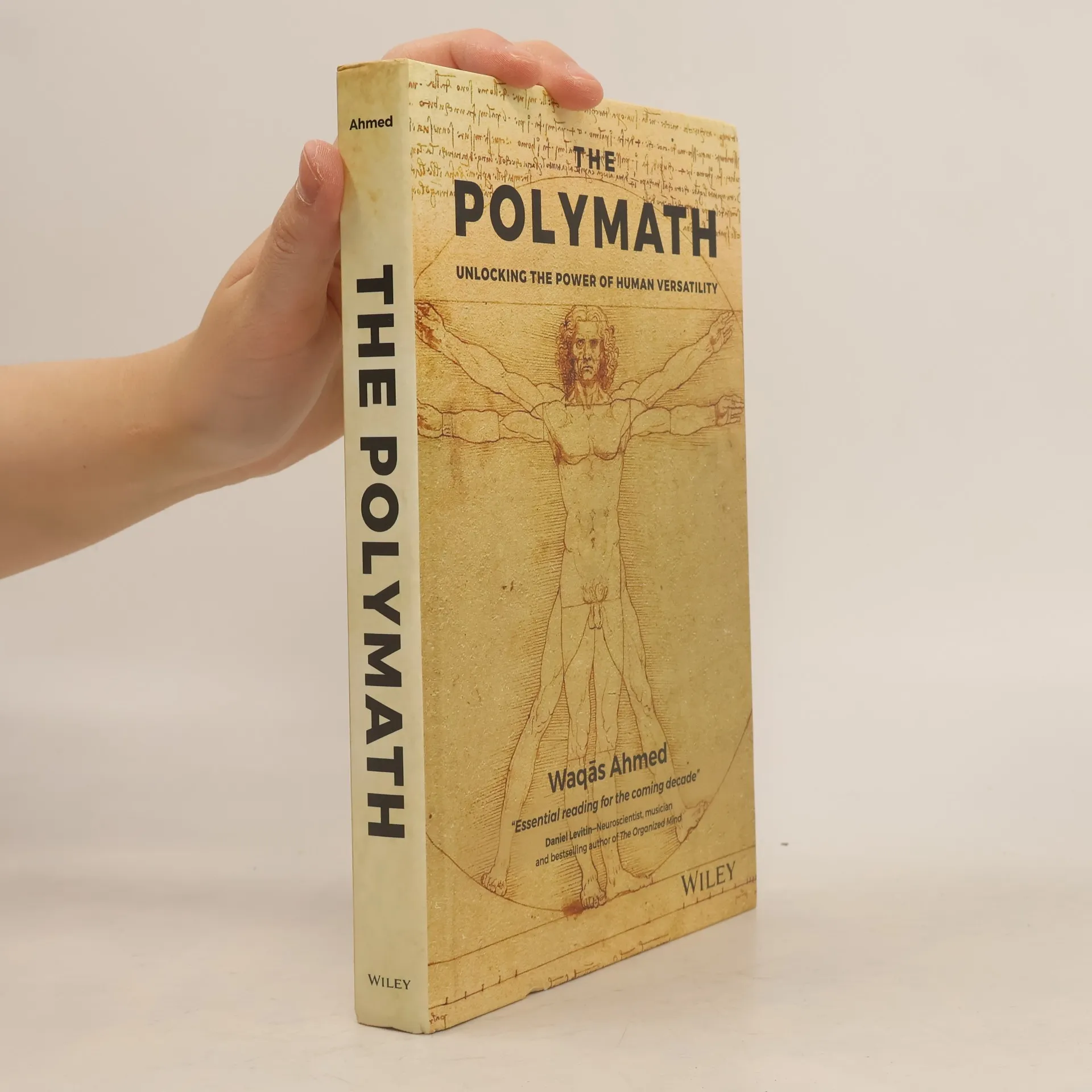
Every human is born with multifarious potential. Why, then, do parents, schools and employers insist that we restrict our many talents and interests; that we 'specialise' in just one? We've been sold a myth, that to 'specialise' is the only way to pursue truth, identity, or even a livelihood. Yet specialisation is nothing but an outdated system that fosters ignorance, exploitation and disillusionment and thwarts creativity, opportunity and progress. Following a series of exchanges with the world’s greatest historians, futurists, philosophers and scientists, Waqas Ahmed has weaved together a narrative of history and a vision for the future that seeks to disrupt this prevailing system of unwarranted ‘hyper-specialisation.’ In The Polymath, Waqas shows us that there is another way of thinking and being. Through an approach that is both philosophical and practical, he sets out a cognitive journey towards reclaiming your innate polymathic state. Going further, he proposes nothing less than a cultural revolution in our education and professional structures, whereby everyone is encouraged to express themselves in multiple ways and fulfil their many-sided potential. Not only does this enhance individual fulfilment, but in doing so, facilitates a conscious and creative society that is both highly motivated and well equipped to address the complexity of 21st century challenges.
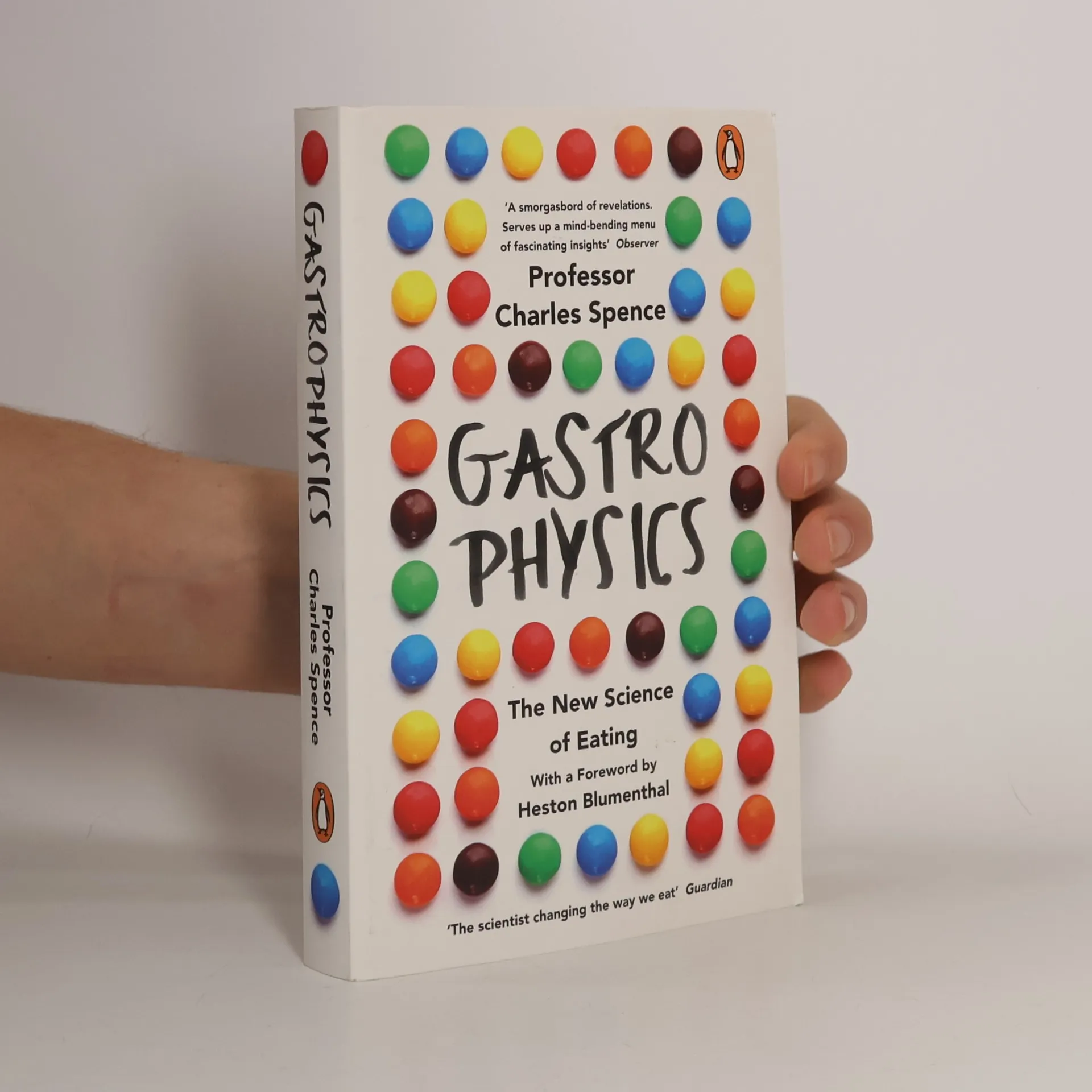
Why do we prefer to drink tomato juice on flights? Why do we eat less when food is served on red plates? Does the crunch really change the taste of crisps? In Gastrophysicspioneering researcher Professor Charles Spence explores the extraordinary, mind-bending science of food. Whether it's uncovering the importance of smell, sight, touch and sound to taste or why cutlery, company and background noise change our experience of eating, he shows us how neuroscience, psychology and design are changing not only what we put on our plates but also how we experience it.
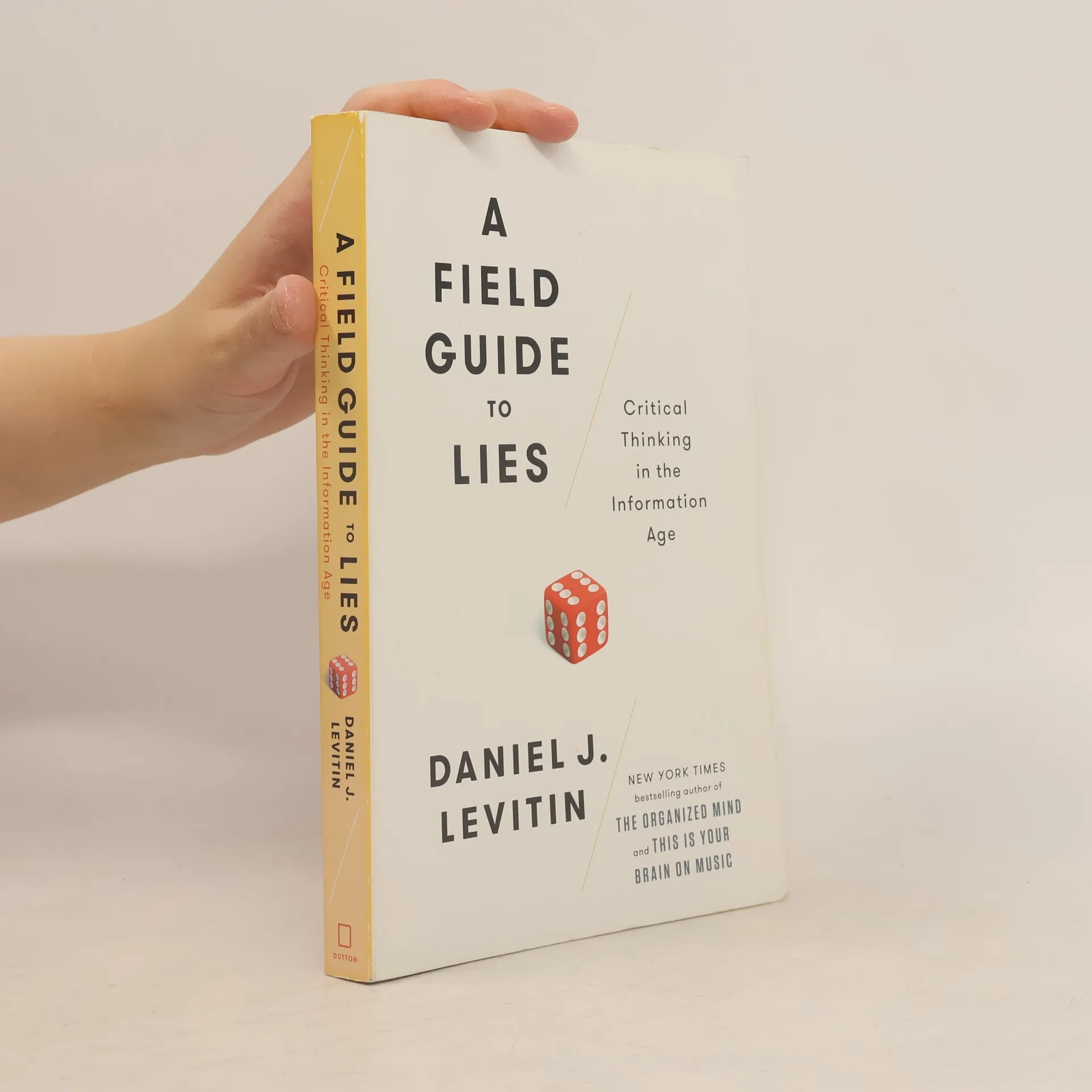
From the New York Times bestselling author of THE ORGANIZED MIND and THIS IS YOUR BRAIN ON MUSIC comes a vital guide to critical thinking in an age overwhelmed by information. Each day, we face a deluge of misleading data, half-truths, and outright lies, particularly during election season. Daniel J. Levitin equips readers with the tools to identify deceptive statistics, graphs, and reports, revealing how misinformation can easily infiltrate our lives. Distinguishing between misinformation, pseudo-facts, and reliable information is increasingly challenging. Levitin categorizes his insights into statistical information and faulty arguments, emphasizing that science is foundational to critical thinking. Infoliteracy involves recognizing the varying quality and bias of sources that distort our information feeds across all media, including social platforms. While we often expect accuracy from newspapers, bloggers, and even Wikipedia, they frequently fall short. To navigate this landscape successfully, we must engage critically with the information we encounter, assessing its plausibility and reasoning rather than accepting it blindly. Levitin's engaging and accessible guide empowers readers to avoid the pitfalls of gullibility and cynicism, helping them uncover truths and recognize deceitful tactics.
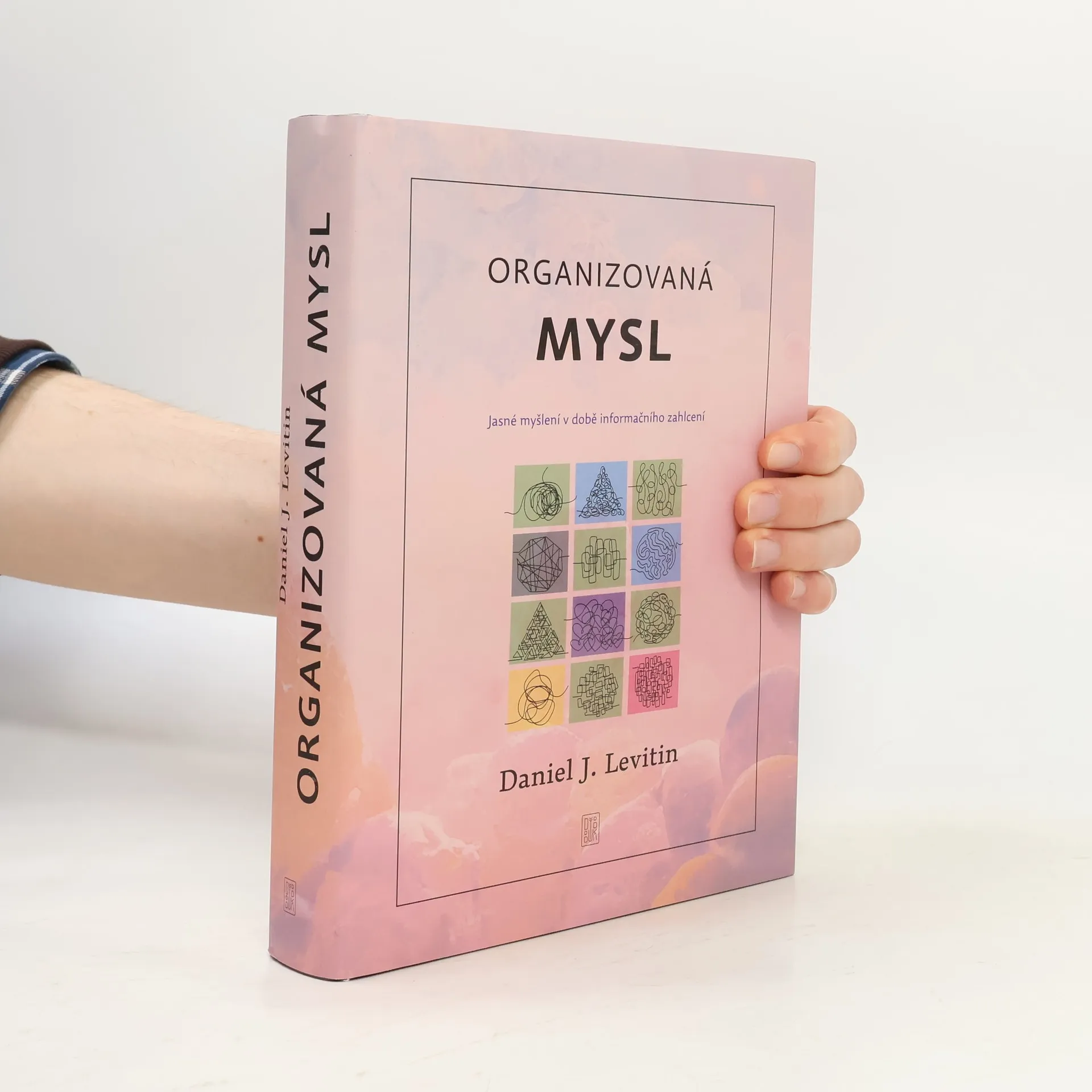
Analysing how and why our brains are struggling to keep up with the demands of the digital age, this book takes you through every aspect of modern life, from healthcare to online dating to raising kids, showing that the secret to success is always organization.
Analyzes six evolutionary musical forms while identifying neural impulses that reflect the brain's development in accordance with music, illuminating the sophisticated biological process that accompanies the musical experience.
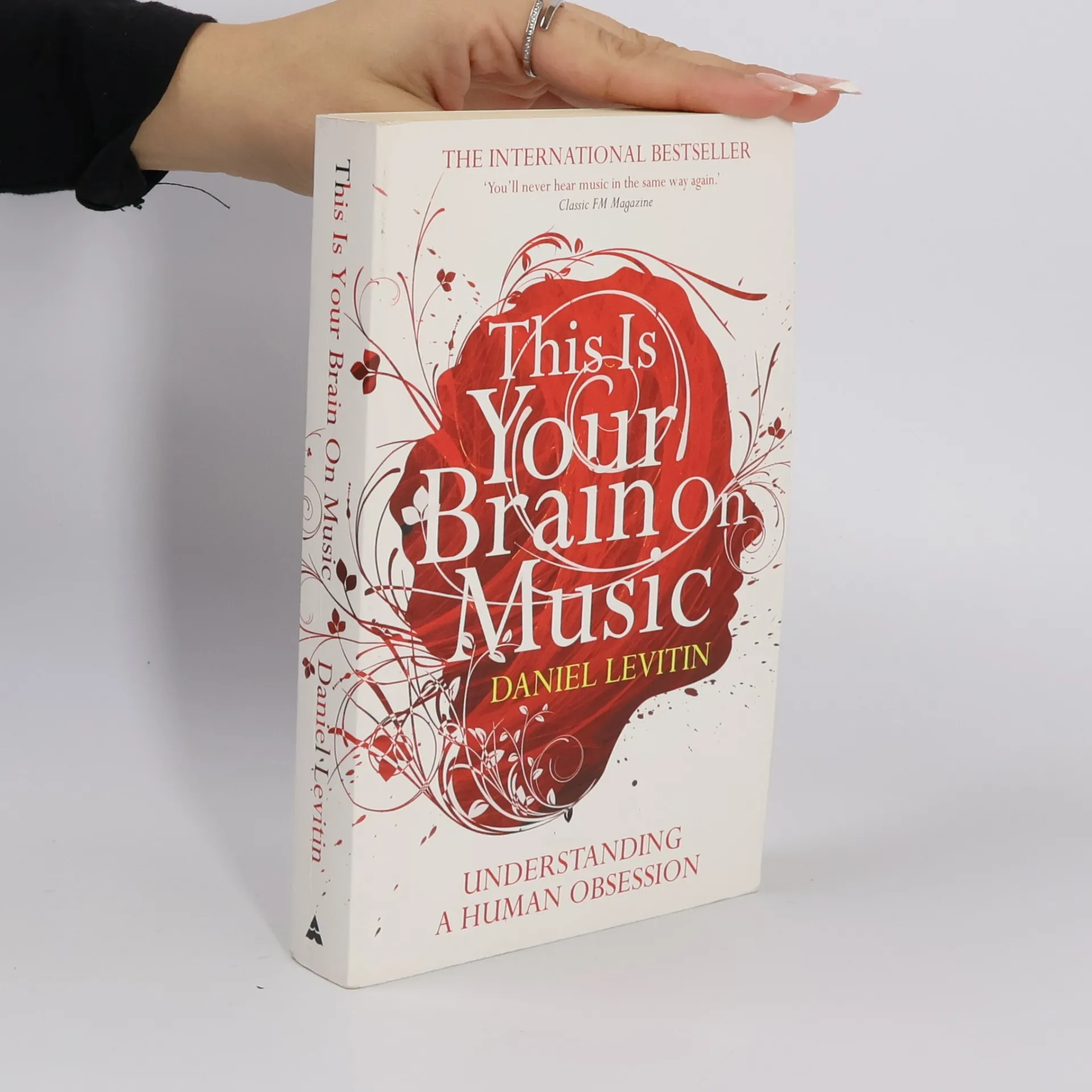
This is the first book to offer a comprehensive explanation of how humans experience music and to unravel the mystery of our perennial love affair with it. Using musical examples from Bach to the Beatles, Levitin reveals the role of music in human evolution, shows how our musical preferences begin to form even before we are born and explains why music can offer such an emotional experience. Music is an obsession at the heart of human nature, even more fundamental to our species than language. In This Is Your Brain On Music Levitin offers nothing less than a new way to understand it, and its role in human life.