
Bookbot

Henri Focillon

    7 de septiembre de 1881 – 3 de marzo de 1943

    Robert Aickman es conocido por su distintivo estilo de "historias extrañas", que exploran la delicada frontera entre la realidad y el sueño. Su prosa se caracteriza por una atmósfera inquietante y una profundidad psicológica, ahondando frecuentemente en temas como la soledad, la alienación y los fenómenos inexplicables. Aickman construye magistralmente el suspense y una sensación de desasosiego sin recurrir a explicaciones explícitas, dejando amplio espacio para la imaginación del lector. Sus obras ofrecen un cautivador viaje a los rincones más oscuros de la psique humana y lo desconocido.

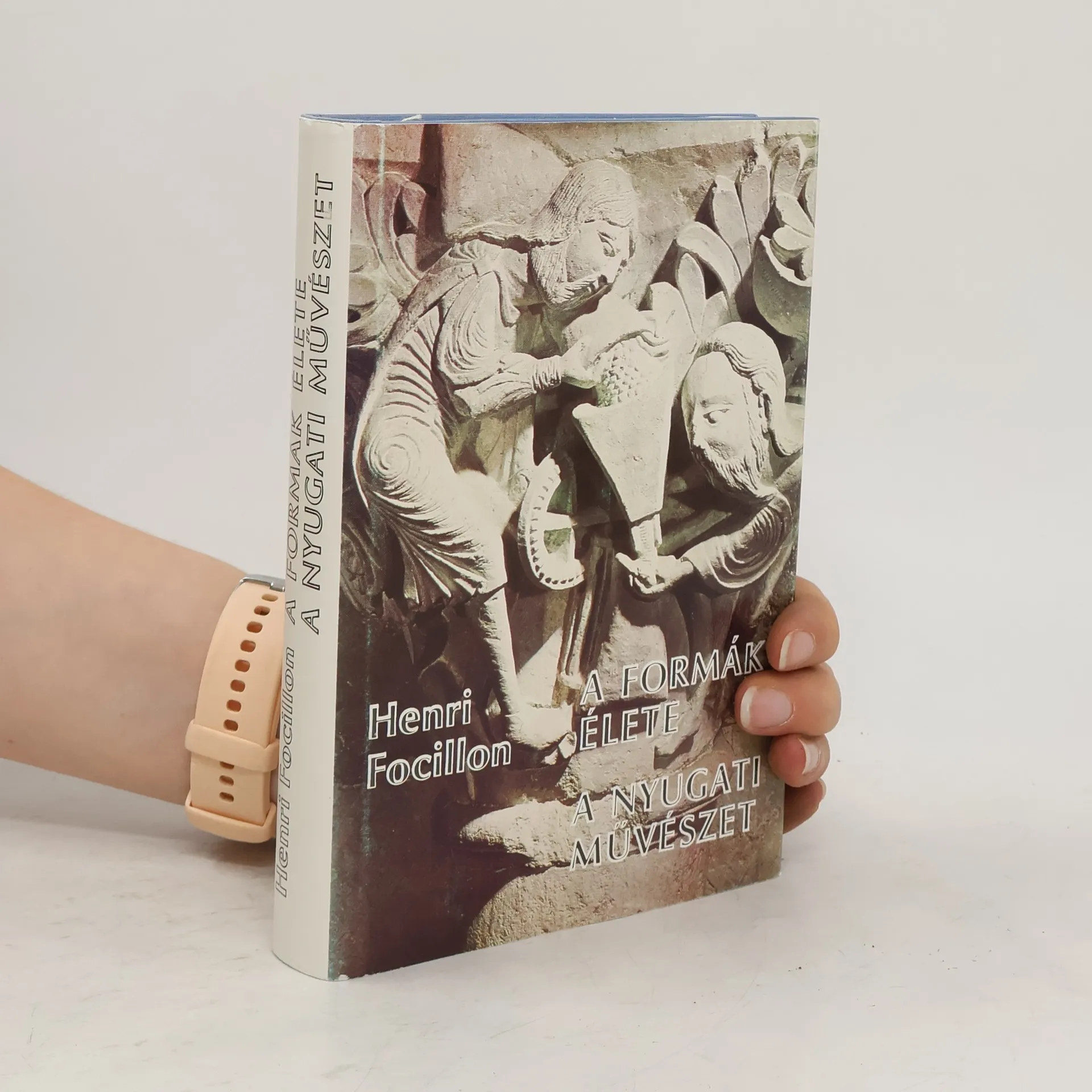
    Život tvarů
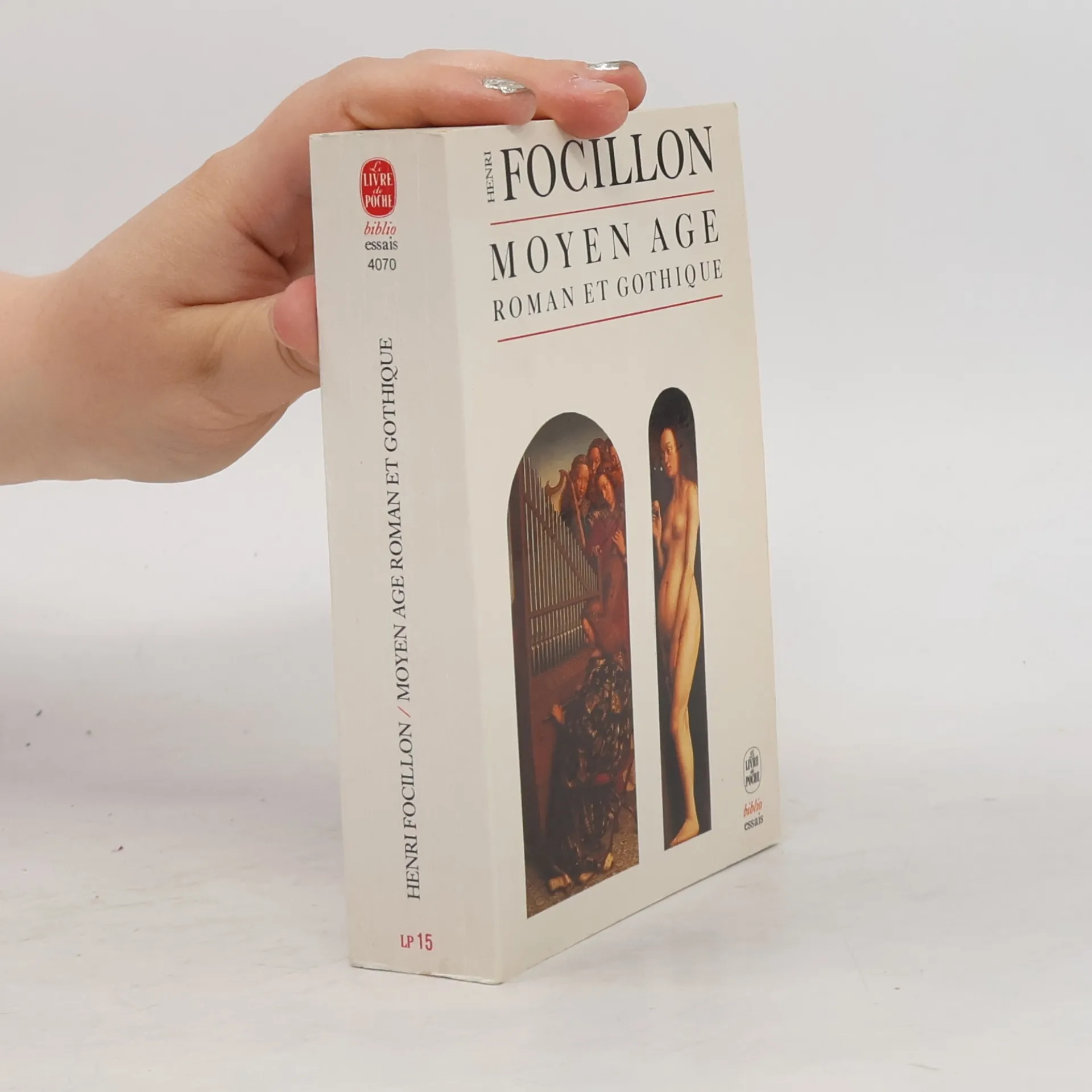
    Le Moyen Age roman et gothique
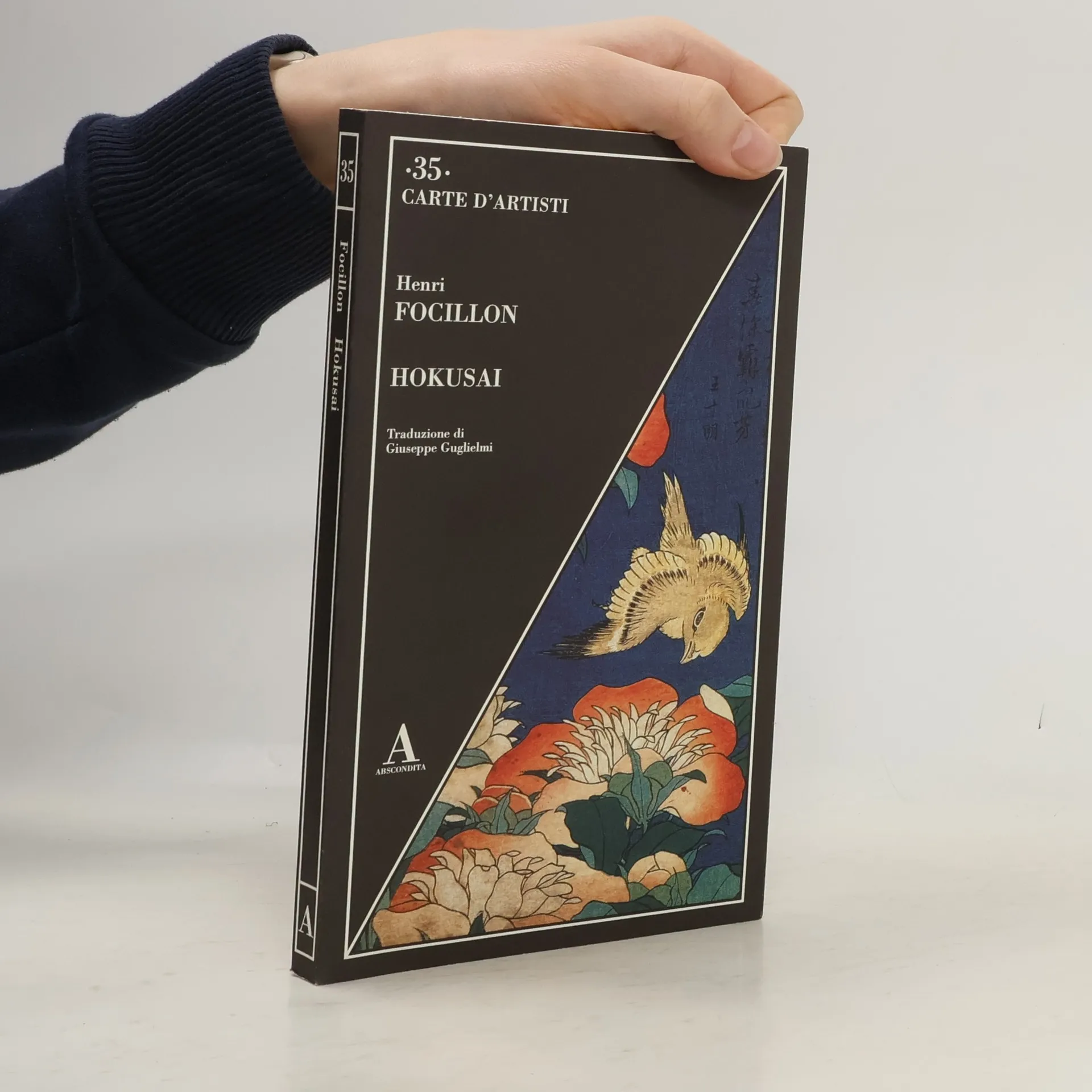
    Carte d'Artisti - 35: Hokusai
    Lob der Hand
    Rembrandt. Paintings, drawings and etchings
    The Life of Forms in Art
    • Lob der Hand

      • 48 páginas
      • 2 horas de lectura

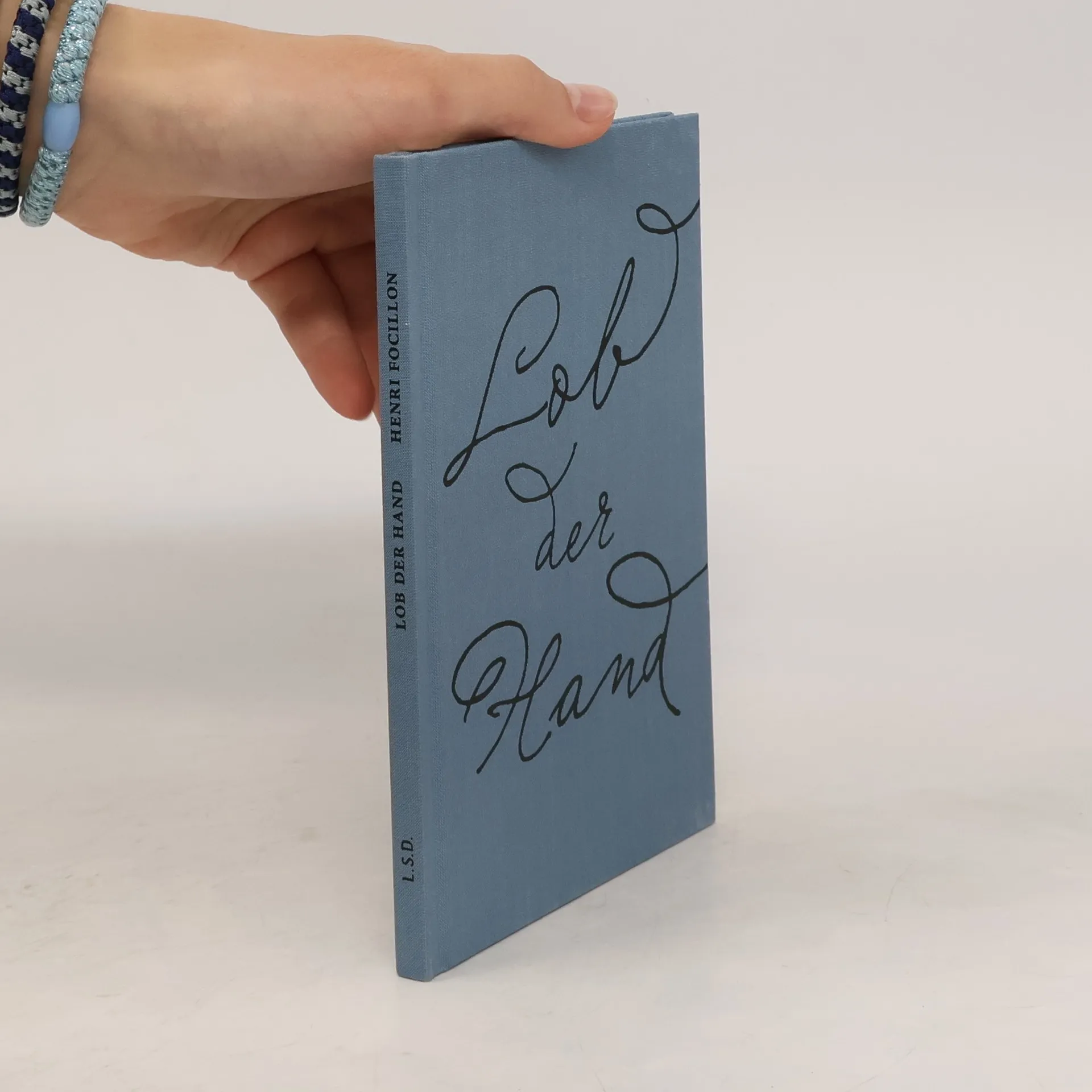
      Sie gehorchen unserem Geist und scheinen doch ein Eigenleben zu führen. Sie sind keine an den Gehorsam gewöhnten Diener, sind keine passiv identischen Zwillinge. Und doch sind sie zu Choreographien fähig, die träges Werkzeug erst zu etwas Lebendigem werden lassen. Sie sind in ihrem anatomischen Aufbau und ihrer Funktionsweise so komplex und feingliedrig, dass nur sie aus Stift, Pinsel und Leinwand tiefe Landschaften, weite Himmel und belebte Figuren entstehen lassen können. Sie sind die Künstler, die das Holz schnitzen, das Metall schmieden, das Buch schreiben, die Lyra zupfen. Mit ihrer Hilfe erklingen die schönsten Melodien und mitreißendsten Rhythmen. Und wenn uns gefällt, was sie hervorbringen, dann klatschen wir. Wo sonst deren Geist, Fantasie und Muse gepriesen werden, lobt Henri Focillon die Hände von Rembrandt, Gaugin und van Eyck, diese eigentlich stummen und blinden Teile des Körpers, als diejenigen, die doch die Ideen und Visionen der Großen erst in die gegenständliche Welt holen konnten. In seiner Hymne auf diese meisterhaften Werkzeuge steckt eine so kurzweilige wie tiefsinnige Kulturgeschichte unserer Hände, bei der man nicht umhin kommt, immer wieder aufzuschauen, um sie sich genauer zu betrachten
      Lob der Hand2017
      4,0
    • Carte d'Artisti - 35: Hokusai

      • 150 páginas
      • 6 horas de lectura

      Non ci fu soggetto che non trovasse posto nell'immensità dell'arte di Hokusai, riflettendo la vastità dell'universo. L'artista era inebriato dalla vita e dalla varietà delle forme, e, anche nei periodi di intenso naturalismo, l'arte giapponese non aveva mai conosciuto qualcosa di simile. Uomini e animali, testimoni dell'esistenza quotidiana, insieme a leggende, storia, paesaggi, mare, montagna, foresta, temporali e piogge primaverili, compongono il regno di Hokusai. Vita e movimento, osservati nella fatica o nella gioia umana, nel brulicare del mondo animale, sono il principio che alimenta la curiosità dell'artista, sempre attenta a ogni forma organica che si muove. La sensibilità delicata, la meditazione sui grandi esempi del passato e la ricerca di uno stile ponderato non bastavano a Hokusai. Egli desiderava che la sua arte fosse un riflesso non di un sogno solitario, ma del fervore e dell'energia delle forme viventi. In questo modo, l'artista ha catturato l'essenza della vita in tutte le sue manifestazioni, creando un'opera che trascende il tempo e continua a ispirare.

      Carte d'Artisti - 35: Hokusai2003
      3,0
    • Le Moyen Age roman et gothique

      • 802 páginas
      • 29 horas de lectura

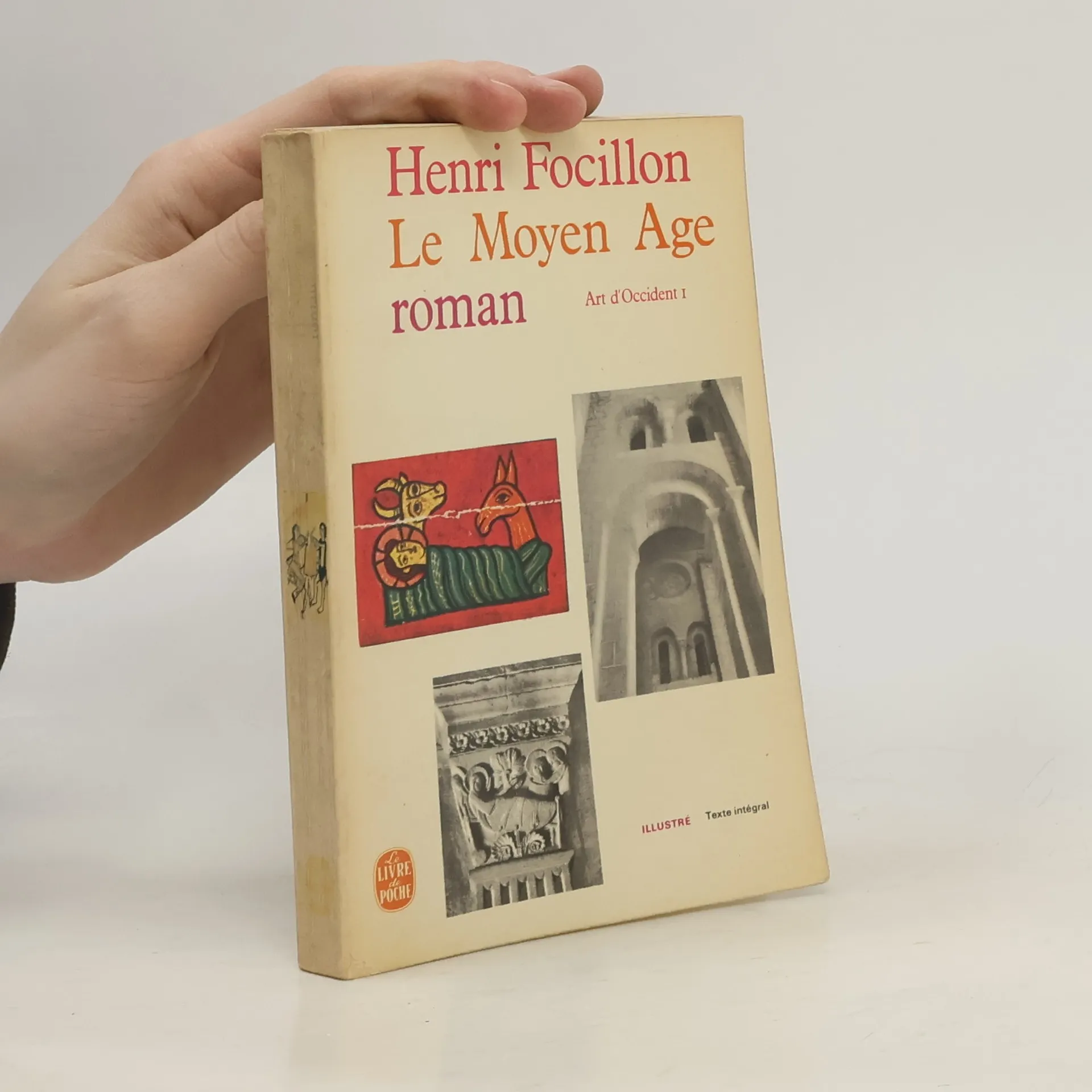
      C'est au Moyen Age que l'Europe a constitué sa culture propre, se dégageant notamment des influences méditerranéennes et orientales. Fort d'une telle certitude, Henri Focillon s'est attelé à la tâche. Le résultat est fascinant et, à ce jour, sans équivalent: une fresque immense qui décrit, par le menu, l'émergence et les singularités d'un nouvel univers culturel. Le nôtre, encore aujourd'hui.

      Le Moyen Age roman et gothique1992
      3,0
    • The Life of Forms in Art

      • 190 páginas
      • 7 horas de lectura

      In this beautiful meditation on the art-historical problem of style, Henri Focillon (1881–1943) describes how art forms change over time. Although he argues that the development of art is irreducible to external political, social, or economic determinants, one of his great achievements was to lodge a concept of autonomous formal mutation within the shifting domain of materials and techniques. Focillon emphasizes the presence of nonsynchronous tendencies within styles that give artworks a manifold and stratified character.The Life of Forms in Art remains one of the most brilliant and important reflections on the morphology of art. It has been superbly translated by Yale art historian George Kubler, whose book The Shape of Time was influenced by Focillon. The book also contains a critical introduction by Jean Molino.

      The Life of Forms in Art1992
      4,1
    • Text je rozdělen ve čtyři kapitoly: tvary v prostoru, hmotě, duchu, čase. Zastupuje jeden z nejkomplexnějších teoretických pohledů na umění z hlediska formově analytického přístupu z meziválečného období.

      Život tvarů1936
      1,0