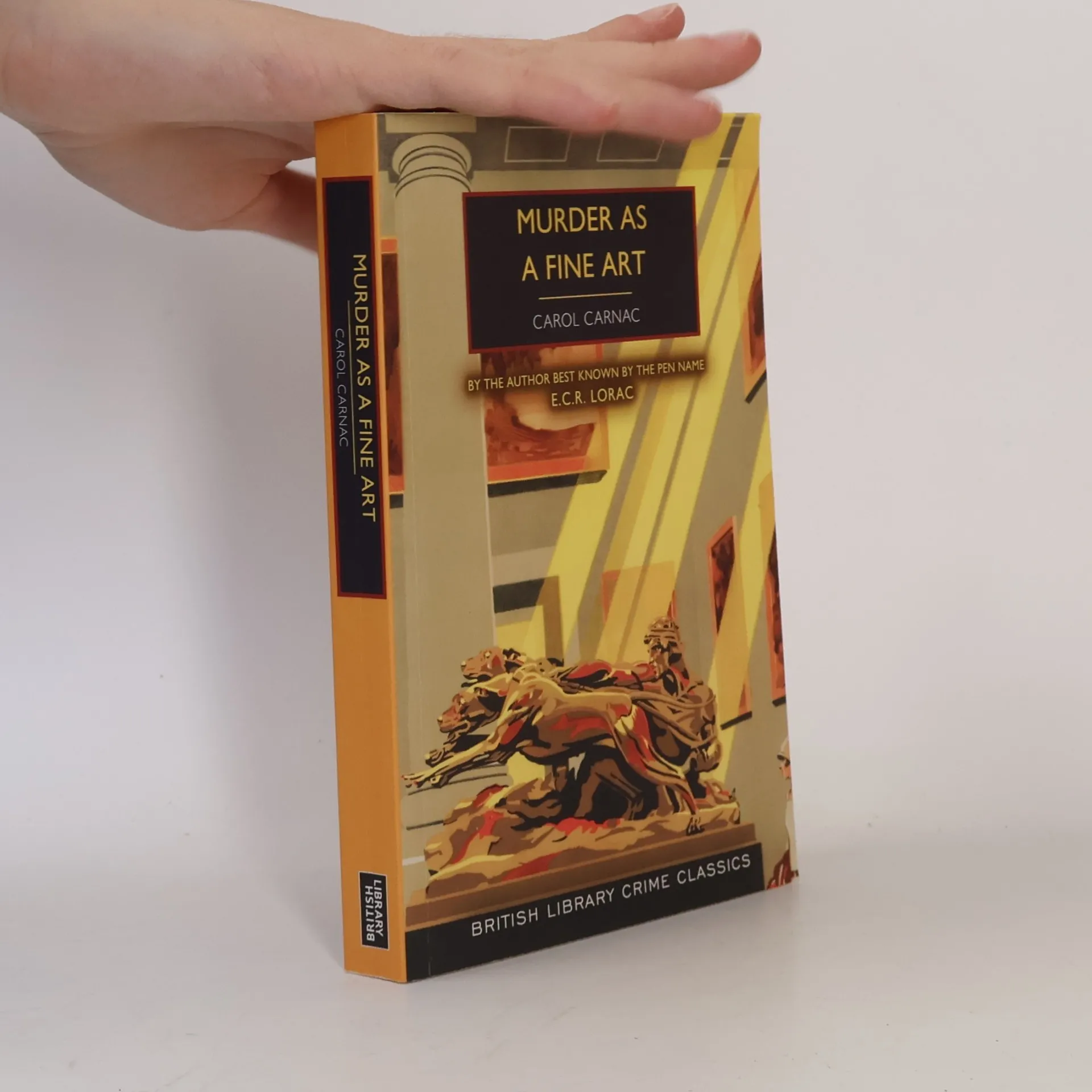
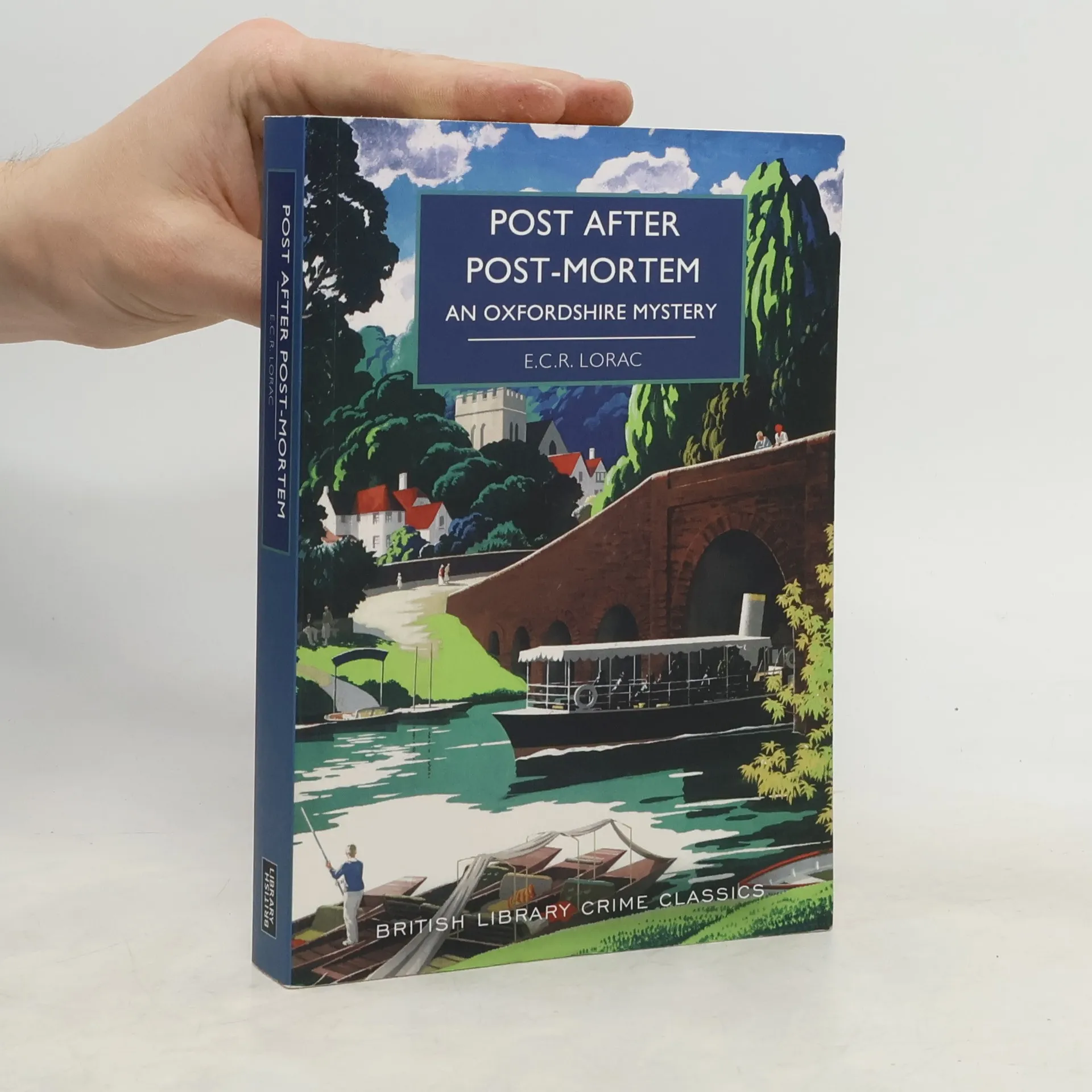
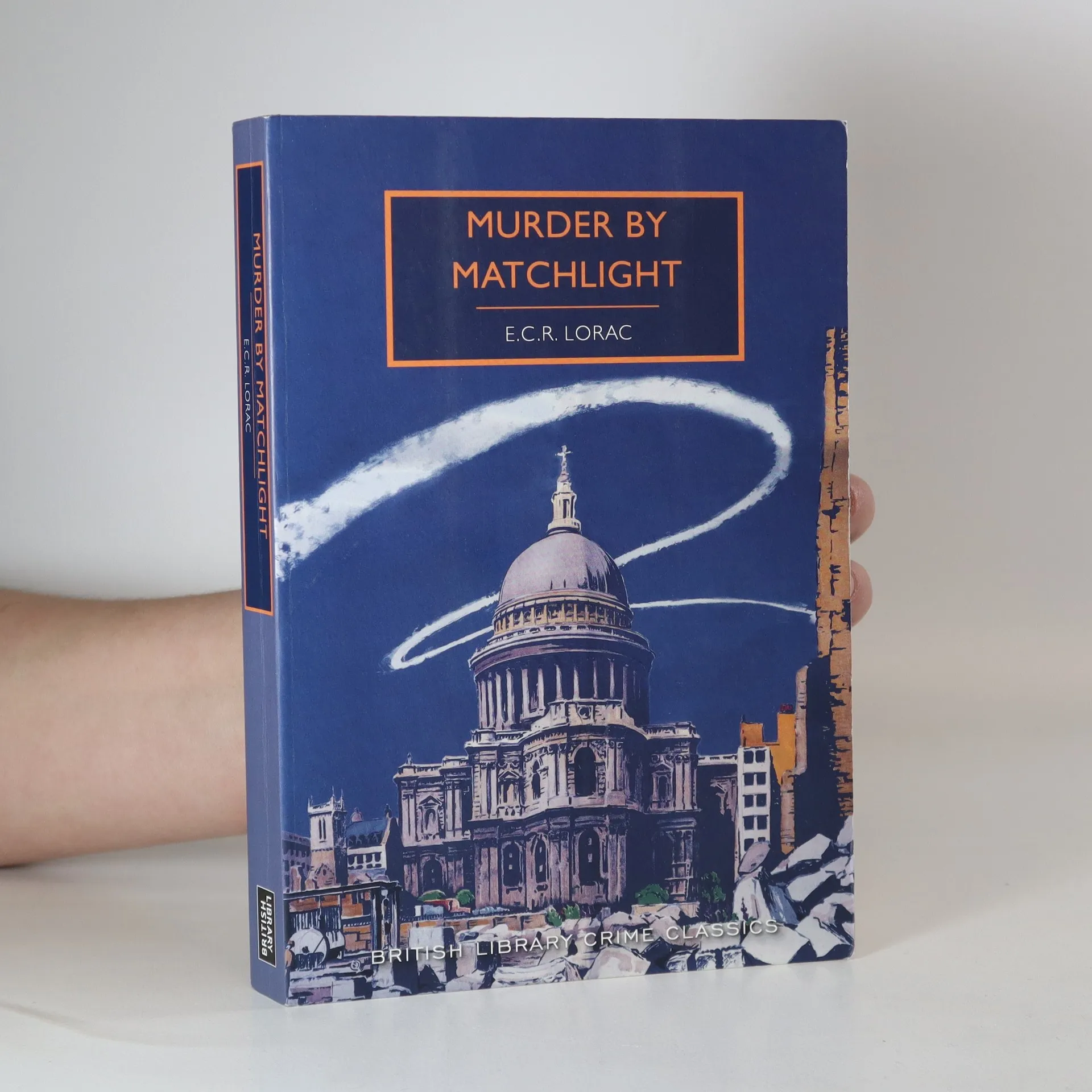
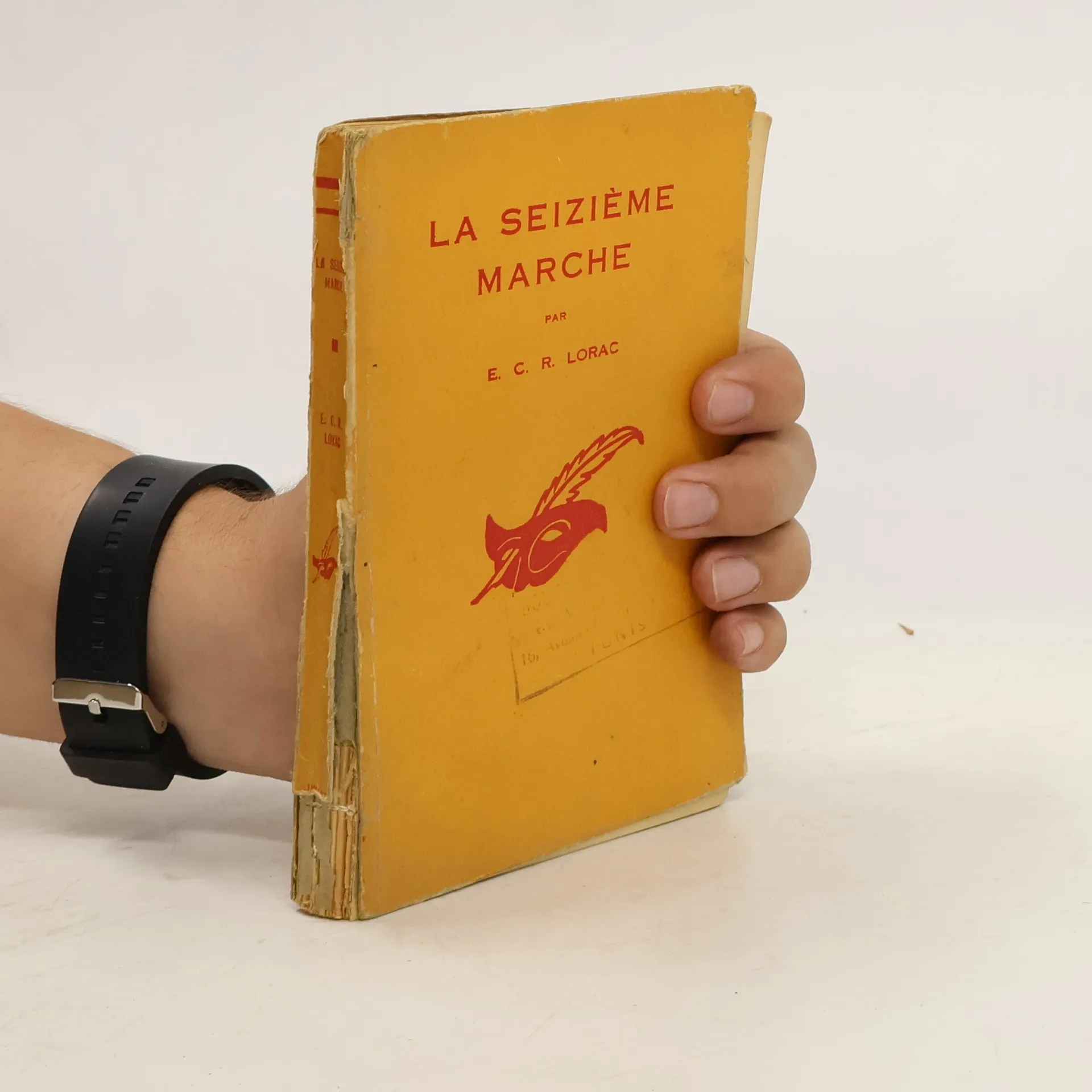
British Library Crime Classics - 134: Murder as a Fine Art
- 288 páginas
- 11 horas de lectura


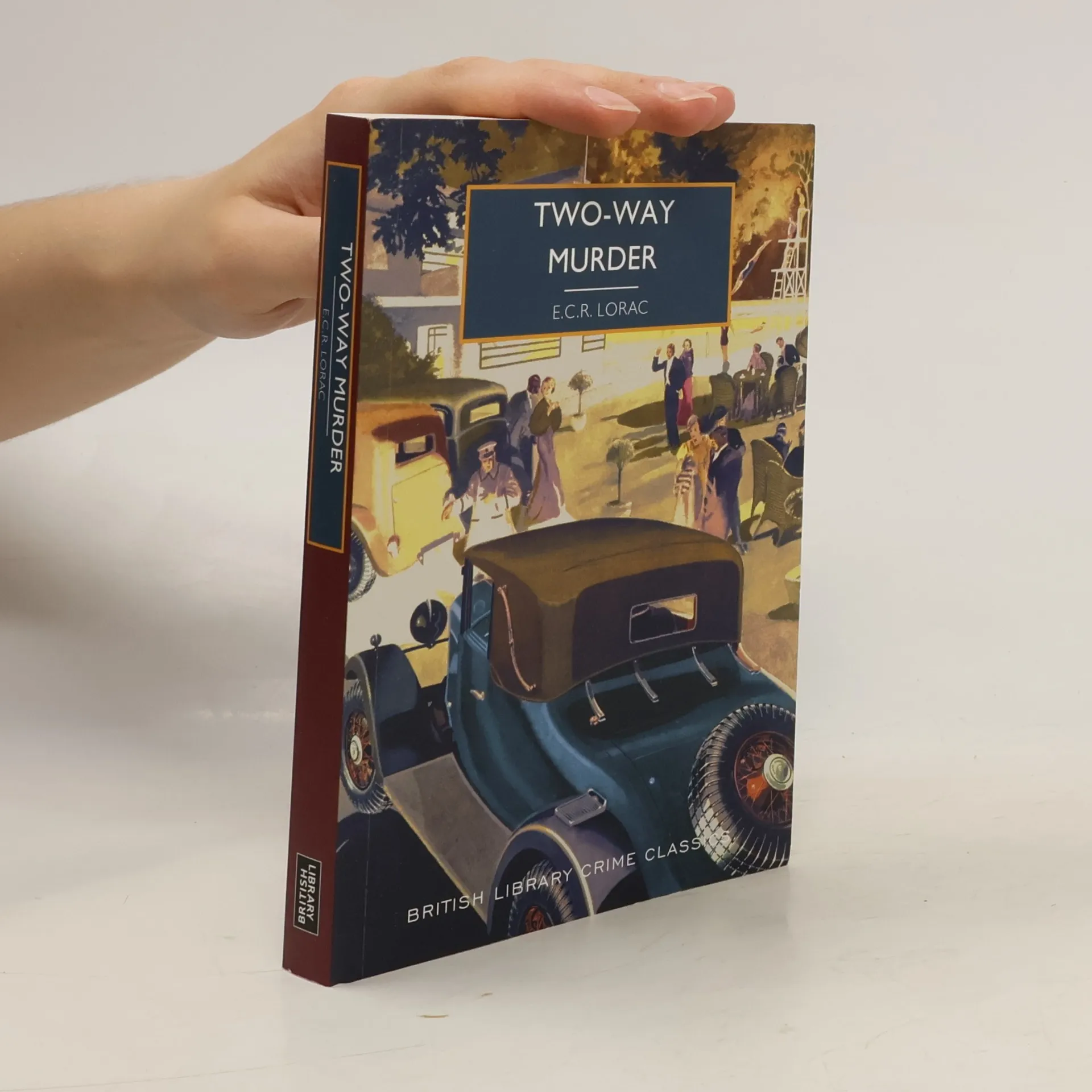

Set against the backdrop of post-war Vienna, this classic mystery features Inspector McDonald as he navigates a city under Allied occupation during his holiday. The story intertwines intrigue and suspense, highlighting the challenges of the era while McDonald uncovers hidden truths. Originally published in 1956, it has now been revived as part of the British Library Crime Classics series, offering readers a glimpse into a unique historical context infused with crime and investigation.
Puzzling and atmospheric, this exceedingly rare mystery from one of the masters of crime fiction’s Golden Age returns to print for the first time since its publication in 1954.
"Renowned for its authentic characters and settings based partly on the author's own experiences of life in the Lune Valley, E. C. R. Lorac's classic rural mystery returns to print for the first time since 1953. This edition includes an introduction by award-winning author Martin Edwards. "I'm minded of the way a fire spreads in dry bracken when we burn it off the fellside: tongues of flame this way and that-tis human tongues and words that's creeping like flames in brushwood." It all began up at High Gimmerdale with the sheep-stealing, a hateful act in the shepherding fells above the bend in the Lune River-the Crook o' Lune. Then came the fire at Aikengill house and with the leaping of the flames, death, disorder, and dangerous gossip came to the quiet moorlands. Visiting his friends, the Hoggetts, while searching for some farmland to buy up ahead of his retirement, Chief Inspector Robert Macdonald's trip becomes a busman's holiday when he is drawn to investigate the deadly blaze and the deep-rooted motives behind the rising spate of crimes"-- Provided by publisher
Despite some suspicions from the family, the verdict at the inquest is suicide - but when Ruth's brother Richard receives a letter from the deceased which was delayed in the post, he enlists the help of CID Robert Macdonald to investigate what could only be an ingeniously planned murder.
Drawing on her own experience living in Lunesdale, Lorac spins a tale portraying the natural beauty, cosy quiet and more brutal elements of country living in this classic rural mystery first published in 1953.
Written in the last years of the author's life, this previously unpublished novel is a tribute to Lorac's enduring skill for constructing an ingenious puzzle, replete with memorable characters and gripping detective work. This edition also includes an introduction by the CWA Diamond Dagger Award-winning author Martin Edwards.
In London's Bloomsbury, Inspector Julian Rivers of Scotland Yard looks down at a dismal scene. Here is the victim, burnt to a crisp. Here are the clues - clues which point to a good climber and expert skier, and which lead Rivers to the piercing sunshine and sparkling snow of the Austrian Alps to crack the case.
On a foggy night in London, a party has gathered in an artist's studio during the wartime blackout. When the brutal murder of the miser next door is discovered by his infantryman nephew, it's not long before Inspector Macdonald of Scotland Yard is at the scene, untangling alibis from the studio party and with the fate of the soldier in his hands.
This atmospheric mystery set against the backdrop of 1945 blackout London sees Lorac's CID man MacDonald pit his considerable wits against a host of characterful suspects. Also includes the Lorac short story, 'Permanent Policeman'.