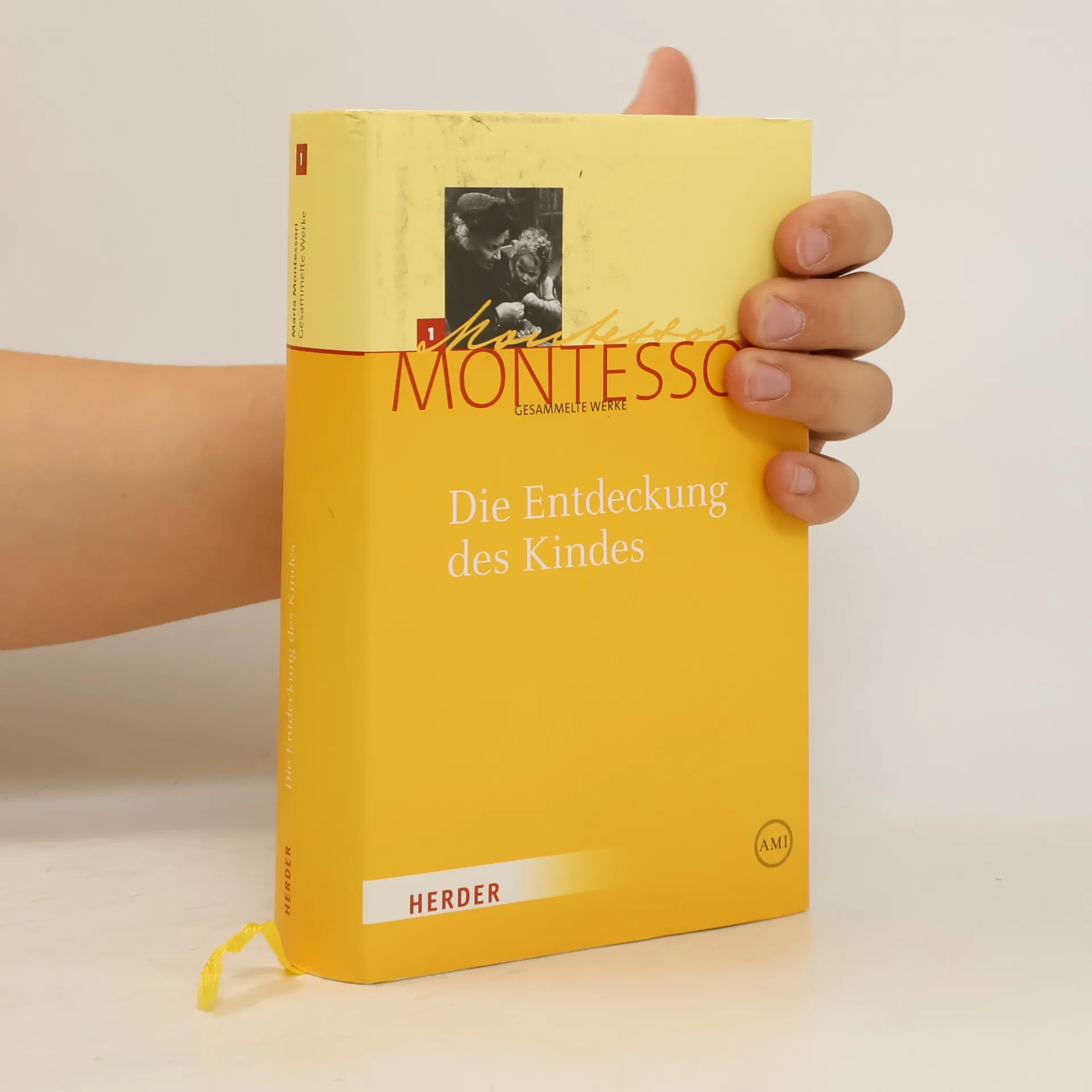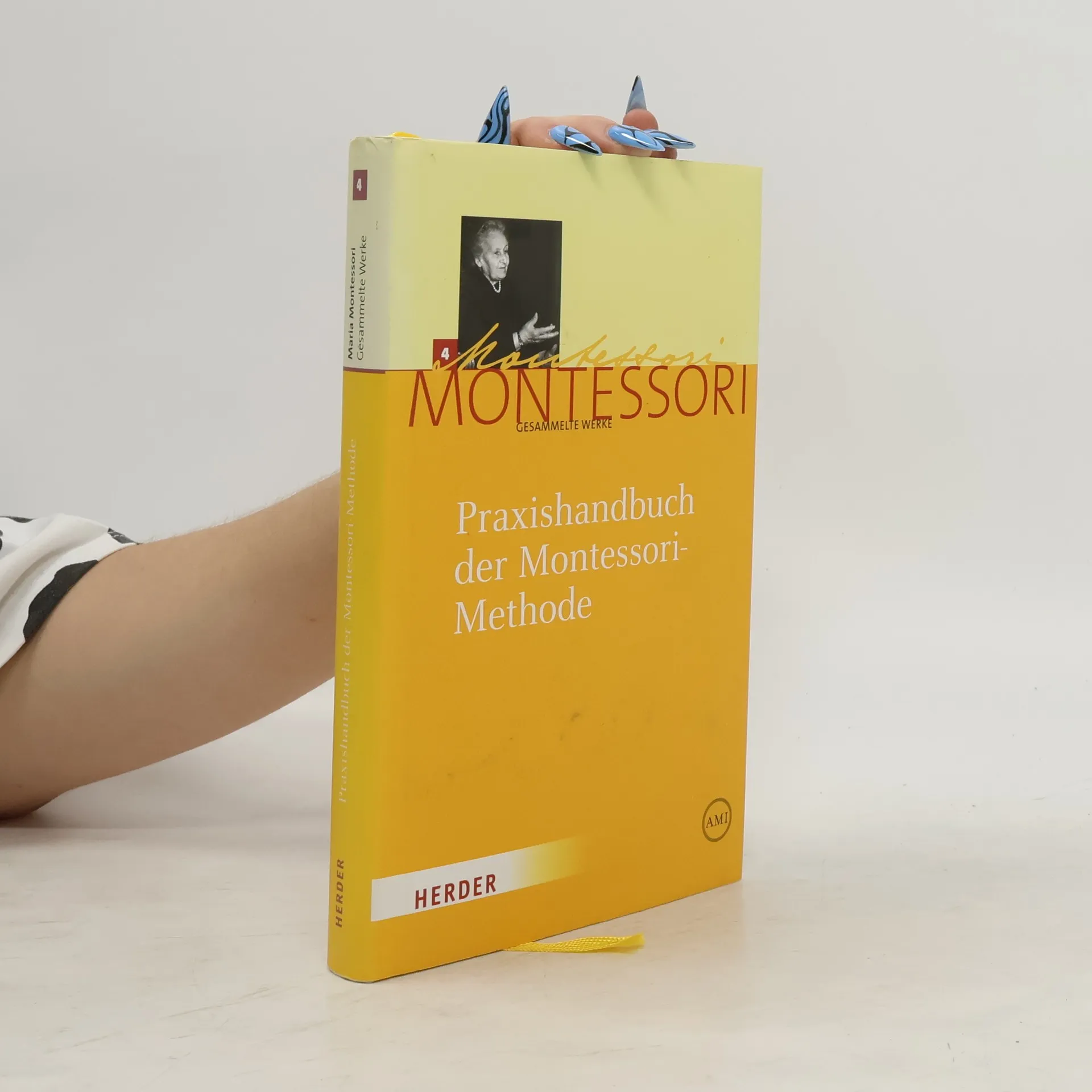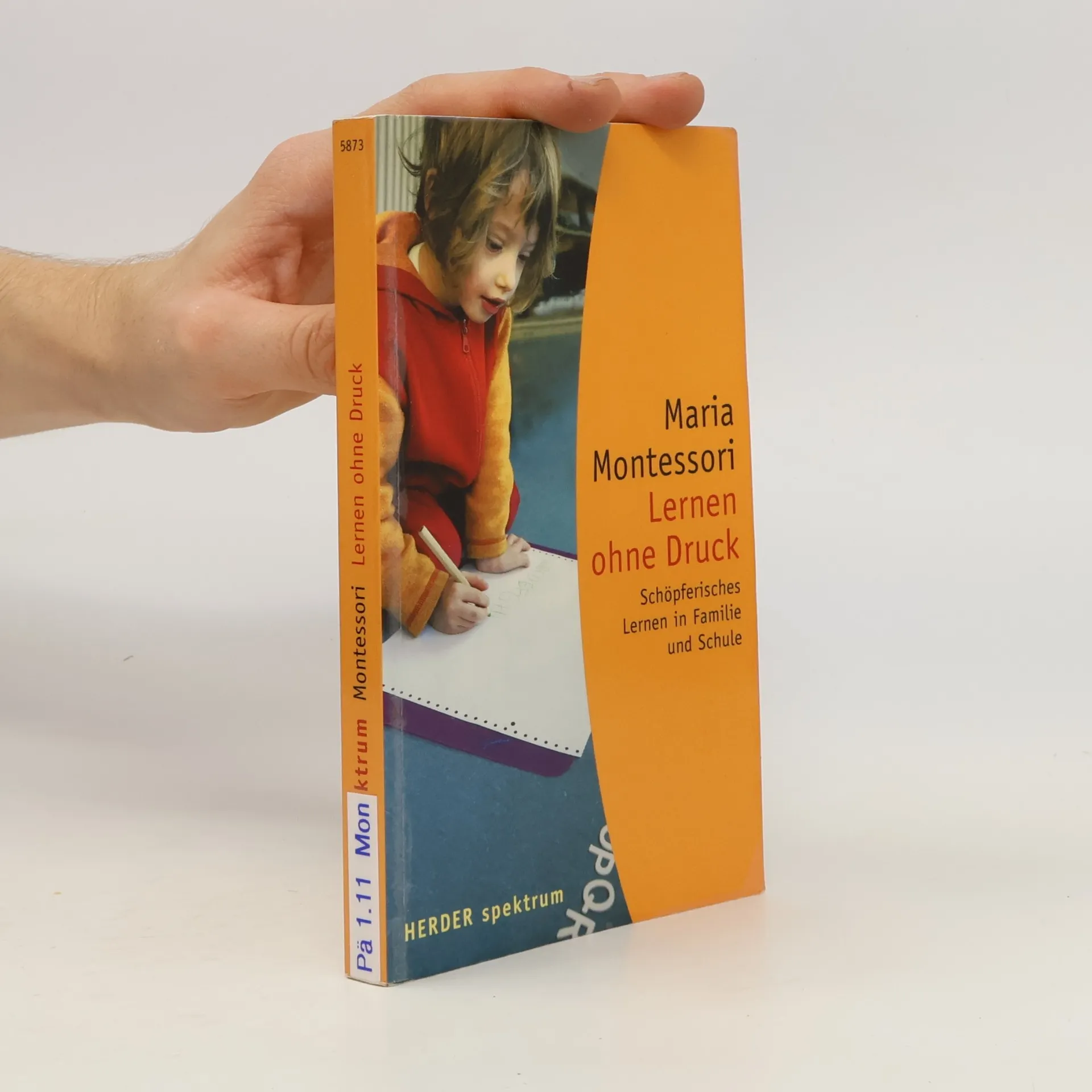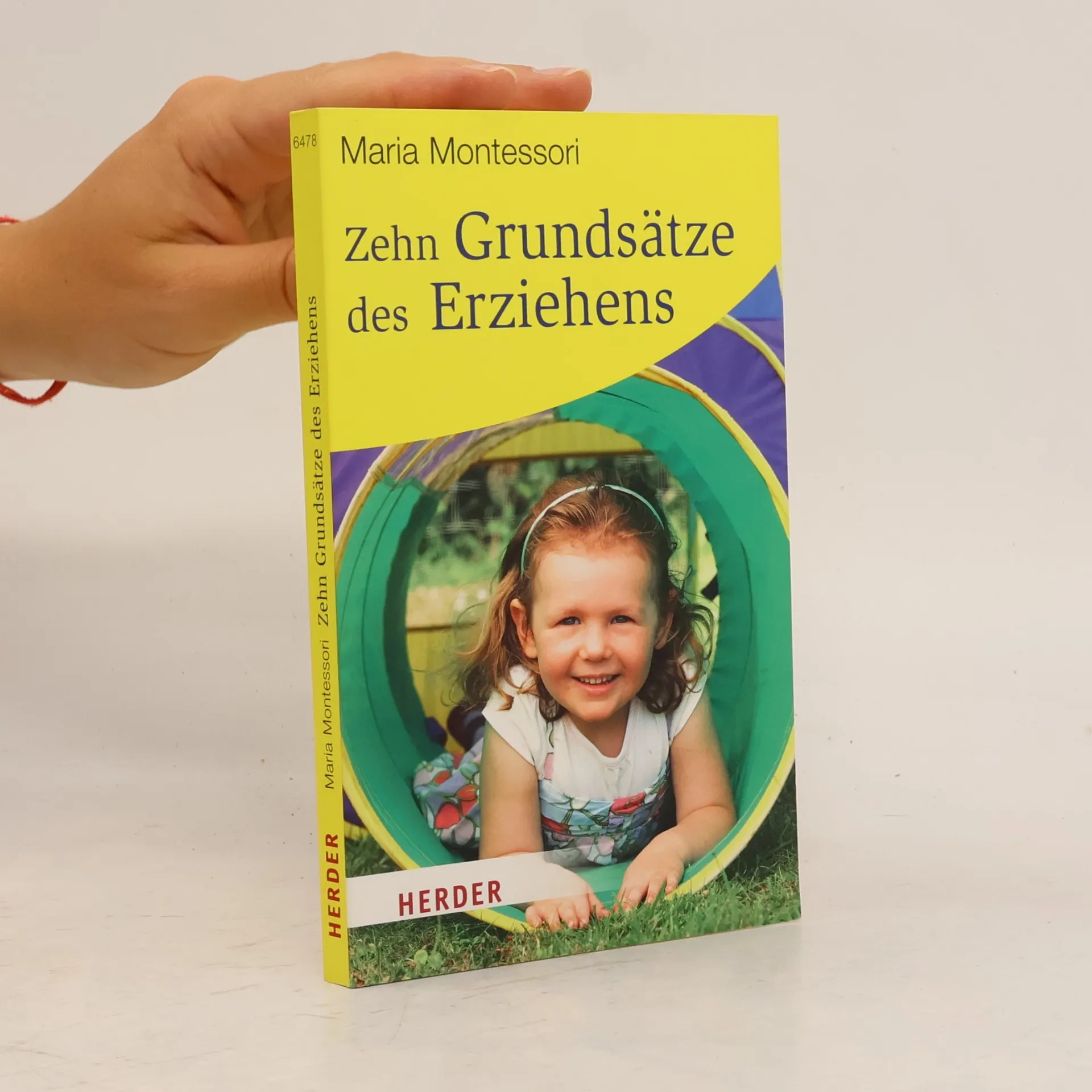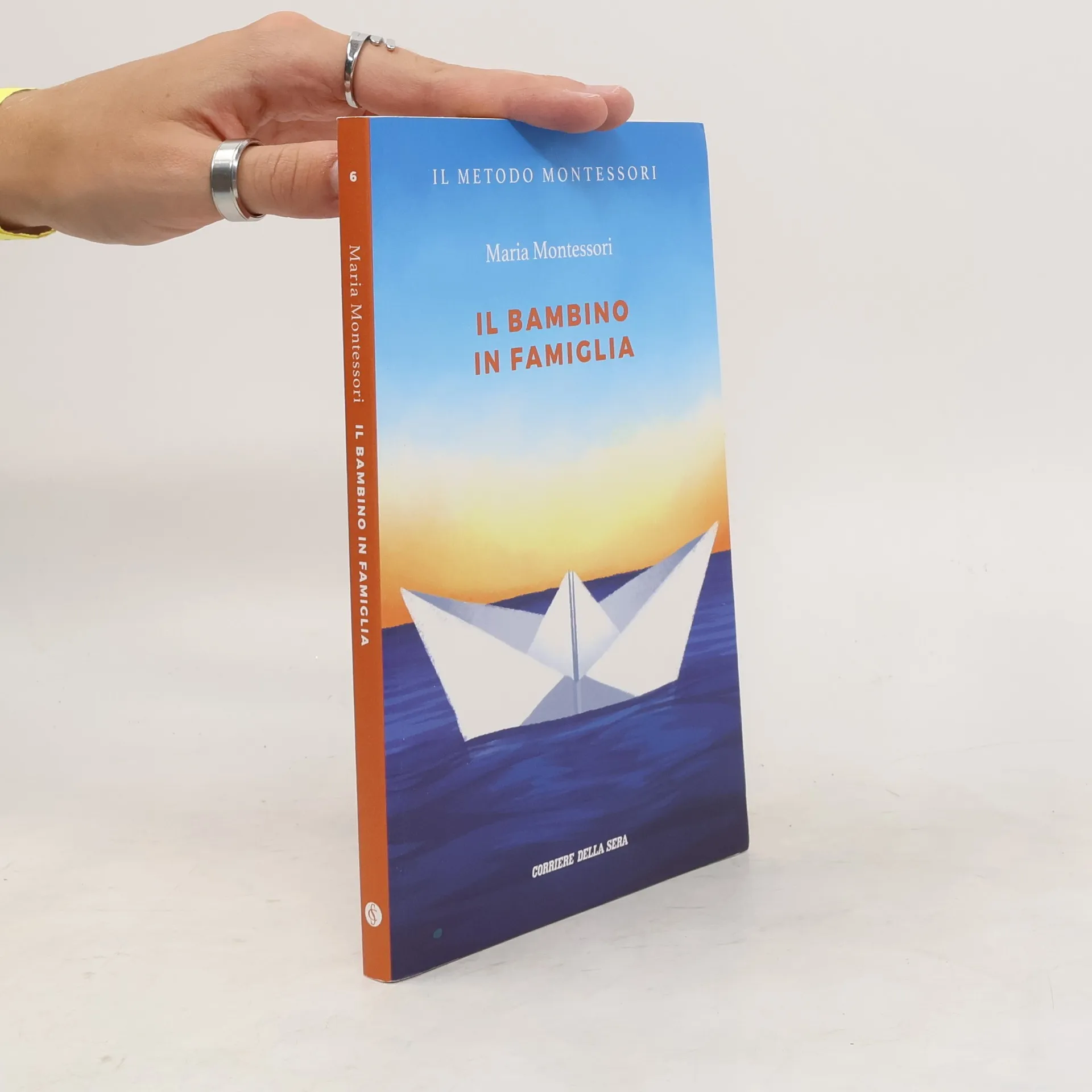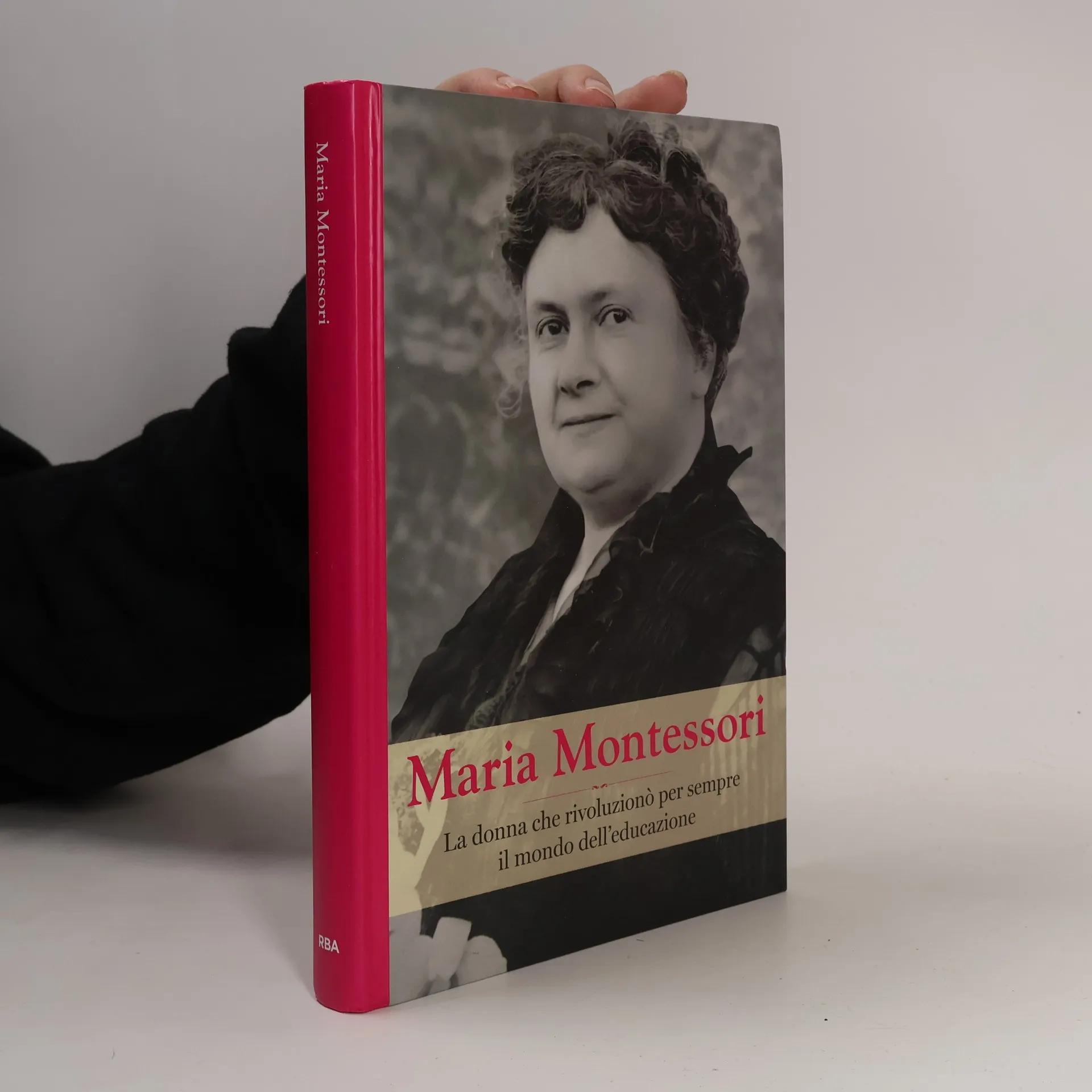
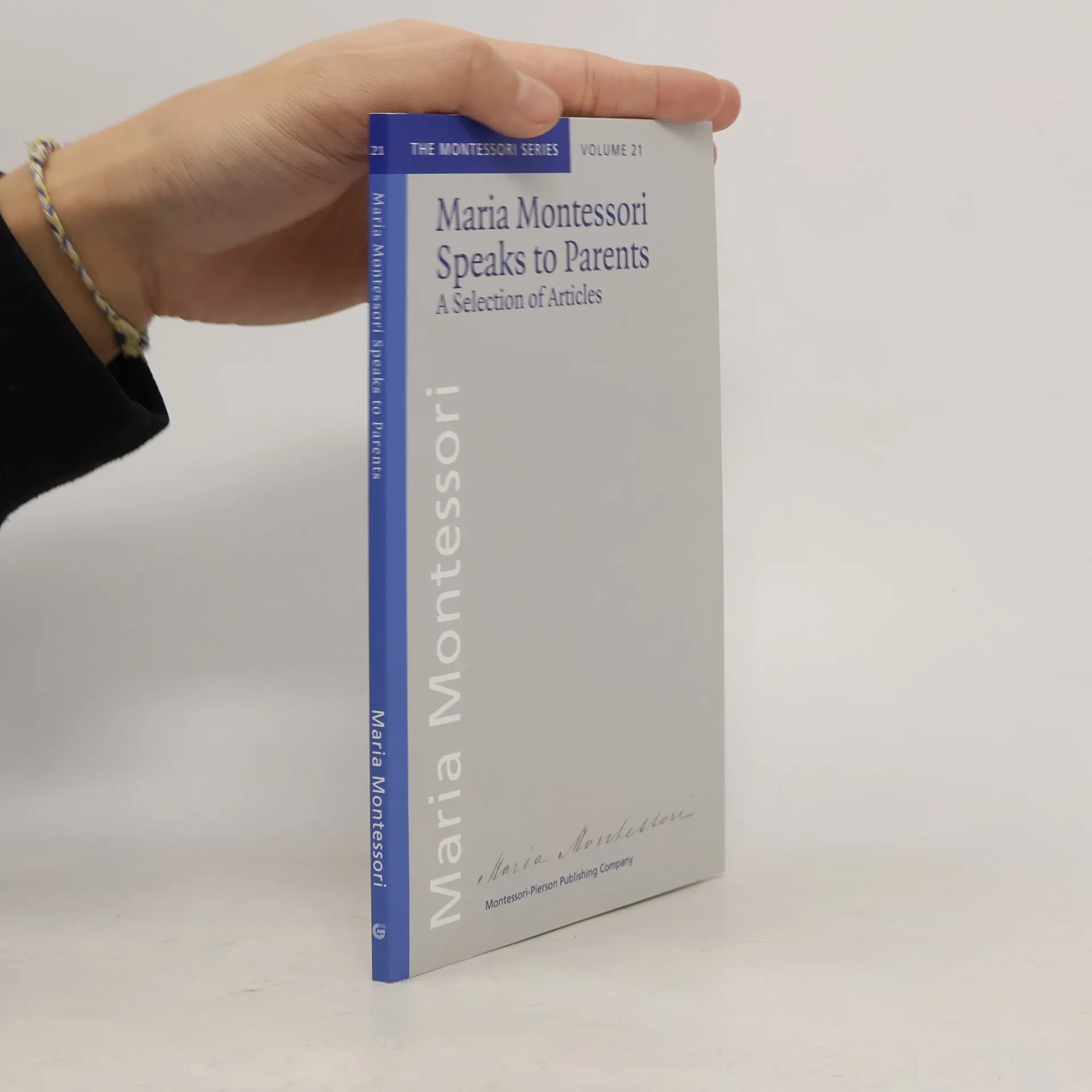
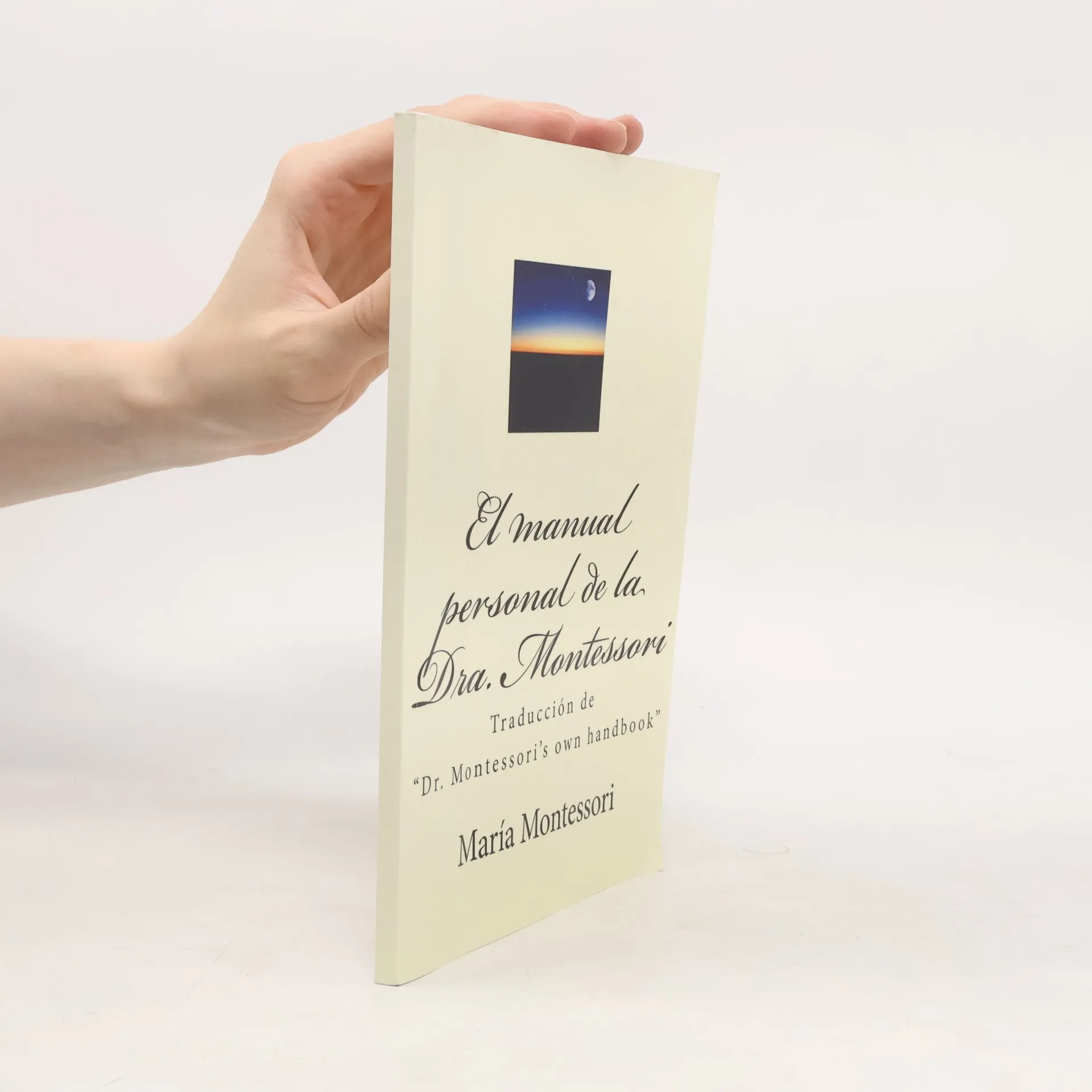
Maria Montessori was very much aware of the role of the parent and their need for a clearer understanding of her ideas. She, therefore, lectured from time to time to parents during her using courses and congresses. Regrettably, she never found the time to write a book especially for them. The Montessori-Pierson Publishing Company has now collected 11 lectures in which Maria Montessori addresses parents, explaining how they might better understand their own role in the development of their child.
Maria Montessori Libros
Maria Montessori fue una médica y educadora italiana, reconocida por desarrollar un método de educación infantil de influencia mundial. Su filosofía se centra en el desarrollo natural de los niños y en fomentar su independencia en el aprendizaje. El método Montessori sigue siendo ampliamente implementado en escuelas de todo el mundo, enfatizando entornos diseñados para apoyar el crecimiento infantil. Su legado en la educación sigue siendo profundo, dando forma a los enfoques contemporáneos de la crianza.


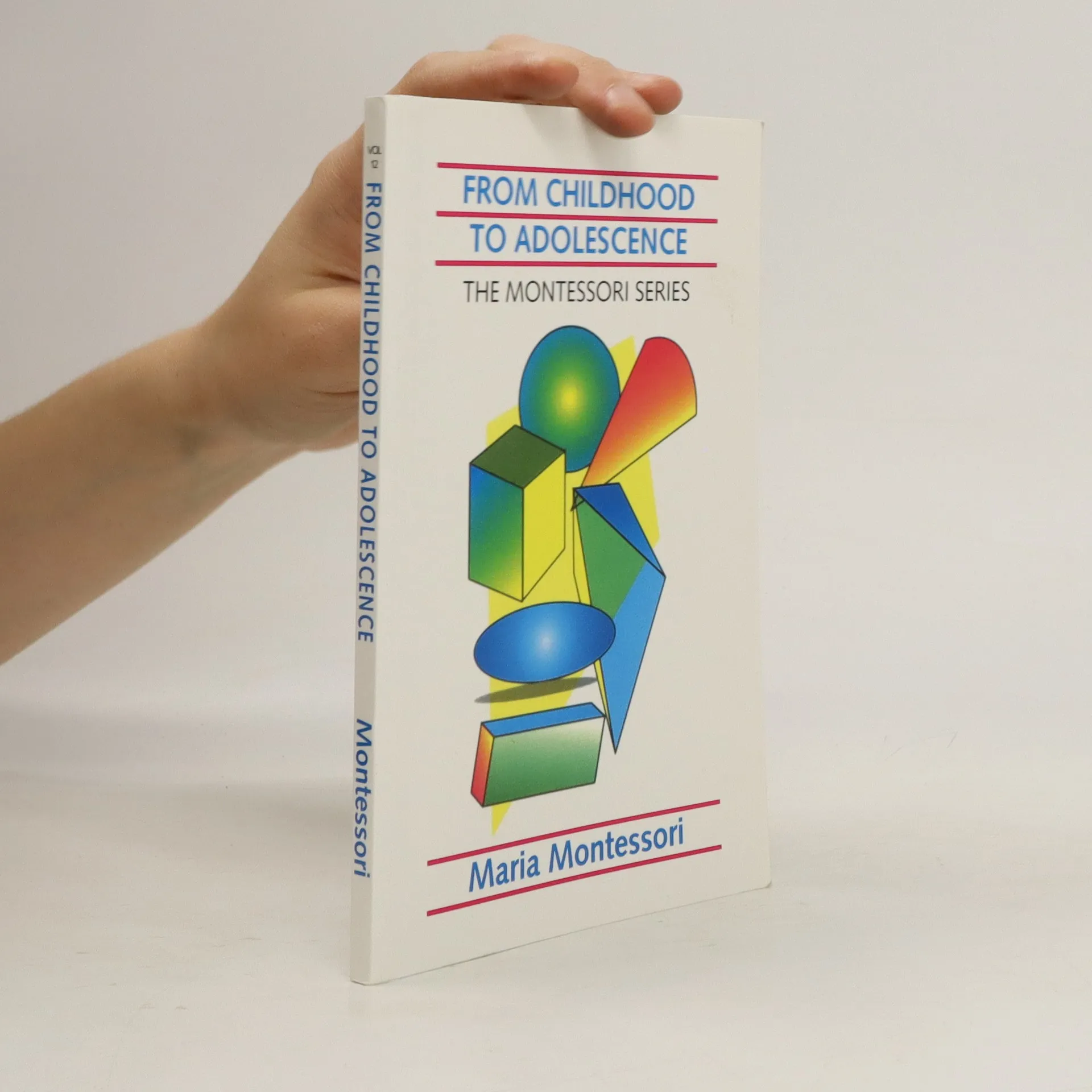
From Childhood to Adolescence
- 100 páginas
- 4 horas de lectura
The Mass Explained to Children
- 100 páginas
- 4 horas de lectura
Focusing on the traditional Latin Mass, this book offers a child-friendly explanation of its beauty and significance. Maria Montessori guides young readers through the preparation for Mass, the setup of the altar, and the meaning of sacred vessels. She also highlights the priest's role and the symbolism of vestments. With clear language and illustrations, the book effectively follows the order of the Mass, making complex concepts accessible and engaging for children.
Montessori: On Religious Education
- 326 páginas
- 12 horas de lectura
Combination of two books by Montessori plus talks she gave on religious education for young children.
The Child in the Church
- 306 páginas
- 11 horas de lectura
E.M. Standing presents a thoughtful collection of essays that explore the principles and practices of Montessori religious education. The work delves into the integration of spirituality within the Montessori framework, emphasizing the importance of nurturing a child's inner life alongside academic growth. Standing highlights the role of environment, materials, and teacher guidance in fostering a deep understanding of faith and moral development. This compilation serves as a valuable resource for educators and parents interested in holistic approaches to religious instruction.
Education and Peace
- 112 páginas
- 4 horas de lectura
Education and Peace by Maria Montessori translated by Helen Lane. A collection of Maria's lectures as she comes to grips with the great problem of the future of humanity, in which she gives passionate expression to her insights on the subject of "Educate for Peace" between World War I and World War II.
The Discovery of the Child
- 352 páginas
- 13 horas de lectura
Maria Montessori went beyond the conventions of the day to seek a new way of knowing and loving a child. In THE DISCOVERY OF THE CHILD, she describes the nature of the child and her method of working more fully with the child's urge to learn. With 16 pages of photographs.
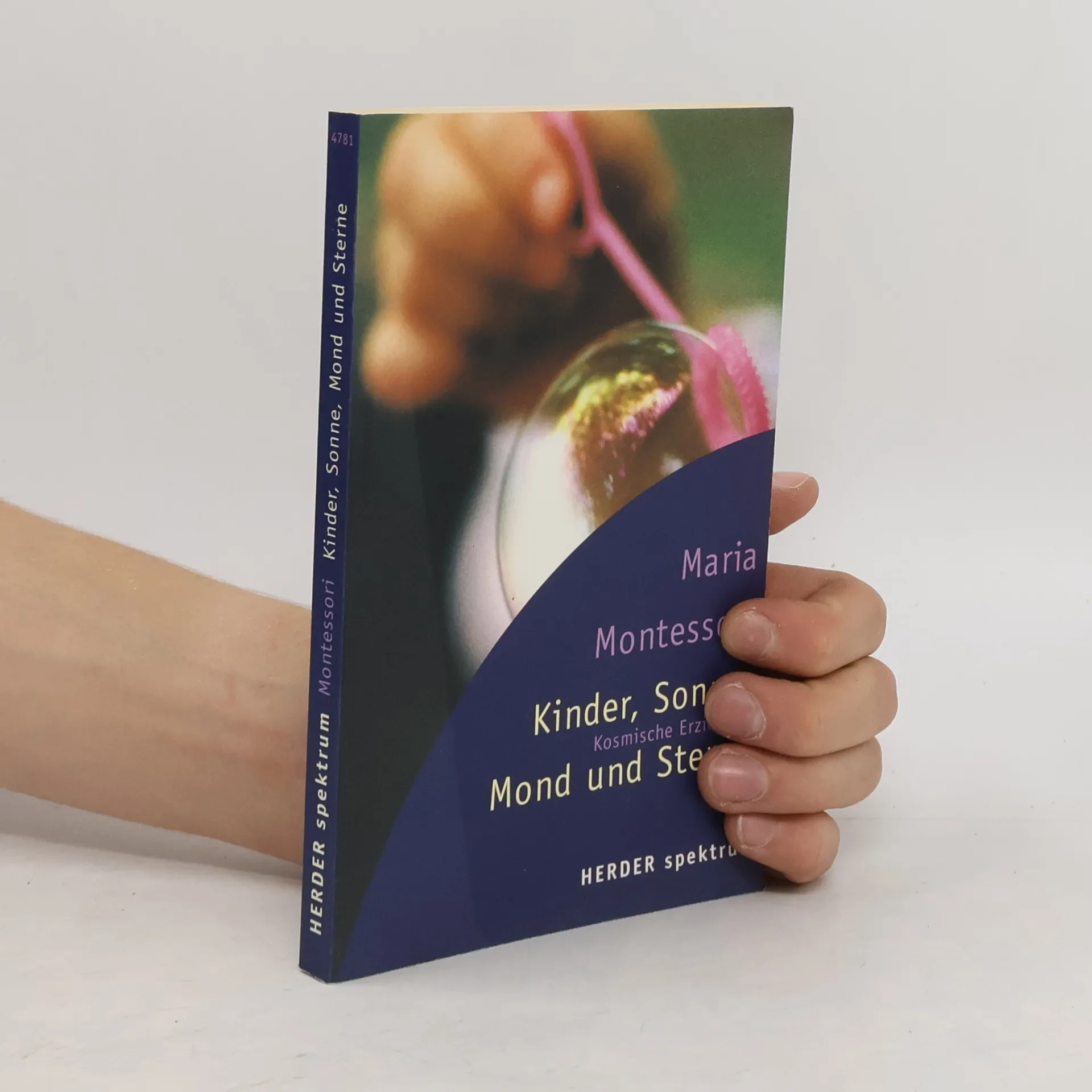
The Montessori Elementary Material
The Original Guide for Teaching Early Education Using the Advanced Montessori Method
- 542 páginas
- 19 horas de lectura
The book serves as an illustrated guide to the Montessori method, emphasizing child development and education principles established by Dr. Maria Montessori, a prominent Italian physician. It explores innovative educational techniques that encourage independence, hands-on learning, and respect for a child's natural development. Through engaging visuals and practical insights, it provides parents and educators with tools to create nurturing environments that foster children's growth and curiosity.
Spontaneous Activity In Education
- 274 páginas
- 10 horas de lectura
Focusing on child development, Maria Montessori's educational system emphasizes self-directed learning and clinical observation by teachers. Classrooms are tailored to children's maturity levels, using self-correcting materials for immediate feedback. Environments often include nature elements to enhance real-world experiences. The approach supports mixed-age classrooms to foster social interaction and development. "Spontaneous Activity in Education" explores various aspects of Montessori's philosophy, including child development, classroom setup, teacher training, and broader social issues.
To Educate the Human Potential
- 91 páginas
- 4 horas de lectura
Intended to help teachers to envisage the child's needs after the age of six, this book is based on the experiences at the Montessori schools, Dr Montessori claiming that: "the average child who has been educated at one of our schools knows as much as the student of several years' seniority".